




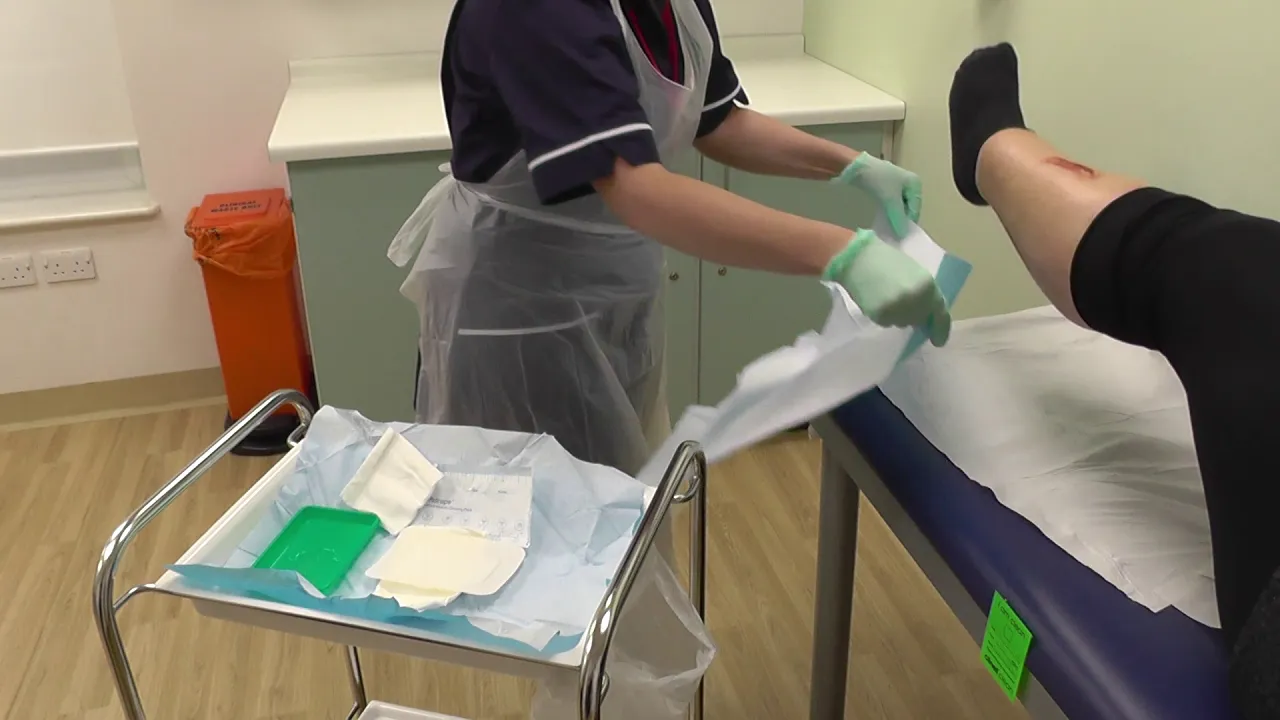










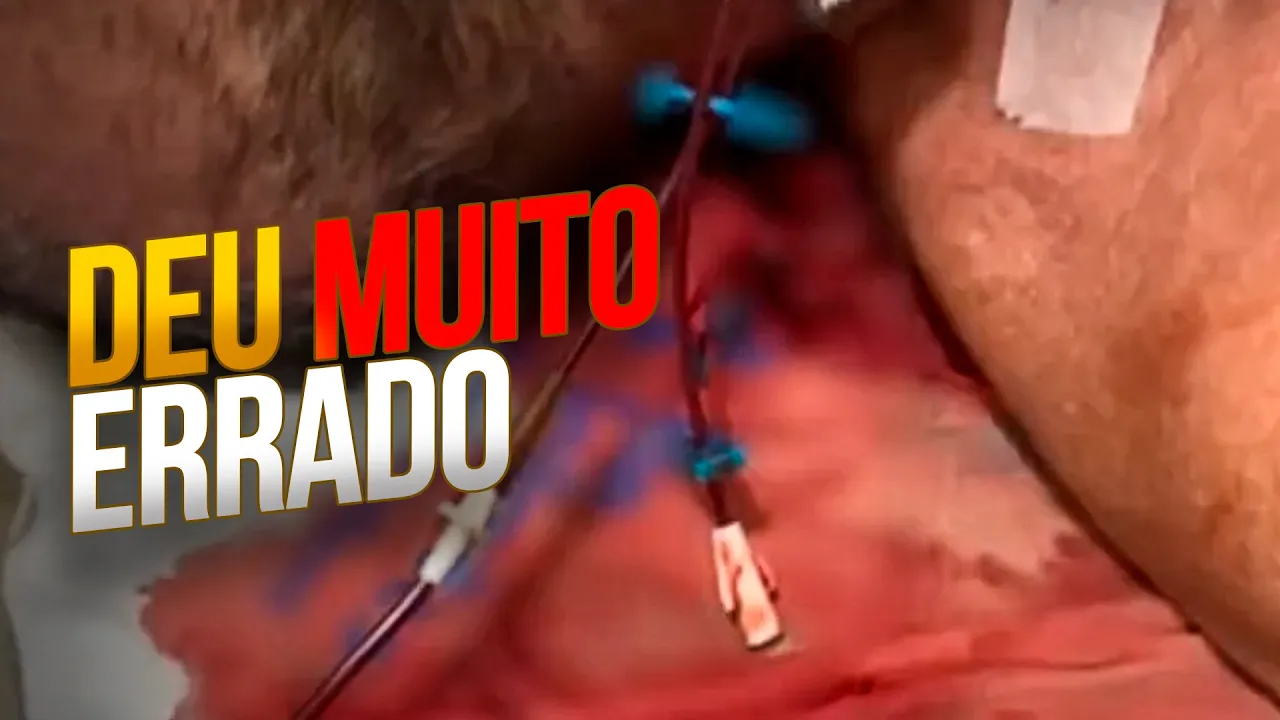




This video demonstrates the proper technique for drawing arterial blood from the radial artery for arterial blood gas analysis, emphasizing patient positioning (seated with arm extended and wrist up), locating the radial artery through palpation, inserting the needle at a 30-45 degree angle, confirming arterial entry by pulsating blood flashback, collecting approximately 2ml of blood, applying pressure for 5-10 minutes, and preserving the sample on ice for immediate laboratory analysis within 10 minutes for accurate results.
Arterial Blood Gas Sampling: Radial Artery Procedure
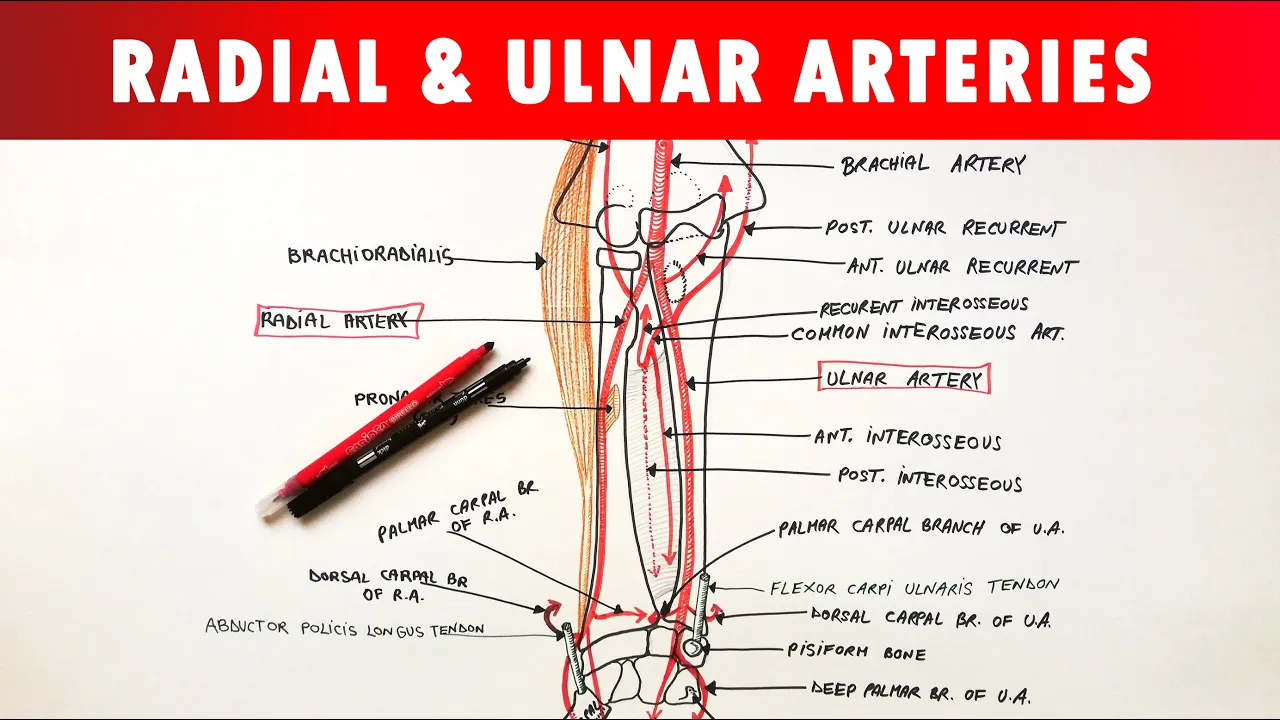
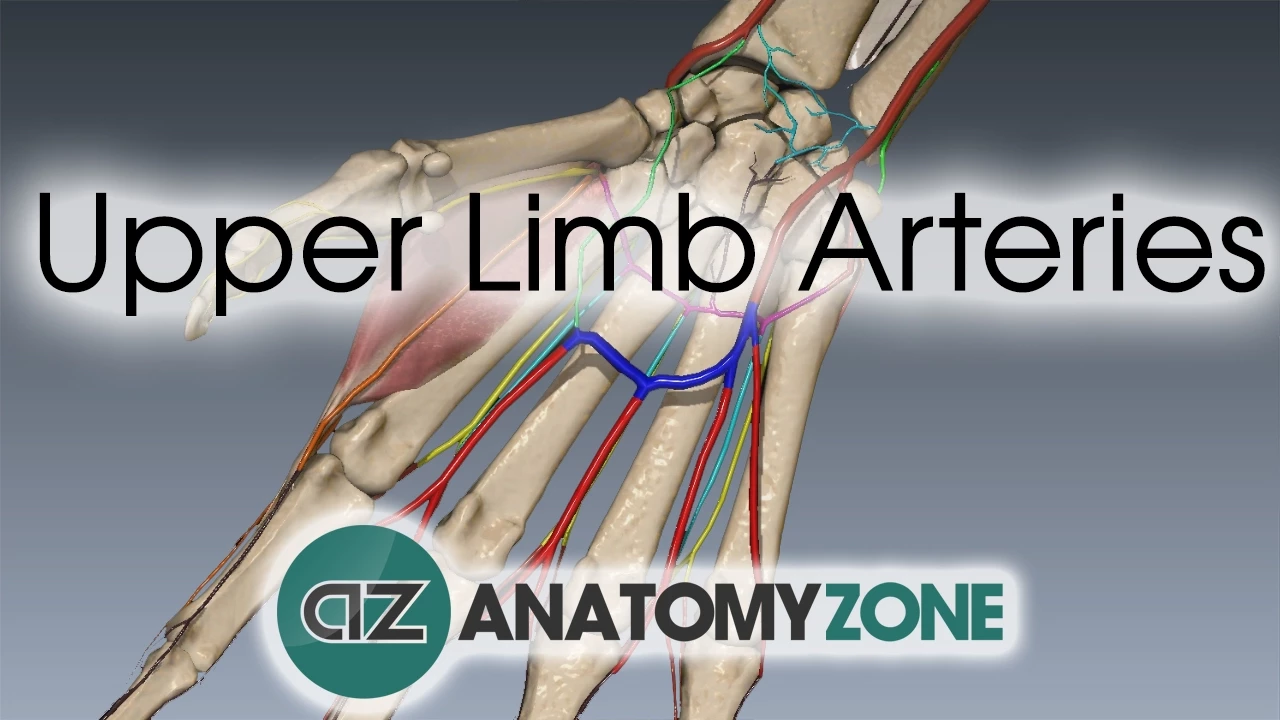
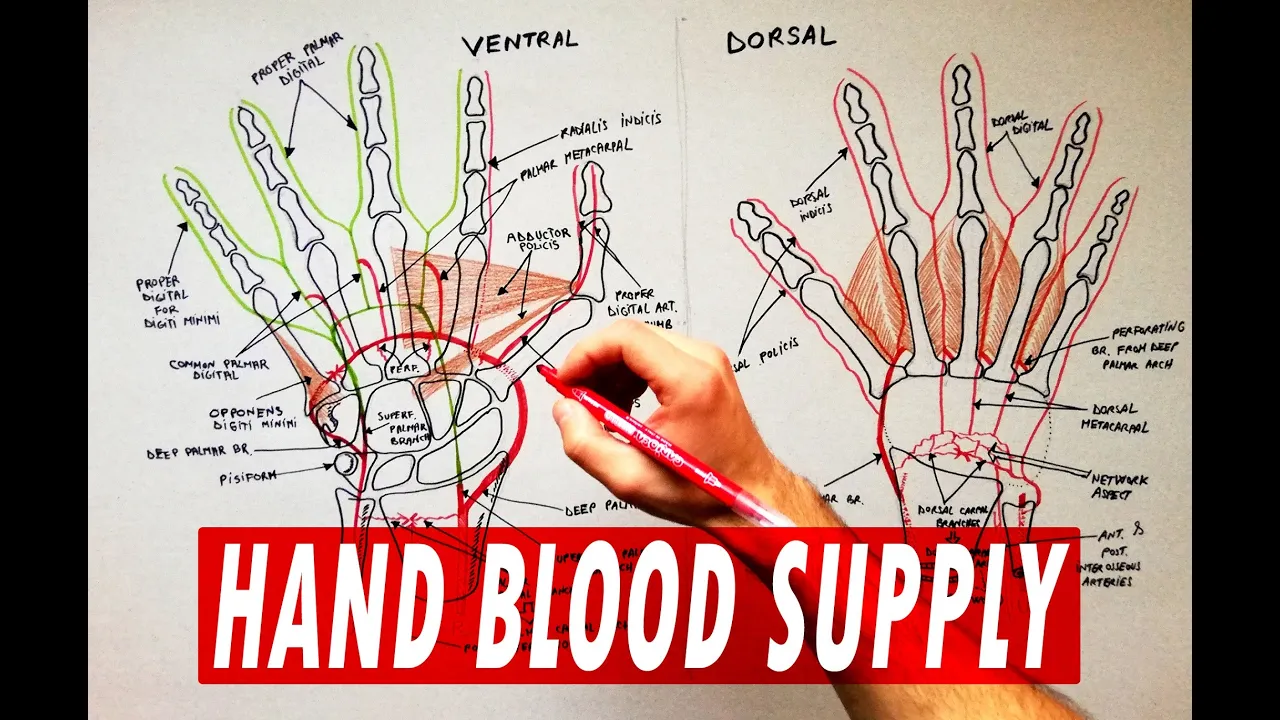
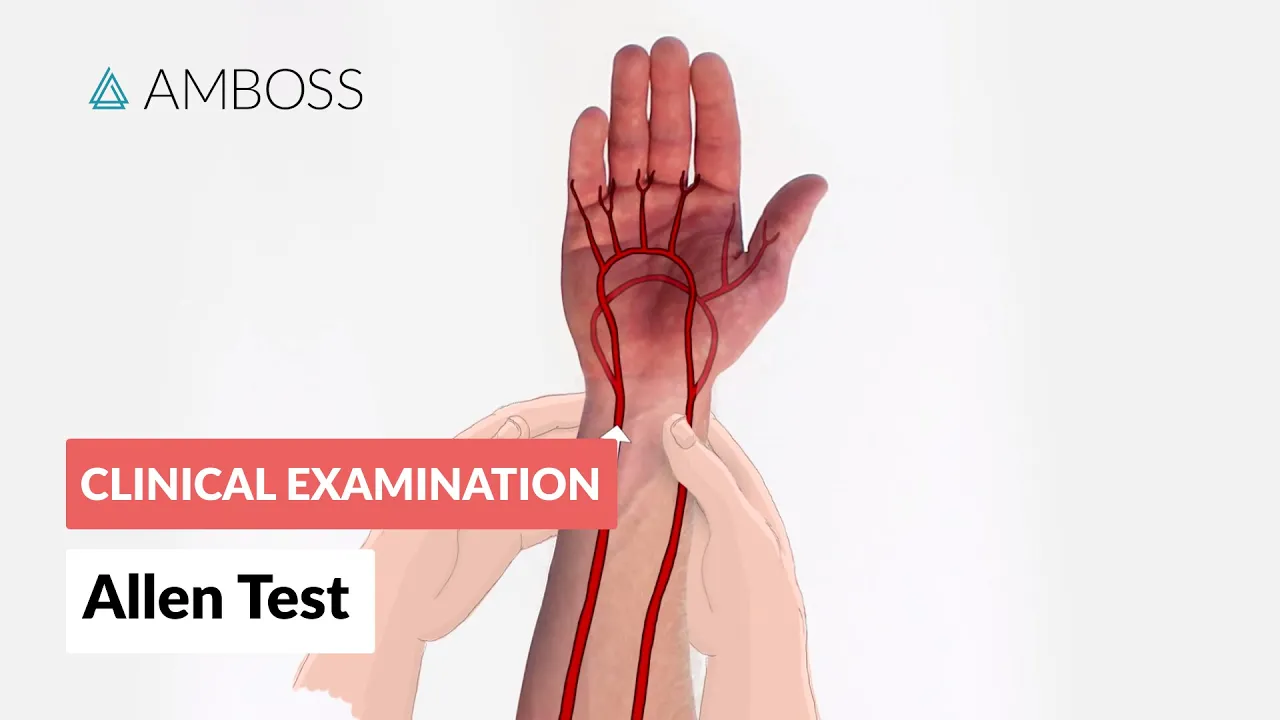
Added:Anatomy of the forearm and hand, specifically the course of the radial and ulnar arteries and the dual blood supply to the hand.
The physiological basis and clinical purpose of the Modified Allen's Test to assess collateral circulation before puncture.
Principles of aseptic technique, infection control, and standard precautions in a clinical setting.
The fundamental differences between arterial and venous blood, including pressure dynamics, vessel wall thickness, and oxygenation levels.
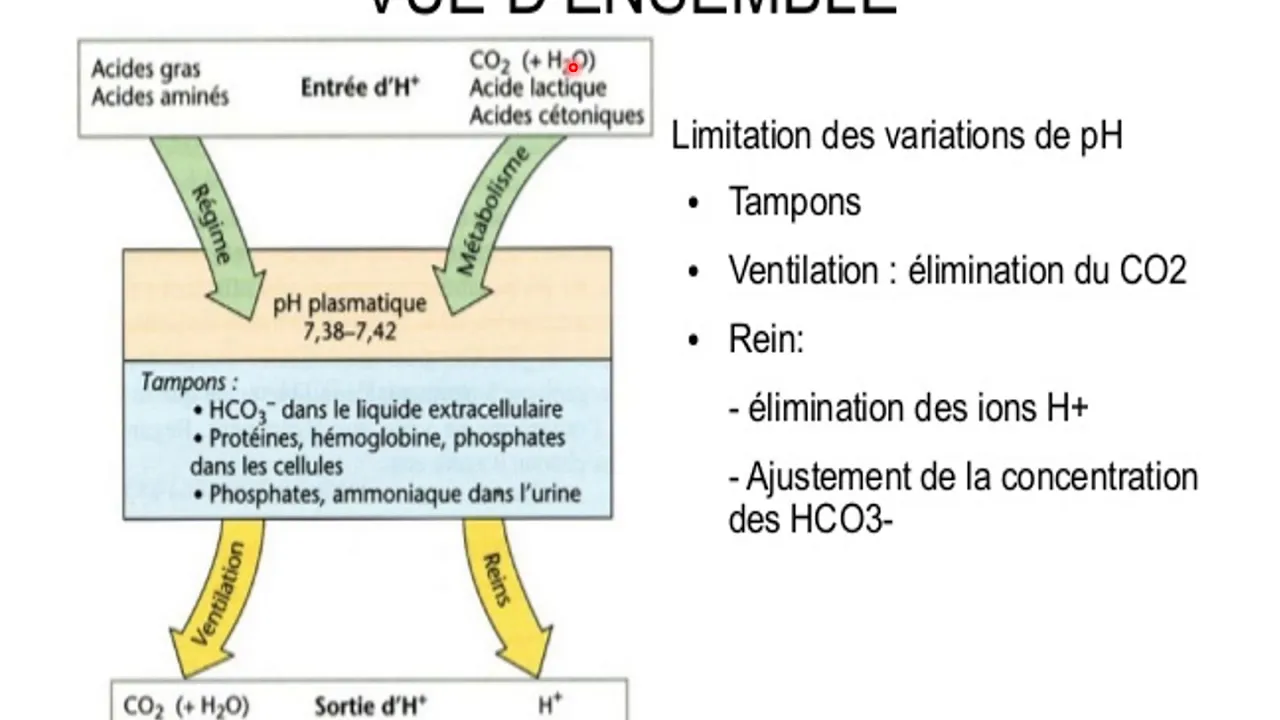
Systematic interpretation of ABG results, including identifying acid-base disturbances (acidosis vs. alkalosis) and metabolic or respiratory compensation.
Management and troubleshooting of complications arising from arterial punctures, such as hematomas, arterial spasm, thrombosis, or nerve injury.
Techniques and clinical indications for alternative arterial sampling sites, such as the brachial or femoral arteries.
The setup, maintenance, and monitoring of indwelling arterial lines (A-lines) for continuous arterial pressure monitoring and frequent blood sampling in critical care.
316.3K views1.8Klikes5:11Original Release: 2013-11-01
project 12C draw arterial blood this project will describe sampling arterial blood using the radial artery drawing an arterial blood gas sample is not as difficult as you may think since arteries pulsate they are easier to locate and unlike some veins arteries don't roll simulate drawing blood using the venopuncture trainer and follow these steps as if in a real clinical situation before starting with the procedure ensure that you have greeted the patient introduced yourself and pause to confirm that you have positively identified the correct patient and that you are performing the correct procedure you have performed an allen test and the result was negative start by opening a clean work surface cover then gather open and assemble the relevant items and equipment on the cover tear open an alcohol prep swab sachche it is important to position the arm correctly the patient should be seated comfortably patients in bed should be in the semi-recumbent position with the arm comfortably extended toward you wrist up and extended with the skin over the radial artery taut perform hand hygiene Dawn sterile gloves and disinfect the sight with an alcohol wipe for 30 seconds and allow it to dry completely for another 30 seconds with the fingertips of your gloved left hand find the area of maximal pulsation of the radial artery you should be able to feel not just the pulsation but also the radial artery as a cordlike structure beneath your fingers visualize the course of the radial artery underneath your fingers in three dimensions in your dominant hand take the syringe with exposed needle attached and hold it like a pencil approach the skin at 30 to 45° in line with the radial artery pointing toward the elbow the needle should enter the radial artery immediately below the gloved fingers of the non-dominant hand keep the skin taut and enter the skin with a Brisk movement once in the soft tissue gently Advance the needle to where you think the radial artery is it is easy to go straight through the radial artery if you rush you may feel a slight give as the needle penetrates the wall of the radial artery once the needle enters the artery you should see a flashback of blood pulsating into the syringe if you don't see blood you have missed the artery and will have to withdraw the needle somewhat and then re aim the syringe toward the pulsating artery instruct the patient not to move the arm or wrist in order to prevent the needle from becoming dislodged blood gas syringes fill automatically stopping at an average of 2 ml if using a reg regular syringe you will have to stabilize the syringe with your non-dominant hand and with your dominant hand gently withdraw the plunger of the syringe once the syringe has filled or sufficient blood has been collected hold it steady to prevent air aspiration and then withdraw the needle immediately place a gauze pad or cotton ball over the sight and firmly apply pressure for 5 to 10 minutes use a tourniquet over the cotton ball to apply pressure place the syringe onto the ice pack ice cubes over the syringe and send it off to the lab right away arterial blood gas or ABG samples should be analyzed within 10 minutes of collection for accurate results discard all Sharps such as used needles syringes and potential Sharps like glass items into a puncture resistant Sharps waist container place other items like used gloves send all items contaminated with blood or body fluids into the Infectious waste bag recheck labels and requisition forms for accuracy perform hand hygiene monitor the sight and extremity for a while for any sign of circulatory problems nerve damage or any other complications to practice drawing arterial blood with the venopuncture trainer do the following fill a 10ml syringe with fake blood and connect to to the smaller vein and let it run through the tube now tightly olude one side of the smaller vein ask a person to sit opposite from you and have them press down on the plunger of the syringe with moderate pulsating pressure to simulate the pulsations of an artery perform the simulation procedure for drawing arterial blood for
Up Next
2:42
PyTorch Deep Learning Framework: Build Neural Networks from Scratch
@Fireship
1.3M views•2023-03-20

12:54
Triumph of Orthodoxy Icon: Byzantine Art & History Explained
@BenCallan
2.1K views•2024-08-06

9:49
FastAPI vs Flask vs Django: Choosing the Right Python Web Framework
@TechWithTim
302.5K views•2024-05-26

1:42
Game of Thrones Opening Credits: A Cinematic Analysis
@gameofthrones
46.3M views•2011-04-18
Related Study Plans & Knowledge Roadmaps
Structured learning paths in General & Interdisciplinary Studies
general-studies
Elevator Engineering: History, Physics & Cities
01From Hoists to Safety Brakes: The Dawn of Vertical Lift
02Hydraulic vs. Traction: The Engineering Physics of Elevators
03Modern Speed, Safety, and Algorithms
+ 2 more learning modules
12h5 modules
Explore Roadmap
general-studies
Rubber: Material Science, History & Geopolitics
01Origins of Natural Rubber & Mesoamerican History
02The Chemistry of Natural Rubber & Vulcanization
03The Geopolitics of the Rubber Boom & Colonization
+ 2 more learning modules
12h5 modules
Explore Roadmap
general-studies
Containerization: Evolution, Logistics & Trade
01Ancient Trade & Bulk Cargo: Amphorae to Barrels
02The Industrial Revolution & Cardboard Packaging
03The Containerization Revolution: Malcom McLean
+ 2 more learning modules
12h5 modules
Explore Roadmap
general-studies
Textile Tech: Evolution, Labor & Global Impact
01Pre-Industrial Textiles: Handloom & Cottage Industry
02Mechanization: The Spinning Jenny to the Power Loom
03The Factory System & Global Labor Transformation
+ 2 more learning modules
10h5 modules
Explore Roadmap