
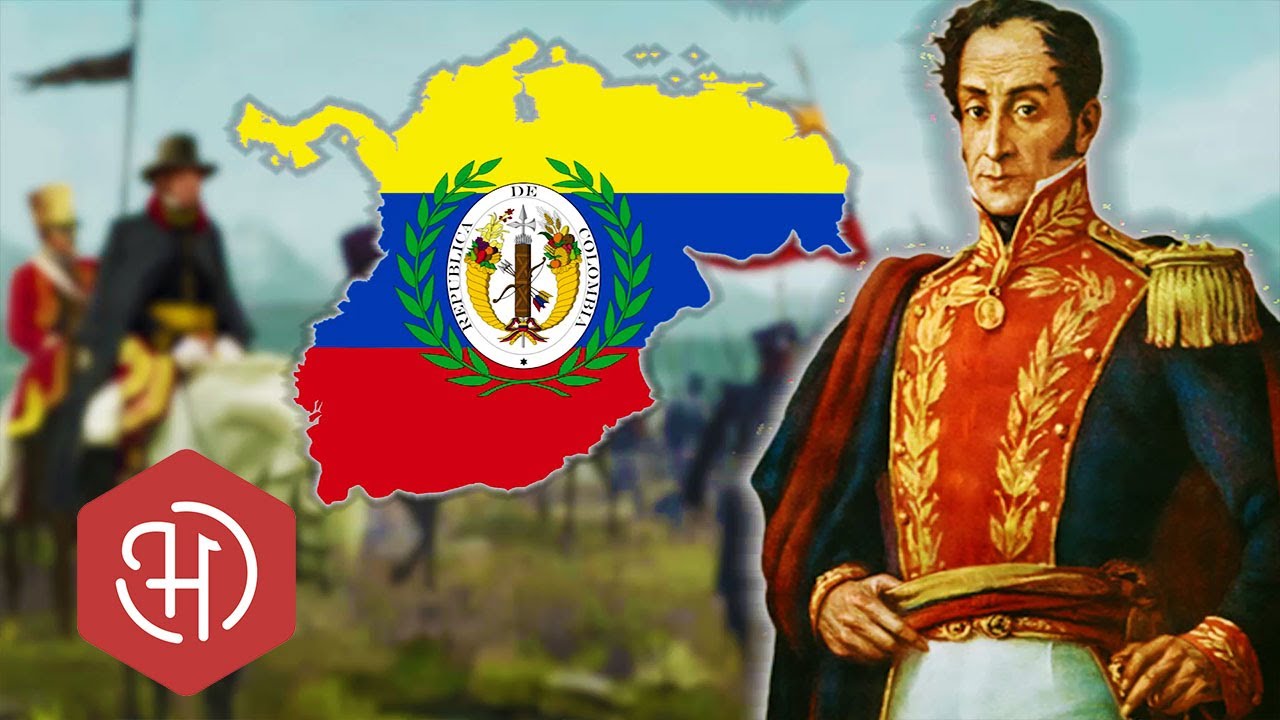


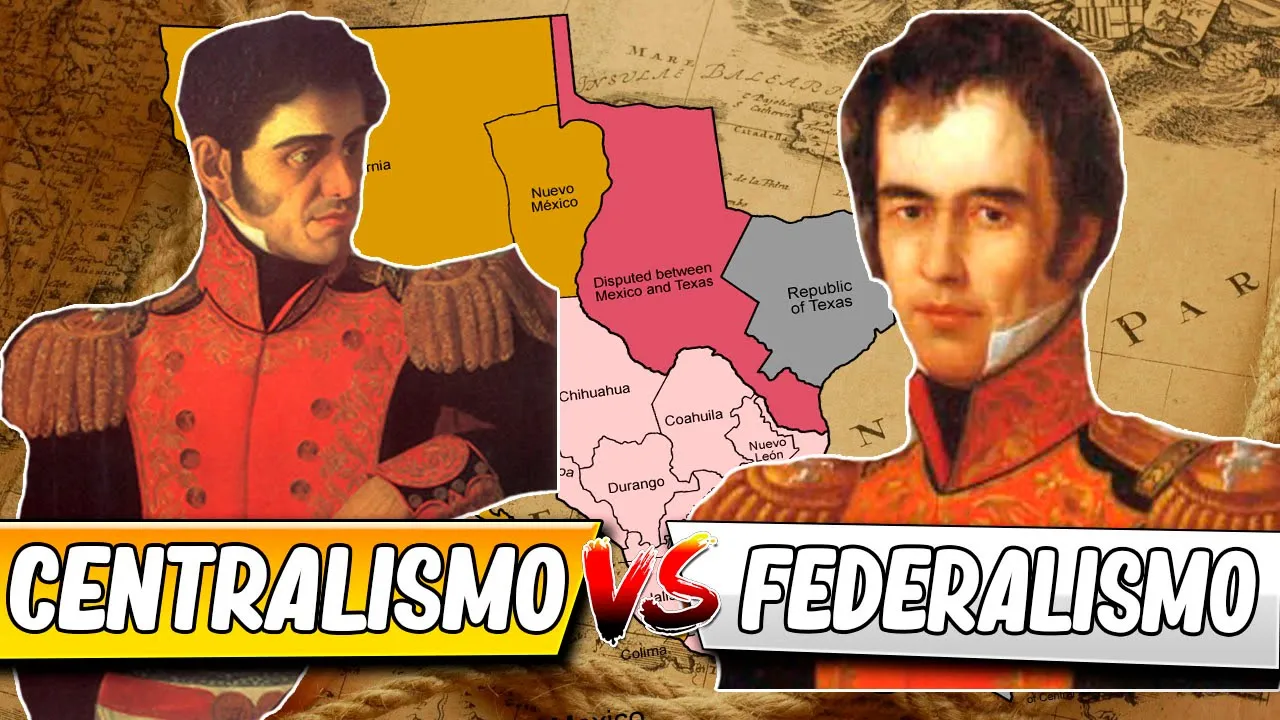


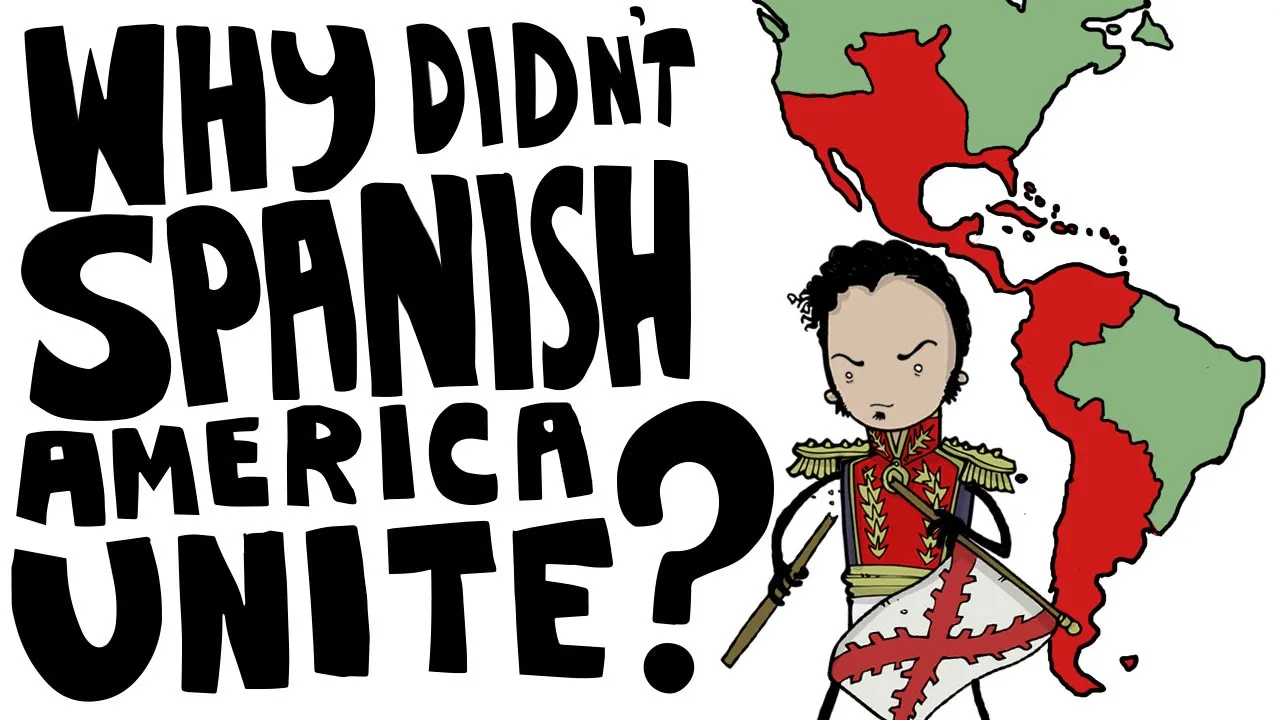

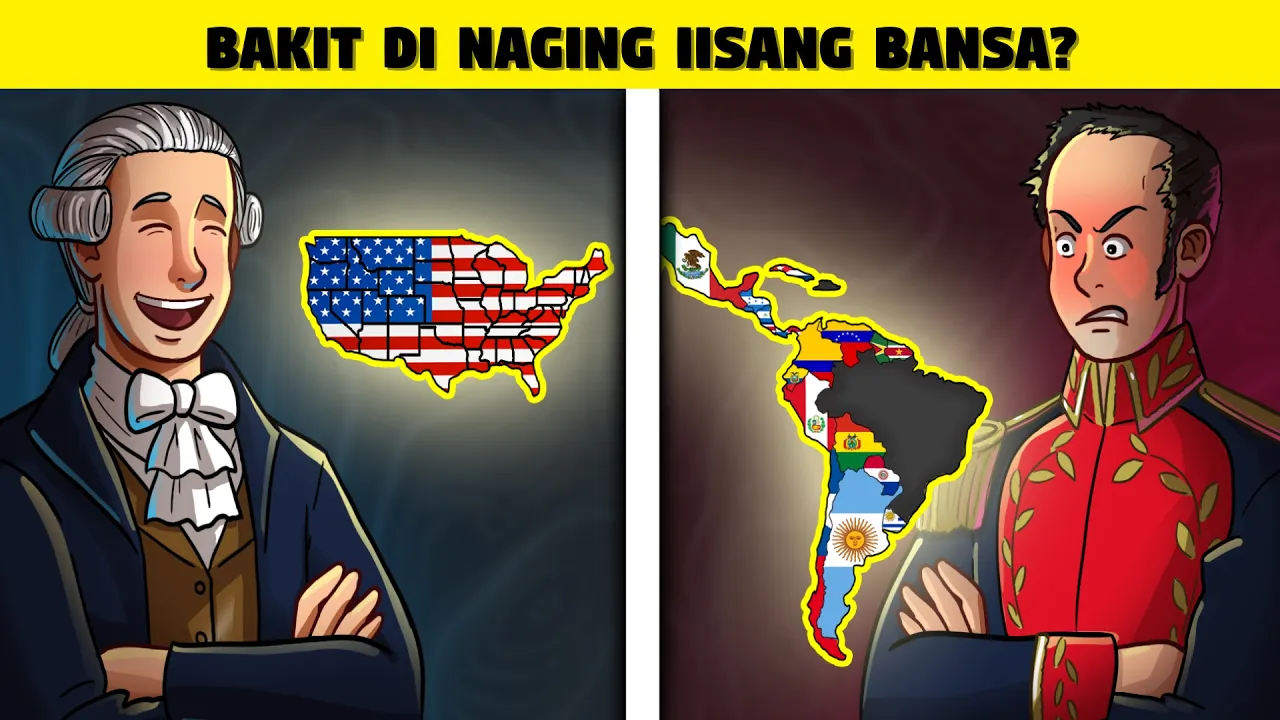















The survival of Gran Colombia under Francisco de Paula Santander's federalist leadership, rather than Simon Bolivar's centralized rule, would have enabled the federation to develop stable democratic institutions, industrialize effectively, and emerge as a significant economic power with control over the Panama Canal, thereby avoiding the fragmentation and vulnerability that characterized its actual historical trajectory.
What If Gran Colombia Had Survived: An Alternate History Analysis
Added:The historical establishment and subsequent dissolution of the actual state of Gran Colombia (1819–1831) under Simón Bolívar.
The political tension between Centralism and Federalism that defined early post-independence Latin American governance.
The geographic and infrastructural challenges of northern South America that historically impeded regional communication and unification.
The foundational principles of counterfactual history and how historians use alternate timelines to evaluate real-world historical causation.
The geopolitical implications of a unified South American superpower on global trade routes, specifically the control and construction of the Panama Canal.
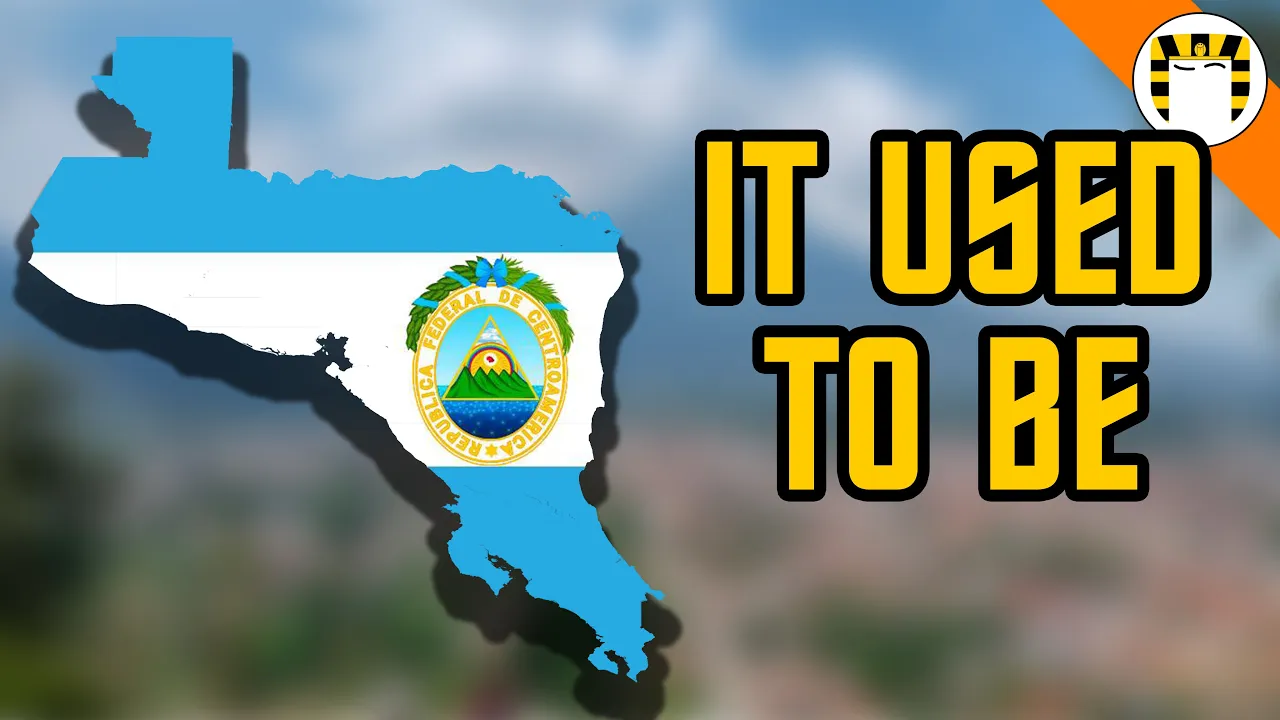
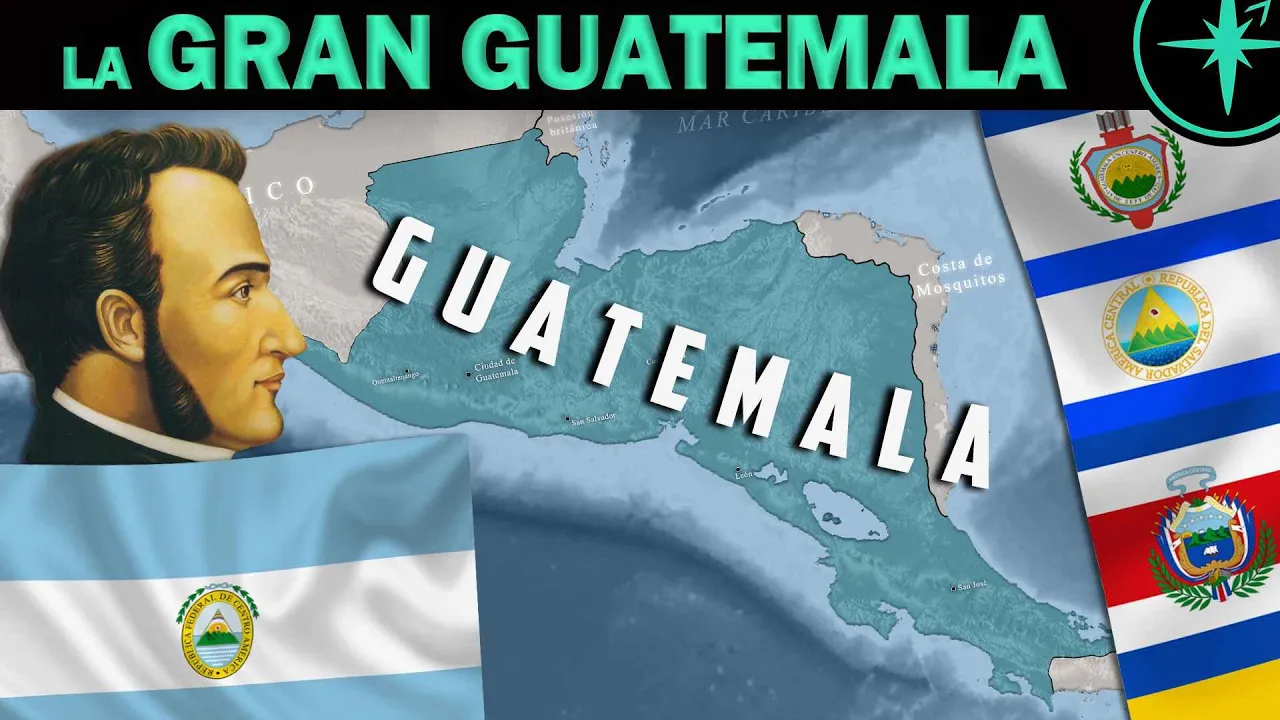
A comparative analysis of other collapsed post-colonial federations, such as the Federal Republic of Central America.
The potential shift in United States foreign policy and the enforcement of the Monroe Doctrine in the presence of a strong, united South American state.
Modern regional integration efforts in Latin America (e.g., Mercosur, Andean Community) and the persistent legacy of regionalism.
14.8K views883likes18:56Original Release: 2025-07-12
Grand Colombia is one of the great what-ifs of the American continents.
Tearing itself out of the Spanish Empire under the leadership of Simon Bolavar, its founder would become its undoing, gripped by ambition and fear of instability. Bolavar would amass greater and greater power, stoking resentment among the people. As a result, his native Venezuela would secede, causing a spiral that doomed the state after a mere 11 years of unity. The breakup would leave the three vulnerable to outside intervention and strong men, a mockery of Bolivar's dream, and a sad fate for what James Madison supposedly called the country of the future.
However, that begs the question, what if Grand Colombia did survive? Would it be able to stand alone against the Europeans and certain other superpowers, or would they spur on its fragmentaryary politics and exploit the division again?
To save Grand Colombia or just Colombia, we need to know why it collapsed in the first place. And yeah, Bolivar really is a big part of it. While he had the military skill to liberate northern South America, he struggled to balance the needs of the nation and coalition with his personal ideology. Bolivar generally argued for centralized power and nationalism while apparently having an inclination toward tariffs and abolitionism. However, the problem is that due to the fact that Ecuador and Venezuela hadn't been run as part of new Granada during the colonial days in addition to Bolivar increasingly amassing power in the presidency, people began to chafe under his rule and the agricultural interests of Venezuela especially led to distrust between the people and the government in Bogota, causing a revolt in 1826. After handling the crisis, the liberator doubled down on his executive power and broke with vice president Francisco de Paula Santende who by the way had been doing most of the government work four years before this because Bolivar was off fighting Ecuador and Peru. Bolivar would later abolish the position of vice president in the first place and attempt to call another constitution to legitimize his government and discredit the federalists and separatists which some might call a soft coup d'eta.
Needless to say, Venezuela dipped and Ecuador followed suit. Bolivar himself retired to Venezuela and would die there. So what are we to do? Well, I think the easiest thing to do is have the 1828 September conspiracy to assassinate Bolavar succeed. While this is after his dictatorship began, it's also conveniently after the 1821 constitution was established, which will give us something to work with politically. This constitution was used in Colombia after the broader state collapsed. So, it does have some staying power, which is useful. In addition, Santandere was vice president at the time and will be able to assume power after the removal of the liberator, which in addition to stabilizing the aftermath of the assassination, also helps us prevent the country from falling into another strong man. With Santander coming to power prior to the secession of the other states, this seems like the best bet to ensure that the federalist model the country needs in order to survive stabilizes. Now, to be blunt, Santandere will need to work hard to save the country at this point.
be constitutional amendments or deliberately throwing a lot of power to the departments by legislation. He needs stealed most of the power that the presidency had amassed since Bolvar assumed power. Santandere actually did become president in postbulcanization Colombia in the 1830s. But this doesn't give us as much reference as you might think. Basically, every English source I can find on him amounts to his presidency's broad themes of federalism and democracy, but little in the way of policies he pursued in these goals.
Wikipedia does say that his second term saw him embrace an alternate form of protectionism such that he supported economic outreach to the rest of the Americas, but not much else. And of course, the only source it cites is a Spanish book. And while I can certainly hold a basic conversation, I don't think I can parse any decent biography of a political figure. So wiki is more important here than I normally like.
Regardless, the Constitution of Colombia is very similar to the US with a federal model and a biccameal legislation. Each state got four senators with two serving a two-year term and the other serving a four-year in addition to one representative for every 30,000 people.
According to Wiki data, the country had about 2.58 million people in 1830, giving it a total of 86 delegates in the House. The US at the time had a population of around 12 million and 213 in the House of Representatives if you're wondering. Now, I don't want to just copy paste Colombian political history onto this timeline since that would be pretty boring. But we do need to figure out what we're working with here. While the centralist federalist divide continued, it seemed that the federalists had begun to break between Santandere and his more liberal opposition with the Bolavar sidelined after his death. Now, Venezuela in particular was a more rural agrarian region for the time. This was a major factor in the struggle against Bolivar in the first place, even if their democracy was relatively unstable after they broke free. As a result, I would imagine that they would strongly support the liberal party. However, the Colombian constitution at the time also gradually emancipated slaves which could cause problems for the large Oienda and plantation estates throughout the larger federation. Plus, there was also a civil war in Colombia specifically when Joseé Ignacio de Marquez Berto won the presidency in 1836. But Santandere liberals began to amass opposition to him eventually spilling out into the war of supremes. While the government won, it enabled centralists to amass power in the aftermath. But if we have Colombia go too far towards centralization this early, that will only cause greater instability and potentially result in a secessionist flare up from Venezuela and Ecuador. Something else to consider is Peru. The two states disagreed on the border of Ecuador, which was one thing.
However, Bolivar also had a pension for Pan-Americanism and wanted to more or less unite all of Spanish America under Bogotaas banner. While this was likely impossible, and he never really controlled Peru enough to push this dynamic, had liberated Bolivia and installed a sympathetic leader in the aftermath, which you can probably tell from the name. With Bolivar's departure from the region, however, Peru quickly invaded in an effort to assert its own claims based on the vice royality of Peru and expel the Colombian influence.
That particular play went off without a hitch for Lima. But the expulsion of the Colombian soldiers left Bolivar furious and caused him to declare war, which lasted for several years and ended in the deacto recognition of Peruvian claims, at least for a while. Here though, Bolivar is already dead if Peru invades on schedule. For the sake of simplicity, we'll say that they do.
However, Grand Colombia had a bit of a lackluster army during the conflict. So did Peru, but it was still better off.
And even Bolivar Skill as a general wasn't able to overcome this. So at least for now, I think this war goes similarly enough to our timeline.
However, this will not be their only major conflict. Now, if you've watched a single one of my videos, you know that I put a lot of emphasis on education and literacy in them. I view it as instrumental to a modern society, diversification of economic labor, and a high standard of living. Now, Colombia and Venezuela both introduced compulsory public education around the same time, the 1870s to 80, albeit Venezuela under a dictatorship. However, both states had trouble getting rural populations into these schools and the church was opposed which led to predictable problems.
According to the World Education Review and News website, even in 1970, over 70% of rural children were unenrolled in Colombia, though they had one of the highest rates of enrollment growth since then. Fixing that earlier requires significantly increasing the rate at which the country urbanizes more than anything else, and undermining the Catholic Church. For context, urbanet getting its own numbers from the UN, only about 40% of the country's population were considered urban in 1950. The US at the time had about 70% of the population living in urban centers with some wiggle room due to the definition and range changing. In 1870, this was more like a quarter. If we make the admittedly flawed assumption that these ratios are comparable over that entire length of time, that means that Colombia had less than 15% of its population in urban areas where it can effectively enroll them in schools. To summarize that tangent, the most popular part of Grand Colombia was significantly less urbanized than the US at the same time, and it had a harder time educating the rural majority as a result. To be honest, the only way I really see to fix this is increasing the urbanization, like I mentioned, which with more stable democratic politics and less consistent civil waring, the country could draw more investment from Western powers like Britain, France, and the US, prompting industrial growth that stimulates movement into the cities. Because history is just a giant chain reaction.
Oh, and while we're here, this probably draws more immigrants from Europe who would also mostly go to the cities.
Realistically, this would probably cause a greater push for education to be made free and compulsory than in our timeline. But for the sake of coherence, we'll say that it's brought about around the 1860s to 1880s, like in our timeline. I don't really have a plausible number for the enrollment or literacy in this video, but this is what I can do here. Naturally, increasing Colombia's urbanization and keeping it a more federalist model will affect its politics. Now, in our timeline, Colombia did have both a conservative and liberal party, but I think we'll take this in a more parliamentary direction.
Contemporary Ecuador is a more multi-party system than the others, and much like every other video on the subject, I've neglected them until now.
Given that Venezuela is still more agricultural than the rest of Grand Colombia and historically had a hot bit of secessionism, I suspect that some sort of Venezuelan nationalist party would be popular there for a while, though would likely die down or evolve into a more conservative regionalist party as time goes on. and Venezuela is more integrated into the federalist model of Colombia as a whole. Since we're also increasing how urbanized and densely populated the country is and using that to stoke industrialization, there's likely also a broadly socialist/ labor party, but that would likely come up later around the 1870s to 1890s.
Regarding the executive, that's a little tricky. Up until 1914, the president was elected by Congress in a similar mechanism to choosing a prime minister, but subsequently they were elected by the popular vote. Panning out to the rest of Latin America, let's take stock of the situation around the 1850s.
Central America has blown up into its constituent states. Mexico has just lost the war to the US and will likely go down a similar path to our timeline.
Brazil is a potential problem for Colombia, but they don't actually have too many areas of conflict. The Western Amazon isn't exactly the most developed part of the country. However, Bogota does have a few things to be wary of. US influence in Central America and Peru.
They've already fought a war in this timeline, and the territorial dispute isn't quite resolved yet. I can absolutely see this boiling over into another war. 20 odd years after last time and Colombia does now have the advantage in terms of population and industry at this point. Though this still isn't a fun place to be fighting.
Colombia may also try to bribe Bolivia into joining since the Peru Bolivian Confederation also had a messy breakup.
I'm not sure when this war breaks out specifically, but I do think it's very likely to happen before the 1880s. Also, they probably claimed the Esqibbo territory along British Gona, but acting on that prematurely sounds like a great way to lose your primary trade partner.
Sorry for the quick interruption, but if you're enjoying the video, please consider like and subscribe. It really helps the channel grow. Jumping ahead further, Colombia will come into conflict with Europe and the US over the Panama Canal, or rather the hypothetical canal. See, in our world, the US wanted to build and own the canal. And Colombia did not want to seed the territory and lose all that money. So, Theodore Big Stick Roosevelt sponsored a rebellion in Panama against Colombia and secured a canal treaty with the provisional government. Here, however, Colombia likely has the means to fund its own canal. And while there's probably some panameanian secessionism due to their neglect in the early stages of the country, I think that it would die down by this point. As a result, the US is either forced to accept the Colombian Canal and pay up or sponsor one in Nicaragua. I'm honestly not sure which would be the likeliest event since the Panama Canal would still be completed sooner and British capital especially might just go with it, which does limit the US's ability to fund their own canal. It was a joint project. The US was the diplomatic heavyweight bell.
This puts Colombia in a very enviable position since now they have massive economic leverage over trans oceanianic trade in a way that no other country does except for Britain. In addition to this, they do have quite a bit of coal to help them industrialize more comfortably, which pushes them into a powerful economic position.
Demographically, however, the country starts to fall short. According to the World Population Review, Grand Colombia would have about 8.4 million people in 1900. According to the same source, the US already has nearly 75 million and Brazil around 18. Now, Peru only has about 4 million, so they do have that going for them. But I think these numbers preclude Grand Colombia from being a great power or even much of a rival to the US, but it's not a poor country by any means and will certainly carry a great deal of diplomatic and economic weight. Now, these numbers are a little wonky because of the wars with Peru, lack of civil war and conflict in the country, and the attraction of immigrants. But I feel like the most I could squeeze out of that is 12 million, which is still in second place behind Brazil. Hell, Mexico in 1900 has at least 13 million. Now granted, the average Colombian will have a much better life than his contemporary in Mexico, but still. Now, what is interesting is that Europe's dynamic with South America will still be heavily affected, even if Colombia itself isn't a power player. The role the US play in the World Wars was seriously impacted by the state of South America. We already touched on Colombia claiming the Essibbo territory from Britain, but later on they and the Germans, as well as other powers, parked boats outside of Venezuela to force a debt repayment.
Britain wasn't happy to be there and was quick to accept American mediation. But Germany was much harder to persuade. But when it was clear that Roosevelt was genuinely considering war, the Kaiser was cowed. This, for the record, is why I'm very skeptical of American central power scenarios. German expansionism was all over the planet, and the US and Britain were both getting tired of it.
But in this timeline, not only is Colombia less likely to be in such severe debt in the first place, but command over the canal and the fact that their navy is likely much better off pose problems for the Europeans that didn't exist in real life. As a result, Germany lacks a reason to be nearly as antagonistic and nearly blunder into a war, which could shore up remaining pro-German sentiment in the US. I don't think it would really be enough to affect the political establishment. The US and Germany were already beefing over Samoa and to an extent China, but it's certainly worth considering. There is also the Esqueebo dispute to consider.
Now, normally I'm all for approaching plausibility regarding a minor dispute like this, but honestly, I don't think it's in the cards for Colombia. Even with the Panama Canal and a much greater industrial base, I don't think they can really handle the pressure from the British in the event of a war. There is the possibility of Americans getting involved, but it's not guaranteed. Yeah, I don't think that Colombia gets the Esqueebo territory. Honestly, probably good for them in the long run given that Guyana has a majority creole Protestant population. Not the best for a Hispanic state that is majority Catholic. We're going to mostly skip World War I since I think that Colombia would stay neutral or join the Anton in like 1917 and send a token force. In general, while Colombia has a high standard of living, it lacks the manpower to project power overseas, being outmanned by Brazil and completely dominated by the US. As a result, Grand Colombia's survival doesn't have as much impact as you might expect on the outside world. If we have the Great Depression go ahead like I normally do when World War I happens close to our timeline, then this will be exacerbated by the economic crisis. Now, Colombian democracy almost certainly survives given that a much poorer and less stable Colombia was able to preserve it and that was with a much less literate population. Though I do think that there would be major political upsets domestically. If the Socialist Party hasn't started challenging the liberals or conservatives for the position of second party, it will be after the onset of the depression. Similarly, if indirect elections are still the norm by this point, I suspect that that will be the subject to major controversy by now.
Colombia does have a bigger impact on World War II than it did the first round for a few reasons. Firstly, because the US doesn't own the Panama Canal and the fate of the Nicaraguan alternative is uncertain, the two ocean Navy act is a lot harder to pull off politically and logistically in addition to the rest of naval rearmament, which the US knows will need to be fit for service on both coasts. And given that, according to EPCO, the USN was unprepared despite the bill anyway, that is not a good sign.
However, it is very difficult to overstate how outclassed Japan was in terms of industry. That said, Colombia itself is democratic and the US leverage over the country would increase with the outbreak of the war in Europe, which does mean that even the reduced US navy would likely have access to the canal.
Ecuador and Peru actually went to war over their old border disputes. Though Peru naturally crushed the smaller state. However, if that war breaks out between Peru and Grand Colombia, things get interesting. Even the Colombian state of Ecuador would be a tougher nut to crack due to being part of a federation capable of investing more into the border. And even if Peru isn't an axis power, I doubt that FDR would appreciate a protracted conflict between the two countries. Colombia, willing or not, has been pulled into the Allied camp and is vital for American preparation and arament, making it a key part of Western war planning. So, after the attack on Pearl Harbor, the US begins pressuring Colombia to declare war on Japan in exchange for American involvement in Peru. This obviously slows the Pacific War to a relative crawl, possibly giving Japan time to push deeper into Bengal, but we'll get to that. The Peruvian War is, I won't say, easy given the mountainous nature of the country's geography and the fact the US naval power is reduced from our timeline, but it would certainly be the first to fall. American soldiers would pour into the Ecuadorian front, cutting their teeth in battles of Zamora and the Tumbus River instead of North Africa.
But frankly, Peru will not be able to compete. Colombia has over 15.5 million to their 6.6, and the US has 133. In 1943, the US had mobilized about 5% of their population into the army alone.
For realism and to account for the fact that Japan still exists and the American logistics are worse than in our timeline, we'll say that of the US Army's 7 million, about 5% go to Ecuador. That's 349,000 soldiers. If we're slightly generous to Grand Colombia and have them also mobilize about 5% of their population, that's another 775,000.
In contrast, that same ratio for Peru gives us 333,000 soldiers. They are doomed. Now, Peru would have to be a little insane to start this conflict. And in our timeline, its leader was pro-American.
But it is worth considering that in this timeline, they've been able to present themselves as rivals to Colombia despite the population disparity. And it's easy enough to shuffle the politics of a defeated nation to get a more pro-German or at least not pro-American government into power. And frankly, this video has felt even more similar to our timeline than normal. So, acknowledging the unrealistic context of the war, I think we can agree that with American involvement in the conflict, Peru would be lucky to last in 1943, right? They have a third of the active soldiers and a fraction of the industrial base of their primary opponents. And that's if the British soldiers in Jamaica don't get bored and come join them. The Peruvian front does have consequences for the wider war. The US conflict with Japan is more limited from 1942 to 1943 on top of the naval limitations. Though to be fair, Colombia's own navy would likely join up, and while it will be much smaller than the other powers, it would certainly be another problem for the Empire of the Rising Sun. Thus, while Japan is still hopelessly outclassed in the wider war with the Western Allies, they might be able to drag it out a bit longer, possibly into 1946. Admittedly, I'm not sure how much this actually affects the postwar. I suppose it's possible the US isn't able to bully its way into southern Korea, but that assumes Stalin even willingly gets involved when it looks like Japan is still able to be a nuisance for the Americans, which he was not eager to do.
Pivoting back to Colombia, they and the US get control over Peru post war, and their companies likely dig deep into the country. The reconstruction of Peru also likely sets up a stronger democratic system, probably similar in theories to Colombia, but I'm not sure on the details. Going forward, Peru and Colombia are very heavily tied into the US geopolitical orbit. While Bogat might be powerful enough to occasionally tell them off, I would readily expect them to be a founding member of whatever postwar organizations DC establishes, such as the UN and the counterparts of NATO. I doubt they go with a permanent UNC seat, both because the Soviets probably don't think they'll be anti-American enough, and they'd likely run into the same cost concerns that Brazil did when they were offered it, but it is worth considering.
Going forward, I'm not sure what happens. Colombia in this world has a much higher standard of living and has a vibrant multi-party democracy. In addition, with a highly industrialized economy and the Panama Canal, they have a great deal of economic leverage, albeit held back by a population utterly dwarfed by the US and other traditional powers. After World War II, they emerge as a prominent member of the US block, perhaps comparable to Italy or France in terms of hard power and are likely a target of Soviet espionage. Before we go, I would like to say a few things.
Firstly, thank you to Daikami, Grimwalt, and Nafamato for supporting the channel as members. And a special thank you to Grim Walt for joining at the exclamation point level. Second of all, I'm so sorry this video has taken as long as it has.
I'm not sure if it's burnout or just writer's block, but this has probably been the hardest video to write so far.
I appreciate your guys' patience and support and really do hope to get back to a weekly schedule sometime soon.
Finally, thank you guys for 30,000 subscribers. It really means a lot.
Thank you for watching and join me next time as we explore another alternate
Up Next
12:54
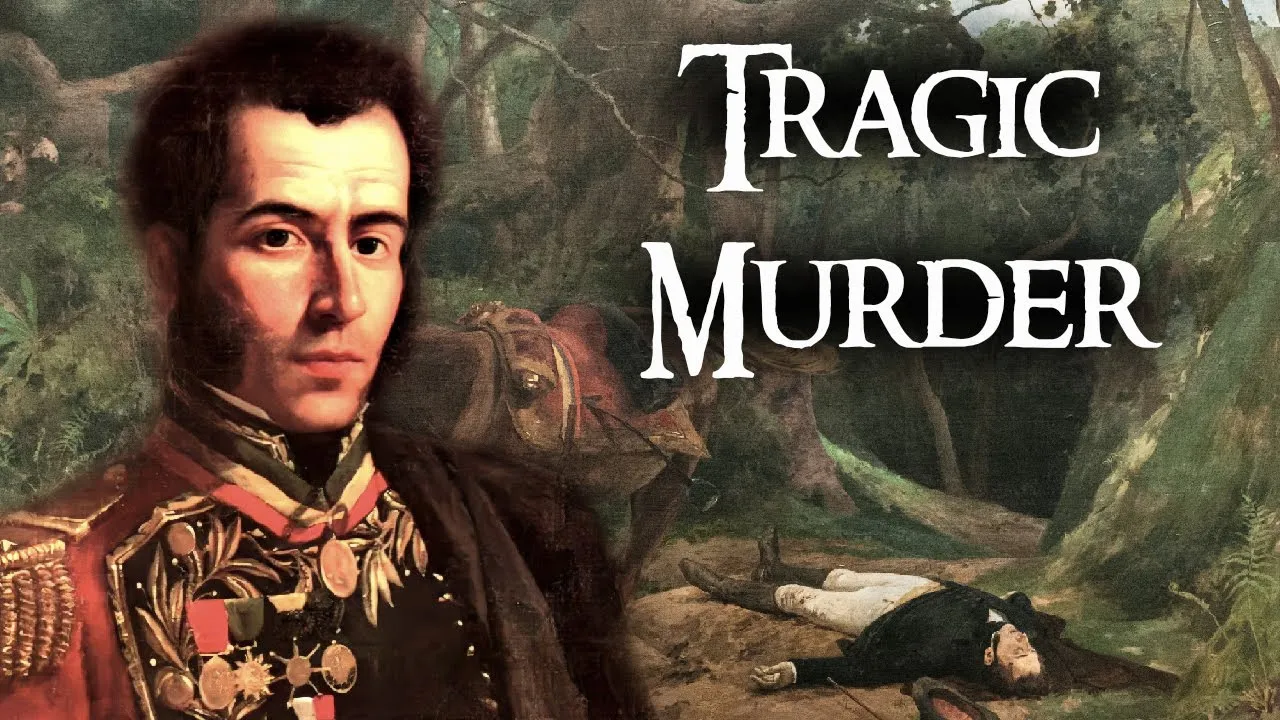
Antonio José de Sucre: The Assassination of a South American Liberator
@unfortunateends9240
11.4K views•2021-04-18

33:02
The Great Schism of 1054: Causes and Consequences
@SacredCathedrals
113.5K views•2026-02-19
91:57
The Geopolitics of the Ukraine War and the Rise of Global Autocracy
@JordanHarbingerShow
468K views•2025-04-19
17:05
Understanding the Cold War: Superpower Conflicts and the Road to Détente
@OverSimplified
46.1M views•2019-01-24
Related Study Plans & Knowledge Roadmaps
Structured learning paths in History
history
Byzantine Iconoclasm: Theology, Art & Politics
01Foundations of Byzantium and Early Christian Images
02The First Iconoclasm: Leo III and the Crisis of Images
03Empress Irene, Nicaea II, and the Second Iconoclasm
+ 2 more learning modules
9h5 modules
Explore Roadmap
history
Iranian Revolution (Causes, Events & Legacy)
01The Pahlavi Dynasty and the Roots of Discontent
02The Spark of Rebellion and the Rise of Khomeini
031979: The Fall of the Shah and the Climax of the Revolution
+ 2 more learning modules
8h5 modules
Explore Roadmap
history
Mali Empire: Mansa Musa, Trade & Timbuktu
01Foundations of the Mali Empire
02The Trans-Saharan Gold and Salt Trade
03The Reign and Pilgrimage of Mansa Musa
+ 1 more learning modules
6h4 modules
Explore Roadmap
history
1947 Partition: Politics, Borders & Legacies
01Foundations of British India and the Divide
02The Political Negotiations and the Mountbatten Plan
03Drawing the Boundary: The Radcliffe Line
+ 2 more learning modules
8h5 modules
Explore Roadmap