In Maya mythology, Xibalba was a terrifying underworld ruled by lords of disease and death, where the hero twins faced deadly trials including darkness, knives, cold, and jaguars; however, they overcame these challenges not through physical strength but through resilience, wit, and adaptation, ultimately defeating the lords of death and demonstrating that the greatest darkness is conquered not by fearlessness but by understanding and resilience.
The Maya Underworld: Xibalba and the Hero Twins Myth
Added:Deep Dive
Understanding the basic geographical and historical context of the ancient Maya civilization.
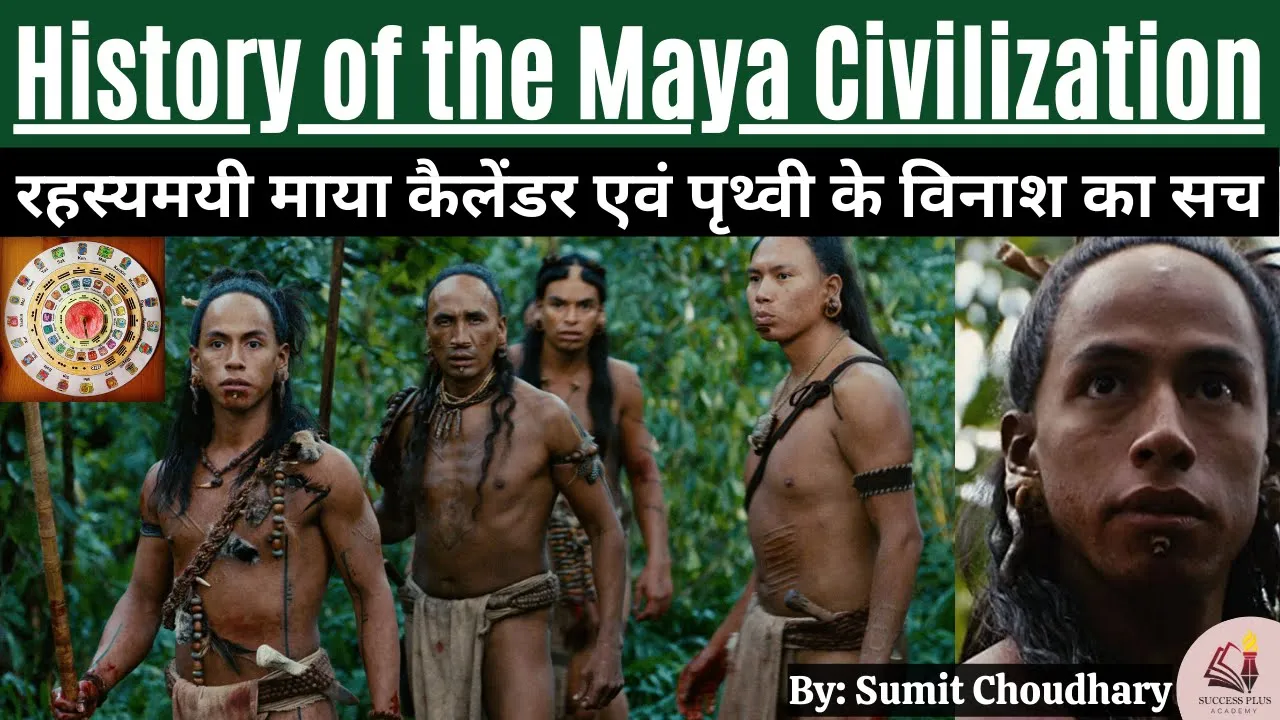
Mayan Civilization - History, Geography, Politics, Society and Maya calendar
241.4K
The Maya civilization was an ancient society located in Mesoamerica, covering parts of modern-day Mexico, Guatemala, Belize, Honduras, and El Salvador. At its peak, the civilization had a population of approximately 20 million people. The civilization flourished from around 250 AD to 900 AD, representing one of the most significant pre-Columbian civilizations in the Americas. The Maya history is divided into distinct periods: the Archaic Period (7020-2000 BC) saw the transition from hunter-gatherer societies to agricultural communities; the Preclassic Period (2000 BC-250 AD) witnessed the development of villages and early city-states; the Classic Period (250-900 AD) represents the civilization's golden age with major city-states and monumental architecture; and the Postclassic Period (900-1524 AD) marked the civilization's decline.
Click to watch →

Sleepy History: The Maya Civilization — Life in the Jungle Cities
156
The Maya civilization flourished in Mesoamerica across southern Mexico, Guatemala, Belize, and parts of Honduras and El Salvador. This region featured extraordinary geographical diversity with volcanic highlands to the south and limestone lowlands to the north. The Maya developed sophisticated astronomy, tracking Venus with remarkable precision, and created elegant glyphic writing systems on limestone monuments. Their civilization was characterized by towering pyramids, sacred temples, and complex political systems of independent city-states. The Maya built their world gradually over more than 2,000 years, shaped by geography, climate, human ingenuity, and cultural evolution. Understanding this geography is essential to understanding everything that would follow—the achievements and challenges of the Maya world.
Click to watch →

OS MAIAS - A HISTÓRIA EM MINUTOS
310
The Maya civilization originated in the territory between the Valley of Mexico and the Yucatán Peninsula, which corresponds to the southern region of modern-day Mexico. This region was initially occupied by various agricultural peoples around 7,000 years before Christ, who utilized the excellent climatic conditions and fertile soils to establish villages that evolved into major cities by approximately 1000 years before Christ. Around 200 AD, the Maya successfully conquered and unified the region previously controlled by the Olmecs, Zapotecs, Mixtecs, and Teotihuacans.
Click to watch →
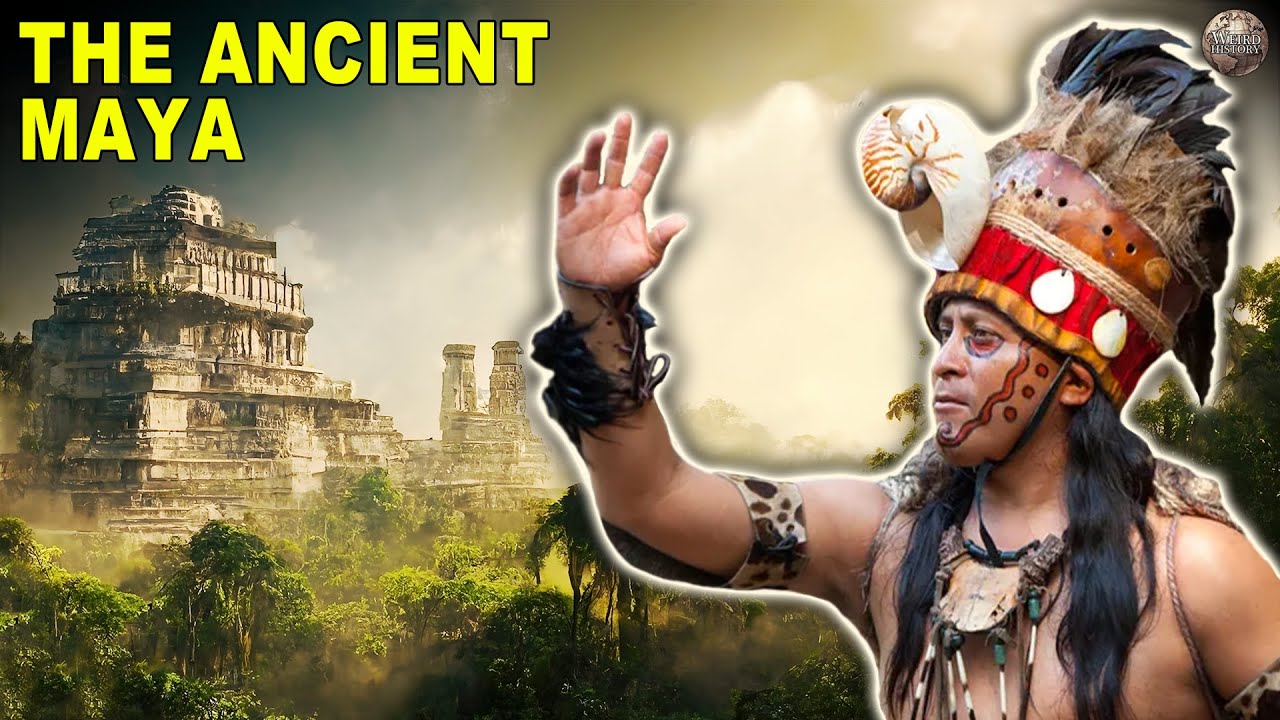
Facts About The Ancient Maya
217.6K
The Maya civilization thrived between 209 and 900 CE in Central America's Yucatan Peninsula, which includes modern-day Guatemala, Belize, and parts of Mexico, Honduras, and El Salvador. This geographic diversity provided resources like limestone, jade, and rubber. The Maya traded food (maize, cacao) and exotic materials (obsidian) across the region. Their architecture featured intricately carved stone pyramids with stair steps, bridges, arches, and pressurized water systems. The Maya used multiple calendars: a 365-day Haab calendar with 18 months of 20 days plus a 5-day Uayeb month, and a 260-day Tzolk'in religious calendar. These calendars progressed together in 52-year cycles.
Click to watch →

Sustainable Environmental Adaptations Among the Ancient Maya of Central America
190
The ancient Maya civilization spanned southeastern Mexico, El Salvador, Guatemala, western Honduras, and Belize—a region roughly the size of New England. The heartland was the elevated interior plateau (peninsula) with limestone-based karst geology where water drains underground through caves, cenotes, and chultunes. The civilization developed through three major periods: the Preclassic (900 BC-150 AD) saw emergence of early villages and state-level society; the Classic (150-900 AD) represented peak population and achievement; and the Postclassic continued until Spanish arrival. Maya architecture emphasized outdoor plazas over interior spaces, with temples built without metal tools or pack animals using only stone, wood, bone, and chert/flint implements.
Click to watch →
Deep Dive
Familiarity with the 'Popol Vuh', the sacred creation narrative of the K'iche' Maya people.

popol vuh parte 01
238.6K
The Popol Vuh, the sacred book of the K'iche' Maya people, recounts the creation myth where gods Guucumatz and Huracán created the world by making water recede, then created various beings including animals and multiple generations of humans from different materials (clay, wood, and maize), with each attempt being destroyed or modified until they created the first humans who were too intelligent and had to have their vision limited, followed by the creation of women and the eventual emergence of the sun.
Click to watch →

The Popol Vuh: The Maya Story of Creation
694.2K
The Popol Vuh, a sacred text of the K'iche Maya people, recounts the Maya creation story through four failed attempts to create humans—from animals and mud to wooden beings—before the successful fourth creation using maize dough, which established August 14, 3114 BCE as the Maya calendar's starting point; this mythological narrative demonstrates how the Maya understood their world through spiritual cosmology, where celestial bodies and natural phenomena were personified as divine entities, and everyday activities like maize planting were connected to the mythic journey of the maize god Hunapu's descent to and resurrection from the underworld Xibalba.
Click to watch →

Ancient Flood Myths of Mesoamerica - ROBERT SEPEHR
54.1K
The Popol Vuh is a sacred text recounting the mythology and history of the K'iche' people, one of the Maya peoples inhabiting the Guatemalan Highlands. It describes how the Creator God attempted to create creatures who would worship them three times before succeeding with humans. The third race of humans, carved from wood, was destroyed by a flood and then mauled by wild animals.
Click to watch →

Pt. 9 - Hebrew Aboriginals of America // Popol Vuh - Genesis / Palenque -Temple of Solomon
34.8K
The Popol Vuh is the sacred book of the ancient K'iche' Maya, representing their history, mythology, and calendar. It is considered America's oldest book and corresponds to the Christian Bible in significance. The text was first transcribed in the 16th century and later copied by Father Francisco Jiménez. Both Genesis and the Popol Vuh describe creation beginning with darkness, emptiness, and water covering the earth. Both accounts describe the separation of light from darkness and the emergence of dry land, demonstrating remarkable parallelism in creation narratives across different cultures.
Click to watch →
The Popol Vuh : Mayan Creation Myth Animated Full Version
294.7K
The Popol Vuh is a sacred creation text of the Quiche Maya people that narrates the birth of the sun and moon, the sewing of the first corn, and the heroic journey of the twin brothers Hunter and Jaguar Deer who defeat the evil lords of the underworld through wit, magic, and sacrifice, ultimately transforming into the celestial bodies that illuminate the heavens and earth.
Click to watch →
Deep Dive
An introduction to Mesoamerican cosmology, specifically the division of the universe into the heavens, the earthly realm, and the underworld.

TONALPOWALLI 4 MIGUEL ÁNGEL OME TOCHTLI
472
The ancient Mexicans divided the cosmos into three levels: the upper world (Irwicatlampa or sky), the middle world (Tlalticpac or earth where humans live), and the underworld (Mictlan or lower world). The upper world has 13 levels representing the sun's rays, while the underworld has 9 levels representing the moon's energy. The tree represents the cosmogony of ancestral peoples, where the trunk represents the earth where humans live, the roots represent the underworld where ancestors reside, and the branches and crown represent the sky. The tree serves as a connector and transmitter between the earth, the deepest depths of the earth, and the sky's energy.
Click to watch →

shuumatsu no valkyrie reacciona a pedidos de subs parte 7, 2/2 final
138.2K
In Aztec cosmology, the universe was divided into three realms: the heavens (cielo), the earth (tierra), and the underworld or underworld (inframundo). These three realms were interconnected and represented different aspects of existence. The gods were believed to inhabit these realms and interact with humans across these different planes of existence.
Click to watch →

Culturas del México antiguo
281.8K
Mesoamerican civilizations conceived the world through a three-tiered cosmology: the underworld (Inframundo), the terrestrial plane, and the celestial realm, connected by the axis mundi (cosmic tree). The Sun Stone (Piedra del Sol), discovered in 1790, represents this solar-centric worldview. Originally called the 'calendario azteca,' its true name reflects its astronomical significance. The stone was displayed publicly in the cathedral while Coatlicue was confined to the Royal University, symbolizing colonial attitudes toward indigenous knowledge. The exhibition aimed to prove to Spain's enemies that America was not inhabited by ignorant peoples but by a scientifically advanced civilization.
Click to watch →
アステカの創世神話「五つの太陽」が超展開すぎる|神々のケンカで世界は何度も滅亡する!w
196.9K
According to Aztec cosmology, the universe consists of three realms: the heavens (which have 13 layers), the earth, and the underworld (Mictlan). The highest layer of the heavens, called Ometeotl, is where the primordial god Ometeotl resides. The 12th layer of the heavens, called Ilhuicatl, is where the four main Aztec gods live. The underworld is divided into 9 layers, with the lowest layer called Mictlan ruled by Mictlantecuhtli, the king of the underworld.
Click to watch →

HERENCIA PREHISPANICA DE LAS OFRENDAS DE MUERTOS PARTE 1
16.2K
Mesoamerica is one of six originating civilizations that emerged independently and spread culture globally, extending beyond modern Mexico to include Belize, Guatemala, El Salvador, Honduras, and potentially Nicaragua. The Tropic of Cancer defines its northern boundary, separating arid Aridoamérica from rain-fed regions supporting large civilizations. The fundamental concept of duality permeates all Mesoamerican thought, symbolized by two-headed serpents representing eternal cycles where beginnings and endings are interconnected. Coatlicue, the Mother Earth deity, embodies profound duality as both life-giver and death-consumer, associated with serpents symbolizing fertility and regeneration. According to mythology, she made a pact with humans: providing life through plants in exchange for being fed with death. The afterlife consists of four distinct regions determined by how a person dies: Tlalocan (east) is paradise of rain and abundance for those who died from rain-related circumstances; Cihuatlan (west) is the domain of women who died in childbirth, considered heroic acts; Xibalba (south) is the Maya underworld with nine levels of transformative trials; and Mictlán (north) is the general region of the dead. In Mesoamerican cosmology, the soul's journey after death follows a specific path. Those who die in battle (warriors) are cremated and take 80 days to reach the sun, helping it travel from sunrise to noon. Women who die in childbirth (Cihuateotl) then help the sun from noon to sunset. At sunset, the sun is consumed by the Mother Earth and must travel through darkness in Mictlán before being reborn each day. This explains the importance of sacrifices to help the sun be reborn. Warriors who died in battle transform into monarch butterflies or blue birds after four years. According to the Legend of the Five Suns, humanity was created and destroyed four times through cataclysms. For the fifth sun, Quetzalcoatl was tasked with retrieving bones of ancestors from the underworld. Disguised as a dog (Xoloitzcuintle), he descended to Mictlán, where he encountered Mictecacihuatl, the Lady of the Dead. She agreed to give him the bones but demanded he dance four times around her throne and blow a conch shell. After collecting the bones, he fell into an abyss created by her helpers and remained there for four years before resuscitating. He transformed into a feathered serpent and delivered the bones to Mictecacihuatl, who presented them to the grandmother of the gods. Feeling guilty about his failure, she performed an autosacrifice, drawing blood from her own body to fertilize the bones, creating the fifth humanity. Mesoamerican cosmology conceives the universe as consisting of thirteen heavens, one Earth, and nine underworlds, represented metaphorically by the ceiba tree with roots penetrating deep into the Earth (underworlds) and branches extending upward (heavens). The nine underworlds can also represent the nine months of gestation. The Temple of the Inscriptions at Palenque has nine levels, symbolizing the descent through the underworlds to reach the burial place of Pakal. Jade holds profound symbolic significance in burial practices, its green color representing vegetation and nature, symbolizing eternal life, regeneration, and rebirth. Jade objects found in tombs include masks, bracelets, collars, rings, and nose rings. In Pakal's tomb, he held a jade sphere in his left hand and a jade cube in his right, representing the duality of existence. A jade bead in the mouth symbolizes the promise of rebirth. The jade deity Chalchiuhtlicue (Lady of the Jade Skirt) governs the Earth's water sources and manantiales. Cinabrio (mercury sulfide) was used as a preservative substance, coating cadavers, walls, and objects with its intense pink color. Marine elements like conch shells and caracoles were deposited in offerings, symbolizing water and life abundance.
Click to watch →
Deep Dive
Knowledge of the Mesoamerican ballgame (pitz) and its spiritual, political, and ritual significance.

The Aztec Ballgame where the Losers were Sacrificed
1.6M
The Mesoamerican ballgame, dating back to 1600 BCE and played by civilizations including the Maya and Aztecs, was a central element of political, religious, and social life in ancient Mesoamerica. Played on large masonry courts near temples, the game involved two opposing teams using their hips to keep a heavy rubber ball in play, with scoring achieved by hitting targets or shooting through elevated rings. While primarily a sport, the game carried profound ritual significance, symbolizing cosmic battles between life and death, and in some instances, sacrificial victims—including defeated players, coaches, and entire teams—were killed after matches. The Spanish conquest led to its decline, though the game persists today as ulama or pok-ta-pok among indigenous Mexican communities.
Click to watch →

Ancient Sports TOO CRAZY for the Modern World
162.2K
Pitz, also known as the Mesoamerican Ballgame, dates back to 1400 BCE and was played by pre-Columbian inhabitants of ancient Mesoamerica. The game is similar to racquetball, with players keeping a heavy ball in play. The sport was brutal, causing serious injuries and possibly death. It also had ritual aspects requiring human sacrifice of the losing team, particularly the captain.
Click to watch →
Дмитрий Беляев. «Игра в мяч в древней Мезоамерике». «Гиперион», 16.04.24
2.2K
The Mesoamerican ballgame (ullamaliztli or pitz) originated in the lowland regions of Mexico, particularly among the Olmec civilization around 1500-1000 BCE, and spread throughout Mesoamerica as a complex ritual and sport. Players used their hips, buttocks, and forearms to hit a heavy rubber ball through stone rings embedded in the court walls, with scoring being extremely rare and considered a remarkable achievement. The game served multiple functions: as a religious ritual symbolizing celestial movements, as a political tool for rulers to demonstrate power and legitimacy, and as a form of divination where game outcomes were interpreted as predictions of future events. Court architecture evolved from simple open stadiums to more complex A-shaped and bowl-shaped designs, with elaborate inscriptions recording dedications and political significance. The ballgame was played by both commoners and elites, with professional teams traveling between cities, and the game's outcome could determine political alliances, tribute obligations, and even the fate of captured enemies.
Click to watch →
The Mesoamerican Ballgame: More Than Just a Game
54.6K
The Mesoamerican ballgame is widely regarded as the oldest team sport in history, played across Mesoamerica from the Olmec civilization onward and extending to the American Southwest and Caribbean. The standard Nahua version (ullamaliztli) involved striking a 3-4 kg rubber ball with hips, buttocks, or knees, with scoring through bounces, out-of-bounds plays, or successful ring shots. Rubber, obtained from the Panama rubber tree, held profound symbolic significance—the Nahuatl word for rubber (ollin) closely resembled the word for movement. Players protected themselves with yokes (U-shaped torso guards) and yuguitos (knee/forearm protectors). Beyond recreation, the game was deeply embedded in mythology and religion, serving as a bridge between athletic competition and sacred ceremony. Common themes included duality, where opposing teams represented forces of light/darkness, life/death, or good/evil, with black and white stone balls representing night/day or sun/moon.
Click to watch →

O Jogo de Bola mesoamericano - ( pok-ta-pok! ullamaliztli! )
2.1K
The Mesoamerican ball game (pok-ta-pok among the Maya, ullamaliztli among the Aztecs) was a ritual sport played for nearly 3,000 years across Central and North America, where players used only their hips, knees, and elbows to hit a heavy rubber ball through a small vertical hoop; the game held profound religious significance, representing cosmic battles between deities like the Sun and Night, and was often associated with human sacrifice, with losers sometimes being sacrificed to the gods.
Click to watch →
Prerequisite Knowledge
- Concept 01Understanding the basic geographical and historical context of the ancient Maya civilization.
- Concept 02Familiarity with the 'Popol Vuh', the sacred creation narrative of the K'iche' Maya people.
- Concept 03An introduction to Mesoamerican cosmology, specifically the division of the universe into the heavens, the earthly realm, and the underworld.
- Concept 04Knowledge of the Mesoamerican ballgame (pitz) and its spiritual, political, and ritual significance.
Subsequent Learning
- Step 01Exploring comparative mythology, specifically comparing the Maya underworld journey (katabasis) to similar myths in Greek, Mesopotamian, or Norse traditions.
- Step 02Analyzing Maya iconography and epigraphy to identify how the Hero Twins and Xibalba are depicted on classic-period pottery and stone stelae.
- Step 03Investigating the astronomical correlations of the myth, particularly how the Hero Twins represent the cycles of the Sun, Moon, and Venus.
- Step 04Examining the survival and syncretism of Maya mythological themes in modern indigenous Guatemalan and Mexican cultural practices.
Twins' Trial
Darkness' Truth
Twins' Trial
0:00Playing Section
- 1
Hero twins enter Maya underworld, facing cruel lords.
- 2
Survive deadly houses through wit, not force.
- 3
Twins fall, then rise renewed from apparent death.
Cosmic Reciprocity and Colonial Framing vs. The Triumph Over Death
While popular interpretations of the Hero Twins myth emphasize a 'triumph' of life and wit over death, many Mesoamerican scholars offer an alternative perspective rooted in cosmic reciprocity rather than conquest. In Maya cosmology, Xibalba was not an evil realm to be defeated, but a necessary, sacred source of regeneration, agricultural fertility, and ancestral power. Scholars argue that framing the narrative as a moral victory of 'good' over 'evil' death reflects a Western, dualistic bias introduced during the colonial-era transcription of the Popol Vuh. Instead, the Classic Maya viewed the underworld through the lens of cyclical exchange: life requires death, and the Twins' journey was not to destroy Xibalba, but to establish a system of mutual debt, sacrifice, and rebirth essential for maintaining cosmic balance.
Deep Dive
Exploring comparative mythology, specifically comparing the Maya underworld journey (katabasis) to similar myths in Greek, Mesopotamian, or Norse traditions.

Neil Oliver: I was pulled out of my shell
55.8K
In Greek mythology, katabasis describes the journey heroes take into the dark, into the realm of the dead. This theme appears repeatedly: Odysseus enters Hades and encounters the souls of the dead, including his mother; Theseus goes into the underground labyrinth to find and kill the Minotaur. In Welsh legend, the Prince of Duath swaps places with Aon, ruler of the other world Anun, taking his place for a year. In the Christian tradition, there is the harrowing of hell where Jesus descends into the underworld after his crucifixion and before his resurrection. For the Maya in Meso America, there is the legend of the hero twins summoned to the underworld, the place of fright, to play the ball game against the gods. This ancient tradition of a ball game was quasi-religious for Meso American peoples. Everywhere, there is this idea of a place beneath, hidden, inhabited by gods, the dead, and spirits.
Click to watch →

Riccardo Ginevra (Mailand): Traditional possibility and impossible reality
293
This section introduces catabasis as a key narrative theme meaning 'to go down' to the land of the dead, involving ritual, fear, and ghosts. The lecture analyzes three narratives: Iliad 24 (Priam's journey to ransom Hector's corpse), Homeric Hymn to Demeter (search for Persephone), and Norse Balder myth (Hermoder's search for Balder). Each narrative blends: a literal journey to find a dead relative and an experience of catabasis. Shared elements include: travel for nine days/nights in darkness; meeting a deity who guides souls to the realm of the dead; the deity asking a question; the hero answering; and reaching the realm of the dead. Rivers function as liminal places marking transition to the land of the dead. The lecture argues these shared elements reflect inherited Indo-European poetic and mythological material.
Click to watch →

The Underworld, The Deep and the Dark - Presented by Snow
1.3K
The underworld (Deep/Dnos) is a realm of mystery, darkness, and power where chthonic gods reside. Ancient Greeks viewed deep shafts and bodies of water as entrances. Egyptian Duat is a realm where Osiris, Anubis, Thoth, Horus, and Hathor reside—a place of gods rather than torment. The Weighing of the Heart judgment determines afterlife fate. Greek mythology includes Hades, Tartarus, and the Three Rivers. Judge Minos sentences the wicked to eternal torment. A common separation exists between celestial gods (Olympian, ethereal) and chthonic gods (isonic, meaning of the Earth). Norse mythology describes nine realms held up by Yggdrasil: Asgard, Vanaheimr, Alfheimr, Midgard, Jotunheimr, Muspelheim, Svartalfheim, Niflheim (sometimes known as hell), and Helheim. The term 'whites' in Heathen mythology refers to all entities including gods and humans—elves, dwarves, land spirits, house spirits. All Heathens are encouraged to honor house and land whites, which are spirits residing in claimed homes.
Click to watch →

EP242 - mytologické cesty do podsvětí
6.1K
Katabasis, or descent into the underworld, is a universal archetypal narrative found across diverse world mythologies, including Mesopotamian (Ištar's descent), Greek (Orpheus and Eurydice, Odysseus), Indian (Savitri and Yama), Chinese (Mulian), and Aztec (Quetzalcoatl). Despite cultural differences, these stories share core motifs: the hero must sacrifice possessions or their old self, face trials, and undergo transformation. The descent often involves symbolic death and rebirth, representing the human journey of personal transformation, where suffering and sacrifice lead to renewal. While some stories end tragically (Orpheus), most conclude with the hero's successful return, symbolizing the universal human experience of facing inner darkness to emerge transformed.
Click to watch →
Demon Creatures That Lurked Before Humanity Existed
3.2K
Every civilization imagined a hidden world beneath the earth where souls descended after death. In Mesopotamia, the underworld was Urkala, a dim wasteland ruled by Ereshkigal, where the dead lived as weakened shadows kept in order by Galla demons who dragged souls into the underworld. In Greek myth, Tartarus was a cosmic prison of fire and shadow where Titans were chained, with creatures forged by punishment itself. The Norse imagined the cosmos born from Muspelheim (eternal fire) and Niflheim (ice and darkness), with demons like Surtr and Draugr representing these opposing forces. These underworld demons embodied darkness, not evil, but inevitability, representing the forces that ensured no soul escapes the shadows forever.
Click to watch →
Deep Dive
Analyzing Maya iconography and epigraphy to identify how the Hero Twins and Xibalba are depicted on classic-period pottery and stone stelae.

Ancient Maya Stela C of Quirigua and the Hero Twins
5.3K
Stela C of Quirigua, an 8th-century stone monument in Guatemala, features the only known ancient Maya reference to the Hero Twins (Hunah Puh and Yax Balan) on a stone monument, depicting a ruler dancing with a sacred umbilical cord; this discovery reveals that while the Hero Twins were highly significant in Maya culture—naming a day of the week and a number—they appeared almost exclusively in paintings and literature rather than on stone monuments, suggesting either prohibition or lack of need for their representation in this medium.
Click to watch →

Os Senhores de Xibalbá e Os Gêmeos Heróis - Mitologia Maia
2.5K
In Maya mythology, the Hero Twins (Hunahpu and Xbalanque) defeated the Lords of Death (Hun Camé and Vucub Caquix) in Xibalba, the underworld described in the Popol Vuh, by outsmarting them in the dangerous ball game and ultimately becoming the Sun and Moon, while Xibalba itself is depicted as a terrifying realm with seven houses of punishment including darkness, cold, jaguars, bats, knives, and fire.
Click to watch →

Origins & Collapse of the Preclassic Maya in the Mirador Basin
495.5K
The Maya developed sophisticated water collection systems using plazas and surface areas to channel water into pools with dual waterfall systems. Edges of these pools were lined with extraordinary art depicting the entire Maya cosmology, including the Great Creator God Itzamná (with distinctive big nose, sunken teeth, beard, bird body), the Rain God Chaac, and the Hero Twins of the Popol Vuh. Preclassic art at sites like Tikal Group H and the Jaguar Paw Temple depicts the Hero Twins Hunahpú and Xbalanqué, with Hunahpú being carried by his son by the severed head of their father. Bedrock carvings at El Mirador contain glyphs reading 'k'ahul' (serpent lord), suggesting the entire basin was originally named 'K'ahul' meaning the polity.
Click to watch →

The Mexican Day of the Dead: Honoring the Ancestors & Giving Image to Death with Sandra del Castillo
611
Xibalba is the Mayan name for the underworld, meaning place of fear and place of those who have vanished. Water is one of its symbols, and it was simultaneously the place of death and regenerative powers, symbolized by ancestral seeds and skulls. Xibalba is a dangerous place where gods and human spirits struggle to deceive, trick, sacrifice, and overcome one another. It is a sarcastic replica of life on Earth and a landscape of awesome dangerous beings. Phrases for death include 'enter the water, enter the road,' and Xibalba was also called the black road, illustrated both underwater and underground as symbols of the unconscious. However, Xibalba was not always underground; at night it circled around positioning itself in the night sky. The hero twins, One and Seven Hunapu, spent their days throwing dice and playing ball in a court located on the road to Xibalba. The two ruling lords of Xibalba, One Death and Seven Death, heard them and were angered. An invitation from the ruling lords means the twins had died.
Click to watch →
25 Mayan Artifacts That Could Rewrite History - Clues from codices and astronomy
185
Stela 3 at El Mirador, Guatemala, is a limestone slab over 20 feet tall carved sometime between the 3rd century BC and the 1st century AD—roughly 800 years before the heyday of Tikal and Copán in what scholars call the Preclassic period. The carving reveals two figures in authoritative poses, identified by accompanying glyphs as the hero twins Hunahpu and Xbalanque, central characters of the Maya creation epic Popol Vuh. Their story is a foundational myth telling of their descent into the underworld to defeat the lords of death through cleverness and ballgame skill, ultimately clearing the way for the dawn of humanity and the rising of the sun. To find the hero twins depicted with such formal reverence on a public monument from this era is a revelation of staggering importance. It means the core narrative of Maya identity—their explanation for the very order of the world—was fully formed and being publicly celebrated centuries, perhaps even a millennium, earlier than the surviving books from the Postclassic period suggest. The mythology was not a late invention but the bedrock upon which this colossal Preclassic civilization was built.
Click to watch →
Deep Dive
Investigating the astronomical correlations of the myth, particularly how the Hero Twins represent the cycles of the Sun, Moon, and Venus.
10 Stories That Appear in Multiple Religions
2.1K
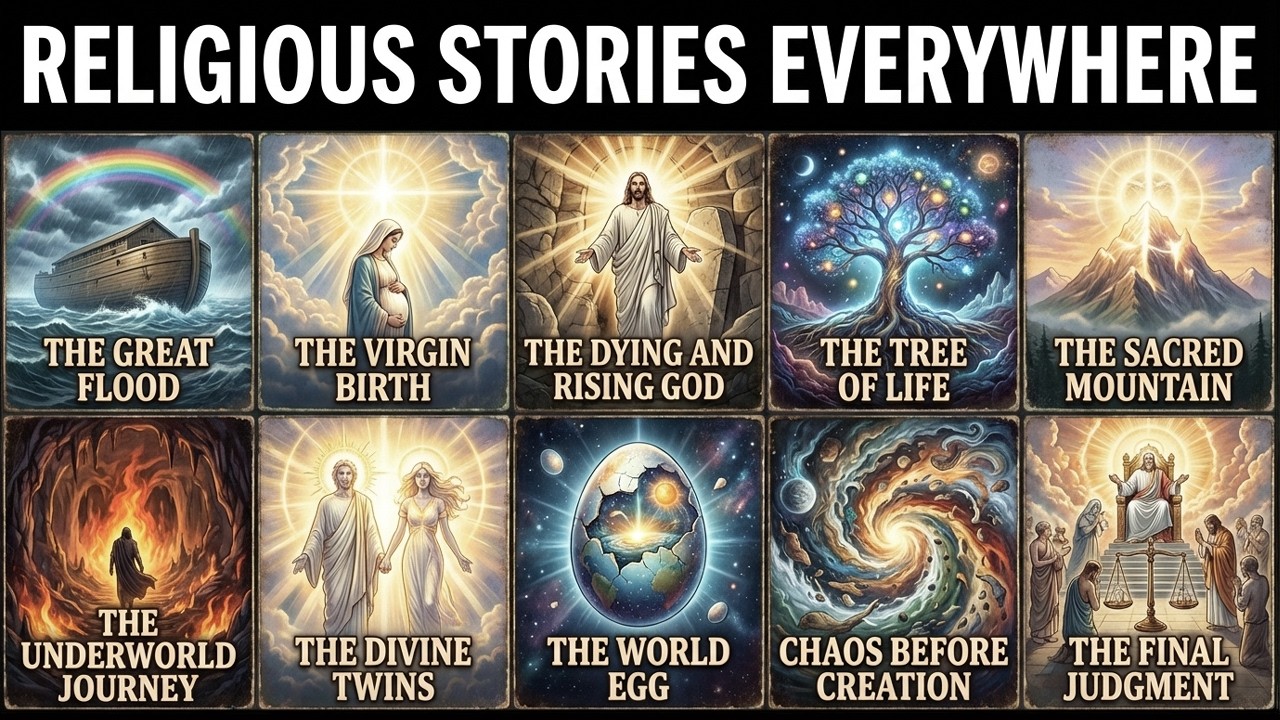
The Maya hero twins Hun-Hunahpu and Xbalanque appear in the Popol Vuh documenting ancient tradition. Their twin brothers, sons of Hun-Hunahpu, who were themselves twins, descend to Xibalba, defeat death gods through trials, sacrifice, and resurrect themselves and their father, and become sun and moon or sun and Venus. They represent dualities and create the current world age. Linguists have reconstructed a Proto-Indo-European divine horse twins myth dating to around 4500 to 2500 BCE. The reconstruction suggests an original myth of divine horse twins, sons of the sky god who rescue the daughter of the sun from ocean or sky. Parallels exist in Vedic, Greek, and Baltic traditions.
Click to watch →

Mesa 3 parte 2: Panorama del arte rupestre - Coloquio Internacional de Arte Rupestre
794
Venus has an obvious importance due to its first appearance as the morning star, but has greater relevance as a celestial body that appears and disappears because of its capacity to cross and traverse the underworld. According to myths, Venus is represented as the boy who guides the sun for its daily emergence, the cold preceding dawn, the nocturnal water, and the deer that is shot with arrows. A myth narrates the story of two astral twin brothers who, upon completing the cycle of visibility and invisibility, one transforms into a felid and the other into birds. This myth of the twins structures a complete cycle of creation and destruction of the cosmos, representing an eternal conflict between the hero astral (Venus matutino) and his alter ego identified as the nocturnal sky.
Click to watch →
Virtual Planetarium: The Sky Tonight
1.7K
According to Mayan mythology, the hero twins Hunahpu and Xbalanque rescued their father from the underworld Xibalba by defeating the lords of the underworld in a ball game. As punishment for their victory, they were transformed into celestial bodies: Hunahpu became the Sun and Xbalanque became the Moon. Solar eclipses represent the twins greeting each other, while lunar eclipses occur when the Moon visits the Sun.
Click to watch →
Jaguar & Deer's Excellent Adventure
218
In this Mayan myth enactment, the hero twins, after defeating the lords of death, must continue their epic quest to establish the natural cycles of the sun rising and setting, the moon, and stars, which governs the rhythms of life for animals, plants, mountains, lakes, and rivers.
Click to watch →

Maya mythology | Who were the Hero Twins?
1.3K
The Hero Twins, Hunapu and Shibalankay, are central figures in Maya mythology from the Popol Vuh, representing complementary forces like life/death and sun/moon; they were conceived from their father's seed after his sacrifice, defeated the lords of the underworld through cleverness and the ball game, and were ultimately transformed into the sun and moon, establishing a new cosmic order.
Click to watch →
Deep Dive
Examining the survival and syncretism of Maya mythological themes in modern indigenous Guatemalan and Mexican cultural practices.
GUATEMALA el Pueblo de los Rituales a plena luz del Día
49.1K
Maya religious practices involve rituals of gratitude to God for completing another year and conducting business-related ceremonies. The Maya calendar system uses a 13 Bactun cycle, which represents a complete calendar period. When this cycle ends, the Maya begin counting again from the start. Maya religious practitioners are called 'sacerdotes mayas' or 'curanderos mayas' (Maya priests or healers), and the term 'shaman' is considered offensive. Ceremonies use specific colors: red for prosperity and love, white for purity, and black for healing rituals. Chichicastenango is recognized as the largest Maya city in Guatemala, hosting significant Maya ceremonies where people from various regions come to perform rituals. The Church of the Death represents the syncretism between Maya and Catholic religious traditions. Originally a Maya ceremonial center, it was converted to a Catholic church. The town now hosts both types of ceremonies, with Catholic practices predominating on weekends when tourists visit, while Maya ceremonies continue to be performed. The cemetery uses specific colors to represent different family members: white for parents, turquoise for mothers, pink and blue for children, and yellow for grandparents. The Maya celebrate the Day of the Dead on November 1st, which is different from the Mexican tradition on November 2nd.
Click to watch →

ATITLÁN 2023, TOUR COMPLETO Soyacity 🇸🇻🇬🇹
28.9K
Corn holds immense importance in Maya culture, consumed three times daily with four natural colors: white, black/purple, yellow, and red. Traditional Maya marriage required women to know how to use the grinding stone for chocolate, wash clothes in the lake, and prepare traditional foods. Santiago Atitlán practices religious syncretism, combining Maya religion with Catholicism. The village has multiple cofradías (religious brotherhoods) including San Juan Bautista, San Francisco, and San Antonio. Maimón is a Maya deity uniquely worshipped in Santiago, with practitioners offering alcohol, cigarettes, chocolate, flowers, and money.
Click to watch →
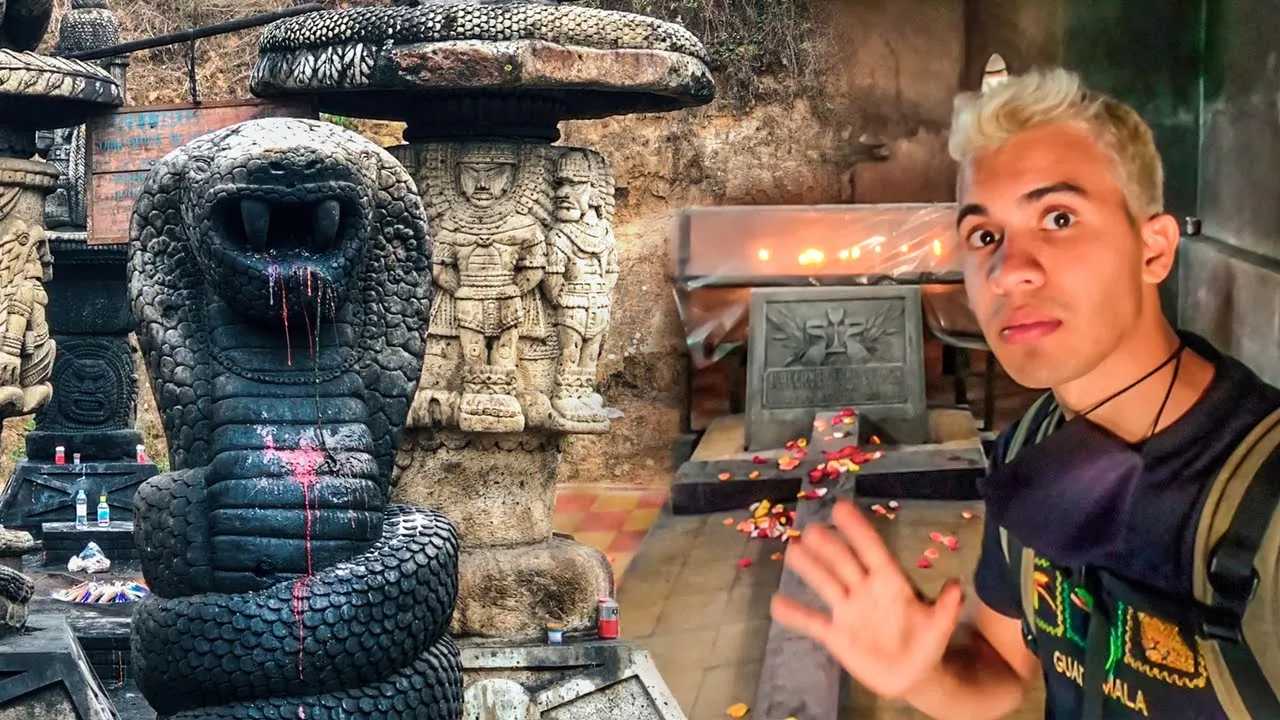
Estuvimos en UN RITUAL MAYA | Chichicastenango
108.3K
Chichicastenango, Guatemala, exemplifies cultural syncretism where Maya and Catholic traditions coexist harmoniously, visible in the Church of Santo Tomás where both religious practices occur simultaneously, and in the cemetery where white graves represent Catholic burials while colorful graves indicate Maya burials. The town's market showcases 100% indigenous commerce with handmade traditional clothing, amulets like Masimón for seeking money or resolving problems, and clay utensils, while the Ohllahuk Btun ceremonial plaza demonstrates the Maya cosmological view that time is cyclical, with each 26,000-year cycle ending and beginning a new era.
Click to watch →
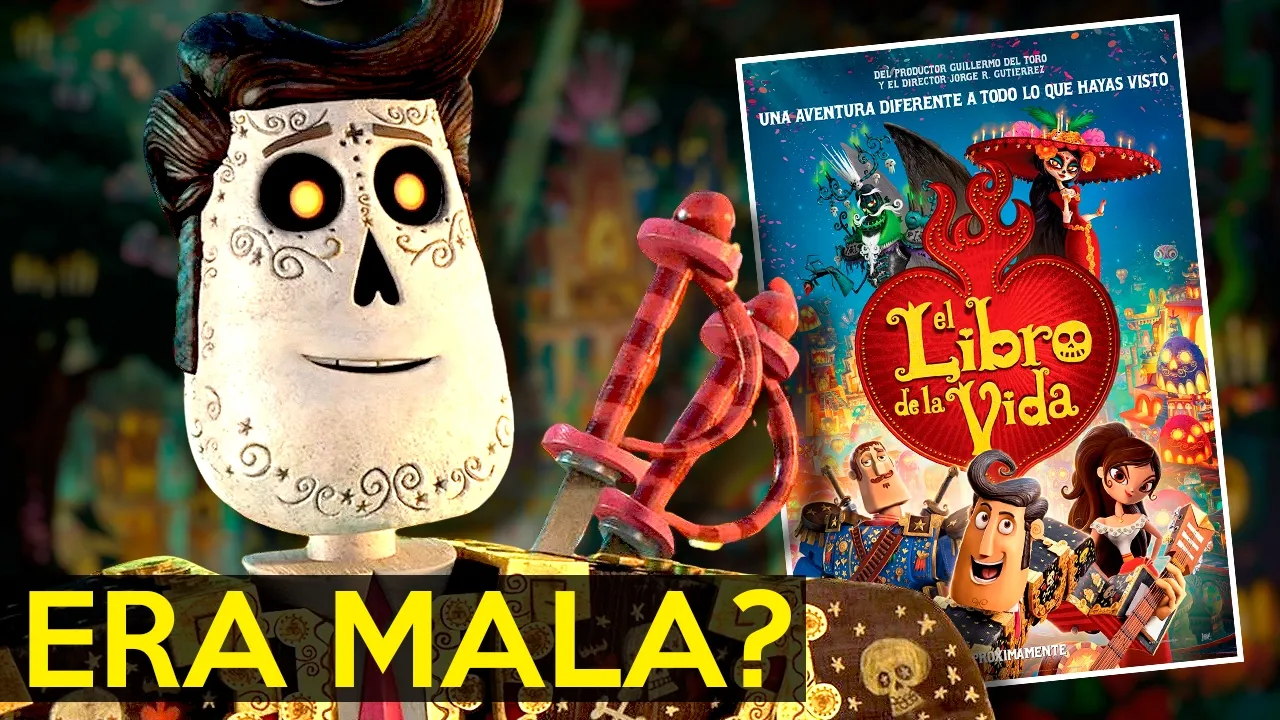
El libro de la vida está INJUSTAMENTE OLVIDADA
663.9K
This segment explores how 'The Book of Life' incorporates Mesoamerican mythology. The presenter explains that Xibalba represents the Maya underworld, while La Catrina was originally created by José Guadalupe Posada to criticize the Mexican upper class but evolved into a beloved cultural icon. The wax man character represents Catholic God, reflecting Mexico's religious syncretism. The presenter argues these elements were included to prevent the film from being seen as pagan and to convey a message of unity between different cultural traditions.
Click to watch →

Mayas modernos: cantan rap, rezan a un volcán y exorcizan demonios
56.6K
The Maya people of Guatemala have maintained their cultural identity despite centuries of Spanish colonization and a devastating 36-year civil war that resulted in the deaths of tens of thousands of Maya. Modern Maya communities actively preserve their heritage through traditional ceremonies, indigenous languages like Quiché, and religious practices that have syncretized with Catholicism, demonstrating remarkable cultural resilience and adaptation.
Click to watch →
Twins' Trial
Darkness' Truth
Twins' Trial
0:00- 1
Hero twins enter Maya underworld, facing cruel lords.
- 2
Survive deadly houses through wit, not force.
- 3
Twins fall, then rise renewed from apparent death.
Cosmic Reciprocity and Colonial Framing vs. The Triumph Over Death
While popular interpretations of the Hero Twins myth emphasize a 'triumph' of life and wit over death, many Mesoamerican scholars offer an alternative perspective rooted in cosmic reciprocity rather than conquest. In Maya cosmology, Xibalba was not an evil realm to be defeated, but a necessary, sacred source of regeneration, agricultural fertility, and ancestral power. Scholars argue that framing the narrative as a moral victory of 'good' over 'evil' death reflects a Western, dualistic bias introduced during the colonial-era transcription of the Popol Vuh. Instead, the Classic Maya viewed the underworld through the lens of cyclical exchange: life requires death, and the Twins' journey was not to destroy Xibalba, but to establish a system of mutual debt, sacrifice, and rebirth essential for maintaining cosmic balance.
Understanding the basic geographical and historical context of the ancient Maya civilization.
Familiarity with the 'Popol Vuh', the sacred creation narrative of the K'iche' Maya people.
An introduction to Mesoamerican cosmology, specifically the division of the universe into the heavens, the earthly realm, and the underworld.
Knowledge of the Mesoamerican ballgame (pitz) and its spiritual, political, and ritual significance.
Exploring comparative mythology, specifically comparing the Maya underworld journey (katabasis) to similar myths in Greek, Mesopotamian, or Norse traditions.
Analyzing Maya iconography and epigraphy to identify how the Hero Twins and Xibalba are depicted on classic-period pottery and stone stelae.
Investigating the astronomical correlations of the myth, particularly how the Hero Twins represent the cycles of the Sun, Moon, and Venus.
Examining the survival and syncretism of Maya mythological themes in modern indigenous Guatemalan and Mexican cultural practices.
733 views18likes2:42@adoStoryOriginal Release: 2025-12-29
They say there is a place beneath our feet where fear breathes, where even courage learns to tremble. And that place has a name.
Sheibala.
The Maya did not imagine the underworld as a distant abyss in the sky, but as a living realm below the earth, reached through caves that swallowed light and hope alike. To step inside was to enter a world ruled by lords whose power was not strength, but suffering. Lords of sickness, decay, and death itself. The air there was thick, heavy, as if the darkness had weight. Rivers did not flow with water, but with blood and pus.
Scorpions crawled along stone walls.
Screams echoed endlessly, though no one could tell where they began. And at the heart of it all sat the rulers of Sheibbala, smiling patiently, waiting to test the souls who dared to pass through. Among those who faced this terror were the hero twins. Young, clever, and bound by brotherhood. They were summoned to Shabbala not by choice but by challenge. The lords mocked them, offering games meant to humiliate and destroy.
First came the house of darkness where no flame was allowed to burn. Then the house of knives, blades slashing endlessly from every direction. The house of cold froze breath in the lungs.
The house of jaguars waited with hungry eyes glowing in the dark. Each trial was designed to break them. And yet the twins did not rely on strength alone.
They listened. They observed. They adapted. Where others panicked, they planned. Where fear whispered surrender, they answered with wit. Again and again, they survived what should have killed them. But Shibala always demands a price. At last, the twins were defeated.
Or so it seemed. Their bodies were destroyed, their names spoken as a victory by the lords of death. The underworld celebrated, convinced it had won. But death in Sabalba is not always the end. From ashes and bone, the twins returned, changed, renewed, and stronger than before. They outwitted the lords in their own game, turning cruelty against its masters. And one by one, the rulers of Sheibbala fell, exposed not by force, but by their own arrogance. When the twins finally rose from the underworld, Sheibala remained below, but it was no longer untouchable.
The Maya legend leaves us with a quiet truth. The greatest darkness is not conquered by fearlessness, but by resilience. Not by denying death, but by understanding it. Because even in the deepest underworld, the human spirit can learn the way back.
If this story drew you into the shadows of ancient myth, please like, share, and subscribe. And leave a comment below to tell me what legend you want to explore next.
Up Next
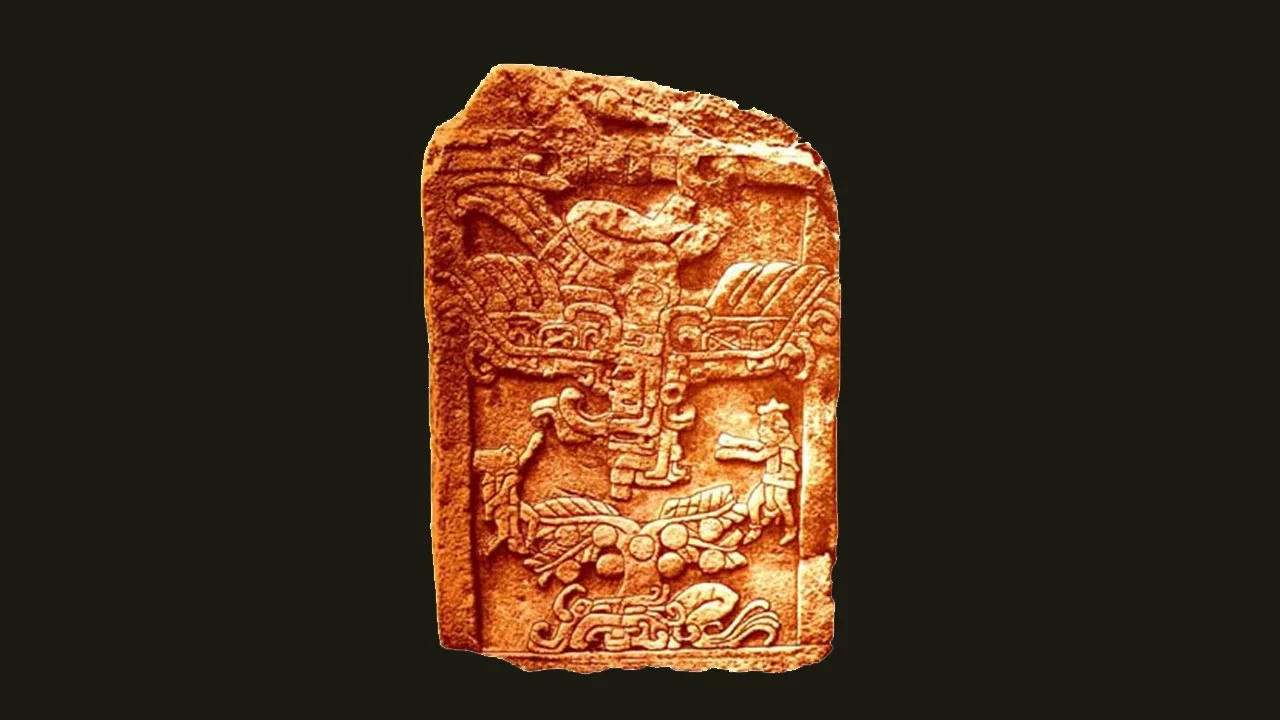
65:41
Hero Twins Mythology in Mesoamerica and North America: Origins, Duality, and Vengeance
@pennmuseum
44.7K views•2016-03-02

12:54
Triumph of Orthodoxy Icon: Byzantine Art & History Explained
@BenCallan
2.1K views•2024-08-06

9:49
FastAPI vs Flask vs Django: Choosing the Right Python Web Framework
@TechWithTim
302.5K views•2024-05-26

1:42
Game of Thrones Opening Credits: A Cinematic Analysis
@gameofthrones
46.3M views•2011-04-18
Related Study Plans & Knowledge Roadmaps
Structured learning paths in General & Interdisciplinary Studies
general-studies
Elevator Engineering: History, Physics & Cities
01From Hoists to Safety Brakes: The Dawn of Vertical Lift
02Hydraulic vs. Traction: The Engineering Physics of Elevators
03Modern Speed, Safety, and Algorithms
+ 2 more learning modules
12h5 modules
Explore Roadmap
general-studies
Rubber: Material Science, History & Geopolitics
01Origins of Natural Rubber & Mesoamerican History
02The Chemistry of Natural Rubber & Vulcanization
03The Geopolitics of the Rubber Boom & Colonization
+ 2 more learning modules
12h5 modules
Explore Roadmap
general-studies
Containerization: Evolution, Logistics & Trade
01Ancient Trade & Bulk Cargo: Amphorae to Barrels
02The Industrial Revolution & Cardboard Packaging
03The Containerization Revolution: Malcom McLean
+ 2 more learning modules
12h5 modules
Explore Roadmap
general-studies
Textile Tech: Evolution, Labor & Global Impact
01Pre-Industrial Textiles: Handloom & Cottage Industry
02Mechanization: The Spinning Jenny to the Power Loom
03The Factory System & Global Labor Transformation
+ 2 more learning modules
10h5 modules
Explore Roadmap