














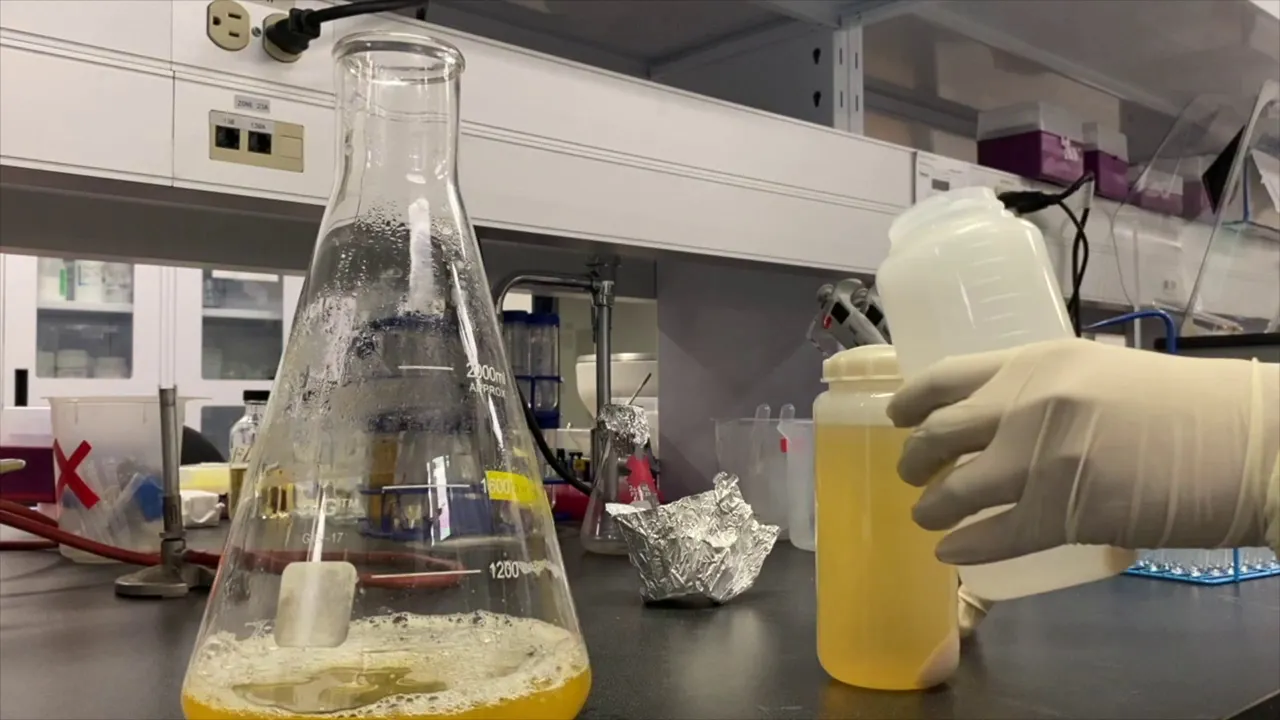





Cell lysis methods are categorized into mechanical (direct physical disruption using grinding, shearing, or homogenization) and non-mechanical (chemical/enzymatic approaches) methods, with the optimal choice depending on sample type, sensitivity requirements, and experimental goals; mechanical methods include mortar and pestle grinding, bead beating, sonication (using ultrasonic waves to create cavitation bubbles that disrupt cell membranes), homogenization (French press or rotor-stator), and freeze-thaw cycles, while non-mechanical methods include enzymatic lysis (using cellulases, lysozymes, or mannanases to digest cell wall components) and chemical lysis (using organic solvents or EDTA to disrupt membranes).
8 Cell Lysis Methods: Mechanical vs Non-Mechanical Techniques
Added:Understanding of cell anatomy, specifically the structural differences between animal cell membranes and the rigid cell walls of plants, fungi, and bacteria.
Fundamental knowledge of biomolecules, such as proteins, nucleic acids, and lipids, and why researchers need to extract them from cells.
Basic chemical principles, including solute concentration, osmotic pressure, and how detergents (amphipathic molecules) interact with lipid bilayers.
Downstream biomolecule purification and isolation techniques, such as chromatography, gel electrophoresis, and ultracentrifugation.
Optimization of lysis buffers and the strategic use of additives like protease and nuclease inhibitors to maintain sample integrity.
Industrial-scale cell disruption technologies and high-throughput automated platforms used in biotechnology and biomanufacturing.
Analytical methods to assess lysate yield and purity, such as spectrophotometry (A260/A280) and Bradford protein assays.
347 views1likes6:57Original Release: 2024-01-09
welcome to this episode of mentors at your benchside the podcast giving you advice tips and tools for getting the most out of your research I'm Adam porson and today I'll be talking to you about cell licis methods we all need to lie cells to extract our samples from them there are many cell licis methods some are harsh while some are gentle some are laborious while some are easy some require dedicated equipment while some do not so which one do you choose the best choice is probably the one that requires the least amount of work that doesn't harm your sample with that in mind here's a brief insight into eight CIS methods for your experiments CIS methods fall into two classes mechanical methods and non-mechanical methods since non-mechanical methods involve adding chemicals or enzymes to the cells it's fairly clear which class each license method belongs to the advantage of mechanical methods is they are direct and you have control over them however some mechanical methods are harsh and may denat your sample if not performed diligently the the advantage of non-mechanical methods is that chemicals or enzymes lies the cells for you but you may have to remove these later to prevent them from interfering with your experiments so let's get to it number one the mortar and pestel this method involves giving the cells good old grinding note that the cells do not have to be suspended in anything for this method to work this CIS method is often used for plant samples Frozen in liquid nitrogen since the specimens are comparatively bulky also when you uze the metabolites and samples may be extracted by adding solvents and you don't need any specialist kit just the mortar and pastel number two bead beating glass or ceramic beads can crack open cells it might not sound like it but this kind of mechanical Shear is gentle enough to keep organal intact it can be used for all kinds of cells just to add beads to a suitable amount of cell suspension and Vortex alternatively slightly more exotic equipment such as bead mols can standardize your cell liis so think about what will work for you number three sonication this is perhaps the most common CIS method and most readers will be familiar with it ultrasonic homogenizers usually just called Sonics work by inducing rapid vibrations in a titanium probe immersed in the cell solution this causes cavitation a process in which tiny bubbles are produced within the cell suspension when these bubbles explode a local shock wave disrupts the cell well just like an explosion disrupts things in the blast radius only the medium is liquid not air this method is very popular for plant and fungal cells and is the method of choice for protein purification while sonication is automated you just set the timer and go it has several disadvantages it generates a lot of heat and you must be careful to avoid heating your sample for this reason sonication is usually done on ice and imp pulses this method is also Extremely Loud so the process is usually done in a soundproof cabinet or with ear Defenders sonication is also notorious for creating aerosols tiny droplets that waft through the air and that you can breathe in so don't sonicate any infectious material and all you need is a sonicator the good news is that they are really common and have interchangeable tips to suit different sample sizes number four homogenization homogenizers use sharing forces to Li cells similar to The Bead beating method homogenization can be performed by squeezing cells through a tube that is slightly smaller than the cell Dimensions thereby sharing away the outer layer for example using a French press or by using a rotating blade to Li the cells just like a kitchen blender for example the rotor strator both are comparatively gentle and people who purify membrane proteins prefer the French Press cell Lis method plus French presses can break the rock hard plasma membrane but French presses are relatively cumbersome requiring greasing maintenance and can clog easily rotor straters on the other hand are quick and efficient but you can usually only process a few tens of microliters of cells at once plus French presses and rotor blers May cost a few th000 if you li cells using these bits of Kit be aware of cross-contamination and note that you can add enzymes such as lime to help the process number five free store lces this one as simple as it sounds the freeze Thor solisis method creates ice crystals remember water expands when it freezes that melt when the sample is thored several freeze Thor Cycles ultimately rupture the cells it's comparatively gentle and by definition doesn't generate any heat but it's time consuming you can speed things up by using liquid nitrogen but even so it will take a while number six high temperature lies high temperatures and pressures break the chemical bonds Within cell walls but also denat proteins so it's a quick and dirty cell liis method you can use a microwave or aut clave to generate the heat and pressure but it goes without saying that you should avoid this method if your sample is denatured by Heat number seven enzymatic liis they are enzymes that can destroy the cell wall for you the entic cell liis method breaks open cells by using enzymes that degrade cell walls and membranes simply incubate a suspension of your cells with the appr enzyme or combination of enzymes which digest cell W components depending on what organism you work with you can use cellulases konas bacteriolytic enzymes like line which destroys peptidoglycans manases or glycines Etc this method is also great if you want to isolate protoplasts a cell without the cell wall it's really quite gentle meaning you don't have to worry about denaturing your sample but you might have to remove or destroy the enzymes later on number eight chemical liasis organic solvents like alcohols ether or chloroform can disrupt the cell wall by perming cell walls and membranes this method is especially handy if you want to extract hydrophobic molecules like plant pick because you can pick a cent that will extract them you can combine this method with one that uses sharing forces to maximize the fraction of cells lied and note also you can use Eda specifically to disrupt the cell walls of gram negative bacteria whose cell WS contain lipop polysaccharides that are stabilized by cats like magnesium and calcium Eda will collate the Cs leaving holes in the cell walls and you can dialy the Eda away later so that's it for a brief insight into eight cisis methods check out the episode description for links to related articles and resources and don't forget to subscribe to the podcast to get more help and advice from mentors at your bench side
Up Next

6:34
His-Tag Protein Purification: Affinity Chromatography Explained
@animatedbiologywitharpan
54.4K views•2022-08-18

178:38
Whole Brain Architecture: First International Workshop 2024
@thewholebrainarchitecturei9784
640 views•2024-07-22

9:49
FastAPI vs Flask vs Django: Choosing the Right Python Web Framework
@TechWithTim
302.5K views•2024-05-26

1:42
Game of Thrones Opening Credits: A Cinematic Analysis
@gameofthrones
46.3M views•2011-04-18
Related Study Plans & Knowledge Roadmaps
Structured learning paths in General & Interdisciplinary Studies
general-studies
Artificial Light: History, Tech & Human Impact
01The Pre-Electric Era: Fire, Oil, and Gas Lighting
02The Incandescent Revolution and Grid Electrification
03Gas Discharge and Fluorescent Illumination
+ 3 more learning modules
14h6 modules
Explore Roadmap
general-studies
Elevator Engineering: History, Physics & Cities
01From Hoists to Safety Brakes: The Dawn of Vertical Lift
02Hydraulic vs. Traction: The Engineering Physics of Elevators
03Modern Speed, Safety, and Algorithms
+ 2 more learning modules
12h5 modules
Explore Roadmap
general-studies
Rubber: Material Science, History & Geopolitics
01Origins of Natural Rubber & Mesoamerican History
02The Chemistry of Natural Rubber & Vulcanization
03The Geopolitics of the Rubber Boom & Colonization
+ 2 more learning modules
12h5 modules
Explore Roadmap
general-studies
Containerization: Evolution, Logistics & Trade
01Ancient Trade & Bulk Cargo: Amphorae to Barrels
02The Industrial Revolution & Cardboard Packaging
03The Containerization Revolution: Malcom McLean
+ 2 more learning modules
12h5 modules
Explore Roadmap