


















![Destroying Primeworld with Jesse Singal [S2 Ep.12]](https://i.ytimg.com/vi_webp/ZiYIbw4BCNM/maxresdefault.webp)










Research by Angela Duckworth demonstrates that grit (perseverance and passion for long-term goals) and self-control (resisting short-term temptations) are more reliable predictors of success than innate talent or intelligence; grit predicts retention at West Point and spelling bee victories, while self-control measured at age 4 predicts academic achievement, BMI, and risky behavior in adolescence, and MCII (Mental Contrasting with Implementation Intentions) is an effective strategy for developing these character strengths.
Grit and Self-Control: The Psychology of Achievement
Added:Carol Dweck's theory of Mindset, specifically the distinction between a 'Growth Mindset' and a 'Fixed Mindset'.
The historical definition and measurement of general intelligence (IQ) versus emotional and practical intelligence.
The psychological concept of self-regulation and the executive functions of the brain that govern impulse control.
Basic theories of human motivation, particularly the difference between intrinsic motivation (internal drive) and extrinsic motivation (external rewards).
The science of 'Deliberate Practice' (pioneered by K. Anders Ericsson) and how it translates grit into actual skill acquisition.
Critical academic debates surrounding Grit, specifically its high statistical correlation and potential overlap with the Big Five personality trait of 'Conscientiousness'.
Practical behavioral design frameworks for self-control, such as Gabriele Oettingen's WOOP model (Wish, Outcome, Obstacle, Plan).
The impact of systemic and environmental factors, such as socioeconomic status and psychological safety, on an individual's capacity to exhibit grit.
58K views368likes1:18:54Original Release: 2012-12-11
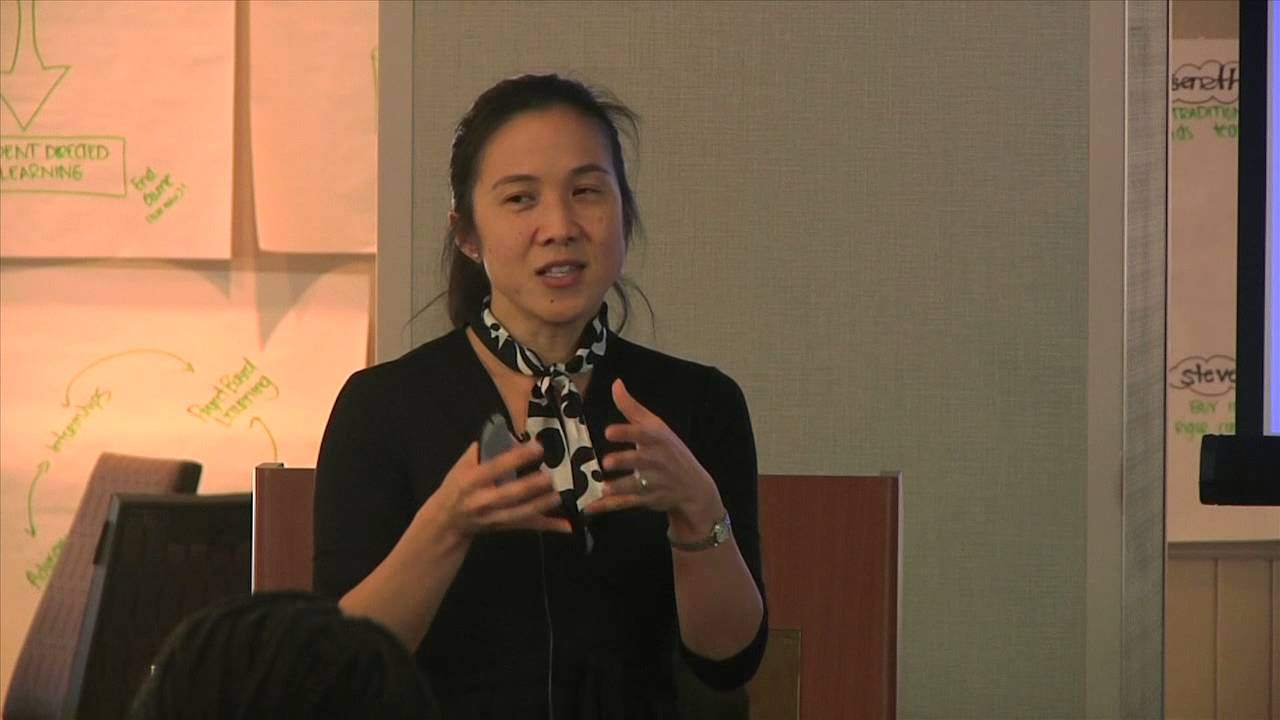
[Applause] [Music] um in advance of tonight tonight's presentation I emailed toon two questionnaires and they are reprinted in your awesome 11 by 17 uh portfolio Broad for today unfortunately uh the way the scales are supposed to work is that there are supposed to be very faintly but apparently too faintly numbers in each of the boxes such that if you go through and you score yourself on and this is the grit scale um so you're supposed to go merrily through the 10 statements checking off whether these do or do not apply to you for each one then if you add up the numbers and divide by 10 it used to be dividing by eight but I realized that human beings do not like to divide by eight so um you just have to move the decimal point and you get your grit score and then there's a little gr grid also on your Broad Street uh broad sheet that that lets you essentially rank yourself relative to a a random sample of American adults you know what percentile grit do you fall into so um let me just say that the items that sound gritty are the items that are scored where five is very much like me the items that when you answer them uh for example I've been obsessed with a certain idea or project for a short time but later lost interest that sound ungr um if you say yeah that's very much like me that scored one as the highest number so I think you can maybe figure it out from looking at this uh graphic and then putting that together with what you're doing now by no means do you have to score yourself for Grit um at this point in the talk but um but if you'd like to I I put this in there because I think it gives you a really granular view of of what I'm now going to be talking about of course uh which you know can get somewhat abstract unless unless you have something tangible like this so that's that do you have a question in the back yeah yeah let me read you the items um and uh and and and maybe in the meanwhile the audio will get worked out if it doesn't get worked out by by the way I'm happy to just carry this and I'll I'll do two-handed okay so um for those of you who have eyes like mine which is to say that you can't see anything um the items that are scored where very much like me is five and then four 3 2 1 are uh setbacks don't discourage me I don't give up easily I am an extremely hard worker I finish whatever I begin I'm diligent I never give up I've been OBS uh I've achieved a goal that took years of work so those items 5 4 3 2 1 very much like me all the way down to not like me at all and then for the items which are are the the other items which I didn't read They're scored the opposite way so you know 1 2 3 4 five okay so again not essential so I'm not going to dwell on this too long and uh for sure um uh you know you can ask me questions about this you know after the talk but for those of you who want a pdf version of a grit scale that you can give to your children and talk about Over The Breakfast Table there's also a PDF on my website not quite set up in this easy self-scoring version but but fairly straightforward um just for the sake of clarity because we realized when I when we got here that the scoring was not printed correctly or wasn't visible to you let me just say that um the next questionnaire is also 10 items and this is the second topic that I'm going to be addressing tonight which is self-control so you not only can figure out how gritty you are tonight you can figure out how self-controlled you are um and again the items that sound like they would be scored highly for self-control are scored highly for self-control so for example um I refuse things that are bad for me even if they are fun I'm good at resisting temptation people would say that I have very strong self-discipline those items you score yourself five if you are very you know much like me in this column 4 3 2 1 and then all of the other items like I often Act without thinking through the Alternatives um I get distracted easily I have a hard time breaking bad habits those are scored the opposite way so one is very much like me uh 2 three four five Etc okay uh for that scale I I don't have a large sample of adults who've taken it so I can't give you this is how self-control you are relative to other Americans but I did want to give you a sense of um what these two different personality traits or character strengths are um and again you know feel free to ignore the scales free free to take them afterwards um but but there you have them okay any other questions of clarification for that okay thank you very much I I really didn't intend to start with technical problems and a clarification of the survey what I really wanted to do was start with William James um I developed this talk uh in in in in part for a talk that I had to give at Harvard which was my alma moer and I was appropriately anxious and insecure so um I thought you know what kind of clever way will I have to set the context for what I'm going to tell the department members for for the school where I was a student and I knew that the talk was going to be held in William James Hall named after uh possibly Harvard University's most famous psychologist um who uh wrote an essay in 1906 about achievement so I'm going to frame the remarks um really using William James's own words in 1906 in this essay called the energies of men he says compared with what we ought to be we are only half awake we are making use of only a small part of our possible mental and physical resources men the world over possess amounts of resource which only exceptional individuals push to their extremes of use it's a long essay I encourage you to read it um and what William James then goes on to elaborate is case study after case study of individuals in his own personal and professional acquaintance who rather fall short of of what they could be doing rather remarkable given the kinds of of people that William James presumably was rubbing elbows with right how how far how far we fall short of our potential even among the elite and uh he he later goes on to say that really all of psychology as a discipline could be structured around two very simple questions what are talents and abilities and uh what are the things that unleash them and I would say that for the last century this country and other countries have spent a lot of energy measuring and understanding Talent ability is the child going to go to the gifted and talented program or did they not get into the gifted and talented program what's their SAT score you know what is their specific learning disability what are their their potential um you know resources that we should capitalize on i' I'd argue that as a country we've spent far less attention until recently on the second part of the equation as William James put it all the things that unleash those those resources um and and that's uh what I really want to talk to you about tonight there's another will um that I named the talk after who's a lot more fun to think about um and that's uh Will Smith let's see if I can get this video to work oh is the sound on okay the sound's not working I promise I'll start are you going to do it from there see if we can hear him you can tell he's emphatic whatever he's saying I'm happy to paraphrase but he's so much more fun to listen to than me no should I just paraphrase there we go okay so what Will Smith is emphatically saying behind me in in a way that is much more humorous um than I could ever be is the only thing about me that's different really the only thing is that I'm not willing to get off the treadmill then his interviewer says what do you mean by that and he said life is a treadmill right and you can get on it and I can get on it and you can be more talented than me you can be faster than me you can be smarter than me you can have it on me in nine different categories and then he by the way says you can be sexier than me not sure if that's possible but anyway um he said but there is one thing I am not getting off that treadmill two things are going to happen one or the other either you get off first or I'm going to die trying right um and it's an interesting thing because it's not just in this interview he actually wrote an entire rap called the treadmill and it's really life is a treadmill you know how far and how long um are you willing to run um but he's he's interviewed all over uh the place and uh consistently that's his message that I'm not somebody for whom things came remarkably easy um but I am someone who's willing to you know pursue what I'm doing in a doggedly tenacious way so that sets the context if I can get this St uh for for Francis galton's remarks Francis gton many of us wouldn't recognize the name we would recognize the name of his more famous half cousin Charles Darwin they came from an eminent British family and Francis gton was personally obsessed with success and he arguably uh more than hundred years before outliers wrote the first you know serious systematic look at success um this the first serious systematic research project on who is and who is not successful in life and what Francis gton says after interviewing and biography eminent individuals across as many walks of life as he as he could think of of Judges uh scientists mathematician wrestlers for for whatever reason he was a little idios andretic in his selection he said it really kind of comes down to three things it's the trifecta of talent or as he puts it here ability and William James certainly made illusion to that and then two other elements that are clearly not Talent factors there is Zeal uh which let me translate 19th century language to 21st century verbiage you know what he means here is sustained passion or interest in something um and then the capacity for persistent hard labor and when he mailed this book to uh in an advanced copy to his cousin uh Charles wrote back to him saying that uh that he largely agreed and was actually convinced in a way because uh when Charles read this you know his initial hypothesis was that really men didn't differ at all in intellect that frankly it was only differences and Zeal and hard work that gave rise to differences in achievement and Charles Darwin is elsewhere quoted as saying that he did not find himself to be um any kind of scientific genius for whom insights came easily but he did characterize himself as somebody uh who had true passion sustained over decades for singular scientific questions and then the arduous sometimes thankless hard work to go with it um I was showing this to the kids today at Northshore and um explaining to them that this is what handri looks like um if they have never seen it before they might want to know um okay so so that brings us you know fast forward now to uh 20th century and 21st century research you know so what have we figured out about the science of success the psychology of achievement I'm going to borrow here from the work of one of my collaborators Anders Erikson um for those of you um and let's do a show of hands how many of you either read or intended to read outliers um guessing in you can look around so that's a well over half of you um uh which doesn't surprise me given given the audience here so uh much of the the book outliers which is a fun read uh is based on the the research of Andre Ericson so who is Andre Ericson he is a Swedish psychologist who now resides at Florida State University and he is the world expert on Experts so what honders does is he studies people who are world class in as many different domain as he can get his hands on so he studies Chess Masters and he studies people like Adam Kim and he studies mathematicians and he studies World Cup soccer players and Olympic swimmers and um you know famous Radiologists and in all of these studies Anders is looking for General universal laws of skill development he wants to understand how people get better at what they do no matter what it is that they do and a summary of of his research um is uh is here in this graph which is actually from his own work and on the x-axis you have age and years uh you know since you've actually engaged in the Endeavor and then on a y axis you have skill and this does seem to be a skill acquisition curve which holds true in the many diverse domains which and studies and one thing to note about this and this is one of and's strong claims is that nobody not the most talented individual is born knowing really any complex human skill it's all acquired during the lifetime which is what makes us different from horses who can you know born one second running the next second human beings are not like that for most of our complex skills whatever it is that you do for a living you are not born knowing how to do that so you had to acquire skill over time and one of the key insights um of and's work is that it's not just experience it's something very special called deliberate practice so um when I was reading the work and I was trying to understand what he was saying um I I thought about my own experience and I thought well um Andre's claim here is that thousands of hours accumulated over you know a decade or more of experience of practice lead reliably to skill development right practice leads to skill and then I thought to myself how is it that I go running every day right not for a very long time but pretty consistently um and I've been doing that for more than this 10y year period and um that dotted line called International level of performance is definitely not me in fact I haven't gotten a second faster since I started running so I called Anders and I asked him that straightforward question um and he started asking me hard questions about um about what I did and I told him that I run the same route every time and and when I get back it's always the same time and he said um well have you ever tried to run faster no um have you ever tried you know like doing interval workouts where you know first you run fast and no um have you ever tried to run longer no have you ever tried essentially to do anything other than the same darn thing over and over again um and I realized no and then he said well there you have your answer so deliberate practice is not just showing up it's not just having years of experience um it's it's not the guarantee that the veteran teacher is going to be a better teacher than someone with less experience because it's the kind of practice that's accumulated and how he defines deliberate practice is is very specifically working on the edge of your abilities where challenges exceed skill on a very very focal element of your performance not well today I'm going to try to get better but today I'm trying to work on some very specific facet right um and then uh feedback so I know how I did I tried to do something I couldn't do very specific right not just in general but you know for example um I'm a swimmer and I'm just working on the angle that my left hand makes on entry into the water not in general I want to get a better stroke but really specific I do it I get feedback somehow from my coach from watching myself for my speed the feedback is key and then and this is the part I think students don't like repetition you have to do the same thing all over again uh the next day right and it's that kind of deliberate practice that reliably leads to skill development so that was interesting and I think that explained a lot to me um so then I asked Anders well why is it that um if it's that special kind of practice which I understand now is not the same thing as plain old experience well why aren't we all better and better at everything we do why am I so disappointed in humanity so much of the time like why can't people do their jobs better and why don't people seem to be coming to work with that you know leaning forward into the wind inclination to get better and better every day um and then he said well you know we don't know the answer to the question yet but in our preliminary work interestingly on musicians um the kind of practice that I'm talking about is highly effortful it requires 100% concentration and it's not fun so you're screwing up you're making mistakes uh when he studied figure skaters deliberate practice is all the times that they were trying things that they couldn't do and therefore were landing on the ice more than half the time it's not fluent it's not flow it's not effortless it's not I'm in control and this feels good um in fact in his studies of worldclass athletes and musicians the maximum number of hours of deliberate practice that are regularly put in day after day is about four right and these are the most motivated individuals for sure they play for longer and they do other things they lift weights you know they play with other people but when they are in that intense on the edge doing exactly what they can't do it's hard it hurts uh 4 hours a day 7 days a week 52 weeks a year 10 years it adds up to about 10,000 hours of deliberate practice on average and Malcolm Gladwell called that the 10,000 hour rule uh in outliers when he summarized the research there is somebody else who came up with the same rule from a very different perspective interesting ly I'm quite sure that she was not reading the social science literature um when she said this is Martha Graham the Great American dancer and choreographer um it takes about 10 years to make a mature dancer now I put the this I believe link on the slide but it's easily googleable it's a good you know two-minute essay if you want to click on it and listen to it with your children um she says it takes about 10 years to make a mature dancer dancing appears glamorous easy delightful but the path to the paradise of that achievement is no easier than any other there is fatigue so great that the body cries even in its sleep there are times of complete frustration there are daily small deaths um and when I showed this slide today at Northshore to the middle school students and the high school students I paused here now most of the students are not ballet dancers so it's not directly relevant but I wonder how many of them have looked around in their math class in their writing class and saw some other child for whom they would say for that child it's easy it's effortless it's graceful for me it is frustrating I'm crying I am so tired and I have to keep doing this like but not for him but but that's true for me and I think that's what I meant uh Lonnie alluded to this and by this idea of pluralistic ignorance um which is a well-known psychological concept and it it's basically the the following it's possibly true that everybody is under the same misimpression but we sort of reinforce it in each other so we might all be wrong about how much effort it really takes to get that good at anything um but because we have this illusion which is perpetuated everyone is sort of believing in talent and gifts and natural ability um and particularly when um this kind of performance is the kind of thing that we show each other right so the hours and hours of difficult practice when you're screwing up and you're feeling frustrated that's something we tend not to show other people so we show other people things that seem effortless um from the outside but we're only kind of sharing with each other that little slice of us and I think for young people in particular the pernicious influence is this that they look around everybody else is sort of like oh it wasn't so hard I'm not crying you know life is good um that reinforces and that makes them feel like it you know they're the exception uh not the rule so I wanted to tell tell them that uh take it from Martha Graham um we're all crying in our sleep at some point and it's hard uh really for all of us and this brings us to grit and this is where Anders and I started to collaborate um because I wanted to know why is it that some children and some grown-ups spend more hours of deliberate practice in whatever it is that they have chosen to do you know what enables you to do this difficult arduous kind of work that's thankless over time that occasionally is not rewarded by progress but in fact setbacks and so forth um and the concept of grit is actually something which you now have a little bit of a feel for um having looked at the items it has two facets it has the idea of being really Abiding and loyal in your interests over time and then the second part of uh grit is um essentially being persistent in your effort over time so it's looking at stamina in two Dimensions over longer and longer periods of time depending on who you're talking about when you're talking about an 8-year-old or a 9-year-old a 10-year-old in the National Spelling be um what a long period of time may be is months um or a couple of years when you're talking about an adult you know like Charles Darwin or you know someone who's actually chosen something now we're talking about years and decades but the idea is can you maintain a focused interest and effort toward that goal over longer and longer periods of time I'm going to walk you through a couple of uh research findings that I think are you know of potential interest and then hopefully um you'll be able to keep mental note of the things that you want me to follow up on and elaborate on in the Q&A at the national spelling B um about 280 kids are selected from across the country having won their school spelling be and their Regional spelling be and sometimes a larger spelling be than that um and uh when I saw the documentary Spellbound which I highly recommend um I wondered to myself you know who wins these things are these kids you know just gifted did verbal Geniuses for whom spelling words comes miraculously easy uh or or is it something else so I contacted the director of the National Spelling be Paige Kimble who herself is a spelling be champion and actually um corrected my spelling in one of my emails I'm sorry to embarrass to say um and uh it was deliberate practice for me so I learned from it um and um I asked her you know do you know who wins a National Spelling Bee and she agreed that she did not and also agreed to let survey these kids prior to their uh actually going to the National Finals right so right after they had been selected but uh a few months before they actually uh went to Washington DC to compete and what did we find we found two things first we found that the grittier kids were more likely to win in the end and we found that twice in a row we studied these kids for two years in a row um the second thing we found is that the kinds of things that kids did to get better at spelling could be categorized into three different categories there's deliberate practice which I told you about you know doing the things like spelling words that they had consistently misspelled over and over again vertically on a piece of paper um you know looking at word roots especially word roots that they didn't find especially intrinsically interesting interestingly this deliberate practice tends to be done alone in solitude and again there's this um this element that we're seeing here when we're doing things that are really hard that are really confusing that are really effortful that take all of our concentration where we're frequently making errors for reasons that um are still somewhat unclear we don't like to do that around other people so some of our most um you know our best work I would argue in many disciplines is actually done Alone um and any of you want to pick up on that in the Q&A um uh you know please feel free to there's also being tested by mom or dad or brother or sister Around The Breakfast Table Right uh they say uspr you us say USU p r a c HT um and then there's reading for fun playing word games like Scrabble now what do we find when these kids kept these logs of what they did and how they raided the these activities well the verbal leisure activities for this group was rated about as enjoyable as eating ice cream that's the dark gray bar so they're not normal children by any stretch of the imagination um and that's actually much more enjoyable than being tested by Mom or B in turn that's more enjoyable than doing deliberate practice the pattern for how effortful is this activity is exactly the opposite verbal leisure activities are the least effortful being tested is more effortful but the most effortful activity is deliberate practice that leads us to the question of well what does determine um their success in the spelling be and that's this graph and I think the major take-home from this graph is is that grittier kids that's in the top left are more likely to do more hours of deliberate practice which is why there's that solid arrow that is of all the three practice activities the only thing that reliably predicts how well you actually do in the finals it doesn't matter how much you read for fun or how much Mom or Dad quiz you around The Breakfast Table um these activities are correlated but really it's deliberate practice that leads to skill Improvement um interestingly in this study we measured another personality trait and this is openness to experience it's got a scale with items like I really enjoy learning um I love to go to museums I like learning just for learning sake I'm a curious person I have a good imagination interestingly in this study if anything there was an inverse correlation with performance um and you might be dismayed to learn that in many other studies this kind of open to experience intellectual equality which um many of us including me as a parent hope that their children uh cultivate is actually inversely or negatively predictive of objective measures of achievement um why is an interesting question um it might be that there's something wrong with the way we measure achievement um or it may be other reasons and again I'm happy to discuss that more in the Q&A one of the places we've studied grit the longest is West Point Military Academy um it's uh well known perhaps for its kind of arduous you know make make him and break them kind of uh philosophy towards building soldiers it graduates about 25% of the officers into the US Army every year um and you may know that the selection procedures you know you think getting your kids into college is hard uh West Point is a much more extensive admissions policy and they take great great pains to pick kids who they think a can make it and B really belong there right so they're not doing the aggressive marketing campaign of please come to West Point please come to West Point they know how hard it is they know that there's a five-year commitment to the military after you graduate so they're trying not to select kids who are going to drop out every kid who drops out of the US Military Academy at West Point costs American taxpayers roughly half a million dollars um because those kids are not replaced so um every Dropout is a Dropout and there is no coming into West Point in the second year and the third year and so on so what do we find at West Point well the way that we designed this study was to measure grit on day two of arrival I think it's the day they shave all your hair off um and check for tattoos and what we were doing there is asking the question can we predict retention through that first Hard Summer the transition between civilian life and Military Life where on average anywhere from 5 to 7% of West Point Cadets drop out um can we do that better than all the other things that West Point is already predicting or using to predict and in particular what we were trying to beat is something called the whole candidate score this is West Point's proxy for talent it's a weighted average of your SAT score your high school rank your leadership potential as rated by experts and your physical aptitude and this is what we found grit is in the dark blue line and just for convenience sake we broke up the um the scores into quintiles or quartiles so bottom 25% over here top 25% of grit there and on the y- axis there's the likelihood of of retaining of staying at West Point as opposed to dropping out and what we found the first year that we did it the second year that we did it and in fact every year since then and I think we're going on year 10 is that grit predicted who stayed at West Point through that first summer in contrast things like whole candidate score uh had sort of a strange relationship with uh with retention at least in this sample the kids who are on the bottom 25% of whole candidate score don't stick around but neither do those in the top 25% and we've been working with other kinds of elite organizations who often find the same pattern the kids who have the least ability if you will for whatever it is that that organization does drop out and that makes a lot of sense but interestingly there's a kind of fragility or vulner ility at the top as well um and uh uh and and and again you know we're interested in to know why uh we're sort of raising more questions than we have answers for um but at any rate Talent here does not predict showing up in life um as Woody Allen famous Le opined in a uh interview with the New York Times 80% of success in life is showing up um and if that is true Talent is not necessarily what gets you to show up it may help you once you're there but if you don't show up at all you know you're you're not in the game next slide please oh sorry next slide please I'm saying that to you but I have the count that doesn't help I'm like next slide to myself um okay so um so where we're going now with West Point is trying to understand who are these gritty Cadets and what makes them different and just a little sneak peek into the research that we're just doing right now this year um Last Summer the cadets answered the grit scale they answered all kinds of other scales that that West Point also administers and um they all also didn't an exercise in counterfactual thinking very simply we asked them oh what else would you be doing right now if you were not at West Point what's the counterfactual what else could you be doing right and then the cadets at to rate themselves you know is this something which you would say is worse than being here um about the same or actually better than being here at West Point and um predictively most of the cadets said that you know what else they would be doing is worse I mean that makes sense I was was interested in this group of cadets who who said that they couldn't imagine another scenario um and what we find here is that the grittier the cadet the more likely they either make a downward comparison what else I would be doing here is not so great or couldn't imagine anything at all um in longitudinal work my money is is on on the can't imagine group to be the grittiest um and uh and you know and more gritty than than these other two uh kinds of counterfactual thinkers here's what we found last summer grit again predicted retention but not when you controlled for counterfactual comparison in English the idea is that if you are a gritty Cadet you are more likely to stay through the summer perhaps because you're somebody who doesn't think about all the other things that they could be doing right do I think that's all of grit absolutely not but do I think it might be one element of what it is to be a gritty person it it it is is um and that's partly because you know being somebody who studies grit and achievement I filter the entire world and everything I see through the lens of my research so I have a keen eye out for every biography every story of success or failure and um I've noted that some of the most successful individuals really do burn their Bridges you know it's just this way or no way and um there's no contingency planning there's no option b there's no well what are the opportunity C of what I'm doing versus what it's just this way and I can't imagine really anything worthwhile other than what I'm on this path the downside of that is something that again happy to talk about in discussion what does it mean to not have peripheral vision um and how could that potentially be uh a maladaptive thing in certain circumstances at Teach for America which is a terrific research partner of ours um they have this idea that Relentless persistence as they put it is part of what makes a great teacher um they of you may know uh recruit 22 23 24 year old uh recent college graduates and as well other kinds of um of of sort of non-educators into education and then they Place those individuals into the nation's most impoverished schools so you get these kids who um are kind of faced with the kind of classroom management problems that frankly you'll never have at a school like this one um and they see how they'll do and the idea is that you know with this Relentless persistence and you know all the capacities that these young people bring that they will you know do a remarkable job in teaching well when we partnered with Teach for America for this study we were interested in whether the grittier Teach for America teachers were more effective over time than the less gritty teachers um and we were also interested in again you know what gives rise to grit right so in this study we didn't study counterfactual thinking we studied optimism so optimism as we Define it in this study is when something bad happens to you do you spontaneously optimistically think about specific changeable aspects of the situation you know you come home and you got a C minus on your math test do you think okay what specifically went wrong there like why did I get those four problems wrong what could I have done better or do you act like a pessimist it's a catastrophe I'm stupid it's ruined going to fail math and now I'm not going to go to college right which as I was telling the students um because I wanted to assure them uh we've all done right so so optimists do this too they just do it less and so the idea of having an optimistic explanatory style is to on average in general tend to find specific changeable causes for bad events versus dwelling on stable unchangeable Global aspects of a situation so what we found in Teach for America uh core member is that those who were more optimistic before entering the classroom were also grittier and down here I have life satisfaction I want to put a little plug in for all the things that I don't study like happiness uh and happy teachers were also better performers so grit predicted teaching Effectiveness uh as did happiness gritty Happy Teachers had students who actually made greater academic gains over the school year um then they're less gritty less happy peers and optimism seemed to predict both grit and happiness um I had one of the students come up to me afterwards and she actually had tears in her eyes um so I was wondering whether it was going to be a good comment or potentially a bad comment um and she said you know that thing you said about optimism really um spoke to me because I for me you know my mom like just made me think about optimism and she taught me um about this work and she's been reading all these books but um but really you know when things are hard like it's actually what gets me through is sort of you know taking a deep breath and thinking about the specific things that I can do about the situation and not catastrophizing which would be my tendency so um she was sort of saying I think in you know in more eloquent words than anybody else could you know what it means to have this kind of style in the face of adversity and I do think it's um it's it's very much about uh being a gritty person so grit is not just about counterfactual ising in a certain way it's not just about thinking optimistically but it certainly is I think an important uh piece of the puzzle the the illusion that Lonnie made about um choose easy work card um comes from this slide which I also showed the students uh this morning and um I'll tell you the story about how I came to to this little piece of advice now I'm stretching a little bit beyond my data here I haven't done a research study on choosing easy working hard but but let me tell you how I got here so um so I'm I'm doing my work and I'm trying to answer every email from every person who emails me and says that I'm interested in grit um and I'm not doing too too good of a job of it but one comes over the transom and it really uh kind of spoke to me it was a Management Consultant from McKenzie where I used to work who was having a midlife crisis in San Francisco um and he said um would you mind if I called you um to talk to you about my career so I was quick to point out that I'm not a clinical psychologist um and there are probably a thousand people that he could call other than me would be better qualified but he insisted and I said sure I'm willing to have a conversation I think I had special empathy for those people who went through the Mackenzie experience like I did and um so I'm talking to him and you know he's telling me about the lifestyle and he's telling me about his biography and it's typical McKenzie like went to All the Right schools got all the best grades got all the best scholarships then got the best job and is actually doing well at Mackenzie but feeling um empty like feeling like I'm not excited about this isn't what I want to do and frankly I don't know where to go next so I asked him some some additional questions about what he liked um and what he was good at and what he cared about and then I asked him like the stupidest question which is well why don't you do that um and there's this long pause and he says you know it's a funny thing that I've kind of this rule in my head which is always take the path of greatest resistance right always do the hardest thing always do what hurts right and I think what he had been talking about essentially um using the horis that deliberate practice effort challenge confusion anxiety uh that's good that's how you get better at things and and I was able to tell him that he had gotten half the equation right right which is it's true that when you're doing things that hurt and are hard and that you can't do them um and you have to do it over and over and over again with feedback that is how you get better but that's once you've chosen what you've done uh now the choosing part you have the exactly the opposite logic and I was saying to the young people today you know when you go and pick your college or your boyfriend I didn't say boyfriend because you know I thought I might get in trouble but I said you're major but I would have said you're but if you're going to choose a life partner I mean don't choose the person to be with that it's like the hardest you know the most effortful I've got to really pay attention I got to improve no you want to choose easy but believe me as well as you choose hard will come you know it'll be uh not sailing and it's the same thing for for anything choose the sport that you like the most choose the thing that you enjoy and that nobody makes you do it but once you've chosen that based on your interests based on your talents based on you know how you think about things that are valuable to you in the world then then then work hard then seek out deliberate practice work to your Edge seek out challenge look for where your skills fall short um of the demands of the situation now there's a little bit of jargon here but I think it's important I think that when we when we want to improve in something we want to work on something that psychologist would say is within individual change me compared to yesterday right um when you're choosing a career or choosing a profession I think that's when we should be more sensitive to me relative to other people not me relative to yesterday but me relative to her me relative to him I think it's a natural comparison to be thinking about how do I stack up relative to the other people who are auditioning for this part when you're in the choosing stage but then once you are it's not helpful to be thinking about other people it's it's more helpful to focus on you compared to yesterday and you compared to tomorrow so I think Shifting the framework understanding that it's a two-stage process there is choosing and there is working and um I think sometimes we get caught in one or the other I think sometimes um people get stuck in working and they they fail to recognize that they're really being faced with a choice and I think also also sometimes people who are in the work stage they go back to the choice stage too much so those undergraduates who leave pen where I teach um where I teach undergraduates um who are constantly kind of flip-flopping constantly like starting something but starting over you know engaging in something but then giving up in a way they're going back to the choice stage they're sort of flitting back to they need to stay in the work stage longer so yes it's a two-stage process and yes you might have to flip a little bit um but make sure you understand which stage you're in um and and don't you know flip-flop too much so that is uh that is the the the sort of piece of our research a glimpse of the grit work that we're doing um happy to say more about it in the Q&A but before um before we get to that section of the program I really wanted to talk about self-control too now I am less well known for studying self-control but I think it is just as important for success in life and interestingly we started off with a quote from Francis gton who said well here hear the three things about really eminent individuals in society there's Talent there's Zeal and there's a capacity for hard work right then we talked about grit interestingly in the same exact book Francis gton said don't be confused Eminence is not about resisting the hourly Temptations there's something very different that we need to sort of get by in life on a day-to-day basis when thwarted with everyday hourly minutely distraction and diversions and temptations so it's not about staying the course over years it's more about getting through um shorter moments in time and not getting waylaid by things um that tempt us now in particular I think that um a definition of Temptation would be more useful if we if we think about it this way a temptation is something which is immediately pleasurable and rewarding but soon after regretted so you know most of us um would enjoy you know eating a marshmallow well not me but four-year-olds apparently are universally um enthralled with eating marshmallows but things like oh yeah well I'll just go on Facebook for like 2 minutes it feels good right away not in 5 years not in 5 minutes but immediately and all the Temptations we can think of like Doritos Bravo television okay now I'm being personal Us magazine um things that are you know really fun right away these are our Temptations now in some cases the Temptation is not really a Temptation because you can eat the marshmallow or watch the television not feel regret so that's fine right that's an Indulgence a temptation is something that you know you're going to regret almost at the moment that you're indulging in it um and I think that um there's no human being that doesn't have their own Achilles heel and this is why in Cross National research when you give adults and children long inventories of good things character strengths kindness generosity sense of humor forgiveness on and on and on and you include self-control universally across ages and across countries individuals rank self- control as their weakest character strength and I think it's because for all of us there is some you know battle within now what do we know about self-control and Temptation well I took this little cartoon from an article that was written in the New Yorker about a famous marshmallow experiment that was done at Stanford in the 1960s by a young psychologist at the time named Walter Michelle and um it goes like this you see a little four-year-old at a table in a room that has nothing else in it and uh you first ask the four-year-old what treats they like and they get to pick so they've now picked their favorite treat and then you make a big pile and a little pile for example two marshmallows versus one and you explain to the four-year-old the following very simple Choice um would you like the two or the one universally I've actually just studied a sample of a thousand kids and all 1,000 said two right so we're all rational in that sense but that's when the experiment begins right so then the experimenter says oh great you'd prefer the two are you sure you'd rather have the two than the one and then the child says yes and then you say well if you're willing to wait for me to come back into the room because I have to get something then you can have the two later but if you can't wait it's totally fine and then you can just eat the one right away how long are you able to delay gratification for something that you just said that you really wanted more than the smaller but more immediate tempting one marshmallow right so that's the experiment now the idea is is older than Walter Michelle it goes back to Freud who had a theory of child development that went like this as a child we are just a bag of impulses right um we do what we want to do exactly when we want to do it but the challenge of maturation is to be able to delay the gratification of our impulses in an appropriate way so so that we are and Society is better off right so the idea of Freudian delay of gratification was um first successfully studied when someone figured out how to do a science experiment on it and that uh that is the marshmallow task so what do we know about it well uh one thing we know about it is very young children as soon as they're able to articulate anything are able to tell you what it feels like to have to use self-control here's Frog and Toad uh for those of you who know this story frog and toad would make an enormous batch of chocolate chip cookies and have like a reptile binge on chocolate chip cookies um and they're eating the cookies like H I feel sick give me another one um and uh then they you know try to you know tie up the cookies in a in a box but then they untie the box and put it up on a high shelf but then they get it down um they say in in the toward towards the end willpower is trying hard not to do something that you really want to do right and um even 5-year-olds four-year-olds will kind of not do you know do you know what that's like when you do something and you know you shouldn't do it but you so want to do it um they know as well as we do a sharper definition uh that we use in the research literature is that self-control is acting in a way that is consistent with your Global goals and values your more abidingly deeply held you know uh goals and values in the face of smaller more concrete proximal Rewards or or what gton would say the hourly Temptations the things that just in the moment that they're there are so um uh you know uh alluring to us the princetonian philosopher Harry Frankfurt whose work on you may have heard um has also written on self-control and I like his definition self-control is choosing to act in accordance with your second order desires doing what you want yourself to want to do versus what you merely first order desire want to do right so how can we how can we do that well one thing is true some of us are better at it than others um in a 2011 sketch Steven coar decided to spoof the marshmallow task um I think in the sketch he eats that entire bag of marshmallows um and starts dipping them in fluff which was uh funny I actually sent the video to Walter Michelle who was not amused um but I found it funny um so uh so it's clear that some of us are more self-control than others by the way why is a a a science experiment conducted in 1960 at Stanford being spoofed on Steven colar why has it you know Barack Obama actually talked about waiting for the second marshmallow uh in a presidential dress um Sesame Street devoted a week of Elmo programming to uh so Elmo had to save up for a shiny ball and every day he got another dollar and the ball cost $5 is he going to wait to get the ball at the end of the week or is he going to spend his dollar right now right here on a smaller less desired treat um why is there this National tent uh it's an interesting question and I think it's in part because Temptations um have actually increased in their potency their convenience um and their frequency for for young people uh and for all of us right it's not a surprise that that we're all gaining weight we did not evolve as a species to have high calorie high fat high sugar high sodium snacks you know 15 inches away from us at all times uh for almost free right so temptation is on the rise I think which is why awareness of self-control and its importance is is also on the rise so some children are better at self-control than others what do we know from research in a study that I'm doing on a national data set of children who are given the delay of gratification task when they were four years old and Then followed all the way through till their late teens we know that how long you can delay gratification predicts your standardized achievement test scores more or less like the SAT your grade point average from your high school records self-reported risky behavior and a lower healthier BMI basically being leaner and physically healthier in late adolescence and in that study in particular I was wondering well maybe delay of gratification even though Freud and Walter Michelle thought of it as something very separate from intelligence maybe just the smart kids you know figured out somehow how to delay gratification so in that study in intelligence was also measured at age 4 and there were ratings of self-control or what's called effortful control in the in the childhood literature by the teachers in the preschool programs where these kids were students um or other caregivers and mothers and what we find in that study is yes delay of gratification predicts those things it is uh in most cases not because of intelligence it's because uh you know or statistically it's because um the ratings of self-control so yes this is a self-control test it is not an IQ test um and that's sort of explaining all these good outcomes later in life the only outcome for which you can make a claim about intelligence really being what's at play here is standardized achievement test scores um and I'll say a little bit more about them uh because they're such a big part of our kids' lives um in a moment so um as I was saying I think uh I am no student of history but I think Temptations are on the Rise um if you pit something like algebra homework against Angry Birds who wins right what is more immediately rewarding um there is a a a a question here um by the way my children thought that I should update this because Angry Birds apparently is very 2011 um and it should be Where's my water or something else but you get the point um I think that the words of Aristotle say it best the roots of Education are bitter in the moment uh but the fruit which which does not get born for quite some time is sweet right the roots right here and right now are bitter the fruit is sweet and therefore it's it's hard to avoid Temptations like Angry Birds um in a study that we're doing of kids who wore wrist watches for an entire week and were randomly beeped 56 times during that week during waking hours and asked to fill out this very long form about what they were doing at the moment and how they were feeling uh we found the following now these are kids aged uh about 11 through 18 they were in fact in sixth grade 8th grade 10th grade and 12th grade at 10 different sites in the United States what we find is that girls boys sixth graders 12th graders Rich poor black white and everything in between a students f- students all say that what I'm doing right now is really important to my own personal future goals if it is something like homework or studying taking a test or quiz doing work in class or listening to my teacher lecture and in fact by far the most important activities judged by kids of all Stripes relative to anything else I'm playing sports I'm reading for fun I'm talking with my family I'm talking with my friends I'm eating a meal I'm sleeping I'm resting I'm waiting to do something I'm doing my housework I'm playing games I'm watching TV in contrast the roots are bitter um are you happy right now here are the same academic activities um below the mean consistently everything else is more fun so that's I think why children need self-control uh because even if you care about your college education and frankly even if you care about math or you're interested in science um that there will be inevitably reliably temptations that are more fun in the moment um uh to Allure you we find in our research that self-control or here we call it self-discipline is a terrific predictor of things like report card grades in this particular study of eighth graders um if you're in the top 20% of self-control you actually get better grades than the kids who are in the top 20% of IQ which is still a good predictor but not as good a predictor um as uh as self-control we also found in the same data set and we're finding this over and over again interestingly that girls are getting better grades than boys in part because they are more self-controlled now throughout development it's been well known that girls mature faster in a number of different dimensions it turns out that their brains mature a little faster they grow a little faster now boys eventually catch up I think I'm not entirely sure um at least that's what we're told um but throughout development say for example the sample of eighth graders you know girls have better control over their attention better control over their behavior to some extent better control over um their emotions their temper and so forth now when I first analyzed the data um I wasn't surprised that girls would have an advantage in self- control that that Arrow would be there and significant um I also knew that self-control would have an effect on grades but frankly I had never heard about girls doing better uh on the report cards the only thing I had heard growing up is that boys beat us on our SAT scores um and they beat us on our AP test scores and in fact that's true and still uh true less and less true over time but still uh true today so I didn't know about this Arrow here that girls actually got better grades I actually called the Philadelphia School District where I was doing the research and I said I think you gave me the wrong data because I mean even in the math classes the female students get better grades and the person on the other end of the line said oh no no I've been in this job a long time and that's true at every grade in every school in every subject I did a literature search and that's true nationally as well it's true in college it's true for the stem careers of science technology engineering and math I don't think it's very publicized um but I think for those of us who have girls we should start publicizing it and I think that what we're seeing in our research data is that if you have an advantage in self-control it disproportionately rewards you on things like report card grades it may not show up as well on things like the SAT or the standardized tests that are given in public schools every year and I have an explan for that before I do um give you like why I think it is that girls are excelling Boys in their course grades but not on standardized test of achievement I just want to uh explain to you that uh that girls are getting better grades not because they're goody T shoes not because they're there to please uh people more not because they say that school is more interesting or more important when we measure both self-control and student motivation how interesting school workor is how important is it to me how much I value it how well I want to do this year the effect of school motivation on grades when you put everything else in is zero so girls are getting better grades and in fact improving their grades over time because they are more self-controlled and working harder not because they just simply care more now here's my answer to the um why is it that uh the self-control helps you on your grades um but not your standardized achievement test scores um this is a figure that I actually made uh in part to write a paper called what No Child Left Behind leaves behind um and in part because I knew that I was going to have an opportunity to present to Arie Duncan at the Department of Education and I think he gave me all of like seven minutes to summarize everything that I knew in social science that'll be relevant to education um so I had to choose carefully and I thought what is one thing that I would want the Secretary of Education to know um so I I I showed him this slide um and I said you know what we're measuring in kids these days right SAT scores high stakes tests it's they're all versions of standardized achievement tests and why do we do that well they're Apples to Apples comparisons of skills and knowledge that kids are supposed to acquire in school right fine fair enough that's what they're designed to do and to some extent that's what they do but I think that those tests actually also pick up skills and knowledge that were not formally taught to children that they did not have homework assignments and projects on as a math teacher in a public school in San Francisco I would after administering this standardized California test Peak and realize to my shock and dismay that there were problems on that test that I did not explicitly teach my kids and I think that the more intelligent kids figured it out right they figured it out they were watching things outside of class um they sort of figured it out on the spot intelligence disproportionately benefits you uh on these tests in part because they help it helps you acquire knowledge just you know as you're going about in life um self-control in contrast helps you more on the things that you are given structured opportunities for now I'm not making an argument here that um that these streams of you know acquiring information and knowledge outside of school you know I'm not saying that they're not important I didn't tell Arie Duncan you shouldn't have any standardized tests what I wanted to emphasize is that it's an incomplete picture of student competence at a minimum could we look at their attendance record their teacher ratings of behavior their grade point average for for policy decisions um and then since I had the floor I said what about honesty empathy kindness social intelligence generosity I mean I think we care about those so No Child Left Behind certainly leaves um those competencies behind as well I I you know he nodded so I I'm not sure how much uh you know of an impression I made um now for those of us who have kids who exist in the real World there is such a thing as uncontrollable circumstances that just happen to them and there's nothing they can do about it and often times there's nothing we can do it as parents when I'm talking about our stressful life events right parent loses a job marriage is breaking up sister has an eating disorder brother's going through a hard time best friend moves away we moved across town those kinds of negative life events that are very stressful for kids and frankly um you know they're they're beyond their control I mean they sort of happened to them what is the effect of those kinds of negative life events on CH child self-control here's what we find in study after study after study uh we were inspired to do this work in part from animal experiments in a laboratory you're able to shock rats and you know poke them and you know create stress and in those laboratory studies they've been finding changes in the brain structures of those animals and also Behavioral changes that look like the rat form of impulsivity right so the rat form of having low self-control we find the same thing in real kids in the real world uh when they experience negative life events they feel stressed out they answer questions like I feel like I can't handle what's going on in my life I feel like I'm helpless and out of control um and that leads to changes in their self-control over time so I only wanted to include that one slide to say that of the of the many things that we should be thinking about we should be very sensitive to the circumstances that our kids are going through and if we see kind of a temporary change in their behavior um that seems uncharacteristic it may be a reaction to this kind of you know immediate environment now I think this kind of behavior though maladaptive of course is is in a way rational in the following sense as a species we evolve to be able to act impulsively and quickly in circumstances where the world was very uncertain if the world is going to hell eat dessert right now take the first marshmallow who knows what's coming down the line right don't plan for the future you don't even know if the future is going to be here right he hits you hit him back right um now in modern times that kind of impulsive reactivity is not adaptive but it makes sense to me that as an organism we evolve to have certain systems to act quickly to act impulsively and that when we perceive that that's the environment in which we are now in those get very activated um and the overriding kind of control processes um become weakened the good news is that most of our research when we follow these kids over time when the negative life circumstances go away the behavior comes back to Baseline and that's encouraging what we want to watch out for are the kids who are chronically stressed um for example very low-income kids but also uh High income kids too so when the chronic stress is there there can be enduring effects on self-control now the most important part of the talk I think is what you might do with all of this in your own lives and then with your kids and so um I want to say something about two strategies in particular that research suggests are very helpful for self-control and to some extent potentially for grit though it hasn't been directly studied so this is not a typo this is the Greek root word for for strategy does anyone know what strategia means Classics Majors anyone it's the Greek word for General military General and the idea of a strategy is you have a certain amount of resource right as William James would have put it you have a 100 soldiers strategy is where do you put them now I can't change your kids' brains very easily and I certainly can't change their DNA but what are they going to do with those resources where are they going to place their soldiers kids can do things in strategic ways that make self-control easier contrarywise they can actually blunder into situations using the very strategy that makes self-control and willpower the hardest of all so for example uh in strategies that increase self-control or facilitate it what kids can do as increase the salience and the expected value of the global valued goal right um if they can make really present and clear to them in the moment what it is that they're wanting to want to do that will help them act with self-control they can also try to decrease the salience and the value of the sort of proximal tempting reward right and I think that's how self-control strategies of various kinds I'm going to talk about two in particular here all work I'm going to skip that slide we can come back to it but let me just get right into one random assignment experiment that we did um there is a strategy of psychological distance that reduces the salience of Temptation here the Temptation is to indulge in a tempor Outburst indulge in our anger it feels weird to say indulging in our how is indulging in Anger anything like eating the first marshmallow um well it's not exactly pleasurable but it's some kind of release and it sure feels better to lose your temper in the moment of anger than it does to you know act with restraint and reflection so here we were wondering whether kids who were recalling an angry memory in fifth grade were um able to psychologically distance themselves from that angry memory thereby reducing the salience of that Temptation and increase their self-control over their emotions here's how we did it fifth graders are asked to remember something that happened to them reasonably recently that made them mad right anger is the emotion which is given um to the appraisal that your rights have been wronged apparently all fifth graders in this country have recently been wronged because they're like oh yeah you know it didn't take much um so there's all kinds of Injustice being carried out today in American schools but anyway they remember this angry event and half of the kids remember it the way we all remember spontaneous memories like that they replay the event as if it folded in their imagination through their own eyes right first person half the kids were randomly assigned to replay the event as it unfolds in your imagination as you observe your distant self so and then we had a little bit of elaboration like you're watching yourself it's like you're there but you're kind of watching yourself there it's like a third person perspective on the same memory so that that simple little manipulation resulted in this then when asked about the negative affect that they were feeling you know uh feelings of angry hostility uh sadness and so forth those who were in The Distance condition were dramatically better at regulating that negative emotion compared to those who were left to be in the immerse condition and importantly um what you were able to do in that you know distance condition was to really pay attention to the information in the encounter to actually think about what was going on not just react emotionally and to make fewer blame attributions so it's much less like well they did this and I you know and they're sort of against me but just you know thinking about things in a much more evenhanded um empathic way psychological distancing actually goes all the way back to the marshmallow study in the following way what Walter Michelle found is that if children did certain manipulations that made the marshmallow more psychologically distant they were dramatically better at waiting for it for example uh he would in some conditions ask children well if you want to when you want to while you're waiting you can do this you can just you know pretend it's a picture it's pretty hard for us but they're four they pretend things are things all the time and so when you do this oh yeah if you want to when you want to you can pretend it's a picture children will wait able to wait twice or more as long likewise um if you ask children oh if you want to when you want to you can pretend the U marshmallows like a cloud it's puffy and white versus um encouraging kids to think about you know it's but if you want to when you want to while you're waiting you can think about how if you get you know both marshmallows they're yummy sticky sweet right so again distancing oursel it's the same thing it's a marshmallow or it's an angry memory but is there some way would we can extract oursel from the situation pull back a bit um and make that Temptation less hot uh the next strategy that uh and the second and probably the most relevant strategy that I can share with you from our research is something called MCI now it really goes back to the research of two NYU researchers named golwitzer and eten they're worth a good Google and I'm going to walk you through what is essentially a goal setting and planning strategy that works miracles with kids and with grown-ups alike so when I walk you through this I want you to do it for yourself okay now we've all set goals before our bosses want us to set goals our spouses want us to set goals kids teachers want us to set goals but for most of us this process has been incomplete you set a goal and then you're done that's it this is what it really should look like in mental contrasting the first thing that you do is you set a goal hopefully a specific goal right specific goals are are much more easy to execute than than Global goals because you know if I just say next year I want to be a better student at Northshore you'll never know when exactly you haven't been a better student because it's too vague right if you say what I mean by being a better student is I want to pay attention in all of my my history classes and by that I mean I always want to be looking at the teacher when they're talking then you get feedback on when you're actually not achieving that goal so you first set a very specific tangible goal then you ask what good thing will happen if I achieve this goal this is called a positive fantasy and you know in the case of a a child saying like you know they really want to pay attention in history class it could be well the good thing will be that they'll get a better grade on the history test now you can get more romantic and IDE like knowledge you know I will be a better person but the key is that the kid has to or you have to think about why it is that you have certain goals so actually for a moment just to yourself please if you could think of one goal that you have not made progress on in the last you know say weeks or months that you wish you had made progress on anything exercise eating work your relationships um if you think about one specific thing and then you think about what good things would happen if you actually got that goal to to to come about then I want you to do what nobody likes to do which is to seriously consider the negative reality so in contrast to the positive fantasy what is the negative reality that stands in the way what is the obstacle there's probably not one obstacle there are probably many and you can rattle off as many as you want in your head and when we work with children we let them tell us everything they want but we don't let them stop telling us about obstacles until they find one which they can do something about and this is crucial if they cannot after much consternation think of a single thing that they could possibly impact then we actually you know essentially bracket the conversation and come back to it later because there's no way to get kids to work on something if they themselves can see no way out of it now that almost never happens eventually you get to something like well I guess I could not sit next to my best friend who I like like talking to in history class then that leaves you open to the implementation intention part the planning part of the strategy that's when you make a little plan to avoid or overcome the obstacle and again it's child driven or in this case self-driven right so you make a plan what is something that you could do to obviate or overcome an obstacle that stands in the way of this goal now when we do this with kids we use a little worksheet and we make sure that they know that there's an if blank then blank and there's something about the syntax of this kind of plan which is dramatically more effective than oh yeah I'm uh you know I'm going to go to the to the bedroom and do my work around 6 on a weekday it's much better to say if Q then action and when we coach kids on this we make sure that the action really is a specific action verb right I'll go to my bedroom and do my work and that the If part has a Q which is inevitable so often times kids will say if I feel like it I will go to my bedroom and do my work and we're like okay that's great but what we mean is you know if cue something that you know is going to happen then they're able to say okay well I know it's going to be Wednesday and I know it'll you know it'll be around dinner and that's when I want to do it and we have them mentally visualize it we have them write it down we have them say it out loud um and when they do that little exercise this is a study that we did with fifth graders in Harlem they were fifth graders who were reading at a third grade level and yet they were able to master this exercise it only took about 45 minutes of coaching with some followup um that in the MCI condition we were able to improve grades over the course of a marking period by a half standard deviation um same for Teacher ratings of student conduct teachers were blind to condition they didn't know what kids were taught and um same thing for objective measures uh like attendance right by the way the control condition um the kids were encouraged to do goal setting but all they did was positive fantasy I was really happy when I walked into the door of the school um and it said something like deserve your dream because usually when I walk into a school I see that poster of a ballerina that says if you dream it you can achieve it it's all positive fantasy it's like if you just have high expectations poof you're a baller you know um I'm pretty sure that just dreaming it does not lead to playing piano like that right so so what what has to happen is that okay first I dream it then I think about the positive fantasy then I think about the obstacles that stand in the way then I make a plan then I try to execute my plan and an important part of this study I think this is another important take-home for you and then for your children is that it has to be iterative most plans don't work the first time they need to be revised so um so it's important to make sure that your student your children that they don't think well I tried this plan it didn't work now I'm done it can't be done no most plans don't work so what you need to do is every day check in with a plan and see whether it worked or not evaluate it and then go back to the beginning very much like deliberate practice you get feedback you start over again right with that feedback what am I going to do differently uh I want to end with a quote from William James uh in a series of lectures that uh William James delivered it which he called talks to teachers and he was addressing School teachers much like I am a psychologist talking to Educators a psychologist talking to parents um he said something I think quite profound he said virtues are habits as much as our vices our nervous systems grow to the way in which they are exercised just as a sheet of paper or a coat once creased or folded tends to fall forever afterward into the same identical folds grit and self-control are very much like habits there is some stability and momentum to them but I do believe they can be learned practiced reinforced and eventually cultivated um in the way that William James says that we can cultivate our habits and finally I want to end with another will quote but it's a little more fun uh he's been quoted as saying I consider myself to be of basically average Talent the key to life is on a treadmill when I say I'm going to run three miles I run five with that mentality it's actually difficult to lose while the other gu sleeping I'm working while the other guys eating I'm working while the other guys making love I'm also making love but I'm working really hard at it okay let's end there and take some questions thank you very much for your attention
Up Next

54:28
Questionnaire Development: Research Methods Guide
@nestormatthews5340
14.1K views•2013-10-02

68:32
Cognitive Skills for Differentiated Instruction | Teacher PD
@BrainWareLearning
631 views•2017-12-17

9:55
Thinking, Fast and Slow: Daniel Kahneman Animated Book Summary
@FightMediocrity
2.3M views•2015-06-05

6:40
The Nocebo Effect: How Beliefs Can Cause Real Harm
@CGPGrey
10.4M views•2013-12-23
Related Study Plans & Knowledge Roadmaps
Structured learning paths in Psychology
psychology
Neuroscience of Creativity: Networks & Training
01Foundations of Creative Cognition
02The Cognitive Neuroscience of Insight & Fixation
03The Triple Network Model of Creativity
+ 1 more learning modules
15h4 modules
Explore Roadmap
psychology
Imposter Syndrome: Etiology & CBT Framework
01Defining the Imposter Phenomenon
02Socio-Developmental Etiologies
03CBT Fundamentals & Thought Distortions
+ 2 more learning modules
15h5 modules
Explore Roadmap
psychology
Adult ADHD: Executive Dysfunction & Scaffolding
01Neurobiology of the ADHD Brain
02The Core Triad of Executive Deficits
03Executive Dysfunction and Emotional Regulation
+ 2 more learning modules
12h5 modules
Explore Roadmap
psychology
Loneliness: Evolution, Neurobiology & CBT
01Evolutionary Origins of Human Connection and Loneliness
02The Neurobiology and Physiology of Chronic Loneliness
03Maladaptive Social Cognition: The Psychological Loop
+ 2 more learning modules
12h5 modules
Explore Roadmap