















![¿PUEDE LA IA PENSAR? (Documental de Filosofía) - El EXPERIMENTO de la HABITACIÓN CHINA [EP.2]](https://i.ytimg.com/vi/syNX0o914r4/maxresdefault.jpg)
![🔴 [LIVE Restream ] QNA and Review Paper Google Deepmind | INDOHOME CACAD](https://i.ytimg.com/vi/DGgCijI6vZM/maxresdefault.jpg)


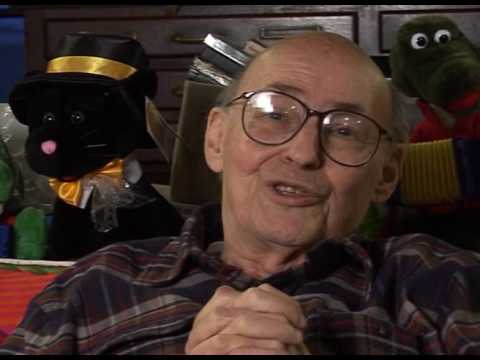
Marvin Minsky argues that the word 'consciousness' cannot be properly defined in psychology because it lacks clear boundaries, similar to how we cannot precisely define where the Gulf of Mexico ends and the Atlantic Ocean begins. He contends that common sense psychology terms like 'emotions,' 'feelings,' and 'thoughts' are vague and overlap significantly, making it difficult to create precise definitions. Minsky suggests that computer science vocabulary (such as 'compiler' and 'interpreter') provides better frameworks for understanding complex mental processes, as these terms emerged from the need to describe complicated systems and processes that were previously impossible to articulate.
MIT 6.868J Lecture 6: Consciousness - Marvin Minsky
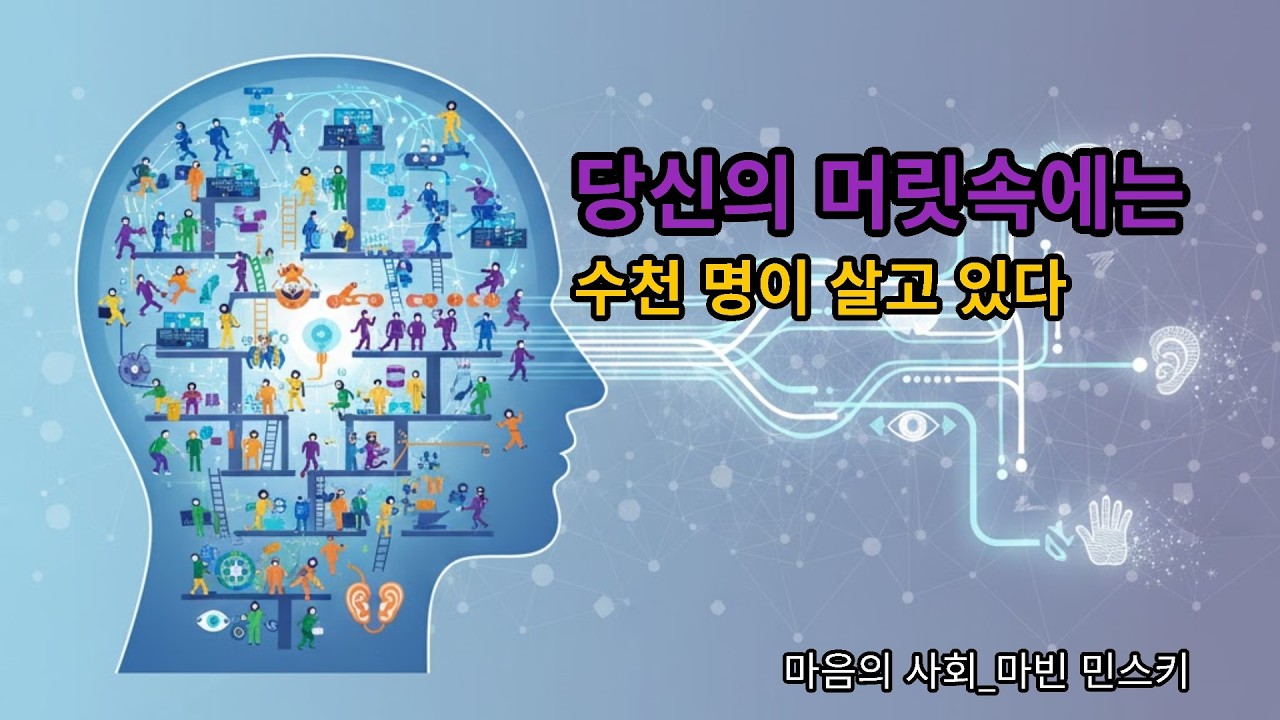
Added:Familiarity with Marvin Minsky's 'Society of Mind' framework, specifically the concept that the mind is a collection of simple, cooperating agents.
Basic concepts in the Philosophy of Mind, particularly the debate between physicalism, dualism, and functionalism.
An understanding of 'The Hard Problem of Consciousness' (as defined by David Chalmers) to contrast with Minsky's reductionist approach.
Fundamental concepts of symbolic artificial intelligence and agent-based modeling.
Exploration of Marvin Minsky's 'The Emotion Machine', which details how processes like feelings and emotions function as resource management in the brain.
Comparative analysis of alternative scientific models of consciousness, such as Global Workspace Theory (GWT) and Integrated Information Theory (IIT).
Study of the philosophical and technical challenges surrounding Machine Consciousness and Artificial General Intelligence (AGI).
Examination of critics of strong AI, such as John Searle's 'Chinese Room' argument, to understand the limits of computational functionalism.
112.1K views610likes1:47:58Original Release: 2011-08-29
the following content is provided under a Creative Commons license your support will help MIT open courseware continue to offer highquality educational resources for free to make a donation or view additional materials from hundreds of MIT courses visit MIT opencourseware at ocw.mit.edu easy one why should we not use the word Consciousness oh thank you more generally maybe we shouldn't use any word in popular psychology should we use a word at all well in mathematics when you say the associative law people know what you mean if they know what you mean but uh in the emotion machine I argue that to begin with almost every word except perhaps in mathematics where what's the difference between mathematics and the real world uh in mathematics you make the world and uh you define everything in it just about uh so then it's all right to make a definition because things aren't inher inherently ambiguous but you can't Define you can't Define a real thing uh what's a cat uh you can sort of narrow it down by saying it's a thing with such and such a genome but then the next cat doesn't have exactly that genome and so forth and there's a toy cat and a dead cat and all sorts of exceptions to whatever particular definition definition is a bunch of words and it more or less vaguely covers some things and not others and I think I mentioned an example of uh where does the Gulf of Mexico stop and and the Atlantic Ocean begin and maybe that's something you can Define because there's no natural boundary and so you might say uh uh somewhere in the United States code there's several laws probably not in fact consistent which Define it and uh maybe Cuba has a law which defines the boundary different and so forth uh so I think generally uh Dustin's question is can you uh Define anything in Psychology and uh of course the emotion machine is complaining that the distinction between words like emotions feelings thoughts and uh subjective experiences all that sort of thing those are sort of old words most of them surely go back you can find Aristotle discussing somewhere I suppose the difference between Sensations and feelings but it seems to me that now that we know that the brain has hundreds of different uh areas as they're called hundreds of different uh kinds of Machinery linked in various ways that we don't understand uh it's it would be a wonderful coincidence if any of the words of Common Sense Psychology actually uh described anything that's clearly separate from you know like rational and emotional that's a typical dumbbell distinction that people use and uh I suppose the worst one which is only about 40 or 50 years old is the left Brown left brain versus right brain distinction which is wonderfully popular uh in the media and in non technical discussions but uh Sometimes some we'll talk about front brain and back brain because the front of the brain or the middle to to forward part of the brain is more involved with motor activities and the stuff in toward the back is more concerned with sensory activities in fact there are two language areas and there's a language area for uh dealing with hearing speech and one for which is more involved when you're actually talking yourself and uh those two are about an inch inch apart and they do tend to be the front for the motor activity and the back for the sensory and I think it's that lack of uh ways to unpack the suitcases overlapping uh collections of functions that the everyday words uh point two uh that has made psychology very difficult and neurology difficult uh another trouble is that uh whatever the mind is it's very complicated ated or or rather uh it's a system with all sorts of very complicated processes and before 1950 there wasn't there weren't any good terms for describing features of complicated processes what changed uh was that around 1950 we were able to make complicated processes by programming computers and uh within a decade or two uh several hundred new words appeared and these new words described ideas about complicated machines uh most of which had never occurred to anyone that there could be such distinctions so a great distinction is the difference between compiler and interpreter if you are familiar with the language lisp uh you know that it's made of these uh descriptions of functions and variables arguments as they're called and uh somewhere early in your book about lisp there's a one-page program called The Interpreter which tells what does it do it says how can you uh get a computer to obey the instructions or the procedures described by the programs um I've talked to a lot of neuroscientists and um a lot of the younger ones know about the difference between a compiler and interpreter uh and and I suspect that many higher level mental processes involve interpreters that is somewhere you've stored some structure that corresponds to a string of symbols or expressions and then there's another process that uh can convert that into a sequence of actions and what's the difference between an expert at something like someone who's very good at knitting and somebody who's just been told how to knit or a better example when the first interesting chest plate change playing program was uh written by Alan Newell and Herbert Simon uh it was on a computer that had only about a thousand words of memory and so there wasn't room for a chessboard so they had a 6x6 chess board I think they took out the Bishops or the knights not sure which and um then they explained the rules of Chess to one of the secretaries and uh the program managed to beat her shortly a she had to look at the rules every now and then to see what were the legal moves so she was interpreting in some sense whereas a if you had some experience with chess and you look at the night I'm sure you each have a different uh representational experience when I see it the when I see a knight I see these eight squares light up around it and so it's in a little circle and when I look at a rook it's it's a big pair of coordinates and when I look at a bishop it's these diagonals and that happens without any in some sense as you move the bishop around uh you see these diagonal lines moving how many of you have images like that uh well of course the beginner doesn't and and he or she has to remember these rules and looking up uh for each move or uh each move that she's considering she has to think about that for a while uh there was a philosopher named Hubert dfus around in those days and uh he didn't believe a computer could ever play chess well and I have to say that in some sense no computer ever has played chess well uh Because deep blue uh didn't have any strategic ideas or barely any tactical ideas and it was in fact uh very little more than a an enormous super computer that could try billions of moves and could look ahead uh eight or nine moves or whatever it did I don't know and count how many pieces you had left um or in some way compare two positions the standard way of comparing positions in chess was established back in the 1950s and uh even in new new ignment program it scored the Val it said how good your position was one that that you're considering by considering how far Advanced the pawns were uh how much material you still had do you still have both U Bishops or Knights or queen or whatever it is and uh do you have Center control center control is the four squares in the middle of the chessboard and um the player who has more pieces that are potentially attacking those four squares is considered better uh there's one more I think it's uh did I mention the pawn structure if if your pawns are if one Pawn is two squares ahead of another uh then it's very vulnerable but if they're in little triangles it's better and that's all that there were in in uh the earliest chess programs later ones had a few more features for evaluating like if you have two Rooks on the same row or column that's called a double rook and that makes a nice strong position except that Rooks are so valuable that a bishop or Pawn can take one even if it's covered by another Rook so it's not that good but it does divide the board into two parts and pieces can't pass between them without some trouble anyway uh I'm rambling but what happened in in the 1950s and 60s is several hundred new words appeared for ideas about not just processes in general but the kinds you might expect to find in a brain and for example in memory how do you remember something uh you might store it in a list structure or uh you and where do you store it you might in uh in this kind of machine which I presume is a G4 uh it probably has three or four levels of cash uh two of which are sort of public and then inside the central processor there are things called registers which keep how many registers is in a PC these days anybody know much the ands have something like 64 128 okay in the early days of computers there were two and then there were eight and 16 and then after that nobody thought about it because they people stopped learning machine code and only the compiler writers knew what was actually going on here's a question that John McCarthy once asked uh uh you could you can uh there are lots of theories of how knowledge is represented and how you retrieve it but he asked uh uh do you know Bill Clinton's phone number and there you're not ask I'm not asking you for Bill Clinton's phone number I'm asking you do you know it and presumably you don't and you can say so immediately so how do you do that and in computer science there is a gadget called hash coding who doesn't know about hash coding does it have another name or do people call it hash coding who has heard of hash coding okay uh I'm just wondering if there's a a more highly cultured name for it probably is in some textbook uh with hash coding what you do is you take uh some big bunch of data uh and compress it by a lossy compression into a small number of Bits And if you do that for every item uh that you put in memory like if it's linkoln Gettysburg Address you could hashcode the whole thing but that wouldn't be any use but if you took uh for scor in seven years ago which is a couple of hundred bits uh and compressed that into say a 20 bit word then uh when I say four scor and seven years ago uh you could say oh I've heard that before because it lit up this 20 bit hash thing there's a one in a million chance when you add a new thing that it will get hashed into the same place but uh no human would be disturbed by making uh mistakes a few times in a million whereas uh accounting systems would get very distressed and in all my talks with neurologists neuroscientists I mean that might be an answer to McCarthy's question if you knew the number you would have hash coded some phrase like Bill Clinton's telephone number and uh but I don't think so I think you would say uh that's a heart to get to celebrity and uh he must be very busy and he surely doesn't tell anybody his phone number except uh his lawyer and a few other people and I've never had any occasion to in other words you you might be doing a fairly complicated uh analysis of if I knew that how would I have got it and I can't think of any way it's hard the brain doesn't really have a have a process to enumerate everything I know about Bill Clinton no but it might have a hash Code system because that's so economical I didn't finish my sentence which is that uh I never met an older neuroscientist who knew that concept whereas uh all computer oriented people have known it for some 40 years so it takes a long time for a simple idea like that to cross the professional boundary and there are hundreds of such words for and and of course the uh the distinction between uh interpreted code and compiled code is very important and I was going to say that an expert is somebody who has compiled the procedures so that he or she or they or it can do it without thinking and uh one thing I mentioned a couple of times in the emotion machine is U there are other processes which psychiatrists probably do know about namely sensors and suppressors in some sense uh it might be that a large part of a of an expert person's knowledge is knowing what not to do and uh I really haven't seen any discussion of that in the little cognitive psychology that I've read but uh an expert is someone who gets things done and doesn't make fatal mistakes Stakes U how many times have you jammed a screwdriver into your other Palm because you did this well every machinist has a few scars but not hundreds of them because uh after the second such accident you uh you do some mysterious process which uh builds a sensor so that you won't even think of pressing hard on a device that you're holding in your other hand I don't know if you could read that first paragraph which I just found somewhere uh the prefrontal cortex or known as the frontal lobe serves a specific function the active maintenance of patterns of activity that represent goals and the means of achieve them mean what was that [Music] oh it's probably is it in there or is it in displays that's the wrong place energy energy saver Microsoft is being socially conscious where's the place which says never asleep here well it's saying never asleep uh click off with the hard dis to sleep when possible yep do you think it did that yeah it didn't go totally well mysterious someday it will know when you it will have listened to the lecture and know that you're going to need it soon but then there's a strange Theory the maintenance of patterns of activity that represent goals and the means to achieve them them I like that they provide biou bias signals throughout much of the rest of the brain affecting not only visual processes but other sensory modalities and systems responsible for response me mem retrieval emotional evaluation and then he has a I used the word nutty in in some article by mistake and here's this nutty the aggregate effect of these bias signals is to guide the flow of neural activities along Pathways that establish the proper mappings between inputs internal States and outputs needed to perform a given task did you learn anything from that sentence it has no procedural Theory except this word bias which penetrates this this paragraph well I just found that a couple of hours ago and I guess what I've been saying is that the words of everyday psychology are pre computer science they're from of course they're from the past Century but they're from the first half of the 1900s and it's taking several generations for for other words about complicated processes to start uh getting into other fields computer science isn't about computers in this sense it's I think it's uh fantastic fantastically important step in the development of human knowledge and culture because there was no way to describe very complicated systems before 1950 mathematics was good for what's mathematics good for uh pure mathematics is only good for describing systems that are very simple in the sense I shouldn't say simple that everything's equally complicated in the end but uh systems that are described by three or four or five axioms so the group theory is this wonderful thing described by five aums and you uh these give the properties of a set of elements and an operation that has it inverse and is associative and so forth and uh given that definition of a group uh then in a few steps you can talk talk about uh say a concept that uh one group that a group may have a subgroup where you remove a lot of elements and you're still left with a group and uh you could consider that as like a divisor of the group and uh with a lot of effort you can prove everybody knows that an arithmetic if you have Prime if you have numbers any integer is unique divisible into primes uh well arithmetic is more complicated than groups and in some sense uh there's something called normal subgroups which correspond to a little bit to prime numbers and there's a beautiful theorem that is pretty hard to prove that uh if you have a big group it's uniquely divisible into these uh subgroups like primes and um then things get very hard after that and some problems about properties of groups uh haven't been solved for hundreds of years so actually the idea of an abstract group is just about 200 years old and uh there's some problems about them that nobody's been able to solve yet and uh so a little piece of mathematics something described by five axioms uh can consume lifetimes and is very complicated and if you have a 100 axioms then it's hopeless you can't prove anything so mathematics in some sense is very powerful but what it is is for finding the complexity in things that uh that are caused by very simple causes and it doesn't get you very far so uh if the brain is constructed by 20,000 genes or uh pieces of genes and so forth uh how could you ever understand such a thing well one way is you could say may maybe most of them don't matter and uh another way is uh can I write a huge computer program and see if that program acts more or less and that raises lots of other problems uh what computer science did bring us was the ability to take a a fairly complicated system and simulate it and see what it did so that was wonderful but it but uh it also gave us these words and the dictionary of computer science words think probably has a couple of thousand Expressions that uh most of you know many of and each of these represents a an idea about the nature of some procedure or uh interaction or something like that between descriptions and the things they describ that that no one ever had a clear idea of in before the middle of the last century um anyway uh nevertheless we have hundreds or thousands of words about the mind in popular psychology and uh one of those words is consciousness and uh here's a pretty nice paragraph about no no philosopher and hardly any novelist has ever managed to explain human consciousness uh that's pretty good she's putting the novelists just a little bit above the philosophers uh then here's a Mystic am I on this page anyone know S chinmoy I don't know much about him except that he has a bunch of books and and a sort of Fairly harmless looking cult Consciousness is the golden link within us that connects our highest and most illumined part with our lowest and most unilluminated part and Professor foder foder is brilliant and almost always wrong as far as I can tell uh it's almost worth reading his papers to so that you can learn to avoid the most common mistakes no one has the slightest idea how anything material could be conscious nobody even know it would what it would be like to have the slightest idea about that what could that mean so much for that some people think Consciousness is just in the nature of things and every object must be Consciousness or not I misspoke there we don't know where it starts in stops but clearly people are conscious and rocks are not and that's like the Gulf of Mexico problem uh at what magical point do creatures suddenly become conscious and there was a nice discussion on current discussion on a news group called comp AI philosophy uh where a graduate student named iray urel who's in Turkey uh is arguing with other people and I think that recently he said well if you had four simple neurons interacting with with each other would you say that that has a little bit of Consciousness and uh I don't think um he's sort of the moderator of the group and is trying to get them to take such questions not to take such questions seriously but to realize that if you assume that Consciousness is a matter of degree uh then uh then it might be not a valuable concept because if you can't tell when it starts or stops there's very little you can say about it everything has some Consciousness an atom has only a little bit while brains have more and then my favorite one is this criticism that's very popular that's what I sort of started the lecture about uh before you talk about Consciousness you really ought to Define it and uh people are always claiming to me if you're talking about artificial intelligence don't you need to Define intelligence and my answer is uh if you had such a definition what what would you do with it um so my definition is intelligence is not a word for a phenomenon it's a word for a social relationship uh if Jack's teacher says uh Shirley is very good at math that's a sort of what is that uh that saying uh being good at math is a skill that I wish I had a lot of uh like uh some mathematician you admire but to say someone is intelligent I think doesn't say anything very it's not a thing you can Define because uh it's a uh it's not a property it's a relationship this person is better at something than that person this person is generally better at everything than that person but uh what would you gain if you could say what what it was well you could say he is more resourceful at solving problems and if you went in that direction eventually somebody would say well uh what are the tricks can you tell me the tricks that this person uses to be better at something than someone else and then you'd start getting into something useful um so this this is from chapter 4 and what I'm complaining is that you should be very careful not to Define your terms if you don't understand if you don't have a complete theory of what you're talking about because you're likely to make things worse uh a particular definition of intelligence if it gives some details is likely to trap you into doing some particular set of experiments and missing the abilities that someone else has who might be uh good at other things so uh William Cal I don't know George ojan but Calvin is a neurologist who's uh does a lot of highlevel thinking and theories of how the brain evolved and some about how it works and he points out that you use the word for many different things like mental rehearsal focusing attention imagery decision making voluntary actions it goes on and uh that's a long list and the philosopher if that's a good word to use who I like to me there are two very good philosophers I don't know uh all the other ones and there probably some other good ones Aaron slowman at the University of Birmingham is full of ideas about such things and if you really get interested in this subject of making theories of mind then what should you do it's no use reading a textbook on AI because textbooks the existing textbooks are extremely conservative uh except maybe for Pat Winston's and uh how do you sell a textbook you have to have chapters that explain subjects that you can give homework in now if a subject is not really very welld developed and I think it's fair to say that artificial intelligence isn't it's really very hard to think of things that gave that make good homework questions but these textbooks manag to confine themselves to uh topics that are very narrow like elements of probability Theory or elements of uh Elementary predicate logic or statistics or uh whatever and uh whereas Aaron slowman if you just Google for Aaron slowman and you'll find this page which has dozens of big profound essays and hundreds of little uh correspondences and uh messages on groups and so forth and uh that's that's a great Gold Mine of somebody who's thought about these things for many years and has filtered out he's very critical as well as constructive and pretty unique uh he never writes popular things so uh the other philosopher if that's a good word uh is Daniel denned who writes a lot and he's not as concise and or technical but uh he's the other person who is always full of new ideas about uh old problems and very constructive but if you want to learn things maybe slowman uh is the best person to read I thought I'd talk about Consciousness but uh after debugging this book right up to last November I don't think I have anything much to say that I didn't write in this chapter 4 which was the last one I worked on actually so here's this uh everyday event where Joan is worried about missing her meeting and uh decides to cross the street and uh it might seem natural to ask what was Joan conscious of or how conscious was she of what she was doing uh and then this is a sort of long section where I list about uh maybe 30 or so different things that Joan was doing and you could ask uh how conscious was she of any of those and I didn't even try to uh answer that question I just made this big list of things that happened and what you notice is that whatever she's doing when she's thinking these thoughts uh there are a lot of different kinds of uh processes that you would have if you try to describe them in uh Common Sense uh English words so those are the words in italic uh the joke of course is the last sentence uh uh if I had uh done the wrong thing and got killed what would my friends have thought of me and that's that's sort of interesting because uh is that really the most important consequence of your being killed you'd think that uh what did she laugh after thinking that I think so uh but I was putting myself in her shoes or her knees in this case and uh I realized that that's one of the things things that you might actually think because your social uh social mind or at least in some people is whatever that means is as big as your uh common other Common Sense minds and U I'm attribut I'm worried that Joan is too concerned with with what other people think about her was that there's a book is there a book by Richard Fineman called what do you care what other people think is that the whole actual title yes yes you shouldn't care what other people think except uh when you say it yeah well I was reading this section and uh one of the things I was curious about was uh examining what we would consider to be going on in Joan's mind as she was crossing the stre Street uh like uh for example at the top level I I would conjecture she was possibly thinking um I am late I want to do something I want to make make myself as least late as possible right and she may have compressed that into I I have to hurry but right and then that sort of makes um uh I kind of want to examine that um that perspective because um I when I looked at it it seemed makes sense to me as to why she did the thing she did because her priorities were about um not being late and that could percolate down to multiple levels of or or Consciousness um I think you were asking a profound question which is uh how many of the what does it mean to say that these were on her mind or or could they be retrieved in one step and we we can't tell I'm willing to say that there are um multiple things going on at different levels but I'm I'm sort of conjecturing at one level of quite great significance as she was crossing the street was I am late and I don't want to be that I don't don't want to be too late mhm um and then there are other things that or she might be even looking ahead a step and say what will they say if I'm late yes well that's a nice question about uh various parts of your brain are have concerns I I think think it's safe to say and uh a nice question is are they ordered or are they parallel are you jumping around or uh because we're so we're such uh verbal animals that it might be that in the speech area what's in the speech area maybe there's a buffer that has the sentence that you're about to speak and it's in it's in an output buffer and it's all set and there's one that uh you're still constructing for saying next and then maybe there's four or five search processes which are saying and how could I justify that or what should I say after that or uh what's the probable reaction to the first one and should I change my goal I I've never seen good theories of this but I bet that in literary I think I mentioned that the other day in literary criticism there are writers and in poetry magazines few other places where would you find discussions of that sort of thing uh people trying to uh describe what's on their mind at a moment I suppose it's in some Psy ology books but I've never found any attempt to sort of computerize it or to describe a structure with so many buffers and so many uh retrieval gadgets so forth what are psychology books they're mostly on a classification level and they're assuming that you know that you already have a theory of these things I'm going I'm going to conjecture that the chapters the relevant chapters in pychology text don't exist I was curious to see um sort of a um a sort of an examination of what was going on in the state of Jon's mind as she was crossing the street um as viously as it's done here and then what's going on in Jon's mind after she crossed the street and um had these thoughts what my friends have thought of me oh you're right uh I mean and then what the transitions were right so I said she later actually I have one of these but it's too hard to aim from here uh she might be reflecting on them while she's still I mean I just put that in gratuitously she might be thinking about getting killed while she's running across so I was just focusing on how funny it was that the social uh concern was it's like wondering what coffin you'll be buried in I mentioned that because I saw an article on green coffins I can't remember what it said but uh there's a a certain movement among funeral uh people about saying that their coffins are more or less biodegradable uh you have to have the right clientele to want a biodegradable tomb well you've you've seen this huge list and this is really descriptions of about 30 things that she might be concerned with and we need a to have a good model of of human thinking we need some way of do we need 30 different kinds of mechanisms or are or is this big collection of high of uh italicized words like learning recollecting expression narration those are all ordinary words and uh one image of how this field will eventually be successful is if that those get replaced by 30 technical Words which actually uh you can look up in some Encyclopedia of computer science and we'll say uh compiler a mechanism for uh converting a highlevel description into uh machine language code or whatever it is the uh one of the first great achievements in artificial intelligence was in the middle 1950s when uh a uh computer designer named Arthur Samuel wrote a checker playing program and uh he was also designing the IBM 701 which was the first big big uh main frame that uh had hundreds of copies made made of it and he was he wrote the Checker program in machine language for that and discovered that he couldn't understand it uh a few days later because there wasn't room on punch card for comments and things and uh so he wrote a symbolic disassembler everybody know what an assembly program is if you're writing machine code that's zeros and ones and there was a period when everybody who wrote programs just wrote these uh well they wrote them in HEX usually and or 16 base 16 and then people realized that if you refer into the same thing many times like X which is in some register then wouldn't it be nice if you could use the symbol X instead of the name of the register it's in so that was called symbolic assembly and Samuel wrote this uh program which must I've never seen it but it must have been uh a fantastic achievement which would look at machine code and notice that if the same address was used for several times well then he would assign a symbol to it and uh then it looked like assembly code instead of machine code and that way he could understand what he had written a few days ago I don't know if there's any are there great programs today which could look at a machine language program and and write some horrible C program to express it figure listen to that it disassembles itself into lisp uhuh well lisp is different from the other things because The Interpreter only needs what is it five or six Clauses but uh could you look at uh Java code and well maybe it's the same yeah jav I've I've actually lost code to Java programs and recovered it from machine code by Machine by a program Yeah by dis oh great well if we could do that for our brains and find out uh why we thought of something uh so much for that uh I guess I shouldn't go over this but one idea is one aspect the reason this is in the Consciousness chapter is uh people talk about self-awareness as being a feature of Consciousness and the question uh in what sense is a person self-aware they're clearly not aware of uh how their spinal cord sent decided to send signals to wiggle the little finger on your left hand except that now I'm aware uh I can think of in fact I don't know how it's done and I'm imagining a almost certainly wrong theory of what are the steps between saying I'm going to wiggle my finger in doing it so uh generally I don't think we're self-aware in a genuine sense hardly at all uh what happens is when uh when you quote experience something what you're doing is making up a uh baby theory of how it worked and that's your sense of of uh Insight is I've just thought of a really uh pretty simple uh model of what I did uh but I think it's very unlikely that anything like the language part of your brain has much idea of what happened in the uh that's in the front part of your brain has uh any really good ideas about what happened in the back half of your brain so so in some sense when people talk about self-awareness that's an abbreviation for thinking that you know what just happened rather than really knowing what just happened and uh that leads to ideas about um maybe there are several layers of the brain uh Each of which gets inputs from the layer below it so that your highest level um awareness is presumably actually uh recognitions of patterns in the at each level of patterns that are happening in the level below it there's a funny phenomenon in Vision called seeing through that uh if you look at a picture or if you look at a visual scene um I see the I see this hexagonal grid of little circles in those panels so I have a nice abstract theory that there are these sort of uh rectangles that are two and a half times as high as they are wide and each one uh is full of rows of about 30 uh circles and those are arranged in a hexagonal pattern and so some some part of your brain is describing it that way and uh you have the feeling also that you're seeing all the holes separately and there probably are some parts of the brains that are uh noticing the roundness of the third hole to the left in the 15th row or maybe not and uh some of the visual people talk about the remarkable thing about human vision is that uh uh I can keep looking at the same scene but now I'm looking at 1:00 on the one of those little holes and practically seeing the pixels there so how is it that you can see this high level pattern namely that's a textured wall and another level which is it's made of uh rectangles full of holes and another level where I can see the upper the 2:00 position in some particular hole and can you do those all simultaneously or what and uh I've there are a lot of theories about uh how you perceive edges and in fact uh really there are two parts of the brain that are pretty well understood and one is the lowest level visual processing stuff because they're uh you can experiment in lower animals and show patterns and and it's known that certain particular cells in the retina do such and such and it's also known that certain particular groups of cells in the visual cortex compute certain functions and that's fairly solid there's hardly any other area of the brain where you can say what any particular bunch of cells do auditory cortex is the auditory cortex also and there's a little there's rather lot known about the cerebellum but I haven't kept up with it uh but I don't think there's any substantial amount of knowledge about what happens in the in the memory systems we don't know how anything's represented and in the uh reasoning systems and prediction systems in the frontal cortex so the sensory systems are nice because you can uh put a cat in a Vice and and have sensory inputs and see what happens it's much harder to get the cat to move its little finger and see how it decided to do that if you put a signal into the motor cortex uh you can find a place that makes that muscle move I'm not sure you can but you know certainly in the spinal cord you can so that leads to the idea of mental critics and things like that which I really didn't develop till a couple of chapters later the neuroscientists know a whole lot it seems like there's so much data that collected well but we don't know that they I'm not sure how much they know because their experiments are so ambiguous right it's not as very useful it's not put together but there's a lot of it just sitting there right there's a lot of experiments that's been done yeah but I'm not sure it has knowledge in other words if you don't if you don't design an experiment to see if you're using a hash code you'll never find it no matter how much data you have it's well uh in fact there are people who are talking about making a Big Data Bank of all that stuff getting all the neurologists to give all their data and it's a open question of whether someone will discover something from it I think the you might discover a lot if sort of uh a little bit like what Deb Roy is doing except if you had somebody wear an electro if you had somebody wearing a helmet that picked up say a couple of thousand signals from the brain I'm not sure you can do it from the scalp but I wouldn't be surprised if you could get a lot and then you have a person walk around for a year and record everything that the person sees and everything that they hear then maybe you could use something like the deep blue computer or the blue jean computer or whatever to look for correlations that say is there some complicated brain pattern that occurred most of the times when the person said I need coffee or what find some event that happens a few hundred times in the year and U see if you can track that down so I think a database like that might be good uh but paradoxically I think having a database of all the neurological experiences uh would tell you about would only confirm or disconfirm uh lowlevel Theory uh in chapter 4 there's this uh discussion of of what might be involved in the brain's Evolution and it's not a very good discussion because for some reason I cut out this important thing did I talk about this the other day that genetics is in some sense always at a dead end because uh if you take any particular piece of Machinery in the body it's probably been optimized for uh 10,000 Years or or more because every now and then there's a little variation in some protein some Gene which changes some protein which changes a little bit how something works and if this Gene is slightly better than the other Gene it has a fairly big chance of spreading through the population people used to think that Evolution was slow and then uh some new mathematical insights came along and it turns out that natural selection is pretty fast there's a I think I mentioned Dawkins experience somewhere in the book when he wrote this uh he wrote an evolutionary program which made little animals on your screen and actually these animals don't function they're just Graphics but uh what the machine does what the program does is it makes uh more or less random variations of the description of a line drawing so uh it's like a it draws them like sort of like logo programs uh draw a line this long turn here uh Branch another one from it and so forth and uh so when you turn it on it puts up about 20 lines which are sort of connected but don't make any sense and uh the idea was that it starts with one pattern you press this button and it makes 25 variations of it the original is in the middle that was because uh that's what he could do on a uh on the computer screens in the 1980s 90s I guess and uh then you pick the one you like best of the 25 and here's what happens suppose there's this mess of of sort of little tree of uh that looks random and you say I'm thinking of a frog or I'm thinking of a spider or I'm thinking of a chair you say well uh I'd like to draw a chair and then you say well this is a little more like a chair than those other 24 you pick that and you type it again uh then you get mutations of that and you pick another one of the 25 guess how long it takes before it looks like a crab if that's what you were thinking about well it's it's about 50 uh but sometimes 20 it's not a thousand and uh Dawkins knew about genetics and uh all geneticists uh at that time thought evolution is fairly slow as far as I know U and he didn't expect this to happen in 20 or 50 trials it's and uh he said that was the uh most astonishing experience it was a revelation a religious conversion literally I suppose and uh quite a remarkable event uh you can get a copy of that I think somewhere is it on the web I would look but I won't uh however the next step was that he said well of course this just looks like a frog uh I want one that can jump like a frog and so he was for years he thought about making the program such that the creatures actually did anything and he never got around to it and uh finally some other people did so he didn't have to what's Patty May's husband name uh damn what h no h uh I'll remember before the end of this um he made uh he made sort of little animals and he selected the ones that could win Races they would move at random and after a while some of them uh they had to cross a Finish Line uh then they would mutate their structure and add parts and crawl along and the Annoying Thing at least in the early stages is uh in his early experiments the thing that won was one that built that kept growing taller and taller until it fell over and its nose was across the finish line and uh all the other species were clumsily trying to learn to walk or something and this creature uh found another principle entirely of course it didn't know what it was doing uh with real robots uh that's uh has a program that generates the shapes and then the 3D printer builds the actual yes yes that's uh Jordan Pollock at brandise or wherever he ising a coral well gu lots of people are doing this stuff maybe he's there now but it it was Jordan Paul like about two years ago I was really annoyed because got an enormous amount of attention and it didn't have any I mean he's a brilliant guy and he's uh he's the co-author of the Walts and Pollock Paper uh on micrones which or micro features which was a great idea about uh representing meanings but I was sort of annoyed because uh this particular stunt didn't have any new idea but it was Fusion of two great Technologies he had to put the motors in by hand though right so it evolved this thing and then the 3D printer made it and and it crawled around uh this is a very important principle that is probably not taught in you know there's a great controversy about whether you should teach evolution in schools in the Bible Belt but one question is what are they going to teach because the Machinery of of genetics is really very complicated and clever by now and there are all sorts of uh wonderful pieces of Machinery in it and just teaching uh what a Dawkins call it the blind watch maker just showing that things can evolve uh doesn't uh tell you how wonderful the actual process that has evolved so this is an example of a a problem in genetics which is that uh almost all mutations are bad and the longer you wait the less likely you are to find a new mutation well usually evolution is described in terms of changing genes and those are now called point mutations but the uh this example says uh it's just a I just made it up I don't know if there's any such situation but imagine that there's a certain protein made by a certain Gene and you know if a gene can make a protein then uh every cell has all the genes pretty much but uh as your as the animal uh goes through embryonic stages and makes different tissues uh lots of genes get shut off and stay shut off so that uh the your a cell in your liver might Express 5,000 genes and a cell in your uh brain might Express uh 5,000 genes and they might not have well some of them will be in common namely the the basic ones that control respiration and and keeping the cell alive so uh and those will be those will be the same as in lettuce most of your genes uh are the same virtually identical to the ones in the average vegetable but the uh in each particular cell line there's some particular ones that get expressed so suppose there's some that uh a protein that's involved in making your heart controlling the shape of your heart valve your mitro valve say then uh over the last uh 40 or 50 million years ever since mammals had the kind of four chambered hearts that they do uh this valve has been tuned up and it's been optimized and probably the slightest change in that protein will make your heart slightly less efficient and you'll be like less likely to survive in as many environments and the very same protein might be involved in uh some connective uh molecules that hold some neuron in place or anchor it to another kind of cell in the brain so that it can get uh nutrients from there or whatever but you see the point you might be using the same protein for two different purposes and uh what's happened is uh now imagine a a spectrum of variations of that Gene for the heart it might look like this and for the brain it might look like this so there is a mutated version of that protein that would be make your heart better but this one but it would be fairly bad uh for your cognitive processes on the other hand there might be a variation this this this is the same protein there might be a mutation of this which is very good for your brain and it would make you smarter uh but uh you might die if you ran up a hill because you're not getting enough oxygen so in this sense the the gene that you end up with is not so good either for your heart or your brain but you're stuck with it and any Gene that's used for two purposes uh you're probably stuck with it because it's optimized and of course I don't know how I'm just adding these graphs but what does that mean but you get the idea so although your genes are almost all optimized they're if any of them are used for two purposes uh they're far from optimal well there's another process that's very common in reproduction which is that when a chromosome is being copied because when a cell divides it makes another cop has to make a copy of all the genes um but it's copied serially by this uh little copying machine and every now and then uh the thing gets tangled up crosses itself and the poor what's it called uh I forget the name of the gadget that does this is it a ribosome no we're talking well I'm talking about the uh transcript days yeah it's the transcript days and it's attached to something so if if the uh chromosome got crossed itself incidentally there's a there's a whole separate piece of machinery when a chromosome crosses itself there's another enzyme that says oh it uh it's crossed and this one is under tension it actually cuts the other side and pulls it through and these are called top topazes and we're full of these these take the knots out of chromosomes who would have thought th uh so what happens is that uh it goes around the loop twice once once in a trillion times uh and uh you get two copies of the same sequence of genes now uh if this happens to one of the chromosomes um then it might actually kill The Offspring because uh now the two chromosomes can't match up but uh it may not and even uh when that cell reproduces it um might make two copies of that one or uh something like that so now you get an animal that has an extra copy of of a whole block of genes and in some cases uh this is actually beneficial because although it was making this protein already U it may have moved to newer environment we're having uh two copies of uh of the new protein is better than one and uh that's that's something that wouldn't have been optimized okay so now you have two different places that are making these genes and you're still stuck on this local Optimum but then a single mutation in one or the other of those could cause it to be expressed in different cells because at the somewhere on the chromosome there's something which determines uh conditions under which it will actually make the protein so now you have two factories and if one of them if you could get this one to be activated in the heart and this one to be activated in the brain then you would have a really Superior or noticeably U more efficient animal and it would take off so it's things like that duplication and giving you a diversity of cell types that's probably at any particular point in evolution this is probably much more important than gene mutations now I bet that uh whatever they do teach in the high schools where it's taught uh they just go back to whether two recessive genes will give you blue eyes and things like that and don't talk about uh details of the evolutionary process and there are dozens of mechanisms like this that have evolved U since the since the first plants and animals so that for example in your spinal cord or uh you have different sets of genes at for every vertebr and that's why you can have some sending nerves to the arms and some sending nerves to the legs and so forth forth so that's that's a fairly big deal and well what's the point the point is that if you ask how did people get so smart as compared to squirrels or even chimpanzees it would be nice to have a catalog of of uh what what because the human genome is not very different from the gorilla or the chimpanzee or the orangutang or baboon it's just a few million years so what happened who has it what could it what anybody have some theories of what what made us so smart in just five million years the stat yeah there are some theories that um there were intense periods of natural selection where our species was almost wiped out that happened several times yes so there were only you know during those periods most of our species were wiped out to the point where you just had a couple of thousand and when you just have a couple of thousand of any species you can have very rap mutation rates because they're such a small pool and then once they survive that it's spread out then it slows down again theories are that it happened five or six times maybe even and that's what helped increase our intelligence and U I think the main proponent of that thesis is this William Calvin in Seattle because he wrote a whole book about attempting to relate the ice ages in the last few million years to brain changes unfortunately we don't have enough we know something about the size of the uh brains but so that explains why it happened faster perhaps but what could of the important changes be usually people talk about the brain getting bigger and but the question is then if that would make you smart Why didn't it happen 50 million years ago and in fact it did with for the Dolphins the there are enough fossil dolphins around that show us that I believe it's about 50 million years ago their brains rather rapidly got bigger until they're as big as now and then they stopped getting bigger and uh no one knows why uh yeah could it be that there was a technological change in the sense of maybe I don't know some kind of Agriculture was invented that allowed a stable environment to come into come into play and so that people could have a more stable existence would that certainly could to do agriculture uh you have to be able to think ahead for months and maybe we always maybe other animals get by just thinking of the next meal but I'm I'm not sure whether the cart would come before or after the horse there uh here here's uh here's one idea uh I bet that uh up till recently having a bigger brain would have let you remember more but if you just made the brain larger and made more uh it's like buying a terabyte for this Mac uh then I could uh keep all my movies but if you didn't have a good way to retrieve what you want then having more memory would actually be bad wouldn't it uh because you slow you down and you'd get more wrong things so one conjecture is that uh uh is that there was some change in our brain that made credit assignment better I forget what chapter I have credit assignment in it's somewhere that suggest that the important thing in learning is uh it's no use to remember something unless you uh connect it to something like a Critic which says in this situation this memory uh might provide a useful analogy so to solve this problem so my bet is that well that's so that's one hypothesis there was a mysterious Improvement in credit assignment namely which features of Which experiences to remember that suddenly made it okay to have a larger brain because it didn't matter now if you put twice as much junk in it uh provided that you were better at filtering out and picking out what you need so uh a good homework problem is uh CU presumably all animals uh potentially with a very small change could have a brain twice as big however if this didn't make them twice as smart uh they would be quickly wiped out because as you know brain our brain takes 20 or 25 watts to just keep going and uh a person the whole body takes about 100 Watts so the brain is a very you have feeding the brain is very expensive and you can't turn it off very well I'm not sure that the sleeping brain uses any less energy than the waking brain anybody know anyway uh so a good thing is can you think of a few other higher level cognitive features that might have sparked this rapid Evolution and uh yes this uh the other thing is reducing you to a small population makes selection more intense uh but when this happens to most species they die out so uh if the human population actually got down to a few thousand six times in the those glacial periods it's remarkable that anyone's left but um are thatw pictures any SYM there's some elephant that does paintings that they sell but say abstract yes I don't think anybody's uh claimed that it's portraying anything so I guess we always heard that like two two heads are better than one and consider pictures and writing over centuries they just imagine there a problem a pitfall that someone might go through and then someone gives you advice oh you probably shouldn't do that it's probably a bad idea to STI that fork in that socket and like other other really good advice over Generations kind of explains why we're quote unquote smarter because we're just taking advantage of like what everyone else figured out earlier but then like the original thing that made us paint or like draw symbols I that's a good point it might be that once people had just the least bit of communication they'd only say things that are important and so in other words you could solve the credit assignment problem not by not by having something in your brain that does it well but just the fact that somebody says uh by the way there's a uh Raptor around the corner uh or Raptors hide in that particular kind of bush uh once you have communication I hadn't thought of that uh then it might be worth having a bigger brain because uh in the social thing people will only tell you about really important bad things yeah um on a tangent to that if there was only a few thousand individuals left or a small number of um people left wouldn't it make more sense to kind of band together humans are rather social animals if having bigger brains would allow us to be perhaps more social or to interact better with others of our species wouldn't that promote survival uh it's a good question uh in there's a guy named Martin Noak at Harvard who has an Institute for evolutionary uh mathematical evolutionary theories and there's some stuff related to that that's come up recently uh evolutionary theory is progressing very rapidly now that for the first time they're good mathematical models of group selection and a conjecture is that one of the features of human evolution is that uh before people had developed uh social communities very well uh two tribes might battle and uh and uh one would be defeated and run away but once you had cooperation then you could get the idea that uh if there's a neighboring tribe you don't like then you should go and kill every last one of them and that's a great idea people say wouldn't it be nice if we didn't have war and uh yes it would be nice for us maybe but uh in this there's a whole Spade of theories of group selection now and one of them is that when a tribe is smart enough to realize that if it can wipe out every one of the enemy then you've solved the problem for good and you can take over their land and uh so this kind of evil cooperation is a really unique feature and you don't U normally when species compete uh they're just hungry and they don't have the idea let's get rid of all of them for good yeah back to your question about what the maybe it had something to do with um Imagination and that uh imagination would maybe let you over what would normally be your instinct for how to do something so instead of um maybe hunting or gathering by Instinct you could use imagination to to think of a better way to do it yeah picking up that rock will help you hunt something certainly having reflective layers but why would that how would that promote the brain being bigger well if you remembered all your good ideas that would be useful I thought that sort of occurred to me when we went from the communication idea to the banding idea was that what about above if you consider the fact that you have yes you have small populations of humans that will survive better if they cooperate and S live together in bands um and would not little bands or bands of people work better they can communicate or if they specialize and cooperate so that somebody's good at knitting sweaters well you you make them do nothing but knit sweaters so I I I'm sort of inclined to believe that um the evolution of both ideas can progress together rapidly MH another thing that comes to mind is that Humanity dwindles down to a th people six times the people that are left are probably the smartest ones yeah well they've been the idea is that they they've been selected to be more resourceful because but they might be the politicians well that's all right what are the only other species that um I guess only other species that has ever actually drawn pictures is our closest ancestor the Neanderthal I think they're off by one chromosome um half yeah there AR any anthropol pictures aren't there yeah lots of uh paintings um so they are that they were um I guess have have the same capabilities intellectually as a human being but they were more peaceful and passive and maybe the equiv of hisor well the latest theory is that that we're descended from across between neanderthals and Homo erectus but there aren't enough uh there aren't any fossils with genes in them yet for that uh the uh you remember that thing about the uh dinosaurs having soft tissue in their bones about three years ago so oh uh there was an there was an expedition that found a big thigh bone and it had some soft tissue in in a femur big big bone and there was a lot of stuff in the Press about this is this is terribly exciting because we might be able to uh find DNA in this 50 million year old dinosaur didn't it was in all the papers U anyway they didn't find any it was Jack Jack Horner's project at the University of Wyoming uh and there was some jelly like stuff but it wasn't the right stuff uh anyway if you could find if we could find some pranan and neandertal and other DNA then we could see how much of how many genes we have from each of them and that would be very exciting and the opposite would be exciting it could make if we could push the ethicists aside then we could make some neanderthals and see how they do how useful 9.9% the same gen as chimp yes but the but the 360 genes must different must be very important I mean we have 80% in common with lettuce so it's it's the different ones and uh I don't know if if you've been looking at the at the scientific papers uh it's changing from month to month and somebody just announced that there's uh several thousand little fragments of something else uh in the genome that look like they might be regarded as genes and I forget what they're called but uh but they're highly conserved they're not junk because they keep they haven't changed and no one knows what to do about them this month as far as genes go they found out that said the genome the prote the different gen can go for different protein in fact it's situation is pretty bad yeah you know so little about how to protect tertiary protein structure so that even like now with the the different genes that we can see between chanes and humans we still don't know anything even remotely close about the protein folding to give us any idea what the fundamental differences are between yeah I saw something about each gene uh being responsible for at least two and a half different proteins just by cutting and splicing so uh they're still talking about 30,000 genes but it makes 80,000 different proteins so uh also the whole issue of protein chaining where one protein enables another protein to enable a gene to make another protein and so on yes and if one of apparently if one of them is express some protein can get expressed which will cause a lot of other genes to to express their second protein rather than their first by making it skip some transcription thing so this big mess and uh at some point in evolution the appearance of editing editing genes must have appeared where instead of making a whole new Gene uh you can make a small protein that Snips out a little piece of an existing Gene and um so there's more information per bit than they thought before but it's it's still only a gigabyte anyway uh I'm curious about whether with this great controversy whether you should teach Evolution or not I wonder if any High School courses because this hasn't reached the college level but I wonder if anybody talk I mean this is a this is a wonderfully simple idea it's this guy Ono won a Nobel Prize for uh seeing how this works in the vertebrate structure uh when you make you know that vertebrates start out uh as a long tube with a lot of segments and then uh he discovers that there's four main areas which in fact have common names cervical thoracic something Lumber what's it in between lumber and sacral uh and those are activated in blocks and then uh each of those have three or four subblocks and each of those uh have specific effects for for different segments of the spine and apparently some of them are some of these are expressed because uh over here some chemical is expressed and has a high concentration here and less and less there and that uh affects so there's some analog stuff there too so that affects which genes get transcribed somehow uh but it seems to me that if you're going to teach Evolution at all you don't want to just say we're descended from chimpanzees but you want to say incidentally there's a really interesting thing and people are discovering I don't know why I mentioned that but but after I when I went to college I didn't know that people were still inventing mathematics and so there are little things in education that just seem missing I went to a very Advanced school but somehow I didn't get the idea that oh look here's some mathematics you learn you can learn but you can also make it up and how many kids know that or do they think there's just high school algebra and and calculus and it's just all done and something funny about education did any of you how many of you knew that people were still in make making mathematics in school I probably had heard about it but I didn't really believe it how many of you have made up some mathematics lately it kind of Mak sense think about Thomas Coon's book the structure of s revolutions and Paradigm shifts yes is that each new paradigm shift of knowledge like let's say there's a paradigm shift of mathematics or physics that entrenched itself as if it was the thing that always existed and then tries to produce itself to any other higher level organism so the reason like all the the entire sum all the paradigms and education just meant to sort of reproduce that and then someone will come along and say no that's not how to do it and they'll be like no you're wrong they prove that person right and they become parad and they become they entrench that as if that was the thing that was always yeah there certainly is a lot of rigidity about arithmetic and geometry and algebra and there are just so many other parts of math you can teach group Theory to fifth graders fourth graders and and uh it could be very liberating for some of them because because you don't have to know anything to do grip Theory geometry sort of you have to understand the world and I don't know what I'm saying but but uh I don't think there's any point in there there are no moments in primary or secondary education where you get to invent some mathematics even if somebody else has invented it put people in a situation where my daughter in high school I shouldn't discuss her but uh she got along very well with her English teacher and uh and uh he wanted to have some group activities so she invented a cute acute exercise that I mean she was she was good at programming already just runs in the family and uh so the English teacher agreed to give her the class class for a while and the game is this you uh you take pairs of students and you have a jigsaw puzzle and the students have a little phone booth they couldn't afford phone booths but uh but you could arrange it so they couldn't see each other and uh in each pair student a has to tell student B how to assemble this jigsaw puzzle it's a regular jigsaw puzzle and in order to do this you have to invent language for describing jigsaw puzzled parts and relations that's very simple and you know people would start out with uh the one with a bulge that looks like a head or whatever and uh and some of the students in fact ended up uh defining little formal languages to describe the perimeters and and stuff like that and uh they did better than the ones who uh couldn't Express the shapes it's just a little point but uh how often do you ask students to make a formal language or and if you can make a formal language then you can probably prove something about it although I don't think they went that far but I don't know don't know what they teach in math there was Professor lanu here uh who said he didn't learn arithmetic till he was 11 or 12 and he became a great physicist and he said because in in his culture they didn't have that in elementary school in China and as far as he knew it was a big advantage AG because arithmetic is the main reason why almost all children hate mathematics it's really a very impoverished subject and you spend years on it maybe it's just wrong but uh anybody who tried not to teach it would be in jail it's the Paradigm is not just a cultural one but it's it's just about religion right in jail if you went against the Catholic church in 1500s now you go now you accepted if you went against the Orthodoxy that's entrenched as if that's the way it has to be naturally I'd say that the No Child Left Behind thing is is almost like a religious Dogma system this list list of exactly what you should learn it's also oxymoronic right No Child Left Behind they take money away from the schools doing bad it's very funny I feel that every child should learn what a diminished seventh chord is it's a little thing in music which allows you to get from any key to any other key in two steps and why isn't that just as important as whatever whatever they're teaching instead just so many things you could do that are that give you more power over something how many of you know how to use a diminish seventh Accord oh come on what now we do it to C E flat F sharp a if you change any note down you get a dominant seventh so you can go to Four Keys just that way uh and composers use it all the time whether they know it or not it's just because it's it's the top of a ninth chord uh this what time is it this thing in the middle of chapter 4 is that clock right an hour I was I was wondering how I could have said so much in an hour okay uh but I love this quotation by by Patrick Hayes about uh when people talk about Consciousness they assume that it's such a great thing and uh you'll find that in chapter 4 uh why be in the engine room if we could be on the bridge he concludes it's it's a lovely lovely paragraph and uh then I have a I have a similar paragraph that I wrote for uh consider how you can drive a car without knowing how the engine works and when you come to think of it we drive our bodies in this and Minds in the same way and uh the image is maybe I didn't quote the whole thing but the image is that you work your mind just the way uh you play a uh computer game on your uh uh Xbox namely the so-called conscious mind is pressing little buttons and things appear and uh you get images and ideas and they pop up on your uh mental screen and people talk about how wonderful this is but it's as far as I can tell Consciousness is not very bright and uh it tells you Al it tells you things that are happening in some vague way but it doesn't tell you why they are happening at all and all this fuss about the uh wonders of subjective experience seem very shallow when you uh read these two paragraphs uh at least uh certainly the one by Patrick Hayes uh because he goes on to say in fact imagine if you did have to understand how your mind worked at every moment then you'd never get around to doing anything if you really had any self- insight you'd be so slow that I wrote the one about this was from an introduction to a wonderful book by verer vingi who is science fiction writer wrote a a little novel called true names and true names was uh really it's the second or third novel which described what the web would be like there was Shockwave Rider by I forget who uh in the late 50s which described a worldwide web and uh various hackers Who were exploiting or sabotaging it in various ways verer vingi describes this worldwide game that everybody's playing the thing is called true name because the people get very wrapped up in this you know second world and uh millions of people on the planet are completely occupied with uh being successful at this game which goes everywhere and uh if some opponent is really uh frustrating you uh then if you could you'd actually go out and kill him so people have to use aliases and the novel's called true name because nobody ever logs in with their real name because they're afraid that other players will come in out and get them so U and I wrote that essay which you'll find it's in the Society of mine mostly because the publisher thought that verer vingi's book was too short and said oh it needs another 30 or 40 pages or we won't publish it so that was a I would never have written that paper except that I thought this novel was so good well I guess it's late
Up Next

53:16
C Programming Tutorial: Building a Synthesizer with Function Pointers
@ljdp
1.5K views•2021-03-10

87:26
Introduction to Secure Multiparty Computation with Yehuda Lindell
@fhe_org
7.7K views•2021-02-04

58:55
Lisp Storage Management & Garbage Collection | MIT 6.001 (1986) Lecture 10B
@mitocw
23.6K views•2009-04-08
19:25
Enigma Machine Mechanics: WWII Encryption Explained
@JaredOwen
13.2M views•2021-12-11
Related Study Plans & Knowledge Roadmaps
Structured learning paths in Computer Science
computer-science
Container Runtimes: Namespaces, Cgroups & Go
01Linux Systems & Go Programming Foundations
02The Core of Isolation: Chroot and Filesystems
03Linux Namespaces: Process Isolation
+ 3 more learning modules
32h6 modules
Explore Roadmap
computer-science
Building a CHIP-8 Emulator: Rust & CPU Basics
01Computer Architecture Foundations (Bits & Bytes)
02Rust Programming for Systems Development
03CHIP-8 Virtual Hardware Specifications
+ 2 more learning modules
32h5 modules
Explore Roadmap
computer-science
Building BitTorrent: Go, P2P & Concurrency
01Go Fundamentals & Concurrency
02Networking Foundations & P2P Architecture
03Bencode Parsing & Torrent Metadata
+ 3 more learning modules
26h6 modules
Explore Roadmap
computer-science
Actor Models (C++ Concurrency & Lock-Free)
01C++ Multi-Threading Foundations
02Thread Pools and Task Scheduling
03Atomics and Lock-Free Queue Design
+ 3 more learning modules
45h6 modules
Explore Roadmap