












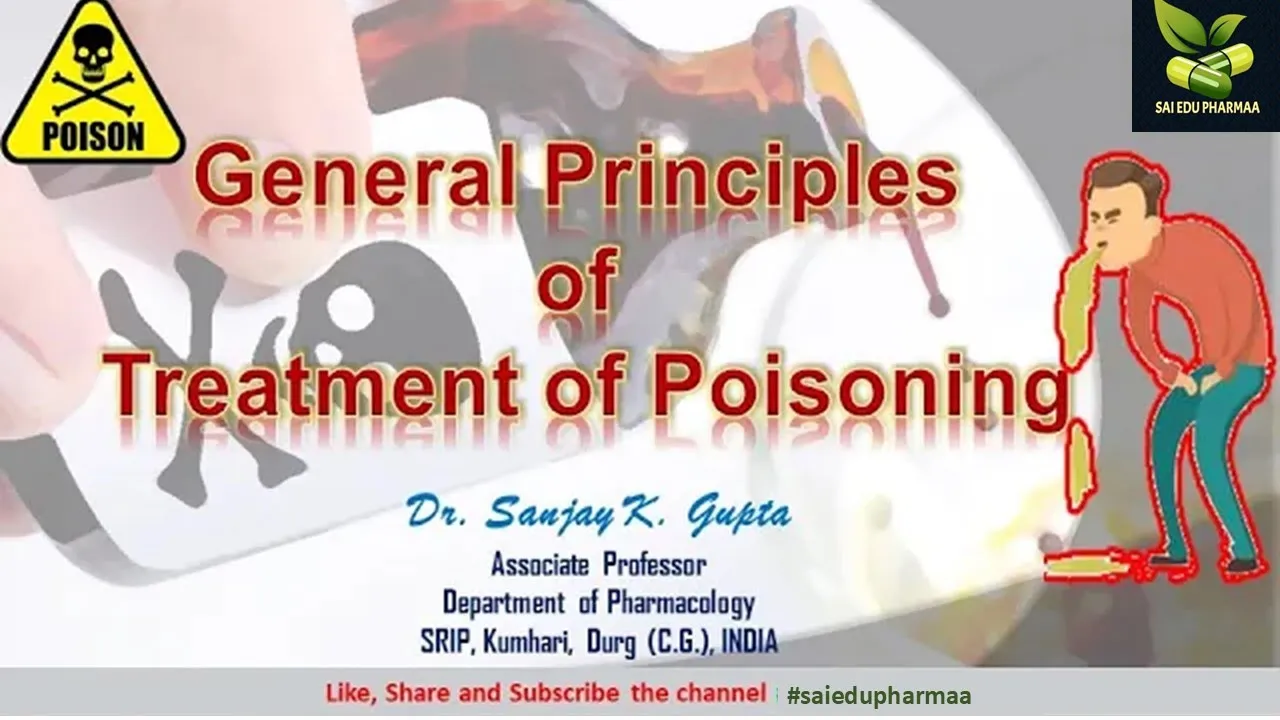








Gastric lavage is a rarely indicated emergency procedure reserved for life-threatening toxin ingestions presenting within one hour, particularly when no antidote exists; it requires airway protection through intubation, proper patient positioning (left lateral decubitus with head-down 10 degrees), and involves measuring and inserting an orogastric tube, confirming placement by aspirating gastric contents, administering 50g activated charcoal, performing fluid lavage with simultaneous instillation and removal, and finally administering a second 50g charcoal dose after tube removal.
Gastric Lavage Procedure: Indications and Steps | OHSU Toxicology Demo
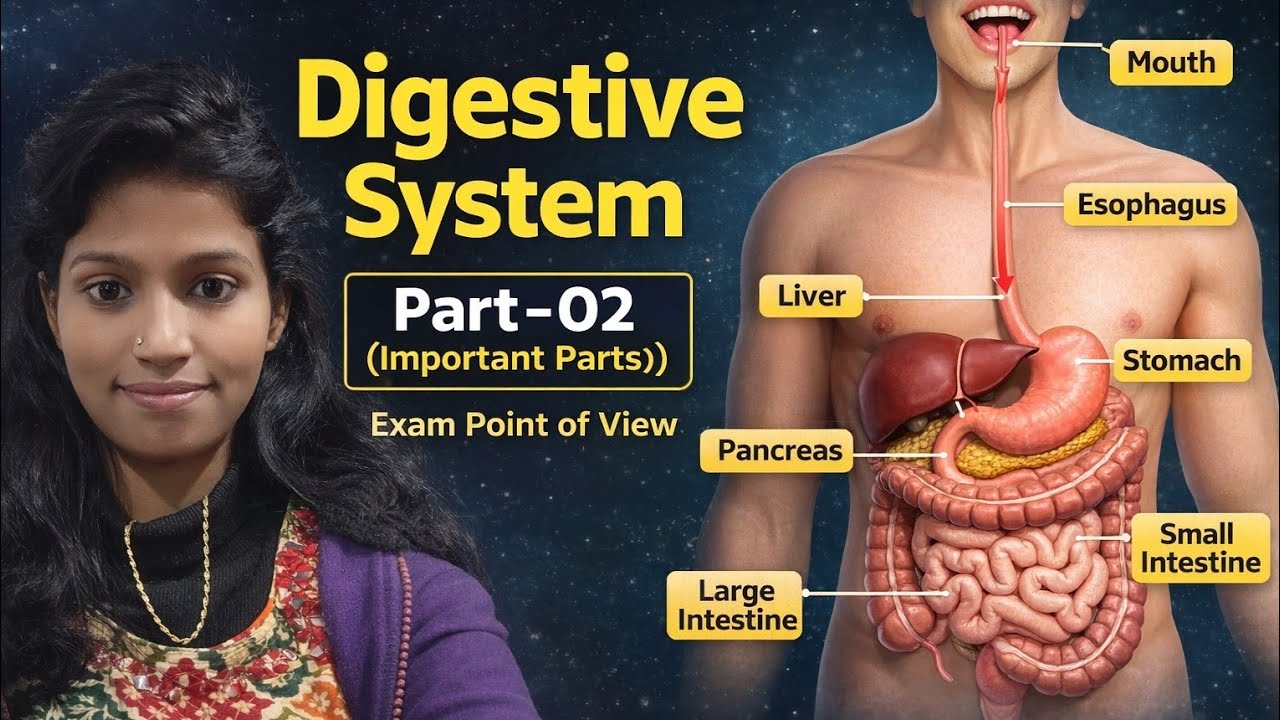
Added:Basic upper gastrointestinal tract anatomy, specifically the structural pathway from the mouth to the stomach.
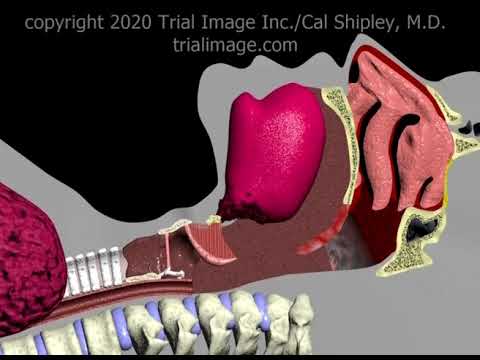
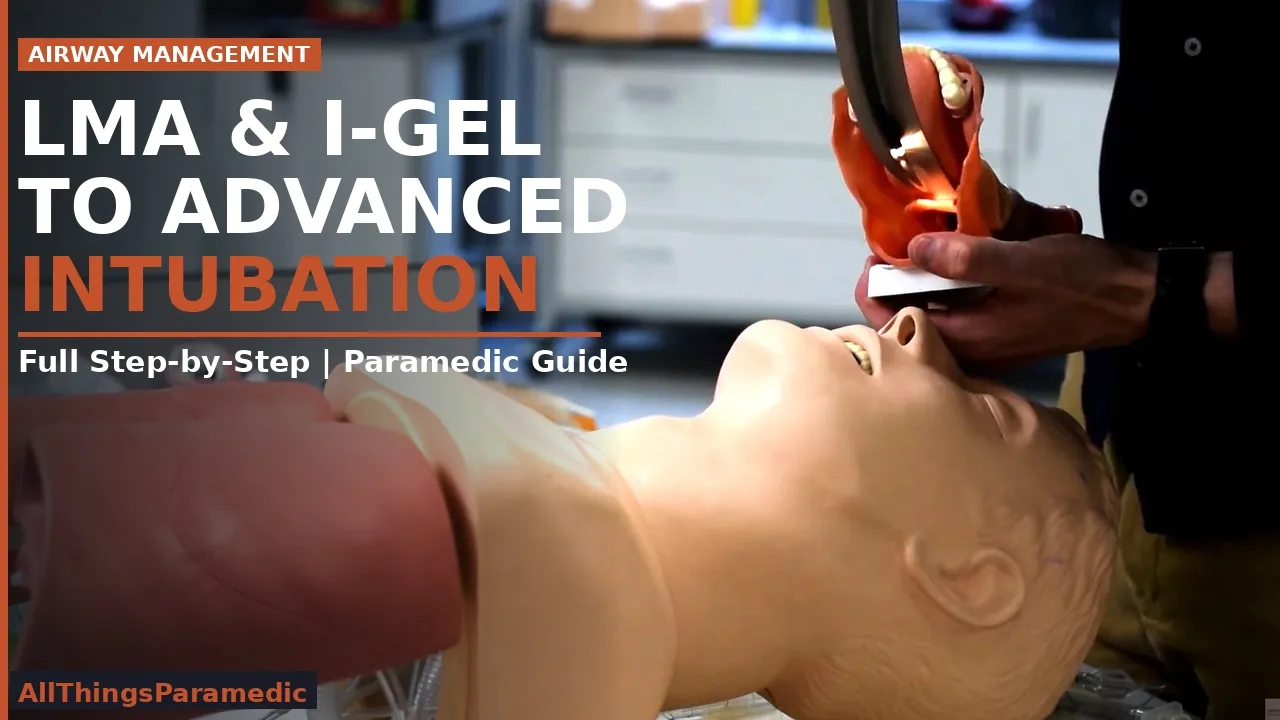
Principles of endotracheal intubation and how securing the airway prevents aspiration of gastric contents.
General concepts of clinical toxicology, particularly how the timeline of ingestion affects poison absorption.
The physiological distinction between corrosive substances (acids/alkalis) and non-corrosive substances to understand tissue vulnerability.
Identification and management of potential complications of gastric lavage, such as esophageal perforation and fluid-electrolyte imbalances.
Comparative analysis of alternative gastrointestinal decontamination methods, including activated charcoal and whole bowel irrigation.
Post-procedure patient monitoring protocols, including supportive care for the poisoned patient.
Clinical decision-making frameworks and current international guidelines regarding the narrow indications for gastric lavage.
286.8K views1.1Klikes5:55Original Release: 2015-07-10
my name is Jillian beum seconde fellow at OSU in the toxicology program and this is a video demonstrating the gastric lavage procedure this is a procedure that we recommend rarely and we recommend that you first discuss this with the poison Center by calling 800 222222 this is a procedure uh that we also recommend you practice at your institution in the simulation setting before performing on a real patient this is a procedure that's indicated only in life-threatening Toxin gestions and in particular those that present within an hour so we're assuming that there are still pill fragments of the toxin still in the stomach we recommend these for massive life-threatening ingestions for which there are no antidotes or specific therapies for example a life-threatening culine ingestion or life-threatening beta blocker or calcium channel blocker ingestion and in particular we recommend this in adults this is not a safe procedure to perform in pediatric patients given the large or of the tube this can be performed on a patient who is protecting their airways so in very rare cases this can be performed on an awake patient however we predominantly recommend doing this in the intubated patient and so the first step after Gathering your supplies is going to be to perform an endot tral intubation [Music] so once the patient has their Airway protected and uh in particular we would recommend really making sure that the cuff is fully inflated just to protect the airway probably worth checking afterwards that you haven't overinflated the cuff after the end of the procedure procedure the first thing we'll do just to protect the patient is to place them in the left lateral decubitus position and we'll simulate this here we also have the bed uh head down about 10 degrees at this point I'm going to take uh my Bite Block place that in the patient's mouth really if the patient is inbit and sedated you probably don't need to do this but in an awake patient you would certainly do this and then we're going to take our orgastic tube and we're going to measure from the mouth down to the stomach so that I know exactly where I'm going to place this at this point with the patient in left lateral decubitus position I can gently but blindly place the tube up to that marking which I measured previously at that point I've set up my in bag which has 3 L of water in it and that is connected here to the blue Port I have my out bag connected to the red port and that is to a dependent 3 l bag on the ground the first thing I want to do is confirm placement the red uh Port is the outport and so I'm going to pull back on that outport to ensure that I have return of gastric contents so first thing I'm going to do is pull back on the outport and see that I have gastric contents return I do hear some gurgling there and I have a little bit of Return of my gastric contents uh I'm then going to remove the p on the blue side and by opening up that blue side I leave a little space here for installation of our first dose of activated charcoal I'm placing 50 gram of activated charcoal in uh the blue Port here and at that point closing that side I'm going to go ahead and instill that activated charcoal that is done because some of the gastric contents will move into the duodenum in this procedure and that will help absorb that toxin at this point I'm ready to do the lavage procedure so I'm going to open up uh the inbag bag and begin using both plungers instilling fluid and simultaneously removing fluid and this will be done with all the fluid in the blue [Music] bag once that's been completed the last thing I'll do here uh is make sure that I empty out the remainder of the gastric contents by using just the red side once I've done that and I've closed my Clips on my tubes what I'll do is remove the tube and what I want to do here is remove that tube downwards in Direction so that I prevent any leftover fluid in the tube from moving into the Oro fings at that point we'd like to instill our second dose of activated charcoal and what I would do then is place a second a new orogastric tube and instill 50 Gams of activ invaded charcoal through that orogastric tube and that's the end of your procedure
Up Next
22:48
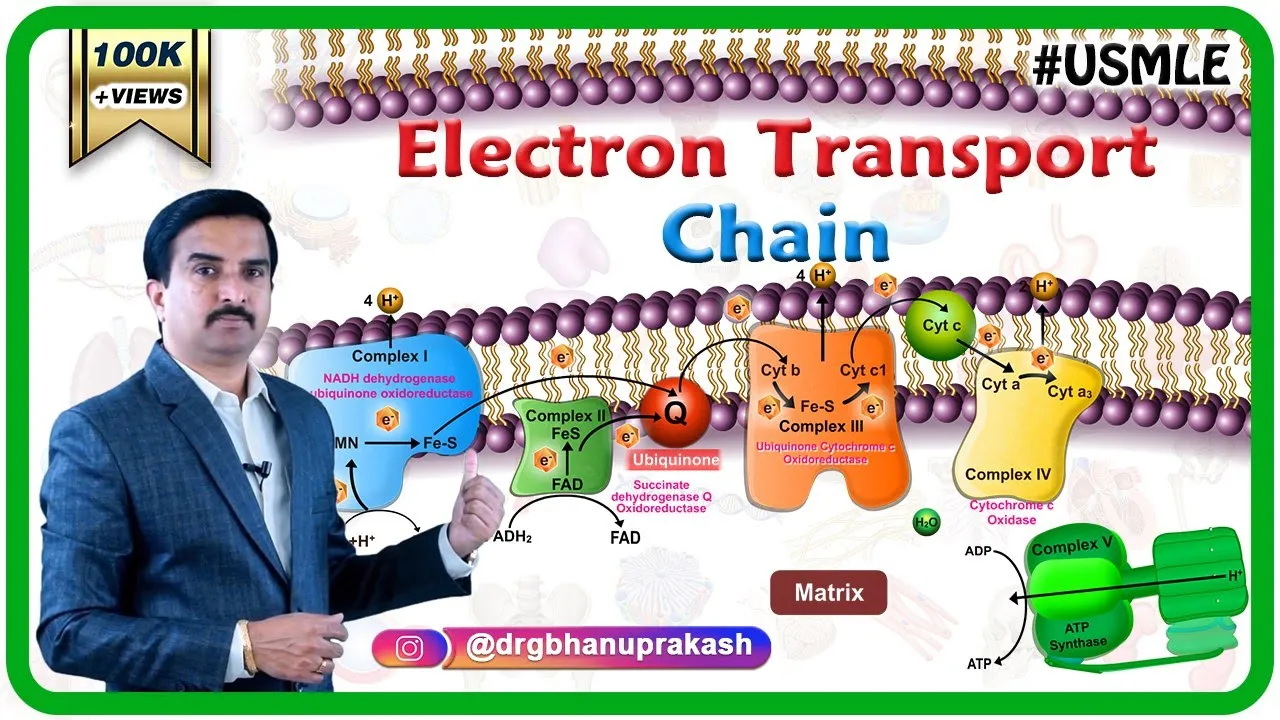
Electron Transport Chain & Oxidative Phosphorylation | Biochemistry Animation
@doctorbhanuprakash
186.8K views•2018-11-13

48:47
Graphic Medicine: Comics for Collaborative Healthcare Communication
@nationalpatientadvocate
189 views•2023-12-04

10:28
Neuroanatomy: Central and Peripheral Nervous System Divisions Explained
@AKLECTURES
136.2K views•2014-09-20
3:05
Stages of Labor and Vaginal Birth | Childbirth Animation
@nucleusmedicalmedia
52.1M views•2017-08-18
Related Study Plans & Knowledge Roadmaps
Structured learning paths in Medicine
medicine
Abnormal LFTs: Diagnostic Workup & Pathology
01Liver Anatomy and Basic Physiology
02Introduction to Liver Function Tests (LFTs)
03Hepatocellular vs. Cholestatic Patterns
+ 3 more learning modules
12h6 modules
Explore Roadmap
medicine
Analyzing Blood Smears: RBC, WBC & Platelets
01Introduction to Blood Components & Smear Preparation
02Normal Morphology of Blood Cells
03Erythrocyte Pathologies & Morphological Variants
+ 2 more learning modules
12h5 modules
Explore Roadmap
medicine
Mechanical Ventilation: Waveforms & Alarms
01Anatomy and Physiology of Breathing
02Introduction to Mechanical Ventilation & Core Modes
03Ventilator Settings and Waveform Interpretation
+ 2 more learning modules
12h5 modules
Explore Roadmap
medicine
Neuro Exam: Localization & Stroke Syndromes
01Foundations of Neuroanatomy and Vascular Supply
02The Neurological Examination: Step-by-Step
03Principles of Neurological Localization
+ 3 more learning modules
18h6 modules
Explore Roadmap