Surrealist automatism is an artistic technique where the artist creates random marks by letting their hand wander across the page without control, then interprets these abstract shapes into recognizable surreal imagery, such as transforming zigzags into dinosaur spikes or bubbles into floating objects, following the principle that surreal artwork need not make logical sense.
Surrealist Automatism Drawing with Oil Pastels | Art Education
Added:Deep Dive
Understanding the historical context of the Surrealist art movement and its focus on the subconscious mind.
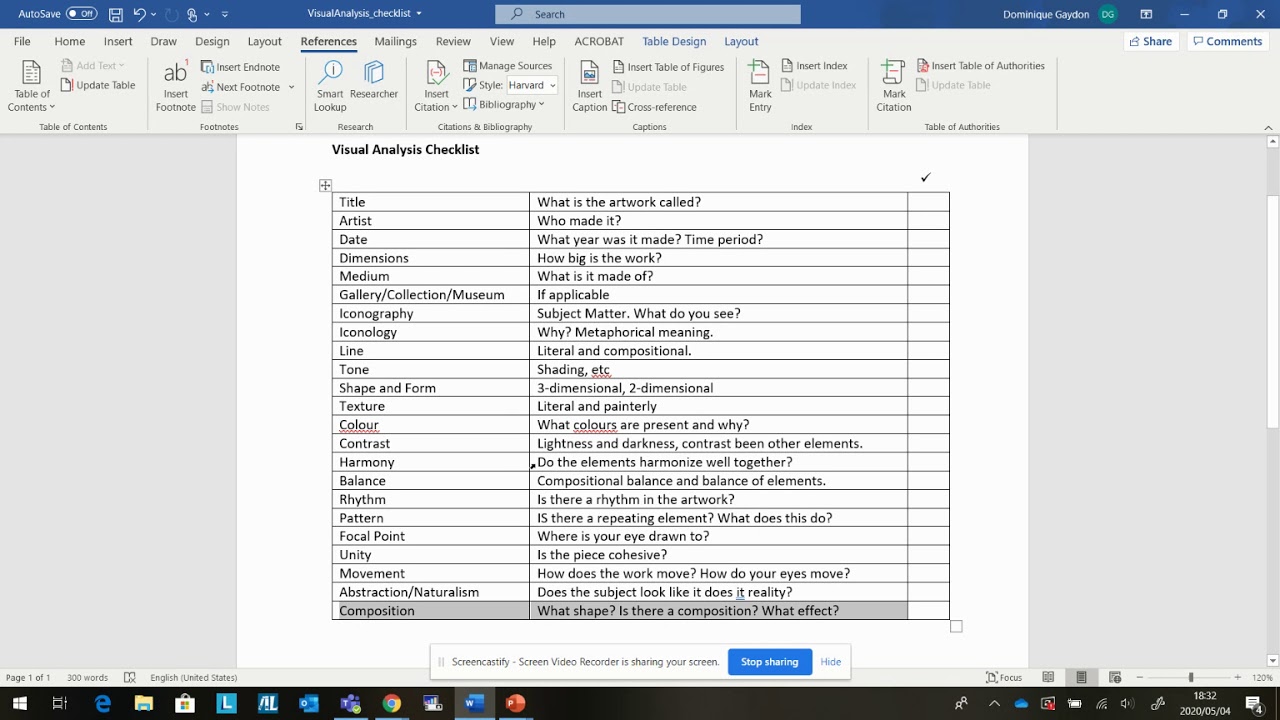
Visual Analysis Gr 9
149
Surrealism occurred approximately between 1922-1930, during the period between World Wars, primarily in Europe (Spain, France, Mexico) and the Americas. Surrealists were concerned with the subconscious mind, psychology of the human brain, and going beyond what is real and tangible. Identifiable characteristics include dreamlike images, crazy colors, and things that don't exist in reality. Freud and Jung's work on psychoanalysis profoundly influenced the movement, marking the first time humans seriously studied the unconscious mind. Their research on the unconscious and the quest for being a whole, happy human being shaped how surrealist artists approached their work, making psychology central to the movement.
Click to watch →

Surrealism
320
Surrealism was an art movement that emerged in 1924 when French writer Andre Breton published the Surrealist Manifesto, seeking to unlock the raw thoughts of the subconscious mind by bridging dreams and reality. Influenced by Freud's psychoanalytic methods, Surrealists used techniques like automatic writing and automatic drawing to access hidden desires, fears, and fantasies. Key artists including Salvador Dali, Frida Kahlo, and Max Ernst created dreamlike imagery that challenged societal norms and explored the irrational, while the movement's influence extended to photography, film, and literature, ultimately declining after World War II as abstract expressionism rose to prominence.
Click to watch →

El arte del subconsciente | El movimiento Surrealista
21.4K
Surrealism is an art movement exploring dreams, hidden desires, and deep fears by delving into the artist's subconscious. It reveals the mind in its most natural state, showing irrational aspects without social rules or reason. The art is completely subjective to each artist and viewer. In 1924 Paris, the capital of art, André Breton published the first Surrealist Manifesto, defining Surrealism as 'psychic automatism' - expressing the real functioning of thought without rational intervention, aesthetic or moral concerns.
Click to watch →

O QUE É O SURREALISMO
89.6K
Surrealism is an artistic movement that emerged in the 1920s, directly influenced by Freud's explorations of the human mind, which sought to express the unconscious through art by challenging logic and rationality; led by André Breton, the movement published its first Manifesto in 1924 criticizing the reduction of the unknown to the known, and later became politically engaged in 1930 by aligning with Marxist ideology, as exemplified by Salvador Dalí's collaboration with Disney in the 2003 animated short 'Destino' which embodies surrealist themes of transformation and mysterious mental associations.
Click to watch →

Surrealism The Big Ideas (Director's Cut)
381.1K
Surrealism was an early 20th-century artistic and literary movement founded by André Breton and others, which emerged from the trauma of World War I; it was based on the philosophy that the unconscious mind, containing our hidden fears, desires, and irrational thoughts, holds deeper truths than rational consciousness, and that accessing this hidden realm through techniques like automatism and dream analysis could create revolutionary art that challenges societal norms and expresses authentic human experience.
Click to watch →
Deep Dive
Basic proficiency in handling oil pastels, including techniques for blending, layering, and pressure control.

oil pastel drawing for beginners|oil pastel drawing|oil pastel drawing easy|easy oil pastel drawing|
225
This comprehensive tutorial covers professional oil pastel drawing techniques for beginners. The core principles include: (1) Layering colors from light to dark to build depth and smooth texture; (2) Applying colors with light pressure—approximately three to four times less than normal—to prevent uneven spreading; (3) Using clockwise circular blending motions with fingers for seamless transitions; (4) Applying oil (jasmine, coconut, or similar) using a brush with 4-5 drops per area to enhance blending without affecting color vibrancy; (5) Using white oil pastel as both a blending agent and highlighter with very light pressure; (6) Maintaining consistent application direction across all layers; (7) Using paper with 210 GSM or higher for optimal results. These techniques enable beginners to achieve professional-quality artwork comparable to professional artists.
Click to watch →

How to Blend Oil Pastels Colour | Best Blending Techniques of Oil Pastels | Some Tips For Beginners
80.3K
This segment demonstrates the core finger blending technique for oil pastels. The instructor shows how to use fingers with light pressure to blend colors smoothly, creating professional transitions. The technique involves working from dark to light areas, adding light colors gradually without changing the base color too quickly. The instructor emphasizes that light pressure and relaxed movements produce better results than forceful blending. The segment also covers adding light colors (white, pink, orange) to enhance the artwork, demonstrating how to layer colors naturally while maintaining smooth transitions.
Click to watch →
![The 6 BEST techniques using OIL PASTEL [for beginners]](https://i.ytimg.com/vi/yIg-C8ekri4/maxresdefault.jpg)
The 6 BEST techniques using OIL PASTEL [for beginners]
458K
Oil pastels can produce sophisticated artwork beyond basic applications. Key techniques include: (1) Natural blending by overlapping colors without stopping at edges, using white to soften harsh intensities; (2) Sgraffito - scratching through darker top layers to reveal lighter base colors using sharp tools; (3) Thinning pastels with turpentine or baby oil for fluid application; (4) Color overlapping with varied pressure and dashes to create unified visual effects; (5) Layered mark-making where marks intersect through multiple layers to produce unique color variations. These methods transform oil pastels from a naive medium into a versatile professional tool capable of producing complex, textured artworks.
Click to watch →
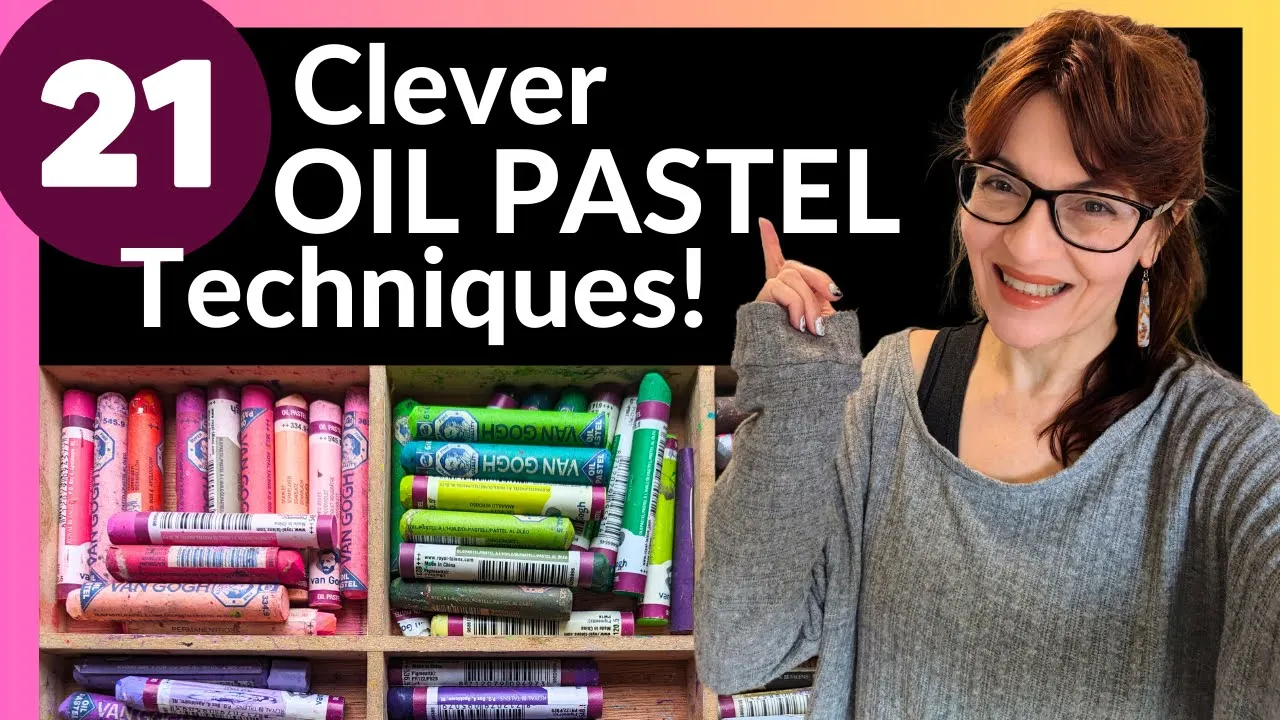
21 Clever OIL PASTEL Techniques and Tips (for Beginners!)
332.4K
Modern fine art oil pastels emerged in 1947 when Picasso requested an artist-quality version from Henri de la Roche, revolutionizing accessible art materials. These versatile mediums work on wood, canvas, paper, and glass, with beginners starting on standard paper. Surface texture dramatically affects results: smooth surfaces yield even applications while rough textures create dotted, gappy effects. Proper underdrawing uses oil pastel matching paper tone rather than graphite, which erases poorly. Light pressure creates textured, gappy surfaces ideal for subtle effects, while heavy pressure builds solid blocks. Blending follows color theory: black dulls colors violently, white creates creamy tones, grays mute vibrancy moderately, and complementary colors (red/green) mute each other while related colors enhance vibrancy. For smooth blending on textured surfaces, apply clear pastel or candle wax first. Pointillism creates optical mixing by applying dense color dots that blend visually from distance. Advanced scraffito involves applying light color first, then scratching through with darker colors using palette knives or embossing tools to reveal underlying layers. Impasto builds thick, three-dimensional layers using palette knives with optional baby oil for smoother application. For precise edges and fine lines, use stiff card as barriers or apply masking tape at low angles for clean removal. Colored pencils manipulate and sharpen oil pastel edges by pushing pigment aside.
Click to watch →

오일파스텔 기초 배우기 : 일상의 기록, 오일파스텔 초급 클래스
545
This comprehensive lesson covers essential oil pastel techniques for beginners. Key concepts include: (1) Proper blending technique - apply color firmly at first, then gradually reduce pressure as you move downward to create smooth gradients; (2) Pressure control - too much pressure causes color to spread upward, while too little results in uneven application; (3) Tool selection - kitchen towels, fingers, or hands can all be used for blending; (4) Edge definition - use a knife to cut away excess pastel for clean, sharp edges; (5) Color layering - when working with white pastels, apply slightly firmer pressure to prevent unwanted spreading. The instructor demonstrates these techniques throughout, emphasizing that practice helps artists find their preferred blending method.
Click to watch →
Deep Dive
An introductory conceptual grasp of automatism, or 'automatic drawing', as a method of spontaneous creation.
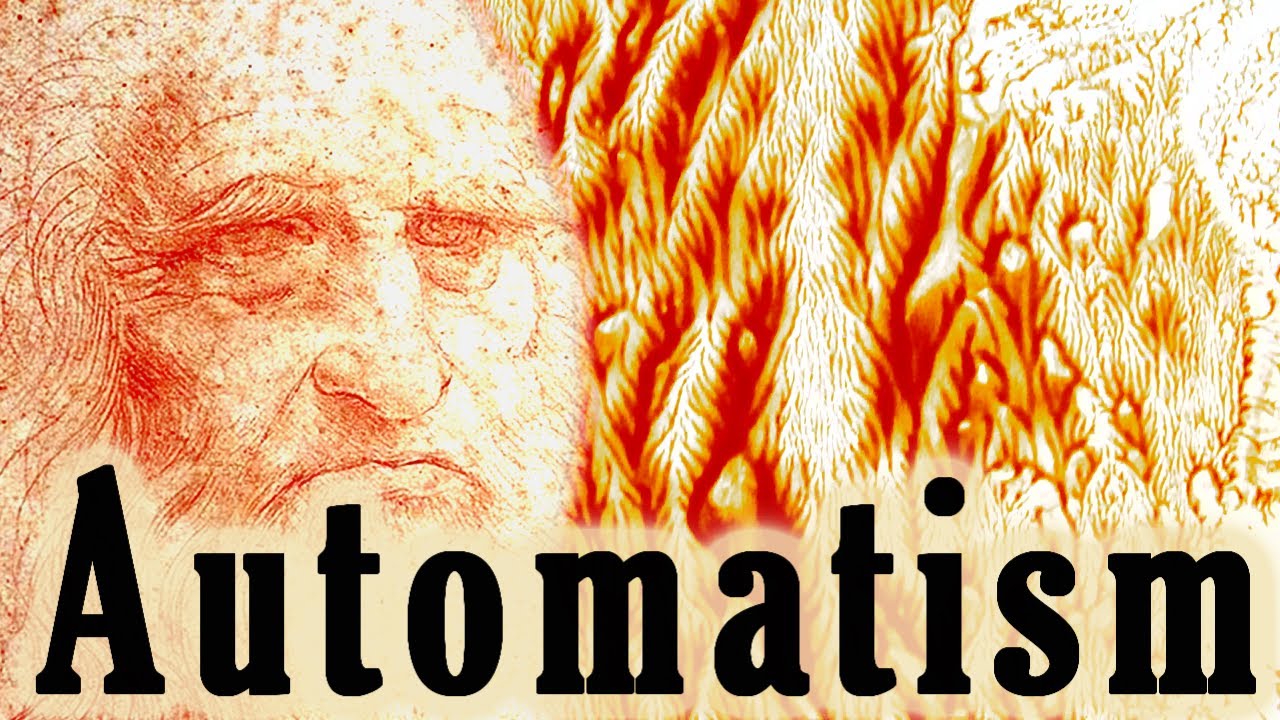
Automatic Drawing Surrealist Automatism
301
Automatic drawing is an artistic technique where artists create spontaneous, unpremeditated drawings without conscious thought, allowing the subconscious mind to guide the creative process; this method, associated with surrealist automatism, enables artists to access deeper psychological states and produce unexpected, meaningful imagery by removing conscious control from the creative act.
Click to watch →

Art History Lesson 4 - Surrealism - CHT
192
Automatism is the idea of letting the material do the work and interpreting it later, involving essentially doodling or making marks on paper while letting the mind roam freely. This technique borrows from physiology, describing bodily movements that are not consciously controlled like breathing or sleepwalking. Sigmund Freud was very interested in free association, automatic writing, and automatic drawing as methods to access the unconscious mind. Juan Miró was a big fan of automatic drawing and loved the wandering line technique, saying his work was conceived with fire in the soul but executed with clinical coolness. He would create automatic drawings and then interpret them, assigning colors symbolically and moving toward creating oil paintings. This process involved intellectual interpretation of the automatic marks, not just spontaneous creation.
Click to watch →

DAVID S. RUBIN : DRAWING AS DAILY RITUAL
948
Automatic drawing is an artistic technique emphasizing spontaneous, unconscious creation. The artist learned about automatism during graduate studies at Harvard, interviewing New York School artists like Lee Krasner and Robert Motherwell. Influenced by Gordon Onslow Ford's restriction to lines, circles, and dots as the fastest automatic forms, the artist developed their own vocabulary. Key works include a pre-9/11 drawing that prophetically captured the event, demonstrating how automatic response can produce meaningful art without conscious intent. The technique evolved through the artist's tenure as curator at the Contemporary Arts Center in New Orleans, where they began serious drawing practice after receiving a better sketchbook from colleague Blake Boyd.
Click to watch →
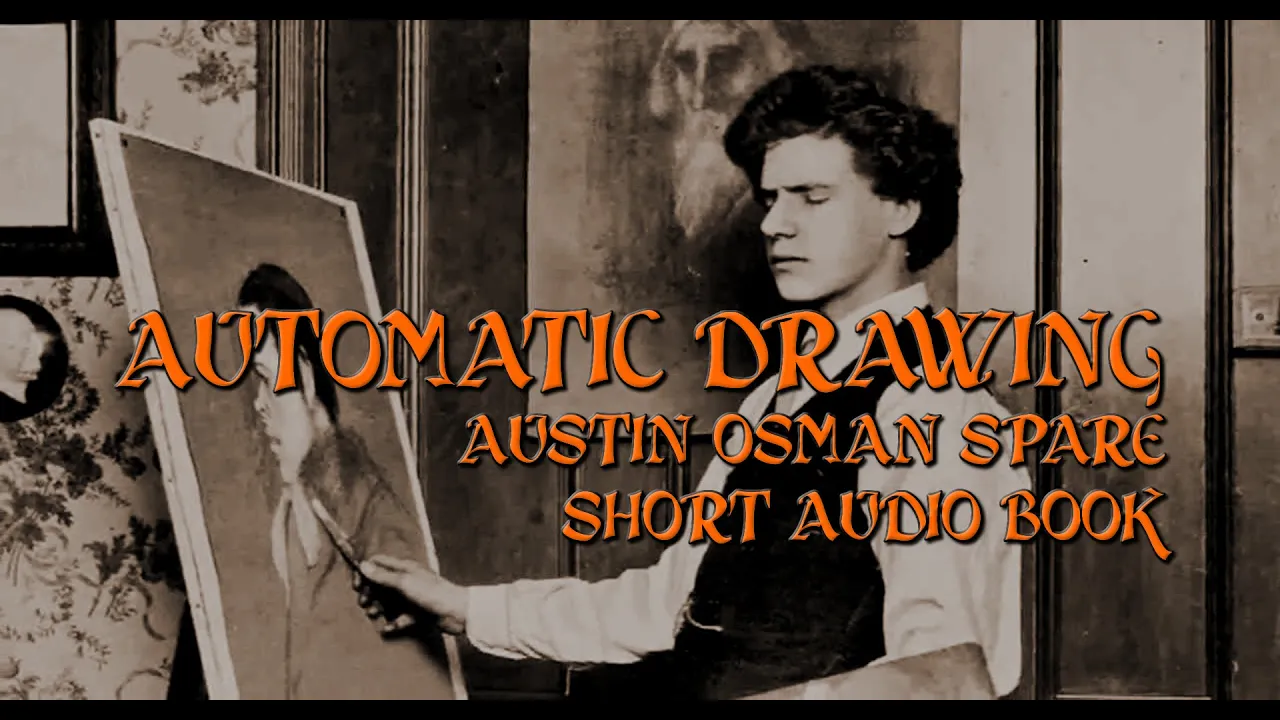
Automatic Drawing - Austin Osman Spare - Short Audio Book - Esoteric / Chaos Magick / Occult
8.9K
Automatic drawing is an artistic technique where the artist enters a non-conscious state to allow subconscious ideas to emerge through free, uncontrolled hand movements, bypassing conscious intellectual control to access deeper creative potential and personal symbolism.
Click to watch →
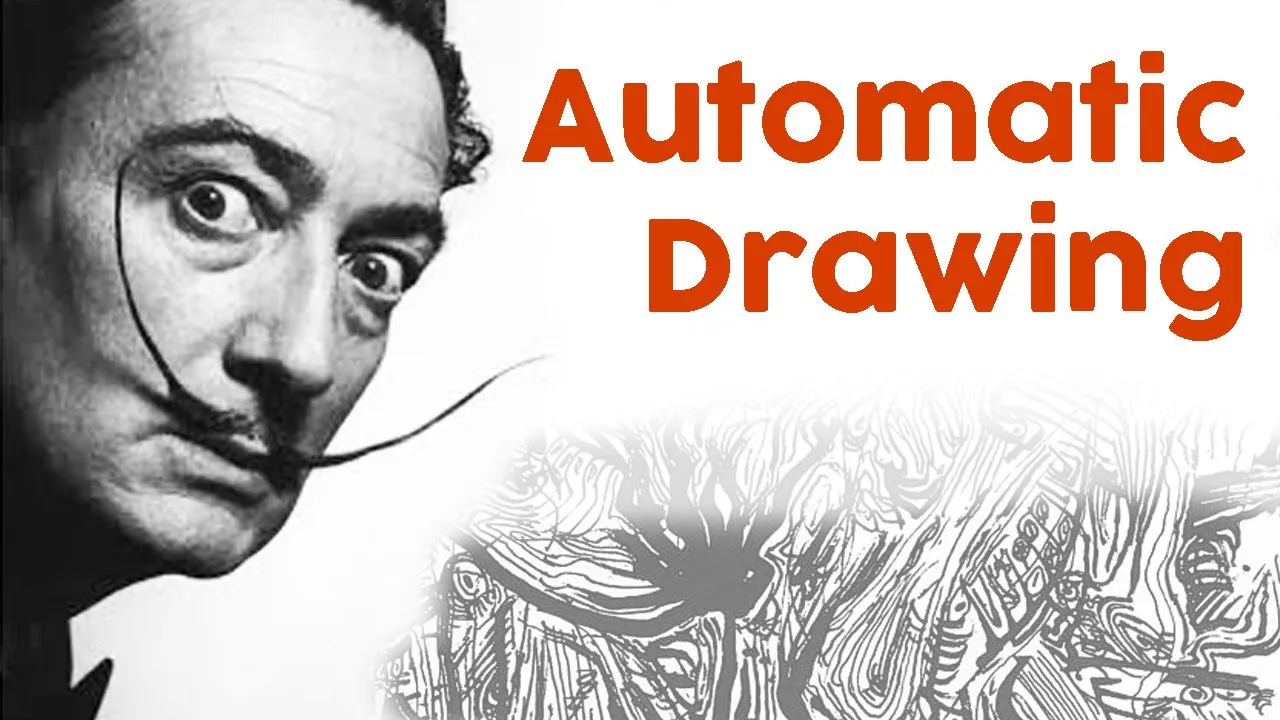
Automatic Drawing
84.5K
Automatic drawing is a surrealist technique developed by artists like Salvador Dali, Joan Miro, and John ARP to access the subconscious mind; it involves drawing without conscious thought, relinquishing control over the final image, and experimenting freely with marks, angles, and pressure while drawing continuously for extended periods (at least five minutes) without stopping.
Click to watch →
Deep Dive
Familiarity with the distinction between abstract visual elements (line, shape, form) and representational art.
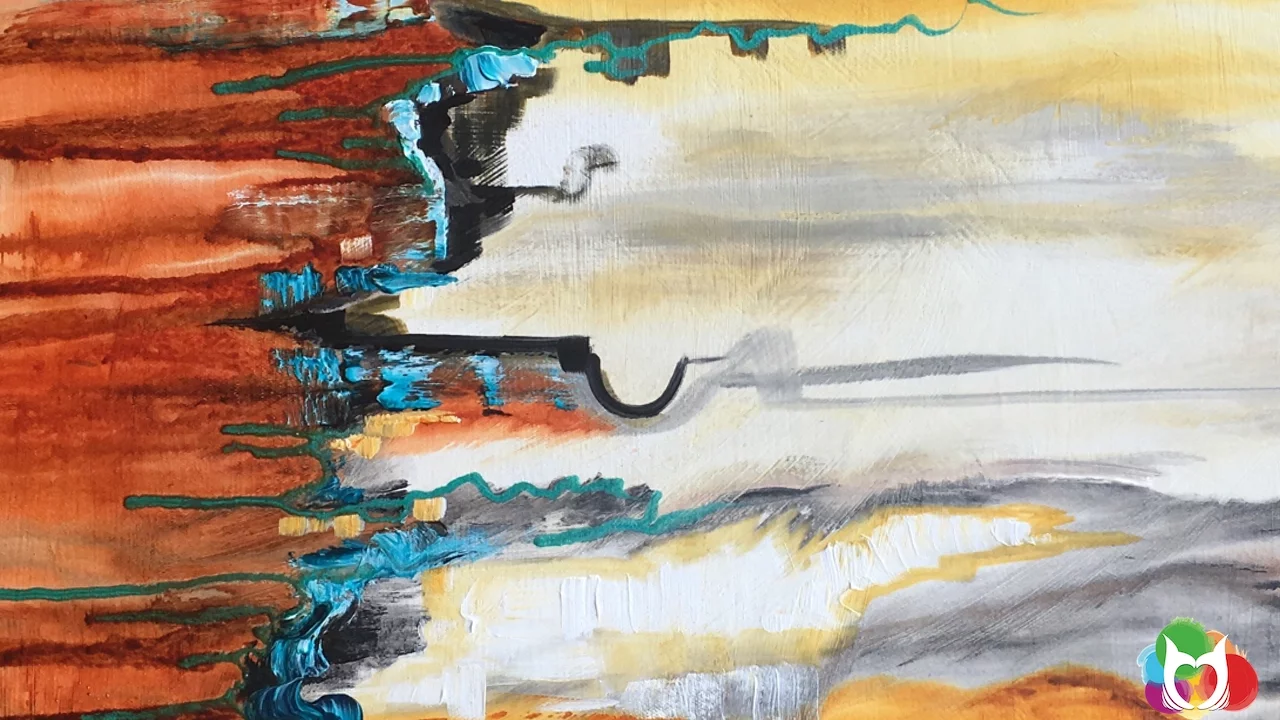
LETS ABSTRACT Acrylic PAINT #bigartquest | TheArtSherpa
111.7K
In representational art, artists abstract subjects enough that viewers understand what is depicted (like a tree) but still recognize the subject. In true abstract art, artists use color, line, form, and texture to create an emotional story without depicting recognizable subjects. The viewer cannot identify what the painting represents but experiences the emotional content directly.
Click to watch →

UP LT Grade Fine Arts Classes 2025 | LT Grade Fine Art’s Marathon | LT Grade PYQ’s | By Zainab Mam
1.3K
Line (Lay) and Form (Rup) are fundamental elements of visual art: (1) Line - the distance between two points, classified as simple (straight) or complex (geometric with angles), (2) Form - three-dimensional representation (as opposed to shape which is two-dimensional), (3) Form includes vertical, horizontal, diagonal, and angular lines that create visual effects and movement in artwork. Technical art (Praviddhika Kala) involves construction and drafting, used in architecture and engineering. CAD (Computer-Aided Design) programs are used for creating scaled drawings. Perspective is used in painting to create the illusion of three-dimensionality on a two-dimensional surface.
Click to watch →
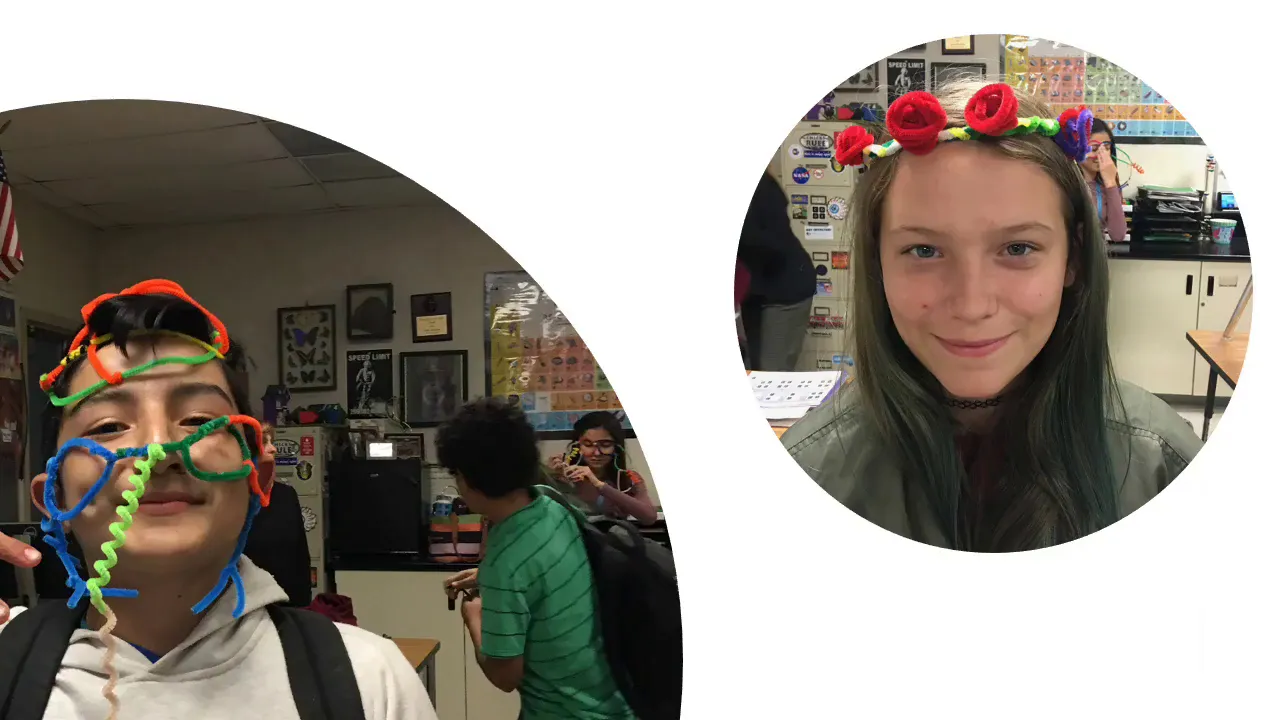
Body Extension: An Exploration into Wearable Sculpture
706
Abstract art is not representational to reality that we know. Representational means to represent something so it looks like something real to us. Something that is abstract may be an object that is like nothing we have ever seen before. The distinction between these two approaches allows artists to either depict recognizable subjects or create entirely new visual languages.
Click to watch →

ACO Presents: The ACO Figure Painters Forum
133
Artists often straddle the line between abstract and representational art, and this boundary is important to understand. When creating representational work, artists must understand figure-ground relationships and how elements share vitality of space. The abstract sensibility developed through abstract expressionist training provides a foundation that enhances representational work. Artists who understand both sides of this spectrum can create work that is both recognizable and visually engaging, combining the clarity of representation with the visual interest of abstract design.
Click to watch →
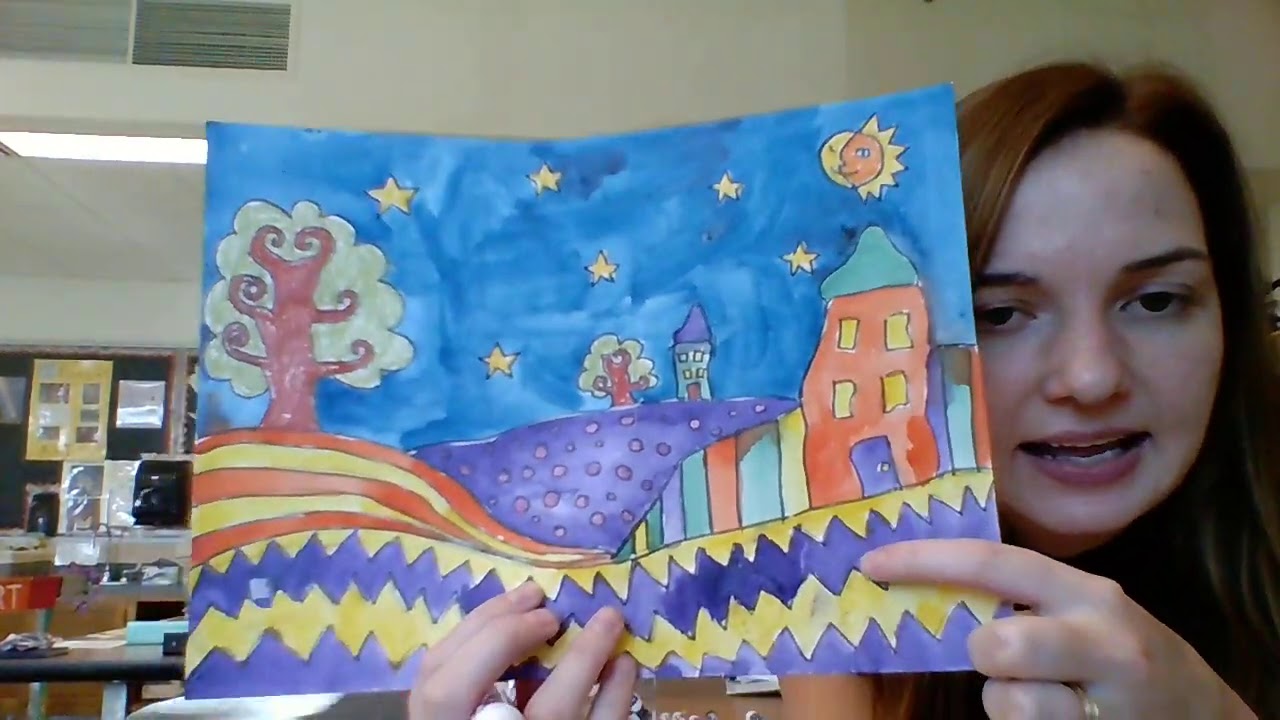
4th Grade- Abstract Representational Art
118
Abstract representational art is an art style that sits between realistic representational art and abstract non-representational art; it uses lines, shapes, and colors to create recognizable subjects (like landscapes, houses, trees, and faces) but does not depict them realistically, allowing viewers to identify what the artwork represents while appreciating its artistic interpretation.
Click to watch →
Prerequisite Knowledge
- Concept 01Understanding the historical context of the Surrealist art movement and its focus on the subconscious mind.
- Concept 02Basic proficiency in handling oil pastels, including techniques for blending, layering, and pressure control.
- Concept 03An introductory conceptual grasp of automatism, or 'automatic drawing', as a method of spontaneous creation.
- Concept 04Familiarity with the distinction between abstract visual elements (line, shape, form) and representational art.
Subsequent Learning
- Step 01Exploring pareidolia, the psychological phenomenon of perceiving recognizable imagery in random, abstract patterns.
- Step 02Applying advanced surrealist methods such as frottage (rubbing), grattage (scraping), and decalcomania to expand creative output.
- Step 03Combining oil pastels with other mediums, such as watercolor for resist techniques or ink for defining discovered shapes.
- Step 04Investigating the influence of psychoanalytic theories (such as Freud's dream analysis and Jung's archetypes) on artistic development.
- Step 05Transitioning from purely spontaneous automatic sketches to planned, complex surrealist compositions.
Automatic Drawing
Dino & Face
Surreal Scene
Animal Additions
Final Touches
Automatic Drawing
0:02Playing Section
- 1
Explain surrealist automatism: letting hand wander freely.
- 2
Demonstrate creating loops, swirls, and zigzags on paper.
- 3
Identify random shapes from the automatic sketch as a starting point.
Formalism and Intentionalism in Art Education
While surrealist automatism encourages free expression and subconscious creativity, critics from formalist and intentionalist perspectives argue that relying on spontaneous, uncontrolled mark-making can hinder foundational artistic development. Opponents suggest that art education should prioritize technical mastery, deliberate composition, and conscious control over the medium. Without structured training in perspective, anatomy, and color theory, students may struggle to translate their ideas effectively. Furthermore, even within Surrealism, artists like Salvador Dalí critiqued pure automatism as too passive, proposing instead the 'paranoiac-critical method'—a more active, conscious interpretation of subconscious imagery. From an educational standpoint, critics argue that true creative freedom is only achieved once a student has mastered the rigorous, conscious techniques of their craft, rather than relying on accidental shapes.
Deep Dive
Exploring pareidolia, the psychological phenomenon of perceiving recognizable imagery in random, abstract patterns.
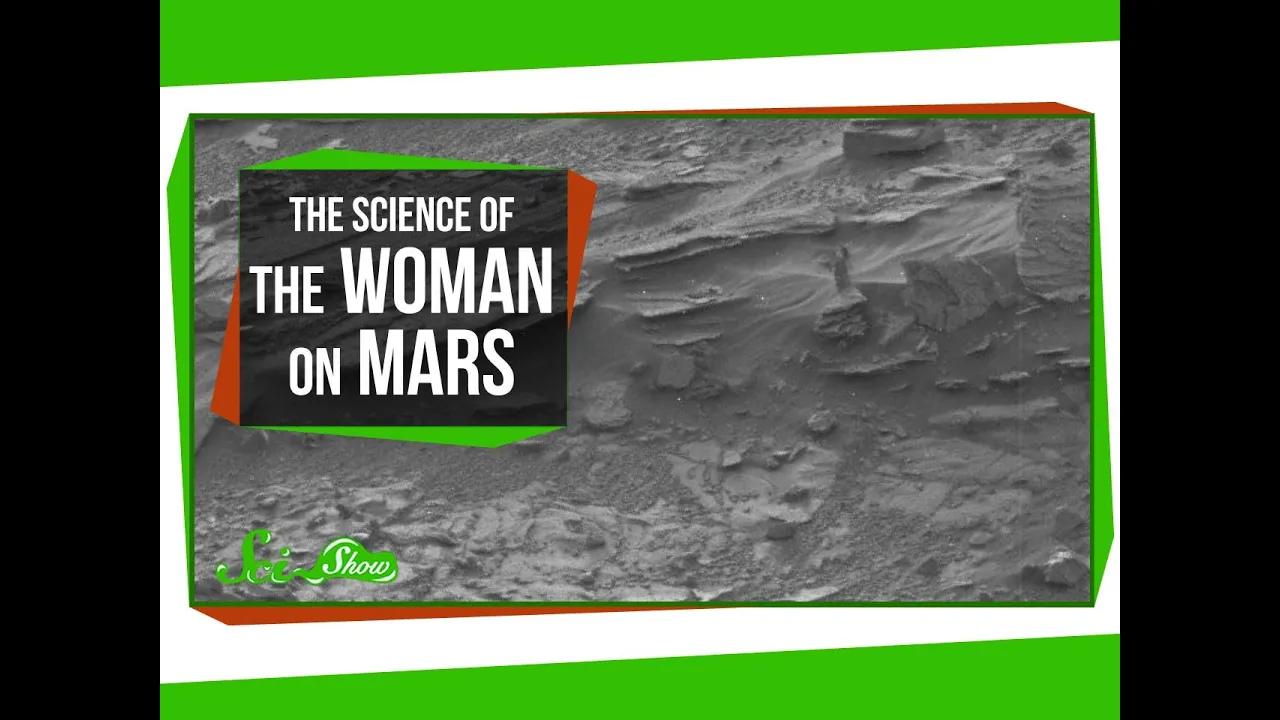
Pareidolia: Why People Keep Seeing Crazy Stuff on Mars
500.1K
Pareidolia is a universal human psychological phenomenon where people perceive familiar images, especially faces, in random or ambiguous visual stimuli where none actually exist; this occurs because the brain's pattern-recognition system, evolved to quickly identify faces for social interaction, can be triggered by random noise or static, as demonstrated by studies showing that over one-third of people report seeing faces or letters in pure visual static, with believers in the supernatural being more susceptible to this effect.
Click to watch →

¿Por qué vemos cosas que no existen? Pareidolia
732.1K
Pareidolia is the human tendency to perceive familiar patterns, especially faces, in random stimuli, which is an evolutionary adaptation that helps us quickly recognize people for survival; apophenia is the broader tendency to find meaningful patterns in random data, which can be useful but also lead to false beliefs when we project meaning onto reality that doesn't exist.
Click to watch →

Drift0r's Madness - Ghost Stories Part 10 - Seeing things in my new house
175K
The host experienced pareidolia, a psychological phenomenon where the brain perceives familiar patterns (like faces) in random visual stimuli. While editing a video, the host saw what appeared to be a scary face on a wooden door, including bulging eyes, a disjointed jaw, and a menacing expression. The host initially panicked but then realized it was a reflection from computer monitors bouncing off the wooden door. The host cleaned the door with wipes and buffed it, and the 'face' disappeared. This demonstrates how the brain can create meaningful patterns from random visual noise, and how cleaning or changing the surface can eliminate these perceived patterns.
Click to watch →

Art Bell MITD - Seth Shostak - SETI
75.5K
This segment explains pareidolia - the human tendency to recognize patterns even in random noise. This evolutionary adaptation helped detect predators in forests but can cause us to see faces in clouds or creatures in rocks. The discussion covers how human brains are wired to find meaning in ambiguous data, explaining why people often perceive meaningful patterns in random or geological formations.
Click to watch →

MAN VS BREAD (Pareidolia #2)
110.1K
Pareidolia is a psychological phenomenon where the human brain perceives familiar patterns, particularly faces, in random or meaningless stimuli. This video demonstrates how everyday objects like Jeeps, flowers, electrical outlets, backpacks, and even food items can trigger pareidolia responses, showing how our brains are wired to find faces everywhere, even when none exist.
Click to watch →
Deep Dive
Applying advanced surrealist methods such as frottage (rubbing), grattage (scraping), and decalcomania to expand creative output.
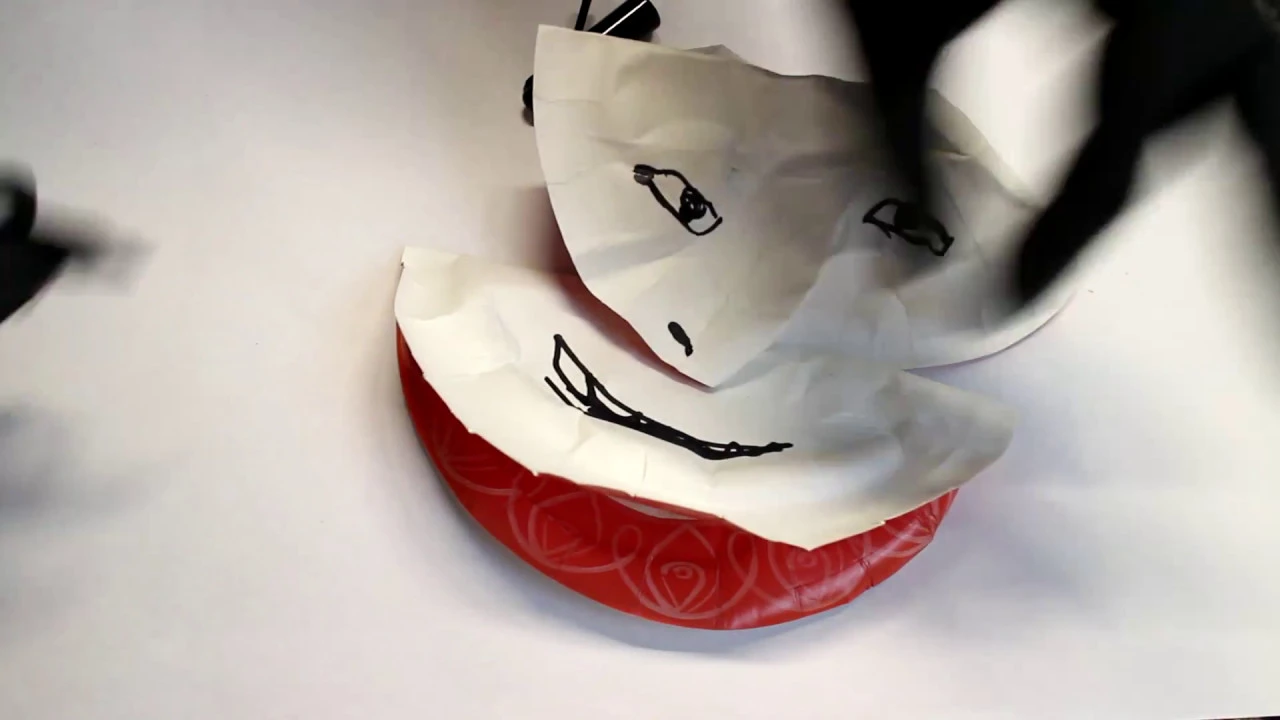
Surrealist Techniques
40K
Surrealist artists employed various playful techniques called 'games' to access the unconscious mind and create art free from conscious control, including automatic drawing (unconscious mark-making), frottage (rubbing objects to create textures), grattage (pouring paint and mineral spirits), exquisite corpse (collaborative drawing), and the paranoiac-critical method (inducing paranoia to surrender control).
Click to watch →
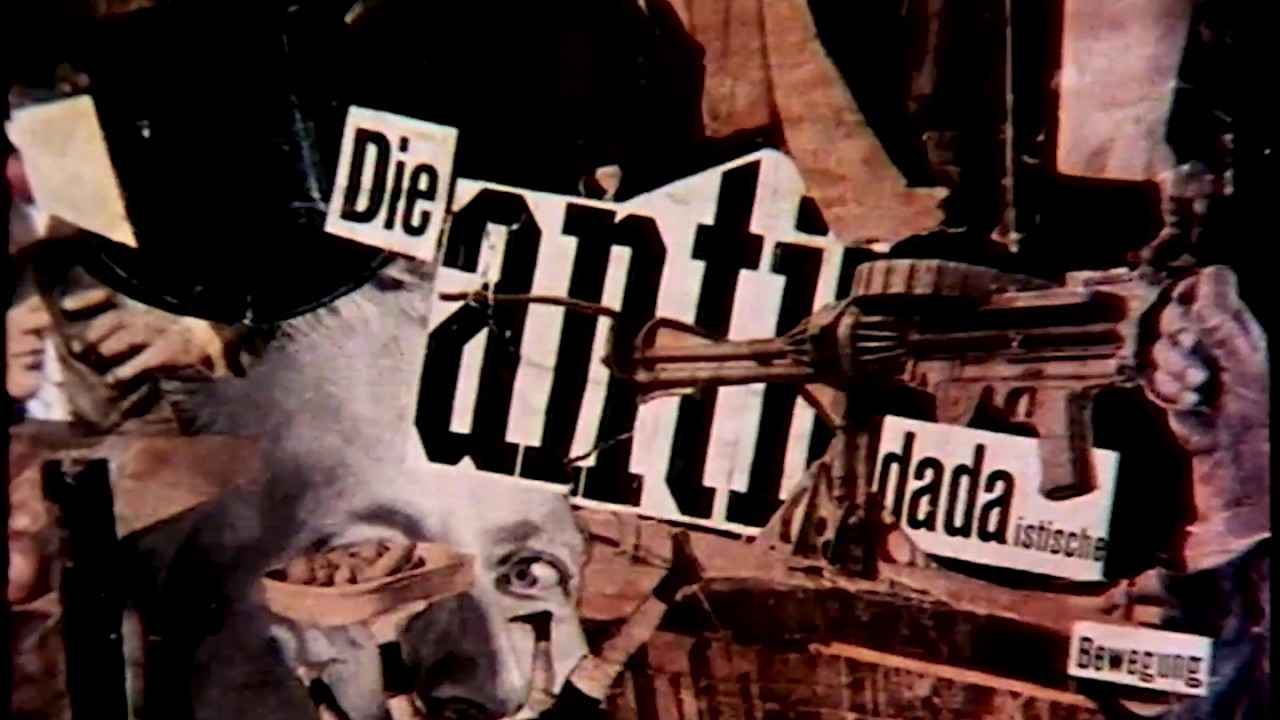
Dada and Surrealism: Europe After the Rain documentary (1978)
269.3K
Surrealists developed techniques to access the unconscious. André Masson created automatic drawing—painting rapidly according to impulses without pre-existing plan, with forms emerging as signs representing something. Joan Miró developed intuitive signs where forms are never abstract but always represent something. Max Ernst invented frottage (rubbing) in 1925, creating images from surface impressions, which enlarged his hallucinatory powers. Raoul Hausmann developed photomontage, creating new unity from disparate elements revealing war and revolution chaos. Antonin Artaud directed Surrealist research office, addressing Dalai Lama and Buddhists seeking wisdom for contaminated European minds.
Click to watch →

Decalcomania Glue Paint Symmetry Prints - Lesson Plan
268.5K
Decalcomania is a surrealist technique developed by Oscar Dominguez in the 1920s to visualize unconscious thoughts and dreams. The complete process involves: (1) Making glue paint by mixing craft glue with liquid watercolor; (2) Applying paint to folded Duralar film and spreading it with fingers; (3) Creating patterns by pressing or using tools to make open areas; (4) Drying on film or pressing onto absorbent paper; (5) Searching patterns for hidden imagery like faces or animals; (6) Tracing contours with fine-point markers; (7) Using light and dark markers to emphasize surrealistic images. This technique combines chance-based pattern creation with intentional artistic interpretation.
Click to watch →

David Gariff on Dada and Surrealism, Part 7
11.3K
Surrealism in visual arts almost immediately split into two camps reflecting Breton's manifesto. The first camp emphasized dreams and Freudian concepts of dredging the unconscious, producing artists like Max Ernst, René Magritte, and Salvador Dalí who painted realistically but created dreamlike imagery. The second camp stressed pure psychic automatism, leading to abstraction through automatic techniques. Surrealists developed automatic techniques that would profoundly influence later movements: automatic drawing involves sitting with a pencil on paper, clearing preconceptions, and moving continuously without lifting until done—drawing from the deeper subconscious. Exquisite Corpse is a collaborative game where artists contribute sequentially without seeing previous work, creating combined images. Decalcomania applies paint between surfaces and presses them together, creating unpredictable textures. Max Ernst developed frottage (rubbing over textured surfaces like wood grain) and grattage (scraping over materials), discovering Leonardo da Vinci had advised similar approaches. Ernst also developed oscillation—tying a paint can to a string and swinging it to dribble paint onto canvas, predating Jackson Pollock. These techniques embraced accident and chance, producing textures that look exactly like their source materials.
Click to watch →
Szkoła Bardzo Wieczorowa. Niezwykłe światy Maxa Ernsta #sbw
6.6K
Max Ernst developed three key surrealist techniques. Collage involved combining seemingly impossible elements without predetermined plans, allowing subconscious guidance. Frottage (rubbing) involved placing random objects on paper and rubbing graphite over them to create unpredictable, trembling images. Decalcomania involved applying wet oil paint, placing another surface on top, and pressing to create abstract, dreamlike images. These techniques connect to Dadaism's emphasis on childlike imagination and the surrealist goal of revealing subconscious imagery. The resulting works evoke feelings of unease and uncertainty, challenging viewers' psychological comfort zones.
Click to watch →
Deep Dive
Combining oil pastels with other mediums, such as watercolor for resist techniques or ink for defining discovered shapes.

Watercolor And Mixed Media (7 Clever Ways!)
17.6K
Oil pastels create a wax resist effect when used with watercolor, allowing artists to selectively apply paint only to areas not covered by pastel. Unlike soft pastels, oil pastels skip over paper texture and sit on top of the surface. The technique works best on cold pressed watercolor paper for its textured effect. Oil pastels can be used as an alternative to masking fluid to rescue areas of a painting that cannot be corrected with watercolor alone. White oil pastel is fully opaque and can cover mistakes effectively. The technique creates broken, scruffy effects that work particularly well for landscapes and loose, impressionistic paintings.
Click to watch →
21 Clever OIL PASTEL Techniques and Tips (for Beginners!)
332.4K
Oil pastels resist watercolor, creating interesting mixed media effects. Apply oil pastel lightly first, which causes it to skip across the paper leaving gaps. Then apply watercolor paint on top using an old brush (not quality brushes, as they may pick up oil and never perform the same again). This technique creates sparkle effects, particularly effective for sunsets and rocky details in scenes like snow scenes.
Click to watch →

Easy Mixed Media Watercolor Art Techniques - Collage, Oil Pastel, Stamping, Alcohol, and Wax Resist
815
Oil pastels can be used to reinforce outlines and add contrast to watercolor paintings. Since oil pastel shows up clearly over watercolor, it can be used to define shapes and edges that might otherwise be lost. The technique involves lightly tracing around existing shapes with oil pastel, which will show up distinctly against the watercolor background. This method works particularly well for defining leaf edges or other organic forms.
Click to watch →

Card 56 Index Card A Day Challenge - #dyicad2022
280
Oil pastels can be used as a resist medium to create unique artistic effects. When applied to paper, they prevent water-based media like ink spray from adhering to those areas. The artist demonstrates this by creating flower shapes with oil pastels, then spraying with ink, which transfers onto the card while leaving the oil pastel areas unaffected. This technique creates organic, unpredictable patterns that add visual interest to mixed media projects.
Click to watch →
Oil Pastels, Crayons, and Watercolors, Oh My!
368
Oil pastels are oil-based art supplies that blend beautifully like crayons but offer superior blending capabilities, and they work excellently with watercolors for creating vibrant outlines that resist water application; alternatively, wax-based crayons can be used for watercolor resist techniques where students create hidden designs that reveal when watercolor is applied over them.
Click to watch →
Deep Dive
Investigating the influence of psychoanalytic theories (such as Freud's dream analysis and Jung's archetypes) on artistic development.
EL PSICOANÁLISIS DEL ARTE Y EL ARTISTA | El Arquitecto
16.1K
Sigmund Freud, the father of psychoanalytic theory, pioneered the study of the human mind and behavior from a metaphysical perspective. Unlike his contemporaries who focused on music, Freud was a passionate art enthusiast who wrote numerous essays analyzing important works of art throughout human history. His studies became the foundation for modern art movements like German Expressionism and Surrealism. Freud did not analyze artists' personalities through aesthetic perspectives but examined previously invisible components, revealing that artistic works are products of emotional conflicts, psychological issues, and repressed desires rather than mere technical manifestations. Artistic symbols reveal psychological states: deformed characters with exposed teeth and clenched fists indicate repressed aggression; large heads suggest overvaluing intelligence; small heads indicate environmental dependency and emotional vulnerability. Repeated shadows and darkness may indicate suicidal tendencies. Karen Major's Human Figure Test provides a guide for interpreting personality traits through simple human figure drawings. The absence of genitalia in artistic designs may represent signs of childhood sexual abuse. Artists may metaphorize psychological struggles through monstrous figures, where Titans devouring youth symbolize the anguish of maturity and the impotence individuals feel before life's coldness.
Click to watch →

Carl Gustav Jung & The Red Book (part 2)
489.3K
Despite initial appearances of Jung being a mere disciple of Freud, historical evidence shows Freud took over much more from Jung and let himself be more influenced by the latter than vice versa. Freud's foray into psychiatry, his analysis of the Schreber case, his occupation with ethnopsychology and primitive psychology, his introduction of the anal phase in psychosexual development, his development of the libido theory, his introduction of narcissism, his concept of countertransference, his technical recommendations including mirror and surgeon models, and his rule of abstinence—all these were at least partly answers to Jung's criticisms and challenges. In 1910, Freud named the newly founded journal 'Imago' after Jung's concept of the 'image,' and Freud adopted Jung's term 'complex' in 1911. The Zurich School pioneered investigation of psychosis, work that Freud and his Viennese followers largely avoided.
Click to watch →
ПРИНЦ ГАРРИ | БРЕНДАН ФРЕЙЗЕР | РИАННА | СЫН ОДРИ ХЕПБЕРН | ДЖЕЙ ЛО | САЛЬВАДОР ДАЛИ | МЭРАЙЯ КЭРИ
13.1K
Sigmund Freud's psychoanalytic theories significantly influenced surrealist artist Salvador Dali, who developed his own 'paranoiac-critical method' to transform subconscious imagery into paintings, creating works like 'The Persistence of Memory' that challenge conventional reality and explore dreams, irrationality, and hidden desires.
Click to watch →

'Man and his Symbols' Carl G Jung Part 1
369.5K
Sigmund Freud pioneered empirical exploration of the unconscious, assuming dreams are associated with conscious thoughts and problems. He recognized neurotic symptoms as symbolically meaningful expressions of unconscious conflicts. Using free association, analysts could reveal unconscious backgrounds. However, Jung realized this approach was limiting—he discovered one could reach the unconscious center from any starting point, not just dreams. This insight led to a fundamental shift in understanding dreams as having purposes beyond mere repression and wish fulfillment.
Click to watch →
Карл Юнг. Ключи от бездны / Архетип. Невроз. Либидо
195.3K
In 1900, Jung read Freud's book 'The Interpretation of Dreams,' which proposed that the unconscious manifests through slips of the tongue, dreams, and creative works. The task of the physician was to help the patient speak freely and analyze their words to find meaning in the images of their disturbed psyche. This book became Jung's guiding star, and he adopted the approach that therapy begins with studying the patient's personal history, as it contains the secrets that have damaged their psyche.
Click to watch →
Deep Dive
Transitioning from purely spontaneous automatic sketches to planned, complex surrealist compositions.

SURREALISMO: A Arte Que Brota do Inconsciente!
2.1K
Frottage contoured conscious control and avoided questions of taste or skill, combining passive seeing with careful composition. These works are filled with visual puns, such as wood grain becoming leaves with veins balanced between tree trunks. Masson adopted automatism wholeheartedly, and his 1923 drawings are among surrealism's most notable products. The pen moves rapidly without conscious subject, tracing nervous lines from which emerge images sometimes captured and elaborated, sometimes left as suggestions. These drawings have organic quality from unconscious textural and sensual work. From modern psychological research, automatic writing can be compared to bird's nest construction or melody beginnings that tend toward characteristic conclusions. A melody imposes its own structure on the mind. Automatic writing can enter composition with premeditated intentions, but there is great risk of departing from surrealism if automatism ceases to flow subterraneously. A work cannot be considered surrealist unless the artist strives for total psychological reach, of which consciousness is only a small part. Freud showed that in unconscious depth there prevails absence of contradiction, new mobility of emotional blockages, atemporality, and substitution of psychic reality for external reality—all subject to the pleasure principle. Masson discovered rigid adherence to automatism led nowhere and returned to cubism in 1929. Like Ernst, Miró made triumphant use of automatism to liberate his paintings from rigid cubist representation. Miró described his process: 'I begin to paint, and while I paint, the image begins to affirm itself or suggest itself under my brush. The first stage is free, unconscious, but the second stage is carefully calculated.' He alternated between paintings where automatism was dominant and paintings with biomorphic forms. It was not only technical freedom that surrealism offered Miró, but freedom to explore dreams, childhood fantasies, and inspiration from Catalan popular art, children's art, and Bosch. The distinction between automatism and dreams, adhered to in La Révolution Surréaliste, does not apply rigidly to painting. Arp, Miró, and Ernst joyfully mixed them. Arp's dream paintings are those where illusionistic technique predominates, while Tanguy's are explorations in interior landscapes.
Click to watch →
Dada and Surrealism: Europe After the Rain documentary (1978)
269.3K
Surrealists developed techniques to access the unconscious. André Masson created automatic drawing—painting rapidly according to impulses without pre-existing plan, with forms emerging as signs representing something. Joan Miró developed intuitive signs where forms are never abstract but always represent something. Max Ernst invented frottage (rubbing) in 1925, creating images from surface impressions, which enlarged his hallucinatory powers. Raoul Hausmann developed photomontage, creating new unity from disparate elements revealing war and revolution chaos. Antonin Artaud directed Surrealist research office, addressing Dalai Lama and Buddhists seeking wisdom for contaminated European minds.
Click to watch →
Automatic Drawing Surrealist Automatism
301
Automatic drawing is an artistic technique where artists create spontaneous, unpremeditated drawings without conscious thought, allowing the subconscious mind to guide the creative process; this method, associated with surrealist automatism, enables artists to access deeper psychological states and produce unexpected, meaningful imagery by removing conscious control from the creative act.
Click to watch →

ASMR Ear to Ear Brushing + Whispering Interesting Facts Up Close In Your Ears
59.4K
Many surrealist artists practiced automatic drawing, which is the practice of allowing hands to move freely over a canvas without conscious planning as a way to access the deep subconscious mind. This technique explores unconscious creativity and automatic expression.
Click to watch →
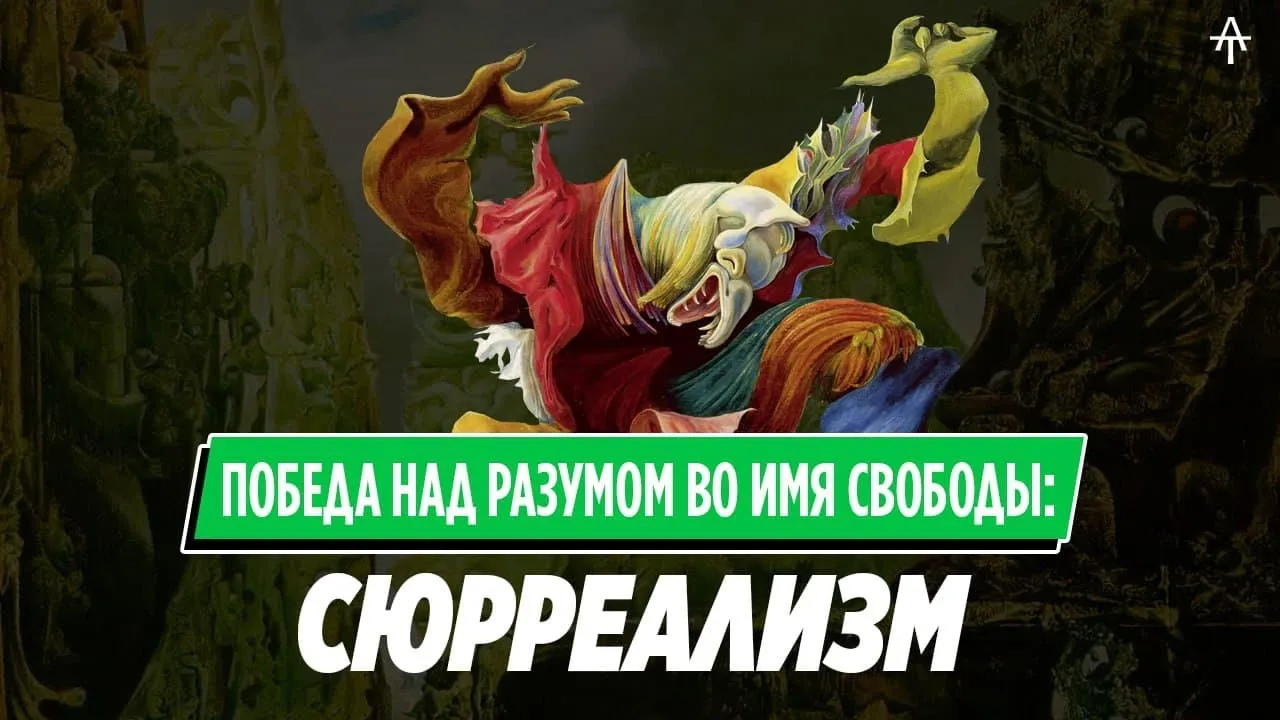
Сюрреализм (почти) без Сальвадора Дали.
30.7K
Automatic writing was one of the first and most important Surrealist practices, involving writing as fast as possible without allowing the mind to edit, as a direct appeal to the subconscious. Automatic drawing and collective creation techniques like 'collage of terror' and 'exquisite corpse' (le cadavre exquis) allowed participants to create surreal works without conscious control. Frottage, developed by Max Ernst, involved rubbing graphite over paper covering various objects to create magical patterns. These techniques, similar to inkblot psychological tests, revealed what the subconscious might communicate through chance and texture.
Click to watch →
Automatic Drawing
Dino & Face
Surreal Scene
Animal Additions
Final Touches
Automatic Drawing
0:02- 1
Explain surrealist automatism: letting hand wander freely.
- 2
Demonstrate creating loops, swirls, and zigzags on paper.
- 3
Identify random shapes from the automatic sketch as a starting point.
Formalism and Intentionalism in Art Education
While surrealist automatism encourages free expression and subconscious creativity, critics from formalist and intentionalist perspectives argue that relying on spontaneous, uncontrolled mark-making can hinder foundational artistic development. Opponents suggest that art education should prioritize technical mastery, deliberate composition, and conscious control over the medium. Without structured training in perspective, anatomy, and color theory, students may struggle to translate their ideas effectively. Furthermore, even within Surrealism, artists like Salvador Dalí critiqued pure automatism as too passive, proposing instead the 'paranoiac-critical method'—a more active, conscious interpretation of subconscious imagery. From an educational standpoint, critics argue that true creative freedom is only achieved once a student has mastered the rigorous, conscious techniques of their craft, rather than relying on accidental shapes.
Understanding the historical context of the Surrealist art movement and its focus on the subconscious mind.
Basic proficiency in handling oil pastels, including techniques for blending, layering, and pressure control.
An introductory conceptual grasp of automatism, or 'automatic drawing', as a method of spontaneous creation.
Familiarity with the distinction between abstract visual elements (line, shape, form) and representational art.
Exploring pareidolia, the psychological phenomenon of perceiving recognizable imagery in random, abstract patterns.
Applying advanced surrealist methods such as frottage (rubbing), grattage (scraping), and decalcomania to expand creative output.
Combining oil pastels with other mediums, such as watercolor for resist techniques or ink for defining discovered shapes.
Investigating the influence of psychoanalytic theories (such as Freud's dream analysis and Jung's archetypes) on artistic development.
Transitioning from purely spontaneous automatic sketches to planned, complex surrealist compositions.
646 views6likes8:46@PALCSTeachersOriginal Release: 2012-10-12
welcome back today i am a surrealist using the style of moroes automatism drawings i am going to create a drawing using oil pastels and the process of automatism what is that you might ask well what moreau did is he let his hand sort of wander across the page without trying to control it and he made loops and swirls and zigzags almost as if his hand were drawing on its own nothing sketched out beforehand just letting it do its thing so there's my automatic drawing now what moreo did next is he would look at it and try to pull out recognizable shapes so looking at this drawing right here this zigzag reminds me of the spikes on the back of a dinosaur so using color this guy is going to become my dinosaur this is really fun to try at home you don't have to use oil pastels you can use anything really it's also fun to try with a friend because you can do the automatic drawing and then they pull out recognizable shapes and it's really fun to see how creative you can get with that process all right so that section is my dinosaur i need an eyeball maybe some big legs little itty-bitty hands i don't know what dinosaur heads look like it can stay that way oftentimes moreau would add cursive words to his work so i'm going to write rawr in cursive coming out of my dinosaur okay now what else do i see that's recognizable this almost looks like a a face like a nose and like a huge chin so being a surrealist artwork nothing has to make sense so i can have a giant looming face coming down from a weird cloud above a dinosaur and it doesn't matter at all give him a little cleft in that chin and nose there's a little cleft chin right there okay um i think i'm going to give him wild curly hair so now it's a woman or a man with wild curly hair doesn't matter because it's not realistic it's surreal or unreal okay it's my strange person right there these look like bubbles to me so they're going to be bubbles whatever land this is taking place in has randomly floating bubbles okay i really like this down here to me it looks like a snowman so it's going to be a snowman or my coal eyes i'm gonna give him a top hat and a scarf um what color should his scarf be let's use blue your blue plaid scarf we need some buttons okay this is definitely something down here i think it is a crooked neck giraffe leaning in from the side with a tie on he's wearing a tie there's my crooked neck giraffe oh giraffes have those little horns so he needs some spotting like a giraffe i really am making this up as i go just as moreau would have there's um a tiny monkey riding the giraffe it looks more like a mouse okay there's a mouse riding the giraffe he's actually like doing a dance on top of the giraffe it looks like mouse dance on a giraffe awesome anything else i can pull out of this painting or this drawing got quite a quite a crazy scene going on that needs to be something what is this this is a purple diamond necklace or a purple jeweled necklace hanging out over here maybe coming from this orange-haired woman who knows maybe as she was swooping in to see the dinosaur the necklace came unattached and started flying away in that direction why not we can do anything we want in this drawing i chose oil pastels because i like the feel of them and i like their bold colors but this would be fun to do in marker or even crayon if you have crayons or if your younger siblings have crayons at home okay i think i'm happy with it you
Up Next
18:08
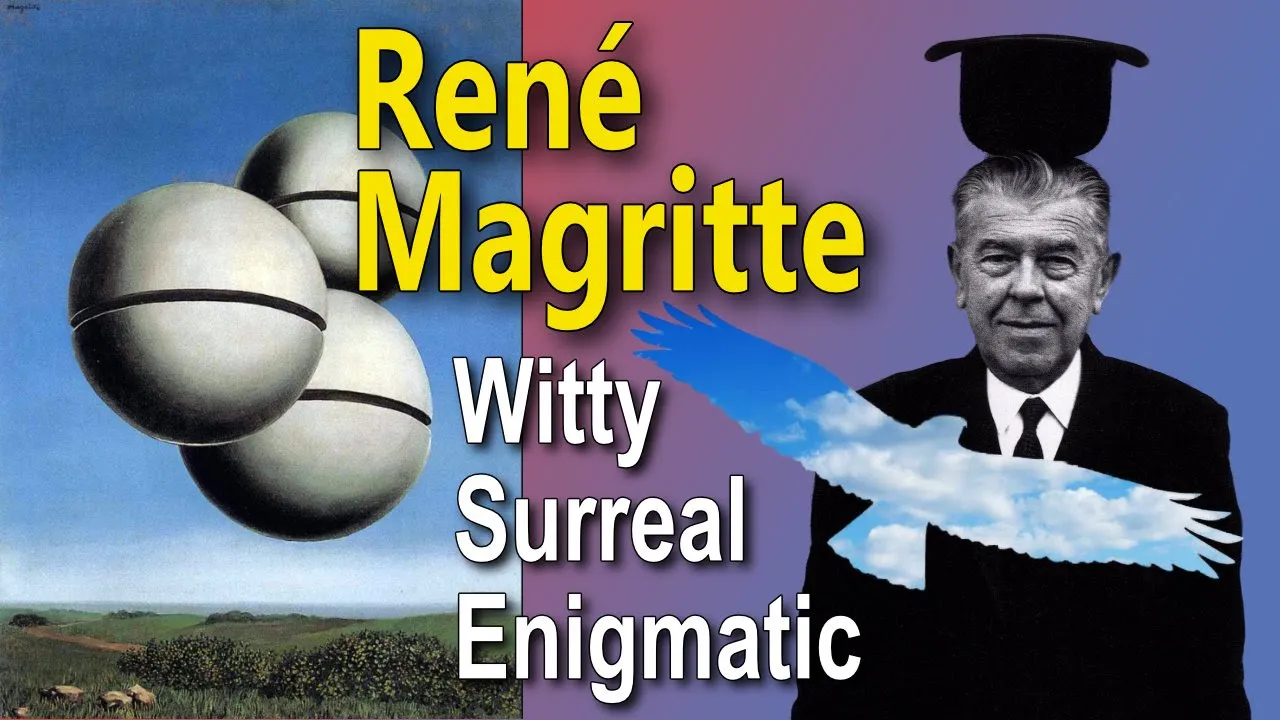
Rene Magritte: Exploring the Mind of a Surrealist Artist
@ArtHistorySchool
249.5K views•2022-02-28

12:54
Triumph of Orthodoxy Icon: Byzantine Art & History Explained
@BenCallan
2.1K views•2024-08-06

9:49
FastAPI vs Flask vs Django: Choosing the Right Python Web Framework
@TechWithTim
302.5K views•2024-05-26

1:42
Game of Thrones Opening Credits: A Cinematic Analysis
@gameofthrones
46.3M views•2011-04-18
Related Study Plans & Knowledge Roadmaps
Structured learning paths in General & Interdisciplinary Studies
general-studies
Elevator Engineering: History, Physics & Cities
01From Hoists to Safety Brakes: The Dawn of Vertical Lift
02Hydraulic vs. Traction: The Engineering Physics of Elevators
03Modern Speed, Safety, and Algorithms
+ 2 more learning modules
12h5 modules
Explore Roadmap
general-studies
Rubber: Material Science, History & Geopolitics
01Origins of Natural Rubber & Mesoamerican History
02The Chemistry of Natural Rubber & Vulcanization
03The Geopolitics of the Rubber Boom & Colonization
+ 2 more learning modules
12h5 modules
Explore Roadmap
general-studies
Containerization: Evolution, Logistics & Trade
01Ancient Trade & Bulk Cargo: Amphorae to Barrels
02The Industrial Revolution & Cardboard Packaging
03The Containerization Revolution: Malcom McLean
+ 2 more learning modules
12h5 modules
Explore Roadmap
general-studies
Textile Tech: Evolution, Labor & Global Impact
01Pre-Industrial Textiles: Handloom & Cottage Industry
02Mechanization: The Spinning Jenny to the Power Loom
03The Factory System & Global Labor Transformation
+ 2 more learning modules
10h5 modules
Explore Roadmap