














![The Birth of Spectral Music: Hugues Dufourt [English subtitles]](https://i.ytimg.com/vi_webp/OxJdAMPJtVc/maxresdefault.webp)








Music composition can be systematically approached by starting with a simple motif (the smallest indivisible unit of music containing both notes and rhythm), developing it into a four-phrase tune structure, then adding chords using primary triads (I, IV, V) and optionally extended chords (like vi), with the recommendation to use marker tracks to track chord changes and ensure all instruments align harmonically; this foundational method helps composers organize their creative process and avoid common pitfalls like harmonic clashes.
How to Write a Piece of Music: Foundations of Composition
Added:Basic Music Theory: Familiarity with reading sheet music, understanding clefs, pitches, and basic note values.
Rhythm and Meter: A foundational grasp of time signatures, tempo, and how rhythmic patterns are constructed.
Scales and Keys: Knowledge of major and minor scales, which form the tonal basis for creating motifs and harmony.
Introduction to Chords: Understanding how intervals and basic triads (major and minor chords) are built.
Musical Forms and Structures: Exploring how to organize phrases into larger structures such as Binary, Ternary, Rondo, or Sonata-Allegro form.
Counterpoint and Voice Leading: Learning the rules of combining multiple independent melodic lines harmoniously.
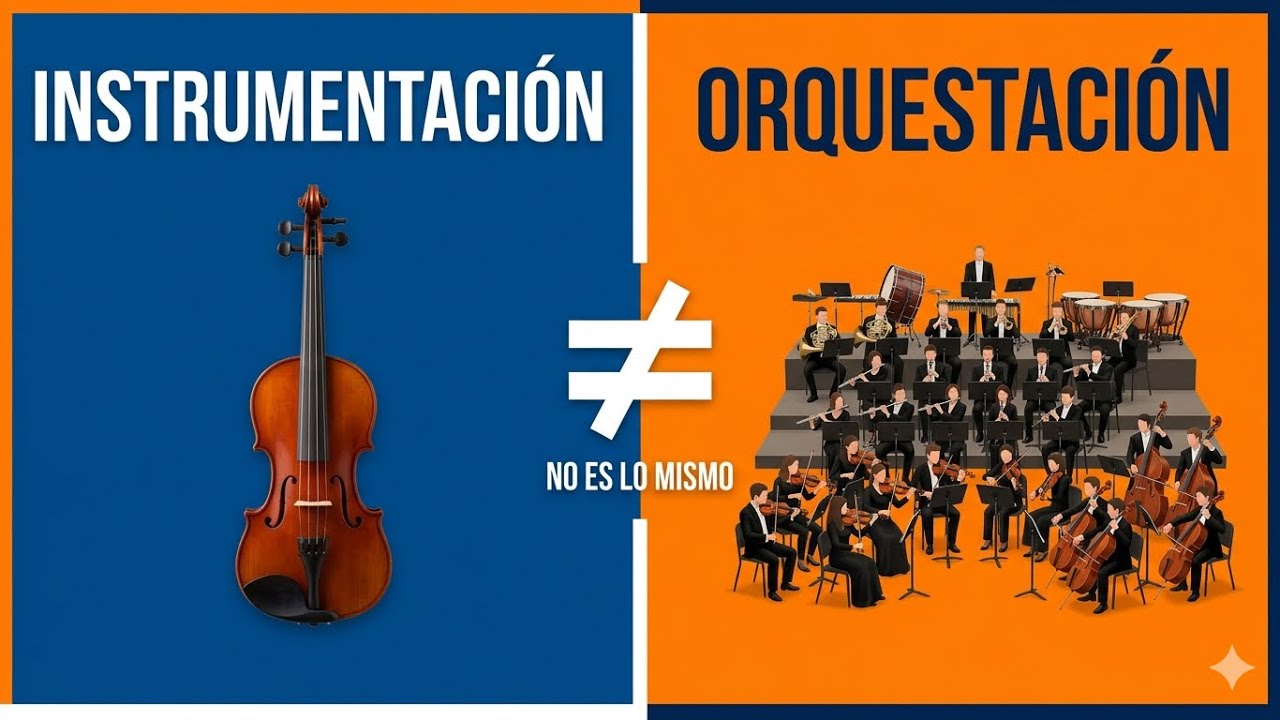
Orchestration and Instrumentation: Understanding the ranges, timbres, and techniques of different instruments to arrange music for ensembles.
Advanced Harmony: Studying complex chord progressions, modulations (changing keys), and the use of chromaticism.
Digital Audio Workstations (DAWs) and Notation Software: Learning how to transcribe, produce, and mix your compositions using modern digital tools.
54.9K views2.7Klikes17:46Original Release: 2024-11-22
hello everybody today we're going to write a piece of music we're going to start from scratch we're going to keep it really simple so whether you are literally just starting out writing music or whether you've been doing it for a while but you've hit some roadblocks and you just can't work out how to make everything come together today the day which we're going to uh explore the not the basics but the foundations of all bits of Music the way I'm going to do this we're going to just create a very simple kind of few bars of of a tune we're going to start with a motif the sort of smallest indivisible unit of Music in a way we're going to develop that into a phrase and then develop the phrase into a tune we're then going to add chords to that and then we're going to do some simple kind of arrangement to get those things up and running so that then we've got a kind of basic unit of Music which we could then go on and develop into something much more complicated now in order to do this I'm going to use I'm going to keep it as I say really simple so we've got um electric piano acoustic guitar uh an acoustic piano a bass uh violins violas and cellos all that kind of thing that's so it but it's I'm really going to be using like only half a dozen tracks so amidst all the uh Mayhem that is Black Friday and all these different things coming at you from all sides we're going to try and simplify and cut Get Back to Basics and if you are tempted by Black Friday you could always go to the think space store think space Google think space courses and explore our courses in the Black Friday sale so what I'm saying you can invest in yourself and your skills rather than more gear so but uh let's cut to the Chase and get on with coming up with a motif that's where I'm going to start this is not the only way to write a piece of music obviously you can start with Harmony you can start with text you can start with almost anything but for the sake of argument today we're going to start with um the some kind of basic that is essentially a motif that's not we're going to [Music] use okay let's if we go these four notes this is the basis of our Motif yes but that by itself isn't really a motif what it needs it needs yes a sequence of notes but it needs Rhythm as well rhythm is really important cuz listen if I play it it's different to I like that's got a certain kick to it right so there is the motif how are we going to turn that into a tune well a lot of tunes have there's all kinds of different tune structures essentially um a very common way of doing this is essentially four phrases make up um the little so so so it's four sections so if we start with this okay it ends on the F right now that sort of goes up so I'm now going to have a um I'm going to sort invert the phrase a bit and go okay so what goes up must come down so we got the first two parts of this it's gone away now it comes back ending on D now the third one frequently just repeats the first part of the phrase um you know note for note and then the last bit brings the whole thing home okay there is a tune really simple really really simple let's play this [Music] in okay right now we're going to need to add uh Harmony to this um when you're choosing um chords to go with the melody um you can do it by ear and lot of people will just kind of work out how the whole thing goes together and that's great if you're not sure what you're doing um as a rule of thumb you can absolutely guarantee if it play a chord of C which is a c and e and a g if you want Melody note is either C or G it is definitely going to fit with that c major chord so each note like that c occurs if we're just looking at dionic chord right note chords okay it occurs in C but it also occurs in a minor and it occurs in F so each note will occur in three other two yeah three dionic chords so we could have as our tune goes up so we got c e g so clearly it's implying a C major chord but we can't stay there when it goes to the that sound because there's a huge Clash going on there so for f the obvious chord to go to IS F major because chords 1 4 and five are the primary colors so now back to back to chord one okay now we can't keep it for that D so what's what can we use well chord five is we could go to D minor or chord s but chord s we don't talk about so so that's just using chords 1 four and five which is fine but it's it would be nicer if we could find some kind of variation let's just play that in to start with and then we'll see what we can do [Music] right okay that is now played in what can we do to make that more interesting cuz frankly no how about a minor there so we're going [Music] that [Music] works even just changing that one chord makes a huge difference to the sound of the whole tune let's play that in so we're going to go chord one chord four chord six cord five cord 1 cord 4 1 5 one okay this is now the foundations of a piece of music um now it's not particularly complicated um but even so something I strongly advise people to do particularly if they're uh uncertain how how to make uh their um uh chords and Melodies work together is to use a marker track um so you just drop in a mar marker for each chord change and then we're going to put a label on it then you can see what you're doing so when you one of the problems with um um working straight into um a door is your sort of composing blind so you have to remember what all the other lines are you've already played in and if you get that wrong for example if we forgot that that was an A Minor and thought it was still a c some of the tracks would be referencing C major some would be re referencing a minor and it would be a car crash an absolute car crash and we don't want that to happen do we no of course not okay what I'm going to do is now put in put in the um chord symbols or the just literally called letters is all I'm going to do uh so F uh a minor dum dum G c d c g c there we go right so if you look at the top here can you see that there we go it's I mean it's really simple but it just reminds you why would you need that guy why would you need that well let's have a look suppose we think this is a little bit boring and we wanted to mix it up a bit um so if we just get rid of of our block chords for a moment and go on to the acoustic guitar so now I'm going to improvise in a piece you know an accompaniment on an acoustic guitar now this is where it really comes into its own because when you're just improvising away it's really easy to slightly get out of sync with harmonically what's going on in the piece so I'm going to follow the chords um as I play in my uh little top my my new top my new accompaniment essentially right here we [Music] go do it again guy sorry I went to C major rather than a minor even though I was looking at it [Music] saying and I then cocked up the end doesn't matter we can go back and do that we will redo the end with a little bit of a you go take that out go into merge and then I can play in those three I won't do the that's what I all I'm going to do at the [Music] end right so now we have a viable piece which now desperately wants a baseline okay here we go so [Music] right now I can also hear there's a controller going wrong here somewhere let's have a look yeah there you go so because I dropped in you need to go this is cc64 which is the sustain pedal and it has gone off where it shouldn't have gone off so that will sort that out there we go so now it won't hold [Music] on that's good right now this is fine by itself but we you wouldn't just drop into the beginning of this we're not going to do a full arrangement for this but we are going to add a little intro so having established what my piece is I'm now going to move the whole thing down two bars so the tune comes in in bar three and what I'm going to do is I'm going to start with uh yeah bar three that'll do um what I'm going to do is I'm going to start by what are we going to use for the intro how about this should we use this acoustic guitar thing because the acoustic guitar I think could work quite well um so we're going to like that [Music] okay bit lost and lonely let's add um how about bit of violin just this is solo violin because I quite I I'm quite keen on solo instruments um from soft strings uh soft strings soloist from fracture sounds it's a nice sound here look I'll show you how it [Music] goes let's add some of this and see how this goes [Music] now there was one bit in that which absolutely did not work and it's really important that you can hear that when you come to write a piece of music just listen through to it again and and see if if you can hear where the whole thing went off the [Music] rails right at the end there something is very badly wrong um let's have a little listen and work out what it is tidy up some of these other bits and pieces but [Music] so it's going chord one chord five chord one so we got a we got a C we got a B we got a C that's fine ah but you can't have and that e was held all the way through so in other words when it went to a chord five on beat 2 it stayed on the E and the E clashed with the with the note so what we're going to do is we're going to get rid of that note there we're going to go put a D in there and then go back to um the E again so now it's going to go dunun see if this sounds any [Music] better yes it does sound better okay what we've got going on here then is the beginning of a piece of music um now it could become much much more complicated we could show all kinds of exciting things in but we have got a little intro it goes like [Music] this now you would then go on and go okay let's have a let's repeat our theme again but we'll vary it and we'll add some additional instrumentation we might put the lead line on a different instrument then we go to a b section and then we can go back to our a and then that whole thing become you can repeat the whole thing and thus the whole thing grows but I think if you don't and it's really useful going back to these foundations really of what it is to write a piece of music um because you can try you know just trying how many different ways can I add chords to that simple tune and what does each of those uh harmonic approaches bring to the party what is it you know cu every time you you arrange it differently it's going to be a different animal so whether you as I say this isn't just a thing for people um like you Benjamin in the Philippines like you Angelo in Detroit who've just started writing music it's for people who've been at it a while and they it just somehow everything gets away from you and you can never quite get that feeling of it all kind of coming together and feeling really comfortable a lot of the time it's to do with Melody versus Harmony or Harmony versus Melody and I think if you approach it like this um develop your basic themes along these lines you don't have to write music this way there's loads of other ways to do it you can start with Harmony start with texture start with a you know rhythmic motiv all kinds of other things you can do but this is a pretty solid way to get yourself up and running and we're using four tracks or something like that so before you go out and spend all your hard-earned money on millions of new instruments and plugins and everything else invest in yourself invest in the time to sit down and um um learn and to really develop your own musicality and uh just have more fun because the more you know the more fun you'll have talking of the more you know think space education is doing a Black Friday sale so just Google think space courses and you will find all kinds of things at an amazing discount price incredible right hope you found that useful and uh I will see you again very soon bye-bye
Up Next
9:57
Why Is 'How to Train Your Dragon' Music So Memorable? | Film Score Analysis
@InsidetheScore
728.8K views•2022-10-20

10:20
Mozart's Musical Dice Game Explained: History, Rules, & Fun
@webpianoacademy
5K views•2023-03-13

47:36
Understanding Diatonic 7th Chords in Major Keys | Music Theory Tutorial
@GracieTerzian
54.7K views•2022-03-02
10:49
Understanding John Coltrane's Giant Steps: A Music Theory Analysis
@Vox
10.4M views•2018-11-12
Related Study Plans & Knowledge Roadmaps
Structured learning paths in Music Theory
music-theory
Composing Galant Music: Partimento & Schemata
01Foundations of Figured Bass and Keyboard Harmony
02The Rule of the Octave (Regola dell'Ottava)
03Galant Schemata: The Building Blocks of Form
+ 2 more learning modules
30h5 modules
Explore Roadmap
music-theory
Decoding Overtone Series: Tuning & Drone Music
01Acoustic Foundations: The Physics of the Overtone Series
02Tuning Systems: Equal Temperament vs. Just Intonation
03Microtonality and Spectralism: Beyond Standard Pitches
+ 2 more learning modules
24h5 modules
Explore Roadmap
music-theory
Impressionist Harmony: Scales, Planing & RPGs
01Foundational Music Theory: Keys, Intervals, and Seventh Chords
02Impressionist Color: Chord Planing and Parallel Harmony
03Whimsical Textures: Pentatonic Cascades and Whole-Tone Scales
+ 1 more learning modules
14h4 modules
Explore Roadmap
music-theory
Negative Harmony: Axis Reflection in Indie Pop
01Music Theory Foundations: Scales, Intervals, and Triads
02Functional Harmony and the Circle of Fifths
03Demystifying the Negative Harmony Axis Reflection
+ 2 more learning modules
16h5 modules
Explore Roadmap