




![[EXPLICADO] Pare de errar isso! Escalas Pentatônica Maior e Pentatônica Menor! Entenda a diferença.](https://i.ytimg.com/vi/9KXyyij4dMg/maxresdefault.jpg)









![LAS ESCALAS MUSICALES CELTAS | 💍 7 MODOS ANTIGUOS, 4 para el FIDDLE [VIOLÍN IRLANDÉS 🎻]](https://i.ytimg.com/vi/imDiJqd95ZE/maxresdefault.jpg)


John Powell's memorable soundtracks for How to Train Your Dragon combine unique sound palettes with strategic musical techniques: pentatonic scales (five-note scales lacking dissonant semitones) create intuitive, catchy melodies that feel naturally memorable to human ears, while leitmotifs—short recurring musical themes associated with specific characters, places, or objects—help audiences recognize and remember key elements of the story through repeated exposure across the trilogy.
Why Is 'How to Train Your Dragon' Music So Memorable? | Film Score Analysis
Added:Basic concepts of film scoring, including how music functions to support narrative, tone, and character development in cinema.
The definition and historical use of the 'leitmotif' (a recurring musical theme associated with a specific person, place, or idea) in classical and film music.
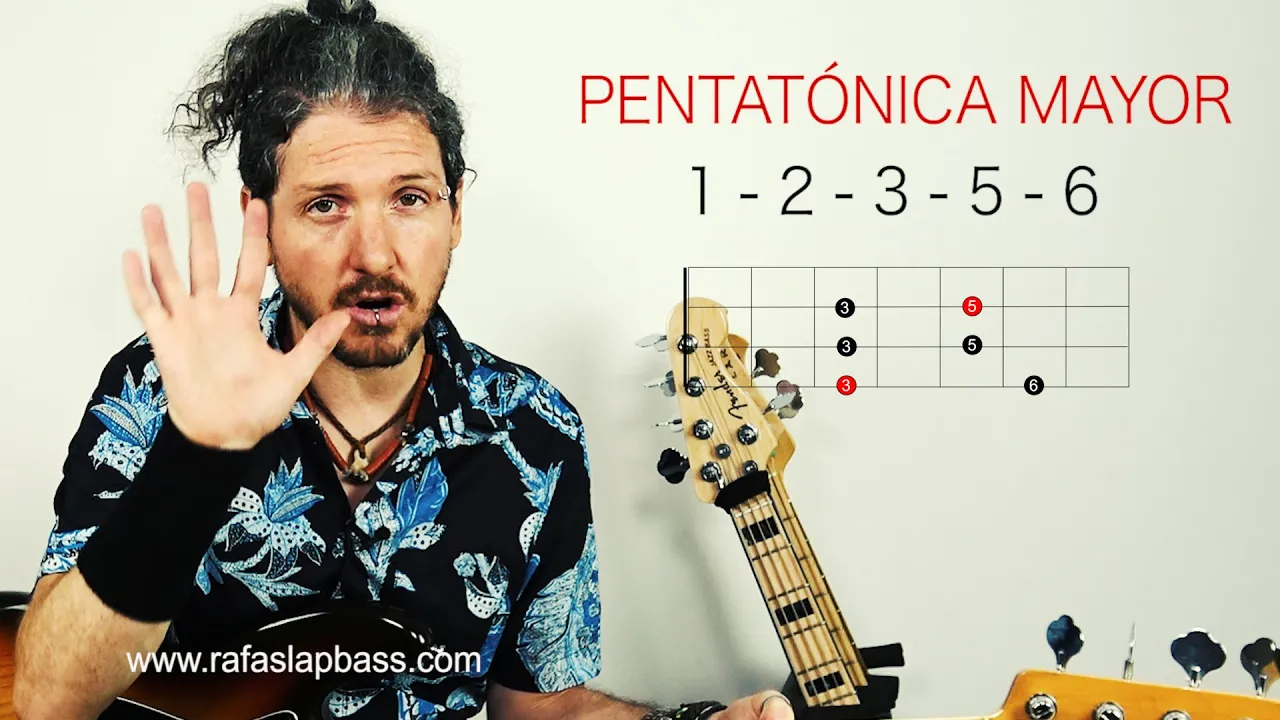
Fundamental music theory, specifically the structure of pentatonic scales and how they differ from standard major and minor diatonic scales.
An introduction to orchestration and 'sound palettes,' which refers to how composers select and blend specific instruments to create unique sonic textures.
Comparative analysis of other thematic film scores (e.g., Howard Shore's 'The Lord of the Rings' or John Williams' 'Star Wars') to study advanced leitmotif development and evolution.
An exploration of modal music theory, particularly the Dorian and Mixolydian modes, to understand how composers evoke Celtic and Nordic folklore atmospheres.
Practical application of thematic composition, such as using a Digital Audio Workstation (DAW) to write a short character theme using a restricted scale and unique instrument pairing.
The study of music psychology and cognitive musicology to analyze why certain intervals, rhythms, and orchestral colors trigger specific emotional responses in viewers.
728.8K views37.9Klikes9:57Original Release: 2022-10-20
the How to Train Your Dragon Trilogy has become absolutely legendary as the films were released over 9 years many younger people grew up watching them maturing with its characters and for older audiences the visuals the character arcs and the humor are unparalleled in the genre the trilogy holds a special place in the hearts of many but you cannot talk about how to train your dragon without discussing the music there are epic tracks with rousing percussion and brass and on the other hand there are delicate wholesome Little Tunes and every Melody is an earworm the soundtracks to the trilogy are some of the most beloved film scores of recent times so how does John Powell make this music so [Music] memorable Powell is a master at building a unique sound pette sound pallet or soundscapes describe the overall style colors and characteristics of a film soundtrack think of it this way a painter may choose warmer or brighter colors when depicting uplifting and heartwarming themes compared to colder or darker colors for somber or dismal themes similarly a film score composer uses different instruments techniques mixing Styles and so on to create a soundtrack suited to the mood of the film John Powell was instructed by The Producers to go all out on the score and not to worry about being too loud or too Brash and so he went ahead and blew the audience away with pure epicness the score calls for 6 string players 12 French horns six trones four bass drums an anvil and the list just goes on when you listen to tracks such as with love comes a great [Music] waterfall You're simply sh with all inspiring explosions of Harmony the source of energy and intensity is not solely from the number of musicians though it's also from his careful use of instrumentation Powell injects energy into his scores through the use of the human voice and heavy percussion these are two of the most ancient modes of musical expression and power Taps into our vestigial primitiveness invoking an emotional response to the music in fact he himself described the use of voice as instant Humanity meanwhile the track hiccup confronts Drago perfectly captures the barbarism of the villain Drago through this chaotic and violent drumming no let me show [Applause] you another contributor to this soundtrack's epicness is the reverberating huge low brass this might remind us of Han Zimmer's notorious scores Inception and The Batman Trilogy in fact Powell worked in Zimmer's Studio earlier in his career and no doubt learned a lot about huge epic percussion from the master in How to Train Your Dragon Powell employs a myriad of more atypical instruments from the tin whistle to the bag pipes the herdy girdy to the Slate marima this folky rustic sound palette adds another layer of detail to the fantasy world of How to Train Your Dragon giving the films more character and making them more immersive believable and [Music] memorable Zimmer's influence on Powell's epic sound is evident but when you listen to the how to Trend Your Dragon soundtracks another film music giant may come to mind John Williams and as a side note these two composers have also collaborated together in Solo a Star Wars story both of these composers produce amazing hummable and memorable Melodies Powell skillfully creates and develops light motives in How to Train Your Dragon as Williams has in Star Wars light motifs are short musical themes which connect themselves to a specific character Place concept or object in a story for example whenever a character appears in the story their light motive will probably be heard this technique was popularized by Richard Vagner in his 19th century operas but it's now found all over film music many fantasy films tend to be very heavy in their usage of light motives the Lord of the Rings Star Wars or yes How to Train Your Dragon for example in How to Train Your Dragon this theme could be attributed to toothless this theme features across dozens of moments in the trilogy in hugely variated forms sometimes in the minor key slowed to halftime speed while other times it might be used more subtly here the violin plays a recurring motive derived from a fragment of toothless's [Music] theme essentially we become familiar with the main themes of the soundtrack through sheer repeated exposure moreover as you might find in a light moer opera Powell fills the opening few minutes of each film with an overture track refamiliarizing us with the old light motifs and introducing us to new ones [Music] pentatonic ism is quite possibly the most underrated secret ingredient to the success and memorability of pows How to Train Your Dragon soundtracks pentatonic scales are scales constructed of five notes these scales lack dissonant semmit tones so it's easy to construct docile Melodies with little tension from these scales you can construct a pentatonic scale with any five adjacent notes on the circle of fifths the circle of fifths is formed by stacking perfect fifths in a sequence for example a fifth up from C is g a fifth up from that is D and so on the resulting cycle is an incredibly valuable tool that musicians from all genres use to construct harmonic progressions folk Melodies from around the world are often derived from pentatonic scales Gaelic African and Asian music all make use of pentatonic ism and the fact that this same system developed independently in so many drastically different cultures suggests that pentatonic ism is inherently intuitive to the human ear when you think about it before written music existed for folk tunes to be passed on to posterity they needed to be memorable and reproducible and so it wouldn't be Preposterous to suggest that pentatonic Melodies are simply more catchy in fact if you look at the 10 most viewed pop songs on YouTube eight of them are based mostly on pentatonic scales Gangnum Style is one exception but that one has barely any Melody and the other exception is despacito which is a Latin Pop Style and is set apart from the other songs of course non- pentatonic Melodies can be memorable there just seems to be something intuitive and natural about the sequence of notes in a pentatonic scale and so perhaps Powell's use of pentatonic ism is an underrated secret ingredient to achieve achieving memorability if you look at the list of light motives from the first film we see that five of the nine main themes are pentatonic however pentatonic ism is employed Less in the sequels only four of the 12 themes are pentatonic in this list director Dean de's feedback to Pal's compositions would often be I like where it's going I just wish I could walk out of here tapping my foot and humming it pentatonic ism is used throughout all three of the films and while the latter two films do become dark darker and more mature in tone the more folky Melodies From these films remain pentatonic for example if you look at for the dancing and the dreaming which is sung by hiccup's parents in the second film as well as the tunes accompanying toothless's courting folk dance in the third film you will hear that they are pentatonic interestingly this isn't the only time that poell has ventured into the world of pentatonic ISM using an array of instruments beyond the traditional Orchestra the Kung Fu Panda soundtrack which was a collaborative effort of Powell and Zimmer has many similarities to How to Train Your Dragon there is a distinct sound palette with the use of traditional Chinese instruments like theu and Guang light motives are used and more importantly many of the themes are pentatonic the instantly recognizable track ugu ascends is derived from a pentatonic scale again this soundtrack was very successful popular and memorable pentatonic ISM contributes to How to Train Your Dragon success not only through the crafting of a unique sound pallet but also through the direct creation of memorable Melodies Additionally the use of light motifs meant that themes were often repeated which made them stick in our minds however of course a film soundtrack is in symbiosis with other elements like the plot the photography the acting and so on the memorability of the music is somewhat dependent on the memorability of these other elements of the film and boy does the rest of How to Train Your Dragon deliver if you're new to this channel I've got loads of videos on symphonic music and film music you should definitely check out some of those you can support this channel on patreon and there's some links in the description for musicians who want to take their skills and passion a whole lot further thanks for watching
Up Next
33:26
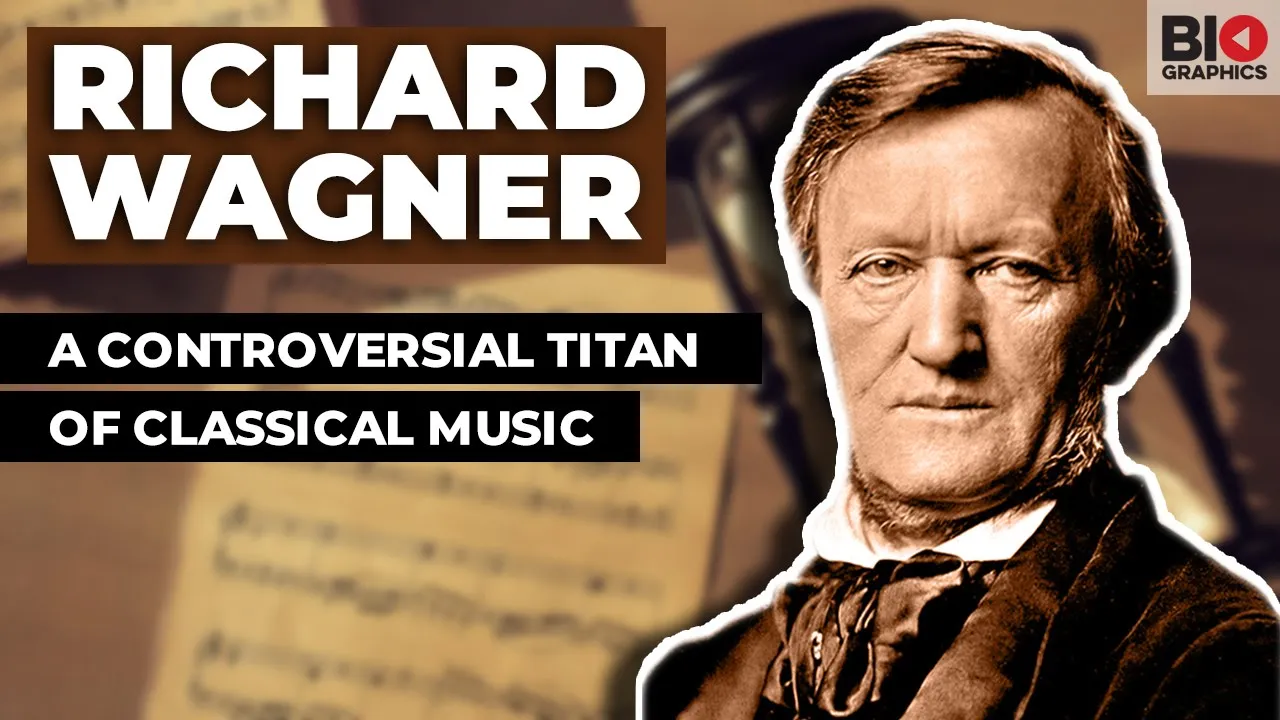
Richard Wagner: Controversial Titan of Classical Music Explained
@Biographics
272K views•2020-09-15

10:20
Mozart's Musical Dice Game Explained: History, Rules, & Fun
@webpianoacademy
5K views•2023-03-13

47:36
Understanding Diatonic 7th Chords in Major Keys | Music Theory Tutorial
@GracieTerzian
54.7K views•2022-03-02
10:49
Understanding John Coltrane's Giant Steps: A Music Theory Analysis
@Vox
10.4M views•2018-11-12
Related Study Plans & Knowledge Roadmaps
Structured learning paths in Music Theory
music-theory
Composing Galant Music: Partimento & Schemata
01Foundations of Figured Bass and Keyboard Harmony
02The Rule of the Octave (Regola dell'Ottava)
03Galant Schemata: The Building Blocks of Form
+ 2 more learning modules
30h5 modules
Explore Roadmap
music-theory
Decoding Overtone Series: Tuning & Drone Music
01Acoustic Foundations: The Physics of the Overtone Series
02Tuning Systems: Equal Temperament vs. Just Intonation
03Microtonality and Spectralism: Beyond Standard Pitches
+ 2 more learning modules
24h5 modules
Explore Roadmap
music-theory
Impressionist Harmony: Scales, Planing & RPGs
01Foundational Music Theory: Keys, Intervals, and Seventh Chords
02Impressionist Color: Chord Planing and Parallel Harmony
03Whimsical Textures: Pentatonic Cascades and Whole-Tone Scales
+ 1 more learning modules
14h4 modules
Explore Roadmap
music-theory
Negative Harmony: Axis Reflection in Indie Pop
01Music Theory Foundations: Scales, Intervals, and Triads
02Functional Harmony and the Circle of Fifths
03Demystifying the Negative Harmony Axis Reflection
+ 2 more learning modules
16h5 modules
Explore Roadmap