



























Richard Wagner (1813-1883) was a German composer whose innovative operatic techniques, including the leitmotif system and concept of 'Gesamtkunstwerk' (total work of art), revolutionized classical music, yet his anti-Semitic writings and nationalist ideologies created a complex legacy that later became associated with Nazi propaganda, despite his personal opposition to certain aspects of the regime.
Richard Wagner: Controversial Titan of Classical Music Explained
Added:Familiarity with the Romantic era of classical music and how it differed from the Classical era in terms of emotional expression and scale.
Basic knowledge of traditional 19th-century opera structures, such as the distinctions between arias, recitatives, and ensembles.
An understanding of 19th-century European history, specifically the rise of German nationalism and the social upheavals of the 1848 revolutions.
Fundamental music theory concepts, particularly the ideas of tonality, diatonic harmony, and musical resolution.
An in-depth study of the concept of 'Gesamtkunstwerk' (Total Work of Art) and its profound influence on modern theater, set design, and multimedia.
Analysis of the 'Leitmotif' technique and its direct evolution into modern cinematic film scoring, such as in the works of John Williams and Howard Shore.
Exploration of the 'Tristan chord' and how Wagner's extreme chromaticism paved the way for late-Romanticism and the eventual breakdown of traditional tonality in 20th-century modernism.
Investigation into the complex socio-political legacy of Wagner, including his antisemitic essays, his relationship with King Ludwig II, and the subsequent exploitation of his music by the Nazi regime.
272K views8.2Klikes33:26Original Release: 2020-09-15
this video is brought to you by squarespace from websites and online stores to marketing tools and analytics squarespace is the all-in-one platform to build a beautiful online presence and run your business check out squarespace through the link below more on them in a bit even if you're not a lover of classical music you may have felt that first rush of adrenaline at the top of ride of the vowel killeries or shed a tear or two at the first swell of here comes the bride these are two among many of the famed compositions of today's protagonist one of the titans of music of all ages and all genres richard wagner he's a man who left a mark not only on music but on philosophy society and politics of the 19th and 20th centuries today we will explore his personal life his main works his controversial views finally we will address the ultimate question of his legacy which tied his music to the propaganda efforts of the third reich but does he really deserve to be remembered as the soundtrack to an authoritarian war-mongering regime well i hope you're sitting comfortably as today's video is suitably wagnerian in length wilhelm richard wagner was born on may 22 1813 in leipzig then part of saxony presently in modern-day germany the city is remembered for its contribution to arts literature and music composers like johann sebastian bach wolfgang amadeus mozart and felix mendelssohn all worked as organists in the church of saint thomas the same church where young richard was baptized so not a bad start for a future giant of music baby rickard would barely get to meet his father carl friedrich wagner a police clerk died in november of 1813 during a typhoid epidemic a year later rickard's mother joanna remarried this time taking vows with noted actor painter and poet ludwig meyer she worked with him in dresden taking richard and his eight siblings along there is evidence that johanna and ludwig had been lovers for a long time and that the artist may have actually been richard's biological father whatever the truth gaia had a strong bond with rehard and encouraged him to develop his creative and artistic side unfortunately the boy soon lost his second father figure 2 ludwig died suddenly on november 30 1821 but the wagners stayed in dresden for several more years during which time rickard started taking piano lessons he gravitated more towards literature in his early teens he penned his first work a five-act tragedy called leobold and adelaide it was only after a move back to leipzig in 1827 that young wagner started taking music more seriously during the second leipzig tour he began taking lessons in harmony and counterpoint he also started attending performances from his favorite genre opera richard composed his first serious sonatas and string quartets in the late 1820s encouraged by his natural ability his mother joanna convinced him to enroll at leipzig university to study musical composition the young composer flourished his piano sonata in b-flat major impressed one of his teachers so much that he agreed to give him extra lessons for free at this stage rickard's compositions were small in scale if our musically inclined friends will allow me the term what i mean is that he focused on writing string quartets or sonata's compositions for a single instrument but in the 1830s wagner began composing orchestral symphonies and even incidental music for a play king enzio this marked his debut in writing for a theatrical production as he began collecting his first favorable reviews rickard decided it was time to compose a work in his favorite genre opera his inaugural work was dihoxite or the wedding but it remained incomplete you'd be forgiven for thinking this was an early sign of writers or well composer's block but wagner quickly bounced back with new finished works between 1833 and 1836 he composed his first two complete operas the first one was titled the fairies in contrast to common practice at the time wagner wrote both the music and the libretto or the text it told the story of the love between a fairy princess and a human opposed by the fairy's father but unfortunately it was never performed during wagner's lifetime his second goal was the ban on love a comic opera based on william shakespeare's measure for measure this time wagner's work earned a stage production which promptly flopped after one performance so if you ever despair about finding success in this life remember this even wagner totally flunked his first three operas but even these disappointments provided a great opportunity for wagner to test and develop his musical and philosophical ideas while writing the fairies and its floppy follow-up wagner had become friends with heinrich lauber a key figure of the young german's literary movement inspired by their ideals wagner started to reject the values of romantic poetry and music that were typical of the early 19th century instead he began developing a new personal vision imbued with pan-germanism and progressive liberal political thinking derived from the early ideals of the french revolution these were political and philosophical sentiments which wagner shared with many more young european intellectuals who were disappointed by the restoration at the time richard had started courting actress christine wilhelmine planner known as mina together they moved to magdeburg and started working with the besman theatrical company it was with this troupe that wagner had conducted the premiere of his second completed opera the ban of love in march 1836. the total fiasco that ensued bankrupted bethmann's company and left wagner with few professional prospects luckily mina was a planner not only in name she sorted out their next move which was a relocation to koenigsberg now modern-day kalingrad on the baltic sea here she took a new job at the city's main theatre and the two lovers married on the 24th of november very soon after the arrival of the wagner's the kanesberg theatre found itself on a slippery slope towards bankruptcy rickard was also plagued by other troubles mina not exactly the faithful sort of wife had eloped with a young lover help swiftly came from heinrich dawn conductor richard knew from his leipzig days dawn secured a post as conductor for wagner at the german theater in riga in modern-day latvia this job would give him financial security and maybe even the chance to mend his relationship with mina the plan worked well sort of wagner arrived in riga in august of 1837 and by early 1838 mina was again by his side the two enjoyed a better quality of life for a short time but more problems were not far behind as the couple lived beyond their means debts started to accumulate at the same time mina had resumed her infidelities accepting the courtship of the theater's very director in other words his wife had started dating his boss wagner was also frustrated by the poor quality of the frivolous comedic operas he was forced to conduct eventually also this experience proved to be a disappointment in 1838 the german theatre did not renew his contract with debt collectors literally pounding on his door on july the 10th rickard dragged mina to the harbor and the two escaped on a smuggler's ship amidst a formidable sea storm their destination well that would be paris as the ship navigates the waves and winds let's ponder this man's life so far for a 26 year old he had achieved some solid success but also some catastrophic failure professionally and personally and yet in his luggage he carried a wealth of experience that he would later put to good use while in riga exasperated by the light nature of musical theater he had started writing the libretto for a new work this would become the monumental opera rienzi based on a novel by edward bulwer litton this is a historical piece about a 14th century roman leader and his populist uprising during his tenure at the german theatre wagner also developed a new conducting stance revolutionary in those times rather than waving the baton while facing the audience he faced the orchestra to establish a closer connection with the musicians finally he took careful notes about the architecture of the german theatre he especially admired the dark auditorium the simple deck or the amphitheater layout the deep orchestral pit these features would all later inspire the construction of his own theater but let's not get ahead of ourselves the wagners landed in france in september 1839 after a tortuous journey during which mina had suffered a miscarriage this was a tragic event which marked the beginning of another unfortunate period of marital conflict in paris mina was able to tread the boards now and again rickard while the only wooden boards he saw were those of the doors slammed on his face apparently parisians had little interest in his music wagner took a day job completing arrangements for a music publisher while he hustled to get rienzie on stage an old friend from leipzig composer giacomo mayabeer interceded on wagner's behalf with the director of the paris opera unfortunately the parisian establishment was too conservative to accept the work of a young unknown german composer undeterred wagner continued to write and compose completing his next opera the flying dutchman this opera was inspired in part by a legendary ghost ship as well as the wagner's own perilous voyage from riga musically it introduced for the first time one of wagner's signature techniques the light motif a recurring musical theme associated with a specific character or situation the light motif concept has had a major lasting effect on modern and contemporary music even on film and tv soundtracks consider the imperial march from star wars or the reigns of castamere from game of thrones two ominous accompaniments that sonically acknowledge the presence of series villains but back to the 1800s while wagner was composing the flying dutchman he had the idea to hustle back home he sent a petition to the king of saxony friedrich augustus ii asking him to accept rienzi as a production at the dresden court theatre in june of 1841 the king accepted more than a year later on july the 7th 1842 richard and mina left paris to prepare the premiere of reinze considering wagner's track record his relative obscurity and the fact that the opera was five hours long well you can probably guess how it went and you would be wrong the opera debuted on october 20th 1842 and audiences absolutely loved it all five hours the year 1843 took off with another rapturous debut that of the flying dutchman a piece in which the composer further pushed the boundaries of operatic convention these successors granted wagner a new role as musical director of the royal court in dresden with newfound financial stability the young composer could finally repay his many debts well kind of he actually just ended up borrowing more money to pay them but i mean who are we to judge you see he had some other concerns to keep him occupied this was europe in the mid-1840s and another age of political and philosophical debate was brewing after the post-napoleonic restoration a fuse had been lit under the continent and a spark was gradually burning its way towards 1848 that bomb of a revolutionary year the detonation was inevitable and the young restless wagner had already picked his side while working for the king of saxony wagner continued honing his operatic craft the next of his operas to premiere was tanhauser in october of 1845.
this work deals with the titular wandering minstrel torn between pagan beliefs and christianity between the pleasures of worldly passion and spiritual love while developing the libretto for this opera wagner began studying the mythology of german and nordic law which he found to be a gold mine of inspiration his favorite writer became medieval poet wolfram von erschenbach whose works are used as a basis for two future operas parsifal and lohengrin lowengrin revolves around a mysterious knight who protects young elsa against a malicious ruler count telraman wagner completed it in april 1848 just when revolutionaries across europe were rising up against their own malicious rulers wagner frequented the dresden court while writing these new operas but he preferred to mingle with revolutionary activists who shared his progressive ideals his desire for a constitutional government or even his yearning for a united germany most notable amongst them was augustus rachel the editor of the radical newspaper volksblatter and mikhail berkunen the founder of collectivist anarchism initially saxony was not involved in the revolutionary wildfire of 1848 but after more than a year of quiet descent in may of 1849 dresden revolted against its king the saxon people took to the streets pressing the king to institute social and electoral reforms wagner was on their side he wrote articles against the aristocracy and in favor of a republican constitution and he personally distributed revolutionary manifestos to the saxon troops eventually he got involved with some of the more serious action and on may 7 1849 richard wagner volunteered to spy on troop movements from the top of a church tower in dresden soon he spotted incoming troops the problem was that they spotted him too and they opened fire luckily for the future of music history those unnamed soldiers were bad shots and wagner escaped in one piece but his name had already been compromised by his rebellious articles when the uprising eventually failed saxon authorities issued an arrest warrant on may the 16th but the composer was on a streak of good luck the warrens bore a very vague description of wagner 37 to 38 years old of medium height with brown hair and eyeglasses they might as well have written a guy somewhere in europe the incompetence of saxon police allowed wagner to escape dresden and relocate to zurich switzerland with the help of his friend composer franz list wagner spent the next 12 years in exile from germany running low on morale and even lower on funds a group of friends thankfully arranged for him to receive a regular pension to give him some stability except he sabotaged himself by having an affair with one of the wife of said friends so much for gratitude wagner during the first years in switzerland the wagners were again unhappy mina slipped into depression while rickard suffered from composer's block if there is such a thing he did write some essays though the first one the artwork of the future was a visionary work in which he described opera as a total work of art which combined music song dance poetry visual arts and stagecraft the follow-up published in 1850 was his infamous judaism in music essay in this work he expressed publicly for the first time his anti-semitic views which he held in private throughout his life even extending his racial disdain of other nations his thesis was that jews had no connection to the lofty german national spirit and as such they were capable of producing only shallow and artificial music according to wagner jewish composers were only seeking popularity and financial success incapable of conceiving genuine art the jewish artist could only speak in imitation of others make art and imitation of others he cannot really speak write or create art on his own it can be argued that wagner did have many jewish friends and that anti-semitic views were quite common in europe at the time however taking the time to write edinton published such views really took the arbitrary hatred of a whole portion of mankind to well another level and yet wagner's musical genius it can't be denied nor can his drive for innovation in the musical medium while he was working on his first pamphlets the composer had also started working on his best known masterpiece the four opera cycle the ring of naibalung or simply the ring this cycle includes the rheingold the valkyrie siegfried and twilight of the gods the plot is inspired by nordic mythology and revolves around a magic ring that can bestow the power to rule the world the god wooten steals the ring from its maker the nibelong dwarf alberich he then hands it over to giants fafner and farsol as payment for them building valhalla wotan's mortal grandson the hero siegfried slays fafner to retrieve the ring only to be killed by alberic's son the valkyrie brunhild secret's lover returns the ring to the rhine maidens rightful owners of the gold from which the ring had been forged she then commits suicide on sigrid's funeral pyre before the gods and valhalla are all destroyed in the twilight of the gods if you want any more details on the story you are welcome to attend the full 15-hour performance according to carol berger professor of music at stanford university the ring is an allegory for wagner's political beliefs inspired by his revolutionary experience siegfried's quest represents a struggle to wrestle power from the hands of capitalists that's the goldsmithing dwarves as well as the aristocracy the gods in his lifetime though wagner did not expound on the meaning of the cycle but rather on his musical vision in an 1851 publication a communication to my friends wagner described his work as dramas rather than operas they would be performed at a specially designed festival over the course of four consecutive days allowing audiences to enjoy the cycle in its entirety the composition of the ring cycle absorbed most of wagner's energies during much of the 1850s by june of 1857 the composer had written and composed the first two dramas and the first two acts of siegfried before setting them aside for another project tristan und isolde now before we continue with today's very long video i'd like to thank squarespace for making it possible now two simple things maybe you've got some idea for a website or a business or a podcast up here and you're thinking i should try that well the only way to figure out whether it's a good idea is to get it out there to the world and see if people want it and that can be daunting because people might not want it that is a reality of life but you won't know that until you try and the best way to try is to build a great website and you can do that with squarespace squarespace allows you to create a powerful website for whatever you're up to you want to sell something online yes set up a store with squarespace you want a podcast oh sure they can do that too maybe you want to do a youtube channel well i mean you do that on youtube but you can get a website to complement it that's a nice thing it all starts on squarespace with a beautiful template that you can customize to your heart's content or you can start from scratch or you can easily move over an existing domain making everything super easy to manage don't start from scratch though just use a template no excuses and once you've gone through the super easy customization process there are no updates no patches no tech bs to deal with and squarespace also handles all of that website stuff podcasts yes mailing lists yes social integrations yes and much more like i say squarespace removes the excuses to your dreams so just get started today and there's 24 hour customer support as well so that is fantastic head to squarespace.com for a free trial and when you're ready to launch go to squarespace.com forward slash biographics and you'll get 10 of your first purchase of a website or a domain let's get back to it the plot of tristan and isolde borrows from the legends of king arthur and is inspired by the philosophy of another arthur schopenhauer wagner had first read schopenhauer's works in 1854 and had become an easy convert to his philosophy a deeply pessimistic view of the human condition subject to the whims of blind impulsive will this is reflected in the story of the two titular characters their love story is subject to irrational destructive passion which can only end in death schopenhauer's basis also influenced the balance of drama versus music wagner had earlier theorized that the plot dialogue and poetic aspect of an opera should be preeminent with music in a subservient role schopenhauer suggested that instead music was now the leading passionate almost irrational force whose tenor and tone drove the message to the audience another source of inspiration for tristan undissolder came from wagner's own infatuation with a married lady poet mathilde wessendock again this lady was the wife of one of wagner's patrons and benefactors it must have been a heartfelt affair but again what i am learning here is that do not lend money to rio hard wagner for he certainly knows how to repay you the affair collapsed in 1858 when mina intercepted a letter to matilda from rickard from then on the couple was virtually separated mina returned to germany while rickard spent time in venice from where he continued his correspondence with matilda mina and richard tried to reconcile some years later in paris wagner had moved there again to organize a new production of tanharsa in 1861.
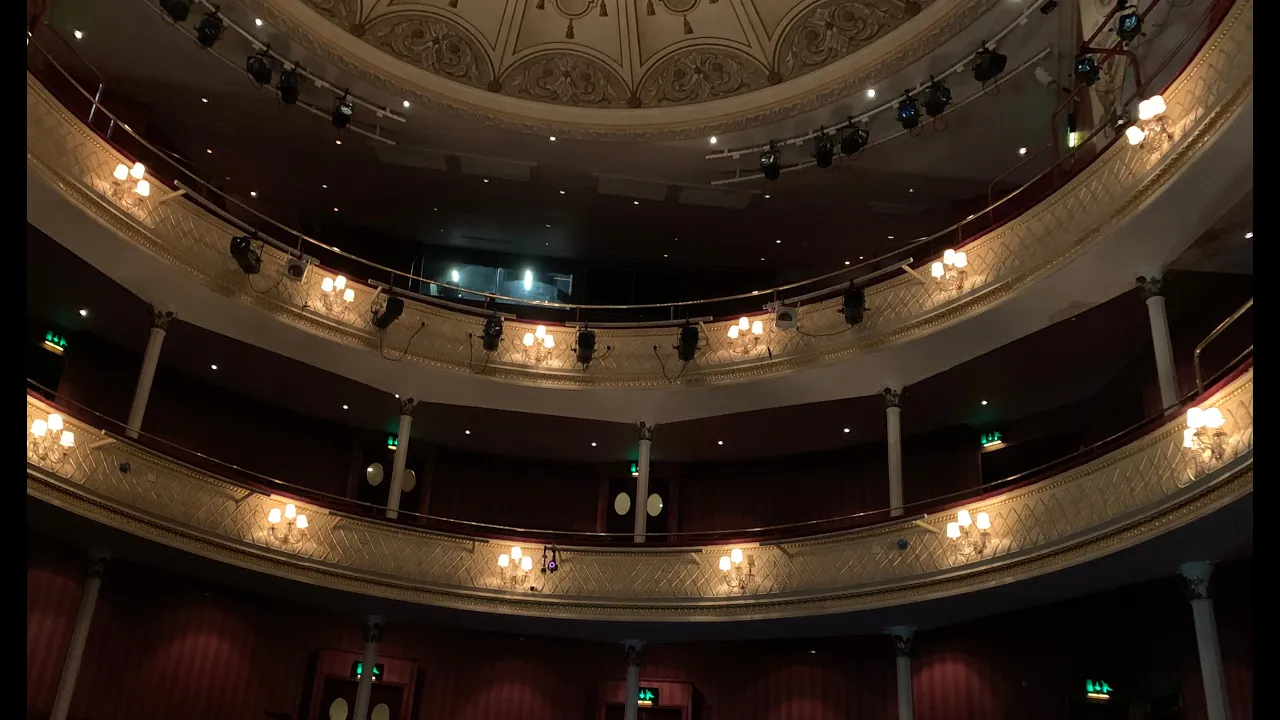
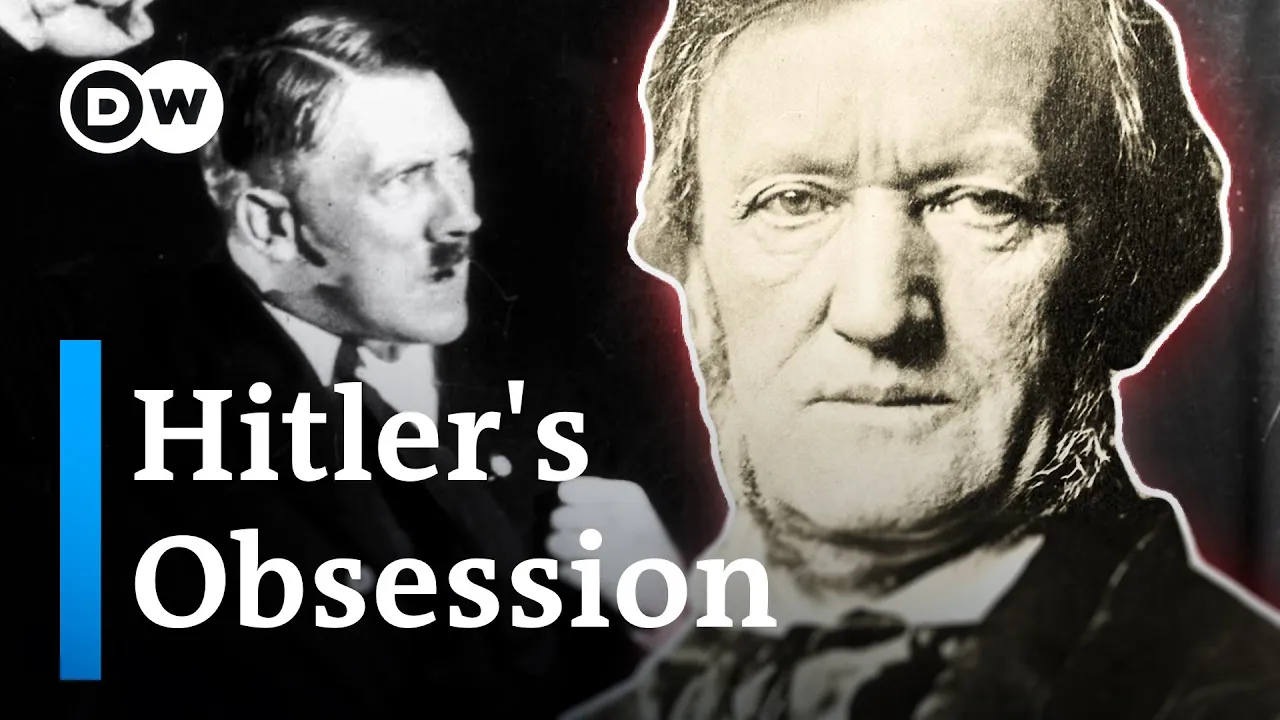
this was a fiasco as opponent of emperor napoleon iii took the occasion to stage protests against his foreign policy beliefs the reunion with mina was similarly a debacle and the two parted ways once more in the meantime things were improving back home in dresden thanks to his friend fran's list productions of lohan grin and other works by wagner had become all the rage and saxony his artistic success had pressured the government to issue a full pardon for the revolutionary composer the king of saxony waited with open arms but wagner had since set his sights on the patronage of another monarch king ludwig of bavaria while still a fifteen-year-old prince ludwig had attended a performance of leongren a rapturous experience which had left him in tears known to be eccentric flamboyant and even mad ludwig built a sort of private psychological fantasy around wagner's imaginary world a retreat in which to escape from the pressures of court life this can be seen in the fairy tale castles he built such as the astonishing neuschwanstein or the whimsical lindehoff palace which came equipped with a golden swan boat directly inspired by lohangren naturally when ludwig was crowned king of bavaria at the age of 18 one of his first acts was to summon wagner to his court by may of 1864 rickard had parted ways once and for all with mina although he still supported her financially burying himself into more and more debt sensing an opportunity he eagerly accepted the invitation at their meeting the king enthusiastically offered to fund any opera the maestro wished to stage and wagner chose tristan and isolde he had previously tried to produce it in vienna but the show had never premiered as it was deemed too difficult to perform and too expensive to stage but the king's coffers were deep so on june the 10th 1865 the drama premiered in munich the conductor for this run was hans von bulow hans and his young wife kazima had welcomed to the world their baby daughter also named isolde just a couple of months earlier well not exactly their daughter the biological father was well you guessed it mr richard luz panzerwagner kazima was herself the illegitimate daughter of franz liszt who disapproved of her affair with his friend wagner this is just another proof of our theorem if you do wagner a failure he will do your wife or daughter or maybe both the affair or rather the scandal came the talk of munich at the same time jealous courtiers were wary of the influence that wagner had over the king and started pressuring ludwig to get rid of him in december 1865 ludwig was finally forced to ask the composer to leave munich the king even considered abdicating to follow his hero into exile but wagner convinced him to remain on the throne during a second swiss exile wagner took time to revise and expand his pamphlet judaism and music publishing the new version in 1869. this time it received wider circulation and reaction than the previous edition even causing mass protests at the performances of his new work the master singers of nuremberg in the meantime he had been living in sin with kasima siring two children eva and siegfried the two eventually married in august of 1870 after mina died of a heart attack and kasima had obtained a divorce during the early 1870s rickard and kasima developed a friendship with a young and brilliant philosopher one who had become professor of classical philosophy at the age of 24. his name was friedrich nietzsche a name forever associated with that of the composer a competent amateur peerist nietzsche had admired wagner's music and ideals since his student days while teaching at the university of basil nietzsche had taken the habit of frequently visiting the wagners who lived in nearby luzon the young philosopher became a staunch admirer of the older composer which he considered a father figure he also had potentially developed a small crush for kasima which may have justified the frequent visits in his 1872 book the birth of tragedy friedrich openly expressed his admiration for wagner in this work he argued that greek tragedy emerged from the dark and irrational spirit of music partially tamed by principles of order over time these elements had become imbalanced with a preponderance of rationalism over the sheer creative impulse of music nature believed that the victory of socratic rationalism was plaguing contemporary art but that rickard wagner could restore the old balance with his impulsive and passionate music having suffered through exiles and revolutions wagner now had a settled stable domestic life with a faithful wife and a devoted younger friend a rising star in academia he could now direct his energies towards completing his masterpiece the ring cycle [Music] the monumental ring cycle needed a properly monumental opera house and wagner identified the wright theater this was the margravia opera house in beirut upper fransonia by now part of the unified second german reich wagner hated the decor of the place finding it too lavish and intricate for his taste but he loved the massive 27 meter stage as the composer was finishing his work on the librettos and the scores he began to rethink his decision on the venue for his magnum opus rather than composing with the margravial theater he would build a whole new venue that could provide every detail that he wanted the design borrowed many ideas from the german theater in riga where he had worked as a young conductor the main feature would be the orchestra pit deep enough to hide the musicians from view allowing audiences to focus entirely on the performance this setup would allow for music to filter from under the stage fill the wooden structure of the theater and surround the public with sound such a project required massive funds which wagner raised by touring tirelessly and by borrowing more money from his old friend ludwig bavaria the new theater the first spielhouse was completed in time for the premiere of the ring of the neighbourlongs from august the 13th through the 17th 1876. the rehearsals were not a piece of cake the score was hellishly difficult unlike anything else the tenors and sopranos had experienced so far wagner himself did not make things easier micromanaging every aspect of the production despite his best efforts some serious cock-ups did take place though a scene in siegfried required the presence of a massive animated dragon the beast was crafted in london and shipped in pieces to beirut but the neck the most important component ended up in beirut but the show did go on the audience of the premier included ludwig of bavaria kaiser wilhelm and emperor dom pedro ii of brazil the south american monarch checked in at a local hotel signing himself in simply as pedro occupation emperor another sort of royalty intellectual royalty attended in droves tchaikovsky liszt tolstoy nietzsche they all had a seat in this theater by this time the relationship between the composer and the devoted philosopher had considerably cooled ideologically speaking nietzsche did not approve of wagner's persistent anti-semitism nor his latest pet hatred a dislike of french culture at the same time friedrich had come to re-evaluate his early disdain of rationalism gravitating towards the materialistic and scientific ideas of his new friend paul hrey who happened to be french and jewish on a personal level nietzsche become weary of wagner's overbearing egoism and disregard for the feelings of those around him case in point at the premiere of the ring wagner had his 24 year old mistress judith gourtier sitting next to him in full view of poor kasima nietzsche's 1876 paper richard wagner at beirut was critical of the composer as an individual however the philosopher continued to recognize the merits of wagner's work it wasn't just nietzsche who was piling on the praise the ring was met with wild applause lauded by audiences and critics alike many praised the structural innovations employed by wagner in his theater too for example he had asked for the auditorium to be left in the dark during performances this is commonplace now but back then it was a revolutionary decision lights were always left on during shows to allow spectators to mingle or get a refreshment wagner's innovation instead demanded that audiences stay put and absorb a continuous flow of musical drama without interruption this was another wagnerian innovation before him operas were structured as a series of areas duets or other set pieces connected by reichitativo sections of sparsely scored dialogue the masters operas were conceived instead as single massive continuing compositions after the triumph of the beiruth festival wagner began work on his latest opera parciful which took him four years to complete this was a mystical near religious experience to him reflected in the abundant christian imagery present in this drama eventually he saw the performance of parceval as a sort of sacred rite which could be performed only in its own dedicated cathedral the theatre at beirut wagner finished the score in january 1882 and parcerfall was performed 16 times during july and august of that year becoming known as the second beiruth festival the conductor for the whole run hermann was the best german he could offer and he knew the score inside out wagner only had a minor [ __ ] with him his surname was levi and he was jewish apparently the brilliant albeit bigoted composer could not stand the idea of a non-christian musician being associated with his sacred work wagner pestered levi for months trying to get him baptized eventually wagner accepted this jewish musician would do an outstanding job after all and the parcel was an incredible success elated but exhausted by the whole experience wagner and kasima retreated to venice the couple despite being generally happy had been experiencing some tensions lately and needed some time to themselves the source of those tensions came from mccart himself going through a full-on midlife crisis kasima recently found out that after judith he had been having an affair with a young english soprano carrie pringle it seems that once richard popped he just couldn't stop proximity to young lovers did not make richard younger nor healthier already struggling with a heart condition at 2pm on february 13 1883 richard wagner let out a cry of pain while resting in his venetian villa he died within the hour as casima played the piano for him a funerary gondola carried the maestro for a procession over the grand canal his body was buried in beirut not far from his cathedral of music [Music] in modern times rickard wagner's legacy is frequently associated even at the superficial level with the third reich in nazi politics it's easy to trace a straight line connecting wagner's anti-semitism francophobia german nationalism mysticism and monumental enthralling music with the ideology and propaganda of hitler's regime but is this association really inevitable for sure adolf hitler loved wagner's operas in mind camphi even quotes lothagrin and how much it impressed him hitler became chancellor of germany almost exactly 50 years after wagner's death he took the occasion to organize lavish commemorations at beirut and to forge friendships with wagner's descendants in later years and with the support of propaganda minister joseph goebbels hitler and the nazi party effectively appropriated some wagnerian music and iconography into their propaganda efforts but this does not mean that ricard wagner and the nazi party were exactly on the same wavelength one of the party's favorites was the ring cycle and its protagonist siegfried was interpreted as a fine specimen of german fighting manhood but as we've heard wagner's idea was for sea creed to be more of a subverter of established order fighting against powerful elites it should be said that as a minister goebbels liked to pick and choose which of wagner's works suited his goals for example he decided to ban parciful in 1939 because it prompted pacifism spirituality and brotherly love among men which is not exactly the best message if you want to motivate your troops to go and invade poland and well that's where we end today's video and if you did like it please do hit that thumbs up button below please don't forget to go and check out our fantastic sponsor squarespace they're linked to below and thank you for watching you
Up Next

6:58
Brass Orchestration Techniques in How to Train Your Dragon
@RyanLeach
358.6K views•2022-03-16

10:20
Mozart's Musical Dice Game Explained: History, Rules, & Fun
@webpianoacademy
5K views•2023-03-13

47:36
Understanding Diatonic 7th Chords in Major Keys | Music Theory Tutorial
@GracieTerzian
54.7K views•2022-03-02
10:49
Understanding John Coltrane's Giant Steps: A Music Theory Analysis
@Vox
10.4M views•2018-11-12
Related Study Plans & Knowledge Roadmaps
Structured learning paths in Music Theory
music-theory
Composing Galant Music: Partimento & Schemata
01Foundations of Figured Bass and Keyboard Harmony
02The Rule of the Octave (Regola dell'Ottava)
03Galant Schemata: The Building Blocks of Form
+ 2 more learning modules
30h5 modules
Explore Roadmap
music-theory
Decoding Overtone Series: Tuning & Drone Music
01Acoustic Foundations: The Physics of the Overtone Series
02Tuning Systems: Equal Temperament vs. Just Intonation
03Microtonality and Spectralism: Beyond Standard Pitches
+ 2 more learning modules
24h5 modules
Explore Roadmap
music-theory
Impressionist Harmony: Scales, Planing & RPGs
01Foundational Music Theory: Keys, Intervals, and Seventh Chords
02Impressionist Color: Chord Planing and Parallel Harmony
03Whimsical Textures: Pentatonic Cascades and Whole-Tone Scales
+ 1 more learning modules
14h4 modules
Explore Roadmap
music-theory
Negative Harmony: Axis Reflection in Indie Pop
01Music Theory Foundations: Scales, Intervals, and Triads
02Functional Harmony and the Circle of Fifths
03Demystifying the Negative Harmony Axis Reflection
+ 2 more learning modules
16h5 modules
Explore Roadmap