













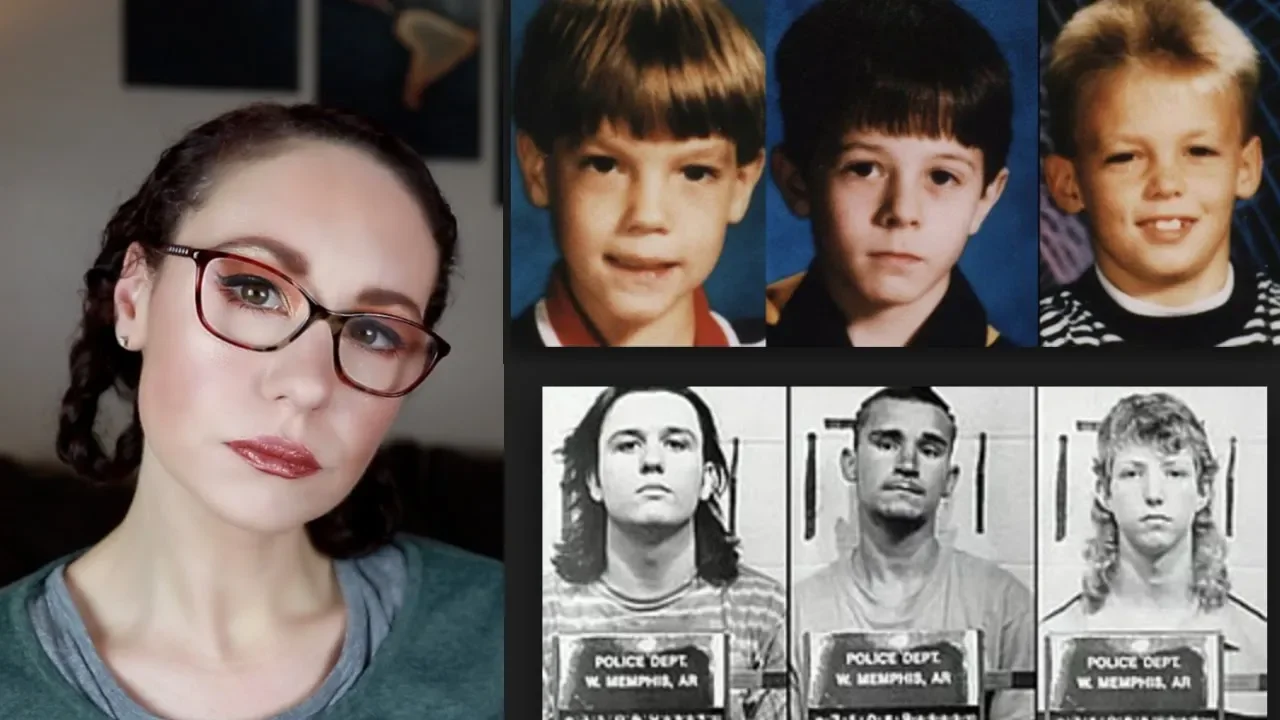









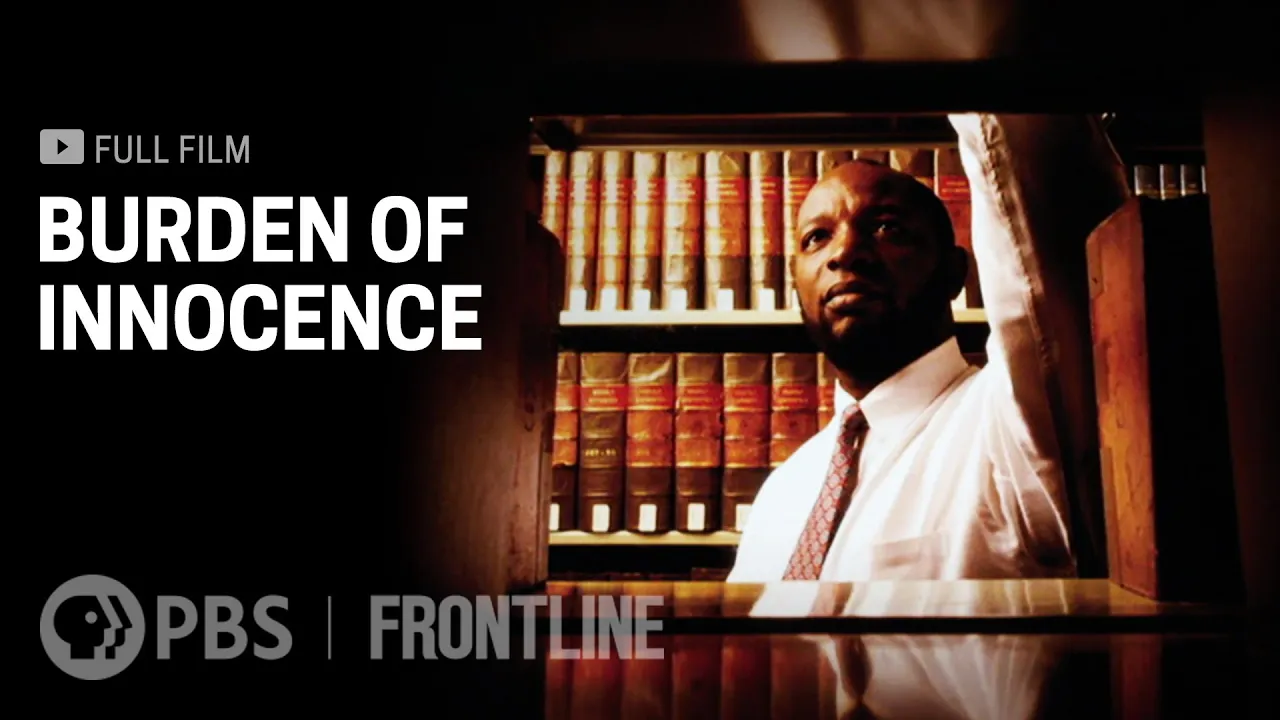



The West Memphis 3 case demonstrates how false confessions, media sensationalism, and systemic failures in the criminal justice system can lead to wrongful convictions; three teenagers were convicted of murdering three 8-year-old boys in 1993 based on a coerced confession that contained numerous inconsistencies, and despite their innocence, they were only released in 2011 through an Alford plea deal that allowed them to maintain their innocence while technically pleading guilty.
West Memphis 3: Lawyer's Pursuit of Justice in Arkansas
Added:The structure of the U.S. criminal justice system, specifically the distinction between trial courts and the post-conviction appellate process.
The social phenomenon of the 'Satanic Panic' in the late 20th century and how moral panics can influence public perception and judicial bias.
Basic legal standards of proof, such as 'beyond a reasonable doubt,' and the constitutional rights of the accused, particularly regarding confessions and representation.
The fundamental principles of DNA profiling and its historical emergence as a tool for both conviction and post-conviction exoneration.
The mechanics and ethical implications of the 'Alford Plea,' the specific legal compromise used to secure the release of the West Memphis Three.
The role of investigative journalism, documentary filmmaking, and public advocacy campaigns in challenging judicial outcomes.
Systemic reforms aimed at preventing wrongful convictions, including regulations on coerced confessions, youth interrogations, and the validation of forensic science.
The psychological, social, and economic challenges of life after exoneration, including state compensation laws for the wrongfully convicted.
61.4K views1.6Klikes12:47Original Release: 2024-10-06
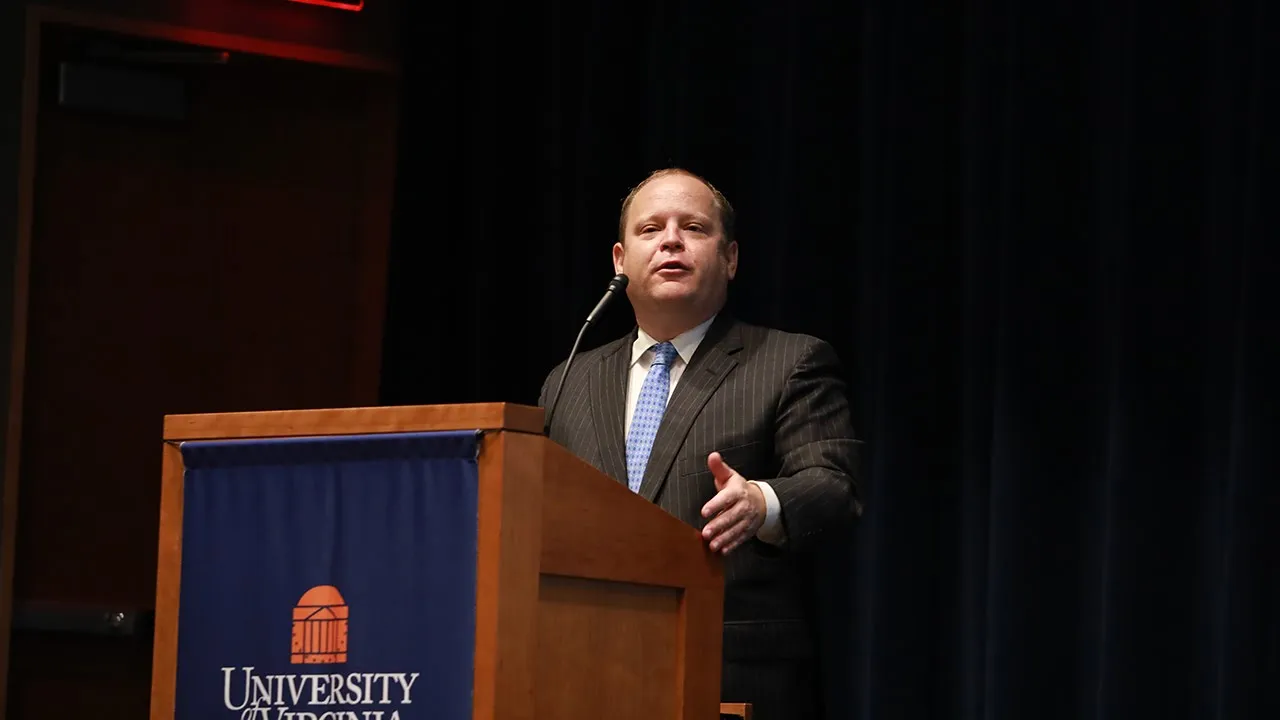
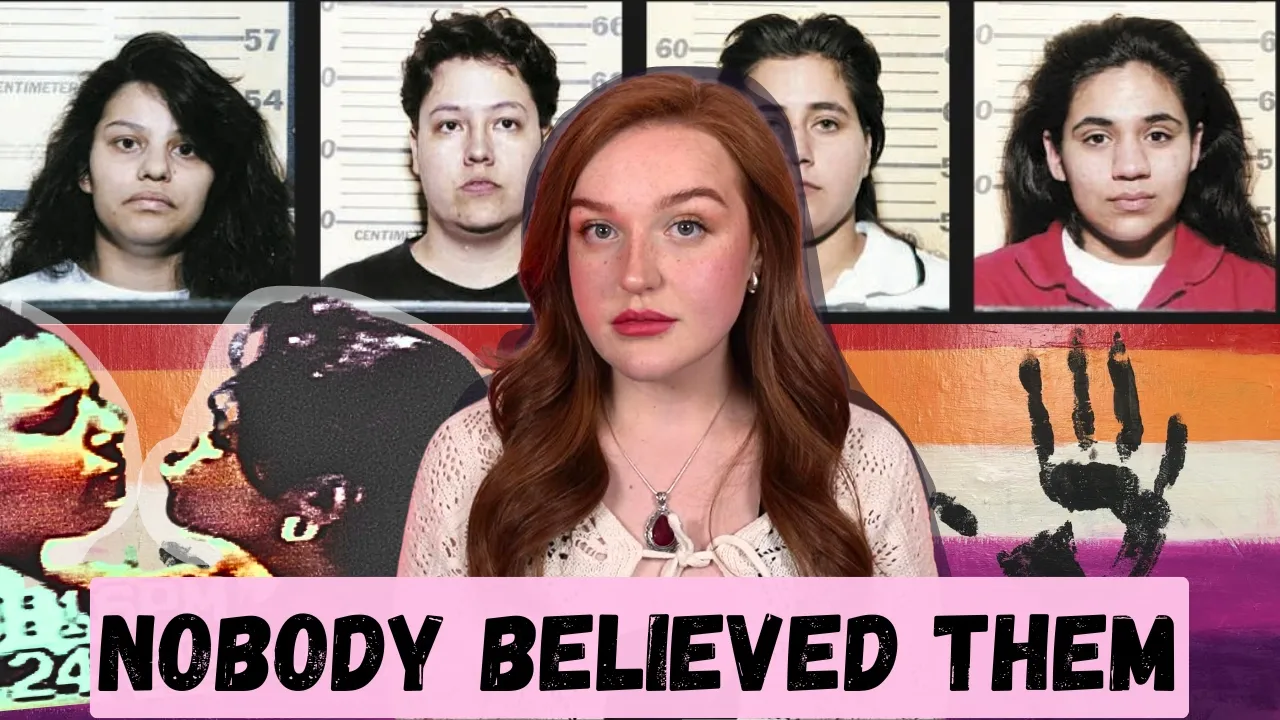
well it was huge it was perhaps the biggest news state of Arkansas has ever had perhaps other than Bill Clinton being elected president this happened right after he took office so uh this it was big in his new book a harvest of Innocence Dan steum Chronicles one of the most notorious criminal cases of the 20th century the West Memphis 3 he tells Inside Edition digital how the case captivated the country's attention stum represented Jesse misskelly one of the three teens who were falsely accused of killing three 88-year-old boys in West Memphis Arkansas in 1993 West Memphis Arkansas a small close-knit community with lots of parks and places to play the perfect place for three All-American funloving kids like Michael Moore Christopher buers and Steven Branch to go out and around 8 days ago the boys went for an afternoon bike ride but by Nightfall hadn't returned home police zeroed in on Damen Eckles and his friend Jason Baldwin who were known to authorities due to past shoplifting and vandalism charges as well as enjoying heavy metal music The Unbelievable news from police the alleged killers were practically kids themselves Damen Eckles 18 Jesse mkelly 17 and Jason Baldwin 16 teenagers from the neighborhood leaving parents of the victims like Pam Hobs the mother of Steven Branch facing the most agonizing of questions I was asking God why why God the trials of the three teenagers have become one of the biggest stories ever in Arkansas so big the case had to be moved because of pre-trial publicity started out with Damian immediately we were interviewing Damian with 48 Hours of the bodies being discovered because he was according to the juvenile officer the only person in West Memphis who could pull this off because he was the weird kid the kid that dressed in all black had long black hair wore black jeans black combat boots black T-shirt um uh listened to the wrong kind of music read the wrong kind of books um and I not making this up they actually introduced Stephen King novels in evidence that were found uh in Damian's trailer in the trailer park and along with Metallica t-shirts and other t-shirts in fact Jason Baldin was wearing a Metallica t-shirt in his mug shot so um it uh it was just insane then this horrible horrible satanic Panic just kind descended upon the town people were talking about it cuz they were reading about it in the newspaper cops were talking to anybody and everybody and and they said they were trying to keep all this stuff secret but what they were actually doing is trying to let everybody know what their theory was another teen Jesse Miss Kelly was known to police for having an alleged history of violent Outburst stum who was a rookie lawyer at the time would go on to represent Miss Kelly in court immediately stum knew Miss Kelly was different from how he was portrayed and when I first walked in the cell I thought this can't be Mr Miss Kelly he's not big enough I mean he's just so small and so um the last thing I wanted to do that first meeting was to put a tape recorder in front of him and started taping things so we just kind of went over statement that he had given the West pis police and not only did he start getting the things wrong that he'd already gotten wrong but he actually got the bodies mixed up and said um there was one child who was horribly um emasculated and uh his genitals were removed and um that's what kind of fed the satanic Panic aspect of this and that was reported by the media almost immediately at one part in the confession in the tape you can hear the officer and they even said they're looking at a newspaper clipping from the local West Memphis evening times and they're pointing to the pictures and Mr mkelly is reading it and it referred to the the victim buyers and the victim Moore and the victim branch and so he was just pointing these people out and they were just leading him through the entire uh confession Dr Martin Hill who's a forensic linguist he uh did an extensive um study of the confession and determined that Miss Kelly did not tell anything to the police that they didn't already know we offered no new information and when he did try he got it just terribly wrong and the cops just seemed to glaze over it like it was nothing do you know which one raped which boy or how did that happen Daman rap demire that confession became a major point of contention in the case a defense psychologist testified that Miss Skelly had the mental capabilities of a 5 to 8-year-old child that he didn't know what he was saying Miss skelly's lawyers moved to have the confession thrown out but the judge allowed Miss skelly's confession to stand the other thing that stuck out a couple other things that stuck out from the confession were the fact that he mentioned that they were bound with a big brown rope which they weren't they were tied up with their own shoelaces the other was the fact that the boys had hadn't skipped school that day as he said and Jason Baldin was in school as well a very good student and um he was in till 3:00 in school little boys were seen riding the three of them riding two bicycles going down the service road of the interstate um at 6:30 p.m. right near I mean right at actually the crime scene you could have thrown a baseball to the crime scene from where their bodies were recovered the next day so it's just um all these things just didn't add up sidm would learn that his client had a low IQ and learning disability disorder he would enlist some of the best experts in the field to listen of Miss Kelly's so-called confession and they would conclude it was forced however it didn't help the defendant's case the three suspects were tried in court in 1994 Miss Kelly was tried separately while Eckles and Baldwin were tried together Miss Kelly was convicted by a jury of one count of first degree murder and two counts of second degree murder he was sentenced to life plus 40 years in prison Eckles and baldwi were found guilty on three counts of murder the court sentence Echo to death and bald to life in prison get back up I never give up uh and I put my teeth back in the sockets and dust myself off and just keep moving forward and and a lot of days it was just like playing chess um as long as I could keep one piece on the board I had a chance the case got national attention including that of several celebrities and then when the help arrived I held down the fort long enough and kept Jason and Jesse's case alive long enough for us to do the reinvestigation thanks to folks like Eddy better Ander ryer and Henry Rollins and Peter Jackson bran Walsh they um they came to the rescue the pressure that was being exerted on the state of Arkansas was tremendous it was worldwide um and uh they wanted this to go away on August 19th 2011 Eckles Baldwin and Miss Kelly were freed as part of a deal where they made an Alfred plea in doing so they maintained their innocence while conceding that authorities had enough evidence to convict them they're free the men known as The West Memphis 3 were released from prison Friday 18 years after they were convicted of the shocking murders of these 8-year-old boys it's it's been an absolute living Hil the three men were released because of a special type of plea bargain although they plad guilty they were able to maintain that they are innocent the prosecution even said that the Alfred plea was proposed so that the three men couldn't sue the state however the plea will continue to haunt The West Memphis 3 for the rest of their lives the prosecutors has even made made that statement that was part of his consideration my client with his intellectual disabilities a felony conviction is not going to impact him day to day like it does the other two because uh he's you know he's never going to be able to hold down a decent job or or do anything that doesn't require some supervision but um um the other two Jason for example wants to go to law school and but he can go to law school but he can't practice law because of his fony conviction since their release Miss Kelly has kept a low profile and has continued to live in West Memphis suddenly um my client's free and and I fulfilled my promise to my client uh and I thought it was all over at this point I thought hey this I kept my promise I work on the case all the time constantly I was stalking experts uh at the professional meetings I was trying to find anybody I could that could help me and and um suddenly I I did Jason Baldwin has studied law and works for the Innocence Project while Damen Eckles has published two best-selling books he moved to New York City right after his release with his wife Lori Davis whom he married while in prison they talked about their relationship with Inside Edition back in 2015 from our home in New York City where Lori was a successful landscape architect she sent Damian a letter in care of death row this is from the first letter I wrote to Damian I don't know why I feel compelled to have contact with you I just do so I will write until you tell me to stop Damian wrote back thank you so much for writing I've been waiting I knew that sooner or later someone would take notice sidm who now serves as a judge says that what happened to the West Memphis 3 Echoes the Salem Witch Trials well as a sociologist that's what groups of people do the collective um Community it's everybody this this evil descends upon the town and nobody can explain it it's beyond uh explanation it's not simply a murder it's a it's a human atrocity and how could someone do that to a little kid and and nobody can wrap their mind around it I'm not using this quote just because Elvis is from Memphis but uh I think it was Elvis who once said that uh people are scared of things they don't understand and that's very true and nobody understood what was going on and um it created this again as we called it a perfect storm the case of who killed second graders Stevie Branch Michael Moore and Christopher Byers in 1993 remains unsolved and currently open sidm is still seeking answers in the case I actually have a suspect um I'm not at Liberty obviously to discuss that but but um um I plan on pursuing that lead as well for Inside Edition digital I'm Sal Bono
Up Next

301:14
Legal Analysis: Fani Willis Files Response in Trump Election Case
@TheLeadAttorney
332.8K views•2024-02-25

12:54
Triumph of Orthodoxy Icon: Byzantine Art & History Explained
@BenCallan
2.1K views•2024-08-06

9:49
FastAPI vs Flask vs Django: Choosing the Right Python Web Framework
@TechWithTim
302.5K views•2024-05-26

1:42
Game of Thrones Opening Credits: A Cinematic Analysis
@gameofthrones
46.3M views•2011-04-18
Related Study Plans & Knowledge Roadmaps
Structured learning paths in General & Interdisciplinary Studies
general-studies
Elevator Engineering: History, Physics & Cities
01From Hoists to Safety Brakes: The Dawn of Vertical Lift
02Hydraulic vs. Traction: The Engineering Physics of Elevators
03Modern Speed, Safety, and Algorithms
+ 2 more learning modules
12h5 modules
Explore Roadmap
general-studies
Rubber: Material Science, History & Geopolitics
01Origins of Natural Rubber & Mesoamerican History
02The Chemistry of Natural Rubber & Vulcanization
03The Geopolitics of the Rubber Boom & Colonization
+ 2 more learning modules
12h5 modules
Explore Roadmap
general-studies
Containerization: Evolution, Logistics & Trade
01Ancient Trade & Bulk Cargo: Amphorae to Barrels
02The Industrial Revolution & Cardboard Packaging
03The Containerization Revolution: Malcom McLean
+ 2 more learning modules
12h5 modules
Explore Roadmap
general-studies
Textile Tech: Evolution, Labor & Global Impact
01Pre-Industrial Textiles: Handloom & Cottage Industry
02Mechanization: The Spinning Jenny to the Power Loom
03The Factory System & Global Labor Transformation
+ 2 more learning modules
10h5 modules
Explore Roadmap