



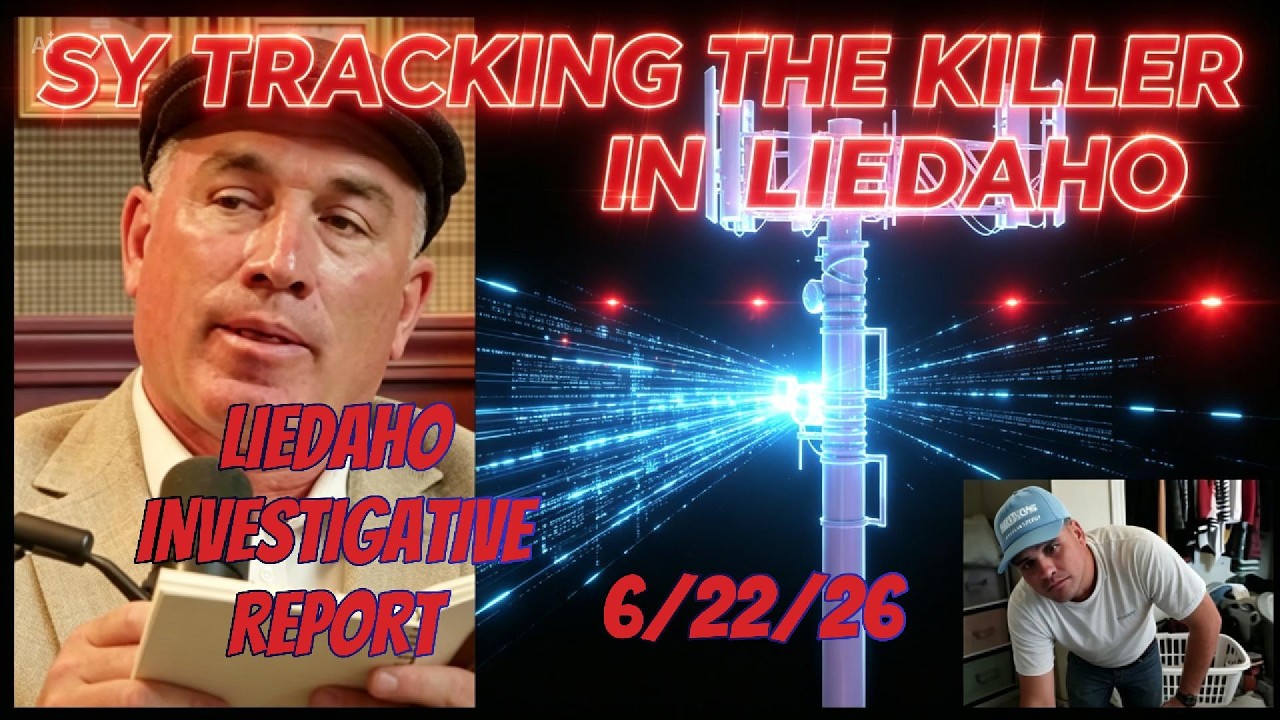












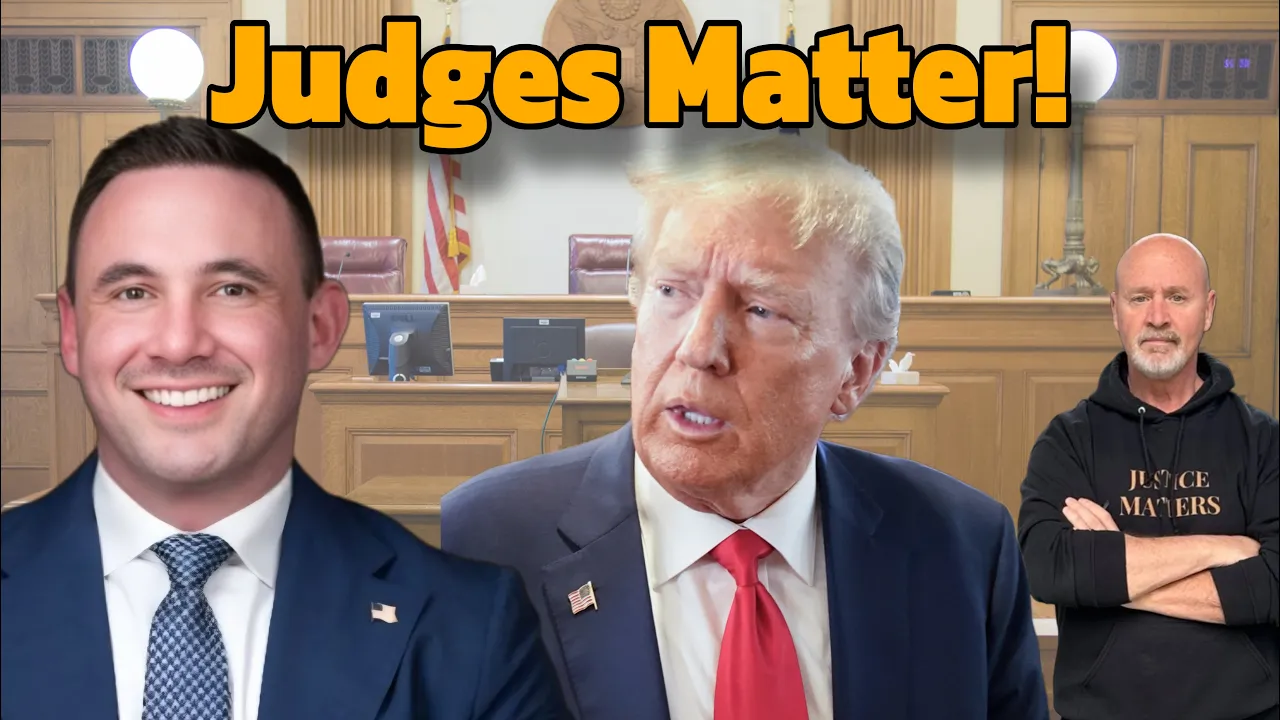
Cell phone records can serve as compelling evidence in legal proceedings, revealing communication patterns and locations that may contradict testimony. In this case, analysis of Nathan Wade's cell phone records showed over 2,000 phone calls and 12,000 text messages with Fani Willis in 2021, along with 35+ instances of his phone being in proximity to her residence during late-night hours, contradicting his testimony that they had no relationship before November 2021. This demonstrates how objective telecommunications data can be used to verify or challenge witness credibility in court.
Legal Analysis: Fani Willis Files Response in Trump Election Case
Added:The basics of motion practice in criminal procedure, specifically how filings, responses, and evidentiary objections function in court.
The legal standards for the admissibility of expert witness testimony, such as the Daubert or Frye standards in American jurisprudence.
The foundational concepts of Cell Site Location Information (CSLI) and how digital forensics are utilized as evidence in legal proceedings.
An overview of the Georgia election interference case, including the roles of Fulton County District Attorney Fani Willis and defendant Donald Trump.
Analyzing the judge's ultimate ruling on this motion and evaluating the legal precedents cited in the decision.
Advanced study of digital privacy laws and constitutional protections, such as the Fourth Amendment implications of tracking cell tower data (e.g., Carpenter v. United States).
Exploring trial advocacy strategies, specifically how trial lawyers cross-examine technical expert witnesses on scientific reliability.
Examining the broader strategic impact of pre-trial evidentiary battles on the timeline and viability of high-profile RICO prosecutions.
332.8K views15Klikes5:01:14Original Release: 2024-02-25
lead attorney here hope you guys are doing well man listen can y'all hear me oh struggle streaming man how how are y'all doing can y'all hear Brother all right are we in here everybody hit the like button can y'all hear me why can't I hear me is everybody good how are y'all doing maybe it's my microphone is my mic right man listen breaking news breaking news Fanny Willis has responded she has responded she is coming out swanging coming out swanging let me show you what we got let me show you what we got hold on hold on hold up check this out now y'all remember y'all remember there was an affidavit from president Donald Trump's uh investigator that's what that's what Trump called himself he didn't call himself ex-president he didn't call himself former president give my mic right he called himself president somebody write president in the goddamn chat he called himself president little under the weather and he said that there has been some evidence to demonstrate that Fanny Willis God y'all are tearing this chat up man um there's been some evidence to let me slow the damn chat down hold up because y'all are tearing it up uh how do I want to do it there's been evidence to demonstrate that Fanny Willis and Nathan Wade have been sexing they've been in a relationship they've been having sex even though Fanny is the one who pointed out and tapped Paul's Fanny Willis tapped Nathan way to be the special prosecutor to go after president Trump it looks like there could have been some self-dealing because she ended up paying Nathan Wade over $650,000 and Nathan Wade in turn was taking her to AR Ruba taking her own cruises taking her to Fogo chops bones Ruth Chris he was also given her the dick allegedly allegedly what has he done what has Donald Trump done Donald Trump has come and blasted open this case now y'all know Fanny Willis and let me tell you something if you don't know who I am moo Gusto I am the lead attorney a 20year attorney right here in Atlanta Georgia Fanny Willis right down the street uh your boy Nathan Wade right down the street hatville the airport right down the street the courthouse is right down the street there is no one better positioned to explain this case to you than me I've been the same courtrooms where Fanny was holding up them papers ah when she was freaking out I've been in those same courtrooms walk those same halls in front of those same judges Fanny Willis got all upset because uh Ashley Merchant had said that maybe they had sex her and uh Fanny and Nathan at the conference oh I don't have sex at the come I will tell you guys y'all are in the right place today I will tell you guys that attorneys we Attorneys at those conferences at those cles we call them CLE continuing legal education we have to go to all these trainings these conferences these trainings we we are look at them I mean look at Nathan and and Fanny right now y'all might not know this y'all aren't in the small community it's such a small community if a woman is smart and she's married to an attorney she will go to every single one of those conferences with her husband because if not somebody gonna be sucking him off and it's not just the attorneys judges go to these conferences these judges be they're just humans attorneys guys uh a lot of law firms they will take their paral legals to these conferences so the paral leals can learn woo when I show up to a conference and I'm checking in to the hotel and I see 12 pair of legals from a law firm checking in I'm like oh my God my God I mean it's 12 of them right there guys listen I I I I don't even want to expose to you the real Community down here in Atlanta is Sodom versus gamorra godamn it at any rate Donald Trump president Trump as he called himself has busted open this case by getting an investigator to look at Nathan Wade's cell phone records and what did you see now not to be outdone because you know a black woman UK never keep a black woman down it's not an independent one too what did Fanny say no man can do for me but my daddy look what she's done let me show you what we got guys bam it's a filing it is a filing state of Georgia versus president Donald John Trump somebody put Donald in the damn chat if you go down here what do we see the state's objection to and motion to exclude Donald J Trump's proposed exhibit what was the exhibit we're going to take a look at it but if you go down here if you go all the way down go all the way down whose signature do you see who's the first name that you see bam Fanny T Willis we're gonna get all into it guys we're gonna get all into it Fanny Willis right here district attorney the Atlanta judicial circuit where I have practiced over 20 years you guys are are are listening to this you guys are getting this broken down from an Insider guys I'm G tell you all about this we gonna go all through it we are going to read what she says now I asked y'all yesterday I said this evidence looks damning what do y'all think do y'all think Fanny is going to admit this she got caught or do you think she's going to deny that she got caught and double down well y'all had to wait less than 24 hours she said I'm doubling down I'm denying and I'm doubling down so we are going to get all into it now I cannot start I cannot start it up without my number one co-host we got AV to the seventh power hi guys we got AV to the seventh Power Man y'all were tearing her Instagram up oh my God y'all go check her out AV let them know who you are let them know what you got going on where they can find you yeah absolutely so really excited to be back we've done three days in a row this is day three Jesus we've been really really killing this hearing but uh super excited to be back my name is a I'm a co-host here on this channel I also have my own channel here on YouTube where we cover all things law and crime all those things are over there so you can find me at ab7 official on Instagram or my handle below at AV to the7 power here on YouTube 100% so we are going to get into it right now but hold up now I know that we ain't got 5,000 people in the chat and 900 likes get them likes like in fact you know what I'mma do I'm put y some of some of y'all going on punishment let me put it you punishing them this early in the Stream punishment y'all got my chat my my likes at 900 watch this watch what I do right here godam listen y'all get me up y'all get me up to to two two 2.5 y'all get me up to 2.5 likes and I I might open this up but y'all got my likes looking real niggardly what hey hey that's a real word y'all are being real niggly with my likes just it's free just seconds just do it just do it the get them up shout out to post nut Clarity posting that Clarity like aha members only I'm around with my likes 2.5 we opening it up but let's get into it guys listen to this are y'all ready now now now wait wait wait wait let's do this let's do this let's take a let's take a back step for those that didn't see what Donald Trump himself filed by and through Council let me show you guys this let me show you what uh our president let him tell it has filed in this case check this out check this out hold up now um look at this here guys Bam Bam there it is what do we got what do we got we got state of Georgia versus Donald J Trump and guys do y'all remember all of the codefendants that he had you know you know uh Rudy Rudolph Giuliani all of them Donald Trump said no y'all y'all get out the way this is me versus the state of Georgia he just put himself he didn't put anybody else he said this is me versus fat ass Fanny watch what I do he files this supplemental defense exhibit and what does he say he says president Trump not former not X current he says president Trump hereby f s this proposed supplemental exhibit and if we go down here what do we see we see an affidavit now what does the affidavit say it says my name is Charles middl stad I am 59 years of age I am a criminal defense investigator working with Steve sadow now who is Steve sadow a calls him boots he had on suede boots the other day if you ever see a 60y rolling some suede boots you know you up and they were like baby blue or whatever the yeah he was ready to kick in the door waving the 4 four waving the 44 all right Steve sadow comes and what did they do they put a subpoena let me let me let me make it bigger so you can see it pause let me blow it up they they Steve put a put a subpoena on AT&T and in in a week they got the response back from AT&T and the investigator says that they fully uh AT&T fully complied it talks about the information that they received needed to be analyzed through a tool called sale Hawk and what what what they asked uh AT&T for were were were was Data show me all the data regarding Nathan Wade's phone from January 1st 2021 to November 31st 2021 we want to know his whereabouts we want to know who he's been talking to we want to know the number of phone calls that he's made we want to know the number of text messages that he has made and AT&T was like here if this is for president Trump here usually they make you make months and months for the information they gave this man the information right off the bat here you go right and so he talks about his and we went over this yesterday so I'm not going to go all through it we're just going to hit the highlights this is a refresher he talks about his extensive training in analyzing the cell Hawk analytics and he talks about how the the the data is not not capable of being manipulated so he's saying that you can trust the data what does he say he says he pulled two reports in particular the first report attached as exhibit a says it's isolating all interactions between Mr Wade and Mrs Wade Mr M Wade whoops Mr and Mrs Willis During the period of available record records in 2021 the dates the timing the frequency the duration of these interactions what did the report show the report revealed over 2,000 over 2,000 phone calls 2,000 phone calls between Nathan and Fanny Willis in under a year it's a lot of phone calls God guys and this is for the men in the chat I know we got a lot of women men have you ever talked to a woman over 2,000 times in 11 months and you ain't been smashing it to death I mean smashing it to death smithin 2000 do women do you know how hard it is to get a man on the phone 2,000 times Danny did it you got to give us the ass you can't you can't not hook us up and then get us on the phone 2,000 times men value money and they value their time and if you want to get you can get us on the phone twice 200 times without letting us hit probably not but 2,000 inconceivable that's what Donald Trump's investigator found that's right not only 2,000 times guys they have had texted each other 12,000 times 12,000 times exchanged text messages over an 11mon period yeah and that averaged to something like 1100 texts in a month 11 they talked a ton in 11 months give be 1100 texts in a month because it's no yeah your 1,00 text in a month look at your face you're like I don't want to talk I don't want to talk to nobody that much Jesus Christ do you know the amount of titpics there better be I mean for you to [Applause] s coming out like a manufacturing machine just if you were going to send me 12,000 text messages 11,000 better be some titpics ho I mean a 12,000 how could it be possible at any rate this is what Donald J Trump's investigator found that's just the first report what is the second report the report reads focusing on geolocation activity near 3,300 dogwood Drive hatville which is the YY condominium the the gentleman says that he constructed a very conservative Geo fence which isolated two sail Towers there was one sail Tower guys 3,000 feet away from Fanny's home and another sail Tower 2,000 feet and the purpose of the saell towers guys is to kind of triangulate a location whereby you you can detect if Nathan's cell phone has gone to Fanny's house or it has been extremely close and so you've got the triangulation there the report reads that the the the the assessment was set up so that the the there would be no hits if Nathan was traveling down I75 I 85 there would be no hits no pings if Nathan were to visit nearby attractions there would be no hits if Nathan were to go to the airport shout out to Atlanta Fulton County Hartsville Jackson Airport the busiest airport in the world he says following the initial conservative sweep limited to Two Towers he further constructed or or further constrain those findings with hits on Alpha sector which pointed directly to Dogwood Drive community so he's making it very clear trying to eliminate any false positive what does he say he says this analysis using the above reference modality revealed a minimum of 35 occasions 35 occasions when Mr Wade's phone connected for an extended period of time to either one of the two of those Towers in the closest proximity to Dogwood address guys over 35 times when Nathan was on the stand what did he say when Nathan was on the stand he they asked him Point Blake AV was exactly right AV called AV was like I bet they had that information when they cross-examined it oh yeah he knew boots knew boots said hey boy if how many times have you been over to to to Fanny's residence oh you know I can't say was it 10 times I don't know it could have been 10 times if could could have been more than 10 times Nathan was like no no not more than 10 times boo was like okay so if I have oh I don't know cell phone records that show that you have been over in that area to that house to that residence more than 10 times than that than that that those records those records would be false they like yeah yeah they'll be false what do the records show the records show that Nathan was over there over 35 times guys a minimum L late night a minimum of 30 35 times and not only that guys it's not only that he was over there that his phone passed through the key the key that I want y'all to see is that it was for extended periods of time so it's not like there was just a ping for two seconds for example September 11 through 12th specifically Mr Wade's phone left the dville area and arrived D at the Dogwood address at 10:45 p.m. so Nathan's phone arrives at the address at 10:45 p.m. why did his phone leave at 3:30 in the [Music] morning you got there at 10:45 boy and you left at 3:30 a.m. what were you doing shout out to judge Mattis looks like a crackhead move to me what are you doing over there y'all testify that he that you never spent the night over there your phone spent the night over there how are you not there this is what Donald Trump's investigator found furthermore the report the report goes on additionally on November 29th for example Wade's phone was pinging the east hob towers near his residence so Nathan was at his own house and then he got a call from Fanny at 1132 at night boy your sneaky link hit you at 11:32 at night you know what it's about and he stayed on the call as he drove over and arrived just after midnight at the Dogwood address boy that's how you know it's love every man in here has gotten the the phone call at uh 11:30 11:45 at night hey can you come over what's what do we do what do we do guys if you get a phone call from you know your little side piece and she calls you up and she says can you come over what do you do you say yeah and then you hang up I'm coming over there why do I need to talk to you why do you need to be on the phone and the interesting thing is Fanny and team are saying oh there's restaurants and places in those areas what restaurants are open by the time he actually arrives in the area at 12:45 he got to the area at 12:45 but listen guys what does it mean when your your girl call you the little sneaky link call you Pizza Hut call you and you stay on the phone the whole drive over that's love I'm sorry you were loving it you were loving you stayed on the phone though hey baby I'm just getting out the car I'm in the driveway you were on the phone with it a whole time didn't get off and we ain't gonna talk about the fact that he got a wife still married he's still married but that's love so the report shows guys that he arrived at the address at 12:45 in the morning when did he leave 5 4:55 a.m he stayed over there till 5:00 5 in the morning cracker Dawning early yawning wiped the cold out my eye boy you get to the damn place at 12:45 in the morning you stay till 5: what the hell will you doing there boy we know what you were doing we know you were doing the same that y'all were doing at these goddamn conferences right I've been to those conferences I've been to those cles they're like legal freak offs they're legal freak offs when we all go down to Jackal Island on the coast oh my God boy don't if you are if you a woman and you are married to an attorney do not ever let your husband go down to Jackal Island alone it's Dr jaal Mr Hyde for real I've been there guys y'all are talking to the one today and so this is what Donald J Trump president Trump's uh investigator found and he filed this into the court now let me show you Fanny was like this looks bad for us Nathan what are we gonna do Nathan was like man should we just call on and tell him should we just tell them like why what are we doing should we just go on and come clean fny looked at him and said you acting like a real right now you acting like a real right [Music] now we are in a fight ain't nobody giving up Never Surrender that's what she said Never Surrender she is a black woman never admit nothing she is not gonna admit a goddamn thing so she has responded guys now we are gonna read this damn response I have not read it me I don't I don't know if AV is ready no we're doing it raw dog we're doing it ra raw doll guys let me uh let me pull it up here say you acting like a real right now all right so let us take a look let us take a look Bam Bam there it is there it is now again you see all of the names you see all of the co-defendants you see all of the co- indes and this came out late last night I also want to say that boots Put a correction in to their document which was filed at 9:00 a.m. there was a correction put in it's not really much that's changed but he had put in a correction at 1:30 p.m. I just want to make sure I have that right time stamp yeah 1:55 p.m. and then we have fonny's response late last night believe it was around like eight or nine that's what we're about to read right now we're about to check it out all right all right let us take a well before we do that before we do that let me shout some people out man shout out to a magnificent says Su this is getting spicy 100% man everybody I don't ask y y for nothing but everybody write Joe in the damn chat God damn oh my God shout out to Joe ether man just for that just because are my likes oh there I was gonna open the gates and I was gonna let all of y'all comment because my man Joe ethereal has blessed the stream it's 11,000 people in here with 2,000 likes guys come on now the likes need to be in ratio and proportion to the to to the to the to the to the chat at least get it to like 40% guys this is like 20% come on now but shout out to my man Joe ethereal somebody write Joe in the damn chat man no comment no question just the Pure Love of the Game guys I always say the sponsor of the stream is the person who gives the biggest Super Chat first of all man shout out to my let me let me pull this up let me just put the banner up right quick so y'all can so y'all can see it Joe is also gifted did a few memberships too he's generous today shout out to my man he's trying to help the people that are locked out they locked out all right shout out to thing M y'all see thing right there thing blessed yesterday's stream with a rat what did what did Fanny say oh someone give me a G I give him a g I like fny you're you're a a district attorney why are you talking like you standing outside the gas station in the street with the gray gray goose and the cigarettes okay with the goddamn black and mouth somebody get Me a G I'm like get this girl off the goddamn stand she thinks she back in the goddamn Hood but shout out to my man thing who blessed yesterday's stream with a G shout out to Fanny and then the the stream before that that as well so big big shout out to thing somebody write than in the goddamn chat but today our man Joe is in there shout out to Joe ethereal thank you so much Joe big supporter of the lead shout out to my man man Joe athero so let us put him up in there as the stream sponsor now I said I was going to get to some super chats and I will but when some when y'all bless me like this I like to get right up into the right up into the um the content so I'm gonna read some more Super chats but first let us see what Fanny is talking about all right and thank you again so much Joe and thank y'all uh for shouting out our man Joe etheral 10 11,000 people in here guys he is the one that is sponsoring this strength all right let us take a look now apparently your boy uh Nathan is dealing with a black woman shout out to Fanny independent and she has told Nathan in no uncertain terms that she is not backing down thus and therefore they have filed this the state's objection to and motion to exclude the affidavit that was filed by president Donald J Trump let's take a look what does it say comes now the state of Georgia notice that it doesn't say Fanny doesn't say Fanny Willis this is how much power fanny has guys Fanny you know I just tell y'all guys she's the queen there's a reason why she moves this way there's a reason why she acts this way so so bold so provocative because she knows she is the biggest district attorney in the biggest County in the entire State she's number one that's why she throws her weight around so when she's getting called out she doesn't even need to say oh well now comes Fanny no that now comes the state of Georgia now comes the state of Georgia by and through Fon County district attorney Fanny Willis and both objects to and moves the court to exclude president defendant Donald John Trump's proposed affidavit let's go down here this is just boiler plate shal la la la la all right let's get it here what are we talking about here's the first argument for the reason set forth below judge McAfee this is the judge who was who was sitting there while Fanny was going crazy on the stand judge McAfee must exclude Donald Trump's inadmissible proposed affidavit from consideration or at least at a minimum it must consider the judge must consider the state's rebuttal evidence oh so there's some rebuttal evidence okay and the state's rebuttal evidence demonstrates the unreliability of the unqualified opinion evidence all right so they they off the rip they're attacking that expert witness that's exactly right they are attacking two things just like uh a said they're attacking the witness the aent they're attacking uh the the the investigator who's been doing this them near 30 years and they're also attacking s Hawk they're saying sale Hawk is unreliable but everybody uses it everybody uses they probably used it in the prosecution's office 100% they are attacking sale Hawk and they're also attacking the investigator so they're they're they're unleashing both barrels all right let's take a look what does it say says um defendant president Donald Trump's proposed affidavit was improperly submitted in direct violation of Judge McAfee's own standing case management order for criminal cases and it should not be considered so what does this mean it means that the courts guys judges have standing orders what's a standing order a standing order is an order that applies in all cases and so a standing order would apply to any case that's filed into the court and they're saying that Donald Trump's submission violates the order interesting let's take a look while President defendant Donald Trump's affidavit cleverly avoids the use of the term expert wow wow one word's not included in there and it it's cleverly avoiding it interesting it is is clear that defendant Trump's submission is an attempt to have the court improperly receive unqualified opinion evidence written as expert testimony in quotations the Court's own standing management CA the Court's own standing case management order for criminal Cas States as follows okay guys so here's the rule here's the law here's the rule right here experts now notice it says experts any party seeking to rely on Expert testimony at trial or any evidentiary hearing must provide written notice to the opposing party this notice must include a meaningful summary of the experts testimony as well as his or her qualifications to serve as an expert witness this notice must be provided at least 14 days before the final plea trial C calendar call and seven days before any evidentiary hearing requiring expert testimony now this is interesting guys they're saying hey hey wait a minute time out they are trying Donald Trump is trying to introduce expert testimony which is fine but you have to follow the rules There are rules for submission you have to put us on notice you have to give us written uh summ of what the person is going to say you have to do all of this beforehand in this instant none of that was done they just submitted the they just submitted the affidavit now let's take a look let's take a look at the affidavit is this an Affidavit of an expert because let's take a look now and we're gonna We I'm gonna let you guys decide if this is an expert hold up let me let me let me show you what we got going on right here this is the this is the affidavit right that talks about the 2,000 phone calls and it talks about the the 12,000 text messages now let's read it and you guys tell me if he's an he's an expert my name is Charles middl stat I am 59 years of age I am a criminal defense investigator working with Donald Trump's attorneys I requested the subpoena from AT&T and I got back all of the information AT&T fully complied I got the analytics back and ran the analytics through a tool called cellhawk now here we go listen up listen up as a board certified criminal defense investigator having specialized in criminal cases for over 25 years I routinely use sale Hawk to conduct analysis on records both on initiated subpoenas and those received in Discovery my firm was granted a license and completed training in 2019 I pay an annual licensing fee and and the sale Hawk is the program I exclusively used to analyze such records since that time my staff and I continuously attend webinars and remain up toate on training and the latest features available via sale Hawk analytics I have a strong working knowledge of its capabilities and limits and I have extensive experience utilizing this program to analyze cell phone data while I am not a cell phone tower engineer or expert I have the equivalent experience of an expert and training of those individually routined routinely tasked by law enforcement agencies or the District Attorney's Office uhoh wait a minute guys does it put a yes if you think that sounds like an expert put a no if you think that doesn't sound like an expert wait wait a minute now wait a minute because what is he what is he saying he says while I am not hello he says while I am not a cell phone tower engineer or expert I have the equivalent experience and training he's trying to get in front of it they got in front of it that's why that paragraph or that sentence is worded that way what do you guys think wait a minute now Fanny might have a point Fanny saying if if you are going to introduce an expert affidavit you need to follow the rules you need to give us a written summary and you need to to to provide this days before with notice you just filed this into the court yeah it's a technicality like 14 days notice you want to know two weeks before right and you also want a 7-Day summary the week before right um and I'm looking at the timeline of how all of this has happened because this was happening beforehand right the investigation was happening while Fanny was on the stand you know and this is such a technicality but to your point look at the way that that sentence reads it's almost as if the attorneys on Trump's side knew okay we have to qualify him as an expert let's form this paragraph We have to talk about his education his experience and his training but that that sentence at the end so shout out to M M's like well I'm sort of like an expert yeah that that sentence at the end it's like it's a little problematic I will tell you something guys and again I've been doing this for 20 years I can't tell you how many times I've had to subpoena these types of Records if you get cell phone tower records from AT&T there is no way in hell you are going to be able to interpret them I am a 20year I'm a 20-year attorney I can't make heads or tails of it no there's 13,000 people in the chat none of you can understand all the goddamn hieroglyphics when you get back that zip file it's so many numbers and data and formulas you don't know what the is in there you need to use a tool like cellhawk to interpret it for you now listen listen to now what he says he says he is he routinely uses cellhawk to conduct this analysis how can you do this if you're not in expert he says he has a firm that's dedicated to this and his firm was granted a license and completed training in 2019 he pays an annual licensing fee to sell Hawk and cellhawk is the program that he exclusively uses to analyze the records he says he he and his staff continuously attend webinars and remain up to date on the training and the latest features available via sell Hawk analytics you sound like a sell Hawk expert then you trying to clean up my ass you sound like an expert if I'm G if I'm gonna be honest so hold up now Fanny shout out to the black women Fanny's like that stop being a Nathan we Never Surrender I mean you sound like an expert if I'm going to be honest uh all right but wait wait wait now let's let's take a look let's take a look let's take a look let's take a look let me uh let's get back to the uh let's get back to Fanny's defense let me let me let me get back let's see what Fanny says because it sounded a little bit like Fanny might have a little something might have a little taste right let's take a look here let me pull it up so Fanny's like listen judge if you and and again this is called experts and it's a thing guys where you know it'll walk like a duck quack like a duck but you'll say it's not a duck it's not a duck what is it oh it's an looks like a duck walks like a duck quacks like a duck but it's an animal is that what they're doing here is that this guy's talking about all of the trainings all of the webinars all of the licensing Fe but he's not an expert they're saying that you must that that Donald Trump needed to provide written notice to Fanny and the notice must include a meaningful summary of the expert's testimony as well as her his or her qualifications now let's keep going says president Trump's proposed affidavit violates this Mandate of the court in four ways number one president SL defendant Donald Trump provided no written notice to the state number two president SL defend Dan Donald J Trump provided no summary of the purported experts testimony number three president defendant Donald Trump provided no information relating to the qualifications of the witness to serve as an expert witness and number four no notice was provided at least seven days before the evidentiary hearing that began on February 15 2024 so what are they saying they're saying that Trump didn't give Fanny any notice and and it was a surprise guys because AV pointed it out like you could tell by the questioning they already had the information they just didn't tell them yeah boo was like well wait a minute now n name boy uh what's your name uh Nathan Little Nate Nate wait a minute Little Nate Nate are you telling me boy that if Cell Phone Tower Records show that you were there over 10 times at Fanny's house those records would be wrong and judge Wade Nathan Wade was like yeah they' be wrong and boot just looked at her cuz he knew he was lying he knew he was lying I got you boy I got you he went he went right back to he went right back to council table and called Donald Trump we got him we got him but do you see how it was a setup do you see how it was a surprise they never told Nathan they never told Fanny that they had this this in their pocket right they never gave it to him seven days before number so they didn't get rid of notice there was no summary of the experts testimony so they needed to summarize it they needed to say hey we got this information and not only did we get it here's a summary it shows 2,000 telephone calls it shows uh 12,000 text messages it shows that on September 11th you were over here it shows on November 29th you were over there there was no summary they knew nothing interesting it says that no information related to the qualifications now here's the thing the guy did give some qualification he did I was just thinking that I was like well three I might have a little bit of a problem with because it's right there in the document yeah you know he's been doing this for all all these years and all the webinars and the trainings and he he has licenses and his him and his firm is dedicated to this so there were some qualifications listed but the qualifications need to be listed in the notice there was no notice there was just a damn naked affidavit yeah they're like oh it's in the affidavit but you didn't tell us we didn't know we didn't have time to prepare exactly and then number four no notice was provided at least seven days prior to the the evidentiary hearing now guys listen shout out to Donald Trump but we're calling it fair over here put a yes if you think Fanny got a little something put if you think Fanny got a point put yes if you think she doesn't have a point at all put no now be fair not if if if president Trump should go to jail or not I'm not asking you that put a yes if you think she has a point put a no if you think no no no that there's no point there's some yeses it's C Fanny Willis told Nathan stop being a we are not going to roll over on this now this is interesting let's keep it going this is guys this is so interesting this is like a full legal soap opera guys it is this was like she testified last Thursday was a crazy day the backwards dress day so on backwards dress day that's when she should have received notice imagine that imagine after backwards dress day going back to your office and then you you have this where it's just like hey you know you were just on the stand we caught you lying caught you lying what is real gospel chop says Fanny is saying if they had given me notice that they had the evidence I wouldn't have lied exactly straight up shout out to the real gospel CH y'all are killing it in the chat this shout out to the real gospel somebody put chops in the damn chat man God damn that's up let me read a few more of these while we are at it and we got we G to get back into it because it's looking like Fanny's working with something shout out to Kendo TV a new member thank you so much we got the professional Nomad podcast in the house and I'm G read the ones that are 20 and over guys because we got 13,000 people in here so we need to we need to move it along but uh for the ones 20 and over I'mma read shout out to conversations with Gambit thank you so much shout out to the notorious Kevin Brooks man shout out to Kevin Kevin we got the young black Economist a new member thank you for becoming a new member we got the Mikey Mikey show always showing up and representing thank you so much we got wdma a new member thank you shout out topc thank you over here shout out to John we got John in the house we got JoJo a new member thank you so much JoJo for becoming a new member we got Michael Maryweather up in the house we got Joe ethereal gifted 10 membership somebody write Joe in the damn chat somebody write Joe in the damn chat and listen guys I don't know if y'all know I don't know if you can hear it in my voice Fanny Willis down here in Atlanta Nathan Wade judge Wade down here in Atlanta the lead attorney down here in Atlanta Atlanta is located in Georgia Georgia is located in the south in the South we have manners if if you were one of the lucky ones to receive one of the 10 gifted lead attorney memberships from Joe ethereal tell them thank you mind your manners we are raised right down here in the South thank you so much Joe for gifting out 10 membership shout out to Joe godamn boy everybody thank Joe and especially the ones that got the goddamn memberships because y'all can't y'all can chat in the Stream for because of Joe right so let me change the banner as well thank you so much Joe is Joe is giving y'all a voice Joe's like listen the likes are up and lead on some so y'all go on and comment in the chat thank you so much Joe shout out to Michael Maryweather already read that Michael again thank you shout out to Jeremy shout out to Jeremy hakeim hope I put some respect on your day brother sit there at a suit and tie that's how we love say love to see their text messages and that's a thing I mean how many tit and Dick picss were going back and forth 12,000 text messages that's a ton boy I mean ain't nothing like you know it's 5:30 6 o'clock in the morning you roll over and you you click on that phone and you got about four or five tit PS for the nighte you're like oh my gosh she blessed me oh she blessed me now Fanny's 5253 is that the same blessing I don't know Fanny did bless this gentleman though with $650,000 that's a you can keep your 50 year old areolas give me the money right shout out to Jeremy hakeim thank you so much and Jeremy is exactly right says I would love to see those text messages 100% shout out to ear W uh Weston got the Weston in the house shout out to eara uh a new member thank you so much we got Chris Christy be a new member as well we got the red one not only is the red one a new member but the red one gifted five lead attorney memberships look at that thank you so much red one and again guys if y'all got one of the red ones lead attorney memberships tell them thank you all right y'all blessing me so much with all these memberships and especially my man Jeremy we're going to get back into it I know I got a lot more to read we're going to get into it shout out to scorp uh scorpion all right let's go guys let's now y'all are pretty much in the consensus that Fanny might got a little something she might she might got a little something on this expert thing but let's keep going Fanny says at the conclusion of the portion of the hearing held on February 16th guys this is just like what last week yeah Friday Friday Council for president defendant Donald J Trump stated so Donald TR Donald Trump's attorney stated this we are in the process of if the court will allow us to obtain certain phone records and we like the records kept open for the introduction of those phone records okay that's a little confusing but we would like the record kept open for the introduction of the phone records we have them in draft informally we do not have certification of them and would deal with if you'll remember I asked Mr Wade about certain activity down in hayville during the time period And it deals with that specific time period we're talking about February or March of 2021 through November 1 we would want to know judge if what we believe is there if what we believe is there based on our preliminary research is there we'd like to reopen and introduce records and someone explain what they mean I remember this this was on backwards dress day at the very very end interesting we watched that Donald J Trump's attorney also stated as soon as we got a hearing date and the state's response to what happened when the state responded February 9th and AD committed to the relationship but put parameters on the timing I sent subpoenas out in response to that the problem is Delta eight oh they trying to get the Delta records the plane ticket Donald J Trump's attorneys are not around they trying to get the Delta records did you fly first class on on the states dime says the problem is Delta AT&T and all these folks aren't super fast about all that I know Delta we're also waiting I wanted to remind the court waiting for those records to be submitted in camera and AT&T actually emailed me these phone records yesterday morning on the way to court so they had them interesting so represent so this is what Fanny says span is saying listen judge the representations made by Donald J Trump and and defendant Roman make very clear to the court several relevant factors number one defense Council issued subpoenas for the telephone records on or about February 9th number two defense Council had the subpoena telephone records in their possession at least as early as February 15th number three defense of council always intended to attempt to introduce both the telephone records and an expert witness to explain what they mean oh because if you go up there that's what uh Donald Trump's attorney said they said in open court we' like to reopen and introduce the records and for someone to explain what they mean guys let me tell you something there is only one type of person that can explain what cellhawk data means do you know the name of this type of person somebody put the name of the type of person who can explain sell Hawk analytics what is the name of this person does anybody know can anybody guess what is the name of the person of the type of person that can explain sell God damn it this not even fair of course of got it of the type of person is an expert only an expert can explain what sell Hawk uh Analytics mean and keah G it's not even Fair because she's a she's a a high powerered attorney herself so she already knew so this don't count I'm I'm gonna go to the next person shout out to aie a expert got it an expert so this is wait a minute now this is what uh Fanny's saying you're saying uh Donald Trump's attorneys that you want someone to explain what they mean obviously that's an expert yeah and looking at a calendar like if we peel it back to the dates that she's talking about she's talking about that they started the investigation they started these requests for AT&T for Delta on February 9th that's three Fridays ago right and this statement that you just read was in open court last Thursday not last Thursday but you know the the Thursday prior to that on the 15th right yesterday we were wondering why the hearing wasn't happening and it's probably because of all these Shenanigans right here it's super interesting guys let's get back so um what does fanny say Fanny says in spite of this Donald Trump made no effort to comply with with the Court's own case management order Donald Trump provided no written notice to the state in advance of the hearing Donald J Trump provided no summary of the testimony Donald J Trump provided no information related to the qualifications to serve as an expert witness this courtst standing case order was specifically intended to prevent vent parties from ambushing opposing council with purported expert evidence without allowing opposing Council a meaningful opportunity to review the evidence review the purported expert report and qualifications and also obtain its own expert in rebuttal what are they saying guys if there's one thing in all of law this is not just criminal law this is not just family law this is not just immigration law this is not just Tor law this is not just admiralty law in this country if there is one concept that is fundamental on the federal level and the state level and the municipal level on all levels in every single state in the nation is that in in today's society there is no such thing as a trial by surprise there is no such thing as a trial by Ambush that used to be a thing a hundred years ago 150 years ago you show up with all your information close to the vest they show up with all their information close to the vest you show up for a trial and it's a goddamn show because I don't know what you had and you don't know what I had that is not a thing anymore I have a right to know everything that you are going to introduce and you have a right to know everything that I'm going to introduce Fanny is saying that these ambushed us they already had the information they told the judge that they were going to get somebody to interpret the information and now all the sudden there's an affidavit interpreting the information but you didn't tell Fanny you didn't tell the state you didn't let them know who this guy was you didn't let them know what the qualifications were you didn't give them a summary of what this was going to say this is a goddamn Ambush somebody write ambush in the chat it is I mean I know you don't Fanny all right fine but this is an ambush guys you know when that affidavit got filed in the court you know for a fact Fanny was like what the is this yeah because we were thinking about the postponement what happened like we you know we went live Thursday night getting ready for Friday right and this document was filed from Trump's Attorneys at 9:00 a.m. right 100 and then they didn't put a statement out all day because they needed to respond and it came in late last night this is interesting shout out to the dove 96 it's an ambush guys and we don't do trials by ambush in the United States in Mexico or in France you know in the Congo they don't even have trials in the Congo it's rough down there but in the United States not in Georgia not in California not in Texas not in New York there is no trial by Ambush anymore not in the modern times so this is this it's looking like it's looking a little something but let's keep going looking like Fanning got a little taste of something right here um what does she say she says the court you judge McAfee cannot allow president defendant Donald J Trump to bypass this protective procedure when in other cases you have excluded expert evidence for a party's failure to follow the the the standing order all parties coming before this court must be treated equally hello just because you represent Donald J Trump doesn't mean that he should be treated fairly than this black woman down here who's I go there shout out to Fanny Fanny is saying you cannot treat Donald Trump differently just because he's the president Fanny says indeed judge treating like cases alike promotes a system of equal treatment under the law rather than one built on arbitrary discretion so that's the first AR argument that they did not was that a quote of a Federalist Papers from Alexandra Hamilton um I do not know the Federalist Alexander Hamilton she went all the way back she went all the way back all right so guys that's the first argument apparently there are some arguments and that was the first one and I gotta say it's it's something I'm not ready to say that she's won on this one yet but I will say the judge is going to be like m let me think about this all right but that's the first one let's see if the second argument holds any water let's see number two president defendant Donald J Trump's proposed affidavit violates ocga and guys dobert is an extremely important case in the United States and it deals with expert testimony this is like the case that that that that sets the precedent for for expert testimony it is what we call the seminal case it is the Bedrock it is the foundation it is the number one principal case in in the nation regarding expert testimony or the the admission of expert testimony and Fanny is saying Donald J Trump just violated yeah violated Dober it's interesting too because it came up when we were covering Depp V herd there was a huge I think we spent almost a half a day watching the testimony on the arguments for for that and that case was bought up dobert is bought up in every single case where there's contested expert testimony every single one it is the seminal case let's see what Fanny saying Fanny says effective July 1st 2022 the Georgia General Assembly uh revised the evidence rules regarding expert opinions and uh sh la la la okay here we go the provisions shall apply in all proceedings sh la la okay here we go president defendant Donald J Trump now now seeks to submit Supple the the the affidavit which contains among other things an Affidavit of witness Charles midad that consists of opinions based on scientific Technical and other specialized knowledge within the scope of ocga 24-7 702 now that is this TR is this correct guys I read you the Affidavit of Charles midat for for a purpose so you guys could analyze this together we can all do it together somebody put a yes if this is true put a yes if the affidavit is based on scientific technical or other specialized knowledge put a yes if that's true put a no if it's not true was his opinion on the number of text messages the number of phone calls and the location of Wade's phone what were those opinions based on scientific technical or other specialized knowledge I guarantee you if you got that report from AT&T there would be no way for you to understand it zero not even 1% not a half percent. you could not interpret that data because it is so technical you can't you look at it you don't know what it is it's just numbers so Fanny looks like what Fanny's saying you know she she's right on this one says this type of opinion testimony is specifically prohibited if a witness has not been qualified as an expert no applicable exceptions exist under Georgia law prior to providing expert testimony the court must make each of the following findings now this is very important guys here's here's what here's what she's saying and this is extremely important there's two types of testimony I'm take y'all are going to be my law students today two types of testimony there's lay testimony from Layman's regular people and then there's expert testimony a lay type of testimony a lay person like you you guys can testify to a lot of things but you cannot testify to everything you are only allowed to testify to certain things what things can you testify about you can testify oh I saw the car cross the intersection at the at the at the accident and the car was red you can testify to oh I walked outside on the day of the murder murder and it was raining you can testify to that but can you testify to the specific type of drug that was ingested supposedly by a person if you're not a pharmacist can you testify specifically to the drug you can say it look like cocaine but can you say it's cocaine if you never if you never tested it you are not allowed to testify to to to to to medical information you can't say that a person was having uh let's say a brain aneurysm you can testify that the person grabbed the head you can testify that the person said that that they were that they had a lot of pain in their skull you can testify that you saw that the person fell down to the ground and was rolling around but you cannot say that the person was suffering a brain aneurysm if you're not a doctor because a brain aneurism is something specific it's something technical it's something scientific only an expert can testify to these specialized things I can can testify to things that you cannot testify to you cannot testify to Legal theories but I can because I've been trained on what legal theories are and how to interpret laws right so this is the difference and what they're saying is hey man he's not calling himself an expert well fine if he's not an expert fine him he's a lay person if he's a lay person why is he giving opinions about technical information if he is a lay person why is he giving opinions about sell Hawk analytics he's a lay person that's why that sentence that we were looking at at the beginning is such a problem where it said while I am not an expert in this and that or not well-versed in this and that I don't remember the exact words but that ending sentence of that paragraph can be a problem now because of what you thinking exactly exactly right now y'all doing pretty good on my likes y'all really owe me a thousand more likes if I'm going to be honest but but I'm let me open up the let me open up the um the comments because I I really want to see what what what y'all say about this let me let me open them up for a second I might close them down y'all get my likes up but um I want to know what y'all do y'all first of all do y'all understand put a yes in the chat if you understand the distinction between a lay person's testimony and an expert's testimony because I know it's and that's why I got break this down because I know it can be a little bit confusing but I want y'all I want y'all to get what Fanny saying Fanny is saying if this guy is not an expert fine him why the is he talking about sell Hawk analytics he shouldn't be allowed to give such an affidavit because that affidavit inherently involves opinion that are based on scientific technical or other specialized knowledge all right so y'all are saying y'all are like yeah yeah you got it okay okay let's keep going let's keep going this is what Fanny's talking about Fanny's saying now if he's going to be if he is going to provide expert testimony then the court beforehand before he can provide expert testimony the court must make each of the following findings number one that the experts technical scientific or specialized knowledge will help the judge understand the evidence number two that the testimony is based on sufficient facts or data number three that the testimony is the product of reliable principles and methods and number four that the expert has reliably applied the principles and methods of The Facts of the case it goes on it says Fanny says the party advancing the expert testimony so Donald J Trump has the burden of establishing the the affidavit admissibility fny says here in this case judge none of the required findings have been made by this court and no timely competent evidence that complies with the Court's standing order exists that would establish even one of the factors indeed Donald J Trump has provided no competent evidence whatsoever that would establish that middle stat is in fact an expert in anything godamn it the court I mean are you an expert or are you not they're say the uh VY is saying that this judge has not found that he's an expert in a goddamn thing and if he's not an expert in anything why in the hell is he talking about sell Hawk analytics yeah that shots fired that last part where it says an expert in anything that's exactly right says moreover the sell phone records at issue and let me hold up now let me um all right moreover the cell phone records at issue themselves which form the basis of midal stats perfored reported expert testimony are not properly in evidence now this is you know they're not in evidence no one has submitted them uh what do they say no one has authenticated the telephone records that issue and the certificate of authenticity uh is insufficient ocga 24-9 d902 states that a party intending to offer business records into evidence under the code shall make both the record and the Declaration available for inspection s sufficiently in advance of their offer into evidence to provide an adverse an adverse party with a a fair opportunity to challenge such record and declaration what are they saying they're saying listen the law in Georgia states that if you w to int if first of all if you want to introduce something into evidence there needs to be a foundation and we need to know that what we're looking at is what we're looking at it needs to be authenticated we need to be looking at the real thing so before we even introduce before we decide what this means we need to know if it's authentic or not is it genuine is it the real thing Fanny is saying that the whole affidavit about the cell phone records is based on information that was obtained from AT&T but who made sure that the AT&T records were genuine who authenticated the AT&T records what if they're making up the records and they basing their opinion on the madeup records the law says that before you introduce these things as evidence you have to give Fanny an opportunity to look at the AT&T records so fanny can decide whether she wants to object to them or not fanny can decide if these look like real authentic records if you don't give Fanny the opportunity to look at the records how you going to introduce this opinion based on the records what if the records were falsified yeah now we all like nobody is blindsided exactly now now we all know Donald Trump is he the type of person that would falsify record like no you know it's a technicality we know Donald he not gonna falsify nothing but Fanny still has the opportunity to look at it right so here's the thing you know is is what Fanny saying is is is is it true is this does does she have a point guys let's keep it going let's keep it going um so Fanny saying that they did not get an opportunity to to inspect to inspect the records Fanny also says contemporaneously providing the certificate of authenticity and telephone records to the state after the close of evidence is not sufficiently advanced notice to provide the state with a fair opportunity to challenge the records and declaration like you you're giving us now here's the thing when AT&T sends business records They also send a certificate of authenticity but but you know that certificate could be do uh forged that certificate could be uh uh uh plagiarized or could be damaged in some way or could be made up so you can't just say well AT&T gave you a certificate so there you go because the certificate itself could be manipulated that's so you have to give the records and the certificate to Fanny beforehand so she can inspect all this and make sure everything is only hupping up and Fanny saying you guys just didn't do that man y'all did not give us sufficient time to look at this were you gonna say something a nope okay so let's keep it going uh Fanny says Fanny quotes the case and says uh fail excuse me failure to comply with the notice requirement excusable only because the business records themselves were provided Ed in Discovery well in advance of trial so they're citing cases to let the judge know man hey there's really no excuse for them trying to Ambush us uh Fanny Willis says judge McAfee you should not you should not exclude president defendant Donald J Trump's failure to comply with the law when it is clear from the record that President Trump subpoena the records as early as February 9th and had both the records and declaration in his possession by February 15 and yet rather than providing notice to the state at that time he never provided notice and instead president Donald J Trump is now attempting to Ambush me with these unauthenticated records only five business days in a head in advance of the scheduled closing arguments only five business days what is the law Giver the law gives her seven and 14 so seven days seven days for the summary and 14 days official notice yes now here doesn't say business days now so but yeah interesting so Fanny's like they're they already had the records but they're just not they're not they're not giving to us they're trying to Ambush us um and why are they trying to Ambush us why did they give us the documents so late they gave us the documents so late to deprive us of an opportunity for rebuttal they don't want us to they don't they don't want to give us a chance to defend ourselves they want to make the hit and then boom without giving us an opportunity to be heard it's a violation of our due process rights let's keep going so that's okay so that's the second argument the second argument the first argument was you know the lack of notice and all this and all that the second argument was like hey man is this dude an expert or not because y'all are saying that he's not an expert if he's not an expert fine him then why are we listening to his in to his opinions based on this specialized and Technical information right and then on top of that you know we have an opportunity to be heard this stuff needs to be authenticated the the the the opinions are based on unauthenticated evidence so why would the court consider the opinions the all of these AT&T records could be made up the guy in court himself uh boots himself said AT&T is slow and delt is slow in getting these records back what if they just said have made up the records themselves how would we know if no one is seen them judge you got to give us you got to give us a chance you got to give us fair play you got to give us time to look at these records so that's what she's saying who thinks put a yes if you thinks that that's a persuasive argument I can't wait to see the third one yeah put a no if you're like no that's not persuasive Fanny but I just say man I did not expect this I'll be H I didn't I didn't know Fanny was gonna come with this fire Fanny told Nathan Wade to stop acting like a and they are going to fight this all the way down so it's interesting let's keep it going let's keep it going the third the third argument if the court determines that President slash defendant Donald J Trump's affidavit um oh I missed it affidavit wait what okay if the to if the court determin that Donald J Trump's affidavit is INS inadmissible let me just read it if the court determines that Donald Trump's inadmissible untimely proposed affidavit can be considered the court must also consider the state's rebuttal evidence okay so now they're making another argument they're saying listen judge if for if for whatever reason you want to listen to this affidavit that's been uh tendered about the cellhawk information if you want to consider it okay but you got to consider our stuff too you got to consider our our evidence all right so not withstanding Fanny says not withstanding the inadmissibility the inadmissibility of President Donald Trump's affidavit pursuant to this Court's own evidentiary ruling against the state at the hearing the phone records at issue are inadmissible when the state attempted to impeach the testimony of Defense witness Terrence Bradley concerning the circumstances around his departure from the law firm the Court ruled that the state could not introduce extrinsic evidence contradictory to Bradley's testimony for the purpose of impeachment the judge said under rule 608 I don't see how this isn't well beyond the core facts that issue I think you confronted him you can I think you confronted with him I think he answered them as he saw fit an argument can be made as a result but to go down a whole mini trial on whether he did or did not do this and the circumstances of his leaving the firm I don't think I don't see how that gets past rule 608 here president defendant Donald J Trump attempts to do the exact same thing introduce extrinsic evidence purportedly contradictory to Nathan Wade's testimony for the purpose of impeachment if the court didn't allow the state to impeach with extrinsic as evidence it cannot allow Donald Trump's attempts to do the same thing the all parties coming before this court must be treated equally so what is she saying she saying listen judge the black dude uh Terence Bradley he was up on the stand and he was lying what was he lying about he was lying about the reasons that he left the firm so I or we as the state we wanted to introduce evidence to show why he left the firm do you remember he they wanted to put up all of the the women who have been sexually assaulted they did they had them like in the first row yeah they wanted to put up evidence to show why he left the firm but they wanted to show that he's lying so that's called impeachment when I show that you're lying I am impeaching you so Fanny's crew wanted to put in evidence to show that Terence was lying what did the judge say the judge said listen man you know y'all now we're arguing we're going to have a whole thing about whether Terence is lying or not about this this this ISS we're not going to go down that road I'm not going to allow you to introduce evidence to show that Terence is lying Fanny says Fine well what's going on right here judge what's going on right here is that Donald J Trump is trying to introduce an affidavit to show that Nathan is lying yeah it's like hey judge you said no to that so why would you allow this to happen but it's also you know looking at how this is constructed this is her third her third piece of the argument so the first thing is the technicality the notice the second thing is is this authenticated is this is this person an expert and now we get into hey if you're going to allow that to happen you didn't allow us to question these women or you know bring these Witnesses on the stand so if you allow this it's almost like a you know if this is how the argument is ending it's almost like a like a gut punch like a threat it's just like hey these are my arguments but if gut punch with your elbow I know it's like a I don't know that's just that's just what came out that's just what came out it was like a threat you know like I'm like okay we're going with the technicality but it's almost like Fanny's at the end like okay and here's the final blow I got you yeah no you're exactly right now I will say guys I thought the first argument was you know it had some Merit and I thought the second argument it had some Merit this argument I'm not really feeling so much because it's really like Nathan leaving the law firm because he's sexually abusing clients supposedly and and employees that's really far away from what we're talking about it's really far away but you know whether you Nathan are sleeping with f and when you are sleeping with Fanny that's actually pretty important to you being tapped as the special prosecutor so it's true Fanny that you tried to get in extrinsic evidence for the whole sexual assault thing and now they're trying to get in EXT extrinsic evidence for uh the the cell phone tower data but one issue issue was very far away from the core issue and this this issue actually is pretty close this issue is actually pretty close now I will say as an attorney in these types of arguments if you've got 10 arguments and only three are strong you still try to make about seven or eight you still you you want to make it what we call cumulative now you don't want to put the dumbest arguments in but you want to Beef It Up not every AR argument can be a knockout so I'm G say this one I'm not really feeling this argument if I'm going to be honest because when you and Fanny were sleeping as just supposed to the date that you were you were um tapped to be the special prosecutor that's actually pretty important and if they're lying about that you know we need to know about that here's here's the thing does anybody really need to know if Terrence was lying about sleeping with the with the with the client is that relevant at all I mean that's a good question no the answer is no no one cares if this black dude is sleeping with a client or not it doesn't matter but if Fanny and Nathan are sleeping together while this whole thing is going on and there's money being exchanged I kind of do want to know no because there's the appearance of impropriety guys there's the appearance not only do you need to avoid impropriety you need to avoid the the appearance of impropriety so I'm not feeling Fanny on this one I'm not really feeling it but we'll those ethics complaints are still in play right and as we're reading this like it's also important to know like we're reading it it just came out last night doesn't mean that any that the judge has made a decision yet that's something we're going to see next week right um but it is interesting because I'm I'm watching how this argument is being crafted and as we keep going down to this document I want to see if there's a fourth a fourth section or if it just ends there yeah let's take a look I really don't know how many arguments there are but let's keep going let's keep going because we're not done with this one y big shout out to um Lal mohamd thank you so much Lal sends me $5 on the cash app says thank you for your Insight and knowledge uh thank you for that also shout out to Sam sends me $5 on cash app says uh thought we hit Checkmate on Fanny all right all right so thank you so much guys so y'all are blessing me all right let's keep it going because we're not done with this argument but I just I did want to chime in oh and I just I'm gonna read these super chats as well but shout out to cat cat has um gifted five sub five Subs I'm on Twitch five members guys if you received a membership from the beautiful cat please please please tell her thank you she didn't have to do it and she's blessing you so if you got one of the five special cat membership shout out to the smooth cat all right please tell her thank you thank you so much cat really appreciate it all right let's keep it going um so there so uh Fanny saying that you need to treat me and Donald Trump the same if we can't get if and if we can't show that that Terrence is lying then they shouldn't be allowed to show that Nathan's lying all right so that's their argument Fanny goes on but even if in spite of all of these evidentiary deficiencies the court determines that it can still uh consider president Donald J Trump's uh affidavit the phone records simply do not prove anything relevant ay do you want to pick it up from here yeah uh the records do nothing more than demonstrate that spe the special Pro special prosecutor Wade's telephone was located somewhere within a densely populated multi multiple mile radius where various residences restaurants bars and nightclubs and other businesses are located this next part is B it and underlined guys it says the records do not prove in any way the content of the communications between special prosecutor Wade and district attorney Willis they do not prove that the special prosecutor was ever at any particular location or address they do not prove that the special prosecutor Wade and district attorney Willis were ever in the same place during any of the times listed in supplemental supplemental exhibit 38 and in fact on multiple relevant dates and times evidence clearly demonstrates that district attorney Willis was elsewhere that's interesting including at work at the Fulton County District Attorney's office and this is now in caps ladies and gentlemen and visiting the three crime scenes where a mass murder motivated by race and gender bias is taking place wow I'm dead wow I knew the strong arm was coming oh my God I felt it I felt it coming hell no I mean she just you want to talk about Muddy in the waters everything in the kitchen SN but I can't believe she said and in fact on multiple relevant dates and times the evidence demonstrates that I Fanny Willis was elsewhere including working at the Fon County District Attorney's office and visiting three crime scen where a mass murder this is yelling murder a mass murder motivated by racist gender had taken place man Fanny getting messy as hell so now what she's doing is she is attacking the cell Hawk analytics directly this is not a collateral attack this is not a peripheral attack this is not a side attack she is attacking the evidence directly she's saying that the sell Hawk information doesn't show what y'all think it shows it it's only showing ranges it's not showing that Nathan's phone was sitting on my nightstand charg then at 2:38 in the morning it's not showing the nightstand and I wasn't there I was at a crime scene I was at a grave sight of a mass murderer guys so what do y y think is this is she muttering the waters muddying the waters and thenan guys this is not really good legal writing but this is how you know any legal writing uh Professor would give her a f for this yes but you want to do it judges hate when you do this but you just feel so impassioned if there's one thing that you want the judge to know you underlined it and the Bold but then when she went all caps I'm like come on but she it was like she was on the stand again yeah she was screaming all caps that was cute so let's listen what is she saying she's saying the records even if the expert opinions and the unauthenticated records and expert versus non-expert all that the what did she say she says the records do not prove in any way the content of the communications between Wade and Willis so first of all she's saying listen you don't know what we were talking about just because because his phone pinged in a location doesn't show you what we're saying so that's number one so all you know y'all are thinking that we're sexon where we're just talking about cases all right so the cell phones don't show the contents that's the first thing number two they they excuse me the information the the cellhawk analytics don't prove that Wade was ever at any particular location or address guys it's not a app it's not a it's not an air tag all right the triangulation is only going to get you what 2,000 feet 3,000 feet it's not like a specific you were in Fanny's back room you were in the kitchen it's not that specific so she's saying you know before y'all get all hyped up about the sell Hawk it's really not showing what y'all think it's showing it doesn't prove any particular particular location or address number three the sell Hawk analytics do not prove that Wade and Willis were ever in the same place during any of the times listed because what is he saying what is this the sale Hawk says that on November 29th Nathan's phone purportedly was in Fanny's uh let's say Fanny's residence what doesn't it show it doesn't show if Fanny was at the residence maybe he had a key and it shows that he was there just went over there to sleep over by himself right there's no evidence to show that Fanny was there it's not like you got two phones and you can you can you can mesh the two phones locations you only got one phone if you had two two phones if you had two sell Hawks then you could say yes the phones were there in the same location at the same time yes Fanny was there and Nathan was there Nathan was there and Fanny was there but all you can say guys is that Nathan was there is anybody beli in this yes if you believe this wow it's only showing that Nathan was there it's not showing that Fanny was there there put a yes if you think it's believable put a no if you're like all right come on Fanny man you know I mean Technically she's right Technically she's right but it's like come on and what she appears to be saying guys is that on a loc on a time when Nathan supposedly was over near Fanny Fanny was visiting three crime scenes where a mass murder motivated by race and gender had taken place now why she needed to throw the race in there why she needed to throw the the the that's a lot of extra there's extra in there extraness you know so you know I don't know technically she's right techn I will say this technically everything she said here was right number one um the records don't show anything that was said so you don't have any phone call recordings we don't have the text messages you don't have the text messages you don't have the titpics you don't got the dickpics so the judge judge you need to understand that no content was exposed so that's true number two they don't prove that Wade was ever in a particular location again this is true because it's not an air tag it's a cell phone ping and a cell phone ping means that the phone was near the cell phone it doesn't mean that the cell phone was in the kitchen at the Dogwood Avenue address so it's a ping so that's true what Fanny saying is true number three uh the the the the analytics don't show that Wade and were ever in the same place um during any other times and that's true because they had Nathan's phone but they didn't have Fanny's phone so you got to give it up to attorneys man I mean everything she's saying is the truth now is it persuasive is it persuasive you know but it's true it's true right so let's keep going um so that's the third argument now again that argument I'm not really feeling that there murder motivated by race and it's just like dang yeah that was up all right so let's uh man y'all are tearing up this chat let me uh let me close it off and y'all been y'all been blessing me so much with the memberships man let me let me bless the members a little bit let me uh slow the chat down let let's see what the members have to say shout out to all the members thank y'all so much for joining the jewel Ross y'all are in the jewry Box we got a lot of jeur is in the jury box all right let's keep it going number four actually all right so so let y well let's keep it going let's keep going number four defendant president Donald J Trump's purported affidavit which clearly is inadmissible and has very little evidentiary value was not filed in good faith and is simply an attempt to Garner media attention all right and uh let me pull this up shout out to uh shout out to Mikey Mikey's like man I'm I'm I'm gonna bless y'all I'm G let one of y'all speak shout out to Mikey thank you so much Mikey Scott and before we look at the um before we look at the uh at the fourth argument let me do this now let me shout outs let me shout out some some people here shout out to a new member we got self-preservation thank you so much self preservation thank you and again I'm going to read the ones 20 and up shout out to Duncan we got Duncan Idol in the house shout out to Andre shout out to Andre Malcolm Studio thank you so much what does Andre say time to wash my sack a cheeks she want to the meat and buns oh wow this is the problem when you say You're Gonna read ones 20 read like this but it's 20 and up so I read it shout out to Andre Andre said time to wash my SA a sheet she wants to the meat and buns all right this is really how I start reading like at at 1 in the morning right shout out to Andre shout out to Mr kg gifted one sub if y'all receive Mr kg sub please tell them thank you shout out to JB a new member thank you okay graas thank you so muchoo trano we got Beth boy in the house we got Lena wolf shout out to Lena wolf in the house the beautiful Lena wolf a new member we got Beth Boy Entertainment as well shout out to Beth Boy Entertainment we got Miss Audi in the house says not a member yet but decided to drop a little at the door to say hey guys uh hit the like button please all right thank you thank you thank you shout out to miss Ali shout out to rational rational cfbf in the house thank you thank you is that a Georgia is that a Georgia helmet oh great greats shout out to AV with the great eye go dogs guys do y'all know where the lead attorney went to law school let me tell you something I'm a goddamn double dog all right the University of Georgia for undergrad the University of Georgia for law do you know where this judge went do you know where the judge the judge is a dog we had the same evidence teacher say the same evidence pres now he is he's about six or seven years older than me so we weren't there at the same time uh your girl um Fanny she went to Emery very prestigious prestigious uh Law School here in in in in Georgia now Nathan we're not g to talk about where Nathan went to school let's keep going let's keep going shout out to Daryl we got Daryl triplet in the house thank you so much for being a member thank you Daryl we got Incognito thank you so much we got J X Boomer thank you so much we got J F T HF CTS in the house thank you for becoming a member as well we got the beautiful la la laa is a member thank you we got the intellectual property in the house I appreciate it look who we got we got our man beautiful lies beautiful lies what is my man beautiful lies say y'all go check out beautiful lies y'all go check him out El Guapo if one of the mods could drop a link to my man's channel in the chat what does he say he says I am a sail Tower expert my man knows I was a a telecommunications engineer for 11 years my ears started ringing when you said the word ath yesterday I don't know what the hell that is I am not an expert so you know what that is I don't you the expert so thank you so much beautiful Lo if one of the mods could please drop my man uh's Link in the chat and hopefully he is feeling better I think he put out on his community tab that he was feeling under the weather I myself am feeling under the weather so health is wealth guys so everybody wish beautiful lies of speedy recovery shout out to man beautiful lives thank you so much uh shout out to that dog in them really appreciate it thank you so much the beautiful la la gifted a membership and we're in the South please show la la your appreciation if you were the lucky one to receive the membership shout out to Brett thank you so much Brett Johnson a new member as well y'all are showing up and showing out we got Choo mtic in the house thank you we got the real Gospel Chops up in here too thank you so much we got a $20 one so we G to read it all shout out to the beautiful ke G ke G an attorney as well excellent an attorney uh killing the game she is from the north what does Kea say just because he said he's not an expert doesn't mean he's not one okay all right unfortunately the te has been spilled the salaciousness of it all you that is exactly right somebody write ke G in the damn chat thank you so much Keo I got some more Super chats to get into but we're going to get right back to the meat and potatoes all right let's look at the fourth argument what is the fourth argument hopefully there's not yelling in this paragraph exactly uh Fanny says that Donald J Trump's affidavit is clearly inadmissible and offers very little value and furthermore it was not filed in good faith and simply another temp at what keah cus the salaciousness of it all Fanny says this was just to Garner media attention a do you want to take this one yeah it says the state submits that Donald defendant Trump's proposed supplemental exhibit 38 was not filed in good faith but instead is nothing more than another attempt to Garner salacious headlines you call that shut up in the media C exhibit D the New York Post article some of these head lines including the attached were patently false and many others were misleading roughly simultaneous with the filing Council for defendant Trump immediately provided redacted unredacted cell phone records oo which contained personal identifying information belonging to the special prosecutor Wade and district attorney Willis to members of the media so I don't know if it was a phone number maybe it was the address we saw wait wait wait this says exhibit e well let's just take a look let's just take a look what she's saying I guess is that um oh yeah we just saw at document hold up that's Exhibit C let's take a look at exhibit e you know you're a woman if your uh signature block looks like this it's like Jesus CH damn look at that signature block of course her name is of course PNY with that goddamn signature block come on man that's some Jesus Christ Fanny okay um let's see here let's let me find the exhibit what is exhibit e e yeah we're looking for the personal information that was shared okay so this is exhibit e so Fanny's saying that um they doxed her oh well this is a this is an email from boots oh here goes listen um what does what does boot say boot said I inadvertently sent the unredacted cell phone records to Bill ranking this morning when I realized the effort I immediately contacted him and told him explicitly not to disclose them to anyone else and not to publish the cell phone numbers or any other protected information Mr Rankin indicated that he understood and would not publish the cell phone number or address it was my mistake alone all right so he's basically admitting to the fact that he he doxed uh Nathan Wade's number and Fanny's number to the media now why is this a problem does anybody remember why this is a problem because Atlanta is super dangerous Atlanta is super dangerous C is the district attorney she is the queen and she has mentioned that she's had to move out of her house multiple times and that uh her her safety is always that issue so someone doxing uh her information and let's be fair she's a woman right so you know it's a thing and she's Prosecuting some extremely extremely dangerous men she is actively Prosecuting right now some extremely dangerous gang members so I mean it's a thing it's a thing her her life really is is in danger now no one told her to be the District Attorney's office and no one uh the district attorney no one told her to bring all these damn Reco cases against these thugs but you know she's doing that it is good to get gangsters off of the streets so she's doing a public service and when you dox her her information it's not that great all right so that was exhibit e so I think we were right here do you want to keep going a yeah C exhibit e Steve sad email portions of defendant Trump proposed supplement exhibit 38 including cell phone records with personal identifying information were then quickly distributed on social media C exhibit F at um and the this is on Twitter and it looks like the account that shared it was citizens Free Press okay so let's take a look at this it's probably reducted as well I think we caught a little bit of it um e so this is exhibit F right here here heat map of Fanny Willis calls and tex Nathan Way godamn both testified under o there was no relationship uh oh here are the there it is and so you can see I would imagine right here is the unredacted no I don't know well well yeah that's the heat map that they shared on Twitter and what it showed is like the times when these communications would happen m let me go back here is any way to to blow it up yeah try see what we got here okay so it says approximately 12,000 interactions so Voice and text in 2021 273 voice calls 9,992 text messages and then the last bullet says heavy concentration after hours seven days a week so that map shows you the time in a day right uh usually after work it looks like and mostly at night is when these these communications would happen the document looks like it is a print out from Hawk analytics and it says heat map analysis report has the case number the description part looks a little fuzzy guys but it also shows the date in which this was pulled yeah this kind of looks like the YouTube analytics right here it does interesting interesting okay so apparently there was some uh inadvertent doxing going on all right so let's uh let's jump back up here um let me see here God damn it's a lot of um yeah she she responding she's like here's everything we collected now I can see why it took them so long yesterday uhuh okay okay so let's keep it going yeah uh defendant Trump's proposed supplemental exhibit 38 includes an attempt to introduce evidence by affidavit even though defendant Trump insisted that the state was disallowed from doing so and compelled special prosecutor Wade to testify defendant Trump's proposed supplemental exhibit 38 fails to comply with the Court's standing order and evidentiary rules regarding notice or or qualification of an export witness so it looks like they're wrapping it up here moreover the states questions whether defendant Trump legally obtained cell site location information which is generally only obtainable after finding after a finding of probable cause and in issuance of a search warrant so now they're saying that even though that they had this in like they had an investigator go and look for this did the Trump team do this legally right where they were required to have a search warrant I mean it's a hearing yeah Ah that's interesting because now we're diving into the realm of criminal law for all of these reasons it is clear that defendant Trump's proposed supplemental exhibit 38 is inadmissible inadmissible supposed to be one word inadmissible yeah it's one word yeah they have it it's separated inadmissible right here yeah no oh right here yeah yeah inadmissible yeah uh spell check yeah so it's um it's clear that President defendant Donald J Trump's affidavit is inadmissible it was not filed in good faith and it should not be considered by the court for the reason set forth below the court must exclude defendant president Donald Trump's inadmissible affid David Son Fanny Willis what do you think guys what do you think is this a strong response is it a weak response put strong if you think in totality it's strong put weak if you think it is weak in totality right because there were some weak arguments but you know there was some arguments you like right now let me do this guys I know I got to get through a lot of super chats and I want to go back now and take a gander again at some of Nathan's Wade's testimony in light of what has been shown through these text messages was he telling the truth was he lying we're going to see we're going to take a look but first and I got a lot of super chats that I want to get to but I gotta get to this one in particular shout out to Daryl triplet AKA officer keep it real shout out my man no comment no question just the Pure Love of the Game guys let's be honest I don't ever ask y'all for anything but somebody write Daryl triplet in the house God damn oh my God oh my God somebody write officer keep it real in the chat my man is the new sponsor of the stream and shout out to Joe ethereal because Joe was the sponsor for the longest but my man Daryl's like man thank you so much Joe but let me come on in and take over a little bit let me write my man uh darl triplet in the banner here shout out to officer keep it real boy uh officer keep it real thank you so so much officer keep it real and thank you as well to my man Joe ethereal so I got my man in the um in the banner right there and let me just say guys 11,000 people in here somebody please thank Daryl he is the one currently that's sponsoring the the the the content that me and AV are really working up here to provide you know it's interesting we're doing a lot of things here kind of behind the scenes trying to keep tabs on the chat trying to read these documents read the super chats we're doing a lot but we're really doing it for you uh so that we can all understand what's going on this is one of the biggest cases right now you know they're trying to get Donald Trump they're trying to to to convict a president they're trying to incarcerate a president but you have these two people and their situation is sketchy yeah at best it's starting to look like they've perjured themselves and so it's very important that that people who have maybe a specialized knowledge right shout out to AV shout out to ke G shout out to myself shout out to me we come in here we try to give you guys kind of a behind the scenes look of what all this really means we try to break it down for you and our man deal triplet AKA officer keep it real is supporting hardcore so many of y'all are supporting thank you for all the new members thank you to all the super chats but I really do need to take a moment and and and really thank the people that go way over and above like our man Daryl triple has done so Daryl thank you so much from the bottom of my heart really appreciate it shout out to Daryl triplet all right we Are Gonna Keep it going guys let me show you what we are going to do right now because we read this um also also y'all remember um Nathan Wade himself had filed a motion right he was trying to say that um that there should be no viewing of terrence's Terence Bradley's uh text messages y'all remember Terence Bradley right let me give me one second here let me um Let me show y'all for for all the people who have tried to purge out of their memory banks y'all remember this man right here parents Bradley right now this uh this gentleman right here was Nathan's law partner Not only was Nathan's law partner he was Nathan's friend and uh they go back a long time well the problem was Nathan and Fanny started dating and he was telling uh Terrence all about the relationship but what happened Terence got caught with his hand in the cookie jar Terence started people that he shouldn't have been under circumstances that were a little bit sketchy he was a uh he was a client apparently he was having sex with an employee and there's allegations that this sex was not Jenna sequa consensual consensual there was allegations that it wasn't let's say voluntary so Nathan was like you know what we got to get you up out of here we cannot have you assaulting clients we cannot have you assaulting employees so what happened Nathan booted uh uh Terrence from The Firm well guess who didn't like that too much Terrence so then what did Terrence do Terrence said well I need to get my lick back and so Terrence started calling up Ashley Merchant who represents one of Trump's indes and Terrence started spilling the beans on Nathan so Terrence is telling Ashley all the goods about Nathan's information well now the judge is like well you know I want to know more about what you're saying between what happened with the the communications between uh Fanny and Nathan Terence I want to know what know about these people and I W to I want to I want to examine your your cell phone and I I want to talk to you about this Nathan guys y'all remember made a a argument he he submitted a filing to the court telling the court no you should not listen to this y'all remember it's um it's the filing right here let me show you he objected um give me one second he objected to the the the in camera inspection right he says now comes uh special prosecutor Nathan Wade and files this brief concerning the in camera uh in examination of attorney Terrence because y'all remember they don't like each other yeah and so what was Nathan's main point Nathan's main point is that the stuff that I told Terence was covered by attorney client and so court if you examine him you are going to be compelling him to make disclosures that were made in confidence so judge you cannot make Terence talk you have already said at least 14 times that attorney client privilege attaches to these issues excuse me you've already said that uh attorney Bradley testified that he has no relevant personal knowledge attorney Bradley uh sought advice from both Council and the State Bar on attorney client privilege so judge you cannot make him testify in camera uh Nathan says that Georgia law clearly prohibits compel disclosure of attorney client privilege Communications even in camera so Nathan is like judge you cannot talk to Terrence the judge issued a ruling yesterday judge was like yeah that all that I'm talking to him I'm talking to him I want to know what this ninja knows I want to decide myself is it attorney client privilege or not because I do not trust this ninja I don't know if he knows what attorney client privilege even is so I need to talk to him I need to examine the information and then I as the judge am going to decide if it if the communications are covered by attorney client privilege so the judge has denied Nathan Wade and the judge is gonna be talking to Terence on Monday apparently they're gonna be talking on Monday guys put a yes if you think the Judge is gonna get some good information from Terrence put a no if you're like man Terrence don't know nothing Terrence you know he's just a side show what do you guys think is the judge going to get anything good right um so now let me show you guys what we're going to do is we are going to look at a little bit of Nathan Wes we're going to look at a little bit of Nathan Wade's testimony in light in light of of all of this talk about the cell phone towers and guys I want I want us to really see if we can catch him in any lies do does this look like the face of a man that would lie I know right why would he lie so honest why would he lie this the face of an honest man shout out again to Daryl triplet let me move this so we can all see but you know who thinks put yes put liar if you think this man is lied on the stand put truth if you think he was telling the truth put lie if you think that this man that we are looking at has lied put truth if you think that he has been telling the truth now let me do this let me um go up here and we're going to get into it guys but I do want to shout some um I do want to shout some people out uh all right so let me shout a few people out here we got the beautiful la la I already read this Choo mtic we already talked about ke G let's keep it going shout out to black man swimming says breaking new news judge allows Terence Bradley's testimony yeah we just talking about that this is timely so uh the the judge issued the ruling I couldn't find it but I saw an article talking about it so that is exactly right shout out to Chris we got Chris a new member thank you so much and shout out to Gerald Gerald Davis super generous to you what does Gerald say and again guys we're got 10,000 people in here so I need to I'm only going to read the ones 20 and up Gerald says lead anav watching from Hawaii okay Fanny playing Uno while Donald Trump's teams 45 is playing spad with the big Joker and the D all right shout out to my man Gerald thank you so much super generous see you Gerald shout out to in Pre we got the beautiful in Pre in the house a new member thank you we got Dean Supreme in the house a new member as well shout out to Dean Supreme we got Matthew in the house damn we got impress gifted 10 memberships shout out to impress listen we're in the South I already told you this man right here sitting right down the street Atlanta Georgia we're in the South guys in the South we have manners this man had manners this man received $650,000 from an elderly woman and do you know what he did he has maners so he her all right he showed her love show her love this man responded in kind you think he just pocketed the money and left hell no he took his cell phone got the towers pinged and went over to Dogwood and dogged her out similarly if you received one of 10 one of the 10 lead attorney memberships gifted by in press show her some love we from the south we were raised right mind your manners I mind my manners this man minded his manners he tried to wear fan out all right so shout out to this man right here shout out to impress thank you we got uh medical vampire that's a real name shout out to ble vampire a new member thank you shout out to Mikey as well thank you so much shout out to Sean got sea in the house thank you got e Haywood a new member thank you so much e Haywood got Steve in the house thank you so much we got Al minus a new member shout out to Al got Stephen in the house got chai Town fit Queen okay shy town about to say chit Town shy Town fit Queen thank you so much a new member shout out to Shytown fit Queen with health is wealth let me tell you right now thank you so much we got Regina hared in the house thank you a new member of the jurry We Got Game of Tyrone sh tyr game of tyr such an awesome strong brother thank you so much gamer Tyron we got the sophisticated motivation in the house thank you you got liger in the house we got a new member in roll the dice roll these dice shout out to roll the dice we got uh SC lady 48 in the house thank you as well for becoming a new member we got Duncan Idaho in the house as a new member shout out to Jay anai we got Jacob we got Rafia we got Gerald we got Anna the Amy my bad shout out to Amy beautiful Amy in the house a new member shout out to Amy we got Pedro we got anamar in the house as well we got the beautiful uh says the beautiful AV damn and she's smart too shout out to e Capone y'all know e Capone in the house always supporting shout out to afro man a new member got afro man right here as well says y'all hilarious they know the rules they did that to scare Fanny so she can know they have evidence against her was this a media play guys was this a media play to get everybody talking to let everybody know the relationship that she had with this man you know what and and what what Afroman is saying is so appropo and then Fanny uh said it in her in the last page of her response that this is really for salaciousness this is this is a sideshow this has nothing to do with the prosecution of Donald Trump that's what Fanny believes you know whether I'm this dude or not is irrelevant to Donald Trump he tried to steal an election down here in Georgia why are we talking about what I'm doing with this man right so it seems like fny saying that they're just trying to to to to stir the pot to they're they're making a distraction so shout out to afro man got Rasheed in the house a new member shout out to Rasheed Mambo Fuego we got HB gone Global in the house thank you so much got Carl a new member as well got Jamal here got Bob here we got Snoodle girl okay the beautiful Snoodle girl in here we got RV blessed RV bless thank you thank you thank you what does RV bless say lead um hey lead and uh AV are perjury traps aloud in a loud strategy and if they are how would advanced notice serve in the setting of said trap uh by trap like an ambush no this was not a thing I don't think they knew that no one knew that that this man and and and and Fanny were going to lie like that like you know expect that they would tell the truth but then when they lied uh Donald Trump's team tried to get evidence to counter that lie but when they got the evidence they didn't send it to them they wanted to make it look they wanted to make them look bad so this is not really a thing and it shows in Fanny's response they're like hey you can't Ambush us with this and they're right but for the media for media purposes this was kind of a win for Donald Trump yeah the lies are still there I mean the lies are still there like in her argument we're seeing all the procedural things and then at the end I was not there I was at a crime scene right but we haven't we haven't seen how it's going to play out yet this is just her response this is just her response RV but I think that was a great question great question and great observation absolutely you guys are on it shout out to Stony we got Stony Valentine in the house got pills potions and poisons talking about fake news that is exactly right Anna p in the house as well shout out to Anna got Sergeant fax in the house thank you so much to Sergeant fax shout out to roll the dice says can you please make me a mod all right AV tell uh roll of the dice the number one rule about making people mods so Ru the Das what we've done on this channel for a few years is if someone asked to be a mod the answer is no ask the rule is if you ask to be a mod you'll never be a mod you can't ask club right you just got to be initiated you can't ask just to be a person we decide when you get made all right shout out to roll the dice got JT coin rings who has gifted a sub if you got JT sub then please tell him thank you we got J Marshall prel in the house thank you we got Mark in the house shout out to Mark we got uh CAD monkey all right that that Funky Monkey all right thank you so much we got Victor man S7 s s got Victor man in the house got Gino what does Gino say Gino says AV is the best co-host in the history of co-host 100% of great that's why she's mine all right that's why she's mine and I went through a few of them too they were all terrible I got the best one in the nation H Gino says and the glasses two thumbs up shout out to ks somebody put KS in the damn chat KS is the one I believe that that helped you select those glasses a yeah so um Believe It or Not guys I used to wear these like Tiffany black glasses that were like turquoise and he was like those look Whimsical and picked out these ones instead this is like real 24 karat gold on the side you know sh KS yes those glasses are on point shout out to Gino thank you so much Gino we got our man and Joel in the house thank you so much Joel We got Afroman again shout out to afran got third ey Jedi I like that name uh till is that till films till films F films in the house we got M we already shouted out cat thank you so much cat we got our man guy Incognito thank you so much guy Incognito what is Guy incog say guy Cano says man this man right here visited 35 times Nathan Wade was a Fanny's was at Fanny's Place pulling a Johnny de busting the oh my God guy went deep the hinges no fun intended guy went deep shout out to my man guy 100% see y'all y'all know that I'mma read the ones that are 20 and up and then y'all go crazy with them all right shout out to my man guy Incognito yeah this guy was over there 30 some times what do y'all think about that right uh it's it's it's a real one shout out to guy Incognito we got the beautiful Anna Pete again thank you so much Anna we got uh a Betty spaghetti 100% she says apparently it wasn't 12,000 texts but 12,000 impressions in a corrected release and I think AV you were uh talking about the release I haven't seen the correction what's the difference 12,000 Impressions what what are they saying about that so on the bottom of the document I'll drop it in hour chat but on the bottom of the document it just kind of shows um what time it was changed so this came from boots he refiled it at 1:55 p.m. and on the very bottom of the document says the correction is on page five the first paragraph line four which should have read 12,000 interactions and not 12,000 text messages interaction yeah it could be you know how like if you text somebody and you you like um you know you like the text so Apple has that feature enabled oh so if you hard it if you hit a thumbs up um it could be voice memos so they had to change the word from text messages to interactions because it was a mixture of things gotcha if that makes more sense 12,000 that makes more yeah cuz we were all looking at it yesterday like who's calling somebody texted somebody 12,000 times 100% excellent shout out to Julio thank you so much for that Betty spaghetti shout out to Julio suave in the house Mikey Scott gifting the membership please tell him thank you shout out to Ronnie we got Ronnie in the house and shout out to Don Allen Don Allen 80 says Fanny was in the N do 1990 freak Nick poses okay that's what we need bus It Wide Open shout out to my man Don Allan thank you thank you thank you now I know I got some more to get into but we are going to pick this up uh thank you again Don Allan so let's see guys let's take a look at this and now let's listen guys with a closer ear let's listen with a good ear and see if we can identify anything sketchy in our brother Nathan's testimony all right let me uh turn on a little bit of the close captions here maybe stick it right there all right and then let's let's go now let's see what they talking about he believes he answers it truthfully and then we can get drill down into why or why not he doesn't and maybe we'll end up exactly where you at let's go so our man is on the stand is that boots no it's not Bo okay so now they got Nathan on the stand yes sir okay now these are the interrogatories that you had filed on uh May the 30th 2023 in your voice case correct yes sir now you went over in part some of those interrogatories but what I want you to do and because I want to get down to the specific language to clear up exactly what the interrogatories asked for and exactly what you answered okay yes sir now if we look on the interrogatory that uh I believe as we indicated that they're really I think on page P two uh the one that's that starts off describe each instance in which you've had sexual relations you see that one yes sir right now that interrogatory uh begins describe each instance in which you have had sexual relations with a person other than your spouse during the course of the marriage including the period of Separation you see that yes sir now these were filed on May the 30th 2023 correct yes sir now at that time you had had sexual relations with Miss Willis correct well I'm gonna we getting deep already guys object to the question as the question is properly at that time um certainly ask about his answer but object to M I just ask you to rephrase but I think you can make the same point B your honor is a specific interrogatory and I would you know so the words do matter and I would like him to answer uh whether or not he'd had sexual relations with Miss Willis because if he answered yes then this interrogatory is a uh is a false interrogatory so I would ask the Court's Indulgence I'm not here to jump into some salacious um bedroom situation but this is an interrogatory that matters so I would ask the Court's Indulgence this cross these questions have been asked and answered several times I understand Mr Gillan is coming at it from a different way but this question is not substantively different those that have already been asked and answer information that all right um Mr I'll allow maybe this question one more but uh I think you are asking it in a different way and I'll ask you to stick to the point right now as of May the 30 may may may I ask the question that I okay thank you Ron on as of May the 30th 2023 you had had sexual relations with Miss Willis isn't that correct the the interrogatory sir asks during the course of the marriage and through the period of Separation excuse me respon your hon I would ask the court direct the witness to answer my question yes or no that's how you do as of May the 30th 2023 had you had you had sexual relations with Miss will Mr Gillan if let's start with uh at the higher level whether he believes he answered it truthfully and then we can get drill down into why or why not he doesn't and maybe we'll end up exactly where you left us well but again you're honored the point of it is is that the words matter and we have to establish what did and did not happen and then he can give whatever explanation he chooses to to what apparently is a false answer but I would like an answer to my question and you may get one I just would ask I would like us to start high level before we drill down in specifics to see whether he actually contradicted that interrogatory if I'm making sense well uh the interrogatory is relatively direct and explicit sexual relationships with a person other than your spouse during the course of the marriage including the period of Separation that's pretty simple sure let's let's see if uh if that's something you can get him to admit you did have sexual relationships with someone other than your spouse during the course of the marriage uh and during the period of Separation which included up to May the 30th 2023 isn't that correct sir the the my answer to this interrogatory is none is no none so you're saying that you did not have sexual relationships with anyone uh outside of your marriage and the period of separation is during the period then you're answering the question to this interrogatory correct sir I'm saying during the course of my marriage I did not have sexual relations to anyone and this answer is no well again your honor you can proceed Mr I need to we need a yes or no let's just get down to it did you or did you not by May the 30th 2023 have had had sexual relations with Miss Willis yes or no yes or no yes okay oh now what you did is you answer no to that when was the date let's say the date so May 30th did you by May 30th of 2003 okay here we go I need to we need a yes or no let's just get down to it did you or did you not by May the 30th 2023 have had sexual relations with Miss Willis yes or no yes or no yes okay now what you did is you answered no so he is admitting that yes he was boning he was boning Fanny all right now he didn't say the times how many times and he didn't say when it started but he said by the time when was it may of 2023 he was hitting them sheets with our girl Fanny Fanny is over 50 years open he said I don't give a dat damn she's over 50 years old he said he didn't give a damn he G to break her wide open let's go to that question didn't you none correct I didn't answer no to the question you just asked I answered no to the interrogatory question and the interrogatory stands uh that you answered as a pleading in a in a uh in a civil proceeding your divorce case right yes now excuse me the next interrogatory let's move there that interrogatory states as follows identify any and all occasions in which you entertain a member of the opposite sex other than your spouse who is not related to you by blood or marriage um you see that I do you now uh there are two parts to this the second part is I read on or in which a member of the opposite sex other than your spouse not related to you by blood or marriage entertain you and then it goes on to say including but not limited to dining drinking in restaurants bars pubs hotels you see that correct I do now as of May the 30th 2023 when you follow this interrogatory you had in fact entertained Miss Willis on many occasions had you not again during the course of the marriage the marriage was irretrievably broken in 2015 the answer the answer is still no let's read what the interrogatory says about the time period required to answer the interrogatory and because what it says is again guys interrogatories are just a discovery tool in a civil case so this is a divorce case and that these interrogatories come from a divorce case interrogatories are just a list of questions so one interrogatory state your name another interrogatory state your place of employment appointment another interrogatory state why you believe that your wife is not the best person to have primary custody of the kids another interrogatory state whether you have had any sexual relations with anyone during the pendency of your marriage that's kind of the interrogatory that that they were wondering about in this one because he answered he answered no that he hasn't had any sexual relations with someone during the pendency of his marriage but right now he just said on the stand he did he had sex with Fanny prior to what is it may of 2023 so the attorney's like wait a minute now in the interrogatories which are sworn by the way you had to swear to tell the truth you said that you have not had any sexual relations with anyone outside of your wife during your marriage and right now you're saying that you did with Fanny so you're lying yeah right how does he get out of it what does he say a what does he say I don't remember to be honest but what I was just thinking of just now is this is like a second example of Nathan Wade lying on a stand you know like you have these interrogatories which are the written documents prepared by the sneaky snake pargal that the lawyers sign right but uh what happens is um you know you have proof of him lying in a written document right this is one of many other instances that we see but looking at this this one of the very early ones that we've seen exactly so how does he get out of it what does he say he says well I didn't have sexual relations with anybody other than my wife during my marriage and the attorney is like well how is that and he was like well my marriage was officially well by marriage in my heart ended in 2015 and in my heart in my heart my marriage ended in 2015 I had sex with Fanny after that so I have not had sex with anybody in my marriage other than my wife because my marriage ended in 2015 and I'm uh Fanny 2022 all right 2023 now what's the problem the problem is that that's an okay answer for you guys because y'all you know y'all are not experts on the law this man is an expert on the law in fact he's a goddamn judge so he knows that he is still married as of this day today guys what's today a Saturday he's married today yeah he cannot use y'all's thing oh well I didn't know oh I'm a civilian you're an attorney and a goddamn judge but you know he was trying to get out of a lie so that's what he said oh well my marriage ended in 2015 because I was emotionally separated from her and that was that and it's like all right dude all right all right but let's keep going uh it goes on to say including you including but not limited to dining and or drinking at any restaurants bars pubs hotels or person's homes from the date of marriage to the present you understand what the word present means I do and present means the fin on May the 30th 2023 isn't that right it is so as of May the the 30th 2023 you have done a lot or you had done a lot of entertaining of Miss Willis had you not I had done some yes and in fact under your testimony uh you would have said that she had also entertained you isn't that correct yes and so your answer to this interrogatory is is false is it not sir no it's not false uh well hate to dance around the you the answer is yes you did entertain this well is correct right yes she's not she's not your spouse at that time or anytime correct that's correct she's not related to you by blood or marriage correct that's correct but she entertained her right yes and during the course from your marriage the period of time up to the pr so the answer would have been yes I did entertain somebody correct during the course of the marriage no Mr Wade Mr G I think we we've made her point I think it speaks for itself the like come on the attorne is like you know what you're doing but the judge the judge is like hey man that's his answer all right we every attorney guys that courtroom is filled with attorneys it is filled with attorneys I need to be there it's right down the street every attorney in there knows what the deal is but this attorney who's cross and examin him he wants to get to the truth but the judge is like no I'm not going to let you Badger the witness I'm not going to let you argue with the witness you asked the question he gave you an answer move on you're he's saying that he entertained someone but he's saying that he did not entertain someone during the marriage well we all know that he's still married but his story that he's sticking to is that his marriage ended in 2014 2015 and the judge is like listen if he's saying his marriage ended in 20145 that's what he's saying he's sticking to it move on and you can hear the attorney's frustration in this the attorney cannot believe that the judge is letting them get get away with this that's correct but you entertained it right yes and during the course from your marriage the period of time up to the Press so the answer would have been yes I did entertain somebody correct during the course of the marriage no Mr Wade Mr I think we've made a point I think it speaks for itself and we can save that for argument I'll just follow up with one quick question Mr you understand what the word present means ask I think we did cover that already as well okay now what is happened uh from the time that you filed this court document in May of 2023 let's go over some of the things that you uh had been involved in in terms of being entertained or entertaining prior to your filing on the answer on the the interrogatories on May the 30th 2023 we've already established have we not that you had paid for a uh Royal Caribbean cruise oh my God he paying for theu with Miss Willis correct yes sir with Miss Willis and my mother well the mother's not part of this interrogatory talking about Miss Willis okay so what you talking about will you paid U and and and caused to be paid approximately $3,335 on that trip Bahamas trip from uh October the 28th through October the 31st correct you objection I think we've said this ground several times already Mr G let's let's cover new ground well I am I'm just trying to establish with specificity the things that he had done to entertain or be entertained prior to May the 30th 2023 I'll try to move through it quick well uh that's already part of the record in terms of his prior testimony and so if you want to link those things to those two things together you can do that dur an argument well uh so let me then let me discuss this you indicated that during the course of your explanation concerning the bise trip that Miss Willis that Miss Willis paid you all that money back in cash remember the cash yes sir now the BCE trip had just happened hadn't it that occurred in March 18th 2023 right yes sir so you're filing this maybe two months after you have gone to BCE with Miss Willis correct again I believe all of this is think I think he might be getting somewhere new we'll see yes sir so we've got the trip in we've got the trip in to bise on on March the 18th 2023 you and this will is correct yes sir now two months later you follow the interrogatories that speak for themselves that we've gone over a few a few minutes ago correct yes sir now the March the 18 2023 the state the obvious is before there's all types of phones going off May 30th 2023 will you agree with me on that I do okay so then you tell us that Miss Willis uh paid you in cash all the money for the entire trip it was a gift for you for your birthday correct yes sir and I'm sure you probably have the deposit slips where you took the cash and deposited the cash into your account don't you I did not deposit the cash in my account you don't have a single solitary deposit slip to corroborate or look at his face he's almost smiling what you see his face right now when he says he don't have a deposit slip look how it changes cash and deposited the cash and your account don't you I did not deposit the cash in my account you don't have a like smiling single solitary like I got you he's like you trying to catch me I did not put that money in my account exactly and saw we saw his financial life at David guys and even in his financial life at David he states that he has $5,000 in cash so that kind of actually kind of matches up a little bit so deposit slip to corroborate or support any of your allegations that you were paid by Mrs Willis and cash do you no sir not a single solitary one not a one now when Willis cash would you scamper down to the T ATM with her and as she Drew money out of her account to pay you these thousands of dollars Mr Gill M Scamper that there's been no evidence that he might Scamper on that issue over that was aggressive did you in this way Scamp her down to the ATM and have her dry out for example on the bise trip just on on U your payment would have been uh $2,794 Miss wa CL yeah Pardon Me Miss Wade and I didn't didn't go to B no Excuse Me Miss Willis I'm sorry did you go down to the ATM with Miss Willis while she Drew at out $2,794 to pay you in cash that you did she did you go to the ATM with with no sir she didn't go to the ATM she carried the cash oh and so she would give you the cash did you have a little place in your house where you just stack up all this cash that you apparently got to repay you for these benefits that you bestowed on her Mr the Gill if I answer that I'm putting myself in Jeopardy if I if I tell the world that I have cash someplace in my home don't you think that that could be problematic no I don't I want an answer as to whether or not you have a little cash word in your house where you have legally taking the money that you got from Mrs Willis and went and put it somewhere where' you put it no sir now just put it on the hip and can I walk around money did I put it on my hip in yeah just walking around money where you would spend cash yourself let me finish did I put it on my hip in B and walk around with it when you got paid back would you take the money the cash that she gave you and would you just carry it around with you for spending money around town what did you do with it so we have to break down each trip because for example for the cruise she paid me the money before we took the cruise so I was here and I could put the money in my pocket or put it away wherever I wanted to do with it um other trips she would give me the money there so at that point I could either spend it or put it in my pocket or put it in the hotel s there there's no special place that you would have all this cash that you would be getting from her that you've told us about that to pay back for the benefits that you have bestowed out uh the allegation concerning the benefits that you have bestowed on her is that correct phrasing benefits sted upon I don't believe that's an accurate reflection of the testimony and I don't think that's appro over you can answer the question okay when you said proceedings are you talking about the divorce proceedings because we were talking about the interrogatories to that question the answer is no if you're at go ahead I'm sorry go ahead with your answer I want I'll hear the complete answer then I'll follow up okay if you're asking me about this hearing the proceedings of this hearing have we discussed the the financial piece based upon Mr Roman's motion yes so you have discussed the financial piece when did that where did that discussion take Place conference room will you other people there or were you in this Willis discussing this about what your position was going to be Mr G and the relevance has to do with with uh suddenly we have a declaration from from Mr Wade In this case where he says roughly equal and then shows one alleged payment by Miss Willis no mention of cash none so I need to find out a little bit more about how suddenly we have this this this Revelation about cash uh from the witness stand today overall so so we part company there when you say no mention of cash um if I provided one receipt that didn't amount to what you would think was roughly equal the rest of it is Cash well did you in your declaration sir it was filed in this case did you tell the court oh who's that in that declaration that the expenditure that you provided on of was paid for back by cash yes or no I believe that I I wonder if this is one of the women that terance yeah because why would they be zooming in on her you know right right it's interesting said that the expenses were Rodriguez roughly even or if it's his wife you know because he's still Mary and his wife but I can't tell from the face if that's her or not anybody anybody in the chat know who this lady is place in your affidavit where you use the word cash I would appreciate it time I didn't use the word cash no sir no you didn't use the word cash did you but I didn't say that she didn't give to me in cash um no you just didn't tell anybody that you allegedly got paid back in cash right no I I I told everyone who asked Blick says she's an activist today yes sir now uh who else was was with you if anyone else when you and Miss Willis were discussing how you would be handling the financial component of the motion here today that is the personal benefits I'm to the relevance of that M well the relevance is if they know that they're going to be called as Witnesses they've been subpoenaed and they are discussing what they're going to say we need to know that the court needs to know that it goes to the veracity of Mr Willis and excuse me um and really you know not to put too fine a point on it guys but shout out to Bob Gable what does Bob Gable say Bob is like reminder guys this is the special prosecutor against President Trump this guy the black guy on the stand is the special prosecutor against Donald Trump talking about you know he's got cash and like a I mean shout out the ball I mean not to put two point two p a point on it man God damn shout out to Bob thank you so much shout out to Don the coach as well really appreciate it says let's say they throw out the expert claim what benefits do you think we're gain by Trump's team having this information public and we talked about that I think the benefit is what Kea was saying what a fanny actually said as well it's the salaciousness of it nobody believes these people anymore that cell pH power was really for the court of public opinion Fanny is saying that you cannot get this affidavit introduced in the court of law Donald Trump says the court of law we go into the court of public opinion right well nobody believes this dude and you got uh you got our man Bob being like man this is the special prosecutor Donald Trump totally destroyed this man's reputation right so I think it was more of a media play Shout out again to uh an Perez the beautiful n Perez not only did she bless me with 50 bucks but she also gifted 10 memberships and if you ladies and gentlemen were one of the lucky ones that got blessed with one of in preses gifted memberships please tell her thank you we're from the south you listen to how we talk down here you you can listen to the me you hear his accent we got manners please tell in Perez thank you thank you so much in Perez shout out to n Perez I keep saying Perez it's pre shout out to in Pre all right thank you so much let's keep going Miss Willis and Mr Wade we didn't discuss how we were going to handle testimony my my question was when you were discussing with Miss Willer in the conference room when you were discussing what uh you perceived to be the situation concerning the the the benefits for the payments yes sir was there anyone else present no sir how long did the meeting take probably five or 10 minutes did Miss Willis tell you what she was going to say no sir did you ask her whether she had any with uh Bank withdrawals that would corroborate the uh the assertion that that she would uh pay you back in large sums of cash for these these trips to the Caribbean bise California on and on and on you're then I object the profer when the last relevance subjection was made was that Mr Gillan needed to know who else was there these could be potential witnesses that you could cross examine that that question has been answered okay I think it's still exploring possible bias or motive to shape his testimony so overrule on that ground thank you uh now now Mr Willis uh excuse me Mr Wade when uh you were having this discussion did you ask her did you ask no he's laughing now he's like this is a game now right these cash withdrawals no sir did you ask her um where she got the cash here this this is the conversation what's the conversation I produced my credit card statement that showed what M Miss Merchant in her filing was representing that was the conversation oh okay so when she would pay you back in cash were you aware of what her financial situation was do you know what no sir I object to relevant well your honor is relevant because we've been bombarded with a book find me the votes in which uh what's an issue is the financial benefit and if that plays a material interest and a actual conflict of interests so I think that's relevant thank you now uh have you read the book find me the vot I have you have I have okay now now in that book Miss Willis is telling the authors um about how financially uh uh destitute she was or kind of hitting down on on on the bottom as she was running for da you remember that part of the book so let me qualify the response I I've read the the the book get it out in Parts I haven't I hadn't had the time to sit and read the book in its entirety did you read that part about how she's telling the authors about how uh little she had and how her financially she was in bad shape prior to when she was running did you did you read that part no sir did you ever have discussions with Miss Willis about her uh financial situation which was U which was uh in in apparently in rough shape prior to her being elected da no sir Miss Willis made it clear that her financial business was just that it was her business I I know nothing about her financial status I know nothing about she was beiring before or after the election or even now I know nothing about her finances telling us that she didn't sh share that with you but chose to share it with the authors of a book that's been and sold nationally I think that's a fair question for cross I I don't know that she shared it with the author I don't know that the author is telling the truth I don't know the author so I don't know sir okay now did you give an interview to um to the uh authors of that book I've given no interview sir so he haven't talked to them at all correct I haven't talked to any media all right uh now as it relates to the I'd like to though as it relates to if you want to talk to the media listen na you come over here me and a question records that you're aware of there'll be no there'll be no cash deposits right I didn't say that are there cash deposits which line up with the money that you have allegedly received from Miss Willis to quote pay you back for her part of the trips so so here's the thing in my bank records you will see cash deposits you will see check deposits I can't say that you you look through the bank records and you won't see cash deposits because I have two sources of of income sir I income comes from from my private practice my firm and income comes from the the contract here with with fton County um during the course of Private Practice occasionally I will have occasion to deposit cash into my account and in preparation for this hearing and your testimony did you go through your bank records to find out if you could locate any cash deposits that would corroborate your your testimony no sir I I I didn't go through my bank records at all now um so what you would do the money that you received of course the money that you received from your work for Fon County that's public funds correct no sir it's private funds it's my public funds pay you to do work for folding County correct tell me what the definition of a public fund is public fund would be funds as in not fund but funds money public money as in money from taxpayers by in Fulton County or the state of Georgia pay you to do the work that you're doing here in this case yes or no one of the other I'm certain you know which one the case I don't know which one no sir now those you would take those public funds and those public funds were then used deposited in your account and they were then used to pay uh for on the credit cards for the trips that you would take with Miss Willis correct I object to the question so far as the characterization of public funds the witness didn't testify to that and I believe there's been any evidence to that once it's PID to wa it's private funds well the point of it is is that you got M Mr Gill's rephrasing yeah I'll let's break it down you got money from Fulton County for the work that you do here right yes sir you would send in invoices they would pay you money correct yes sir those money that wasn't private money that money was money from either the citizens of fen County or from the state of Georgia correct that's what I mean by public funds agreed well I guess I'm having trouble with the the the the notion that the the citizens of Fon County have paid me any funds I'm not certain the funding source I can tell you that either the state of Georgia or fton county has written me a check so that would be those two entities are public entities correct yes that would be public funds right right yeah yes and that those public on that are from the same source that you would then use to pay out uh on your on your uh your expenses for the trips that you took Miss full sign correct no sir as as I testified to moments ago I I have income coming in from my Law Firm I also have income coming in from the the funds that we're here discussing now from either the state of Georgia or fton County Andor both I'm not certain what it is so to say so to say I didn't mean to cut you off go ahead so to say that I'm paying a credit card statement with funds coming from Fulton County or the state of Georgia would would not be an accurate statement because the funds could have very well come from my private practice what percentage of your income in 2022 came from money for you're working on this case or from your partners working for the fton county office in 2022 I would I would say 5050 you think 5050 in 2022 yes sir what about 2023 probably 6040 6040 yes sir so the money that would be in those accounts at least 60% of those in your view would be public funds that those monies were then used to pay for the expenses that you had incurred for the trips that you took Miss Willis on the cruises the uh the Napa valleys the uh the uh Bahamas correct right yes sir okay um and now what you what you did is that when you when you signed on in the in uh November uh 1 of 2021 devil elv backward address guy for the anti anti-corruption matter shut devil so much as you know in your engagement letter it doesn't say that you're signing on and your scope of work is to work on the uh the Trump special grandury investigation does it sh paret watching with that you're signing on to work on anti uh anti-corruption than you so much the anti-corruption unit matters correct yes sir matters with a with a plural correct yes sir so in your contract there is no specific reference to any specific case isn't that right that's correct okay now if one of the mods could drop the link Channel y'all go check out duration there was a period have a contract and then it would then expire and then you would have a new contract correct yes sir now of course the the extension that you received the first one was in November of 2021 and then U you fil excuse me there was a renewal in in November the 15 of 2022 is that is that right sounds right okay now that was right after you got re reup by Miss Willis right after uh you took U Miss Willis uh to Aruba um isn't that right on that November the first 2022 trip to Aruba and through the November the 4th 2022 correct what does reup mean well reup means you know came contract was up and then on November the 15th you and this will signed a new contract for you right yes sir okay now when you were in U taking her to uh the Aruba and on on the cruises and the excuse me the resort there did you discuss your reupping um the signing an extension on your contract no sir but you but you make an excellent point um I'm I'm glad you pointed that out so the the the the trip to Aruba the contract was not in existence then no you're saying so you're saying that you were not under contract and your contract did you send any invoices in for work that you did after your contract your first contract expired no sir you didn't no sir no when that expired that was it so and then you're saying that after the Aruba trip you get reup with a new contract reup I sign a new contract yes sir was there any modifications on that contract did you get um an extension on the cap that you were limited on the first one were there any modifications at all Mr Willis excuse me I've done that again I I apologize I've been I'm sorry I've been called worse now were there any modifications on that um do you do you have the contracts in front of you where you could I don't have it in front of me but I think that U because I believe as the work gradually um as the time of the work gradually increased the the hourly cap would would increase in other words starting out um starting out the investigation it was impossible to anticipate um the level of cooperation from during the course of the investigation from some of the witnesses so if you assume that there would be great cooperation um with the witnesses um in terms of interviewing and speaking and being voluntarily speaking with you it doesn't take as much time um so after getting into it realizing that most of the witnesses um were not willing to speak or willing to turn over evidence or information um quickly you figure out that this is going to take a little more time than originally anticipated and because of that you have to uh compensate for for those hours and that's why there was a compensation on your extension yeah the cap the cap now did Mrs Willis excuse me did Miss Willis review your invoices with you when you would submit them never uh did anyone ever question whether or not you work 24 hours in one day and build 24 hours in one day I've never worked 24 hours in one day and build 24 hours in one day okay and I'm glad you asked me that question because I I like the opportunity to talk about that I think you should go ahead so if you look at that invoice where where it says 24 hours in one day it it actually doesn't say one day if you look at the top of the invoice it says date completed the date that's reflected on that invoice reflects the date that the work was completed it doesn't say when it started it just says this is the date that it's completed so if you go through the invoices probably around the first five or six you'll see that that's the billing format I would build only after that particular task has been completed that's why you see a 24hour period with the one day there I kind of wish some of the experts who had opined on that had called me and asked me the question but there was never a billing of 24 hours in one day now probably around the sixth or seventh invoice you see the format changed I started using a range so that it got less confusing right I'm confused so maybe you can correct it okay um in in exhibit uh 14 you've got a you've got down uh a specific day prepared cases for pre-trial November the 5th 2021 24 hours $250 an hour 6,000 looks like we have a new troll that just entered the chat this wasn't about AR range it was about the work that you did on November the 5th no no Mr Gillan look at the top of the invoice where it says date completed what I want you to do Mr Wade is focus on the on the date that you have down there until the court what you build for on November the 5th 2021 I thought it was already in I thought again Mr Gill it says completed date date completed you want to read that one Lucifer ratzinger provides a $20 Super Chat and it reads Miss piglet is getting her Fanny spanked in court Mr Willis excuse me I met Mr Wade ready for some re-ups with Fanny ready for some re-ups Lucifer ratzinger shout out to Lucifer the dates that you see here are the dates that that work was completed so on November the 5th I completed the task of preparing the cases for pre-trial that's the date I completed it it took me just read if you would my question was read out loud the entry for November the 5th 2021 and how many hours you build that day just just do that for me if you would I can't do that excuse me witness entit to answer his question wasn't the question all right well the question now is to read a certain entry so just read into the record Mr Wade on November the 5th 2021 how many hours did you Bill the citizens of fton County for on that day just read it out please I completed the task on November 5th 2021 24 hours was build at $250 that smir now when you were you talked about your relationship with u Miss Willis and your testimony is that it began in 2022 you remember that testimony no sir our relationship began in your romantic relationship began in 2022 yes sir that your testimony yes sir okay now say it again 2022 you were reup on this contract you had a romantic relationship already established with Miss Willis yes or no in 2022 you reup on November the 15th 2022 you had a romantic relationship with Miss Willams I signed the second contract yes sir answer my question please on I'm not going to use the words reup signed up on the reup or whatever you want to call it your contract on November the 15 2022 you had a a romantic relationship already existing with Miss Wills yes or no I signed the contract The second contract yes sir during the course of relation yes or no you had a romantic relationship with her at the time that you signed up the extension on November the 15 2022 yes or no the answer to that question is yes thank you now uh the this was before the special purpose grand jury uh released any uh any a report isn't that correct correct are you asking me if it's before the work was completed or before the the fal purpose grand jury actually released publicly released the report when they two different report your relationship with M with Miss Willis already existed when the special purpose grur released its report correct at the time the report was released yes sir but you understand that the report had the the the work had been completed prior to the release of the report you understand that and uh your relationship with Miss Willis of course was prior to the indictment in this case correct yes sir your honor if I may just ask uh my uh folks over here whether there's anything I need to clean up on that's all the questions your H I have thank you H I do have questions did not like the word reup I think we went through really didn't they got a few more questions but man I got to stop the show for our brother MRA everybody write thing in the damn chat botom of God damn oh my God oh my God shout out to th MRA y'all know than M but listen we got 10,000 people in here but I know y'all must know thing one of uh one of the supporters of the entire space uh my biggest supporter biggest encourager he shows me and the channel so much love so much encouragement not only me AV my co-host on her channel so many other channels this man sponsors he has sponsored um this stream he's a sponsor of this stream he is a sponsor of the last stream he sponsored the stream before that he's really become the the the series sponsor he is this whole series sponsor uh talking about Nathan Way Fanny Willis against the president Donald J Trump y'all know thing he came up U believe it was yesterday dropped so much knowledge everybody was shouting them out damn near 12 13 14,000 people and the the knowledge the reception that y'all gave him was was amazing and warranted at the same time they is such a high value man the the the the information the knowledge the wisdom that thing has and y'all see it reflected um not only in in what he says but also in his character you see it how he supports so many people so many YouTubers so many content creators guys y'all aren't YouTubers so y'all don't know man it's tough it is absolutely tough YouTubers were presented with so many different conflict so many times uh we make videos no one watches them people hate on us they leave us mean comments they dox us they call you know all types of names and start looking for our family members for YouTubers man there some now with some good stuff too you know there's time Freedom Financial Freedom a lot of times but to get there can take years you know I almost quit twice Myself YouTube because I was making videos I thought I had a lot of knowledge no one gave a no one was watching watching and the only thing that spurred me on was people like thing people were like listen just keep going keep going it's gonna be okay just keep going and that's what every single content creator needs because it's such a hard road to to travel down and so to for for thing to support me for so long and again not only me but so many other content creators he himself is not a content creator and so really by default he really doesn't know the impact that he has but that's an impact just on content creators every now and then he'll bless us and he'll come up and hit the link and talk and the wisdom that he gives not only me and other content creators but everybody in the chat is absolutely amazing and this brother has an open invitation for dinner in Atlanta whenever he wants to come by he says he's coming he never comes but that's okay I know my man is busy but the amount of indebtedness and appreciation that I have for this man just can not be overstated it is impossible so guys listen I I'll be honest I I really don't ask y'all for anything not one thing but please from the bottom of my heart please write than MRA in the damn chat write than MRA in the chat oh my God and because of thing blessing us so much guys I am going to open it up to everybody we going to open the doors so if you have been waiting to get in come on and let us know do you think Donald Trump is going to be convicted or do you think he's going to be free right in the chat do you think he's going to be convicted or do you think he's going free and while you're writing that please take a moment to thank thing he has opened up the doors for you uh shout out to Miami guy he says I'm free come on in guys come on somebody said about time y'all better than thing thank thing we we opening up the doors shout out for what he said free at last they were waiting is freeing the people a man of the people say free say it's free say it's free shout out the thing a opening it up all right opening it up get in here get in here shout out to Arbon wiggin all right thank you thank you thank you than again just cannot tell you how important you are to me as a person also as a content creator and to so many other content creators so thank you so so much than shout out to than midra all right let us keep it going but y'all y'all see thing did I put him in the banner let me put my man thing in the banner thank you again to darl Triplet AKA officer keep it real he was the stream sponsor for so long but you got the series sponsor in the house who has freed all of the people somebody said Martin Luther thing hell no Martin Luther [Music] y'all Ain right gave freedom boy Martin Luther F y'all are hilarious y'all are hilarious hilarious hilarious all right let's keep it going Martin Luther f h off all right let's go let's go let's go go first that's what I thought I all right let me all right with the understanding next time we're going to keep going in order and I skip around the order all right that's why I brought it up okay all right um Mr s down oh so this is Donald try to keep question this is Boo this is Donald Trump's attorney and I'm gonna also of course try not um to go back into specific questions that have already been asked okay yes sir when did your relationship with Miss Willis end 2023 can you give us an approximation of not by date but by month uh summer 2023 um forgive me I'm I'm a man we don't do the date thing wow right summer 23 I would say June maybe okay using the euphemism personal relationship did you have any personal relationship at all with Miss Willis after the summer of 2023 I want to make sure that I'm answering your question are you because let me let me rephrase if I might the way it has been characterized in for example the response of the state and I believe in your affidavit is there's a difference between a personal relationship and a professional relationship correct yes sir okay I'm not talking about a professional relationship I'm talking about attorne have you had a personal relationship at all and you know what I mean by that after the summer of 2023 are you asking me if I had intercourse with the disc and oh we're gon I want to hear about the but this is the attorney that submitted the affidavit the AT&T affidavit the affidavit about the cellhawk tower so this is the guy who got the records from AT&T and introduce this bombshell into the court of public opinion I think he's about to catch him now he's going to ask those exact questions to everything so this is actually a really good part that we're watching awesome so so uh AV is saying listen up guys listen up this is very very important right here has been characterized in for example the response of the state and I believe in your affidavit is there's a difference between a personal relationship and a professional relationship correct yes sir okay I'm not talking about a professional relationship I'm talking about personal relationship have you had a personal relationship at all and you know what I mean by that after the summer of 2023 are you asking me if I had intercourse with the district attorney I was trying not to but I I guess the if you're G to characterize it as that the answer would be the answer would be no so it's been purely professional since the summer of 20123 so so that's where we're having issues um okay I you'll have to explain because I don't know what the issue would be no I I will explain to you um you say personal um we're very good friends probably closer than ever because of these attacks but if you're asking me about specific intercourse the answer is no how about if I change it from intercourse to romantic no okay during the direct examination you made a statement at least I believe I heard it correctly that you personal relationship and now I'm talking about that characterized the sexual romantic relationship was not a secret is that correct wait if you're asking me if people knew that we were having sex no they didn't I'm asking you whether the people knew that you were dating whether you were romantically involved you said that it was not a secret oh it wasn't a secret it was just private my my mother knew obviously did anyone in the district attorney's office that has worked on this case know that you were dating or had a romantic relationship with district attorney Willis I don't know what they knew well did you tell anyone no do you have any knowledge of whether Miss Willis revealed it to anyone I have no clue okay uh so so as far as you know as far as you know from personal knowledge no one in the DA's team knew correct that's correct okay so if it was a legitimate relationship is there any particular reason why it was Kept Secret or private wasn't kept secret it was kept private and the purpose for that was it's what we chose to do I'm asking you why then not just because you chose what if you're dating someone why keep it private so few reasons the first one is and I want to say this respectfully in the right way um there are some people who are in the public eye who just don't like it don't wish to be there um I have tried to have lunch or dinner with her publicly and I can't count the number of people that would approach the table or would a cost us as we're trying to walk into a restaurant and just have lunch or have a meal um it is not secret it is private we don't want the world the world uh asking questions or YouTu to know that time so we weren't trying to keep anything a secret Mr s um there's nothing secret or salacious about having a private life nothing not suggesting that there was I'm asking the questions when you went on the various trips that have been outlined by both Mr Gillan and by Miss Merchant did anyone in the district attorney's office know that the two of you were traveling on personal trips together to my knowledge Mr sow no and again that was for privacy according to your testimony privacy yes sir okay did you and Miss Willis go to the Hapeville condo Lucifer rat singer prior to your relationship starting beginning of 2022 prior to having physical contact proud of having intercourse did we go to the hate Bill condo again you keep going to intercourse I'm trying not to but fine the answer to that my question would be yes did you and Miss Willis go to the Hapeville condo prior to what I want to say November 1st of 209 2021 yes okay and the purpose for going to the Hapeville condo with Miss Willis prior to 2021 would have been what or prior to November one of 2021 what could have been any number of things because at at that time that's what I'm asking to tell me yeah could have been any number of things because at that time um she had a friend living in that condo Miss Miss YY lived in that condo Two Chains okay it maybe was my question was poorly worded let me try again your answer is yes prior to November 1st of 2021 you would have gone to the Hapeville condo and been there with Miss Willis correct yes and you would have been there as you indicated for many reasons right yes can you give me just list a few of the reasons Miss y there went to visit her um maybe went to talk about uh a document that I received um you would go to the condo to talk about a document that you received absolutely okay go ahead 3 A.M any other reasons none come to mine none come to mine no sir and uh would you say that was frequent when I say frequent do you think prior to November 1st of 2021 you were at the condo more than 10 times no sir so it' be less than 10 times yes sir so if phone records were to reflect that you were making phone calls from the same location as a condo before November uh 1st of 2021 and it was on multiple occasions the phone records would be wrong if phone records reflected that yes sir they'd be wrong they'd be wrong okay did you did you live right here did y'all hear that did y'all hear that tell what what did we just hear a what was the significance of this now he's asking him probing questions about those phone records because remember guys boots knew that they had them already boots had somebody working on this they knew that the phone records were sketchy they were specifically looking at the the records that we talked about yesterday so that 11mon period because November 1 is when he got appointed and he just asked him he said hey were you at her house prior to no November one and he goes yeah and he's like why would you be there you're like oh you know number of reasons like I could have been bringing her a document something along those lines right but then he goes um talking about the phone records they would be accurate right and he goes no they wouldn't be accurate that's not exactly what he just said 30 seconds ago but he's basically saying the phone records would be wrong so is he's saying that guys listen I don't I haven't seen any phone record so he's denying all right so let's let's take a look let's listen to what he's saying thank you so much for that breakdown a everybody listen up you say that was frequent when I say frequent do you here we go a document that I received um you would go to the condo to talk about a document that you received absolutely okay go ahead absolutely any other reasons none come to mind none come to mind no sir and uh would you say that was frequent when I say frequent do you think prior to November 1st of 2021 you were at the condo more than 10 times no sir so it' be less than 10 times yes sir so if phone records were to reflect that you were making phone calls from the same location as the condo before November uh 1st of 2021 and it was on multiple occasions the phone records would be wrong if phone records oh he says would the phone records be wrong talking about the multiple occasions listen up guys location as a condo n come to mind no sir and uh would you say that was frequent when I say frequent do you think prior to November 1st of 2021 you were at the condo more than 10 times no sir were you at the condo more than 10 times now what did the phone records reveal the phone records revealed that he was at the condo more than 35 times and Boots knows that 35 times and Boots has the information so he's setting them up it's an ambush this is a man who's this is the face of a man who's being ambushed y remember he was smiling he ain't smiling no more what do you know oh my God that face is classic look at the face he was just smiling and laughing oh he ain't smiling no more he's like what do you know how do you know this right so this is the face of an ambushed man would you say that was frequent when I say frequent do you think prior to November 1st of 2021 you were at the condo more than 10 times no sir so it' be less than 10 times yes sir so if phone records were to reflect that you were making phone calls from the same location as the condo before November uh 1st of 2021 and it was on multiple occasions the phone records would be wrong if phone records reflected that yes sir they'd be wrong they'd be wrong okay did you where did you live during that time per period same place I live now which is not he's saying that the phone records are raw now do y'all believe put a yes in the chat if you believe the phone records are put wrong if you think the phone records are wrong and Fain freed all y'all y'all got the freedom of y'all got y got freedom of expression all right use your freedom of expression that the thing has gotten you put wrong if you think the records are wrong the phone records put right if you think the records are right because if the records are right then this man is screwed okay yeah because even because he's saying he asked him did you make phone calls from that residence and he's just like no I've only been there less than 10 times but if it's 35 times and the cell towers are picking you up over there it's interesting 100% 100% let's go see here that you were making phone calls from the same location as a condo before November uh 1st of 2021 and it was on multiple occasions the phone records would be wrong if phone records reflected that yes sir they'd be wrong they'd be wrong okay did you where did you live during that time period same place I live now which is not in Hapeville correct it is not in Hapeville it is north of Atlanta the city of Atlanta correct it is okay and the other any other reasons why you would be in the Hapeville area on multiple occasions prior to November 1st of 2021 let's see pors experience is there I'm sorry the Porsche experience is there so that would been um yes sir the the Porsche experience it's just an attraction where people can drive Porsches you know nice Porsches there's a Porsche Club and they meet down there and drive around so the attorney's asking him the attorney's find trying to figure out trying to trap him trying to say you tell me all the reasons why you would be down there he says the porch experience okay that's one what else airport is there the airport right the airport is right near hatville right down there in uh by South Atlanta aort in haille yes sir Delta Airlines is okay headquartered there um let's see restaurants there um there are no good restaurants in hatville that's and he Liv far away like a popey chicken if you have if that's your recollection that's fine I'm not asking you to try to remember everything but if that's okay um did you discuss your affidavit filed in connection with the response with Miss Willis no sir did you know personal knowledge whether Miss Willis um reviewed your affidavit before it was included with the response I have no clue so as far as you know personal knowledge Miss Willis did not know what you said in the affidavit I didn't give it to her that's what I said you have no personal knowledge no personal knowledge and as far as you know no one else has told you that she did or didn't I hadn't ask anyone the we've kind of worked this up a little bit and the numbers could be off but according to our numbers um $110,000 give or take would have been reflected on your credit card statements in connection with things um of potential benefit to Miss Willis okay I want you just to assume that of the 10 assuming that there was $110,000 that you had on your credit cards is it your testimony that Miss Willis paid you back $10,000 in cash the characterization of $10,000 for Miss Willis's travel I don't believe is an accurate reflection of what the numbers at Le the summary that I've been provided by the that's joint travel is that right Mr no it's it's it's not joint travel but all I'm trying to understand I'll rephrase because I don't want to get bogged down on specific numbers you would have received thousands of dollars in cash from this Willis correct yes sir okay and the thousands of dollars in cash from Miss Willis do you know not I'm not asking you whether she took it out of her pocketbook or she took it out of a suitcase I'm saying do you know the source of the cash Ju Just that out of her pocketbook yes sir you don't know where she obtained the cash I I didn't ask her and the whole time that you she was paying you in cash you never said hey why do you have this amount of cash wow Mr Mr say out in my practice people come into my Law Firm all the time with cash I never question where they got it yeah but we're talking he I actually made the I actually this is 100% true I made a video about it no one liked it I had to put it in members only now that y'all are members y'all can watch that video all right everybody thought I was defending Fanny but I was saying guys attor I didn't even know he said this attorneys we have cash we really do even in this brother's Financial life of David he put He has $5,000 cash clients come in with cash all the time now to be fair they used to come in even a lot more back in the day but now everybody's got these credit cards and they're tapping and all this stuff so it's less cash but attorneys are flush with cash clients come in especially criminal clients really the highest are criminal clients family law clients and immigration immigration is the craziest because the Mexicans the Guatemalans the Hondurans they got cash cash cash cash a lot of them don't have work permits so they they can't work legally so they get paid under the table how do you think they get paid under the table in cash they take all that money home a lot of them Don't Trust Banks and they just stuff it in the mattresses stuff it in the in the closets it's nothing for a Hispanic household that might that might have two families three families all in the same house it's nothing for that house to have $75,000 in cash so when this man says people come in and pay in cash all the time I can tell you as a 20year attorney myself that he is absolutely telling the truth but where she obtain the cash I didn't ask now private practice right and he says that in private practice you know Fanny's a damn Fanny is a government uh officer but Fanny did have a private practice beforehand I think she practiced for a couple of years so in two years you can absolutely get $ 15,000 $20,000 in cash that that's not a thing but you know you're going to start using it so where you going to get it Fanny said she got the thousands of dollars in cash from going public going to Publix and you know four racks we're just gonna take back $4,000 that's exactly right so uh but this man absolutely can have cash in his house and Fanny could have cash in her house too based on her her two or three years in private practice that you she was paying you in cash you never said hey why do you have this amount of cash W Mr Mr seal in my practice people come to my Law Firm all the time with cash I never question where they got it yeah but we're talking not about people that come into your Law Firm we're talking about the district attorney of Fulton County who I'm assuming receives a paycheck she doesn't get paid in cash so just like you assume I assumed she got it from her payche I don't know okay but of course it's already been I'm not going to go back into to it you've not seen any records indicating withdrawals of cash from Miss Willis at all why would I ask her I didn't all I said is you have it right no sir okay now and shout out to Cindy Lou woot Cindy Lou woot thanks Carl 1412 for the gifted membership Cindy Lou woot has manners guys shout out to Cindy she's got manners she's got good home training that's what we all aspire to have if you guys receive a gifted membership be like Cindy tell the person thank you shout out to Cindy Lou let's go can you explain why you filed for divorce one day after you were hired by Miss Willis you filed on November 2nd of 2021 you're hired on November 1st of 2021 why this the day after you mean one day before so you filed for divorce one day after you were hired right okay I'll I I'll answer your question okay please so in 2015 um when my wife had the affair um we had a conversation that we would divorce right then again the better practice um at least for my children at the time was to stay in place until the youngest could graduate and matriculate into college we did that when she graduated matriculated into college at the time my wife had moved back and forth to Houston to Texas so she's in Texas we take our child off to college we come back to Georgia for a brief period of time divorce gets filed she gets served there we go now the reason that date was selected yes sir that's that's what I asked the the specific reason that that specific date was selected was because she was only in town forne why he decided to file and why do you have the right to object on his behalf for attorney plan privilege because all right there we go uh and that was interesting I believe that she he's already attempted to answer this question and there was no privilege raised so he's given a partial answer and now he's about to finish that so first of all I don't think it's covered by attorney Cent privilege and and I'll deal with that if you want me to but otherwise he's already answered part of it so he doesn't get to say now I'm gonna stop so well it was a long preface but I don't think it ever actually got to what might have been an issue there so if you can lay the foundation we'll deal with the objection okay take a step back shout out to William thank you so much William you realize that an attorney client privileges the privilege of the client correct yes sir and you in connection with your representation at least has been proferred to the court by Mr Bradley that it's up to you to decide whether you want to what raise the privilege right yes sir it's not up to Mr Bradley yes sir so you have the power in order to get to the truth of the matter you have the power to wave the attorney client privilege do you not I believe that's an imp question the privileg is there the whether he uses it or not it doesn't matter why Mr S I think if we're trying to get to the answer to your question let's figure out whether it covers the question you were trying to okay get to and your if I may finish and your position is you have no intention of waving your attorney client privilege correct that's correct all right so now um can you answer the question why you waited until November 2nd the day after you were hired by Miss Willis to file for divorce I I can okay so again joyin had relocated to Texas and she had been in Texas for months I get it now y'all remember on his financial affidavit he was saying that he was paying $1,500 a month for rent he was paying the wife's rent he was paying the wife's rent now my wife cheated on me why the am I going to pay her rent right but whatever like like Fanny said this is a southern gentleman all right and even though that she cheated on me she's still a woman she's still a damsel in distress so I'mma take care of her leate all right you do that you want to n but that's what it is okay so let's let's keep going till November 2nd the day after you were hired by Miss Willis to file for divorce course I I can okay so again joyn had relocated to Texas and she had been in Texas for months she was only here for a brief period of time to drive my daughter's car back with her and when she came here to do that I was able to then get her served it's convenient so your answer as to why you waited until the day after you were hired by Miss Willis on which would be November 1st 2021 to file the complaint for the divorce on November 2nd 2021 your testimony underrot this because your she was here wife was here was here but had not been here in October had not been here in September had not been here in O in August of 2021 she had been in Texas taking care of her aien mother anding father so the first opportunity that I had after speaking with my lawyers to take care of that was the date it was filed and served because she happened to be here it had nothing to do with that was purely coincidental that contct I wonder if ter lawyer on that and understand that this was by agreement between between she and I she being my wife and die that we would divorce When the Children uh matriculated out and that uh there would actually have been an agreement attached to the filing um it became apparent that the agreement wasn't wasn't going to happen and things got a little contentious so that's when the the privilege will kick in and and I was forced to do it when I did it so if I understood correctly again you tell me if I'm wrong is it your testimony that your wife was not in Atlanta Georgia or the metro area throughout October of 2021 no in octob in October of 2021 she was back and forth between here and Texas so she was at least on some occasions in the Atlanta area but that was during the time when we were working through the cons that that fell through again I think we're pretty far F on relevance the answer to the question about the timing of theor filing understood M cross uh Mr s where we going from here we're about to finish this area since I'm not going to be able to go any further about if we want to call the X we'll call the X for that purpose well we might have to disc discuss whether that's a collateral issue altogether no I'm just say they want to bring Nathan's exwife okay all right so current wife still um you said that you were aware of the contracts that Mr Bradley and Mr Campbell had with the F County District Attorney's Office correct yes sir and how did you become aware of those just through conversation they conversation with who Mr Bradley and Mr Campbell so you were discussing matters with Mr Bradley which were not related to attorney client privilege correct related to the contracts yes okay but you were having conversations that would not even though if I understood correctly Mr Bradley was your attorney at the time correct at what time at the time that that Mr Bradley received his contract from Fon County which would have been beginning of January or in January of 2021 right is that the date of his contract pretty close I don't know what the date of his contract was but if if it it was after the date of the filing of divorce then then then yeah I'm not talking about I'm not talking about after the date of the filing divorce it's been represented to the court that you had an attorney client relationship with Mr Bradley from 2015 forward yes correct yes sir that is correct when Mr Bradley received his contract with foron County that was in 21 correct I don't know we can prove that through other evidence but at the time that Mr Bradley was doing work for Fulton County if I understand you still had an attorney client privilege at least you're claiming one with Mr Bradley correct yes okay so when you talk to Mr Bradley about matters with his contract in Fon County those were not covered by your attorney client privilege correct they were not okay and that meant that not all Communications with Mr Bradley were covered by attorney client privilege correct well those certainly weren't well but my question was not all Communications with Mr Bradley were covered by at least as you've been represented to the court by the attorney client privilege correct those Communications were not so there were Communications outside of the attorney client privilege correct with Mr Bradley if you're asking me if I ever communicate with him outside of the attorney clent privileg the answer is yes I communicated with him outside attorney CL priv um let's uh finish this up and did you call it um Roman number four just defense shut number four turn of the resp to certain interrogatories on May the 30th 2023 remember that yes sir not going back into those the words and the interrogatories are already in evidence so we're not going to do that but the ones that we've G that were gone into there were two of them and your answer to both of those was none correct yes sir okay now and let me just pause here shut to Tomar I hope that's I hope that's right I can never if it's Tamara Tamara tamarrow how do y'all feel about it now tomarrow is standing excuse me standing on business tomor says no matter team Fanny regardless phone tower means area not her home I don't care who she boning they mad cuz she getting the job done do y'all agree put agree with Tamara or do y'all disagree AG ree put disagree tamber standing on business she like damn Donald Trump he mad Donald is mad boots is mad everybody mad it don't matter if she boning this black dude or not let her bone who she wants to Bone do y'all agree or disagree what does it matter if she boning this dude why does it matter that is an ancillary topic that is a a a a tangental subject that's not directly on point the point is did this man the one and only President defendant Donald Trump interfere with the elections down here in Georgia let's stay on topic that's what Tamara's saying all right it's interesting do y'all agree or disagree let's go on January 25th of 2024 yes sir you again were in a position that you answered those same interrogatories the two that we're talking about I can get specific if we need to but as long as we understand we're talking about the same two right yes sir okay and they are in defense exhibit number six and they are interrogatories number four and number five okay go ahead no I want you to be able to see it so it's a defense exhibit number six I don't does he have six up there I'm told I'm told that you have six okay ah here we are okay you would agree with me that in defense exhibit number six and we're talking about interrogatory iies of January 25 2024 yes sir that as to interrogatory number four that's the same interrogatory same words that were in the interrogatory that Mr Gillan went over which was dated May 30th of 20123 correct yes sir and your original response in defense exhibit number six was none correct yes sir your updated response was the plaintiff declines to resp respond to this interrogatory and asserts his privilege pursuant to ocga section 24-5 55 correct yes sir you know that 24-55 breaks down into two two privileges right which is why I was specific I said I asserted the Privacy privilege well that's what I'm asking you in your updated response there's no reference to private correct yes there is in the in the code section 24555 okay but also ref to privacy just go with me okay that code section says does it not no party or witness shall be required to testify as to any matter which may incriminate or tend to incriminate such party or witness or which shall tend to bring infamy disgrace or public contempt upon such party or witness you'd agree with that right I'm not reading it I'm sorry I'm not reading it I don't have it in front of me if if I may M we can uh I can take judicial notice that is what the rule says if you want to ask him any follow-up questions okay thank you you are not claiming that your answer to number four interrogatory number four on January 25th 2024 incriminates you that is as in Fifth Amendment privilege right that's correct you're claiming the second part that it would it would um bring infamy disgrace or public contempt correct I'm object to I don't think that's the full thing but and also the witness doesn't have it in front of privacy over I'm claiming privacy the privilege that you make reference to is to infamy disgrace or public contempt upon the witness right or party that's the section that you were relying on correct if that's what it says yes sir I could show you but I I think the court is already indicated he can take judicial notice of the statute so assume that what I'm telling you was accurate okay yes sir okay uh how would an answer of none bring infamy disgrace or public contempt upon you so as I explained um in direct of Mr Roman's councel um the minute she elected to intervene into my divorce proceeding I then started to understand the bigger picture which was that all the attorneys in the election interference case were colluding with Joy's divorce lawyer and because of that I said privacy I don't want my divorce proceeding to bleed into this criminal proceeding I just didn't want that so you raised a privilege if I understand that indicated that your answer would bring infamy disgrace or public contempt upon you right I'm gonna object to the relevance of this and while they are doing this let me give a big shout out to the tip Network shout out to the tip Network shout out to Grover y'all if one of the mods could drop my man's uh channel in the chat excellent content creator been kill killing it on YouTube absolutely killing it uh one of the the principal members of The Mastermind that I hold the YouTube Mastermind thank you to everybody who's buying the course as well if you want to learn how to do this the description and the link is down below the the link in the discount code the discount code of course is Fanny f n y but shout out to the tip Network one of the um uh members of The Mastermind and such an important member so shout out to my man tip let us let keep it going guys Mr Z where are we heading with this um I I think I can finish that up by saying you didn't say none again you asserted a privilege correct that's correct okay and you did the same thing did you not with number five that's correct ex that is you didn't say none again right correct okay is the answer to the interrogatory number four do you have it in front of you is the answer none is that the truth the the answer is to that interrogatory is as I placed it at the time I responded sir I'm asking now is the answer to that interrogatory the answer the answer is still privilege so he's apparently electing to apply the same privilege Mr shout out to bet spaghetti and I case we can get beyond that if the court deems that appropriate and uh to what end H to what end where that the privilege actually does not apply and he must he must answer the question and where does that get us even if he answers the question hasn't he already kind of said everything as the nature of the relationship how long it lasted when it ended no I think it would prove I think if he is forced or compelled to answer the question he will either answer it falsely by saying none or he answer it truthfully by saying yes and then telling us what it is that's what I believe that's why I'm asking but the interrogatory you're referring to though the the question contained there two two interrogatories yes sir it's the entertaining one it's whether there were other relationships right with a specific language that's in the interrogatories sure haven't you already haven't we already covered that in all the other questions that we've had so far yeah but we have but again the court could if I could re require or compel an answer from him as to whether his answer would still be none then we would know whether or not he was telling and again this is the Donald Trump's attorney Donald Trump hired this man to represent him and he is going straight at the prosecutor who is Prosecuting Donald Trump so this is a huge interaction the man who is Prosecuting Donald Trump versus Donald Trump's personal attorney the truth now if the answer is no then obviously there was a time in the past where he was not it simply requires him to now answer under oath what he refused to answer and claimed what I might suggest is a bogus privilege and that you can Pierce that privilege because it's a material fact in connection with this case again it's a call that your honor makes I have case law that says you can do that but it's your discretion M cross you Ron now for several hours he asked been asked and answered very um personal questions we cover the issues Mr is making argument in this an argument to make for the later to the court and not a question to so as I see it the only relevance these interrogatories have to this case really whatsoever would be as either prior inconsistent or consistent statements and to that end I think the question has been put to him again and again and again he's answered how he believes uh he felt his answer should be and and why he answered a certain way and as it goes to credibility I think at this point we're arguing weight and I don't I don't really see the the value in pushing this this issue further so all right well just for the record the case that I was going to refer to is State versus Wakefield at 324 Georgia appeal 587 and specifically specifically see it would be 590 in which they talk about this specific privilege this is a uh 2013 case and then they footnote to number footnote three and footnote three says there are times when the materiality of the evidence outweighs the testimonial privilege and it goes and explains what that is that's what I'm bringing and I see what you're saying that we could say that you need to answer the question regardless of the privilege you asserted at this point though I think we've covered that ground and we're ready to move on okay based on that I have nothing else thank you okay Mr molik anything on behalf of Mr Floyd moving through defense Council sor no no no I'm looking behind you Mr M on behalf of Mr Floyd he's elbowing you sir okay um Mr Cromwell nothing all right Miss cross all right so now this is Fanny's attorney Mr Wade all right so just like ay said this is Fan's attorney number so Fanny is attorney Fanny's attorney is going to examine Fanny's toy I mean let be honest all right it's a little weird it's a little weird right let's let's see let's see what let's see what happens in front of you with all of the inves I believe I have them all all right so you were asked Mr Wade about um a couple of the invoice items and your testimony I think was that the percentage of income post special Council appointment in November 2021 the percentage of your income roughly after that time was about 5050 Fon versus other income from your um law practice correct roughly yes ma'am okay sometimes more sometimes less yes ma'am all right how about your time I'm interested in the percentage of your time from SE from November 2021 so let's say the close of the special purpose grand jury when it was dissolved in January 2023 you estimate for us the percentage of your time that was spent on Fon County Work versus other work oh gosh 99 one 99% of the time here in this building working on this case all right it was as I understood your testimony it was an intense period in terms of hours while that special purpose grand jury was meeting correct yes ma'am and uh who was head or manager of the election Integrity case during that time for the District Attorney's office I was you coordinating the efforts yes ma'am shout out to Carl and those efforts included not just the proceedings that were happening in this building correct that's correct um you don't need to go all through it but is your representation that 99.9% of the time let's restrict it to 2022 99% of your professional working time was devoted to this case yes ma'am and the remainer whatever it was was to some of your other cases that were ongoing yes ma'am all right 2022 I want to focus on that a little bit because if we are looking at I believe the financial affidavits do you have those in front of you as well I do the financial affidavit that was filed in your divorce case in January 2022 you estimated your monthly income at that time was $144,000 a month right in 22 January 22 yes yes ma'am January 23 where that number come to 9,000 what about 2024 I I don't know is that there in front of you did this man just say he was making $99,000 a month as a judge and a and a lawyer wait what no she's going she did 2022 2023 and she just asked him about 2024 was he not a judge in 2023 I think it was 2022 he probably can't be a judge and the special I mean it's Night Court though but maybe it's the conflict I don't know let's go 22 January 22 yes ma'am January 23 where that number come to 9,000 about 2024 guys with his age being an attorney you know being D near 50 years old old to make $99,000 a month is crazy that's that's barely six figures right yeah let's look it up 9,000 a month 9,000 time 10 is 90 99 like 108 or something like that and then take taxes out so he's bringing home about $70,000 guys it's It's Hard Out Here for a Pimp yeah it's 108 you're right Jesus that is a very low salary for his qualifications let's go I I don't know is that there in front of you is that one that's not one of the ones that's there in front of you no ma'am all right so as reflected in those financial affidavits your income decreased as a result of your work in this case correct significant the structure of your firm we talked a lot about that I go through it anymore but uh than we need to but 2022 the structure of your firm changed is that correct that's correct in the early part of 2022 there were three of you you and Mr Mr Campbell and Mr Bradley you split expenses is that right that's correct and you you profit shared among yourselves correct correct after Mr Bradley left the firm then there were just Leck that is Le of the significant change yes ma'am so now you have two people bringing in income correct correct and one of those people you is spending almost all of your time devoted to um this election Integrity hold up I want to hear this because this talks about partnership Dynamics with in terms of splitting the money everybody listen up three of you you and Mr 9,000 what about 2024 I I don't know is that there in front of you is that one that's not one of the ones that's there in front of you no ma'am all right so as reflected in those financial affidavits your income decreased as a result of your work in this case correct significant the structure structure of your firm we talked a lot about that and I don't want to go through it anymore but uh then we need to but 2022 the structure of your firm change is that correct that's correct in the early part of 2022 there were three of you you and Mr Campbell and Mr Bradley you split expenses is that right that's correct and you you profit shared among yourselves correct correct after Mr Bradley left the firm then there were just two of you correct that is the cause of the significant change yes ma'am so now you have two people bringing in income correct correct and one of those people you is spending almost all of your time devoted to um this election Integrity case correct yes ma'am and your income from this election Integrity case uh is less than what it was the year before yes ma'am shout outs appeals potions pois one of the mods can drop the link to talk about the monthly cap that was included in your um contracts indicating there was a certain threshold that you could reach number of hours a month and over that amount you were not going to be compensated correct that's correct all right and you kind of smile when you said that that's a little Bittersweet there isn't it that's bitter bitter all right is that still there in front of you it is I want you to take a look please that's a collection of exhibits that includes all of your invoices as was represented I want you to take a look at invoice number nine yes ma'am is that there in front of you I have it invoice number nine Mr Wade indicat that you performed hours of work that you were not compensated for because your cap had been reached yes ma'am want you to take up and what did you do in those circumstances when the hours that you worked per month were more than the cap that was in your contract that you were permitted to be paid for I I was forced to to to lose that time I didn't get paid for it okay and that's what exhibit number nine shows yes ma'am all right and in exhibit number nine you've got a task hours that were completed and you just didn't bill for it you noted the time and then a zero beside it because you didn't build the county for that time yes ma'am all right what about exhibit number um invoice number 13 can you flip to that for me I have it is that a similar situation yes ma'am it is and what is it on exhibit I'm sorry invoice number 13 this invoice makes me cry there are so many hours here um that I worked that I couldn't I couldn't get paid for so and you work those hours anyway Mr Wade oh absolutely this is not the type of job that you could walk away from just because you're not getting paid for it I think there's some professional rules of respons ibility to an attorney who's engaged in a case you have to see it through so it's not like I could I want to stop right here guys because this is very important what he's saying and this is really one of the parts that sucks about being an attorney you know if if you're working at Burger King and you get your 34 hours or whatever you get paid for all of those hours you're not working any hours for which you're not getting paid now attorneys we're different uh and it depends on the type of attorney but we basically work on billable hours and so whether we bill you know $50 an hour $100 an hour $300 an hour uh SE $600 an hour we work that hour and then we get paid the $600 but there are so many times when we're working and then the client stops paying and we have to keep working we can't always just drop the client we have to get permission from judges to draw client if you you're looking at me uh a 20y year attorney over 20 years let me tell you let me do this shout out to AB let me look right in the camera I am owed well over six figures that I will never see in my life because either judges didn't let me out of cases people stopped paying um based on stuff that I was doing I had to keep working even even though I knew the money ran out what this gentleman is saying is that Fanny put a cap on his hours Fanny said listen you can only work you're only going to get paid a 100 hours a month 200 hours a month whatever it is x amount let's say let's say 200 hours a month that's all you're G to get but because of the job things that come up hearings uh deadlines there might have been times when he had to work 250 hours so if he's supposed to be paid $300 an hour let's say and that's too high because of the contract with the government but let's just say $300 an hour and he could only Bill for for 200 hours instead of the 250 that he worked he missed out on 50 hours and it's 50 hours times the $300 so what's $300 times 50 hours that's how much money he lost and he will never get it back he 15,000 he missed out on $155,000 in that month and he already was telling you he's only making $9,000 a month this is one of the reasons why being an attorney absolutely sucks and also billable hours guys even if I'm making $250 an hour let's say or $300 an hour I can't always build that time to you there's going to be time that I'm going to be working and it's going to be very diff difficult to justify billing to you so even though I work in real life 10 hours I might only be able to Bill 8 hours or six hours so I get credit for six hours when I was really in the office working for 10 you know shout out to ke G I think she's corporate if she's doing the billable stuff she understands all this all these attorneys who do billable hours we understand it it is very very difficult and so you know if you're working for the government or whatever and that's what I was just gonna say you get paid for your time you know and a lot of times these government jobs you'll even get overtime right ain't no such thing as overtime for an attorney so this what he's saying what he's telling you guys is real it is it is absolute hardship you heard uh the some of the the Young Thug Fanny Fanny is Prosecuting uh young uh Young Thug the rapper and some of his um some of his quote unquote associat gang members some of the attorneys have government contracts that pay them $15,000 a year a year they took the case in the they're only making $155,000 for the entire year they are going to work over $100,000 worth of of work and are only gonna get paid $15,000 yeah that case has been going on for so long we started covering it in December of 22 exactly and it's like there's like over what is it 300 Witnesses so that's something that's going to take a really long time and they cannot accept any other cases so it's not like they can say well I I'll take this 15,000 and I'll work on other cases they cannot because they're in court on that case the entire year can you survive on $115,000 a year so some of y'all you know I get hit up all the time all lead attorney should I become an attorney or my kids going to law school should he go to law school no 95% of the people who go to law school should not go to law school they think it's one thing it's an absolute another it's absolutely imagine 50 years old making $99,000 a month and working all this time that you're not getting paid for the math Ain't mathing So what he's saying guys is absolutely true it is it's it's a tough road to be an attorney this invoice makes me cry there are so many hours here here um that I worked that I couldn't I couldn't get paid for 100% And you work those hours anyway Mr Wade oh absolutely this is not the type of job that you could walk away from just because you're not getting paid for it I think there's some professional rules of responsibility to an attorney who's engaged in a a case you you have to see it through so it's not like I could just throw my hands up and say well I reached my my monthly cap I'm done I I can walk away I can't do do that this this is ongoing it's constant and I have to do the work can you look at invoice number 23 for me there in exhibit number 14 yes ma'am does that reflect a similar situation ours works that you were not compensated for yes ma'am invoice number 24 and 27 can you take a look at those and let us know if that reflects the same situation are you trying to depress me look money it's the same yes okay and there's no work around to that you didn't attempt to work around that that um contractual cap on your hours oh no ma'am all right you were asked a lot of questions Mr Wade about the affidavit that was submitted correct you recall those questions I'm sorry I'm stuck on this invoice you know if I was going to get a benefit I'd like that benefit that that's the one I want that didn't happen Okay and there was no renegotiating your contract um to reflect that those hours should be paid or anything no ma'am okay all right do you have your affidavit there in front of you I do the Affidavit of course was attached to and provided in support of the state's response to Mr Roman's motion correct yes ma'am all right and you that affidavit I did you signed that affidavit I did all of the allegations and the representations in that affidavit are true is that right Mr Wade every one of them every one of them you were asked a lot of questions about our line number 34 can you turn to that for me please it's on page four of that affidavit yes ma'am you read it out loud for me please the district attorney and I are both financially independent professional expenses for personal travel were roughly divided equally between us at times I have made and purchased travel for district attorney Willis and myself for my personal funds at other times district attorney Willis has made and purchased travel for she and I from her personal funds examples of district attorney Willis is purchasing plane tickets for she and I with her personal funds for our personal travel are attached funds Mr Wade as you understand the term funds does that include cash yes does that include credit yes does that include um reimbursements yes you didn't represent in your affidavit Mr Wade that you were including all of the receipts from funds or uh travel expenses that were paid on your behalf by district attorney Willis correct that's correct you had I think your conversation with Miss Merchant was you produced the receipt that you had yes ma'am are you aware of any other rece shout out to Everyday People says what will happen with the employees at the firm since Fanny and Wade are destroying their credibility future customers employees will perceive guilt by association that's true funded the entire trip to B that was her Tre for a birthday great Point yes ma'am and you testified that she purchased the plane tickets for you correct yes ma'am and while you may not have had the receipts on hand when you filled out the affidavit they weren't in your possession are you aware now that there are receipts and um that it reflects that the district attorney I've got a do you remember Mr Wade approximately how much and that's do you remember how much the flight was for you your flight to B shout out to Jay J says we don't care who she sleeps with as long as she doesn't buy the eggplant with tax pay money to the amount that that plane ticket cost that was um Extended by District you may keep it shout out to J does that refresh your collection Mr Wade it does thank you approximately how much was the amount of the ticket that district attorney will has purchased for your travel to B $887 35 and I'm not tendering at your honor but I will leave it with the court repor all right Mr Wade your testimony here in court today and consistent with your affidavit was that the personal relationship I think we called it dating today as well thank you JP the personal or dating relationship between you and the district attorney began sometime in the early 2022 March I think was your testimony is that right yes ma'am and that March date isn't included in the affidavit the affidavit is is less specific but that was your testimony today yes ma'am and that there was no personal or dating relationship prior to that time right no okay okay that he said it again I'm sorry I'm going to direct your attention to 202 and that March date isn't including the weren't dating before 2022 that was your testimony today yes ma'am so he says that his is his test great catch a he says that it's his testimony today that they were not dating uh before March well they were not dating in 2021 they were not dating in 2021 he said that his testimony today what's the problem with that anybody know does any put put believe if you believe that he wasn't dating Fanny in 2021 put uh don't believe if you think if you do not believe that he was dating if you don't believe that they started dating in 2022 and didn't just didn't date at all in 2021 the issue is the cell phone records exactly the cell phone records appear to show you know 2,000 calls between them in 202 21 the cell phone records appear to show him traveling over to her area multiple times over 35 times in 2021 the cell phone records appear to show his his cell phone being stationary in the middle of the night for extended periods of time in Fanny's location so if he Sayang now again doubling down that he did not date Fanny in 2021 how does he explained the cell phone exactly so that would have been the third attorney that's asked him a question and that is the third lie that I've caught so far based off of the cell phone records and he did not have in hand the cell phone records at this time he didn't really know they were in existence that the the Trump's team was gonna Ambush him with this and Fanny was upstairs she was upstairs watching cuz remember she came down really angry and hot and we were all kind of like oh my God why is she storming in like that wondering why she was storming in exactly all right let's keep it going oh where we go all right let's go but so he appears to be lying on the stand in real time guys and that there was no personal or dating between you and the all right shout out to Jonathan Barrett your testimony here in court today and consistent with your affidavit was that the personal relationship I think we've Called It Dating today as well the personal or dating relationship between you and the district attorney began sometime in early 2022 March I think was your testimony is that right yes ma'am and that March date isn't included in the affidavit the affidavit is is less specific but that was your testimony today yes ma'am thank and that there was no personal or dating relationship prior to that time right no Mr W sorry I'm going to direct your attention to 2020 in 2020 were you dating the district attorney no 2020 that was during the covid pandemic correct it was uh was there a situation for you Mr Wade that made you particularly uh vulnerable during the co period yes ma'am in in 20 20 um and a portion of 21 I was battling cancer that's the date and that prevented me from pretty much leaving the living environments that aren't sterile and I just I had health on my mind you were particularly cautious during that time yes ma'am wow that that is not good that's not good that is not good oh look at his face look at his face I want to be delicate because I around and talk about this and then I get a goddamn diagnosis okay so let me let me be delicate with it and I'm not trying to say I'm not trying to say he's he's hiding behind his cancer but he's saying that in 2021 he was particularly careful in 2021 he only went to places that was sterile in 2021 he he wasn't really leaving the house like that the cell phone record show that in 2021 over 35 times he was sneaking out going to Fanny's condo the cell phone record show of 2021 he was going over there in the middle of the night so that is not good you know is he using is you don't I want to be careful right but I'll just say exactly what what what AV nothing it's not good yeah I just saw somebody say it was a portion of 2021 but like the cell phone records are a large portion of 2021 like it's it's January to November that's exactly right the the cell phone record show basically all of 2021 except for December so you can't say oh well it's a portion of 2021 no this ELO record stretched the whole length so little interesting right a little interesting shout out to train wreck entertainment says he over here turning out she's over here turning out videos and watching my watching ours all right excellent shout out to train wre entertainment if one of the mods could dropped a link to her channel in the chat puts out excellent content regarding court cases like uh like like like cases that we're watching right now in Court testimony all right so shout out to train Rec entertainment but yeah so that's that's the situation where with you know with this his current testimony and that there was no personal or dating relationship prior to that time right no Mr wait I'm sorry I'm going to direct your attention to 2020 in 2020 were you dating the district attorney no 2020 that was during the covid pandemic correct it was uh was there a situation for you Mr Wade that made you particularly uh vulnerable during the co period yes ma'am in in 2020 um and a portion of 21 I was battling cancer um and that prevented me from pretty much leaving the leaving environments that aren't sterile and I just I had health on my mind you were particularly cautious during that time yes ma'am were you dating anyone in 2020 no mail all right thank you Mr Wade that's all I have this merant recross on those points only yes thank you all right Mr Wade um the state asked you about how much money you're making Now versus before and you said you're making significant less since you started working for Fon County correct let me get off stand I did say that but shout out the truth what we're talking about is because strong woman now at this point the splitting of the financial obligations in The Firm are now there are two people carrying the weight of three so that would scale back on the amount of income right amount of profit well you're splitting the profits 5050 though instead of one3 correct the the profits yes okay so um but you did testify that you making you're making significantly less now we heard about it for a few minutes significantly less now that you work for Fon County right yes okay um would you agree with me that $236,000 is more than $184,000 absolutely would you agree with me that $262,000 is more than $236,000 absolutely um all of these years despite you saying that you were a three-way partner with Wade and Campbell and Bradley and now a two-way partner with Campbell all of your corporate tax returns are filed in the law firm of Nathan Wade though correct my returns yes ma'am yes for your Law Firm well for my Law Firm because I also have personal returns right and I'm not talking about your personal returns I'm talking about your business returns yeah but but the the question contemplates that my my bring home money is more or less so I want to be clear that is is reflected in my personal returns I didn't ask you anything about bring home money though I'm not sure what you're talking about what I'm talking about is your question was the portion of my testimony dealing with earning significantly less money no no my question is during and let me I'll just break it down during 2019 you filed your business returns I'm not talking about your personal your business returns for the law firm of Nathan Wade only correct I file personal and business yes ma'am and even though you said you were partners with Bradley and Campbell later on you filed your business returns not with them but as a solo practitioner correct ah I see what we going there's a different return for that Wade Bradley Campbell entity and I'm not asking about that what I'm asking about is during the years 2019 2020 2021 and 2022 you filed a business return for the law firm of Nathan Wade yes ma'am and in 2019 you said that the law firm of Nathan Wade made $140 $184,000 correct I I I don't know is that does that does that sound familiar does that sound about like what you made in um 2019 and reported on your taxes as a business law firm if that's what's on the return yes ma'am you're right okay and I'm happy I I can bring those off I've got one copy I'm not on a tax returns and shout out to all right may I approach judge let me just answer this right while they're talking about that shout out to um La Laticia thank you Laticia said is there a benefit to winning a case such as young thug that taking $15,000 now will increase pay value later no no no no this is a great question and the answer is absolutely not you can around and lose your bar license on a case like young thug because it is so intensive it is so stressful it is so easy to make mistakes in a case that last a year and a half two years it is never never never never never uh worth it and you win the case and then what you might not even survive your your whole firm might go bankrupt making $155,000 a year none of y'all can survive on $155,000 a year I don't think I have any like 17 year olds in the chat a 17 year old could survive $155,000 year a grown person cannot and so it will it is never ever ever ever ever the case that winning a a a case like young thug is worth it it is so much better to tell Young Thug go you go yourself I am not taking your case than to take it and only make $15,000 right because if he wins then he was rich anyway yeah like the other codefendants are not like you know I think you know he's probably I think there's seven of them altogether but Young Thug himself has the money is the best attorney that's paid out of the bunch right some of those other guys are screwed so screwed so great question Leta that the answer to the question is is no no great question let's see here is $184,000 correct shout out to little Ro let's see second line number two yes 1844 yes and then 20120 you also filed Nathan Wade attorney at law and your gross profit was $230,000 correct yes ma'am in 2021 you also filed as a solo Nathan Wade PC attorney at law and your gross profit was $236,000 correct yes ma'am and then in 2022 you filed as a solo practitioner Nathan Wade and your gross income was $262,000 correct yes ma'am I'm not going to there's um but nowhere in these documents you document that you receive cash payments from this will is correct I don't I hadn't looked through them I'd be surprised if if there were something in there that said that do you want to look through them listen to the answer I'd be shocked if there was something in there that said that I received some cash from Miss Willis okay but there is um itemized expenditures for travel in here you did itemize that oh it's credit itemize anything itemized it I hope so but you're responsible for taxes even if your accountant files them right I agree um and so you itemized your expenses for travel on all these but you did not itemize you didn't put anything in there about you being reimbursed for half of that travel well those are those are business returns yes you use your business card to pay for the travel right but I I wouldn't put a personal expense on a on a business return but you use a business card to pay for these I use a I use a business card to pay for everything and what I do is turn over the statement to the accountant and the accountant then says okay this expense that's personal we'll put that over here this expense that's business we'll put that over here and they reconcile it so you wouldn't find a reimbursement from Miss Willis on a business return okay so they're not anywhere there nor would you find well go ahead no I'm just asking so there's there's nowhere for any of that cash to be reconciled there right on the business returns no ma'am okay um we talked a lot about the the financial affidavits I know the state asked you a couple questions about them you filed one in um 2022 in that one you stated that you only had $5,000 in Cash correct I believe you yes ma'am that was sworn under oath at the time of the filing yes ma'am okay and then in January of 2024 you filed another one that also swore that you only had $5,000 in Cash correct at the time of the filing yes ma'am okay so in 22 and 2024 you only had $5,000 in cash at that time yes ma'am um and then you also all of those interrogatories I'm not going to go through them in pain sticking detail but every single interrogatory you filed there four of them all verified ones every single one you said you didn't have any cash stored in a safe a safety deposit box or any other location plff rarely carries cash if plff does carry cash is a nominal amount correct that's correct Okay so we've got what 2021 you said you don't have cash 2023 you said you don't have cash again in 2023 you said you don't have cash and then in 2024 you don't have cash right so so you're assuming that I I received the cash and I stored it I received the cash and I saved it what wrong receiving what's wrong with receiving the cash Miss Merchant and spending it nothing's wrong with it but you didn't put that would contemplate why the response is what it is on the inog so you spent the cash that's because before when when it was asked you said you didn't want to disclose where the cash was no no no no no no privacy reasons no well I said that if I were to store cash in my home then why would I share that with the the world is what I said I didn't say that I had some cash stored up in some place because that's not the truth and you've talked a lot about this I split with a I start get with them from let's see from the check you received from Fon County July 15th 2022 so back all the way back for July 2022 not a single check you've received from fton county has gone into a joint banking account every single check has gone into your own personal banking account correct all of them with the exception of the checks that were going into the WBC firm went into my business bank account which is solely in my name right your business your your WBC account that you're talking about that account was closed though in June of 2022 correct so so everything after June of 2022 was put in a Nathan Wade bank account not a corporate bank account with shout out to the question right before that only needed a yes or no amazing no ma' the checks were deposited into firm accounts Law Firm accounts law firm of Nathan Wade PC yes ma'am as a solar practitioner yes ma'am okay so they were not deposited into accounts with Campbell or Bradley no ma'am were not however there were checks written to Campbell and Bradley that will reflect the third the third the third and we've tried to get those bank records but you've objected to those correct you've tried to get what bank records we subpoena bank records and you've objected to all of those right your honor I'm gonna object to the relevance it's relevant if he's saying he has all these records but yet we've tried to get them and he's trying to keep them from us but he doesn't bring all of the records you can make an inference if he's there's a there's law that says you can make an inference if if some documents are within the party's control and they won't provide them that there's an inference that they're not positive corre was no obligation for Mr uh way to produce evidence that Miss Merchant couldn't find an admissible way to produce I believe it's irrelevant we've covered the ground and I I object to any further question all right I'll sustain that Miss Merchant let's find some new ground here okay thank you um are you willing to wave your privilege with Mr Bradley so that he can testify I am not willing to wave Attorney K privilege okay thank you only on the question the health questions that were asked and I can ask it from here I don't want to get into the type of cancer I want to get into the medical condition itself Trump's attorney again understand you to say that you had cancer in the year of 2020 yes sir and you explained that because of that in 2020 you were kept yourself in a sterile environment that's reason why he's asking that now what about 2021 2021 just focusing on my health trying to get back to myself you remember I asked you some questions about take phille yes sir in the condo yes sir and you indicated that prior to November 1st of 2021 you have spent time at the condo the C ha Bill condo yes sir with Miss Willis right yes sir and with someone else you said Miss YY Miss y yes sir okay so you were not concerned that was not a sperrow environment was it are you inferring that Miss YY and da Willis is not sterile of course it's a sterile environment it's it's a a condo but don't you remember then I followed up and said where else might you have been to show your cell the airport right not a sterile environment though the airport you agree it is not okay what about rest come right they're not and the Porsche you said something about a Porsche What Porsche experience that doesn't sound very sterile to me is that a sterile environment well you're inside of your vehicle yeah but don't you my man driving a Porsche oh remember we were trying to figure out the car note yeah that's what you testified to correct yes sir so there's no reason why you couldn't be dating in 2021 is there you mean 2020 Mr say down no say 2021 all right corre dating no oh my God dting [Applause] boots got him boots got him I like he's like why would I be now I can hit now we not you know it's a little booty thing now dating I don't really know about that right shout out I like that answer he was like oh dating no I don't need to date to hit all right shout out to my man uh Nathan waade don't you mle with others you can yeah and you were doing all that in 2021 before November 1st that's what you testified to correct yes sir so there's no reason why you couldn't be dating in 2021 is there you mean 2020 Mr say down say 2021 all right corre dating no no reason no reason got thanks wow Mr G okay yeah he's cook man St excuse me just real briefly said you started dating early 2022 and you also use the term personal relationship and there was no dating no personal relationship prior to early 22 is that correct help me understand I want to make sure I answer you so so let let's let's be clear 2022 was the start of any intimate sexual relationship with the district attorney oh my God he just keeps doubling down on the L he's he's digging himself a hole here let's be clear 2022 was the start of any sexual relationship the the affidavit by the expert who's analyzing the AT&T data says the cell phone records do not show that the cell phone records contradict what he just said right or at least imply the cell phone records don't say that they were the cell phone records only show that he was in the area where her condo was over 35 times sometimes in the middle of the night now these are two grown people 50 years old why am I going to house at 1:00 in the morning and leaving at 5: right the cell phone records don't show any penetration but they lead to a logical conclusion that two grown adults one going over there at 1 in the morning and leaving at 5:00 what are we supposed to deduce yeah all right so he is doubling down and making it very clear I nothing in 2021 the all of the cell phone records are only in 2021 and he he's saying that nothing happened in 2021 put Nathan if you believe Nathan put AT&T if you believe AT&T who do you believe put Nathan if you believe Nathan that there was no sexual relationship until 20122 put AT&T if you believe AT&T and the records that came there from intimating that there was a relationship in 2021 man I see a lot of AT&T's up in this a lot of AT&T's let's go let's go let's get it very clear corre I think the AT&T is have it help me understand I want to make sure I answer you so so let let's let's be clear here we go 2022 was the start of any intimate sexual relation sh with the district attorney okay that's what I okay in your affidavit use the term personal relationship got it today you used the term dating and your testimony today is that that includes the term basically physical or sexual or intimate relationship is that correct yes sir and there was nothing Accord to your testimony there was none of that prior to early that is correct that's all I've got wow W all right not seeing anyone else Miss cross any redirect all right Miss Merchant can be excuse all right so that's a perfect time to what are y'all look look at his face look at his face most of y'all are feeling like this is not a good look for our brother our man Nathan white you know driving a horse he's a judge he's an attorney you would think he's a high value man then look at his situation right let me shout out a real high value man we got Viva wood life in the chat God my God oh my God shout out to Viva wood life y'all know I don't ever ask y'all for anything please write Viva wood life in the chat Guys somebody write Viva somebody write Viva what does he say shout out to my man Viva W life he says Fanny was just trick on little daddy let that black man live she ain't the only public figure or woman in power tricking on P it's the American way they Wen in a relationship they were discussing the complex legal issues of the Day 2000 times 2,000 times shout out to Via wood life man Viva wood life y'all know Viva over here thank y'all for shouting him out excellent Excellent Man excellent brother high value through and through supports me so much shows me so much love and encouragement on this channel guys and he's been supporting me for so long much like thing doesn't only support me but supports so many others as well thank y'all for shouting out Viva what life Viva thank you so much brother every time he come in come in with a 100 spot you know and I appreciate everybody man some of y'all be dropping me 99 Cents shout out to Raven Raven would always always come in and drop me 99 Cents I let her share her only fans Link in the chat so I appreciate it all but sometimes there are few of y'all that just stepped way out man go above and beyond so I really kind of want to stop and and let everybody know how appreciative how indebted I am so shout out to Viva wood life shout out to Viva wood life thank you thank you thank you Viva cannot tell you how much I appreciate it brother shout out to Viva wood life thank you so what what what did you think about his testimony a kind of what were your impressions of it I mean we watched it before this affidavit came out it was actually good to watch it again after the affidavit came out because we saw all the inconsistencies um you know I saw some people saying that the cell phone records could be you know circumstantial let's go with that but even if they are circumstantial cuz Fanny said and when we were reading her response this morning you have his phone records you don't have mine hello right but even though we still have Nathan's records Nate is in trouble because he is sitting there saying I did not go there you know I had cancer you know I I was in sa you know sterile environments but remember boots is Smart boots questioned him on it he's just like I'm gonna ask you some questions about 2021 right and every time he asked him questions about 2021 which is at least three or four times he lied right lied so that's that's is it was really interesting to go back and watch it again that is not good I mean if we're really gonna be precise we really shouldn't say he lied all that kind of is but he said something that contradicted AT&T phone there was a discrepancy yep there was a contradiction but you know usually business records and numbers are more reliable Than People what do they say men lie women lie numbers don't lie right that's right right so now numbers can lie you know you can make a lot of Statistics that are misleading but it you know you would typically believe AT&T more than a specific person so what AV is saying is exactly right exactly right thank you again in so much Viva wood life big shout out to technological chaos haven't seen him I know it's been a minute shout out to technological chaos says this is why you use disposable phones yes 100% shout out to Jonathan Jonathan says also TLA the reason that Nathan went to Fanny's house after 11: am and before 5:00 P PM Fanny got these kids okay Nathan was popping when the kids were asleep and left before the kids wake up now Fanny like 52 53 years old so I think she do got kids but they all grown all right but shout out to my man Jonathan shout out to truth lies opinions y'all do not know how strong this sister is this is a high value sister y'all don't really know the sacrifices that she has made her strength she is a veteran she served this country so bravely shout out to Tru Li's opinion says if the same records used by Fulton County are accepted in this case doesn't that mean that those in jail now those cases get thrown out or reviewed precedent ethics matter they have no respect for the law exactly so on the one hand you're saying that see the the uh the the the the the the sale Hawk analytics they don't matter and they're not correct but then on the other hand you use the exact same analytics to prosecute all these people here in Atlanta so which one is it you know the the the the analytics are good enough to prosecute all these people down here but they're not good enough to prosecute you looks like a double standard so shout out to truth wies and opinions uh really calling out that that discrepancy shout out to be presentent we got be presentent in the house excuse me guys I'm kind of under the weather shout out to beers we got beers in the house as well shout out to sunspots with true Omega son I new member got a new member in the house yes ma'am truth lies and opinions again says I'm 58 but I didn't know a relationship was based on sex I guess the meet and greet goes straight to sex 100% 100% shout out to matter and energy and shout out to truth lives and opinions again says why is it my profile stop selling yourself for a bagger being used as pawns is it why is it my profile why is it my people why is it my people guys stop selling yourself for a bagger being used as ponds it is embarrassing 100% you know you got a lot of stuff going on with this brother right here Nathan Wade a lot of stuff going on with our sister Fanny shout out to Fanny Willis so uh we're going to see how this plays out there's another hearing on Monday I might be able to stream it if I can't certainly watch it on uh av's Channel I got a doctor's appointment on Monday we'll see how it goes not sure when the hearing is going to be AV any final thoughts on this yeah this has been uh an interesting few days uh we've been streaming it I want to thank you guys too I've seen um a lot of Support over on my channel I'm a few Subs away from 15,000 15,000 a little bit of a milestone for me so I want to thank you guys for the support um and just being you know open to having a co-host right like anybody could be here so Lee thank you for the opportunities you give me too no problem everybody loves AV y'all go over and subscribe to her YouTube channel also check out her Instagram y'all have been blowing up right oh my go y'all trying to make her start only fans somebody write only fans in the chat y'all are trying to make this girl start a goddamn only fans I see what y'all are doing y'all are trying to get her to monetize herself for real okay oh my word somebody write only fans in the chat I see what y'all are doing all right y'all want the lightskins Let me let let me stop let me stop but uh shout out man shout out uh y'all see her Instagram right there AV to the seventh power oh yeah no my Instagram is actually av7 official av7 official absolutely what is Av to the seventh power so YouTube channel that's yes okay that's their YouTube channel right there I got hacked last year that's why they're not the same oh gotcha okay well y'all go check her out over there y'all trying to blow it up all right we got uh Shay to Sweet Shay to Sweet shout out the Shay says BS those cell phone records show it I don't even talk to my spouse as much as they were talking to each other right 2000 times sh to Sweet is exactly right that's a lot that is absolutely a lot shout out Mr Pickles thank you so much Mr Pickles that's a name right there Mr Pickles says can the AT&T evidence be used if they allow Fanny the allotted time to vet the expert and formation provided what are the ramifications for Fanny and Nathan if it is entered into the record the answer is yes this type of this type of uh cellhawk information is used routinely it's used all the time not only in Georgia but in the entire United States the the the issue is they didn't do it correctly right they didn't not that they didn't formulate the opinions correctly but if it's an expert opinion they need to introduce it in accordance with the rules of the court right nothing just gets shown to the judge and the jury uh haphazardly there is a method that you need to use to introduce evidence into te evidence into the record you guys think oh well you know this is my cell phone and the text message show this so let me just show you the text message is Judge no you have to lay a foundation you have to authenticate it there are so many steps before a judge can really consider anything and Fanny is saying that yes we use these types of Records all the times but the steps were not followed to use these things and even if the steps were followed they don't show that me and Nathan had sex or anything they don't show that we were even in the same house because they didn't have my phone so they couldn't match up the phones they only had one phone how can you tell where I was Nathan could have been in my home and I was you know I was on the I was at the the the crime scene of a mass murderer because the people got killed because they were you know the racial and and the gender bias so now she's trying to even play uh identity politics right but the answer to the question is yes if if Trump's team had followed the rules it would be a they Fanny would really not have leg to stand on but she's got some objections like a said on the technicalities yeah because they didn't really follow what appears to be the rule so shout out to Mr Pickles great uh great question great insight and shout out to truth Li's opinion says marry ear Le go on lock it down what are you scared of what are you scared up right go on and lock it up man do it out here alone so shout out to Mary shout out Mary Le shout out to truth lies and opinions thank you guys so much all right guys well that's going to do it for us but again check us out on Monday if I'm not streaming on it absolutely go on av's channel and watch her as she breaks it all down y'all seen the excellent commentary that she has provided y'all are killing in the chat so thank y'all so much for participating all of y'all's comments everybody who who donated let me check my uh cash apps do you have any cash apps yes there's a few that have come in throughout the day um I have two shout out to let's just call you Mr Muhammad who sends a $5 cash app he says thank you for your Insight and knowledge thank you so much I have another one from Andrew love he sends eight and he says there's still no explanation for the number of calls and texts I remember when this came in and that's when we were looking at Fanny's response right because there there there wasn't an explanation for those calls and those texts so that's actually a really good point 100% that's all I got on my side excellent I got the same L Muhammad sends me five do as well says thank you for the inside and knowledge and also sioban the beautiful sioban sends me $25 thank you so much sioban super super generous to you want to thank everybody who was hitting us up on the cash apps everybody who was to Super Chat shout out to all the new MERS somebody write new members there's a gang of members up in here gang of new members so shout out to all the members and I want and everybody who super chatted and really I just want to take a moment to thank especially everyone who really went hardcore in the paint with the super chats and I I'm appreciative of everybody but every now and then there are a few people that go way above and beyond and kick the hinges off the door let me give a big shout out of course to Viva wood life to Devils a devil Elvis shout out to devil eyed Elvis shout out to in Perez we got the Joe ethereal who was um sponsor for a time we got Daryl triplet AKA officer keep it real who was the sponsor at the time for a Time M well we got Jeremy AEI wrapping it up and of course what's up baby I hit over 15,000 thank you guys over 15,000 she just y'all somebody write only fans oh my God I know what you want y'all got her y'all got her blushing and everything look at her look at her blushing look at her can you guys see how what he does to me sometimes listen y'all are showing support and and this is what I tell you guys y'all don't understand how much this stuff means to us we y'all are like oh y'all are just YouTubers whatever no we're like real people you work really hard you know we invest in this so y'all are really showing up and it really means so much to so thank you thank you thank you and of course guys please put to please put your hands together put put your fingers on the keyboard for the sponsor of the stream the sponsor of the whole series The Thing MRA somebody write thing in the chat God oh my God oh my God somebody write thing M thing three free y'all Bo but y'all y'all were Martin Lu Martin Lu Martin Lu than free y'all shout out to th MRA the sponsor of not only the stream but of the entire series the entire Series where you got this black man that's embattled this embattle black man over here and they trying to support but it's not looking good for his okay bow your head he's bowing his head trying to hold him up so shout out to thing thank y'all so much for shouting thing out cannot tell you how much he means to me y'all saw how much um it meant to to AV that y'all are supporting so much so this is absolutely uh how we feel about thing as well y'all just don't know what he means to us so thank you thank you thank you thank now um I know we talked a lot about this situation right here we read over uh a few legal documents please understand that none of this is legal advice I am not your attorney I am the lead attorney and I'm here to help you lawyer up all right everybody have a good weekend shout out to MRA shout out to
Up Next

13:16
Judicial Bias in Karen Read Case: Expert Testimony Analysis
@LawyerYouKnow
120.8K views•2025-03-07

26:22
Walking in the City: Urban Rituals and the Flâneur in Contemporary India
@PSBTIndia
1.9K views•2016-08-02

9:49
FastAPI vs Flask vs Django: Choosing the Right Python Web Framework
@TechWithTim
302.5K views•2024-05-26

1:42
Game of Thrones Opening Credits: A Cinematic Analysis
@gameofthrones
46.3M views•2011-04-18
Related Study Plans & Knowledge Roadmaps
Structured learning paths in General & Interdisciplinary Studies
general-studies
Artificial Light: History, Tech & Human Impact
01The Pre-Electric Era: Fire, Oil, and Gas Lighting
02The Incandescent Revolution and Grid Electrification
03Gas Discharge and Fluorescent Illumination
+ 3 more learning modules
14h6 modules
Explore Roadmap
general-studies
Elevator Engineering: History, Physics & Cities
01From Hoists to Safety Brakes: The Dawn of Vertical Lift
02Hydraulic vs. Traction: The Engineering Physics of Elevators
03Modern Speed, Safety, and Algorithms
+ 2 more learning modules
12h5 modules
Explore Roadmap
general-studies
Rubber: Material Science, History & Geopolitics
01Origins of Natural Rubber & Mesoamerican History
02The Chemistry of Natural Rubber & Vulcanization
03The Geopolitics of the Rubber Boom & Colonization
+ 2 more learning modules
12h5 modules
Explore Roadmap
general-studies
Containerization: Evolution, Logistics & Trade
01Ancient Trade & Bulk Cargo: Amphorae to Barrels
02The Industrial Revolution & Cardboard Packaging
03The Containerization Revolution: Malcom McLean
+ 2 more learning modules
12h5 modules
Explore Roadmap