


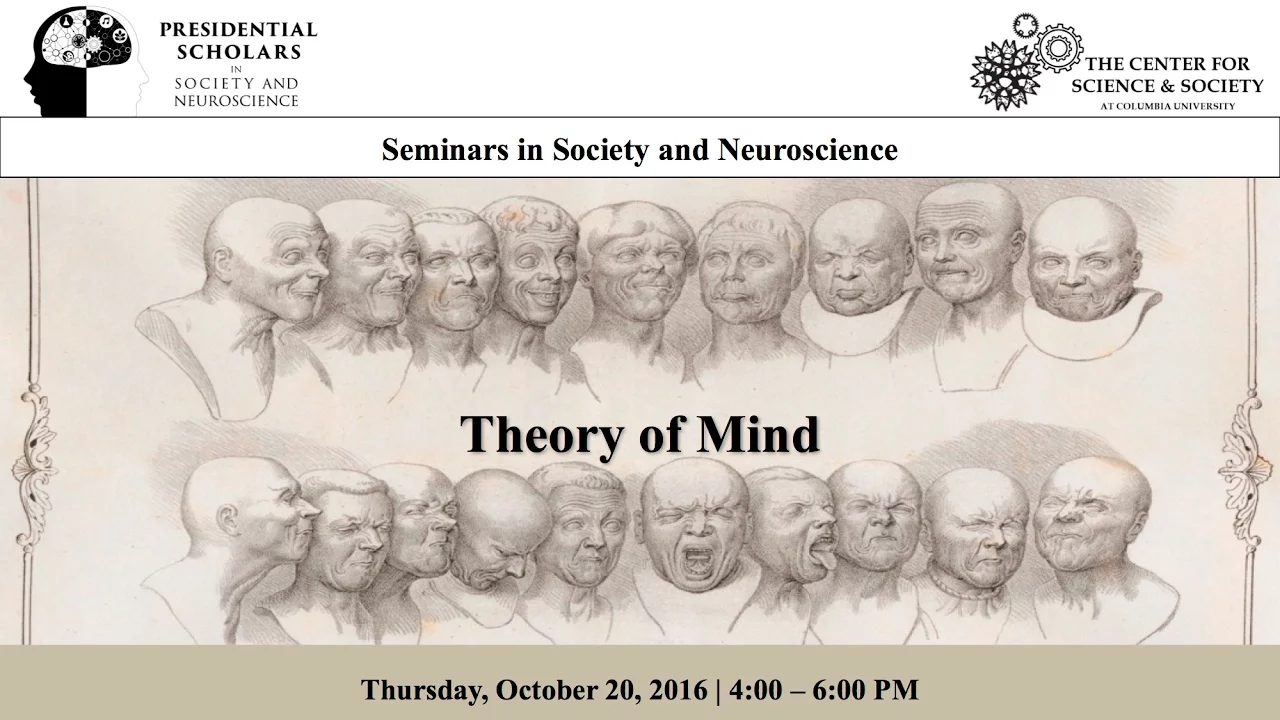


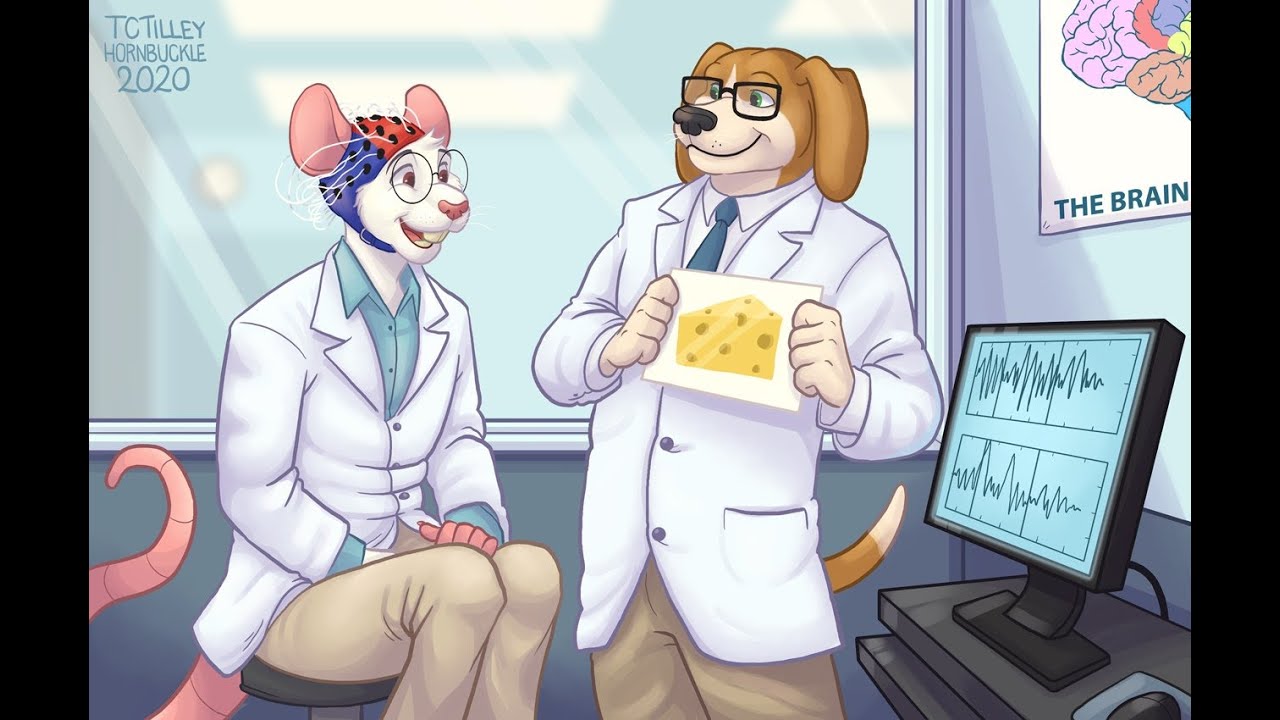





The brain uses overlapping neural mechanisms in the medial prefrontal cortex to understand both oneself and others, with simulation theory suggesting we use our own experiences as templates to predict others' behaviors, while mental state attribution theory proposes we build models based on contextual and cultural information; these processes enable empathy and theory of mind, allowing humans to navigate complex social environments by recognizing that others have unique mental states and perspectives.
The Neuroscience of Mental States and Social Cognition
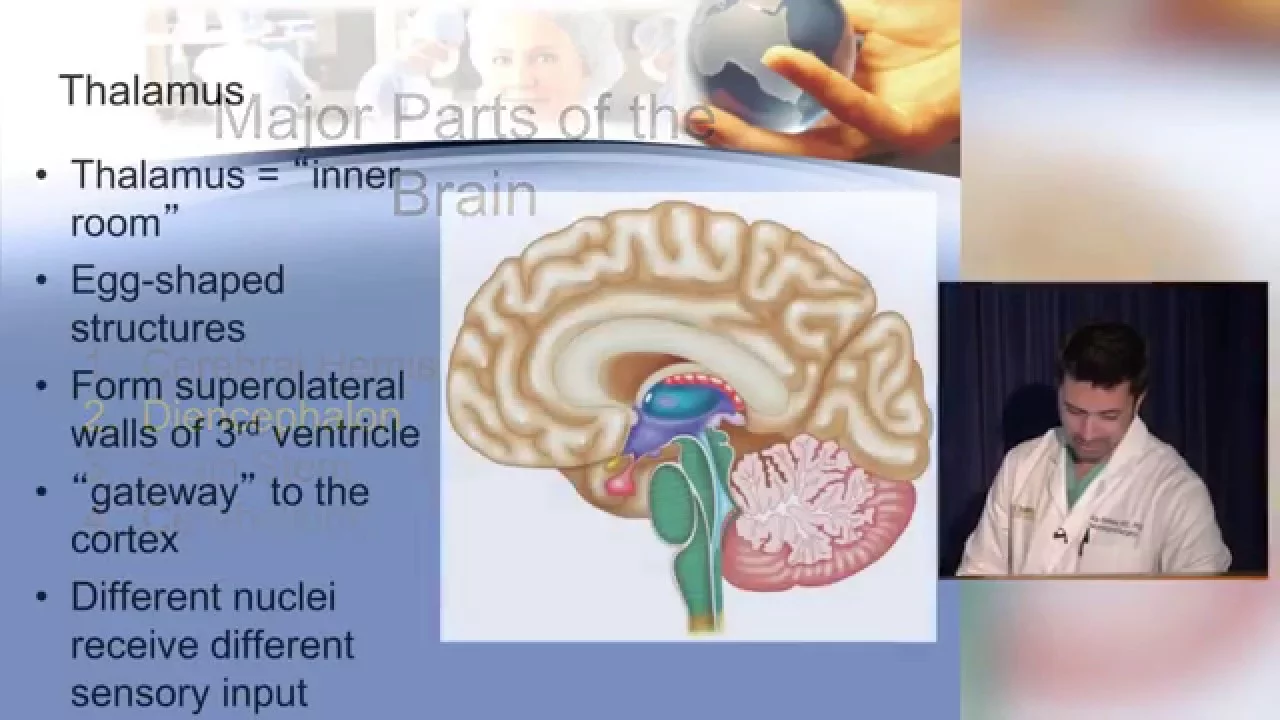
Added:Basic neuroanatomy, specifically the functions of the prefrontal cortex, temporal lobes, and the mirror neuron system.
The psychological distinction between cognitive empathy (understanding another's perspective) and affective empathy (sharing another's emotional state).
Foundational concepts of developmental psychology, such as 'Theory of Mind' and how it is typically assessed (e.g., the False Belief Task).
An introductory understanding of functional neuroimaging techniques (like fMRI and EEG) used to map brain activity during cognitive tasks.
The clinical applications of social neuroscience, focusing on atypical social cognition in conditions like Autism Spectrum Disorder (ASD) and schizophrenia.
The evolutionary biology of social cognition, comparing human neural mechanisms for empathy and cooperation with those of non-human primates.
Implications for Artificial Intelligence, specifically how computational models attempt to implement 'Theory of Mind' for natural human-robot interaction.
Neuroethics and the legal/philosophical questions surrounding brain-reading technologies and the biological determination of empathy.
The role of social neuroscience in understanding collective behavior, group dynamics, and the neurological basis of bias and xenophobia.
4.7K views122likes1:23:25Original Release: 2020-10-27
so this is going to be a fun lecture this is social cognition this is one of my favorite topics like i talked about in the last lecture um this is what i do uh trying to figure out what's going on in the brain when we're trying to understand other people we're trying to put ourselves into their perspective and put ourselves in their shoes really really interesting how our brain deals with this information and how it kind of sets information about others apart from information about the self so we'll really get into kind of some of those differences social cognition our ability to understand the minds of others we are by far the most social species on the face of this planet and our ability to be that social requires that our brain kind of makes these maps of what our social interactions should be like and allows us to really put ourselves in other people's shoes and to predict what they're going to do and how they're going to act a lot of people think that we're using ourselves the information that we have about ourselves as kind of a template for understanding others and we'll kind of get into stuff like that so we're going to start with kind of describing what empathy is our ability to kind of feel what other people feel and look at some theories that have kind of arisen to try to explain how we achieve this and how we kind of make sense of other people's mindsets and mental states we're going to explore theory of mind which really is the the idea of taking someone else's perspective there's very specific brain regions that are involved with this type of thought process this type of cognition and then these last two bullet points here are getting into two of the main theories that have kind of arisen to explain this one of them is simulation theory so we're going to look at what's going on while we're simulating ideas and behaviors and things like that and then we're also going to look at the mental state attribution theory which really gets into how we form guesses and predictions about what people are doing stereotypes and things like that models that we use to try to understand other people's behaviors that really gets into a lot of the theory of mind stuff so let's go ahead and get started understanding the mental states of others i kind of love this picture here we've really started to find a lot of evidence that our brains are producing the same types of activity when we're thinking about the same types of things when we're becoming empathetic and we're trying to feel what someone else feels and things like that even though our brains are in two separate areas of space and it's different neurons and different wiring and whatever i somehow we see similar patterns into people's brains and that just that fascinates me that it just shows that there's there's something kind of shared between us and something that kind of underlies the way that our brains activate so we'll get into that and we'll kind of look at how that is being explained by modern cognitive neuroscience theories so we'll start with empathy empathetic accuracy right so empathy is this idea that the perceiver so me being able to correctly infer the target someone else's thoughts and feelings how well can we guess what they're feeling and what they're thinking um and you see some some idea here so we we can do this we're not perfect at it right so strangers uh usually have a score of about 20 when they're looking at what someone they've never met is feeling or thinking um when we change that instead to a close friend instead of a stranger you get a little bit of boost in accuracy they're about right about a third of the time um but it's not it's not perfect so even though we've developed these really good strategies of trying to predict how other people feel um we're not just 100 most of the time and i think there's a lot of individual difference here so some people really wear their hard on their sleeves they have personality traits that are very visible and with those kind of people this number may rise we may be a lot more accurate you may have a friend that it's really easy to tell what they're thinking or what they're feeling so these numbers that we're looking at here are more averages across all the different types of people so this includes people that are very reserved and kind of hold their feelings to themselves um and this is what it kind of averages out too so even spouses are only about only right about a third of the time and this kind of talks a lot too to our ability as humans to to really hide our intentions and to hide our feelings and we'll kind of get into what's going on in the brain when we're trying to work out that mismatch between outward behavior and inward intention and this is very much in contrast to the way that information is processed about the self right with the self we have these really rich autobiographical memories and uh we know what's creating our mental states why we're feeling the way that we're feeling and we don't have this really rich set of information when we're thinking about others we have to rely on these kind of external clues body language and actions the way that their eyes look we pay a lot of attention to someone's eyes so very very different kind of thought process going on different types of information that are going into these different calculations between how i feel and how someone else feels there's been kind of two theories that have kind of arisen to to try to explain how we're doing this how we're kind of understanding other people's position um so one of them is the mental state attribution theory this is kind of the new name for it it used to be called theory theory really glad they came up with a new name for it because that's just ridiculous it was all about making theories about other people so i thought that would be a good name um this is kind of i think a little bit more applicable trying to attribute some type of mental state to another person and so what they argue is that we've kind of created this what they call a common sense folk psychology this is really we've developed stereotypes we've developed kind of models of the way that the people around us are supposed to act based on contextual clues based on their personality traits and things like that with a certain type of person they should act a certain type of way we're kind of building a model to infer the thoughts of other people and from that so this kind of gets into that information i was just talking about so we take information about their past information about what's going on contextually right now um how their family is made up of like what the culture is like all different kinds of things that we use and we kind of build up this model and we use that model to kind of infer whatever it is they're thinking this is something that is put kind of in contrast to this this other theory called simulation theory it's also been called experience sharing theory i see simulation theory a lot more often in the literature um and it really kind of came about because they they started to think about this idea of mental state attribution of like these cognitive processes that go into putting all of these different pieces together the past and their actions and their family and all of these things um and they they argue that we may be doing that in certain situations but most of the time in social situations our understanding of others is really fast it's really immediate we're not actively contemplating those different factors that stuff is just kind of already in place and so what they think is actually happening is that instead of using this kind of elaborate theory that we've generated about how these people think um what we're doing really is just kind of simulating what it is that they're thinking and our our brain is is really really good at simulation we can simulate what the future is going to be like we can kind of put ourselves back in the past and simulate what the past was like and they think that this is kind of the same thing that we can simulate another person's perspective we can kind of put ourselves into their shoes and a lot of it as we'll kind of get into they think that we're kind of using the knowledge that we have about ourself as kind of a reference point to simulate others so if others are are like us then we're a lot better at simulating them but if they're not like us then it's really hard for us to kind of put ourselves in their shoes and to figure out why they're doing what it is they're doing so we'll get into some evidence that that kind of gets at this and some of it's kind of still up for debate these days but we'll kind of get into the differences between the two so before we get into that we'll talk a little bit about theory of mind it's also been termed mentalizing you'll see mentalizing on some of the slides that we go through um but the the idea of theory of mind is that it's it's this ability to recognize that someone else has their own unique perspective that they have a mental state just like we have a mental state and there's some interesting ways that they test whether or not someone has good theory of mind that we'll kind of get into and so what we usually do kind of our first step with theory of mind is that we we kind of attribute these intentions to others we try to understand why it is they're doing what they're doing using the contextual clues and everything that we have and kind of after that what follows that is that sometimes we also kind of look at beliefs and desires i think that the intention part is a lot more immediate and kind of automatic and that the beliefs and desires kind of come from trying to extrapolate off of that try to really understand who that person is rather than just why they're doing what they're doing so this was just kind of an example from the book so when you're seeing a woman rummage through her purse you're kind of inferring that if she's looking through her purse she's maybe walking towards her car she's probably trying to find her keys um you're not necessarily thinking about what she's thinking you're just kind of inferring what it is she's probably about to do um you wouldn't kind of take the next step of like saying that she's a neurotic person because she's looking for her keys that would kind of be this next step of like belief and desire and things like that so that's something that kind of comes after after you've kind of contemplated a little bit more but this intention part seems to happen kind of very quick and automatic and we'll get into kind of near the end of the lecture some brain regions that have been linked to uh our ability to recognize these different mental states and others i love this picture i can't wait to do this with my kid uh because this was a really cool bit of information that i learned just recently honestly um so when babies come out they're completely helpless right they're they can't do anything on their own at all and they have this need to connect to their caregivers to connect to someone that's going to provide them that help and what they think is kind of really important in those respects is this idea that they can mimic others so an infant prefers to look at the face this is what they're they're kind of drawn to it seems like they have a lot of these cognitive abilities already to recognize faces and to recognize emotion on faces but they have this really cool ability to imitate whatever the other face is doing and we think that this imitative behavior is a way to try to connect a way to try to say i'm like you take care of me and this happens at 42 minutes to 72 hours after a baby's born will start mimicking i can't wait to do this with my kid it's going to be so cool but they really they imitate these facial expressions you open your mouth they open their mouth they're trying to copy you they're trying to be like you right and to take those cues to try to get this type of social connection take care of me be with me and a lot of researchers believe that this imitative behavior is kind of the first step to developing theory of mind this understanding that someone else is doing something they must be different than i am and i can in some way try to mimic or understand that by doing it as well and we'll we'll kind of get into uh like mirror neurons and how that might be kind of playing into this but really really interesting that this happens at such an early age uh so the idea that i kind of want you to take away from this slide is that um from really really young we're already primed to kind of be social and to reach out and to kind of imitate and mimic and we really think that imitation is what's kind of building up the brain's ability to to understand the perspectives of others and so some researchers when they were studying this this idea of perspective taking of understanding that someone else has a different perspective as a different mental state than you they came up with this thing called the false belief task and it's commonly used with sally and anne or the two characters within this the story and so you have a kid or a person whoever that kind of watches this story unfold and they're asked a question at the end and so we'll kind of work through this one step at a time so you have sally up here walks in and she drops some marble into this bucket and then sally walks away so she's gone she leaves the room and anne is the one that's that's left well ann walks up and she grabs the marble out of the bucket and she drops it in the drawer so sally is gone this whole time she's not witnessing this at all she doesn't see that ann has taken the marble out and put it in the drawer uh and then sally returns and she wants to find her marble that she left and so the question that you pose to these children or whoever's doing this task is where is sally going to look for the marble so in order to do this task correctly you need to be able to understand that sally and anne have different and unique perspectives on the world because if you don't believe that they have different perspectives on the world then you're going to make kind of the wrong decision about where sally is going to look for the marble and so in that example we just went through people that are unable to recognize these two characters have unique perspectives that they've seen the world in a different way we'll predict that sally's going to look in the drawer so i'm going to go back a slide real quick [Music] sally doesn't know that the marble has been moved but someone that doesn't have theory of mind someone that doesn't isn't able to kind of put themselves into someone else's shoes and understand that other people have a different perspective than they do they're going to say well it was put in the drawer like sally should know that it was put in the drawer because i saw and put it in the drawer so she's gotta know too it's kind of assuming that other people know what you know so you really have to understand that they have these different perspectives to be able to guess that sally is gonna look in the bucket she's not going to look in the drawer she's going to look where she put it because that's the only knowledge that she has she doesn't share the knowledge that we have [Music] and so there was this finding from here that showed that children don't really reliably pass this test until they're about four years old and so for a long time in the literature there was this idea that like children didn't have theory of mind until they were a bit older until they really started to develop a lot of these different brain regions and we kind of talked in that last slide about how they have this imitative behavior really early on and it kind of started this debate and a lot of researchers believe that it wasn't that the these children didn't have theory of mind that they didn't understand that other people had different perspectives than them they just thought that this task was too hard that it was it was too logical for young children to really understand and so they tried to start kind of testing this idea in a different way and they started to look a lot at what's been called joint attention the fact that two individuals kind of track each other's attention and kind of share their focus on the same object and what they found is that young children infants about 12 years old if they know that an adult doesn't know where an object is they will point to it right and this kind of demonstrates that the the child this 12 month old child knows that the adult has a different perspective as them because if the adult does know where the object is they don't point and so there's something they know that they have different knowledge about what's going on in the room that adult does and this kind of gets at this idea that maybe it is a lot earlier than four years old they've really developed this idea that we're different people and we have different perspectives because there's this this really nice kind of behavior that that demonstrates that and then by the time they're about 15 months so not even a year and a half yet uh they show surprise when this adult or whoever comes into the room and searches in some kind of box or container for a toy that was put there when they weren't there they're like whoa how did you know that was there um and so it shows that they that they knew that that adult had different knowledge than they did um or else they wouldn't have been surprised right it knew that they they should have had a false belief um and were really surprised when they didn't right so kind of what this slide is getting at is this idea that joint attention this idea that we've seen that infants can kind of track our attention and track what what we're looking at what we're doing and and know that we have different knowledge than they do is kind of this evidence that this theory of mind this this perspective taking thing is kind of an innate cognitive ability that really develops really early on and allows us to be as social as we are and so they've kind of looked at these developmental stages of understanding others intentions and beliefs and so this kind of comes from that earlier work uh it's pretty robust um so we have this evidence of like the joint attention and things like that but uh really putting yourself in someone else's perspective kind of happens when children are three or four of really being able to describe something from someone else's perspective um and the researchers that are involved so like zachy jamil zaki is one of them that are really involved in kind of mental mental state attribution theory i really think this is when we start to really build models of other people's behaviors we start to to really kind of stereotype and and create these prototypes of what people should do based on our memory of them and a lot of it's tied into a lot of these memory processes and processes and things are really starting to kind of kick into high gear around this age too so we have a lot more knowledge and information to draw on at this point by about five and six we start to get to instead of just kind of understanding intention predicting what someone's going to do this is when we start to kind of understand that people have different beliefs that they they think about the world in different way by about six or seven we kind of look at how literal meanings of words uh can only express kind of part of a person's intention so this is where they start to to really understand sarcasm and they can start to tell jokes and things like that where they kind of twist words before six and seven these kids will kind of believe everything you say uh as a caregiver or as someone that they trust they they don't really question that there are like non-literal meanings to the things that you're going through and then by about nine or eleven is when uh by nine two eleven is when we really start to see that uh we can understand kind of more empathetic type things that the people's feelings have been hurt that we're able to kind of feel what they feel we've really built up models and we've we've experienced so much of those emotions at this point that we can really start to simulate them and understand them and so this just shows that there's kind of this developmental trajectory that even though as a child we kind of have this ability to understand that we're in a different perspective uh that perspective taking kind of evolves and gets more complex and gets better and we start to become better at predicting other people's behaviors and other people's beliefs and things like that and so we'll get into now some more of uh kind of the brain stuff so we'll we'll get into the two different theories so we're going to start with simulation theory uh this one's a bit longer there's a lot of data on simulation theory and i think the simulation theory and mental state attribution theory they both kind of have their place i don't think that one kind of disproves the other i think there's just been a lot more work because of some early findings in the on the simulation side so we'll start with the mpfc right so it's the medial prefrontal cortex kind of my favorite brain region right on the the midline here of the prefrontal cortex really really heavily involved in social stuff so we kind of went over this point of mimicking people and it kind of leading to our ability to simulate other experiences and other people and what they've found is that there's this activity in this medial prefrontal cortex that lights up when we're thinking about ourself but also lights up when we're thinking about other people and it's kind of suggested and we'll look at some data that kind of gets into this that the reason there might be this overlap the reason that we might see self stuff in the same region as other stuff is that we're really using a lot of the information that we have about ourselves to really try to simulate what other people would be doing um because all we really have to draw on is what we've experienced and so if they're doing something similar to what we've experienced we can kind of draw on those those past memories and things like that to really try to bring that up and to try to simulate it to give us a better perspective of what they might be going through and when you really look at so this was from a meta-analysis over here on the left that looked at just kind of self other activations across tons and tons of different studies and you notice that there's some very similar regions you notice that kind of this one is a little bit more ventral as far as uh self stuff goes so that would be kind of this area right here and then other stuff kind of tends to drift a little bit more dorsal but there's a lot of areas here that are activated for both um and we'll see some evidence on this next slide of what might be going on there this stuff back here this is the pcc it's the posterior cingulate cortex it's part of the default mode network that we talked about last week this has some heavy ties to the medial temporal lobe so a lot of people think that this is what's kind of bringing up memories and instances and things like that really setting the scene another region that's not shown here because it's lateral and this is showing us kind of a medial perspective of the brain is the tpj the temporal parietal junction which we'll kind of talk about when we get into theory of mind and what brain regions involve are involved there but we'll start at kind of looking at medial prefrontal cortex very heavy social area really heavily implicated in both self versus other and so you kind of see these different types of information about others that have been used to study this this verses here means that this is where self is greater than some semantic knowledge about something um this is where self is greater than other this is where self is greater than an intimate other um and then this is just kind of self relevance so if something describes you the reason there's no verses is because this is saying that this is above baseline instead of above some specific other condition it's saying show me where activity is greater than baseline and then that would be the same for all of these so show me where mentalizing or theory of mind is greater than baseline and all of these other ones so just kind of interesting thing to take away here is that there's really heavily heavy involvement of this medial portion of the frontal cortex and there's a lot of overlap between self another and so there was a study done by mitchell's team at harvard jason mitchell and the conditions of the study is that they had all of the subjects they came in and they read these descriptions of two people so it was this whole kind of synopsis about who this person is and what their beliefs are and all that kind of stuff one of the people that they read about shared political views with the actual subject so if the subject had indicated that they were democratic or that they lean more liberal then this one would be liberal as well and would have kind of similar views and they kind of tailored these uh these paragraphs to really kind of match up with who that subject was they wanted to make this person very similar to who the subject was and then they created another subject that was kind of the opposite that really was as dissimilar as they could make it to the subject and then they put them in the scanner and they had them answer questions about their preferences and had them answer those same questions about others and so they had information about what was going on in this subject's brain when they were thinking about themselves when they were kind of making these judgments about who they were but they also had information about what was going on in this person's brain when they were thinking about who these kind of fictional people were one of them being really similar to them and one of them being not similar at all to them and what they found was that this ventral portion of the the prefrontal cortex which is right in here was really heavily active for self but it was also active for similar others so if someone was similar to me it was activating the same regions as the self type judgments were activating but if the person wasn't similar to me if they weren't like me at all that activity drifted north it drifted dorsal and so you have this dorsal portion of the prefrontal cortex up here that was representing not similar people and so this led these researchers and this really kind of started this this whole movement of self other kind of ideas of how this gradient kind of came about it really tied into this simulation idea that that maybe it's these people that are similar to us the reason the activity is in the same spot as the self activity is because i can use myself as a template to understand someone that's like me they have the same beliefs they have probably similar experiences to me they come from a similar culture and so i can i can use my experience i can use who i am and predict what i would do to try to understand what that person would do but if that person's not like me there's no overlap with self-regions we're kind of using this kind of general knowledge researchers believe is kind of what may be going on in this kind of dorsal region and this this is really really interesting because it really ties into acceptance in general right accepting other people really bringing other people in if we if we really feel like they're like us um and that was this was from these first studies it really looked like it was similarity that was that was kind of driving this whole thing but researchers have kind of started to to dig into this effect a little bit more um and found that it may not be similarity per se um that it could what a lot of researchers are kind of leaning towards is that it may be more about relatedness than necessarily necessarily similarity and so relatedness gets more into ideas of familiarity how close you are to these people how important you are emotionally to that person how warm you are to that person different types of competence and knowledge that you have about that person and some of the studies that have shown this so there was a study from ochsner and beer that found that uh there was similar activity for self and romantic partner even though when they filled out these personality ratings and things like that the romantic partner was actually very dissimilar to the self in terms of what they like what they were into and all of these kind of things but they still had this kind of self other overlap in that ventral portion of the medial prefrontal cortex showing that it maybe wasn't that like it was because they were similar to me that i was kind of using myself as a template but really it was more that like i understand them because i'm close to them uh there was this other randy buckner um study all about clan mentality that it really drove this idea that uh they think that rather than similarity it really is driven much more by closeness this is something i kind of ascribe a little bit more to it gets into this kind of tribal effect that you really kind of understand the people that are closest to you we don't really know what these regions of the brain are actually calculating we don't know what kind of information is being represented there we think that that ventral region is the self region quote unquote but it could just be that that's the region that we use to really understand and try to predict what people are thinking that we know really well that we have a lot of information about the self is one of those people we have a lot of information about the self but we also have a lot of information about the people that are closest to us so that could be something that's that's kind of driving that so something to kind of take away here so mitchell on the last slide found that uh that similarity was kind of driving this difference in in brain activity and as people kind of picked into that they found that it wasn't just similarity so similarity was one of the factors that could have been driving this but um it really seems to be more about kind of how close you are whether or not that person is part of your tribe part of your clan right part of your friend group or your family and as these kind of self other studies started to roll out there have been some kind of issues with the the statistics involved so most of these original studies like the one that we saw with uh with mitchell that we just talked about it was self versus um some other person uh so this was another study that we talked about in the last lecture so self versus george w bush um in this case we're comparing self to some other that we don't know or some kind of fictional other like we just saw in that mitchell study it was just some person that had been kind of made up that was similar to us or not similar to us it wasn't a real person and the brain activity that we're interested in is what's going on in people's brains when they're actually interacting with real people that they know people in their social network strangers things like that this doesn't really get at that this kind of gets at the idea of it but if we're comparing ourselves to someone we don't know just someone that kind of has broad known-ness i guess or ourself to some fictional character it's not really getting it what we want to get at as social neuroscientists and so some uh studies tried to kind of fix this and instead of using some just like fictional character or some famous person instead they had the subjects name a friend and so it was like okay we're gonna have each subject think about themselves in relation to like a best friend or a family member right that's what we're seeing here but here we have some some different kind of problems that arise because we're starting to get at brain activity that's associated with a specific person right so this is someone that that person actually knows but the friend is going to be different for every subject this friend is going to have different traits they might be a completely different personality than a friend that someone else picks in the study there's going to be different levels of closeness or familiarity with the subject and this really kind of creates some issues statistically because if you're trying to compare the brain activity in all of your different subjects and each subject has a different target that has all kinds of different things it's really hard to control a lot of that stuff and so uh there's a really cool new paradigm that was actually my advisor created that gets around these issues it's called the round robin design and this was a big big study that our lab just finished we brought in tons of groups of small social networks and what you do in these types of situations instead of just having someone pick a friend you bring in a whole group of people and every single person goes through the study and so that means that every single person is a perceiver and a target so that means when this person comes in she's going to be scanned while she thinks about herself and she's also going to be scanned while she's thinking about who this person is she's going to be thinking about who this person is and who this person is and so we have data on what's going on in her brain while she's thinking about herself and while she's thinking about all these people in her social network these could be co-workers these could be fraternity brothers they could just be friends they could be people that live together a family whatever so this really allows us to really kind of dive into that actual activity and it controls a lot of those problems that we were talking about all of the targets are real people they're not fictional they can kind of vary on levels of similarity levels of familiarity and all that kind of stuff because they're the same for each person these targets are the same in the group right each person has the same target so this person's going to think about all of these people this person is going to think about all of these people the only thing that changes is who the self is in any given circumstance and then it allows the statistical analyses to be kind of maintained within each group all right so the problem with the the second set that i was talking about earlier was that if each of these people had just picked a random friend like this person was thinking about this person this person was thinking about this person whatever um it makes the statistics really hard but if you have everything kind of maintained within this group and all of the targets are kind of maintained within this group it really kind of makes everything a lot smoother and so um what arose from this so we have a huge data set there's a lot of different angles that we're looking at this from um seeing whether or not these two people have a similar representation of this person based on how good of friends they are um seeing whether or not there's like positivity driving this or negativity driving this a lot of different things that we're looking at but this was a big finding from my uh advisor's first study that he did so he brought people in he brought this big group of people in um round robin style and had them either thinking about themselves or thinking about one of those other people in the group uh doing what's called a trait adjective task so they're shown the word self and a word like lazy and they were saying say yes or no if that word describes you so are you lazy yes or no and then on other trials they would see the names of their friends so is bob lazy is sally lazy and there was a bunch of different trait words so ambitious and empathetic and all of these different things and so after a ton of trials we have brain data on what's going on in that person's brain when they're thinking about who they are and what's going on in their brain when they're thinking about who all those other people in their group are and what we can kind of do with this is we have this region of the prefrontal cortex right here this is the mpfc and we can pull out all of the activity values and so each of these is an individual voxel that came out of that area and each of these is just a number it's a voxel value and so we can say okay this is the brain activity this is the pattern of activity that's going on in this person's brain when they're thinking about themselves right now this is everybody else in the group thinking about them so this is this first one is one person thinking about who this person was this other one is another person thinking about who this person was and what we can do is we can say okay we have this person thinking about themselves and we have the whole group thinking about them we can compare those two patterns of activity and what he found was that the activity that's going on in your brain when you're thinking about who you are matches the activity in others people's brains when they're thinking about who you are somehow this this idea of who i am the activity that represents who i am is sort of recapitulated in the brains of other people and so somehow we're kind of sharing these representations or we're building the same types of representations so it's a really really interesting finding and it's really hard to say what was driving this um i just replicated this finding so we just hit the first time that he did this he did it with one big group of 11 people we just did this with 20 groups of five or six people 114 people total and we found this exact same thing that somehow the activity that represents who i am matches the activity in someone else's brain when they're thinking about who i am really really interesting effect that we have no idea how is coming how it's coming about or anything like that but really exciting to write up um if you guys are interested in this this was kind of a really quick walkthrough this is kind of a complicated study in the folder that has all of the recordings for all of the lectures there's something called round robin and it's an hour-long presentation that i did on this whole study that really dives into what we did and what we found a really really cool study so if you guys are interested kind of dig into that um this one i added this slide yesterday so this is not in your version of the slides but this was a really really cool brown groundbreaking study that came out of carolyn parkinson's lab so she collected data from the entire business school at ucla basically she had a list of everybody's name that was in the business school and each person then went through and indicated whether they were friends with anybody on the list and from that she was able to build an entire social network so she knew exactly who was friends with who she knew whether or not you were kind of two steps away from somebody so let's say that i was friends with bob and bob was friends with sally that means that i'm two people i'm a distance of two from sally i'm not friends with sally but i'm friends with someone who is now if sally is then friends with someone else i'm three steps away from that someone else because i'm friends with somebody who's friends with somebody who's friends with somebody it's kind of how these social networks work and it's important to know that because it's going to tie into kind of what the findings were so she ended up taking a sample out of the business school so she didn't scan the whole business school that would have been really expensive and crazy but she took a sample from the business school so she had the whole network from the business school and then she took a small group of people from it and she put them in the scanner and had them watch video clips of different media type things like comedy clips drama clips romance whatever she had a full spectrum of all these different genres because she wanted to kind of sample uh all of the different ways that we kind of view the world and view entertainment in general and what she found was really really interesting the degree to which patterns of activity in the brain so that's what this is kind of getting at over here so something that's red means that that region of the brain was very similar in two people and the degree to which they were similar predicted how far they were in the social network so if their brains represented this media represented these media clips in a similar way so that meant the activity was tracking the same way the same types of brain regions were coming on for different things for comedy or for drama or whatever if they represented it the same way it was more likely that they were friends that they were a distance of one and as the kind of activity became more dissimilar it indicated that they were farther away in the social network it was this really really interesting thing so that somehow like if we're really good friends with somebody we kind of represent the world in the same way we have the same same activity in our brain and as we become kind of less farther away from people kind of in friend space that brain activity becomes a lot different but it really kind of begs this question of did we become friends because we see the world the same way or do we see the world the same way because we're friends it's kind of this chicken or the egg type thing that we we haven't been able to work out yet but really really cool finding um i've found some similar stuff in uh that round robin study that we've been doing uh showing that people that are friends have more similar brain activity than people that aren't um i i can't explain why that is but uh i'm sure that the future is gonna bring some really cool stuff on that front so um a lot of people think that this is kind of being driven by the mirror neuron network that we're using these mirror neurons to kind of replicate and mimic what other people are doing to try to kind of put ourselves in their perspectives and this could be what they're thinking is kind of the the mechanism that we use to empathize to really create the same types of physiological feelings in our body that other people are feeling in theirs uh to be able to really simulate what they're going through and you really want to kind of differentiate empathy and sympathy especially if you're going to go into like the the clinical side of things so empathy is really trying to put yourself in their shoes kind of come down into the hole with them try to feel what they're feeling try to feel sad when they're feeling sad whereas sympathy is just recognizing that they're sad like oh you're sad i'm sorry that must be really bad um it's i think a lot more powerful as a clinician uh to exhibit empathy than it is to exhibit sympathy um if you can really get into the same shoes as your client and really kind of get down onto that same level and really try to feel what it is they're feeling i think you can get a lot better care than just recognizing oh that must be bad i'm really sorry that's that's more of the sympathy route there are certain professions though where you don't want to feel what they're feeling that we'll kind of get into as well um but one of the this kind of ties into the same stuff we were just talking about so this is uh the perception action model of empathy um kind of builds off of what we just really described and so it's this idea that we are able to create the same affective state in ourselves as what we're seeing in someone else so activated in the observer and us we're able to trigger the same somatic and physiological responses in ourselves that someone else is feeling so we can experience what someone else is experiencing basically and a lot of people are proposing like we just talked about on that last slide that these mirror neuron networks are really giving us the ability to do that that the same types of neurons that are active when we're feeling sad can be activated when we see someone that's sad and it can really get a lot of those processes flowing those physiological processes that we talked about in the emotion lectures and this is referred to as embodied simulation really feeling what other people feel um but researchers have argued that in order for this to be true we have to be able to present some evidence that the mirror neuron system is connected to these emotional coordination systems to the physiological mechanisms themselves so that's what we'll kind of get into in this next slide so there's been a lot of evidence from primate research where they're actually able to kind of get into the brain and really dig into what's connected to what uh a lot easier than they can do in humans and they've found that these mirror neuron networks are really heavily tied to the insular cortex and the insula is something that really is kind of the interface between the cortex and the limbic system and if you remember the limbic system is the system that's really heavily involved in emotional processing and really getting those physiological processes started and so this is kind of that connection they think between the mirror neurons that are kind of distributed throughout the cortex and how they're kind of interacting and allowing us to create those physiological experiences so disgust is an emotion that the researchers have used a lot to try to kind of piece this out in humans because it's an emotion that's really easily triggered in humans we can we can get people to feel it really easily and we can also see what's going on in the brain when they're witnessing it on someone else and so what they found is that the brain activity that's present when we're feeling discussed kind of matches up when we're recognizing it on someone else and we see these this insular activity when we're feeling discussed and this insular activity when we're also seeing someone else display disgust and what you can see here is that the activity kind of tracks with how much disgust that person is actually showing and so as the as the emotion becomes more intense in someone else the activity becomes more intense and we show that these same regions are also active when someone gets a whiff of a bad odor so when we've actually got them to really feel this this feeling of disgust so this is really good lincoln humans it's not as clear-cut as what we see in primates because we're really able to dig in a lot more with the primates but this is a really nice clear example that the same regions are activating in emotional terms and actually getting these physiological things started that are happening and when we're actually seeing it on someone else so it could really be tying into this this mirror neuron idea they've also seen this with pain this was actually one of the papers that a lot of people picked for their their term paper um and it was the study that showed that the insula and the anterior cingulate cortex uh were active while experiencing pain but were also active when we were seeing someone else that we we knew kind of witnessing them get pain get shocked acc i have that highlighted here because the acc has been kind of heavily implicated in pain type stuff the connection to the insulas probably has to do with the the fact that the pain is kind of unpleasant uh ties into the ideas of disgust that we'll we'll kind of get into that here in a second but um the way the the study worked was that they either received a shock so we have information about what's going on in the brain when they're in pain or they saw a romantic partner getting shocked so then we had brain activity while they were seeing someone else or getting an indication that someone else was getting shocked and this was a really interesting tidbit here that the participants that scored really high on a questionnaire that they took before they got into the scanner on how empathetic they were if they scored really high on the empathy score then they had a lot more activation when they were seeing someone else or witnessing someone else in pain it's a really kind of interesting tie to the behavioral ratings and this has been really highly replicated so this is something that uh that is definitely a real phenomenon and not just some study with 10 people but researchers have kind of started to figure out that it's it's not just pain that's kind of happening in these regions but they also see very similar activations when people are witnessing unfair transactions or kind of immoral acts and so they think that it's not necessarily just pain in these regions but it's more of just kind of this overall feeling of unpleasantness i mean these are the same regions that are active for disgust right and this this idea that uh i don't i don't want to be anywhere near that right and so they think that unpleasantness in general is really activating these regions indicating that it's something that we don't like something that we're averse to and what we found with these new techniques so mvpa is multivariate pattern analysis so this is instead of looking at what regions are active we're looking at what patterns of activity within those regions are actually representing something and so we know that all of these regions that we just talked about the insula and the acc they're active for pain they're active for unfair transactions immoral acts they're active for disgust this study ended up looking at all three of these so pain disgust and unfairness found that they were lighting up the same regions but found that patterns within those regions could differentiate between these different conditions and so even though they were lighting up the same brain regions it was that the way those regions were being used that actually kind of represented the differences between pain and disgust and unfairness um and so it's not just those regions act it's not that those regions only kind of represent one type of information they're kind of flexible they can represent different types different conditions based on how the neurons are firing within those regions what patterns of activity are kind of underlying that stuff so this is kind of the newer way of doing cognitive neuroscience this is where a lot of the the field is is moving to now this is what i do quite a bit of is looking at patterns of activity rather than just what regions are active so this is something i was hinting at a minute ago of uh there are some instances where you don't want to feel what other people are feeling if you're a doctor it would be very unpleasant to constantly be feeling the pain of your patients and things like that i think that this does create a problem with health care a lot of the times the doctors that we've seen you really get a lot more sympathy than empathy it doesn't feel like they're really connecting and understanding sometimes but that's kind of uh a symptom of the job right they they have to distance themselves or else it's it's mentally un unstable it's it's really hard to kind of go through your life if you're constantly putting yourself down where your patients are so this is that a doctor wants to relieve a patient's pain and not feel it themselves and so what researchers think is that this perception action coupling this empathizing of like trying to feel what other people feel is happening first and it's happening automatically but we're able to then kind of implement cognitive control mechanisms to shut that down to say look that's not appropriate right now i can't feel what they're feeling because i have to move past that i need to do my job and i need to diagnose and all of these kind of things and so we think that kind of some stuff that we talked about in the cognitive control lecture is kind of regulating and turning off these kind of automatic empathy circuits to distance ourselves a little bit and this was some really nice evidence that kind of gets at that so they brought in acupuncturists and a group of controls and they had both of these types of people watching video clips of someone either getting painful stimulation which is actually getting a needle in the face or in the hand or in the foot or seeing someone get non-painful stimulation so seeing them touch this person with a q-tip on their hand or foot or face and then they had the controls and the experts and what they found was that these regions in the insula and the acc that we've been talking about that kind of do this pain empathy um were really significantly active in control so what we're seeing here is that these red bars right here are when they're actually watching patients in pain they're activating these acc and insula regions really heavily so they're really empathizing with these people whereas the experts did not have that so the experts had been able to kind of turn that off um and we also saw that regions that are involved in self-regulation so the cognitive control regions and attention regions were actually more active in the in the experts so it seems like the experts were able to really shut down those empathy circuits and say i don't want to feel what they're feeling because i have a job to do right really kind of cool evidence that that gets it and how these processes might be unfolding and how they're maybe controlled this one gets into some really interesting stuff about gender differences with this kind of stuff and this is these next slides are going to get kind of get into the unfairness part of this so they had these subjects play a card game that involved cash so there was kind of a reward involved and they were either with a confederate who cheated or they were with one who didn't so they were playing a card game with someone who was in on it this was a confederate as someone that's part of the study that was doing things um in a very deliberate way so they were either cheating or they were not cheating and then they used mri to look at what was going on in the people's brains that had been playing these cards while they witnessed that confederate receiving pain and so that confederate was getting shocked while the people in the mri were witnessing it and this was really really interesting so males showed a significant decrease in empathy for the cheater but females had similar empathy responses to both so these females in the study it didn't matter if the person had cheated or not there was some difference here it wasn't significant as far as the results went but the activity was very similar for the two but then you look at males and males just like didn't feel any empathy these acc and insular regions were not active at all when they were seeing the cheaters get get shocked and they found that uh they were actually activating the nucleus accumbens and the striatum which are reward centers and that the activity in these reward centers was tracking with how much they had indicated they wanted revenge on the people that cheated and so don't read too much into conclusions like this this is a type of reverse inference but it appears that they felt pleasure in seeing these people in pain we can't say that just because the reward centers were active that they were actually feeling pleasure but this is what the activity kind of hints at that there was some kind of inherent reward and seeing this person get punished for cheating and so we'll kind of get into some other studies that look at how that might be unfolding so this was one where they recruited red sock and yankee fans so really avid fans um from these are very uh rival teams like these the fans from these teams do not get along and they watched baseball clips of their team either doing a successful play or the the rival team being successful um and then they came back in two weeks later and they filled out this questionnaire about how likely they were to heckle insult throw food at threaten shove or hit a rival fan or a neutral fan so kind of interesting what they decided to ask them about but what they found was that the reward regions so stratum nucleus accumbens type area so this is like nucleus accumbens right above the stratum here um was really active when their team was successful and for some reason when their team was successful it was correlated with self-report likelihood of aggression towards rival fans i don't know how much you want to read into this aggression idea uh it could just be that they were heckling them because that's like good fun when you go to a game i don't know if this meant that when their team was successful they actually wanted to shove or hit somebody so don't feed too much into that um but when they saw the rival team successful it activated the acc and insula which is what we've been showing is really active for like pain and empathy type stuff or kind of unpleasantness in general so we've just like oh that doesn't feel good um so yeah and that's what i was just kind of getting at so same kind of activity patterns as we saw with like pain and empathy and things like that so there's really something to that of uh kind of feeling unpleasant when you're seeing bad things and feeling really good when you're seeing good things that kind of correlate with wanting someone else to fail is what that kind of gets at and a lot of this researchers believe is developed really early on this this idea of acceptance who we want to be around and who we don't want to be around and they did this interesting study this isn't an imaging study at all but it kind of gets at some of the mechanisms that might be going on through childhood so researchers believe that this maltreatment this is what i was kind of talking about that we tolerate or even enjoy the maltreatment of others occurs really early in life so this is the first step of this study that i'm going to get into and so what they did was they took children that couldn't even talk yet were given a choice between two snack foods so we had like some crackers or some green beans and then they introduced these puppets that one of them really liked the green beans and one of the puppets really liked the crackers and so if the subject had indicated that they really like the crackers and this puppet was like them it was similar to them it liked the same food they liked whereas this puppet didn't like the same food that they liked and what they did was they had the puppets approach a snack bowl and if it liked it it was like mmm that looks really good and then it went over to this one and was like uh that's disgusting oh green beans and this one did the opposite so it was like it's like mmm green beans and it looked at the crackers and was like oh that's disgusting and the the kids they watched this whole thing unfold and later they were shown the two puppets and they were asked which one of the two puppets they liked which one they wanted to play with and overwhelmingly the kids chose the puppet that had the same preference that they did it was like oh this one likes what i like this one's like me i want to be like i want to play with this one i don't like this one because this one doesn't like the same stuff that i do so this was kind of a first first step at this um but they kind of introduced a twist to this that i think is really really interesting so they did a follow-up study where they did kind of the same thing they had these two puppets they showed them the two different foods one of them like the same food that the kid did the other one didn't they expressed disgust whatever so the kids kind of had these ideas about the puppets already but then they put on this puppet show and they either had the one that was like that liked the same thing they did as the star or they had the one that didn't like what they did as kind of the star of the show and in the show the puppet is bouncing a ball and then ends up dropping it and it kind of rolls away and then a separate puppet comes in this dog puppet comes in and it either helps the the one that just dropped the ball so it brings the ball back to him and kind of becomes friends with them or it steals the ball and runs away okay now when they're given a choice between the dog puppets this is really interesting the kids choose the one that helped the puppet that was similar to them but they also would choose the one that harmed the dissimilar puppet so they wanted to hang out with the dog that helped the one that liked the food that they liked but they also wanted to hang out with the dog that punished the one that didn't like the food that they like and i mean these results are staggering i mean look at how clear-cut this is and this happens as early as nine months old and so here we have white is the helpful dog black is the harmful dog so this is the dog that helped the puppet that was like them that had the same food preference as them they chose that dog this is the dog that stole the ball from the one that wasn't like us and then like it gets even more clear-cut as the the child begins to age so really really interesting that these mechanisms of like trying to distance ourselves from people that are not like us as much as possible happens really really young and a lot of it has to do with they think this idea that we're trying to identify and punish people that are violators of social contracts in a way and so all of this kind of depends on our ability to recognize when people are cheating when they're kind of free writing on the system and to be able to kind of punish them and ostracize them so that we can have some kind of continuity so our social exchange can go on without being affected right because if cheating carries no penalty and the cheaters are going to eventually kind of take over right and if there's a majority of cheaters then there can't be any kind of fair reciprocal exchange in a society so this is something that in a social type hierarchy in a with a species that is very social it's very beneficial for that society to have these types of punishing ideas to really try to weed out who's taking advantage and who's cheating in order to get the system to run efficiently and it's really interesting that we're seeing this kind of at an individual level that's kind of ingrained into the brain um they've tested this with something called the ultimatum game this is really big in like game theory and the way that it works is that you have player one and player two uh player one has a bit of money and they're they decide how they want to split that money up and share it with player two and so player one offers a portion of the money to player two and player two either accepts that offer or rejects it so the offer can be fair so 50 50. so if we look over here this is player 1 making a fair offer and player 2 can either accept that offer or reject it and so a fair offer would be 50 50. so if it ten dollars gives five to player two and keeps five for himself or it can be an unfair one where he give keeps eighty for himself and only gives twenty percent to player two now if player two accepts then they both get that amount of money so player two gets five player one gets five if he accepts over here player one gets eighty and or eight and player two gets two but if player two rejects the offer then both people get zero right that's what we're seeing here this is the reject arm right here and so if we were approaching this rationally player two should always accept because they're gonna get some money instead of nothing right but their reputation is at stake if they start to accept unfair offers then player one is gonna kind of take advantage of that and it's going to continue to offer unfair offers um and so by rejecting things we're kind of punishing player one for an unfair offer and when we punish them because they don't get anything either when we punish them it encourages them to be more fair in the future and they've kind of asked they've done this in groups and stuff and they've asked people about the different people in the game and it's kind of been shown that people that often reject offers kind of gain trust from the group and respect from the group and are kind of seeing seen as being group focused is having kind of the group's best interests in mind and being altruistic is really interesting um so they've done studies with this in the in scanner and so they had people play the ultimatum game while they're in the scanner and the subject who was in the scanner was always player two so they were either accepting or rejecting offers for player one and what they found was that there was this activity and don't worry too much about dlpfc it could just be tracking the game itself um but there was this activity in the insula that was tracking these unfair uh offers and the degree to which the insula was active predicted whether they were going to reject so if the insula was really active it was really likely that player 2 was going to think that that was unfair and was going to reject it and so this kind of gets at that idea too that the insula might be kind of representing unpleasantness not necessarily like pain in general um but it really showed that like like no that's disgusting that you would only offer me ten dollars and keep nine for yourself and the insula was kind of tracking that idea um in the early kind of portions of this game and of the studies into this game a lot of the punishment was believed to be in regards to the degree to which someone was being unfair but they created a new version of this game it was really interesting that revealed that it might not be unfairness so they had this uh dictator version of the game where player two has to accept everything that player one offers so if player two is like in the same room as player one uh player one is still gonna offer unfair amounts but they're not gonna be like completely unfair uh there's this degree to which like they have a reputation they're in the same room as this person but if player one is anonymous they'll offer nothing to player two over and over and over again and keep everything for themselves so that's already kind of an interesting dynamic but they added a kind of new player into the game so they played the game kind of in a group um and they added this player who was a punisher who could spend some of their money to punish the dictator and to kind of get the dictator to lose money and what they found was that if the dictator had been mistreating the punisher so if it had been offering unfair treatment to the punisher then the punisher would punish them often just be like no this isn't fair you need to get better you need to do better but if the dictator treated the punisher really well even if they were punished even if they were super unfair to everyone else the punisher punished less and so is this idea that punishment may not be really related to unfairness because dictator was still being unfair to the rest of the group they just were being fair to the person that was punishing and so it may just be kind of self-interest and not necessarily kind of this this global oh that's unfair kind of idea that people kind of thought of at first i just i thought this was kind of an interesting tidbit there's no brain data associated with this but i thought it was kind of an interesting twist so we'll kind of end this section with moral decisions and so something that's really been used a lot to get it moral type decision making is the trolley car dilemma um and so picture that you're on a or that i mean the picture is a little bit different than the way this is usually pitched but uh picture that there's this trolley car that's kind of coming down the tracks and the way that it's usually pitched is that there's like workers down here not necessarily people tied up that's kind of an odd picture but this thing is careening down the tracks and if it keeps going the way that it's going to go it's going to kill five people so like i said there's usually like workers on the track in the real scenario but if it keeps going it's gonna kill five people now let's say that you have a switch and you can throw that switch and if you do it's gonna divert the trolley car and only one person is gonna die instead of five what would you do this is very logical to a lot of people it's like well of course i'm gonna throw the switch because it's better for one person to die than for five people to die it's a very kind of utilitarian type decision but if we add a little bit of a twist to this dilemma and we say instead of having a switch that you can throw instead you're standing on a foot bridge and there's this kind of heavyset man in front of you and if you push this heavyset man off and he falls on the tracks his weight is going to be enough to stop the trolley car so this guy one person is going to die or if you don't do it the trolley car is gonna keep going and it's gonna kill five people what would you do in this case so now this seems to be the exact same logical conclusion as the one on top you're killing one person and you're saving five but this bottom one seems a lot more personal right you're actually physically touching someone you're you're in you're responsible for that person dying whereas here you're a little bit distanced from it you're just pulling a switch right and so when people are faced with the footbridge dilemma overwhelmingly they say no i will not push the man off the bridge to save five people because that's murder and people don't really see that that's the same case in the top one it's really interesting and so people have kind of used this to try to get at what is driving kind of emotional decisions like we see in the footbridge dilemma versus kind of distanced or logical type decisions that we see up here and what we've kind of seen is that there's very different types of activation with these two different types of dilemmas so impersonal decisions like the trolley car one where you're kind of distanced was activating kind of lateral prefrontal cortex and bilateral parietal lobe so this was just working memory stuff stuff that you would see just in normal type logic situations in general we're just kind of taking the information we have we're putting it together and we're kind of coming up with an idea of how to solve it but when the decisions were personal and they involved us actually like getting involved and like interacting with an actual person we see that the medial prefrontal cortex starts to light up along with the pcc which is posterior cingulate cortex so that's another area within the default mode network and really heavily heavy activation of the amygdala um and so these are kind of emotional and social cognition ones are really considering who that person is and how it's gonna feel and what's wrong with that um and so there seems to be a lot more emotional involvement with these types of kind of the footbridge dilemma type ones as opposed to just purely logical ones like pulling the switch in the trolley car dilemma and so um this is another one of those conclusions that i think you should be a little bit weary of um it does seem like this is kind of leaning towards that but it's kind of dangerous to say just because we're getting activity in these regions doesn't mean that emotions are controlling our decisions but we know that because we're getting activity in these emotional regions that emotion is probably at play in these decisions i wouldn't say that emotion is controlling our decisions but um this was kind of a conclusion from the textbook so just kind of when you see those things kind of look at them with a grain of salt it is very interesting that there's different activity for these two but it's hard to say why there's different activity for the two and it appears that because we're seeing emotional activity in these personal decisions that it may be that emotion is kind of taking over um and driving our decisions more than just kind of uh logic and ration is up here cool so uh this last part of the lecture we'll get into uh some of the brain regions that are involved in what we described at the beginning of mental state attribution theory so this is the the theory that really describes how we build models of what other people are going to do based on what they've done before based on kind of cultural influences or stereotypes and things like that um really trying to put ourselves in other people's perspectives they're really big in kind of theory of mind type stuff so it's kind of what we're going to focus on are like brain regions that are involved in mentalizing our theory of mind type stuff so a lot of the times someone's mental state doesn't really match up with uh what they're outwardly expressing right and so you ask someone out they smile but say no it's like why did they smile what did that mean right you try to dig into all of this stuff try to like figure out what their intentions are like did they kind of like me but they were just busy or like people can kind of drive themselves nuts going through these types of scenarios or like text messages especially right just like trying to to figure out what someone meant by what they said even though they're being sarcastic or something you can spend hours trying to figure out meaning behind something like that um this stuff is more in regards to like actual behavioral cues so when we're actually interacting with a person but i think similar stuff might be going on in other situations um and so it's this idea that humans consistently hide their true intentions due to cultural type reasons or personal reasons or whatever and we have a lot of uh brain kind of powers devoted to trying to discover when there's mismatches between what they're showing us and what they really mean and it allows us to build trust it allows us to understand what they're doing and why they're doing it um really really important type of process in social communities it's really important to trust people and to know who you can trust um or else you'll kind of get taken advantage of so um there's a lot of mpfc involvement with this kind of stuff and some of the studies that have kind of gotten out of this gotten at this have looked at kind of impression formation and so they did this study where they showed people pictures of these people and they had some kind of a statement that described kind of what that person was doing and so it allowed you to kind of form an impression of who that person is and what they might be like um and the other condition was just um they either said i want you to form an impression so read this and actually try to apply it to this person or just read this and try to remember what order it was in and that allowed them to kind of do these contrast to see what was different when they were actually forming impressions versus when they were just kind of doing this like this memorization technique and what they found was that the medial prefrontal cortex was really heavily involved in this impression formation type activity and you'll notice it's kind of dorsal here and so this was very similar to the activity that we saw to dissimilar others and so it could be that this portion of the mpfc is really trying to work out what people are like that we don't know that aren't like us just based on some kind of clues that we've been given and so what they ended up finding too was that this is very specific to animate objects so the mpfc is not going to light up so let's say that this was a picture of a rock and he said at the party he was standing on the table the mpfc will not track that there's something specific to it being something that's alive i've seen studies in which it's very specific to people you'll get some activation for for animals but this is very specific to people this region of the brain is really heavily involved in social interaction with humans because that's what's important to us you know and the last region that we'll get into is the tpj and so the temporal parietal junctions this is where the temporal lobe and the parietal lobe kind of meet with one another this is where you're seeing like kind of back in here and back through here they had in this study they were having subjects view a series of false belief and true belief tasks so this is like the sally and anne stuff that we talked about earlier of like trying to take the perspective of someone else to try to understand them and understanding that the person either had a false belief or had a true belief and what they found was that the right tpj the right temporal parietal junction was really active during these false belief tasks of really trying to understand someone else's perspective and put ourselves in someone else's shoes um and so what they think is that that region uh it must be really heavily involved in what we've kind of termed theory of mind in social psychology of really trying to understand someone else's mental state it's become a target for a lot of people that really study theory of mind and this group of researchers that did this original study um followed up to make sure that it really was theory of mind that was kind of driving this effect that they saw and so they they brought people in and they used the same study that we were just talking about to locate the tpj in these subjects they wanted to know exactly what region was involved in these false belief tasks and then once they knew what region was activated this is called a localizer they were then able to explore that region for patterns of activity and so then they gave the subjects these scenarios that had three components there was either social background like um she lives in new york mental state like uh she wants to to figure out what to do today or she wants to be a dancer she's feeling sad something like that or a life event so she just got into grad school or something like that and so they were trying to kind of pit these three different conditions against each other to try to say is there something specific about the right tpj that has to do with mental state or is it just something that has to do with kind of personal information in general because all of this information is kind of telling you about who that person is but only one of the conditions really gets it what they what they believe or what they feel and those kind of things and so they were using kind of mvpa as we've talked about before looking at patterns of activity versus just um the region in general and they found that the the right tpj was a lot more involved in mental states than any of the other two and so it gave this really nice evidence that it's that it's not just tracking kind of information about people but it's heavily kind of involved in really trying to take their perspective to try to simulate what they're thinking and what they're feeling um so really heavily involved in theory of mind and if you guys remember from our last lecture the whole out-of-body experience stuff was stimulating a region that was right by the tpj and so it's this idea of kind of putting ourselves in a different perspective and when we stimulate it when we activate it uh our we put ourselves into a different perspective and actually have an out-of-body experience so really really cool finding um tpj is a very popular region in social science right now and this is all i got for you today so thank you thank you again for listening
Up Next
105:38
Dreams, Nightmares, and Neuroscience: Dr. Baland Jalal
@JordanBPeterson
235.3K views•2025-03-27
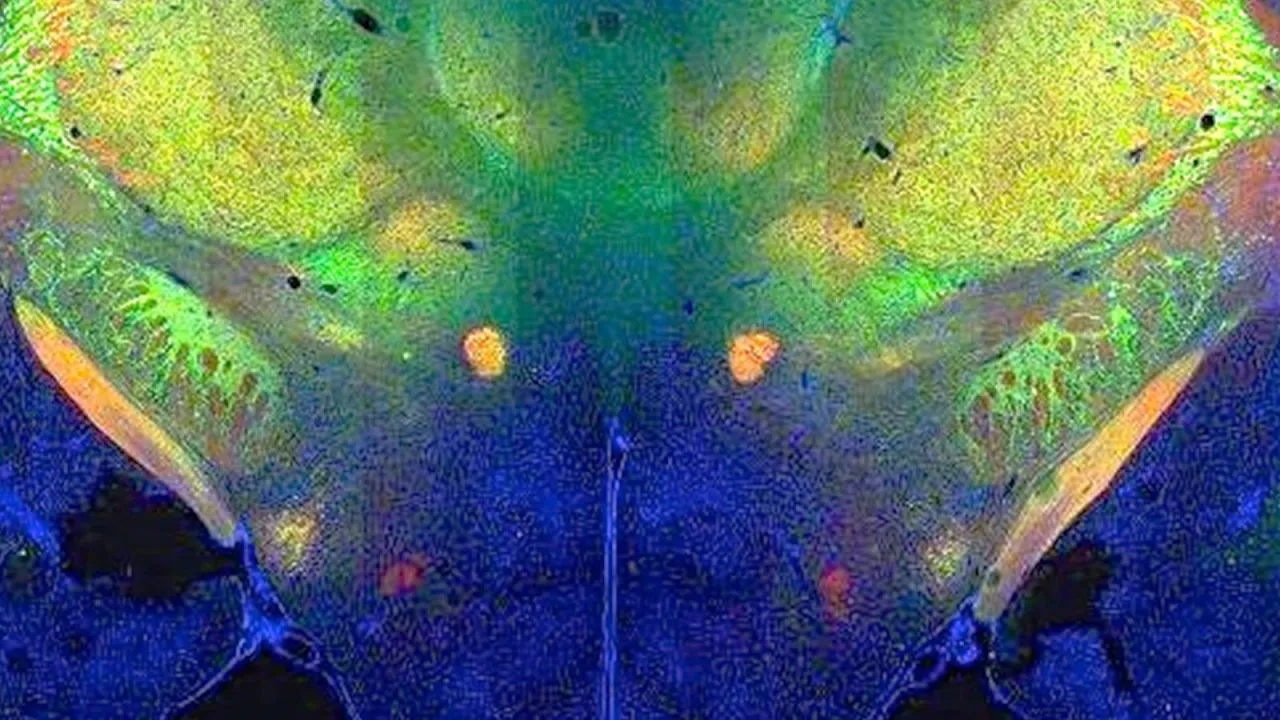
21:55
Deciphering Neural Circuits Controlling Anorexia in Mice | Richard Palmiter
@AllenInstitute
2.3K views•2011-10-10

4:10
Vagus Nerve (CN X): Anatomy, Nuclei & Functions Explained
@Alilamedicalmedia
305.2K views•2022-10-31
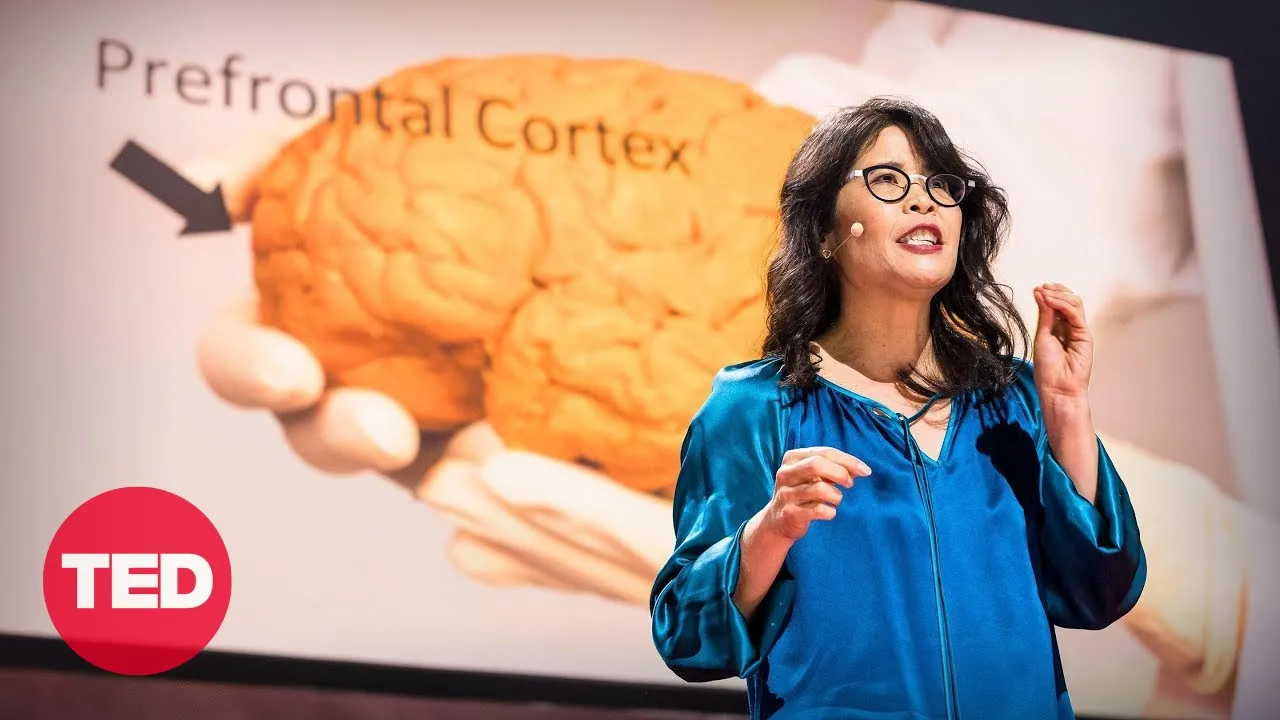
13:03
How Exercise Benefits Your Brain: Science Explained
@TED
11.4M views•2018-03-21
Related Study Plans & Knowledge Roadmaps
Structured learning paths in Neuroscience
neuroscience
Appetite Regulation: Brain Circuits & Hormones
01Foundations of Endocrinology and Brain Anatomy
02Introduction to Energy Homeostasis
03Peripheral Signals: Leptin, Ghrelin, and Insulin
+ 2 more learning modules
14h5 modules
Explore Roadmap
neuroscience
Neuroeconomics: Value, Risk & Brain Mechanisms
01Foundations of Neuroscience and Brain Anatomy
02Introduction to Neuroeconomics and Subjective Value
03Dopaminergic Prediction Errors & Reinforcement Learning
+ 3 more learning modules
18h6 modules
Explore Roadmap
neuroscience
Spatial Navigation: Cells, Grids & Brain Maps
01Foundations of Brain Anatomy and Memory
02Place Cells and Head-Direction Cells
03Grid Cells: The Brain's Coordinate System
+ 2 more learning modules
12h5 modules
Explore Roadmap
neuroscience
BCIs: Neural Decoding & Prosthetic Control
01Neuroscience Foundations: How the Brain Signals Intent
02Signal Acquisition: Recording the Brain's Activity
03Neural Decoding: Translating Brain Waves into Data
+ 2 more learning modules
25h5 modules
Explore Roadmap