
![Syntax II: Intro to linguistics [Video 6]](https://i.ytimg.com/vi_webp/3CaX6MIzbZw/maxresdefault.webp)


![[Introduction to Linguistics] Word Order, Grammaticality, Word Classes](https://i.ytimg.com/vi_webp/E3eTNgPXkG4/maxresdefault.webp)




![[Lecture 1]Working Toward the Strong Interpretation of SMT](https://i.ytimg.com/vi/vD1Vqv7cmq4/maxresdefault.jpg)





![[Syntax] Complementizer Phrases (CPs)](https://i.ytimg.com/vi_webp/8GQ6cjITFQo/maxresdefault.webp)
![[Syntax] Case Theory](https://i.ytimg.com/vi_webp/7X7V8wpjaGI/maxresdefault.webp)





In X-bar theory, the Tense Phrase (TP) contains an obligatory T head that can manifest as either an auxiliary verb (modal auxiliaries like will, can, should, or helping verbs like have, be, do) or as an inflectional ending on the verb (such as the present tense -s), with the apparent optionality of T being explained by the fact that inflectional endings undergo affix lowering to attach to the verb when they cannot stand alone, thus maintaining uniformity across all phrase types in the X-bar schema.
TP in X-bar Syntax: Why Tense Heads Are Obligatory
Added:The core principles of X-bar theory, including the hierarchical structure of Heads, Complements, and Specifiers.
The distinction between lexical categories (such as Verbs and Nouns) and functional categories (such as Auxiliaries and Determiners).
Basic English morphosyntax, specifically how tense is expressed through both bound morphemes (e.g., '-ed') and free morphemes (e.g., 'will', 'must').
Traditional Phrase Structure Rules (such as S -> NP VP) and the syntactic puzzles that led to their replacement.
Head-to-head movement, specifically V-to-T movement in French versus English, and T-to-C movement in auxiliary inversion.
The structure of the Complementizer Phrase (CP) and how it dominates the TP to license questions and subordinate clauses.
Case Theory, focusing on how the Tense head (T) assigns Nominative case to the subject in Spec-TP.
The DP Hypothesis, exploring how standard Noun Phrases (NPs) are reanalyzed as functional Determiner Phrases (DPs) structurally parallel to TPs.
16.1K views266likes12:31Original Release: 2017-09-30
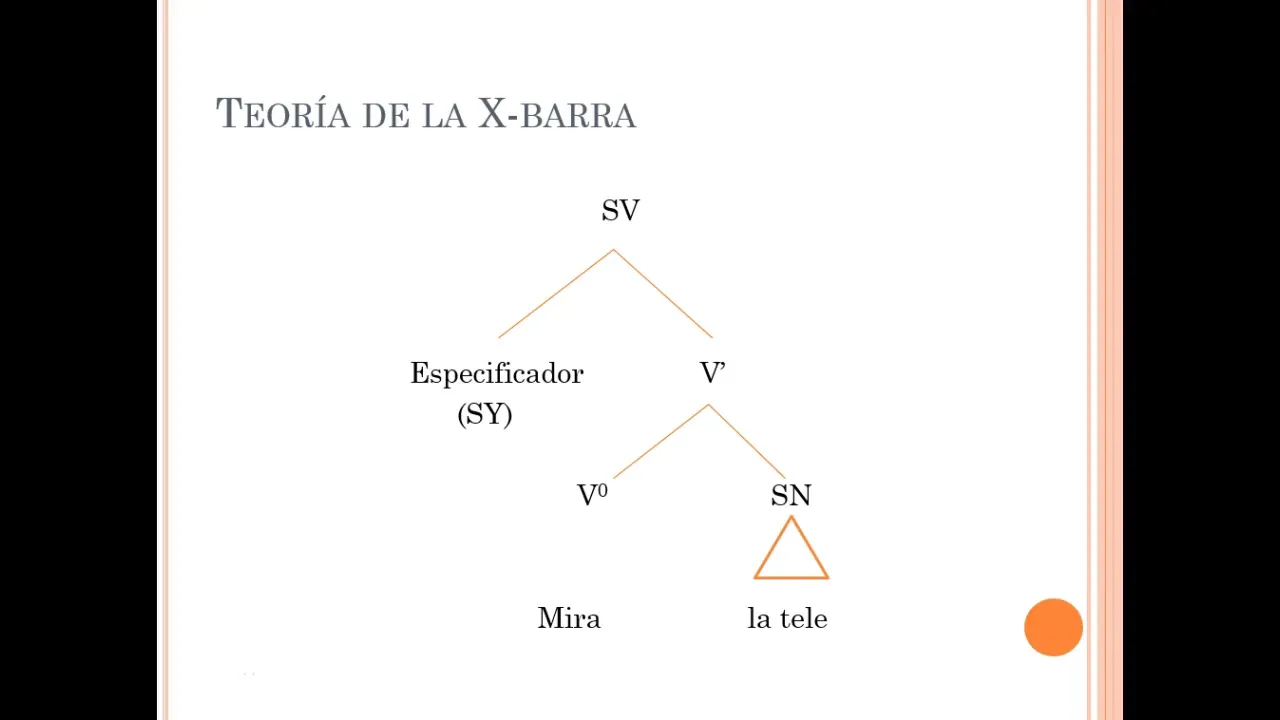
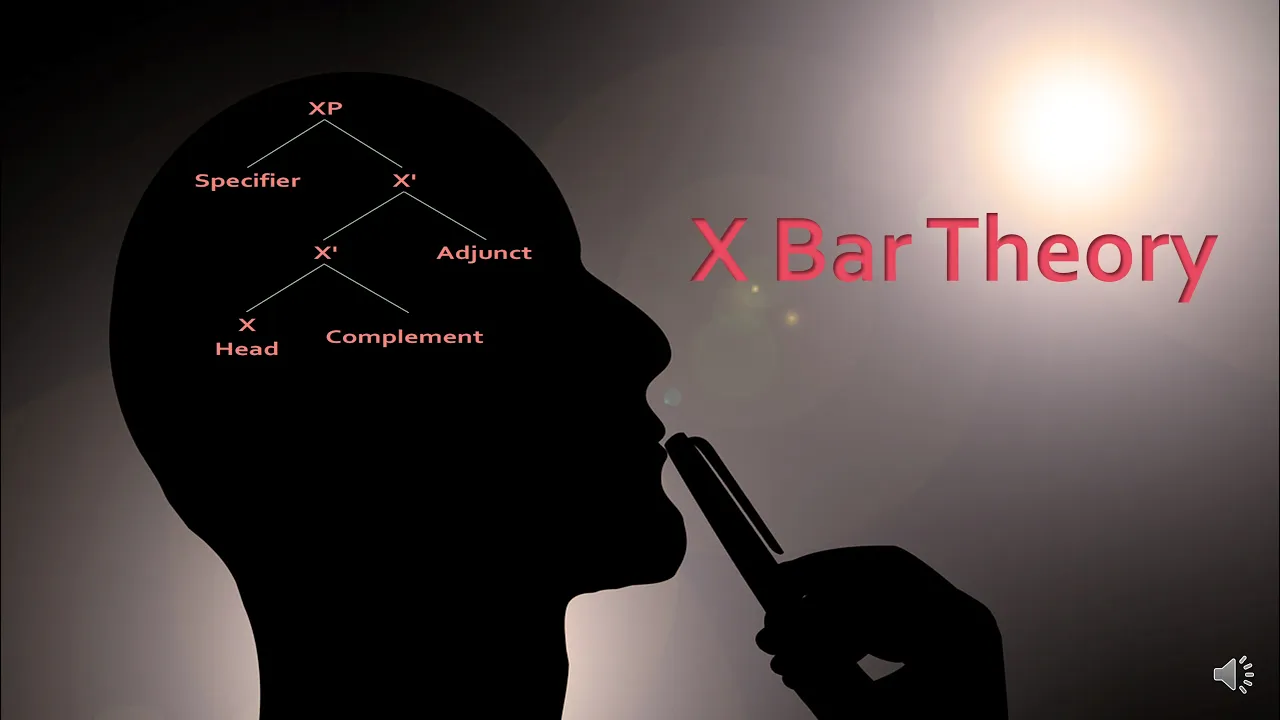
hello and welcome back to a new lecture on syntax in our previous lecture we discussed the CP we said that the CPU was a little more complicated than we thought it was at first in particular we assimilated our CP structure to X bar schema now the CP has a C bar level and a C head the question we started with in our previous lecture was why is it that C was optional in our old CP structure we found out that instead C C is actually not optional but that sometimes it could be pronounced for example with a compliments and sometimes it could be no or just unpronounce something silent therefore in all cases C is still obligatory just like the N in the noun phrase and the V in the verb phrase and so on in today's lecture we take a look at the TP or the tense phrase so far we know that the TP is as follows notice that the T is labeled as optional again we ask the same question here if this is a tense phrase why is its head optional so now we have the noun phrase verb phrase adjective phrase adverb phrase part prepositional phrase and the complimentizer phrase and in all of them we see that the head is a must it is obligatory it is only the case in our TP so far that the T is optional not only that but everything else here seems to look like we want it to look it looks like the x-bar schema so we have an intermediate level in each one the bar level under TP we are still using the multiple branching flat structure therefore we need to take a second look at TP so let's try to assimilate our TP and see what it might look like under our x-bar schema while we would have a DP subject and then maybe something called a t-bar this t-bar would give rise to our T head they will freeze but now the main problem here is that this is still optional right now we don't want this to be optional because well quite frankly so far it doesn't fit what everything else looks like it doesn't make sense for this to be the only type of freeze where its head is optional maybe there's evidence to the contrary so so far we know that under t we can have an axillary now the auxiliary we're talking about here actually has two types either we're talking about modal auxiliaries like an hood shell should will would and so on or we could have helping verbs helping verbs could be either have or be or do have could be has or have or had B could be is or R or M or was or were do could be do or did so now back to the main topic at hand so far this looks like it is optional now the question is can we make the same claim that we made for the CP in the previous lecture mainly that it is not optional but rather that sometimes there's just something that is no or not pronounced something that is silent now as a reminder the reason why we are saying it is optional in the first place is that because here we have the T modal verb will but here we don't and the sentence is still fine in both cases therefore we're saying that T is optional now is there any evidence that in fact T is not optional and that in the cases where we do not have a t element there's actually a null element that is not pronounced if you remember from our previous lecture we said that if two things were in complementary distribution that means that they are instances or examples of the same phenomenon they are of the same category let's take a look at some examples here so here are two sentences and one of them John runs fast and the other one our inflection or the thing that tells us what tense this sentence is is this auxilary is so apparently this s here tells us that we are talking about the present tense the is here also serves the same purpose therefore we could say that tense or the present tense can be suggested either by using the auxiliary is or by using the suffix the inflectional suffix s to indicate the present now how can we be sure that these are instances of the same thing that they are both tense well we need to ask are they in complementary distribution meaning if we have one is the other one blocked let's see John is runs fast here we have is and we have this and the result is a very ill formed sentence therefore we cannot have both of them at the same time either we take out is and we get John runs fast or we take out runs and we get John is fast but both at the same time as so is very ill formed so now that we know that they are in complementary distribution we can now make it clear what exactly this T can contain it can contain an auxiliary verb or it can contain the inflectional endings that we find on verbs such as the s for the present as in John plays now is there evidence that both of these the inflectional ending and the exhilarate under t apart from effects that we have just shown about complementary distribution actually there is we can go back and look at conjoining again again we only can join things that are of like nature phrases of the same type making join with other phrases of the same type they also have to be of the same level so for example an x-bar may can join with an x-bar but an X cannot conjoin within X bar and XP may not conjoin with an X or an export therefore if we find that we can can join a t-bar level with an inflectional ending and a t-bar level with a with an auxilary then we can confirm that they are both of the same type into the same level take this sentence for example I played in the mud and must go wash now what we're doing here is conjoining a so using end 1 is a t-bar level with the inflectional ending as a tee and the other is a t-bar level with a modal auxiliary as T so now we know that inflectional endings and auxiliaries are in complimentary distribution which shows us that they are of the same type and that they are both examples of the same thing their cat both under the category T and we also know that they can be conjoined meaning that they are also again the same type which is T so now we can summarize that this T element that we are talking about here again can either be an auxilary or an inflectional ending so now again the T contains our auxiliaries and our inflectional verb endings like the present s so we can easily say John will play by having will the modal auxiliary be under T great what about John plays now we know that the inflectional ending is here not here so how can we now maintain the claim that they are both under t see the problem is the axillary is to the left of the verb and the inflectional ending is usually to the right of the verb how then can both of these be under DT there's another difference now between auxiliaries inflectional endings on the bird recall that the auxilary can undergo a process called subjects auxilary inversion the inflectional ending cannot so for example in John will play we can invert the auxilary with the subject and get will John play however in John plays we cannot move this s and invert it and have it appear before the subject this cannot happen so now there are two main differences we need to account for if we were to suggest or if we are to suggest that both the auxiliaries and the inflectional endings are under T number one disappears to the left of the verb and disappears to the right this can undergo subject auxilary and version and this one cannot split off of the verb so then are we still going to maintain that both auxilary x' and inflectional endings are under t how's this going to work now one option as suggested by Chomsky is to suggest that yes both auxiliaries and inflectional endings are generated in T there is a small little difference now between auxiliaries and the inflectional endings which is that auxiliaries can stand alone but inflectional endings cannot stand alone this is an example of an inflectional ending now since they cannot stand alone what they need to do is to attach to the verb now in 1957 Chomsky suggested that there is a process called ethics lowering whereby this affix would lower and attach to the verb because it cannot stand alone so affix lowering for now is our solution to this problem now we know how this ends up being found to the right of the verb and now we know why we can't split it and use it for subject-auxiliary inversion like we can with auxiliaries later on in this course however we will look at another option besides ethics lowering which is kind of seen as only one option another option we'll look at later on actually raises the verb instead of lowering the ethics but we'll leave that until later to summarize then our TP now looks just like any other x-bar schema phrase and now we have a clear reason to suggest that T is actually not optional it is obligatory so in sentences like John played we use the sentence to suggest that T was optional because there is no T here well now we know that the actually there is a T which was the IDI and that we lowered it and attached it to the verb because it can't stand alone just like we see here so now everything seems to fit perfectly and now our phrase structure rules look very beautiful they all look very symmetrical again here is our tense phrase and if you notice everything looks very similar now and in each and every one there is a matrix level an intermediate bar level and they had which is obligatory and every single one great now we have a very uniform looking Theory see in the next lecture you [Music]
Up Next

13:19
The DP Hypothesis in Generative Syntax | Noun Phrase Structure
@edinburghLangScience
47.1K views•2014-10-08
36:52
Constraint Interaction in Optimality Theory: Epenthesis & Deletion
@Vidyamitra
180 views•2018-08-20
16:02
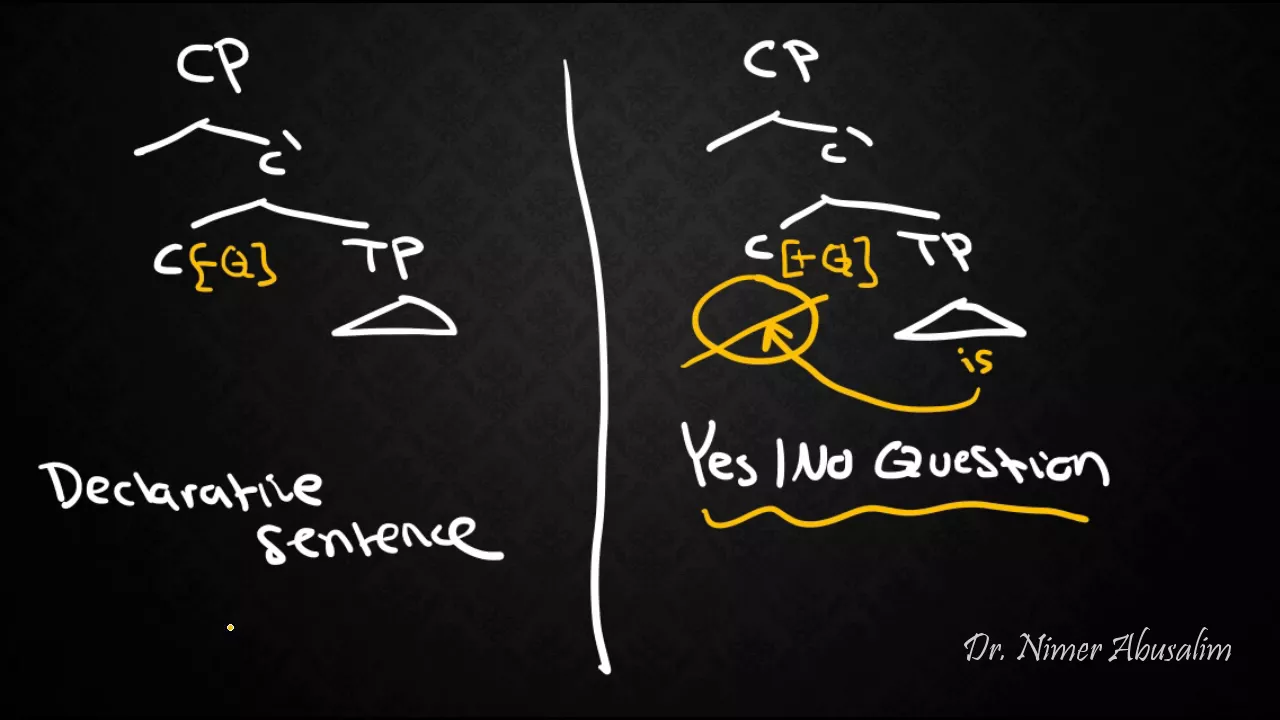
CP in X-bar Syntax: Yes/No Questions & Clause Structure
@DrNimerAbusalim
31K views•2017-09-30

21:32
Accent Expert Explains U.S. Regional Dialects | Part 1
@WIRED
9.3M views•2021-01-21
Related Study Plans & Knowledge Roadmaps
Structured learning paths in Linguistics
linguistics
Optimality Theory: Tableaux & Constraints
01Phonological Basics: Sounds, Syllables & Rules
02Foundations of Optimality Theory: GEN, CON, and EVAL
03The Constraint Inventory: Markedness vs. Faithfulness
+ 2 more learning modules
15h5 modules
Explore Roadmap
linguistics
Morphosyntactic Alignment: S, A & P Systems
01Foundations of Syntax: Transitivity and Arguments
02The Linguistic Variables: Mapping S, A, and P
03Nominative-Accusative Alignment
+ 3 more learning modules
12h6 modules
Explore Roadmap
linguistics
Analyzing Sign Language: Phonology & Syntax
01Foundations of Sign Language Linguistics
02Phonology: The Five Parameters of a Sign
03Morphology: Word Formation and Classifiers
+ 2 more learning modules
14h5 modules
Explore Roadmap
linguistics
Pragmatics: Speech Acts, Grice & Politeness
01Introduction to Pragmatics: Meaning in Context
02Grice’s Cooperative Principle & Implicature
03Speech Act Theory
+ 2 more learning modules
14h5 modules
Explore Roadmap