![[Syntax] X-Bar Theory - Practice Sentences](https://i.ytimg.com/vi_webp/CIFOSEvcsT4/maxresdefault.webp)


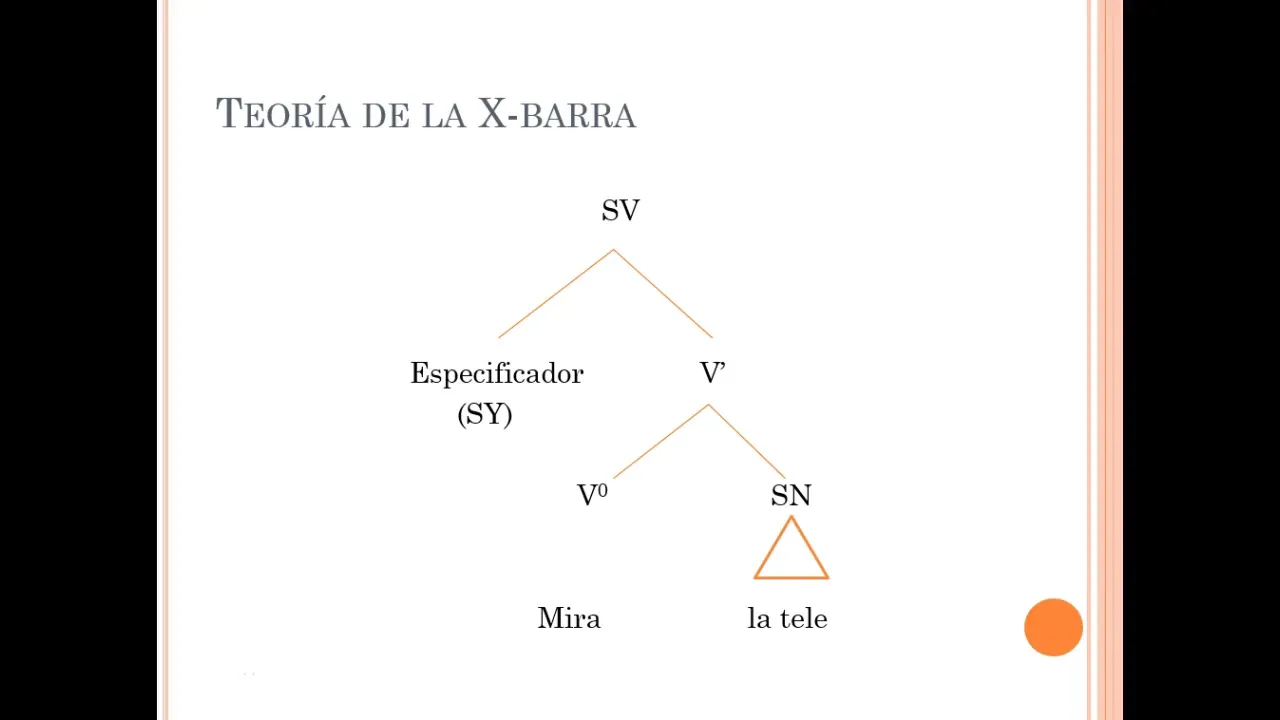


![[Introduction to Linguistics] Phrase Structure Rules, Specifiers, Complements, Tree Structures](https://i.ytimg.com/vi_webp/tyLnW7rwnOU/maxresdefault.webp)
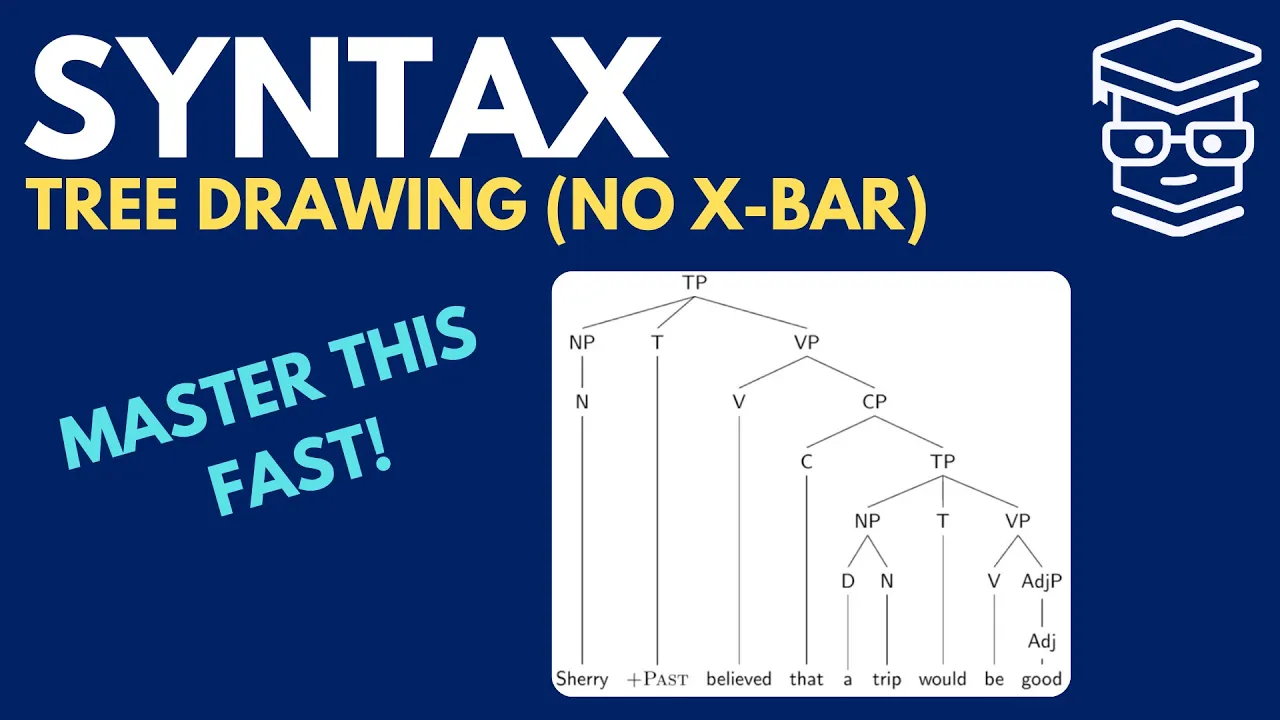





![[Syntax] Constituents](https://i.ytimg.com/vi_webp/Ia7d4slVL6s/maxresdefault.webp)



![[Syntax] Wh-Questions and Movement](https://i.ytimg.com/vi_webp/ZZC5L6hU300/maxresdefault.webp)

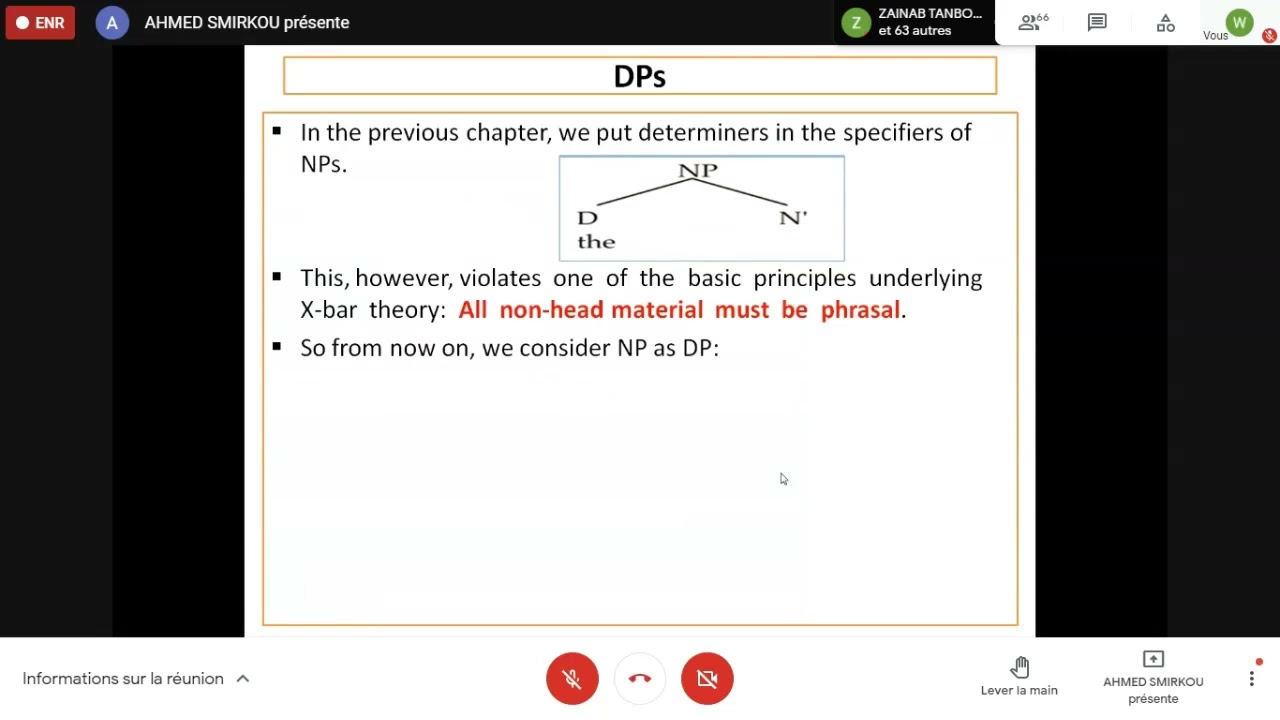







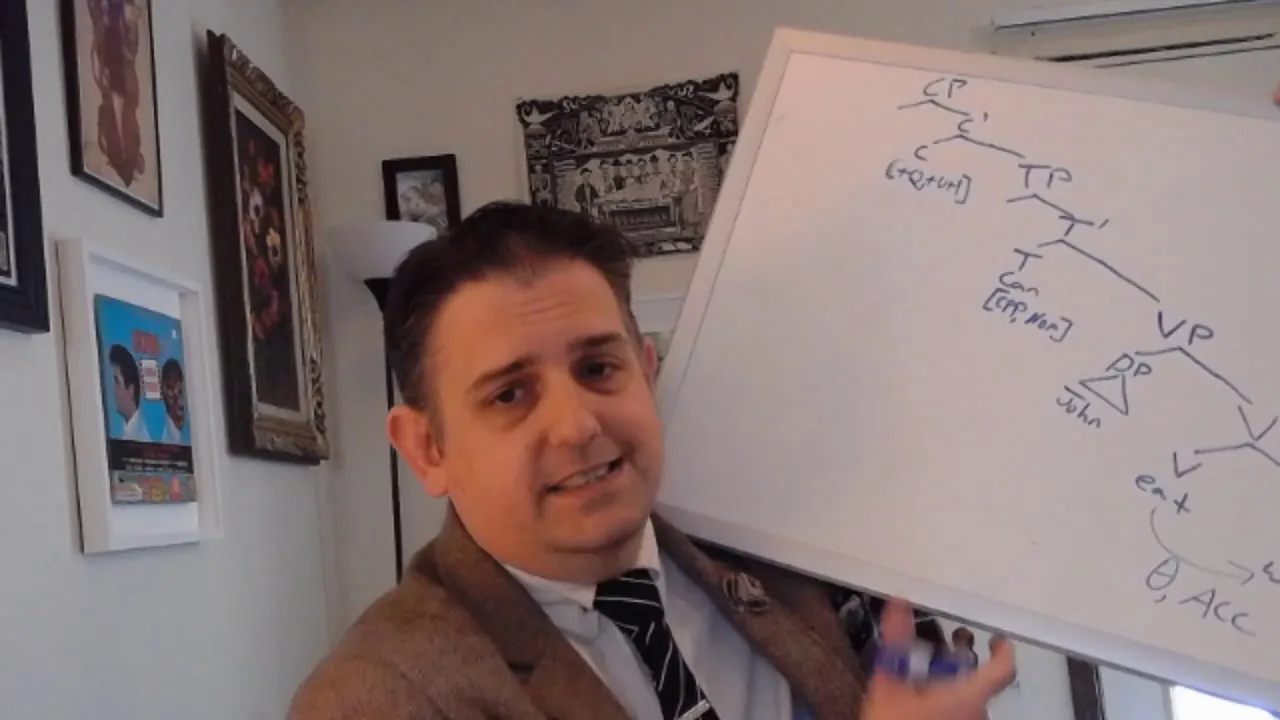
All clauses in syntax have a CP (Complementizer Phrase) structure with a TP (Tense Phrase) embedded within it; languages form yes/no questions through either subject-auxiliary inversion (when the question particle is null) or dedicated question particles (like Irish 'an' or English 'if'), which occupy the C position and trigger the +Q feature that distinguishes question clauses from non-question clauses.
CP in X-bar Syntax: Yes/No Questions & Clause Structure
Added:The foundational principles of X-bar Theory, including the structural distinctions between Specifiers, Heads, and Complements.
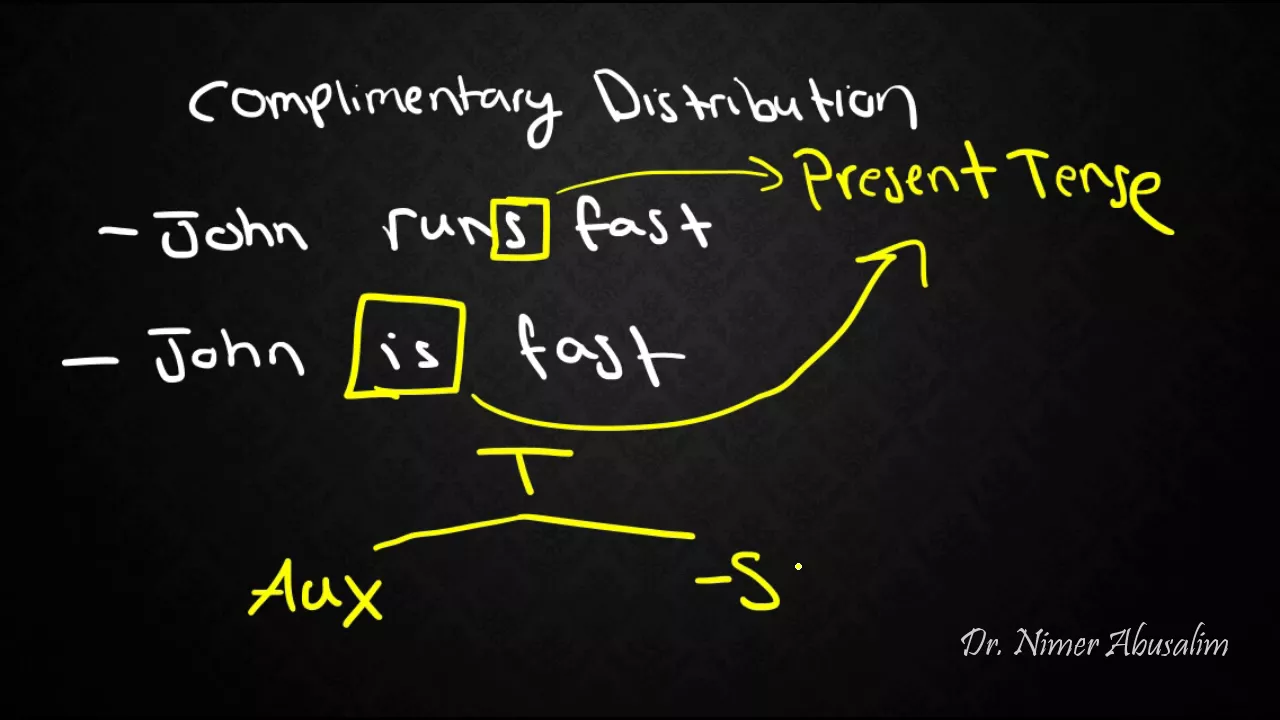
The structure of the Tense Phrase (TP) and how it represents traditional sentence nodes with Tense/Auxiliary as a functional head.
The distinction between lexical categories (such as Verbs and Nouns) and functional categories (such as Auxiliaries and Determiners).
Basic constituent testing and syntactic tree diagramming for simple, declarative sentences.
Wh-movement and the syntax of constituent questions, specifically analyzing how phrases move to the Specifier of CP (Spec, CP).
The syntax of subordinate, embedded, and relative clauses, analyzing how CP functions to link multiple propositions.
Cross-linguistic syntactic variation, such as Verb-Second (V2) word order in Germanic languages and head-directionality parameter settings.
Advanced cartographic approaches to clause structure, such as Rizzi's 'Split CP' hypothesis which decomposes CP into Force, Topic, Focus, and Finiteness phrases.
31K views461likes16:02Original Release: 2017-09-30
hello and welcome back to a new lecture on syntax in the previous lectures we discussed x-bar notation when it comes to the noun phrase verb phrase adjective phrase adverb phrase and a prepositional phrase now if there's one thing we've noticed it's that in each type of phrase the head is obligatory sometimes it is even the only obligatory part that there are two more phrase types that we still haven't talked about and that really don't fit this equation so far that is the CP and DTP in our rules so far for CP PC or the complimentizer is optional and T P as well the T is optional now this is rather strange given that every other type of phrase has its head as the obligatory part widen is it the case that within the CP this C is optional and within the TP and T is optional as well for example I could say I know that he is nice but I can also say I know he is nice without this therefore within this CP C seems to be optional likewise the T seems to be optional as well in this sentence John will kick the ball will here stands in T but it's also optional I could easily say instead John kicked the ball alright so what's going on here so far our CP looks like this we have an optional see our TP looks like this where we have an optional T so in every other type the head is obligatory and the CP and the TP it seems as if they are not obligatory and not only that they don't seem to fit the whole x-bar schema for example we don't see any C bar levels for example we also don't see any T bar levels this means we have to investigate CP + TP just a bit more if we were to apply the x-bar schema to CP then we would get a C bar level and we would have our C head and it's complement of course the TP now to really get some insight into what the CP is and how it functions we need to look at yes/no questions are yes/no question is a question that you can answer with either yes or no for example did John eat his lunch has Mary done her homework is John your friend and so what we know so far is that an a yes/no question will take for example the sentence John is your friend to form a yes/no question we move the main clause the first main Clause auxilary to the beginning of the sentence therefore we get is John your friend here's an interesting question we know that the sentence or the main clause so far is what we call the T P where then is this auxilary heading to where is it going it seems like it's going to somewhere that is outside of the T P but where could there be a CP on top of this T P as well so how are we going to find out well first let's try to locate exactly where this auxilary goes during creating a yes/no question now in English we can create the eternal question again by moving the auxiliary before the subject we call this phenomena subjects auxilary and version so we move the auxilary before the subject therefore we get is John nice but now the question is can we do the same movement inside of an embedded clause so again we can move this is for the subject and now we have is John nice now here we have an embedded clause which we know is a CP because there is a complementizer the question now is can we perform subject-auxiliary inversion so here we are I know is that John nice this sentence sounds very ill-formed here's the second one I know that is John nice again this sounds horrible why might that be the case well let's think about our suggested CP structure we said our CP would involve a teepee and a complementizer if this is the way the structure of the CP is therefore we should get the complimentizer that right here and the teepee john is nice right here now if we were to move this is all the way up to here would that work it wouldn't work how do we know well because this is ill-formed here we are here we have the is right before the complementizer that so here we cannot place the auxilary what about the second option to have our auxilary in front of the complimentizer well the problem is there is no place for it to land and again if it does go to see as well as you can see C is already filled with that so apparently here we notice that we can't have two different things under the same node but again remember that in the case where there was not an existing CP like here in these two inverting the auxilary before the subject was okay so we can hypothesize that the complementizer has something to do with subject of inversion now there's a second way to create yes/no questions English uses subject dogs inversion Irish on the other hand has a dedicated particle that it uses to signal yes/no questions that particle is are a famous example found in carnies syntax of Irish is the following now I'm not going to pretend like I can actually pronounce this but are shown a word for word is he means fall Shan means John and our is the question particle which does not exist in English in English this roughly means or corresponds to did John fall notice that in English we have thus objectives that are in version we we invert the axillary did before the subject but an Irish there is a question particle therefore so far we can say that languages have two different methods to form a yes/no question one is subject auxin version and the other is the use of a question particle so if the language does not have a dedicated question particle then it might resort to subject auxiliary the question particle sits under the C node or the complimentizer node but recall that we are looking for universality we are looking for the chance to make hypotheses about all the world's languages we're looking for the similarities between languages now just by looking at Irish since Irish has this dedicated particle Irish as well does not have subject dogs and version now basically what that means is that subject odds and version and question particles are in complimentary distribution which basically means that when one occurs the other one cannot and vice-versa now it is known in science that when things are in complementary distribution that means they are instances or examples of the same phenomenon so let's make a hypothesis a hypothesis that can help us find similarities between the world's languages what if we suggested that all languages of the world have a question particle all of them but the difference that we see between languages is probably this that in some languages the question particle itself is null null means that it is empty okay it is not pronounced great so in ink we could say they're here as well under the complimentizer we have a question particle but this question particle is empty it is no lie but let's suggest that in creating a question next to this complementizer we want this complementizer to be a question so let's say we give it a plus Q feature which means that this would designate this clause as a question clause but the problem is there's nothing here to fulfill the question particle so what does the language do it borrows the first auxilary from the main clause and it shifts it up to here to fulfill this need so let's summarize really what we're saying here we're saying here that in a yes/no question clause the SI wants to designate this clause as a yes/no question clause and therefore has a plus Q feature a clause that is not a question would have of course a minus Q feature so let's suggest that as long as you have a plus Q feature then you need to have something pronounced under C great but what is it now an Irish they already have something that they can use which is a question particle or in English this is empty we do not have a question particle in English so what do we do we borrow the auxilary from the main clause and we put it under C therefore we would get something like this is John nice so let's summarize what we're suggesting here we're suggesting that even in a declarative sentence we have a CP root node we used to suggest that this was a TP now we have an extra layer of CP on top and what we're suggesting is that to form a yes/no question we move the first auxilary up to see when we want to make a question therefore we get is nice so now basically we're suggesting that even in main clauses his structure is CP and then the rest of the TP even if this was no is that evidence now for this is there evidence that we really need a CP but see what evidence exists now there's a test that we've been using in our previous lectures which is conjoining we know that we can conjoin things that are likes things of the same nature so for example i could say the man and the woman now if i know that the man is a DP but i don't know what the woman is i would resort to conjoining katha states i can can join these two with and since they can be conjoined together successfully that means that this must also be a DP here's a sentence that's pretty famous and using this topic you can lead a horse to water but will they drink so it seems like we have two clauses here you can lead a horse to water and we'll a drink these two sentences are conjoined by the conjunction but like so now I know that this is a CP because I have what looks like subject-auxiliary inversion but I don't have subject exhilarating version in this one this is what we used to call a TP but now since I know that this is a CP and I can see that they are conjoined successfully that means this must also be a CP so let's make this bold claim that every clause must have the following structure regardless of whether it is a matrix or an embedded clause a clause that is a question or a non question so practically everything every type of clause must be a CP embedding within its ATP so now this CP is what we call our sentence question clauses differ from non question clauses in the feature that this c takes that is plus Q then it is a question clause if there is minus Q then it is a non question clause therefore both of these clauses would start off the same John is nice and is John nice they both have a CP let's look at one more piece of evidence to the claims that we've been making so far now we said that English uses subject-auxiliary inversion and that English does not have an over question particle like Irish actually some argue that if is actually a question particle used in English for example in the sentence John asked if he could play this here is our CP and now of course we know that all of this is a CP now this if here is what we're suggesting is a question particle in English now the difference between English and Irish is that Irish makes Creator use of the question particle whereas English does not but apparently there is one which is if that is available to English if that is the case and this if is really a question particle then we would expect that subject-auxiliary inversion would be blocked when if exists let's see turns out our predictions are correct since if is a question particle that means it sits in C therefore there is no need to have subject-auxiliary inversion anymore we cannot bring in could so this sentence is ill formed this one is as well so in this sentence now we know exactly what's going on we know that we have two clauses like so and that both of them are cps which are conjoined together we know that in the first clause it is not a question so it is minus Q therefore it doesn't need a question particle and it doesn't need subject-auxiliary inversion we know that the second one is plus Q it is a question therefore either we have a particle-like Irish or in English if and if this doesn't exist we will have to perform subject-auxiliary inversion in this case it is will so to summarize then we made the claim in this lecture that all clauses are cps and we've motivated this with examples from yes/no questions and evidence from conjoining in the next lecture we'll take a look at the TP and investigate its structure in more detail see you in the next lecture you [Music]
Up Next

12:36
Syntax 7.5: Affix Hopping in TP, ProgP, PerfP & VoiceP
@CarnieSyntaxthEdition
7.8K views•2020-09-01
36:52
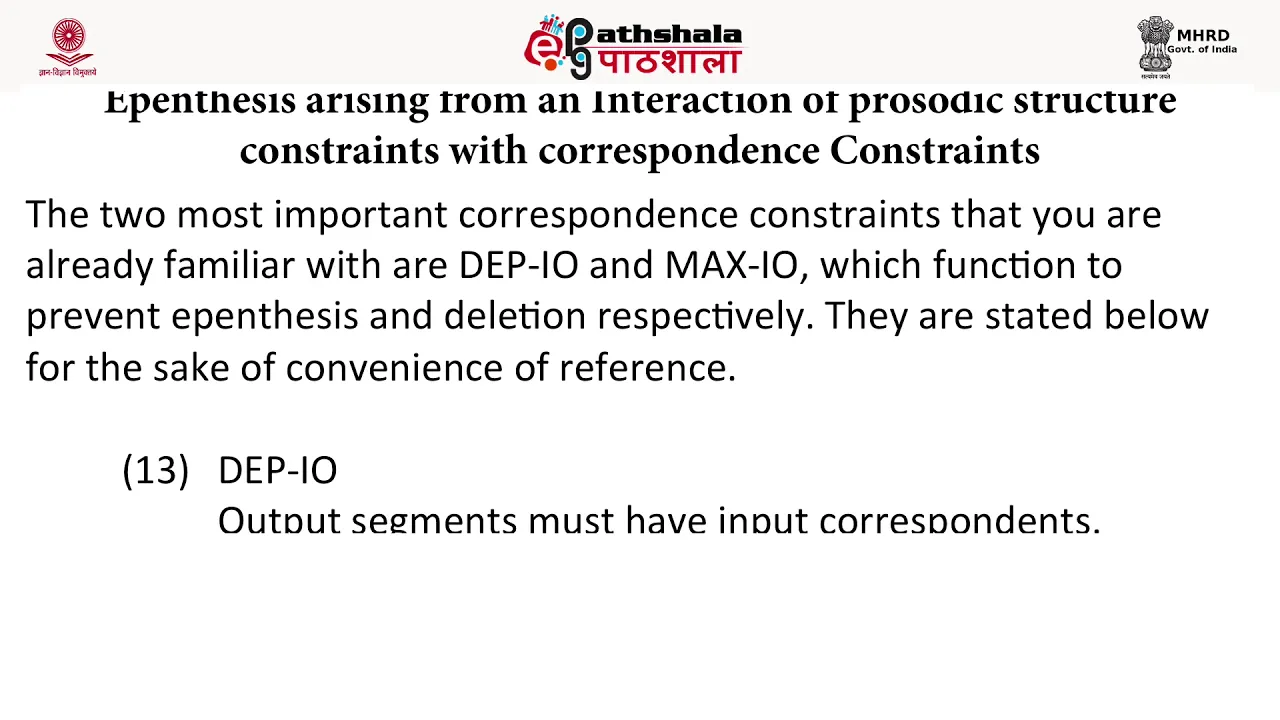
Constraint Interaction in Optimality Theory: Epenthesis & Deletion
@Vidyamitra
180 views•2018-08-20
12:31
TP in X-bar Syntax: Why Tense Heads Are Obligatory
@DrNimerAbusalim
16.1K views•2017-09-30

21:32
Accent Expert Explains U.S. Regional Dialects | Part 1
@WIRED
9.3M views•2021-01-21
Related Study Plans & Knowledge Roadmaps
Structured learning paths in Linguistics
linguistics
Optimality Theory: Tableaux & Constraints
01Phonological Basics: Sounds, Syllables & Rules
02Foundations of Optimality Theory: GEN, CON, and EVAL
03The Constraint Inventory: Markedness vs. Faithfulness
+ 2 more learning modules
15h5 modules
Explore Roadmap
linguistics
Morphosyntactic Alignment: S, A & P Systems
01Foundations of Syntax: Transitivity and Arguments
02The Linguistic Variables: Mapping S, A, and P
03Nominative-Accusative Alignment
+ 3 more learning modules
12h6 modules
Explore Roadmap
linguistics
Analyzing Sign Language: Phonology & Syntax
01Foundations of Sign Language Linguistics
02Phonology: The Five Parameters of a Sign
03Morphology: Word Formation and Classifiers
+ 2 more learning modules
14h5 modules
Explore Roadmap
linguistics
Pragmatics: Speech Acts, Grice & Politeness
01Introduction to Pragmatics: Meaning in Context
02Grice’s Cooperative Principle & Implicature
03Speech Act Theory
+ 2 more learning modules
14h5 modules
Explore Roadmap