















![DEVELOPMENT OF NEURAL TUBE IN TAMIL|EMBRYOLOGY SERIES -1|Drs Medico Handwritten Notes[EASY TO LEARN]](https://i.ytimg.com/vi/-Ja5T08ROBk/maxresdefault.jpg)


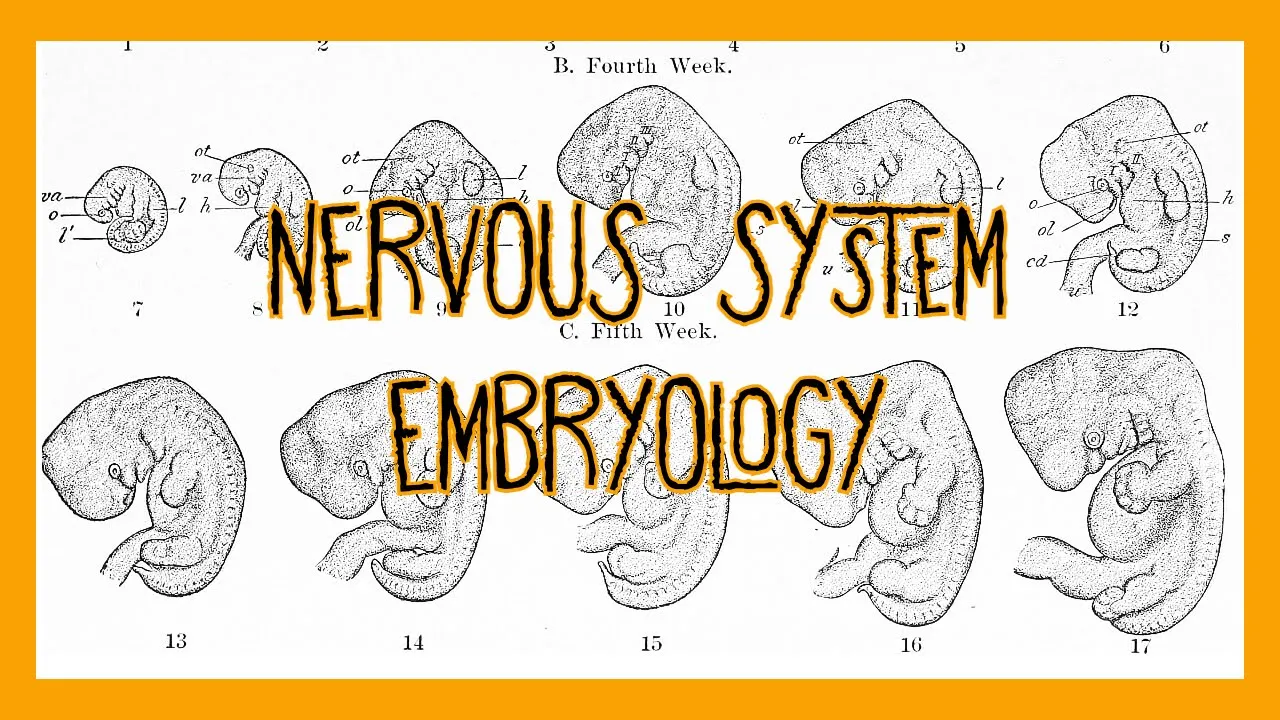
Neurulation is the embryological process where the ectoderm germ layer forms the nervous system; it begins immediately after gastrulation when mesodermal cells form the notochord, which induces the ectoderm to thicken into the neural plate, then fold to create the neural groove and neural folds that eventually fuse to form the neural tube (which becomes the brain and spinal cord) and neural crests (which become the peripheral nervous system).
Neurulation Explained: Formation of the Nervous System
Added:The process of gastrulation and the formation of the three embryonic germ layers (ectoderm, mesoderm, and endoderm).
The structure and function of the notochord and its role as an organizing center during early development.
Fundamental concepts of cellular biology, specifically cell signaling pathways, cell adhesion molecules, and cytoskeleton-driven shape changes.
The basics of gene expression regulation during embryonic development.
The differentiation of the neural tube into the primary and secondary brain vesicles and the spinal cord.
Neural crest cell migration pathways and their differentiation into the peripheral nervous system, melanocytes, and craniofacial structures.
Clinical pathologies and congenital anomalies associated with abnormal neurulation, such as neural tube defects (e.g., spina bifida and anencephaly).
The cellular mechanisms of neurogenesis, gliogenesis, and axon guidance in the maturing nervous system.
295.2K views3.7Klikes5:26Original Release: 2014-12-09
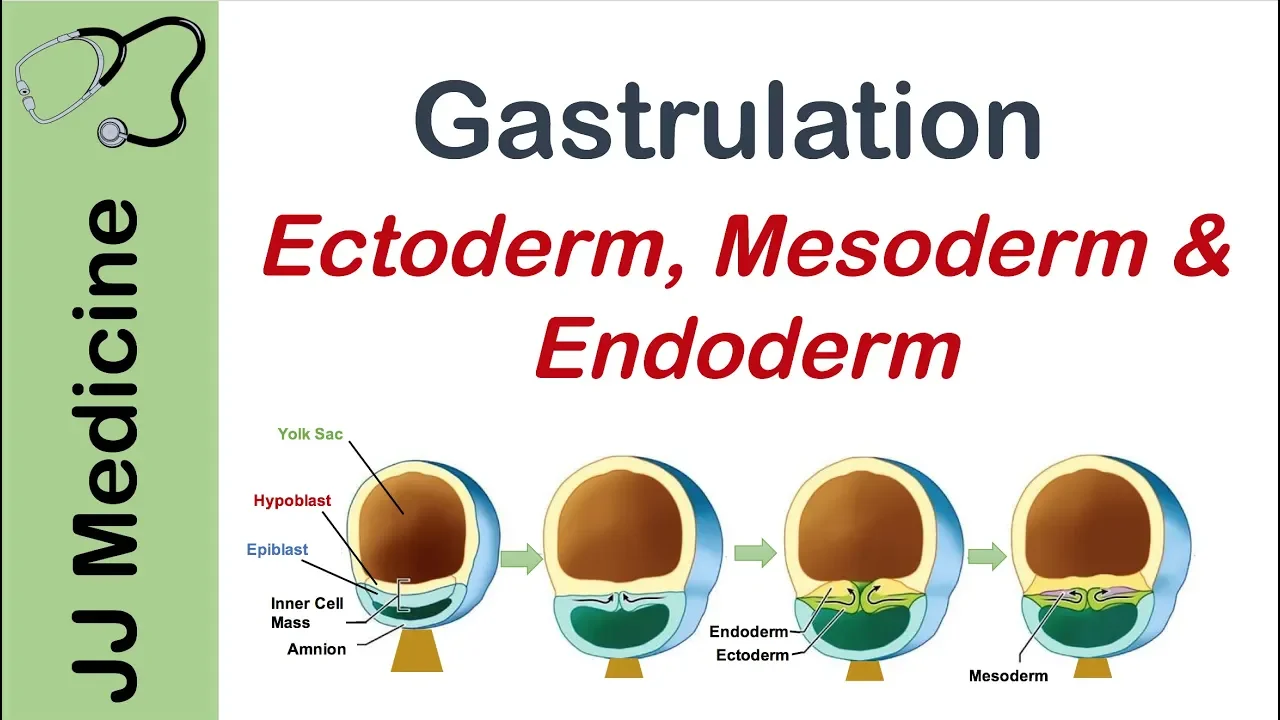
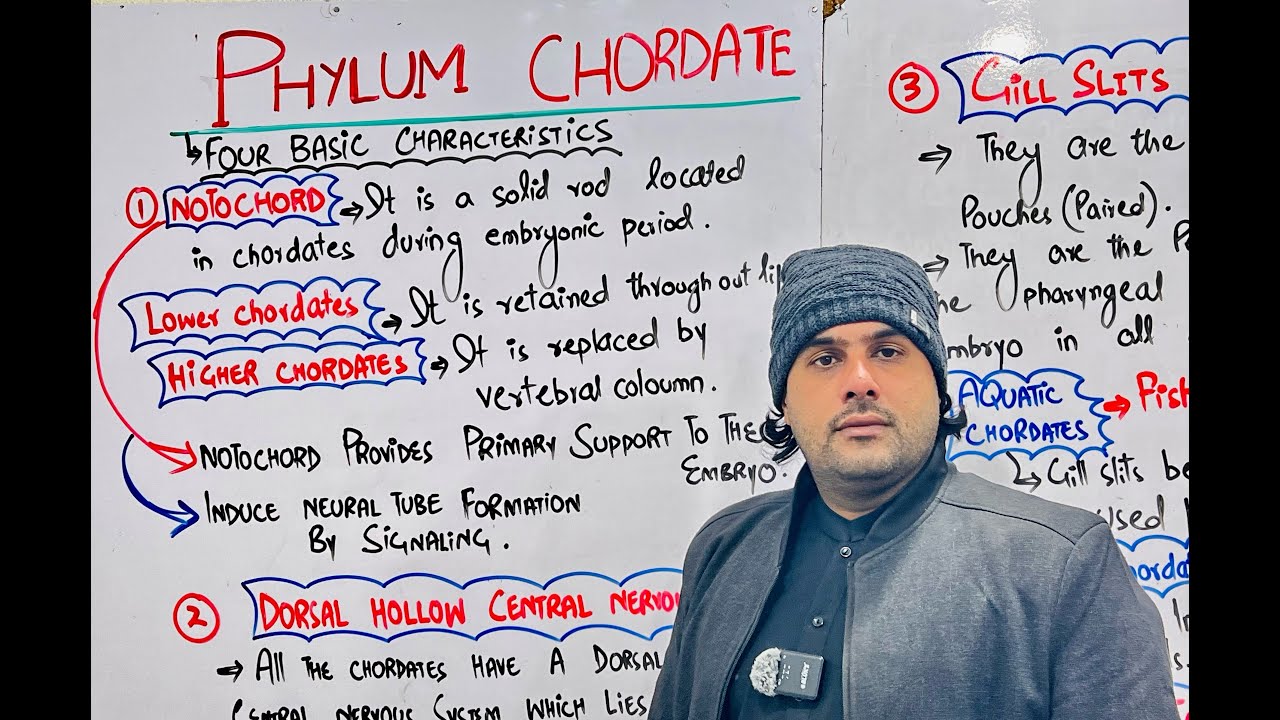
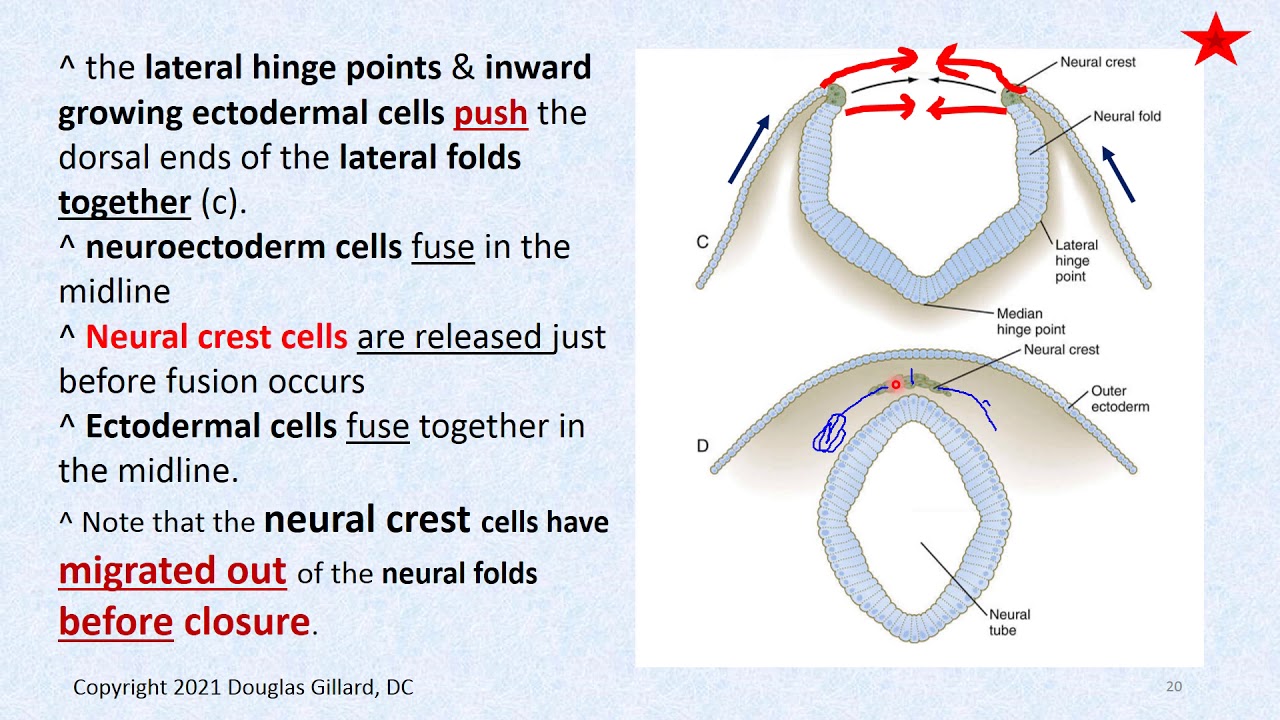
gastrulation is the process by which the three different germ layers are formed within that developing human embryo and as soon as the germ layers are formed they can begin producing the different types of structures organs and systems found within that human adult organism now the first type of system that is produced during embryological development is the nervous system and the process by which the ectoderm germ layer forms the nervous system is known as neurulation and this will be the focus of this lecture now neurulation takes place as soon as gastrulation takes place so let's begin by supposing we have a cross-section of the gastrula stage of embryological development which is shown in the following diagram so we take a cross-section and we see the following different types of cells the purple cells are the cells that make up the Tropa blast and the Tropa blast eventually forms the coron as well as the placenta now these are the three different germ layers we have the green cells that make up the endoderm we have these red cells that make up the mesoderm and we have these blue cells that make up our ectoderm now the endoderm is the germ layer that eventually forms the uh epithelia layer of our digestive tract as well as the lungs our liver and our pancreas and other structures such as the thyroid and parathyroid glands and the thymus the mesoderm forms the muscular and the skeletal system as well as the cardiovascular system the excretory system and the reproductive system while the ecoderm is what forms the skin as well as the nervous system now before these blue cells can actually organize themselves and arrange themselves and differentiate into the cells that ultimately make up the Central and the peripheral nervous system of our body what must happen is a structure known as the noord must actually form and the noord is formed from the cells found in the mesoderm germ layer so the mesodermal cells basically form a structure known as the noord and a noord is a cylindrical collection it's a cylindrical Rod of cells that runs all the way along the entire length of that developing embryo so in this diagram we form the noord from these red mesodermal cells so if we zoom in on the following diagram we get the following picture and this structure here is the not Accord it goes into the board and it comes out of the board and it runs along the entire length of that developing organism because remember this is only a crosssection of that entire developing organism that's why the not cord looks like a circle now what exactly is the point of the noord well the cells found in the noord are responsible for stimulating and inducing the thickening of the ectoderm region this section here to produce a structure known as the neurop plate and it's the ectodermal cells of the neurop plate that eventually give rise to the central and the peripheral nervous system so what the notore does is it stimulates the outward motion the outward movement the invagination of the neurop plate of this section here towards the not cord and what we begin to produce is something called The neurl Groove and these two folds we call the neurl fold so these are the two neural F folds and this is the neural Groove that is produced as a result of that out W motion of this central portion of the neural plate now the continual outward motion of that neural plate eventually brings these two neural folds together so this should be neural neural um folds so it brings the two neural folds together and when it folds when these two touch they basically form this cylindrical structure known as the neural tube and we also have these two tiny extensions known as the neural crests now the neural tube eventually forms the brain and the spinal cord so it's the neural tube that eventually forms the central nervous system on the other hand it's these two neural crests that give rise to the peripheral nervous system so so they give rise to the ganglia that is found outside the brain and the spinal cord and this process by which we form the neural tube and the neural crest and eventually they give rise to the central nervous system and the peripheral nervous system this process is known as neurulation and it takes place as soon as we form the ecoderm layer during the process of gastrulation
Up Next
18:58
Neurulation: Formation of the Neural Tube | Embryology
@drsumitgupta
51.9K views•2023-08-28
50:12
Bacterial Communication: Quorum Sensing and Biofilm Formation Explained
@JHUAAP
12.6K views•2011-06-28

7:47
Post-Translational Modifications Explained: Types & Functions
@AKLECTURES
136.8K views•2014-09-11
7:08
Bacteriophages: Earth's Deadliest Killers and Future Antibiotics
@kurzgesagt
34.6M views•2018-05-13
Related Study Plans & Knowledge Roadmaps
Structured learning paths in Biology
biology
RNAi: Biogenesis, RISC & Gene Silencing
01Molecular Biology Foundations: DNA to Protein
02Introduction to RNA Interference (RNAi)
03Molecular Biogenesis of miRNA and siRNA
+ 2 more learning modules
10h5 modules
Explore Roadmap
biology
Mycorrhizae: Signaling, Biophysics & Ecology
01Foundations of Mycorrhizal Symbiosis
02Molecular Signaling and Root Colonization
03Biophysics and Bioenergetics of Nutrient Exchange
+ 1 more learning modules
11h4 modules
Explore Roadmap
biology
Circadian Clocks: TTFL, SCN & Periphery
01Foundations of Molecular Biology & Gene Expression
02Introduction to Chronobiology and Actograms
03The Core TTFL: Molecular Architecture of the Clock
+ 3 more learning modules
14h6 modules
Explore Roadmap
biology
Population Genetics: Math, Drift & Selection
01Genetic & Probability Foundations
02The Hardy-Weinberg Principle and Baseline Models
03Mathematical Modeling of Natural Selection
+ 3 more learning modules
18h6 modules
Explore Roadmap