
![Ascensão dos ideais nazi fascistas [Contemporânea][Historiante EAD]](https://i.ytimg.com/vi/m4OA5lAs3DU/maxresdefault.jpg)






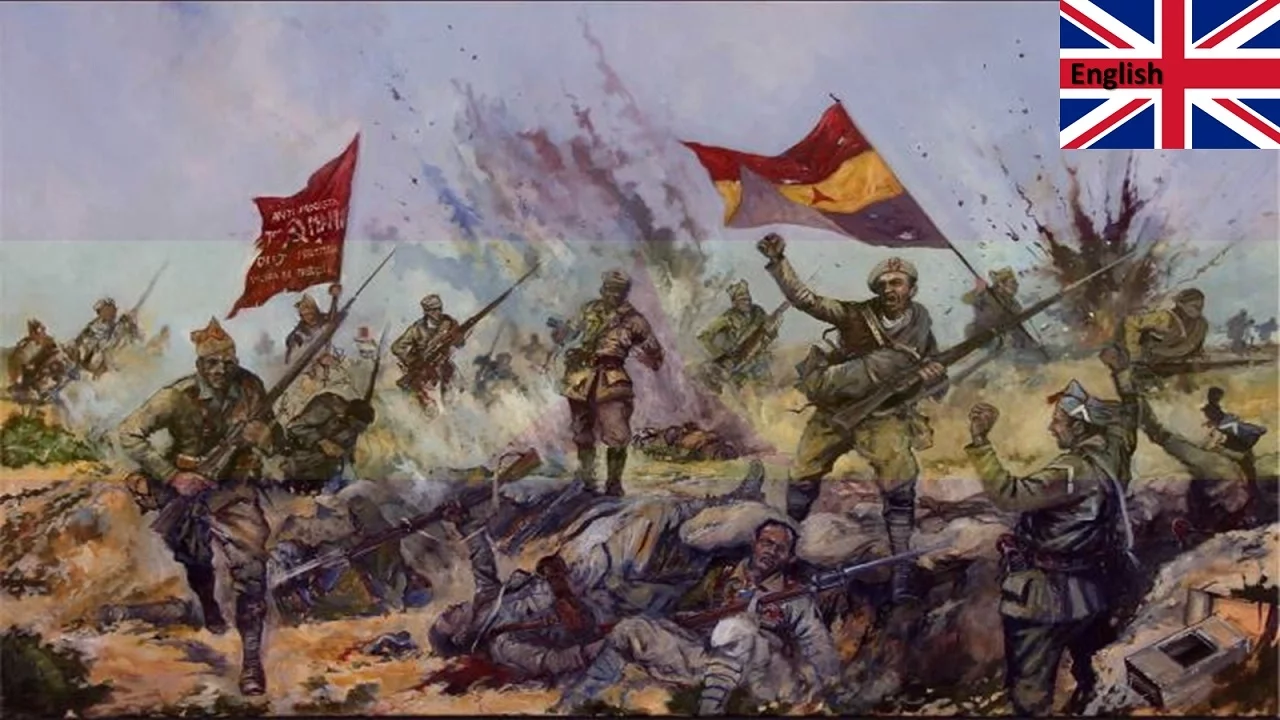
![🇪🇸 La Guerra Civil [1936-1939] 🌐 HISTORIA de ESPAÑA](https://i.ytimg.com/vi_webp/eOB_WsRTm1E/maxresdefault.webp)



![ЭРНЕСТ ХЕМИНГУЭЙ. Лучшие книги: ТОП-5 [ погружение ]](https://i.ytimg.com/vi/17WXHaRRESU/maxresdefault.jpg)


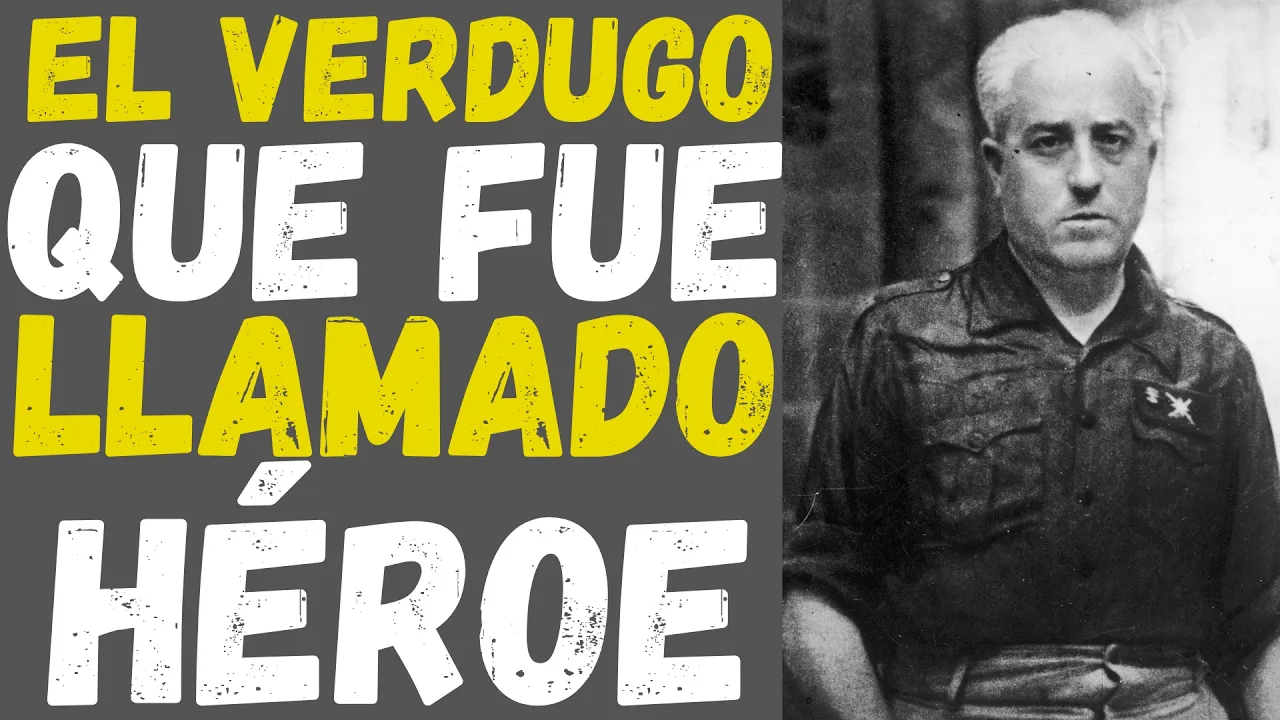


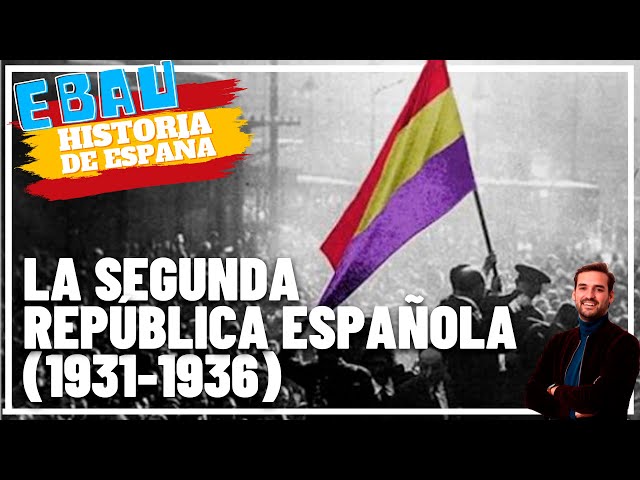
The Spanish Civil War (1936-1939) emerged from deep-seated social and economic tensions following the establishment of the Second Spanish Republic in 1931, which promised progressive reforms but failed to address widespread poverty, unemployment, and class conflict, ultimately triggering a violent civil conflict that drew international attention as a precursor to World War II.
Spanish Civil War Origins: 1936 History Documentary
Added:Understanding of early 20th-century political ideologies, particularly the rise of fascism, communism, anarchism, and democratic republicanism in Europe.
Familiarity with the establishment and instability of the Second Spanish Republic (1931–1936), including its radical land reforms and anti-clerical policies.
Knowledge of the historical, powerful influence of the Roman Catholic Church and the military elite in Spanish society and politics prior to the 1930s.
The broader geopolitical landscape of Europe in the 1930s, including the Great Depression and the fragile balance of power between European democracies and expansionist totalitarian regimes.
An in-depth study of the military course of the Spanish Civil War (1936–1939), focusing on key battles, the siege of Madrid, and the foreign intervention of Nazi Germany, Fascist Italy, and the USSR.
Analysis of the decades-long Francoist Dictatorship (1939–1975), its economic policies, political repression, and eventual transition to democracy.
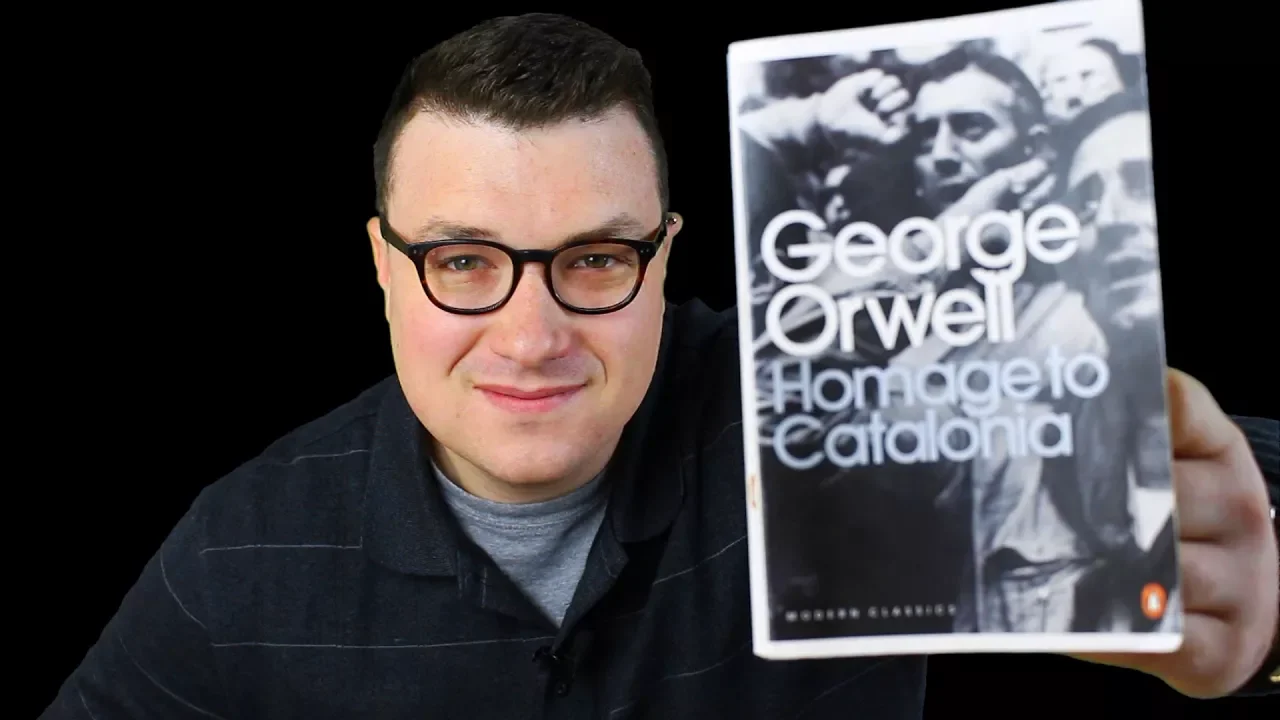
Exploration of the cultural and literary impact of the war, including George Orwell's 'Homage to Catalonia', Ernest Hemingway's 'For Whom the Bell Tolls', and Pablo Picasso's masterpiece 'Guernica'.
Investigation of modern Spain's struggle with historical memory, specifically the 'Pact of Forgetting' and contemporary political debates surrounding the exhumation of mass graves.
21.9K views63likes9:22Original Release: 2010-09-14
[Music] oh [Music] [Applause] [Music] no this was the town of Bel in Spain when the Spanish Civil War ended in 1939 it was left in its ruins to serve as a memorial to the devastation of Spain in one of the most Savage civil conflicts Europe has ever [Music] seen the Civil War lasted from 1936 to 1939 it cost perhaps half a million lives it ruined cities towns and Villages for some the victors it was a crusade against Godless Revolution for others the defeated it was a struggle against the forces of reaction that had oppressed Spain for gener [Music] Generations the Spanish Civil War still haunts the world's imagination many came to see it as a Prelude to the second world war the first battle between democracy and fascism thousands of volunteers came to fight and die in a foreign land for ideals they believed to be their own but the Spanish knew that the war had Spanish causes it was after all their country that was ruined their history that [Music] exploded 40 years on the dictatorship has dissolved and the survivors can speak more freely they can question some of the myths they can evoke something of what they saw and understood during the Spanish Civil [Music] War [Music] [Applause] on July 17th 1936 a group of army officers rebelled against the government of the Spanish Republic workers took up arms to fight the rising and what began as a military coup led to almost 3 years of Civil War for both sides political opponents became enemies to be hunted down and killed the Republic an Bonita the beautiful girl 5 years before the Civil War joyful demonstrations throughout Spain agreed to the proclamation of the [Music] Republic [Music] the monarchy had fallen without violence to the crowds the Republic meant that Spain had broken through to the 20th century to progress to a long delayed victory for social and economic change it was an April Day Spring like it was a mild day with Sunshine so we walked and there were huge throngs of people in lorries the few cars that there were in those days in trams and then unexpectedly and surprisingly Republican Flags appeared everywhere nobody knew where so many had come [Music] from while the crowds rejoiced King Alonso was spending his final hours in the Royal Palace [Applause] only weeks before he had led the solemn Palm Sunday ceremonies unaware that the monarchy was doomed over the years one part of Spanish Society after another had lost faith in the monarchy the middle class despised Alonso the 13th for tolerating a 7-year military dictatorship the ruling classes now fear the king could no longer protect them and for the workers out on the streets that day the monarchy was the clamp holding an oppressive system together two days before on April the 12th royalist parties were heavily defeated in local elections suddenly the king understood his own isolation while Spain rejoiced he went unresisting into Exile the King was replaced by a government of mostly middleclass liberals but their plans for an advanced democracy were out of step with history elsewhere in Europe liberalism was weakened by economic depression poison by [Applause] dictatorship the government was releasing huge forces in this tightly repressed Society the class hatreds of The Agrarian poor and of the rapidly growing working class yet these Republican optimists and their socialist allies thought that orderly reforms would soon transform the nation Hino dear was a member of that first Republican government of 1931 there was this feeling of freedom for many years Publications had been subject to censorship and academic freedom had been restricted now there was a general Trend towards freedom and also new laws to create a social and economic order that would be more just and more egalitarian the farm laborers and the industrial workers underpaid almost unprotected and frequently unemployed hoped that the Republic would immediately end exploitation and break the part of the old ruling classes ntiso Hulan was a young socialist at the time the the Republic brought great hope among the working class that their aspirations would be satisfied that was the main feeling among industrial workers and for centuries peasants had longed to own land industrial workers wanted their union rights recognized the right to strike to a fair salary to social benefits that they didn't have social security and so on so here were all these social and economic problems that had to be solved the arrival of a democratic regime of the Republic meant so much for a vast majority of workers the hope that all these aspirations would come true
Up Next
20:07
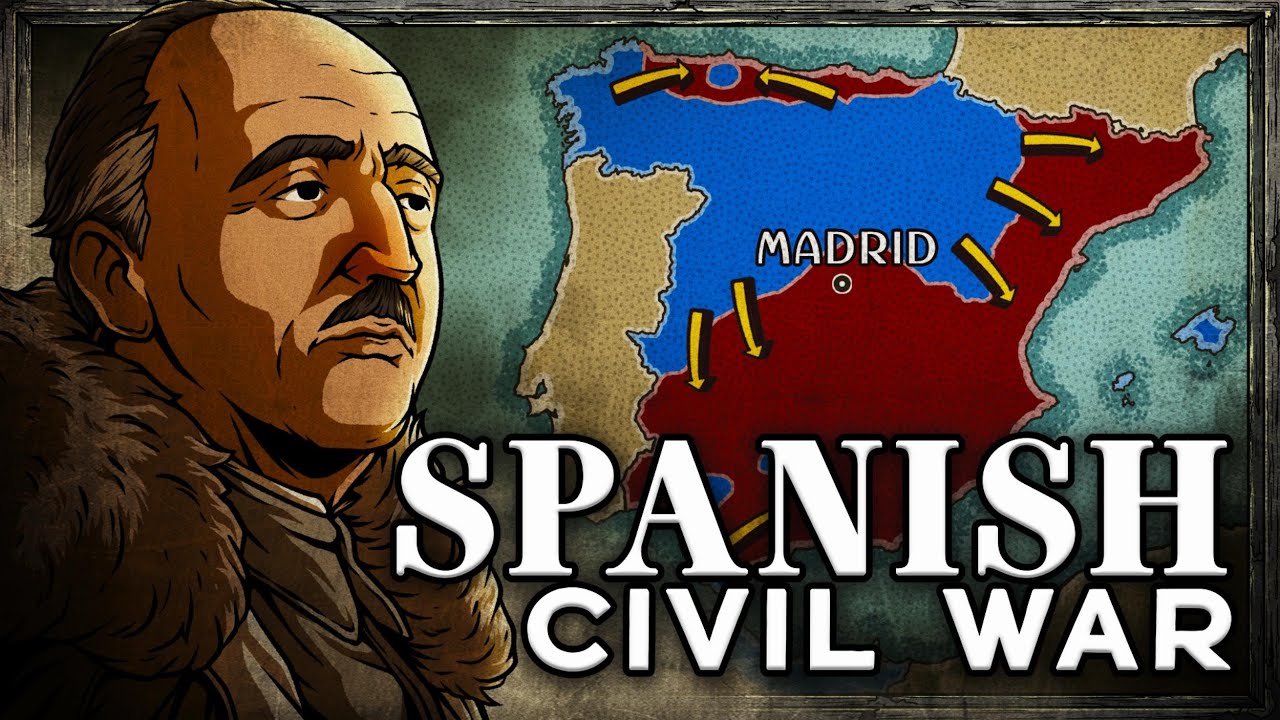
Spanish Civil War (1936-1939): Causes, Key Events, and Aftermath
@TheArmchairHistorian
313.8K views•2025-12-13

33:02
The Great Schism of 1054: Causes and Consequences
@SacredCathedrals
113.5K views•2026-02-19
91:57
The Geopolitics of the Ukraine War and the Rise of Global Autocracy
@JordanHarbingerShow
468K views•2025-04-19
17:05
Understanding the Cold War: Superpower Conflicts and the Road to Détente
@OverSimplified
46.1M views•2019-01-24
Related Study Plans & Knowledge Roadmaps
Structured learning paths in History
history
Byzantine Iconoclasm: Theology, Art & Politics
01Foundations of Byzantium and Early Christian Images
02The First Iconoclasm: Leo III and the Crisis of Images
03Empress Irene, Nicaea II, and the Second Iconoclasm
+ 2 more learning modules
9h5 modules
Explore Roadmap
history
Iranian Revolution (Causes, Events & Legacy)
01The Pahlavi Dynasty and the Roots of Discontent
02The Spark of Rebellion and the Rise of Khomeini
031979: The Fall of the Shah and the Climax of the Revolution
+ 2 more learning modules
8h5 modules
Explore Roadmap
history
Mali Empire: Mansa Musa, Trade & Timbuktu
01Foundations of the Mali Empire
02The Trans-Saharan Gold and Salt Trade
03The Reign and Pilgrimage of Mansa Musa
+ 1 more learning modules
6h4 modules
Explore Roadmap
history
1947 Partition: Politics, Borders & Legacies
01Foundations of British India and the Divide
02The Political Negotiations and the Mountbatten Plan
03Drawing the Boundary: The Radcliffe Line
+ 2 more learning modules
8h5 modules
Explore Roadmap