











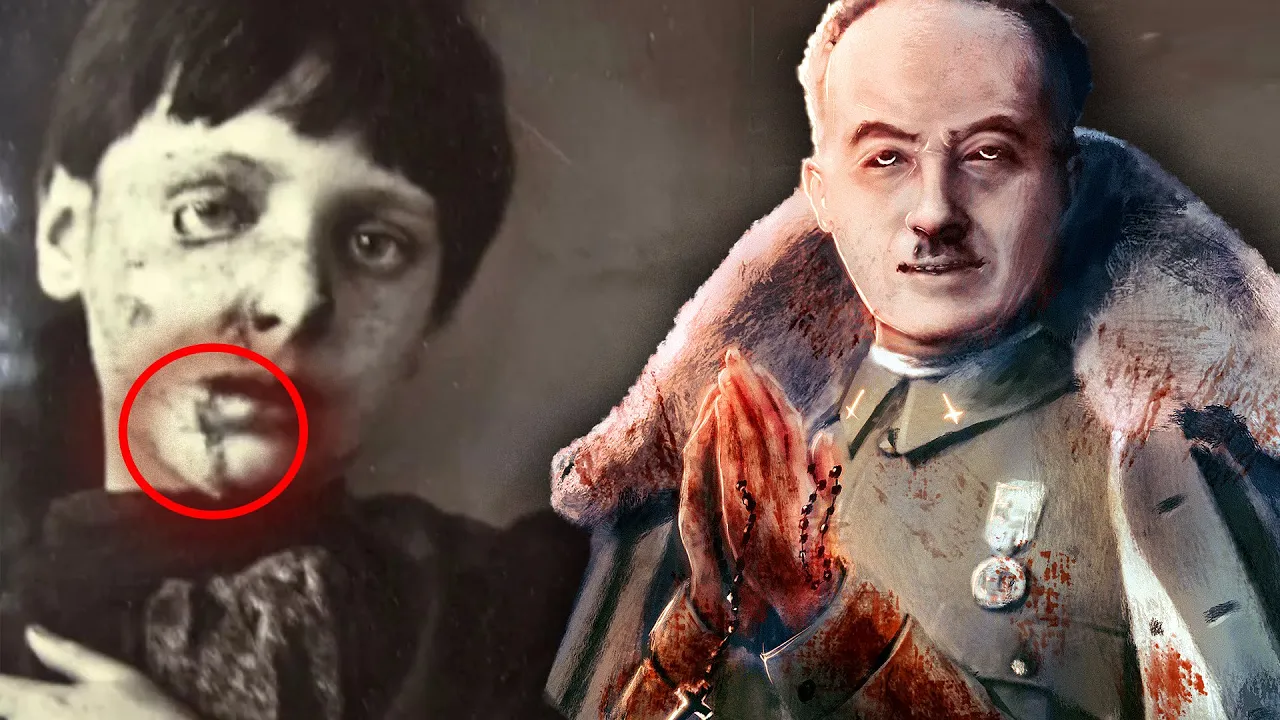
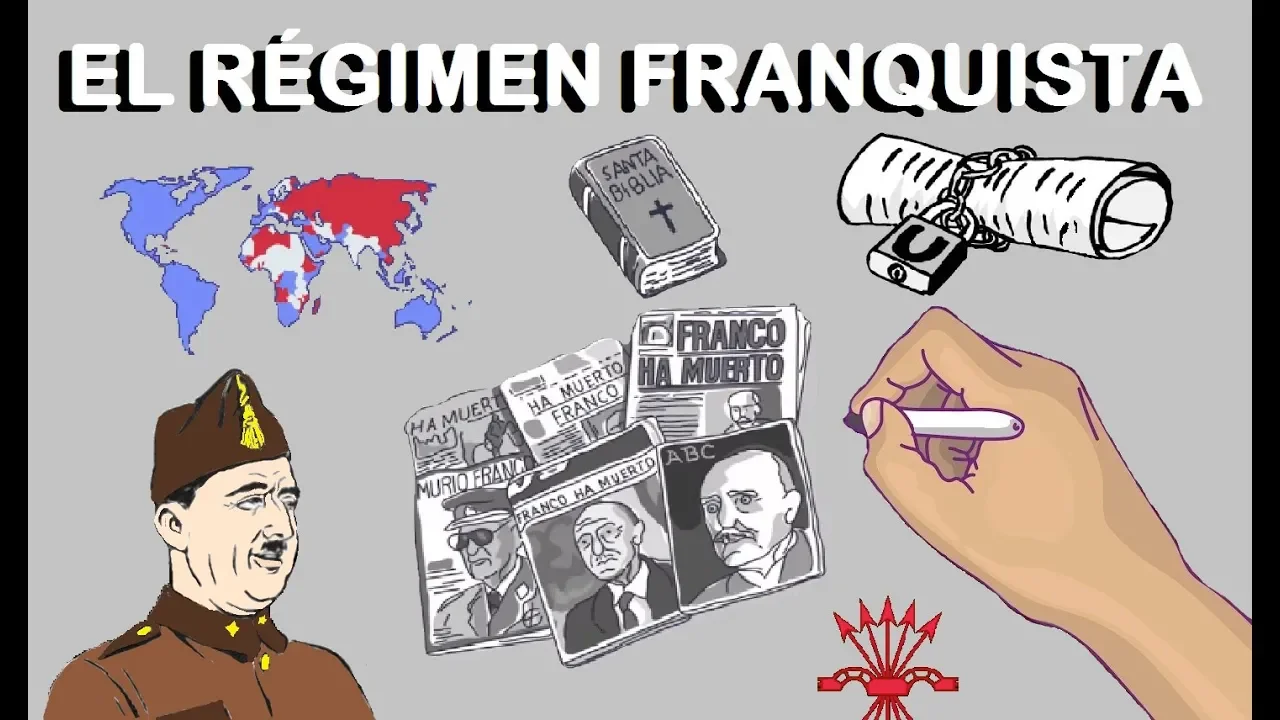
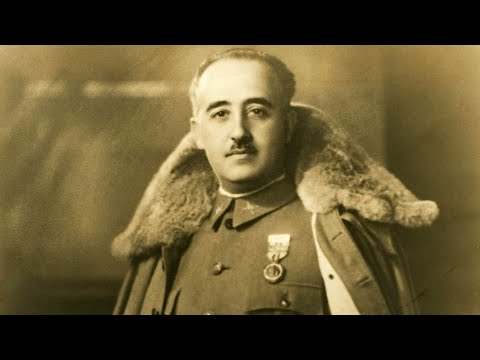






The Spanish Civil War (1936-1939) was a pivotal proxy conflict that pitted Nationalist forces led by General Franco against Republican defenders, with the war serving as a testing ground for emerging military tactics and ideological warfare that would later define World War II; the conflict resulted in over 340,000 deaths and demonstrated how Western democracies' non-intervention policies enabled fascist aggression, ultimately validating Hitler and Mussolini's expansionist ambitions while establishing Franco's authoritarian regime that would dominate Spain for decades.
Spanish Civil War (1936-1939): Causes, Key Events, and Aftermath
Added:The rise of totalitarian ideologies in 1930s Europe, specifically Italian Fascism, German Nazism, and Soviet Communism.
The establishment and political instability of the Second Spanish Republic (1931–1936), including its radical land, military, and church reforms.
A foundational understanding of competing 20th-century political philosophies, including anarchism, socialism, monarchism, and fascism.
The geopolitical climate of interwar Europe and the policy of non-intervention adopted by democratic powers like Great Britain and France.
The consolidation and characteristics of Francisco Franco's authoritarian regime (Francoist Spain) from 1939 to 1975.
The Spanish Civil War's role as a tactical and technological dress rehearsal for World War II, particularly the involvement of the German Luftwaffe and Soviet armor.
Spain's transition to democracy after Franco's death, the 'Pact of Forgetting' (Pacto del Olvido), and contemporary debates over historical memory and mass graves.
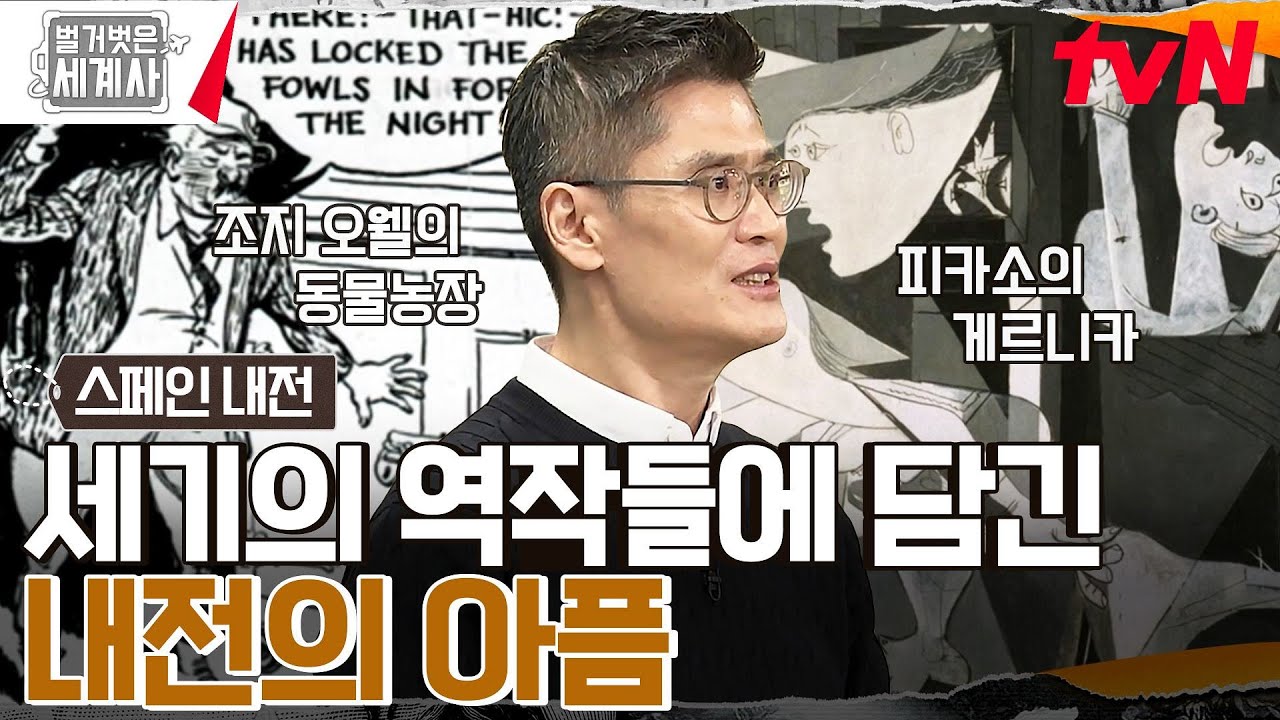
The cultural and artistic legacy of the conflict, analyzed through masterpieces like Picasso's 'Guernica' and literary accounts by George Orwell and Ernest Hemingway.
313.8K views15.8Klikes20:07Original Release: 2025-12-13
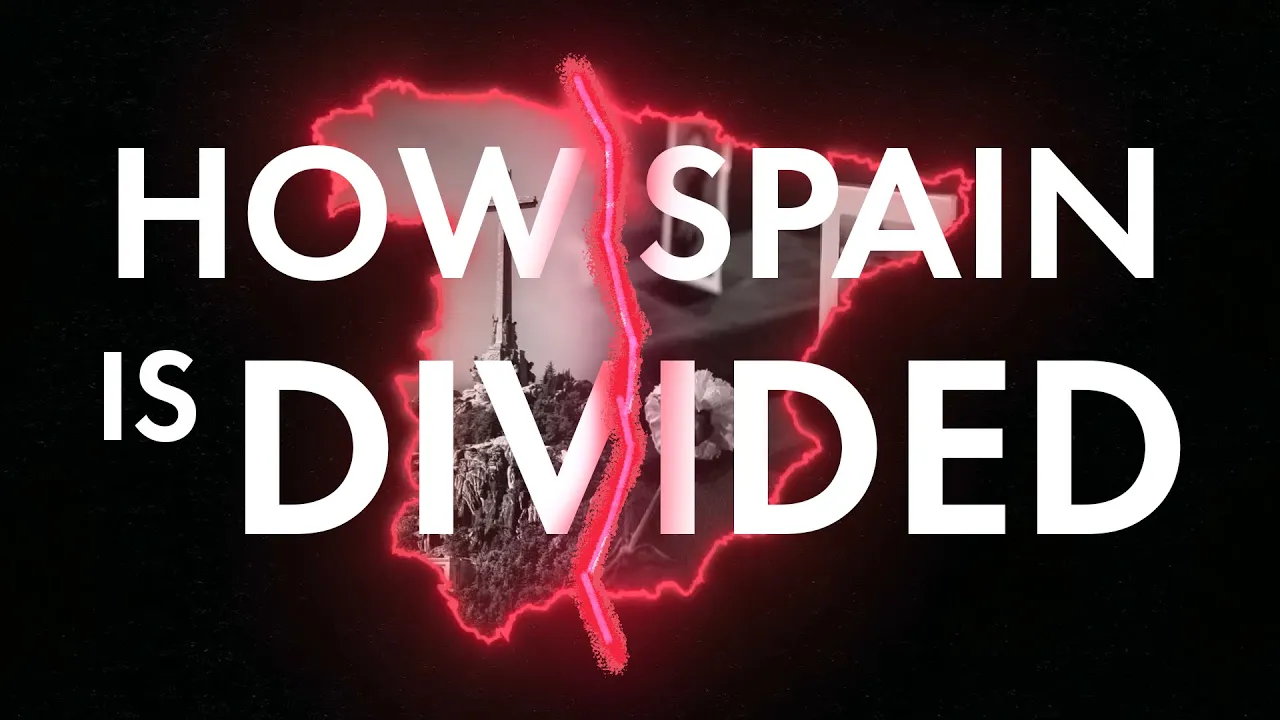
Spain entered the 20th century divided.
A growing liberal movement clashed with an entrenched system of bureaucrats, landowners, and clergy manipulating politics to preserve power, influence, and the general status quo. In 1923, General Miguel Primo de Rivera seized power with King Alfonso I 13th's backing. His dictatorship alienated both the elites and the left before collapsing in 1930.
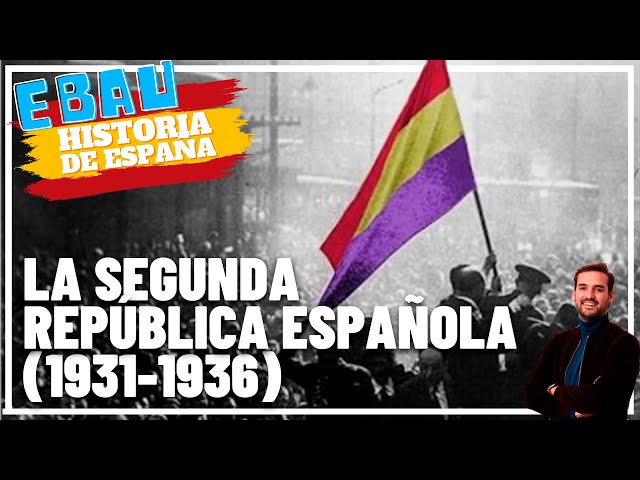
A year later, support for the monarchy had evaporated. King Alfonso fled and the second republic was proclaimed. From the outset, the republic faced pressure from all sides. The left pushed radical reforms curtailing the church, army, and landowners, which the right saw as an existential threat. A failed coup by General Jose Senorho in 1932 only deepened leftist fears of a fascist conspiracy against these reforms. After a right-wing electoral win in 1933, many of the reforms were finally reversed leading to major unrest in the country. In 1934, miners in Astrusius launched an insurrection, but were crushed by troops under General Francisco Franco. By 1936, new elections saw the left-wing popular front narrowly win elections amid allegations of fraud. For much of the right and the military, this new government was unacceptable.
Plans for a military uprising had been in motion for months, directed by General Amelio Mhola in the north.
General San Horho, who had been exiled since his failed 1932 coup, was chosen as a symbolic leader. General Franco was also invited. Though initially cautious with his own exile in the Canary Islands, he agreed to join shortly before the coup began on July 17th, 1936. Using rumors of a far-left plot as justification, the generals struck first. Franco secured the army of Africa in Spanish Morocco. While on the mainland, the nationalists seized much of western and northern Spain. However, they failed to capture Madrid. For now, all the coup had achieved was splitting the nation in two. However, the divide between nationalist rebels and the Republican left was not so simple. Both sides were coalitions, each with competing visions. For the Republicans, the main objective was to defend the elected government from the nationalists.
However, maintaining a united front would be difficult thanks to the surge of violent revolutionary groups that sprang up in response to the rebellion.
The face of the popular front was arguably the liberals whose center-left parties helped propel Manuel Azana into the position of prime minister and later the president. The liberals wanted to build a modern secular democracy but were left relying on more radical elements of the popular front after the military's coup attempts had severely weakened republican control over the country. Of these radical elements, the socialists and communists made up the bulk of the popular fronts workingclass movements. The socialists were split between their own moderate and radical wings, while the smaller Communist Party of Spain had to contend with the anti-Stalinist Marxists.
Beyond these camps were groups like the [music] powerful National Confederation of Labor and Iberian Anarchist Federation who were often lumped together as the CNT FAI.
Unlike the other factions, the Anarchists were unique in that they rejected the idea of a state in any form. Ultimately, their goal was not to save the republic, but to build libertarian communism in the aftermath of the war. Defeating the nationalists would help that cause. So for the time being, they aligned themselves with the popular front. Lastly, there were the regional nationalists who had little in common with the radical left or the central government. Groups like the Basque Nationalist Party [music] and Republican left of Catalonia sided with the republic because it had promised them autonomy, something the right-wing nationalists would never [music] give.
For these separatists, the end goal was independence, and they saw the Republicans [music] as their best bet.
Contrasting the Republicans were the nationalists, who were more unified in purpose, if not ideology. Whatever their allegiance, the right-wing all agreed that their common enemies were communists, liberals, and separatists, who were all conspiring to destroy the Spanish nation. The core of the rebellion was the Spanish army with its most ruthless and effective leaders being the Africanistas, veterans of Spain's brutal wars in Morocco. For them, the campaign had to be waged with the same terror tactics once used in North Africa. Behind the military stood the monarchists, an everpresent force in [music] Spanish politics. In one camp were the Alfonsoists who wished to restore the exiled King Alfonso [music] I 13th. In the other camp were the older Carists who clung fanatically to the belief that the rightful successor would come from the descendants of Don Carlos, the Count of Molina. Another extremist faction was the Spanish fan, a fascist party founded in 1933 by Miguel Primo de Rivera's eldest son, Jose Antonio. By the time of the war's outbreak, Joseé Antonio was already languishing in prison. Yet, the fan's membership swelled with right-wing youths eager to combat the red menace.
The Lanhists took to the streets against anarchists and communists and were involved in the political violence that took place between February and July of 1936.
Lastly was the Catholic Church who took a vocal stand alongside the nationalists framing the coming war as a righteous crusade against godless bulsheism. It blessed the nationalist armies and provided a moral pretext for the brutal repression that followed. Their endorsement of the nationalists was something that the leftists would remember going into the war.
Before we continue, I'd like to thank today's sponsor, Thorum. Makers of unique rings and minimalist patent pending watches and jewelry crafted for people who want something truly original. Thorum has been creating rings since 2012 using highquality and unique materials like meteorite, whiskey barrels, dinosaur bone, Damascus steel, and even World War II rifle stocks. Each ring is built with comfort fit technology for an easy natural feel. And every piece is hand assembled and polished in the US with meticulous craftsmanship ensuring it's made to last a lifetime. And speaking of lasting, every item comes with a lifetime warranty. If anything ever happens to your ring, Thorm will replace it, no questions asked. Our own animation manager has been searching for the perfect wedding bands for his upcoming nuptules, and Thorm sent him an incredible set made from 4.5 billionyear-old Gibian meteorite inlaid into 18 karat rose gold tungsten carbide. Thorm also provides paper ring sizers you can measure at home, and all orders ship within one business day with free worldwide shipping. Every purchase includes a free silicone activity ring, perfect for workouts, hiking, or any hands-on job, as well as a ring box made from American walnut. Every ring should tell a story. Whether you're looking for a wedding band, an anniversary gift, or just a ring that looks amazing, use the link in the description or head to thorum.com and use code armchair for 20% off. A truly one-of-a-kind ring.
General Mhler's uprising was off to a bad start, having only captured Seville and Sarraosa after bloody confrontations with leftist worker militias. Meanwhile, Republicans had kept Madrid under their control while also securing Barcelona, Valencia, Malaga, and Bilbao. A further setback for the nationalists came after the sudden death of General San Horho who was killed in a plane crash while returning from exile. Though largely symbolic, his loss was a heavy blow. As the monarchist politician Jose Ignasio Escobar later recalled, "We were stunned. The idea that our movement, though triumphant, was now going to develop along lines other than those which we expected, struck fear into our hearts.
Franco, however, fared better. With the Army of Africa and its hardened Moroccan regulares, he captured Spanish Morocco with ease. His new problem was crossing the Strait of Gibralar, as most of the Spanish Navy had gone over to the Republic. The solution came with German and Italian help. Under Operation Magic Fire, Luke Vafa transports buried over 15,000 of Franco's troops to the mainland in July and August.
On the Republican side, help was scarce.
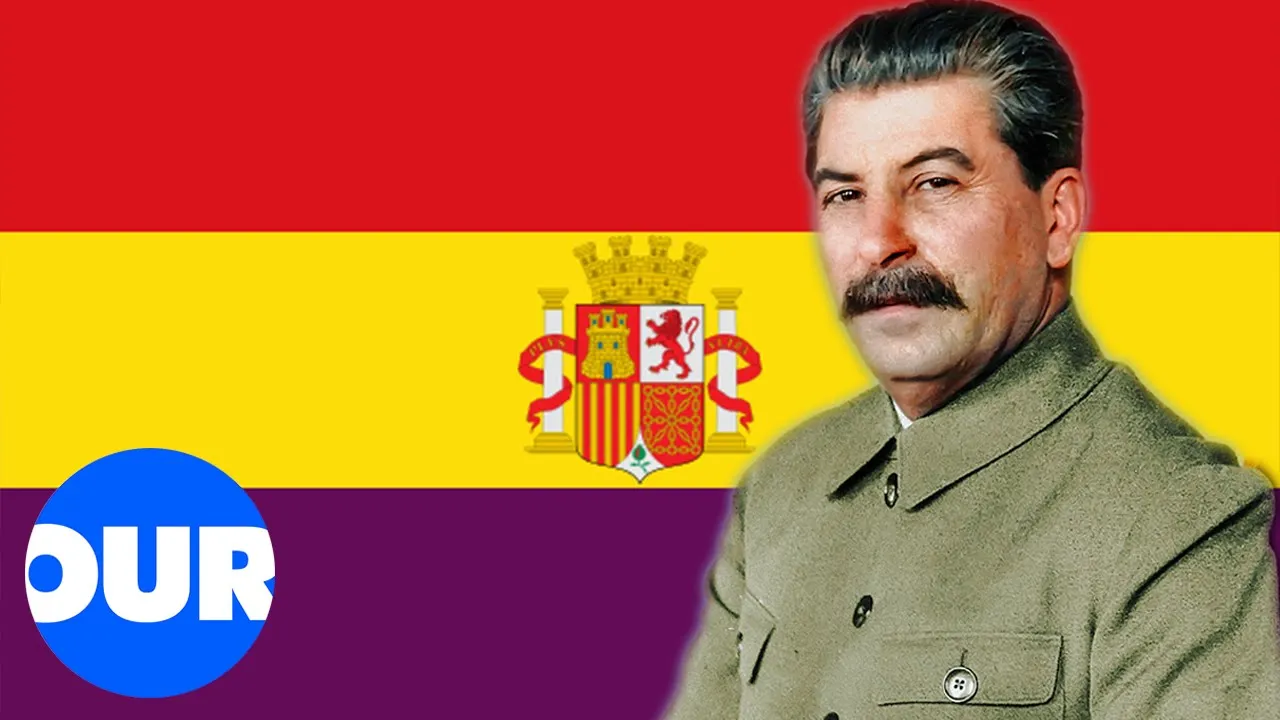
Western powers enforced a strict embargo under the non-intervention committee, choking off arms supplies while turning a blind eye to covert aid flowing to the nationalists. Besides a modest amount of funds and material from Mexico, the Republic's only real lifeline came from the Soviet Union, which began supplying tanks, aircraft, and advisers in September. Stalin's aid, however, came with strings attached, empowering hardline communists within the popular front and fueling nationalist claims that the republic had become a bolevik puppet. It was hard to refute the accusations as the right exposed the anti-clerical and class violence that erupted throughout Republican held territories, claiming a total of over 55,000 lives. However, the nationalists were not innocent either, as they likewise committed their own share of atrocities that claimed over 75,000 lives. These war crimes would continue on both sides for the rest of the war.
In Republican zones, anti-clerical fury exploded into the red terror. Churches and monasteries were burned while thousands of priests and nuns were executed with estimates putting the clergy death toll alone at nearly 6,800.
Landowners, aristocrats, and anyone branded as fascist were often shot without trial. One of the most infamous examples were the Pericquelos massacres near Madrid, where thousands of prisoners, including children, were executed by Republican militias.
The nationalists responded in kind with a white terror that was more systematic and enduring. In their zones, anyone tied to unions, liberal politics, or suspected Republican loyalties could be arrested, tortured, and shot. Teachers, mayors, journalists, and intellectuals were signaled out as enemies of God and country. Thousands were taken on nighttime walks to the outskirts of towns where they were executed and left in ditches as warnings. In Battleos, after the city fell to Franco's African troops, between 2,000 and 4,000 civilians were massacred in a single week. For those involved, it often seemed arbitrary. Francisco San Pedro, a Republican officer, recalled asking a prison chaplain why he had spent 7 years in prison when he had committed no crime. The priest replied, "You were on the point of being shot, but you weren't." The same could very well have happened to me had things turned the other way around. Your side lost, and the rest, whether you robbed or killed, matters not a lot. Many who have committed murders are still alive, and many who didn't have been shot. You've been in prison seven years because you lost the war. These tit fortat atrocities were simply used as a tool of political and religious vengeance.
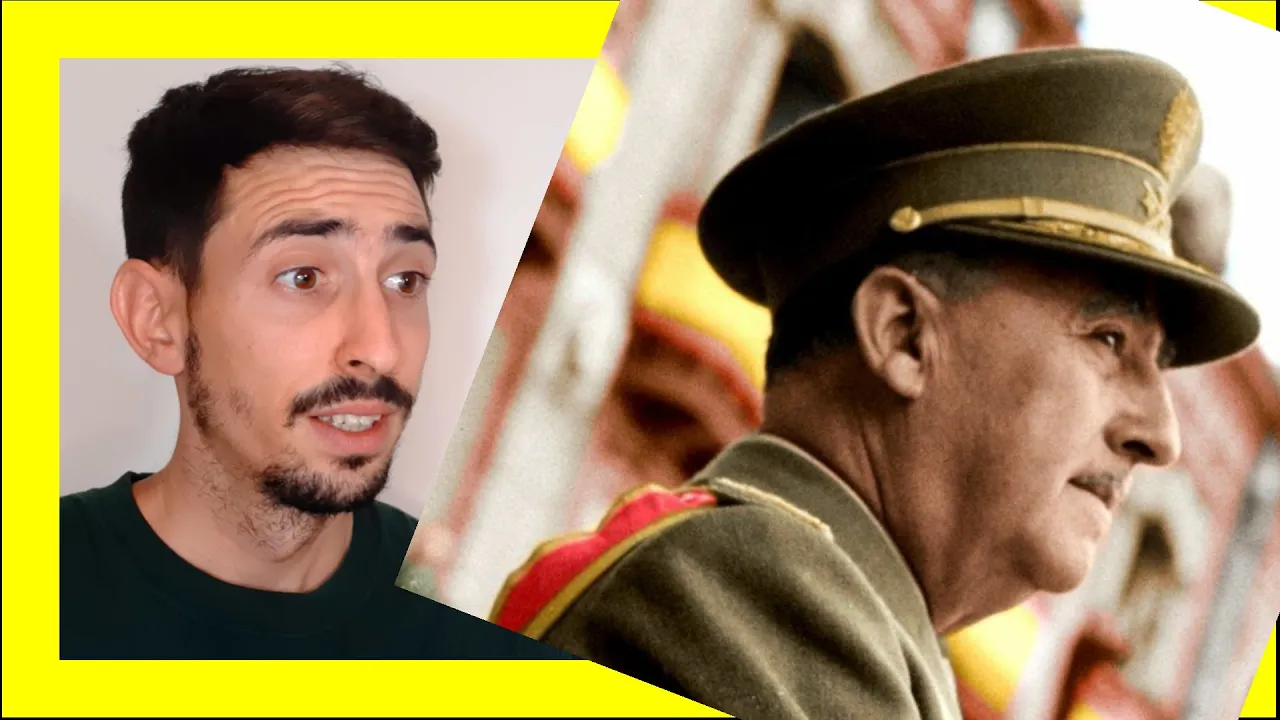
Meanwhile, General Mha consolidated nationalist control in the north, cutting the republic off from the French border. Franco advanced from the south, relieving nationalist defenders at the Alcazar of Toledo on September 27th. The end of this long siege from Republican forces was a propaganda triumph that bolstered his reputation. By October 1st, Franco was declared general of the nationalist forces and head of state.
By the end of 1936, foreign intervention had escalated.
Germany had formalized its Condor Legion. Italy sent its own expeditionary force and Portugal opened its borders to nationalist aid while Catholic and anti-communist volunteers from around the world flocked to join the rebels. On the Republican side, international volunteers that had begun arriving in October were now being organized into the international brigades, giving the republic more manpower and fighters for their cause.
In November, the nationalists launched their first major assault on Madrid.
Despite heavy bombardment and the arrival of German and Italian units, the city held firm. Communist leader Dolores Iberori, famously dubbed La Pasiania, recalled, "We called on the people to build barricades. Every day, thousands of men and women, young and old, even children, joined us in digging trenches and anti-tank ditches, building a defensive belt around our beloved Madrid.
Hastily formed militias, Soviet tanks, and the first international brigades stiffened the city's defense and stifled the nationalist siege.
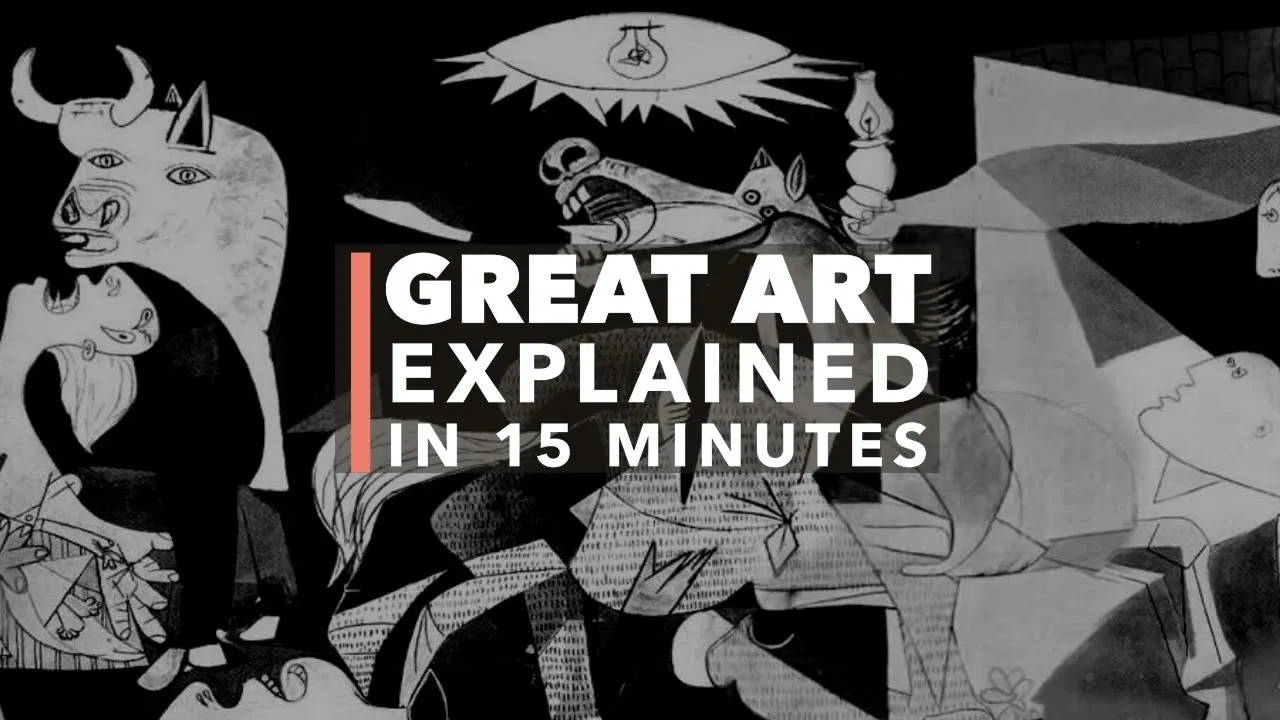
In spring 1937, Franco turned his attention to the north, targeting the isolated Republican strongholds of the Basque country as well as the Atorias and Santandere. On April 26th, the Basque town of Gernaka was obliterated in a bombing raid by the German Condor Legion and Italian aircraft. While the bombings did little to hamper Republican forces, the indiscriminate nature of the attack hurt the nationalists reputation.
The attack killed hundreds of civilians and became an international symbol of fascist terror and was immortalized in a painting from the Spanish artist Pablo Picasso. Elsewhere, nationalist progress stalled. In March, Italian volunteer divisions launched an offensive northeast of Madrid, only to be routed at Guadalajara by Republican forces reinforced with Soviet armor and international brigades.
The defeat was a humiliation for Mussolini and a morale boost for the republic.
But internal divisions soon undercut that momentum. In May, street fighting erupted in Barcelona between anarchists, anti-Stalinist Marxists, and Sovietbacked communists. The violence left hundreds dead and ended with the suppression and ferging of the anti-Stalinist factions, deepening Soviet dominance within the republic.
The Maydays would also be downplayed by Soviet propaganda.
George Orwell, who fought with the anti-Stalinists, later wrote, "It would be impossible for me, for instance, to debate the rights and wrongs of the Barcelona fighting with a Communist Party member because no communist, that is to say, no good communist, could admit that I have given a truthful account of the facts."
The nationalists meanwhile regained the initiative despite their own setbacks.
On June 3rd, General Mhola was killed in a plane crash, removing Franco's last rival and leaving him as the undisputed leader of the nationalist cause. By summer, the Republican North collapsed.
[music] Bilbao fell in June, Santander in August, and Hihan by October, giving Franco control over Spain's industrial heartland and its valuable resources.
By late 1937, the Republic was desperate to regain the initiative. In December, they launched a winter offensive at Terowel, seizing the city in bitter winter fighting. But Franco's counterattack in February retook it at enormous cost to the Republicans who were now exhausted and overextended.
The nationalists then struck back with the Aragon offensive, breaking through thinly held lines and reaching the Mediterranean by April 1938. Spain was now cut in two with Catalonia isolated from the rest of the Republic. In a final gamble, the Republic threw everything into the Battle of the Abro River. From July to November, tens of thousands of troops crossed the Abro, hoping to turn the tide. They were outgunned and outnumbered, and their offensive collapsed after months of attrition. The Republic had burned its last reserves. With morale shattered and Soviet aid dwindling, Catalonia fell in early 1939.
Barcelona was captured on January 26th, sending hundreds of thousands of refugees fleeing across the French border. France, already fearing war with Germany, in turned many of the makeshift camps. In March, Madrid surrendered without resistance. On April 1st, Franco declared victory. The fighting was finally over. The cost of the Spanish Civil War was staggering. Over 340,000 people were killed, including 200,000 in battle, tens of thousands more in reprisals, and thousands in bombings like Gernico. Half a million civilians fled into exile, while countless others were imprisoned or simply disappeared.
Cities lay in ruins, and an entire generation was left traumatized.
Abroad, the war was seen as a grim reversal for what was to come. Germany and Italy honed new tactics. terror bombing, close air support, armored assaults, and propaganda. The Soviet Union tested modern warfare while tightening political control over its allies. Most revealing was the reaction of Britain and France. Though they professed to defend democracy, they enforced [music] an arms embargo that only crippled the republic. Their inaction sent a clear signal. Fascist aggression would go unchecked. For Hitler and Mussolini, Spain proved that they could act with impunity. For Spain itself, the price was a dictatorship that would endure for decades, while the nation itself would be left divided over Franco and his rule.
Up Next

51:59
The Spanish Civil War: Prelude to Tragedy (1931-1936) | Documentary Part 1
@EmmaYaBasta
130.2K views•2011-08-16

93:30
Zola, Baudelaire, Maupassant & the Transformation of Paris, 1852-1900
@SylviaSagona
5.6K views•2015-05-31
91:57
The Geopolitics of the Ukraine War and the Rise of Global Autocracy
@JordanHarbingerShow
468K views•2025-04-19
17:05
Understanding the Cold War: Superpower Conflicts and the Road to Détente
@OverSimplified
46.1M views•2019-01-24
Related Study Plans & Knowledge Roadmaps
Structured learning paths in History
history
Byzantine Iconoclasm: Theology, Art & Politics
01Foundations of Byzantium and Early Christian Images
02The First Iconoclasm: Leo III and the Crisis of Images
03Empress Irene, Nicaea II, and the Second Iconoclasm
+ 2 more learning modules
9h5 modules
Explore Roadmap
history
Iranian Revolution (Causes, Events & Legacy)
01The Pahlavi Dynasty and the Roots of Discontent
02The Spark of Rebellion and the Rise of Khomeini
031979: The Fall of the Shah and the Climax of the Revolution
+ 2 more learning modules
8h5 modules
Explore Roadmap
history
Mali Empire: Mansa Musa, Trade & Timbuktu
01Foundations of the Mali Empire
02The Trans-Saharan Gold and Salt Trade
03The Reign and Pilgrimage of Mansa Musa
+ 1 more learning modules
6h4 modules
Explore Roadmap
history
1947 Partition: Politics, Borders & Legacies
01Foundations of British India and the Divide
02The Political Negotiations and the Mountbatten Plan
03Drawing the Boundary: The Radcliffe Line
+ 2 more learning modules
8h5 modules
Explore Roadmap