
![Ascensão dos ideais nazi fascistas [Contemporânea][Historiante EAD]](https://i.ytimg.com/vi/m4OA5lAs3DU/maxresdefault.jpg)



![🇪🇸 Alfonso XIII y la crisis de la Restauración [1902-1931] 🌐 HISTORIA de ESPAÑA](https://i.ytimg.com/vi_webp/PpU8ALyOoXc/maxresdefault.webp)






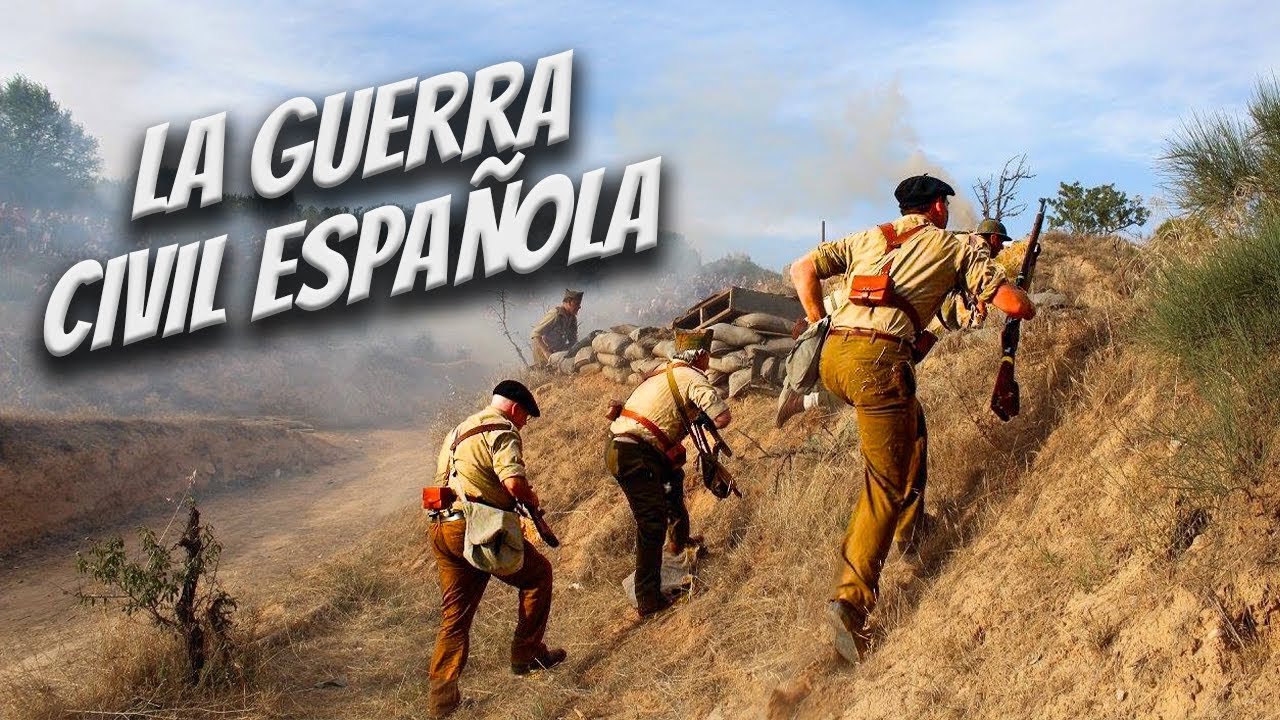


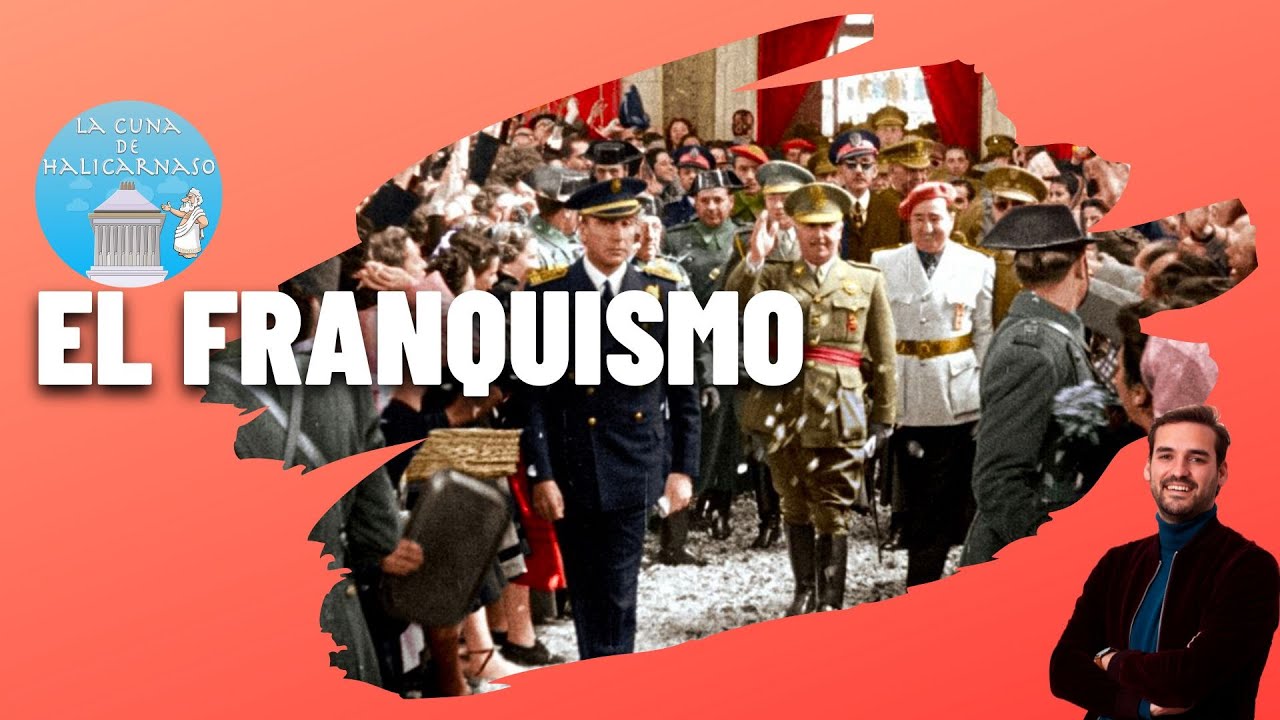
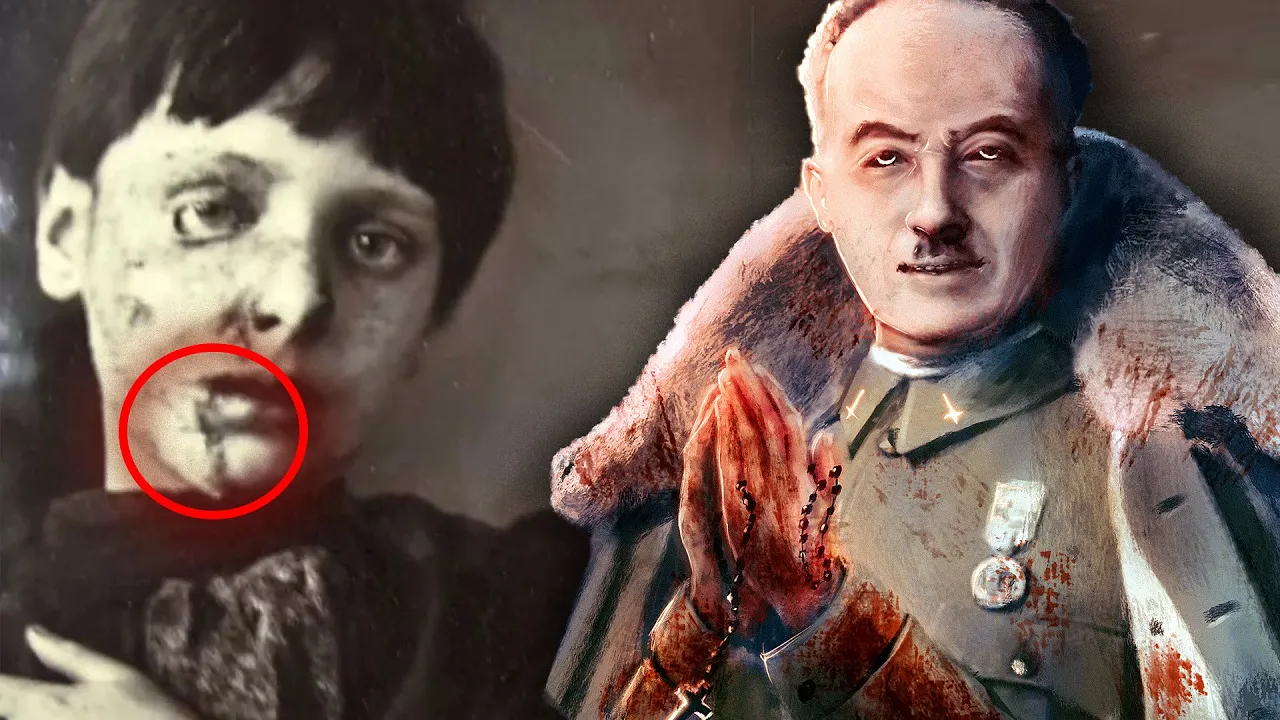
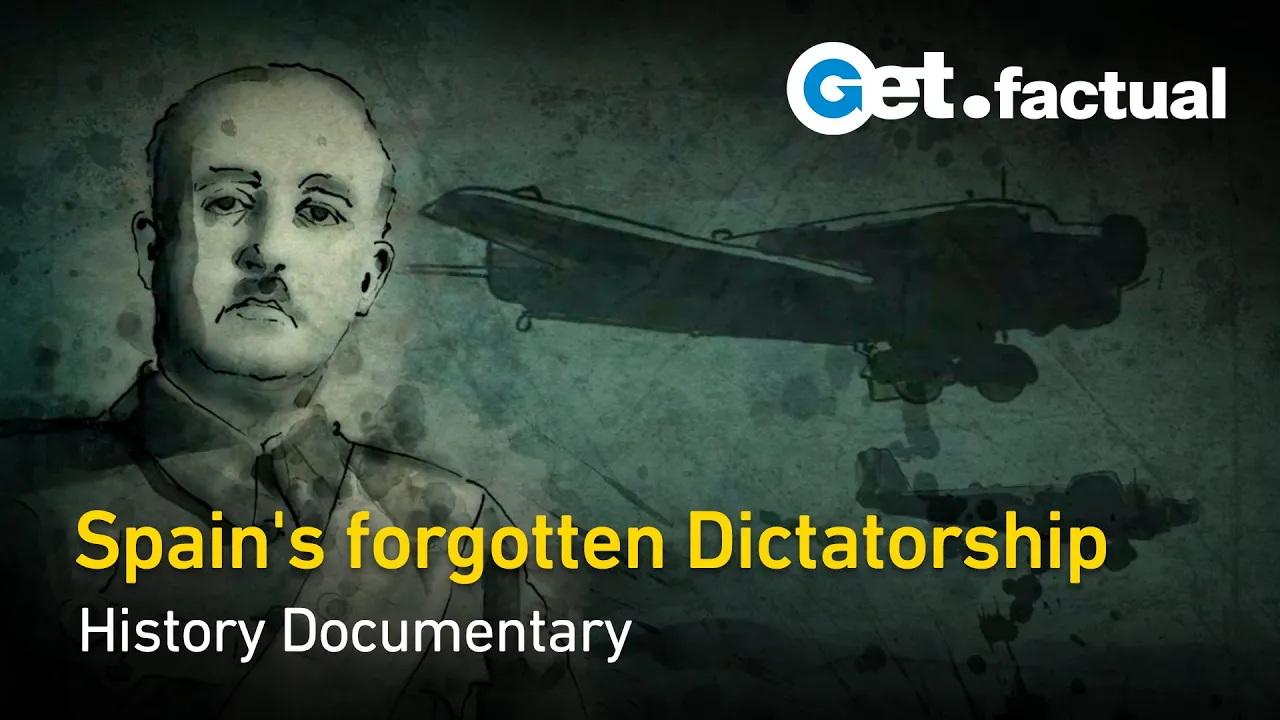


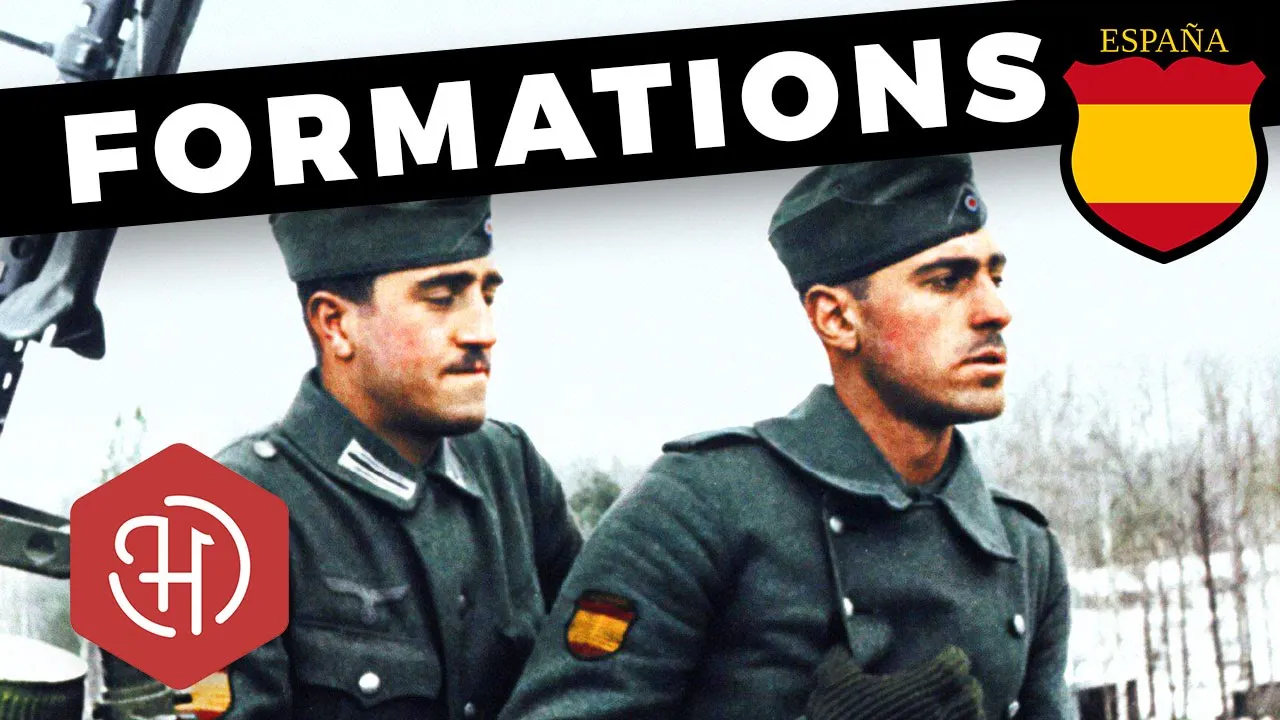


The Spanish Civil War (1936-1939) emerged from deep-seated social, economic, and political tensions following the establishment of the Second Spanish Republic in 1931, which promised progressive reforms but failed to address the urgent needs of the impoverished majority, leading to escalating violence between leftist revolutionaries and conservative forces that culminated in a military coup on July 17, 1936.
The Spanish Civil War: Prelude to Tragedy (1931-1936) | Documentary Part 1
Added:Understanding early 20th-century political ideologies, particularly the rise of Fascism, Socialism, Communism, and Anarchism in Europe.
The history of the Spanish Monarchy under King Alfonso XIII and the military dictatorship of Miguel Primo de Rivera (1923-1930).
The socio-economic landscape of early 1930s Spain, characterized by deep agrarian inequality, the power of the Catholic Church, and military influence.
The global economic impact of the Great Depression and how it destabilized young democratic systems internationally.
The outbreak and military campaigns of the Spanish Civil War (1936-1939), including major events like the bombing of Guernica and the Siege of Madrid.
The dynamics of international intervention, analyzing the roles of Nazi Germany, Fascist Italy, the USSR, and the volunteer International Brigades.
The rise and long-term socio-political impact of Francisco Franco's authoritarian regime (1939-1975).
How the Spanish Civil War served as a tactical and ideological prelude (or 'dress rehearsal') to World War II.
The Pact of Forgetting and modern Spain's ongoing struggle with historical memory and the legacy of the civil war era.
130.2K views474likes51:59Original Release: 2011-08-16
[Music] No.
[Music] Oh no.
[Music] [Applause] [Music] This was the town of Belchet in Spain.
When the Spanish Civil War ended in 1939, it was left in its ruins to serve as a memorial to the devastation of Spain in one of the most savage civil conflicts Europe has ever seen.
[Music] [Music] The civil war lasted from 1936 to 1939.
It cost perhaps half a million lives.
It ruined cities, towns, and villages.
For some the victors, it was a crusade against godless revolution. For others, the defeated, it was a struggle against the forces of reaction that had oppressed Spain for generations.
[Music] The Spanish Civil War still haunts the world's imagination.
Many came to see it as a prelude to the Second World War, the first battle between democracy and fascism.
Thousands of volunteers came to fight and die in a foreign land for ideals they believed to be their own. But the Spanish knew that the war had Spanish causes.
It was after all their country that was ruined, their history that exploded.
[Music] 40 years on, the dictatorship has dissolved and the survivors can speak more freely. They can question some of the myths. They can evoke something of what they saw and understood during the Spanish Civil War.
Hallelujah.
[Music] [Applause] On July 17th, 1936, a group of army officers rebelled against the government of the Spanish Republic.
Workers took up arms to fight the rising. And what began as a military coup led to almost 3 years of civil war.
For both sides, political opponents became enemies to be hunted down and killed.
The Republican Ninia Bonita, the beautiful girl.
5 years before the Civil War, joyful demonstrations throughout Spain agreed to the proclamation of the republic.
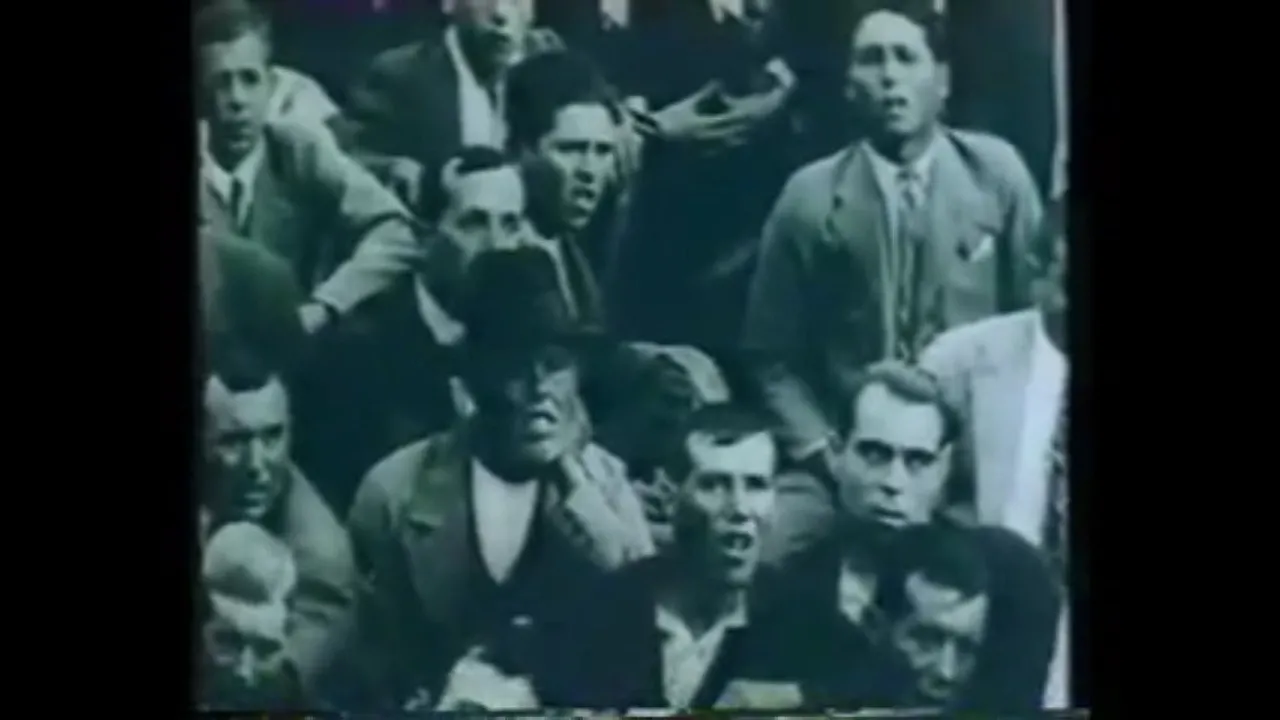
[Music] The monarchy had fallen without violence. To the crowds, the republic meant that Spain had broken through to the 20th century. To progress, to a long delayed victory for social and economic change.
It was an April day, spring-like. It was a mild day with sunshine. So we walked and there were huge throngs of people in lries, the few cars that there were in those days in trams.
And then unexpectedly, unsurprisingly, Republican flags appeared everywhere.
Nobody knew where so many had come from.
[Music] While the crowds rejoiced, King Alonso was spending his final hours in the royal palace.
[Applause] Only weeks before he had led the solemn Palm Sunday ceremonies, unaware that the monarchy was doomed.
[Music] Over the years, one part of Spanish society after another had lost faith in the monarchy.
The middle class despised Alonso I 13th for tolerating a seven-year military dictatorship.
The ruling classes now fear the king could no longer protect them.
And for the workers out on the streets that day, the monarchy was the clamp holding an oppressive system together.
2 days before on April the 12th, royalist parties were heavily defeated in local elections.
Suddenly, the king understood his own isolation.
While Spain rejoiced, he went unresisting into exile.
The king was replaced by a government of mostly middle-class liberals, but their plans for an advanced democracy were out of step with history.
Elsewhere in Europe, liberalism was weakened by economic depression, poisoned by dictatorship.
The government was releasing huge forces in this tightly repressed society. the class hatreds of the agrarian poor and of the rapidly growing working class.
Yet these Republican optimists and their socialist allies thought that orderly reforms would soon transform the nation.
Hino Death Karate was a member of that first republican government of 1931.
There was this feeling of freedom. For many years, publications had been subject to censorship and academic freedom had been restricted.
Now, there was a general trend towards freedom and also new laws to create a social and economic order that would be more just and more egalitarian.
The farm laborers and the industrial workers, underpaid, almost unprotected, and frequently unemployed, hoped that the republic would immediately end exploitation and break the power of the old ruling classes.
Artiso Hudan was a young socialist at the time.
The birth of the republic brought great hope among the working class that their aspirations would be satisfied.
That was the main feeling among industrial workers and peasants.
land. Industrial workers wanted their union rights recognized, the right to strike, to a fair salary, to social benefits that they didn't have, social security, and so on.
So, here were all these social and economic problems that had to be solved.
The arrival of a democratic regime of the republic meant so much for a vast majority of workers.
The hope that all these aspirations would come true.
For many, the republic seemed already the revolution.
But the republic's leaders knew that under the new political surface, the pillars of the old society remained untouched.
A powerful and deeply conservative church hostile to change.
An army accustomed to having the last word in politics, a possessing class determined to defend his privileges.
Southern Spain, above all, was an area of big estates, rich land owners.
Many were hated by the landless farm laborers, nearly 3/4 of a million of them, for whom daily survival was a struggle.
On the one side there was a huge number of impoverished laborers and on the other a few land owners and this meant tremendous humiliation to the point where laborers here were hired as though they were cattle in a market.
It was virtual slavery because there were no fixed wages. They paid what they wanted to pay.
In many families, children went to bed hungry because you didn't get paid enough. You weren't paid enough for subsistence.
The republic knew that democracy might collapse if land was not divided more justly. But his complicated cautious reforms disappointed farm workers while alarming the landlords.
Well, the main reason was that the republic right from the very start was totally opposed to rural property. It campaigned against rural property. You see, under the republic, more and more people believed in the slogan, neither property nor god nor bosses. And that's nearly revolutionary language.
That's how it really was at the time.
So, it's quite natural that land owners would resist this. It's quite understandable.
The landless have an inborn desire to own land. So, the Republican propaganda about land reform raised a lot of interest and immediate support.
They felt very frustrated when reform didn't take place.
So much so that they then tried to grab land. Well, they not only tried, they did occupy land.
The landless poor were impatient to take over the fields that the republic hesitated to give them. Was there a chance for gradual change without violence?
One land reform official, Jose Vagara, was soon disillusioned.
I believe that it is impossible to carry out an agrarian reform without a revolution which dismantles the existing political and social structures.
In a country where the land is owned by a small group of people who constitute an influential social sector, you have to fight for the land. You will not be given it voluntarily.
In the same way that those who do not have land fight for it, those who possess it fight to preserve it.
The turmoil in the countryside challenged the fabric of society and the church.
Farm workers like the urban poor often saw the priest as the ally of the land owner or the factory owner.
[Music] But the church still held the respect of the rich and powerful and of many humble Spaniards as well. There was as much reverence as there was hatred. It was said that Spaniards always followed their priests with a candle or with a club.
But anti-clericalism, a fanatical determination to break the hold of the Catholic Church over society, united liberal Republicans and socialists alike. It was a principle on which the republic refused to compromise.
Less than a month after the proclamation of the republic, this resentment against the church erupted in violence.
Following a riot outside a royalist club, mob set fire to half a dozen convents in Madrid.
Those were the churches where we had gone to mass, had our first communion, and been baptized.
[Music] Yes, the day the convents were burnt was terrible, full of sadness and anguish.
[Music] Our feelings were aggravated by the knowledge that it was being condoned.
Nothing was done to stop it. The mobs were burning churches and convents and nobody intervened. It was a terribly sad day.
As the convents were burned and looted, the police stood by and watched.
Manuela, then Minister of War, said that day that all the churches in Spain were not worth one Republican life.
Words like these were never forgotten or forgiven.
Nearly half the population was illiterate. The Republican government set about building a non-religious state education system. The church's hold over a mines was to be broken.
In the first years of the republic, nearly 10,000 schools were opened.
Soon the republic was taking art and culture to every corner of Spain.
Labaraka was part of this offensive. The Spanish intellectuals were eager to act as the republic's missionaries of enlightenment.
[Music] Federrico Garia, poet and playwright, took the theater to remote villages.
[Music] In Calderon's classic, Life is a dream, Lora played the part of the shadow.
He was to be one of the Civil War's first victims.
This cultural upsurge also gave fresh energy to regions which felt themselves distinct from the rest of Spain.
Catalonia and the Basque country above all retained a proud awareness of their own histories.
Since the turn of the century, their demand for self-government had grown louder and angrier.
As a student, Marcel Jiro supported the Catalan autonomous movement.
In the past, Catalonia had been an independent nation. We have a tradition of language, customs, and culture very distinct from the rest of Spain. It's different at many levels.
Added to this, there's the fact that we'd been dominated by outsiders who had shown no respect for our freedoms.
Since the proclamation of the republic on April the 14th, 1931, we'd been longing for these freedoms to be restored to Catalonia.
Like the Bas, the Catalans were more industrialized and prosperous than the rest of the country. Yet they had been stifling under the backward, over centralized rule of Madrid.
Barcelona, the Catalan capital, was a center of a thriving textile industry and a huge port.
The republic soon granted Catalonia home rule. The Catalans were encouraged to assert their national identity even more strongly.
An army officer, Marwell Death Algria, was among those who feared that home rule would lead to the break up of the Spanish state.
The Catalans made silly mistakes such as bothering people who went to Catalonia, telling visitors that they had to speak Catalan, things like that. All this created the impression that they might destroy the unity of the nation, given that they didn't hesitate to proclaim their separatist motives.
National unity obsessed army officers.
Spain had already lost most of its world empire. In the Moroccan Wars of the 20s, it nearly lost one of its last foreign possessions.
Francisco Franco hoped to turn defeat into victory and became a general at the age of only 33.
The republic planned to reform the army which was so archaic and topheavy that there was one officer to every 11 soldiers.
The army regarded these changes with heavy suspicion but it was a grant of self-government to Catalonia which conservative officers saw as the most immediate threat to the unity of the nation.
August 10th, 1932, General San Ho led an unsuccessful rising against the government. 60 months earlier, as commander of the police, he had decided not to resist the coming of the republic. Now, his action was a warning that the loyalty of the armed forces was coming under strain.
Daryl San Ho was imprisoned, but the government allowed him to entertain his family and supporters.
[Applause] In Madrid, the government's victory over the rising was celebrated with parades and demonstrations in support of the republic.
The Sun Hawho rising was premature.
The right-wing and the traditional powers in Spanish society were not yet ready to overthrow the republic, but they detested the reforms and their alarm was growing.
On the left, too, disillusionment was spreading. The hungry, the landless, the unemployed, and the underpaid were beginning to confront the state openly.
One source of this left-wing opposition was anarchism, gathered around its trade union, the CNT, born during the bloody social conflicts of Barcelona in the early years of the century.
The CNT's creed was anarcho syndicicalism, the belief that revolution would lead to total worker self-management.
Although the anarchist movement had weakened in the rest of Europe, in Spain it had prospered. By 1932, the CNT claimed over 1 million members.
Pedric Monsia was a young anarchist leader.
I believe there's something different special about Spaniards created by the mixture of so many different races by their history and by constant oppression feudalism. They were oppressed first by feudalism, then by an all powerful bourgeoisi, by an army that has always cast its long shadow over Spain, by the pressure of the church.
And all of this has created a constant spirit of rebellion among Spaniards. It has driven them towards ideas of emancipation, towards revolutionary concepts of society and of life.
When the republic was proclaimed in 1931, the anarchists declared, "We remain in open war with the state." They rejected all governments, monarchies, or republics.
They fought for a society of equal cooperating human beings freed from the curses of private property, God, and bosses.
In Spain, extremes of poverty created a climate ripe for revolutionary violence.
[Music] In January 1933, anarchists led futile risings in several Andalusian villages.
One of them was Cases Vas.
The police showed the villagers no mercy.
Prisoners were shot.
One house defended by anarchists was set al light and the occupants died.
The blame for these tragedies was put on the republican leaders.
The socialists decided to pull out of the government. Disgusted at scandals like castles of delaying the reforms and mounting unemployment.
New elections were called in 1933.
The socialist left was now losing faith in the whole parliamentary system. The anarchists had never believed in it anyway.
Most of the right had not yet rejected parliamentary democracy.
They hoped that by winning the elections they could still halt and reverse the whole tide of events.
A new party emerged on the right. It was called the Theda.
This was Spain's first mass Catholic party. Its leader was the ambitious young Joseé Maria Hil Robles who had learned from the campaign style of the Nazis.
The right-wing made a supreme effort to bring out its voters. It was helped by women who were voting for the first time. Ironically, it was a liberal republic that had given them the franchise.
The elections of November 1933 made Theta the largest party in parliament.
Herobles became the hero of Conservative Spain. The government shifted right. The reform program slowed down or went into reverse. The left was appalled. Behind Hirois, it suspected the shadow of fascism was waiting.
Italiano.
[Applause] By 1934, fascism was reaching out across Europe.
In Germany, the Nazis were crushing what opposition remained. The Spanish socialists were determined not to go down without a struggle. They imagined there would soon be jack boots on the streets of Madrid if Theda and Hurles took power. When Theda did join the government in October 1934, the Spanish socialists decided to strike back.
Socrates Gometh was a member of the socialist youth.
We felt there had been a serious regression in Spanish politics and we were well aware that even without a civil war, fascism could come to power in Spain. Perhaps camouflage behind politicians such as Hill Robles.
And this is what led us to strike.
You must realize that this wasn't just another strike for things like wages or better working conditions. This was a revolutionary strike and our aim was to overthrow the government and take power.
The socialists summon the workers to rise against the elected government. But the insurrection was easily defeated everywhere except in the northern mining district of Atorias.
There the whole left for once united in rebellion. Socialists and anarchists, communists and troskies seized control and declared the revolution.
The coal miners shut down their pits and marched out eagerly to fight for Red Aurius.
We felt this tremendous excitement. We had dynamite ready to blow everything up and everybody was behind us.
The whole village was ready to go. even the kids, men, women, children, everyone.
It was open war against the Madrid government. The miners drove back local army units and murdered some of their political enemies. But the government now sent Moroccan troops and the Spanish Foreign Legion into the battle.
A fortnight after it had begun, the asterious rising had been broken.
[Music] The fighting had ravaged towns and villages.
General Franco helped to plan the government campaign.
As the army fought its way along the Atorian valleys, the defeated miners were shown no mercy.
The civil guard did it and the army troops and some of the local bosses who went with them pointing out suspects, they said, "This one, that one."
That was it. That's what happened. They killed all sorts of people.
Nearly 2,000 people were killed in the Atorious Revolution.
Some of them slaughtered in cold blood.
Tens of thousands were marched off to prison.
In Spain as a whole, the socialist led rising failed to get off the ground because the left could not act together.
But the lesson of Atorian unity sank home.
Over the next two years, the left drew closer together as the government imprisoned opposition leaders and demolished their reforms.
In 1936, with elections approaching once more, most of the left united in a popular front. The anarchists did not join, but supported the popular front in order to rescue their own imprisoned supporters.
On the right, Hiroius launched a noisy, confident campaign.
He claimed that he alone stood between Spain and a murderous Bolevik revolution.
February the 16th poding day was a turning point in the history of Spain.
As the results came in, it became clear that the popular front had won the largest block of seats. The release of political prisoners began.
Dolores Iburi known as La Pasinaria had been elected as a communist MP for Atorias.
So then I went to the prison. The governor had run away but his deputy was there. He said I haven't received any orders.
I replied, "I'm the MP for Aurius."
I was beginning to sound very grand.
I said, "Please give me the keys. The prisoners are coming out today."
He finally said, "Here they are." So I ran along the corridors of the jail shouting, "Comrades all out."
It was very moving.
[Music] [Music] All Barcelona turned out for the return from prison of Luis Comp, Catalonia's president.
The workingclass parties refused to join the government and left Republicans were now trapped between the panic of conservative Spaniards and the excited hopes of the workers.
Strikes and land seizures broke out as workers tried to win back what had been lost in the last 2 years.
As the prisoners marched out into the fresh air, the Reich concluded that he Robble's parliamentary politics had let them down.
Conservative hopes now followed a new star, Jose Calvosello.
But for some, the time for parliamentary compromise had already passed.
Thomas Gargon was a young conservative officer.
I was not a member of any political party, but we felt there was no way out.
As Hil Rob wrote later, peace was not possible.
For me, this was only too true. And there's something else perhaps too embarrassing to recall, but that one has to admit. At that time, we couldn't stand each other.
Divisions and tensions had reached such a point that even seeing a socialist, not to mention a communist, was the same as seeing the devil.
Some 15,000 members of Hio's youth movement defected and went over to the Fankke Spain's own fascist party which had been founded by Joseé Antonio Prima de Rivera in 1933.
[Music] Jose Antonio insisted even to audiences outside Spain that he was not just copying fascism elsewhere.
The movement we are initiating in Spain is not a copy of any foreign movement.
It has learned from fascism what fascism has of the idea of unity, authority and substitution of these struggles among classes by the idea of cooperation.
The climate of violence allowed the felank to flourish. Jose Antonio was arrested and the felank was banned. But they had helped to ensure the rioting and political murder became predictable when left and right collided.
While men were using fists, stones, bullets to settle political arguments, they were also using direct action to escape from poverty.
On the dry hills of Estramodora, the patience of the farm laborers now snapped. They surged out to occupy the land they had yearned for.
On a single day, March 25th, 1936, some 60,000 landless workers took over 3,000 farms.
Revenge was in the air. The landowners feared that they could lose not only their estates, but their lives.
And there was trouble brewing in Navar in the north of Spain, but this time from the right.
The Caris were traditional monarchists whose catechism was God, fatherland, and king. The Rome Carus King.
Fanatically religious, they were locked into a medieval view of the world. The Carless had rebelled against a liberal monarchy in the 19th century.
Now they were eager to overthrow this godless red republic. Amid the growing breakdown in law and order, some army officers resolved that they must act.
The government had sensed the danger and posted some of the most disaffected generals away from the mainland.
General Franco was sent to the Canary isles.
But General Mher was unwisely posted to Pamplona in the Caris country. From here, Mher director began the secret organization of the plot. At first, Mher encountered reluctance among some key figures. He had assigned to General Franco the job of launching the rising in Spanish Morocco.
Franco would take command of the Moors and foreign legionaries he had led in the 1920s.
But Franco hesitated to commit himself.
Rammon Sarano Srun was Franco's brother-in-law.
Franco was obsessed with the danger of communism. He was convinced that communism had to be stopped. But he was in no hurry.
He thought the danger wasn't so imminent and he was quite happy staying in the Canary Isles.
[Applause] [Music] May 1st, 1936. The parade was intended to show the republic's enemies that the left had overwhelming strength.
Narago Cababayero, whom some call the Spanish Lenin, was the most extreme socialist leader. He was now calling for a revolution that would impose the dictatorship of the proletariat.
The right was terrified.
A mere spark could detonate the tension.
During the parade, a cry went out that nuns had given poison sweets to the children. Crowds broke away and set fire to a convent.
The government of the republic was fighting desperately to stave off the collapse of the state itself. But the socialists still refused to join the coalition.
The leadership of the republic was now increasingly isolated.
On June 16th, Jose Cavoatello, the opposition leader, proclaimed himself in favor of a strong integrated state, which would end strikes, lockouts, starvation wages, and anarchctic liberty. He ended by saying, "Many call this a fascist state. If it is, then I who share that idea of the state and believe in it declare myself fascist."
In Pamplona, July 7th, 1936 brought the annual running of the Bulls, the festival of San Fermine. The crowds of visitors were good cover for Muller's emissaries.
I received a message from a friend saying that they were all there having a good time and that I should join them as I had done in previous years. This was the coded message I was expecting.
As the bulls plunged about the ring, Mher and his plotters were solving their last problems. The rising had been postponed as the carless squabbled about which flag they should march under, and some army officers still refused to betray the republic.
[Music] [Applause] But Josie Antonio, after complaining that Muller's movement was too conservative for his radical fascism, had finally promised support.
At last, Mer felt that he could go ahead.
I met Mohler, and he told me everything was ready and the names of the officers who were assigned to each region.
Franco, still in the Canary Isles, got a message to Mher.
In the first days of July, July the 6th or 7th, Franco had sent a message to Mola written on a piece of paper carried by a woman in her belt saying, "Geography Tetuan insufficient."
Franco, devious and prudent, was still calculating his own chances.
This really upset Mhola director. He was very irritated. He said Franco will never get here in time. It will all be delayed and the government is going to break it all up.
But the plan to ferry Franco to Morocco went ahead. The search for the right ferry man ended in the home counties at Cuden airport. Captain Be, a freelance pilot, was introduced to a gentleman from Spain and u he asked me if I was prepared to go to the Canary Islands to get a riff leader to start a an insurrection in Spanish Morocco.
Uh I thought what a delightful idea, what a great adventure. On July 11th, Captain Be took off from Cudon.
[Music] By the night of the 12th, he had got as far as Casablanca on his way to the Canary Eyes.
But it was what happened in Madrid that night that unlocked the last gate to disaster.
It began here at the home of Lieutenant Jose Castillo. He was a left-wing officer in the assault guards, the republic's own police force. His life had several times been threatened by right-wing extremists.
It was nearly 9:30 at night. Castillo was leaving home to go on duty at the police station. No more than a 10-minute walk.
[Music] He got no further than the corner.
News that Castillo had been murdered soon reached the police station.
Outraged, his comrades demanded that all right-wing extremist should be rounded up. Headquarters sent them a list.
It was left tenant Leyon Lupion who gave out the names to the arrest squads.
I handed out two or three names to each of the other officers. They went off in police vans with several guards.
And finally, there was just one van left in the corner there. Van number 17.
Van 17 was the last to set out at 3:00 in the morning. Nobody knows who was on its list for arrest.
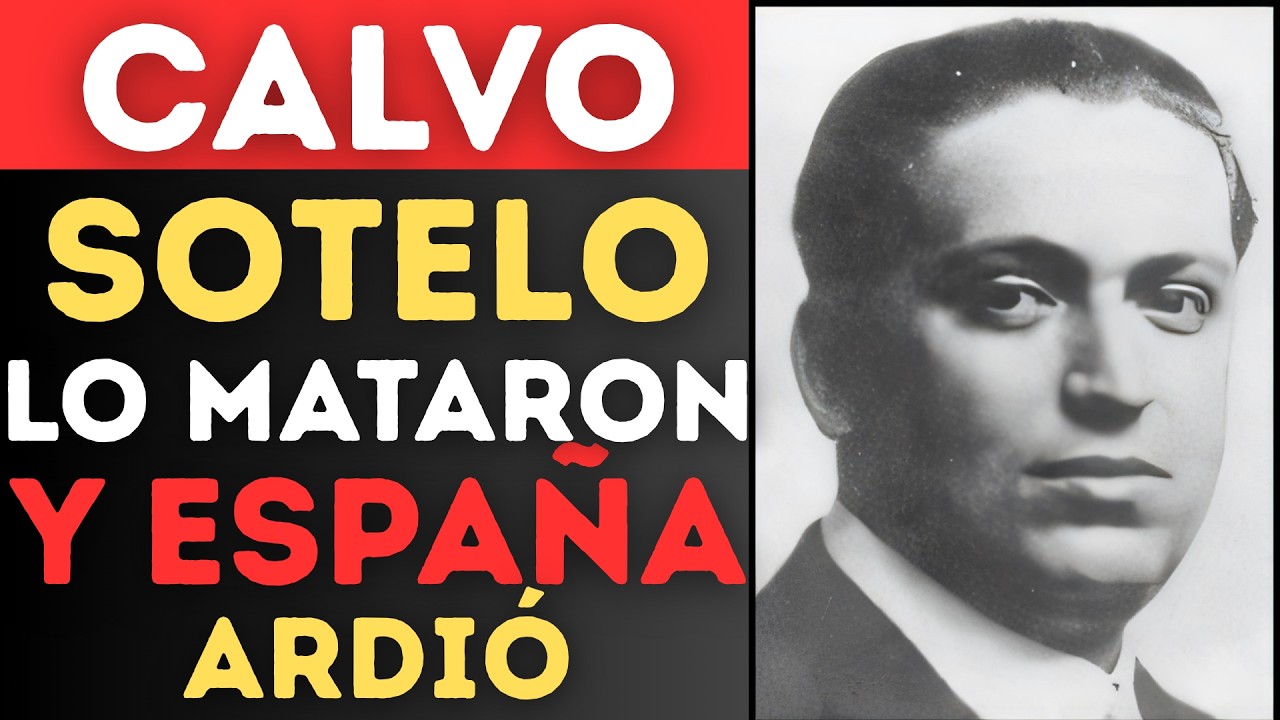
All that is clear is that a van arrived at the home of the leader of the opposition, the right-winger Jose Calvo Sutello.
They asked him to step down to the station for questioning. He promised a telephone soon to his family, unless he added, "These gentlemen blur my brains out.
His [Music] [Applause] [Music] dead body was dumped to the gate of the east cemetery.
It was not the authorities who had ordered his arrest, but there was no way the government could escape the blame.
The leader of the opposition had been assassinated in the custody of the government's own special police.
The Calvosello murder brought the fury of conservative Spaniards to its peak.
Its timing and malign coincidence offered the army plot mass support at a crucial moment.
It was then that all the doubts and hesitation about whether to call the uprising immediately or to wait for the disintegration to spread so that we would be more justified.
All those doubts disappeared.
Within hours of the murder, Muller dispatched a coded telegram. It read on the 15th last at 4:00 a.m. Helen gave birth to a beautiful child. Hidden here were the date, time, and place of the uprising.
July 18th at 5:00 a.m. in Morocco.
The Republican government knew that Spain was close to explosion, but it failed to take seriously the approaching spark, the military uprising.
The left knew all too well what was coming and the workers were already garrisoning party and trade union offices. At midnight the socialist leader in Dethio Prietto with some of his colleagues met the prime minister Casaris Kiroga. They begged him to arm the people but Casares thought this would fling away the last hopes of law and order. He refused.
At dawn on July 14th, Captain Bev took off from Casablanca.
Destination the Canary Isles.
That same morning, the funerals of Castillo and Carvo Satello took place.
Clench fist for Castillo's coffin.
The straight arm fascist salute for Carvo Sautello.
What remained a political middle ground in Spain was crumbling. Disaster now seemed inevitable.
Juan Molina was an anarchist militant in Barcelona.
We hadn't slept at home for several nights. We were grabbing what sleep we could on floors of the union and our newspaper offices. We were waiting for the inevitable.
In our newspapers, we were telling our members to be prepared.
Everybody was ready because we knew the coup was bound to come.
Joseph Taradas, the Catalan leader, called on the prime minister, but Casaris Kuroga still refused to see what was about to happen.
While we were chatting, news arrived of army unrest in Morocco. There were reports that some generals were about to rise, although General Franco's name still wasn't being mentioned.
So then I told him, "My friend Casares, I'm convinced that the army is going to rise against Spanish democracy."
He said, "I'm sure it won't."
Casaris Kuroga could not believe the generals would go so far. But on July 17th, the day before it was planned, the rising erupted here in Malia.
Next date spread to other towns in Morocco even before General Frank arrived to lead the army of Africa.
The military plotters assumed that their coup d'etar would succeed swiftly.
The government of the republic in turn thought it was strong enough to stamp out this erratic rising.
[Applause] Both were terribly wrong. The rising spread to the mainland, and the rebel generals soon control great tracks of the countryside, but the workers were now at last given arms. And with loyal police units, they defeated the military in most of Spain's industrial cities.
There could be no rapid victory either way. The rising swell into full-blown counterrevolution.
[Music] On the other side, the workers now pouring out to the barricades were using their rifles for a Spain which was to become not just republican but revolutionary.
There was no way left to prevent the conflict which was to rage across Spain for almost 3 years. There could be no more negotiation, no compromise.
It could only be civil war.
[Music] Heat. Heat.
[Music]
Up Next
16:15
Spanish Civil War Origins: Morocco's Crucial Role
@historywithhilbert
69.2K views•2022-04-29

33:02
The Great Schism of 1054: Causes and Consequences
@SacredCathedrals
113.5K views•2026-02-19
91:57
The Geopolitics of the Ukraine War and the Rise of Global Autocracy
@JordanHarbingerShow
468K views•2025-04-19
17:05
Understanding the Cold War: Superpower Conflicts and the Road to Détente
@OverSimplified
46.1M views•2019-01-24
Related Study Plans & Knowledge Roadmaps
Structured learning paths in History
history
Byzantine Iconoclasm: Theology, Art & Politics
01Foundations of Byzantium and Early Christian Images
02The First Iconoclasm: Leo III and the Crisis of Images
03Empress Irene, Nicaea II, and the Second Iconoclasm
+ 2 more learning modules
9h5 modules
Explore Roadmap
history
Iranian Revolution (Causes, Events & Legacy)
01The Pahlavi Dynasty and the Roots of Discontent
02The Spark of Rebellion and the Rise of Khomeini
031979: The Fall of the Shah and the Climax of the Revolution
+ 2 more learning modules
8h5 modules
Explore Roadmap
history
Mali Empire: Mansa Musa, Trade & Timbuktu
01Foundations of the Mali Empire
02The Trans-Saharan Gold and Salt Trade
03The Reign and Pilgrimage of Mansa Musa
+ 1 more learning modules
6h4 modules
Explore Roadmap
history
1947 Partition: Politics, Borders & Legacies
01Foundations of British India and the Divide
02The Political Negotiations and the Mountbatten Plan
03Drawing the Boundary: The Radcliffe Line
+ 2 more learning modules
8h5 modules
Explore Roadmap