









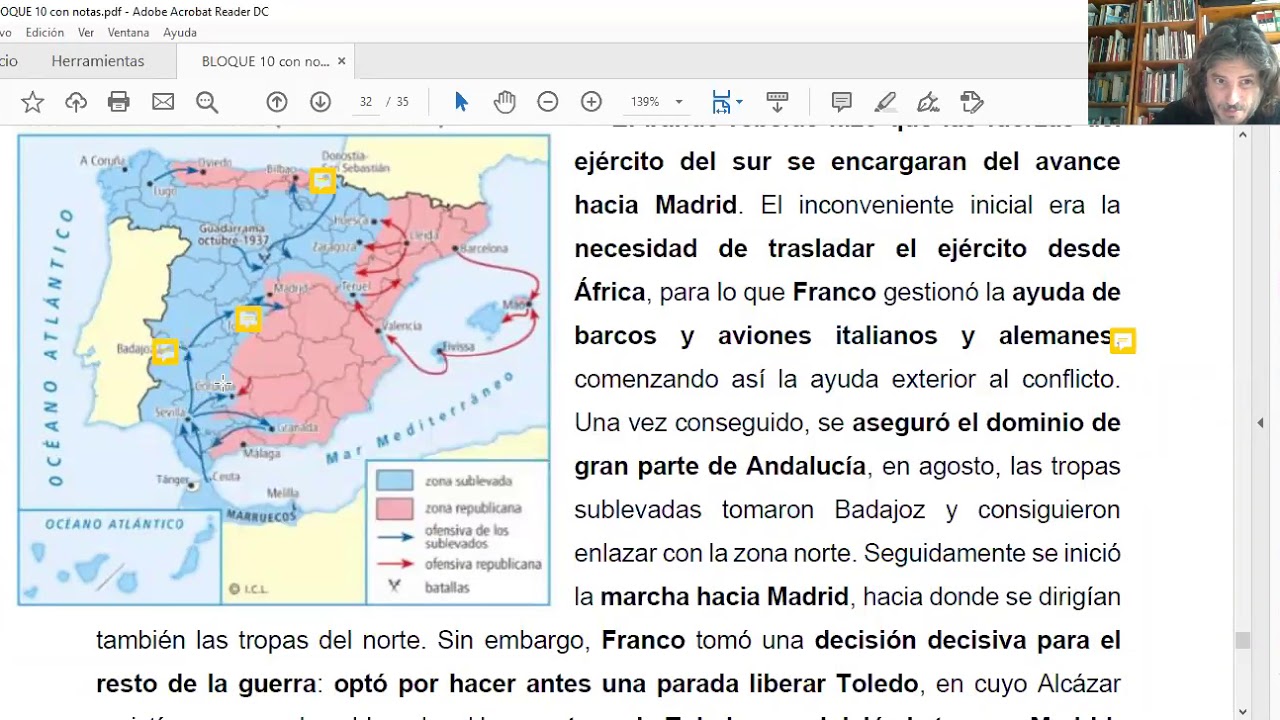


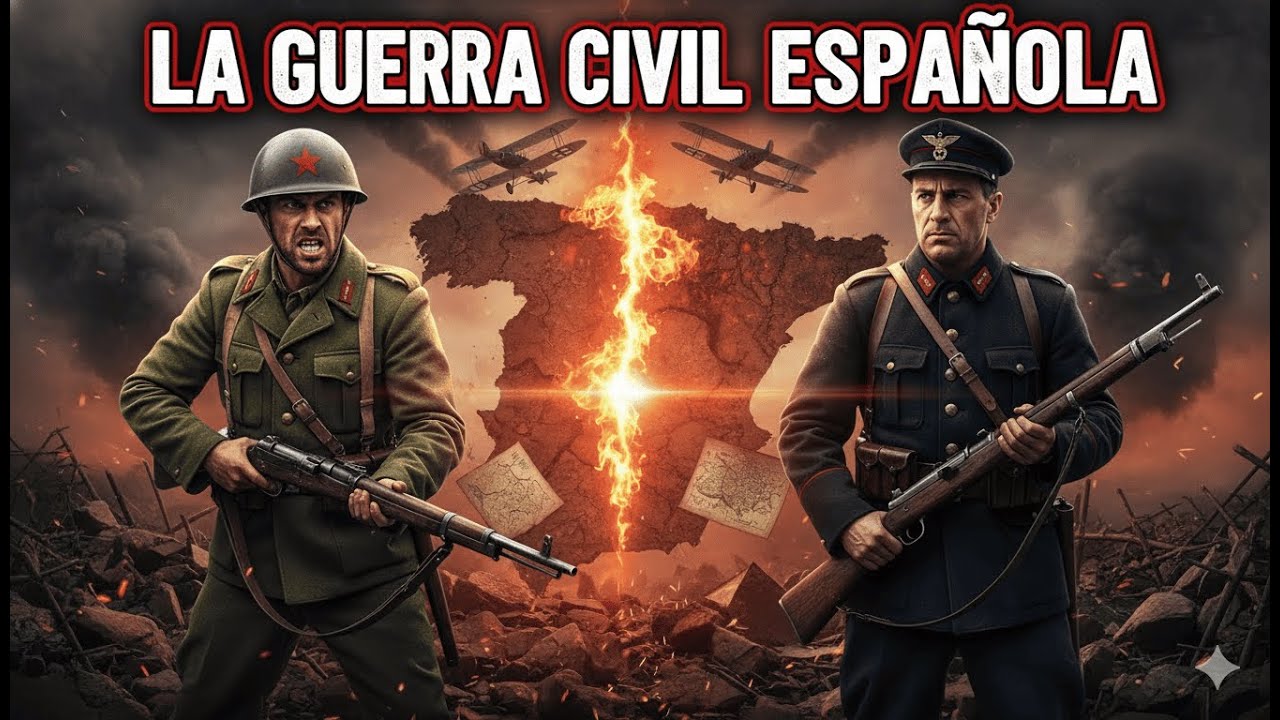


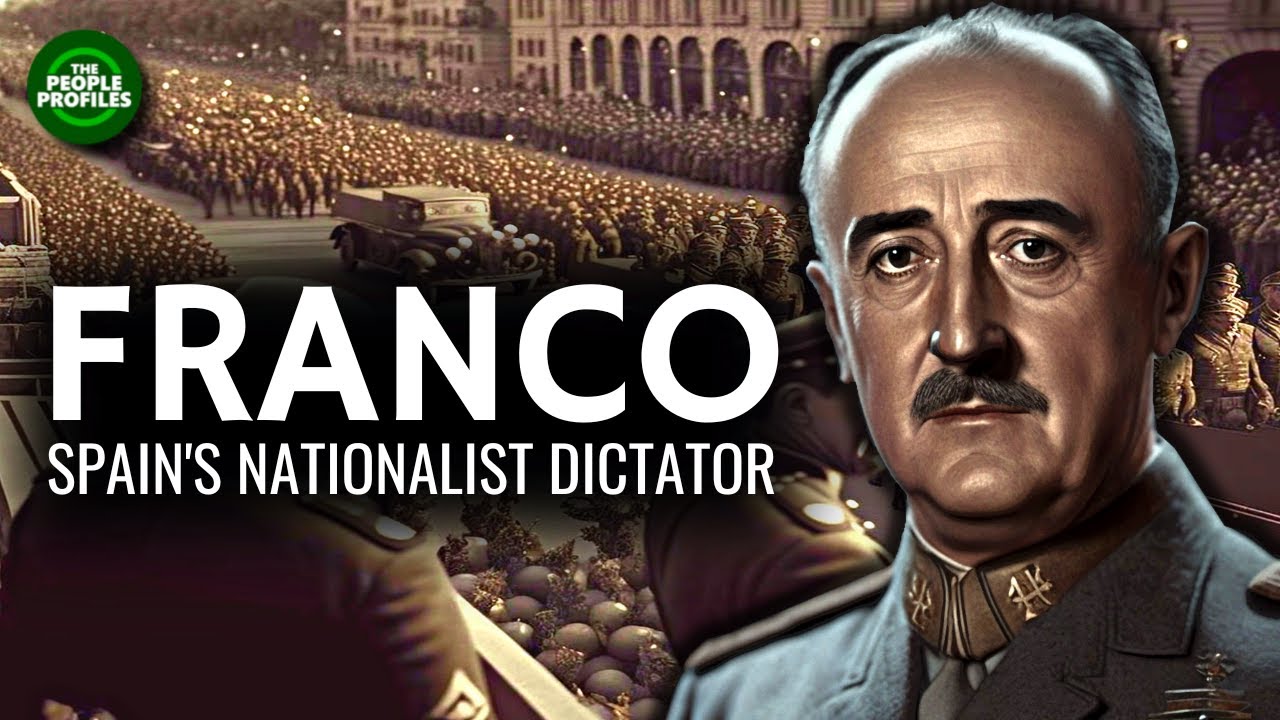

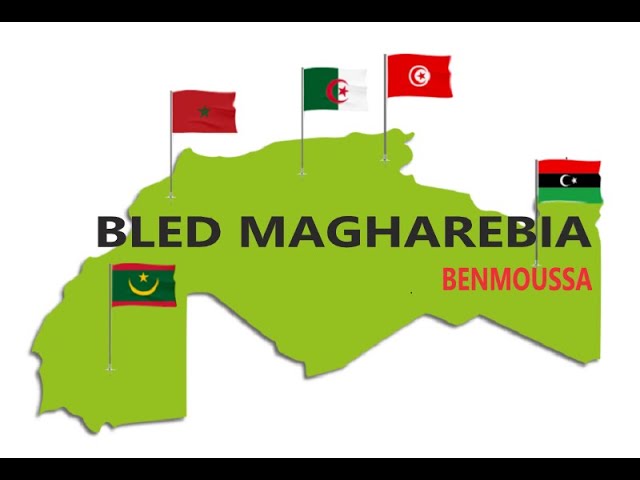
The Spanish Civil War (1936-1939) was significantly won by the Nationalists due to the crucial role played by Moroccan soldiers, particularly the Regulares, who had been trained and fought alongside Spanish generals during the earlier Rif War (1921-1926). These indigenous Moroccan troops, originally Riffian tribesmen who had fought against the Spanish, were later recruited by Spain to maintain order in the colony. Their guerrilla warfare experience, including effective use of dead ground terrain and stealth tactics, made them highly effective combatants. When the Nationalist coup began in July 1936, the Army of Africa (comprising the Legion and the Regulares) defected en masse, providing approximately 35,000 well-trained troops that were airlifted across the Strait of Gibraltar to fight for the Nationalists. This military contribution, combined with the ideological and tactical foundations developed during the Rif War, was instrumental in the Nationalist victory.
Spanish Civil War Origins: Morocco's Crucial Role
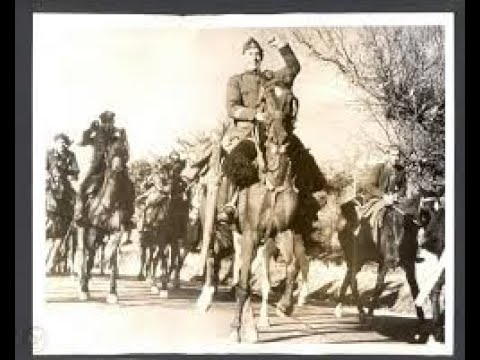
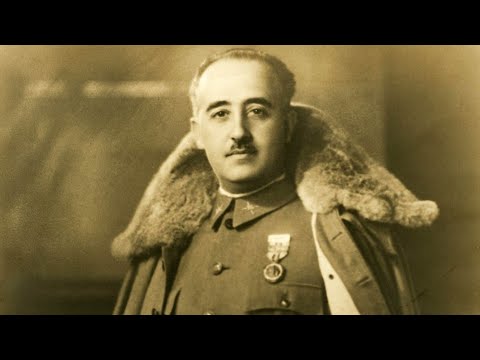
Added:i've talked about the spanish civil war quite a few times on this channel because i find it an endlessly interesting conflict but today i'd like to talk about the spanish civil war in the context of its neighbor morocco and the role that moroccans played because i would argue that the role that morocco plays in the spanish civil war is often overlooked and yet is incredibly important for understanding why the nationalists were able to win the spanish civil war while a period of great violence and strife is also famous as a period of great artistic endeavor from picasso's masterpiece of guernica to republican propaganda posters the cubist genre will forever be linked with this conflict you too can be linked with great pieces of art with today's sponsor masterworks masterworks is already valued at over a billion dollars and you can be a part of that by investing in blue chip artwork contemporary art prices outpace the s p 500 total return by 164 percent from 1995 to 2020 according to publicly available data masterworks returned 32 to their investors in 2020 by selling a work by banksy with a few clicks you can create an account browse their artworks and diversify your portfolio masterworks also offers a secondary market on their website where you can sell your shares to another member similar to how you would sell stock on an app like robin hood with the stock market being highly unpredictable at the moment nearly every top equity firm is projecting real returns of just five percent or less some are even predicted negative growth that's why there's no time like the present to diversify and get into masterworks if you want to get on board there is a waiting list however by following my link in the description below you can skip that list and start investing right away by doing so you'll also be supporting this channel at the same time as investing in artwork just be aware that with any kind of investment there is always some element of risk as well so invest responsibly the spanish civil war started in 1936 with a coup led by the army generals against the republican government but its origins can be traced back much further to 1909 for example when spain ramped up its colonization efforts in neighboring morocco this leading to a large-scale war throughout much of morocco in 1921 called the rift war holding on to imperial claims in morocco became increasingly important for spain as while it had once been a large imperial world power at the end of the 19th century this had largely diminished as a result of the spanish-american war in which it lost both access to cuba puerto rico and to the philippines essentially ending spain's imperial ambitions following their defeats spain needed a new project to unite its people which were quickly becoming divided between liberal reformists conservatives and anarchists to name just a few they decided to expand into morocco where they already had the two enclaves of cueta and malaysia from which to attack so when in 1921 abdelkrim united the rifian tribes and declared the republic of the rif independent from spain the spanish knew they had to react or else it could ferment civil unrest in the country and inflict yet another humiliating imperial defeat on the spanish army that is why a group of generals called los africanistas decided to invade the republic of the rift to bring it back under spanish control and it's with these generals that the first real seeds of what would later become the spanish civil war were sown this is for several reasons one is that these generals tend to be far more conservative than generals in peninsular spain they were the old boys the ones that went out and fought the colonial war against the rifian tribesmen they were also far more royalist this was because the war in the rift was actually personally bankrolled by king alfonso which made many of los africanistas generals feel a personal bond with the king and the royal family as they're representatives abroad finally the fact that they were fighting a colonial war fostered a strong sentiment of paternalism in which they saw themselves as the harbingers of catholic spanish civilization being brought to unbelievers in a foreign uncivilized land this would actually later be very similar to the nationalist talking points when discussing why they started the spanish civil war but then it would be reversed there's also the fact that it's often described that spanish fascism or phalangism as it was known was really born among los africanista generals in africa that fascism was colonialism brought home as it sought to impose similar civilizing measures on not only the rifian moroccans but also on the unruly spanish republicans anarchists and communists on a more practical level it also meant that these generals gained key military experience of waging a war particularly in raging rural warfare across large barren tracts of land much of which can be found in spain for example throughout the south and the more mountainous regions which would be very important when they were fighting the republicans over a decade later at the same time they also developed scorched earth tactics and indeed terror tactics that sought to demoralize their enemy and drive them into submission tactics which would once again be crucial for their later victory and in demoralizing the republicans later on and finally they also relied heavily upon death squads these units that would be sent often into enemy territory to strike fear into the heart of their enemy and to take out key figures the rift war ended with a french and spanish victory in 1926 but the military occupation didn't end as there was still subversive elements as for the spanish in morocco that they needed to fight against to do this they created the ergestito de africa the army of africa this could be largely divided into two parts the first was la legion basically spain's answer to the french foreign legion although most of its members would be native spaniards their role was to guard the largely coastal spanish towns in the spanish protectorate of morocco as well as search and destroy missions to find any subversive elements still out in the countryside the second part was known as las fuerzas regulars but more commonly in spanish los regulares basically the regulars these were indigenous moroccan troops riffian tribesmen in fact many of the very same who had fought the rift war against the spanish some years earlier were later employed by spain in order to keep peace in the colony they proved to be incredibly effective troops utilizing their ability to use dead ground very successfully in both the rift war against the spaniards and later during the spanish civil war los regolares played by their own rules many of them were from extremely poor areas of morocco particularly rural areas and were from different rifian tribes and so used these rules of war this involved a lot of stealth attacks both raids to capture camels women and other slaves as well as mutilation of corpses and the use of sexual violence as a weapon of war despite their victory in the rift war things were changing in 1931 as the spanish monarchy was ousted and the second spanish republic was declared to the fears of many of the conservative africanistas they started to impose new liberal reforms on the country including divorce as well as liberalization laws with more liberal and even socialist army officers being granted access to the army's higher ranks now it became the case that los africanista started to see peninsula spain as the new morocco in need of civilizing and saving from a godless atheistic communist enemy this was even framed by a spanish newspaper abc sevilla as being a new kind of reconquista this time starting in morocco and finishing in spain the paper said which means morocco the kovadonga of their current reconquista covadonga being the spiritual starting place of the reconquista in aturias in the north of spain the top brass of the nationalists who would launch the coup that would become the spanish civil war with perhaps one exception had all been forged in north africa jose san jorgo had fought in the initial push of 1909 and again around malaysia in the rift war of 1920 miguel cabanejas was a cavalry officer in morocco and personally responsible for the creation of los regulares emilio mola was present in the colony from 1909 being wounded in action in 1912. juan yague also served in both rift wars and commanded many regulares during the civil war manuel goded yapis fought around malaysia during the 1920 war and was present during the landings at al which brought it to an end five years later by that time everyone in the previous list had met the man who would become the most famous nationalist general and their eventual leader francisco franco at the age of just 19 franco became a first lieutenant in 1912 he would soon be transferred over to morocco where there were incredibly heavy casualties among officers because of riffian sniping tactics so much so that a common saying at the time was that generals would either receive la caja or la faja the coffin or the general sash franco received the latter and quickly rose through the ranks in 1913 he was transferred into the newly raised regulares the moroccan colonials who had spanish officers and while as one of these officers he was very effective in using these men as geriate troops when franco was seriously wounded by rifian gunfire it was thought that he would die but when he survived his moroccan regularis troops believed that he had been blessed with baraka which is known as the protection of god he was meant to receive the highest honor for gallantry but this was denied because he was still very young however with royal intervention he did receive the cross of maria cristina first class and in 1917 he was promoted to major at the age of just 24 the youngest ever to receive this in the spanish army now this isn't to glorify franco and make him some kind of war hero but this is how he was seen in morocco at the time as this exceptional military leader in fact franco attributes much of his later success to his experiences in north africa and it's unlikely that the civil war could ever have played out in the way that it did unless franco had the role that he did together with the other africanistas franco fermented his ideology in the north of africa in fact franco even said of his experience in africa in africa which means without africa i can scarcely explain myself to myself nor can i explain myself properly to my comrades in arms in 1934 it was with regulares and la lechion that the asturias uprising of the miners was put down by francisco franco and two years later in 1936 it would be from morocco that the generals would plan their coup and thus start the civil war morocco was a safe haven for these nationalist generals to stay away from the prying eyes of the republic who had demoted many of their colleagues in the years previously and when the coup started in the middle of july the first place to rise up was none other than spanish morocco which fell the following day with little resistance from the workers who'd take up arms and who would impede the spanish nationalists in peninsular spain as the army in spanish morocco was far stronger and so the victory there was total the defection of the army of africa to the coup ensured that 35 000 well-trained men had suddenly become part of the rebellion in peninsula spain around 60 000 men would join the site of the rebellion as the coup spread meaning that around a third of all the troops fighting for the nationalists at the start of the war were based in africa this being of course the army of africa made up of la legion and los regularis thanks to german and italian help in supplying an airlift the first of its kind in history to involve this number of troops the army of africa was transported over the strait of gibraltar and into peninsular spain thus adding them to the battlefields of the peninsula to fight against the republicans here they became well known for being very effective shock troops fighting against both republican units and terrorizing the local population of the regions that they captured or were pushing through in fact anthony bevo describes the moroccan troops particularly los regulares in the following way the moroccan meregularis became well known as the most effective machine gunners in the war in addition to their other remarkable ability to use dead ground the barren terrain in which they had fought the spanish so successfully in the colonial wars had taught them to take maximum advantage of the slightest fold in the ground not only did this reduce their casualties enormously but together with their reputation for knife work it inspired a tremendous fear in republican troops their skill often enabled them to creep in between carelessly sighted positions and take the defenders by surprise while i can't go into all the details here because the video would just be too long suffice it to say that the presence of the moroccan regulares and le legion espanola were incredibly important to the nationalist war effort their tactics especially on open ground and fighting in rural areas would see large swaths of land fall to nationalist control already in 1936 and in later years their increased numbers also helped the nationalist forces to gain some key victories i'd like to talk particularly about the moroccan regulares and why they fought for the nationalist side during the conflict and their tactics in a separate video because i think otherwise this video is going to be incredibly long i hope with this video i've been able to lay out some of the reasons why i believe that morocco was incredibly important for both the inception of the coup the idea behind it and the forming of the generals los africanistas who were in morocco fighting the rift war and how they came to view the world and indeed came to view the spanish second republic at the same time i think that the role of the moroccans in the spanish civil war something that i'd like to dedicate another video to is incredibly important i also quickly like to say hello to any of the porters from saint catherine's college from cats who may be watching because i think some of them may indeed be watching and hopefully enjoying the recent content do check out masterworks as well links will be in the description below as well as to other articles and to some of the references in this video more videos will be coming out on the channel soon on a variety of topics some of you will be pleased to hear but for now i have been hilbert and this has been the history
Up Next

The Bombing of Guernica: George Steer's Eyewitness Report, 1937
@mcbirdosexpedition2409
137 views•2022-06-18

The Great Schism of 1054: Causes and Consequences
@SacredCathedrals
113.5K views•2026-02-19
Spanish Civil War Republican Factions: A Complete Guide
@historywithhilbert
65.4K views•2019-08-31
Understanding the Cold War: Superpower Conflicts and the Road to Détente
@OverSimplified
46.1M views•2019-01-24
Related Study Plans & Knowledge Roadmaps
Structured learning paths in History