
![🇪🇸 La Guerra Civil [1936-1939] 🌐 HISTORIA de ESPAÑA](https://i.ytimg.com/vi_webp/eOB_WsRTm1E/maxresdefault.webp)





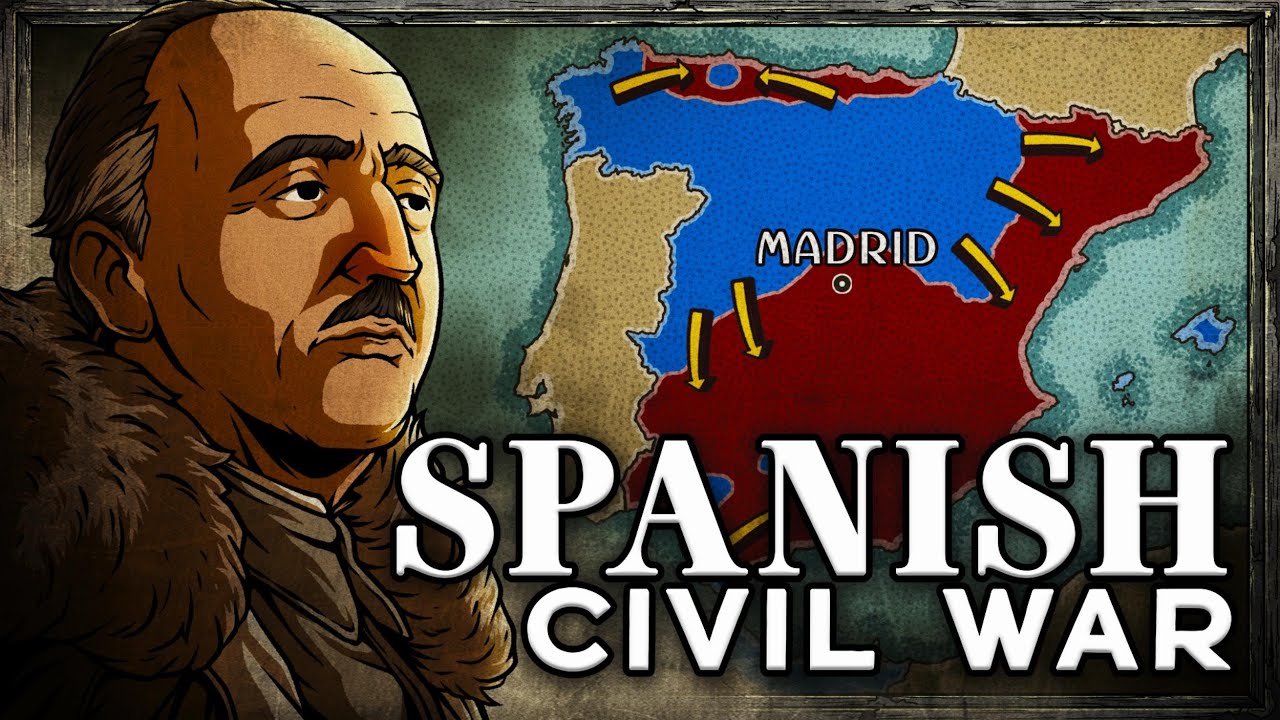
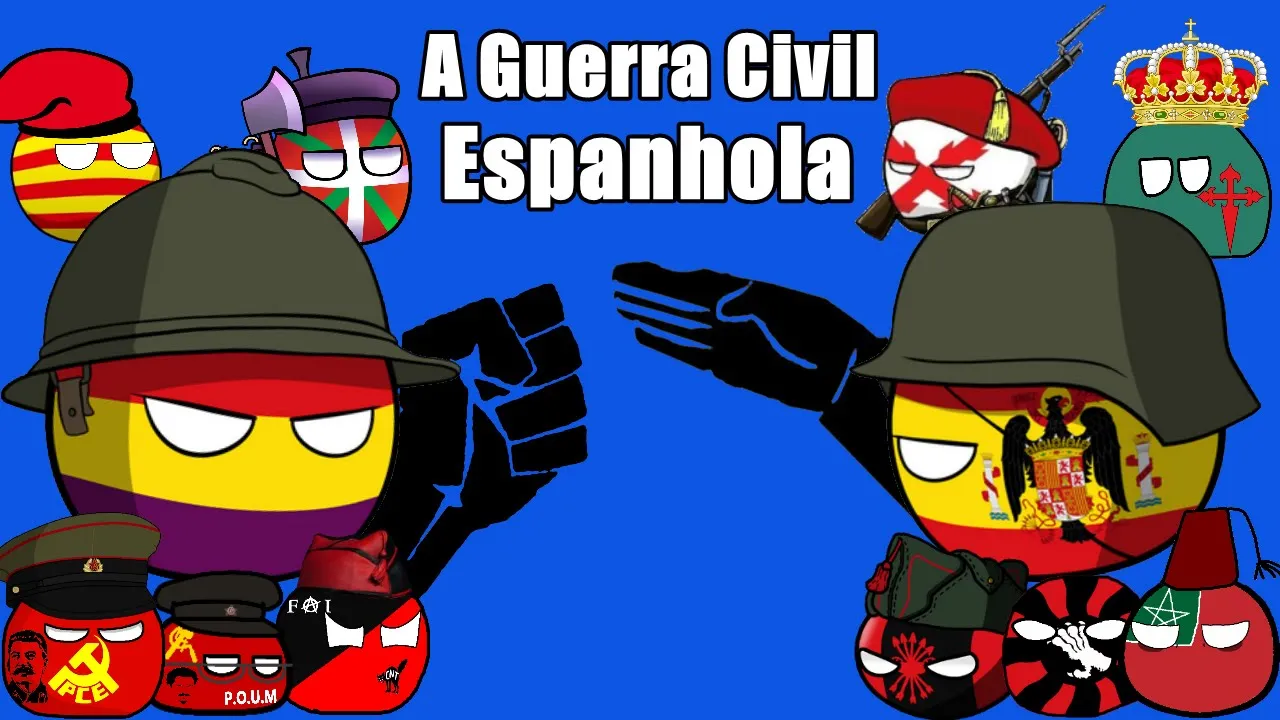






The Republican side in the Spanish Civil War (1936-1939) was composed of multiple factions with differing ideologies and objectives, including the armed trade unions (CNT, FAI, UGT) that initially resisted the Nationalist coup, the Communist-aligned forces supported by the Soviet Union, Catalan and Basque nationalists seeking regional autonomy, and the International Brigades of foreign volunteers; these internal divisions, particularly between anarchists who pursued immediate social revolution and Communists who prioritized military victory, significantly weakened Republican unity and contributed to their eventual defeat.
Spanish Civil War Republican Factions: A Complete Guide
Added:The fundamental causes and outbreak of the Spanish Civil War (1936-1939), including the military coup against the Second Spanish Republic.
Core political ideologies of the early 20th century, particularly the distinctions between Anarchism, Communism, Socialism, and Liberal Democracy.
The geopolitical landscape of Europe in the 1930s, including the rise of Fascism, the role of the Soviet Union, and the Western policy of Non-Intervention.
The basic division of the war's primary combatants into the Nationalist (Rebel) coalition and the Republican (Loyalist) coalition.
The Barcelona 'May Days' of 1937, which saw violent internal clashes between anarchist/Trotskyist factions and Soviet-backed communist/state forces.
The specific impact of Soviet military aid and political commissars on the hierarchy and strategy of the Republican military.
The aftermath of the Republican defeat, the consolidation of Francisco Franco's dictatorship, and the mass exile of Republican supporters.
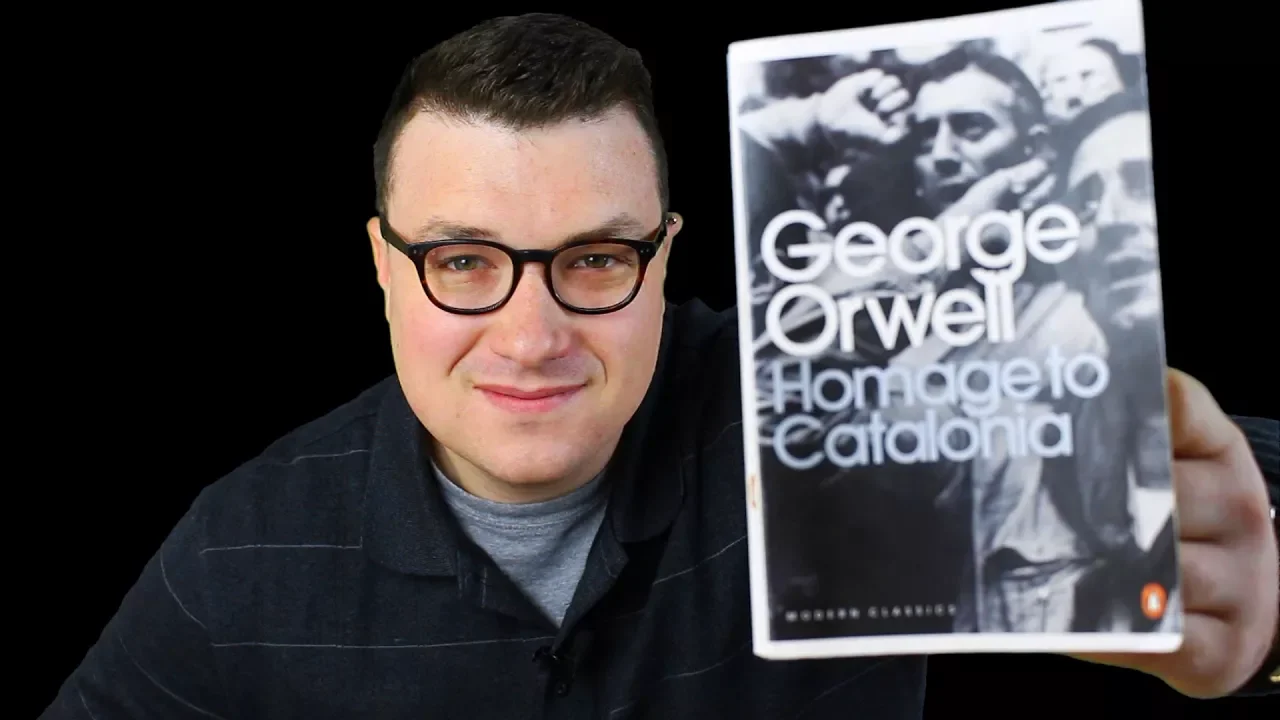
Analysis of literary and historical memoirs of the factional conflict, such as George Orwell's first-hand account in 'Homage to Catalonia'.
65.4K views3Klikes12:35Original Release: 2019-08-31
republicanos elando Los Roos who are the Republicans who fought against the nationalists in the Spanish Civil War from 1936 to 1939 from the onset of the coup in July right up until their final surrender to the nationalist forces of Francisco Franco in this video I'd like to find out who are the Republicans of the Spanish Civil War it is of course amongst the Army generals that the coup that would become the Spanish Civil War starts although some 87,000 Spanish troops did remain loyal to the Republican government although more than 50% joined the National there were some 40% who did remain loyal to the Republicans and who fought on the Republican side during the Spanish Civil War it's also true that the Republican Air Force more than half of which did remain loyal to the Republicans also played a key role in the early years of the war as well as the Republican Navy although two of the most powerful ships the aircraft carriers did actually go over to the Nationalist side the Republican Navy did at least for the first few weeks Hal the Nationalist troops from arriving in Mainland Spain despite almost having 990,000 troops still loyal to the Republican government the government really didn't trust these troops very well partially because so many troops had already rebelled and they feared that more would and also because in the first few months of the war many of the troops did actually go over to the Nationalist side when sent out to stop the rebels so the government decided quite controversially to disband all the troops that remained loyal to the Republic instead the government started to arm trade unions who formed militias as the Nationalist troops started to make Headway across Spain hundreds of thousands of volunteers flocked to these militias and they were sent to the front line to fight against the Nationalist Advance one of these organizations was the confeder naal or the national Confederation of Labor which was a confederation of anaros syndicalist trade unions that had joined together and was a very powerful force in Spain at the time working together under the initials of the and now alongside them there were also the feder anarchist I which is the Iberian Anarchist Federation now the fente and the f as they came collectively to be known had once being the same organization the F had broken away because they were more radically against the thean day but they banded together once again in 1936 to uh better promote the ideals of the anarchist Revolution and to a lesser extent to fight against the nationalists who are slowly encroaching upon their territory now as well as these guys we have the unal trades which is the general workers union and this is more sort of towards the Communist side of the leftwing spectrum uh being linked also to St and to the USSR he started to get more and more influence there which would become very important as the war went on as the coup broke out in the cities of Spain the U and the the armed their membership and fought back the fate of a city and whether it would belongs to the Republicans or the nationalists depending on how quickly and how well the various trade unions fought against the rebelling soldiers in these cities and it's only thanks to the rising of these trade unions and the fact that they were armed and ready that actually there was a republic to fight against the national otherwise they simply would have won because the Republican government itself was totally unprepared for such a coup to take place while the Communists and the anarchists both had the goal of bringing about social Revolution during the Spanish Civil War their goals were far enough apart that the two sides drifted apart and eventually even went to war with one another the anarchists wanted to break down the state control of certain aspects of life and essentially to create a classless society within where there was no property for anyone and they saw the increased militarization of the communist in their effort to fight against the nationalists as them trying to implement unjust control over the people a sentiment they shared with the paric marxista the Workers Party of marxist unification and just such a revolution did take place in several of the Spanish provinces but mainly in Catalonia in Valena and in Aragon as well as some areas in the far south in andalia where the workers did indeed take over and a propertyless classless society was for a Time aimed at being created with the anarchists in control but would Stalin and his fellow Spanish Communists allow the situation to continue no While most anarchists saw the social Revolution and the war as one and the same the Communists and the Republican government realized that to fight against the nationalists the revolution would have to wait and first they would have to mobilize and create some form of structure to fight back Spanish Communists were some of the first to arm up and fight back against the nationalists and were a great Boon at the start of the War this was so because they had close ties to the Soviet Union and to Joseph Stalin because most Spanish Communists were actually aligning with the common turn and international communism as opposed to the marxists the B who were against stalinist control over the Communist parties in Spain and they formed some of the earliest militias the first regiments that went out to the front to hold the Nationalist advance and perhaps the best known istoo which is the fifth regiment which is one of the most famous regiments and celebrated regiments the several songs been written about this on the Republican side and who really held the line against the nationalists especially during the Battle of Madrid which is one of the few times that the nationalists were actually stopped in their offensives and they were stopped several times at Madrid which held out right until the end of the war the Communists became more important as the war progressed as well because the Soviet Union was sending much needed support to the Spanish Republican government and was one of the only countries that openly did so so the Communists Rose in significance in the Spanish rep Republican government as well as on the front lines and the battlefield in October of 1936 the Republican government finally made a move to reorganize all the militias that had been sent higgledy piggledy out to fight against the nationalists which they were doing with really rather little success so they created a new and reorganized Army on the the model of the ktoo and this was calledo regular which is the regular popular Army this Army was to be put under the leadership of the frente po which was the the essentially the front of several leftwing parties that joined together to fight against the national front the right-wing equivalent just before the outbreak of the coup in 1936 as well as under the control of the the and the so the Communists and the anarchists who then started to tow the line with the Republican government so that they could more effectively fight back there were also nationalists who fought for the Republic but before I go on a quick disclaimer here when I'm saying nationalist I don't mean the nationalists like the guys that you know were doing the Roman salute and were supporting Franco who are often referred to as the nationalists the guys who are rebelling or the ones I made the video about probably I don't know when not be uploaded at some point um but not those guys what I mean are the nationalists as in the Catalan and The Basque nationalists from these areas in Spain there also some in Galia um which is the part of Spain just above Port Portugal but they're not as significant as the two from these regions the basks are a people from the northeast of Spain as well as being across the Border in France and they are actually a linguistic minority a very interesting one linguistically because their language is non-indo-european and you'll probably see how strange it looks to indoeuropean eyes in a little bit and the Bas actually fought for the Republicans but also for the nationalists and this was because the Basque Country I believe still is was incredibly Catholic very strongly Catholic and that didn't go well with a lot of the Communist and Anarchist factions who were very anti-catholic and committed atrocities against the Catholic Church so quite a few Bas also served with the carlists and the carlists as you will know if you saw my video on the nationalists fought for the nationalists during the war and were strong on traditionalism and wanted the uh descendants of Don Carlos reinstated on the Spanish throne but there were of course also Bas and I think more Bas who fought for the Republic because the Republic promised more autonomy and perhaps even eventual Independence to The Basque country and did indeed give them more Independence during the Spanish Civil War and they did actually form up into several battalions to defend the Basque Country which very soon came under attack from nationalist forces and they formed them up into the and this is my best Basque so you'll forgive me usco gasa and this means The Basque Army although eventually this Army proved ineffective and they were defeated by the uh nationalist forces when they cut them off from the rest of the Republicans and took the northern patch of the Republican territory from them in I think it's 1937 Catalonia ought to use the Spanish and Catalan Catalonia were also given a certain degree of autonomy during the Spanish Civil War and this is where a lot of the anarchist things were happening until the MayDay of 1936 or 37 when they were overthrown by the Communists and the Republican government and some order was restored to that area and it was on in from Catalonia that a lot of the militias originated that went out to fight against the Nationalist troops and it's also here that George Orwell the famous author came and served uh not as part of one of the international brigades because he wasn't a communist but um as as a volunteer internationally and many of the Catalan nationalists who were a prominent Force and and very leftwing as they are today um were generally along the line of the Communists to get the support from the Soviet Union and also fought there uh probably for more freedoms finally there are the brigadas internationales or the international brigades which is an often romanticized part of the Spanish Civil War and one which I made an English and a Spanish video about I think 2 years ago now if you want to check that out and see old school history with which I would recommend for a laugh um but essentially these were uh International brigades of international volunteers that came over and fought for the Republic against the uh nationalists and what these were were always Communists because it was organized by the Communist party and lots of different nationalities took part here has a little chart that I composed based off information from a book uh that I was reading about the subject with various battalions and brigades there were lots of brigades that were multinational as well uh and some of the uh largest numbers of nationalities that came and fought against uh Franco and his troops and often these would form some obviously would be larger battalions where would be just with one nationality in several thousand in a battalion or several hundred and other times they would be more mixed with various nationalities and various battalions being uh added together with columns so that they made up a proper regiment and were sent out and they were often really brutally trained uh in the camps and the the uh discipline was very harsh so they they were sometimes really quite good troops for the Republicans but they seem to have been used quite badly by the commanders um and morale seems to have become quite low in these International uh brigades and often times when they went back to their countries the Europeans of course would find themselves under Nazi occupation just a few years later and this would become a real issue as well as the fact that in countries like the Netherlands if they went and fought for Spain they became honorary Spanish citizens so they lost their Dutch citizenship which under occupation was a real issue so many of these uh men and women that went and fought and served they had really tragic stories after the Spanish Civil War as well as the many thousands tens of thousands who were killed the international brigades were exclusively lined to Stalin and to the Communist line so the USSR and were set up by the Comon turn so those who disagreed with uh that form of Communism so many marxists joined the pum for example or the trois as well as others I believe George Orwell was an anarchist or a socialist he wasn't quite a communist or not to the USSR so they form different columns and different um uh fighting units rather than the international brigades which are more famous today all right everyone so thank you very much for watching this has been the rather and hopefully not too confusing factions of the Republicans during the Spanish Civil War because this really is a large and confusing topic because there are so many and I've done my very best to one get my head around it and two help you get your head around it which I hope this video can help you to do so if you're interested then comment anything below and I will try and get back to people with questions or someone in the audience will um because you are all a Fountain of Knowledge which is really good I've tried my best with the Basque pronunciation the Spanish should be all right uh if my a levels are true to me but if you want to say any more on this topic just let me know I've been thinking about composing a bit of a longer maybe 45 minutes to an hour documentary on the Spanish Civil War if that's something people are interested in but just let me know as always cards and things in the description to find out more and uh leave me a thumbs up if you enjoyed so thanks for watching and I'll see you soon aista
Up Next
35:11
The Spanish Civil War (1936-1939): A Nation Divided | Documentary
@warsoftheworld1945
71.3K views•2025-07-18

33:02
The Great Schism of 1054: Causes and Consequences
@SacredCathedrals
113.5K views•2026-02-19
16:15
Spanish Civil War Origins: Morocco's Crucial Role
@historywithhilbert
69.2K views•2022-04-29
17:05
Understanding the Cold War: Superpower Conflicts and the Road to Détente
@OverSimplified
46.1M views•2019-01-24
Related Study Plans & Knowledge Roadmaps
Structured learning paths in History
history
Byzantine Iconoclasm: Theology, Art & Politics
01Foundations of Byzantium and Early Christian Images
02The First Iconoclasm: Leo III and the Crisis of Images
03Empress Irene, Nicaea II, and the Second Iconoclasm
+ 2 more learning modules
9h5 modules
Explore Roadmap
history
Iranian Revolution (Causes, Events & Legacy)
01The Pahlavi Dynasty and the Roots of Discontent
02The Spark of Rebellion and the Rise of Khomeini
031979: The Fall of the Shah and the Climax of the Revolution
+ 2 more learning modules
8h5 modules
Explore Roadmap
history
Mali Empire: Mansa Musa, Trade & Timbuktu
01Foundations of the Mali Empire
02The Trans-Saharan Gold and Salt Trade
03The Reign and Pilgrimage of Mansa Musa
+ 1 more learning modules
6h4 modules
Explore Roadmap
history
1947 Partition: Politics, Borders & Legacies
01Foundations of British India and the Divide
02The Political Negotiations and the Mountbatten Plan
03Drawing the Boundary: The Radcliffe Line
+ 2 more learning modules
8h5 modules
Explore Roadmap