










![Entrevista de Tucker CARLSON a Javier MILEI - Análisis y Reacción de un MARXISTA [Parte 1]](https://i.ytimg.com/vi/69l6LUh4BoQ/maxresdefault.jpg)





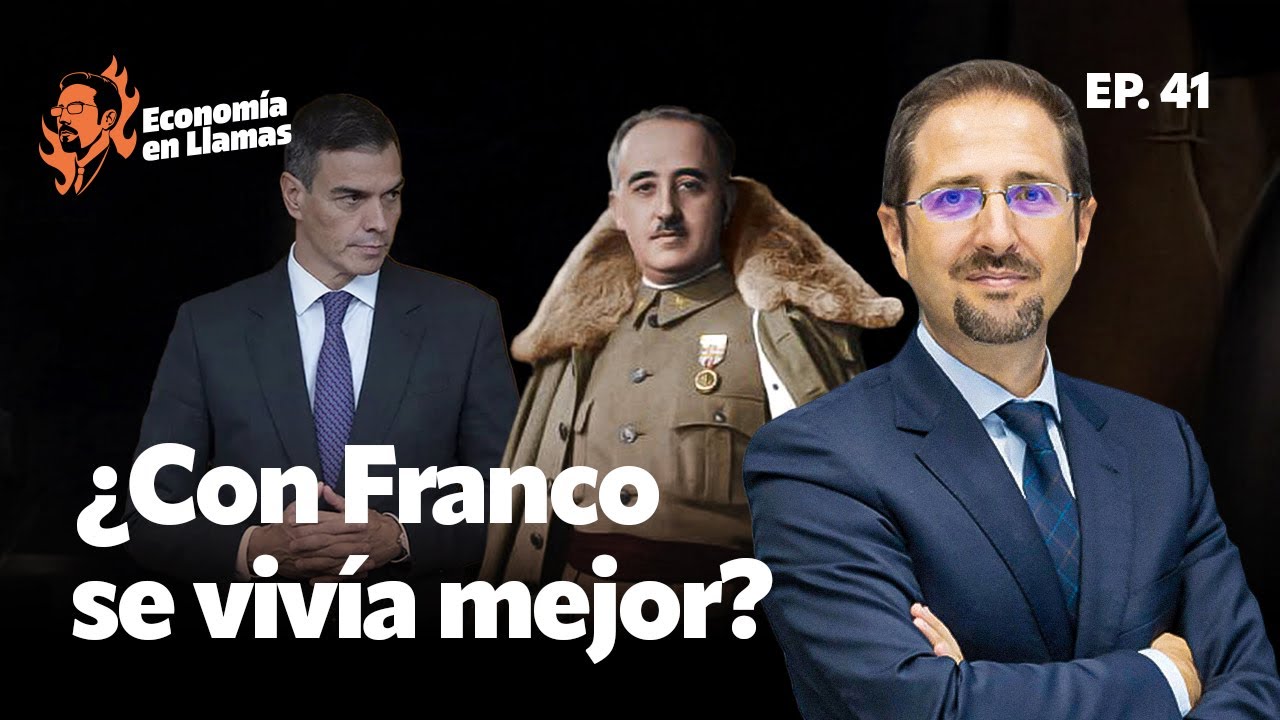

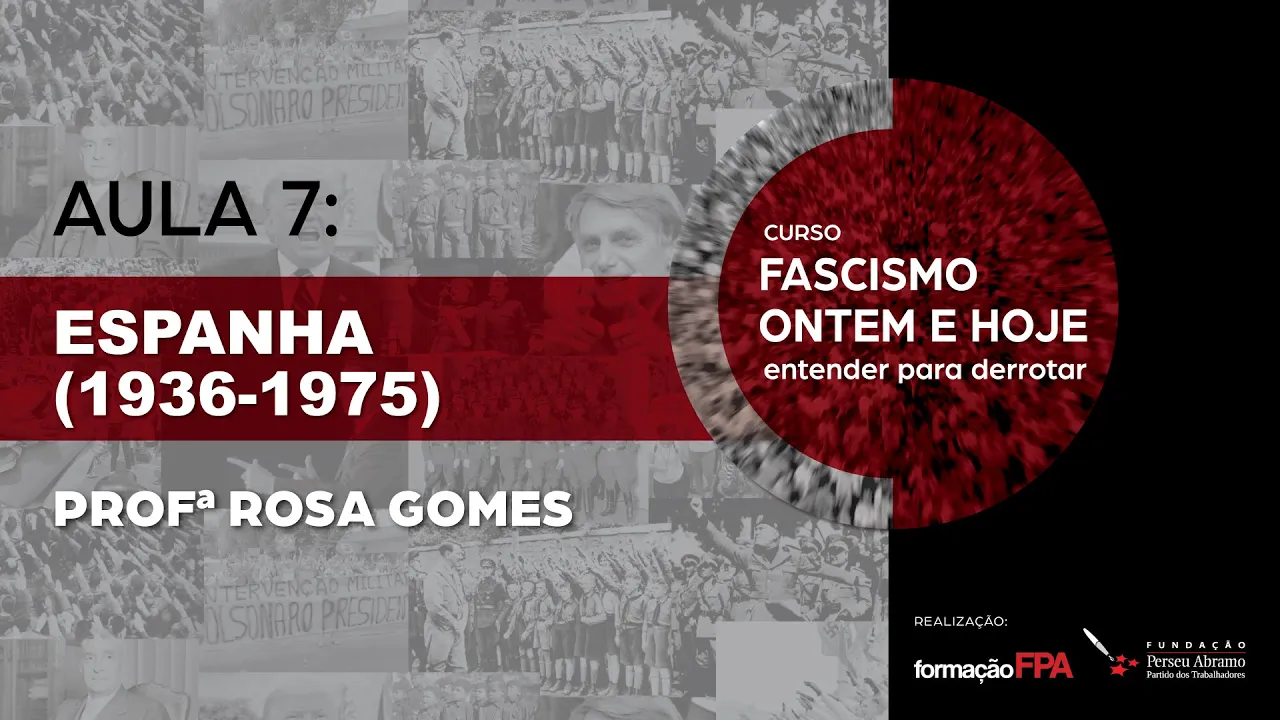


![PBS Between the Wars: The Spanish Civil War [Episode 12]](https://i.ytimg.com/vi/2ea069l3Szo/hqdefault.jpg)
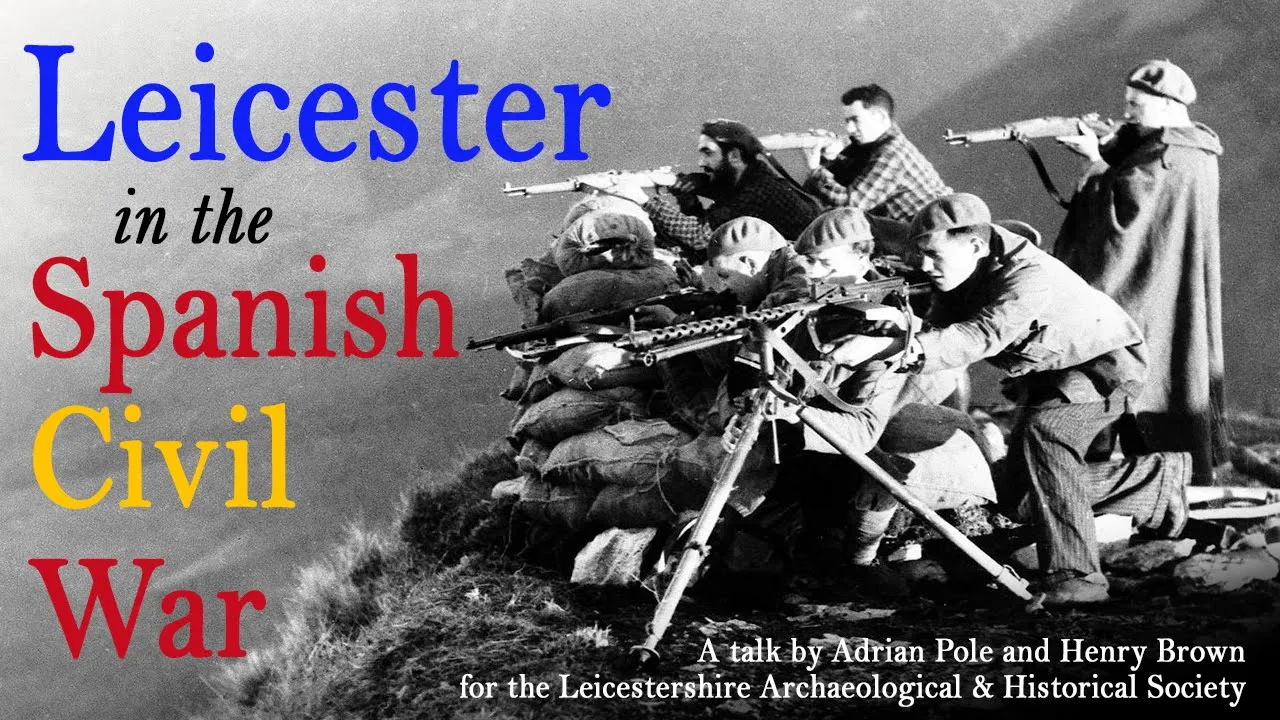

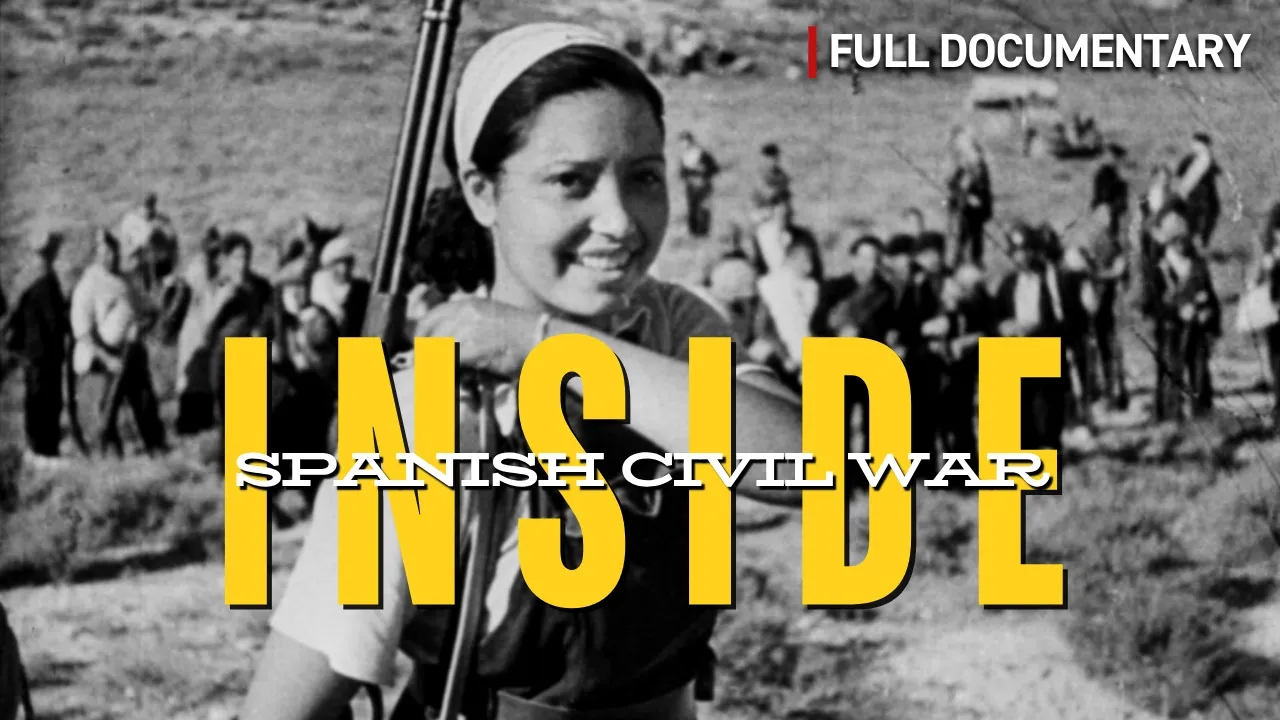


The Spanish Civil War (1936-1939) was a brutal conflict between Nationalists led by Francisco Franco and Republicans, resulting in Franco's establishment of a long-lasting authoritarian regime that lasted until his death in 1975; despite being often described as fascist, Franco's regime defied simple categorization as it respected private property and allowed some political tolerance while suppressing regional independence movements, ultimately transitioning to democracy under King Juan Carlos I with the help of Prime Minister Adolfo Suárez.
The Spanish Civil War and Franco: A Ten Minute History
Added:The rise of political extremism in 1930s Europe, specifically the ideological clash between Fascism, Nazism, and Communism.
The establishment and challenges of the Second Spanish Republic (1931–1936), including its social, land, and secular reforms.
The traditional power dynamics in Spain, notably the historical influence of the Roman Catholic Church, the military, and the land-owning oligarchy.
Basic political spectrum definitions, particularly the distinction between Republican (left-leaning, anarchist, socialist) and Nationalist (right-leaning, monarchist, fascist) factions.
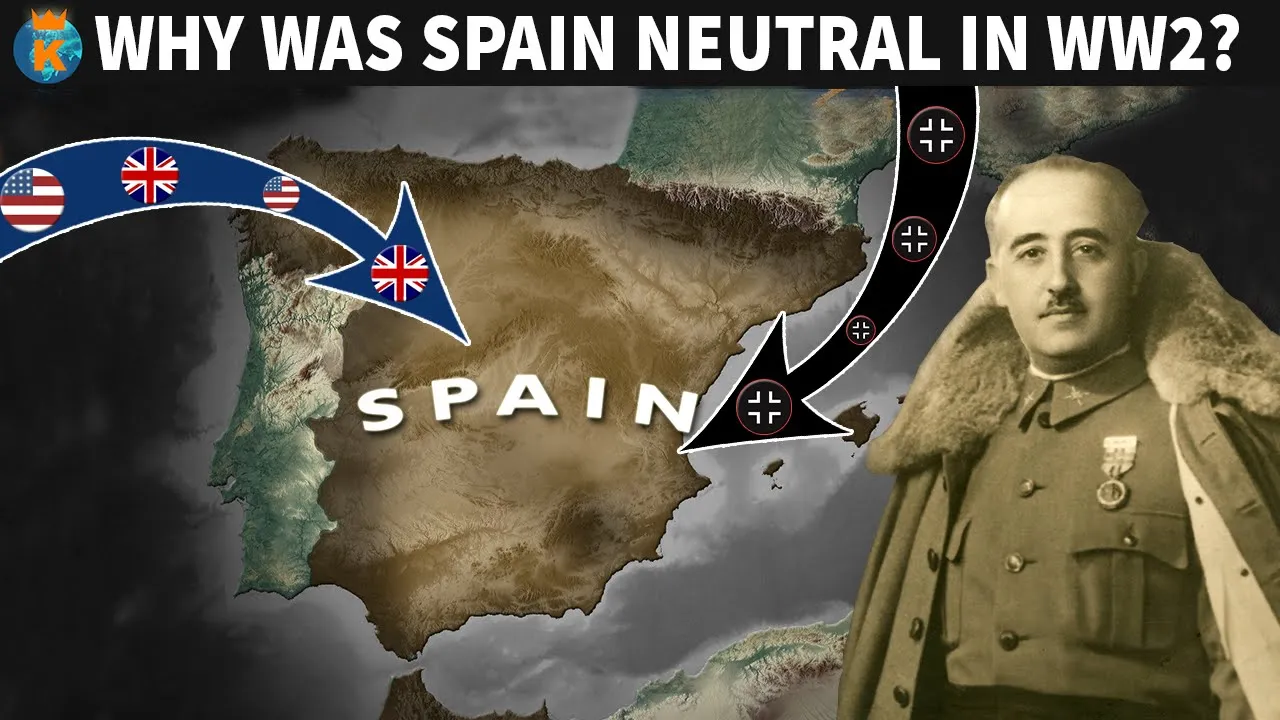
Spain's strategic posture during World War II, including its official neutrality, relations with the Axis powers, and the deployment of the Blue Division.
The transition of Spain from an autarkic, isolated dictatorship to the economic boom (the 'Spanish Miracle') of the 1960s under technocratic guidance.
The Spanish Transition to Democracy (la Transición) following Franco's death in 1975, including the 'Pact of Forgetting' and the restoration of the constitutional monarchy.
The international dimension of the conflict, focusing on the role of foreign volunteers (e.g., the International Brigades) and the non-intervention policy of Britain and France.
Modern Spain's struggle with historical memory, including the Law of Historical Memory and the ongoing debates surrounding the exhumation of Franco-era mass graves.
3.1M views62.6Klikes9:59Original Release: 2018-07-28
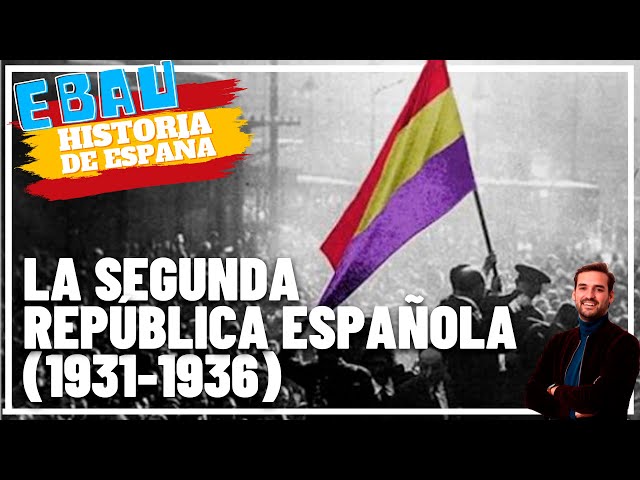
1930 and in spain things are getting a bit tense it was at this point led by king alfonso the 13th and his prime minister slash dictator general miguel primo de rivera rivera was hugely unpopular and had cracked down on many democratic opponents and he'd also alienated the army which led to his resignation in january he was replaced by general damaso beringuer who continued the dictatorship but spaniards named it dictablanda or the soft dictatorship opposition to the dictatorship and the monarch who maintained it continued to grow during 1930 and to the outbreak of an uprising in kaka here this uprising was crushed and alfonso chose to replace beringway in 1931 with admiral juan batista athnad who called for local elections the opposition known as republicans won and went one step further by declaring spain a democratic republic and alfonso who couldn't count on the military for support simply left this ushered in the period of the second spanish republic which incidentally was one of the few nations to have the colour purple on its flag a new provisional government led by niseto asalathamoda was established and quickly began to implement reforms in june 1931 an election was held to elect men for a constitutional cortes which would draft the new spanish constitution this constitution included things such as freedom of speech and assembly as well as the separation of church and state it also importantly placed the church's money under the control of the government and prevented religious orders from teaching in state schools this upset many of the deeply catholic population and led to assalathamoda himself a very religious man resigning his position of prime minister in october he wasn't jobless for long however since he was elected to the mostly ceremonial role of president by the constitutional cortes in november his replacement as prime minister was a man called manuela sanyo who was a left-wing republican and wanted to push through major reforms you may have noticed that neither of these two were elected in general elections and in fact the constitutional cortes continued to govern the nation well after the constitution was finished not very democratic athanya continued to bring in reforms such as expanding the franchise to women in 1933 and redistributing land from the rich to the poor further reforms included granting greater local autonomy to catalonia in the basque country and shrinking the size of the army athanya struggled to keep public ordered though and after some revolts which were quickly crushed it became clear that the spanish people no longer wanted him in charge and so elections were called in 1933.
ethanya lost and was replaced by a right-winger called alejandro leroux who sought to reverse many of the previous reforms larue struggled to govern effectively when it became clear that his government would be a very conservative one the socialist demanded a general strike to bring the country to a halt this led to the astorias rising which saw armed socialist caesar viedo in october of 1934.
the army put this revolt down and so left-wing parties realized that they needed to cooperate if they were to regain power and so together formed the popular front in 1936.
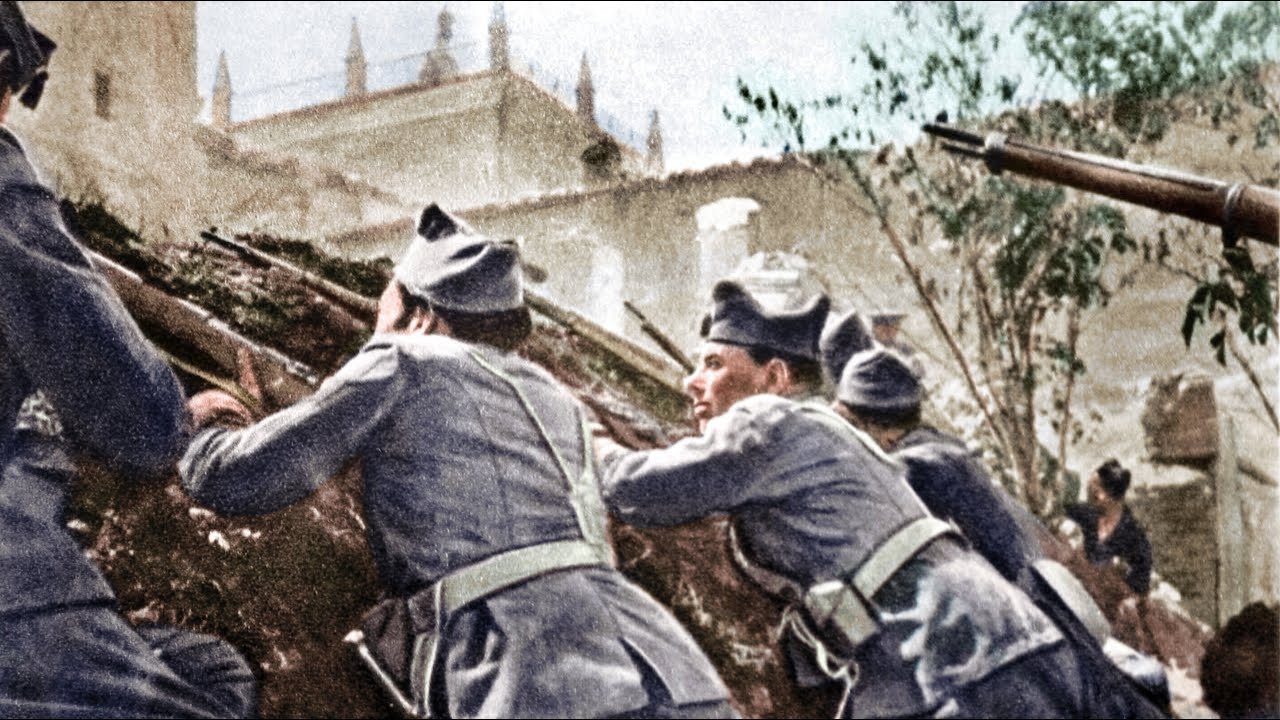
larue's government collapsed due to a financial scandal and elections were called which saw the popular front led by ethanya wynn athanya soon after ousted our salah the murder as president and took his place but his presidency was tarnished by local violence between left and right wing groups the most notable of these right-wing groups was the phalange which was modeled on the fascist parties of europe and whose leader jose antonio had been arrested the breakdown of civil order and the promises of greater autonomy to the regions worried many in the army who thought that the country would disintegrate led by general muller much of the army planned to ask the government to stop this both sides started assassinating members of the other and the most notable of these was the murder of jose calvo cetello the leader of the monarchist party this left basically no notable right-wing leaders and so the army decided now that this was the time for a coup to begin the elite african army began a revolt in spanish morocco on july the 17th 1936 seizing it and they were soon after joined by their leader a certain francisco franco the expectation was that the republican government would surrender it didn't instead the new prime minister jose gerald issued weapons to unions and workers to fight the army the rebels had the advantage of the support of most of the army whereas the republicans had the navy on side as well as the industry and resources of most of spain by the end of august though the front lines look like this with the rebels now calling themselves the nationalists controlling about a third of the country in october the nationalists proclaimed general franco as the head of state because all of the other leaders like moller had died since the arrested jose antonio of the phalange party had been executed franco placed himself as its new leader so both the nationalists and the republicans had their foreign backers in the civil war the nationalists were supported by portugal italy and germany whereas the republicans were given aid by the soviet union mexico into a much lesser unofficial extent france so by april 1937 spain looked like this and it was in this month that one of the most famous events of the civil war occurred the bombing of guernica by the german volunteers the condole legion this bombing devastated the city killing five percent of its population in one day this wasn't the only atrocity of the war though both sides massacred civilians and prisoners and the nationalists operated concentration camps and used forced labour the nationalists were able to conquer the north of the country taking most of catalonia by the end of 1938.
it was here incidentally that george orwell fought and became disillusioned with communism and with bullets since he got shot in the throat one of the reasons that the republican side struggled was that it contained many diverse political groups such as communists socialist liberals and anarchists these factions often bickered and sometimes attacked one another meaning unity was all but impossible since they had different end goals in february 1939 the nationalists conquered barcelona and britain and france recognized franco as the spanish head of state the next month saw the fall of madrid and the republican leadership flee on april the 1st franco announced an end to the civil war in a nationalist victory franco now had the job of securing his power and rebuilding the country spain was formally declared a one-party state with franco as its leader franco is often described as a fascist and in many ways this is both right and wrong since he and his regime defy categorization he did use force to repress dissent and the independence movements of catalonia in the basque country and he put the needs of the regime above those of the population however he did respect private property and made little effort to police people's private thoughts and actions people were free to leave spain many positions in government were appointed on merit and some criticism was tolerated so the regime could adapt so almost immediately after the civil war was over a little-known event called world war ii kicked off franco kept spain out of the war despite close ties to germany and italy mainly because spain was still a smoldering wreck and wouldn't have been able to do much anyway this doesn't mean that franco completely ruled it out though hitler wanted to move his troops through spain to capture gibraltar but franco's demands were too high the price of spanish help was forgiveness for spain's debts and franco also wanted germany to provide most of the equipment franco's demands angered hitler who even threatened to give catalonia to vichy france but in the end nothing happened spain did however contribute some volunteers to the war but after 1942 started to shift towards a passive support for the allies after world war ii was over spain was internationally isolated since it didn't pick a side it was also suffering from a sluggish economy which mostly came about as a result of franco's economic policy called ortarki this was where spain intentionally played very little role in international trade and sought to be entirely self-sufficient this didn't go very well and in the 1950s the regime had to implement major economic reforms which aimed at bringing in foreign investors this included allowing for u.s military bases and placing emphasis on industrial development instead of promoting agriculture as it had done previously spain still held the remnants of its once great empire and in 1956 morocco gained its independence from france as a result of this franco ceded spanish morocco to muhammad the fifth its new king but kept the territories of sayutra malia muhammad v wanted these as well as ifny here and so in 1957 invaded long story short the spanish with the help of the french one militarily but in the peace negotiations decided to give morocco this territory the decade following the ifny war was a pretty good one for spain the country opened up and the economy boomed a large portion of which came from the growing tourism industry press censorship was relaxed and franco turned a blind eye towards the growing underground political parties which opposed him a lot of these changes were due to spain wanting to join the international community and open up trade with its european neighbours most of these organizations such as nato and the european economic community said no but spain was admitted to the united nations in 1955.
hereafter the remnants of the spanish empire were given up with ifny being seeded to morocco in 1968 an equatorial guinea being given independence the next year one territorial matter that was not resolved though was that of gibraltar franco had made many diplomatic efforts aimed at regaining gibraltar for spain but all of them were rebuked which led to him closing the border with it in 1969 so by the late 1960s franca was getting a bit old and so measures had to be taken to prepare for his death and succession in 1947 franco had promised to restore the monarchy he began making true on that when in 1969 he appointed prince juan carlos of the house of bourbon as his successor incidentally franco had first asked the habsburgs to take the throne but they declined because at this point a habsburg hadn't ruled spain since the 18th century in 1973 franco appointed admiral carrera blanca was the president of the council of ministers basically the prime minister this was a time of growing unrest as workers demanded greater rights to go with their increased economic freedom the economy began to slow down again and even the church began backing social change and opposition groups the late 60s and early 70s also saw the beginnings of ita a basque terrorist organization who were responsible for many bombings and political assassinations the most notable of these occurred in december 1973 when ita managed to blob admiral blanco on his way to mass blacker was replaced by carlos arias navarro who struggled to maintain order in 1975 after suffering from repeated bouts of illness for many years franco died and was succeeded by the prince who became king juan carlos the first juan carlos immediately began to lay the foundation for a transition away from dictatorship to democracy he asked darius navarro to resign and appointed a man called adolfo suarez as his replacement juan carlos and suarez had both promised to uphold the francoise constitution and maintain the dictatorship fun fact no they began to work behind the scenes to pressure francois politicians to dissolve the parliament to begin democratic elections the king lifted the ban on opposition political parties even the communist party in 1977.
in june of the same year there was an election which women could vote in and suarez's party the ucd won with the socialist coalition coming second in 1978 a new constitution was written enshrining civil liberties and granting regional autonomy to both catalonia in the basque country after this barring a failed coup in 1981 spanish democracy remained strong and it was welcomed back into the international community spain's period of authoritarianism had come to an end and the work of juan carlos the first in this is hard to overstate he and suarez had resisted immense internal pressures and stunned international onlookers by quickly and peacefully dismantling the francois system and ushering in a new age for spain i hope you enjoyed this episode and thank you for watching there are some book recommendations in the description below if you'd like to know more
Up Next

9:22
Spanish Civil War Origins: 1936 History Documentary
@pasaremos2010
21.9K views•2010-09-14

33:02
The Great Schism of 1054: Causes and Consequences
@SacredCathedrals
113.5K views•2026-02-19

3:33
Why Gran Colombia Failed: A 12-Year Experiment in South American Unity
@HistoryMatters
1.4M views•2021-11-30
17:05
Understanding the Cold War: Superpower Conflicts and the Road to Détente
@OverSimplified
46.1M views•2019-01-24
Related Study Plans & Knowledge Roadmaps
Structured learning paths in History
history
Byzantine Iconoclasm: Theology, Art & Politics
01Foundations of Byzantium and Early Christian Images
02The First Iconoclasm: Leo III and the Crisis of Images
03Empress Irene, Nicaea II, and the Second Iconoclasm
+ 2 more learning modules
9h5 modules
Explore Roadmap
history
Iranian Revolution (Causes, Events & Legacy)
01The Pahlavi Dynasty and the Roots of Discontent
02The Spark of Rebellion and the Rise of Khomeini
031979: The Fall of the Shah and the Climax of the Revolution
+ 2 more learning modules
8h5 modules
Explore Roadmap
history
Mali Empire: Mansa Musa, Trade & Timbuktu
01Foundations of the Mali Empire
02The Trans-Saharan Gold and Salt Trade
03The Reign and Pilgrimage of Mansa Musa
+ 1 more learning modules
6h4 modules
Explore Roadmap
history
1947 Partition: Politics, Borders & Legacies
01Foundations of British India and the Divide
02The Political Negotiations and the Mountbatten Plan
03Drawing the Boundary: The Radcliffe Line
+ 2 more learning modules
8h5 modules
Explore Roadmap