














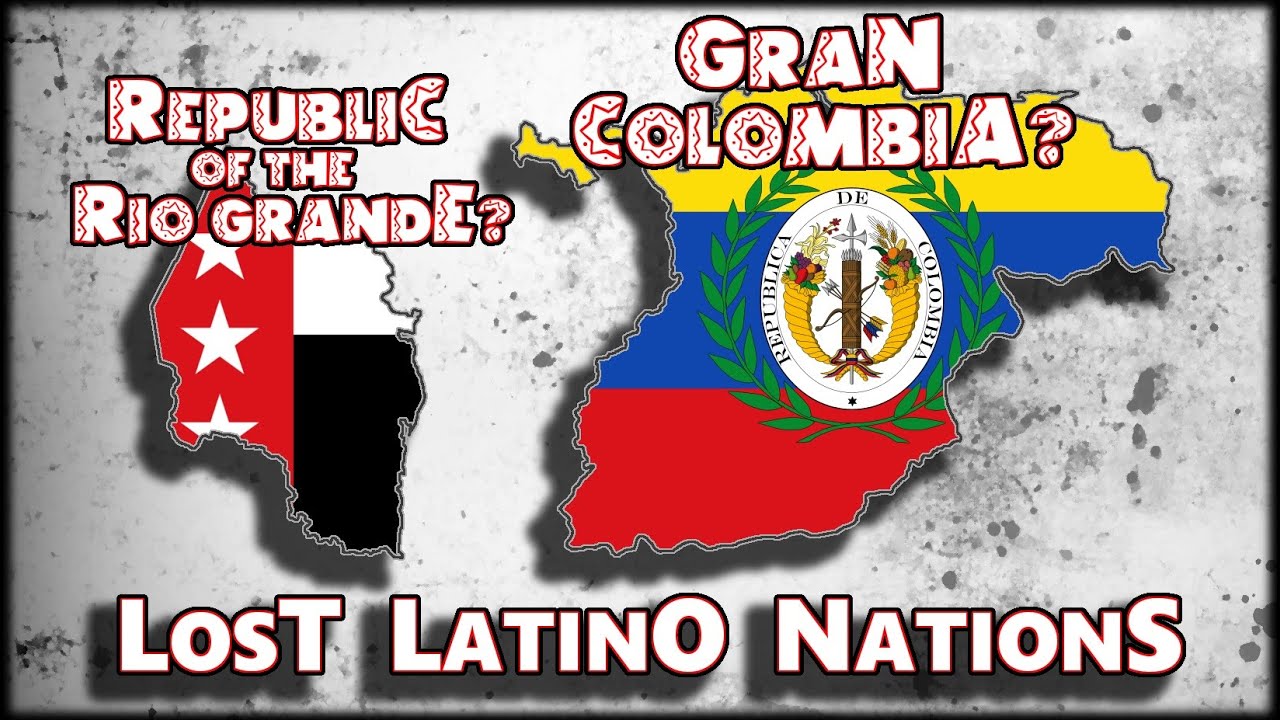
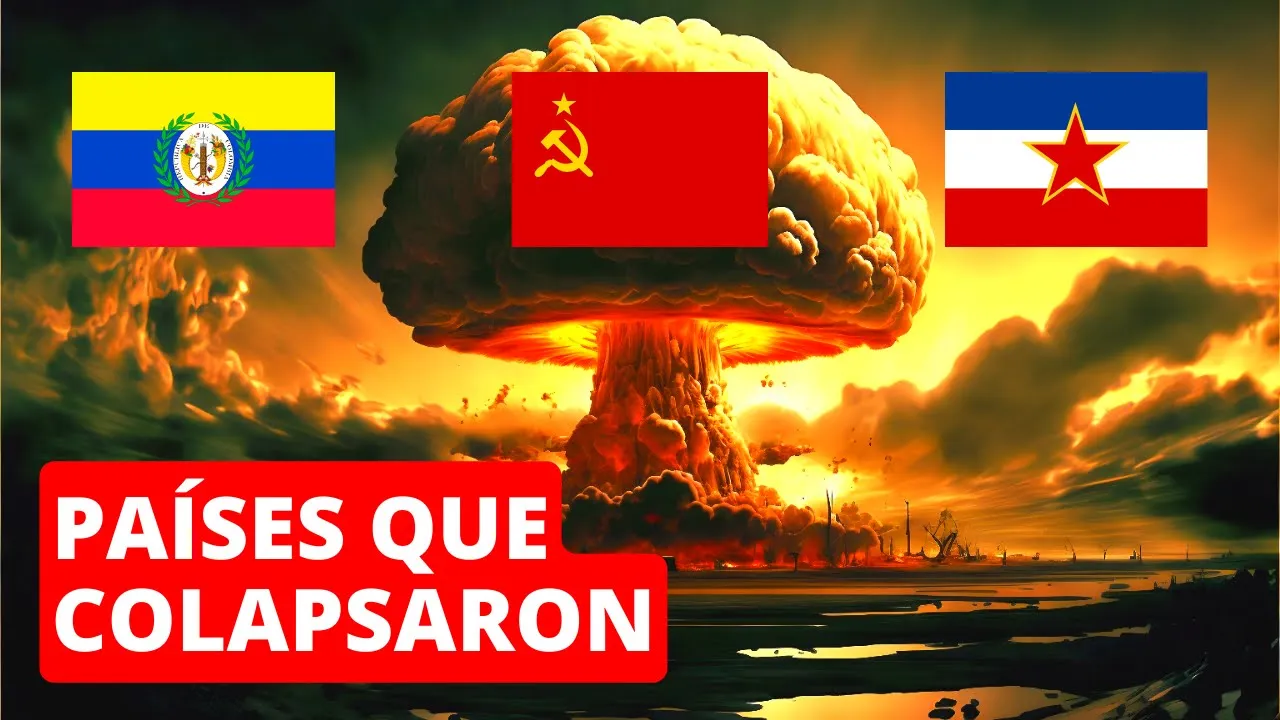

Gran Colombia, a short-lived South American federation formed in 1819 by Simón Bolívar that encompassed present-day Colombia, Venezuela, Ecuador, Panama, and parts of Peru and Brazil, failed primarily due to Bolívar's attempt to impose a highly centralized government structure on diverse regions with strong local identities, which led to widespread resentment and ultimately the dissolution of the federation into separate nations by 1830.
Why Gran Colombia Failed: A 12-Year Experiment in South American Unity
Added:The Spanish American Wars of Independence and the liberation of the Viceroyalty of New Granada from Spanish colonial rule.
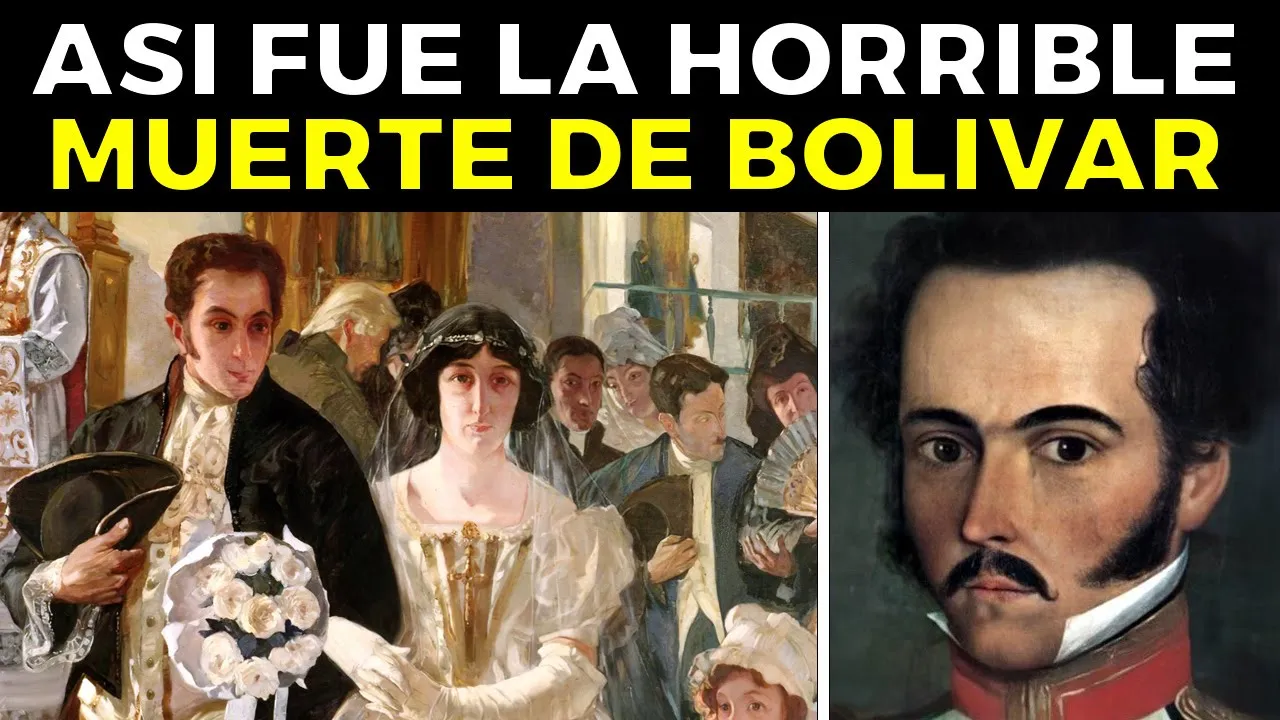
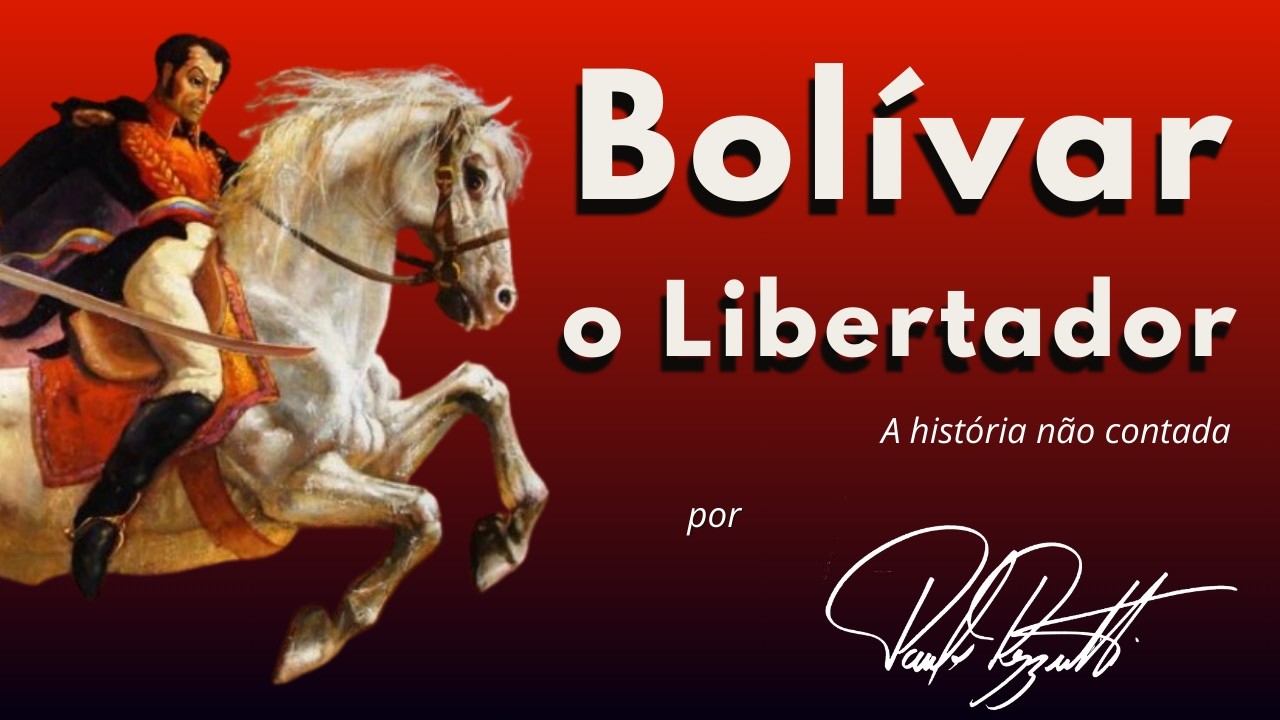
The political biography of Simón Bolívar, particularly his vision of Pan-Americanism and a united South America.
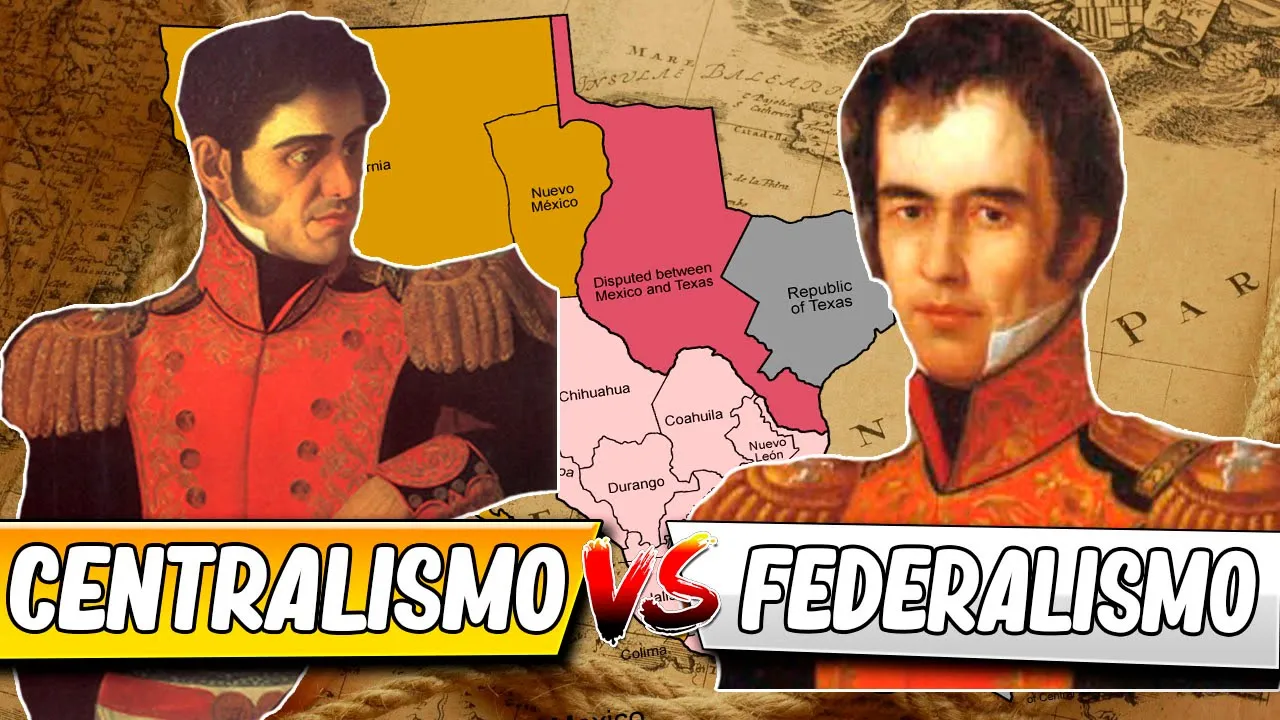
The ideological debate between Centralism (strong central authority) and Federalism (regional autonomy) in early 19th-century governance.
The geographic and infrastructural challenges of the Andean region, which historically hindered communication and trade.
The individual nation-building processes of Venezuela, Ecuador, and Colombia (New Granada) immediately following the dissolution of Gran Colombia.
The rise of 'Caudillismo' (regional military strongmen) as a dominant political force in 19th-century Latin America.
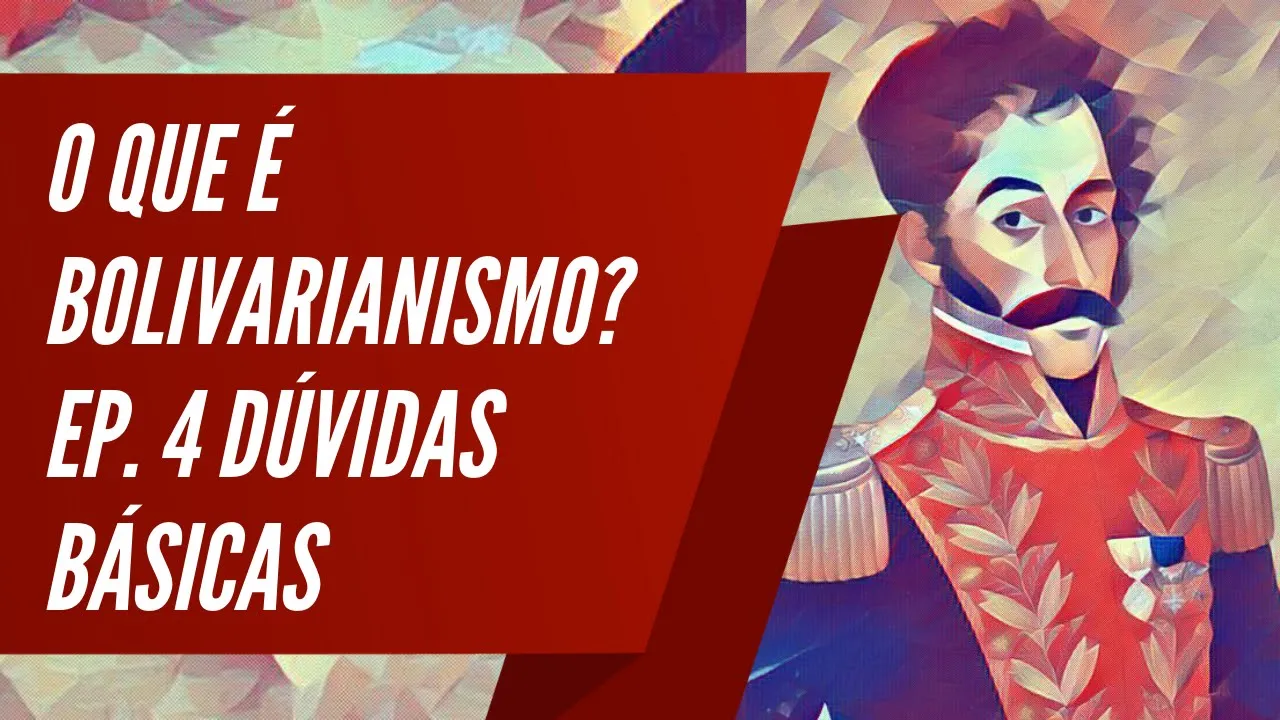
The long-term legacy of Bolivarianism and its utilization by modern Latin American political movements, such as Venezuela's Bolivarian Revolution.
A comparative study of other short-lived federal experiments in the Americas, such as the Federal Republic of Central America.
1.4M views54.8Klikes3:33Original Release: 2021-11-30
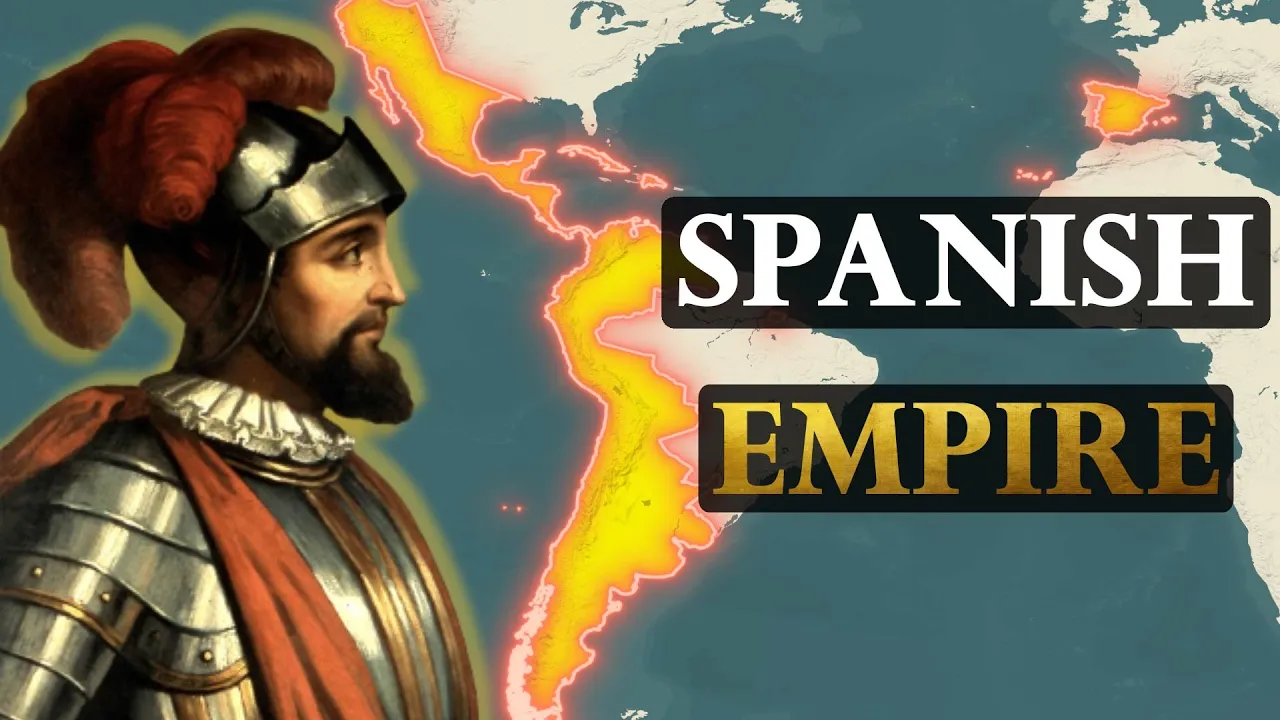
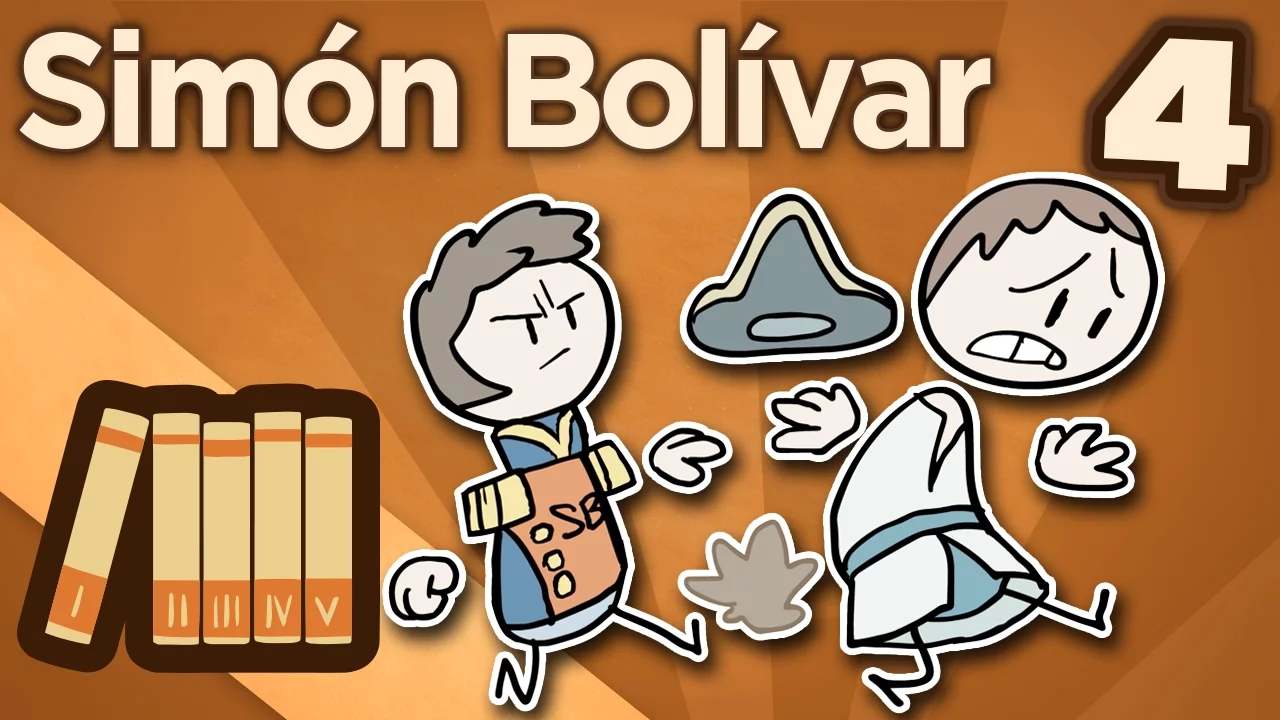
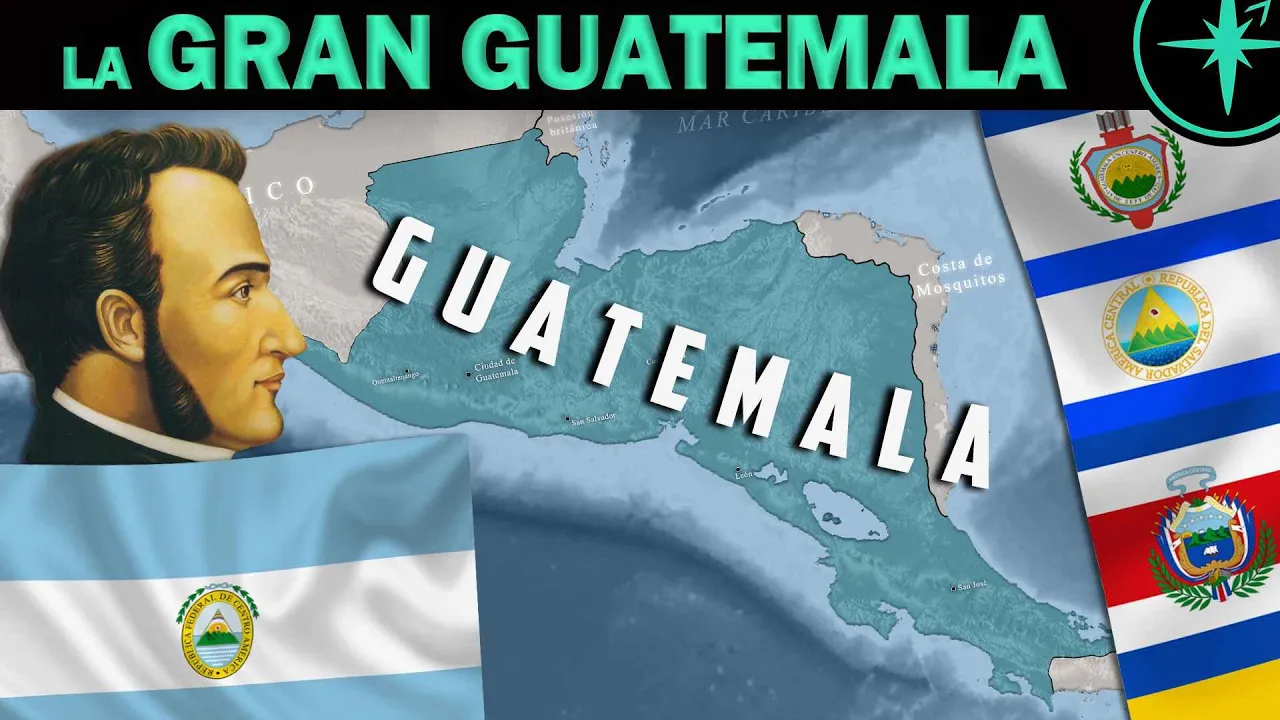
grand colombia doesn't exist at least not anymore it was a formidable country in south america that contained what are now colombia venezuela panama ecuador as well as parts of peru and brazil it lasted for the sum total of 12 years before rapidly falling apart but why did this major nation break up why did grand colombia fail to begin we have to go back to napoleon it's always napoleon spain had allied with him which brought it into conflict with britain and portugal whose navies hampered the ability of the spanish monarchy to communicate with its american holdings the spanish king was soon overthrown by napoleon and thereafter those who lived in spanish america took governing into their own hands since spain's new king were seen as illegitimate across the spanish empire civil wars broke out between those who wished to stay loyal to spain under its new king and those who wish for independence one place trying to break away was venezuela which some chap called simone bolivar had been fighting to liberate for half a decade at this point in order to secure his country's independence bolivar needed to make sure that spanish and royalist forces couldn't take refuge in the bordering regions of what was called the viceroyalty of new granada and so in 1819 bolivar chased down spanish forces there he defeated them and politicians back in venezuela declared the creation of the republic of colombia which look like this incidentally this country is referred to as gran colombia to separate it from what's now colombia so what happened well the first issue was that bolivar wasn't done and he was busy driving the spanish out of the rest of south america doing so was very expensive and funding this was made even harder by the corruption across grand columbia furthermore as his campaign was ongoing he kept getting made president of more and more countries which he soon gave up to his close friends because these friends were on the same page as him and would totally give up their newfound power to enlarge gran colombia in the future when he asked another issue was that simply declaring an area to be a united state doesn't make it so under the spanish each part of the viceroyalty was administered separately and had little interaction with the others and now that they had to get along they didn't and similar to those in the early united states the people in grand columbia are identified with their state much more than their country so why did one succeed when the other failed well it's because bolivar wanted gran colombia to be heavily centralized as opposed to being a federation of semi-autonomous states bolivar feared that without a strong central government grand colombia would fall to civil war quickly and so he built a government in which power lay mostly within the capital and the other major cities would only have limited authority which of course caused resentment in response bolivar called for a constitutional convention the plan was that everyone would agree to his vision for the country but instead everybody wanted gran colombia to be a federation and if these local powers couldn't be upheld separation bolivar refused to accept any of this and he wanted to be made president for life with broad powers to stop the country from fracturing literally nobody wanted this and so in 1830 when he realized he had failed bolivar quit he died shortly afterwards but not until after ecuador and venezuela had declared their independence and thus grand colombia had fractured into three new nations and bolivar's dream of the united spanish-speaking south america was dead i hope you enjoyed this episode with a special thanks to my patrons james bissonette kelly moneymaker mr wolfe sky chappelle adam stalter jordan longley rod d martin gareth turner wyan hockey jerry lamdin spencer lightfoot corso wolff boogerly wiggly marvin kassar winston k wood gustav swan marcus asner captain cydog aaron the white matthew shipley robert wetzel alex schwinn maggie paxkowski the mc wapper anthony beckett coppertone spinning through plates charles the first ben evanson scottish trekkie and words about books podcast
Up Next

18:56
What If Gran Colombia Had Survived: An Alternate History Analysis
@AlternosMundos
14.8K views•2025-07-12

33:02
The Great Schism of 1054: Causes and Consequences
@SacredCathedrals
113.5K views•2026-02-19
9:59
The Spanish Civil War and Franco: A Ten Minute History
@HistoryMatters
3.1M views•2018-07-28
17:05
Understanding the Cold War: Superpower Conflicts and the Road to Détente
@OverSimplified
46.1M views•2019-01-24
Related Study Plans & Knowledge Roadmaps
Structured learning paths in History
history
Byzantine Iconoclasm: Theology, Art & Politics
01Foundations of Byzantium and Early Christian Images
02The First Iconoclasm: Leo III and the Crisis of Images
03Empress Irene, Nicaea II, and the Second Iconoclasm
+ 2 more learning modules
9h5 modules
Explore Roadmap
history
Iranian Revolution (Causes, Events & Legacy)
01The Pahlavi Dynasty and the Roots of Discontent
02The Spark of Rebellion and the Rise of Khomeini
031979: The Fall of the Shah and the Climax of the Revolution
+ 2 more learning modules
8h5 modules
Explore Roadmap
history
Mali Empire: Mansa Musa, Trade & Timbuktu
01Foundations of the Mali Empire
02The Trans-Saharan Gold and Salt Trade
03The Reign and Pilgrimage of Mansa Musa
+ 1 more learning modules
6h4 modules
Explore Roadmap
history
1947 Partition: Politics, Borders & Legacies
01Foundations of British India and the Divide
02The Political Negotiations and the Mountbatten Plan
03Drawing the Boundary: The Radcliffe Line
+ 2 more learning modules
8h5 modules
Explore Roadmap