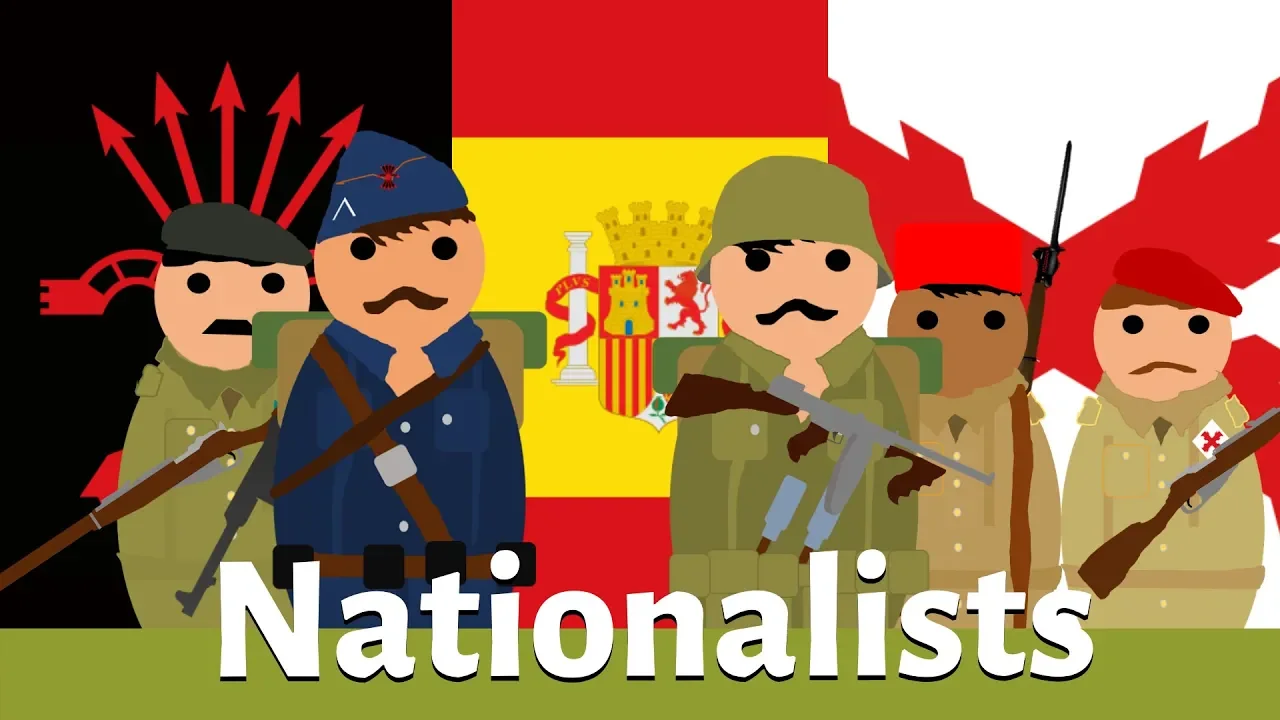
![Spanish Civil war [Every day]](https://i.ytimg.com/vi_webp/L_sqgrz5IaM/maxresdefault.webp)
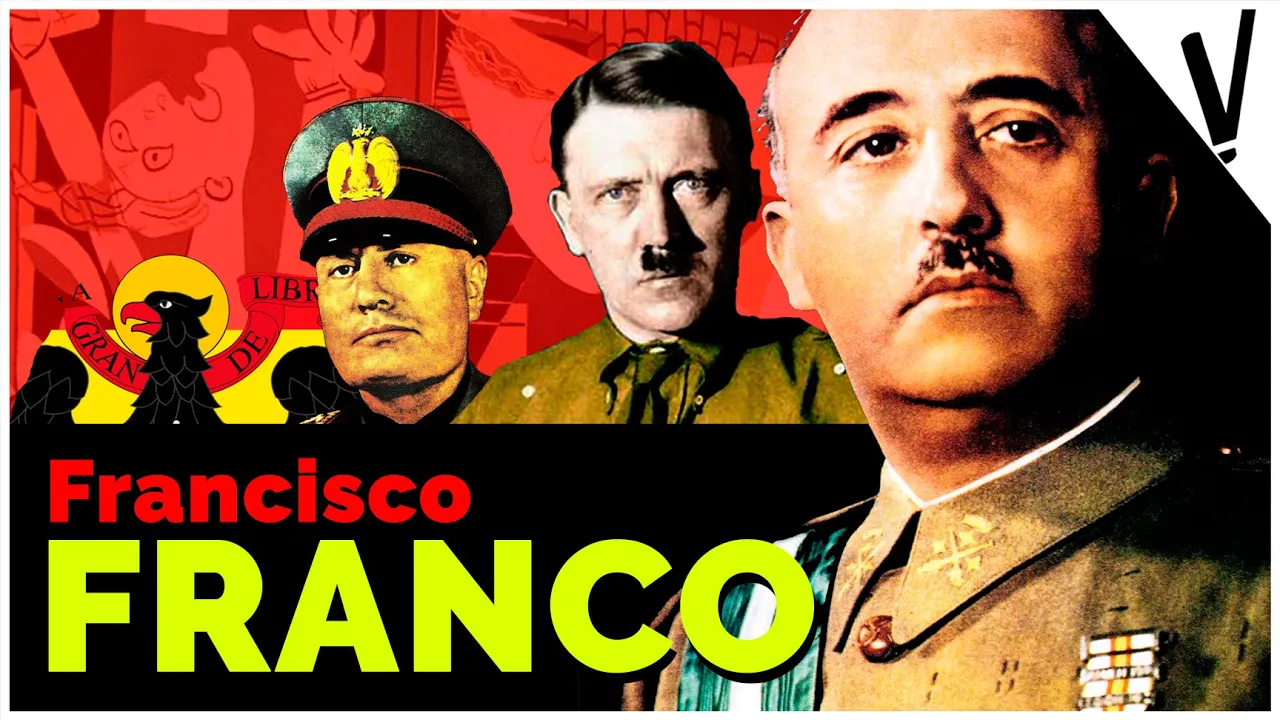
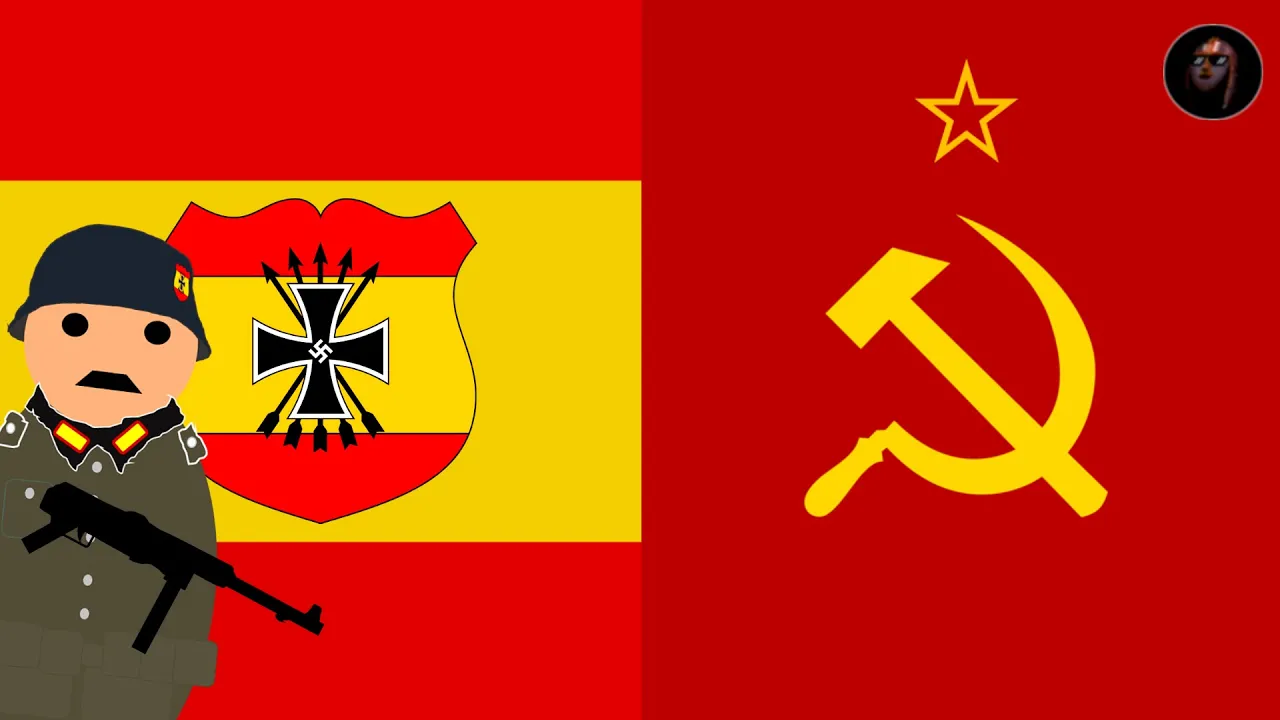
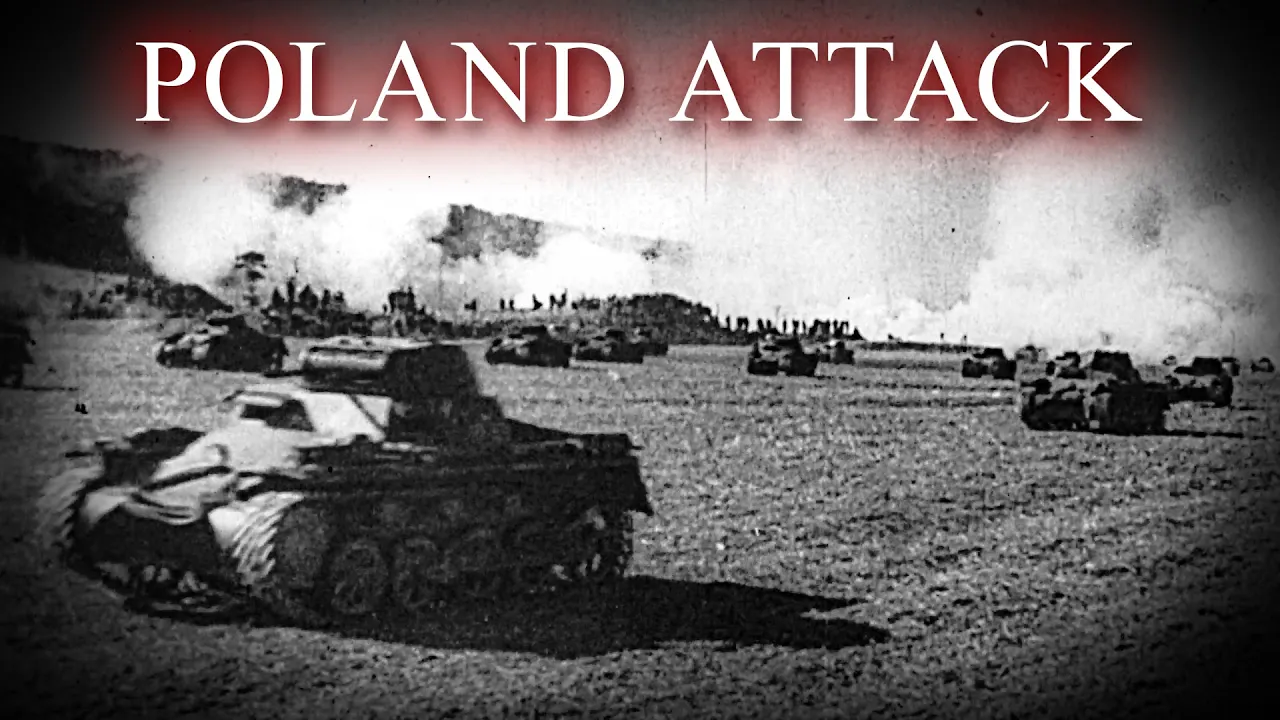

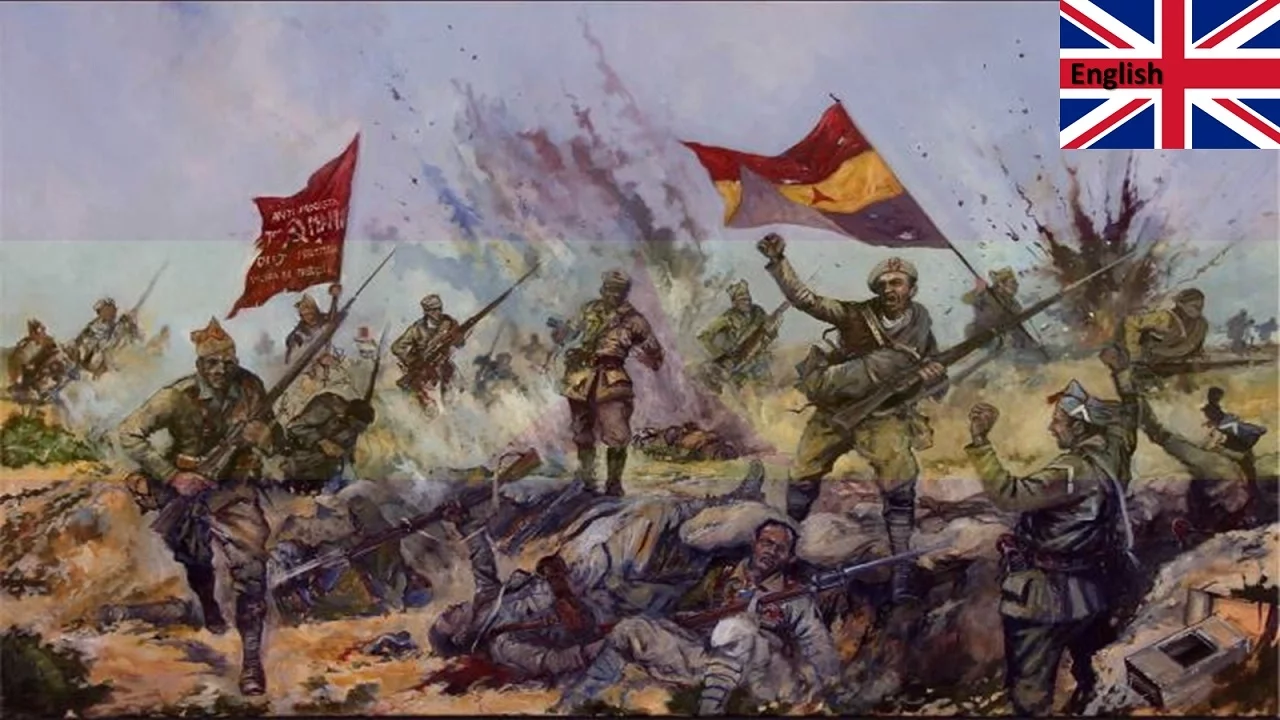







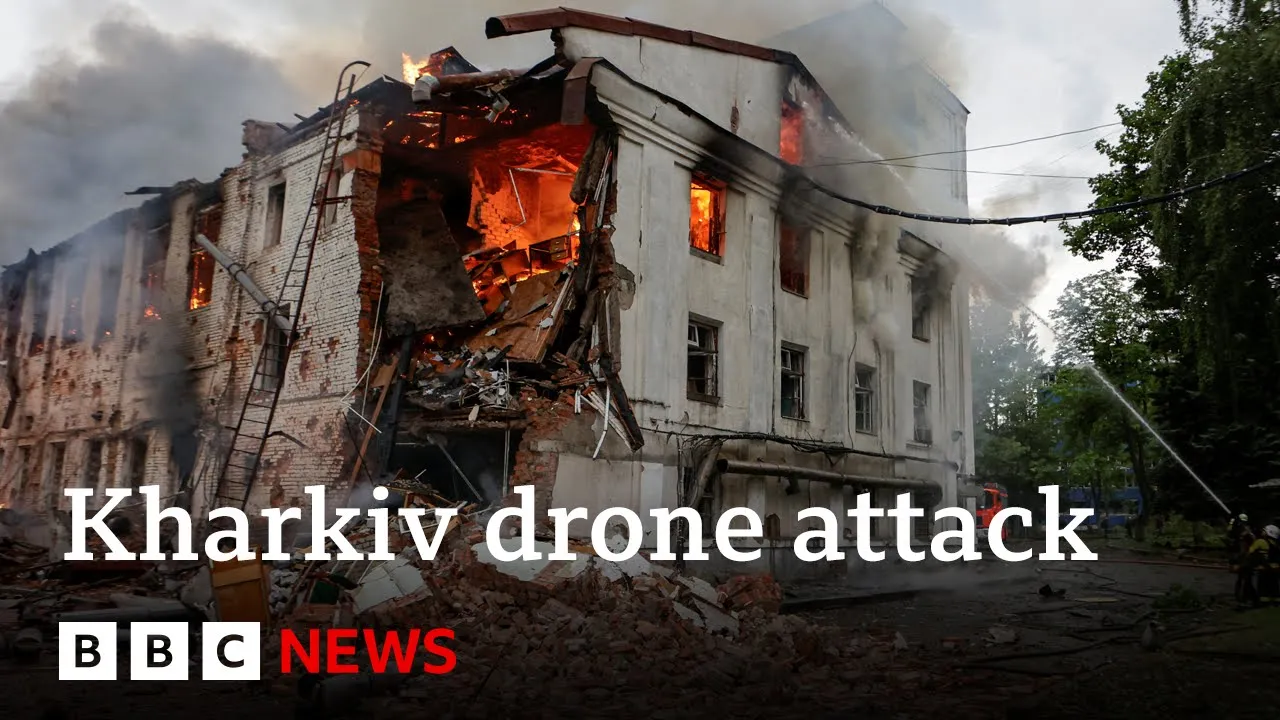
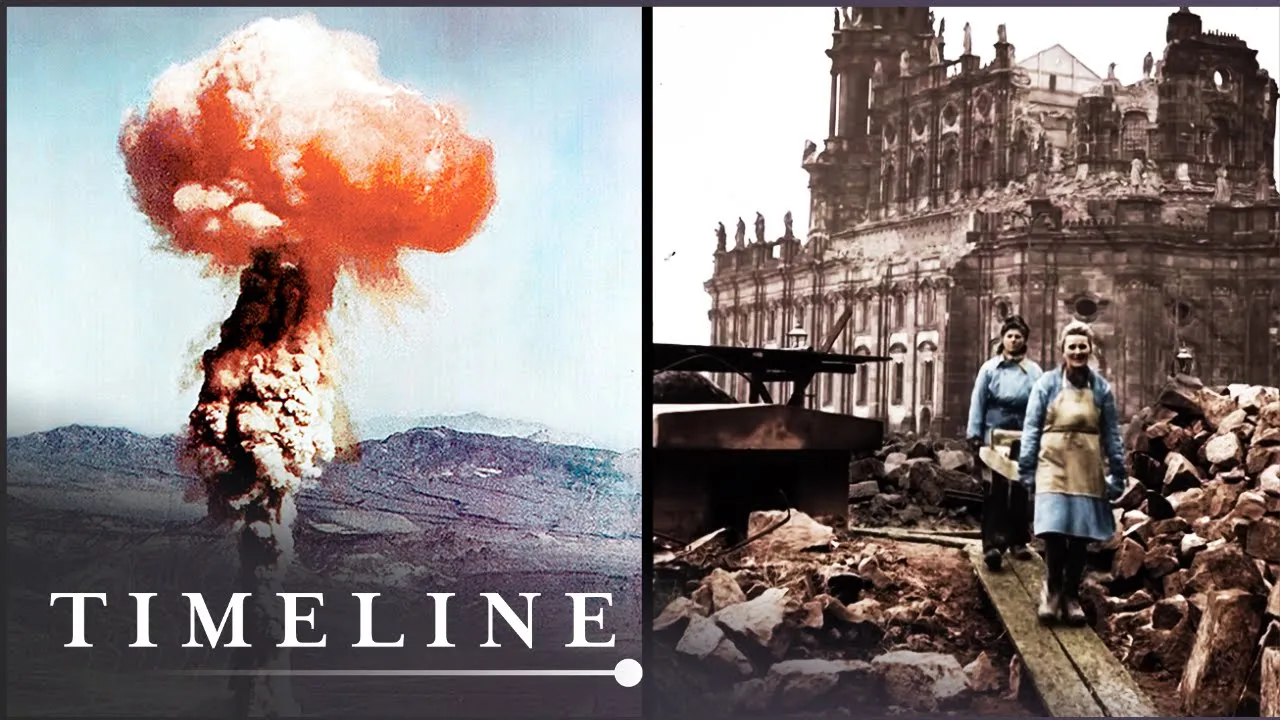



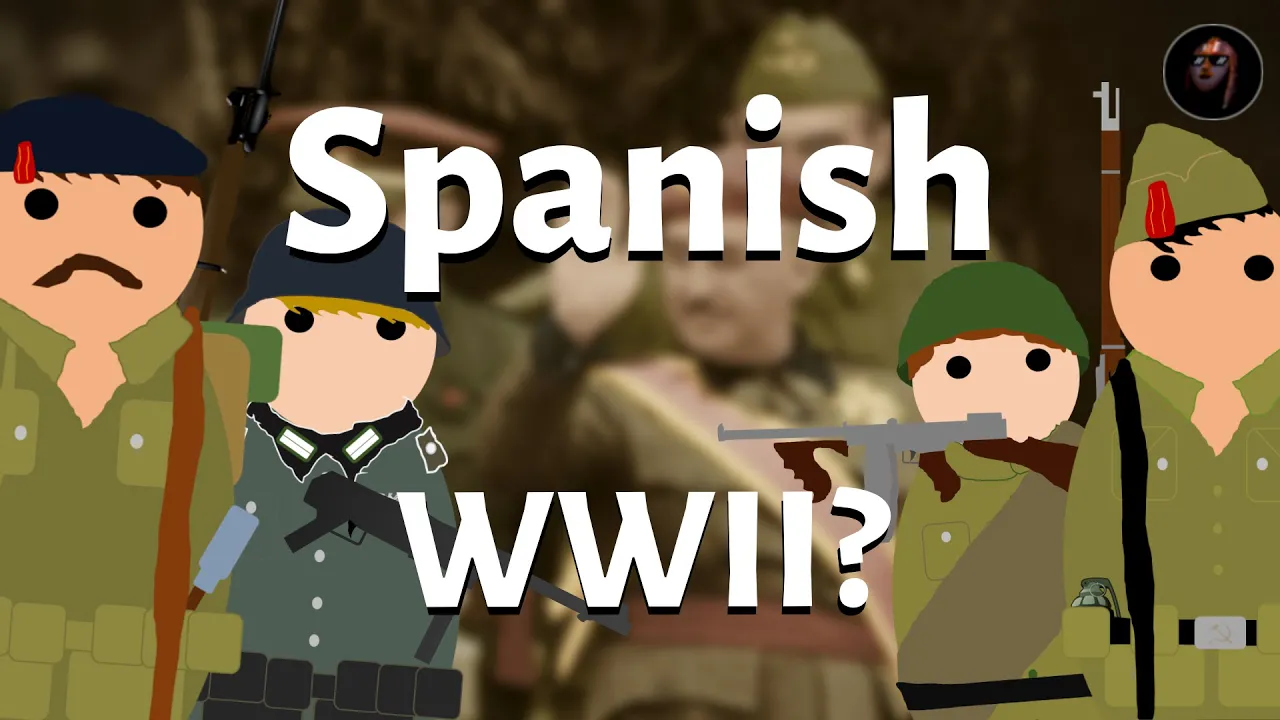









On April 26, 1937, Nazi Germany's Condor Legion bombed the Basque town of Guernica during the Spanish Civil War, destroying the historic town and killing hundreds of civilians in a three-hour raid that tested new Stuka dive bombers and demonstrated the devastating potential of aerial warfare against non-military targets.
The Bombing of Guernica: George Steer's Eyewitness Report, 1937
Added:The origins and key factions of the Spanish Civil War (1936-1939), specifically the Nationalist rebels led by Francisco Franco and the Second Spanish Republic.
The geopolitical alignment of European powers in the late 1930s, including Germany's military support (via the Condor Legion of the Luftwaffe) for Franco's Nationalist forces.
The cultural and political significance of the Basque country, particularly the town of Guernica as a symbol of Basque identity and liberty.
The emerging military doctrine of 'total war' and the strategic use of aerial bombardment targeting civilian populations to break enemy morale.
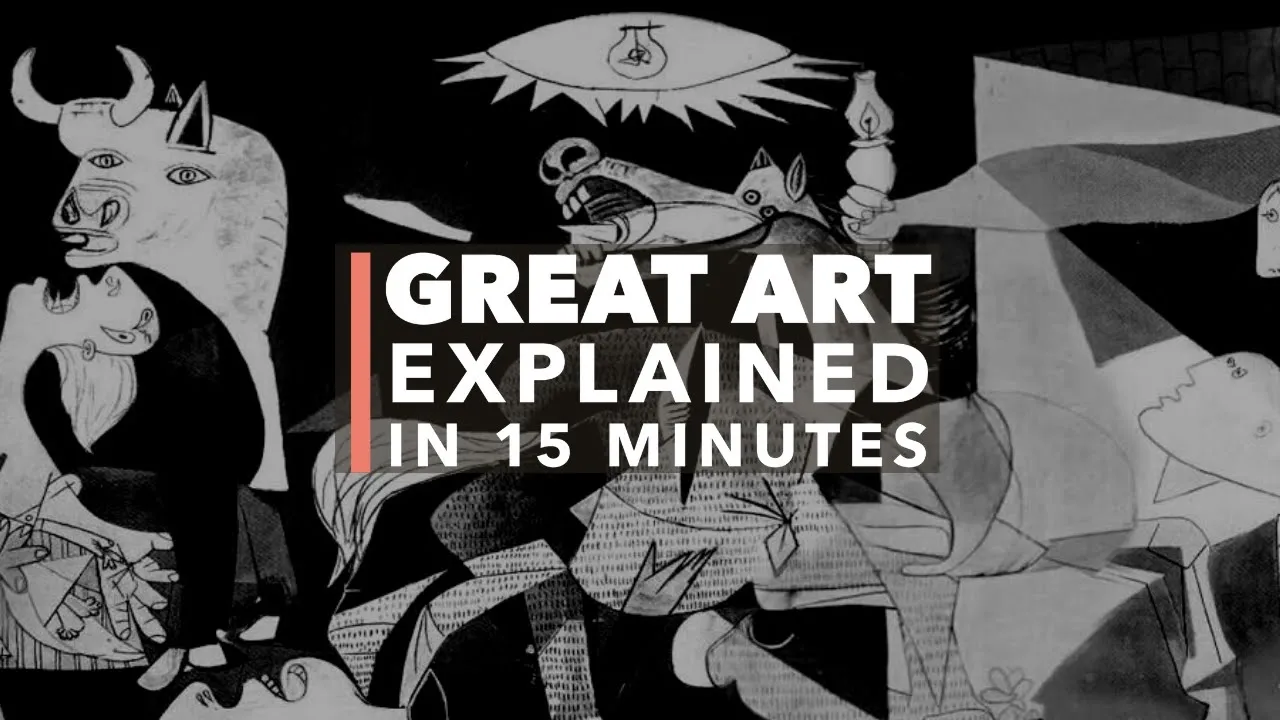
Pablo Picasso's famous mural 'Guernica' (1937), analyzing how the bombing inspired this masterpiece of anti-war modern art.
The evolution of aerial warfare tactics from the Spanish Civil War to World War II, comparing Guernica to the Blitz of London and the Allied bombings of Dresden.
The role of war journalism and media manipulation, examining how George Steer's report countered Nationalist and German propaganda denying the attack.
The development of international humanitarian law and war crime definitions regarding the protection of civilian populations from aerial bombardment (e.g., the Geneva Conventions).
137 views3likes19:11Original Release: 2022-06-18
the bombs with a shower of grenades fell on a former institute and on houses and streets surrounding it welcome to mcburdo's expedition into the unknown and terrible we have been stuck here in the ice for an eternity come into the captain's cabin and warm yourself before you head back out onto the decks welcome to my cabin how long have we been trapped in this infernal ice pack or in the summer tropical estuary writers can embellish on a story that they've heard but hearing the words of someone who actually witnessed an event sometimes shocking always amazing i have not read this before so we're going to experience it together i'm going to break in with my opinions chances are as you are a crew member of the hms miser you are not easily upset by the dark and terrible i will warn you now that these may not have the most politically acceptable ideas or language because they come from the past and things were different then so art history is one of my side interests and i recently had to write a paper on pablo picasso's guernica cubism and picasso in particular are not my favorites it just doesn't ring my belt but there is something about his painting of the bombing of guernica that the more you look at it and you imagine how big it actually was because when you see it you know on your computer screen or even if you put it up on a big tv you might think oh well yeah it's impactful but it's it's huge the painting is massive and because of my work studying the luffy i know quite a bit about the bombing of guernica i was inspired to look into my many many many primary sources to find something i think he's going to be a massive snow leopard because when you look at this little fellow he is 13 weeks old yes you are aren't you yes you are you're 13 weeks old and he's huge he's huge he's massive definitely way bigger than nipple it was when he was just a little a little kitten so he's gonna be our massive snow leopard oh and off he goes no guernica for him it's probably a little scary for his delicate king of the snow's ears even though he is clearly a viking but i have digressed massively so this is an article by george steer of the times and it's a report from 1937 it's quite quite something this is from the times of london bilbao april 27 1937. guernica the most ancient town of the basques and the center of their cultural tradition was completely destroyed yesterday afternoon by insurgent air raiders aka germans those would be the insurgents it was the luffwaffa testing out their brand new stukas the bombardment of this open town far behind the lines occupied precisely three hours and a quarter during which the powerful fleet of airplanes consisting of three german types junkers and henkel bombers and henkel fighters did not cease unloading on the town bombs weighing from a thousand pounds downward and has calculated more than three thousand two pounder aluminum incendiary projectiles the fighters meanwhile plunged low from above in the center of the town to machine gun those of the civilian population who had taken refuge in the field what did you do not on we're in the midst of the ukraine russia war russia ukraine war which one shows more innocence on one side than the other uh and i'm feeling very very upset by war crimes at the moment i'm like sensitive to it the whole of guernica was soon in flames except the historic casa de auntis with its rich archives of the basque race where the ancient basque parliament used to sit the famous oak of guernica the dried out old stump of 600 years and the new shoots of this century was also untouched i was supposed to go to guernica in 2020 and i'm bitter really bitter i'm supposed to do the camino again and i'm hoping to do it next year and i'm going to go through guernica because like i'm the death tourist here the kings of spain used to take the oath to respect the democratic rights pharos of the vizcaya vikaya and in return received a promise of allegiance as a sous alain of the democratic title of senor not rey vizcaya the noble parish church of santa maria was also undamaged except for the beautiful chapter house which was struck by an incendiary bomb at 2 am today i visited the town and the whole of it was a horrible sight i think that would make it even worse like i'm gonna go to a place that was recently bobbed and firebombed and i'm gonna go at two in the morning because yeah that's a good time when i visited the town the whole of it was a horrible sight flaming from end to end the reflection of the flames could be seen in the clouds of smoke above the mountains from 10 miles away throughout the night hoses were falling into the streets became long heaps of red impenetrable debris many of the civilian survivors took the long trek from guernica to bilbao in antique solid wheeled basque farm carts drawn by oxen carts piled high with such household possessions as could be saved from the conflagration clogged the roads all night other survivors were evacuated in government lorries but many were forced to remain round the burning town lying on mattresses or looking for lost relatives and children while units of the fire brigades in the basque motorized police under the personal direction of the minister of the interior senor manzan and his wife continued rescue work until dawn if i had read this three months ago it wouldn't have felt quite so present [Music] but uh i was just looking at the pictures of mario paul and church bell alarm in the form of its execution and the scale of the destruction it wrought no less than in the selection of its objective the raid on guernica is unparalleled in military history that is actually very true they wanted to see what a stuka could do that was really that was that was the deal the condor legion had this plane and they thought it worked really well i have a good story about the stuka i'm a nerd okay leave me be it's the one that screamed [Music] because it was a dive bomber but it had this big foil that would actually make that screaming noise and there's a story about ertz dudette who he was a world war one and world war ii german pilot first major hero and then general uh he ended up taking his own life he he had a big big drinking problem and he was between the wars germany's premier test pilot and development pilot oh i will do an episode on new day they had two stukas and he was testing them for hermann goering and he was really drunk when he showed up and he got into the stuka and he was flying along the first one and he did the dive bomb and he couldn't pull out of the bombing run and he crashed it totally destroyed it and everybody was like oh my god who dead is dead and he crawled out and he was okay he got into the second one and did what he was supposed to do perfectly i guess crashing had sobered him up [Applause] guernica was not a military objective now for them to say that there hadn't been attacks on non-military targets before uh there hadn't been air attacks on non-military targets before world war one had its fair share of non-military action as did the franco-prussian war as did the crimean war but we're allowed to have a little hyperbole and i'm digressing a lot so let me get back on track a factory producing war material lay outside the town and was untouched so were two barracks some distance from town the town lay far behind the lines the object of the bombardment was seemingly the demoralization of the civil population and the destruction of the cradle of the basque race every fact bears out this appreciation beginning with the day the deed was done monday was the customary market day in guernica for the country round when the market was full and peasants were still coming in the church bell rang the alarm for approaching airplanes and the population sought refuge in cellars and in the dugouts prepared following the bombing of the civilian population of durango on march 31st which opened general mola's offensive in the north so that was march 31st this is nearly a month later the people are said to have shown a good spirit a catholic priest took charge and perfect order was maintained five minutes later a single german bomber appeared circled over the town at a low altitude then dropped six heavy bombs apparently aiming for the station the bombs with a shower of grenades fell on a former institute and on houses and streets surrounding it the aeroplane then went away and another five minutes came a second bomber which threw the same number of bombs into the middle of town about a quarter of an hour later three junkers arrived to continue the work of demolition and fence forward the bombing grew in intensity and was continuous only ceasing with the approach of dusk at 7 45 the whole town of seven thousand inhabitants plus three thousand refugees was slowly and systematically pounded to pieces over a radius of five miles round a detail of the raiders technique was to bomb separate caserios or farmhouses in the night these burned like little candles in the hills all the villages around were bombed with the same intensity of the town itself and at mujica a little group of houses at the head of the guernica inlet the population was machine gunned for 15 minutes i actually i do know that some members of the condor legion i guess today we'd say they had ptsd they were really traumatized and they got really big medals to make them not be so horrified or upset uh by what they've done because we tend to think of these pilots as having been maybe world war one pilots but they actually weren't these were really young guys in the new 1936 luffwaffe many of them were deeply troubled because they had to go bomb the town go back reload take off go bomb go back reload so it was circular because they actually didn't have that many planes there i mean they make this sound like there were many many many but when they're talking about how the you know one came and then a couple more came it's because they were doing this circular verna mural does was one of the leaders of the condor legion and he actually died going to ernst dudett's funeral he was quite troubled rhythm of death it is impossible to state yet the number of victims in the bilbao press this morning they were reported as fortunately small but it is feared that this was an understatement in order not to alarm the large refugee population of bilbao in the hospital posaphinus which is one of the first places bombed all of the 42 wounded militiamen it sheltered were killed outright in a street leading downhill from the casa de juntas i saw a place where 50 people nearly all women and children were said to have been trapped in an air raid refuge under a massive burning wreckage many were killed in the fields and altogether the deaths may run into the hundreds an elderly priest named iran tigue was killed by a bomb while rescuing children from a burning house the tactics of the bombers which may be of interest to students of the new military science were as follows it's kind of funny to hear of it being called the new military science but yeah this is true first small parties of airplanes through heavy bombs and hand grenades all over the town hand grenades just seems random like and and that really shows that we're coming into the new technology of world war ii but we're still in that world war one yes we just took the bomb off our lap and threw it out the plane but i mean like today the idea of you know someone in an f-18 or whatever f they're at now i don't do modern warfare you know like oh yeah and then i pulled out my machine gun and was like they're throwing grenades out of the plane choosing area after area in orderly fashion next came fighting machines which swooped low to machine gun those who ran in panic from dugouts some of which had already been penetrated by thousand pound bombs which make a hole 25 feet deep many of these people were killed as they ran a large herd of sheep being brought into the market was also wiped out the object of this move was apparently to drive the population underground again for next as many as 12 bombers appeared at times dropping heavy and incendiary bombs upon the ruins the rhythm of this bombing in an open town was therefore a logical one first hand grenades and heavy bombs to stampede the population then machine gunning to drive them below next heavy and incendiary bombs to wreck the houses and burn them on top of their victims i can't do this anymore man my head's about to explode it's awful it's just awful the only counter measures the basques could employ for they do not possess sufficient aeroplanes to face the insurgent fleet were those provided by the heroism of the basque clergy these blessed and prayed for the kneeling crowds socialist anarchists and communists as well as the declared faithful in the crumbling dugouts when i entered guernica after midnight hoses were crashing on either side and it was utterly impossible even for firemen to enter the center of the town it is it just makes me think of mariopol the hospitals of josephinas and convento de santa clara were glowing heaps of embers all the churches except that of the santa maria were destroyed and the few hoses which still stood were doomed when i revisited guernica this afternoon most of the town was still burning and new fires had broken out about 30 dead were laid out in a ruined hospital a call to basques it's interesting that i mean they're not obscure about the fact that these were germans but they're also kind of not um they're not saying it exactly either the condor legion sent by hitler to help franco i mean they've not even mentioned franco maybe i'm just talking about this from the perspective of someone who's looking at it 90 years later but i mean when you read articles about ukraine it's all like potent potent potent putin so it surprises me that they're not being more franco did this with the help of the german the effect here of the bombardment of guernica the basque holy city has been profound and has led president aguirre to issue the following statement in this morning's basque press the german airmen in the service of the spanish rebels have bombarded guernica burning the historic town which is held in such veneration by all basques they have sought to wound us in the most sensitive of our patriotic sentiments once more making it entirely clear what is catus may expect of those who do not hesitate to destroy us down to the very sanctuary which records the centuries of our liberty and democracy before this outrage all we basks must react with violence swearing from the bottom of our hearts to defend the principles of our people with unheard of stubbornness and heroism if the case requires it we cannot hide the gravity of the moment but victory can never be won by the invader if raising our spirits to the heights of strength and determination we steal ourselves to his defeat the enemy has advanced in many parts elsewhere to be driven out of them afterwards i do not hesitate to affirm that here the same thing will happen may today's outrage be one spur more to do it with all speed and there we go it's actually still on the sunday times they reposted this april 26th i think that they are re-releasing or you know occasionally printing some of their old stories because the the new york times does the same thing you know it's it's interesting because i've i've read quite a bit about guernaka in reading about the luffwaffa and so i've always read about it from that perspective it's just so tragic and it was absolutely a war crime don't oh my butt oh my goodness he was talking um he's behind me through the back of the chair serious face you
Up Next

0:42
Soviet Aid vs. International Brigades in the Spanish Civil War
@OranguTango-ww2History
1K views•2026-04-03

33:02
The Great Schism of 1054: Causes and Consequences
@SacredCathedrals
113.5K views•2026-02-19
91:57
The Geopolitics of the Ukraine War and the Rise of Global Autocracy
@JordanHarbingerShow
468K views•2025-04-19
17:05
Understanding the Cold War: Superpower Conflicts and the Road to Détente
@OverSimplified
46.1M views•2019-01-24
Related Study Plans & Knowledge Roadmaps
Structured learning paths in History
history
Byzantine Iconoclasm: Theology, Art & Politics
01Foundations of Byzantium and Early Christian Images
02The First Iconoclasm: Leo III and the Crisis of Images
03Empress Irene, Nicaea II, and the Second Iconoclasm
+ 2 more learning modules
9h5 modules
Explore Roadmap
history
Iranian Revolution (Causes, Events & Legacy)
01The Pahlavi Dynasty and the Roots of Discontent
02The Spark of Rebellion and the Rise of Khomeini
031979: The Fall of the Shah and the Climax of the Revolution
+ 2 more learning modules
8h5 modules
Explore Roadmap
history
Mali Empire: Mansa Musa, Trade & Timbuktu
01Foundations of the Mali Empire
02The Trans-Saharan Gold and Salt Trade
03The Reign and Pilgrimage of Mansa Musa
+ 1 more learning modules
6h4 modules
Explore Roadmap
history
1947 Partition: Politics, Borders & Legacies
01Foundations of British India and the Divide
02The Political Negotiations and the Mountbatten Plan
03Drawing the Boundary: The Radcliffe Line
+ 2 more learning modules
8h5 modules
Explore Roadmap