




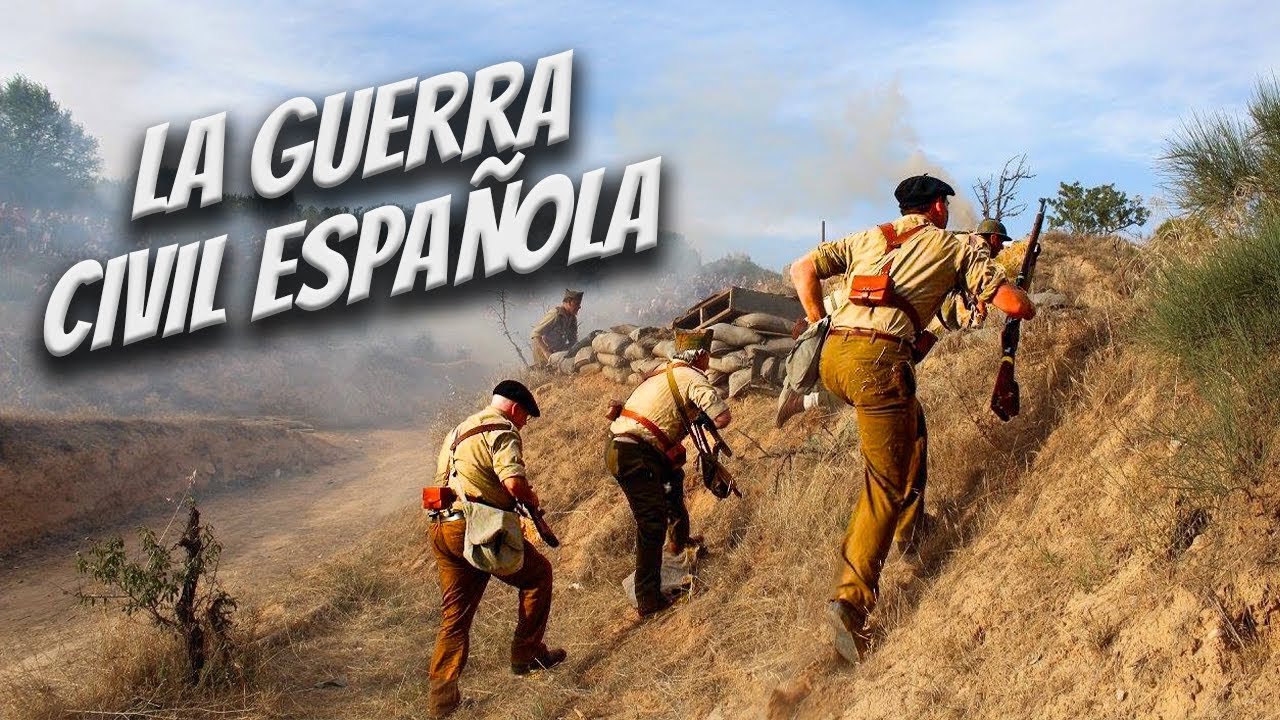

![🪖BATALLA del JARAMA #4 ¿La CONOCES? [Batallas Guerra Civil Española]](https://i.ytimg.com/vi/FNuoXUQy0UU/maxresdefault.jpg)


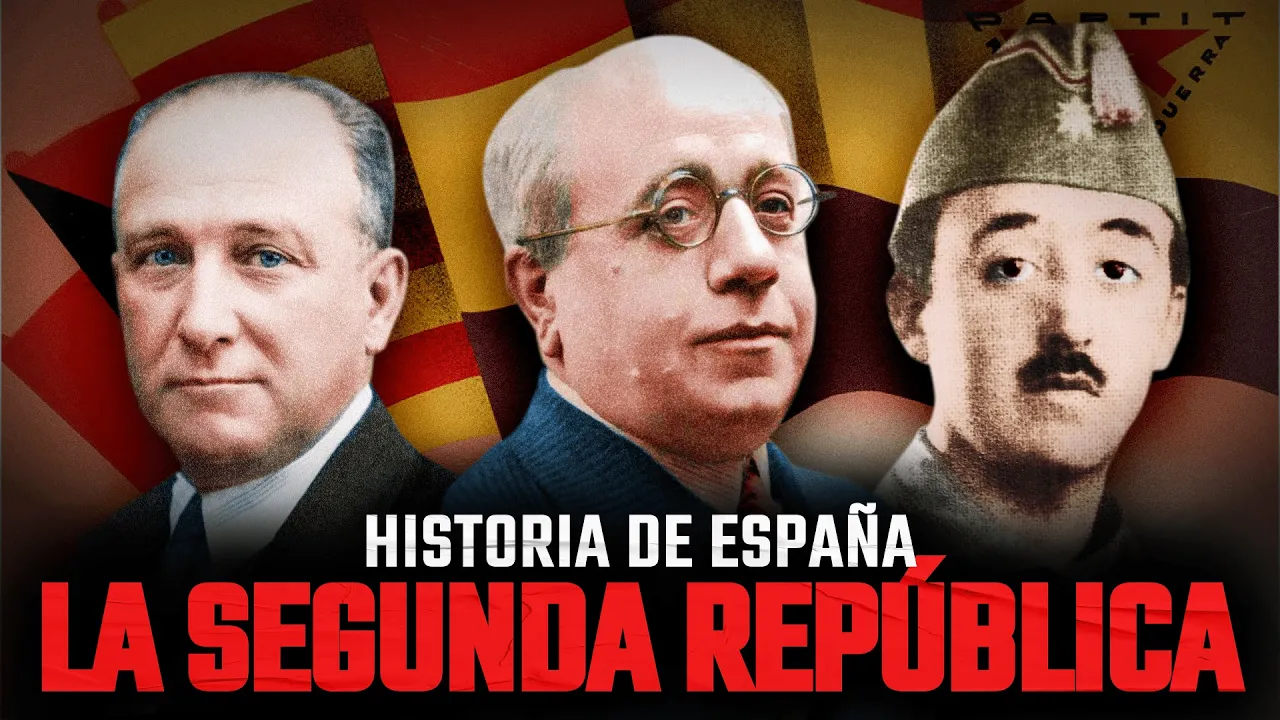



The Siege of Madrid (1936-1939) was a pivotal battle in the Spanish Civil War where Republican forces, supported by International Brigades, defended the capital against Nationalist forces led by General Franco; despite initial Republican victories at the Battle of Madrid in November 1936, the Nationalists eventually won the war through strategic bombing campaigns, international support from Germany and Italy, and the subsequent starvation siege that forced Republican surrender in 1939, resulting in an estimated 200,000 executions and imprisonments under Franco's regime.
Siege of Madrid: Key Battles of the Spanish Civil War
Added:Understanding the political polarization of 1930s Spain, specifically the division between the leftist Second Spanish Republic and the right-wing Nationalist rebels.
Knowledge of the July 1936 military coup led by Francisco Franco and other generals that triggered the Spanish Civil War.
Familiarity with the global ideological context of the era, notably the rise of Fascism, Nazism, and Soviet Communism, and how they projected influence onto Spain.
Basic awareness of Spain's geography and why Madrid served as both the symbolic capital and the central target for the Nationalist forces.
The role of foreign intervention in the siege, including the mobilization of the International Brigades and military support from the USSR, Germany, and Italy.
Analysis of related military campaigns aimed at cutting off the capital, such as the Battle of Jarama and the Battle of Guadalajara.
The ultimate fall of Madrid in March 1939, the collapse of the Second Spanish Republic, and the establishment of Francisco Franco's dictatorship.
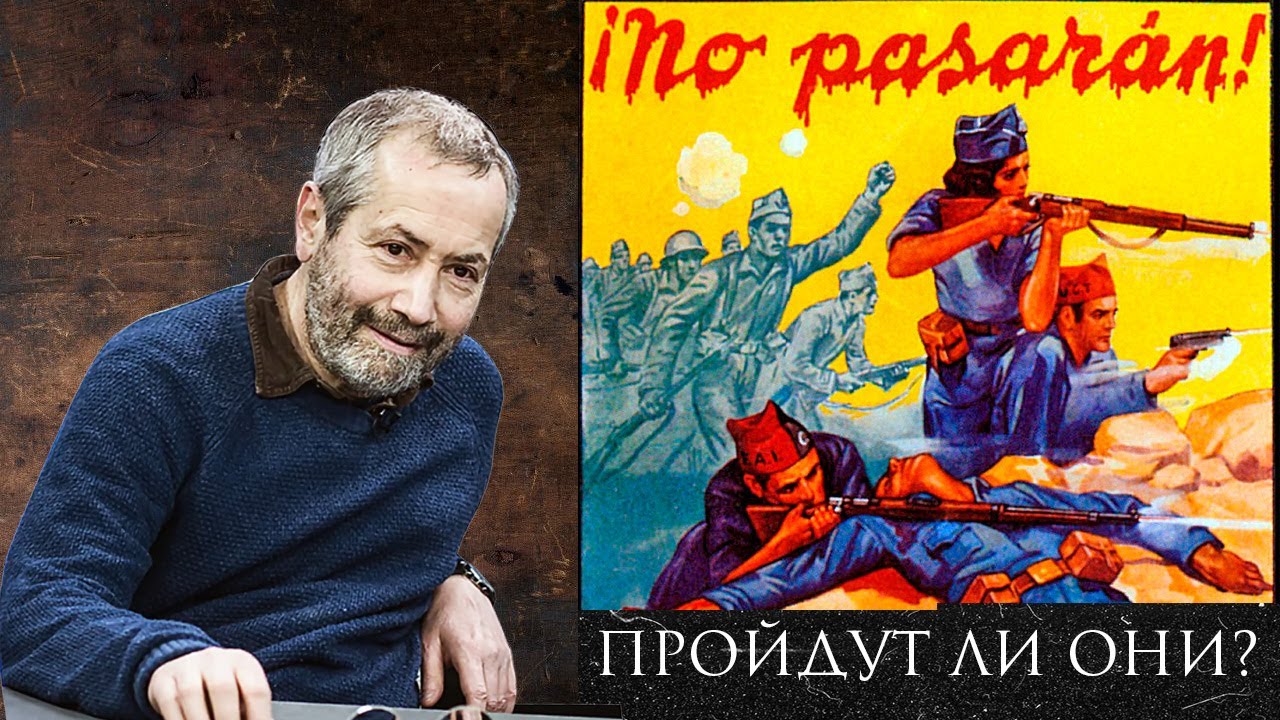
The ideological and cultural legacy of the siege, including the origin of the famous anti-fascist slogan '¡No pasarán!' (They shall not pass) and its impact on subsequent World War II resistance movements.
419 views1likes15:14Original Release: 2014-06-22
bienvenidos welcome to our presentation on espanola with a special focus on the siege of madrid i'm siri and i'm dan and we will be your guides for this tumultuous yet oft overlooked period of history the spanish civil war lasted three years from 1936 to 1939.
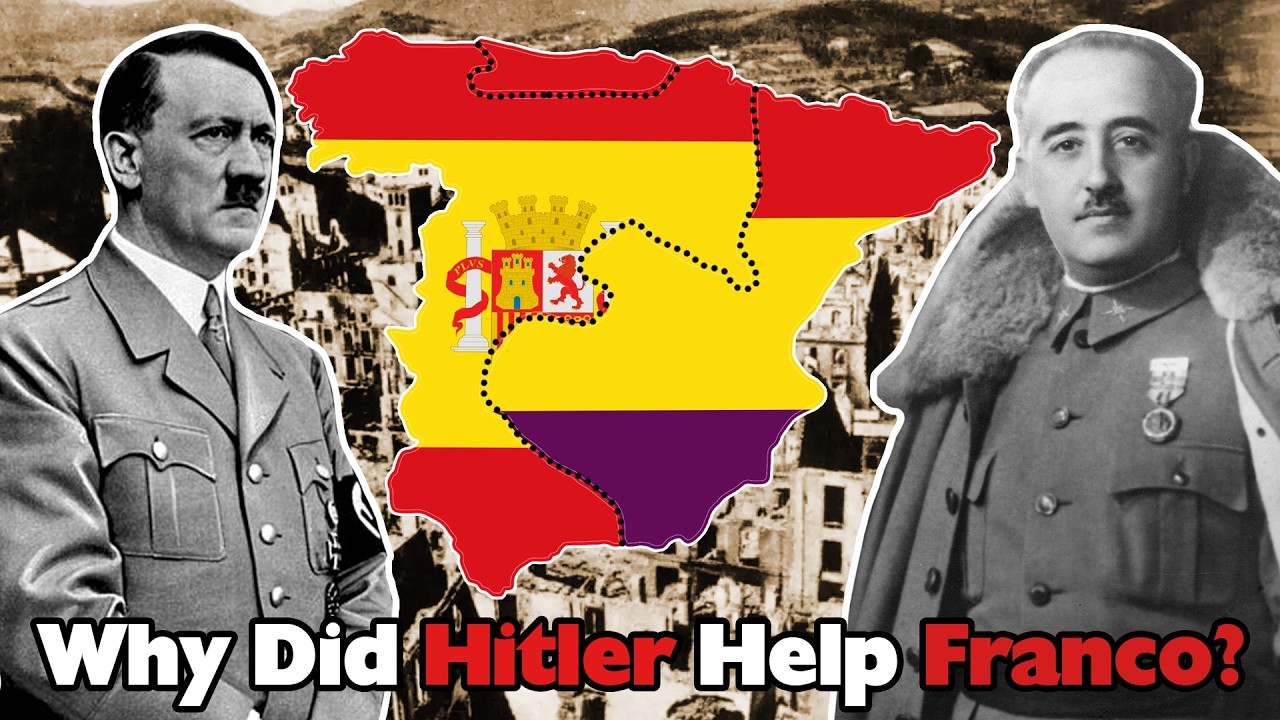
but let's look at a timeline for some context here's a map of europe a timeline dan ah fine before the start of the spanish civil war tensions were rising all across europe in the 1930s stalin was in power military science was advancing hitler was in power and well the world was gearing up for world war ii during the entire civil war things get more serious until the same year the civil war ends world war ii begins as you can see the spanish civil war is tucked in amongst all the world war ii huha we aren't taught much about the spanish civil war in our history classes because it's overshadowed by world war ii since it came right after in fact there were only five months between franco's final victory in april and the start of world war ii in september but really it shouldn't be overshadowed because the death toll nigeria seville was over 500 000 let's see how the civil war built up the war was between the conservative nationalists led by general franco versus the republican forces who were in support of the left-wing popular front tensions in spain were extremely high all through the 30s spain had a constitutional monarchy but it's corrupt and inefficient and not able to deal with the depression at all the king abdicates abolishing the monarchy and spain is declared a republic under a prime minister the republic faces several big problems first two large resource-rich areas of spain catalunya and paisbasco are calling for independence but losing them would hurt spain the republic wants to lessen the church's high influence and the army's political influence as well because of the depression spain is suffering dropping crop prices high unemployment wage cuts and the republic needs to do something to keep the vital support of the working class but the republic itself is suffering from political infighting because everyone's too radical so here's what the middle ground of the republic did while the radicals were busy disagreeing they gave catalunya some independence separated church and state made army officers retire early nationalized huge estates and increased minimum wages so the industrialists would pay their workers more but this means that the republic made very powerful enemies who end up attacking the republic first some military officers attempt to overthrow the republic then the right-wing parties say they're formed dedicated to protecting the roman catholic church and landlords and then the left wing stops supporting republic because they wanted to be more extreme and start riots the prime minister resigns when he loses the support of the working class and socialist and super right-wing seda is elected and immediately undoes everything the republic did this obviously up tension a whole lot no one likes losing rates and all the left wingers were aware that the right wing government would try and eliminate them so the left coalesces into the popular front with strikes rights and violence franco's army ruthlessly puts down the coal miner strike in the estudias which is what the picture is of overall spain is very very very chaotic in an attempt to avoid war a general election is called the left-wing popular front wins and the prime minister is put back but the popular front doesn't have much control and the riots keep happening when a leading right-wing politician is murdered everyone right wing becomes very afraid and wants a military dictatorship that'll protect them meanwhile in 1935 franco was made chief of staff of military under seda however when the popular front came into power in 1936 he was basically exited in this same year rebel forces were already scheming and franco chose to join them so on july 17th 1936 the spanish civil war began well when we say the spanish civil war we really mean that a lot of europe was involved okay there was a non-intervention pact but certain countries decided to completely ignore it these were the overall political leanings of europe the us was pro-republican but didn't get involved hitler's germany mussolini's italy and stalin's ussr were the only countries to break the non-intervention pact and directly intervene in the civil war the republic also had international briefs where over 30 000 volunteers from over 50 countries came to spain to help fight for the left wing however most of these volunteers had very little military training the two sides were numerically about equal in resources however the nationalists were better organized since they were derived from the army and received a lot of material aid and soldiers from germany and italy the republicans received assistance from the ussr in international breeds but they weren't nearly as organized or trained as the nationalists the republicans were also divided by internal conflicts between communist socialist and anarchist factions it's not about the size of their forces but how they used them now that we know why it started let's discuss the actual war to keep it madrid centric we're going to focus on what went down in madrid first as always let's put into context the massacre at the of the montana barracks is a key event because it explains how madrid fell into republican hands basically the nationalist army is housed in latonya bear surrounded by republicans the nationalists try to rebel but they're overwhelmed and trapped some republicans storm the barracks and chaos ensues over time the nationalists would try to surrender but some within the ranks kept shooting republicans despite the surrender eventually these false surrenders angered the republicans so much they massacred everyone even the ones who surrendered this is a picture of the barracks after the massacre this is near the plaza de espana which the republicans used to attack the barracks you might have seen this road it's pretty near school the metonia barracks were to the left in modern day the both park the only monument for this massacre is a sculpture at temple of the boat without any description so the biggest event in madrid during the civil war was the siege of madrid which lasted basically the entire war madrid was the capital of spain when the war started so obviously it was very important that franco won it q the battle of madrid in this corner were the republicans supported by the international brigades the republican militia and rudy the anarchist and friends and in this corner were the nationalists divided into four parts although only the first three spearheaded the attack so their battle plans were pretty straightforward the nationalists wanted to attack from the west through casa de campo to avoid street fighting and take university city and plaza de espana you can see here how close casa de campo is to our school and there's the montana barracks next to cair faraz and the republican plan was to not let them pass no pasaran so let's break down the battle of madrid we're giving it a lot of focus because well it was the most exciting thing to happen before the siege which you know a siege is just a lot of great suffering so the battle starts on november 7th when the nationalists take two suburbs as a diversion but they start moving straight through a casa de campo so they can avoid street fighting in their march on madrid but thanks to some intercepted plans the republicans managed to put up a strong defense and stop the nationalist three-pronged attack since they aren't getting anywhere the nationalists switch to street fighting although they suffer heavy casualties since they are fighting on the republicans to reign the nationalists aren't doing too hot the republicans counter-attack across the front but only push the nationalists back in a few places on the night of november 11th not a creature was stirring except for the international brigade attacking the nationalists at the center of casa de campo but despite the severe casualties the nationalists suffered the nationalists succeeded in pushing through eventually the republicans get reinforcements from their friends the international brigades and do rudy the anarchist and use the international brigades to target some nationalist territory around madrid like the cerev los angeles pictured here which is on the way to toledo but the attacks fail for multiple reasons a lot of times because of language barriers stay in school kids in summary the nationalists are strong but the republicans are passionate about defending their home turf although every time they try to go on the on the offensive things don't work out the second phase of the battle of madrid is the attack on university city because on november 14th the nationalists finally fight their way through the casa de campo to the university quarter of madrid under heavy artillery bombardment casa de campo is the green space on the left they form a bridgehead on the river manzanares which they've been wanting for a while because it's difficult to cross the river without a bridge the republicans keep fighting here they are in cost of the combo but in the end franco takes over key hospitals and about three-fourths of the university city territory before he stops his attack franco is busy fighting in other cities by this point and the battle of madrid becomes a siege as international brigade member peter kemp brew a glorious assault had ended in a miserable game of hide and seek played by frightened men the frontline imagery stabilizes and vital industries are moved into unused metro stations which is really cool we've been in metro stations franco decides to take advantage of his german air support and use the luftwaffe the german air force to bomb madrid into submission be warned this video contains graphic news reels of the bombing campaigns eventually the line stabilized and madrid held out so franco tried a new tactic the civil war became a testing ground for modern weapons it was a foretaste of what was to happen a few years later in london hamburg tokyo and leningrad but until now no city in history have been so sorely tested so scenes like this on newsreels all over the world confirmed the sympathy that attracted so many people to the republic franco was trying to demoralize the republic with his bombing campaign but it had the opposite effect as the video said it gave the republicans international sympathy and was a widely criticized move the madrillenos were not going to give up fighting that easily but in 1938 franco tightens the siege content to starve madrid out through the winter there are shortages of food performed clothes arms and ammunition the citizens suffer greatly by 1939 it's clear to everyone that franco has pretty much won the spanish civil war the republicans have some infighting because the communists want to fight to the bitter end but the rest want to surrender for less punishment the communists lose the infight and the republican leader attempts to bargain with franco but franco will only accept unconditional surrender jack he orders a general advance into madrid the republicans fell away and franco wins madrid and the war between 1939 and 1943 franco executed or imprisoned up to 200 000 people after the end of the siege franco constructs a monument for the fallen on both sides franco called it a national act of atonement but this monument is controversial because 10 of the workers were prisoners including republican political prisoners it took 19 years to complete ouch if you want to learn more about the spanish civil war our presentation in no way covers its entirety here's a list of helpful resources until next week bienvenido
Up Next

26:05
The Battle of the Ebro: Decisive Clash of the Spanish Civil War
@Redoubt_Productions
2.1K views•2020-08-08

33:02
The Great Schism of 1054: Causes and Consequences
@SacredCathedrals
113.5K views•2026-02-19
91:57
The Geopolitics of the Ukraine War and the Rise of Global Autocracy
@JordanHarbingerShow
468K views•2025-04-19
17:05
Understanding the Cold War: Superpower Conflicts and the Road to Détente
@OverSimplified
46.1M views•2019-01-24
Related Study Plans & Knowledge Roadmaps
Structured learning paths in History
history
Byzantine Iconoclasm: Theology, Art & Politics
01Foundations of Byzantium and Early Christian Images
02The First Iconoclasm: Leo III and the Crisis of Images
03Empress Irene, Nicaea II, and the Second Iconoclasm
+ 2 more learning modules
9h5 modules
Explore Roadmap
history
Iranian Revolution (Causes, Events & Legacy)
01The Pahlavi Dynasty and the Roots of Discontent
02The Spark of Rebellion and the Rise of Khomeini
031979: The Fall of the Shah and the Climax of the Revolution
+ 2 more learning modules
8h5 modules
Explore Roadmap
history
Mali Empire: Mansa Musa, Trade & Timbuktu
01Foundations of the Mali Empire
02The Trans-Saharan Gold and Salt Trade
03The Reign and Pilgrimage of Mansa Musa
+ 1 more learning modules
6h4 modules
Explore Roadmap
history
1947 Partition: Politics, Borders & Legacies
01Foundations of British India and the Divide
02The Political Negotiations and the Mountbatten Plan
03Drawing the Boundary: The Radcliffe Line
+ 2 more learning modules
8h5 modules
Explore Roadmap