















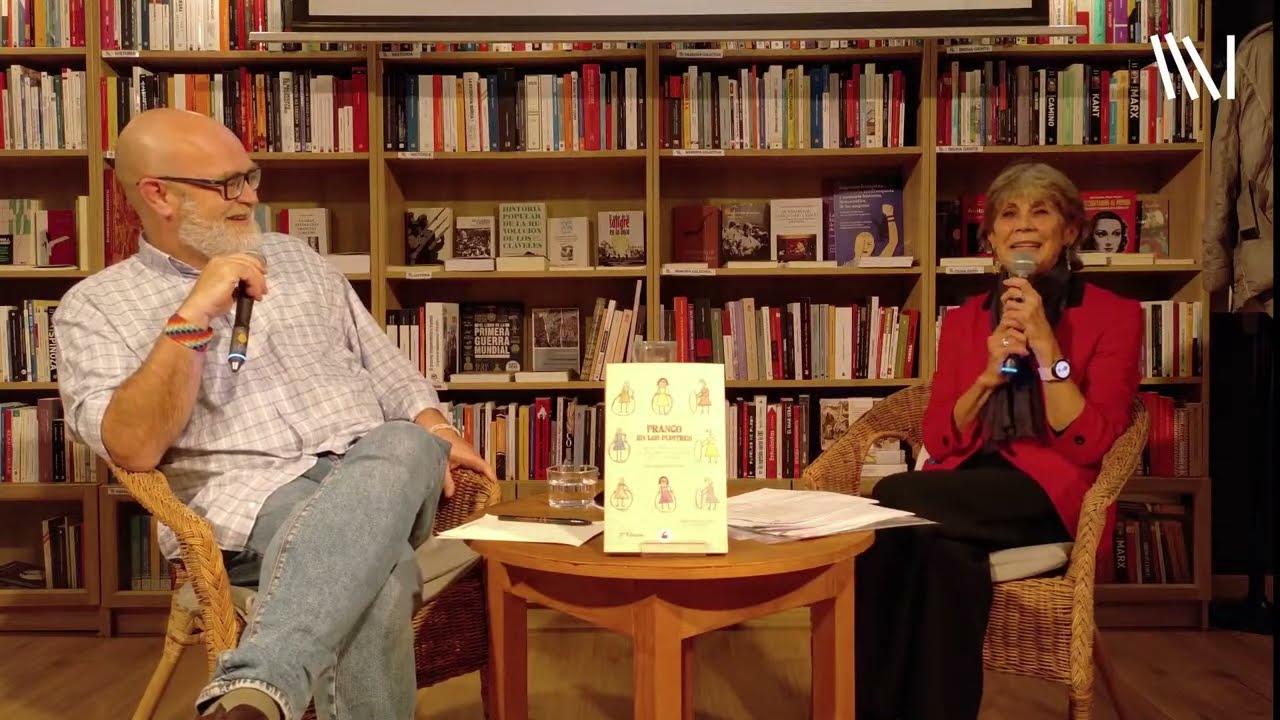


Spain's post-Franco transition to democracy was characterized by the Pacto del Olvido (Pact of Forgetting), which granted amnesty to Franco regime perpetrators and suppressed discussion of the traumatic Civil War and authoritarian period, leaving collective memory unresolved; however, recent developments including the 2007 Historical Memory Laws, the 2019 removal of Franco's body from its mausoleum, and the 2021 Democratic Memory Law indicate growing willingness among Spaniards to confront this painful past, though educational gaps persist with only 23% of students learning about Franco-era repression.
Franco's Legacy: Spain's Politics of Forgetting | History & Memory
Added:An understanding of the Spanish Civil War (1936–1939), including the ideological division between the Republicans and the Nationalists and how it led to Francisco Franco's rise.
Familiarity with the characteristics of the Francoist Dictatorship (1939–1975), such as state repression, censorship, and the enforcement of national-Catholicism.
Knowledge of Spain's transition to democracy (La Transición) following Franco's death, particularly the 'Pact of Forgetting' (Pacto del Olvido) and the 1977 Amnesty Law.
An introductory grasp of the sociology of collective memory, specifically how societies construct historical narratives and handle collective trauma.
A deep dive into Spain's 2007 Law of Historical Memory and the subsequent 2022 Democratic Memory Law, analyzing their legal and social implications.
A comparative study of transitional justice, contrasting Spain's approach with other post-authoritarian nations like Germany, Argentina, or South Africa.
An examination of how Franco's legacy influences contemporary Spanish politics, notably the polarization between left and right-wing parties over historical symbols and exhumations.
Research into pedagogical and cultural representation, exploring how the dictatorship is taught in modern Spanish schools and depicted in contemporary Spanish cinema and literature.
354.6K views14.4Klikes22:15Original Release: 2022-08-13
One coping mechanism associated with trauma is the rejection of memory; the compartmentalization and repression of an uncomfortable reality and the thoughts, emotions and sensations associated with it.
Now imagine, that in large part, an entire country’s political establishment engaged in this coping mechanism; that a traumatic period in that nation’s history was stripped from the historical consciousness, branded a politically inconvenient subject whose presence was relegated from some of the public sphere, but primarily political discourse.
Well, one doesn’t have to imagine, because that country was, and to some extent still is, Spain.
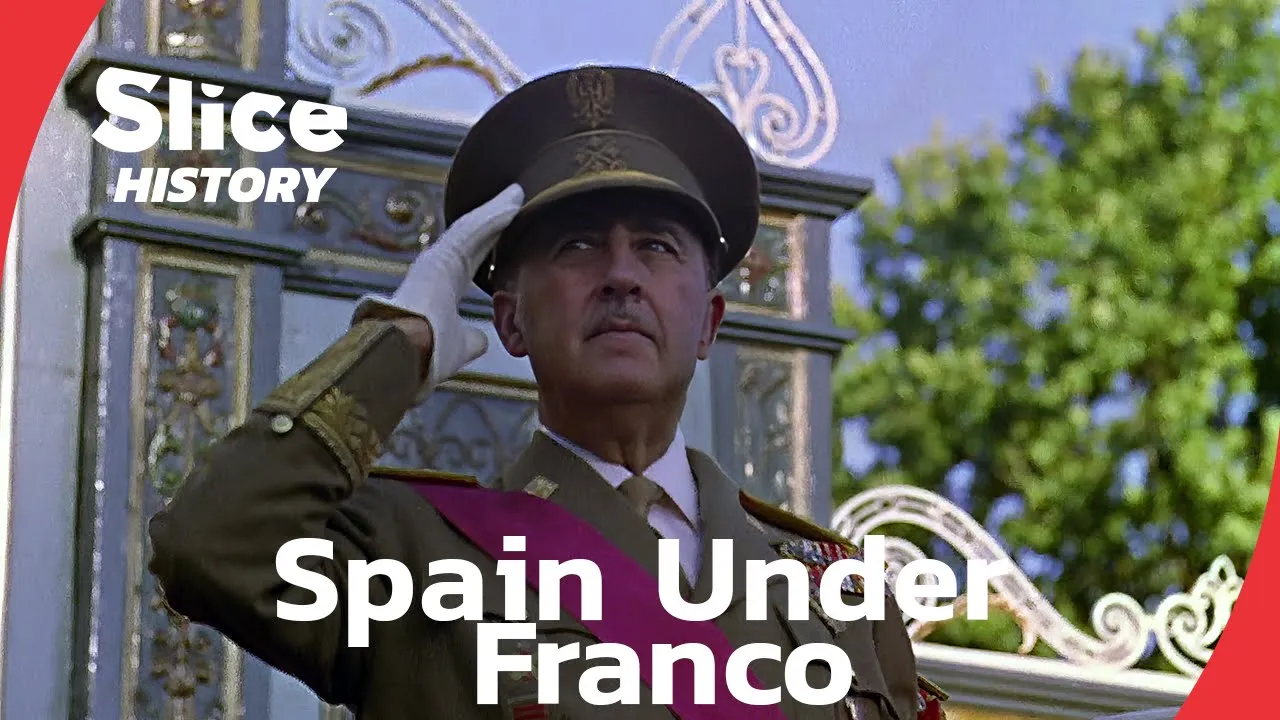
Historical consciousness in the country is still reeling from its time building up to, and under dictatorship – where the country suffered a devastating civil war, political opponents were threatened, maimed, and murdered, democracy was a pipe dream and freedom of speech was under constant attack.
This was Franco’s Falangist, and authoritarian Spain – a regime born out of ashes of the Spanish Civil War from 1936-39.
A fascinating period of Spanish history in its own right, it was considered a prism through which to view the future of Europe, with volunteers from all over the world joining the conflict to fend against fascism and authoritarianism, or vanguard its ascent.
The victor of this conflict, many contemporaries believed, may have foreshadowed the course of history on the European continent, and as such, there were very few apathetic spectators – everyone had to take a side.
The governments of Europe were also paying close attention, with countries such as Italy, Germany, Portugal and the Soviet Union providing material support, intel, and volunteer brigades of their own in an attempt to ensure their preferred side won out.
It was a brutal and bloody civil war that left nearly 500,000 people dead and Spain a shadow of its former self.
The Republican side, composed of various left-leaning, centre and centre-right democratic parties and paramilitary organisations, had been defeated.
In 1939, just under three years after the civil war erupted, Franco’s authoritarian forces prevailed, heralding in a new era for Spain, one of brutal repression, rampant authoritarianism and virulent nationalism.
Franco’s regime began by embarking on a campaign of political annihilation – from 1936 to 1947 130,000 – 180,000 people were murdered in mass executions, assassinations and what were effectively concentration camps.
Dissidents were thrown off cliffs and bridges, shot by the roadsides and buried in shallow graves, worked to death or starved to the bone in labour camps – some of these people were never found, and their families never received closure.
Even if they survived, they’d have any political convictions they had prior to being detained at the behest of Franco’s regime scrubbed from their vocabulary; they would be re-educated, lest they wanted to join their less amenable friends in the dirt.
Many of the killings directed at Republicans, Gay people, Socialists, Communists, Liberals and Democrats were conducted under the guise of the cleansing of society, and sometimes even a puritanical catholic religious zeal that saw the victims of the Franco regime as those to be crushed under the boot of a renewed, righteous crusade.
The Catholic church in Spain was, as the Spanish writer José Bergamín put it, “Placing a priestly mask over the bloody terror of the hangman.” Even after the more explicit violence of the 1930s and 40s had come to an end, the Franco government still repressed almost all forms of organised dissent by making all political parties illegal, banning unions, implementing propaganda programmes, and intimidating those who would criticise the state.
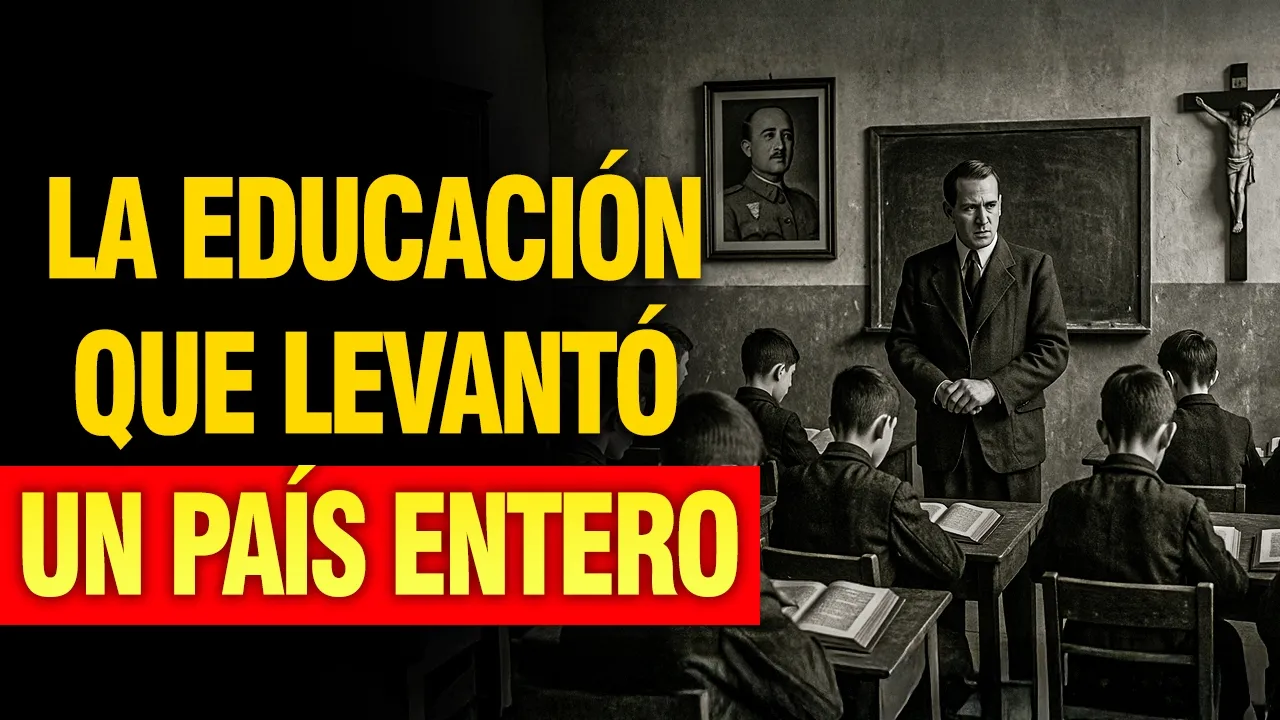
The only officially permitted political organisation would be Franco’s Falangist Party, and every morning, in schools across the country, children would be indoctrinated to the ideals of this party and Catholicism, with teachers not being selected for their skills and qualifications as educators, but on their ‘identification with the narrow principles of the regime’.
It was an era of chaos, suffering and injustice that some, would sooner ignore and let vanish to the sands of time.
This is Guernica, a painting by Pablo Picasso depicting the horrors of conflict during the Spanish Civil War, specifically the 1937 bombing of Guernica.
It’s one of his best-known works, and it is perhaps with Guernica that we can first begin unravelling Spain’s traumatic past and how it manifests in the collective consciousness.
Picasso was a practiced artist of surrealism, a movement which attempts to depict subconscious interpretations of reality, and in that sense, Guernica is much more of a nuanced and raw depiction and discussion of trauma than perhaps a literal retelling is.
What is interesting however, is that Guernica remains fairly tucked away – without fanfare it hangs on the walls of the Reina Sofia in Madrid, there are no monuments, no tributes, no elaborate promotional pieces.
It hangs almost alone in a hall, as if put there as a token piece to say “Look, we can come to terms with our past, we can put it on display” – the entire thing seems understated and perfunctory.
This muted, almost superficial approach to the past, is repeated across Spain – and it’s a result of two conflicting philosophies on how to confront the traumatic legacy of the Franco Era.
On one side, are those who are in favour of fully recognising victims of the Franco regime, denouncing it, and stripping it of its legitimacy, while more thoroughly discussing and engaging with traumatic collective memory.
This side passed the Laws of Historical Memory in Spain in 2007, a set of directives that wish to resolve the contradictions and trauma of Franco’s legacy.
The other side are the proponents of the Pacto del Olvido or the Pact of Forgetting, who believe it is better to sweep the Francoist legacy under the rug, and avoid discussing it, especially in an explicit manner.
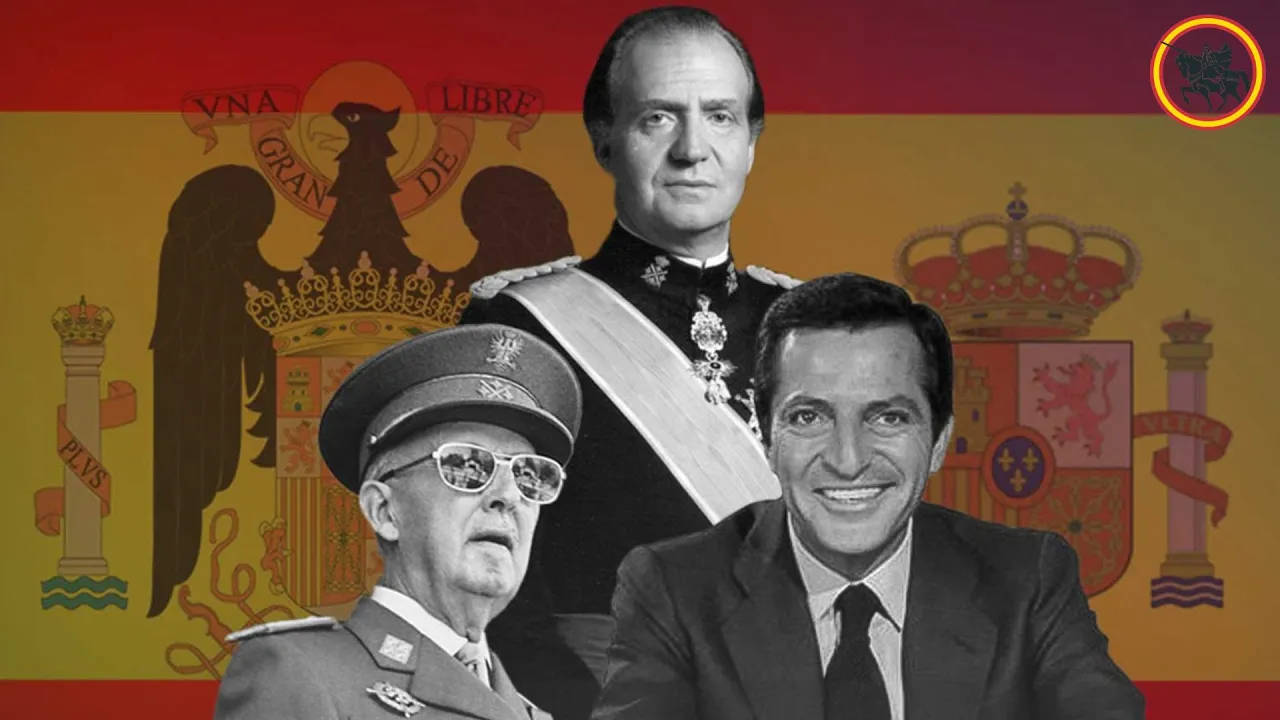
The rationale for this is that following Franco’s death in 1975, agents of the regime were given amnesty, as well as victims, and this was seen as a way to transition to democracy without much social tumult.
However, this left crimes unanswered for and legacies without closure – with individuals that suffered under the Franco regime, mostly Republican dissidents, feeling that those that subjected them to state sanctioned repression and terror were never brought to justice.
According to Ilse Logie and Maria Teresa Naverrete, this created an imbalance where fear and trauma accompanied the transition to democracy, further causing the topic of the Franco era to become unapproachable.
Unfortunately, this pact was the adhesive that kept Spanish society moving forward into a democratic future and proponents of the Pacto del Olvido see opening up these old wounds not only as a threat to social cohesion, order and stability, but also potentially their political reputations.
Some politicians, especially figures on the right, may have had ancestors who helped facilitate the crimes of the Franco government, so it is perhaps in their interest to oppose a more transparent and comprehensive investigation of the Franco Era.
This rift between these manners of historical recollection has left much of Spain in a limbo state, where legacies are never fully confronted, speaking of the trauma of the Franco regime is often politically taboo, and even attempts at confronting the past are often tepid, ineffective, and shallow.
Sometimes, even if one supports the idea of confronting traumatic historical wounds, in practice it is more comfortable to not provoke a reaction from those who just wish to ignore, and either keep it to yourself or temper your project of historical recollection to be less ‘provocative’.
That is why Guernica seems like it isn’t as prominent as it should be, because for many, they wish it just would just go away, and as compromise – the two sides have elected to just let it exist in public, but nothing more.
It is also why in general, projects of historical recollection in Spain just seem incomplete – street names that have been changed from Franco era ones under the Historical Memory Laws are sometimes accompanied by informative plaques explaining why, sometimes they are not.
Obviously, the main objective of this is to stop glorifying an authoritarian dictator, but there appears to be nothing done proactively; it is superficial by design, as a portion of the political order sees investigating the past as detrimental to political harmony and their reputations.
It’s not just politicians though, there is a segment of society that has also adopted the Pact of Forgetting as a personal motto.
What is peculiar however, is that Spain today is one of the most progressive countries on the European continent – it was the third country in the world to legalise same sex marriage in 2005 – despite the rabid homophobia of the ultra-catholic Franco regime and its obsession with sexuality as a means solely of reproduction.
It also has an extensive social welfare state, and routinely votes in left leaning parties, ones that were illegal under Franco.
It has not even been 50 (1975) years since Franco left power, and yet Spain has transitioned quickly into one of Europe’s more progressive democracies, how?
Well, collective trauma has been passed down generationally, and although many people do not wish to talk about the Franco era, they are most certainly cautious not to repeat it.
As such, it is my theory that since Spanish people lacked the social and cultural outlets to confront the trauma that the Franco regime inflicted on either them, or their ancestors, they pursued legislative efforts to affect some means of closure.
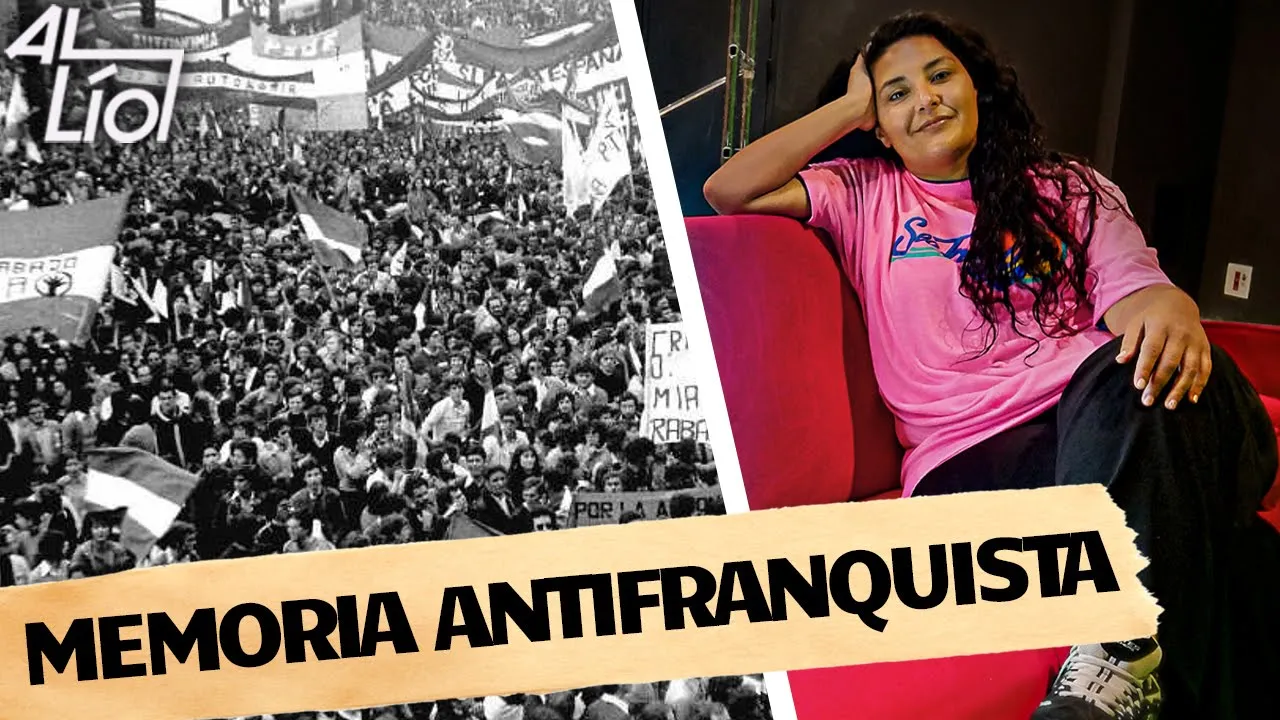
Now of course, the situation has gradually improved over the decades since Franco’s death and departure from power – in 2000 an NGO by the name of the Foundation for the Recovery of Historical Memory (Asociacion para la Recuperacion de la Memoria Historica) was founded to exhume bodies of victims of the Franco Regime and the Civil War, and although the government at the time refused to be involved in these initiatives, the public became more involved than ever before in discussions of repression under the Franco Regime.
In the late 2000s, books covering the repression of the Franco era became more common, and some even became bestsellers.
Most recently the movie Parallel Mothers comes to mind as a Spanish language movie that very explicitly confronts the traumatic legacy of violence during the Civil War and under Franco.
Overall, the public engagement with Franco has become quite healthy, with interpersonal dialogue over the Franco era being quite common and open.
But it is not yet all smooth sailing.
Right leaning parties such as the conservative Partido Popular and to a greater extent VOX, want to pursue a less proactive approach with respect to confronting the Franco era, one more reminiscent of the Pact of Forgetting.
This may be due to the fact that some of the founding members of their party where actually involved in Franco’s regime.
However, it is not just the right that is throwing a wrench in the progress of repairing collective memory.
More recently, for left leaning parties, the subject is sometimes becoming a landscape not for recollection, but political gain.
This threatens to polarise the remembering of the Franco regime, a scenario that could bring counterfactual movements to prominence and a refusal for the entirety of society to confront an uncomfortable and traumatic past – it may end up exacerbating the collective memory of Franco as a point of rupture and contention in Spanish society.
It is also worrying that it was only 14 years ago, in 2008, that the Amnesty laws that acquitted agents of the Franco regime were truly challenged, with one judge declaring an open investigation into Franco Era crimes – unfortunately his ruling was deemed unlawful and investigations remain exceedingly rare and prosecutions almost non-existent.
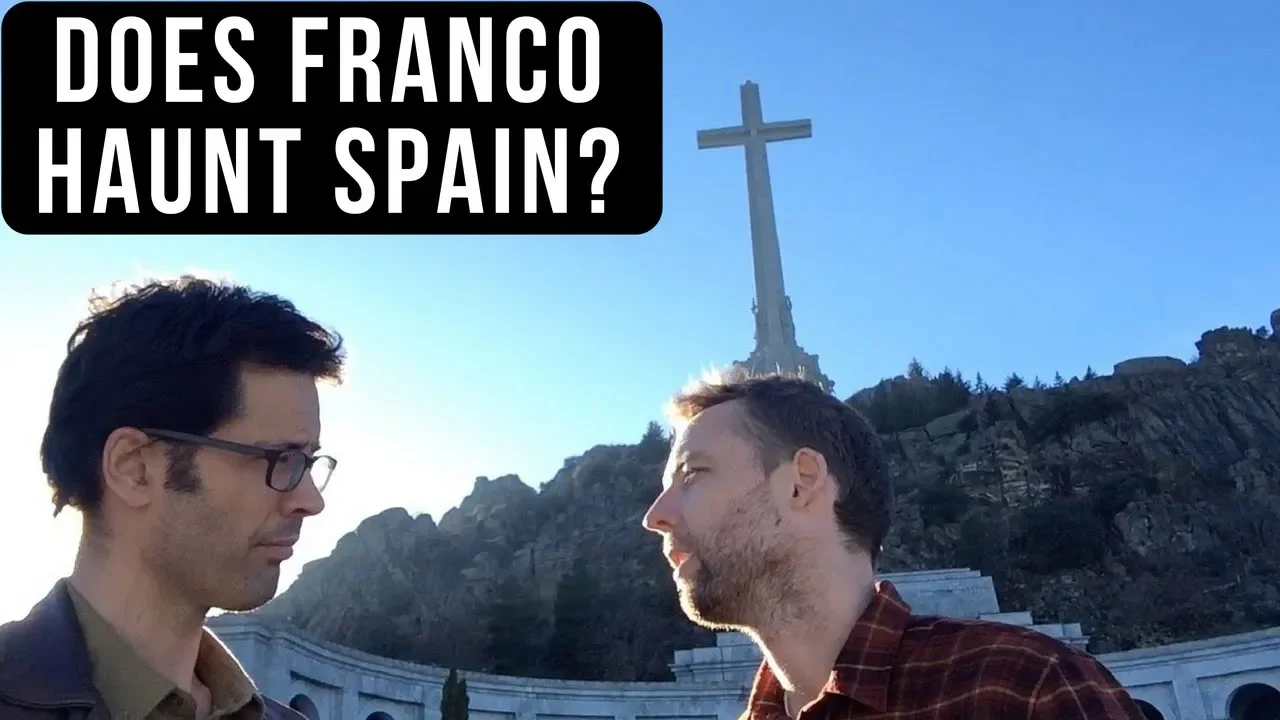
Even more recently, it was only in 2019 that Franco’s body was removed from his enormous, opulent Mausoleum near Madrid and buried in a regular cemetery, which was certainly an obstacle to closure for victims of the regime when he was still being honoured with such a burial.
The process was fraught with opposition, and it revealed how many people still supported him.
His legacy also still shines through in Spain’s form of government, something that has yet to be truly confronted.
Finally, there is the problem of Spain’s curriculum.
In 2022 Franco, his regime and its consequences are not taught anywhere near enough in schools, with only 23% of students saying that they were taught on the repression of the Franco Era, and only 2.3% of student stating that they were educated on resistance to the Franco regime.
Even when it is taught, it is often sanitised to the point where crucial nuances and details are omitted, likely because some people still see the topics discussed as too contentious in the public sphere.
It appears that throughout much of the decades since Franco left power, the Spanish schooling system has been quietly abiding by the Pacto de Olvido, with teaching on the Franco era being scant or when present, extremely superficial in nature.
This has contributed to a feedback loop in which collective memory is left un-investigated and unresolved, and where trauma becomes truly generational; repeating the inability to confront the past, silencing voices, and perpetuating a society which represses its historical consciousness.
This is only just starting to be addressed, with the incumbent Socialist government passing the Democratic Memory Law in 2021, which aims to more diligently investigate, discuss and confront the legacy of Franco in educational institutions.
The tattered collective consciousness of Spain still has some way to go, particularly when it comes to Spanish political and educational institutions, but there is cause for celebration – Spanish people are increasingly becoming more candid and open, and are now more than ever willing to discuss and scrutinise how their country approaches the past and comes to terms with it.
The confrontation of the Franco era thrives in family circles, within friend groups and other social structures, where the spectre of his regime is much more personal, rather than political.
There are fewer obstacles; no political imperatives making those with anecdotal experience reticent, and thus discussion and recollection is much more common.
If anything, many families want to pass down the stories of the Franco era, their anecdotes, trials, and tribulations, if not to keep the memories of those who suffered under Franco alive, then to ensure that authoritarianism does not return.
As new generations enter Spanish politics, the Pact of Forgetting will slowly be withered away, as the political consequences of engaging with a traumatic, brutal and heavily ingrained past become less prominent and the scars of Francoist Spain become less sensitive.
Up Next

10:15
Dimensions of Power in International Relations Explained
@politicalsciencetutorials2512
630 views•2025-01-03

24:30
BRICS Pay and de-dollarization: A New Financial Order Emerges? | 55 chars
@DannyHaiphongYT
164.6K views•2024-10-22
7:33
Government Surveillance Methods: 10 Ways You May Be Watched
@BeAmazed
1.6M views•2017-04-09
10:19
Explaining the Saudi-Iranian Proxy Conflict in the Middle East
@Vox
18.2M views•2017-07-17
Related Study Plans & Knowledge Roadmaps
Structured learning paths in Political Science
political-science
Economic Statecraft: Sanctions & Chokepoints
01Foundations of Geoeconomics and Economic Statecraft
02The Mechanics of Weaponized Interdependence
03International Sanctions: Types, Implementation, and Efficacy
+ 2 more learning modules
12h5 modules
Explore Roadmap
political-science
Central Bank Independence: Politics & Policy
01Foundations of Central Banking and Monetary Policy
02The Time Inconsistency Problem & Inflation Bias
03The Delegation Model and Designing Independence
+ 2 more learning modules
12h5 modules
Explore Roadmap
political-science
Consociationalism: Power-Sharing & Stability
01Democratic Dilemmas in Divided Societies
02Introduction to Consociational Democracy
03The Four Pillars of Consociational Design
+ 2 more learning modules
12h5 modules
Explore Roadmap
political-science
Rebel Governance: Legitimacy, Economy & State
01Foundations of Rebel Governance and Statehood
02Establishing Political Legitimacy and the Rebel Social Contract
03Wartime Economies and Rebel Resource Management
+ 2 more learning modules
14h5 modules
Explore Roadmap