![[HÓA 12] THẾ ĐIỆN CỰC VÀ NGUỒN ĐIỆN HÓA HỌC (Sách Cánh Diều, Sách Chân Trời, Sách Kết Nối Tri Thức)](https://i.ytimg.com/vi/xlBNFQkz3_E/maxresdefault.jpg)









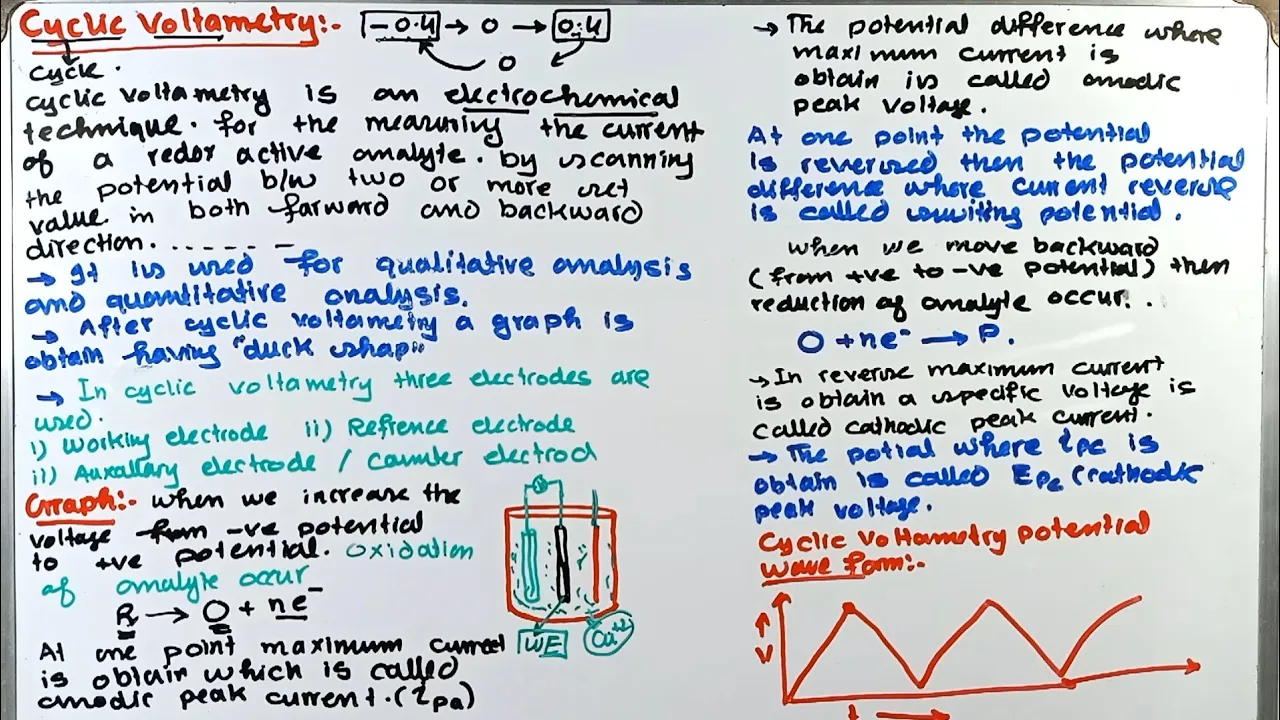







Cyclic voltammetry is an electrochemical technique where potential is swept linearly and then reversed, producing characteristic anodic and cathodic peaks that reveal redox properties; the formal potential can be calculated as the average of peak potentials, and the peak separation (approximately 0.059/n volts at 25°C) indicates the number of electrons transferred in the redox process.
Cyclic Voltammetry Explained: Principles and Applications
Added:Fundamentals of redox (reduction-oxidation) reactions, including half-reactions and standard electrode potentials.
Basic thermodynamics of electrochemical cells and the physical significance of Faraday's laws of electrolysis.
The mathematical formulation and application of the Nernst Equation under equilibrium conditions.
Concepts of mass transport in electrochemical systems, specifically the distinction between diffusion, migration, and convection.
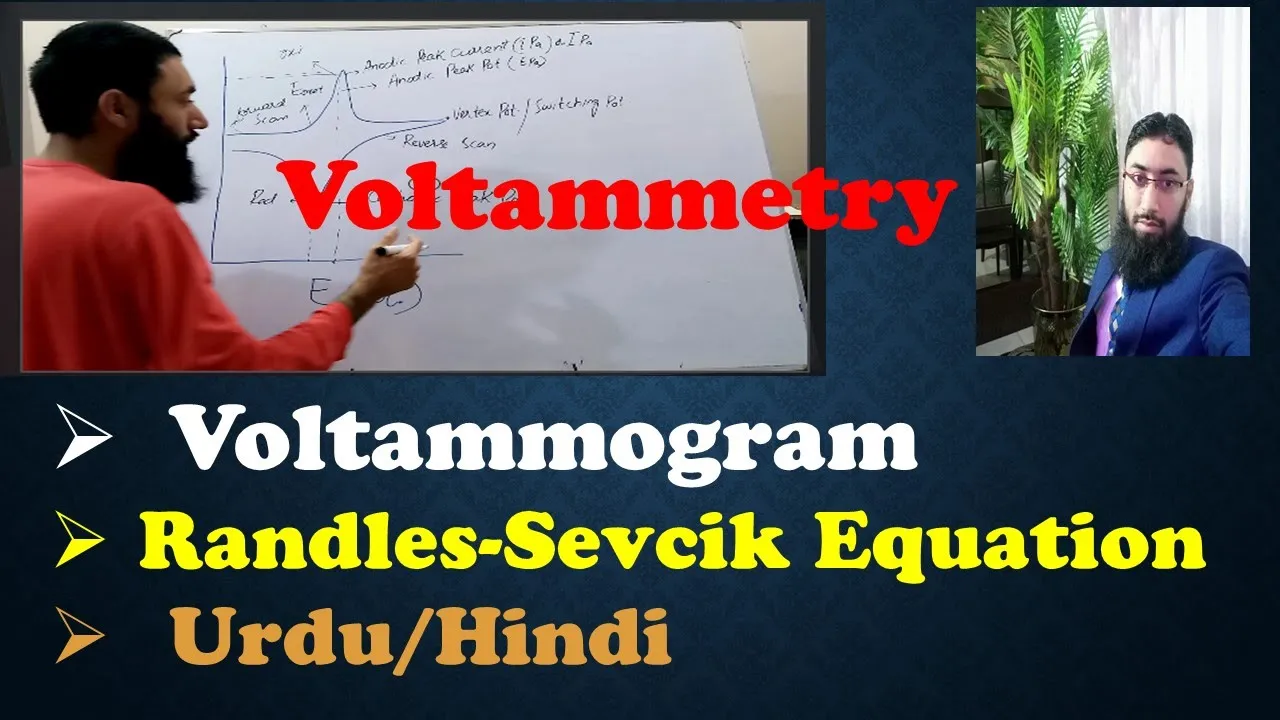
Quantitative analysis of voltammograms using the Randles-Sevcik equation to calculate diffusion coefficients and active surface areas.
Diagnosing coupled chemical reaction mechanisms (such as EC, CE, and ECE mechanisms) and evaluating electron transfer kinetics.
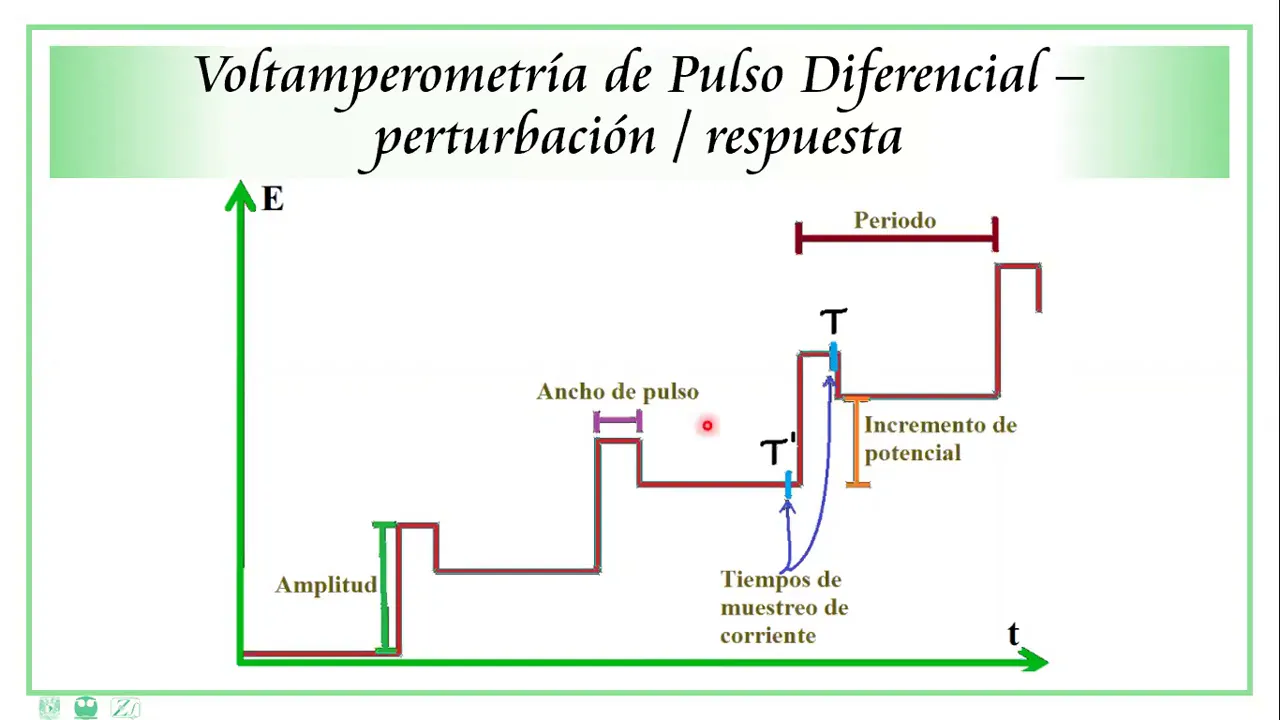
Advanced electrochemical methods like Differential Pulse Voltammetry (DPV) and Square Wave Voltammetry (SWV) for high-sensitivity analytical applications.
Practical characterization of energy conversion and storage devices, such as batteries, fuel cells, supercapacitors, and electrocatalysts.
78K views1.9Klikes11:23Original Release: 2020-03-26
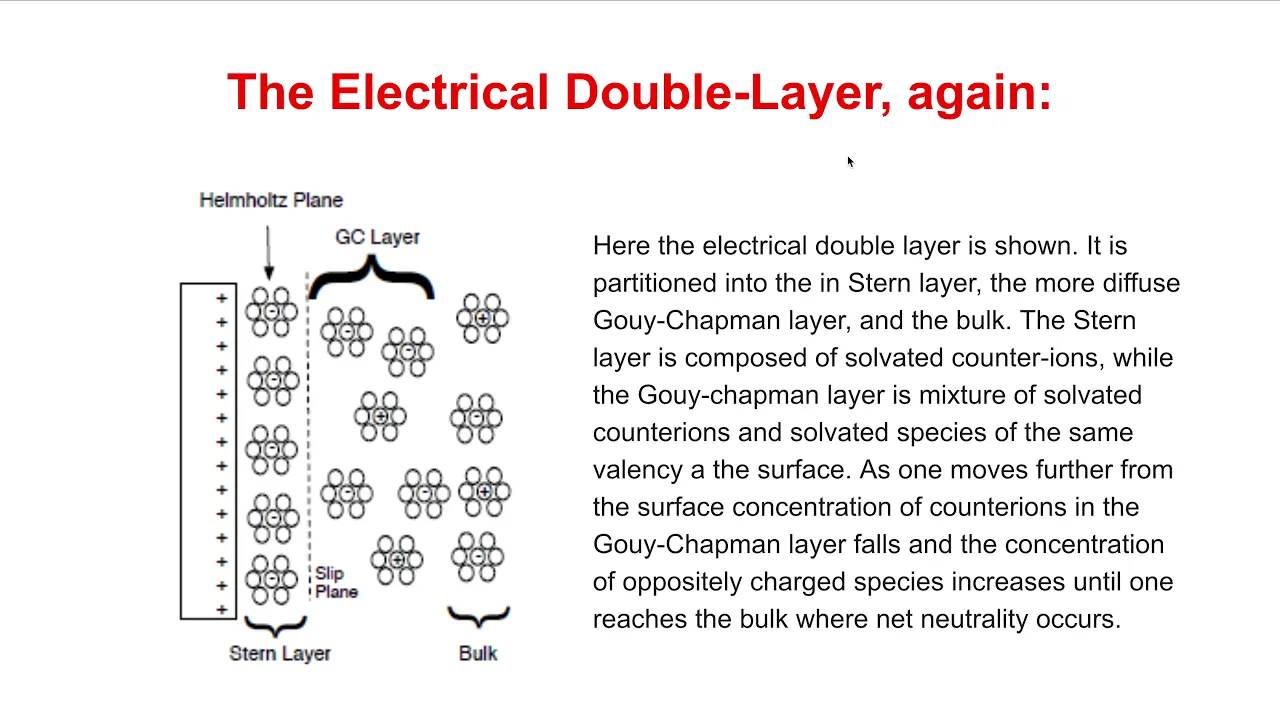
okay so the one of the most common types of ultimate reappearance is so-called cyclic voltammetry and like I mentioned in kind of that intro video what this is is we're doing if we are plotting apply potential versus time what we do is we do a linear asleep sleep and then at some certain time point but then we reverse that and it comes back down and you keep it going ongoing if you want to and then you can do multiple cycles let's talk about one for now so here's a time zero we switch over at time landed and there's land over two so the key point is again everything in electrochemistry is dictated by the Durance equation so as we're applying our potential so here is my potential at the electrodes so at time T this is going to be equal to our Enon minus RT / + log reduced / oxidized and then so depending on how we're applying our potential depending on where we are and then what our speech that's being reduced or oxidized is then that will control kind of the concentration of things that are there or not and again keep in mind that we only see current when electrons are being passed so if we reduce or something when we're at the right potential to reduce this oxidized species then current will flow so the wrinkle here with this experiment is that we only know this applied potential this equation only holds at the surface surface of electron in any electrode solution we have what's called the double layer so here's double there it's also called the electrical double layer so if I have an electrode I'm gonna make it a gold electrode here is my gold electrode and then let's say I'm applying a positive potential then at the tip of this electrode we're gonna have positively charged tip this is my electric this electrode is interfacing somehow with the solution so here and again the solution has ions in it whether it's the electrolyte or your material that you're being oxidized or reduced there are a charged species in solution so at at the electrode surface well will first happen with this positive charge is will start and zorbing negatively charged ions maybe I'll put this in pink or something so adsorbed ions ions and then at the same time we're gonna have a baby in green like out here so this is the so-called double layer oops that's an L double dare double-layer so there's the absorb ions and then so now we have a negatively charged layer so then we might have a positively charged plate over here so this poly charge layer so we have a positive charge ions but they're also now they're floating not absorb so they're kind of solvated bunch of those guys around and then we're gonna have negatively charged also solvated cetera cetera but as we get further away from the electrode surface they're gonna kind of get more diffuse so the your density or charge density will be will be decreasing as we go up so this is the structure of the solution at near the electrode and this really matters because if our Nernst equation applies of electrode surface during our experiment we have to replenish what we're reducing or oxidizing and then so your analyte with compound so here's my analyte material that's getting rest reduce has to diffuse through double layer to get to your electrode surface and then so in this experiment to Kalama treat diffusion really matters diffusion is important and so never stir this experiment okay so let's talk about what's happening when we start sweeping so let's draw my potential current diagram so here again for a cell if we have or not for a cell for a cyclic voltammogram again this x-axis is potential in volts and over here is current and then suppose I'm sweeping positively so let's say you see being positively oops optically what we'll do is so step one we'll start our potential for no current flows so let's start here no current flowing and then what this means is that we have some sort of concentration but this potential is not enough to let's say oxidize or we want to oxidize so I guess for my example suppose I have my solution of ferrocene ferrocene so this ferrocene this guy so this is iron - and then ferrocene is very commonly are known to oxidize very readily to iron 3 but let's say our this potential so that potential 1 all the ferrocene is ferrocene - so nothing's happening and then so what we'll do is we'll start sweeping positively so here's my area we're sitting positively so this is Plus this is minus so nothing happened something happened something happens and then suddenly what we'll see is we'll see a current flow and then so this is basically at some potential then we're starting to change our ratios of the reducers to the oxidized species because we're near the standard potential and then eventually what happens is this current will peak and then it will kind of level off again so we'll have a peak and then for a cyclic tomogram we will dine reverse directions and that's the reverse directions here so this is over here is this lambda so this is that time at t equals lambda then we switch backwards on our potential sweep and then we go backwards so now we'll go negative and then so what we're seeing here is this is an anodic peak so anodic this is cathodic so what's happening is as we sweep positively this current flowing means something's getting oxidized and then we have such directions then this current flowing means something is getting reduced so what's happening with this positive current is positive current means that our ferrocene is getting oxidized - electrons - ferrocene plus and then this negative current this cathodic current is when we're getting ferrocene Presidium so ferrocene plus that's near this electrode surface is then getting reduced back to ferrocene and so if you have what's called a reversible process it will often look like this duck I'm oversimplifying it but for the purposes of our class that's what we have and then so I've sent you guys for those of you got the kids I sent to you little bear duckie a cyclic voltammogram demo so the key points is this peak over here is called at the potential that this happens is the potential of our peak cathodic at this potential is the potential of peak a notic and then so these two are not the same but so here this is the peak of the current as we're oxidizing this is the peak of the current as we're reducing and then so if you take the average of the two so we take our peak anodic plus our peak cathodic and / - this is our so-called B 1/2 and then this is approximately related to that formal potential we talked about in the intro video so at this potential our concentrations of oxidized to reduce species are is 1 that ratio is 1 not County for some diffusion changes so we're assuming that this is this is approximately to be the case and so basically by doing a cyclic voltammogram you can then back out the bx potential of an unknown species so this is really useful if you're making a brand new compound that you don't have a table of reduction potentials to reference to we'll do an exercise a group activity for why we get this peak but for the purposes of this class I want you to kind of know the shape of those simple tomogram and we'll do some more exercises for how to interpret this further okay and then one thing to keep in mind one additional thing to keep in mind is that this Delta e which is the difference between our anodic peak minus the cathodic peak and then so this is going to be equal to 0.05 9 over and volts at 25 degrees Celsius so basically the peak width like how broad your duck is can be backed out - how many process C or how many electrons are being transferred so this example with ferrocene is a one electron process n equals 1 so we expect this peak separation to be at about 0.05 9 volts if we had something reversible where we transfer two electrons you expect that these Peaks to get closer together in practice often this is not the case because when did you get some of different potential drops or your solvents are annoying but in a perfect situation this equation holds so yeah what do some amorphous problems I realize this is so far pretty abstract so we'll go over some through some demos later as well
Up Next
35:50
Electrochemical Impedance Spectroscopy (EIS) Theory Explained
@ametekamt-princetonapplied5482
103.4K views•2017-03-17
83:56
Biocatalysis and Catalysis in Islatravir Synthesis | Merck Webinar
@SCIwheresciencemeetsbusiness
675 views•2020-10-08
10:06
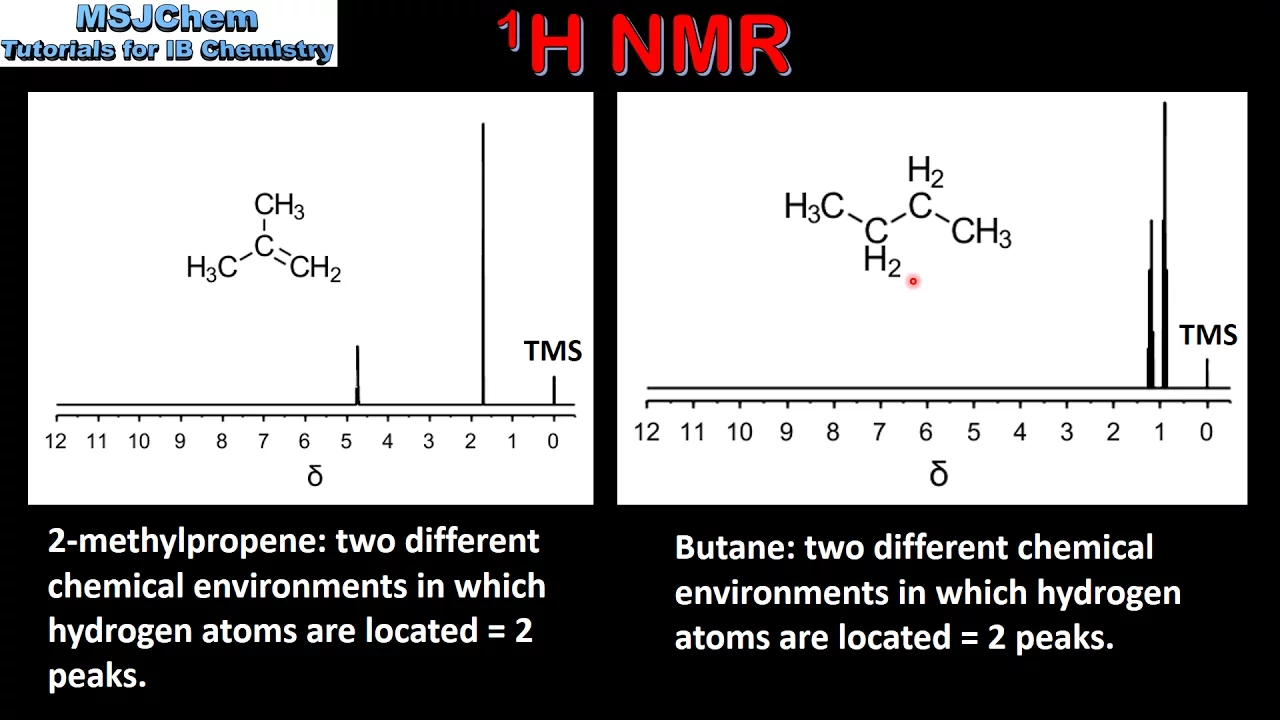
1H NMR: Determining Number of Peaks from Structure
@MSJChem
59.2K views•2017-04-06

17:31
Edible Water Bottles: A DIY Guide to Sodium Alginate Spherification
@ryan
10.5M views•2019-06-21
Related Study Plans & Knowledge Roadmaps
Structured learning paths in Chemistry
chemistry
Nuclear Chemistry: Decay, Meds & Fuel Cycle
01Introduction to Nuclear Structure and Radioactivity
02Decay Dynamics and Kinetics
03Radiation Interaction and Detection
+ 2 more learning modules
24h5 modules
Explore Roadmap
chemistry
Supramolecular Chemistry: Forces & Machines
01Foundations of Chemical Bonding and Intermolecular Forces
02Introduction to Host-Guest Chemistry
03Thermodynamics and Dynamics of Self-Assembly
+ 2 more learning modules
16h5 modules
Explore Roadmap
chemistry
Photochemistry: Excited States & Reactions
01Foundations of Light-Matter Interactions
02Molecular Orbitals and Electronic States
03Photophysical Processes and Jablonski Diagrams
+ 2 more learning modules
18h5 modules
Explore Roadmap
chemistry
Coordination Chemistry: Bonding & Properties
01Introduction to Transition Metals and Ligands
02Crystal Field Theory (CFT) and Geometry
03Magnetic Behavior and Spin States
+ 2 more learning modules
14h5 modules
Explore Roadmap