

















Dr. Burkitt concluded that prevention eliminates disease, while treatment merely manages symptoms. If people constantly fall off a cliff, placing ambulances at the bottom is less effective than building fences at the top. Similarly, treating disease after it develops is less effective than preventing it through dietary intervention. This philosophy prioritizes root cause elimination over symptomatic management.
Dr. John McDougall: Legacy, Plant-Based Diet & Nutrition Science
Added:Basic understanding of macronutrients, specifically the biochemical differences between simple sugars, complex carbohydrates (starches), and dietary fibers.
The fundamental principles of preventive medicine versus reactive, pharmaceutical-based healthcare systems.
An introductory awareness of the Whole Food Plant-Based (WFPB) dietary paradigm and how it differs from the Standard American Diet (SAD).
Basic human digestive physiology, particularly how the body processes carbohydrates to produce glucose for energy.
Comparative analysis of various plant-based paradigms (e.g., Dr. McDougall's starch-centered diet vs. Dr. Esselstyn's fat-free cardiovascular recovery diet).
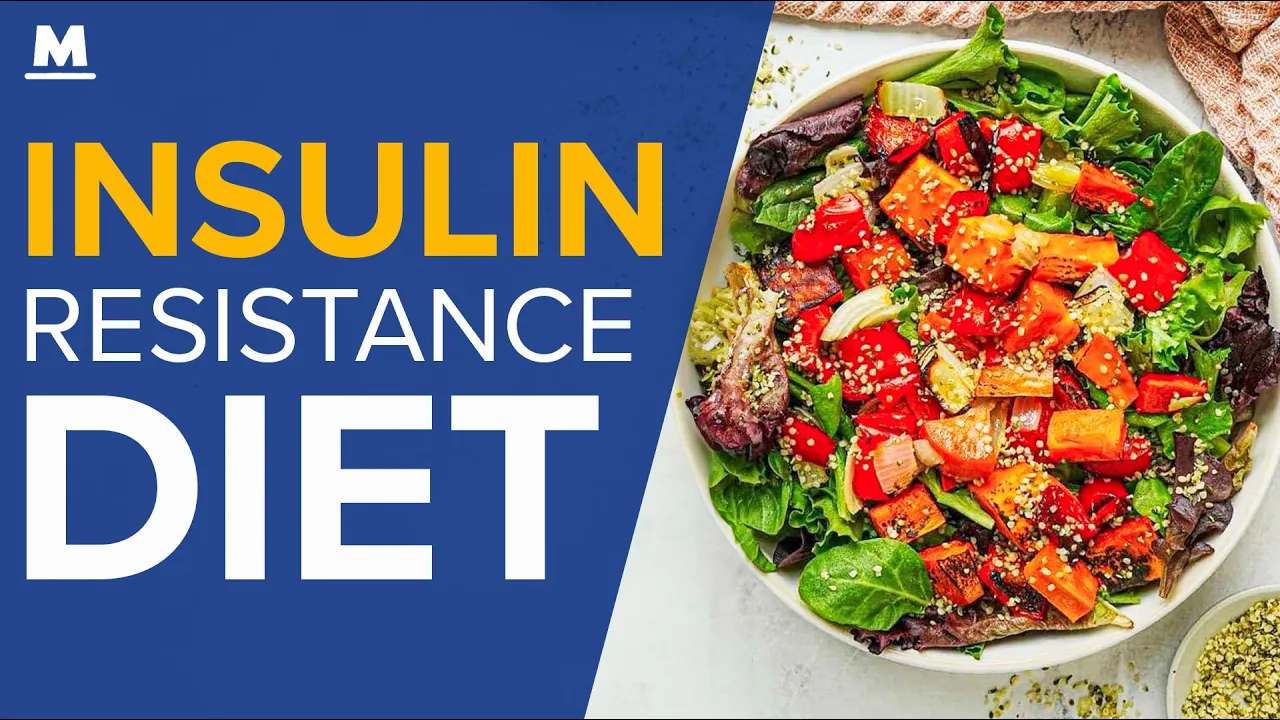
The biochemical mechanisms of insulin resistance and how low-fat, high-carbohydrate diets affect glycemic control in type 2 diabetic patients.
The impact of high-starch, high-fiber diets on the human gut microbiome and its subsequent influence on systemic inflammation and metabolic health.
Evaluating the public health policy implications and challenges of integrating plant-based, starch-centric nutrition into mainstream clinical guidelines.
10.7K views306likes1:01Original Release: 2024-07-13
okay I'm honored today to give the tribute to Dr John McDougall um Dr John McDougall was the greatest doctor who ever lived and we're going to talk about in this order of of topics who is Dr John McDougall who is the greatest doctor what are Dr mcdougall's medical achievements how did Dr McDougall die and what are Dr mcdougall's best quotes okay here's a picture when he got married to Mary you know this is back in the 1960s um let me get myself out of the way here and uh here's a more recent picture of him with Mary and they're he's about 70 years of age in this picture he's got the characteristic 1960s Longs side Burns and John McDougall he's a doctor that fought for you you don't make money helping the PRS okay you make money by helping big farmer big insurance companies and it reminds me of this quote from the Bible second Timothy chapter 4 verse 7 I have fought the good fight I have finished the race I have kept the faith okay so here's some background on Dr McDougall um he argued that his program of teaching patients a plant-based diet um as have been proven by long experience in epidemiology with plant-based diets could save the insurance companies lots of monies um you could get down the treatment for heart disease down to $4,000 or less whereas if you put in a stent that's about $30,000 a piece you put in uh you do open heart surgery a cabbage corny already bypassed graph you're talking about billing nowadays for about $150,000 with everything included the O time the surgical ICU time and the insurance companies kept giving them run around till finally one of them told them the real answer they get a piece of the pie and the bigger the pie the bigger a piece that they get so the more expensive it is the more the insurance companies profit so in a sense the sad truth is that all big money is aligned against the patient the big pharmer companies the big device companies the big hospitals and the big insurance company they all profit by ripping off the patient okay so McDougall tries to speak up for the patient and it makes him kind of ostracized by the medical community okay and he knew the other doctors would tell him they would see patients come for followup uh coronary arteriograms perov vascular teams at the at his hospital and they would show Improvement so that the other doctors knew the truth the ones that had close experience with it and he worked at St Elina Hospital which was a 7th Day Adventist Hospital and despite that with the 7th Day VST religion having a component of recommending a vegan diet you know going back to the original founding work of Ellen White um to eat a plant-based diet okay but despite all that they wouldn't send him a single referral he was ostracized by his local hospital medical community on many occasions they would still though go to him for them themselves send their spouses to him and their children to him but they wouldn't send their patients to him and that's another thing a lot of people don't know but that's how the medical community is um Dr rlon had the same experience I've had the same exper experience in my work okay and Dr mcdoel would take on some big some big opponents okay in 1980 he worked with a citizen group in Honolulu to pass an in informed consent Bill whereby requiring doctors to tell the truth to patients when they obtain consent for example a woman with breast cancer has the same survival she doesn't get an extra day of life for having a mastectomy instead of lumpectomy and McDougall insisted that should be told to the patient the doctors got so pissed off in him that the male paral was run at that time by physicians and they denied him malale practice insurance for a couple of years he had to go bear so to speak means practice medicine without Med male paral Insurance a very financially risky thing to do um and that's that's the payback you get when you help the PRS okay um also I want you to see what happens to them on Wikipedia so on Wikipedia you know here's Dr McDougall the best doctor in the world and how is he treated by mainstream Wikipedia Wikipedia pretty much imitates what mainstream wants what big money wants it's not a free objective open source of information it's what big money big money wants you to know on a topic so here's how they describe Dr McDougall they said his dietary re some of his dietary recommendations are not in line with mainstream advice they are considered extreme extreme and not supported by evidence his diet has been called a lowfat fad diet it leads to boredom feelings of deprivation because of the exclusion of favorite foods the high fiber content can cause flatulence and possibly interfere with mineral absorption this is all untrue they're trying to slander him because they don't want people to be healthy okay um it says it can be deficient in vitamin D calcium omega-3 are potential nutritional deficiencies from following such a strict diet in 1992 nutritionist Kurt Butler described Dr mcdougall's ideas as vegetarian extremism extremism they said that he is a vegan Zealot taking the low-fat vegetarian diet to extremes by the way the typical person not only do we have herbivore physiology we have herbivore mentalities for a pack animal a herd animal the safest place to be is conformist in the middle of the pack the big Achievers that go to the extremes the PRS most PRS you know uneducated illiterate PLS are afraid of that so the so big money knows they want to scare people away from what's good for them just tell them it's extremist just tell them it's an extremist point of view and and the average person will run with fear from that okay so you know it goes on and on his mcdougall's diet concepts are extreme and out of keeping with nutritional reality failure to consume dairy products may they may not they put themselves at risk for osteoporosis uh patients vegans who follow his diet may not obtain enough protein so they say the exact opposite of the truth and they're allowed to do it big money can say whatever it wants the sad truth is where is regular people get in trouble for telling the truth okay a lot of people did not like Dr mcdal okay big food doesn't like him the processed food industry the fast food industry big meat doesn't like him big Dairy doesn't like him big Pharma doesn't like him the cancer industry hates his guts the medical insurance companies hate them the diabetes industry hates them the hypertension industry don't like them Cardiology stent industry and the olive oil promotion Club of cardiologist they don't like them cardiac surgery doesn't like like them population control societies don't like them they don't want the pros to be healthy you know here's a typical Dr McDougle video cancer screening is a scam okay he pointed out what a joke a lot of this screening is I I've been involved in screening for over 30 years but McDougall says it's true okay look at some of the people that Dr McDougall hangs around with this is Peter Goki the famous statistician physician from um the cocking collaboration McDougall said he's the best expert in the world on the pros and cons of mamography and here's what Goki says in medicine there are very few people who like to hear the truth screening mamography does more harm than good and should be abolished there are lots of asymptomatic cancers in the breast and the thyroid and the prostate that are overtreated Psychiatry is one of the worst fields in medicine and does far more harm than good prescription drugs are the third leading cause properly prescribed drugs by the standard of care are the third leading cause of death after Mard infarction and cancer big Pharma is organized crime do you think hanging around with people like that makes McDougall popular with the mainstream I don't think so okay so then I want to show you here that he kind of reminded me a little bit of donkey hot okay so donkey hot is the most famous book ever written in the uh Spanish language and dony hot was a man of 50 years of age who was reading all these tales of and chivalry and the good old days and he's like how Society has gone down and he wanted to try to make things better so he decided to declare himself a Don a nobleman and become a knight and try to make things better for people and in some ways he sort of seen as an overly idealistic comic hero okay and in some ways mcdougall's almost like that to Big Money how they view him and go McDougall makes a declaration to friends and family and colleagues that he wants to be a nutrition doctor and they kind of laugh at him well gee you're making you make big money you know selling the pearls drugs why do you want to do this nutrition stuff how is that going to work out for you and then this picture is um kind of funny here in a sense here's Dr uh here's uh Dr McDougall in a sense says Dono on his horse ready to take on the big giants and his adviser this could be one of his friends you know you could let's just say Doug ly or something telling him you know John you might not want to piss off the insurance companies you know John you might not want to piss off off dairy industry anym than you already have okay you might not want to piss off the cardiac surgeons they've got a lot of money John they could make life difficult for you you might not want to piss off big Pharma who knows what they'll do okay so you know he's tilting against the windmills the big giants and you know it's a dangerous thing to do but sometimes a man just decides he's going to do the right thing with the time he has left and here's a quote by St Augustine wrong is wrong even if everyone is doing it right is right even if no one is doing it it kind of reminds me of Fodor Doki sometimes a man must make a stand and set an example and that's what Dr McDougle did telling the pearls the truth trying to help him and you know it's reminiscent the life of a hero like the hero's journey of Joseph Campbell whereby childhood is kind of innocence and pleasure and safety and then they go through a dramatic event that's sort of a kaleidoscope that spins their world view and kind of shadow their innocence a little bit like mcdougall's big stroke when he was 18 years old and then they sort of have to climb out of the gutter and try to make some progress and they start making some progress towards the light of sunshine like climbing out of Cl Plato's Cave but often when you go two steps up you get smacked back down two steps up smack back down and that's what I'm referring to is no one will send you a patient uh McDougall also he got fired from the TV shows fired from the radio um he got Smackdown big time they took away his insurance but he kept on climbing fighting the good fight the heroic fight to help the people okay here's McDougall he was you know he's a great speaker he's a great teacher um and he was um on the TV shows on the radio because he refused to sell supplements he got fired uh he just said no I'm going to tell the population the truth okay and here's what he's showing here if you look at these flasks these are to show the different caloric density of foods and what McDougall pointed out is you know starch is very low in caloric it it stretches the stomach so you get early satisfaction of hunger plus it's slowly absorbed and it's slowly processed by the enzymes basically starches a polymer of glucose wrapped in fiber so it takes time for the intestinal enzymes to peel that fiber off before the glucose can be slowly absorbed to the blood whereas you barely fill up the stomach with these high fat foods okay okay here is Dr McDougall in the ring Landing Landing one on uh big meat right here big meat is supported by big food big Pharma big device makers Etc and then the other thing about McDougall you know here he is best doctor in the world how does he get treated who knows what's his luck is he a big billionaire does he have his own private island does he have his own Herm does he have all these other things nope his house is burned down and he's kind of homeless his library is burned down and it reminded me of the scene for donot uh a bunch of people got together the priest the barber even his niece was in on it and they took his books and they threw him into big pile and they burned him in a fire oops did I go back there and they burn him in a fire and then um Doug L had a nice tribute to Dr mdou and he said if there was a Mount Rushmore for nutrition doctors uh to help the public Dr McDougall would be on it and he definitely would be okay and then another thing that see I think there's a tendency for people to think all doctors are the same and could be further from the truth there's a tremendous difference between individual doctors okay and between a genius too like Dr McDougall and here's a good quote about Geniuses DK Simon he's an expert on Geniuses he writes books about Geniuses he says a genius is someone who transforms a field mcdugle transformed nutrition and really healthc care I mean basically he gave you the big secret okay the big secret is a starch-based diet prevents the CHR chronic diseases and all these chronic diseases are called chronic diabetes hypertension obesity atherosclerosis um abdominal pressure inome because conventional medicine can't cure them at all that's why they're chronic it never cures them he showed you how to cure these diseases how to prevent them okay here's a quote by Oliver Wendell Holmes the world is always ready to receive Talent with open arms but it doesn't know what to do with genius Talent is a docile creature it bows its head meekly while the world slips a collar over it it draws its load cheerfully and is patient of the bit and the whip but a genius says no a genius is always impatient of its harness its Wild Blood makes it hard to train okay Ian Fleming the author James Bond all the greatest men are Maniacs Maniacs they are possessed by a Mania which drives them forward towards their goal the great scientists philosophers religious leaders are all Maniacs what else but a blind singleness of purpose could have kept them in the groove of purpose Mania is as pric as genius you know if a man knows he's doing the right thing and he decides he's going to stay the course that's what it takes because when you're doing the right thing against a lot of opposition most people just cave okay if you ever heard of the research of Solomon Ash he pointed out if you have 10 Confederates at a table then you bring in one study subject and all the 10 Confederates deliberately say the wrong thing about a picture or a diagram you know the vast majority of stud study subjects brought into that room will simp agree with the 10 Confederates because they don't want to contradict the other people so what I'm saying is it takes a guy with strong strong uh confidence and knowledge and what he's doing is right to stand up to all that peer pressure okay here's a a page from Dr mcdougall's uh website and he's got all these star mcdouglas and the reason I show is these are all people cured from chronic diseases he's got over 20 pages of people just you know testimonials of being cured from chronic disease and the reason this is so so extraordinary is you don't understand the regular public regular doctors don't have this they never cure any of these diseases none of them zero okay now this is extraordinary and you know the first DOC I saw who had all this stuff was McDougall but then I learned about Kempner and Kempner had something similar you know Kempner saw 19,000 patients in his uh Rice Clinic over in Durham North Carolina and um he had incredible reviews incredible outcomes incredible the best ever in the world all right and then McDougall saw 12,000 patients in his clinic and whatnot but I said to myself you know what who's got who's the best doctor okay if you want to talk about who's the best doctor if you um go to a private practice hospital to them the best doctor is the Doctor Who makes the most money like when I first was in private practice I one times had this case where a cardiologist and myself had to help out in the care of a patient and the cardiologist totally screwed up the case totally stupid okay um and I I had you know from Harvard I was used to high standards in cardiology in terms of Interventional Cardiology and I'm like this guy's an idiot he screwed up this case I said that to one of the other docs at that hospital he goes no he goes you can never criticize Cardiology I go what do you mean I can't criticize Cardiology I'm just telling you what happened with the case he goes no you can't ever do that the Cardiology service at this hospital they bring in more money by far than any other department at this Hospital you could never criticize them if management ever finds out you criticize Cardiology they'll go after you not after the cardiologist so you better keep your mouth shut I'm like oh wow I I was new that was new to me in a university setting like a big research University the most prestigious doctor in the hospital is the one who publishes the most paper the most uh research papers and the reason I'm telling you this is because the patient doesn't understand how the doctors are thinking in the hospitals are thinking the patient's thinking the best doctor is the one who can cure me of my disease the one who can help me on my disease and that's what I'm trying to point out here from a patient's point of view the best doctor that ever lived is McDougall because even though Kempner saw more patients in a direct hospital setting uh Dr McDougall through his books as well as his uh YouTube videos and his newsletters he helped a lot more patients cured more patients than Kempner the most in the world there it is and by the way I briefly was a patient of Dr McDougall in the sense that I had gotten fat in my 30s you know because I was doing too much at once I doing two Fellowship simultaneously had a wife at home had a baby at home with the wife and I I authored a textbook during my Fellowship year and so I got into drinking seven cups of coffee day I got fat I got to 220 lbs quite fat for me and then I started I realized after 3 years I couldn't do it with conventional thinking you know exercise more and eat less that doesn't work so I started reading all about nutrition trying to solve my fat problem my family was loving making fun of me hey Fatso you know oh you're going to be a diabetic soon enough and my wife's like well if you become impotent make my life easier so um I got motivated and I started reading everything about nutrition I was gradually figuring it out but a real turning point for me uh was when I read you know Dr mcdougall's ideas about starch being the key thing and that made sense that you satisfy your hunger with the fewest number of calories um and then I lost all the weight and I was actually featured as a star mcdou years ago okay and we just talked about this that's the reason why you know by criteria he's the best doctor who ever lived okay now just a little bit about Dr Kempner now Dr Kempner uh was in Durham North Carolina and he would have the patients stay in these rice houses like little apartment buildings near the the hospital there in Duke and they would have public weigh-ins if you lost over 100 pounds you'd be in the centenarian club Centurian club that would be written on the wall they would publicly post your blood pressures and whatnot your body weight um then they would have the food in that area and the social setting so the the dieters would get to talk to each other and they like that and um one of the things I want to emphasize is the work of of of um Kepner would have been forgotten okay kepner's books are available at drmcdougall.com at his website he lets you read his book for free it's it's highly worth reading I went over there and read his books okay they're extraordinary okay and he also has the Legacy book of Nathan pritkin and Dr McDougall said don't even try to debate nutrition with me until you've at least read the papers of Walter Kempner and Nathan pritkin and they're right sitting there I read pran's other books as well as the final Legacy one it's awesome over at Dr McDougal's website I read all that stuff in their papers as well um oh now the other thing too about Kempner that came up and this was just a joke Kempner had a reputation of being a real ladies man he's a good-look guy a multi-millionaire and I showed this slide whoopy do okay and it was just a joke and what I said was if I was a young guy senior in medical school and I had the one elective I could do who would I choose so go rotate over at uh with Dr uh McDougall in California San Rose or would I go with Dr Kempner and I said if I was married I would go work with Dr McDougall it' be a stable environment uh Dr mcdu and Mary are wonderful role models for a good marriage and stuff and that's what I would do but if I was a single guy and I have a girlfriend you know what I would want to go to Duke University he a college campus and who knows maybe I learned something uh from Dr MC uh Dr Kempner okay that's what that was okay A little joke whoop you do all right now here is um Dr Kempner and his experience at the Hawaii Plantation so at the Hawaii Plantation right when he finished medical school he went out and he he did an internship and then he worked as a u allpurpose doctor at the sugar Plantation in Hawaii and he saw some extraordinary things these these workers on the plantations were eating old-fashioned traditional diets like a rice based diet for examples uh sweet potatoes and you know traditional plant Bay starch foods versus the wealthy people in the city the more educated people they were getting all the Western diseases you know they're fat hypertensive diabetic coronary art disease impotence you know all the eye diseases macular degeneration Etc and uh not doing so well and a lot of cancer and whereas he saw these guys when they were 65 years old they would collect a pension they would then go to the Philippines and get a younger wife let's say 30 years old or something and they would raise a whole other family and they would die in their late 80s early 90s they didn't have any viagara in those days okay so he just saw it he saw the reality of Nutritional Health the person's eating a lowfat primarily plant-based diet were extraordinarily healthy okay whereas all the westernized ones you know his patients by the way were patients also from China Japan Korea Philippines who had sort of moved to Hawaii and the grandparents were thin and healthy on the old diet then their children the middle generation was getting fatter and sicker and then the the grandchildren because they were the most westernized in their diet and habits were profoundly fat and sick okay and McDougall also made the observations that nutrition was almost never mentioned in medical school residency in the textbooks but in his observation it was the most important thing so working in Hawaii taught him the truth of health and it enabled him once he got patients to follow plantas diet he noticed he all of a sudden start taking them off their pills because the typical patient just keeps on getting more pills more and more pills over the years whereas he saw that gee a lot of these patients could be cured and that was an an incredible Revelation to him um he went to the Hawaii Medical Library and he saw study after study describing weight loss loss relief of chest pain headaches arthritis all owing to a simple solution a diet based on starch supplemented by vegetables and fruits no pills or surgery were needed okay and that's from Dr mcdougall's book starts solution and that's one of the greatest nutrition books ever written okay what are some of Dr mcdougall's achievements all right he healed more patients than any other doctor in the history of the world uh including his books his videos his newsletter his nickname was Dr potato he was an Irish doctor so it's kind of nice that an Irish doctor learned how to help save the world with potatoes um potatoes are are unique food they're relatively complete in their nutrition as complete as any food in the world and they have um only 1% of calories from fat so the people who eat them are thin they're easy to grow they grow well under harsh conditions so they are one of the foods that could save the world McDougall said we are probably going to especially need to eat a lot of potatoes and rice I want you to remember that statement of his we are probably going to especially need to eat a lot of potatoes and r rice okay uh cuz that's a true statement and there there's there's persons who contradict that statement mcdugle knows a lot more about nutrition than they do and everything I've read confirms he's right okay uh he ran a Nutrition Therapy Clinic for decades took care of 12,000 patients he knew the nutrition and medical literature better than anyone else and he told the truth about it and he kept all these files in his articles um in folder cabinets in his basement before his house burned down he was the best teacher of the internet doctors he's a fantastic speaker he say things in a very clear way and know you could understand what he was talking about he educated the public he had a big clinical practice later a tally Health practice his nutrition books are great um his nutrition newsletter is the best one there is uh he made great nutrition videos and it was great on his radio shows and he challenged all the big establishment Industries you know Dairy meat oil fast food processed food Cardiology cardiac surgery uh cancer industry diabetes Rheumatology with the autoimmune disease dises some of the stuff in neurology it takes big balls to do that you don't um you don't see doctors doing that usually as a doctor you're tired exhausted by the time you finish your your medical school and residency training you now it's time to get married and have a kid you have the kid you're exhausted from having the kid you're exhausted from uh you know being up late at night with the young ones and then um you're trying to make partner in your group and you got to bust your ass take all these night shifts and all these weekend calls so the last thing in the World they want to do is stir up a fuss by you know trying to publish a book and contradicting the big uh Power players in the healthcare game okay that's very unusual okay digestive tuneup was another book by Dr McDougall um he himself though when he was young he had a right lower quad pain they just took him to the operating room removed his appendix it was normal but they said just to be safe we're going to remove it that's how it was in the old days nowaday you got CAT scans and you could diagnose it uh from a CT scan and you instead of doing an exploratory lapar me potentially ending up with adhesions and bow obstructions okay um we talked about the sugar Plantation diet and then also that knowledge taught him that in his impression about 80% of disease was due to a bad diet that's a lot and given this new found knowledge about diet and health he said it became impossible for me to practice medicine the way I've been taught I would be a different kind of doctor one who would Empower my patients with the knowledge and ability to truly be well and like I said that's like donkey hod speech McDougall had to talk to his uh chief resident his uh Internal Medicine Residency uh Physicians and they're like what are you doing man you just go by the standard of care prescribe these drugs you'll make money everybody's happy if you don't go down this path you're going to find it hard to make a living pal McDougall tells his patients look around the world and you will notice that the trimmest healthiest most youthful people they live on a plant-based diet that's high in carbon hydrates look at the Asians that follow diets based on rice and vegetables okay look at the trim people from Peru who eat mostly potatoes look at rural Mexico where they live primarily on corn and beans okay those in Africa they thrive on Millet and beans in New Guinea sweet potatoes are the main stay in the Middle East chickpeas and rice are the dietary Staples as a matter of fact anywhere in the world you go all large populations subsist primarily on a starch-based diet a you know which is starch is also called complex carbohydrates but starch is easier for people to understand there's no exceptions okay that's what Dr McDougall said he's correct okay and then some people say well it's because of the exercise some of these populations they exercise a lot McDougall pointed out it's not the exercise because even the ones with sedentary jobs are are thin and healthy where they eat a starch-based diet okay and then if you look at a population like the msai for example and he he did a lecture on this even though they're relatively fit and strong in terms they walk around a lot with their cattle they have a tremendous amount of atheroslerosis um when they did a a research study on them in autopsy study on them okay and then a lot other people tell you well it's just genetic you know some people U have just better genes and that's why they live longer McDougle says no it's not look at all the migration studies for example look at the Japanese migration studies where they go from Japan to Hawaii their health starts decreasing then when they go to the USA and they get progressively westernized in their diet their health just declines further more and it's always like that all the migration studies from a plant-based starch based plant-based diet to a more westernized diet which means more meat more Dairy and more oils okay McDougall says starch has unlocked the door to good health for thousands of my patients and that's really what Dr McDougall is if you had to say one big thing he is the Pioneer standardizer of the concept of a starch-based plant-based diet if you look around you hear all these other nutrition uh experts on on the on the internet and whatnot you'll almost never hear them say a starch-based plant-based diet unless they you know acknowledge that McDougall is the one who figured this all out and made it clear to the public okay um this is again his quote about there's no exceptions this just showing it as a you know on a map of his slides corn in the America Central America South America there's a lot of potato eating that makes people healthy sweet potatoes Papu and the guinea for example okanawa for a while uh beans Millet in Africa and stuff and wheat in some areas oats and other areas rice okay and there it is populations who eat that way they're skinny and healthy you know you know before 1970 when China ate like close to 90% of their Cal from white rice a billion out of a billion are skinny there's no such thing as a fat person you know rice wank when he went to China around 1960 they couldn't even find a multiple sclerosis patient they go we'll try to find one autoimmune disease is so rare in these populations and white right there's white rice has less fiber but if you're supplementing that with fruits and vegetables you'll get probably an adequate amount of fiber depending on the percentages but probably okay just taking a look here at um this is United States up here the the Border here here's puma in Arizona here is Mexico northern Mexico you got the tumara they live in the Sierra Madre Mountains like Copper Canyon area Sierra means like a saw up and down edge of the mountain tops and they stuck with their traditional diet they can run over 100 miles in two days they're they're world famous for this like every guy in town has got ultramarathon ability and um in comparison here's the Puma in Arizona Mexican-American war in 1848 they separated these populations the Pima went to Arizona the T moer State in northern Mexico the Pima have taken on the westernized diet the sad diet standard American diet tremendous amounts of obesity heart disease hypertension diabetes gallbladder disease Etc okay whereas the tumar they're still you know able to run 100 miles in two days Nathan pritkin was so impressed by the tumar he patterned um his pricin diet after them and the reason why I'm going through all this for you as the public is you're going to run into all kinds of people on the internet for example and in your personal life they try to contradict you to say well I heard paleo keto carnivore moderate fed or something was you know a better diet for whatever reason and what I'm trying to say is the epidemiology you've got these giant sample sets for hundreds of years and um they're irrefutable you got all you see all these plant-based populations eating a starch B plant-based diet they're the healthiest people in the world and once they switch like this is an immigration study in a sense cuz they were the same population originally now they're all fat and sick okay and that's how it is over and over and over again lowfat vegan always wins starch based always wins okay so here's a t Mar ultramarathon is running you know 100 over 100 miles in two days and then here's the Puma you know they're like typical westerners getting serged all over the place the way conventional medicine works is it tries to treat a diet ior disease with a pill so it's drug drug drug more and more drugs and the drugs don't work so well so then as they progressively fail and the patient deteriorates then it's chop chop chop surgery surgery surgery I see patients like this all day long every day open heart surgery cabbage cornard B grass cystectomy for gallbladder appy appendectomy in the right lower quadrant sigmoid reection over here for diverticulitis amputations for diabetes smoking cigarettes peripheral vascular disease thyroid ectomies um for thyroid cancer on and on all day long you know which off in a late sequella of Hashimoto thyroiditis autoimmune disease gravas thyroiditis okay so anyways smart move is go down this path I'd rather be like the tatuma than be like the POR Pima okay so I'm showing you these epidemiology arguments because Dr mcdou talks about these they're a very strong way to refute the other uh dietary uh recommendations okay and it goes on and on there's tons of these I'm just showing you a couple of them here's Yano Mamo in South America at the junction of Venezuela and Brazil and the Amazon jungle you know they don't have any hypertension they don't get coronar disease there's a seani in South America as well here's Kenya for example in Africa and there was a study at the donison study in um 1929 in the Lancet Journal 1,800 consecutive admissions what percentage of the the the blacks were hypertensive in United States if you took 1,800 uh consecutive emissions the amount of hyper potention would be off the charts okay in Kenya it was Zero there was not a single person and hypertension it ain't genetic okay okay the other thing too there's all this story about well people need to drink more milk they need calcium supplements and all this stuff mdle says nonsense there's no such thing as a a proven case of Calcium deficiency due to lack of dietary intake of calcium um and he also talked about this as you know pricin talked about this too the bant two in Africa women South Africa there they would have nine children all right on average they would them on average 2 or 3 years they would have very minimal uh daily calcium intake by 350 milligrams per day and they wouldn't have any um they wouldn't have any U Calcium deficiency osteoporosis problems okay here's just more epidemiology it goes on and on you know look at the 7-Day Adventist they got the longest lived lifespans out of any population the ones that were vegan the women on average in this group had a a lifespan of 88.6 years the men are about three years less than that 85 point Dr McDougall had worked with this population and what he said was that in reality these vegans were you know somewhat religious-based veganism with 7day Adventist he says they weren't as healthy as they might have been so he imagined that really the average longevity would be higher than 88.6 years if a person um also had you know a truly optimal vegan diet you know um he also pointed out that let's see what else um well they were healthy in there the okan okay so it's all more of the same stuff the migration studies it all it all says the same thing and and there's there's there's studies like this over and over I don't even want to bore you with them because they're endless there's tons of them one last one that I'll tell you because it's a good one kind of related is in Finland they had very high uh cardiovascular mortality from their high fat diets and peka Pusa was the leader of their project over there to reduce the amount of dietary fat stop smoking cigarettes get the wives to cook better meals for their families and uh they dropped the cardiovascular mortality quite rapidly by 8 4% that's an incredible drop in cardiovascular mortality the highest you could get would be 100% drop me 84% drop in mortality it's extraordinary okay Roy Swank also looked at Norway for example and what he saw was in the center of Norway where they had the dairy industry they had really high amounts of multiple sclerosis in the coastal areas where they didn't drink much Dairy um they had very low incidents of Ms and the relevance of that is people sometimes make the argument the further north you go farther from the equator the more uh autoimmune disease you have and some people say well that's because the amount of sunshine it's a vitamin D issue but what uh Swank was saying was no no no and the reason why Roy Swank is so important he's one of the important mentors of Dr moule what what Roy swangin said no no no it's not a question of latitude and sunshine because uh somebody in central nor Norway right here will have the same amount of sun exposure as somebody on the coastal area but there was a big difference in the MS incidents Coastal area versus Central Norway Dairy area and it's the dairy it's not the sunshine shine as the main thing causing autoimmune disease with specific uh reference to Multiple Sclerosis so that was an important observation oh another big observation came out of the rationing studies in World War II World War II was a very stressful time for a lot of people in Europe and the displaced uh refugees despite the incredible psychological stress were still healthier than the pre-war populations were uh because the pre-war populations were EA in high fat diet so the point of what I'm saying here is stress is a big deal and stress can excessive stress can worsen health but diet's more important than stress and that's that's good to know that's useful to know okay so here is you know why is starch so great for improving People's Health and the reason is when you eat the starch it's low caloric density starch is like about only one calorie uh per gram versus uh the amount of calories in uh fats like nine calories for serving so what I'm saying is you get much more distension of the stomach with the starch being low caloric density than you do with the fat and then that glucose comes out of the stomach it actually once it comes out of the stomach it's still wrapped in fiber so the enzymes have to peel the fiber off and it's slowly absorb from the stomach into the blood um and that's a it has the effect of a slow relase energy pill that's a benefit of eating starch stretches your stomach and then it slowly absorbs so you satisfy your hunger with the fewest number of calories and you end up being skinnier here's typical starches potatoes sweet potatoes rice beans like quinoa uh quinoa oatmeal peas lentils garbanzos okay and potatoes sweet potatoes and white rice they all have only 1% of calories from fat so that person who eats the bulk of their calories from that they're likely going to be relatively thin towards their optimal body weight and you can look at the beans you know lentils have about 3% of calories from fat carbonal got about 13% of calories from fat black beans about 4% of calories from fat so if you want to lose weight you know mcdougall's pointing this out the fat you eat the fat you wear lower the percentage of your calories from fat and you're likely to improve your weight okay here is like after you eat a starts your blood glucose curve it's going to go up a little bit and then it's going to stay in the normal zone for a prolonged amount of time if you eat simple sugar you tend to spike your blood glucose more rapidly the pancreas overcompensated it's confused by that there's not that many high simple sugar foods in nature and you'll have tendency to drive your BL blood glucose down rapple you can get rebound hypoglycemia from that okay here's a little bit more uh detail on these postprandial pandal means eating postprandial uh blood glucose curves so we talked about if you eat something with excessive amounts of simple sugars you spike your blood glucose level rapidly and then the pancreas overcompensates and You're vulnerable to rebound hypoglycemia where your blood glucose can drop too low then you get this lousy feeling you want to drink and eat something sweet real fast and then it goes back up again and you end up with a roller coaster blood glucose curve and you get fat that's one way that simple sugars have the potential to make somebody fat okay but here's another thing a little more complex but it's more important to know and by the way the green line is the starch again it keeps you in the zone prolonged amount of time the golden mean the goldilock you feel good your hunger satisfied it satisfies hunger the best okay IR means insulin resistance and this is the question of carbohydrate intolerance so what happens if you eat a high fat meal the fat gets into the skeletal muscle faster than the glucose do so I'm looking at this red line here and once the fat gets into the skeletal muscle it causes insulin resistance it actually inhibits mitochondrial complex 3 and that leads to what's called overnutrition and insulin resistance and in Dr mcdougall's word fat paralyzes the insulin receptor and once that happens then the body can't get glucose into the blood can't take glucose from the blood into the muscle because normally most of your post prandial glucose is going to go to your skeletal muscle to be stored as glycogen skeletal muscle is like the biggest organ in the body so it stores a tremendous amount of glucose in glycogen and the point is when you've eaten the the fat meal it's inhibiting the ability of the muscle to take up the glucose so that's called insulin resistance the insulin is not working as it should and so they were they have prolonged High blood glucose levels and it's bad to have prolonged high blood GL blood glucose levels because there's certain cells in the body like endothelial cells arterial lining cells that are constitutive meaning they take up whatever amount of glucose is in the blood so if it stays elevated prolonged amount of time then they take up too much glucose and that injures those cells okay uh what are some other things Dr McDougall did he provided a systematic way to understand Health he made sense out of things he had mentioned when he was a resident that nothing sort of made sense he followed recommendations did what he was told went with the standard of care but he didn't understand what caused any of the diseases and he certainly knew that we didn't know how to treat them well these pills weren't working but then he saw from Dennis Burkett how to make sense out of the abdomen so he started studying all the literature Dr mcdou as well as the great ones like uh Kempner and uh Swank and later pritkin and he figured out a rational way to make sense of everything starch is at the center of everything and I would tell you this too you know I've been a doctor over 30 years first of my class all that stuff and none and loved biochemistry which we were told was our nutrition component none of this is in those books There is close to zero training in nutrition epidemiology and toxicology in medical schools and what mcdou was saying here and what he learned is that you can't understand these diseases or make sense of them unless you know nutrition and epidemiology okay and so once he got the idea of eating starches was the secret as they're the best way to satisfy hunger they taste good they're comfort foods and they end up making you look good skinny and healthy that was the big secret and then he just explored that in depth and found that you can support it in numerous ways it's intellectually consistent it's logically consistent the rationale fits it works epidemiology shows it creates the healthiest population and epidemiology is important if you listen to the Paleo keto carnivore videos and hear them talk they're always going to say epidemiology worthless the reason why they say that is because it totally shows that they are wrong I mean that's about you want a big sample set you know in some randomized control trial you'd be happy if you had 50 patients okay with these epidemiology studies you got billions okay billions of rice eaters can't be wrong okay they're skinny all right you got all these other populations Sweet Potato Eaters regular Potato Eaters they're skinny and healthy okay so you got the epidemiology studies which are very powerful you got the migration studies whenever people migrate towards Western diets they get fat and sick when they eat their old traditional plant-based dietes they're skinny and healthy okay the research by individual doctors like and nutrition experts like Kempner Burkett blanken horn blanken horn show whatever type of fat you eat it doesn't matter which type of fat they all increase artherosclerosis the way to reduce artherosclerosis is reduced dietary fat that's an important point because atherosclerosis is the most common thing that kills people and it's not just heart attacks corny art disease it's also the fact that it makes tissues es schic es schic tissues meaning having a lack of oxygen delivery because of the atherosclerosis blockage and narrowing of arteries they get more cancer okay they both go together and I'll actually make an argument we don't have time to go into it all but um they weaken the immune system that that's a topic for another day but I'm just letting you know all of it pushes in the same direction there's something called consilience consilience means that you could have one two 3 four five minor supports of a major conclusion and each of the Five Little Things by themselves might not be so strong but but you add up those five things and you get another five of them all of a sudden you've got 10 small small weighted factors all saying the same thing and that's what happens with veganism you're like well gee this supports it and this supports it and this supports it and this supports it and this supports it and this and this and this and study after study so it's it's overwhelming it's irrefutable I mean like I said the most important thing I ever learned in my entire 30 years of education um over 30 years of education I've been know doctor over 30 years is that starch is the secret of keeping a popul healthy McDougall figured it out and he explained it in great detail and he showed why it is correct and how it's all consistent okay and that's the most important thing you'll ever learn in about health um what else so besides the research of all these uh great scientists you know including uh Dr T and Campbell Swank and others the longevity studies show it's the best okay the comparative Anatomy like chimps are almost purely vegetarian they do eat some small monkeys they're more fruit based we're more starch based but that also shows that starch-based die is the way to go um and that also shows they provided more than enough calories for brain development okay the military history let's say of Alexander the greater Julius Caesar Gladiators genas Khan they fought best on a plant-based diet okay the Roman soldiers their their diet was typically to to work all day and then to eat their D their food at night that's almost like a version of the omad diet one meal a day diet okay uh McDougall did a study of the Gladiators and they were were called The Barley men they fought best and were most fit able to compete uh eating a plant-based starch-based diet okay if you look at the paleontology studies and you look at the Egyptian mummies they um the ones who were eating the the rich modern diet with a lot of uh high fat foods a lot of animal Foods they had modern Western diseases they had atherosclerosis you see their aortas are all calcified gall stones obesity okay and there's been additional paleontology studies um like looking at human origins in Europe they did a bunch of Construction Products where they would have to dig up old graveyards and they found that the aristocrats uh where they were eating lots of high-fat Foods they would have what's called dish diffuse idiopathic skeletal hyperostosis of their spines which is associated with obesity hypertension and diabetes versus you know the peasant population graveyards when they're dug up hardly any of that stuff you know because they're eating more plant-based diets and they don't have all that fat okay his own personal experience from taking care of all his patients and and his own personal health for himself and his family it all works the anatomy works the epidemiology works the physiology works the biochemistry fits the molecular biology it's the way to go okay here's two of Dr mcdougall's great books the digestive tuneup you know going from the mouth all the way down into uh the rectum everything that's happening in the digestive tract very clear book very nicely Illustrated here's a book starch solution one of the best books ever written they're both excellent books they're both some of the best books ever written in nutrition and health okay here's um something from about the starch solution by Dr John McDougall 75% of disease so I've heard him at what sometimes say 75% and other times 80% so it depends how you're looking at the data but basically 75 80% of disease in industrialized countries has chronic disease like obesity hypertension corn art disease diabetes arthritis and cancer and what do these people have in common a diet dominated by Meat Dairy and processed food for a disease to progress injury must outpace healing for healing to occur healing must outpace ongoing injury okay if an injury goes on too long it will eventually do irreversible damage the body is always trying to heal that's an important line the body is always trying to heal it does not stop not even for one second just got to let it heal get out of the way by eating the right diet okay so Dr McDougall goes on he saw a young man in Hawaii he said during my early years in Hawaii a young man was mangled by a motorcycle accident he had many broken ribs and a skull fracture his left thigh had a commuted open fracture so that means the femur the big bone in the thigh was broken into multiple parts that's what commuted means open means that the bone sticking out through the skin there were numerous superficial lacerations within a week he was up and walking on crutches after 3 months he was walking on his own without a limp if the body can heal from this massive assault then it can heal from almost anything okay he also Al had the fortune and experience to get to work a little bit with Dr Dennis Burkett when in 1971 when he was a senior resident in Internal Medicine he went to the routine noon time conference and Dr burket was given his lecture he said America is a constipated Nation if you have small ball movements you need big hospital if you have big bow movements you need small hospitals okay I'll show you a picture of that in a moment the key to big ball movements is to increase the amount of dietary fiber and he was McDougall says this was the first doctor Dr Burkin who ever told me that diet and health were directly related okay that the foods we consume caused the majority of our common chronic diseases Burkett working in Uganda he noticed that the meat and dairy eating westerners uh American types only had 4 ounces of stool per day versus the Africans eating a plant-based diet would have about 16 ounces of stool per day Dr burka was a rather interesting character he would go around collecting stool specimens from humans he had some other doctors epidemiology experts and and whatnot nutrition experts who were helping him to figure out what was going on why was this population so healthy and these other ones so sick um he was in charge of the epidemiology for like most of the hospitals in Africa it's a lot of hospitals okay and burka continues among the Plante eating Africans in Uganda there was Zero people with type two diabetes no one was fat zero uh obese patients zero appendicitis zero diverticulitis zero inflammatory bowel disease alterator colitis and Crohns no one would had Dental carries varicose veins or hemorrhoids or HH hi highle hernia which is associated with gird gastrosoph reflux disease he had only one case of gallstones in 20 years only one heart attack patient which was a judge who had recently returned home from London where he was eating a lot of beef Burkett said the frying pan is something you should give your enemy food should not be prepared in fat actually remember that line the frying pan should be something you give your enemy remember that when somebody tells you to eat a high-fat food what are they really saying to you food should not be prepared in fat our bodies are adapted to a stoneage diet of roots and vegetables um the book goes into the path of physiology then this is digestive tun goes into the path of physiology of appendicitis on diverticulitis hemorrhoids and all this stuff feric Co veins okay Dennis Burkin said diseases can rarely be eliminated through early diagnosis or good treatment but prevention can eliminate disease if people are constantly falling off a cliff you could place ambulances at the bottom of the cliff wouldn't it be better to build a fence at the Top If the water's overflowing wouldn't it be better to turn off the faucet rather than just keep on trying to mop up the floor and Dennis burka concluded the only way we're ever going to be healthy again is if we go back to the diets of our ancestors plant-based diets with very higher amounts of fiber Dennis Burkin said that you know humans our ancestors ate probably over a 100 grams a day of fiber we really should be eating at least 50 average Americans only eatting around 12 so there's Dennis burket Dr McDougall has a very unique interview with him on his uh YouTube channel uh that's the only one on the internet as far as uh anyone's aware of um so there was the old man uh Christian Irish Christian Missionary to Africa you know teaching the world about what he'd learned one of the great mentors of um health and and one of the points I want to make about him is that Dr McDougall saved his legacy if it wasn't for Dr McDougall burka would be forgotten and people might say oh you're exaggerating no I'm telling you I know the medical books backwards and forwards there's no mention of Dr Burkin other than where they talk about burket lymphoma because he also figured out a pattern of a disease of cancer called burket lymphoma but other than that they don't mention anything about abdominal pressure syndrome okay this information is lost on the public the work of Dr it would be lost okay Dr McDougall preserved the work of Kempner Burkett Swank um pricin and he's preserved it on his YouTube channel um he's preserved it on his website he's preserved it in his books this information what other dis disappear from the public okay and they would not know the conventional medical system doesn't want anybody to know about these people you go into the cardiovascular pathophysiology books there is no mention of Dr eson you're reading the oncology textbooks there is no mention T calling Campbell so the most important scientists the best ones who ever lived who did the most to help mankind they are not in any of the books it's very easily for their legacy to disappear and slip away so it's the responsibility of us who are lucky enough to know about it to try to preserve it okay here's a slide that Dr mcdougall's showing that you know um from the work of uh Dennis berkin and whatnot that he learned what what Burkin said if you have if you have small stools cuz constipated from a lack of dietary fiber the people are very sick and need big hospitals if you eat a lot of dietary fiber from a plant-based starch-based diet you'll have bigger stools and you won't really need much of hospitals this is a a picture showing the work of uh Dennis burket basically fiber adds water to the stool so it makes it soft when you got soft stool it kind of moves around through the colon the colon shape like a question mark goes up like this there's ascending colon transverse colon descending colon sigmoid and then the rectum okay normally you'll have this watery soft stool goes into your rectum it stretches it and that causes a reflex to defecate when you're at a safe moment you know when you're home not when you're driving in your car okay but you have your you have your bow movement and it comes out almost effortlessly Z all right whereas if you eat a low fiber dyet the stool becomes dried out on the right side you can form a pentacle lith lith means Stone Fe feces is feces so falth means Stone out of feces the falth can block the appendix the appendix has mucous secreting glands dist to that they try to push the mucus past the appendicolith it can't get past so the gland swells in a pops that's appendicitis okay when you defecate if you're trying to you know push out goat pellet so normal bowel movement should be soft almost like a cow patty okay and not it should not be hard like a goat pallet if you're pushing out goat pellets they don't stretch the rectum so it's harder for the rectum to push them out and the person strains to the stool they tighten up their abdominal muscles that's called the Val Salva maneuver that increases back pressure into the abdomen The increased back pressure in the abdomen will push the stomach up into the chest that's called hiatal hernia HH because this is a diaphragmatic Hiatus that predisposes people to gastrosoph reflux increases the patency it makes incompetent the lower esophageal sphincter right here and that reflux acidic reflux will increase the risk of a barit esophagus heartburn like pain behind the sternum the breast bone and increase the risk of esophageal cancer it's become so common when I is a young guy smoker drinker cancer was more common like a Squam cell nowadays it's adoc carcinom is more common from all the reflux disease from All these uh people eating the high fat diets low and fiber okay the back pressure straining at the stool defecation increased diverticulosis out pouches in the wall of the sigmoid some of those will pop give you diverticulitis okay the down pressure the same pressure makes the veins in the rectum buls rectal hemorrhoids it can cause back pressure down into the veins of the scrotum and you get that's called the verical that heats up the testicles lowers testosterone production lowers uh sperm production so yes it's true a lack of dietary fiber from being constipated can make a man infertile with these verical the back pressure pushes down into the veins of the legs and that will cause varicose veins so there's your big secret about varicose veins and that's together those things are called abdominal pressure syndrome oh I just added a few little things here the lower esophageal sphincter also becomes incompetent with gastrosoph reflux and hial hernia in a lot of patients then they get uh heartburn symptoms and that can then reflux up into um higher up it can cause horseness of voice affecting the larynx it can increase your risk of sinusitis it can increase your risk of uh uh Asthma as well it can get into the lungs a little bit the reflux okay um you'll have increased amount of HP HP is helicobactor pylori causing peptic ulcer disease okay and so you eat the plant-based diet you get less helicop symptomatic helical pylori okay then the high fat diets also cause higher levels of of cholesterol and stones are typically precipitation of excessive cholesterol within the bile okay so they're like 95% of them are cholesterol gallstones so anyways this is all the stuff associated with uh abdominal pressure Syndrome from the work of Dr Burkin and also Dr mcdougall's insights into it okay here is U Nathan pritkin Nathan pritkin was a genius Nathan pritkin was a guy who started studying nutrition to save his own life he had severe coronary art disease when he's a young man in his like his like early middle age around 40 years of age and so he went through through all the literature it's extraordinary and his book his legacy book is on Dr mcdougall's uh website at drmcdougall.com and Dr Nathan pritkin says look the way you can distinguish the different diets is by the amount of fat they eat and he studied all the different types of fat mua poofa so mufa is mon saturated fatty acid one double bond pufa is polyunsaturated fatty acid two or more double bonds sat fat means saturated fat with no double bonds okay and the conclusion he came to is fat is bad the more fat the the worse the health of the of the population Nathan can describe dietary fat as lipotoxicity and he basically said it's impossible to be too low in fat you can have populations where they fed them controlled diets for a prolonged amount of time less than 1% of calories from fat and those patients did very well um people who were starving you could feed them very low amounts of fat and they'll do well people do well on very lowfat diets it's impossible on any naturally chosen diet to be too low in fat that's an important statement he also came to the conclusion it's impossible to be too low in protein actually an optimized diet is relatively low in protein an optimized plant-based diet is in the ballpark for most people of around 80 1010 80% starch complex carbohydrates about um uh then 10% of protein 10% of fat approximately or even a little lower in the protein and fat than that but just those are good ballpark numbers and the main way to differentiate these diets is by the amount of fat Dr McDougall said that the main toxin in the western diet is the high amounts of fat they both agreed that the high amounts of fat were the main thing causing hyper tension the main thing making people fat the main thing leading to atherosclerosis okay just one point I want to make about uh diabetes you know Dr mdo points out that the fat paralyzes the insulin receptor there's a paper about the way in which fat gets into the skeletal muscle cell they used to think it was a transporter like cd36 transporter of fatty acids but it turns out even if you inhibit all the fatty acid Transporters that are known in the plasma membrane the fat still gets into the skeletal muscle cell and it appears what's happening is something called the flip-flop maneuver here's the paper you can see it Anthony J James Hamilton 2020 putative Inhibitors of fatty acid transport across membranes okay so anyways they would get into the cell in proportion to the amount that was in the blood so it's a constitutive thing that the more fat you got in the blood the more fat is going to get into these skeletal muscles okay and they get there before the glucose does and then they they cause problems for the mitochondria leading to insulin resistance so what I'm saying is not going to win that game unless you reduce dietary fat okay now here is um and it's another point is you're not you don't say I'm trying to control things with pills that's what a stupid person says a smart person says I'm trying to become a lowfat vegan so I can hopefully cure these diseases type two diabetes Dr McDougall says it's always curable uh with uh a lowfat vegan diet fat first begins to accumulate unhealthy pathological fat in the skeletal muscles and that causes post prandial hypoglycemia pandal means eating so that causes insulin resistance at the time of eating so then you get prolonged high blood glucose and that's postprandial high blood glucose hypoglycemia the fat progressively then accumulates in the liver and now the liver can no longer accurately sense blood glucose levels and it'll keep releasing glucose into the blood even when it shouldn't so then you'll have fasting hypoglycemia and then the fat starts accumulating in the uh pancreas okay and that damages the pancreatic beta cells the eyelid cells and they lose the ability to produce insulin and then you're stuck then then you developed irreversible diabetes once you've lost too many of your beta eyelet insulin producing cells okay this has also been called the atopic fat theory of like Gerald shelman he's this mdphd researcher at Yale and they've now shown definitively with uh nuclear magnetic resonance spectroscopy that accumulation of fat and skeletal muscles is the first detectable finding of insulin resistance so that's a big statement diabetes is a fat disease so people who actually studied it in great detail and by the way Roy Taylor also worked with him on magnetic nucle magnetic resonance spectroscopy and also he did the liver studies to show you can see once you can get the fatty liver to go away by getting these patients to lose weight their type two diabetes was cured if you catch them like less than four years they have like 100% of his patients with type two diabetes less than four years be cured once they lost the weight and resolve their fatty liver so because most people think say oh sugar diabetes it's a it's due to eating sugar no it's a it's due to fat the hypoglycemia is a symptom of the underlying problem which is typically too much diet fat that's the main cause of insulin resistance there's some less important causes of insulin resistance due to you know harmful chemicals and stuff we're not going to get into that right now but the most important thing is the dietary fat that's the big the big Turning Point issue in diabetes and insulin resistance okay um I was interested in in in um mitochondrial Inhibitors and um I looked at all my barmacy books I own about seven of them and I couldn't find anything on mitochondrial Inhibitors okay this stuff's not in the books you know fat inhibiting complex 3 and these other problems here it's not the books but then I started going through the literature I quickly found over 50 mitochondri Inhibitors but the important thing to know is dietary fat inhibits complex 3 and then you get a backup of electron transport this is the interner mitochondrial membrane typically electrons are handed off like a fireman bucket per grade from complex one all the way to complex 4 which are progressively stronger as you move down the path stronger Grabbers of electron if you will and then oxygen is the ultimate electron acceptor you need oxygen to run electron transport inside your mitochondria and this is relevant because this is life on Earth multicellular organisms you know vast majority of their energy over 80% of it's produced in these mitochondria and this is how it all happens and that's why you need oxygen you cannot run this without oxygen and if you can't make energy from oxygen related oxidated phosphorilation metabolism you're going to be running anerobic glycolysis in the cytoplasm and that doesn't work so well that doesn't give enough energy to be a multicellular organism okay so here's a big quote by Dr McDougall one of the ones he's famous for the fat you eat is the fat you wear okay and and here's Dr mcdougall's quote excess fat is the biggest toxin in the western diet that's a important statement excess fat is the biggest toxin in the western diet his mentor Nathan pritkin said fat is bad his other Mentor Roy Swank says you want to prevent multiple sclerosis prevent these patients from getting worse you need to reduce dietary fat okay what did Kempner do he got dietary fat down to incredibly low amounts less than 10% Burk it more starch which reduces dietary fat and I heard a quote and this is something I added since I I I gave this presentation initially I just added the slide because I saw this quote from Shakespeare the quality of Mercy is not strained it droppeth as the as a gentle rain from Heaven upon the place beneath it is twice blessed it blesses blesses blesses him that gives and it blesses him that takes okay by Shakespeare okay so that's beautiful about Mercy being double good and starch is double triple quadruple in multiple ways okay and mercy was brought into the world on a large scale by Christianity the best novel ever written was quadas one of the best novels ever written quadas comparing the ancient Romans to the early Christians okay but besides all that as soon as I I saw the Shakespeare quote it made me think of what about fat because there's a lot of people on the internet trying to say oh fat is good and there's good fats and all that stuff I'm going to tell you the quality of fat is 10 times damned for Human Health number one the higher the amount of fat like Dr McDougall said the fat you eats the fat you wear the higher the percentage of calories for fat the more fat the people are it's an obese you know like genesis to cause it causes people to become fat it's a progen I just made up this word progen and I'm using it to say it causes hypertension because it makes people hypertensive it six of red blood cells together there's a very nice movie about that from the work of Swank that's on Dr mcdougall's YouTube channel it's called high fat meal and blood sludge it sticks the red blood cells together now you're pumping why do you have a blood pressure to pump blood to your cerebral cortex on the top of your brain so if your heart is pumping regular Bloods like water It's relatively easy to pump it up there your pressure will be something like you know 11 10 over 70 but if you're pumping thick blood because it's like a milkshake because the fat sticking everything together your pressure is going to go higher all right it's a diabetogenic causes diabetes it's the cause of insulin resistance the main cause by far of insulin resistance so it's a diabetic gen it's an aogen it increases the risk of atherosclerosis it sticks all the red blood cells together so it's a thren it also causes activation of the neutrophils and they release something called myop peroxid noo which is cationic positively charged it interacts with the negatively charged glyx sugar coating so to speak of glycoproteins on the surface of all the endothelium the arterial lining cells and it collapses the anti-thrombotic component and exposes the prothrombotic component so what I'm trying to say is it's Marly thrombotic it also a diet the higher you are in fat typically the lower you're going to be in fiber a low fiber high fat diet increases intestinal permeability intestinal increased intestinal permeability is called leaky gut when you get leaky gut you you get the uh bacterial gram negative uh LPS gr positive LTA lipoic acid LPS is lipopolysaccharide they get into the blood more and they're prothrombotic so I'm just explaining um you know that's one of the things that I have the experience of is you know more experience with biochemistry and molecular biology that it works the closer you look at the biochemistry and the molecular biology the more you see that the slow fat starch diet is the way to go so that becomes prothrombotic the whole amidogen uh clotting stuff and especially popularized by the of the research scientists um Douglas Cal from England and etheresia pretorius from South Africa okay also the same things that cause leaky gut guess what they cause leaky blood brain barrier leaky bloodb brain barrier the brain has to normally maintain tight junctions between its individual endothelial cells so you don't get toxins into your brain think about it after you eat a meal all kinds of stuff raises in its level in the blood but you need a tight bloodb brain barrier so you don't get any of that into your brain because the brain cells they need a very precise ionic milu you know micro environment to run their Action potentials if you have a leaky blood brain barrier you're going to have brain fog difficulty concentrating how many people have that lots of them okay what else does the high fiber the uh high fat low fiber diet have it it it causes abdominal pressure syndrome because you don't have the fiber to maintain the bulk of the stool to pull water into the stool so you get all this abdominal pressure syndrome like burka talked about when you have all this atherosclerosis plus you have increased activation of mtor insulin resistance leads to increased insulin like growth factor leads to increased mtor activation that speeds the rates of cell replication meaning that for cancer cells it speeds up the rate of growth I forgot to put it in here excessive dietary fat also uh inhibits the immune system it suppresses immune system function there's a lady a Harvard immunologist her name is um Lydia Lynch I think she's moving to Princeton now her group but she did some brilliant work showing that when you know the mice are fat their immune system is suppressed you get some fatty spill over leakage of free fatty acids into the blood with obesity but also from high fat meals you get surprised question of the immune system like the NK cells the cytotoxic tea cells and they're not able to remove the cancer cells they're less able to fight infections so what I'm saying is you make yourself more vulnerable to infection you make yourself more vulnerable to cancer and the high fat eating populations they die sooner this is a big deal what I'm trying to say is there's overwhelming mountains of data support the idea that people should eat low-fat diets and McDougle pioneered understanding of a lot of those Concepts okay and then I talked about the different categories a diet and this is how I see it okay and I think this is correct I think anybody who looks objectively at it will see it the same way there's old-fashioned Walter Kempner white rice diet okay he used to feed the patients's white rice Uncle Ben's rice okay and he wanted to be very low in protein and very low in fat because that protects kidney function and that prevents hypertension he was mostly treating those two categories of patients kidney failure patients who used to just die in those days because they didn't have any dialysis and hypertensive patients there were no good drugs in that day they would do these major surgery sympathectomies um which didn't work so great okay and Dr McDougall called kempner's diet the died for the Nearly Dead okay they'd also give him some fruits um and there was some calorie restriction in some of the the components there especially if they're fat okay then there's also the the fruitarian types you know like Michael arnstein's the famous Ultram marathoner Ruth hydrat started out on the McDougal diet for a couple decades then she gradually moved towards eating a lot more raw uh fruits and whatnot you know she's out in Hawaii they're more available than they are to people elsewhere and it was convenient for her but there's all even a school of raws the laws how they're thinking about their um their uh diets okay and then there is the uh raw till four and this sort of came out of a work of a durian Ryder and it's kind of funny um durian Ryder well I'm not even going to talk anymore about durian Ryder and freely the banana girl but if you're interested they're they were a hot couple in the uh vegan World okay and then G Davis he is a sort of a famous bariatric surgeon he wrote a great book called proteinaholic and he just made the comment that in his experience these fruit ch because he competed in Triathlon races and stuff were extraordinarily healthy so I think that's underrecognized uh some of the benefits of fruit but fruit's a little bit of a complex big subject we're not going to get into it right now but I'm showing you the dietary categories and then there's there's myself and I I've my diet version has been called Spartan vegan or medical monk I've kind of been called Bad Boy of veganism because I talk about toxicology and things people don't want to talk about but um it's a little bit more restricted than most people want to doing EMF and all that stuff so I'm kind of also also kind of out there okay and then there's a more of a middle of the road approach to nutrition I would call this the California school of nutrition and it's really the Dr McDougall School of nutrition okay and there's a lot of people in this category and I jokingly at the top of it put vegan extremism because of that Wikipedia article but that's ridiculous I actually think this is the most realistic approach for the largest amount of the population it's doable okay and these are a lot of the people that have been associated with the McDougall diet and what I would call the California school of nutrition okay I put eslon diet is you know close to it but a little bit separate in the sense that M eson A lot of times had these refractory patients that already had mild car inunctions and whatnot and he would emphasize eating lots of greens he was influenced by Nathan Bryan he's like the world's best expert on nitric oxide that the more greens they ate the more systemic nitric oxide they would produce as we get older we produce less nitric oxide you can also get a lot from the sunshine that's why it feels good when you walk out in the sun you got subcutaneous precursors and nitric oxide that are activated by Sunshine so those are some things that make people healthy getting their sunshine uh eating their greens we're designed to do that our ancestors did and then there's what I would call the moderate to high fat category there's a lot of vegan based diet persons who are recommending um Omega-3s recommending olive oil canola oil and soy soy is a very high fat food it's like 40% of calories from fat um I've seen papers saying 37% to 40% okay and there's a lot of doctors there and there are a lot of the most famous ones there's the ones that are sort of often glorified and said are so great and a lot of them are fantastic but I'm just saying I think this idea of more fat is misguided that's my opinion based on a lot of study and nutrition and that's why I hold it this ground okay um and and this there's there's publicity there's money in this there's big money in this because if you can sell something if you can sell Omega-3s if you can sell soy olive oil nuts and seeds you can make a lot of money and these corporations they're billion dollar Corporation you can get sponsors you can get promoted so what I'm saying is you got a much better chance of getting spons Ed and promoted if you support this school of nutrition here but I think from a health point of view it's a mistake to get the to let dietary levels of fat go up like that because what did I just show you fat makes people fat fat causes hypertension fat causes insulin resistance fat leads to increased amounts of all these other problems Omega-3s are associated with suppression of the immune system they're associated with uh increased risk of prostate cancer okay I don't want those things okay then you start getting into these other schools of nutrition and these are often like animal R vegans who they don't really care so much about their Health they just care about not eating animals and there subtypes lacto oval Pesco vegetarian so to speak you got the whole Mediterranean diet the relevance of the Mediterranean diet is almost all the big universities almost all of them everyone that I've ever seen recommends some variation on the Mediterranean diet which I think is an incredibly stupid diet okay um Dr uh elon's diet was compared to the in the Leon study to sort of an optimized version of the mediterrane St and his was more than 30 times better outcomes with regard to cardiovascular disease and the ones that they're promoting lot of these bigname universities and hospitals is not even as good as the Leon version okay and paleo low carb uh carnivore all that stuff is is for Chumps okay I mean if you want to slow down the brain with a ketogenic diet in a patient with refractory seizures you might have a special case where it might be the cost risk benefit ratio there might make it worth it in that patient but for a regular person why would I want a diet to slow my brain down make yourself stupid that doesn't sound like a good strategy okay that's kind of pioneered by a Harvard psychiatrist because he felt he can calm down some of his anxious patients well my attitude would maybe they're becoming anxious for some other chemicals we're not going to get into that right now but I just letting you know these are the schools of nutrition and then there's this the sad diet which is just a disaster which you know the majority of Americans eat standard American diet okay and now I'm going to tell you I'm just going to tell you what happened I got uh somebody a little pissed off of me with this metaphor here I noticed that big business in general doesn't like vegans because they don't sell stuff as much as Mediterranean diet is much better for selling stuff so going into that moderate fat category of veganism that's like the safe spot to be if you're going to be a vegan okay Mediterranean diet is not veganism that they have't eaten chicken and fish and all kinds of things and I remembered that there was a speech by Malcolm X Malcolm X had said that he was a field negro in the sense that he told unpleasant truths and that made a lot of people not like him or pissed off at him okay and so then I made the a joking comment and this was removed from a previous True Grit that I give sign another site I made a site that in a sense vegans are not accepted by mainstream Society I've had viewers tell me stop calling yourself a vegan everybody thinks vegans are a bunch of weirdos they think vegans are crazy that there're a bunch of wimps and you shouldn't use that word you'll never have people accept your advice if you use the word vegans find something else to call yourself okay and so I said well you know what vegans are not accepted in general but of the vegans who are accepted the ones who are accepted by far the most and I can easily obtain sponsors in comparison with the lowfat vegans are the ones in the moderate fat and a lot of the mod fat ones in my opinion I would think they're really kind of high fat and so I said they're like what Malcolm X said the really lowfat vegans like myself were like the FI the Fe field Negroes of of veganism and by the way I'm Puerto Rican my family's part black okay so people sometimes make a fuss about that it's just the reality of it okay so Malcolm X made that point okay and then you know Martin Luther King was trying to get everybody to get along okay so the the big controversy came out of this next slide here I said well you could look at this as like a field negro approach to veganism it will never be accepted by mainstream society and a lot of I get insulted all the time uh for not promoting good fats I been kicked out of Facebook groups because I said soy is a bad food I think the purpose of soy is to sterilize people okay and then I said this is a doable a doable way this California school of nutrition the Dr McDougall diet a doable way that people could be healthy okay you got to be a little obsessive compulsive to do these things I think regular people aren't going to go down this path but this is doable and this leads to very good health for regular people okay um and so that's what I said and I said in my opinion this is like the house negro version of veganism that it pretends to be an optimal thing but it's not all the fat involved with these things here like the soy the olive oil the canola oil the omega-3 the nuts the seeds Etc and a there's advice Sometimes some persons in that group saying drink eight cups of water a day and I'm like well if you got all the estrogenic chemicals in your water and you don't filter it out you're not going to lose much weight I see all kinds of fat ladies walking around with gallon jars and and a straw and they're sipping water all day I never seen one of lose any weight so anyways this was a slide that um launched a thousand ships and got some people mad at me but I think it's a true metaphor okay it is now here's a picture of Dr McDougall with Dr Rice Swank uh he was the neurologist from Canada originally who then went to Oregon and they worked together on multiple sclerosis and also I make the point look at McDougall he's a vigorous guy okay I know he has a little bit of a problem with his left arm but just look at he's he was like the best nutrition Health speaker in the world in his 50s and his 60s he's not some weak sickly stroke patient okay oh this is the work of Swank showing that the red blood cells are stuck together by the dietary fat you can call that Rulo formation meaning stack of coins in the French word for it it's also called blood sludge and the molecules that stick the red blood cells together are fat okay post panial after eating the dietary fat LDL cholesterol that's a bridge molecule sticks the red blood cells together fibrinogen the clouding protein sticks the red blood C cells together uric acid sticks the red blood cells together IGM antibodies in acute infection response that's why acute infections like sepsis are localized things pontis will have a tendency to cause uh thrombosis means clotting okay also LPS and LTA the bacterial endotoxins are very prothrombotic excessive free iron in the blood from Iron overload from eating a lot of meat from eating iron fortified processed foods those also make the blood prothrombotic and they cause an amidogen type of clotting again the work of Douglas K and Eesa Pretoria shows that best okay but what I'm trying to show you is McDougall is exactly right okay now here's the deal with um leaky gut let me get myself out of here to show you the slide normally dietary fiber is taken up by the good gut bacteria and you only need to know two types of gut bacteria there's good bacteria and bad bacteria the good bacteria are symbiotic with us mutually beneficial they eat the fiber they make it into short chain fatty acids most important one is butyrate for carbon butyrate it goes into the anas sites the guts called the inter tracts so the lining cells are called the anas sites and they are Ed by tight junctions the tight junctions block anything from getting past this lining you don't want sub the the lining of an organ is also called the epithelium so you don't want anything getting subepithelial all right and you got a lot of immune cells in here ready to fight anything that gets subepithelial but the key thing is butter protects it and also this butyrate it also gets into the blood goes to the brain and protects the blood brain barrier you need to know that fiber converted by good bacteria toate berate protects the gut wall and making tight junctions and also is used to make tight junctions in the bloodb brain barrier you need to know that okay all right now here's a whole bunch of things that damaged the gut wall was like over 25 of them so if anybody's got autoimmune disease if I had an autoimmune disease the first thing I would do is avoid all these things right here and eat more dietary fiber to protect the wall because once these tight junctions break down then you know the sh you know what T hits the fan LPS bacterial endotoxin gets through LTA bacterial endotoxin gets through this is a gram negative bacterial endotoxin LPS lipopolysaccharide LTA is lipoic acid the grand positive bacteria endotoxin they get through they're very prothrombotic they incite an immune response inflammation of the gut localize inflammation of the gut right here it'll cause irritable bow syndrome it'll cause ulcer colitis it'll cause uh Crohn's disease for example big chunks of protein can break through normally you'll only absorb a tripeptide so a tripeptide means three amino acids at a time or smaller dipeptide 2 or an individual amino acid okay and the body is not going to form an immune response to that but when you start absorbing these big chunks of protein and they're coming from an animal they're different enough from our body that the immune system recognizes them as foreign they're similar enough to our body that it will crossreact with uh proteins in our own body Ms means U microbial Associated molecular patterns pamps means pathogen Associated molecular pattern so anyways we form antibodies then they crossreact with our own body and that's the most common mechanism of autoimmune disease okay and and Dr McDougle taught the whole world about this um like I said I had memorized the medical book backwards and forwards and this was not in there okay uh a woman I love her mother died a lupus and I might have been able to save her if I had known this and it pissed me off you know I searched the books I couldn't find it and I didn't know about this work of these papers at that time and that made me rather sad and a little pissed off okay here's a picture of a brain with multiple sclerosis this is a flare MRI sequence suppression of the cerebral spinal fluid centrally in the cerebral ventricles all these white things here these high bright things are called uh demyelinating lesions and the characteristic perpendicular orientation relative to the lateral ventricle that's called a Dawson's finger so anyways this is the work of Roy Swank showing that you know why are people getting multiple sclerosis one study here shows that there's cross reactivity antibody cross activity between Cas and the milk protein and the Brain proteins causing demyelination okay that's an indicator that Dairy strongly associated with multiple sclerosis just as it is with type 1 diabetes and I'm saying is you darn well want to protect your abdominal gut wall and your bloodb brain barrier this is a beautiful painting by Don trani okay when they burst through the wall the border wall here where the the British with the German Hessian missionaries uh back in 1776 came to break through okay and I remember this scene from the movie A Few Good Men with Jack Nicholson as uh Colonel Jessup and Tom Cruz the lawyer as Lieutenant Cathy okay so Colonel Jess says you want answers Tom Cruz Lieutenant Cathy lawyer says I think I'm entitled to them Jessup you want answers Cathy I want the truth Jessup you can't handle the truth son we live in a world that has walls and those walls have to be guarded by men with guns who's going to do it you I have a greater responsibility than you can possibly fathom you curse the Marines you have that luxury you have that luxury of not knowing what I know and my existence while grotesque and incomprehensible to you saves lives you don't want the truth Because deep down in places you don't talk about at parties you want me on that wall you need me on that wall okay so the point that I'm saying is you better protect your gut wall or you're going to have a lot of health problems and if your gut wall is leaking guess what your bloodb brain barrier is probably leaking too and your cognitive function is at risk I can tell you my own personal experience my internal medicine colleagues almost every single patient 60 years and older is cognitively slowed in Western hospitals that eats a western diet they're not frankly demented can find their way home but you know they're they've lost the capacity for intellectual nuance and it's kind of sad and pathetic okay so this is what we're talking about the gram negative bacterial endotoxin LPS gram positive LTA gets in there it causes a change in the secondary protein structure the normal protein structure of fibrinogen should be uh what's called Alpha Helix cylindrical looks like a slinky okay the hydrogen bonds are intra int molecular between parts of itself but then they straighten out they become like what's called secondary protein structure beta pleated sheet and they will Stack Up upon each other and they will then form hydrogen bonds inter inter molecular between the adjacent molecule and the bigger a molecule gets an aquous solution water-like solution of the human body the more likely it precipitates out becomes solid which is a forming of a clot but it's an abnormal clot this change in uh secondary protein structure is called an amalo transformation it's very much like a pron transformation and these clots are refractory to Lis to being dissolved they're called dense maned deposits again this is the work of Douglas Kel and etheresia prores what does that what did I basically say is it makes you more likely to clot and get sick okay uh and also the the cells in the brain what I'm talking about here is your uh neurons they also have glucose type four Transporters meaning that they are vulnerable to insulin resistance so what I'm saying is the fat induced insulin resistance is not just affecting your skeletal muscles diabetes in your body outside of your central nervous system like your brain and spinal cord it's affecting your brain cells your brain neurons and so it's a cause of cognitive impairment so like the stupidest people I meet typically as patients are like my kidney failure patients they got tons of problems cognitively they're notoriously very slow but I'd say the second stupidest group of patients I meet is my diabetes patients diabetic patients are notoriously cognitively slow okay and this is a part of that reason okay I give more talk about this in previous lectures but the fact that neurons have glucose type four transmitter this was not known this is not in any of your standard medical Tech textbooks this is from reading the literature on it okay and it's pretty useful thing to know okay blood brain barrier protection damaged uh protected by short chain fatty acids is damaged by the lack of lack of dietary fiber so I'm making an important Point short chain fatty acids berate so part of what I'm doing here is Dr McDougall and his mentors they figured out you know like Swank you need to protect your brain by eating more dietary fiber and less fat and what I'm showing you is now the mole biology papers have confirmed all this in more detail than was previously available same old thing other paper short chain fatty acids ameliorate uh problems and you get less brain damage and mice fiber protects the blood brain barrier okay that's where these short chain fatty acids come from from dietary fibers and what does it say short Tain fatty acids could rescue hipocampal neurogenesis decline they could improve blood brain barrier damage and they could suppress micral activation and neuroinflammation so what he's basically saying here is if you don't eat your di dietary fiber your blood brain barrier opens up your brain becomes inflamed the immune cells of the brain like the microa get activated and the inflammation damages more brain cells so you get a vicious circle going okay and I can tell you anything that opens up the blood brain barrier tends to open up the gut barrier so when a person has a stroke when a person has traumatic brain injury they're opening up the gut barrier and it's a double bad because now toxins are getting through the the leaky gut and then they can get into the blood and they have an increased chance to get across the blood rain barrier so when you stroke or get a traumatic brain injury you have the central core of dead tissue but you have a peripheral spot that's called penumbra penumbra means like Twilight those are damaged neurons that are not yet dead they could go either way they could be restored to life or they could progress on to to damage and what I'm saying is knowing the stuff about dietary fiber and the benefits of lowfat plant-based diet help you protect brain cells in the context of acute neurologic injury like stroke or traumatic brain injury okay this is just more of uh Swank's work and he also showed that the high uh fat amounts in the blood would cause tissue hypoxia and that would to aeia of the tissues lack of oxygen and that would damage the tissue and he felt that the the damage to the blood brain barrier from the high fat diets was also causing autoimmune disease damaging the permeability of the blood brain barrier allowing the auto antibodies to get into the brain prank and cause damage that's the work of uh Swank and his work was confirmed by you know other researchers like Peter quo the cardiologist in uh Philadelphia Pennsylvania in the 1950s Meer Freeman and Ray rosenman the opthalmologists in the 1960s it goes on and on and the omega-6 oils were worse than the saturated fat okay here's Dr McDougall he's well aware of all the problems of high fat diets and cardiovascular risk he even had this tattooed downto his chest do not Cal I will sue okay the high fat diets caused thickening of the blood and normal blood you can see through the plasma here it is in a test tube whereas it becomes opaque here in the movie game changers you saw a picture to that effect okay this is the work of Peter qu he basically checked blood lipid levels every 30 minutes and what he saw is after feeding people a meal initially with saturated fat they'd Peak it about you know 3 to 7 hours during Peak lipemia highest fat in the blood they get the most episodes of chest pain tightness he was a cardiologist these were patients with cardiac angina known atherosclerosis in the coronaries and they would get their episodes of chest pain or worrisome thing when lipids were highest in their blood and this was done there was no IRB in those days institutional review boards and this is in 1950s and they had no anglas your St to treat the patients he's lucky these patients survived okay anyways if you fed then they later tried repeating these experiments with um with pffas polyunsaturated fatty acids the omega-6 cooking oils and it caused more prolonged blood sludging so what I'm saying is you're screwed either way the other thing you get with pofa polyunsaturated fatty acids is you get lipid peroxidation because you have the double bonds then you have the carbon in the middle it's called the methylene Bridge because the ch2 is a methylene group The Double bonds are pulling on the electrons that hydrogen often gets plucked off oxygen sticks to it when oxygen sticks to it two adjacent oxygen that's a peroxide it's a fat so it's lipid peroxidation that causes a chain reaction that trashes membranes and can damage other tissues including proteins and you form a toxic aldhy called h& hydroxy nonanol that causes brain damage pancreatic damage it's bad tetor yamashima Japanese neuroscientist is the one who pioneered that work and the reason I'm mentioning it it's a confirmation a molecular biology biochemical explanation of why Peter quo Royce wink Dr McDougall and these early Pioneers were correct about what they're saying the problems with fat okay red blood cells are typically about seven microns you want to know that capillary is typically about five microns so the red blood cell has to deform to pass through that capillary fold back on itself a little bit okay when the red blood cells are stuck together by bridging molecules like kyom microns loaded with fat LDL cholesterol increased with fat then you're pumping a milkshake instead of water through these capillaries and you got to pump a higher pressure to go against gravity to get that blood to the top of the brain okay the higher the LDL the thicker the blood the higher the blood viscosity because the rbcs are stuck together okay the rbcs have a negative charge on their outer surface it's called a Zeta potential The Zeta potential is provided by the Hein sulfates cholesterol sulfates and the calic acids these negative charges mean that two adjacent Rood cells will repel each other which is what you want you don't want them sticking together so you don't form clots okay in the real world people die from clotting they die from heart attacks they die from Strokes all right and when a blood vessel is plugged up makes tissue ischemic hypoxic lack of oxygen it's at increased risk to get cancer okay so blood clots aerosis is a blood clot by the way that kills people all right so all these bridging molecules which we just talked about a bunch of them IG antibodies and acute infections LDL cholesterol kyom microns fibrinogen clouding protein you get elevated fibrinogen by the way when you're stressed out that's why being psychologically stressed is bad that's why sleep deprivation and caffeine which raise the same hormones catac colomines adrenaline noradrenaline and cortisol are bad okay and what I'm saying is caffeine raises the exact same hormones it's bad all right so why I recommend Zero caffeine all right uric acid does it in the gram negative endotoxins LPS and and um uh LTA plus if you have excessive uh free iron in the blood which comes from processed foods that are iron fortified or from things like red meat eventually people develop iron overload and then that predisposes them to oxidative stress which has a similar effect of it becomes autocatalytic in the blood Ferris Redux cycling between fe2 plus and fe3 plus again you see this in the paper by Douglas Kell and he's got lectures about this on the internet as well and there's a bunch of books written about the effect of excessive iron in the blood I I've given previous videos about them okay um and you'll see that those are the big common prothotic things there's other less common causes of being prothotic but being stressed out eating a poor diet are the two main things that uh you need to know about okay so when the red blood cells are stuck together the blood pressure goes up normal blood flow is like laminina flow you got the red blood cells in the center then you got the white blood cells adjacent you got the plasma like this it's a parabolic velocity profile when it travels Down The Vessel and then when it comes up at a B it hits the median divider of soft tissues at the branch Point here for example is external Kate going to the face internal corate already going up to the brain you can remember it like your your thumb at the side here my thumb is like the internal corate going up to the brain and then these little fingers all the branches of the external corate anyways it hits the median divider and it bounces off of it when it bounces off of it it comes back as turbulent flow and you get these slow retrograde Eddy currents all right if there's an excessive amount of turbulent flow and retrograde Eddie currents the endothelium the arterial lining cells just beneath that they sense that as arterial injury they shed their antithrombotic glyx and they express prothrombotic molecules the bottom line is you're predisposed to form a blood clot right at this spot here opposite of the median divider at bifurcation it's the same issue in all the coronaries where there's a lot more bifurcations there's only one bifurcation of the common cored artery in the neck there's tons of them all throughout the coronaries and the smaller arteries of the brain and you're forming anos Sclerosis at these spots if you got hypertension hypertension the biggest risk factors of AOS sclerosis are high fat diets causing hypertension and also the fat itself you know making things stick together and be more prothrombotic okay and then that also leads to diabetes which is also atherogenic okay so this is what happens this is what's causing AOS sceris all over your body you want to avoid that minimize your dietary fat okay here's uh Dr mcdougall's one of his other great books diges of tuneup and then the question often comes up why did Dr McDougall die and you know we don't know exactly for sure the family declined an autopsy but there are some things we do know um this is a picture of him when he's 59 again he was a pretty robust healthy looking guy okay he had some residual small amount of residual weakness in that left arm but not so bad uh here's what he wrote in his book digestive tuneup he was born in 1947 he said I regularly wind surf in the deep blue ocean strapped my grandson into a backpack and carry him on a Mountain hiking Adventure um so anyways he had a cat catastrophic problem when he was 18 years old he had a big stroke for two weeks he was paralyzed on the left side of the body so he had left upper strony lower strony paralysis hesia and you know like I said pretty tall guy 6 feet tall um he got he was fat at that time he got as fat as 228 lbs he died when he was 77 years old he had had a bad fall with apparently with a pelvis fracture about 10 years ago he said he had some type of ear infection that affected his sense of balance and then he fell I don't know if he fell on some stairs or something but it was a bad fall and he and he had a pelvis fracture which made him a little weaker and debilitated about seven years ago his house burned down and he lost all his possessions including his car and his Library so that was pretty devastating greatest in the world's homeless um he then had reestablished his Baseline and there's videos for him a week before his death where he's totally with it other people say some people said oh he died at 77 he wasn't that old well one of the things I would point out is his mentally sharp his video week before he's totally mentally sharp okay the typical sad diet eater Western diet eater they're you know cognitively quite slow by the time they're 60 he was 77 totally mentally sharp and you can look at the other you know low-fat vegans you know eltin Etc uh how sharp they are you know T col and Campbell for example okay and there's other ones um let's see this totally different than the typical old person with cognitively slowing um what do you die what are what causes sudden death there's a couple different things that will cause sudden death unexpectedly you can get it with cerebral aneurism rupture and subite Hemorrhage you can get it with an abdominal aorta aneurysm rupture you can get it with a pulmonary embolism you can get it with myocarditis that can do it you can get it with myocard infarction idopathic ventricular fibrillation so we don't know for sure you can think about that but um it was something sudden and unexpected uh oh this was just U some slides of uh I was reminded of donot whereby uh you know they burned his books and they mocked his work those all the thanks you get for being a lowfat vegan and here you know they sort of ganged up on donot and they took his books from his Library when he wasn't home and they threw him into fire and they burned his books in a fire just a coincidence reminds me of Dr McDougall okay here is uh donot standing up to the the Giants of conventional Medicine of his day anyways um donkey hter was very brave okay luckily the giant wasn't too hungry at the moment he stood up to the giant you know luckily hopefully big meat big Dairy big Pharma big mammal okay okay here's a picture of Dr mcdou giving a lecture I don't know how old he is in this picture I predict maybe about 60 to 65 in this picture what I'm trying to show you is look how robust he looks he was a very power powerful speaker okay and look he's using his left arm his left arm is held up he's not like some weak rehab stroke patient okay he's a robust energetic brilliant genius okay other thing I noticed is you see him in his older days he got kind of skinnier a little frail looking but he still kind of looks like a tough old you know Irish guy he kind of remind me of popey to Sailor Man when he goes on his little rants okay he's totally mentally sharp okay he's completely mentally Sharp okay one quick picture of the brain here's a picture of the brain looking at it from below here's the cored arteries that go into the anterior circulation of the brain the crot artery bifurcates in the antra cerebral artery and the middle cerebral artery this feeds the side of the brain and this feeds the midline parts of the brain and this is above What's called the tentorium the tentorium separates the the posterior inferior brain meaning the cerebellum and the brain stem okay that is fed by the What's called the vertebral arteries the two verts come up together join to form the Basler this called the vertebral Basler circulation okay and I'm going to show you this because when you talk about a stroke you're going to be talking about an anterior stroke or a posterior stroke in terms of brain blood supply and here is the internal cority coming up into the brain I didn't draw the anity because it it'll make the picture too complicated but the ACA would go in through here the MCA middle cereality goes out to the side then wraps around the convexities of the brain these are called convexities because they're convex outward okay and right in this area if you injure the lenticular stri arteries are toss an emis into them you'll get a basa gangly inar these look like little holes they mimic the course of the artery and those are called Lacuna infarctions laon means whole okay um there's other types of stroke that occur in these upper parts of the brain usually when people think a stroke they mean a big convexity stroke but in reality these little Lacuna infarctions are much more common I see all this stuff all day long every day here is a Lacuna infar in the brain this is on the left side of the brain you can tell what side is what of the brain here let me get my picture back in here so I can show you I imagine you walk into a room and the patients are feet are towards you always imagine the patient feet are towards you because that tells you if this is patient feet are towards me this is the right side this is the left side so this is a left-sided Lacuna infarction and this location is about where Dr mcdougall's stroke probably occurred this is at the junction of the poster limb of the internal capsule between the arm and a leg Hal is a little man who lives in the internal capsule H that means head arms and legs that's where the cortical spinal uh tract fibers go in the brain okay so his stroke given that he had left-sided hemia was on the right side of the brain cuz they're going to cross over in the brain stem but the point I'm making is he he was said I've heard people say that that knew him better he had had at 18 years of age a Lacuna infarction okay that's what was told May and a point I want to make too and here's what a Lacuna infar looks on brain MRI this is called DWI diffusion weighted Imaging of the brain okay so this is the equivalent stroke okay this is just the surrounding Anatomy here's a Thalamus in contact with the lateral ventricle here's a Cate nucleus in contact with the frontal horn leral ventricle here's the insular cortex right over here like a little ey land and this is a temporal lob if you look at your hand let me see if I can show you can I get my hand in here okay your thumb is like the temporal lobe this part here is a frontal L right behind this midline vertical crease this is the parietal L and then way in the back that's the occipital l so you can make the anatomy of the brain okay um this is like sort of the basil uh forbrain this part where the basil gangli are these big nuclei anyways he was said to have had a Lacona inar oh is that all the slides I got let me I thought I wanted to show one more I guess that's all I got so what I'm trying to say is back in the day when he was said to have this lacunar infarct was about 1965 they didn't even have CAT scans available CAT scans were first called you know like Emmy machines electrical musical instrument machines because the Beatles provided a lot of money to fund the research to make CAT scans there was a uh English physicist Joffrey hfield and units of density on cascan are called hfield units so the point I'm saying is cascan wasn't available when McDougle had a stroke what they probably did was they took him to a catheter arteriogram injected contrast ey to a pacify the vessels and they didn't see any big vessel occlusion so they said oh it must have been a Lacon or infar I don't know if he ever had a follow-up CAT scan or not if he had a follow-up CAT scan he would have something like this a little hole in the brain that would be a Lacuna infar he might not even know for sure if he had a Lacona infar they just told him that by their their assumption because you have a much better chance of recovering from a laon or infar than you do from a big convexity stroke and why am I going through all this because what I'm saying is a lot of people said well his recent demise was probably sequella of a stroke and I'm telling you I don't think so I'm one of the things I do is I'm uh neur radiologist okay I see many tens of thousands of strokes and I can tell you an 18-year-old almost always gets a stroke from a post-traumatic dissection they can be spontaneous but usually there's some underlying trauma in there to begin with and it's a one-time event it's not an ongoing Progressive disease where the typical old person having a stroke they're hypertensive diabetic obese with atherosclerosis diffusely in their body no no no McDougall wasn't like it he was an 18-year- old guy okay usually most 18-y olds Fat Sick smoking cigarettes you name it they don't get strokes okay so it's usually a unique post-traumatic event and it's not part of a bigger chronic systemic disease okay here are some uh quotes of Dr mcdou some of his best quotes it's the food he recognized and pointed out to everybody else it's the food animal foods and oil are the major poisons in the American diet salt and sugar are the scapegoats of nutrition the fat you eat is the fat you wear the more fat you eat the fatter you get fat paralyzes the insulin receptor he also said fat causes blood studs sticks the red blood cells together and it causes hypertension that's a pretty big problem for fat don't you think it causes diabetes and hypertension the two most important diseases in the western world and obesity the three most important diseases in the western world and they all lead into atherosclerosis which leads to heart attack stroke and cancer okay I mean what more could you want what more could fat do to be recognized as a major problem okay and we talked about him him working with Swank and and showing how six robust together okay he said oils are even worse for causing blood sludge and he showed the papers about Meer Freeman and Ray Rosen man and their work in the 1960s and by the way I learned about all this stuff from Dr McDougall I was trying to solve my own health problems and I read everywhere and the most valuable books that I read and papers that I read were those of Dr McDougal he introduced me to all his mentors and I'm like holy crap this is where the most useful information is in all of healthcare the work of pran the work of Kempner the work of all these scientists here Myer Freeman Ray rosenman um Burkin okay Dr McDougall all right so Dr McDougall quotes continue animal foods and oils lead to leaky gut then people end up with molecular mimicry and auto antibody cross reactivity that's the main cause of autoimmune disease also with regard to fats he says it doesn't matter what types of fats it is oils are even worse than saturated fat for causing blood flge blood sludge Meer Freeman and Ray Roseman showed this in the 1960s there's plenty of Omega-3s in plant floods I want to make that statement because there's some controversy about this and I think it's fake controversy but there's a lot of people trying to say that Omega-3s are some wonderful Health Food McDougall said this repeatedly and clearly there is plenty of Omega-3s and lowfat plant Foods you get all the Omega-3s you need in lowfat plant Foods I studied that pretty extensively and I agree with Dr McDougall okay McDougall continues a hot dog is a groundup animal it contains thyroid tissue this can lead to autoimmune thyroid disease people love to hear good things about the bad foods they eat starch has unlocked the door to good health for thousands of my patients all healthy populations eat a starch-based diet there are no exceptions humans are starch ofor with asymptomatic patients there is zero benefit from screening colonoscopy colon pops often regress when a person changes their diet mastectomy doesn't add one day to your life over lumpectomy treadmill stress test is a conveyor belt to cardiac cath lab and operating room coronary artery stent and bypass surgery do not extend life not at all I have a tattoo on my chest that says do not C I have often been asked why do you speak against the practices of fellow Physicians and my answer is simple I never took an oath to protect the financial interests of the medical industry I took an oath to care for the sick and to try to help keep them from harm starch should be our primary source of digestible carbohydrate digestion of starches is a slow process that gradually releases the sugars from starch which then goes from the intestine to the blood fruits offer a quick burning energy mostly in the form of simple sugars but little of slow burning sustaining starch as a result fruits alone won't satisfy our appetites for very long starch is much better for satisfying hunger than fruit the average American diet which is about 70% meat and dairy 5% fruits 5% veggies 20% starch whereas the McDougall diet has zero % of calories from meat or dairy 10% of calories from fruit and 20% of calories from veggies 70 approximately 70% or more calories from starch he even would say it's okay to eat 90% of your calories from starch because that's what a lot of populations do the healthy ones as a beverage he recommended just drink water we humans are built to thrive on starch the more starch we consume the healthier we become starches include rice corn potatoes sweet potatoes beans peas barley Millet oats rye sorum wheat and squash if you could take just one message from this book this was his book starch solution he says it would be eat more starch humans are star travores and so that's the the deathbed of donkey holay the deathbed of dror John McDougall the greatest doctor who ever lived and I think it's our responsibility of people who know about this to teach others and keep his legacy alive so thank you I hope that was helpful
Up Next
0:42
Gut Health Fundamentals: Microbiome, Fiber & Poop Analysis
@TheDiaryOfACEO
4.9M views•2024-01-01

26:22
Walking in the City: Urban Rituals and the Flâneur in Contemporary India
@PSBTIndia
1.9K views•2016-08-02

9:49
FastAPI vs Flask vs Django: Choosing the Right Python Web Framework
@TechWithTim
302.5K views•2024-05-26

1:42
Game of Thrones Opening Credits: A Cinematic Analysis
@gameofthrones
46.3M views•2011-04-18
Related Study Plans & Knowledge Roadmaps
Structured learning paths in General & Interdisciplinary Studies
general-studies
Artificial Light: History, Tech & Human Impact
01The Pre-Electric Era: Fire, Oil, and Gas Lighting
02The Incandescent Revolution and Grid Electrification
03Gas Discharge and Fluorescent Illumination
+ 3 more learning modules
14h6 modules
Explore Roadmap
general-studies
Elevator Engineering: History, Physics & Cities
01From Hoists to Safety Brakes: The Dawn of Vertical Lift
02Hydraulic vs. Traction: The Engineering Physics of Elevators
03Modern Speed, Safety, and Algorithms
+ 2 more learning modules
12h5 modules
Explore Roadmap
general-studies
Rubber: Material Science, History & Geopolitics
01Origins of Natural Rubber & Mesoamerican History
02The Chemistry of Natural Rubber & Vulcanization
03The Geopolitics of the Rubber Boom & Colonization
+ 2 more learning modules
12h5 modules
Explore Roadmap
general-studies
Containerization: Evolution, Logistics & Trade
01Ancient Trade & Bulk Cargo: Amphorae to Barrels
02The Industrial Revolution & Cardboard Packaging
03The Containerization Revolution: Malcom McLean
+ 2 more learning modules
12h5 modules
Explore Roadmap