














![[LIVE] Microbiota e Patologia Intestinale - con Gabriele Prinzi e Valerio Solari](https://i.ytimg.com/vi/xYy1At9UvxQ/maxresdefault.jpg)






Gut microbes originate from exposure during birth. While in the womb, babies haven't met microbes yet. At birth, when the water breaks, babies are first exposed to microbes from the mother's birth canal, which serves as nature's way of introducing beneficial partners for life.
Gut Health Fundamentals: Microbiome, Fiber & Poop Analysis
Added:Basic anatomy and physiology of the human digestive system, specifically the roles of the stomach, small intestine, and large intestine (colon).
The basic concept of the human microbiome, specifically that trillions of beneficial microbes reside in our digestive tract and aid in metabolism and immunity.
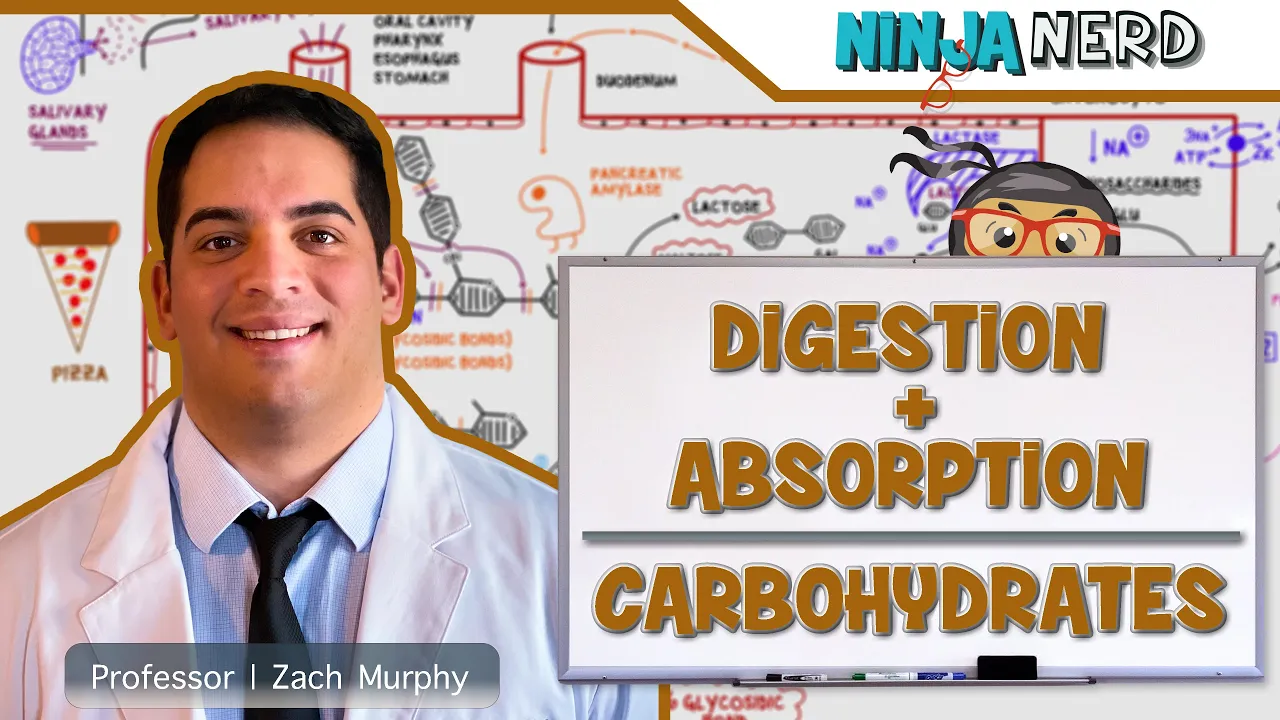
The macronutrient classification of carbohydrates, particularly the difference between digestible carbohydrates and indigestible dietary fiber.
The fundamental biological purpose of stool and bowel movements as indicators of systemic waste elimination and digestive transit time.
The 'Gut-Brain Axis' and neuroendocrinology, focusing on how gut microbes produce neurotransmitters (like serotonin) that influence mental health.
Pathology of gut dysbiosis, including chronic conditions such as Irritable Bowel Syndrome (IBS), Inflammatory Bowel Disease (IBD), and Small Intestinal Bacterial Overgrowth (SIBO).
The therapeutic use of biotics, examining the precise mechanisms and clinical applications of prebiotics, probiotics, and postbiotics.
Metagenomic sequencing and personalized medicine, learning how stool DNA testing can profile individual microbiomes to tailor dietary interventions.
4.9M views102.7Klikes0:42Original Release: 2024-01-01
[Music] what I have here is a variety of different shapes and sizes of poop yeah what does this tell us about our health well if your poop looks like this to me that's grounds to talk to a doctor Dr will gtz world-renowned gut health Doctor Who has a wealth of information on how we can improve our gut health through food and lifestyle changes we are currently living through an epidemic of gut health issues and if we want to be healthy humans we absolutely need a healthy gut microbiome in order to accomplish that so let's break this down first of all microbes are visible on your thumb there are as many microbes as there are people in the UK really and gut microbes play a critical and essential role in controlling whether or not you suffer from depression because 95% of the happy hormone is produced by the gut it controls your cognition your memory your energy levels your gut is the place where you are making decisions and study after study after study shows us that when people eat more not only do they empower the gut microbes but also they lose weight they're less likely to die of heart disease less likely to be diagnosed with multiple different types of cancer no way yes what about alcohol the science is clear when we drink to the point of having a hangover is that dehydration absolutely not the issue is you have caused significant damage to your microbiome but the gut is forgiving and the choices that you make today within 24 hours will have an effect on your microbiome I want people to eat a diet where they can eat as much as they want without restriction and still achieve their weight goals and this is completely possible by consuming a diet that's quick one this is really really fascinating to me on the back end of our YouTube channel it says that 69.9% of you that watch this channel frequently over the lifetime of this channel haven't yet hit the Subscribe button I just wanted to ask you a favor it helps this channel so much if you choose to just subscribe helps us scale the guest helps us scale the production and it makes this show bigger so if I could ask you for one favor if you've watched the show before and you've enjoyed it and you like this episode that you're currently watching could you please hit the Subscribe button thank you so much and I will repay that gesture by making sure that everything we do here gets better and better and better and better that is a promise I'm willing to make you do we have a [Music] deal Dr will if someone's just clicked on this conversation and they they're deciding whether to listen or not what would be the pitch to those people what's the benefit if they stick around welcome to a uh what I sincerely believe will be a life transforming conversation for you because the issue is that we are currently Liv living through an epidemic of gut of gut health issues um if we look across the board this is everywhere and it's not just you know uh digestion this is so much more than that we need this now more than ever because ultimately if we want to be healthy humans which to me is one of the highest goals that we should hold for ourselves if we want to be healthy humans we we absolutely need a healthy gut microbiome in order to accomplish that what's your sort of academic professional background oh gosh where do we begin um so uh I graduated from Vanderbilt University uh with a chemistry degree that was my college and um I went to Georgetown which is one of the top medical schools in the country I um spent three years at Northwestern as a as uh Internal Medicine resident I won the highest award that they give while there then I was the chief medical resident and I spent four years training as both a gastron neurologist in the hospital and also working on clinical research so I didn't expect when I finished all this that I would be continuing to publish papers at any point in my life in the future but now in my work with Zoe as their us medical director I've been heavily involved in clinical research again you mentioned a big GW there gastro enologist what is that uh we are the specialists in terms of basically like the intestines the gut so if I were to summarize it I would say guts and butts guts and butts yeah the conversation around the gut microbiome and the gut generally has exploded really since what a 200 2006 2007 time before then I mean to be fair with you I think as far as I'm aware and I'm not that close to doctors or hospitals or research I've only started hearing about the gut microbiome in the prevalence that I have in the last two years yeah three years what is the central misconception that most people have as it relates to their health that guy that looks into the mirror and goes I don't like what I see here I don't feel good that's C up they they're bloated they've got gut pains the current sort of line of thinking will say it is X but there's something that you believe it is what is that well I think that all of these things ultimately con connect back to our gut microbiome and I think that's the piece of the puzzle that's been missing this entire time you know there's it was sort of this black box if you eat well you will improve your health if you do this you will improve your health um what we were missing was the understanding that all of those choices ultimately impact these gut microbes and by impacting these gut microbes you can actually transform the physiology within your body gut microbes yeah what is that gut microbes is my nerdy way of talking about these uh microorganisms that like you can't see them right now but they're there they're you know if you hold up your thumb literally on your thumb there are as many microbes as there are people in the UK really and they cover our entire body from the top of our head to the tip of our toes every single external part of our body is covered with these microbes but the main spot is actually deep inside of us which is our colon the large intestine in that spot you can find 38 trillion now these when I say microbes it's referring to the fact that they're microscopic and they're alive it's mostly bacteria um in addition to bacteria could also be fungi could be parasites could be viruses but we have 38 trillion of these mostly bacteria focused and concentrated within our colon so when we talk about the gut microbiome are really referring to them how did they get there so you started in your mother's womb MH and evidence these days would suggests that you're already starting to come into contact with these microbes but um but for the most part you haven't really met them yet until the water breaks and in that moment for the first time you are exposed to the world and the world is covered in microbes everything that's alive everything has a microbiome could be a plant could be an animal could be an insect could be us so when Mom's water breaks these microbes then enter into the uterus and you meet them for the first time but you are particularly exposed to them as you pass through the birth canal and this is basically like Nature's Way of being like hello welcome to the world and meet your partner ERS that'll be with you for the rest of your life and they're here to help you and they will make you healthier and this is the result of co-evolution that goes back over a billion years we have been evolving and which is crazy because humans have only existed for three three or four million years but these microbes were the first life on the planet and all life evolved with these microbes and things like for example our immune system is the product of evolution that started a billion years before humans even existed we always think of ourselves as one organism but you're making the case that I'm maybe 36 trillion or whatever you said organisms in one and we would call you a super organism and that sounds like a Marvel character which is cool and we'll take that but that's actually completely true because the issue is that if we withdrew these microbes from you if you were like hypothetically you know we could talk about the Bubble Boy from um the 19 1970s where they actually did this they tried to have a child live in a sterile world because he had a specific immune deficiency so their thought was if we keep him separate from all the bacteria then he'll never have a problem but the issue is that there are consequences there are consequences to living without microbes because we need them so and through this process of co-evolution literally from the very first human we grew to trust them and we trusted them with things that are critical important to us and our success as humans and we allowed them to integrate into our physiology in a way where once again if we don't have them we're in trouble and that includes things like digestion breaking down our food which to me is like that's the essence of life like you can't get energy into your body without this and they help us to accomplish that but they also train our immune system you know we talked a moment ago about what happens when you're born and that's the very beginning of training your immune system and during those first three years of life life it has a massive impact on whether or not you develop allergic issues autoimmune issues down the road they affect our metabolism our research at Zoey has overwhelmingly shown that they play a critical and essential role in controlling for example your blood sugar your blood fat response after a meal they affect your mood um literally your energy levels uh whether or not you suffer from depression your cognition your memory your ability to focus all affected by these microbes they affect our hormones so in women conditions like endometriosis polycystic ovary syndrome associated with damage to the gut microbiome in men erectile dysfunction which I mean to be honest is not talked about enough um perhaps because we've stigmatized this but this the guys that have this issue this is like the most important issue to them and so when you think about all these things whether it be digestion our immune system our metabolism our hormones our mood our brain health like to me this is um uh an overview of everything that matters for human health from my perspective as a medical doctor and is my microbiome different to yours do we all have different sort of jungles inside of us we are all different and this is one of the things that makes us actually profoundly different so to be honest it's it's this is mindblowing if we looked at your genetic code and my genetic code even though clearly we are different people we our genetic code would be 99.99% the same it's a small part of our genetics that is different between us as humans but our microbiome these 38 trillion microbes that are living inside of us they can be completely different so as as a classic example let's pretend that you have a twin brother identical twin brother brother mhm all right so you share the exact same genetic code you share the same mother for the vast majority of cases you would have shared the same childhood and largely the same upbringing in food and things like this and our research shows that only about 25% of your microbes would be shared even though you come from the exact same place you would be 75% or more different so you and I it's hard to say exactly like if our diet was you know quite similar then we would have a more similar microbiome but it still would be more different than the same and how much then so I've got twin we've got completely different micro gut microbiomes these sort of um microbes that live inside our bodies how much of our microbiome can be Associated back to disease and things like that in your view what percentage of disease do you think links back to the gut microbiome well it's hard to say globally right it's hard to give an exact number um you would have to I think go condition by condition to say but what I would say is this my you know the reason that I became very interested in this as a gastron neurologist is that I was convinced and I continue to believe this to be true that every person that walked through the door to see me had a gut microbiome problem right people with iral bowel syndrome Crohn's disease ulcer of citis celiac disease acid reflux go down the line every single one of these when we study them we discover that they have gut issues but the other thing if you expand that one of the things that I would always do you know I'm about to go see a patient I'm going to walk into the room and you take the chart off the door right you hear if you're the patient you hear that you're in the room and you hear the chart come off the door and the doctor flips it open and what do I do I take a look at their medical history and when you when you look what you see is a laundry list of conditions that have been associated with damage to the gut microbiome so they're here to see me for their digestive problem like iral bowel syndrome but when I take a look I see that they have hyper lipidemia high blood pressure type 2 diabetes history of major depression uh they may have autoimmune condition right so and then it starts to implicate these different systems that like we have not classically associated immune like autoimmune issues or metabolic issues or cognitive issues or mood issues we haven't classically Associated those things with the gut microbiome yet they are and so to me do I need like for that particular patient do I need a poop test to tell me that they have a damaged gut absolutely not it's already clear and what's the relationship between our gut microbiome and our immune system I was reading in the introduction to your book that 70% of the immune system is is the gut yeah the um the walls of your intestine are actually the home of your immune system we classically would think of the bone marrow as being the place where the immune system exists that's not true that's where the immune the immune cells are born there but then they basically immigrate out and then they take up residence and live within the walls of your intestine and by the way this makes complete sense from an evolutionary perspective because our gut is actually the most vulnerable part of our body this is where we come into contact with the outside world your skin you may think of that no your skin is a wall your gut is the place where actually you are making decisions do I absorb and allow this into the body or do I reject and keep it outside and in order to help facilitate that yes we need our immune system there but the other thing that we need is we need a barrier we need something to basically um uh section off the inside of the intestines and keep things separate so what we have is called the epithelial layer and this is quite humble like given how important this is in our body it is just a single layer of cells that are being held together by this kind of cement called tight junctions they stick together on one side is 70% of your immune system on the other side are 38 trillion microbes and when this barrier breaks down this is how things that are inside your intestines can get access to your body um get into your bloodstream potentially cause a whole body infection and then the immune system is forced to react and when this is like we have an infection that's really important we we this is why we have an immune system to protect us in that setting but what's happening in the 21st century what started in the 20th century is chronic inflammation and chronic inflamation is the result of a broken barrier when that gut barrier breaks down now we are giving access to our body to things that aren't supposed to get access and the result is that the immune system stays perpetually active because it is constantly trying to clear stuff out because the barrier is broken and for those who are wondering so Dr B then how do we how do we fix the barrier not to put the question into your mouth Stephen but please do the answer is the microbes the answer is the microbes because they are the stewards of the gut barrier they help to repair it every three or four days you actually completely transform and recreate your gut barrier so it's not the one that you were born with it's the one that you developed in the last three or four days and you will turn that over and when it turns over we need these gut microbes to help us to form a strong gut barrier so because it's constantly turning over this is where the microbes come in and they're and they're critically important again the microbes when you when you reference microbes you're talking about the bacteria the yeast the parasites the viruses that exist in our in our guts and how long do they live for you said they turn over in three days does that mean that they live for three days typically so the uh the gut barrier turns over every 3 days yeah yeah so and those are human cells so those are not the microbes okay so those are your human cells keeping the the microbes separate from your immune system and your body MH um these microbes they are um turning over like literally every 20 minutes they're dying every 20 minutes so well not necessarily dying replicating replicating okay right and so if we think about this if we had if you had one microbe in your intestines right now and we feeded something whatever it may be good thing bad thing whatever 24 hours from now that microb will have spawned at least a new microbes so if you think about the power that exists there to amplify choices starting with one and ending 24 hours later with a thousand it's crazy there's this really interesting sort of reframing in the introduction of your book which is really simple but it does cause you to I think it's a really powerful frame to Think Through about what we eat and how we eat which is where you say that um each of us consumes an average of 1.3 kg of food per day keeping the math simple that's 475 kilos of food per year meaning we'll consume about 36,300 kilos of food during our lifetime and in contrast to the couple of milligrams of medicine that we take it really makes you realize that food is in fact the medicine that we're feeding our body at all times we think we sort of compartmentalize food over here as this energy source that quenches hunger and then we have medicine over here to fix stuff yeah but in fact you're doing 36,000 kilos of food in your lifetime so that the thing that's having the biggest sway on your medical your sort of physiological health and your your your gut health is of course the food the food is the medicine well I think that there's two important takeaways from that because there was a study actually that changed my life in 2014 that came out um this was published in the journal Nature which is literally the top journal on the planet and um uh the author was Warren David from Duke University and you have to understand if we go back this is almost 10 years ago go in this moment we didn't know if food changed microbes in humans we didn't know this this is new information we knew it in mice but it's not the same mice are not humans um so what they did to try to prove this is they put people on uh diametrically opposed diets so a completely 100% plant-based diet versus a completely 100% animal-based diet it was only a 5-day study which is interesting because within 5 days you can actually see massive results and the key one of the key takeaways from this study is that the choices that you make today within 24 hours will have an effect on your microbiome in that study when they changed a person's diet 24 hours later you could already see things underway shifting so now the other thing to keep in mind here is that I think is really important is the gut is forgiving I mean to a degree you can only beat it up so much but the gut is forgiving so this doesn't mean that there are foods that are on the table and off the table everything is on the table but what we want is we want to create a weight or a disproportionate consumption of those high quality foods because when we do we are lifting these microbes up explain that process of food and the impact it has on the microbes so is it like watering certain microbes is that a way to think about it in simple terms these microbes are as alive as you and I are Stephen and and we need to eat um if I don't eat I get quite hangry and they do too and but it turns out that the reason that they took up residents because they could have been anywhere they could have stayed inside soil or lived on a plant or something like that they chose to live inside of you and the reason why they are inside your colon is because they get access to nutrition you do that for them you go out you find food and you deliver that to them whatever goes into your mouth whatever it may be it will come into contact with these microbes and they will consume it and and this becomes their energy source because they are alive they need energy so but the choices that you make impact which microbes get to eat so not every single microbe likes kale not every single microbe likes sugar but there are some that like sugar and some that like kale and when you make these choices whatever it may be those choices ultimately are going to feed specific families of microbes lift them up and allow them to thrive so when we talk about you know improving dietary quality and you hear me talk about this in fiber fueled which is a message that I started sharing publicly back in 2018 um and the book came out in 2020 or if you listen to Tim Spector who published the paper that I'm about to talk about um the science is clear the way to lift the microbes up is by eating a variety of plants now in Tim spectre's paper that originally came out it's called the American gut project but by the way the British gut project was a massive and critically important part of the study in that study um you have to understand the magic number that they came to was 30 a lot of that had to do with just the technique that they were using to measure it doesn't mean that 29 is bad and 30 is fantastic it's all on a spectrum 30 30 different plants per week mhm yeah 30 different plants per week so the key is we want varieties of plants and every single plant's Choice ultimately is fuel for a healthy gut microbiome so that's fruits vegetables whole grains seeds nuts and legumes it's not just veggies it's not just kale and to me like one of the things that I've always tried to do whether it be as a medical doctor or as an author I want to meet people where they are so like if it were if I were Consulting with you I want to know where you stand right now and then we're going to set realistic goals because so for a person who's eating 10 different plants per week which which by the way is more than I was eating 10 years ago to go to 30 instantly that would be quite hard and when it's hard it's more likely to become unsustainable I would go from 10 to 15 and when you hit 15 I would be celebrating how many plants does the average person eat in the Western World America the UK Europe do you know uh I believe in the American gut project the number was around 10 to 15 for the average person it was a minority of people that were hitting 30 per week and that's the it's interesting when I I did my Zoe test I got my results back and it did say that I had quite a narrow gut microbiome in comparison to my partner and I was thinking about this I was like you know whenever we go somewhere whenever we go to a restaurant she orders new things all the time and if you look at our fridge it's like tahini and this and all this like all these plants especially in the top part of our fridge it's all like fermented stuff she eats like she's a like a rabbit or she just eats anything and she eats diverse food food and she orders new things and then there's me yeah I like what I like and if I go to a restaurant anyone that's been to a restaurant with me like three times could order for me because they know um until I got my zuro results back and it was it was pretty alarming cuz she had her my crbs were like a like the Amazon rainforest nice and mine were like you know I park at the End of the Street H you know I think that it's important to start with food that you like yeah we're all like that what you described but the issue is finding that motivation to push yourself to me this is the this is the piece of the puzzle like again this was a black box we didn't know anything about the gut microbiome we just had like nutritional ideas being tossed at us now this is filling in the gaps where it's like hold up no nutrition affects the microbes the microbes affect us as humans now we can connect those dots and to me I find this very empowering and motivating to know that that exists and to know that those choices every single meal is an opportunity to follow this concept and add more diversity to your plate but the other thing is you mentioned that your partner is eating fermented food that's is a lost start people have not been consuming fermented food in the western world and the research is quite clear and standing out at this point that actually there um was a fascinating study out of Stanford University randomized control trial the intervention was to add fermented food to the diet in people that had not been consuming fermented food and what they found eight weeks later is that they had increased the diversity within their gut microbiome what does that mean if your microbiome is the park at the End of the Street adding fermented food we can we can make it into a jungle give me some examples of fermented foods and what is the fermented part like what does that mean well uh first of all we we mentioned that all all life on this planet has a microbiome so there was an interesting study where they analyzed the microbiome of apples and discovered that when you eat an apple like you just grab an apple off the uh out of the fruit bowl um that Apple has about a 100 million microbes that are a of it so they're already there and those microbes have been a part of that Apple's life helping it to grow from a flower to a fruit okay so um now these microbes they are also involved in the life cycle of that Apple so when the Apple goes to spoil the microbes are the ones doing that in fact I would argue that when food spoils I actually find that reassuring if food doesn't spoil we should be concerned the microbes are helping to facilitate that spoilage that takes place and that's because the Earth is taking it back it's this it's the cycle of life that's going to turn into dirt right now fermentation is where we actually grab that process and we control it almost like a magician we're shaping it and what we're having is we're empowering certain microbes to protect that food so it does not spoil and they transform it so if you were to take cabbage um you know you don't need to do anything special to this cabbage you literally just buy cabbage perhaps at your farmers's Market chop it up put it into a mason jar pack it in there and add a sea salt brine solution a saltwater solution and you basically put this into you know a nice cool space give it a week you will have sauerkraut sauerkraut is not salty cabbage it's tart it's bitter uh it's acidic um it's delicious when you make it yourself it is completely different than the sauerkraut that I grew up on that came from a can which was soft and disgusting so this is what fermentation is it's transformation the microbes specifically bacteria and yeasts are transforming the food for us and when they do this they also are eating so because they eat they grow stronger and they multiply so you are creating a food that is high in microbes which we could call probiotics it has been transformed to unlock the nutrition which we could call prebiotics preotic are the parts of our food that actually feed the microbes inside of us it's their food prebiotics and they are releasing new chemicals that can have beneficial effects on your body which we call call postbiotics you find all of this in that one jar of sauerkraut so that to me is a superfood and it could be sauerkraut it could be kimchi uh pickles like pickles are not meant to be a vinegar thing by the way vinegar is the product of fermentation but pickles were never meant to be hey add cucumbers and some vinegar and call it a day cucumber true pickles are meant to be that you take the cucumbers you don't skin them you allow the microbes that are on the surface to do their job and you put them into a saltwater solution with some you know some dill some garlic black pepper corns and a couple days later you will have a pickle I want to make sure I'm super clear on those three biotics that you mentioned so prebiotics are the food for microbes probiotics are the microbes themselves and then postbiotics are the compound that the microbes make is that roughly accurate that's roughly accurate and there's a minor caveat which is that for these things Prebiotic and probiotic they have to have beneficial effects on humans in order to count okay so we can't call it a Prebiotic because it has just an effect on microbes sugar has an effect on microbes that's not a preotic ah okay okay so and the same is true for probotics now the original conception of probotics that most of us have it comes from a capsule right and the reason why we can call it that is because we have demonstrated through clinical studies that the specific types of bacteria or or yeasts in some cases that you find in that capsule have been proven to be beneficial to humans so the Prebiotic is a food the probiotic is actually alive yep and then the postbiotic is not alive that's a compound that's produced by the things that are alive that's right and the key with all of this is the postbiotic so one of the and and these can be things that are completely beneficial and good to us as humans an example of this are the short chain fatty acids short chain fatty acids are the product of consuming fiber or resistant starches and they come into contact with your microbes again you would not be able to get these if you were sterile can I just drink them in a can postbiotics is there not a can of postbiotics that I can just drink well so they're coming out now with supplements that um are these postbiotics in some cases okay and uh the issue that I've taken with them and I've actually discussed with some people within the supplement industry let's not assume that that's going to do the exact same thing that eating a high-fiber diet is going to do it's not the same so let's then talk about what happens with those I'm assuming that the postbiotics um compounds are the things that have the health all the health benefits so the reason why the gut microbiome is so healthy the reason why these microbes are so beneficial is because they produce postbiotics and these postbiotics help our body in various ways yes so we uh mentioned earlier we were discussing how we have this gut barrier that's key to protecting our immune system and I mentioned that the the microbes are the stewards of that of that barrier it's the postbiotics it's the short chain fatty acids butter acetate proprionate that are produced by these bacteria that builds the wall when you want to build your wall and protect your body and reduce inflammation you need more of this now it's not that's not the only thing that they do those postbiotic short chain fatty acids also directly affect your immune system directly affect your metabolism cross the get into your bloodstream pass throughout your entire body cross the blood brain barrier they have the ability to actually get access to your brain and can affect your brain and we could talk about different ways that that they can do that but the point is that this is what um really matters because the microbes produce these short chain fatty acids and these short chain fatty acids have healing effects throughout the entire body and when we when we see human studies looking at fiber consumption and showing us how beneficial fiber is to us as humans the Reon I want everyone to understand the reason why fiber is beneficial to us as humans is because fiber comes into contact with microbes and those microbes release short chain fatty acids that's what's happening metabolism metabolism is the I've been learning a little bit about metabolism recently when people think of metabolism they think of the speed in which I process my food so people in society say I've got a high metabolism which means they're probably going to be quite skinny a low metabolism means you know I'm probably going to take longer to process my food what is the role between the relationship between my gut and my metabolism and have I def I've probably defined metabolism wrong there but what is the relationship well metabolism is basically dealing with the currency of energy right so and it is the engine that drives us as humans and so how do these microbes affect our metabolism well we have uh research at Zoe looking at this directly called the predict one study and in that we were looking at like what is the thing that tells me predicts what your blood sugar response is going to be to this food or your blood fat response after a meal and when you start to line these things up they're individually different they're not the same but if you look at both of them the gut microbiome plays an essential and critical role in each so in other words if we know what your gut microbes are then that empowers us to be able to understand why you have high blood sugar why you have low blood sugar now if we want to get super nerdy and detail into the weeds a little bit of how this is actually happening it does come back in many ways to these short chain fatty acids they're not the only thing we're you know in some ways we're reducing it a little bit too much so I just want to be clear to everyone there's other things going on too but these short chain fatty acids they have the ability to basically activate certain receptors and cells that will basically like allow us to have more sensitivity to insulin to reduce fat storage to enhance fat burning so at the end of the day when we think about these sort of measures of metabolism because there's certain things blood sugar response blood fat cholesterol levels um uh visceral OB visceral osity mean meaning like fat that exists around our stomach when you look at all these things the gut microbes play an essential role in regulating every single one of them and the short chain fatty acids tend to be the key I read in your book that 60% of poop is bacteria yeah which would just blew my mind yeah and I think that this is an important conversation to have because we have stigmatized poop we're not allowed to look in the bowl we should be looking in the bowl and the reason why is because if I were a cardiologist I would come over and I would check your pulse I would listen to your heart and those Vital Signs would allow me to have an idea of how you're doing in terms of like just on a basic level your cardiovascular health all right I'm a gastrologist if I want to know the basics of what's going on with you and your body I want I need to know how you're pooping and what your poop looks like because 60% of it is microbial in origin because it is not just the excrement of your food what your poop looks like allows me to have insights into your gut health and we've actually proven this we've actually proven this at Zoe because what we found we did a study called um blue poo and we fed people blue muffins it had a blue food dye and basically it's quite simple you eat the muffins and then you wait to see when they show up in the toilet bowl and based upon that time which is basically your gut Transit time how long it takes for the blue dye to pass through your intestines we could tell you um what's going on with your gut microbiome we could talk about cardiovascular risk we could talk about visceral fat all quite simply tied to your gut Transit time based upon eating a Blue Muffin so these things many of these um things that you and I are discussing today whether it be the gut connecting to our metabolism our immune system or whatever it may be we can connect them back to these simple measures like what does your poop look like or um or how long does it take for you to have a bomb movement the gut Transit time that's super fascinating I do want to talk about poop as well but um the gut Transit time yeah that's the time it takes from a muffin to go from my lips to the toilet bowl yes and is a high gut Transit time better than a low one and what is determining whether or I have a high gut a good gut Transit time or a not so good one yeah so gut Transit time is a um uh a personal measure of the health of this entire digestive system the reason why you do the blue dye by the way instead of like eating beets or something like that is that the blue dye we have like clinically validated this so this this paper was published in the journal gut which is the top European gastron neurology journal and there's a couple specific time points that we can use to sort of cut off these measures um the first is 14 hours if you are less than 14 hours that is very fast the other is 58 hours if you are more than 58 hours that's very slow all right so you eat these muffins and then you basically just record when did they show up and the average person is somewhere on the range of 24 hours or 48 Hours typically one or two days after eating the muffins that's when you you start to see this and those are both considered to be normal now if we were to break these things out into less than 14 hours more than 58 hours or you know these two sort of Peaks at 24 and 48 we what you start to see is that this is four groups and these four groups every single one of them is a little bit different in terms of their gut microbiome a little bit different in terms of their gut diversity and we can make associations between these things and what people are eating so the high fiber consumers are all showing up in the middle which means normal and the low fiber consumers are the people that are showing up on the outside and it brings us to one of the properties of fiber that's kind of fascinating which is that whether you have Di diarhea or constipation there's only one thing that can correct both of those diarrhea and constipation are both fixed with dietary fiber it helps to normalize our stool bring it back to the middle so in a perfect world where do we want to be we want to generally be pooping about once a day so you want your gut Transit time to be about 24 hours or less um that being said like is a person unhealthy if it takes two days for this to show up in their poo no I wouldn't characterize them as being unhealthy but I I do think like this is one of the things that we can look at that's simple it's it's nearly free and um available all of us to try at home so yeah so you you you would assert that if someone's going to the toilet you know three or four times a day or more then there's probably a fiber problem there's May well be a fiber problem and if they're you know they're sort of chronically constipated it's also probably a fiber problem at the heart of it generally speaking yes now I will say that fiber is not as simple as I wish that it was and and the reason why I bring that up is that for a person who's low on their fiber consumption um and they may suffer with these issues increasing fiber is hard for them and many people don't feel well if they go too hard too fast when they do this it folds them over they feel unwell I was in the exact same spot 10 years ago if I tried to eat like you know chili with a bunch of beans I was not happy so I prefer to stay away from that so the point that I'm trying to make about this the reason why people struggle with fiber is because we are 100% reliant on our gut microbes to digest our fiber for us we don't have the enzymes to break them down to break down fiber the gut microbes are doing it so if you have a damaged microbiome and you never eat fiber you're you can't expect your microbes to be good at digesting fiber are microbes they learn and they get good at the stuff that we allow them to practice so when we start to add more fiber the way that I recommends that people do this is to start low and go slow that just means adding a little bit at a time slowly over over the course of at least weeks if not months um and this is what allows your your gut microbes basically to keep up and adjust to what you're doing what about fecal treatment you said there that if our gut microbiome is damaged um it's not going to be great processing the fiber so can't I just get someone's poop who has you know that 60% of their poop is the the microbes and eat it or do some kind of feal treatment where I put it in my body so this is this is actually being done um now we've been doing feal transplants where we would take from a donor and put it into a person for an infection called C diff and we've been doing this for more than 10 years and it is fascinating the studies with fot transplant in humans have not been uh as successful as they were for the C diff so we would love to say that we could treat ulcer of colitis which is inflammatory bowel disease with a fecal transplant um generally it seems that we cannot at least where we stand today but there is something interesting that we found in one of the studies on this topic which is that there was one study where again these studies are small like we need bigger studies to really fully understand this there was one study where they did have a couple of people on with all sort of cus who went into remission meaning that their disease was no longer active after a feal transplant and they asked the question what was unique and they found they all had the same donor so what we think is that there's probably specific donors for specific diseases that could actually potentially fix those issues because at their root they are gut issues I think that the future of feal transplant is very promising but the complexity of figuring out who are these donors like could I be a good donor for some specific disease that I don't even have myself and don't know anything about possibly and this is what we have to figure out and how do these poop transplants happen is it orally or is it some other way are they injecting this poop are they putting up their butt what are they doing with it there's a couple ways so the classic is a colonoscopy so the way that I always I would always administer it is that the patient comes in for a colonoscopy they're completely asleep they're not aware of anything that's happening and during the procedure I basically release this stuff it's a liquid it's not as gross as it sounds so that's a CH up the butt the colonoscopy yeah up the butt yeah let Tobe up the butt now the new technology that's been emerging in the last few years is that they can actually dry out the stool so they liliz it and put it into capsules you have to take a ton of capsules in order to do this but this is an alternative choice is like you could start taking this what I think would be interesting breaks well hopefully not do you know what I mean I've had a couple omega omega 3 capsules break and it's a nightmare so oh dear imagine trying to get that sh on my te we want to be um what what we're transitioning towards like the past was this big event you had to come in get a big procedure colonoscopy well to do that repeatedly is simply not sustainable that's not realistic now what we're entering into is the possibility that you could do this every day you could just take your poop capsule every single day God love to be the CEO of that company that' be so fun I mean I think that I think that this is going to happen we just need really yeah but I think we need the the technology is there the technology is there so what do we need we need to identify who are the proper donors for this and we need to run the clinical trials to prove that it will work but to me this is a super probiotic because it's not just you know most probotics are just one single strain um and they can be beneficial I'm not disparaging probotics in any way they can definitely be beneficial but what we're talking about is a new future where you're actually reconstituting a healthy microbiome and Stephen on this topic real quick it is fascinating because some of the people who are in this space they're worried about the way the world is going in terms of microbes right so there's been this concept that perhaps you've heard about where which is that um there's like been this great uh Extinction event that's taking place right where many species of animals are dying and um and they're gone microbials scientists are worried cuz the same thing is happening on a microbial level so if you were to compare our microbiome as westerners to a person who lives in a more uh primitive environment in Africa we have half the microbes that they do and so what these scientists are doing is they're saying what if those microbes that you find in those people what if we need them what if we evolved and they're required for us so so they're creating a bank where they're collecting these poop samples from like uh primitive tribal people and saving them in the event that it turns out that the only way back is to actually take the poop from these people and create super probiotics that would help to reconstitute our microbiome I'm so compelled by this idea that there's going to be this range of supplements in the future that are just like poop capsules I don't think it'll be supplements though I think it'll be completely regulated well what I mean by that is there's a difference in regulation between supplements and um Pharmaceuticals and I don't think they'll have any choice but to regulate this on the same level that you would a drug because in my head I have this idea of you know if this really takes off people with great poop are going to be you know expensive dude I think my stock is rising to be honest with you want some of your poop all right if you want my poop you will have to pay for it but it's going to be expensive if you only go to because you're healthy you go to the toilet once a day it's going to be like gold um and that's the fascinating thing poop is on the biggest comeback in the history of comebacks right now maybe maybe that's where we live in a post AI World maybe that's the currency we trade in you know what I'm saying because we're gonna have little else to do so I you know gosh that is a dark uh disturbing vision for the future but I could see where I could see where that's possible I mean I I do think like it's fascinating to consider that what what we once disparaged as completely worthless has turned into the powerful treatment that doctors are administering in the hospital to treat the uncurable infection and now is the future of science it's going to be so interesting could like you know change the class system in the country that you know like upper class could just be people with the best poop and then lower classes if you've got like a really narrow gut microbiome and your poop is useless you can't sell it to anybody well it's kind of fascinating that you say that because the issue is that if you look at the microbiomes of countries that are less developed than the US and the UK um you know they they they have less money which the result of this is that they eat a more basic diet which often is based upon whole grains and legumes right like that's the essential like beans and rice is like the essential diet yet these things are actually so good for our gut microbes like to me legumes are the least talked about food that we should be talking about because they're high in fiber they're high in resistant starches and polyphenols all of which are prebiotics and this is why when people eat more beans they live longer with less disease so it's kind of interesting cuz like popper food cheap food is the food actually that is the best for us because it feeds these microbes lazy westerners are going to get on a boat like they did Once Upon a Time the Colonius to go get the incredible you know they the the gold and the Diamonds and whatever else they it's claimed that they stole from Africa and they're going to get back on that boat and go over there and start stealing poop I think that that I could definitely see that happening there has actually been fights over when they they discover um uh prehistoric poop like fossilized poop there's fights over who gets to control that because if you think about it's like Jurassic Park right in the beginning Jurassic Park there's that Amber with the mosquito and the needle goes in you extract the DNA what if we could extract the DNA from prehistoric poop and study that and potentially use that the poop studies that have been done really compelled by them because I hear that there's been a lot of sort of poop transplant studies done in in mice as well yeah and what what what are we seeing from those studies right okay so we were talking about these different um conditions that are connected back to arot microbes mhm and part of the way that we prove this of course we want human research but part of building uh our argument and and filling in the pieces of the puzzle is like Mouse research and these mice there it's we have complete control and they're much more simple to manipulate and so we have the ability to do a fecal transplant even potentially from a human to a mouse and then see what happens and so let me take you through a couple of examples of what we have seen in clinical studies and I'm more than happy to point people towards the studies that I'm referring to um classic study they took identical human twins so again we were talking about this in the beginning of the of the episode identical human twins same genetic code and in this case one was obese and one is thin and they have a different microbiome and when you transfer human poop into mice you also transfer the body type even when you feed the mice the exact same food the exact same number of calories so we hear about this calories in calories out concept which by the way we could talk about if you want to but it's not perfectly true and this is showing you the complexity that exists your microbiome impacts how you work with those calories the mouse that uh receives the obese microbiome it's like swimming against the current the microbiome is making it basically so that that Mouse absorbs all of those calories and then the thin mouse mouse um it's like swimming with the current at your back it's a lot easier you consume the same number of calories you don't gain any weight that's just metabolism by the way we have studies also diabetes can be transferred we have studies in humans where you can actually do a feal transplants from a person who does not have diabetes to a person who does have diabetes and their blood sugar measures will improve in humans we have uh immune studies you can take a person who has all sort of cidus which we were talking about a moment ago and transfer their poop into a mouse and that Mouse will have all sort of cidus we have uh mood studies uh where you could take a human who has anxiety or depression um or PTSD and transfer their poop into a mouse and the mouse receives the mood phenotype so basically like again this uh needs to be studied more in humans we are more complicated you can't just cure diseases like this by transferring poop among humans yet but when it comes to mice where they are less complicated it's very clear that the microbiome plays a central role in these conditions because you can transfer the condition using human poop and take me on a journey of what that poop's doing so I I get the skinny poop from a skinny twin and I put it into a mouse the mouse gets skinny or I get the obese twin I take the obese twins poop and I put it into a mouse the mouse gets obese what's going on in that mice's body to make it obese I'm I'm assuming it's basically picking up some of the microbes which are impacting the gut microbiome which is creating a postbiotic compound which is influencing its metabolism or something something like that you could eat the so if you have a microbiome designed to produce short chain fatty acids you and I could eat the exact same meal but the person who has the microbiome designed to create short chain fatty acids will get more short chain fatty acids and the and the product of this is that those short chain fatty acids now will have effects throughout the entire body including affecting our metabolism and affecting our blood sugar affecting our insulin sensitivity infecting our blood lipids after a meal affecting fat storage whether or not you turn on fat storage or whether you turn off fat storage and turn on fat burning it really does shine alert on this calories in calories out thing because yeah I mean there's so many people I've talked about this a few times that just think you just have to eat below the required amount amount of calories for your body and you'll lose weight but in that example it proves that there's this other process going on that's going to determine I guess is it how many of those calories go through or is it just how your body processes that energy part of it is part of it is thermogenesis meaning fat burning yeah part of it is also what you poop out okay they've actually found that people who have a healthier microbiome they poop out more calories ah okay interesting what do you think of the calories and calor out thing if someone comes to you and they say I want to lose weight Doc and they say I've had this calories in calories out thing is the answer so I'm just eating less I'm eating lots of pizza but I'm just having less calories I don't I don't like that obviously so to me dietary quality is the key um there's too many examples where dietary quality so first of all our weight is our our health is not entirely determined by our weight is it a major factor yes it is but there's so much more M so so dietary quality study after study after study shows us that dietary quality is crucial to the health of our microbiome and also to our Global Health our longevity and our risk for disease so to pretend that that doesn't matter would be completely false and inaccurate um the idea that calories is the only thing that matters what I do want to say is this there is some truth to the concept that calories matter there's absolutely some truth to this if you reduce your caloric take you will lose weight the problem is that your body will compensate by slowing down your metabolism and so then it puts you in a in a predicament where you can't continue to do this it's not sustainable because that weight loss eventually will stop and then you will uh your appetite signals will grow so much that you will start to overeat and then when you overeat not only do you gain the weight back you rebound yo-yo you yo-yo and you go above where you were before wow and the problem with this is that when people lose weight they don't just burn fat they lose muscle mass like all weight loss is associated with a loss of muscle mass when you gain the weight back the muscle doesn't come back you're just getting fat so so the issue is you end up less healthy than when you started to me what I want is I want people to eat a diet where they can eat as much as they want without restriction until they are full and still achieve their weight goals and this is completely possible by consuming a diet that's high in prebiotics because we hear so much about uh OIC or wovi um which is seml semaglutide we hear so much about this and it's a glp1 Agonist gp1 is a gut hormone that exists within our body and uh it makes us feel full we can stimulate GL lp1 through our dietary choices if you eat the right food which is basically a high Prebiotic diet you will activate the glp1 and you will naturally feel full and the result of this is that in the process of actually activating your normal satiety signals you will consume less calories satiety signals are basically hunger signals hunger signals so basically yeah so the issue that we all have is that we eat an ultr processed diet an ultra Ultra processed diet number one makes us ravenous right like We Can't Stop we want it so bad number two it doesn't activate those fullness signals and so the result is when we eat an ultra processed diet we overeat and then you feel like trash you feel like trash for a couple of hours and that is the result of you overeating you've thrown yourself metabolically out of balance right don't we all love the meal that tastes great but you eat until you're full and you stop and actually feel energized and don't need to take a nap or drink an energy drink to compensate for what you just did and that happens when we do this the the oldfashioned way by oldfashioned I mean like prior to modern history when ultra-processed Foods came into uh existence if we go back to the old way of eating you would simply eat until you activate these hormones things like glp1 which you know is concentrated in this drug or peptide YY these are gut hormones that basically tell our body when to stop eating everyone's going crazy about a zmek I keep hearing about this drug I think Elon Musk recently said he had had it and I know a few other people that have um started taking a Zac there I would say you know then none of them are overweight necessarily yeah um but they're doing it because it's now been framed as kind of super drug yeah which can help you drop weight super quickly by making you feel satiated yeah what do you think of his MC well I come back to this so first of all let me say that for people who need it it's I'm glad it's there um I don't think that the entire world needs OIC in order to be healthy is there any side effects or 100% 100% first of all digestive symptoms um massive uh massively common digestive symptoms but there's also long-term risks and many of which we don't simply know much about because people haven't been using the drug long enough for us to really fully understand what happens if you use because once you start using it you're not going to stop if you stop you gain all the weight back so once you start using it you're basically committing to however old you are you're going to be doing this for years on years if you know decades um we don't know what happens after a couple of years isn't it kind of skipping a step in the process of developing the gut microbiome taking a zek yeah I think that's the point is that if we so you know if we look at our countries the US and the UK um there's a major fiber deficiency and I don't think you know I realize I'm out there pounding the drum on this but I don't think this is talked about enough perhaps because people don't think that fiber is sexy but I think fiber is sexy because it's so crucial and important to our to our health and this is an example where this is 100% true so uh 95% of Americans are deficient in fiber the average woman is getting 15 grams of fiber per day she's supposed to be getting at least 25 in the US the average man is getting 18 grams of fiber per day he's supposed to be getting 38 that's a massive massive deficiency and the issue is that the fiber is what actually empowers the gut microbes by the way through short chain fatty acids the fiber is what empowers the gut microbes through short chain fatty acids to release these gut hormones like gop1 and peptide y y so my thing is this because again like our health is not determined exclusively by our weight balance there are other things other than that why don't we cons try consuming these Foods the average American is 10% of their calories from Plants fiber containing food what if we could make that 30% or 50% I think that we would see a massive difference there was a study that was done it's one of my favorite studies of all time by uh uh professor in New Zealand his name is Andrew Reynolds and he compiled all the available data on fiber what happens when people consume more fiber here's what happens they lose weight uh they are less likely to have a heart attack they're less likely to die of heart disease they're less likely to have a stroke they're less likely to be diagnosed with diabetes they're less likely to be diagnosed with multiple different types of cancer they're less likely to die of cancer um their blood pressure goes down their blood sugar control improves their cholesterol goes down okay like that's sitting there for us available all we have to do is make the dietary changes and again what happens in that process is you consume more fiber it comes in the contact with your gut microbes they release short chain fatty acids and they have healing effects throughout your entire body so to me I agree with you I think that we're missing this um this middle piece and when we're reaching for something that's an expensive drug it's very expensive we're reaching for something that's an expensive drug and it has a very real risk of side effects and it also has risk in the sense that we just don't know what happens after you take it for a couple of years um I I don't understand why we would do that when think of the benefits that I just listed by simply increasing your fiber intake I have so many conversations with my friends about various drugs that they're taking performance drugs mfil Zenex Etc and when I speak to them they they're very passionate that there's no side effects on all all of these sort of things that I consider cheating yeah and I and I have to Cave at this because there are some people who are in a situation with diabetes or other cardiovascular issues um who can have their lives saved with some of these drugs yeah but for the most part the people that I know that are consuming these drugs aren't doing it for that reason they're doing it for vanity reasons or for performance reasons where it's like taking a shortcut and every shortcut I believe in life comes with a cost yeah you're talking like a doctor you're talking like a doctor because basically what you're talking about is risk versus uh risk versus benefit and the way that I think and every other doctor thinks about their patient is does the benefit outweigh the risk but there is always always risk in association with these drugs and what makes me different from most other doctors where I turn to the corner my career is when I started to ask ask the question why are we waiting until we get to the point that we need to write a prescription for a drug why are we waiting until that point why are we not intervening in a much earlier point where we could transform a person's life and get them to a place where they never actually get this disease or if they get this disease it's so much easier for us to control that and this is so to me what I come back to is basically what you're getting at is why would we why would we take a drug if we could change our diet and our lifestyle and actually protect ourselves it's easier it's much easier easier yeah it is it is much easier there's no doubt but the problem is you pay a price for that and the price is unobvious so you've got an easier option where the benefits are clear and the cost the risk is unobvious a logical human being would take that path if they can afford it I agree the issue is that these are not the same things though and what I mean by that is that um you have diabetes okay HP like hypothetically I hope I hope you don't yeah yeah uh hypothetically you have diabetes okay cool we give you a drug for your diabetes um that drug covers up the issue I can get your blood sugar down but that's not fixing the problem I'm not actually fixing your diabetes right so to me like we shouldn't equate um taking a drug and like controlling a disease on some level but truly what we're doing is we're just putting a sheet over the problems you don't see it anymore right does it does it result in better outcomes long term are you healthier as the result of controlling your diabetes with a drug 100% yes no doubt but what if we could reverse your diabetes Diabetes Type 2 diab abetes which is the uh uh kind that people acquire as an adult is highly reversible most people don't realize that like you don't need to be drug dependent on di on Diabetes drugs in order to fix this issue take them when you need them but let's work on the root cause and by working on the root cause we can actually reverse the true problem and get you back to a place where you don't need the drug at all but doesn't that require discipline and willpower and motivation well I think I think it requires understanding the path forward and making choices that are sustainable and that make you excited like I don't I would never ask a person to make choices that make them miserable I'm asking people to make choices that make them feel great make them feel energized and yet at the same time actually are contributing to Better Health so that they can live longer with less disease and be in a position that I want to be in which is that I want to be in my 80s and still like cutting a rug and dancing like dance with my grand kids so let's close off on this subject of poop um my team actually prepared some poop samples earlier on because I was wondering as a gastroenterologist I wondered that if you could look at someone's poop and determine whether they have good gut health and if you can understand what's going on in their body just by how their poop looks because poop comes in many shapes and sizes so what I have here is a variety of different shapes and sizes of poop yeah for anyone that can't see will look at the screen if you're listening to this podcast on Spotify or YouTube um different shapes and sizes of poop here this is real human poop so I'm going to pass you that so you can play around with it yeah and why why does the shape and size of our poop tell us anything why does it matter and how is it indicating something that's pertinent to our overall health well because it goes back to what you mentioned earlier which is that 60% of our the 60% of the weight of our stool is actually microbial in origin so if you want a window into your microbiome look at your poop you don't necessarily need to go and do an expensive test like quite simply looking at your poop is one of the ways that you can tell what's going on so there was a study that was done in the 9s this a long time ago and it was less than 2,000 people exclusively in the City of Bristol and it led to the creation of a chart called the Bristol stool scale that here I'll put it on the screen yeah and we're gonna we're going to run through this but before we do I want to mention a few things real quick as the US medical director of Zoe I'm proud of my contribution as a gastrologist as a physician to the work that we're doing there and we not only did the blue poo study which we've talked about already which is that you can eat your muffins and figure out your gut Transit time but we also did a couple of other things one is called the Blue poo challenge um where we had over 20,000 people across the planet who were basically eating blue muffins and then reporting back to us on what was going on with them and then more recently so again the Bristol study was 2,000 people exclusively in the City of Bristol we recently did the largest study across the entire UK on poop and what people were doing in terms of their bow movements so it was called the Big Pooh review and we had 142,000 people from across the UK basically fill out a 17 question survey and part of what we were looking at was their Bristol stool form we were also looking at how often they poop by the way the average person poops 1.7 times per day um and we're also looking at like how it Associates with different conditions so as an example one in five people in the UK are constipated one in six people in the UK have diarrhea so it's interesting to take a look at all these things so now getting into the Bristol stool chart the uh the dream that is real poop this is the it's lovely um this is the dream this is where we all want to be and this is a Bristol 4 the Bristol 4 is the classic uh where I come walking out of the bathroom in slow motion and rock music is jamming and doves are flying in slow motion and I just I'm such a stud so and that's after a Bristol four my wife knows what happens when I come out looking like that it's soft and formed okay and it's like a sausage or a torpedo um so pretty smooth now um when we move from a four to a three a three is not that big of a deal but it is getting some cracks and crevices in it all right so and we're moving towards constipation now a three you know uh a little more fiber a little more hydration some exercise these are simple things that can help to get you back to a four if you're having one of these a three but that moves us to a Bristol 2 where we are truly getting into constipation territory here and basically this is like if you took a whole bunch of marbles of poop and jammed them together so it still forms into something but it looks like a pack of marbles of poop that are stuck together so that's a Bristol two stool that's constipation and then finally a Bristol one is when you're having the rabbit the rabbit pellets and they're hard they're not easy to get out and sometimes they're a lot bigger than this this is these are small um so you would you would form this up into what would be like a golf ball and that golf ball would be uh like a Bristol one okay all right you form it up into a hard ball like this um but perhaps even bigger and it's actually hard for a person to pass this it's so big it's so hard um that your bottom has uh a problem relaxing to let it out okay so Bristol one and two are forms of constipation let's go back to the middle we're going to start from five the the stool is soft it's not hard it's not lumpy bumpy it's soft but it's starting to break into blobs different pieces of poop um so and we're moving towards uh we're moving towards diarrhea where like just like fragments of solid stool are a Bristol six and then when it's just like or the other thing a Bristol 6 could be like a calie um where there's no form is just someone popped down this formless Patty and a Bristol 7 finally is straight liquid straight liquid and how is this pertinent to our gut microbiome our health what does this tell us about our health there's been now multiple studies including our work at Zoe on the blue poop study uh that was published in the journal gut there's now been multiple studies where basically what they found is that if you could look at which of these Bristol types you have it does give us some insights into your gut microbiome and what's happening there so now where do we want to be in a perfect world we want to be somewhere on the spectrum of three four or five we ideally want to be a four you're not uh unhealthy if you have a three or a five so if this type four poop which is kind of like a sausage it's kind of like a smooth sausage yeah is optimal how does one do that what is turning it into a type four what are what are they eating doing yeah interesting question we uh one of the things that we found in the Big Pooh review which is our Nationwide survey of 142,000 people we actually looked at what they were eating and we were able to find associations between fiber intake and specifically plant-based food intake and having a number four so in other words we found associations between fiber intake and basically plant-based food intake and having a number four so basically what that means is the people that were having a number four bom movement were consuming more uh legumes whole grains fruits and vegetables the people who were having whether it be a type 1 or a type 7even they actually were quite similar in terms of their diet which is that um they actually were consuming lower amount of fiber now the other thing to look at too is um actually some Studies have found that people who have more on the spectrum of constipation tend to have a higher fat diet tend to typically consume more animal products which of course are higher in fat and people that are more on the uh loose or diarrhea side of things tend to be consuming more plant-based Foods so now you could have a very healthy diet and be having a Bristol f and that actually is not problematic and the reason that you're having the Bristol 5 is because you're consuming so much fiber that actually you're producing a lot of short chain fatty acids and those short chain fatty acids they're like lubricants for your poop and the gut transition time how does that relate to these different types of poop as you were saying that I was thinking the one and seven the type one and the type seven the type one being those sort of hard nuts and the type 7even being basically diarrhea I was assuming that those are the poop types that would happen so with a lower and a super high gut transition time that's right so a slow gut Transit time which is a gut Transit time more than 58 hours so again and this is all with the blue muffins you eat the Blue Muffin it comes out 58 hours later you are more likely to be having a Bristol one or Bristol 2 which is the classic constipation form there's no way no way that you would have slow gut Transit time and have a Bristol 7 that's not possible a diarrhea yeah yeah the diarrhea so diarrhea comes out fast and these sort of hard nuts they take typically a long time that's right and the reason why this is happening you know um so when water moves through the intestines because a ton of water moves through the intestines and one of the jobs that our colon has the varge intestine is to pull the water out so the more time that something spends inside the colon the more it's actually going to do that pull the water out this is the reason why when we have fast Transit it's high in water and this is also the reason why when it's slow Transit it's extremely dry okay so that's the shape and size of the poop but what about colors of poop I've got some different colors of poop here I've got some red some blue some black some greens some whites and some yellows yes how is color pertinent to health and everything we've been discussing all right let's break this down so first of all why is our poop brown the answer to that question has to do with bile bile is produced by our liver it's actually involved heavily in digestion of fat so um when we for example eat a fatty meal our gallbladder will squeeze people that have gallbladder issues know what I'm talking about you eat a fatty meal your gallbladder squeezes bile then mixes in your intestines with the food and the bile helps to absorb the fat um that bile is what makes our poop brown now that becomes particularly relevant if we're talking about a white poop people poop white some people poop white no way yes and the reason why uh a person would have a white poop is if there's a blockage that stops the bile from mixing with their intestines um on the flip side uh if you are struggling to process your fat you could have a yellow poop so and this could be a person who has like a pancreas issue for example chronic pancreatitis and so if they're not able to digest their fat they have a fatty poop it may come out yellow and one of the things that they'll notice is that there may be an oil slick at the top of the toilet bowl right that's fat oil is fat so all right you've never had a have you ever had a green bow movement not old business answer the da question I haven't okay um I have oh really yeah there's a couple reasons some are healthy some are not so you could have a um you could have diarrhea like from an infectious cause um an example could be something called G yardia which is a parasite mhm and that'll give you green poop but you could also go too hard on the smoothies I was drinking like 40 ounces of green smoothies a day and my poop would come out green was interesting we're going to we're about to get into some that are really important um before I do that let me just mention real quick the blue so the blue poo um you could get a blue poo from eating blueberries um particularly if you eat a lot of them uh or alternatively of course this is the Blue Muffin the blue poo challenge so and perhaps what we could do in the show notes is give people the recipe for how they can go about doing that if they if they're interested all right um red and black so we have to talk about let's let's start with red because of course red we think about blood and um and I have a rule which is that if you see blood in your stool that's not normal and to me that's grounds to talk to a doctor and you know then there's different levels of intensity of how seriously we check it out but Stephen colon cancer which can present with red stool um colon cancer is the number two cause of cancer death in our countries in the United States 150,000 people are diagnosed per year it's highly preventable and it's shifting towards younger people there has been a change in the last few years in terms of colon cancer where you know as an example a person of uh your generation you and I are pretty close I think but I'm a little bit older a person of your generation is four times more likely to be diagnosed with rectal cancer during their lifetime than my parents were and twice twice times more likely to be diagnosed with colon cancer compared to my parents generation so there's been this shift and it's also affecting younger people so my point is this um I've had patients who come to me they go I saw a little bit of blood in my stool do a colonoscopy and discover that they have a massive pop which is a precursor to cancer and by removing the pop we just basically stopped them from developing cancer so I take it seriously when you see a poop that is coated in red all right now that red may be just on parts of it like it is here where uh that's typically bright red coming from the bottom so that would be either something in your rectum could be hemorrhoids could be an anal fissure could also be a pup in the rectum okay but I think what I come back to is I would encourage people to get checked out because just seeing the bright red blood doesn't mean it's hemorrhoids don't assume that right particularly with cancer shifting towards younger people I think it's important to like get checked out on that point about cancer shifting towards younger people is that because our diets are changing I think so I think it's I think it's I think it's um the shift generationally that's taken place in terms of our diets um I also think that there's a microbiome element the the connections between the gut microbiome and colon cancer are as powerful as any type of cancer and at the same time what protects us and I think you know where I'm what I'm going to say it's the fiber and the short chain fatty acids and in that study that I was mentioning earlier from Andrew Reynolds the professor from New Zealand um actually there there was a powerful association between fi consumption and protecting ourselves from colal cancer so powerful that for every gram five grams of fiber that we increase in our diet we are getting a significant reduction in our risk so it's not just do you eat fiber or not it's actually how much fiber do you eat and the more the better you know what I should mention real quick red stool can also come from eating beets uh it will almost always happen like literally you know 24 to 48 hours after you eat the beets so don't be surprised when that's the case you may see a little bit of red stool um black stool can come from benign places so an example is bismuth so like Pepto-Bismol so you have a you have a stomach ache and then you take some Pepto-Bismol and um so but the issue with this is it'll actually give you black stool so if you're having a bad stomach for a couple days in a row it could turn black but the other thing that turns your stool black that people need to know about is a slow GI bleed bleeding into your stomach specifically um because that bleeding is happening higher up in your intestines and then it has to pass all the way through like intestinal Transit time right because there's such a delay by the time it gets down to your rectum it's now black it's not red anymore so black stool can be indicative of of bleeding the way that we can differentiate this is when it's blood it smells terrible ah now we got to start smelling our inape yeah well you don't have to stick your nose into it it's so clear like it would be so clear okay okay when I'm in the hospital like I will be walking through and I can literally tell when a consult is coming because I can smell this diagnosis really yeah um so anyway the the stool will turn black it will smell terrible and it will be like tar that's what makes it different than if you were to for example take pept Bismol we released it the first time and it sold out instantly we released conversation cards again and they sold out instantly for a second time we've updated the cards put all the new questions in and we've introduced a Twist on the back of the conversation cards now we've got different levels of vulnerability so level one these are more sort of surface level questions and by the time you get down to level three the questions become a little bit more challenging a little bit more vulnerable and that's really where connection happens the brand new version 2 updated conversation cards are out right now at Theon conversation cards.com quick one as you might know a company that I've invested in is now also a sponsor of this podcast and they're called Zoe and I'm coming to you today with a warning it is January and it's all of those diet company's favorite month of the year and that means that you're about to hear a lot of jargon and words across all types of media when it comes to diet culture please don't get caught up in the fads when it comes to your own health you must listen to experts and that's exactly what Zoe has Zoe isn't about restriction or removing foods from your diet it's about building sustainable daily habits that will make your life better forever they'll help you to discover how eating in the right way for your body with what they call personalized nutrition will have you feeling the benefits almost instantly and far into the future if you're looking to pick up new habits this year that will actually stick then use my code which is ce50 to get50 off your Zoe kit for a limited time only use it right now I'm really interested in this idea that we can give our gut microbiome to our kids but also in the twin studies they have such a diverse gut microbiome so how much of our gut microbiome are we inheriting from our our parents our grandparents Etc if any at all well we're certainly inheriting some um and particularly when we're kids as a newborn you're going to most closely resemble the gut microbiome of your mother and that that Association and sharing is much more profound if you were born through a traditional vaginal delivery and if you're breastfed so that connection between Mom and baby actually helps to facilitate the transfer of microbes to the baby that leads to health and this is part of the reason why when you disrupt these things which by the way I should mention sometimes these things are inevitable so I have three kids they were all born by cesarean it's not the way that we wanted it to be but it's what happened you can have healthy kids who are born by cesarean um so but uh when we disrupt these things whether it be cesarian section or uh or bottle feeding instead of breastfeeding or antibiotics we see Downstream the same effects increased likelihood of obesity increased likelihood of allergic conditions including food allergies and um asthma increased likelihood of autoimmune conditions including celiac disease and type 1 diabetes so when you disrupt the the dev veloping gut microbiome in that child um you increase the risk of these things happening subsequently and there's been some interesting studies where they will look at the microbiome they'll look in the diaper of a child who's six months or a year old and they can based upon that they can predict who within the next four to five years is going to develop an allergic or autoimmune condition so so getting back to uh the sharing of microbes like yes there is this connection between mom and child but actually um this is an evolving thing throughout our life and there's new research that I think is really important about human connection and in this study what they found is that people who shared spaces together through connection uh they number one had a healthier gut microbiome than people who live by themselves number two they share more microbes together so like for example me with my wife um we share more microbes together than I do with my siblings wow and then the other thing that was kind of fascinating from this study is the um the strength of the relationship matters so uh I think we can all agree sometimes relationships are in a good place and sometimes they're in a bad place right and that's like a whole spectrum and different conversation but actually where it is on that Spectrum impacts your gut microbiome they found that the couples that were sharing uh the most microbes were the ones that actually had the most um Connection in terms of their relationship whereas the people who were disconnected from one another they weren't sharing so many microbes now you could say like is that because they're having less sex could it be that they just like physically aren't even close to one another I suppose that's all possible but these are also people where they like they controlled for their diet so it's not a dietary thing so like I think that the you know the takeaway from my perspective is the power of human connection is more important in 202 3 2024 it's more Empower more important in this moment than it's ever been and many aspects of our life are pulling us away from this our devices social media I mean I'm very active on social media but let's be transparent about this this is pulling us away from the ability to sit down with another person look them in the eye talk to them have a meaningful conversation and feel connected to that person and because you feel connected you reap the rewards which do include better got Health but but that's super interesting because it yeah it does make a case that the people we surround ourselves with we tend to think of psychology right we tend to think that you surround yourself with a certain type of person it's good for your psychology if they're positive or they're negative Etc but there's actually a case that people the people we surround ourselves with have an impact on our physiology our bodies Our biology our gut microbiome and that has an upstream effect on everything that's true but you also can't disentangle or separate out from the fact that the positive influence of a person also really matters yeah because where you're at from an emotional perspective and I think this is an important thing for people to understand um that where you're at from an emotional perspective does manifest in your gut health and this is the reason why for example if a person is going to go and do public speaking and they're not comfortable with public speaking they may just have a little bit of jitters a little bit of nausea or queasiness but it can also uh snowball into something bigger and worse such as fold fold you over type cramps right so and that's many people will manifest their stress in their gut that's an acute example by acute I mean like this specific situation context that you're uh involved with but what happens if your life is stress and the answer to that question is actually very clear because people who for example have childhood trauma they will subsequently go on and be far more likely to develop digestive issues but other gut related issues and there was an interesting study Stephen that was done among two-year-olds um who were adopted and uh and they studied the gut microbiome of these kids and downstream they were able basically to identify that the fact that uh they came from an adopted home even though it was before Age 2 like they can't remember this even though uh it was before Age Two the fact that they were from an adopted home it affected their gut microbiome it affected their response to stress and it also affected the way that their brain works and they actually were able to show this through functional M technology where they looked at the brain and how was how it was activating just because of that sort of early trauma early trauma so and not not you know not everyone who has got issues has been exposed to trauma but um I think it's important for people to understand that if you have been exposed to trauma this can be a very important part of your healing process that's the message that I want to get out into the world and the reason why I bring that message is because I've had people who are in my clinic and they're like Dr B I do everything that you tell me to do and I do it by the book I eat I sleep I exercise I do yoga I do medit and I meditate and despite that they're not getting better and in in those relationships what ends up happening is typically after a couple of visits we start to get comfortable with one another we trust one another and when you get to that place they will share with me something that happened to them and then I make it clear this is the reason why when you heal the wound of the trauma you actually heal the gut and it's amazing because they're like a rocket ship because they're doing all the right stuff right they're they're eating right sleeping right exercising and the minute you take away this thing that is chaining them down and holding them back the minute you release those chains They Shoot To the Moon and it's it's like the greatest thing to see and I would say that like in my clinical career that has been the most rewarding thing above anything else far more than like getting a person to eat more fiber what about alcohol I've recently quit drinking alcohol I'm glad you did why are you glad I did well let me be the first to say that um I have not completely quit consuming alcohol but if we remove my imperfect self from this picture and just look at the science the science is actually quite clear our gut is damaged by alcohol so let's take a step back for a moment if I want to clean this table right we're all done we want to clean it up what are we going to do we pull out rubbing alcohol it destroys microbes alcohol destroys microbes and when we drink to the point of having a hangover is that dehydration absolutely not and I'm of the belief based upon the research that I've seen that what's happening when you're uh having a hangover is that you have caused significant damage to your microbiome and this is the reason why it takes 24 hours or more for you actually to start to feel like a human being again what you see with alcohol is disturbing it's more than just liver disease there are many different Health rated conditions that are tied back to alcohol consumption and the thresholds that we've set where we say people it's okay like it's it's moderate alcohol if you have up to three drinks a day as a guy or up to two drinks a day as a woman like that to me is ridiculous that's a lot but the study that changed everything for me was where they actually monitored um levels of something called bacterial endotoxin or lipopolysaccharide this is something that is not supposed to be in our bloodstream when it is in our bloodstream it's because there's been damage to the gut barrier and it causes inflammation this is the exact same thing that can cause us to get extremely sick but at a minimum it is causing inflammation in your body and um they did a study where they were basically monitoring levels of this lipopolysaccharide after alcohol consumption and in association with blood alcohol levels and what they showed in the study is they were parallel lines blood alcohol level goes up lipopolysaccharide level goes up blood alcohol level turns down lipopolysaccharide level turns down they were the exact same thing so when I saw that to me even when we're consuming minimal amounts of alcohol we are potentially causing problems for our gut microbes what is the brain gut connection so the brain gut connection is referring to the fact that um your gut's best friend is the brain they're talking to each other right now and they are inseparable you can't get away from that um there's a number of ways that your gut will talk to the brain so part of it is the release of neurotransmitters uh 95% of the serotonin in your body is produced by the gut serotonin is the happy hormone it's what makes us feel energized um it's what gives us great mood and in some ways also also gives us Focus you would think that it comes from your brain you know when we treat a person with major depression we treat them to increase serotonin levels yet only 5% of the serotonin in your body actually is produced inside your brain 95% of it is produced within your gut serotonin can signal the brain through a nerve called the Vegas nerve the Vegas nerve is like a super phone between the brain and the gut it would be like uh if you were in London and I were in the United States and I had a direct line to you where I just pick this up and I go yo Stephen I need to talk to you right that's the way that this works your gut is talking to your brain directly on that phone line so serotonin dopamine 50% of dopamine which is the reward hormone produced in the gut there are over 30 neurotransmitters produced in the gut there's also the Vagas nerve that we just talked about and then finally your gut is producing metabolites postbiotics that can cross into the brain and have an effect we mentioned this earlier short chain fatty acids from fiber have the ability to cross the blood brain barrier and actually influence things like our mood our Focus there was one study with kids where by increasing short chain fatty acids for those kids they actually were able to increase their focus because they were having trouble with Focus you've repeatedly talked about fiber and this thing you called short chain fatty acids in your book you said I you believe that they're the most healing nutrient in all nature I think that's actually true and I also would um characterize them as the most anti-inflammatory molecule that I've ever come across and am I right in thinking we eat fiber the bacteria in our microbiome break breaks down that fiber and it produces this thing these short chain fatty acids right is that it that's that's I hav the story is just getting started though okay yeah the story is just getting started because the issue is that that's the simple part right these these magicians that live inside of US release these short chain fatty acids for us by eating fiber by eating fiber or or resistant starches okay but then um then those short chain fatty acids go to work and our uh our immune cells our human cells have receptors to receive these short chain fatty acids and act upon the information that they receive so you could think of them as like a signaling molecule in the sense that your gut microbiome is not talking to your body and telling your body what it wants your body to do so it's training it yeah but it has uh the ability to like flip genes off and on okay it has the ability to turn down your immune system so as an example when I think about autoimmune conditions if we were to to get like super into the details of of autoimmune conditions what you would discover is that we need more short chain fatty acids to empower these specific cells called t- regulatory cells and those T regulatory cells would actually turn down our immune system and protect us so and and it's not to say that autoimmune diseases are exclusively the result of a fiber deficiency um there is certainly a genetic component but there was a genetic component 200 years ago 300 years ago and yet those these conditions really weren't that much of a problem back then so many of these conditions didn't have a name until the last 100 years and um and the emergence of them many of them have increased 500% in the last 50 years why would that be it clearly is not genetics so it has to be related to our diet and lifestyle and ultimately when we talk about our diet and lifestyle we're talking about our microbiome and really the one of the most important places to start as you say is with the fiber I think so and you said earlier on we have to start slowing and low with fiber yeah and that's because we've got to build up those microbes that respond to the fiber and turn it into the short chain fatty acids right your gut is like a muscle right like this is this is the way that I want people to understand this your gut is like a muscle and a muscle is capable of work but it has limitations and the more that the muscle has been trained the more capable of work it is so if you um lift weights you might start at 50 kilos if we're doing a bench press you might start at 50 kilos and then you go to 55 kilos and then the 60 kilos and you work your way up and that's the process of growing strong and your gut works the exact same way so if you expose your gut to food specifically a diverse mix of different foods you are training your gut and your gut will become more capable of consuming those Foods over time and then you can eventually get to a point where you don't have to then restrict based upon your capabilities because the capabilities are Limitless now you can eat whatever you want and is all fiber the same no not all fiber is the same fiber is a very generic word fiber is like the word protein no one would claim that the protein in a fish is the same as a protein in a bean yet both of them contain protein fiber is unique to individual plants there are many many different forms of fiber to the point that we don't even know how many exist so what we know is this it's rather simple though right given despite that complexity it's rather simple all plants contain fiber every single plant has unique forms of fiber we do split it into two major types these are again umbrella terms these are Big labels soluble and insoluble fiber the soluble fiber is the kind that dissolves in a drink it disappears you don't even know that it's there yet typically the soluble fiber is feeding the microbes that's the preotic fiber insoluble fiber is the kind that's the grit so like if you were to add it to a drink it's not dissolving it's going to be there no matter what you could boil the drink there's still be fiber in it so insoluble fiber most of the time is not the preotic fiber but it does still serve a purpose it helps in terms of your bow Transit which affects your gut microbes it helps in terms your bowel movements which affects your gut microbes it helps in terms of other things such as your cholesterol and your blood fat control so both types of fiber both soluble and insoluble have advantages you don't need to worry about those individually you just need to know that plants have fiber every single plant has a unique form of fiber and every single plant will feed unique families of microbes as a result of this you have these F goals you talk about in the book when you're recommending diets that you think people should consider and I think it's important because this word diet is quite stigmatized right and it can lead to like disordered eating and things like that so I think it's important for us to talk about that a little bit but I do want to know what these F goals are and when you use the word diet you're not saying something that's unsustainable and short in order to have a shortterm I'm saying actually the opposite like I want people to have abundance in fact I would if you were to ask me what is the biggest misconception that exists in the gut health space my answer to that question would be that people are very quick to restrict and less quick to add back so with regard to F goals um this is my general framework it is not the like only thing but this is my general framework for how I remember to organize my day in terms of foods that I'm trying to seek out each letter represents different categories of food so F fruit um I think fruit has been in appropriately uh villainized I think fruit's amazingly good for us in fact people that consume more fruit are less like to have diabetes they also lose weight fermented uh we've talked about fermented you can add more diversity to your microbiome by adding fermented food we need this g g stands for Greens Greens have almost no calories yet tons of nutrition that's good and Grains by grains I don't mean refined grains I mean unrefined grains so like whole grains so good for us those are gut microbiome foods high in fiber and um resistant starches o stands for omega-3 superp seeds so that's Chia flax hemp and also walnuts um those contain omega-3 fats those are healthy fats that we need more of a stands for aromatics so that's onions garlic shallots they're delicious they're also great for your heart and protect you from cancer L is legumes so uh legumes includes beans peas and lentils um I would go back to saying like to me this is the number one the number one superfood um because they're gut health foods and they're longevity foods and if we look at the evidence with heart disease cancer stroke diabetes all all across the board you're going to see these reduce your likelihood of having those diseases um s i when I got to S I kind of lost my mind because I felt like I have more that want to say so let me just pack it all in so s stands for shrooms meaning mushrooms um technically are not plants they're fungi but they contain fiber and are incredibly good for us so they are honorary plants um s also stands for seaweed so most cultures don't consume seaweed but like for example in Japan they do and they're incredibly healthy as a result of this it's another source of unique types of plants with unique sources of fiber and the last is I'm going to in the book I said sulfurane which refers to a cancer fighting chemical that you will find in broccoli Sprouts but um I want to re rephrase this to say Sprouts so Sprouts to me are superfoods there's something magical that happens what is a sprout by the way for people who are wondering you could take any um any seed um and if you quite simply Add Water you will unlock nature because basically that seed is waiting to germinate and grow so when you enter this code of B Bally like unlocking it with water it comes to life it opens up and outshoots this plant and that that plant is the Sprout and the Sprout is tremendously high in fiber protein but also phytochemicals there's unique chemicals that you will find in these plants in a in a disproportionate level compared to for example you know uh I mentioned broccoli Sprouts broccoli Sprouts have 50 to 100 times more cancer fighting chemical than adult broccoli has so eating a pinch of broccoli Sprouts can have you can provide just as much benefit as eating ahead of broccoli so interesting so if you're a parent and you follow the F goals diet that you lay out in your book The interesting thing I found is if you're a mother and you're having a child you're then going to pass on some of your microbiome to that child and and also I was reading about that mice study conducted um that shows how the Western diet induces a loss of microbial diversity that can compound over a series of generations yeah that was a Justin sonenberg study so Justin sonenberg is a guy that I'm a big fan of he's out in Stanford and he actually um wrote a blurb on my first book fiber field and so um the issue is that we want to understand microbial loss that can occur over Generations because clearly our generation is different than our grandparents mhm and it's hard to do with humans because it takes us like you know these days 30 or more years to create a new generation so but with mice you can do this very quickly M so he basically started off with mice with a certain level of microbial diversity um the diversity of the microbiome is a measure of the health of their microbiome and then he saw what happened with a low fiber diet and so basically what he saw is that if you put them on a low fiber diet that Mouse will start to lose diversity and then it will transfer that onto its offspring and then that Offspring who's still on a low fiber diet continues to lose diversity and transfer that onto their offspring and so on and what he found was that if during this process you intervene and you add back the fiber you can actually restore on some level the diversity within the microb bom you can wake them back up they can come back but the issue is you won't get all the way back to the starting point so there is a certain level of loss that has taken place as a result of those choices that were occurring over over Generations if your grandmother has 1,200 species of microbes in her gut as a child but by the time your mother was born she had 900 that's what your mother got yep then if your mother loses 300 species in her microbiome now you start off with 600 half of what your grandmother originally had right and at some point the loss of those species becomes problematic because um each of those species is there with a purpose we evolved to have them and when they're absent they're not able to do their job and the other microbes may not be able to step up to actually do what's the job of what's missing it's just such a great case that you know keeping ourselves healthy is keeping our children healthy as well in many respects and we also live with our children so we're creating an ecos system in our homes of these microbes on everything I think that's completely true and um and and I also think that like when we think about um generational issues that exist so you know you in many studies they'll say if your parents had this then you're at risk for this and we have assumed that these are genetic things yet much of the genetic research much of which has been done by Tim Spectre uh my partner at Zoe much of that has not played out to prove that it is in fact genetic I think what's happening is not just the transfer of microbes I think it's also the transfer of lifestyle and the lifestyle that gets transferred by generation is um if it's unhealthy then unfortunately you're transferring along the problems that come with that MH interesting so you're transferring the lifestyle and the microbes which weren't able to deal with the lifestyle that caused a disease right so interesting sexual attraction is the last thing I want to talk to you about sexual attraction in the the gut microb you mentioned earlier sort of erectile dysfunction there's pheromones there's all these sort of sexual components that lead us to having a great sex life what what is the link or dissociation between the gut microbiome and sex and ere good erections and desire and libido if any at all first of all I think it's quite clear that when people are sick which of course they have a uh damaged gut microbiome when people are sick like they're not the libido is gone right that's a part of that territory libido is also associated with hormones and there's a number of different hormones that our gut microbes have the ability to impact for women estrogen there's a term that's called the estrobolome and estrobolome sounds a little bit like microbiome because basically what we're referring to are the microbes that control estrogen levels in women so the gut microbiome creat estrogen it controls the recirculation of estrogen okay so estrogen has this circular circular pattern and in that circular pattern it can basically be pooped out or it can enter back into the system and the gut microbes are the The Gatekeepers ah so they have the ability to actually control estrogen levels in the body on a certain level this is the reason why if you look at estrogen driven conditions breast cancer breast cancer uh ovarian cancer endometrial cancer endometriosis what you discover is that in these conditions there's damage to the gut microbiome in all cases so and there it provides the suggestion not yet proven it provides the suggestion that damage to the microbiome may be fueling um uh alteration of the estrogen levels all right the same is also true with uh testosterone or androgens male sex hormones which by the way of course all men have estrogen and all women have male sex hormones as well it goes both ways it's just the dominance between the two genders so there's a bacteria called cinium synin that's been known to basically affect male testosterone levels um so and there are conditions for example polycystic ovary syndrome in women that it's the um imbalance between the estrogen and the androgens that's strongly associated with the manifestation of this condition polycystic ovy syndrome and we suspect that the gut is Central to this okay so first of all hormon the first point is that hormonal related issues are connected back to our gut microbes all right so libido sex like these things obviously have a hormonal element to them and this is the reason why erectile dysfunction or uh I'm quite sure not as well studied because it's not as easy to provide like a diagnostic label to this but female sexual desire I'm quite sure would also be associated with the gut microbiome I'm quite I'm almost positive of this the question that I come back to that I find to be very interesting is that the role is the role that the microbes play in matchmaking between two human beings between two human beings making me attracted to another human yes so and I come back to basic questions so now look I've been married for 10 years um so it's been a long time since I've been a single guy but I but I think we can all relate to you've been on a date and there was something not not personality there was something about the person perhaps the smell that you noticed that you're just like this is a turnoff this is not going to work right or it could be in the way that a person kisses and these comp ability issues I am convinced actually come back come from the gut microbiome that they are in a way matchmakers and that we're looking for good partners I can't put my finger on exactly what that means what makes a good partnership but we do know that that partnership we discussed earlier ultimately has an effect on your gut microbiome because you're going to share I I am convinced that sexual attraction is brought back to these things and in animal studies it's harder to do in humans but in animal studies they have actually discovered that the pheromone level s how you smell your sort of like you know hey attractiveness hormone is connected back to the gut microbes so kissing is connected to the gut microbes pheromones are connected to the gut microbes sexual desire and libido and uh male erection are connected to the gut microbes um I don't know where the line exists where it would stop I think it's all connected okay so if I want to be more attractive do I just need to eat some Sprouts what are you saying here because is it about compatibility or is it about got health I think that it's very clear so um attraction is a complex thing of course yeah we all have a different take you know I mean I have friends who there's someone that they find attractive and it's completely different for me right and and that's all like uh that's good like I'm glad that we have a different take because variety is necessary in terms of the genetic pool right like we need everyone different people to want different things that being said I I I kind of feel like the um there are certain innate qualities in a person that we would universally agree are attractive MH and those tend to be measures of Health we usually think yeah you're right yeah yeah because I was going to say we think of them as physical things right um things we can see with our eyes typically or things we can consume with maybe our ears you know jokes or humor or wit or personality whatever but it's it's completely plausible that there is invisible things well I don't think that the visible things can be disconnected from the invisible things and that's one of the messages from the show today is that even the way that you look the radiance of your skin um your youthful appearance um your uh your body shape and there's many forms of body shapes that are attractive I mean I'm not um saying that there's only one but the uh these are manifestations of what's happening on the inside would you recommend supplements I know you've uh you've produced your own supplement which I have here and I've actually been drinking as we've been talking um called 38 Tera is it 38 Tera and 38 Tera what that means is 38 trillion so this is in reference to the 38 trillion microbes that live inside of us and this particular product is called daily microbiome nutrition so in this product we are using specific ingredients at specific dos that have been clinically proven to have an effect and to have a benefit for your body that includes things like improving your gut microbiome it also means improving your bowel movements we talked about going from a Bristol one or two or a Bristol 6 or S back to a Bristol 4 that's what I'm talking about right now but also reducing digestive symptoms um so these are the benefits that we would get from regular use of a preotic it's easy it's a powder you've been drinking it I think it tastes pretty good I don't know what you think oh was shocked Y and it was so delicious yeah refreshing I've actually finished it all I had it started the interview with it in this bottle here and it's all gone where does where do people find this 38 Tera 38 Tera is available at our website so you come to 38 Tera 38 t.com and um and we are launching in mid January for the first time we're launching in the US and Australia so in the UK it may be more difficult to get access to but just uh be aware that if there's enough of a demand then we would serve that demand but if I if I am in the UK I can still order it there would just be probably shipping cost and stuff the shipping cost okay super interesting I've learned so much today and it's crazy because I didn't think I had much else to learn about the gut microbiome I had lots of conversations about it but it's really it's inspired me it's informed me and it's given me a sort of actionable blueprint to start taking action in my life and if I were just to close that out you know what are the takeaway messages for everyone eat a wide variety of plants mhm fruits vegetables whole grains seeds nuts legumes every single one of these counts coffee counts great absolutely so add more variety to your diet um add fermented food to your diet get outside and exercise get a good night's rest hug that person that you care about focus on human connection like these to me are where the priorities are at many of these things by the way are completely free we have a closing tradition on this podcast where the last guest leaves a question knowing who they're going to be leaving it for and the question that has been left for you when have you been happiest in your life you may Define happy in any way you like happiness is uh I think what really matters and we uh I think we have a problem in today's world of excessively fixating on the objective things like like f money and losing track of the things that are less measurable I have no clue how happy you are at home I have no clue right I have an idea a of where you're at financially yet this is where um the essence of life is and to me my my happiness comes from my family it's the side of me that you wouldn't know unless you like literally were my friend in Charleston South Carolina and spending time with me the real person right but um regardless of what you see on this camera or here on this episode um we are real people with real lives and to me my happiness comes from the pursuit of things with my family um doing everything within my power to fight for them and also just to enjoy time with them that's what it's about that's a beautiful answer thank you so much Dr will you um you have a remarkable ability to communicate but also you have a wealth of knowledge that is unrivaled as it relates to the issues we're talking about today and it's really really incredible you're really really incredible and you're doing so much fantastic work for so many people because it wasn't until a couple of years ago that I learned about the gut and microbiome and I know because I can see the data that it that the society at large are on a journey of now understanding the gut more and more and the research that's coming out every year is pushing us closer to that understanding and that understanding will unlock the things that we're all aiming for in our lives which culminate in what you said there which is happiness so that's the work you're doing you're increasing public happiness and I think that's um that's something that's an incredibly worthy Mission so I thank you for that on behalf of all the people that are listening today that got to this part in the conversation and that don't have a a means of reaching you directly thank you on behalf of all of us thank you it's uh I'm honored to come on the show with you and for people who want to continue that conversation this is why I put things out into the world and you can find me on social media as the gut health MD Instagram Facebook I am on Tik Tok but I think a 14-year-old sto my handle so the g health mdore is how you'll find me there but also you can come to my website the plant-fed got.com sign up for my free email newsletter that's where how I communicate like I think the most of effectively like I break down studies there so come sign up for my email newsletter and if you want to check out 38 Tera you can learn more there as well I'm going to put everything in the show notes I'm also going to put in the show notes which is the first time I've ever done this I'm going to put the brief for this conversation in the show notes and what the brief is it's essentially all of the research my team did and they condense it down into about 10 pages and I think that's really important because we've covered so much ground here today that someone just listening someone who have was having like a second screen experience or was doing the dishes or on the tube or whatever there's a lot there the 10 pages you'll find in the show notes summarize this conversation the key takeways and the actionable insights and this is something I'm actually going to start doing on an ongoing basis um also the materials we discussed in this conversation like the Bristol stall chart and all the other information that you talked about which will pull from you after this conversation will be in the show notes including uh links to find Dr will everywhere on social media and on his website amazing that sounds so cool can't wait to check that out [Music] as you guys know I'm a big fan of hu I'm an investor in the company and they sponsor this podcast and what I've done for you is I've put together for those people especially that haven't yet tried hu but for all of those also that have but haven't tried my favorite products I put together what I call the hule Steven bundle which is a selection of my favorite products from hule including the Black Edition salted caramel flavor which is super high in protein and has 17 servings per container the bundle also comes with their ready to drink product which is one of my all-time favorite products from hu it is convenient it is nutritionally complete and on those days when my life just gets very very busy it is my go-to product you've got your hu bars which are absolutely gorgeous and in there you also get this incredible t-shirt which is apparently according to lots of my friends the best quality t-shirt they've ever had and I don't really know why but there's something about this t-shirt that's incredibly flattering this hu Shaker the link is in the description below in this podcast episode wherever you're listening to it there'll be a Steven bundle link and check it out do you need a podcast to listen to next we've discovered that people who liked this episode also tend to absolutely love another recent episode we've done so I've linked that episode in the description below I know you'll enjoy [Music] it
Up Next
96:29
Why the Calorie Myth Is Wrong: Gut Health & Nutrition Science Explained
@TheDiaryOfACEO
4.7M views•2023-01-02

12:54
Triumph of Orthodoxy Icon: Byzantine Art & History Explained
@BenCallan
2.1K views•2024-08-06
95:55
Retrain Your Brain: Harvard Neuroscientist on Trauma, Emotions & 4 Brain Characters
@TheDiaryOfACEO
2.8M views•2025-11-06

1:42
Game of Thrones Opening Credits: A Cinematic Analysis
@gameofthrones
46.3M views•2011-04-18
Related Study Plans & Knowledge Roadmaps
Structured learning paths in General & Interdisciplinary Studies
general-studies
Elevator Engineering: History, Physics & Cities
01From Hoists to Safety Brakes: The Dawn of Vertical Lift
02Hydraulic vs. Traction: The Engineering Physics of Elevators
03Modern Speed, Safety, and Algorithms
+ 2 more learning modules
12h5 modules
Explore Roadmap
general-studies
Rubber: Material Science, History & Geopolitics
01Origins of Natural Rubber & Mesoamerican History
02The Chemistry of Natural Rubber & Vulcanization
03The Geopolitics of the Rubber Boom & Colonization
+ 2 more learning modules
12h5 modules
Explore Roadmap
general-studies
Containerization: Evolution, Logistics & Trade
01Ancient Trade & Bulk Cargo: Amphorae to Barrels
02The Industrial Revolution & Cardboard Packaging
03The Containerization Revolution: Malcom McLean
+ 2 more learning modules
12h5 modules
Explore Roadmap
general-studies
Textile Tech: Evolution, Labor & Global Impact
01Pre-Industrial Textiles: Handloom & Cottage Industry
02Mechanization: The Spinning Jenny to the Power Loom
03The Factory System & Global Labor Transformation
+ 2 more learning modules
10h5 modules
Explore Roadmap