
























Memory consolidation is a universal process across the animal kingdom where new memories transition from a labile state to a stable state through gene expression and protein synthesis, involving immediate early genes like c-fos and epigenetic modifications; importantly, memory reconsolidation reveals that retrieving consolidated memories makes them temporarily labile again, requiring similar molecular mechanisms for restabilization, which has significant implications for understanding and potentially treating neurodegenerative diseases like Alzheimer's through targeted interventions during memory retrieval windows.
Memory Consolidation & Reconsolidation: Mechanisms & Research
Added:Basic neuroanatomy of memory, particularly the role of the hippocampus, amygdala, and cerebral cortex in processing information.
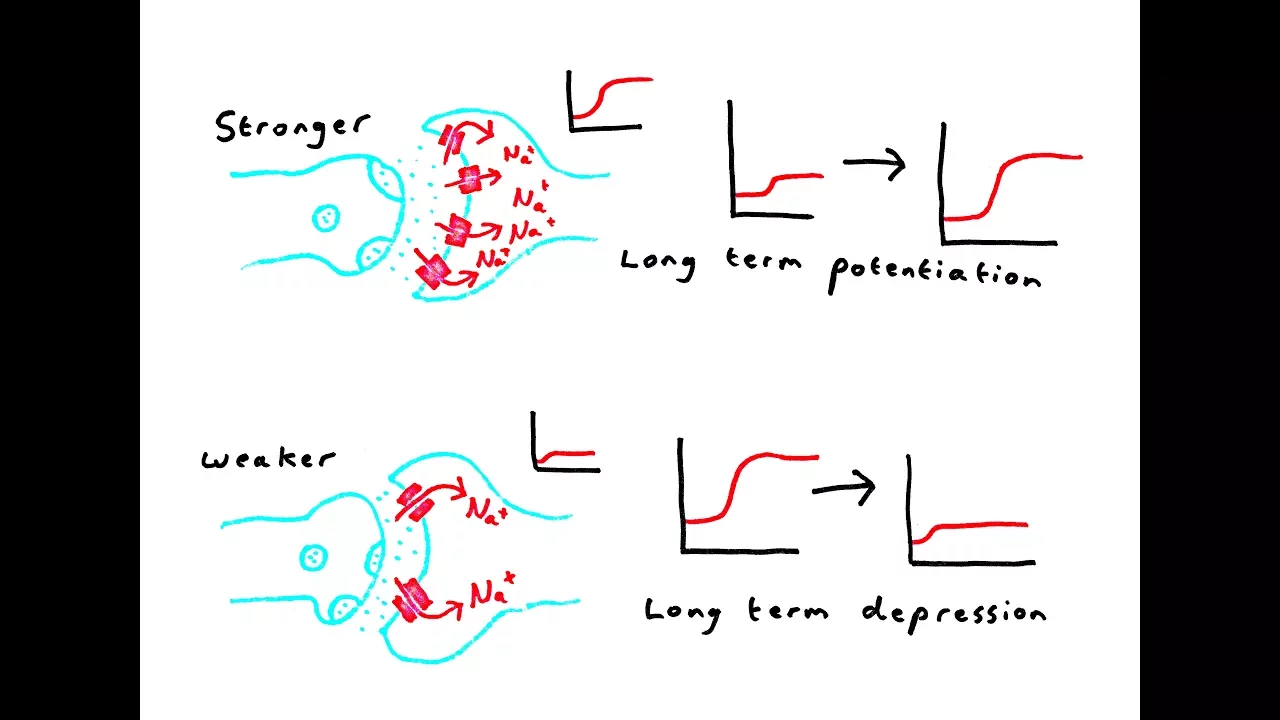
The cellular basis of learning, including synaptic plasticity, Long-Term Potentiation (LTP), and basic neurotransmitter function.
The standard psychological classifications of memory, specifically distinguishing between short-term/working memory and long-term memory systems.
Fundamental molecular biology concepts, including gene transcription, translation (protein synthesis), and secondary messenger systems.
Clinical and therapeutic applications of reconsolidation disruption, such as using pharmacological agents (e.g., propranolol) to treat PTSD, phobias, and addiction.
Advanced neuroscientific methodologies for memory manipulation, such as optogenetics and pharmacogenetics used to label, activate, or silence specific engram cells in animal models.
Theoretical models of systems-level consolidation, specifically comparing the Standard Consolidation Model with the Multiple Trace Theory.
Pathological disruptions of memory consolidation, including the molecular pathways affected in neurodegenerative disorders like Alzheimer's disease and traumatic brain injuries.
127 views2likes1:46:32Original Release: 2025-09-05
All right. In my talk, I would like to cover the uh key issue which uh was leading the uh research in memory mechanisms uh through more than one century. the issue of hammer, how memory is laid down, how it is consolidated, a different term and uh some new ideas which appeared at the end of the last century how it can be also reconated.
So what is going on when memory is retrieved?
I will focus on the history uh importance uh the fact that these mechanisms appeared to be universal across uh animal kingdom. So like uh mechanisms of biophysical processes uh in the cell membrane or uh mechanisms of genetic uh modifications and uh gene encoding the memory and plasticity is very universal uh and on some unresolved issues.
Uh I will uh swap between covering the broad uh review of uh what is uh going on or known today generally and our own research which we were doing uh during the last 40 years and it will guide my talk and Uh finally, I would like to focus on some unresolved issues in the hope that that might interest you and you might probably try to uh get involved in some of these new studies in the future.
Jim Watson uh when he was 60, he had a 60th anniversary, he wrote uh a kind of a note uh in the uh journal science uh where he said that uh the main unresolved issue uh which is left in biology uh is how the brain works. Let's hide the bar. Uh the main unresolved issue in biology is the brain.
And then he said there are two most important questions about the brain, consciousness and memory.
Number two, but consciousness he said is still difficult to study.
So we should start uh and focus on the biology of memory.
And it was not only statement globally but he restructured the work of uh his own institute the famous Colrin harbor uh laboratory which was a mecca of molecular biology and he leaded this research with many noble laates coming from this research and switched to refocusing the work of uh laboratory on neurobiology with a particular focus on uh memory at the molecular, cellular and behavioral levels in different uh species in Drosophila in mice.
uh why it is so important in textbooks of psychology at the beginning of the 20th century.
The chapter on memory uh usually started uh with the phrase like that memory is a property of a soul.
That meant that this is the essence uh of a soul of what makes human a human being.
It is in the center of individual soul.
And uh as a famous American historian of science Yan Hawking wrote in the book rewriting the soul.
What happened at the end of the 19th century that a new science of memory has been created in order to secularize the soul to make uh it uh accessible to the study.
It happened at the border between the end of the 19th century and beginning of the 20th century. And many scientists were extremely interesting into making the concept of memory material and biological. One of them was uh German scientist Rickard Semon who w worked in Vienna. He was a student of Erns Heckle and medical doctor and he wrote a kind of a manifesto uh which was published in 1904 and it was called the M&M.
Uh the central idea uh of the monograph was that there is a material trace of memory formed in the nervous system. And the four uh essential characteristics of this material trace which he called uh the engram that uh these engrams should produce longlasting enduring changes in the brain which result from each experience.
Number one, uh the behavioral manifestation of this trace of memory uh has to uh appear through interactions with the retrieval cues which come uh to call this memory back and he called this process effort.
Uh the content of uh engram uh should mirror uh reflect represent the events during uh encoding and uh they can be retrieved uh during the recall that makes this engram a working instrument of connecting the past to the present.
And uh finally which is very important that these engrams should uh exist in dormant states that means uh silent state but they are kept in the nervous system between the encoding and retrieval phases.
That was a theoretical proposal which inspired many scientists uh after salmon to look for the traces of memory to search the engrams. That was the title of one of the famous papers of Carl Lashley who devoted uh more than 30 years to the search of these traces of memory.
But uh other uh pioneers whom I would like to show now started uh doing this not on animals like Leashley did uh training rats in the different mazes but from humans and that was a a real uh transition from the human memory human soul which resulted finally at the end of the 20th century in molecular mechanisms and genes of the genome. So it was a radical reduction much more radical than reduction of life to DNA.
The science of memory emerged uh in the third quarter of the 19th century.
Uh when philosophical speculations about how individual memories are stored were transformed into program of uh research mainly by three directions of research and three pioneers.
Herman Ebingaus who was uh the first to study normal human memory uh in psychology by experimental psychological terms. Tedul Ribo who worked with in Perry uh with the patients with different neurosis and studied the disturbances of memory uh with this psychopathology of memory and from that derived uh many cues about the how memory works.
the famous uh Rio law, the uh law of regression of memory uh during aging.
And finally, Sergey Corsokov in Russia who was extremely interested also in the mechanisms of memory. And being a psychiatrist, he studied different patients who came to his clinic with memory disturbances after all various types of uh conditions starting from fever uh and viral infections going to poisoning uh which led to loss of memory or uh what he was famous for chronic alcohol uh drug uh intake where uh the chronic uh use of alcohol led to degradation of mamary bodis and severe uh amnesia which was called corsukov syndrome.
I will focus uh now only on one of these programs.
the program which led to idea of memory consolidation uh and as I told this program uh guided the research in memory over the 20th century.
It was started by Herman Ebingaus here.
He is a respected scientist but when he started he was slightly over 30 years old and uh in Paris he came across a small book of Ilgame W who started experimental psychology and wound wanted to study consciousness.
uh Ebing Gaus read this book, he was excited and thought why not to try to study experimentally also memory and he started to work with the uh memory consolidation using himself uh as an experimental subject. That was phase one and I will switch later on to phase two. So what Ebin Gaus did the famous uh forgetting curve is that he designed uh many many cards. Each card consisted of a syllable of three uh letters and uh he uh presented them in random order to himself in order to remember and then tested himself how much he needs. uh to uh effort to recall uh these cars or to remember uh to uh them once more at different times when he repeatedly showed them uh to himself.
And what he found was very uh striking that uh initially uh immediately after presentation uh he was able to recollect uh 100% of the cards and then there was a dramatic drop of the uh recollection going to about uh 30% uh within uh 1 hour or several hours.
But the rest uh uh this level of the uh recollecting these cards stayed for a long time. So it became apparent there are that there are two phases of memory.
One is going within the first uh hour after acquiring information and something important is going on there. part of the information is lost but uh the other part is retained. So there are these two phases the early phase of remembering a lot and the late phase stable for a very long time.
Two German scientists, psychologist uh Ellas Müller and Alons Bilzer working in Gingian were very excited with this uh work of Ebing Gaus and decided to do uh the same type of experiments on volunteers. Uh so that was a proper study with uh with many subjects but they not only repeated the uh experiments of a Bengals but introduced one very important experimental uh moment. They presented uh the data and they used either pictures or uh syllables like the Bengals.
Uh but after presenting uh these cards or pictures, they uh made a presentation of a novel stimulus like uh for example here uh some uh new picture and they showed uh and in their uh experiments that when uh this stimulus is presented immediately or within the first minutes after uh trying to remember uh some information uh this information is disrupted. It is lost.
It is no more remembered.
If to delay the presentation uh of this uh interfering uh signal uh stimulus uh for a later period after 15 minutes or so the information is remembered. So they made a fundamental conclusion. They called this retroactive interference. So interference back to the initial information and uh they came with a conclusion that after uh the something uh is remembered we get the new information. It is stored in the brain in the labal form and it can be easily disrupted by some interfering uh conditions.
But uh when the time passes and uh the memory goes to the second phase it is stable and it is encoded as they believed in the anatomy of the uh brain and connections.
So remember uh salmon the engram is laid down and kept dormant until it is retrieved.
They suggested that this process of transition from labile form to stable form should be called consolidation of memory. And since that we work with this concept how our memory are stored and remember they are consolidated.
[Music] Immediately different scientists in different countries uh got this idea and uh confirmed it uh by other evidence, psychological evidence or clinical evidence. For example, McDougall uh neurologist in UK uh pointed that this is very consistent with what happens with the human amnesia uh in the conditions of u epileptic seizures large epileptic seizures when uh the person uh gets into the seizure and then recovers from seizures uh the person does not remember few preceding uh minutes before the seizure started. So it is retroactive interference of the seizure activity in the brain with the memory engram. And very similar things he observed also uh in professional boxers uh when they lost consciousness during knockdowns uh they uh do not remember few preceding minutes before uh that has happened.
However, uh for a long time uh after uh this has been confirmed and uh psychologist started to believe that memor is consolidated through these two phases, there was not much progress and the reason was that it was uh not possible at that time uh to do any uh imaging, recording or invasive studies uh in humans to experiment with the neural mechanisms of this process and nothing was known uh about animals until uh uh at the end of 40s. Two American psychologists, one of them is Duncan, showed independently that if to transfer what we just described in in us in humans to rats and uh to reproduce this in a slightly modified protocol, for example, not like seizures in humans, but to produce electroconvulsive shock, just putting the electrodes on the head of uh the rat.
and giving the shock which produces the seizure like activity in the nervous system. And if the rat is learning something before that it is strained and then to apply this electroconvulsive shock seizures the rat is not able to remember what it has learned later on.
But if to delay the presentation of these seizures like uh in uh human conditions for 15 minutes, the memory is retained. So it is consolidated and it became clear that uh fundamentally the same process of uh memory consolidation is going in animals which opened a venue for different type of speculations of what can be studied in animals. And since that was the beginning of the revolution uh of DNA and genes and encoding of information and macroolecules, several people started to speculate that uh the only complex information bearing molecules which are retained in the nervous system for a long long time is DNA. So memory uh if it is stored for the lifelong uh events should be somehow encoded in DNA. So there should be changes in the genome and expression of memory should involve uh modification of gene expression. There were not many uh instruments at that time but still uh famous Swedish uh neurobiologist Hogar heden started to isolate RNA from the animals which were trained under different conditions from rats for example which were trained to climb uh with a small uh narrow path to obtain uh food and to make a motor coordination. He isolated RNA from the motor nuclear of these rats and showed that in the course of learning there is increase in the incorporation of radioactive precursor in RNAs which means that there is a burst of synthesis of RNA during uh acquisition of new memory which tells that it is a activation of gene expression. Similar data were obtained by other groups using labeled leucine and measuring the protein synthesis in the brain. It appeared that whenever the new experience is acquired, within the first hour, this first hour of Ebenaus, there is a burst of uh increase in RNA and protein synthesis, which means that some genes are activated in the nervous system.
And uh absolutely reasonable test to see whether it is just a correlate or it is necessary for the memory to be stored was to apply the inhibitors of RNA synthesis or protein synthesis which again uh a number of groups did at the beginning of 60s and they showed that either actinomy D which is the blocker of RNA synthesis or cyclloaximite or anism which are inhibitors of protein synthesis when they are injected and this has been done in many different species rats, mice, cats, rabbits etc. When they are injected prior to training number one acquisition of memory is not impaired.
Animal learns and acquire new information and is able to reproduce it.
Second uh for a short period of time, several hours, the animal remembers what it has acquired normally. So you can test it and the animal will show that it recollects the situation in which it was before. But after that, after several hours, the memory is lost. it is uh not possible anymore for the animal to remember uh what is going on. So the idea uh was confirmed that uh when the new memory is acquired there is increase in the uh RNA and protein synthesis which means gene expression and these proteins are finally necessary to make the memory stable and last uh it longer than few hours.
[Music] That was the situation in the middle of 70s and it was quite clear. But uh the problem was that biochemistry uh of uh that uh period was not sensitive enough to isolate uh what are the proteins and what are the genes which are uh involved in this process.
So the research in this area stuck for about 10 years though uh it was clear that something is going on but it was necessary for the new methods of molecular biology gene cloning and sensitivity to detect uh gene expression to appear in the middle of 80s. to get back to these uh fundamental questions which are here listed in one of the reviews uh in 80s. So there is a stimulus uh which uh produces the release and action of modulatory transmitter.
Then uh the signal through sec cyclic AMP in this case and protein kindness goes to nucleus. But it is not known what is going there and it is also not known uh what are the genes which are expressed and what do they do to modify the synaptic properties in neurons.
So that were three questions. What genes are induced during memory consolidation?
By what mechanisms are they induced and what are their functions in neurons at that uh period uh we have started uh uh looking for these genes. There were two groups uh which initiated this work.
uh one was in Soviet Union and we worked uh with the institute of uh normal physiology, institute of molecular biology and institute of molecular genetics and independently there were two groups working in Eastern Europe in Poland in Nanski Institute Leash Kachmarak and in uh Germany in Magdabber the group of Hansorgan martis And both groups came uh through different routes to identify the same genes which were uh shown to be involved in uh memory consolidation.
We initially found these genes through whole body in C2 hybridization by looking into the development programs of proton genes and these genes were known initially as proton genes. The genes which are counterparts of viral genes but perform some important functions like cellular differentiation and regulation of cell cycle during normal development.
And uh it appeared uh to us uh that these genes are expressed in the proliferating cells but also expressed in the developing nervous system.
which reminded the old idea of Rammonica that probably the cellular mechanisms uh which lie behind neural plasticity and memory is reactivation of all mechanism which are involved in growth of the nervous system. So we decided to test uh how these genes behave uh in the adult brain during acquisition of memory. And it appeared that uh these genes there were several of them. The most striking was gene C force.
Uh they are silent. They are not expressed in the brain of a normal animal which is not uh involved in any new experience uh performing just regular normal behavior. But whenever uh animal is placed in the conditions of novelty and acquisition of new knowledge, new experience, there is a burst of expression of these genes in the nervous system going within uh RNA is induced within 15 minutes and protein starts to accumulate within the first half an hour hour. That means with this first critical period uh which was shown by Ebing Gaus to uh lie in between the labile memory and consolidated memory.
We also showed that it's not only that these genes are expressed and we tried this on different animal models uh and in different uh types of uh learning classical conditioning, instrumental conditioning, episodic like memory etc. But also if to block the expression of uh these genes using uh in this case antisense olygonucleotides the small olgonucides which prevent specifically expression of the gene of interest when they injected.
So when they are injected uh in the brain uh of animals that learn and this is the acquisition curve which shows the amount of mistakes which animal is making uh during the session of training.
uh you can see that exactly like with the protein synthesis inhibitors uh blocking just one of these genes C4s in the brain during learning has no effect on acquisition of memory. They learn normally. I do not show here but if to test them one hour later they will show that they remember this. They make no mistakes when they are placed again to to be tested in this task. But if to test them 24 hours later in the first 20 trials which is uh reminder of what was before. So they do not learn uh at this time but they recall what was known.
They are severely amnestic. They don't remember what they learned uh on the previous day. So not only expression accompanies uh learning and memory but it is critical for memory consolidation.
[Music] It immediately also occurred to us that these properties of immediate early gene expression are very suitable for mapping the memories in the brain. Because besides the electrical activity of large amount of circuits which are denoted here by yellow impulses traveling uh uh in the brain. There are some of the ensembles of cells which induce uh expression of uh C force during acquisition and uh looking at what are these cells where they are laid down how it is done in the whole brain.
We can trace the engram the semon elusive engram material trace of memory which is laid down.
This line of research also initiated the answer to the second question because once you know that uh the genes which are induced during acquisition of new uh memory and its consolidation are these genes which became to be known not uh as proton genes which was uh just uh uh coincident name initially but immediate early genes because they are turned these are the most rapid response genes in known in biology within about 250 milliseconds after stimulus arrives to the cell. uh the transcription starts in the nucleus to synthetize RNA for this uh uh gene and uh within three minutes the protein first appears in the cytoplasm very rapidly inducible genes. So they were called immediate early genes in the analogy to viral genes which are initiated in the first round of expression of viral infection.
So once you know that you should look for expression of immediate early genes after stimulus which leads to plasticity, you can trace it back. What are the factors uh which are binding the promoter uh of immediate early genes and what happens with these factors? Why they start to uh induce the transcription?
uh what signals are initiating uh these uh factors to became active?
What are the cellular signaling cascades which lead uh from the membrane from the synaptic signaling to the nucleus to initiate this? And it appeared that uh one of the important factors was um constitutive transcription factor which was called crap and it is present uh in the cell but it is unphosphorated.
when it is not phosphorolated, it is not active and it is not binding the C elements, the promoter elements uh of immediate early genes. In order for it to become active, uh calcium and other type of signals as I show will show in the next uh slide has to enter and converge on different uh kinases which are able to phosphorilate crap and to initiate the induction of immediate early genes.
Another thing which we found uh was clear that immediate early genes like C4s are transcription factors. That means that they do not do anything uh physical in the synapses. They when the proteins are synthetized they are transported back to nucleus to regulate the activity of many genes uh which are specific to this particular neuron.
So if the mechanisms of uh immediate early gene is a critical uh bottom uh bottleneck for memory consolidation, we should observe later on the second phase of memory consolidation which nobody looked for because it is quite late at uh several hours after acquisition. Eban Gaus didn't look, psychologist didn't look but now knowing that there are two phases.
Uh we started looking at uh whether there is a another wave of gene expression uh in the brain after memory acquisition and whether it is possible also to block memory consolidation by selectively inhibiting this second wave of gene expression. And indeed we found that uh from 5 to 8 hours after we learn something animal learn something there is a second large wave of gene expression and if to inject protein synthesis inhibitors at this stage uh you can again erase memory prevent it from being consolidated.
So we came to the two-phase model because of these immediate early genes of memory consolidation uh in the cell which gradually became more and more complicated and I'm showing just one of the diagrams uh demonstrating how many signaling cascades are involved in uh regulation of this process in the cell. It is important to know that they are complimentary. That means that increasing cyclic IMP level to a certain uh level in the cell will not produce will not trigger trigger immediate expression. Increasing calcium levels will not also produce it to a certain level. But if you combine these two small stimula converging on the same neuron you have a sub superenduction of uh this uh immediate early expression.
This is because uh these factors uh combine their effect on the promoter of this gene triggering it much stronger than the single uh factor.
It also became evident that this cannot be the only mechanism for uh memory uh long-term memory consolidation because if you will take uh the expression of immediate uh early genes and then late genes the proteins which are synthetized from this burst of expression during learning they will uh be retained in the cell for some hours or even days or probably even a week but then they will uh be uh uh degraded and the memory will be lost. So besides this trigger genetic trigger for memory consolidation there must be something more stable which will maintain now this cell in this differentiated state which was induced by learning and triggered by transcription factors like C force and other and uh indeed it appeared uh through pioneering studies uh by the way initiate created in uh Russia at Moscow State University in 1970s by biochemist and neurobiologist Toshmala that besides uh induction of gene expression learning needs to changes in the methylation of DNA and longterm rearrangements in the DNA uh functions uh uh due to acquisition of new experience through different uh type of uh enzymes. The no metal transferases and also uh the chromatin uh in these cells uh is changed for a long time through acetilation of histones proteins in the chromatin to mimic in a way the process how cells are becoming differentiated again during development.
The same story that something which is going during development and make cells stable uh to maintain their new phenotype is uh recruited again during the process of memory uh consolidation.
One of the consequences of uh this why it is important.
Uh it appeared that a number of diseases which were um initially believed to be inheritant uh genetic disorders which is not able to be cured like Rubenstein Toby syndrome. appeared to target uh the processes of plasticity. So children which are born with these uh syndromes are not able to learn new things and it results in mental retardation and it was believed for a long time that it is inevitable and it nothing can be done because it is genetic disease. In fact, it can be corrected uh if to improve the particular crap functioning uh cascades uh in the nervous system of these children.
[Music] All right, with this uh I will finish the known part and we'll go to some new findings which resulted from these uh studies and some of them are already established and others are not.
By 92 uh in our lab we believed that we know more or less what are the molecular mechanisms of uh regulation of gene expression uh during memory formation. Of course we were wrong uh because since that uh many new things appeared but uh we had a feeling that the basic mechanism has been found and it is necessary to move on and to look into some unknown domains.
And uh at that time I made a list of 10 strange phenomena which were not explainable uh by the knowledge of that time. So the facts which were contrary to uh all our knowledge and expectation.
This is the list and I will go only through couple of them. We started uh to from the beginning. There was some strange things uh found in the literature which we started to explore.
Uh and here I will introduce uh one of experimental models which we consistently used for many years.
It is very uh robust model of one trial long-term memory. It is formed in newborn cheeks.
When the newborn cheek is presented with a small uh bead, it immediately packs it uh expecting that this is a kind of a food.
But if to cover uh this beat with a bitter uh training uh testing substance like kenine, the chick will shake uh its head will uh vocalize uh in disgust and from just one pack uh this object will remember this object comparable to all other similar objects of different color of different shape. it will start to avoid this object comparable to all others. So that means that within a couple of minutes about 1 minute of uh training you can uh selectively localize the time of memory acquisition which leads to long-term memory consolidation and you can go through all the phases and see what happens on by chemically molecular neurohysiologically and neuronatomically in the brain to consolidate memory.
This is presentation just video. The cheeks are presented with the white uh white neutral bit. It is covered with water. So they are not uh avoiding it.
Now we present uh another bit that was silver and this is white and it is covered with a disgusting substance metalate. Absolutely disgusting. You can see Now when he present this aversive beat a day later you can see that they refused to pick it and avoid it.
If you present uh the neutral bit which was not uh covered with something bitter, you can see they readily pick it. They remember this particular object for a very long time, long-term memory. It is protein synthesis dependent RNA synthesis dependent. It is known where it goes in the brain of cheeks. You can inject uh the substances exactly into this area etc etc. So taking this model we started to look at a strange thing which was not a part of the consolidation theory of memory for 100 years. What will happen if already consolidated memory is retrieved and you will try during this retrieval and the memory uh was believed to be stably encoded uh to interfere with the same type of approaches which you use to interfere with acquisition of memory. So protein synthesis inhibitors electricalis etc etc. If it is like PDF file, you retrieve it uh watch it and then close it. Nothing happens.
But we found in uh our experiments in force expression something strange when uh the animal is trained in very similar task. One trial also task in mice in fear conditioning where it is presented uh uh conditioned stimulus and then receives a food shook and then uh later on is uh tested by presenting this conditioned stimulus again uh and remembers that what is happening during retrieval there is a very strong uh expression of C force in different brain areas. is why it is going on if it is already consolidated. What force transcription factor is doing in this episode.
To address this, we took uh the situation first in cheeks and then in mice where we designed the experiments when the uh animal is presented uh with the uh new stimulus for acquisition without any interference.
So later on uh when we remind showing uh the same aversive bead which is by the way uh not covered by beta substance it is just looking the same and if to try to inject different substances which are known to prevent consolidation of memory acquisition uh of long-term memory like protein synthesis inhibitors at this time. What will happen if the memory uh is stable? Nothing should happen. The maximal what should happen is probably if the animal learns a little bit more from the second episode, you will wipe out this surplus, this additional memory.
But in fact it appeared that if we injected cyclloaxim protein synthesis inhibitor uh alone without activating memory uh there is no effect on performance.
They check perform at 90% confidence uh level of retrieval.
If to make a reminder and inject saline instead of cyclic excite so not inhibiting protein synthesis inhibit again uh cheeks when they are tested later on show perfect memory but if to combine these two uh um manipulations each of them having no effect uh blocking protein synthesis inhibitor during retrieval of memory Mor the old memory which was already consolidated can be disrupted.
[Music] We did this in uh mice. Um later on uh group of Karim Nadder uh in Colombia University did this in rats obtained exact with this exactly the same design of experiment. They used anomy instead of cyclic examite only and obtained the same results and people started to uh check uh what is going on here.
Uh and it appeared that this works uh in mice, in cheeks, in fish, in crabs, in mollisks, uh different mollusks, in insects, in honeybees, in sea elegance, in drosophila etc. It's again a widespread phenomena that when memory is retrieved I will add under conditions of novelty uh old consolidated memory becomes labile and it is possible to disrupt it uh with many interfering uh processes.
So it is uh it has to undergo again the process of laying down back reconsolidation.
I'm showing this just to show this is a u this year review of molecular mechanisms of reconolidation of what kind of uh animal models you will not read it here it is just a overview of how many and what kind of molecular mechanisms uh are known now for the processes of reconolidation in different species.
The overall conclusion reconolidation is very similar in mechanisms in molecular mechanisms to consolidation but not identical. A number of things are unique to process of reconolidation which uh are different during the mechanisms of consolidation.
But both of them lead to long-term changes. Why it is important? It transforms our traditional understanding of memory.
So besides encoding and the process of laying down memory of consolidation, there is a process of uh uh making it active retrieval and after it is retrieved it is uh liabilized and has to reconsolidate again and new retrieval.
During these periods of uh uh retrieval and reconsolidation, memory can be and is updated.
So it change many things, its properties, it substrates etc etc. [Music] Another important uh transformation that that means that there are two time windows now that memory may be labile and vulnerable during encoding phase and during reactivation. One of the differences you can see here, the process of molecular consolidation uh during initial memory formation is longerlasting uh than a process of its laying back uh re reconsolidation.
But nevertheless, why again it is important?
First I showed uh on that table humans we undergo the same process and it was foreseen by Ziggmat Freud who didn't develop it further enough uh at uh his time because he didn't have enough experimental material and approaches but he wrote uh to his friend Fleece at the end of the 19th century.
He called this retranscription instead of reconsolidation but it is the same many times many traces multiple traces of the same memory.
And here is just a table again from the review of 2025 on uh many evidences uh of human reconciliation in uh all variable tasks. uh in episodic type memory in the picture memory in the motor memory when humans are learning to do something and you can interfere during retrieval and impair it. So it's again a broad phenomenon.
I wrote a letter to the uh minister of science when we discovered this and they closed our publication uh for several years prohibited to publish these results.
uh on the quite evident uh basis because with these interference you can erase old memories and indeed when we finally published and other groups published uh it became very popular. So, uh, one of the films you might have seen where the lover wants to get rid of the memories of his girlfriend and goes to the company which is called Lacuna Incorporation uh, memory management and corporation which presents uh, the reminder stimula which was part of their common experience under particular uh, treatment of his uh brain to erase the memories of his girlfriend.
But more practical is that uh what was also evident and I suggested in this um letter to min to ministry that it is possible to treat different uh traumatic memories like in uh post-traumatic stress disorders or drug uh dependencies. We also showed uh at that years at the beginning of '90s that uh formation of alkagal and morphine dependence goes through the same mechanisms of memory through C force uh induction.
uh by showing the episodes which produce this traumatic memory using uh the pharmacological drugs. There is a number of them which uh can be used in humans to uh prevent reconciliation and these attempts are going on since then uh with uh relative success.
Not always that works. There are many conditions why the memory can return back but still but now I wanted to go to something new which we were working in the last several years.
Think about reconciliation in this fashion.
Imagine that you are getting some influence interference which uh makes you difficult to remember new things. consolidate and reconsolidate like a large dose of alcohol and after that you will not remember what has happened uh at the time when you were drunk.
If you remember something at this period, retrieve from memory under these conditions of inability to reconsolidate it, you risk to lose this memory or weaken this memory because it will be not laid down since the mechanisms of consolidation are impaired by alkagul.
What it might remember uh remind uh or what it might look like uh one of the immediate ideas this is something which happens during development of algma disease when the mechanisms of laying down new memories uh because of many processes uh pathological processes in the nervous system are compromised are impaired. So people are not able uh effectively and gradually more and more to remember new things where they left the car, where they left the keys from the flat, uh what they uh whom they met yesterday, etc. names etc etc. This is called antagrate amnesia.
inability to consolidate new memories.
But if you will look through the glass of the reconolidation theory, you can also add to this that if these memory mechanisms of consolidation are impaired and at this on the background of this impairment, the patient will start to uh reminiscent recollect some old memories which are retrieved and become labile.
They will also have difficulty to lay back. That means that by retrieving old memories, the patient with algamer diseases destroys them because they are not able to uh get back to be consolidated, reconsolidated.
And that means that it might lead to retrograde amnesia.
A second very dramatic uh symptom of algamer disease and dementia. Generally people are starting to forget their relatives uh their past uh who they are. They cannot recognize themselves in the mirror. They lose uh like I told during human memory consolidation you can interfere with the motor uh habits etc. They lose their daytoday survival habits how to uh how to eat, how to wash their teeth, etc. and etc. So we came with a hypothesis which I called the Saddam hypothesis. Sadom from the biblical herb to burn to ruin to destroy.
Sadom is self onset disruption of memory.
Disruption of memory which is initiated by memory itself by its activation.
If memory is retrieved when its reconolidation mechanisms in the brain are impaired, it is degraded.
Thus, old memory activated in the pathologically altered brain destroys itself leading to retrograde amnesia.
We can compare this uh to the traditional explanation of why that retrograde amnesia happens which I'm sure is also true. The traditional explanation I call it the passive uh decay of engram. It is because of the development of amoid plugs, the changes uh in the disruption of synaptic transmission and finally loss of many neurons. Parts of the engram start to be destroyed and uh people are losing the old memories. retrograde amnesia.
The features of this process is that it is passive decay of dormant engrams uh what uh salmon called dormant engrams which are stored uh passively just because the substrate of engram is destroyed.
Uh the mode of this amnesia is use independent. It doesn't matter whether you recollect this memory or not. It will be destroyed anyway statistically.
The target is pacif and the only protection way if you will uh look practically is to protect from neuro degeneration from the loss of sinapsis and neurons. There is no other way.
According to Sadom hypothesis, there is a second route which is disruption of active engram when it is retrieved.
Comparable to passive road, it is self-destruction of these engrams. It is use dependent. If you not retrieve it, it will be not degraded.
Uh the target is not passive. uh trace of memory but active engram at the time when uh it is uh expressed in the activity of neurons which maintain it and the way to prevent as I will show you uh can be also different you can interfere with the processes of labelization memory during reconation so uh we don't have much time left to go briefly Through this we showed that if to inject amoid in our chick uh model beta amoid first uh number one it impairs the consolidation of old memory of new memory. So it if if you inject it at the time of training the memory will be uh at the time of testing destroyed.
So what will happen if you will inject it at the time of memory reactivation?
We showed that if memory is formed normally and uh at the time of reactivation you inject amaloid like protein synthesis inhibitors or NMD antagonist etc. uh it will uh produce the disruption uh of uh normal memory though injection of betaoid alone at this time or uh reminder and reactivation with the injection of saline produces no effect like I show you before and this can be showed uh either at 2 hours test after initial or 24 hours test at 2 hours. You can see how strong the effect is.
Now what can we do with this?
This is the diagram of how reconsolidation works.
There is a trace of long-term memory.
Then there are conditions which are important that the memory has to be retrieved under some novel modifications of environment. For example, if I uh eat uh for many years uh with a spoon and I have this memory a habit worked well for uh millions of times.
Injecting the uh interfering agent at the time when I will use the next time spoon uh will be not efficient. But if you somehow introduce some novelty in this uh tie my hand and uh make me try to uh use the spoon in some different way which was not usual for me before.
So these conditions of surprise and novelty uh will produce first the stabilization of uh old engram which was used before and we know that this process is uh NMD uh receptor uh and calcium signaling dependent and after the memory is restabilized uh it should go to be restabilized. That means reconsolidated. And we know that this depends on the gene expression and uh epide genetic changes. And as a uh result of these uh two processes, the long-term memory under uh the conditions of normal when it is retrieved, it is reorganized.
what that means uh for the prevention uh interference with the uh reconsolidation.
First you can influence the process of restabilization and this is what I showed so far before uh memory will be disrupted.
You can also do something different.
You can prevent novelty conditions for memory retrieval. And in fact, it works in asamer patients. It was found by many clinics uh memory so-called memory clinics where the patients are treated that uh the best way to uh prevent from the rapid degradation of memory in those gamer process uh uh patients uh is to keep them under conditions of everything familiar. So no to make no novelty uh then the uh development of retrograde amnesia slows down and it is uh obvious from this hypothesis why it is because there is no uh destabilization of memory which is not being able to be restabilized.
But the third interesting opportunity is even with allowing the novelty to prevent selectively destabilization of memory since these are specific mechanisms going through specific subtypes of NMDA receptors which are necessary to destabilize memory. You can still uh uh retrieve memories under conditions of novelty but under protection of these drugs which doesn't make it uh uh allow them to became labile and that means that the deficit here in restabil stabilization will be not evident because they are not liabilized. They don't need to be reconated.
So to make long story short, we tested this with the inhibitors antagonists of NMDA antagonists uh of NMDA receptors and showed that uh when you block uh the memory at the time of uh reactivation, if you do this with the injection of uh antagonist of uh NMDA receptors MK801.
It can prevent uh disruption of memory by protein synthesis inhibitors. So it can work as a protector uh of active memory and you can do it with the drug which is used to treat algamer disease which is a partial NMDA antagonist meantin. It is one of the four drugs which is currently used for treatment of algamer disease.
It produces exactly the same effect and we believe that through the same mechanism.
What are boundary conditions for this hypothesis? I have to stress it.
Reconsolidation of memory compared to consolidation occurs not for all forms of memory and even for those where it happened it doesn't always happen. It is was called boundary conditions. We don't know why some memories are not disrupted at the time of retrieval but uh this is the fact still to be found.
Most probably such boundary conditions are applied to memory reconolidation in less gamer disease and it is also likely that this process can occur in a restricted window in the development of gamer disease when the memory retrieval itself is not compromised too much. So not at the late stages of the gamer disease when the patients will have huge difficulties of retrieving the old memories already.
I will stop here.
Yeah, I think so. I have another part how it is possible to restore the lost memories but [Music] better to use questions.
Nice [Music] there.
[Music] Uh, thank you for your >> talk.
Uh, I've got a question. Um it's uh a bit far from the topic of your talk but nonetheless I'm very interested um how are the false memories formed uh and what happens on the molecular and cellular levels like um The you remember some events which actually did not happen like how is this formed?
The mechanisms molecular mechanisms of forming false memories comparable to uh normal memories to the best of our knowledge of uh how memories are formed and consolidated are not different. Fundamentally uh if you will look uh in neurons in cascades in genes which are laid down during uh uh formation of false memory they will be the same just the memory is false. The reason uh why memory is false is an interesting one. There is one clear story which is evident how false memories are uh formed. It is dur due to process of reconciliation.
It has been shown that uh if people remember some very strong striking event uh which uh initially in 1960s7s 80s was believed to be uh steamped in the brain uh very strongly. It was called the flashbulb memory by two American cognitive psychologists and they studied these by interviewing people about whether they remembered where they were and what did they do during assassin assassination of President Kennedy and they did it 10 years after that and they were and they found that 80% of Americans who were adult at that time were able to uh point down precise precisely what uh happened uh at that time, where they were, what were the surroundings uh from what they heard the news etc. until uh in 19 uh 86 uh famous American psychologist uh repeat repeated this type of experiment with his students during the catastrophe uh uh of Challenger where the American cosmonauts were uh launch the rocket was uh launched and uh it exploded and they died uh in front of all the people watching the TV and it was a great shock like a Canadian assassination.
And on the next day he uh asked his students a course which he was teaching in psychology to write down exactly what were the conditions where they were and what they were doing when they heard this news. And they put this on the paper. And year later he returned back and asked them uh the same course of students uh to write again what they did. And it appeared that the many of them wrote completely different stories and they were absolutely confident in uh that that was where they were what they were doing to the degree that when they were shown uh their original uh protocol writings they were not uh uh ready to believe that this is uh why it happens.
I didn't touch many things of memory processing. Uh the strong thing which happens is that when the memories are formed initially they are uh then repeated many times especially if it is important memory offline. offline. That means that uh when the u person is not thinking about this, it is going on subconsciously uh or when the uh person is uh uh sleeping during the sleep and each such cycle of reactivation can lead to enrichment of memory but it can lead to modification uh of memory.
Uh there is many things to tell here but briefly that's it.
[Music] Yes. Uh thank you again for the uh informative lecture. Uh I want to go a little bit in the micro I think. Um so to intrude myself uh as I understand the memory is uh storing inside the neuron. Yes.
Not in synapse or this is not uh uh very significant in this uh matter of consolidation of memory.
Both of Melis and I smiled.
The classical uh hypothesis of uh memory which was suggested in neurohysiological terms in 60s by John Eckl and then worked on during LTP studies it that it is a synaptic process.
Uh but there are more and more data accumulating that uh even if you uh destroy the synapses which were active at the time of laying down the memory uh and then allow the neuron to grow a new connection.
The memory can be expressed through different synapses which leads many uh scientists now not many and uh this type of experiments.
Lansman complained to me that he cannot get funding from NIH for this. Uh but still uh there is serious concern that uh maybe the template for uh long-term memory is laid down as you said inside the cell and you need sinopsis to express it in the circuitry uh of all the brain to get the final outcome.
But it can be produced from within. Uh sinapses are finally necessary but it is not the place where it is stored.
>> So we can say that every neuron is an engram neuron. Yes. Because they all not not all of them store.
>> We cannot we cannot say this. uh some years ago we started a systematic project at Khatfi Institute which I wanted to um performed to answer this question.
Uh you can experimentally address it in a simple way. You can systematically uh test whether all neurons in the brain or uh more uh simplistically all types of neurons in the brain uh different types of paramedal cells, different types uh of uh inter neurons of different cellular phenotype. All of them sometime are involved in the process of immediate early gene induction at the time of learning which means that they were plastic at this time or there are some neurons which never do this. We didn't complete it. Uh there is no uh extensive uh work uh that uh since then uh was done by anyone.
There is another way by the way which we didn't do but it is also possible. We have the double transenic lines which uh allow to accumulate the uh changes in permanent changes in neurons which are active during particular episode because of the re combination which we in introduce in these neurons and they start to express fluorescent protein which was silent. So if you repeat it many many many times you can during the lifetime of animal you can see uh whether by the time when it is adult and learn many things all neurons were state or there are some populations which are not I cannot answer this >> thank you very much uh great thanks uh amazing presentation I just have one methodological question.
I have never worked with C force labeling and in some slides you mentioned this method and C force labeling as I know it shows total neuronal activity but you mentioned learning activity. So uh how it works. Yeah. So if we look in your slides uh this neuron activity for example in cortex. Yes. It can demonstrate just reaction of cortex on learning process but not like exactly learning. Yes. So for example there are some articles which demonstrate like governing food for example food behavior you can uh feed red. Yes. And also why see method you can detect uh governing energy balance like food addiction. So methodological question about C++ for labeling why you >> it's not only methodological it can be technical uh and addressing what you are labeling but it can be and it is scientific one uh again I don't know uh in uh 1980s when we found uh the expression of C force I had two ideas first that uh C force expression is a key factor for memory consolidation.
So it is okay signal for the cell to remember something definitely remembering or it is a kind of a competence factor that means that the cells which uh are activated within the population they start to express C4 as a transcription factor it uh puts the cell in some competent state like in in immune cells but this is not sufficient for memory to be laid down. There is something else which is missing. So not all cells and we did uh correlative study with neuronal recording and C force expressing showing that uh from the neurons from the same areas in rats which learn to acquire new uh experience uh only about 10% of neurons which were expressing C force at the time of uh new experience uh become specialized uh electrophysiologically by their firing to this new experience.
So probably many of the neurons which express C4 uh are not exactly the memory cells the engram cells but the situation is not that simple. Uh first that idea that uh C force is labeling active cells came from the people who didn't know uh comparable to what we with Kachmarik and Matis worked in the beginning uh what is going on in the real experimental situations. So it was a kind of a dogma which was not uh well uh founded. We know that there are brain areas where there is a strong neural activity. You can record it electrophysiologically in response to visual stimuli. These brain areas can be plastic but they to this stimulus there is a increase in firing but there is no C force expression.
So the situation again is not uh is complicated and I would like I would uh be very interested in finding this out finally because this uh is something which makes all the field contradictory. If you will uh look at how the engram cells are labeled now by tonagava and others the idea is that you have expression of immediate early genes and the promoter of immediate early gene. You put something and this can introduce the channeler adapsins optogenetics uh drivers etc to manipulate memory trace.
So this is number one. Number two, you have to bear in mind that C force is not just a marker of activity. It is a transcription factor which works in the nucleus to change the programs of expression of other genes. It is for something. It is not to mark the cell.
We still don't understand it quite well.
So I have rather a superficial question based on what I read when I was a teenager. So I read one of Oliver Sak's books and there was a case when patient have some brain injury and he suddenly gained access to all his childhood memories. Uh and uh right now I have a question. So in case of memory loss is uh the to what extent it is a question of uh losing the engrams or losing the ways to extract them. So uh we just can't access them or is there nothing to access.
>> The short answer we don't know. Again uh traditional view that the lost memories are lost. But this is some of our mappings of gene expression during single episode of uh learning in contextual fear conditioning. And each uh green dot is one cell. And here you we can switch this also uh in hypercmpus a huge amount of cells uh about half a million of neurons during the single episode of learning in the brain where there are 70 millions of neurons and this is the engram. Now think what it takes to destroy this engram to find each of these uh half a million cells and harm it.
There is no chance that you can do it.
You will need to destroy all the brain.
That means that memories are lost by expression when we are not able to retrieve. Uh most probably when just a small portion of the whole circuitry is damaged and it cannot be reintegrated in a proper way.
And many people uh in psychology were thinking that probably the amnesia is not result of the loss of memory but inability to access it.
[Music] Which means that experimentally if a significant portion of neurons of the engram are intact and uh only disintegrated it is possible somehow to uh pulpate them to stimulate them to reintegrate them back.
And we started this experiments and showed that yes we can do this and the memory which has been lost can be returned back in many different conditions it comes back.
It can be done in mice it can be done in cheeks with the same result.
again about humans.
There is a strange phenomenon which is gaining much more and more attention. I just returned uh from the conference in Barcelona in July where there were many speakers about this. It is about very strange thing that the patients with selmer disease which have complete loss of memory. They cannot uh recognize themselves. They are not able to recognize uh their relatives, their family where they are complete loss briefly before they die, few hours before the death or two weeks about before the death. There are two types of this. They uh strangely recover all the memory.
They recognize again all their family.
They recognize their past. They start to speak. They remember their past. They are normal. And then they die.
It was called terminal lucidity. It has been known from uh the ancient Greek times. It has been described in by medical doctors at the beginning of the 19th century and then forgotten.
But uh caregivers uh in the clinics with the patients with sales gamer disease observe it regularly. They are just afraid of telling this. And during the last several years they started to tell this and medical doctors started to tell this and uh many papers start to appear with the statistics uh of uh this event. It is very regular.
It was renamed paradoxical lucidity to be more politically correct instead of terminal lucidity.
Uh and there is a lot of things going on uh here including the possibility of thinking of how it is possible then to recover these uh memories by optogenetic stimulation etc. psychedelics.
There is a large program of NIH in many clinics in the United States to start by medical doctors to explore this phenomenon.
Thank you much for the talk. So actually I wanted to ask about those methods and uh according to the um some molecular data that you have described uh which methods of treating those reconolidations uh diseases like neurodeenerative uh diseases are more effective I mean behavioral or uh pharmacological u approaches >> we didn't try behavioral because uh for this uh it requires the chronic models and this has to be done in collaboration uh with the uh medical doctors with the real patients and it is a longitudinal study. It is long-term study because you have to accumulate comparison of the uh patients who are kept in the um uh homeostatic environment stable and without novelty comparable to others and to see the dynamics of the clinical uh picture. We did it pharmacologically uh showed some data we have more extensive.
We started to look uh if our hypothesis is true and we can prevent uh make protectors of active memory by preventing its liabilization through influence on the NMD receptors. Then not only MK21 and meantin but other NMDA antagonists some of wh which of them are used in clinical trials or in clinics but were never tested in these neurological conditions should have the same effect and in experiments in cheeks we showed that several of them uh are able also to protect uh the memory impairment during reconolidation.
uh thank you for your wonderful speech and this presentation. I have a question I want to ask you that uh firstly you talk about molecular biology uh you mean uh I mean that with with the help of the uh bioinformatics you can to read the gene expression. Uh so in your work that in last year or in this year you publish uh there is one publication of your your your student named um um Aatina or some people in MSU that you put the mice in a fear box and they use electric current to uh stimulate the mice and you prove that one special protein to play uh to take part in the process of the memories. Uh and in China, my colleagues did the same experiment. Um they recorded the neural activities in the U hypocamp hypoc campo area but we not observe something special uh like the Fahrenheit there is no something special. Maybe it's just because our uh data quality is not really good. Uh then uh my question is uh as your based on your experience, how are you think about the neuron to uh help people to do the memorize uh use the energy area or to uh help with the help of electrical way to transfer the information?
I'm not sure that I got your question and I don't want to take the time from the audience. What if we will talk uh later on and I will try to answer it.
>> Okay. Thank you.
Um thank you again for your presentation. I'm not sure if we have much time left for the Okay, then I will try to be concise. Uh I have actually two questions. Uh one question is um I'm not sure that I got it right but uh do the mechanisms that you mentioned uh within the presentation do they refer only to the episodic memories or are the same mechanisms in uh semantic me work for semantic memories procedural memories uh and others and uh other another question or maybe a request that I have if you could give um some snippets of how to restore disruptive memories that would be also So great because it sounds interesting and I would like to know um >> if it is possible to make it.
>> Um I will start from the second. It is easy. We use the reminder procedures behavioral reminder. Uh there are two ways to to do this. You can do it pharmacologically and it has been shown not by us but se several drugs which uh increase the arousal can lead to recovery of uh impaired or lost memories. Probably this is uh something like what happens during u terminal lucidity when the organism is dying and this uh desperately striking to survive and release a lot of uh hormones and catacolamines acting on the nervous system. it uh as I told reintegrates the uh bits of the old memory so that they become again reintegrated and uh accessible. So one is pharmacological. The second which is which we used which is more specific is to present uh the amnestic uh agent animal in our case pieces of the situation which were uh in the situation of memory acquisition. And it's not not new learning because there is no complete learning episode but some uh elements um order uh some parts of the environment uh some taste etc which were used there without any other associative learning can uh lead to recovery of memories which before that were looking to be lost.
>> Thank you.
>> Yeah. Yes.
Thank you.
>> Uh the first uh uh question remind me please is uh about what >> uh yes >> uh different types of memory and how they are consolidated.
No they are not consolidated in the same manner. Um the most of the data which we have on the dynamics of memory consolidation molecular mechanisms are about contextual or episodic like memories or associative memories which are formed during a particular uh episode of uh associating one event with another or giving a complex simul like a context.
It is easy to start from this to measure what is going on in the brain hypercmpus in cereal cortex in amygdala etc. Uh it's more difficult for semantic memory.
Semantic memories first um they are not acquired during one episode. They accumulative in order to get a new concept of something for the animal or for the human. you need many events on the and you don't know at what time to interfere with this. So uh potentially they are going through the same mechanism which is repeated many times and for us it is difficult to target it with motor memories. Uh yeah more or less similar to uh contextual memories protein synthesis dependent gene expression dependent.
>> Thank you.
Up Next
58:22
PTSD Neurocircuitry: Israel Liberzon on Brain Mechanisms
@EvolutionaryMedicine
858 views•2018-03-02

59:49
Neuroscience and Genetics of PTSD: A Precision Medicine Approach
@UWPBSCI
221 views•2024-05-09

4:10
Vagus Nerve (CN X): Anatomy, Nuclei & Functions Explained
@Alilamedicalmedia
305.2K views•2022-10-31
13:03
How Exercise Benefits Your Brain: Science Explained
@TED
11.4M views•2018-03-21
Related Study Plans & Knowledge Roadmaps
Structured learning paths in Neuroscience
neuroscience
Appetite Regulation: Brain Circuits & Hormones
01Foundations of Endocrinology and Brain Anatomy
02Introduction to Energy Homeostasis
03Peripheral Signals: Leptin, Ghrelin, and Insulin
+ 2 more learning modules
14h5 modules
Explore Roadmap
neuroscience
Neuroeconomics: Value, Risk & Brain Mechanisms
01Foundations of Neuroscience and Brain Anatomy
02Introduction to Neuroeconomics and Subjective Value
03Dopaminergic Prediction Errors & Reinforcement Learning
+ 3 more learning modules
18h6 modules
Explore Roadmap
neuroscience
Spatial Navigation: Cells, Grids & Brain Maps
01Foundations of Brain Anatomy and Memory
02Place Cells and Head-Direction Cells
03Grid Cells: The Brain's Coordinate System
+ 2 more learning modules
12h5 modules
Explore Roadmap
neuroscience
BCIs: Neural Decoding & Prosthetic Control
01Neuroscience Foundations: How the Brain Signals Intent
02Signal Acquisition: Recording the Brain's Activity
03Neural Decoding: Translating Brain Waves into Data
+ 2 more learning modules
25h5 modules
Explore Roadmap