

















Neural circuits are formed through precise regulation of chemical synapses via neurotransmitter degradation, reuptake, and receptor modulation, enabling processes like long-term potentiation and depression that underlie learning and memory; axon guidance during development relies on growth cones responding to molecular signals such as netrin, which acts as an attractive cue for some neurons and a repulsive cue for others depending on receptor type, allowing neurons to find their correct targets in the nervous system.
Neurobiology 3: Synaptic Regulation & Neural Circuits | MIT 7.013
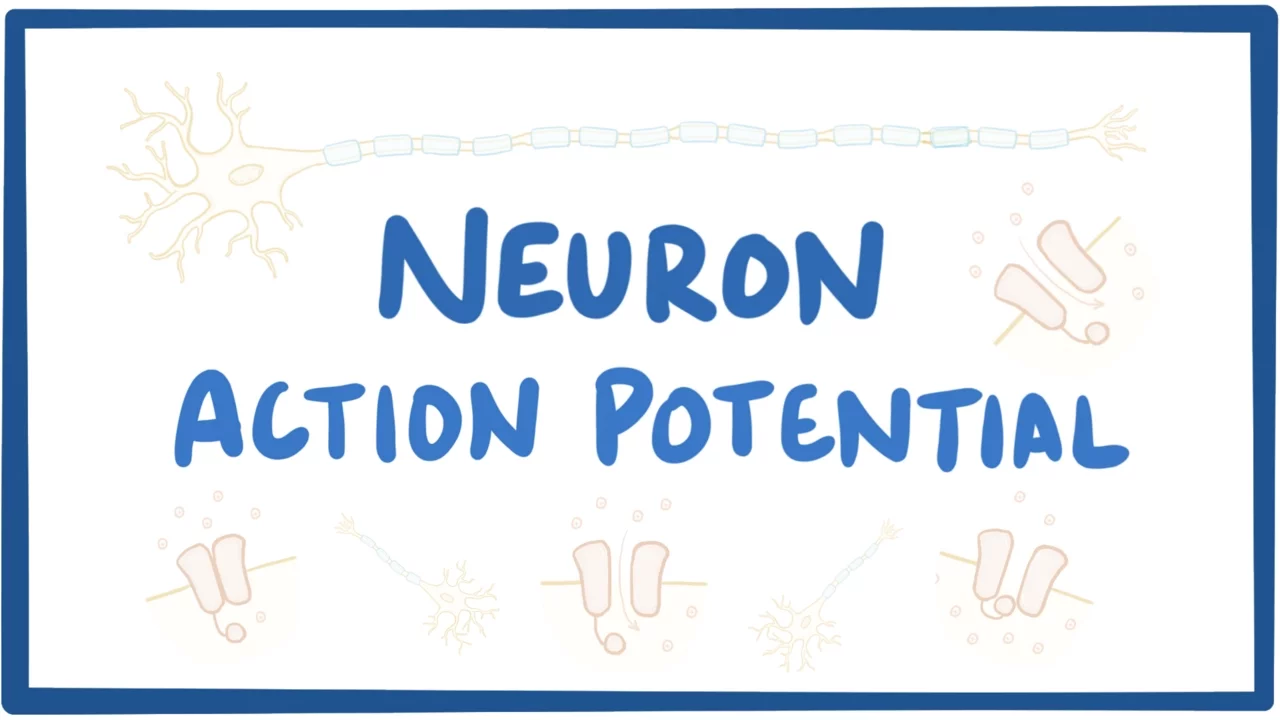
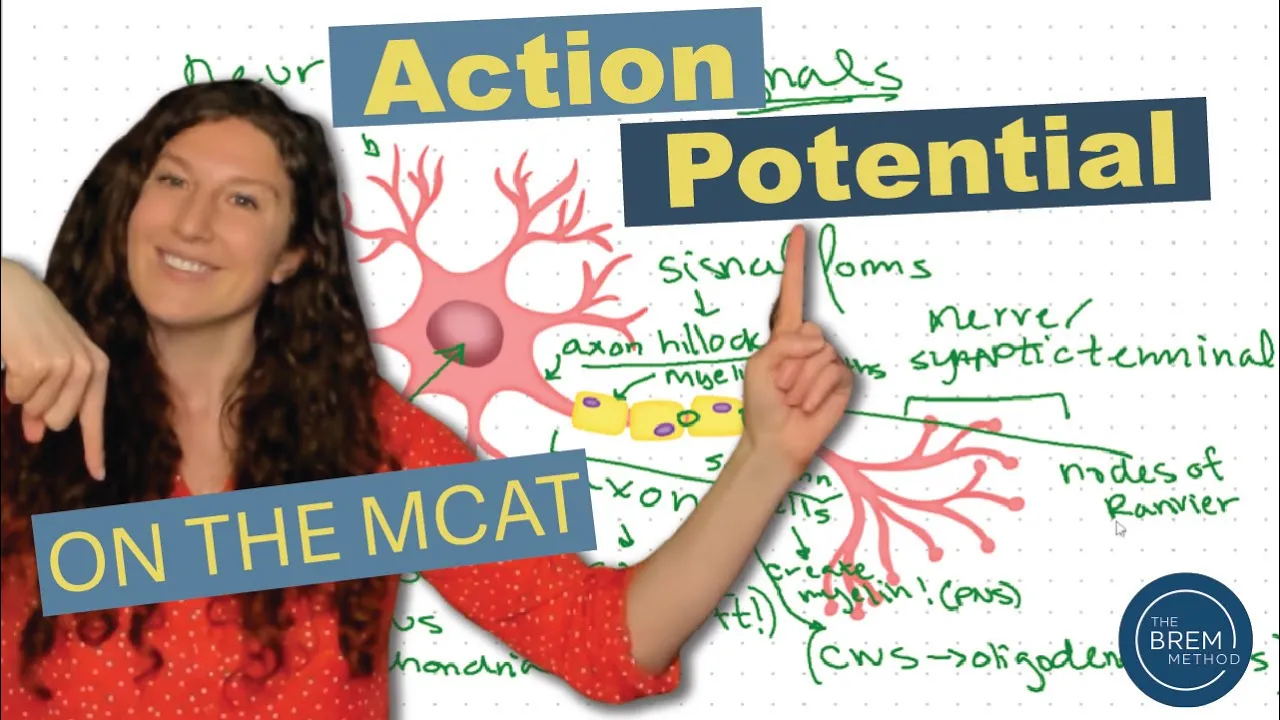
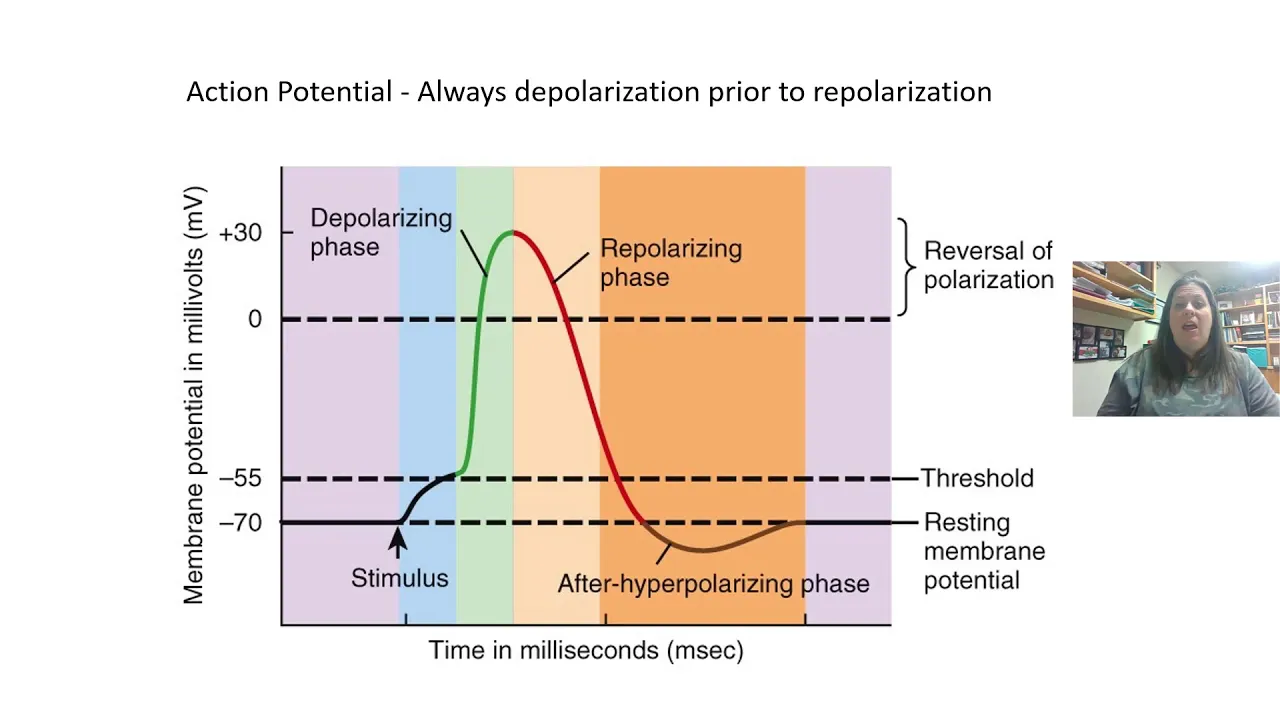
Added:Basic anatomy of a neuron (axon, dendrites, and soma) and the biophysical principles underlying the action potential.
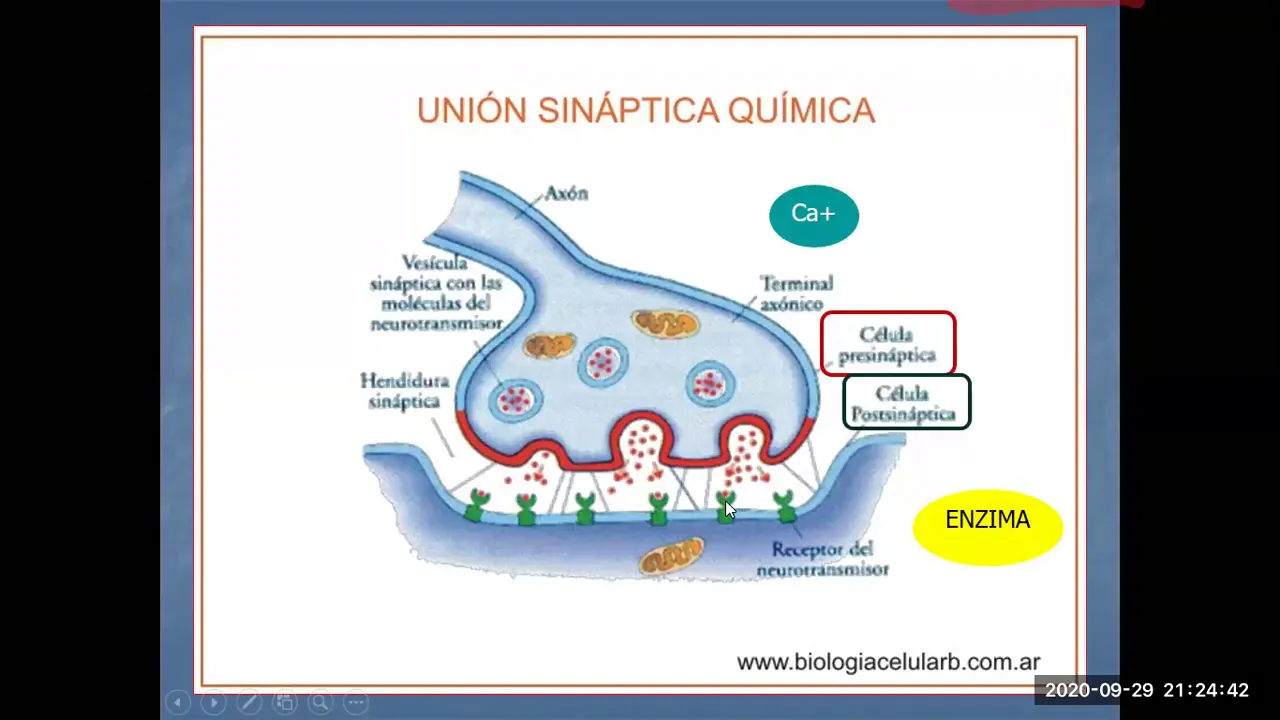
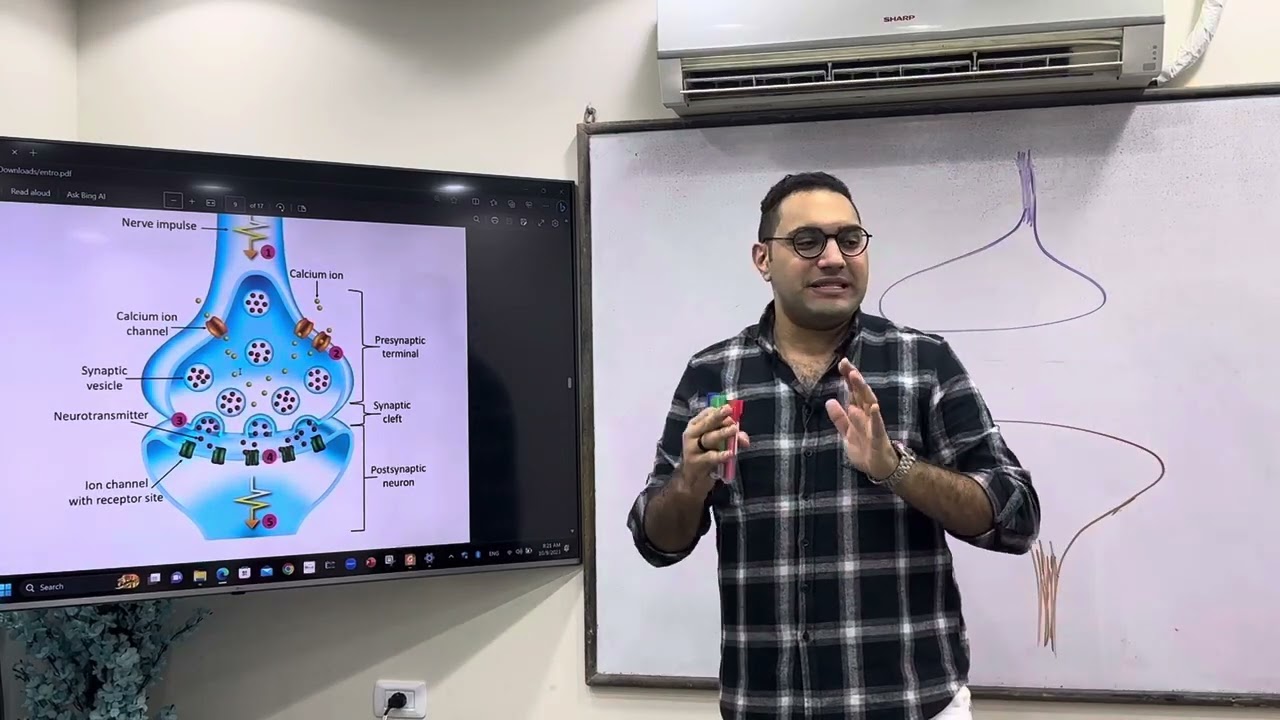
The fundamental mechanism of chemical synaptic transmission, including vesicle docking, neurotransmitter release, and post-synaptic receptor binding.
The distinction between excitatory and inhibitory postsynaptic potentials (EPSPs and IPSPs) and how they summate.
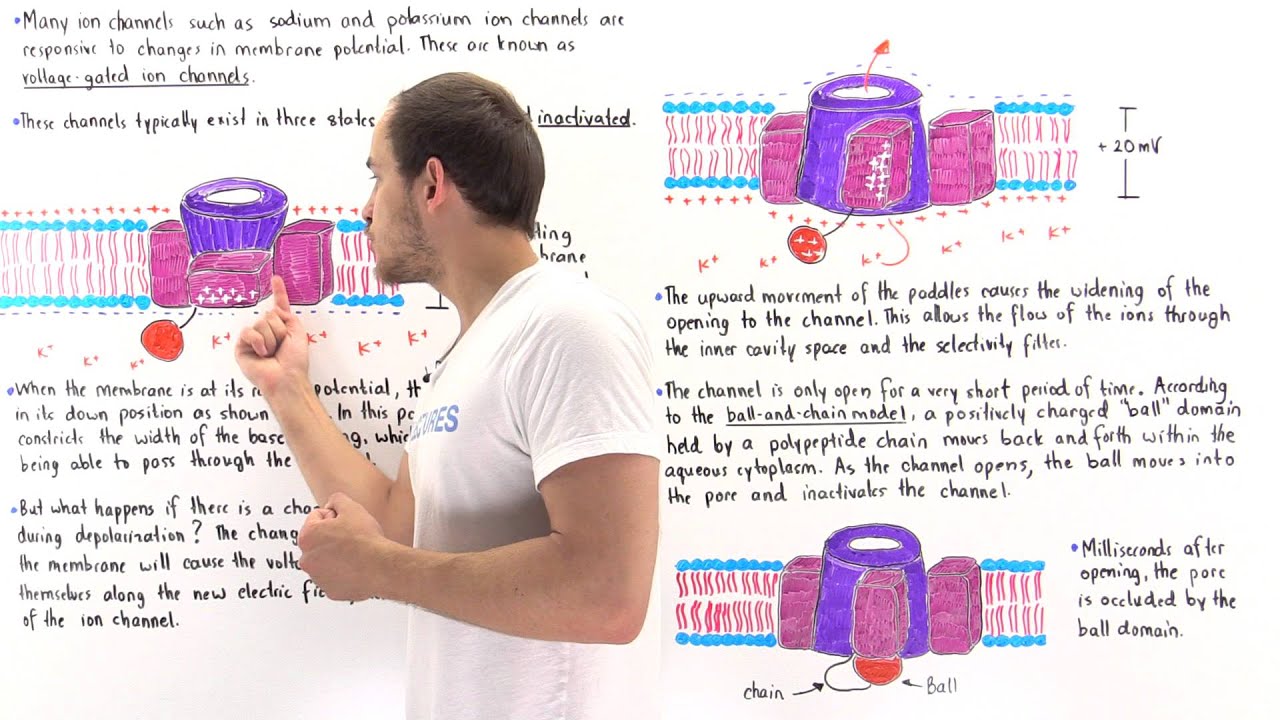
Core cell biology concepts, particularly membrane potential, active transport, and the function of voltage-gated versus ligand-gated ion channels.
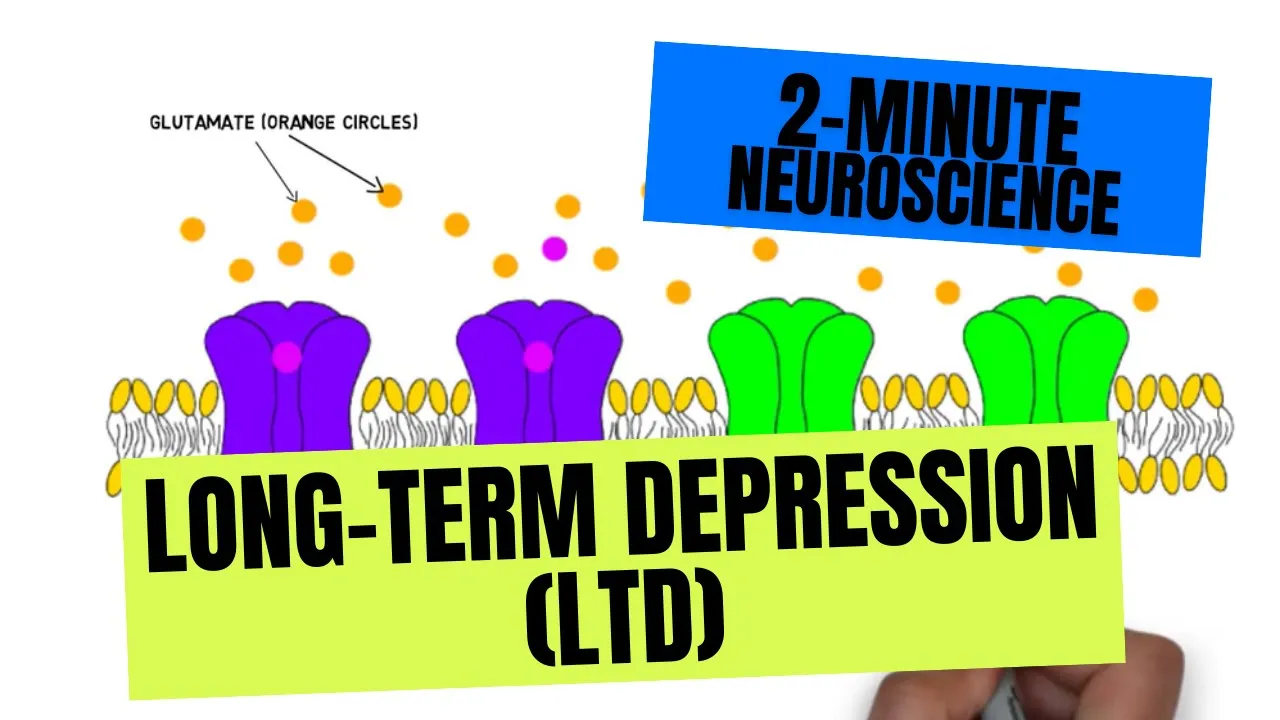
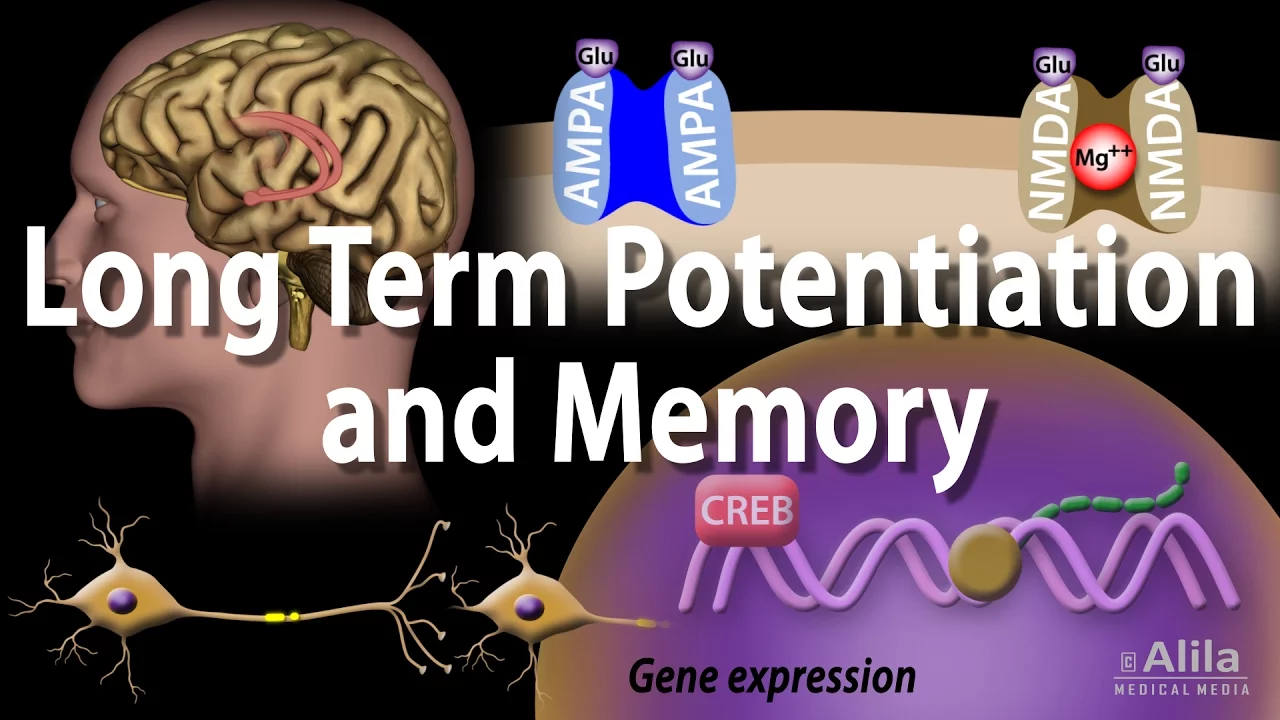
The mechanisms of Long-Term Depression (LTD) and how the balance between LTP and LTD shapes overall synaptic plasticity.
Systems-level neuroscience, studying how specific neural circuits process complex sensory information or coordinate motor outputs (e.g., the visual system or reflex arcs).
Clinical applications and neuropathology, exploring how defects in axon guidance and synaptic regulation lead to developmental or psychiatric disorders such as autism spectrum disorder and schizophrenia.
The relationship between cellular synaptic changes (like LTP) and cognitive processes such as learning, memory consolidation, and habit formation.
20.4K views362likes50:09Original Release: 2014-01-15
the following content is provided under a Creative Commons license your support will help MIT open courseware continue to offer highquality educational resources for free to make a donation or view additional materials from hundreds of MIT courses visit MIT opencourseware at ocw.mit.edu so let's get started oh it's interesting that some of your questions had to do with things that I didn't quite cover in lecture but that's fine I'm going to cover them at the beginning of today's lecture this is a really important question how do you know what channel an is how do you know what I in a particular channel is conducting it's actually hard to determine they're very ious ways to do it where you can specifically um label the iron or follow a particular ion and address whether or not it's getting into a cell or across a membrane when there's a particular ION channel present but it's not completely trivial one of the things I didn't have time to go through with you but which is on one of the Powerpoints though is the fact that ion channels are really selective and they don't conduct ions on the base of size okay so you're not going to get a large ion CH channel that can accommodate a large ion also accommodating a small ion it's not a matter about of just opening up a space there are also charge considerations where the ions actually interact with the molecules in the channel in the actual pour through the membrane and it's that interaction which it selects for a particular ion but this notion of exactly what ions channels are conducting has been many many decades of work and what I've written up here is correct but if you want to explore it more with me come and talk during office hours and then a number of you started asking me about modulation of neurotransmitters which I'll talk about in today's lecture and these are clearly of interest because many recreational drugs and medications mod modulate neurotransmitter amounts and that is how they work so for example some of you might be taking things called SSRI specific serotonin reuptake Inhibitors like Prozac which make you feel less anxious and better about things and these act by prolonging serotonin activity by preventing it from being retaken up into cells and I'll touch on this at the beginning of the lecture and it takes a while is what I've written here for these medications to start working because you're really asking for a rearrangement of the whole synaptic process and the synaptic structure in order that they can work and here's another one what about amphetamines are they neurotransmitters no they they increase the release of dopamine which is a neurotransmitter um and they also seem to inhibit re-uptake of dopamine and serotonin as I'll I'll talk about reuptake very briefly in a moment for many medications both actually for many medications no matter whether or not they affect your brain or other parts of your body the precise mechanism of action is not is really not known there are guesses there's data but the precise mechanism is often not known so let's use that as a segue into our lecture I won't have office hours today due to my schedule I will have them next Wednesday due to the vacation schedule and you're welcome to email me in the meantime all right we've been walking through the cells involved in nervous system formation the connections between the cells and now today we're going to finish talking about the connections between the cells and segue into the incredibly complex topic of circuits in the nervous system so today the first thing I want to talk about is regulating [Music] synapses and you remember that we're talking about chemical synapses and the second thing I want to talk about are circuits is there a problem can you hear me okay at the back thumbs up great good when I introduced circuits when I introduced synapses to you I told you that one of the reasons that there was this chemical synapse in the midst with it slow chemical synapse in the midst of this rapid electrical transmission was because you could regulate synapses and that is really what fine-tunes US it allows us to respond in a graded way to stimuli both from within the body and outside it allows the body to adapt in ways that are not all or none where action potentials are all or none the overall response of the body clearly isn't it's very nuanced and all of this has to do with regulating chemical synapses and that's what we'll talk about for a few moments you can regulate chemical synapses by changing the amount of neurotransmitter and if you think about this for a moment if you think about the synapse there's the neurotransmitter released into the space between the two cells diffuses across the synaptic Clift and then does something to the post synaptic cell potentially to lead to an action potential now if that neurotransmitter stuck around in the space between the cells it would keep stimulating the post synaptic cell over and over and as more neurotransmitter was released so the post synaptic cell would be further stimulated and you'd get to a point where the post synaptic neuron was completely overstimulated and that's clearly not a way to regulate responsiveness to any stimuli so neurotransmitter does not stay in the synaptic Clift for very long so it's changing the amount of neurot transmitter via degradation once neurotransmitter is released in some cases it's degraded by specific enzymes for example in the case of acetyl choline there's a particular enzyme that breaks down acetyl choline and if that enzyme is inhibited you go into respiratory shock you cannot breathe anymore because you you have to activate and inactivate the muscles via the nerves as you breathe you can also regulate the amount of neurotransmitter by something called reuptake sometimes called reabsorption where the neurotransmitter so where the neurotransmitter is released and then it's taken up by the pratic cell which is kind of a a Frugal way of doing things it doesn't have to keep synthesizing the neurotransmitter and that so reabsorb reuptake by the pratic cell and that is the case for serotonin and dopamine and then in some cases you can regulate the in synth is the amount of neurotransmitter that's being made and the big class of neurotransmitters regulated in this way are the endorphins which are a group of peptide neurotransmitters that are the natural opiates of the body the natural pain um Regulators of the body and all of these processes are regulatable both for modulating normal synapses and also in all cases for for medication um for medication targets for drug targets so normal modulation and Drug targets let's look at a couple of slides acety choline is is a neurotransmitter that binds its receptor on the post synaptic membrane and after it's done so actil colonas the E here comes and breaks it down and stops IT restimulating the post synaptic cell many nerve gases sarin was one of the famous ones that was used in the Japanese underground some years ago inhibit atil colonas and in that case you get a buildup of acetel choline in the post in the synaptic cleft you get repeated stimulation of the post synaptic cell and that leads to as I said respiratory um paralysis and death our troops overseas have with them vials of atropine atropine is a competitive inhibitor of acetyl choline binds to the receptor and prevents acety choline from binding and in the case of a nerve gas attack if you inject yourself with atropine you'll stop the acetyl choline from working and you'll be okay you get a little kind of floppy but you can survive because they're alternate mechanisms of um stimulating those nerves okay here's serotonin the reuptake pathway serotonin is released as all neurotransmitters and then it's reabsorbed by the pratic cell and ssris whose mechanism of action is really not understood do something to block the re-uptake of Serotonin all right the other way clearly that one could modulate how often synapses are active or how often the post synaptic cell is stimulated is by modulating The receptors intuitively if you have more receptors the neurotransmitter has more place to bind it can send a greater signal by changing membrane potential if you decrease the number of receptors and so on and it turns out if you modify The receptors if you put phosphate groups on them sometimes you can also change how well they act so the other thing to do to modulate synaptic activity is by changing the receptors and there are really three ways to do this change in number or change in the type the subtype of a receptor where there might be a subtle change in amino acid because you're using now a different Gene to make the receptor you can increase or change the affinity for [Music] neurotransmitter and you can change receptor responsiveness all of these three things have got something to do with learning and memory they have to do with addiction and all of these changes are slow they occur over minutes days weeks even and for some we understand how these changes occur but for many we don't the outcome of changing the receptors and I see we have a board issue here um so I'm going to put this on actually let me put this board down and this board up one of the outcomes of changing all of these parameters about The receptors is that over a long period of time you really change how a synapse works and you can change how a synapse Works through these parameters by repeatedly stimulating that synapse okay this is what practice does when you practice your musical instrument or you practice your biochemistry problems and you do it over and over you're changing the synapses that allow you to engage these problems and these processes have got names so let me just complete this so by changing receptors so that repeated synaptic stimulation changes the responsiveness of the synapse generally as I say Through The receptors in this case okay and they there there two outputs one you can increase the synaptic response you can make it more likely that there'll be an action potential and that would take place at excitatory synapsis and this process is known as long long term potentiation it's the stuff you want when you're trying to learn something it's believed to be the way memory works you can also decrease the response of a particular synapse and that would work if it was an inhibitory synapse and in that case the process is called long-term let's just write it out long-term depression both of these processes have been shown to work in the lab in culture hard to do those experiments in real animals but it's believed that that's how memory works so on your first handout I've drawn out for you the idea here's a normal axon the pr synaptic and the post synaptic cell neurotrans Transit is released it engages receptors and at some frequency there's an action potential elicited if you change if you repeatedly stimulate that axon over time days minutes you change the receptor Spectrum on the post synaptic cell and in long-term potentiation responsiveness increases whereas in long-term depression you decrease receptor number or some other parameter and you lead to decreased responsiveness okay let us move on to our second topic which is that of circuits which refers to multiple connectivities multiple synapses forming in a way that is stable and that can lead to particular outcomes of particular stimuli let's look at your next handout to try to get a sense of where we are so I've diagrammed this out for you and I've started here with some kind of sensory neuron an interneuron and a motor neuron three connected neurons you could put a lot of these other things called called interneurons in the way Sensory neurons receive signals motor neurons tell things to happen like muscles to work and Inter neurons of which there can be many are the connectors between sensory and motor neurons there's an input and there's an output and what happens in between this is a synthesis of what we've talked about over the last couple of lectures the sensory neuron makes multiple synapses onto the interneuron they can be excitatory or inhibitory they're summated the interneuron then decides whether to make an action potential or not action potential yes or no in each case if it makes an action potential it sends its signal to the next neuron the motor neuron that motor neuron is getting a bunch of inputs excitatory or inhibitory and it again has to decide whether or not there's an action potential okay so that's the context that puts circuits where we have been discussing the process of setting up the connections in the nervous system the thing about circuits and here's a term you should know is that they have to do with axon path finding and so let's for a moment forget this diag which is a diagram of what there is in the adult and let's think about how these circuits are set up the circuits that we have in our brains and in our bodies are of the close to uncountable I'm not sure we ever will count them in an animal as complex as ourselves it's been done in cbtis which has got a thousand cells the little worm we talked about it's got a thousand cells and all of the connect in cbdas have been mapped and they are extremely complex but that's just a handful of neurons when you're talking about 10 to the 10th 10 to the 11th neurons those connections are enormous but we can ask some basic questions okay and let's just state it neurons are connected to form circuits we can say that they're functional circuits if you like that is implicit and the big question is how do these circuits know where to form or if you like the restatement how do the neurons know where to go know where to go and where to connect and there are two kind of intuitive answers both of which turn out to be correct either the neurons just go every which way and if it works that's retained and the rest of the connections just are dissolved and go way and that's true but the bigger truth is that the neurons are told where to go so you can phrase these that the neurons undergo some kind of random process where neurons survive if connections M are made or there's some kind of guided process where the neurons are told where to go and both of these turn out after many many years of work to be correct let's look at some slides here this is work from Professor fee over in brain and cognitive science he studies these little books birds and their s circuit which forms and reforms during the life of the bird the circuit is complicated these are not single neurons there are bundles of neurons but it's kind of mappable and this is one of the circuits it's got something to do with song within the bird brain it's not the entire circuit that's one of the things that's going on here on campus but when you start thinking about things like language I really like the slide because these are activity plots of the brain that can be done in a number of ways by monitoring oxygen uptake or glucose use but you can look and see different parts of the brain active and when you think about language here are these four parts of the brain actually here's a huge part of the brain used to generate words each of these parts of the brain are millions and millions of neurons which are connected to one another within these regions and then each of these regions is connected to one another and each of those regions is connected to the output which would be all of your vocal apparatus and all of this is connected to your auditory apparatus to your visual system so that you can read words they can be processed and so on the connections that give language probably take a very large part of your brain I would throw out 15 to 20% of your brain is involved in some aspect of language receiving generating or output and the circuits there as I said are enormous okay so do neurons know where to go let me go with you this isn't on your handout this is to look on the screen do neurons know where to connect there was a very famous experiment done by sper some many years ago Roger Sperry who got a Nobel Prize for his work that involved a frog and it involved figuring out where the neurons in the retina went so it turns out if you look at your eyes okay there are neurons that go from your eye back into your brain the neurons on the side of your nose are called the nasal neurons and the neurons on the side of your the outside of your face are called temporal neurons and what sper did was to take an adult frog and rotate the eye 180° so that the nasal neurons would now be on the outside of the head the temporal neurons would be on the inside of the head okay and you know for a while after the operation the Frog was really confused but after a while it actually recovered so let's lay out this and the recovery as I'm going to tell you told Sperry and the world that neurons were told where to go so here is the retina depicted as a circle and here's a part of the brain called the optic tectum that the neurons connect to it's the first part of their circuit here are the temporal neurons connecting to the C region of the brain and the nasal neurons connecting to the r region so after to this rotation there were two possibilities one was that the axons growing out so so let's let's just be clear in this rotation these axons were severed they were cut they had to regrow and find their targets if they could so one possibility would be that the axons would grow out of this retina and they'd grow everywhere and they would make really wrong connections and things would be a mess in actual fact what really happened was that the nasal neurons even though they were on the wrong side of the face found their way to the r region and the texal neurons found their way to the Sea region just like they had connected to before and this was a really profound experiment that told investigators that axons knew where to go and we know the molecular basis of this now but I'm not going to tell you about it in order to understand more about this guidance process you need to understand a part of the axon that we haven't discussed and a time in the neurons life that we haven't discussed either and that is a time when neurons are growing most neuronal growth takes place during embryonic development but it continues throughout life and so this is a developmental process but also in that experiment that was an adult frog okay so guidance of neurons and as we'll discuss particularly axons occurs during development and repair and learning as well we can put that up as well during development repair and learning although I'd say for learning there's a bit of a question mark whether that's true but I think it's probably true okay and the cell that we need to consider is a committed neuron which is called a neuroblast doesn't matter but here's your committed [Music] neuron have to think back to past lectures a neuron that knows that it's going to be a neuron but hasn't decided to hasn't become one yet hasn't differentiated it's called a neuroblast and here it is it's just a cell body with the nucleus and over time this neuroblast sends out processes that are called neurites they initially look the same soon some of them become dendrites and one of them becomes an axon so neurite axon plus dendrite outgrowth so you have a cell now with some processes and one of these is going to be the axon and that axon grows and it's during that growth process that it figures out where to go the cell body doesn't move the dendrites don't move it's the axon that is doing the path finding so the axon extends and eventually Finds Its Target and this extension is a growth process that we'll talk about okay for every a nerve when we talk about nerves there are actually many many ax many neurons many axons they're bundles of axons and there's something about the first axon to find a Target that's very important the Pioneer axon the first one finds the Target and then others follow the same path it kind of lays down a path and they form bundles also called facies and these fices together make the nerve the part of the axon that's really important for this process is the very tip of the axon and it has a special name called the growth cone so the ax on tip or the growth cone is crucial and we can draw it on the board if we now draw an axon and we've blown it up now so usually you know we blow up and we lose bits but now we're not going to lose any bit of it here's the axon and down the length of the axon are parallel microtubules many of them and these microtubules both stabilize the axon and also transport substances to and from the cell body so they stabilize the shape of very long axons and they also transport like little railway tracks substances to and from the cell body that's not the tip of the axon at the very tip the microtubules end and they interdigitate with these finger-like protrusions which are very Dynamic that means they change all the time and these protrusions protrude because of polymerized actin and you might be saying we heard about that already Yes you heard about that in morphogenesis we've talked about this cell biology is cell biology whether it's about neurons or cells in your stomach or cells in your that give rise to the hairs on your head all of these cells are just cells so there are these protrusions at the end so this whole thing is the axon but the very end is the growth cone this very end is the growth cone and these protrusions go by the name of filopodia fenus and lamellopodia more flattened feet and they protrude because of the polymerization of actin within them so there's F actin leads to protrusions well that's one important thing and I'll show you a movie in a moment to show you that as an axon grows it's sending out zillions of these things all the time that are kind of feeling their way around the place actually I'll no I won't show you now because there's an intervening slide but the other thing you should know is that like all cells there are receptors on the surface of the growth cone that are also sampling what lians are in the environment and if the lians are favorable they will either stabilize these protrusions and make more of them take place so here are receptors all over the place this is a receptor and if receptors contact lians then again you will get fa actin formed and protrusions will be formed and they will be stabilized okay the growth cone is Paramount to axon outgrowth there are signals which both attract axons towards them and signals which repel axons we can call those not surprisingly attractive [Music] signals we'll talk about someon moment and in that case the growth cone extends and it extends not to be the dead horse here but because F actin increases or is stabilized and the flip is that the growth cone can be destabilized and literally collapse under repulsive signals the growth cone collapses and it collapses because fa actin now becomes G globular or unpolymerized Acton using exactly the same processes that we talked about during the morphogenesis lecture let's look at a couple of slides you don't have these so just look on the screen this is a cell drawn in professor loish's book here's the Leading Edge of the cell the direction of the cell is where there is lots of polymerized actin this I've just drawn on the board and here is an axonal growth cone and I really like this movie it's a timelaps taken over 10 minutes and you can see all these things at the end and on the sides these protrusions from the cell very active they're forming they're disaggregating forming again disaggregating as the cell those are the lamellopodia and the filopodia as the cell is kind of feeling its way through the environment trying to find somewhere to go okay so this is a real exploratory process by this cell good what are these guidance signals well this is not a mystery either lians we know about receptors you know about the guidance signals are lians and these lians when they're found to a receptor lead to signal transduction and acts on outgrowth so lians and we'll put in parentheses plus receptors to signal transduction and a change in the growth code there are two kinds of guidance signals that are reasonably separate from one another they're called short range and long range guidance signals short range signals require contact between the axon and the extracellular Matrix or the axon and another cell so there's some localized accumulation of a signal signal and that has to be um directly contacted between by the growth cones so [Music] require axon ECM or cell contact these signals are not diffusible therefore and they include things like aminon which is a part of the extracellular Matrix but also an axon guidance signal and then there are long range signals which would be the flip of the short range these are diffusible and they can be concentration dependent in their effect and we talked about things like this previously when we talked about morphogens other lians that can act at different concentrations in different ways okay and an example that I'll Explore More with you is the netron protein all right let me see what I have here okay this is nice this is on your this is your next handout and this is an assay for short range guidance signals it's called a stripe assay and this was how it was found what those nasal and re those nasal and temporal retinal neurons grew on the idea is you take a plastic dish and you put stripes of different molecules on the dish and then you put neurons all the way along one side of the dish and you look at them you ask where they grow and they'll choose where to grow and if they like one of the molecules if they can interact with one of the molecules on the dish they will grow in particular stripes and not in other stripes and that gives you your experiment and control in one dish this is what it looks like so here are the neurons from the nasal side of the retina and those nasal neurons which project to the r side of the tectum grow on R membranes but not on C membranes which is where they don't go you may not have this but you can go back and look at this later on all right but let's move on now to an example that I want to spend a bit of time on and the example of a long range signal is netron in the spinal cord and what we're going to talk about are two types of neurons one of which are growing down the spine spinal cord from the back more towards the belly and another type of neuron that's growing more from the belly side of the spinal cord back towards the back okay and those neurons always know where to go and it turns out they are told where to go by the same signal so there are two types of neurons there are um these things called cheral neurons and they grow ventrally or down towards something called the floor plate I'll show you in the diagram and then there these other ones called trar [Music] neurons that grow dorsally or up and they grow away from this thing called the floor plate and it turns out using an xplant assay that I'll go through with you in your slides but you should understand it was found that a single molecule called netron which is a secreted liand a secreted Protein that's expressed in the floor plate which we'll talk about in a moment is attractive for the cheral neurons and repulsive for the trar neurons and it also turns out as we'll go through in a moment that this has to do with different receptors and different receptor diers which bind the same liand and so here there is something called for the cissal neurons there's something called a DCC DCC recepto and for the tro neurons there is a DC C Unk five receptor pair and this will not mean much to you but now you can write it down and then you can go through your slides and you'll have a reference point on right with you okay so here is the diagram the cell bodies of the cheral neurons are up in near this region of the spinal cord called the roof plate it's the top of the spinal cord and on the bottom of the spinal cord near your belly there's a kind of a cone-shaped group of cells that forms this thing called the floor plate the floor plate doesn't actually make neurons it turns out to be a really important source of signals it's an organizer if you like and it not only organizes these axons in the spinal cord it actually also organizes your midline and it's one of the reasons if you're missing the midline of the body things go wrong it's because the floor plates not there so the floor Plate's an organizer there the cheral neurons growing towards it and here are the tro neurons growing away from the floor plate this is what it looks like if you do an imuno stain the cell bodies are in red and here are the cheral neurons coming down in the spinal cord and this is a section through the spinal cord okay you've cut through cut through at the waist and then turned the section on its side so you're looking into the spinal cord which would be coming out in its length from the board from the screen all right here's an explant assay to figure out whether or not that floor plate has got something to do with the direction that those cissal neurons grow it's on your handout the idea was to take a piece of dorsal spinal cord that hadn't started to send neurons out yet and to culture it together in the laboratory in a plastic dish with some with some fluid and nutrients and so on and ask what happened and if you did that that dorsal spinal cord sent out neurons towards the floor plate on the other hand you could see that that experiment was specific because if you put the dorsal spinal cord together with some roof plate nothing happened there was no outgrowth so there was something special about this floor plate that elicited that cheral axon outgrowth and the idea idea is that the floor plate was attracting the cheral axons this is what it really looks like here's a chunk of dorsal spinal cord and floor plate and here are the growing axons and here's the control experiment all right so what is the protein involved well the idea was that it was something in the floor plate and it was really hard to find this because there's not much of it Professor Tessier LaVine who is now president of Rockefeller University but at the time time was running a research laboratory and he and many undergraduates and graduate students and postdocs and so on went ahead and dissected many many little floor plates and they also found that the brain of the chicken contained the same kind of activity so they dissected out many thousands I believe it was 35,000 chick brains and spinal cords and they did biochemistry on this material and they used the xplant essay that I just showed you you where instead of the floor plate you'd have a little pallet of material in which you'd soaked the material that you purified by biochemistry from your shushed up dissected brains and from this it was really successful from this they got a single protein here's the RNA for the Protein that's right expressed in the floor plate that's what the white is that's the RNA this is an incu hybridization and they called it netrin netrin protein diffuses away from the the floor plate but it's still mostly on this ventral side of the spinal cord and you could show that netron was important because if you made a mouse that lacked netron here's the mouse that lacks netron the cheral neurons go all over the place they really don't know where to go all right The netron receptors as I drew on the board you can look on your last handout are twofold one of them are called DCC they're tyrosine kinases they also activate gtpases and do some other signal transduction and when netron binds to a dimer of DCC you get fum that's made micr tubules grow and the growth cone extends on the other hand when you get this heterodimer DCC and an5 or a different homodimer you you get cytoskeletal remodeling gacon made and the growth cone collapses okay close enough we'll stop there for
Up Next

5:05
Axon Guidance: Slit, Netrin, Robo and DCC Explained
@bystudents1
519 views•2020-12-09
21:55
Deciphering Neural Circuits Controlling Anorexia in Mice | Richard Palmiter
@AllenInstitute
2.3K views•2011-10-10
66:30
Dendrites: Cable Theory and Signal Propagation | MIT 9.40
@mitocw
11.4K views•2020-06-29
13:03
How Exercise Benefits Your Brain: Science Explained
@TED
11.4M views•2018-03-21
Related Study Plans & Knowledge Roadmaps
Structured learning paths in Neuroscience
neuroscience
Appetite Regulation: Brain Circuits & Hormones
01Foundations of Endocrinology and Brain Anatomy
02Introduction to Energy Homeostasis
03Peripheral Signals: Leptin, Ghrelin, and Insulin
+ 2 more learning modules
14h5 modules
Explore Roadmap
neuroscience
Neuroeconomics: Value, Risk & Brain Mechanisms
01Foundations of Neuroscience and Brain Anatomy
02Introduction to Neuroeconomics and Subjective Value
03Dopaminergic Prediction Errors & Reinforcement Learning
+ 3 more learning modules
18h6 modules
Explore Roadmap
neuroscience
Spatial Navigation: Cells, Grids & Brain Maps
01Foundations of Brain Anatomy and Memory
02Place Cells and Head-Direction Cells
03Grid Cells: The Brain's Coordinate System
+ 2 more learning modules
12h5 modules
Explore Roadmap
neuroscience
BCIs: Neural Decoding & Prosthetic Control
01Neuroscience Foundations: How the Brain Signals Intent
02Signal Acquisition: Recording the Brain's Activity
03Neural Decoding: Translating Brain Waves into Data
+ 2 more learning modules
25h5 modules
Explore Roadmap