






![[PTSD Veterans] Need to Watch This Ultimate Guide for VA Benefits](https://i.ytimg.com/vi_webp/uU1SxSCm4sU/maxresdefault.webp)












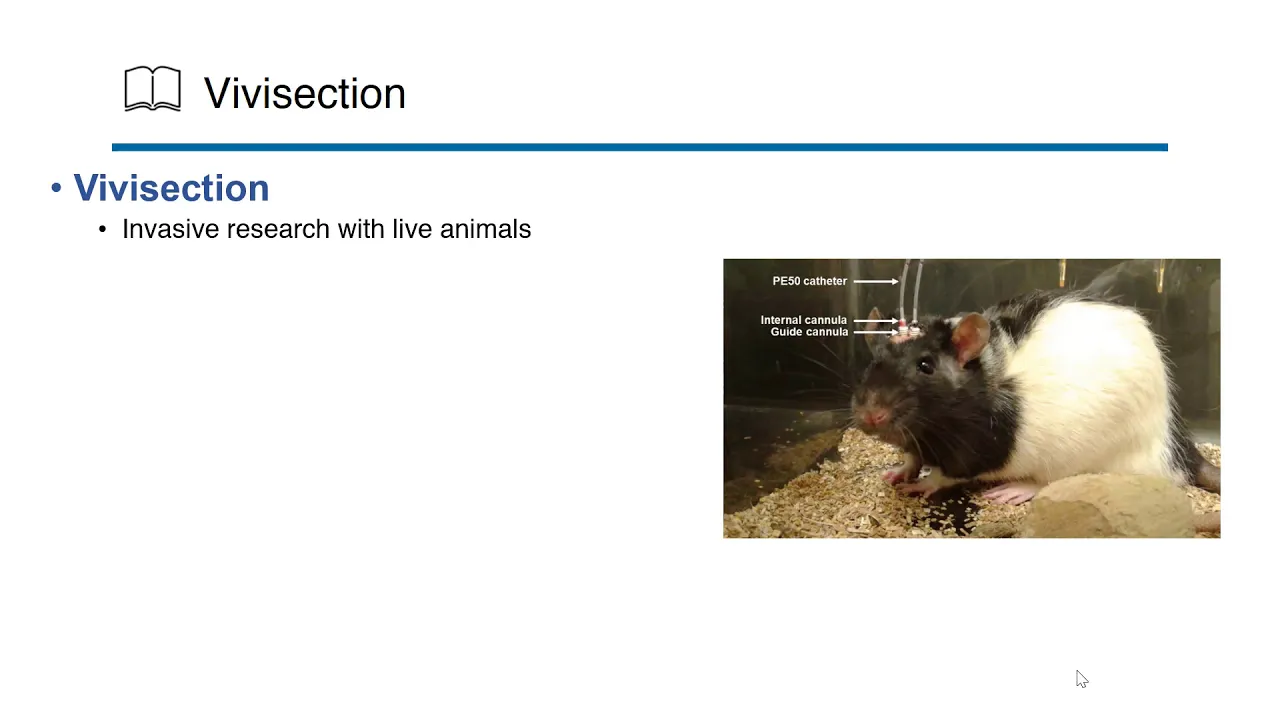



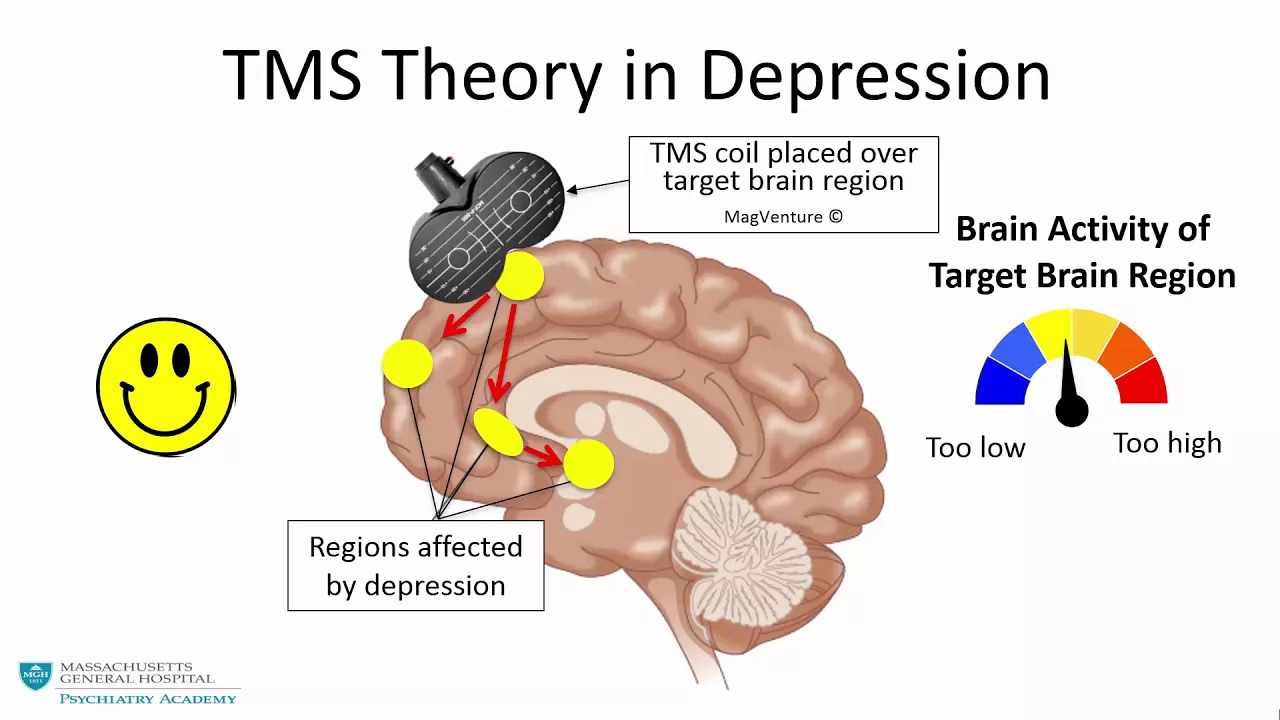
PTSD involves dysfunction in multiple brain circuits including the amygdala (fear learning), prefrontal cortex (emotional regulation), insula and anterior cingulate (salience detection), and hippocampus (contextual processing), where impaired contextual processing leads to inappropriate fear responses in safe environments and failure to recognize danger in threatening contexts.
PTSD Neurocircuitry: Israel Liberzon on Brain Mechanisms
Added:Basic functional neuroanatomy of the limbic system, particularly the roles of the amygdala, hippocampus, and prefrontal cortex.
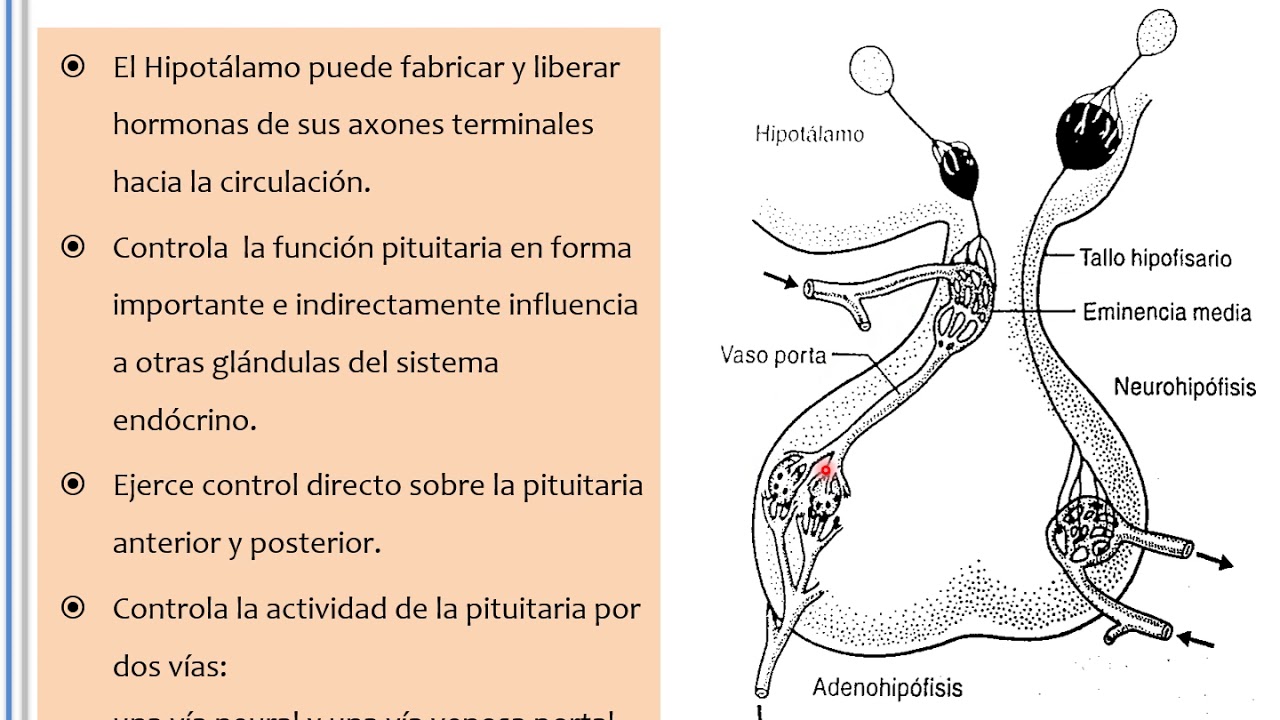
The physiology of the mammalian stress response, including the Hypothalamic-Pituitary-Adrenal (HPA) axis and sympathetic nervous system activation.
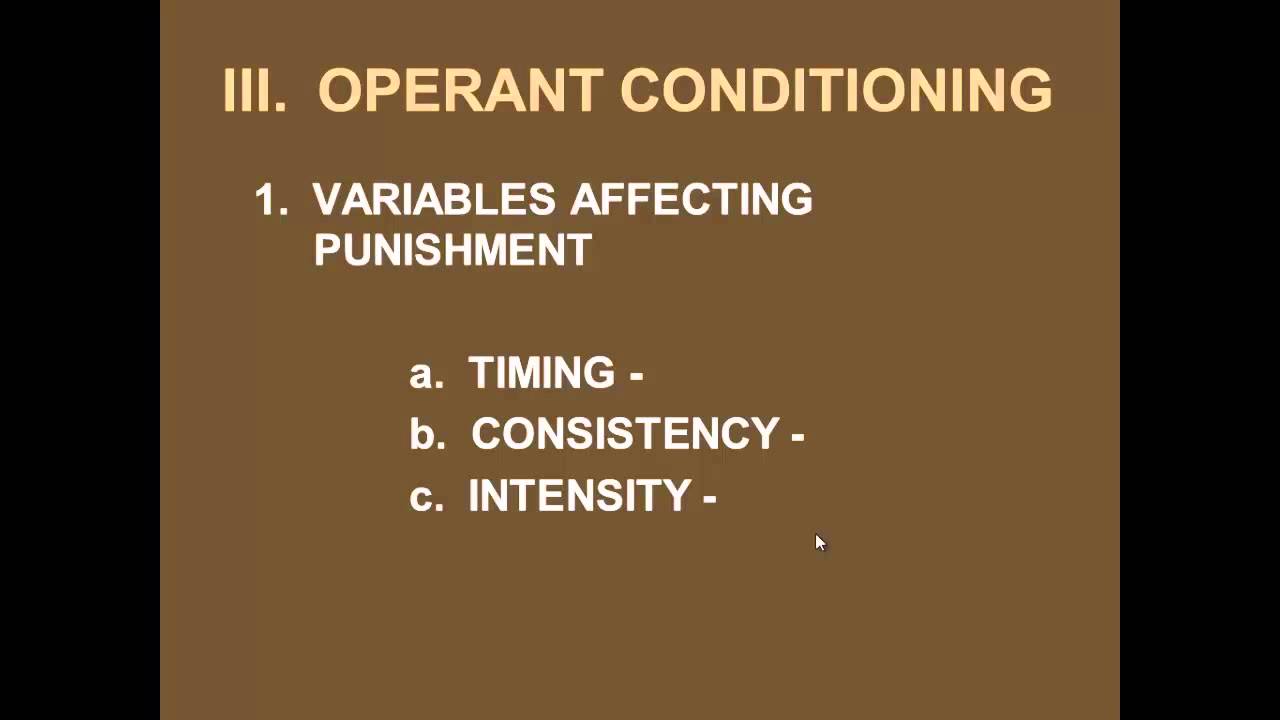
Foundational concepts of behavioral psychology, specifically classical fear conditioning, safety learning, and fear extinction.
An overview of the clinical definition and diagnostic criteria of Post-Traumatic Stress Disorder (PTSD) as outlined in the DSM-5.
How evidence-based psychotherapies (like Prolonged Exposure and Cognitive Processing Therapy) structurally change and normalize these brain circuits.
The mechanisms of neuropharmacological treatments (such as SSRIs, MDMA, or Ketamine) in modulating amygdala-frontal connectivity and promoting synaptic plasticity.
Advanced neuroimaging methodologies (fMRI, PET, DTI) used to map biomarker patterns and identify neurobiological subtypes of PTSD.
Emerging neuromodulation technologies, such as Transcranial Magnetic Stimulation (TMS) and neurofeedback, designed to target and regulate dysfunctional PTSD circuits.
858 views21likes58:22Original Release: 2018-03-02
have Israeli breeze on with us here today you know you're not supposed to invite your friends and colleagues from your old place especially but when I asked around the world so okay I really need a good neuroscientist who studies PTSD and they said have you ever heard of Israel Libre zone say yeah I knew his really breelan he's a resident and our anxiety disorders clinic at the University of Michigan and he not only went through our anxiety disorders clinic he started one of the world's leading research institutes on on PTSD trauma and anxiety he is truly one of the world leaders in that area he's a referee or something professor at the University of Michigan may I make any other announcements about future plans which would that wait since this is live stream okay in any case he's in wide demand for his administrative skills as well as his research his papers are widely widely cited huge numbers of grants but most he has a leadership role in getting people to think carefully and do good science together about neuroscience and PTSD and we're so glad you're here today Israel to talk to us thanks a lot it's very kind I'm was excited to come back to see Randy and to talk in this venue I guess I'm a little will be little odd dot here although I know I read something about evolution from time to time this is not my main area I'm much more proximal mechanism kind of guy and as Dan would call it I was the I'm the one the one skeptic in the room right that's what you could only I have to be the one it's pretty natural comes to me and kind of contrarian and and skeptical and and show me the data kind of guy so no actually I especially put this slide because the next slide also will not work from the from the presentation so it will be in this format the rest will be in a presentation format there were some issues with translation so um I'll be talking today about work that is done by my group and we have both no imaging laboratory that looks on the brain circuits in human and we do treatment studies and pre and post and so on but also we have animal neurobiology lab and we have genetic repository and we have quite few graduate who are right now there are productive investigators in their own right from different institutions across the country as well as important collaborators and here I'm also listing all the various funding that we have been supported we were fortunate to to get support continuously through from NIH Department of Defense and veteran affairs throughout the last 25 years pretty much continuously here we can move to that oops alright so there's a lot of things to say about the mechanism and there is a lot of things we're potentially will be addressing some of the question that Randi initially listed I didn't list them but if there is some I think I'll try to allude as we go through the mechanism because some of the mechanisms are really addressing some of the question that here a is not oh one more disclosure so I've been treating PTSD patients for the last 25 28 years in the VA system and you're particularly interested about my accent I'm a Israeli combat veteran myself so those things are not completely foreign to me however they don't give me any particular window into the brain of my patients they allow me to understand and relate to them maybe empathize with some of the experiences maybe remember some of my own but neither of those two is necessary to talk about things that I'll be talking about and one of the things that major assumptions the things that I'm interested in at this point it's outlined there as you can see there is a many different reasons for PTSD from natural disaster through the car accidents that Dan was mentioning before to the war trauma and terrorist attacks now some would argue that in PTSD there is a big difference between these maybe there are some although that's still has to be proven but they're also definite commonalities and the previous talks that we have seen they were heard demonstrate that that even cross culturally throughout virus societies in Africa as well as across Europe United States Australia Canada multiplied Japan when the studies are done all over the epidemiology is pretty steady holding there are some variations but there is a link there is a syndromes there is a there is a set of symptoms obviously they are not uniform across all the cultures or across genders people were talking about genders there are not unified across the genders in the United States either if you look on the profiles of male and female PTSD you will often some find some differences anger is not equal to across different genders and as well as different other symptoms so I my point is that I am interested in the common mechanisms I'm interested in the brain and I'm interesting how the experience gets under the skin what is the process because that's what brings me to PTSD what is the process that takes a human experience and magner creates or leads to neurobiological change that in response to this change further changes human behavior our briefly review with you the last 35 years of our understanding of PTSD this is a diagnosis ninety eighty DSM three to your question following some of the work of actually some of the friends and colleagues still still working in the field Marty Horowitz doesn't but Roger Pitman does and so on the papers from seventy eight seventy seven ninety eighty the DSM three comes in with the diagnosis of post-traumatic stress disorder but in a way at that point it's a black box there is no real understanding or knowledge what's going on tons of hypotheses there was a guy there behind this black box he had other hypotheses as as Belinda mentioned in in nineteen seventeen Freud wrote the first paper on a shell-shocked for he and he used it as a shell of the psyche not shell as a shelling but that was used in the same way any so there were black box we didn't know anything about that but we started learning as the PTSD showed up people started trying to understand is it a disorder that have common neurobiological processes and initially we didn't know there's no way to look in the brain sorry when randy remembers me being a resident there was no way to seriously look in the brain fMRI was came in in 1992 the PET scanners were available almost impossible at the time to do any serious work so we started with respect so there was no way really to understand is there anything going on in the head of the people so the models were we took peripheral blood or urine and I call it a soup model high cortisol low cortisol high naira nephron low norepinephrine high sir sertraline low sertraline it was at that time a soup model not only for PTSD it was a soup model for depression still is for some people but we started to identify a particular at least peripheral markers that we thought that go penetrate the blonde bread blood-brain barrier it can affect brain without understanding where as the tools and and by the way at that time there was a still serious argument whether we can even study that in animals PTSD people were claiming it's so specific we cannot study that an animal well surprise surprise you are talking about primate I will argue that well not argue I'll show you some data that some of the methylation data suggests that the snips go far before the primates rats and so on and then this thing then there was another period and I'll address to that we started and therefore brain regions based on the blog blobs of color and say up amygdala it's a seat of the soul everything is amygdala Paul Whelan has a picture which says brain amygdala and then around not amygdala not amygdala not amygdala not amygdalin Automator and I think as we go by and now at this is 17 and so on in the last 10 years we started thinking in the terms of circuits and that's where I want to bring you in reality to try to understand the brain I think the circuits neural circuits are the linchpin it's something that takes the praça wealth whether you call it proximal the obviously proximal mechanism but evolution has to get through to somehow some of the mechanisms genetics epigenetics genomics environmental experiences have to affect brain circuits because we don't live without brain circuit this would leads to our behavior and that should lead to changes in the way we function and finally as a symptoms so in order to start making any sense of that from my perspective and this is obviously my personal bias if we don't know them not burnt circuits that we'll be talking about the rest will be wilt we don't know where to start because the brain circles provide perverse provide us specificity that would it will distinguish PTSD from other psychiatric disorders or health whether they are functional or dysfunctional because until we show here that's the specificity of any behavior think about the work that we have done first of all identify brain circuits using both human and animal work and then also the work that we're doing in the level of genetics and genomics and try to address all of these particular things so there's 25 more minutes to talk of to my talking is about total of 35 slides only 15 of them more unnecessary and the rest it depends on what people are interested in and I will we can either discuss it or not discuss it to do that so the brain circuits the linchpin what is their brain circuitry that of normal and PTSD and how do we think about it and how it developed over the last 15 years that will be the core of my talk and the molecular genetic and all of the stuff we can get later on as we go into the brain circuits so I'll be talking about basically of about four three four different brain mechanisms or circuits and starting with a very simple one and a basic one oh I'm sorry in order to I'll get to that in a second what I was trying to say that but while we're doing this breath circuit work we cannot forget the soup remember the soup that I mentioned to you the things at the floating in periphery it was a tons of work that people were talking what we're doing and actually have demonstrated there is some changes we have changes in the cortisol and stress hormone we have changes norepinephrine where these are indeed found in periphery but they go into the brain so we cannot go into the brain circuit and completely forget about that and say oh this is not important we need to have a models which will incorporate the information that we have or they have been collected so far with information about the brain circuit and it all somehow has to fit about it and I'm not sure how many here biologists can people raise hand who are the biologists about third okay so I will not bother all of you with with biological stuff but in general this break you can say that this all of this stuff breaks down two to three different peripheral systems that actually speak also to the brain some of them has to do with a stress hormones such as hypothermic pituitary adrenal axis another one has to do is what we call flight of right hormones epinephrine norepinephrine cut the column in this system both of those systems basically have to deal with threat challenge and stress and when I say stress versus threat I mean something stress is something that ongoing or chronic in general and this is this type of hormones and there is something other more immediate responses to fear and threat such as catecholamines of different kind and indeed not surprisingly the PTSD patients have been identified as having a problems or differences in those two systems too much of this but surprisingly too little of that too little levels too little level is interesting but at the same time very sensitive systems of this dress so sensitivity on the level of the receptors now feel free to jump in and say well you said that that are gonna go back into the details and and talk more about it but since the biology is only about the third I'm trying to stay on relatively general strokes without getting into too much of the details but this was very interesting the data here was the most surprising because the stress hormones there was really interesting it brought us so the question is saying how come we have low stress hormones because in depression the hormones are high the receptors are lost less sensitive that's normal physiology when hormones are high receptor it is not so sensitive because they're too much there and they have to kind of down regulate but in PTSD it was the opposite and the opposite was really interesting and fascinating and nobody had any explanations to it we'll get back to it when we go through the circuits so what about circuits so actually until ninety we didn't have much but in ninety day was it two major movements in neuroscience one we had a neuroimaging though we can actually take life people do them put them tasks this is example we you SPECT at that time single photon emission tomography this is Scott righteously assertion paper using pet we could actually put people in the scanner give them a task concede is there any area of the brain different and then at the same time Joe LeDoux Michael Davis and other basic scientists came up and basically argued that there are a whole bunch of behavior so we think that they're so unique to humans can be studied at animals and specifically they say we can study fear and not only that we can study fear learning so we can study how people learn and the key the key or upset people how the map mammals learn and the key area that Dan was mentioning before for learning was identified specifically for free learning is amygdala and lo and behold this is this is the data that were presented in 1997 and the first imposer that we have put on on pity on neuroimaging in PTSD that Scott Rogers dat elite and Lisa Xin and our data demonstrating that there is abnormal amygdala activation in PTSD patients that resonated very well with the idea of what we found in Michael Davis in Joe LeDoux activated activated exposure to trauma signal this is not as you see this is our the first study that did normal control and combat controls so we didn't just expose them to normal people we expose them to PTSD patient oh I'm sorry we suppose Vietnam veterans with PTSD - Vietnam veterans who were exposed to the combat who didn't have a PTSD and it controls so we did all the all the controls as as appropriately this was a little bit different study they had only healthy controls only seven people but this is a history the history to understand that that time and there is a plenty of study since then demonstrated that if you take PTSD patients and you show them something trauma related the amygdala is firing more than in somebody who doesn't have PTSD so that was a very interesting oh yeah not but not the same way so if you take people and you show them fearful stimuli any person will get actually get back to it in the next slide I promise you but let me just I'll get back to a question that created a most fascinating opportunity for us 20 years ago because it created us ability to understand and learn and create a model actually a theological model model of the disorder development because if the fear conditioning is abnormal if your learning is abhor --ml these are the papers that suggested that if PTSD has too much of her learning of a fear weather weather because they are noodle is too sensitive or because the experience that they had was a to some tonic if one of these two is correct they created learning that is much more persistent than normally indelible fee responses that's the Rogers stuff beautiful hypothesis but I hate when they this ugly facts destroy my beautiful hypothesis data rules the studies have which studied PTSD so it came to the point of saying okay there's two possibilities either amygdala is hypersensitive and PTSD or the event was so abnormal so unusual that will cause indelible trace if you look retrospectively Belinda was asking about bias retrospectively of course there is a correlation with severe it between the severity of the event and PTSD symptoms so everybody said events were horrible yes they were prospectively finally rx 11 other people started doing Studies an emergency room and pick up pick him up people with life-threatening car accidents and terror attacks and measured the severity of the event in the emergency room before PTSD was developed and there is no correlation speaking of retrospective right now do not turn that into blame of the PTSD patients because how do we know how severe it is the event we think how it affects our life how much memory of it we have PTSD patient have much more memory and that affects those of events affected their life much more but it doesn't mean the actual mechanism at the beginning involve more severe event okay that's possibility that is not the event it's possibility that's amygdala is hypersensitive so let's study that so we studied that I believe that at some point I'll want to do that and we looked we took a PTSD patient and expose them to different type of conditioning fear conditioning and guess what the conditioning is normal no different not only that as we figured out and people start started studying the amygdala story we started finding out that amygdala is actually a final output of the fear system phobia patients have higher mcdonough regular more fear you create more coming the reactivate so this amygdala the finding that we were the for one of the published that in the first place a problem likely nonspecific and the conditioning study have demonstrated no specificity to to pretty steam more importantly in addition to the fact that this idea of hyper conditioned ability in hyper memory did not pan out even if it was it could not explain some very critical component in PTSD what about emotional numbing try to take animal in hyper condition it you can do that and they'll try to find emotional nominee this animal nothing try to find hyper exposure to trauma in this animal no they will avoid everything of associate with trauma what about spontaneous intrusion what about nightmares there's nothing that cues to fear in the middle of the night one person is asleep how does one explains that so there's a whole bunch of PTSD symptoms that are explainable by fear conditioning models now people came up with a better one and it may be not conditioning before I go it may be the extinction is a problem so we study the extinction and guess what extinction is not abnormal what is abnormal is extinction retention means day after extinction when you condition people and then extinguish them and they're supposed to remember both of them next day they don't remember the same way like everybody else but the most interesting part of that and we'll get back to it in a second it has nothing to do with amygdala I will get to it in a minute I promise there are some slides that will deal with that exactly the basic idea of extinction is you learn a safety I can show you this thing in this room and shock you and after a while you will learn that that's pretty scary I'll show you that you will jump now after doing that next day I'll take you to a different room show you this one you initially will jump and then should but I'll not shock you and then I'll continue doing that and you walk very quickly you and rat and mice everybody will learn that in that room this thing signals nothing and in this room is signal shock and will behave appropriately the question is what happens when you test it in the third day do they distinguish between the rooms and I'll tell you in a minute you will see the example why it's so critical there are other ideas the other ideas had to do not so much with extinction but with emotional regulation okay so fear is normal we have to be afraid of snakes we have to be afraid of of we have to learn if you have to learn otherwise we're gonna get burned but we also learn to control the fear when it is it's called emotional regulation so the other possibility was a problem is not interfere but inability to regulate emotions there was a whole bunch of work that Greg quirk and other people have done showing that media prefrontal cortex specifically this is in for a liberal prelim because in rats but anyway projects to amygdala and inhibits amygdala signaling when it's necessary so the hypothesis was is it possible that the problem is not the fear system but the problem is the system that's supposed to control the fear and regulated is not working there's a whole bunch of studies that done looking into that and some of them had actually implicated three different regions media prefrontal cortex ventral lateral prefrontal cortex and then dorsal lateral prefrontal cortex and everybody used the data from what we call reappraisal studies and we did - and we published some interesting work however if you think about it a regulation of fear it could explain some of the PTSD symptoms but it could not deal with intrusive symptoms at all and there is no single cellular or molecular mechanism that will link those three regions of media prefrontal cortex dorsal lateral vetro lateral prefrontal cortex so one has to somehow come up with two or three different mechanisms to try to explain the abnormalities on one hand and amygdala and I had on the other hand and vetro laterally and and ventromedial prefrontal cortex there was a third possibility that was raised up somebody mentioned word salience in the previous talk was it done any way then don't worry about it whatever somebody if I'll blame you okay somebody mentioned word salience in a mingle I think it was you because so actually salience there is a network in the brain responsible for salience detection it has to do with the insula and anterior cingulate and some people would argue make the amygdala might be participated in that what does it mean it means that we are we are responding to stimuli that might be biological relevant there are regions in the brain that's supposed to respond to that just detected move our attention toward that but and there is some suggestions that may be that could explain the fact that PTSD patients are hyper vigilant that they respond to the cue they interpreted in the cues that I am innocuous as threatening one because this general system not this early learning it's a general threat detection system cell and detection systems hypersensitive and indeed there is some evidence that insula which is critical anterior insula for sale as detection as well as anterior cingulate here a hyperactive in PTSD and our data was others in one of my previous graduate student demonstrated that indeed there is a enhanced activation or connectivity in this system however again we're running into the same problem it was a tons of thing that it could not explain and again there was not a single system that could unify that so about ten years ago we have started raising another possibility and another possibility critical is the system that modulate memory and fear rather than encodes that modulate detection and modulate encoding this system will I would call contextual processing system so the example is relatively simple you see a line you just outside let's say you go outside here you see line 20 yards mountain lion okay so it will be real okay mountain line outside here if you don't get a heart attack you hide or run now the same line in the zoo now I bet you that you even if you never been in the zone never been in the zoo and this particular zoo and you come in and you see lion now here is a glass but most of the displays do they don't have any glass they build in a way that you don't even see how the safety is produced right and you come in and you see the same line from the same distance so the cue is exactly the same and you've never been in this zoo and you have your kid nearby you and you don't worry about it and you say hey Johnny look at the slime beautiful animal how the hell you do that your brain has the capacity of modulating your response to cue depending on the constant context and the context of safety when you do conditioning in this room your brain knows that this thing in this room is scary but then the other room is not scary that's basic system that helps to disambiguate that have multiple meaning in different environments and this particular system involved guess what hippocampal a media prefrontal cortex so we proposed a set of experiments instead of papers that actually the problem with this system might lead to all of majority of PTSD symptoms that one can account for it can lead to inappropriate fear in the safety context but more importantly it can explain the paradoxical experience of PTSD patients and those of you who worked with women who were traumatized know that they get really supposed to traumas self induced exposure that can never be happening if it's just the fear system because they're not perceiving safety appropriately that could explain inappropriate reactivation of memories it can explain in inappropriate reactivation of emotions because the context and the cues don't fit I'll be done and if not you'll stop so we do the same study we did the same study that we do with animals we put it for human we conditioned them in one environment we extinguish them in another environment and what we demonstrated that PTSD patients indeed in the third day don't distinguish between the rooms and in the wrong room respond wrongly but not only in the room that the safety they respond with the more fear they actually in the room with the more fear supposed to be reactivating they do not reactivate that so they paradoxically they express not enough fear in the environment where they're supposed to be perceiving fear so the learning environment was not used and lo and behold that starts fitting together with all other data both our data and other people's data of abnormalities in hippocampus that Dan mentioned but nicely went out of it when he will talk about amygdala because amygdala can't explain smaller hippocampus but smaller pecan pie can't explain PTSD symptoms especially smaller hippocampus and poor connectivity between a poor compass and medial prefrontal cortex which you are talking about default mode Network and we have just published date a couple of years ago demonstrating that and so on and so forth so would like to summarize that saying that there are at least three four different circuits that might be contributing to PTSD abnormalities and that's the critical part and those circuits involved fear learning and maybe in some PTSD if you're learning is abnormal we actually demonstrated that we took people and animals exposed them to head trauma and show them that actually in those cases fear safety learning extinction is abnormal so that could be amygdala based but in others in a majority of them the hippocampal prefrontal cortex might be abnormal and then we'll have to look into this circuitry I'm not trying to tell you that brain circuits are only one circuit is necessarily involved I'm just trying to tell you that we have to continue looking on the circuits there is three or four different circuits some of them are have better support some of them can explain some set of symptoms the other have larger set of symptoms that they can explain but they might be coming through the different direction and different pathways from different genes through different early developments or environmental pathway could lead to particular circuitry abnormality that further on expresses itself in PTSD we have done quite a bit of work demonstrating this is work that we have done in animals for example so we have created this animal model based on HP axes when I was talking to you before that I'm saying that HP axis is abnormal and we finally created the model but maybe 20 or 15 years ago about this particular change in HP axis and guess what we took these animals later much later and did fear conditioning extinction and in ABC and those of you who understand animal this is ABC conditioning extinction and third room check model demonstrated that is this particular subset of animals they also don't use contextual information they are not capable but what was very interested this was published in 1997 at the time we still believed in amygdala it was no change in those animals in the amygdala but in the hippocampus did gr grew cortical receptor ratio was completely different we published that and we didn't know why guess what in the recent kuan-yin in recent let me see if I have it here this is paper and in science 2012 demonstrated that if you do glucocorticoids you play glucocorticoids with ricotta cos you can actually change the way the context is perceived in mice so this story of hippocampus gluco frontal cortex and glucocorticoid changes both in sensitivity receptors can lead to changes the way the context regulates people both in animals and in human and indeed when we together with others and there's a whole bunch of us in the last five years and then is one of them organize ourself around the PG C consortium circuitry genomic consortium started looking for genetic markers for PTSD which is very difficult and analyzed across nineteen we couldn't actually find anything in the first in the first passed with 20,000 people but we did demonstrate that heritability for PTSD exists on a molecular level not in the case control studies and indeed specially in exists in women and this heritability is not different from heritability for other disorders like schizophrenia not only that there is a other data demonstrating that actually PTSD in schizophrenia and bipolar share some of those genes and if you're so interested if you look on epigenetic data and this is comes from actually Monica you Dean published that those of you who are interested in epigenetic that's another way to transmit information from generation to generation on top of the genes themselves the methylation markers that were associated with PTSD that's just the beginning of this area is actually highly preserved far beyond primate actually we shared them even with Rhett and then with all the other species look at the the the number of shared and this is the millions of years so the idea here is that some of the same markers epigenetic that associated with PTSD is associated with number of species and I'm not talking about apes and primates but also rats and dogs and so on so we can try to model that so some of the genetic epigenetic material is there it doesn't mean that they have PTSD but it means that they might they might not be able those or have different sensitivity to change their contextual processing and if you create this change in context you're processing in this particular environment to human you'll get PTSD but in rats you might get something else but we can model that so I think the mechanisms are the linchpin and they're critical there are plenty of things to talk about as I promised you we will not be able to go through all of that but Randy wanted me to leave at least some time for questions so I will stop here and take questions so right so is there something with their brain that is different or from your model can be explained so I don't think so I think we all have the capacity so it experienced that you accepting about horror movie all of them it's a complex human experience we activate many different circuits by that fear is only one of them fear is not even in one circuit fear is our interpretation of those circles that activated some of them has to do with high arousal but the same high arousal happens when you're on a date or when you're going to eat a very nice piece of food that you really want to so high arousal by itself does not mean bad it's just a question of combination in the context so experiencing so-called fear in a very safe environment it's very different experience so-called fear in a very non safe environment how many of us would climb at the roller coaster knowing that last year's or last last week two people flew off and died where if you would be enjoying that we all climbed in although we know like in the zoo that there is 99.9 percent of we're gonna get off this roller coaster happy so what I'm trying to say is that we all have those type of things that's normal brain but PTSD might not always brain response the way expect and in a safe roller coaster it screams dying one of the examples towards fear instead of away from it so if you take people who have been such a assaulted or people who are have been in combat they will continue to move towards those situations right and this is exactly what we demonstrated that places that others would respond with fear if the same circuitry is not working it should not work with both ways it cannot work only one way so at the places where people should experience fear they under experience not always not all of them the same way none and always they're fearful look people calling it fear PTSD patients are not walking around frightened the problem is not having a particular situation to be afraid of if that was true it was not the PTSD you've done with a combat you're not worried you're not in combat that's fine the problem is that they experience a alarm alert fear where then when they not supposed to that's what drives them nuts and brings them to our care and the same thing when they supposed to experience safety not always they do I didn't say that and there's a plenty of possibilities why some of the mechanisms involved might be adaptive but I will let you guys worry about that part the reason for that is I given one example one of the reasons of this contextual processing has to do the balance between pattern separation and pattern completion that's what hippocampus do pattern separation versus pattern completion when the hippocampus perceive any signal it has to say is it something that I've seen it before or not if it's new I have to record that there's a new thing if it's an old I don't need to know all the details I need to identify that immediately as an old without knowing every detail that's called pattern I perceive the whole pattern and complete it because there's enough similarities these two things have to be in balance for example we need to be able to sufficiently identify new signals but also sufficiently quickly identify all signals and we should not be mixing those two but the end competition and the interestingly part and I cannot show you everything some of the same cells that actually migrate as they grow from dental jars to cs3 in an early stage is participate in pattern separation in the later stage participate in pattern completion in pit is the animal models the new cells is supposed to generate in the hippocampus die don't survive that's the work that I have there I cannot show you all one of my graduate student death so does it mean that there is a less young cells and there is a change from pattern separation to pattern completion by the way glucocorticoids can change that so it could be adaptive reasoning in significance that in some situations following stress and fear animal more important for it to recognize old which is pattern completion then learn you that could have a major significance adaptive significance and the stress hormones can shift this thing so I'm not thinking in terms of PTSD symptoms because symptoms of combination of multiple mechanisms and think about mechanisms as rendered mentioned not only the disorder was not selected for earrin symptoms are not selected for the mechanisms may be are selected for so that's how I think about it so I wouldn't say yeah no that's they know something about my sexual life that you don't I mean I guess they always offer me would your model predict that while some PTSD patients seek to avoid the landscape of fear that is associated with the specific trauma that they experienced that actually then moving away from that place and avoiding it would be unsuccessful because the context while it's different is not necessarily going to help to modulate the fear response people are looking for talking about generalizes for marginalizes and to which degree we do we need to have generalization because if you were attacked by a tiger and you're afraid only of the tiger and the Puma tomorrow it's you that's not very adapt on the other hand if you're afraid of the tiger but you're also afraid of the kitten it also doesn't make sense so a degree of generalization is normal and healthy but overgeneralization is not that's what we were talking about so the question and there is quite a bit of a work that people are interested in doing you join us for resort about oh I'm sorry I apologize so there is quite a lot of work that people are doing on fear generalization and context generalization because generalization occurs boss in the for the queue itself and for the context and it's different mechanisms and one of the serious questions that people ask about for example extinction prolong extinction training which is one of the most effective treatment for PTSD is how how to make it more generalizable because patients do learn to extinguish within a particular context of therapists office but it not generalizes as well outside extinction in general it generalizes less well than fear that's poor definition and that's how adoptable it should be so then the question becomes can we enhance generalization process for the for the context and so on then you had a comment there is a lady here - so I'm sorry we have to be I'll make it very brief so unfortunately I cannot all the 200 and so epigenetic markers that Monica have published and Alicia they said only two papers in the field that are on Seligmann but this is old stuff but and not very good not because there was technique was not there so the only G was level epigenetic markers that have been identified have actually to do with inflammatory system mainly and some of the some of the promote some of the promoters but they are clearly not directly linkable to a particular mechanisms and so at this point I would not even go there that's to your data surprised me because your data shows not so small and and and their data even more so we talked about actually twenty to thirty percent even so you know given different environments but we're really talking about our environments are so in any you know given change of environment it can be that you know those particular mechanisms being able to continue to return to those places of danger just as one example may be very adaptive when in another situation they're not adaptive and then at the same time they can have you know and unintended consequences that are so that they're both adaptive and non adaptive and then I'm thinking again of you know HPA access and one hand memory you know issues that maybe not that may be adaptive actually in some circumstances but the immune response changes not so adaptive perhaps so I think I'm giving more of a sort of a question comment I love this comment I think your comment is best answer to Sarah's question and I don't have anything to add
Up Next

101:28
Neuronal Circuits Controlling Fear Behavior: Optogenetics Research
@LeadingStrand
854 views•2014-08-13

59:49
Neuroscience and Genetics of PTSD: A Precision Medicine Approach
@UWPBSCI
221 views•2024-05-09

4:10
Vagus Nerve (CN X): Anatomy, Nuclei & Functions Explained
@Alilamedicalmedia
305.2K views•2022-10-31
13:03
How Exercise Benefits Your Brain: Science Explained
@TED
11.4M views•2018-03-21
Related Study Plans & Knowledge Roadmaps
Structured learning paths in Neuroscience
neuroscience
Appetite Regulation: Brain Circuits & Hormones
01Foundations of Endocrinology and Brain Anatomy
02Introduction to Energy Homeostasis
03Peripheral Signals: Leptin, Ghrelin, and Insulin
+ 2 more learning modules
14h5 modules
Explore Roadmap
neuroscience
Neuroeconomics: Value, Risk & Brain Mechanisms
01Foundations of Neuroscience and Brain Anatomy
02Introduction to Neuroeconomics and Subjective Value
03Dopaminergic Prediction Errors & Reinforcement Learning
+ 3 more learning modules
18h6 modules
Explore Roadmap
neuroscience
Spatial Navigation: Cells, Grids & Brain Maps
01Foundations of Brain Anatomy and Memory
02Place Cells and Head-Direction Cells
03Grid Cells: The Brain's Coordinate System
+ 2 more learning modules
12h5 modules
Explore Roadmap
neuroscience
BCIs: Neural Decoding & Prosthetic Control
01Neuroscience Foundations: How the Brain Signals Intent
02Signal Acquisition: Recording the Brain's Activity
03Neural Decoding: Translating Brain Waves into Data
+ 2 more learning modules
25h5 modules
Explore Roadmap