


![PSICOLOGÍA - Bases biológicas de la conducta [CICLO FREE]](https://i.ytimg.com/vi/l5Bxh7DHiRo/maxresdefault.jpg)

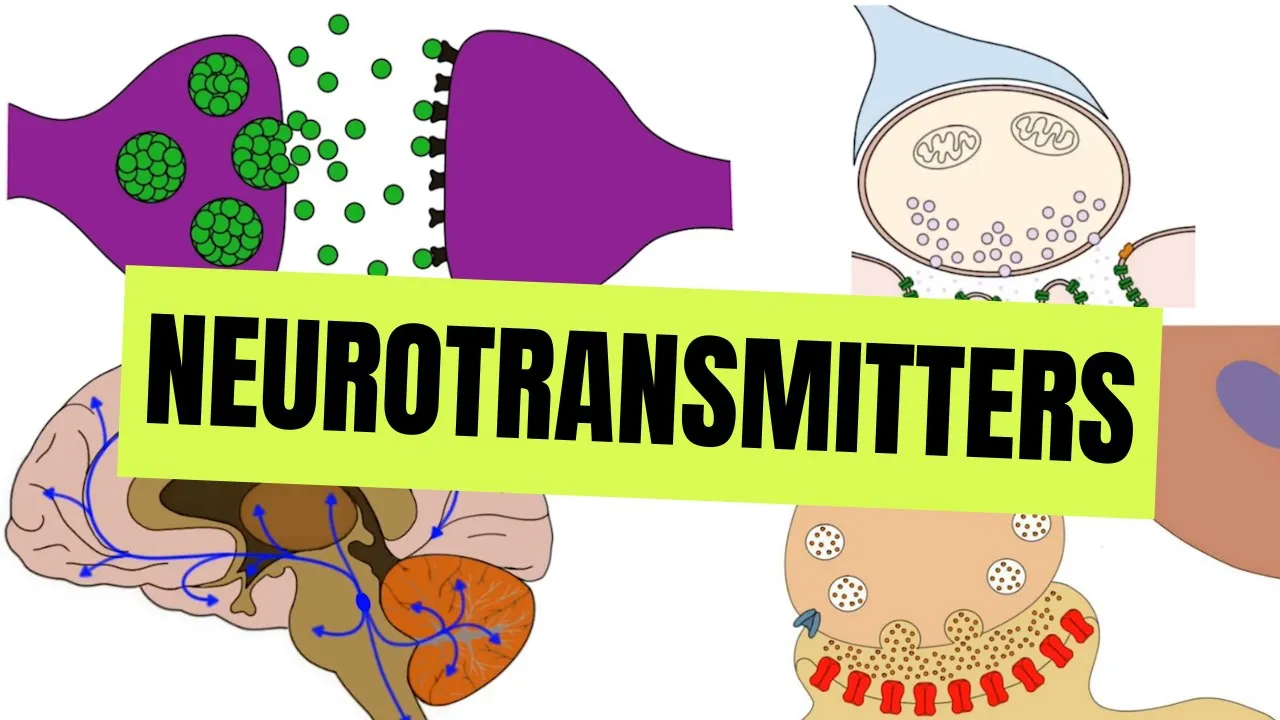








Fear is a fundamental survival mechanism processed through conserved neural circuits across species, primarily involving the amygdala as the central hub, with the medial prefrontal cortex providing top-down regulation and the hippocampus contextualizing memories; this understanding enables translational approaches to PTSD treatment, where fear conditioning principles inform exposure therapy, and emerging research targets specific molecular mechanisms like tachykinin-2 and cell-type specific amygdala circuits to enhance extinction and prevent maladaptive fear memory consolidation.
Neuroscience of Fear Learning: Amygdala Circuits & PTSD
Added:Basic neuroanatomy of the limbic system, with emphasis on the structure and general functions of the amygdala, hippocampus, and prefrontal cortex.
Fundamental principles of classical (Pavlovian) conditioning, particularly how neutral stimuli become associated with aversive outcomes.
The cellular and molecular mechanisms of synaptic plasticity, such as Long-Term Potentiation (LTP) and synaptic depression.
An introductory understanding of excitatory (glutamatergic) and inhibitory (GABAergic) neurotransmission within the central nervous system.
Advanced clinical and pharmacological interventions for PTSD, including exposure-based therapies and the consolidation/reconsolidation blockade of traumatic memories.
The application of advanced research techniques, such as optogenetics, chemogenetics (DREADDs), and calcium imaging, to map and manipulate specific neural circuits.
The neurobiology of resilience and post-traumatic growth, exploring why some individuals exposed to severe trauma do not develop anxiety disorders.
Epigenetic and genetic risk factors that alter hypothalamic-pituitary-adrenal (HPA) axis function and susceptibility to trauma-induced pathologies.
5.5K views139likes1:27:16Original Release: 2021-04-22
thank you so much for coming today for today's program the neuroscience of fear so this is part of the harvard brain science initiatives neuro 101 series and today we're really excited to have with us dr kerry wrestler dr ressler is the james and patricia poitras chair in psychiatry and the chief of scientific officer at mclean hospital he's also a professor of psychiatry at harvard medical school and his work he has a deep interest in translational research which basically brings together the worlds of molecular neurobiology and studies conducted in animal models with the study human genetics world and human neuroscience research on fear and emotion and anxiety for the past two decades his lab has used molecular cellular and circuit analyses to study emotion and fearlink disorders often using mouse models dr ressler received his undergraduate degree at mit and then did his md and phd at harvard university um he was the first student of nobel prize winner dr linda buck uh we're working with her to help identify molecular organization oval faction um he's the past president of the society for biological psychiatry amongst many other honors and distinctions which i won't all read today before coming to mclean he spent 18 years at emory university in atlanta georgia where one of the fascinating things he did was found the grady trauma project which looks at intergenerational cycles of trauma exposure ptsd substance abuse and depression and at-risk urban communities and yeah we're really really excited to have you with us dr wrestler um and thank you to everyone who registered and sent us uh questions and interest areas beforehand i think dr ressler is going to try to address some of them during the talk but we also invite you um at the end to turn on your videos ask your questions definitely um don't feel like if you wrote them in you know the registration form you can ask them live it would be wonderful to hear from you um and during the talk also feel free to drop them in the chat box so i guess wonderful excited thank you thanks so much perez for all all that you do the hard brain science initiative is really just fantastic and it's such a great opportunity for everybody in the community and this um this learning series has been fantastic as well great to see a number of um friends and colleagues in the audience and i look forward to meeting people i don't yet know um so when i first um was talking with parizot about this i was thinking the time was much shorter so i was going to give a very brief primer on fear but then i realized we had you know close to enough time really for a pretty detailed talk as well as question and answer so i'm the way i'm going to break this down is is an entry of sort of basic fear learning for anybody with some animal experience i'm showing how we do this in mouse models and then sort of broaden that successfully um to looking at some of what we know about um sensory systems and and fear and how that changes with fear um and um from some of the questions or fantastic questions in advance thanks guys um and so i'll try to i integrated a few things that i might not have talked about otherwise i'll show a brief primer on some of our work on intergenerational transmission of fear and trauma and some of what we've learned about that and then transit transition over to human disorders if you're primarily focused on post-traumatic stress disorder how we study that so we know about the genetics the neural circuitry and then kind of end with some of the next step approaches the translational um understanding of neuroscience and fear with one of the um thoughts that this area may be one of the most um tractable from a perspective of of translational neuroscience and psychiatry so with that um i will start and please put your comments in the chat and i'll try to stop um where needed um to clarify things and it should have been time for discussion at the end what we're particularly interested in is is is fear and um and i talked a little bit about the beginning why how i got into this and i got into it because i was very interested in the neuroscience of psychiatric disorders but as a basic trained neuroscientist and circuit neuroscientist i really wanted to study something that i felt like was tractable within my lifetime and i want to make the argument today that ptsd and human fear related disorders are tractable for several reasons because one we have a shared femoral circuitry across species um i was talking with folks at the beginning about some of their work in fear processing in zebrafish even separately with particularly the posttraumatic stress um we know when it starts unlike almost any other disorder in psychiatry where we don't really know what the antecedent components are by definition ptsd starts at the time of trauma and understanding fear consolidation and fear processing is critical for understanding what happens in that disorder and finally it really relies upon the concepts of learning a memory and independent of explicitly being interested in fear trauma using basic pavlovian q or context conditioning is used across cognition fields and that then also allows us to take the over 30 years of great progress in understanding learning and memory and apply it to this specific set of circuits in questions and human disorders and our goal is to have a molecular neurobiology post traumatic stress and fear-related disorders that spans understanding predictive biomarkers of intermediate phenotypes brain phenotypes genetic and epigenetic phenotypes that could lead to novel interventions based on the neurobiology so very basically an old picture from scientific american from joe adu one of the founders with mike davis and mike fanzillo and others really the modern neuroscience of fear and threat processing i'm happy to talk about in the discussion the distinction between threat threat behaviors and fear behaviors briefly joe would do would now say that fear is really a subjective emotion that humans express and feel whereas anything behaviorally we're looking at threat responses and i'll try to use that terminology but i'll probably mix them up a bit as well whether i mean to or not um and the basic idea in this um figure in some of his early work was that any given sensory experience can take sort of relatively rapid he called it the low road um information from say the visual thalamus from the first synapses from the eye into the emotional responsive behavioral reflex regions like the amygdala that i'm going to talk a lot about and the versus the high road where the same visual dynamic information goes to multiple layers of higher order visual cortex higher order conscious processing memory processing until finally top down regulation comes back to the amygdala there's many hundreds of milliseconds between that very rapid sensory input into a behavioral reflex and that top down regulatory component and therein lies much of the problem where we both have from an evolutionary conservative perspective the rapid fear threat reflex response which keeps us alive from predators but leads to dysregulation and disorders that i'll talk about the main players on the human side and really boats across my animals is again the amygdala as kind of the final common output the medial prefrontal cortex which has different components but more the dorsal anterior cingulate and rostral anterior cingulate we think is akin to the prelimbic region in mouse and seems to be associated with increased sphere and threat responding whereas the medial and subgenual cingulate that seems to be akin to the improlimbic mouse seems to be involved in extinction and suppressing fear whereas the hippocampus is involved in the contextualization both contextual fear memories the contextualization of neq memories but also learning safety learning extinction is clearly hippocampal and contextual and then i'll talk more about that so to put a little context in it all before i dive into some of the deep um basic biology is the concept of a panic attack for for humans and so anybody who's experienced panic attack or know someone who has will hear something like i felt dizzy my legs gave out on me i couldn't catch my breath i felt like someone was choking me my heart was beating too fast i thought i was dying and what we now know about panic attacks is that they happen in a whole host of anxiety and depression-related disorders and that many of the symptoms from heart rate gi distress shortness of breath chest discomfort lightheadedness choking almost feel reflexive there's a long history of whether this is primarily brain stem mediated or amygdala mediated but what we know is that while we might call them mostly associated with panic disorder where they seem to come out of the blue and which we now appreciate has more to do with generalization of threat cues and lack of cue specificity um they also occur in simple phobia if you're afraid of spiders and a spider lands on you you have all these symptoms but it's we call it being scared or scared to death as opposed to a panic attack with sociophobia and ptsd you see very specific panic attacks that are driven by the key reminders of the speaking in public of having a social interaction of the trauma reminder seeing a car if you're in a car accident and that's starting to be well understood what was exciting to me in my training both as a you know neuroscientist in grad school and then as a psychiatrist was appreciating from work like mike davis mike fanzillow and ladu and others that in parallel with psychiatry rep understanding and representing the concept of a panic attack across anxiety and ptsd disorders the neuroscience field had mapped out the amygdala mechanisms of fear responding so that hardwired projections from the central media of the amygdala in mammals to brain stem regions the hypothalamus the the dorsal vagus nerve the pure brachial as well as hypothalamus and the central gray um all are associated with um many if not all of the hard-wired if you will panic symptoms that we see in humans so that essentially a reflex um shown now with electrical activation in the central or chemical activation or now up to genetic activation in animals as well as in surgery for example activation of the immigrant human patients people are shown that essentially you can think of this as a threat reflex response through amygdala activation which then is quite exciting because that suggests more so than most any other area in psychiatric behaviors we can really connect a specific set of behavioral responses to a specific set of symptoms and syndromes that we see in humans and now we can start understanding what's upstream of that so a lot of my talk in the field for the last 20 years is focused on how does this happen at the level of amygdala function at conditioned stimulus and unconditioned stimulus connectivity as well as other circuits top-down regulators are the downstream regulators of this and how does that go awry in disorders like post-traumatic stress disorder so now to sort of back up to um fear 101 i guess from basic pavlovian conditioning so um again pavlov you know we often think about pavlovian work with some of the um well more well publicized components of the dog with salivating to a bell and of course that's a petitive or you know positive learning but equally well and if not sometimes more quickly um animals can learn versus learning and particularly with fear conditioning one can do it in one trial and so from a learning and memory perspective that's very exciting because single trial learning allows for very rapid time constraints on when the cues presented in the unconditioned stimuluses presented in us to be able to examine the molecular components of memory consolidation the basic idea is the condition stimulus is defined as a previously neutral cue in animal studies we often use a tone or a specific bite this can be much more complex to a configurable cue with many different components it can be other sensory systems air etc and in mice again we mostly use foot shock in humans we can use a brief hand shock we can also use an airblast to the throat or even a loud noise as the unconditioned stimulus the critical component is that generally the unconditioned stimulus co-co-terminates or ends at the same time of a conditioned stimulus which is longer what we think is happening is these neural circuits very rapidly are then combining these data so that in the future that can be the pre conditioned stimulus will be associated as a predictor of the co-termination of the unconditioned stimulus that prediction then will now after learning such that the previously neutral tone or figure or experience is now associated with the hardwired essentially switching the hardwired unconditioned stimulus responses so the defensive behaviors the autonomic arousals hyperalgesia reflex and stress hormones again which all basically line up with these known hardwired downstream circuits of the activation the way we study this most commonly in mice and rats is fear potentiated startle and freezing though increasingly these are old sides i'm showing some of these are mike's old slides from 30 years ago um but you know we're now also using things like deep lab cut on some of bob data's approaches um and and large um much you know more complex and powerful visual learning and machine learning tools to really get a better sense of the different kinds of behaviors but i'm just going to mostly talk about there with these classic ones so with classical conditioning for example in startle and one thing that's interesting about startle too is it's one of the critical symptoms that we see in post-traumatic stress disorder where people who previously had a normal starter response now have a hyper arousal hyper startle response idea of a startle is that anybody who hears an unexpected noise like that you might have a little bit of an eye blink you might not um but if you were in a dark alley and you were in a position of of hyper arousal and anxiety and heard that same unexpected startle you would jump and that startle response is mediated via the projections from the amygdala to the reticulospinatus called atlas in the brain stem mediating this muscular startle response and the way we measure it in animals is essentially in this case the rat has been trained with the previously where the light was associated with the shock now you take the animal on another day put them in a chamber you show you play the startles out in the dark you play the startle sound on the light and then startles more in the light you can measure that number of quantifiable ways we usually use a piezoelectric component under their feet you're measuring their vibration and these are what um the san diego instruments is one of the common um people who make groups who make the startle chambers they usually with these they have a little bit of room to move but for the most part they don't have a lot of room to move and you're really getting a whole body startle response to the tone or the or the shock freezing um what we're doing is generally having a larger space the idea of freezing um teleologically is thought that when a particularly a small mammal sees a prey a bird another predator that they want to be quiet and so that that this is essentially built in as this reflexive response and what you'll see is they run to the corner and they're just completely still with almost no movement except for breathing and the way this actually looks so forgive the whole video emily and abbey give me some some better updates with some of our new deep lab cut stuff you can see these animals have been previously trained the one on the bottom was not trained the one on top was and when the tone comes on on the bottom you see that um i'll start it again you see that the they both start exploring but as soon as the tone comes on the one on top runs and it's basically frozen in the corner and the other one continues to explore and so with the number of um video capture type tools one can automatic automatedly look at freezing bins in one to five second intervals usually over the course of 20 or 30 second queue and again that's getting more sophisticated and how you can use these intermediate phase types what this looks like at a data analytic level is with the period so where you do top um tone shot pairing for example you see much more fear potentiated startle and much more both compared at baseline as well as when you're looking at producing increase in the paired animals compared to unpaired this is a common control for any kind of study that you're looking at with fear conditioning because unpaired you still get the shock you still get the tone so the animals experience all the same things but they've not been presented together in a associative learning path and you know now through years of work that compared association leads to changes in the amygdala that are nmda dependent calcium dependent bdnf dependent can lead to long-term potentiation of synapses coming into the amygdala and cell activation but that requires the association and not um just the stress alone um in terms of how this looks over time in this example they were the amounts were given five tone chalk pairings and we're just looking at the amount of freezing um initially there's very little freezing um as the animal in the pair condition continues to receive more and more shocks they start to freeze more before each shock so during the tones you're essentially seeing this acquisition curve of the freezing over time if you then look at a process we look at a lot with this extinction and we think this is a model of exposure therapy and is really a model of cognitive learning hippocampal prefrontal top down regulation of irregular function um when after the animals have been trained you're now testing them for the first time they showed much a lot of freezing or fear potentiated startle in this case we're looking at if you're participating had controls they're not showing fps but over time with repeated trials over and over again that tone cue no longer predicts the fear and the brain has now re-learned that that is not as that's not a danger cue and we think that's mediated via prefrontal hippocampal and other circuits regulating the amygdala and it's a plasticity activity dependent process as well this just shows another way of looking at if the animals have have are exposed to the context but not the cue during the extinction sessions you'll show freezing injury that comes down but importantly now when you bring them back for what we call an extinction retention trial another day or another week later those animals that did not receive active extinction if they're now re-shown the cue in the same context where they were trained they have what we call renewal high level of fear whereas those that received extinction training show very low level fear they've maintained this extinction memory okay so to shift gears a little bit while we mostly focus on how this happens in the amygdala and the areas regulating the amygdala what we've known for years is that when you do pavlovian fear conditioning you see changes in many other sensory areas as well and this just shows for example a foss an experiment we did early on in mike davis's lab with different immediate early genes in the aftermath of fear conditioning and so this shows um context alone animals animals that received an unpaired tone in context these are both at 30 minutes versus 30 minutes after paired tone shot pairing two hours four hours and eight hours later you can see this nice curve of a rapid window of immediate early genes and um other data suggests that you get a secondary wave as well several hours later and this is you see first a wave of immediate early genes didn't see a secondary wave of growth factors in that second tertiary wave of structural change but you see this it's not only an amygdala you see this in this auditory cortex somewhat the auditory thalamus somewhat the output regions and so the evidence suggests that there's there's plasticity occurring in all these regions and this really fits on decades of work from other primary sensory biologists mike mursnik john cass mike streicher weinberger and others across madison tree systems that suggest both developmentally but also with salient learning you can get structural change um orient kefra and my group a number of years ago showed that you can see structural change in the mouse auditory cortex that actually is is detectable with um structural mri and so this shows um following um multiple days of fear conditioning um he saw structural voxel-based morphometry increase gray matter density change um in insula the amygdala the central amygdala the medial magnitude but also the auditory cortex and what was nice about this mouse model is he could use a fluorescent reporter to actually count synapses and he showed that this increased structural density that we see in some human studies of structural gray matter change with trauma over time is associated in this axle-based morphometry model in the auditory cortex so again he's looking at gray matter density here and what he sees is that gray matter density increase um in postmortem analysis was associated with increased spine density with with shoulder analysis um suggesting that at least part of that great matter density change and we saw no change in number of neurons number of nuclei etc so it suggested that it was part of that change is actually due to increase structural representation of the substrates of memory formation also in the auditory sensory cortex nina banners in our group a few years ago was looking at structural representation of synapse function and paranormal mets is something that's been associated a lot with developmental change and with sort of closing the developmental plasticity periods and yet nina found that you actually if you time it right and look four hours versus 24 hours after fear conditioning so these are adult um c57 mice looking at home cage four hours and 24 hours later these are all um using stains looking at perineuronal nets that she saw a significant increase dynamically in perineuronal nets in the auditory cortex at four hours which had returned to normal by 24 hours when she used various tools to block um like control nays to block or delete the um perineuronal nets she actually saw a blockade or a decrease in auditory fear conditioning and the model that we've yet to further do further experiments on so far but suggest that perhaps this transient increase in perineuronal nets surrounding inhibitory neurons in the auditory cortex actually leads to a transient disinhibition of these pyramidal neurons in auditory cortex and that then may support some of the longer term molecular and then structural changes leading to long-term plasticity some more areas that we've done a fair amount of work also in sensory systems with olfactory fear is the is the olfactory system and what's exciting about this is we have different molecular tools or markers for each specific odor versus another odor and what brian um seth jones initially and then brian bs and philly morrison in my group showed was that we could actually get a change in representation of the olfactory substrates in the nose and the olfactory bulb following olfactory tree conditioning to one specific odor versus another so what we're seeing here so again if you're not familiar with the olfactory system you know there are millions of neurons in the nose they each project to the olfactory bulb but based on one of approximately a thousand different odor receptor genes they express they re aggregate aggregate and go to a very specific receptor specific glomerulus is this is black z that's expressed in specific neurons in the nose you can see they're projecting to the olfactory bulb in an untrained animal um or an animal trained with an odor that is not activating these but if you train these animals to an odor that activates this specific receptor marked by blue here and follow those axons wait a couple weeks after multiple olfactory training you see a significant increase in the number of neurons in the nose and the density of those axons into the glomerulus which just shows um six weeks after training i'm seeing more neurons in the nose representing um in this case m71 which recognizes acetophenone odor we see that both in the neurons in the nose and um in the bulb and interestingly if you then extinguish that odor over time the percentage of neurons in the nose and the density of axons in the bulb returns to normal so it looks like the whole sensory system can be dynamically regulated as a function of the salient learning process someone in the question and answer knew about some of our intergenerational work so i thought i would just touch briefly on that that's the next step so again we see in humans lots of evidence for intergenerational cycles of trauma risk and um and violence and behavior related to trauma and anxiety both in psychiatry um disorders as well as in social situations and one example from some of our work over the years at grady was if you take kids and and look at their dark enhanced startles or the startle response but in a humans or their eyeballing response the kids a level of trial of startle in the dark was highly predicted by the mother's level of abuse as a child so very interesting observation we see these kinds of observations a lot that that parental psychopathology one over another is high risk for kids having more risk but how could that be well it could be certainly very appearancing and observation could be being in a shared risk environment also be shared genetics question is there an epigenetic component as well um and brian diaz in our group um started looking at this a number of years ago and we were amazed by what we found so this shows similar bulbs to what i showed you a minute ago um these are looking at the offspring of mice that um they're c57s but on a background in which we're seeing the specific odor receptor m71 that's insensitive to an odor called acetophenone and if you remember this slide so this is what it looks like if you take an adult and you train them to acetophenone versus don't train into acetophenol if you then look at their offs the offspring of these males fathers that have been trained with acetophenone believe it or not but the f1 offspring look like they have been trained to the odor they have more neurons in the nose they have more axons in the bulb specific to that odor and denser glomeruli and um this can be quantified in lots of different ways they also show increased behavioral sensitivity to that other if you cross foster so that um so that it's not um at birth you're cross-fostering so that it can't be presumably behaviorally transmitted you see the same increase over time and if you go to the next generation you still see this increase that's specific to one odor versus another odor based on which was trained and this also shows the behavior in the f2 offspring and fascinatingly he was able to show and i won't go into it an epigenetic signature in the sperm that seemed to be associated with this and then if we did full in vitro fertilization so we trained the fathers collected their sperm sent it to the animal care facility where there was no acetophenone at all so there's been no way it could be exposure related they did ivf then we examined the offspring in a blinded way still the ivf offspring had increased familiar area and neurons in the nose related to that so it suggests that um that there is some level within certain types of sensitivity that can be at epigenetically intergenerationally transmitted though much much work needs to be done notably this main effect of intergenerational transmission of the olfactory bulb has been um replicated to some extent by um folks in richard axel's lab as well so the interim summary so far um is that classical conditioning procedures are commonly used to examine the behavioral neurological controllers of fear like fear inhibition of fear extinction over learned over time is learned compared to the production of fear not much is known about um iron less is known about extinction that's very critical for psychiatric disorders fear memory formation is in other sensory dependent emotional learning paradigms are associated with structural changes and increased sensory sensitivity often in a sensory specific way and at least some evidence is growing for intergenerational transmission of stress response both in the cortisol hpa axis as well as in at least some sensory areas like olfaction leading to increased understanding of what may be happening at least with some level types of intergenerational transmission um so i'm gonna keeping an eye on the chat i don't think we have anything yet so please you know if if you have a um if something doesn't make sense jump in with the chat and i'll try to clarify and then you should have plenty of time for discussion so i want to shift gears from this bit of a primer on how we measure fear what are the main brain circuits in rodents and what are some of the other ancillary regions in addition to the amygdala that we see and particularly interest in potentially sensory sensitization that occurs over time with fear learning let's go now to humans and look at human fear disorders so again almost all psychiatric disorders one can argue have some interaction between genetic biology and the environment that one um one experiences post-traumatic stress disorder we could argue is one of the most quote-unquote clean gene by environment disorders and that we know those genetic underpinnings it turns out the genetic heritability with large scale snip models is about 30 to 40 percent which is not that far off of where we are with depression and bipolar with schizophrenia and autism being the most heritable more like 60 or 70 and mood and affective disorders and ptsd being more like 30 to 40 um but that said even things like schizophrenia and autism have some level of environmental exposure how much that's behavioral how much that's um you know toxin or very or many other things um but ptsd because we understand almost by definition what we're what the environmental component is allows us to understand this potentially in a more powerful way um again what is it what do i mean by fear disorders well you know more clearly within the broad mosology of anxiety stress disorders post-traumatic stress phobias specific phobia panic disorder are all things that are very clearly associated with fear responding that one could argue that most most anxiety and ocd have components of this too and i certainly have shared neural circuitry in terms of how does this overlap with memory well again we can think of the memory systems being brought from sensory memories to working memories to emotional and textual memories um and all of these interact together to regulate number of components and while i'm i'm talking today about the role of amygdala in fear amino has an equally important role in competitive behavior in learning in sexual behavior and stress responding and even in attentional responding so i'm just telling you a tiny slice of the story ptsd for those who aren't as familiar again is clinically important up to five to ten percent of the population can be affected highly traumatized populations like veterans and highly traumatized civilians it can be as high as 30 um it's a significant cause of suicidality and disability and comorbidity with both depression other disorders and substance abuse um what it had it requires having been exposed to death threatened death or actual serious injury and sexual violence and it usually involves significant intense fear at the time of the trauma and the clusters of symptoms are intrusion so re-experiencing through nightmares and flashbacks these memories avoidance of things that remind avoidance of those cues that were traumatized cognitive and mood symptoms is a new edition from dsm four to five but it really contextualizes the idea of decreased cognitive function and what we think is that when the um emotional hyper arousal systems are hyper activated many of the more top-down regulatory executive functioning areas do not function as well talking about that if you if you like and then arousal symptoms of course one of the classic components of ptsd is increased arousal decrease sleep hyper vigilance increase startle increase stress responsiveness how do we treat it in one slide so from a medication perspective there are actually no specific medications for ptsd to this day we have there's only two fda approved drugs and that's um sertraline and paroxetine paxil and so again those are our standard antidepressants it turns out that almost any antidepressant also works at some level for ptsd though it doesn't get specifically at the memories it just dampens the overall symptom of symptom response um one of the most interesting drugs in ptsd as praiseasin which is a specific alpha antagonist so that's the closest we have to probably somewhat commonly use specific drug for ptsd and for a subset of people though we still don't quite know who that subset is it seems to work very well to decrease nightmares and decrease night times hyper arousal through decreasing adrenergic activity and where the field kind of is right now is trying to identify what are better biomarkers that predict who's going to respond to that and what's fascinating is we have such a good neuroscience of the area yet and yet there's still still no treatment space on that and certainly that's something we hope that in the next five to ten years will change our best treatments really are still the targeted psychotherapies we're essentially retraining the brain the types of therapies or prolonged exposure cognitive processing therapy cognitive behavior therapy but they all rely in many ways on two basic foundations one is sort of skills training for motion regulation two is psycho is is really psycho-education about understanding the biology of ptsd and what's happening and that you're not going crazy um and how and giving tools for top down emotion regulation the cognitive part then the final part that's really seems to be therapeutically critical is exposure and what happens with exposure therapy if you look on this graph for example is this is your level of subjective anxiety and the first time you tell the therapist your story of your trauma your anxiety goes through the roof but if you still keep staying there and don't dissociate talk about that don't run away don't avoid over time in that session um that memory will become more tolerable and you'll be less anxious the next time you do it it'll be a little bit less the next time a little bit less essentially you're making that overwhelming emotional black hole with trial memory more just like a boring bad memory um and this is effectively the exact same thing that we see with extinction of fear and model systems are in human preclinical studies and so understanding extinction of critical for our understanding of our basic treatments for post-traumatic stress i talked about the ledoux model again the amygdala is conserved across mammals and even to some extent at least in a residual form across all vertebrates um let's see chant um yeah so um important you know i don't have time to talk about all of the components but there's definitely um you know tms we're having increased evidence for ptsd whether that's really targeting the ptsd memories or more related to um more related to decreasing general negative symptoms oxytocin is an interesting which in the discussion can talk more about um it may be helpful though there's some evidence that depending on someone's background and their trauma type etc that it increases general sensitivity to social interactions but for someone who's been socially traumatized sexually traumatized it can actually make some sense of that sensitivity worse so i think i think that remains somewhat complex and i'm going to talk a lot about some of the other ideas about about types of treatments as well but again the idea that fear while it evolved to protect us in modern-day humans leads to increases in many of these disorders and symptoms um in a way that is probably much more harmful than helpful diving a little bit more into what the circuitry so i talked about the hardwired amygdala output before again we think this is modulated by hippocampus prefrontal cortical and other areas as well as sensory synthetic what's coming in what we think happens is during the actual trauma formation the condition stimulus previously neutral is um paired with the um the unconditioned stimulus the trauma experience in the lab that's the shock in real life it's the car accident it's the assault it's the pain and that via these structural um changes that occur in their in both um glutamatergic um calcium dependent ltp like changes in the future the conditioned stimulus alone is able to activate hardwired fear circuit we talked about so um from a overall learning and memory process we think about ptsd in a broad way the big question is is and i think one of the more interesting ways to to look at it is to flip it on its head not why do we develop ptsd but why given a significant trauma to only subset so given any given trauma we only expect five to ten percent of people to develop ptsd and the vast majority over time will recover what's the difference between those two well one is the genetic sensitivity that i'll get to a little bit that we're just starting to understand more about from a large scale genetics perspective the other of course is environment in many different ways and we know childhood trauma exposure is one of the biggest risk factors for all aspects of psychiatric disorders but certainly within ptsd it looks like early developmental trauma sensitizes this amygdala fear system so that later adult trauma then responds in a more significant way what happened to the immediate aftermath in the days and weeks that learning of consolidation of fear i'll talk quite a bit about but we think that's a critical differentiator and then with chronic trauma symptoms and ptsd symptoms one group has ongoing intrusive memories nightmares flashbacks and behavioral and cognitive responses those two recover tend to discriminate um so they'll they say i was attacked down this dark alley but that was that place in that time and i'm okay now whereas the person who has ptsd may say they generalize these fears these contexts and cues and they said i was attacked down in stark owie but now i'm kind of afraid of that regeneral area i was attacked by a man but now i'm kind of afraid i don't really want to be around men in general in fact i don't really want to be in that part of town now i kind of don't really want to leave my house after dark and i kind of don't want to leave my house or my bedroom and so the world becomes more and more dangerous and less and less safe as threatened fear memories are generalized and we think that's very highly hippocampal dependent that generalization versus discrimination of cues and contexts similarly those who have ptsd will say doc every time i think about it every time i have a nightmare it seems to get worse and worse and worse even when i talk about it i just don't talk about anymore because it gets worse and that's this idea of sensitization clinically that's in contrast to the concept of extinction and extinction again as we talked about therapeutically is when you talk about it in a therapeutic environment but we're actually extinguishing all the time any time you're talking to your friends about what you're kind of just thinking about it and you're not escaping from it you're just trying to come to terms with it and you're thinking about it again and again it slowly extinguishes um we're re-learning that i can now have this memory and memory does not have to be dangerous whereas with ptsd it seems that the memory and the present get conflated and it always feels dangerous with sensitization we're also thinking about this new relatively new concept in memory with reconsolidation so anytime a memory is reactivated does it have the possibility of being sensitized and strengthened or reconsolidated versus is it um diminished in its representation either through things like ltd at the same local synapses or through different circuits related to safety learning is it extinguished so that's a constant give and take memory field what may be happening in real time anytime a memory is activated um the one person asks can you describe associative learning via trauma and extinction um for things like ocd we don't know as much how trauma directly relates to ocd we certainly see it one thing i would one way i think about it is that ocd is very much and i would think one of the i'm not going to show a slide on this today but one of the processes we see across disorders is this repetitive habitual behaviors and addiction is the place where we best understand addictive behaviors and that's what we think is lack of top-down regulation of have this cue you have this stress you go towards this repetitive previously repetitive behavior but now it's a habitual and not a goal-directed way ocd again is habitual behavior anytime there's the obsessive thought there's the compulsive behavior to do this thing to decrease the stress of the compulsive thought with fear disorders it's i think you can almost think of it as you're in the habitual responding of avoidance of a threat response of an intrusive memory you're not able to break out of that habitual aversive response into a different kind of non-aversive response so all of these seem to be related to top down be they prefrontal or orbital frontal top down regulation of amygdala and striatal habitual responding and it's likely partly genetics given early trauma y1 is more likely to go down one path another that we don't understand so well so i'm going to talk more um for most of the next part about trauma consolidation and how we understand that broadly um in the early aftermath and i think that's particularly exciting because in in more so than almost any place in psychiatry we have the ability and ptsd potentially not just to understand it but actually prevent it because if we could understand what happens in those early hours and days in the aftermath of trauma and do something about it so that the long-term trauma memory was not overwhelming so to help promote a normal recovery process we actually prevent ptsd um and you know we envision things like in the same way you go to the emergency department with uh with chest pain if if you get a tpa or intervention early enough you can prevent the long-term damage of a heart attack do we do the same in a cognitive learning and memory way to prevent the long-term damage of emotional trauma from developing in ptsd in the emergency department or on the battlefield i'll briefly touch on some of the um the nominal not the the new large-scale gwas and genomics stories related to ptsd and then talk a little bit more about how we can use mouse genomic tools to better understand next generation approaches and finally by understanding extinction how we might also use neuroplasticity related to tools to enhance extinction and therapeutic extinction in recovery so again consolidation the idea has been around for a long time jim mcgod irvine is one of the earliest thinkers in this area about how memories go from short to long term with the idea that they were likely molecular substrates mediating short prolonged to long lasting and i saw mike greenberg maybe on earlier and obviously mike has been a international leader for decades in this area at a molecular level as well mike davis who is my mentor really worked out a lot of the circuitry and behavioral component of amygdala dependent fear and in his life i did about some of the earlier um molecular analyses of amygdala activation in the aftermath of trauma and where this leads to is a modern model in which the traumatic event leads to a short-term memory then is processed through um over consolidation to long-term memories um and that this concept of an engram i think sheen and jocelyn and suzuma tonight and others um that that that engram is really part of this whole network the early sensory the late sensory the thalamic the amygdala the hippocampus and the output pathways and all of that is now sensitized in this way if you will and that when that memory is reactivated in a stressful way it may be strengthened and reconsolidated when it's reactivated in working memory however and held on to not responded to in a as much of a stressful way when other tools are brought in to help calm one down and most importantly the unconditioned stimulus the predicted negative outcome does not happen so there's this negative memory signal extinction that occurs and that can then lead to inhibition but again if we can understand this early consolidation phase we may be able to have early preventions so um we and others initially um at emory in miami with charlie nimroff and then now through a much larger study called the aurora study with sam mclean north carolina kerrison conan and ron kessler at harvard um i've been studying now many thousands of people in the early aftermath of trauma in emergency departments and collecting blood-based biomarker data physiological data and neuroimaging data in the hours to days to week after human trauma to start to understand what are the predictors of ptsd and where might there be targets that we could intervene and from a neuroimaging perspective again just chronic ptsd again it's just one of many data sets showing that if someone with ptsd is passively viewing fearful faces they see um they have a more amygdala activation response to fearful cues versus neutral cues compared to trauma controls and in parallel with that we see less top down regulation so if we look at amygdala functional connectivity you see less medial prefrontal functional top-down regulation of dna that's part of sort of the canonical fear circuit jenny stevens in our group um showed that this early amigo activation in the first weeks after trauma can be a predictive later ptsd activate of later ptsd so we looked at people that we followed for up to a year and um between two and four weeks after the trauma exposure in the emergency department we brought them back and looked at amygdala and anterior cingulate cortex activation to fearful faces the take-home message is but this activation signal in a few weeks out before we can even diagnose ptsd which you need to have one month for bdsc or three months for chronic ptsd this few week out acute stress amygdala activation was predictive of ptsd symptoms three months later and 12 months later with chronic ptsd suggesting that these early sensitization processes are already there now whether they're pre-existing the trauma or whether this is the early process of consolidation remains to be seen that some of the data suggest that it was in a subset of these people that didn't have high symptoms before this trauma and that this is an early sensitization process that we're seeing in contrast remember the hippocampus and the medial prefrontal cortex are more serving as top-down regulators and generally we see greater hippocampal functioning greater hippocampal volume associated with more recovery more extinction and sonovan roy showed again in this early aftermath of two weeks after um two to four weeks after the trauma hippocampal activation to a stop signal task was inversely associated with later ptsd so higher hippocampal activation on the x-axis was associated with much less ptsd three months and six months later and one of the questions for an example was about bio-typing and so we're seeing some of this in schizophrenia depression this is some of our early work and some of the first ptsd work on this we've taken several hundred people in the um two week period after trauma and um said um can we let the brain signals help us to identify subclusters of different types of biological ptsd even if their symptoms aren't the same and jenny found three broad clusters and we think as the sample sizes increase we'll see more clusters and have more fine granularity but this first one she um labeled reactive disinhibited and that seems to have a lot of anterior singular activation but also a lot of brain stimulation it's a very very reactive very startle reaction the next group she said had low reward but very high threat responsiveness and as we might predict that was a very driven by amygdala activation and insulin activation and then the high reward group and again this was all using um the input data was was functional tasks resting state fearful faces resting state reward behavior and stop signal inhibition but the high reward was more amygdala ventral striatum and hippocampus so that looked like this broad group of people who developed ptsd symptoms could be broken down into biological subtypes and interestingly using our current symptom measures like the pcl5 we don't see any difference in their overall symptoms and yet you're seeing these biological subtypes this is early data but it seems to be tracking into some of what's seen with um other kinds of behavior laura payne just asked about um about sex differences in estrogen and progesterone and there's definitely we see i don't know if i mentioned this about two to one female-to-male ratio of ptsd to males while we see more sexual violence in male in females and more ptsd as a trauma type even when you control for um sex differences in trauma exposure you still see an increased effect in females generally it looks like higher estrogen and progesterone are more protective and so that um both with extinction higher estrogen and progesterone those those who have greater extinction and less fear and lower estrogen and progesterone it's associated with more fear and less extinction but a lot of that that's what something's to be done and mohammed who's really a leader in many of these areas has also been a lot of sex differences thanks for in terms of potential rapid physiological predictors we can also see that adrena adrenergic system responding so um basically gabonic skin response a classic psychological tool where you're essentially just looking at sweat levels in the fingers um and we think this is uh one of the main output measures of the sympathetic adrenal response and we're asking people um we're looking at people's skeletonic skin response in the emergency department in the first hours after trauma often while they're still take down to a board waiting for say their next c-spine to be cleared or something and we simply ask them after we've of course consented them what brought you into the emergency room and there's their galvanic skin response to this open-ended question about what you brought into the emergency room very robustly predicts their ptsd symptoms six months later whether we kind of categorically continuously this now has to be replicated in other ways and we're starting to replicate larger um um components but um but it's it's very intriguing that you know early sympathetic and hpa axis and blood-based markers we're just starting with large-scale rna that we're seeing some non-coding different rna effects um as predictors and some broader biomarker effects and inflammatory effects they're not quite robust yet but happy to talk about that in the discussion so moving from consolidation to just so that so what's happening immediately i'm going to move a little bit so well who is who's differentiate risk and what we know about the genomics um see one other question by nancy in the chat was that fear and safety signals are associated with changes in brain rhythms certainly we're doing a lot in the areas of eeg and starting to understand more about aeg biomarker predictors as well as rhythms from like a circadian perspective but we don't i don't have any good answers for you yet in terms of why that may differentiate resilience versus not but it's a great question in terms of the genomics of ptsd there's been a lot in this sort of pre-large scale genetics literature on certain pathways particularly focused on the hypothalamic pituitary adrenal system fkbp5 is a pathway that we know regulates glucocorticoid response and has been quite associated with gene by environment differential sensitivity to trauma leading to ptsd um also associated with increased amigo activation decreasing became functioning et cetera and pacop is another pathway that's upstream of the trope and releasing hormone system and is associated with trauma and ptsd and seems to have a sex difference as well larger scale genetics initially with um so i'm one of the co-directors of the psychiatric genomics consortium which is um also co-ed by kersten conan at harvard and caroline never gelt and murray steen at ucsd this now has over 200 collaborators across the world and um the first um fi and it's rapidly grown so ptsd was one of the areas that had the least genetic data five or eight years ago compared to say depression and schizophrenia now it's rapidly catching up and we really are very close to having a robust genetic architecture of ptsd the first paper two years ago showed that um we had very we had robust genetic heritability that was on the same order of depression and schizophrenia the most recent paper from millions veteran programs and the in press paper from the psychiatric genomics consortium 2.5 are showing somewhere between 10 and 15 g was hits and freeze 3.0 which is due to be finalized this summer we'll have on the order of 60 to 80 000 patients with ptsd and about 300 000 total and that looks like it's going to have on the order of 30 to 50 genome-wide significant so really starting to have some robust genetic architecture which is very exciting one of the most exciting early findings and this comes from racine and joe gartner's work in the million veterans program is that one of the one of these strong hits is in a chromosome 17 locus and it's a region that has an inversion it has a lot of interesting genes some of which also are associated with alzheimer's disease but importantly one of the many of these top polymorphisms are associated with corticotropin releasing hormone receptor one so again crhr1 probably one of the best understood genes in the corticotropin releasing i mean that hypothalamic pituitary adrenal stress access regulating cortisol response so while in no way is this the only story it's very exciting that early on in the genetic architecture of ptsd we're starting to see signals that map onto our understanding of the stress response um it's kind of like when um the prep when schizophrenia um around number 50 or 100 in their juwas found the dopamine receptors validating some of the long-standing work in the biology of the field um let's see um this higher level of progesterone during pregnancy aid in pvsc treatment in terms of ptsd inhibition it's a great question um there's some ongoing pregnancy and ptsd studies i don't think there's anything definitive to say yet but it's a good hypothesis um okay so i want to shift gears now into how do we go from human genetics and um and i can talk later more about what's understood more about some of these gene signals already but to using modern day genomic tools to understand more about the molecular biology of development of ptsd and risk and so one standard approach again is used in a lot of different studies to do now genomic genome sequencing or rna sequencing in this case we're doing rna sequencing to identify novel pathways associated with your conditioning at 30 minutes or two hours after training compared to home cage controls and one of the top genes that we found was called tachykinan 2 or neurokinan b what was nice about this is we as we see with many other plasticity genes in the aftermath of trauma we see this dynamic increase that then returns to normal within a few hours after fear conditioning and we see it only with associative learning compared to non-associative or non-paired learning what was particularly exciting about this particular gene was its location um i talked about in terms of the central amino output as kind of the final common pathway of hardwired projections down to the brainstem but not a whole lot was known about markers of the central media pkc delta is a gene for which we know a fair amount about and that's expressed in the central line also been associated with regulating free responding as well as in keflan crh and others the central medial we have more of a dearth of markers and tact two was expressed specifically in the central medial and as shown here um well that's the pkc deltas tattoos in the centrifugal and david anderson's group also showed it in the medial main club what was nice is we we so so it's got a good location it's dynamically expressed in the aftermath of your conditioning is it related if you're consolidation turns out it is the third thing about it it's nice that it already has a well established drug um that's actually safe in humans called a sanitant and if you give this drug a sanitation 30 minutes before fair conditioning 10 minutes after or one hour after but not 24 hours after or four hours after you see a significant decrease in fear consolidation in the aftermath of trauma and coming back to how can we mediate trauma consolidation if we give the same drug um before fear conditioning you look at other molecular markers such as on the pack-gap receptor which is dynamically increased with your conditioning we block that so it seems to be upstream of other markers of fear consolidation if we give it specifically within the amygdala with cannula in the aftermath so you do fear pavlovian fear conditioning give the drug test to test the animals later you showed ceasing on in less fear and those that had the tattoo blocker compared to those that did not and if you genetically um instead of blocking it as we did with the antagonists you genetically overexpress um tachycardia in the central media get an increase for your consolidation increase fear expression days and weeks later and finally you can buy these experiments and do an experiment in which we have a two by two design we either genetically overexpress it intact lentivirus orgy versus gfp or we give the antagonist versus vehicle when we give the antagonist with the control virus you see a decrease in fear consolidation you give the virus alone you see the aforementioned increase in fear consolidation you give the antagonist plus over expression you normalize the fear response suggesting we can push and pull it in both directions so finally what do we how can we take our knowledge of plasticity to enhance fear extinction and again i mentioned that our clinical exposure therapies are basically reactivating the memory over and over again until it has less and less and less salience or strength and um this has been was defined as long ago as pavlov we know it's a nuclear dependent we know that it's from from mike davis's work years ago that it's nmda dependent particularly google falls you know it's at vermont showed that learning to inhibit fear extinction extinguish fear is specific glutamatergic nmda dependent and activity depend what they show here in rats is if you train rats to be afraid of lights and then test their fear so in this case what they've done is train the animals to be afraid and then they did extinction of these lights so they gave them 60 lights in the absence of any shocks and you get those normal extinction curves and now you show very little fear or fear potentiated startle you retest them if however you do the training the 60 likes in the athens of shock in the presence of a classic nmda antagonist ap5 and then you test them again without any drug on board you still see as much fear as ever before so you don't learn to extinguish fear if you're blocking an mba and it's been shown in a number of different ways a couple i guess close to 20 years ago now we showed that if you do nmda activation with the partial agonistic cyclocerine you can actually increase fear the extinction rate so in this case we did a partial extension with 30 lights instead of 60 and a partial decrease in fear if you do that partial extinction now with an agonist of nba receptors you get a significant increase in extinction of fear and we then showed in humans that you could do this and enhance exposure therapy in a virtual reality exposure therapy situation for um for fear of heights and that's had been then was replicated a number of different exposure therapy paradigms social anxiety for ocd for ptsd in it and initially the data were very good very exciting okay we can use cognitive enhancers specifically to enhance exposure therapy and um however then some of these data we're not replicating and then in large scale studies it looks quite complex that there's a subset of people who respond and do better but then there's others who don't and what we think is happening and and um one of the groups adam costello showed that only those who showed good with in-session extinction and had the cyclo-syrian on board showed good with between session extinction suggesting from other studies that um richard thompson and others showed that if you gave d cycloserine you could actually both enhance reconsolidation and enhance extinction depending on what was the prevailing memory at the time of trauma and so it suggests that simply giving plasticity is not enough and this we can talk about ketamine is another plasticity in it people are using in different ways but you actually have to have behavioral tools or know the right people who can drive the proper learning that you want to drive so that you're not just enhancing the don't have the risk of enhancing the fear but you're specifically enhancing the extinction and part of the new insight into this is the fact that there are actually different types of cells within the amygdala that seem to separately encode the fear response versus the extinguisher response so this is work from um sarah herrion and andreas luthi showed when they did recordings of amygdala that some cells responded to it did not respond to tone at all other cells did respond to tone but only responded to tone after fear condition so when the tone represented the fear the cells responded strongly but when the tone was then extinguished cells didn't respond it was a separate set of cells that didn't respond to the tunnel and they didn't respond after tone fear conditioning but intriguingly after extinction when the annual behaviorally no longer showed a behavior a fear behavior those cells now were activated a lot of further data suggested that there are fear on versus fear off or threat on versus read off or repetitive behaviors that are differentially micro modulated at micro circuits in the amygdala in one example um k thai and susumu tanagawa in different kinds of studies have suggested that the cells that project from bla to central amygdala may be the fear on cells where cells that project from bla to accumbens maybe the appetitive on or extinction on cells and some of our so take home messages i've talked about it the amygdala is a broad thing and multiple sub-regions of the amygdala and now we know there's hundreds of subtypes how can we use modern tools to get at the subtypes within the amygdala i'm going to go ahead and finish in the next five minutes then we'll start questions and discussions so one way um area that we focused on is a subtype called the thigh one cells by one is a developmental marker but it turns out it's expressed very specifically in adults only in a sub-region of the whole um the um temporal lobe and specifically within a subset of pyramidal neurons in the basal lateral microbiome and if you look at cam kinase as a pyramidal neuron marker the thy1 cells are only expressed in about a third to a half of those turns out if you optogenetically stimulate by thy1 cells you impair the traditional lateral amygdala through bla through central it makes the feed forward system and when you impair that system and you and you um and you combine activation of the thigh one what we are now calling fear off cells with the classic fear conditioning model you actually prevent fear consolidation so if i um if i train the animals to be afraid then you can you either can show you different studies but you can either prevent fear consolidation where you enhance extinction in this case we enhance the extinction exposure if you if you do that chemogenetically so we train animals to be afraid then we chemogenetically activate them during fear expression or extinction you see much less fear we can do all this in the opposite do halo rhodopsin or a gi dread and we get increased fear so in both directions it's like you can push and pull fear consolidation or extinction consolidation by manipulating these neurons kenneth went on to do single cell sequencing of these specific neurons and identified a whole host of different gene markers of these specific cells and just as proof of concept we asked could we take some of these markers that have known targets no known druggable targets and um and hit them and one of those markers are the neurotension receptor two and trss2 and ktai has done some work on neurotension as well in this area with consistent results what we found is the neurotension receptor in the amygdala overlapped by one receptor and there was a number of drugs in this case the agonist nato acted tensing we've never thought about before we hadn't thought about nerve tension two receptor four but neurotension two is a gs coupled receptor and our argument was if we gave an agonist for the neurotension two receptor in a cell population that we predict is a fear off cell population we should decrease fear and enhance extinction and we got one of the most robust effects i've ever seen this just shows the data of fear of decreased free expression and enhanced extinction um in animals given beta active tension it was purely predicted by knowing the molecular architecture of the amygdala cells so what that suggests then is that as a field we're starting to get closer to both understand the consolidation process understanding micro circuit consolidation in the molecules that are involved and through that we might be able to start having interventions that are targeting molecular consolidation that are targeting cell and circuit processing that are targeting extinction so that over time we might be able to have neurobiologically driven approach to either blocking consolidation in the first place knowing those who are at most risk having intermediate phenotypes to see who's more likely to develop ptsd or not and for those who have chronic ptsd use neurobiologically driven ways to inhibit fear and enhance extinction of fear so i'm obviously just um so this just sort of further summarizes that such that we hope that they'll um that there can be a really tractable set of earth disorders based on fear and that precision medicine could be used for new interventions and preventions as well as providing much greater understanding of the neurobiology of specific behavior so i've tried to um to thank people and call out the various post oxen students along the way and collaborators it's very much been a team effort and i'm really just the cheerleader of a great team thanks so much for your attention and i really look forward to discussion and questions thank you so much for that fabulous talk so uh please uh people feel free to raise your hands turn on your video um or type questions in the chat box so yeah so it looks like one from joy thanks troy um so we the question is do we know what cell types or spear respond if you're conditioning and which ones do not and um they're the answers sort of there's a few examples where we have quite a bit of data um you know the the the early luther paper that i showed was was pure brine physiology you know now with single cell sequencing and um and um things like um cell type specific gcamp um neuroimaging we're starting to get a much better idea of the cell types and so we're starting as a field to have you know being able to put together these are the markers that seem to robustly across labs predict fear fear on or fear conditioning these are the markers that robustly predict inhibition those are still relatively few we have a lot of markers and cells that we still don't know quite know the answer to or they might be active in one paradigm and not another i'm not sure but more to follow i think cara weissman had her hand across yeah hi thanks i'm the one who about the intergenerational work in the forum so thank you so much for addressing that i mean i'm sure everyone's wondering like i found the paper super convincing and it's an amazing result do you have any follow-up work on what the mechanisms are you must get this all the time um well the most is for terms of the mechanisms we've brian went on to uci i moved to mclean and we haven't quite done as much as we'd like to yet it's been a bit behind our favorite hypothesis is well two follow-up papers one a paper from brian where they fully replicated the effect and we also fully replicated that mclean so it's been done in a couple different sites and then um blanking on her name but um a fantastic junior faculty member and richard axel's lab has also replicated the main effect though it's not published yet but brian's data suggested that if you fear i'm sorry i think it's bianca jones thank you so much apologies beyonce yeah um and brian it showed that if you do fear conditioning in the adults and then extinguish the adults before mating you never you don't get the intergenerational effect so to me that's the most exciting take home is that while this may be sort of faded if you will we can treat it and if you treat it you may block the intergenerational cycles of risk so that's one hope as far as mechanism um my favorite hypothesis for which i have very little data is that pi rnas can be broken down from from mrnas and each odor receptor is chock full of one speci each olfactory sensory neuron is chock full of specific you know mrnas for that receptor and likely has pi rna for that expresso and then exosome iron as can be put into exosomes and there's a whole literature in c elegans and drosophila that you can have cell type you can you can transmit epigenetic effects via pi rnas via exosomes so i think all the parts are there we just haven't explicitly showed it tracy bale's work has probably shown some of the most in intergenerational transmission and ovaries but happy to follow up with you offline there's a lot of other data that i didn't talk about but we don't know the specific mechanisms of this yet cool thank you so much farzad i'll hope that you help me call people because i haven't been paying attention to yes um so let's kind of alternate so i will read out a question from the chat and then call them people with their raised hands so yael has a question uh what are your thoughts on complex ptsd does work in the field suggest suggested there are unique molecular or cellular underpinnings of this versus more standard ptsd do you know whether the effectiveness of various types of treatments is similar between ptsd and complex ptsd great questions i could talk for several hours about it so i'll try to do a one-minute answer and so complex ptsd for those not um in the field is um seems to be somewhat of a mix between post-traumatic stress disorder and emotion dysregulation disorders like borderline personality disorder it seems to be most common in people with developmental trauma childhood trauma as well as ongoing adult trauma so multiple traumatized over time and it seems to be a real mix of emotion dysregulation as well as interpersonal difficulties um and rejection sensitivity with more classic ptsd symptoms um it seems to respond best to as you might imagine approaches that address both you know a combination of things like bbt dialectical behavior therapy focused on skills training for motion regulation combined with over time more traditional trauma-focused ptsd therapies i'll maybe pause there for the treatment allegedly we have no idea yet similarities or differences simplistically as a neuroscientist the way i think of it is the more trauma one has particularly during development more healthy development is disrupted and the more systems that go wrong and so if you have trauma that's partly related to child maltreatment and interpersonal development and emotion proper emotional development one is more likely to have disruption of those systems in parallel with later trauma that associates more hyper-arousal disruptions happy to follow up offline but there's a lot we don't much more we don't know than know so i think iris has her hand up yeah hi so first of all thank you for this really great talk um my question is also about this transgenerational work did you try uh or do you get a few generalization or extinction deficits in the offspring at weak protocols that you would not usually expect such phenotypes we yeah so it's a great question i mean if the hypothesis is that my our favorite hypothesis is that it's not truly fear your inner in your your um inheriting but it's the sensitization of a specific sensory system if that were the case you know we should be able to show that in other ways that haven't been done yet you know um isabel minsui in switzerland with tracy bail have done more showing just sort of stress interaction and changes in stress responsibility over time it seems to be very much hpa regulation and so it may be that you inherit multiple things kind of in parallel maybe you inherit certain sensory sensitivities and you inherit based on your trauma experience some level of increased stress preparedness and that maybe those two together look more like a specific fear conditioning but again there's a lot more we don't know than no um and we don't i don't think we've done explicit experiments about generalization and sensitization that you would that you might suggest so great ideas have fun yet thank you so another question from the chat from nancy can you tell which interneurons are involved um again there's so much literature now on this it kind of depends on which question i won't ask you now yeah i would love to follow up with you you know there is a pretty good literature on transient decreased gaba um activation in the amygdala during consolidation and that's consistent with the hyperexcitable ltp mediated process in the amygdala there's reason to believe that there are multiple kinds of interneurons that are important in fine timing that could create the plasticity for the fear um the the fear pathways and the safety pathways it's great points yeah there's there's data on the vip um internet that's where i was going yeah vip cck um there's a number of different markers um and it kind of depends on which model system and when when you're looking at it so i don't think there's a grand unified theory yet but i think there's a burgeoning literature on okay intergenerational regulation thank you thank you so next up is genova um thank you dr kessler for the wonderful talk um you know now that with calvin 19 there is a lot of ptsd and anxiety inducing these mechanisms that you described in the treatments would be applicable to anxiety after uh in ptsd after coming 19.
perfect question very timely thank you so much for asking that um yeah we don't have any reason to think that anxiety particularly trauma-related anxiety in one situation be that a mass trauma be that 911 be that war zone trauma be that inner city you know gun violence trauma we think and military trauma the evidence shows that they're more similar than they are distinct in most cases and certainly as a clinician um i think i would treat anxiety that was covered related very similar to other anxieties or phobias you know it's partly depending on what the specific symptoms are but if you know covert related anxiety leads to avoidance and sort of perhaps you know inappropriate levels of fear about going outside or being with others or other things you know i would treat it like other kinds of trauma and i think a combination of psychoeducation skills support and trauma-focused therapies are the tools we have that seem to be quite good in those cases thank you thank you so in the chat we have a question from bart who says do we know the functionality of the connection between the central amygdala and the substantia negra that's a great question um i think we somebody might know that i don't think i know the answer to that you know we know more about central to vta you know again from the dopaminergic systems the vta is more the limbic processing of dopamine or the more ventral limbic processing of dopamine and amygdala whereas the substantia is more the dorsal striatum and more motor so i know less about the amygdala to the substantia roll in terms of the ventral vta there's definitely a dopaminergic role and it goes in both directions the amygdala can drive dopamine signaling and dopamine signaling very much is involved both in fear conditioning and extinction that we still don't quite have we meaning you know the broader group field hasn't quite defined when is dopamine signaling enhancing fear conditioning versus when is it enhancing extinction because it seems to at some level be related i'm not sure if marcus is involved there's a number of studies in europe um looking at dopaminergic enhancement of extinction using l-dopa and mike fanzillow and michelle kraske and ucla have shown that reward learning in the aftermath of at the end of exposure-based therapy that sought to increase dopamine actually enhances extinction so there's a lot of exciting new stuff coming out but not a definitive story thank you um so in the chat we have a question from stan golden fmri studies of behavioral connectivity abnormalities and alzheimer's and parkinson's disease have provided useful insight at the human clinical level are you aware of any comparable studies in ptsd or anxiety disorders such as changes in default salience and or executive control network connectivity sure great question um so a couple different types of stories that sort of speak to this we know again even at rest so i talked a little bit about functional connectivity between prefrontal cortex and amygdala that support the basic idea that healthy emotional responding involves top-down regulation of prefrontal amino whereas overly threat responding and hyper-arousal seems to have decreased medial prefrontal or subgenual amygdala connectivity and increased anterior cingulate and insulin and immediate connectivity so that we see both at um with threat cues like like passive viewing of fearful faces but you also see some resting state connectivity differences in those as well you know generally you could probably make this argument for alzheimer's and parkinson's as well but certainly in psychiatric diseases even when we've got pretty robust group level data that are talking about some of the functional connectivity between reasons none of that is robust enough for individual precision at the individual level so none of these things are strong enough to be used in the clinic to say okay yes because of this fmri task i can say that you as an individual have ptsd but you could argue that even with tau and head imaging and alzheimer's we're not quite there either so um i think i think it's been interesting contributions of that connectivity field um that have definitely pointed to the circuit involvement that is also supported by the animal studies thank you thank you uh so next up charles has to stand up hey thank you very very interesting um i was interested in your comments about the d cyclist serene and you mentioned the as i understood the challenge of administering a a drug intervention that has to be timed relative to a behavioral intervention your drug is only effective if the patient is in the right sort of cognitive state i wonder if you could talk a little bit about the challenge of exploring that area i imagine it must be quite hard to run a clinical trial with that sort of poor manipulation and therefore we're not but um but definitely raise the you know so i think the challenge is twofold one either we go broadly with plasticity related agents and we find a way behaviorally to really drive the memory towards so i guess there's three options one is if we knew how behaviorally to drive preferential extinction of a fear memory instead of reconsolidation of a fair memory then i would argue that you could use a bdnf plasticity agent or an mba plasticity agent and it would work probably we don't really know how to behaviorally drive that another option is some of these drugs because they work during the consolidation window of extinction is you could wait and do the behavior and then see what the outcome is if you have a you know if you have an improvement of a certain amount during that exposure therapy then i can be reasonably certain that you had a good extinction process and now i can give you the drug if it can act within a few hours during extinction consolidation and that's an idea that hasn't really been well tested out in humans yet it's an interesting idea the third idea that kind of i alluded to talking about the cell type specific approaches is how do we go from plasticity broadly which has the risk of enhancing multiple circuits that you don't mean to to activating specifically circuits that only enhance extinction or inhibition of fear so you know one of our dreams would be could you take say the tattoo antagonists that we think block sphere consolidation or the neuro or the la or the beta lactotensin which maybe specifically activates the fear of cells would you combine those cell type specific circuits with a plasticity enhancer and then pharmacologically kind of drive the circuit that you're interested in so again all of that's far away from human studies but it's some of the interesting ways people were thinking about it thank you thank you so a couple more questions in the chat so a question from frankie you mentioned vta connectivity and mike fans law's work on reward based learning following extinction given the neural circuitry bla to nucleus accumbens can you share your thoughts on how clinicians might combine therapeutic behavioral approaches to enhance extinction for example erp and pe are unpleasant based on amygdala salience network connectivity how would you link third wave approaches such as hct and dbt uh might motivate engagement with erp and pe thank you frankie you clearly know um your psychological acronyms great work happy to talk off of that this because i'm sure we could discuss more but um you know for for the rest you know the idea is there's a lot of different approaches to psychotherapy and trauma related disorders and and act acceptance commitment therapy and dbt is more of an emotional based learning so how can you combine these i do think michelle kraske and mike's work would suggest that if you can do something you know just if we just kind of simplify it so what is it we're doing with patients our patients don't want to talk about the trauma it's unpleasant it's a bad reminder they're not sure it's going to work they're afraid of it you know could you and i think so what michelle's saying is can you combine that with kind of a positive reinforcer at the end if we get through this we get to talk about something pleasant or you could have a pleasant mindfulness exercise where we'll talk about very strong positive social memory from the past by doing that it may both help restructure that that memory network to take something negative to associated with positive but also may biologically increase dopamine um at that time when we think increasing dopamine might specifically help engage the extinction process so that'd be one way thanks so another question on the acceptance and commitment therapy from stephanie i'm curious about modern used uses of acceptance-based approaches example act and exposure therapy especially in those where traditional exposure therapy is ineffective is there any evidence to support to suggest these approaches are operating through similar or distinct circuitry or how to identify who might benefit most from such an approach yeah it's perfectly the question of where the field is can we take the tools we have now and find better biomarkers and imaging biomarkers to say who's going to benefit from what the answer i don't think is that we can't yet um studies are ongoing to do that you know other things we haven't talked about in humans or things like shame and guilt dissociation is a big deal that we see a lot we know that dissociation gets in the way of trauma exposure and um this thing called emdr isis eye movement desensitization reprocessing i think is broadly just a ground a grounding technique that helps decrease dissociation and that through decreasing dissociation you also have better benefit from the exposure therapy um and it may be that shame and guilt act sort of parallel to that when you have when you have great self-hate and guilt you can't even let yourself go there because you're going so much down another path and so maybe that's some of the reasons why acceptance commitment work better so clinically when i see somebody who's very shame and guilt-ridden that's where i think the acceptance the mindfulness the commitment stuff can be particularly helpful beyond or in addition to the exposure because they've got so much of that going on it's hard for them just to sit with the trauma itself and get happy to talk more about that offline in a clinical way this is great to see a level of engagement questions here um so let's see we have another question from jenova since the identified cell types and the amygdala are in mice and animal models is there evidence from humans that the same cell types will be involved cool great question heat up our our our r01 and concise integrands so what's great about the single cell nucleus approaches that can now be done 10x and dropseek and others is that you can really do this across species so we're starting to see shared molecular architecture in some you know human amygdala samples and in mice and then separately in addition to the large scale genomics we're involved and others are doing post-mortem you know there's really a wreak with new molecular tools sort of a reactivation of post-mortem work and ptsd so we're doing a number of studies with you know several hundred ptsd brains versus depression brains versus controls looking at proteomics rna-seq epigenetic changes etc but can also start doing this at a single cell level and what the real hope is that no longer will we have to be worried so much about whether our mouse model is truly a face valid model of threat or fear or ptsd we can really just say can i use the mouse microcircuitry of the amygdala to model the human microcircuitry of the amygdala and then as i'm thinking about molecular targets for future interventions i can do discovery you know i can do discovery at the human large scale genetics level i can do it at the human post-mortem level i can go to the mouse to really understand mechanisms and then prioritize the targets based on which ones we know are conserved and the right cell types so while a lot of work is to be done that's kind of how the field is thinking very exciting it's really exciting to hear about i'm looking back there are a couple questions that people had submitted beforehand that i thought might be worth mentioning you might have touched on it a little but this question interested me is the formation or strength of fear memories influenced by diurnal variations or sleep yes we think so what we don't know much about it if you impair sleep after the first night of memory you seem to get some level of decreased fear consolidation but if you impair it during before extinction you also decrease so so part of the issue is you know hippocampal consolidation is critical for all sorts of things and rim-based consolidation is critical so to the extent their waste is a contextual component of the fear memory that can be disrupted by sleep deprivation but similarly hippocampal function is critical for extinction and extinction consolidation so it's kind of tricky because it depends on which phase of the memory one is being involved but the simple answer is yes it's important the mechanisms by which it's important so don't well understand thank you so any final questions well it's been really fun thanks everybody for your engagement um please feel free i put my email k wrestler at partners okay restaurant kind of harvard.edu happy to have offline discussions thanks for all your interest and i look forward to meeting some of you in the future thanks so much parazon for organizing thank you so much for the fabulous talk and thank you for everyone for your great questions and yeah thank you very much have a great day thanks
Up Next
4:35
Prefrontal Cortex Hippocampus Circuitry Gates Conditioned Fear
@cellvideoabstracts
2.1K views•2012-12-04

59:49
Neuroscience and Genetics of PTSD: A Precision Medicine Approach
@UWPBSCI
221 views•2024-05-09

4:10
Vagus Nerve (CN X): Anatomy, Nuclei & Functions Explained
@Alilamedicalmedia
305.2K views•2022-10-31
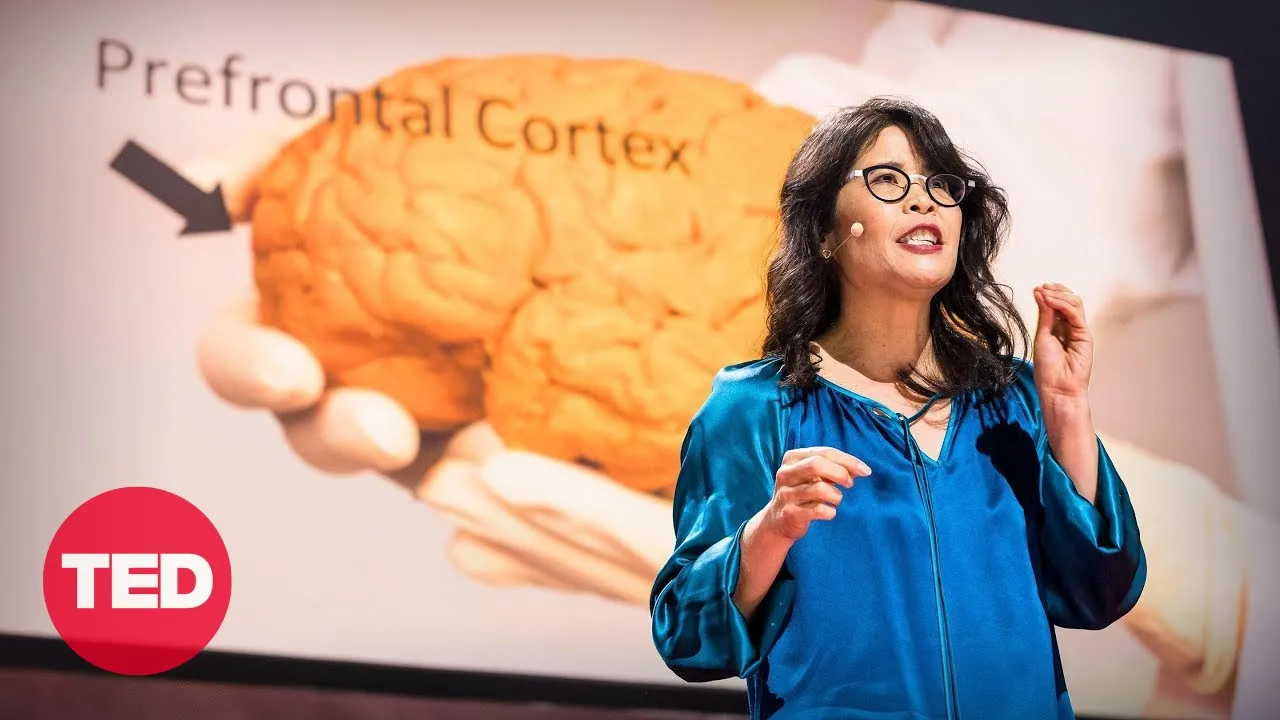
13:03
How Exercise Benefits Your Brain: Science Explained
@TED
11.4M views•2018-03-21
Related Study Plans & Knowledge Roadmaps
Structured learning paths in Neuroscience
neuroscience
Appetite Regulation: Brain Circuits & Hormones
01Foundations of Endocrinology and Brain Anatomy
02Introduction to Energy Homeostasis
03Peripheral Signals: Leptin, Ghrelin, and Insulin
+ 2 more learning modules
14h5 modules
Explore Roadmap
neuroscience
Neuroeconomics: Value, Risk & Brain Mechanisms
01Foundations of Neuroscience and Brain Anatomy
02Introduction to Neuroeconomics and Subjective Value
03Dopaminergic Prediction Errors & Reinforcement Learning
+ 3 more learning modules
18h6 modules
Explore Roadmap
neuroscience
Spatial Navigation: Cells, Grids & Brain Maps
01Foundations of Brain Anatomy and Memory
02Place Cells and Head-Direction Cells
03Grid Cells: The Brain's Coordinate System
+ 2 more learning modules
12h5 modules
Explore Roadmap
neuroscience
BCIs: Neural Decoding & Prosthetic Control
01Neuroscience Foundations: How the Brain Signals Intent
02Signal Acquisition: Recording the Brain's Activity
03Neural Decoding: Translating Brain Waves into Data
+ 2 more learning modules
25h5 modules
Explore Roadmap