



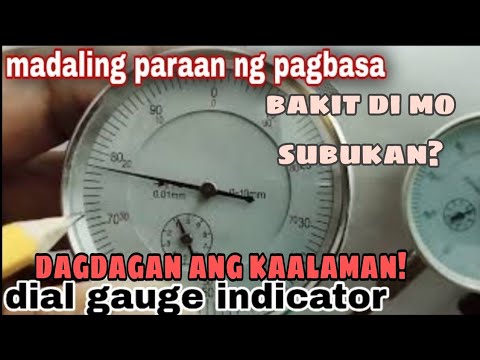
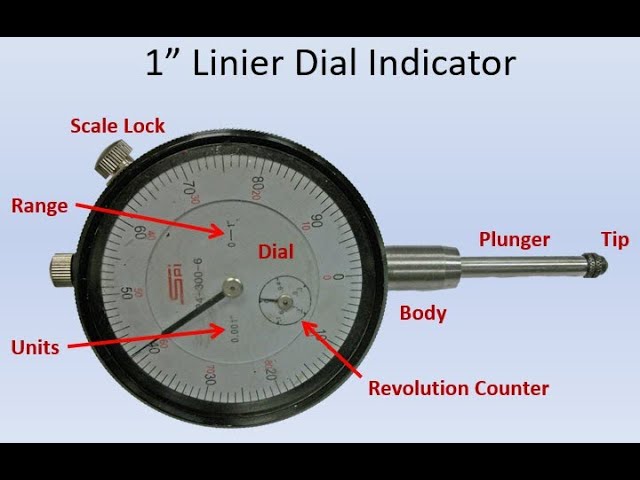







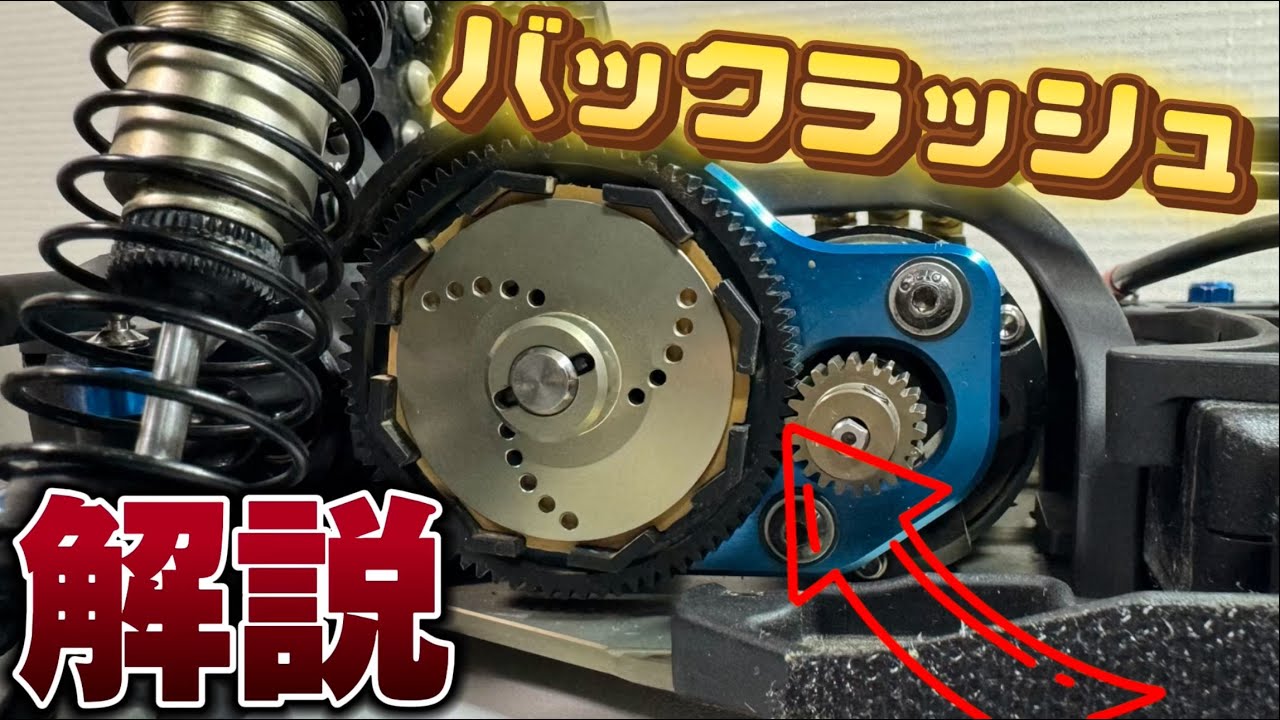










Gear backlash is the clearance between two meshed gears that allows for smooth operation and thermal expansion; it is measured by immobilizing one gear and measuring the movement in the other using either a feeler gauge or dial indicator, with proper backlash typically ranging from a few thousandths of an inch. The center distance between gear shafts is critical to achieving correct backlash, as incorrect spacing can cause gears to either not fit at all (when too close) or create excessive backlash leading to noise, vibration, and premature wear (when too far apart).
Measuring Gear Backlash and Center Distance: A Practical Guide
Added:Basic gear anatomy and terminology, including pitch circle, tooth profile, and the conceptual definition of gear mesh.
Fundamentals of dimensional metrology, specifically how to read and set up precision dial indicators and feeler gauges.
The mechanical purpose of backlash in gear trains, such as accommodating lubrication films and thermal expansion.
An understanding of engineering tolerances and how deviation from nominal center distance affects mechanical systems.
Practical methods for adjusting gear backlash, including the use of shims, adjustable center shafts, and eccentric bushings.
Analyzing gear tooth contact patterns and diagnosing mechanical failures caused by improper backlash or misalignment.
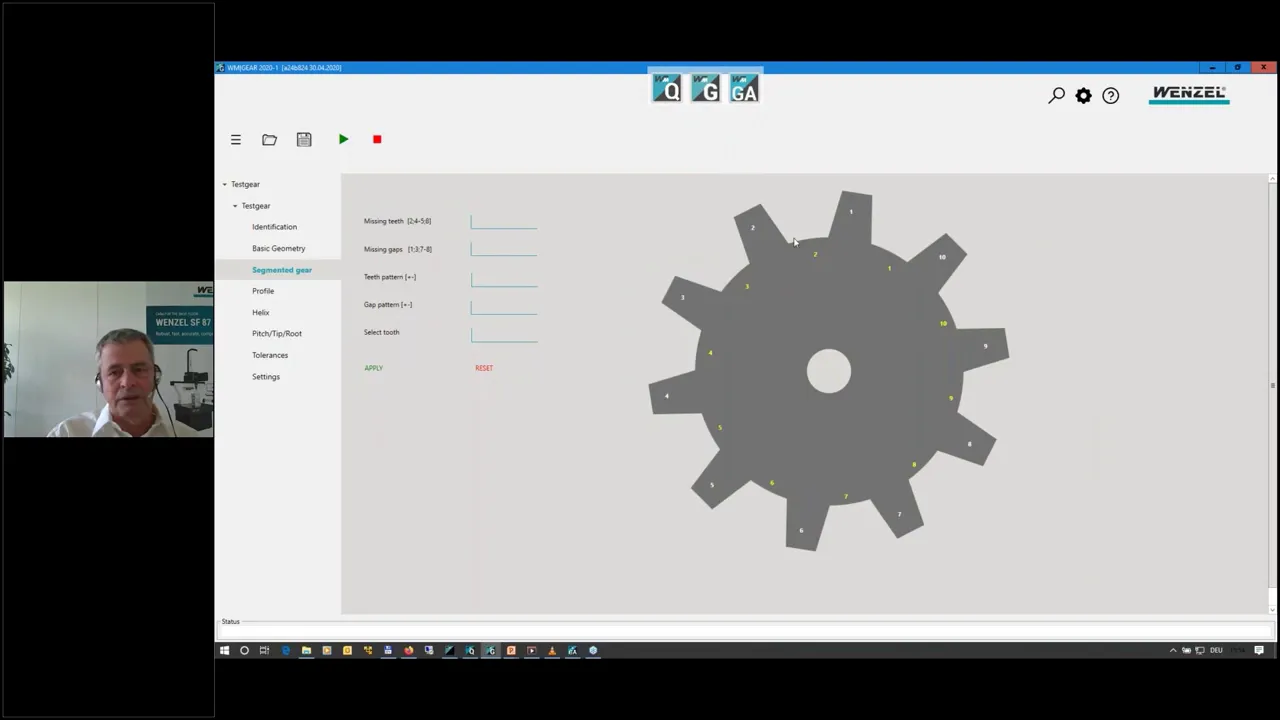
Advanced gear inspection techniques using Coordinate Measuring Machines (CMM) and specialized gear testing software.
The design and application of precision motion control systems, such as anti-backlash gears and harmonic drives in robotics.
55.3K views614likes4:53Original Release: 2022-07-29
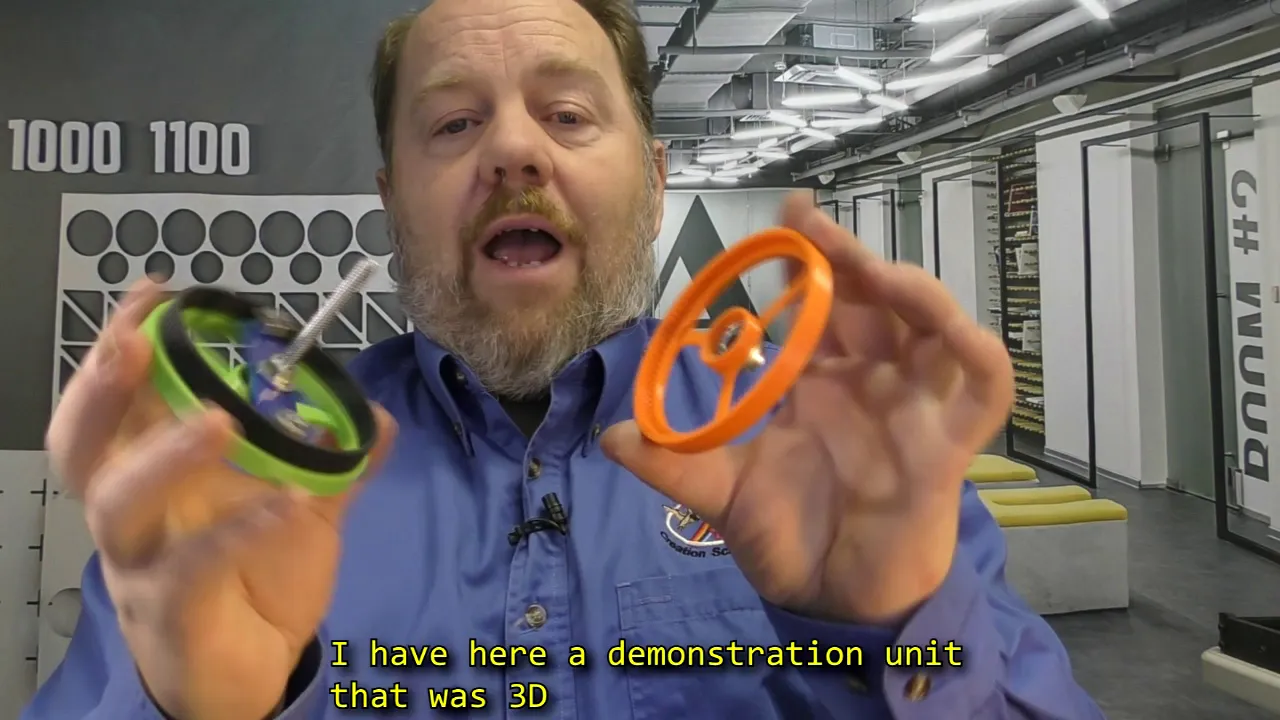
ever wonder how important the center distance is between the shafts you've made your gears on this is the kit that can show you what matters [Music] the way you measure backlash one gear doesn't have backlash two gears have backlash and it's measured by immobilizing one and see how much movement there is in the other do you hear this a little bit of backlash [Music] these two pins or shafts are an extra 39 thousandths apart this way and there's a lot of backlash and here they are 78 thousandths apart [Music] and there's nearly 70 thousands of backlash and if your post or shafts are too close the gears just won't even fit so there's no backlash this is where they're supposed to run and those run very smoothly [Music] even when i move them back and forth there's barely a sound of them talking each other these also run they work but make no doubt about it there is quite a bit of backlash here we'll get a close-up here in just a second [Music] and way out here at a huge center distance [Music] they work but they won't work for long let's zoom in so we can see it how it's supposed to be by design the correct center distance let's zoom in here and see if we can get a look at that those are very smooth there's no lubrication by the way and the measurement is made like this by using the feeler gauge this one says five thousandths and i immobilize one gear and this gauge is kind of a decent size so it's a little hard to get in there but you can tell we're in there and there's your backlash properly designed gear has just a few thousands of backlash this is actually kind of big for a backlash number i think we could maybe make those gears slightly better but that's well within tolerance and those will run great and the pitch line on this gear is you know it's a it's a it's a line but uh you can tell i'm generally drawing it in the area where you'd expect them to be and they're just really far apart and you can tell just when i'm accelerating it to spin it you can hear them kind of clanking these will tear each other up those these wouldn't work a receiving party would probably reject these gears and let's bring those back around together and you can see the tips of these teeth are very far apart and the backlash is enormous these will tear each other up they spin okay they actually are starting to kind of rattle together they'll end up vibrating and tearing each other up this is another setup i've used to measure the backlash between two gears make sure it's all set up very rigidly but you can see where i've got the tip of the indicator there you'll immobilize the gear on the left the pinion and then that you'll move that 28 tooth gear and i'm just double checking what i got with the feeler gauge so i got it all tuned in pretty close here uh just uh to give us an idea and that's about that five or six thousands i got with the feeler gauge there you go hope you learned something thanks
Up Next

13:51
Planetary Gear Train Fusion 360 Tutorial: Modeling & Animation for Engineers & Hobbyists
@RELUvance
132.6K views•2019-12-09

30:32
Ultrasonic Transducers: Resonant Frequency Measurement and Horn Design
@imajeenyus42
229.9K views•2017-02-22

54:16
Polymer Environmental Degradation: Mechanisms & Stabilization
@iit
1.8K views•2012-07-10

33:39
How a Student's Question Saved a NYC Skyscraper from Collapse
@veritasium
22.8M views•2025-04-26
Related Study Plans & Knowledge Roadmaps
Structured learning paths in Engineering
engineering
Building Acoustic Levitators: Physics & Arduino
01The Physics of Sound and Standing Waves
02Piezoelectric Transducers and H-Bridge Drivers
03Arduino Programming: Generating 40 kHz Signals
+ 2 more learning modules
14h5 modules
Explore Roadmap
engineering
Building Peltier Cloud Chambers: Particle Tracks
01Cosmic Rays & Cloud Chamber Physics
02Thermoelectric Cooling (TEC) Fundamentals
03Custom Liquid-Cooling Loop Design
+ 2 more learning modules
18h5 modules
Explore Roadmap
engineering
Yagi-Uda Antennas: Modeling, Build & VNA Test
01Introduction to RF and Antenna Fundamentals
02Yagi-Uda Antenna Design Principles
03Antenna Modeling and Simulation in 4NEC2
+ 2 more learning modules
18h5 modules
Explore Roadmap
engineering
ECG Monitor Design: Op-Amps, Filters & Noise
01Electronics & Breadboard Basics
02Op-Amps and Instrumentation Amplifiers
03Bioelectricity and ECG Fundamentals
+ 2 more learning modules
18h5 modules
Explore Roadmap