




























Statistical discrimination occurs when employers make blanket assumptions about individual productivity based on group membership due to asymmetric information, leading to wage differentials between equally skilled workers; unlike taste-based discrimination which is unprofitable and self-correcting, statistical discrimination can persist because it may be the most profitable strategy as long as group stereotypes accurately reflect average productivity, and this form of discrimination can be mitigated through education which provides verifiable signals of individual capability.
Statistical Discrimination in Labor Markets: Microeconomics
Added:Basic labor economics principles, including how wages are determined by the marginal revenue product of labor (MRPL).
The concept of asymmetric information, specifically how hidden characteristics lead to adverse selection in economic transactions.
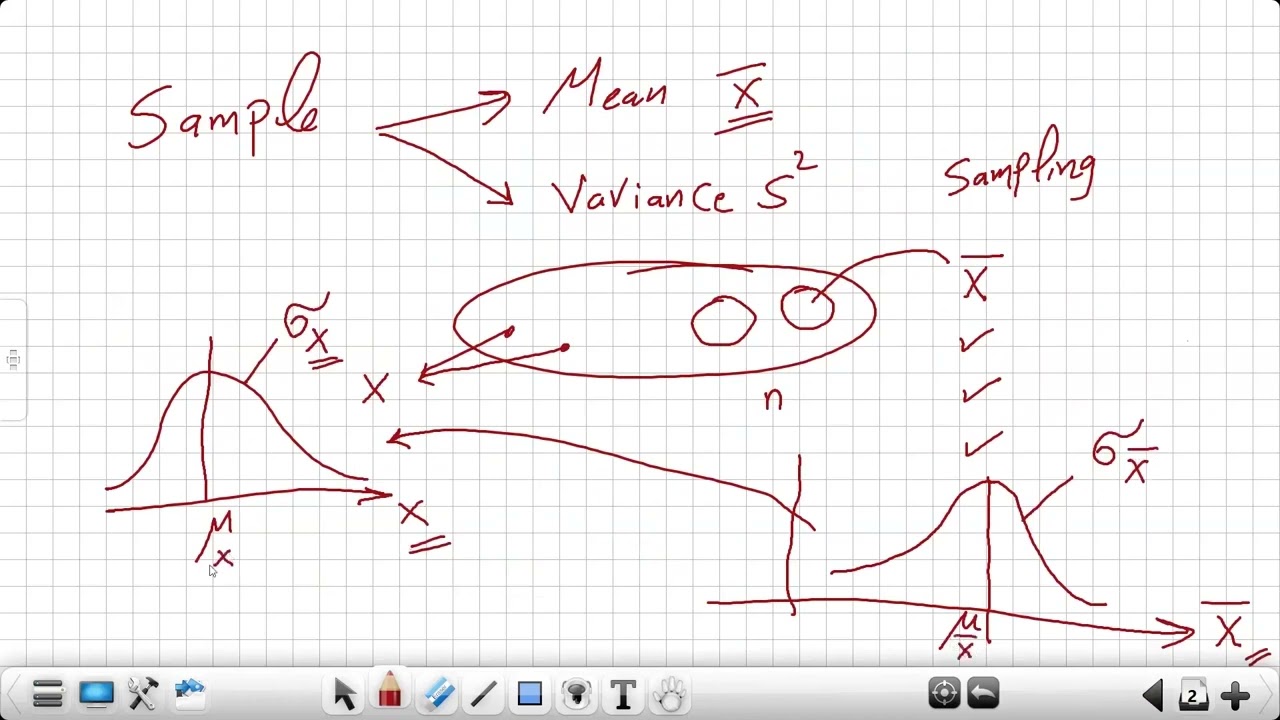
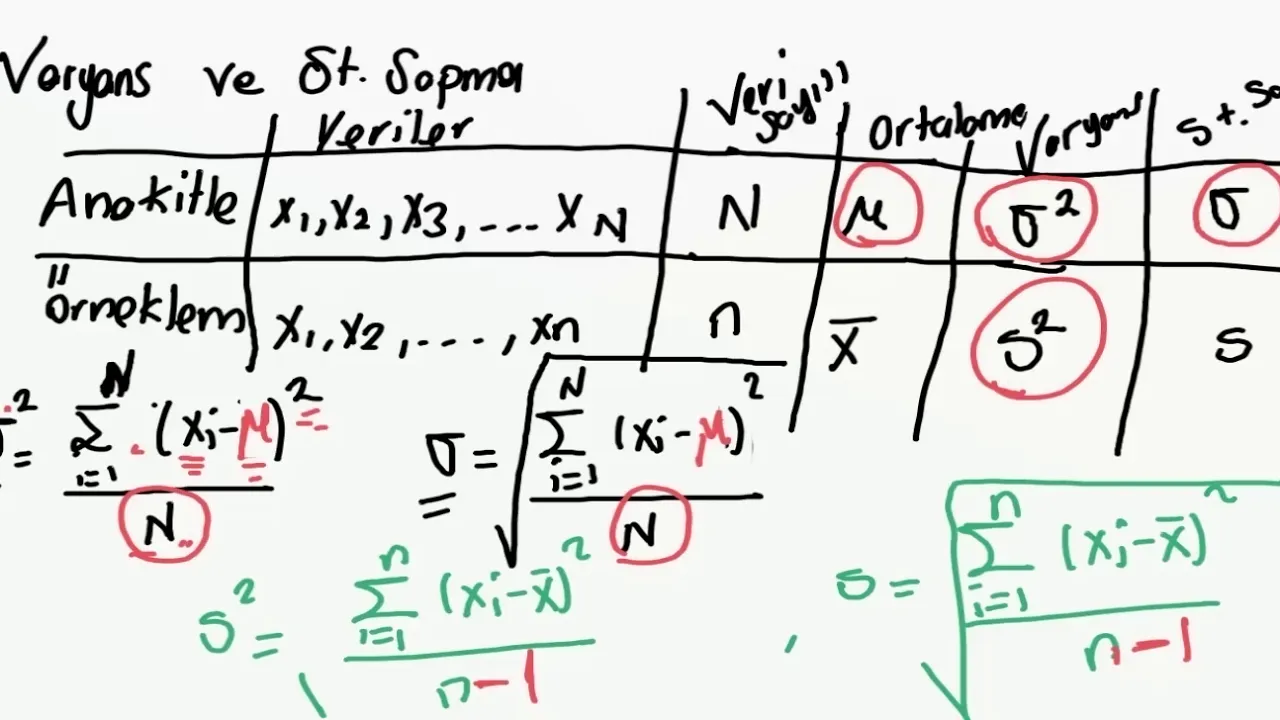
Fundamental statistical concepts such as group averages (means), variance, and drawing probability-based inferences about individuals from population data.
An understanding of taste-based discrimination (Gary Becker's model) to serve as a comparative baseline for market-driven biases.
The dynamics of self-fulfilling prophecies, where statistical discrimination discourages minority groups from investing in education or human capital.
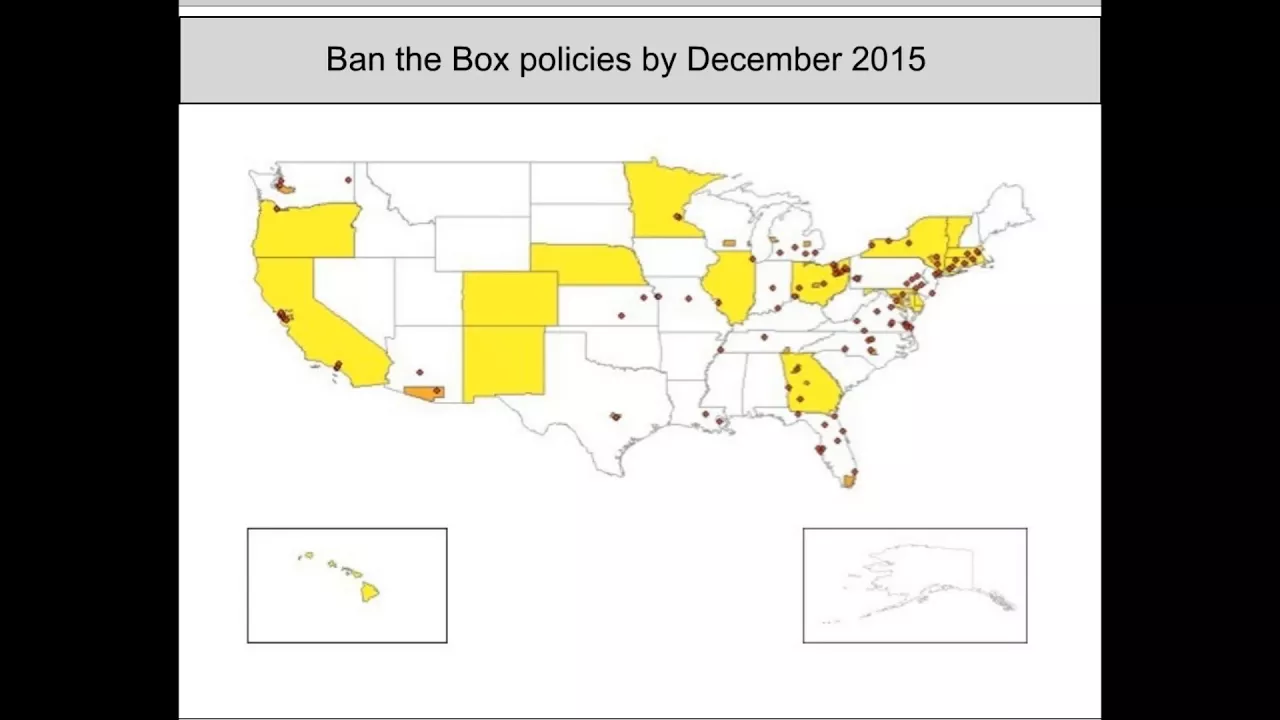
Public policy remedies for statistical discrimination, such as 'Ban the Box' initiatives, affirmative action, and standardized credentialing.
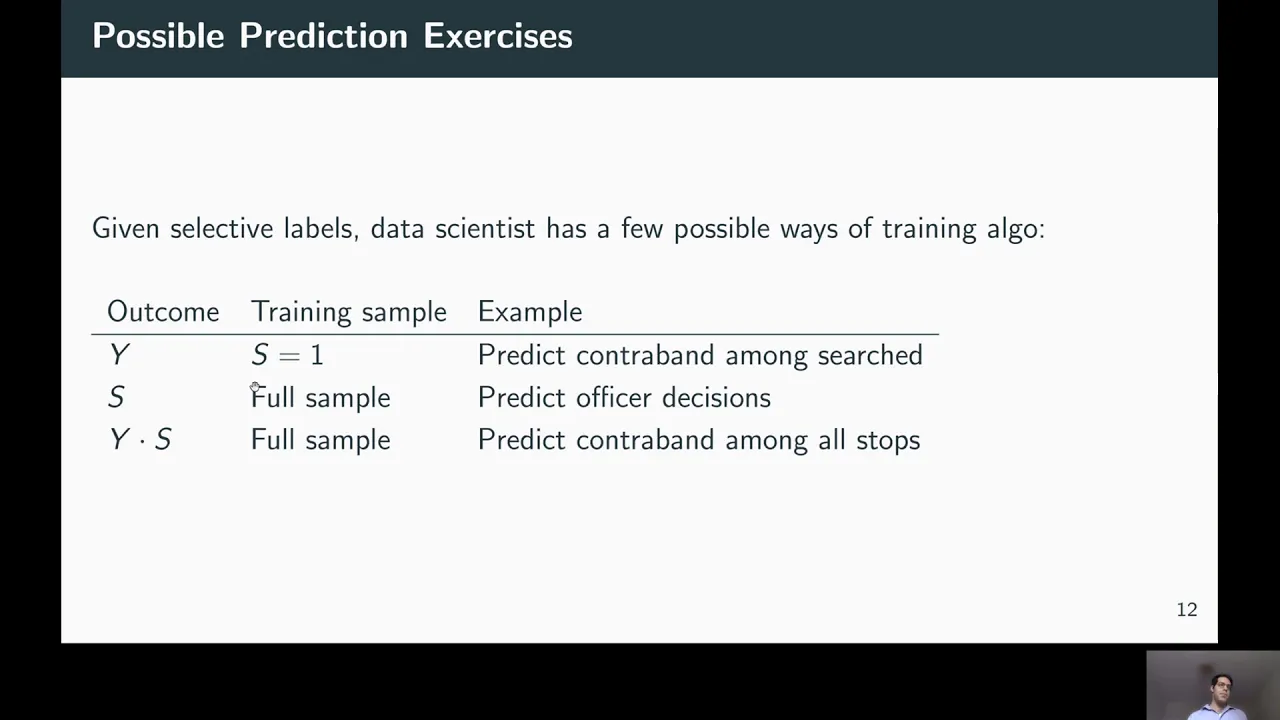
Algorithmic bias in hiring, exploring how automated screening tools and machine learning models replicate or exacerbate statistical discrimination.
Empirical methods in labor economics used to detect and isolate discrimination, such as correspondence studies (resume testing) and audit studies.
436 views4likes8:44Original Release: 2021-12-16
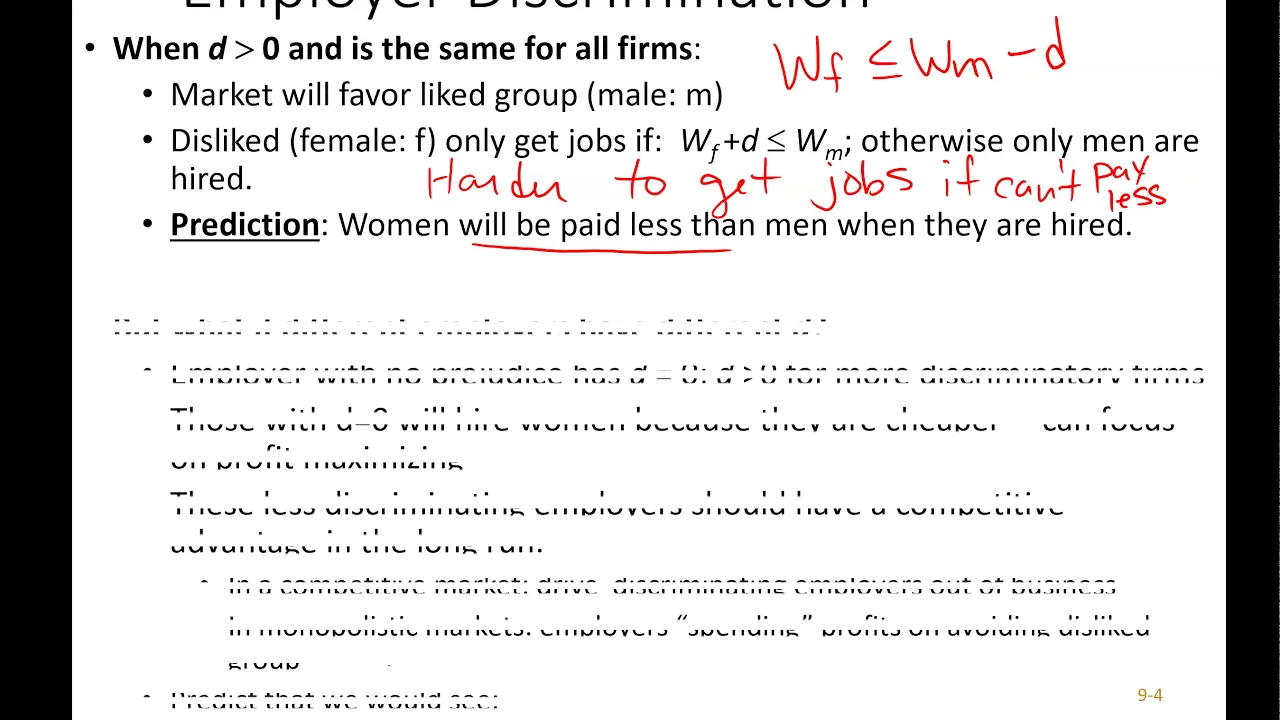
um but i mentioned also there are two main types of uh discrimination that economists tend to think about in the labor market taste-based discrimination is one of them uh the other one is called statistical discrimination um and uh so we're gonna talk about that as well so if you recall i mean i don't have a way to put this up on the screen um but we played the game last time we played the game with the cards right uh and in that game with the cards right we had a uh we had two different types of cars we had redneck cars and blue back cars the red cars went from two to six the blue cars went from four to eight uh you had to show the color of your car to the potential employers but you were not allowed to show the number uh and then there were employment deals going on and you settled on wages and things like that and the numbers that we ended up with i guess i can just look and recreate it on the board so we have blue the average payment for blue cards we have a thing for red cards around one round two six point three five six and 4.75 um so uh any guesses what's the nash equilibrium of this game any guesses on that if you play this game over and over and over and over again uh what would incentives push the wages for the blue and red cards towards being any guesses what would be four for the red cards and six for the blue price because on average what does hiring a person with a blue card in the red car get you on average the blue card gets you paid six and on average the red card gets you paid for so you'd be willing to pay up to six and four respectively to hire somebody with that color card uh and we didn't get exactly that when we started heading in that direction right for blue we sort of hovered around six but right we started at five and we were already starting to drop by minus two which can bring us to statistical discrimination so statistical discrimination is discrimination based on when people make blanket assumptions about a person based on what group they are in sort of think about it like stereotyping but it's a bit broader than that now these assumptions may or may not be true for the group as a whole but the thing that they make to definitely discrimination is that they are applied to each individual whether or not it applies to that actual individual so as in this example right here you can imagine comparing two different people right imagine a person holding a blue five against a person holding a red five right those two people are equally skilled and yet because they can't actually show their five to the person the red person the person with the red five is going to end up like being made less than the person with the blue fox right equally skilled beginning paid different amounts which is a wage differential right but that's not based on human capital so why does this happen uh well it happens partially because somebody's true productivity cannot be observed right uh so if you're an employer you're hiring somebody uh you don't know how good they're going to be there's an information problem right we already talked about this when we talked about asymmetric information you don't know how good of a worker that person that you're hiring is uh and so you try to make an assumption about how effective worker you think that person is going to be and you use the signal that are your disposal and those signals might end up being based on groupings or things like that right if you think people like from group x have a marginal productivity of labor of 10 you will assume that a person from group next will have a marginal productivity of labor of 10 no matter what their actual individual marginal productivity of labor might be so you'd offer them a wage on the basis of them having that value whether or not it's true uh and you do this whether or not that person actually has a marginal productivity labor of 20 in which case you'd be underpaying them uh or even whether it's accurate for them even if it's active for them right it's still uh an example of statistical discrimination because that's where the wage offer is coming so this is exactly what happened in our game uh so somebody with a red five was just as good as a blue five um but they were not able to actually reveal their their productivity uh and as a result we ended up with wage differentials between the different people based on the color of the card because employers could not see the actual number they had to make an assumption based on the back of the card and the statistical average based on what you know about those distributions was that the wages would be a little bit lower for the red than for the blue so i want to know what it should offer you but i don't know your actual margin productivity flavor i got to make a guess somehow i use whatever information is available to me which includes what group that you are in which means that that group membership can lead to discriminatory behavior on the part of the employer because they are trying to use that information to guess your marginal credit social labor so i'm going to use my assumption about your skills and my offer on the basis of what i know or at least what i think i know about that group so what does this actually end up doing right well if you happen to be in a group that employers perceive to be less skilled then you're going to get offered a lower wage even if you are in fact quite highly skilled uh or even if the group is actually quite highly skilled the employer misreceives season this is an asymmetric information problem uh so we can solve it at least partially with asymmetric information problem solution uh sibling for example uh one example of this is education uh so in education in education we tend to find on education research i do a lot of research on the labor market of education uh and what we find is that the return to education the additional money that you earn in the labor market related to your education tends to be higher for disadvantaged racial groups we can imagine why this might be related to statistical discrimination right if the problem is an information problem uh then being from a disadvantaged group being able to prove yourself and do the harder thing you would expect to give you a bigger jump because it is fighting off a different kind of assumption that the employer is making about you so that's another way in which we can get discriminate or we can get wage differentials on the basis of discrimination is statistical discrimination the reason why economists tend to think of it in two different ways is because they work in very different ways in the labor market right so um an easy mistake to make is to think that because this is based on some sort of statistical idea uh and there's not an explicit prejudice bank into it that is like not as bad but that's not really how it works um so it actually can be in some cases uh have worse effects uh because unlike taste-based discrimination there's no reason to expect statistical discrimination will go away on its own right remember this graph back here right for taste-based discrimination it is an unprofitable thing to do you will be out-competed by other firms who are not discriminating in the same way um but uh that's not the case for statistical discrimination right uh as long as the estimate of the average is correct meaning as long as the stereotype is true on average even if it's not true for individual people that's that's how stereotypes work they're not true for individual people they're truly at best to run average um practicing just additional discrimination may actually be the most profitable strategy which means that it would not by itself go away uh just on the basis of the market it means something else there as well but just because it is profitable does not mean it's not harmful or unfair right it doesn't make it it doesn't make it uh just because it's not based on explicit prejudice it's still based on things like stereotypes uh and uh it still hurts me uh it is still around right so it doesn't go uh i mentioned uh the graph earlier with uh that sends out fake resumes and it just sort of randomly assigns a bunch of uh attributes on a resume so that they're all the same resume on average uh and then just varies like the name that's on there so you can see how employers respond to different kinds of names that they see um and uh yeah and you do see that there are big differences in terms of who the employer calls back uh based on just the name right so again the exact same resume information get very different call back rates uh this happens across racial lines here's an example of 2004 in boston chicago uh here it happens across the immigration line so this is uh from toronto using some of the major immigrant groups in toronto getting much slower call back rates even with the exact same resumes
Up Next

66:50
Economics of Race, Discrimination, and Affirmative Action | EconTalk
@econtalkwithruss
51.9K views•2023-09-04

5:07
Impact of Yuan in Indo-Russian Trade Amid Sanctions
@WION
261.9K views•2022-07-01

7:59
Supply and Demand: Market Model Foundations in Microeconomics
@NickHuntingtonKlein
112 views•2021-10-05

113:18
The Age of Easy Money: Fed & Inflation | Full Documentary
@frontline
21.2M views•2023-03-15
Related Study Plans & Knowledge Roadmaps
Structured learning paths in Economics
economics
Sovereign Debt: Defaults, IMF & Restructuring
01Introduction to Sovereign Debt & Government Bonds
02Debt Sustainability & Credit Ratings
03Anatomy and History of Debt Crises
+ 2 more learning modules
12h5 modules
Explore Roadmap
economics
Market Design: Matching Theory & Gale-Shapley
01Introduction to Market Design and Price-Free Markets
02Two-Sided Matching & The Gale-Shapley Algorithm
03School Choice Systems and Mechanism Design
+ 2 more learning modules
10h5 modules
Explore Roadmap
economics
Impossible Trinity: Forex, Capital & Policy
01Introduction to Monetary Policy and Central Banking
02Exchange Rates and International Capital Flows
03The Mundell-Fleming Model
+ 2 more learning modules
8h5 modules
Explore Roadmap
economics
Healthcare Economics: Market Failures & Systems
01Introduction to Healthcare Markets and Market Failure
02Asymmetric Information and Adverse Selection
03Moral Hazard and Insurance Design
+ 2 more learning modules
12h5 modules
Explore Roadmap