


























Economist Roland Fryer argues that while discrimination exists, it accounts for only 10-25% of racial disparities in outcomes like income and education, with the majority stemming from differences in human capital and opportunity access. He advocates for data-driven approaches to identify and address these disparities, suggesting that elite institutions should invest in feeder schools in underserved communities to increase minority enrollment rather than lowering academic standards, as this would more effectively expand opportunity and reduce inequality.
Economics of Race, Discrimination, and Affirmative Action | EconTalk
Added:Basic labor economics concepts, including wage determination, labor market equilibrium, and human capital theory.
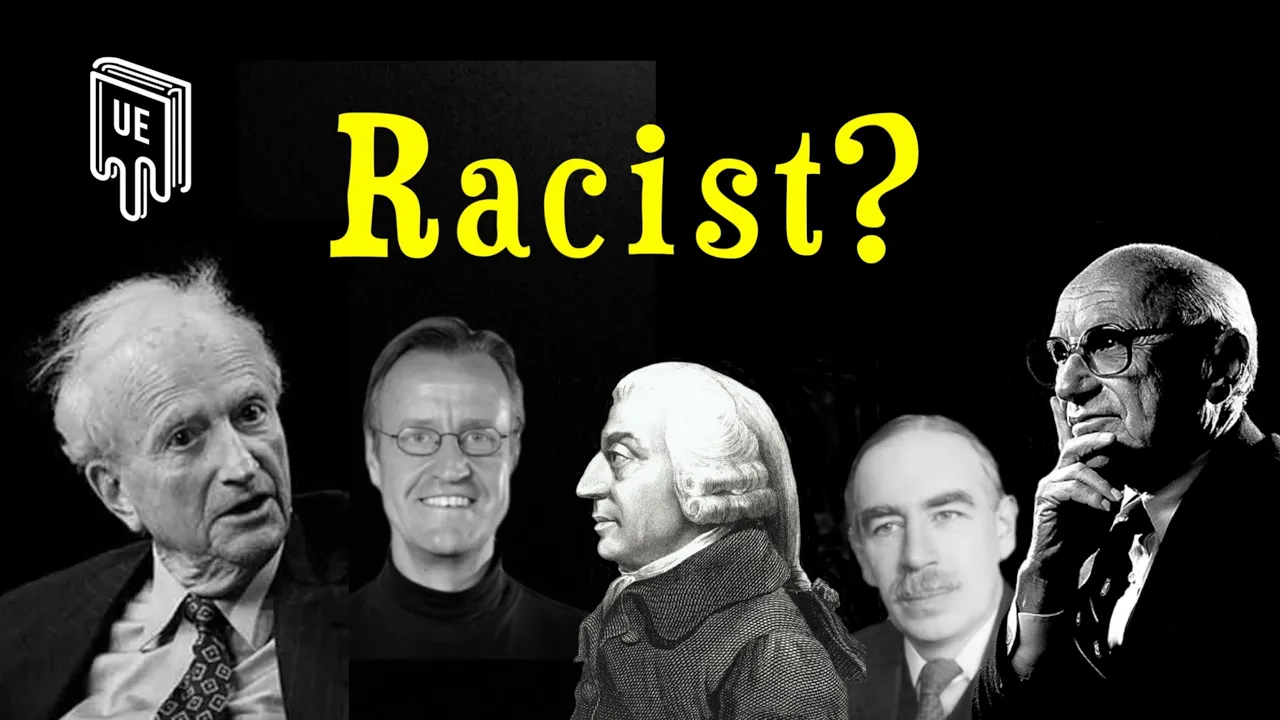
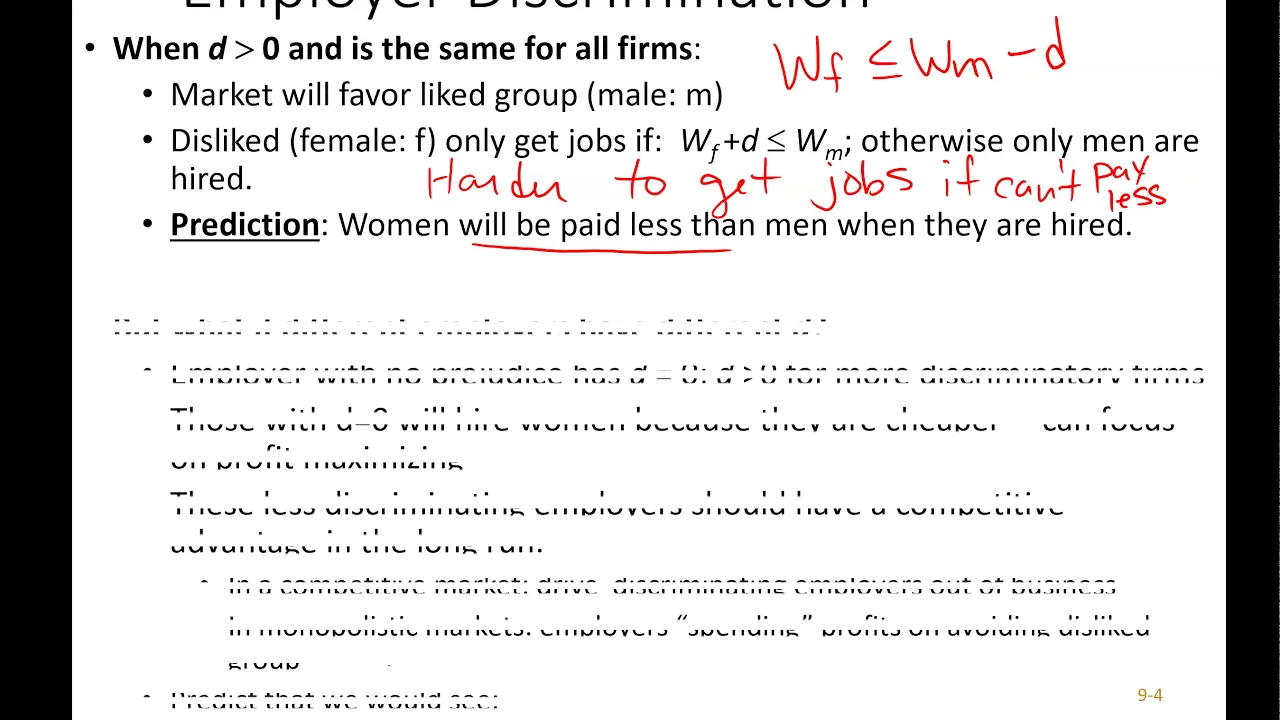
The fundamental economic theories of discrimination, specifically Gary Becker's model of taste-based discrimination and Arrow's model of statistical discrimination.
An introductory understanding of econometrics, particularly how researchers use regression analysis to isolate variables and identify causal relationships rather than just correlations.
The historical and legal background of affirmative action policies in the United States, particularly in higher education and employment.
Advanced empirical research on systemic bias within the criminal justice system, including economic analyses of policing and racial disparities in sentencing.
The economics of education and intervention design, focusing on policies aimed at closing the racial achievement gap through charter schools, early childhood education, or teacher incentives.
Game-theoretic and market-design approaches to affirmative action, exploring how different selection rules alter incentives for skill acquisition and representation.
A critical evaluation of methodological debates in the social sciences regarding omitted variable bias and the measurement of systemic vs. individual discrimination.
51.9K views1.3Klikes1:06:50Original Release: 2023-09-04
today is July 26 2023 and my guest is Economist Roland fryer of Harvard University he was last year in October of 2022 discussing educational reform Roland welcome back to econ talk thanks for having me Russ it's uh great to see you our topic for today is diversity affirmative action racial disparities I want to start with a very general question which we could spend the whole time on we'll try not to but um what have we learned when we start going back to say uh Gary Becker's book which was 1957 if I remember correctly on the economics of discrimination what have we learned about the source of racial disparities in America and education and in income for example how important is racism and how can we measure that if at all how do economists approach that challenge well you just jump right in there Russ uh that that is a that's a long question uh and I'll try to be brief but um you're right uh the study of discrimination and economics was really started by Gary Becker in his doctoral dissertation at Columbia University um and that was in the 50s and Gary's basic view was that discrimination happened because people had a taste for it um the reason that I didn't don't hire you Russ is because I just don't like hanging out with you uh my utility goes down when I hire uh Russ and so that means I have a stomach ache whatever it is my utility goes down so I don't I don't hire those types of people as often uh and that's called taste-based discrimination there's been another theory of discrimination put out uh by Kenneth arrow and his view was it's not really about taste it's more about information it's not that I don't like you it's that I believe people who are are similar to you just are not uh that qualified or that productive and given I have imperfect information about who you are I don't know if you're good or not until I hire you um then I will use stereotypes those stereotypes I have about your group and I will assign them to you so that's an information based type discrimination a third one that the sociologist really uh are are have come up with and are more keen on is called kind of structural based uh discrimination so it's not that I don't like you it's not that I'm stereo I have stereotypes it's fact I have policies and procedures that unwittingly uh have a disparate impact on you so a um uh referral program might be something like that and so those are the basic tenants I mean that's a very broad overview there are lots of papers and economics and sociology within those categories I've been fortunate enough to write some of those over the years but that's at a broad category a broad generalization social scientists um break up discrimination into one of those three buckets now the question is how much is there how do you measure it wow this is a really really hard question right like I used to teach a course here at Harvard on the economics of race and on the first day of class I'd say uh understanding discrimination is equivalent to understanding the causal effect of race on an outcome right just imagine how hard that is you know economists have gotten really really clever over the years that determining causality out of other things because you kind of have random variation here sometimes you set up your own experiment right sometimes you use natural experiments experiments that happen in natural life that you can exploit but that doesn't really happen with race very often right like it's really hard to imagine randomly changing race now some people have gotten again clever with that people will randomize names on resumes that that are indicative of a certain race so it's it is possible but is very very difficult uh in terms of how much um discrimination is there in the world well uh news flash it does exist okay let me let me let me be the first one to tell you uh it does exist in the data it exists anecdotally in my own life right I grew up in Texas in the 80s there's no way you cannot imagine that there's discrimination in the world in Texas in the 80s it was very blunted right it was uh it was a weird story I'll tell you when I first moved to to the Northeast to Cambridge in 2003 I was amazed that someone could send you preferences about their eating habits when you invited them over for dinner it's just not something that happens I don't know if it's a rush you're laughing at everybody it's not something that happens in the South or maybe it's income because you know we grew up with not a lot and we certainly like you couldn't first of all no one invited you over dinner there was no dinner parties in my neighborhood but if someone had you over Sunday dinner you couldn't like send them a note being like I don't like coconut you know I'm I'm gluten-free I mean we have those things okay not not saying please don't don't write Russ and I love gluten-free people whatever but but you just couldn't do it so when I got here I invited one of my colleagues over for for dinner and they sent me a an email with a long list I I I don't have bell peppers coconuts and I just thought this is the craziest thing in the world but that is what it was like to grow up in the in the south in the 80s uh we would be out playing we'd play street football every day uh because I won a lot of parks so you played the street and you know uh and it was relatively racially mixed okay and but at the end of playing football we would decide maybe we'll go over Russ's house for some snacks we're hungry we've been playing football all afternoon and every now and then you know literally once a week or so someone like a Russ would turn to me and say hey my bad man my parents don't allow black people in the living room and then there was a decision to make right and it was so clear right it wasn't there wasn't a philosophical thing they were like okay well what kind of snacks do you have because they're really good snacks Roland were out if they're not so good snacks we'll choose somebody else's house it was that matter of fact right so that that is I don't I don't even know what theory of discrimination that is maybe that is just a uh uh uh maybe their parents was taste and and there they would just maximize it but you get the idea it it was a very explicit way and yes discrimination exists the question really is whether or not it is as limiting a factor um in labor markets and loans and education as people think it is and I think that's the big that's the big question right My worry is that the whole concept of disparity has turned into discrimination not every disparity is discrimination I mean this is an obvious thing to say statistically but it is something that in the in the ethos and the culture over the last two years I believe has kind of been purposely confused right and and even really really smart people that I admire and respect what a disparity gets too big they'll say well that's got to be discrimination I said well I how do you know that well because it's just too big right well I'm not familiar with the two big statistical tests okay so that doesn't that doesn't work for me um and so you know really really smart people have thought about how to detect how much discrimination there is in in the market and I would say that you know the the basic idea is somewhere between 10 and 25 is attributed can be attributed to um discrimination and the flip side of that is 75 to 90 is something else in other words let me let me make this um try to put a sharp and a point on this if you're an employer a question really the fundamental question is if you see disparities in hiring is it because people are coming to your firm with the same skills and you were choosing different you know processes or functions to hire them right or Criterion to hire them well that's discrimination if you have the exact same skills and the likelihood of being hired is determined by the race of the person or the gender of the person that's discrimination or is it that people come to uh into your candidate pool and they have different characteristics and to really truly say a disparity is discrimination you have to disentangle those two things you have to understand is that the same people being paid different prices or different likelihoods of being hired or is it different people right and that is a fundamental question and and one that I don't believe gets enough attention right and so whenever I've seen people do disentangle that well yes there is typically uh not in every study but typically uh seem to be discrimination and uh but it is not the major component of the disparity okay and and last thing I'm going to say on this and and and please interrupt me or ask me to go go deeper on any one of these things what makes I'm gonna try to communicate this well I'm not sure I can what makes this the other thing that makes the study of discrimination so hard and just kind of observational data if you have an experiment great that's simple um but but in observational data is it's in some sense Russ a one-sided test meaning if you find that there's no discrimination then sure there's no discrimination but if you find that um after accounting for education and um job experience uh and a measure of skill there's still a big disparity at hiring well that residual is that discrimination or is that because we didn't have enough data to make better comparisons right in statistical parlance we'd say is that residual discrimination or is it mismeasured X's right in layman's terms what we're saying is did you measure education the appropriate way do you have a really great measure of skills or is it noisy and that matters again because if we're in a situation where we're innocent until proven guilty in some sense or um we are um uh we assume the person is not discriminating unless we can find evidence they are then it's just really hard to to pinpoint discrimination without really good data and really great techniques and we know if you've ever spent any time thinking about managing human beings and what productivity really is there are many many skills that are intangible um one of my favorites is integrity uh seriousness of a person can't measure it you can observe it in casual interactions over a period of time if you're a really good interviewer you might be able to get at that in a job interview but the skills that we have data on are never precisely mapped into the productivity of an employee in the workspace and of course that always leaves uh leeway to be a racist uh or other or sexist or anti-semite but uh but it's a fact as you say that these things are very hard to measure and I think culturally the challenge for us um in general is thinking about what the default is whether it's innocent until proven guilty or guilty until proven innocent but certainly to take the first step which you've written about your own exploration of this and saying well you know how could I begin forget final how could I begin to get at uh what parts of this are racial versus differences between human beings and then the next question of course would be if there is differences in human beings you know what could we do to change that and we'll talk about that later I I expect but I think that's that's um inevitably impossible questions to answer precisely but we can get some information on that's how I would describe it well Russ your point about innocent until proven guilty or guilty until proven innocent proof that is a fundamental point and the you know um the reason this is the point I used to debate with my grandmother and and the reason that it is in America innocent until proven guilty is because discrimination has typically been handled in the courts and that's the that's the uh the way the courts operate but it's hard as a human to imagine that in 1963 before the Civil Rights Act when it was okay um uh or when it was more tolerated to to discriminate when we flipped that and go 1964 1965 that we also flipped the the null hypothesis that's a strange thing to imagine just historically so I get it I I had a statistics professor in college when I first like my love of Economics had just like taken hold like I've had a love affair with economics since my my first class um in 1995 and uh the professor said something like life is all about who gets to claim the null hypothesis and I thought that was one of the most beautiful statements I've ever heard whether it's relationships or the study of discrimination really who gets to get the null hypothesis who gets to claim the null and that has a winning Advantage for the non-statisticians in the crowd uh the null hypothesis is your default that you're comparing other things against it's sort of your Baseline and uh that can change everything uh talk a little bit about your grandmother and her attitudes on this question how you uh you've written about it very very poignantly about how your attitudes changed over time because you tried to measure them what we're talking about well my grandmother uh partly but at least emotionally fully raises me as a kid um she likes to when she was she passed away in uh 2016 but um she uh actually 2014 sorry uh and she um she liked to tell people that she brought me home from the hospital which is when I was born which is true uh we had a phenomenal relationship a phenomenal relationship and she was an amazing human being she uh played basketball for Bethune-Cookman College um uh in the 1940s uh late 1940s is she um when I was a kid I always thought we had plenty because she had two or three jobs always um and she just had this life was simple to my grandmother there were that was right and that was wrong and um uh she integrated schools in Florida in 1969 and and going to school uh she lived in an all-black neighborhood the day she passed away um I could never get her to move to an integrated it didn't want any of it she lived in an all-black neighborhood and uh she was asked to go integrate a school that was 25 minutes away in an affluent suburb and she she did it and to hear her tell her stories of being spit on and rocks thrown at her walking from her car to get to a to a class it's incredible she was just a phenomenal human rust her first day of school when she integrated imagine this first day of school She interviewed she's lining up the kids to go to um to I'm going to get teary eyed thinking about my grandmother she she lines up the kids to go to lunch and um and one kid is a little unruly in line so she grabs the kid's hand and she walks with them as the class walks to the lunchroom first day of integration uh and obviously the kid is white and he takes my grandmother's hand and he puts it in his mouth and he bites her and my grandmother as she tells the story didn't really Flinch she just allowed him to to finish and she asked him are you done and when he was done she looked at her hand and had teeth marks all over it and she flipped his hand over and she bit him back well listening saying story and that's that's I guess that's how it was in the 60s my point is she suffered no fools and she refused to be treated poorly by anyone and uh and and she had a very large sense of uh and clear sense of what her values were and we used to go to church every Sunday and yada yada I love my grandmother anyway we we our relationship was phenomenal and it taught me the the how cool it can be had to have creative friction I call it now we had creative friction in my grandmother we disagreed a lot um I was a little percocious kid who I think if she had known a lot about economics she would have realized very early on I was an economist My grandmother used to drive around to every gas station trying to find cheaper gas I told her at some point at like age eight don't you why are we doesn't it make sense to think about the gas we're spending trying to find lower gas right my grandmother said to me you know just stop talking right but it would frustrate her but these are the kinds of questions I would ask if we would debate them all day long I was the only grandchild and so I grew up hanging around with older uh mainly black women uh who they would sit and talk about race in America continuously and I had the great Fortune of sitting on plastic covered couches drinking sweet tea and listening to this wisdom and so when you listen to that kind of wisdom inevitably as I grew up I viewed the world as being rampantly racist uh and the the few in my grandmother's living room was that she could spot a racist on site you could just look at them they're clearly are racist and so I subscribed to that view I didn't have any other I thought you know I still think my grandmother walks on water or she did and and uh and so that was the view I had and on the other hand I was really really because of those conversations I was really really interested in these areas and so when I got to graduate school I had zero intention Russ of study and discrimination uh I don't know why I was there I think I was there not to get a real job uh and and so I did pretty well in undergraduate I graduated in two and a half years right I went to graduate school age 20 and so um I didn't know what else to do at age 20. so I seem to be pretty good at economics and economics was fantastic to me so I decided to keep going and I remember going into my first um price Theory class in graduate school and being amazed but where I really what my mind was really blown was my first game theory class and they set up an extensive Forum game on the board and he wrote you know you have Choice A or B and once you choose a then the next choice is B or C whatever so you kind of go down this extensive form and at the end of the extensive form there were numbers the utilities the pales and so I was so con the power of this it was like it had glowed off the chalkboard it was three-dimensional in my mind and and and I asked the game theory Professor wait wait why are you accounting for the following I give you a bunch of complicated things it's in the number six why all of that like all the Clutter that was in my grandmother's living room on those plastic slip covers went away the world was clear to me and I was pretty damn certain that anything could be modeled in an extensive form game and I went at it I'll never forget it I left that class and I went home and I started writing what would soon to become the a paper called a dynamic theory of statistical discrimination I wrote that my first year graduate school the spring semester after learning about extensive form games and that paper was hey I had the following intuition if you have multi-stages uh in a game and you uh are discriminated against in the first stage of the game actually you're going to be discriminated for potentially in the second stage of the game in other words if you understand at the labor market has without any regulation let's take affirmative action all that out of here without any regulation if you see a woman or or minority pilot in the 1950s that must be the best pilot you could imagine because of the hurdles they had to cross to actually get to to be in that position and so therefore conditional on the a pilot the people I want to promote are the actual minorities in living right it's just a simple conditional distribution argument but you can see it very beautifully in this extensive form game I wrote that out et cetera actually ended up publishing that paper um and uh and and there's some evidence of that if you look in uh data for large Enterprises you see exactly that phenomenon yes there seems to be uh discrimination at hiring conditional on hiring you'll see a lot of times not always depends on the industry you'll see that conditional hiring actually the people who are most likely to be promoted are sometimes women and minorities and so I showed that that data were true was true in a few Enterprises in the UK as part of that paper but you get the idea this this I this this I was fascinated and so these two worlds came colliding because there was a world of pure beauty of these extensive form games that was clear the end of an hour you could Circle something you could solve for an equilibrium and say this is it and there was another world which was this intuitive is there is there not I can feel it obviously that kind of thing and I respected both and honestly they never felt rivalrous in me until I had this I had I had a phenomenal study partner one night and at two in the morning where in the Sparks Building at Penn State I was my first year graduate school and and he was brewing coffee I'll never forget it he was brewing coffee and I hated his coffee because we were so cheap he would never like empty the coffee and put in new coffee grounds he'd just sprinkle some on top and re-brew it it was disgusting but it was two o'clock in the morning it's the fun of the things you remember right it was two o'clock in the morning and I needed something to keep up and so it was me and my buddy and we were we had you know we just met a few months ago and so we got to we had done all this math together that we really didn't know each other so we started talking and so I told him a little bit about where I grew up and he told me that he grew up on a farm and and uh in Illinois and he we talked we had a shared camaraderie of cow tipping I grew up in Texas right now so we talked about all the things that rural people do and uh so I felt relaxed around him and so I decided to tell him I knew one of our professors was racist and he says well how do you know and I said well you can just tell and so I gave the kind of logic that my grandmother would give on those slipcovers drinking that sweet tea that always seemed to pass muster to me and I said that to him and at two o'clock in the morning in the Sparks Building over the worst coffee you've ever had he spit out his coffee laughing in my face that is the most ridiculous thing I've ever heard who could ever say anything like that what do you mean am I a racist do I look like it what if I turn like this what if I turn like that he just had fun with this and he says dude I don't get it on on on the problems on the board you are as precise as can be but when it comes to this which is the best application of this problem on the board we've seen all semester you're using your intuition and not the mathematics and that was probably the best lesson I got on economics and Game Theory in my entire career man that was great to have another person say that I mean it's just you just believe these things you're totally full of crap so whatever then I'm sorry this is getting too long but but I set out to say all right let's combine these two worlds let's see if we can be really rigorous but also use our intuition let's not put our heads in the same and uh and then I just was on a quest to understand that and and and and read a phenomenal paper by Derek Neal and Bill Johnson um Derek McNeil was at the University of Chicago at the time Bill Johnson was the University of Virginia and some more thing it was it felt like an attack on what I knew they were basically saying there's not a lot of discrimination in the world okay um they said look if you look at the aggregate data third of the wage Gap there's a there's a there's a 33 percent uh difference in the wages paid to Black employees and white employees that felt about right to me at that time of life 33 percent but they said look if you account for one measure of skill pre-market pre-market nothing to do with the employer uh that 33 difference goes down to seven percent okay so yes there's still discrimination maybe it's seven maybe it's ten depending upon the specification but wow seven percent that's very different than thinking a third to a half of the disparities are that way and so I stayed up late at night trying to attack that paper I I I I I'm assured that they were racist themselves Etc and um and it just made me come to realize that the rigors of Economics are phenomenal and unfortunately most of our colleagues are applying to the problems like the optimal cake eating problem uh and here is a space where a lot of discussion goes on in America and other other living rooms around the world about how much discrimination there is now that I'm older I have seen this discussion play out in living rooms across the world right the Turkish immigrants in Vienna it's the same discussions we were having in the 90s about whether or not is it is it their effort is it institutional discrimination it's the same stuff no data uh or whether it's the African immigrants in in France same thing for the African immigrants in Spain same thing I see these things replicated over and over again and I just decided and whatever it was 2 000 so 23 years ago that I was going to uh use my grandmother's intuition to root for a result or to have expectations for a result or to have intuitions about what the data may say but there was going to be nobody else on the planet more rigorous uh when it came to studying discrimination um than me and and I'm not sure I've ever ever meant that but that has been my quest for the last 23 years and God bless you um when you talk about grandmother when you mentioned in passing this is a little digression but it's related when you said in passing and she always had two or three jobs and I thought hmm I'll explain something about rolling a fryer I don't know him that well but it works pretty hard um I'd say it works very hard and and then I thought oh now I know where he got it from but if I tried to Jefferson tried to figure out whether that was nature or nurture I think we'd have a data challenge yeah it doesn't say your data challenge right is that yeah is that your innate character or did your grandmother role model that for you who knows hard to know but yeah whatever it was and they can't have to deal with it 100 and she that's just the way she was I mean when she was in her 80s she was out campaigning for Obama right she's just um you know she's just we we would say she has a high motor she's just all she was always right and she passed away at 89 years old and was only ill for about six months but before that she was out campaigning right she put local politics in double ACP whatever she could do um and I I always found that inspiring I didn't find her statistical rigor for my grandmother when I would share with her my results they were they my results were always put in two categories obvious and wrong so yeah but you know there's there's no one has pushed me more on these on these subjects than than her in part because just trying to understand where our intuition is different right and I I even wrote a paper about how one interprets signals right because my grandmother and I could have the same interaction one of us could think it was racism and one of us think of something very different you know um yeah I wrote about this before but I'll say it quickly you know we uh the the one instance that comes to mind is we went into McDonald's because McDonald's Had uh two for two dollar Big Macs it was a very exciting time in the life of a young man and we we went in and paid for the Big Macs my grandmother put the uh gave the money to the cashier and the cashier put the change on the counter my grandmother picked the change up we walk outside and my view is again a little precocious nerdy kid that didn't know he was quite a nerd yet was like hmm she was that's really sanitary right she didn't want to pass germs you know back and forth uh my grandma said she doesn't want to touch me and was irate about it so it again if you think of Game Theory that's we don't even allow that in our assumptions right that you and I can see the same signal and interpret it very very differently and so I wanted to understand how two people could come to the same interaction see the same signal publicly observable signal and have two very different interpretations of that and so I wrote this paper with my good friend Matt Jackson out of Stanford where it was about it was a it was a a form of information based um bias but it was you interpret signals um as a function of your prior beliefs okay so it was the question was how do you use Bayes rule when the signals are unclear and our idea was that most signals in life are unclear so this is we need to figure out how to do beige Rule and so we did a simple way of thinking about it which was a double updating first when an unclear signal comes in you updated it to be a clear signal is this an A or a B I don't know first you use your prior to update that decide which ones is is it an A or B and then once it's an ARB then you update your beliefs accordingly using Bayes rule right so it's a double updating and so and and we showed this in experiments it's kind of halfway interesting remember Armand and all the old school game theory was essentially that um your colleagues there and their uh uh in Israel that that the idea was if we have different beliefs and you get we have our access to the same exact information those beliefs will converge at a high level yes there have been adaptations but at a high level that's what what we showed was the exact opposite that people that we went into the lab and did an experiment on climate change on affirmative action on the death penalty and we took people who we screamed to have different beliefs right you believe climate change is man-made some other people believe it's it's not and we gave them the same information they left the experiment more polarized yeah because they each interpreted as being evidence in support of what they initially believe and then uh they diverged in in the way that beige rule would expect to expect anyway so I I um that's a long-winded way of saying she's been an inspiration for a lot of my work because of how we interacted and just imagine a kid in graduate school learning all these new techniques I mean they were like golden tools to me and then going back to a neighborhood where those tools I thought were desperately needed but no one knew them and they had a very different manner of coming to conclusions and trying to fuse those worlds was that's what was so cool to me about uh my early days as an economies and that's you know I'd say a microcosm or a template for how you've your professional career generally in in every area uh you are a relentless pursuer of Truth with data and I you know I think the challenge I mean you might reflect on this briefly because we have lots of things to talk about but I think part of the challenge is as we've already alluded to so many things that we care about are not easily measured so obviously we care about trying to assess discrimination how much of it comes from uh the characteristics of the applicants say versus uh the characteristics of the of the managers as as either racist or not and the characters because the of the applicant says skilled or not or more or less skilled and we can't measure that precisely and so we're inherently Limited and as you know as well as anyone the way you get ahead in our profession is by making dramatic statements and Nuance is not always rewarded it rarely is uh it's probably really rewarded anywhere not just in economics um so I think that's always going to be in the challenge we want to find the truth uh we want an answer accepting that we can't always find that answer is not comfortable so we I think sometimes we overstate the value of what we've discovered because it's it's easier sometimes yeah I think that's it I think I have a simpler version Russ which is we're just lazy and I don't I actually don't subscribe to the view that we can't measure these I think I subscribe to your view you said it carefully you said you can't measure them easily that's true but we can measure them or at least measure them a whole lot better and make better conclusions the problem with this and affirmative action the way it was practiced uh and our general view in my opinion of of racism and sexism and and America and maybe around the world is we just we're looking for quick wins right this is like we're just lazy as heck and this is not the time to be lazy but that's what's so frustrating is that we could solve these problems if we actually dug in and got serious but we we just want to kind of play around on the periphery so let's turn to the to a controversial claim you made um about about diversity uh and now we're into in the work we've been talking about so far is what in economics we call positive how does the world actually work and what are his characteristics as opposed to normative which is how would we like it to work and I I always like to bemoan the fact that those two words are not very helpful positive versus normative and they're only economists know what they are but I'll say it one more time positive means how to how what is the world like actually and normative is how do we wish the world could be or would be and so social scientists generally look at positive things to try to figure out what's happening then they turn to dormant of things like how can we make it better if we don't like what's happening so diversity training affirmative action these are policies have been put in place by in Corporate America and universities to try to address the disparities that we're talking about and as you pointed out in your in your writing a lot of the times they don't care what the source of it is they're just gonna bluntly do something about it so you wrote that diversity training approximately accomplishes zero and maybe it's negative so the question I'd ask you is um what can we do better uh if we wanted to make this a better world in that area uh what do you think corporations should be doing then we'll turn to universities because she has some very interesting thoughts there too great yeah I just want to be clear it's not this is not a claim I was making it was repo research I was I was describing um that uh a set of sociologists have looked at you know over a thousand corporate trainings the results of them even in the best conditions um uh in terms of research uh design and what they found is that the average impact is zero for corporate trading and ones that are mandated uh the average impact is actually negative on a future hiring and promotion of of uh certain minority populations within those companies so that not a claim it's just a yes okay what should they be doing well um what we've talked about so far here is has been a roundabout way of understanding theoretical and underpinons of what they should do right so um after George Floyd when a lot of the companies were signaling how much they love this or that group I got really frustrated with that because I thought to myself why aren't they doing all these techniques that we know about in economics so I called a former uh graduate PhD student of mine and I asked her I said why are they not doing the Becker outcomes test which is a test to understand whether or not there's discrimination and taste-based discrimination and hiring practices right just like the when we were kids playing street football that stuff same thing but substantiate into a test and she also laughed at me I'm detecting a pattern uh she said look I'm rolling no one reads Arcane journals for fun besides you maybe Russ and um and so what do I think they should do I think they should use uh the insights that social scientists developed over the last 50 years that provides a very very direct road map of how to make progress on these issues now are they going to go read Arcane math journals no but that's why we develop this software to make it really easy for them right where we actually substantiate the software the Becker outcomes test where we substantiate the software arrows test of information discrimination that we talked about earlier where we substantiated the software this double updating where you can see if people are using bias priors when they actually make decisions when there's um uh imperfect imperfect signals all of that substantially the software so what does that mean it means that companies have a lot of data right now um and they keep data on the types of people in their applicant pool who was hired how they perform who gets promoted when there's attrition who who uh what the demographics of that looks like and so you can do the types of analysis that has been done time and time again in the best economics journals to understand whether or not there's bias and hiring you can use those same techniques using uh actual live employer data and so that's what I've been doing over the last uh couple of years and it has been a phenomenal experience because you get to see with large corporations what's actually going on uh and more importantly how to actually help fix it right so what do they need to do very simple diagnosed and and then apply solutions that are relevant for that why is that important because remember in the beginning Russ we talked about Becker's Theory taste based that we had information that we had structural okay well how to solve those uh uh really how to solve bias really depends on which but which type it is and what is happening a lot what I see over and over again for can corporations is that they detect a disparity you don't even know if it's a bias yet and they just start applying things let's have an employer research group Let's uh have an affinity group where people can get together in the cafeteria Let's uh do this let's do that there's nothing wrong with that per se let's do training but and then they don't see a lot of movement on key performance indicators and they get frustrated right but that's equivalent to uh you know how my grandmother used to diagnose and treat she just gave me NyQuil no matter what was wrong my ankle hurts to take some NyQuil it didn't matter right and that's essentially what we're doing and yeah to tie all this together and my Approach and The Economist approach is quite simple but very different which is first detect the disparities right we have to we have to answer that first question we talked about at the beginning I'm gonna try to tie all this last 30 minutes together um we have to answer that first question at the beginning if is it that people are coming to your company with different skills and you're pricing them accordingly that's not discrimination or is it that they're coming with the same skills and you're pricing them differently that's discrimination so you have to figure out is that disparity right really biased step one step two what type of bias is it right let's actually figure run the statistical test right you remember altanji and parade and all these other statistical tests I could talk about those in a second if you want but it helps determine what type of bias it is and then once you know then we can curate Solutions specific to this type of bias that's in this specific company and then you try those Solutions some of them could be you know AI based co-pilots for hiring or promotion or what have you and you know we monitor them come back in a couple of months three months depending upon the frequency of the outcome that we're looking at and measure our progress right and and but you can do all of this in a very very data Centric way well let's take one let's take a practical example let's say um you have a particular division of your firm and it's it is very uh disproportionately One race or one gender and as are the managers okay so it's not just the overall number of employees but it's also the management of that and so you find out let's say so you can find out either if you've done the kind of analysis you're talking about that the applicants to your firm are let's let's use race that the black and white applicants are equal quality or you can find out they're not uh so what would you do differently based on those two because that's a good thing to look at you you don't want to just look at the ratio of proportion of people that are hired because that doesn't say anything yes you know anything conclusive it might tell you look it might alert you to a to an issue but but now you have a decision to make you've discovered let's say let's say you discover you don't get very many black applicants for you for these these positions and the ones you that you do get are not as good as the white applicants yes now what yeah yeah so if that's the case so they're they're let's take it one by one if it is the applicants are just as good but there are issues in the hiring then um we would want to understand what the issues are in the hiring we want to put it into those different buckets and then treat and treat it what for what it is for example imagine this information okay uh then what we would do is uh work with the company to get more information at the time of hiring that's what helps information bias right is providing more and more information because then the stereotypes get smaller because what you're what you're needing to apply your stereotypes to get smaller and smaller now juxtapose that to the implicit bias stuff right which is going in the opposite direction I have seen uh a lot of people who don't diagnose what type of discrimination it is just imagine that they should it's implicit bias and what you do there is take away information well if it's information buyers you're making the problem worse okay so that's again that's an example of why it's important to to understand the type of bias that is undergirding the disparities okay but in that case we give more information we monitor uh we can even put in a co-pilot with hiring that says hey giving this person's characteristics here's the predicted performance score and so if we can make a couple times done by co-pilot you mean a non-human yes I mean algorithm a machine learning algorithm that says historically here's been the relationship between characteristics that we know at the time of hiring and performance okay and so for every applicant that comes in I'm going to show you what the expected performance is over the next one year three year five years okay and if I give you then you could just hire based on expected performance you don't even need to see the race that would be one way to make it more meritocratic now if it is your other example which happens a lot is look it's a supply issue right we treat everyone the same but we don't get enough in the door then we go look at sourcing channels right like are you how are you advertising what does the spec look like is it the right spec okay we've worked with a couple dozen employers Russ I've never met one who has the right spec meaning if I look right because I mean I love talking to you because it's it's so some like if I look at the characteristics that they collect of the person and I correlate those characteristics with performance and I say okay which characteristics are the most important and then I look at the spec and say which ones are they actually asking for they don't line up right and so those are the kinds of things that we can we you know this software can help an employer do which is like figure out what spec I should have for this job giving historical performance in my own company yeah right it sounds simple right but it's not often done right I mean it's a beautiful example because in any organization is a huge amount of history and I I'll call it prejudices but they're not most of them aren't racial they're just stupid or blind they're just blind they're just no this is the way we've always done it always worked for us and the idea of at Mid at some midpoint saying well now let's look and see if it worked yes it's too hard it's like part of it's lazy but a lot of anything is just the human uh the human urge to to delude yourself into assuming you've been doing a good job in our economics Department we're a bunch of nerds right for years I was on the admissions committee and I was like hey let's collect a bunch of data and figure out what adjectives in a recommendation letter actually correlate with first year performance interesting we never could do it or you know what the same types of people recommend students every year shouldn't we weight them based on how good their recommendations are historically yeah I mean all these are like obvious things that we don't do so I I I'm with you I don't think it's Prejudice in the normal sense it's just I'm not going to call it laziness either it's just it's not the way business has been done right here's a fun example I I worked with a very large financial institution a couple years ago and um and they they had me to come in just to chat with their executive team but but they were sure they had no no issues with respect because they look real there's no way we could be biased because we just all we asked for is a 3.8 in applied math from an Ivy League school and so anyone who goes over that we take a very careful look at okay and I said huh that's interesting why don't you introduce yourselves and tell me about your backgrounds right well I went to uh University of North Dakota and music when you went around none of them had that spec right and so actually what we ended up doing was a project on leadership development where we wanted to understand for all the top hundred leaders in this large or 500 liters in this very large financial institution what were their paths and so you could put probabilities on the past to leadership and then ensure that women and minorities were on the right path to leadership right I did the same thing for uh the NFL when it came to black coaches um just about a year or so ago because the idea was is there discrimination in the NFL when it comes to hiring black coaches right so to do this you got to collect a bunch of data on every NFL coach that's ever coached and what their actual career trajectory was before they got there then you it's the same thing it's these leadership paths how do you actually get there and our minorities Etc on the paths is it that they are on the same path that lead to leadership but just passed over or on the or are they on different paths right and the answer a lot of times is that the data tells you is that they're actually just on different paths and that is a easier problem to fix than changing the preferences or what have you on the past does that make sense yeah no exactly what you mean yeah well before we before we end I want to bring us back to um our last conversation uh where we talked about educational reform uh the Supreme Court recently in the United States struck down uh affirmative action at the college level and you wrote a remarkable piece uh in the New York Times um that you were actually two pieces you wrote a piece that was in I think the first one was not it might have been in the Washington Post but um the first piece before the decision was basically uh you know universities are worried that they're going to be unable to use race base uh criteria so they're getting ready to lower their standards reduce or what we would traditionally call Lawrence will be neutral change how they admit people and reduce their Reliance on say SAT exams were historically black students have have not achieved as high scores on average as white students so let's just not use those and and and because they're obviously as a measure of skill biasing our pool away from this group that we want to help and you wrote a profound so indeed the Supreme Court did strike it down affirmative action and indeed many colleges and well before this by the way have have been changing and and altering uh so-called what what are often thought of as objective they're not of course but uh things that result in a number and whether it's an s.a.t exam or something else and you came up with a rather different approach um you said um I'll quote Elite colleges could operate a network of say a hundred feeder middle and high schools academies that are open to promising students who otherwise like access to a high quality high quality secondary education in cities where such children are common because of high poverty rates and underperforming public schools these institutions would bring their students up to the sponsoring University standards so that they're ready for elite schools when they graduate meaning Elite high schools I mean excuse me colleges when they graduate high school and then you write that's the part I love to undertake such a project Elite institutions would have to believe two things that they can afford it and that there are enough ivy league caliber students trapped in poor performing high schools to make it worthwhile do they believe that you asked and uh I don't know the answer that was a rhetorical question but we learned something about their beliefs in the response to your piece which um I haven't read anything about Elite universities starting any high schools I don't think they're planning it so I don't think it's in the works yeah so talk about why talk about why you're I didn't I didn't take that as uh as a a piece of satire I mean you could take it as a piece of center of course they're not going to start a network of feeder schools it's too expensive and they they don't that's not their Core Business their college this is high school or middle school but but I took it to the reason I thought it was profound is that it's exactly what you said you could respond to this let's just this judicial decision by either changing your standards or trying to change the people who your applicant pool which is what we talked about earlier and I know which one I'd prefer and I know which one Roland fryer would prefer why are we so lonely I don't know I don't know maybe it's willingness to to do the hard work my I'm not looking for the most efficient solution yet I'm looking for and a solution that's been going on for so long and and once we found a solution then we can quibble over whether it's the most efficient one um but I can tell you this it was not a piece of satire it is a put your endowment where your mouth is kind of peace and um it's very easy to do affirmative action in a lazy way and as I understand it and I'm probably very naive that's essentially what the American public and the courts were reacting to is the lazy way in which it was implemented not that they don't believe that we should be out there finding gems or Diamonds in the Rough and affirmative action is super complicated for me because I'm pretty sure I was helped along the way by it I needed help right I could I love my grandmother and I talk about her all the time but the truth is I grew up in a very difficult circumstance and she was helpful but not all guarding and I needed help uh I as I look back I can tell now with the benefit of hindsight that I I was a kid who who uh could have benefited from from a lot of this type of investment and so I'm very grateful for it and I don't want to sound like a person who walks over a bridge and then burns the bridge that says you guys take a different route and it gives me pause and it gives me a little bit of Goosebumps when I hear successful black Americans say there's no discrimination in the world just pull yourself up by your bootstraps that's that's not correct there is discrimination in the world but effort matters okay now what how does that reply here it is I I have two daughters who I adore because they if they need affirmative action it's not because they're systemic racism it's because they suck because every advantage in the world right uh we're busting our butts my wife and I to make sure they have a life that neither one of us could ever imagine uh they go to the best private schools we can find they every every whim they have is a person that we spend more money on lacrosse sticks and ballet shoes whatever we have to do to fuel their passion if it turns out they have lower SAT scores Russ it's just not because I just fundamentally don't believe it's because of discrimination I think it's because they're just not that good and I don't think Harvard or any institution should admit them if they can't cut it on the other hand they are the anomaly they'll be fine but there's a lot of kids who grew up like I did who uh some of which have great grades and not the greatest SAT scores because they didn't go to the best schools and I think those kids deserve a shot and if we're not going to be able to give those kids a shot through the way that I think affirmative action should have been practiced which is hustling to go find the Diamonds in the Rough the kids who overcame a lot to get the same SAT score if we can't do that which the courts have I think made it hard although there was a stipulation there I'm not a legal scholar but it seems like there's a way to kind of do that then let's go take Supply into our own hands I've been in Harvard for 20 years not to exaggerate but 16 or 17 of those years I've asked the same question when are we how are we going to get more diversity and by that I mean more black people among the faculty in our department be that blunt and the answer is always it's a pipeline issue pipeline pipeline Supply I get it I do get it and you know the New York Times cut this part of my piece because I guess it was too long but I get why Google doesn't take on Computer Science Education I'm no I'm an economist Economist I understand public goods what I don't understand is why the Ivy League schools can't change Supply I I think they can decide hey let's intervene in ninth grade or sixth grade and let's set up a situation where kids who have that Raw Talent have a place where they could reach their god-given potential and if you do that with 50 000 kids across America 500 kids and 100 Schools I just don't have any doubt that we can find 5 000 of those 10 percent that would need no special treatment to get into Ivy League schools and yes Harvard may get a little bit more of their share than Columbia or whatever or whoever the hot school is at that moment but essentially uh that they would all benefit from this and so for me having benefited from these things and and and and just watched over time how we treat affirmative action I really believe that uh black kids in America who are in tough situations broken homes whatever you know all the things I know they just want a chance to compete give them a chance to compete it's all we've ever asked for look at Dubois Philadelphia negro look at what they asked in the back of that 1995 they asked the boys or he was in a kind of question and answer what what should black people ask for white people in 1895 and the answer was a chance to compete right I read that now to my students and my I teach a class on black geniuses I read that passage but don't tell them it's the boys and they think it's like Tim Scott some of the black Republican that's another show invite me back that's a whole different thing we just want a chance to compete it is insulting who imagine that I need a different standard I don't I just need the same opportunity you give me they're not even the same even close to the same opportunity and I have no doubt that those kids can compete right and I wrote in the piece and I meant it it was not a literary whatever it wasn't uh hyperbole I wrote that uh in my grandmother's neighborhood I have seen gallons of talent wasted gallons right my best friend when I was a just a teenager went to prison for a very long time for shooting the the person at the end of the at the uh the corner store I've seen gallons of talent wasted and you fast forward to the schools my kids I mean this like I don't know if those kids Got Talent or not but it I called it teaspoons of talent nurtured I mean everything is nurtured and all I'm saying is if we treated Talent the way we do in our Elite independent schools in America we did that for a hundred schools in inner cities we wouldn't have an affirmative action problem we wouldn't have an issue we've given them a chance to compete and they would Thrive and I have no doubt that that's the case so my piece was about the two things they have to believe is affordability give me a break right and just come on the the cost of this wouldn't even cover 40 of the growth not level the growth in the endowment of the next 10 years just the growth and if they fundraised you know what I believe schools want to do it I promise I'll take the next year off to fundraads for you like we can do this okay but the they don't want that but I have an offering but and so we're left with if you really fundamentally believe there's Talent trapped there that we have to go get then let's go get them we can change Supply I mean it's for me this is a phenomenal opportunity and chance to take something the court did that made us all like oh my goodness what's going to go next and say you know what let's fix the problem let's change Supply let's create opportunity let's do all the ideals that we say that we're about right now because the kids aren't going to get ninth grade back so as I wrote in the last sentence of the piece if you're wondering in four years how what fraction of minorities we will have black students we will have at Harvard or Yale that's up to Harbor you like we can actually solve this problem and I fundamentally believe that and of course some people have said great some people said are you crazy this will never happen it's satire gotta it may never happen but it could and and if it doesn't then we have no one to blame it ourselves I guess today has been rolling fryer Roland thanks for being part of econ talk any time Russ really great to see you [Music] this is econ Talk part of the library of economics and liberty for more econ talk go to econtalk.org where you can also comment on today's podcast and find links and readings related to today's conversation the sound engineer for econ talk is Rich goyet I'm your host Russ Roberts thanks for listening talk to you on Monday foreign
Up Next

5:38
Monopsony Labor Markets & Minimum Wage | Microeconomics for MBAs
@richardmckenzie
16.7K views•2007-12-20

5:07
Impact of Yuan in Indo-Russian Trade Amid Sanctions
@WION
261.9K views•2022-07-01
10:33
Behavioral Economics Explained: Rationality, Nudges, and Risk
@crashcourse
1.1M views•2016-03-12

113:18
The Age of Easy Money: Fed & Inflation | Full Documentary
@frontline
21.2M views•2023-03-15
Related Study Plans & Knowledge Roadmaps
Structured learning paths in Economics
economics
Sovereign Debt: Defaults, IMF & Restructuring
01Introduction to Sovereign Debt & Government Bonds
02Debt Sustainability & Credit Ratings
03Anatomy and History of Debt Crises
+ 2 more learning modules
12h5 modules
Explore Roadmap
economics
Market Design: Matching Theory & Gale-Shapley
01Introduction to Market Design and Price-Free Markets
02Two-Sided Matching & The Gale-Shapley Algorithm
03School Choice Systems and Mechanism Design
+ 2 more learning modules
10h5 modules
Explore Roadmap
economics
Impossible Trinity: Forex, Capital & Policy
01Introduction to Monetary Policy and Central Banking
02Exchange Rates and International Capital Flows
03The Mundell-Fleming Model
+ 2 more learning modules
8h5 modules
Explore Roadmap
economics
Healthcare Economics: Market Failures & Systems
01Introduction to Healthcare Markets and Market Failure
02Asymmetric Information and Adverse Selection
03Moral Hazard and Insurance Design
+ 2 more learning modules
12h5 modules
Explore Roadmap