














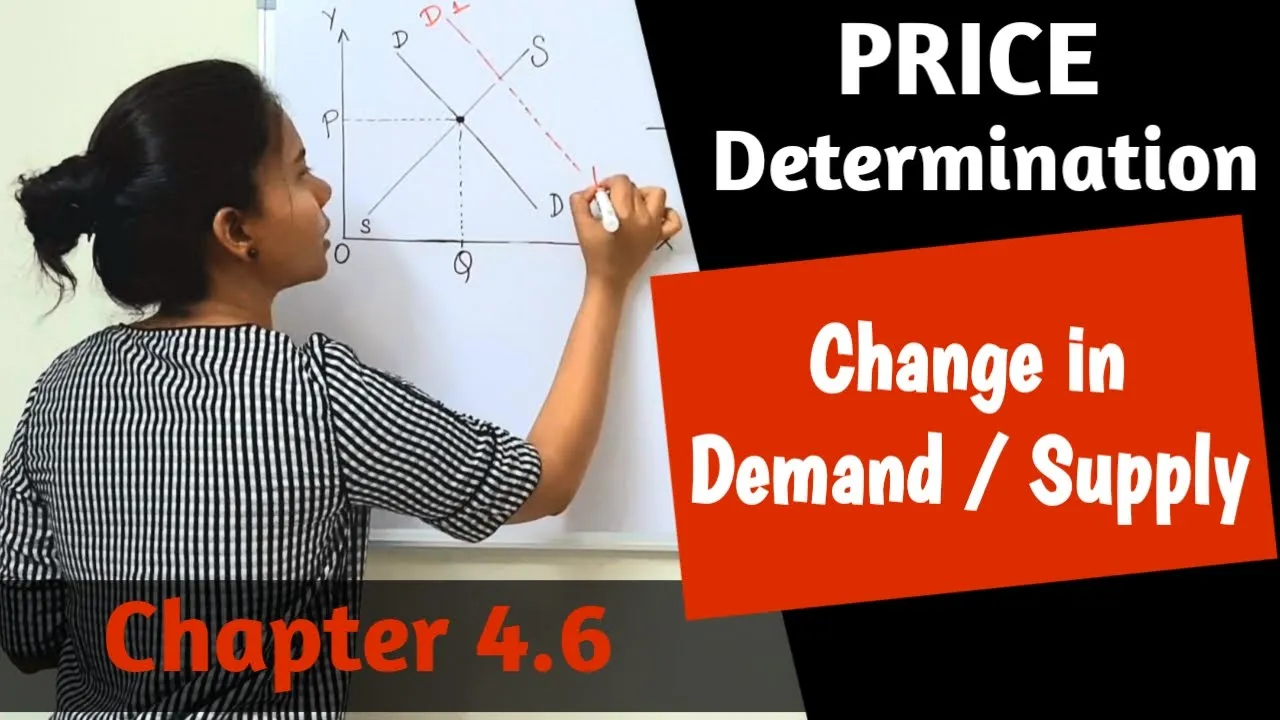


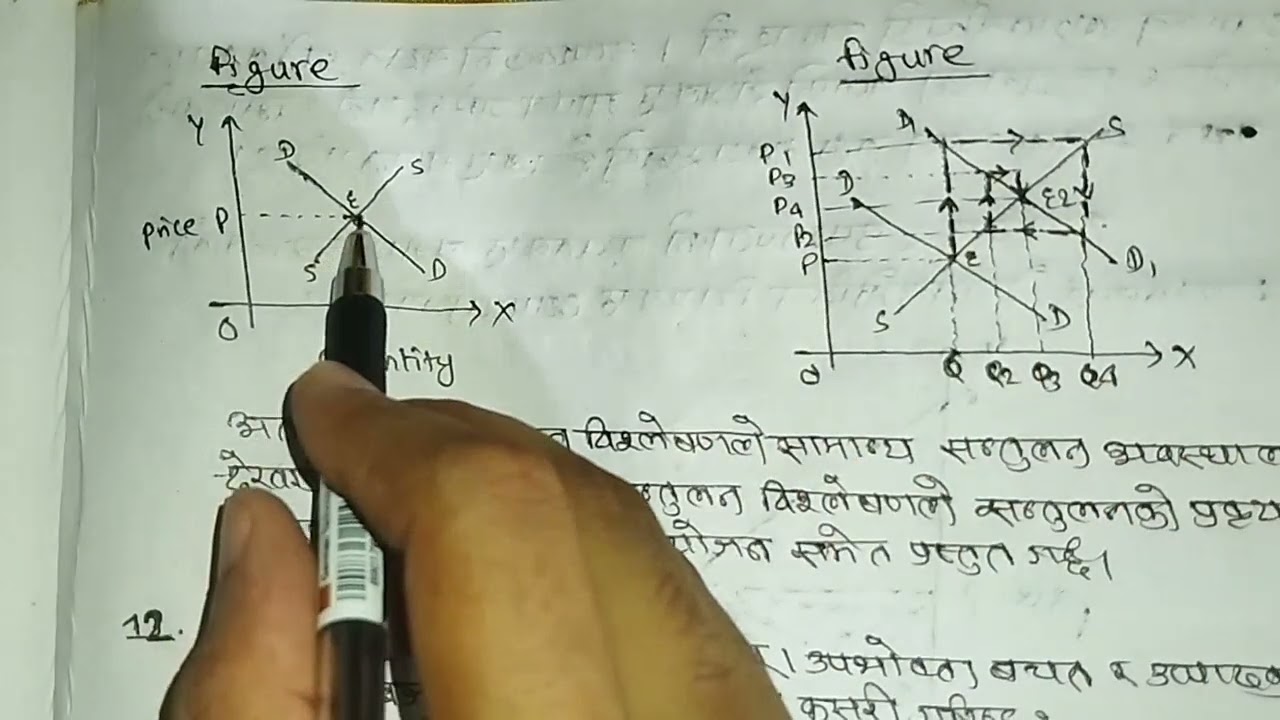





The supply and demand model is a fundamental workhorse model in microeconomics that explains how markets function by aggregating individual decision-making into market-level predictions; it addresses three core questions: why prices are what they are, how much of a good gets produced, and how goods are allocated among people, by examining the interaction between buyers (demand side) and sellers (supply side) in markets.
Supply and Demand: Market Model Foundations in Microeconomics
Added:The concept of scarcity and the fundamental economic problem of how society allocates limited resources.
The distinction between consumers (buyers) and producers (sellers) as the primary decision-makers in a market economy.
Basic graphing skills, specifically how to interpret relationships between two variables (like price and quantity) on a Cartesian coordinate plane.
The concept of opportunity cost and how individuals make trade-offs when making economic decisions.
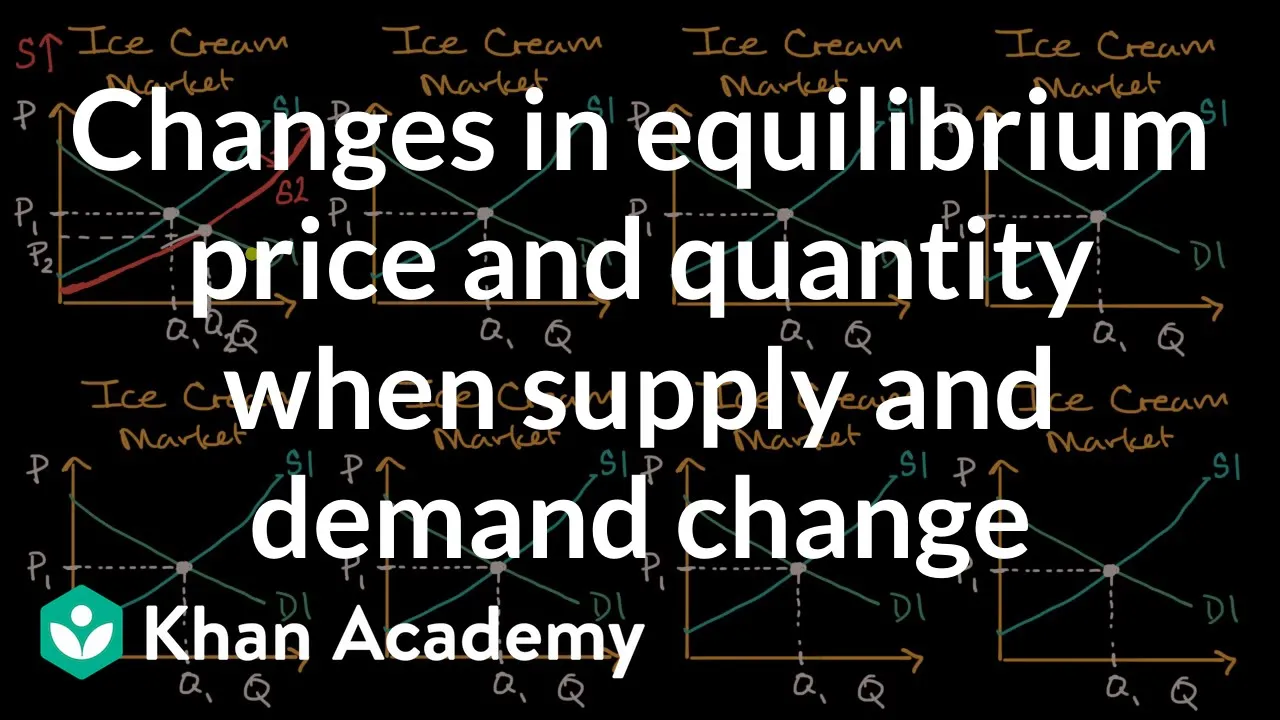
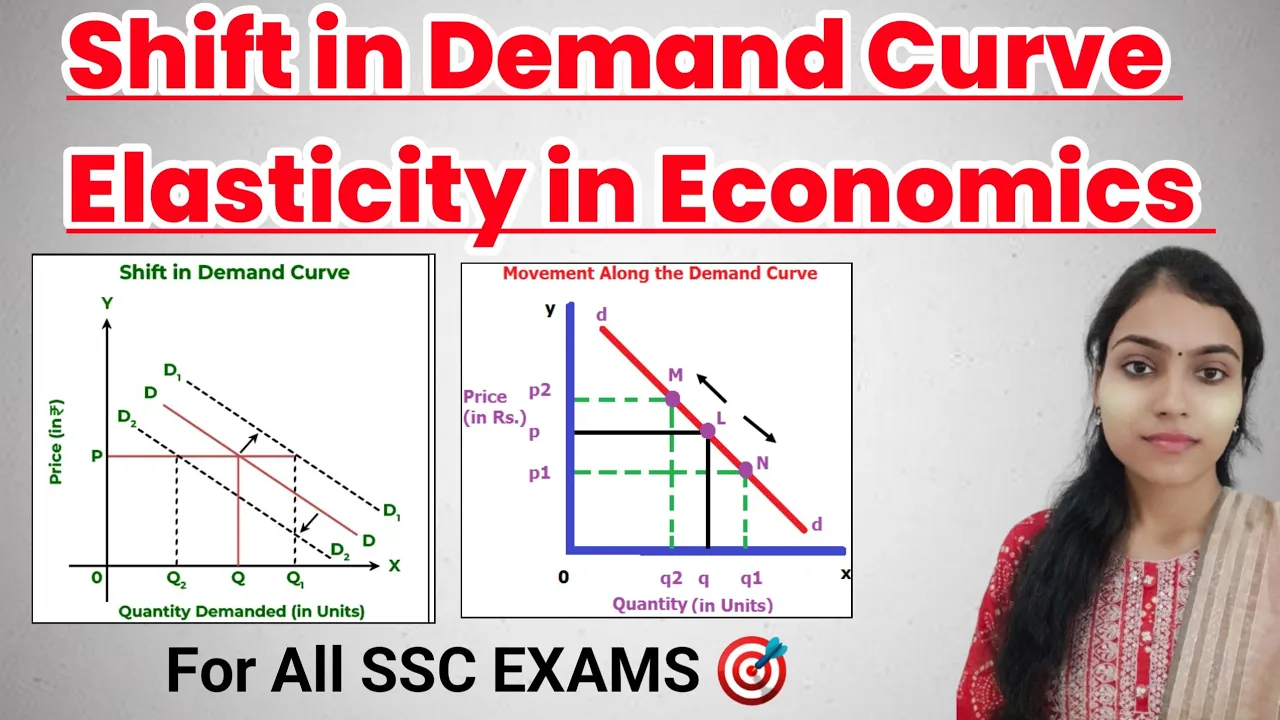
How to locate market equilibrium and analyze how shifts in the supply and demand curves dynamically change prices and quantities.
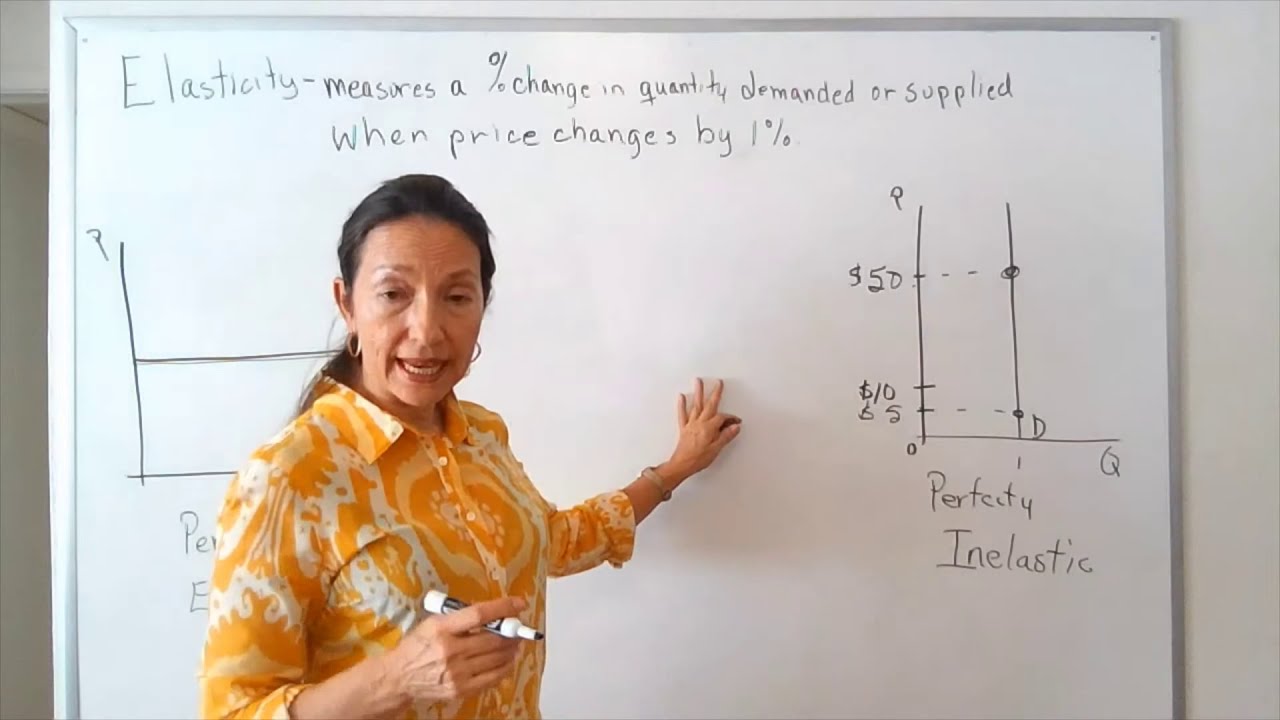
The concept of elasticity, which measures the responsiveness of quantity demanded or supplied to changes in price or other determinants.
Consumer and producer surplus, and how these metrics are used to evaluate economic welfare and market efficiency.
The economic consequences of government interventions in markets, such as price ceilings, price floors, taxes, and subsidies.
112 views3likes7:59Original Release: 2021-10-05
great okay this week we're going to be starting on supply and demand uh which is probably something you've heard of before uh either maybe you took like a high school economics course something like that you learned about it or you just you know heard the phrase used uh in connection to economics or not in connection to economics and it's just something that maybe you've heard of before um so what we're going to be doing in this class is we're going to be showing uh how you can get to a model what first of all what supply and demand actually is right not just the phrase and you know these are english words that we sort of know what they mean uh but what do they mean specifically in this class uh how can we get a more defined idea of what it is and then also over the next few weeks we're going to show how you can go from that basic idea that we had last time of just we're interested in how people make decisions right we want to know what their incentives are and what choices they're going to make and i told you that hey you can take all these individual decisions that everybody's making and you could just sort of glom them all together until you get to a market well that's what this is right so we're going to go all the way from the individual person who's making a decision all the way up to a market level and that's going to help us figure out what's going to happen uh in those markets we're going to be able to make some predictions uh and we're going to be able to you know say things like hey if this is what happens in the market we expect that this other thing is going to change as a result you get a sort of sense of how markets work how you can see where they're going so what we want to do we want to explain a couple of things that's what we're doing we're explaining stuff first we want to know why are prices what they are right when you go into a store or you go to order something you see that the price is listed there where did that come from i mean at one level somebody decided to set that price whoever's working at the company selling some view made a decision but how did where that decision come from how much control do they actually have over the decision they have some control it's not full control right if you went to the store to get a coffee and it was 20 bucks yeah they can choose to sell you a coffee for 20 bucks but you don't have to buy it so they're not going to sell it for 20 bucks like that's not how it's going to happen right so where is that restriction coming from why don't they sell it at 20 bucks they'd much rather get 20 from you than three uh but they don't so what does why are prices what they are how do prices change over time and why you know we if you see somebody the con is saying hey we expect that the price of gas is going to go up in the next couple months well why do they think that what are the things that are going into their head when they're making a thought and when they're when they're coming to that that prediction hey i think the prices are going to go up they must have some idea about how prices work to be able to make that sort of prediction this sort of model supply and demand models be where that that thinking about prices is kind of second question we want to think about is how much stuff there is how do people decide how much stuff there's going to be and of what kind of stuff right we have stuff available to us to buy in a market situation uh but again why are those the things that are available to sell right why can we buy those things and not other things uh why have people decided to use their productive capacities their factories uh their whatever's their their limited time on this earth to produce one thing and not another right if you've ever lived in two different countries you know that often the items at a grocery store are going to be very different in one country than another whoever's producing food in those two different countries has made decisions about what kinds of food they're going to produce and sell you in a market right and at one level that's a decision that they made somebody decided that yeah we're going to sell gochujang in this supermarket in this country we're not going to sell gochujang in this supermarket this other country right we're not going to do it uh but why they don't have full control again they have some agency there but they don't have the complete ability part of it depends on what people want to buy in the place where they are so where do they how do they come to that decision what's going on there so then finally we've figured out what prices are where they come from what changes them we've figured out how do producers decide how much of something to make and what to make then finally we can think about how our goods gonna be allocated among people right if you have a bunch of stuff there needs to be some way of figuring out well who gets the stuff right that is a decision that has to be made in any economy no matter how it is run no matter what the political system no matter what the whatever right there has to be some way of figuring out who gets the stuff that is a decision that gets made at some point uh so if we're working in a market economy where a lot of this decision is determined by the market how does that work out what happens with that right who gets the stuff so these are the three things that we want to explain these are our goals here uh and so that's what we're going to be doing when we start talking about supply and demand we're going to build up from this idea of individual decision making we're going to get to a market that we sort of have an idea of how that market's working and then we're going to use that idea about how markets work to answer these three questions so we're going to do this with supply and demand right now this is what's called a workhorse model and what is a workhorse model a workhorse model is a basic model that is very easy to interact with right and so it leaves out a lot of complexity but it's flexible which means which is why i'm going to start with it right as i start telling you about how supply and demand works immediately in your head you're going to start thinking wait a minute what about this little thing what about this other thing i i live in the real world i know some things about how the real world works you're leaving some stuff out of your model and i'm going to say yes i am going to leave some stuff out of this model but the reason why we're doing this model anyway even though it leaves a lot of stuff out is because it's super flexible so once we figure out this model we can come back later use the exact same stuff that we already know and just add in the bits that we know are wrong right so that's why we're going to do it because it's very flexible it's going to be able to be extended later to incorporate all the little real world details that we think are important additionally it's just a really good model right like i said last time uh you know we're not going to get things perfectly this is social science things don't always work the same way all the time but it works pretty good right for a model like this especially one that's so simple it does a pretty decent job a lot of the time in explaining how prices go up and down how much stuff gets gets produced and what stuff and how it gets allocated it just does a good job explaining that stuff in a market economy so it's a really great good way of thinking about prices uh and how those prices change and even when it's a little bit too simple for the real world it still tends to work okay which is sort of what you want all right so let's get into it so explain demand is designed to describe how goods are bought and sold in markets what is a good uh a good is anything that you can buy and sell basically anything tangible uh like you know an object that you might buy in a store uh or uh it could also be service you know if you get a pedicure that is a good that you are buying somebody waiting table to the restaurant that's a good really anything that you can buy and sell is a good so we're going to examine the market for goods right we want to know how people buy and sell goods and we're going to do this by looking at two different sides of the market but you can probably guess what they're going to bait we have the buyers on the demand side of the market these are the people who purchase the good and then we have these sellers on the producer side of the market or the supply side of the market who produce and or sell the good so now we got two different kinds of people they're doing two different kinds of things they're making two different kinds of decisions these people are deciding whether or not to buy something uh how they're going to respond to the price for that thing these people are deciding whether or not to sell something and you know how they make those decisions so if we can make it figure out how these people make this decision and how these people make their decision we're going to have a pretty good idea of what's going on in the whole market
Up Next
10:14
Price Controls, Subsidies, and Deadweight Loss in Economics
@crashcourse
963.4K views•2016-01-13
5:07
Impact of Yuan in Indo-Russian Trade Amid Sanctions
@WION
261.9K views•2022-07-01

8:44
Statistical Discrimination in Labor Markets: Microeconomics
@NickHuntingtonKlein
436 views•2021-12-16

113:18
The Age of Easy Money: Fed & Inflation | Full Documentary
@frontline
21.2M views•2023-03-15
Related Study Plans & Knowledge Roadmaps
Structured learning paths in Economics
economics
Sovereign Debt: Defaults, IMF & Restructuring
01Introduction to Sovereign Debt & Government Bonds
02Debt Sustainability & Credit Ratings
03Anatomy and History of Debt Crises
+ 2 more learning modules
12h5 modules
Explore Roadmap
economics
Market Design: Matching Theory & Gale-Shapley
01Introduction to Market Design and Price-Free Markets
02Two-Sided Matching & The Gale-Shapley Algorithm
03School Choice Systems and Mechanism Design
+ 2 more learning modules
10h5 modules
Explore Roadmap
economics
Impossible Trinity: Forex, Capital & Policy
01Introduction to Monetary Policy and Central Banking
02Exchange Rates and International Capital Flows
03The Mundell-Fleming Model
+ 2 more learning modules
8h5 modules
Explore Roadmap
economics
Healthcare Economics: Market Failures & Systems
01Introduction to Healthcare Markets and Market Failure
02Asymmetric Information and Adverse Selection
03Moral Hazard and Insurance Design
+ 2 more learning modules
12h5 modules
Explore Roadmap