


![[Vật Lý 12 - 2K8 XPS Lớp 12] Phản Ứng Phân Hạch (HAY NHẤT) | Thầy VNA](https://i.ytimg.com/vi/4qx5APLVuCg/maxresdefault.jpg)



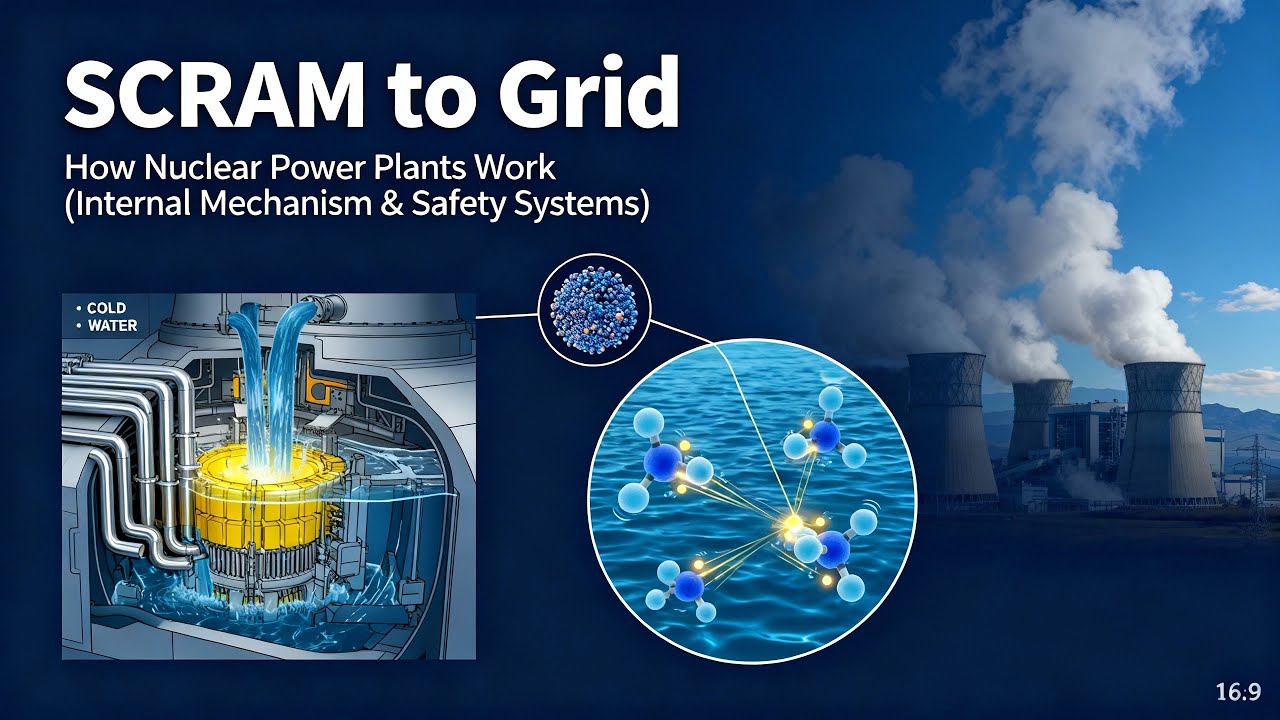













Nuclear reactors have multiple safety barriers (fuel cladding, coolant system, and containment building) that prevent radiation release, and the term 'meltdown' is industry jargon for 'fuel damage' or 'core damage' rather than an actual explosion; unlike nuclear weapons, reactors cannot explode due to different materials and concentrations, and the worst-case scenario (Chernobyl) released far less energy than a nuclear bomb.
Nuclear Engineer Reviews The Simpsons Homer Saves Springfield
Added:Basic principles of nuclear fission and how a nuclear reactor core generates thermal energy.
The fundamental components of a nuclear power plant, specifically fuel assemblies, control rods, and the primary coolant loop.
The concept of radioactive decay heat and why continuous cooling is critical even after a reactor undergoes emergency shutdown.
Standard nuclear power plant safety concepts, such as the containment structure and the purpose of a reactor scram.
In-depth case studies of historical nuclear accidents (Three Mile Island, Chernobyl, and Fukushima) to compare real-world failures with fictional depictions.
The philosophy of 'Defense-in-Depth' in nuclear engineering and how redundant safety systems mitigate the risk of core damage.
Human factors engineering and the design of control room interfaces to prevent operator error during high-stress transient events.
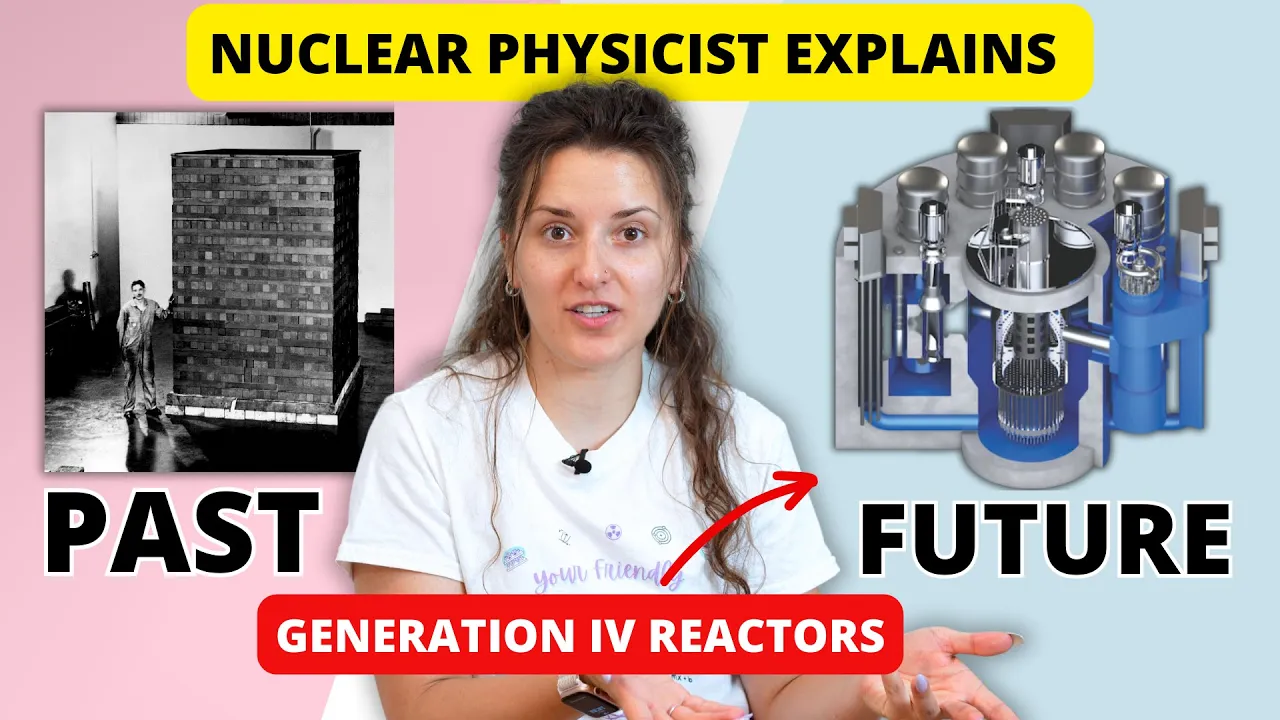
The development of Generation IV reactor designs featuring passive safety systems that prevent meltdowns without human intervention.
20.6K views696likes18:57Original Release: 2022-11-11
Hi, I'm Tyler Folz. I'm a nuclear engineer with a little over 10 years of experience in the nuclear power industry, including operations, maintenance, emergency response, and projects. I don't claim to know everything there is to know about all things nuclear, but I can certainly share some knowledge. If you have any suggestions of movies, TV shows, video games, articles that you would like me to react to, please let me know down in the comments. If you like this video, please hit the like button and hit the subscribe button if you would like to see more videos like this. If you didn't like the video, uh please let me know down in the comments. I'm always trying to uh get better and learn more.
Today we're going to be looking at a clip from the Simpsons called Homer Saves Springfield from a nuclear meltdown.
I'm sure this will be highly realistic.
Um, before we start, um, a meltdown is not actually an industry term. It's kind of a term that was coined after the Three-Mile Island accident. um what people in the industry refer to it is as fuel damage or uh core damage. Um basically the um fuel is unable to get properly cooled, covered and um protected that um it will actually um melt. it will deform and uh lose uh lose its shape and that is the worst possible um scenario you can be in as someone operating a uh nuclear reactor. Um but the term meltdown is not actually used.
But enough about that. Let's get into it.
noise, bad noise.
We're seeing red alarms, flashing lights, and they mention critical mass.
Um, critical mass is not a thing in nuclear power. Uh critical mass is actually referring to a mass of sufficient size when developing a weapon, a nuclear bomb, in order to um essentially work how it's supposed to cause a bunch of fisions or fusions depending on the nature of the weapon and explode in the way it should. But no, critical mass is not a thing in nuclear power plants.
Critical what?
Okay. Okay. Don't panic. whichever problem it takes, I'm sure they know how to handle it.
Love the donut stain on poor temperature and of course it's causing the uh control room to get hot. Um, no, that wouldn't happen. The control room is very far away from the reactor core.
Even if you're in a um fuel overheating uh scenario, the uh control room has its own independent HVAC systems that'll keep it good and cool. You shouldn't get donuts all over your meters, though. Those are important.
It's my problem. We're doomed.
So, this is interesting. um that it says it's his problem. Now, Homer and other episodes of The Simpsons say he's the safety inspector, but his job in this episode seems to be more of a reactor operator. Um that is a highly trained, and by highly I mean people go to class for 2 years on how to operate the reactor. Highly trained, highly compensated. Homer is often depicted as in a uh more um lower middle class kind of scenarios. But no, the to be a reactor operator, a good reactor operator is generally a pretty well-paying job and well respected.
Isolating the control room. Um that's not a real that's not really a thing.
There's no doors that would shut. Um, closest thing to that would be um a control room HVAC actu act actuation. It filters the airflow into um an emergency uh research situation to isolate the inhabitants of the control room from uh radioactive material in the event of a release. I'm surprised they actually put something sort of close to that in in this show.
Best friend shafted me. I'll never get over this, automan.
Oh, sure you will. You know, once my old lady ran off and married my brother.
Well, it hurt. But here it is a month later and I'm sleeping on your couch.
Margarita, I want you.
Mr. Deo, I can't work under these conditions.
Have it your way, baby. You're fired.
Oh, angry.
Tell me, Mr. Deborah, will you? I know this isn't part of the nuclear reaction video, but this shows you how how old this show is.
Search for the sun for this special news bulletin. Meltdown crisis the first couple of minutes.
Forget the hair. Just give me the blush.
This station has just learned that a serious crisis is in.
So they talked about critical mass and then they switched to meltdown. Those things are even in colloquial terms, they're pretty unrelated.
The Springfield nuclear power plant.
Oh my lord.
On the line with us now is plant owner C. Montgomery Burns. Mr. Burns.
Oh, hello Kent. Right now, skilled nuclear energy technicians are Mr. Burns in the show is the owner of the company. You would not have the CEO would be not be the person that talks to the press in any accident. there is a specific person um that's their actual emergency response job is to be the company spokesperson in the event of any type of nuclear accidents. Um let's just say the CEO would have his hands full at this pointing a minor piffling malfunction.
Uh, nuclear professionals are highly trained in the real world.
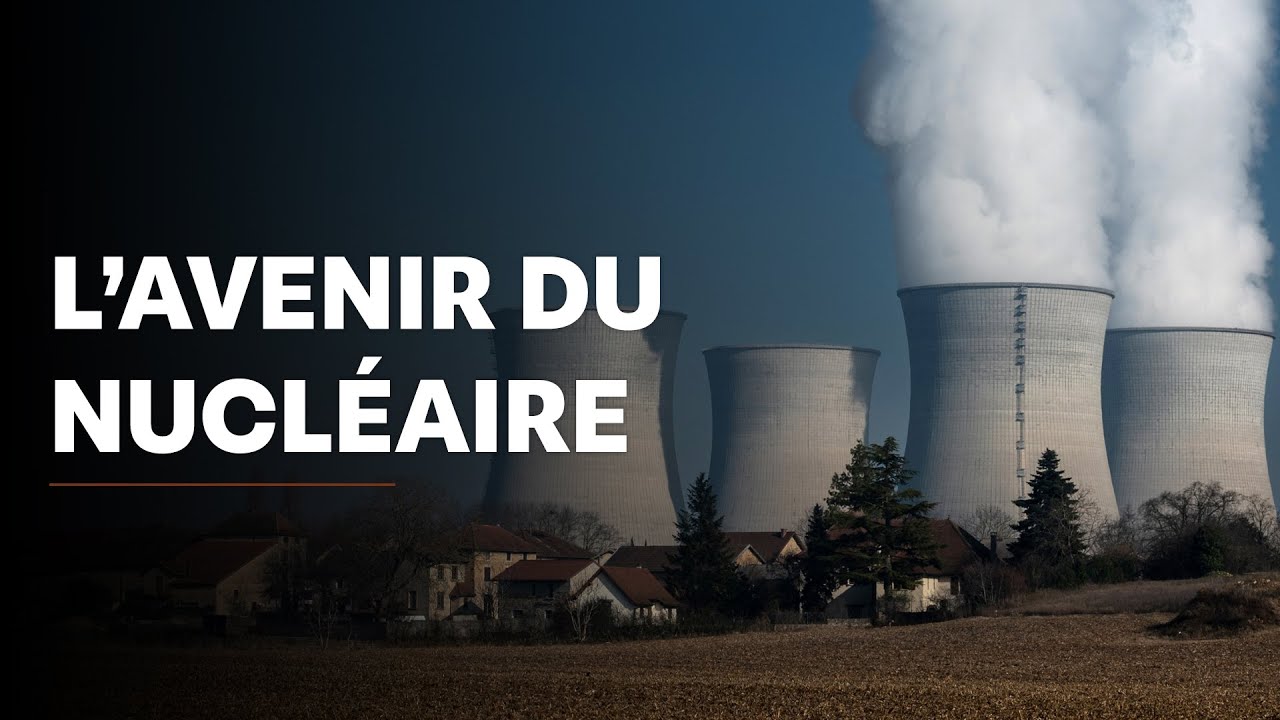
[Music] Again, here we have the um the cooling towers with this isn't a radioactive symbol. It just looks like a symbol of an atom, which actually makes this picture of the cooling towers more realistic than some of the other videos that I've reacted to. Interesting.
Sir, where's my radiation suit?
How the hell should I know that?
Mr. People are on the note of radiation suits. Uh they would actually just prevent you from spreading uh contamination. Um they would not prevent protect you from dose um in the event of a fuel damage scenario. Now what would um there are three main layers of defense. What's known as fision product barriers.
One is the cladding itself that surrounds the fuel. Um there is a uh zirkoy zirconium aluminum really tough uh coating around the uh fuel pellets themselves. Um that's your first line of defense. Um your second line of defense is the reactor coolant system. It's a it's harden as um class one pipes that um are very very strong and of course it provides coolant to the reactor core to uh keep its temperature um at a normal level. The third and final one is the uh reactor containment building. It is a hardened structure very large that houses the uh reactor and all of the primary systems. By primary, I mean systems that have radioactive fluids um as a result of just interacting directly with the reactor systems itself. But those three things in the event of a real meltdown or fuel damage scenario, uh the personnel um even the personnel even Homer in the control room um would be fine. Um, we actually saw that during Three Mile Island. Uh, no deaths um due to a uh nuclear accident.
This a meltdown.
One of those annoying buzz words. We prefer to call it.
He's actually right. The term is fuel damage.
Okay. Somewhere there's a thingy that told you how to work this stuff.
Yeah. Um, reactor operators, highly cha train trained on emergency operating procedures. Um, he would do immediate actions um from memory and then he would also be directed by a control room supervisor to um proceed further onward to put the reactor in a um in a safe and stable condition. He also wouldn't be alone. It's un it's there are certain rules about how um few operators you can leave in a control room. One operator in a control room, you're not going to see that. Never on an operating reactor.
Uh it's bad as a phone book.
Congratulations on your purchase of affinator 1954 slow fishing reactor.
Get to the point, man.
procedures. Um, emergency operating procedures are to the point. Um, they are symptom based. Um, they would the title would tell you exactly where to go. Um, everyone is highly trained on them and they tell and they're no no procedure is perfect that tells you every theoretical situation, but there are several postulated accidents. Um in this case um inadequate core cooling um there would be procedural steps of exactly what to you would need to do to put the reactor in a safe condition.
Thought a nuclear reactor would be so complicated.
There may never be another nothing would actually tell you how far you are out towards a core meltdown.
Instead, you would be looking at core exit thermouples just telling you how hot the um the fluid coming out of the reactor actually is um in order to uh just let you know what's going on. But there's no uh meltdown mirror or meltdown timer.
See, I love you, sir.
Oh, hot dog. Thank you for making my last few moments on Earth socially awkward.
Looks like this at the end.
It's all right.
Got to love classic Simpsons.
I don't like this program for hours.
I don't understand.
They look up stupid in a dictionary.
There'll be a picture of me.
Love it.
Dear Lord, if you spare this town from becoming a smoking hole in the ground, I'll try to be They keep making the comparison of uh nuclear meltdowns to the effect of being at ground zero of a nuclear explosion.
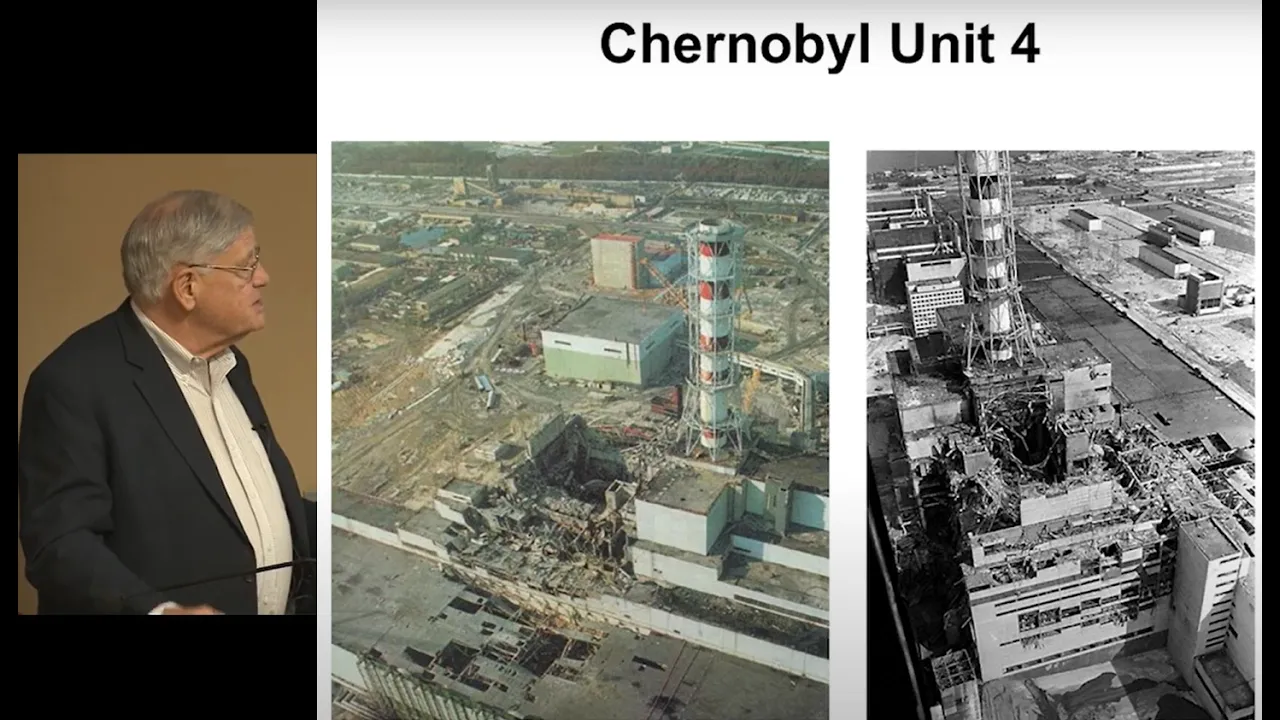
Um, no, even the worst case, um, Chernobyl, um, it was not the equivalent of energy released of a nuclear bomb going off. Um, those are completely different mechanics. It is physically impossible for a nuclear reactor to explode like a weapon. They use completely different materials and completely different concentrations.
better Christian. I don't know what I can do.
The next time there's a canned food drive, I'll give the poor something they'd actually like instead of old lime beans and pumpkin mix.
One minute to meltdown. This is being played surprisingly straight for a Simpsons episode.
Simpson, it's all up to you. It's show time.
Okay. Okay. Back to your training.
First thing you can do is at least turn off the annunciate. Says silence the annunciator so you can concentrate. Man, Homer, this may very well save your life one day. This Homer. Yeah, please pay attention. This button here controls the emergency override circuit. In the event of a meltdown, push this button and only this button.
Was dying.
Emergency override in the event of a meltdown. Um, no real equivalent. And I'm trying to think if there's even an allegory to any of that in real life.
Um, there isn't. Um, what you would do in the event of inadequate core cooling is simply supply cooling using a safety injection system. You turn on pumps to pump in water at high pressure and very high volume to keep it covered. Um there is one switch to do that. Um the to initiate safety injection is what it's called. Um that should have happened a long time ago and it has well maybe I can make that a topic for another video. But that's probably the closest thing to whatever it is this guy is talking about in reality.
You see which button I'm pushing?
Yeah. Yeah. Yeah. Push it.
This is all your fault.
Safety injection is actually a red switch or something similar in most nuclear control rooms. So, it is very easily identifiable what it is and what it does. Every reactor operator would know how to use it, especially even Homer.
Pick a button. Pick a button. Pick a button. Uh, one potato, two potato, three potato, four. No, wait. Bubblegum.
Bubblegum. How many pieces do you 30 seconds to?
Those buttons are at least labeled in a control room, so you There's no real guest work involved. Just do what it says.
Meltdown.
Oh, Smithers, I guess there's nothing left to do but kiss my sorry eyes goodbye.
Hey, sir.
These unfortunate people here will be instantly killed. This circle, which I am sad to say we are in, will experience a slower, considerably more painful death.
He would be right if he was talking about a nuclear bomb going off, but that's not what this is. So, no, for teaching the duck and cover and the duck and cover again attributed to a bomb going off. Um, yeah, that never would have worked unfortunately.
But who's laughing now? 15 seconds to This has been a very long one minute by the way.
[Music] You never actually see what button he presses.
All systems returning to normal. Danger neutralized. Have a nice day.
Wow.
[Music] Will I ever say baby? Next meltdown.
All right. Uh also, um in the event of a uh over or inadequate cooling, this is something that is going to be monitored for a long time. It's going to take a long time to recover from um debatable if you would even start the reactor back up again. But it um at all just because of what it would cost to repair whatever caused this sort of event. But here they they're just right back in business as if nothing ever happened. Um, any event like this, there would be a zillion postevent reporting, investigations, all kind of crazy stuff um to ensure something like this never happens again. And I do want to emphasize that this event is extremely rare. Um they are a uh I already mentioned the three fision product barriers to protect you um the public from any um radioisotopes um and any dose from radiation. Um there are backup systems for your backup systems for your backup systems in uh nuclear power plants. So, the odds of having systems failed or we never really shown what caused this event in this episode, but um they're just very very unlikely. By that, we're talking, you know, one in 10 million chance.
I remember I used to do risk assessments uh for a living when I was a nuclear engineer.
Well, that about wraps it up. Um again, um if you saw anything that I missed, you probably did because there was a lot in this episode. Let me know down below in the comments and I'll see you next time.
Up Next
111:08
Optimized Academic Title
@vanderbilt
71.6K views•2011-11-18
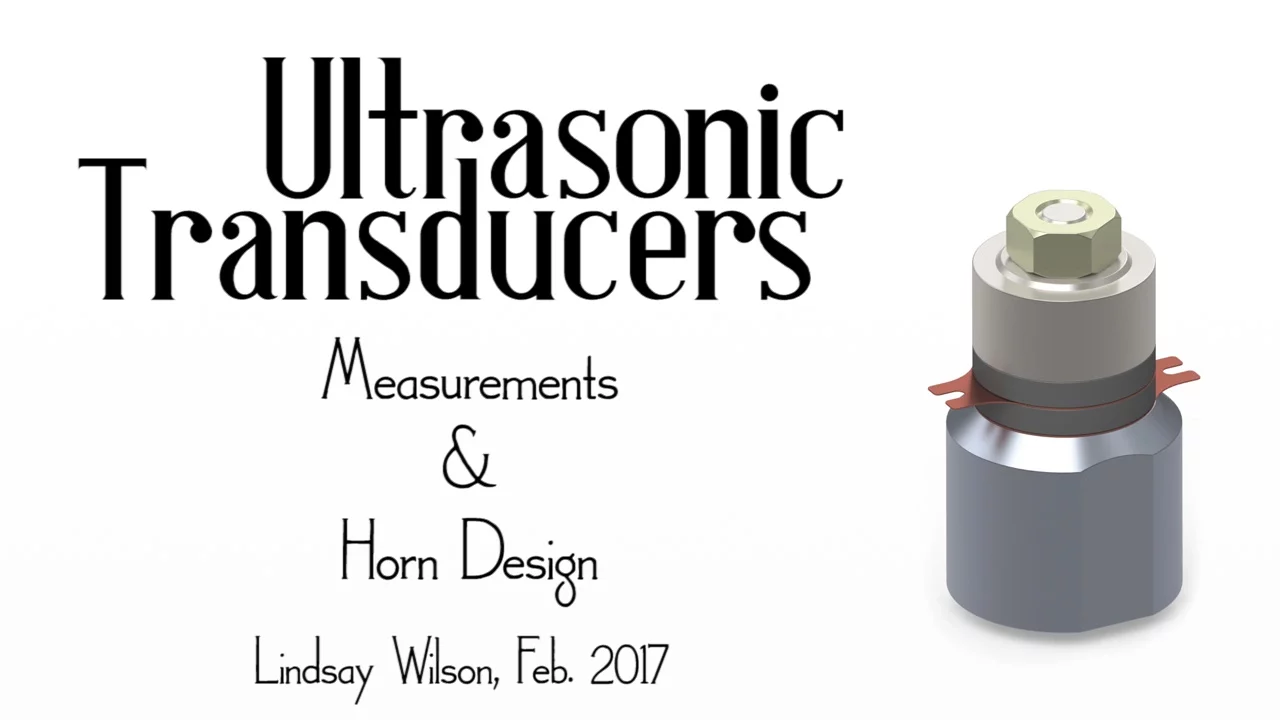
30:32
Ultrasonic Transducers: Resonant Frequency Measurement and Horn Design
@imajeenyus42
229.9K views•2017-02-22
54:16
Polymer Environmental Degradation: Mechanisms & Stabilization
@iit
1.8K views•2012-07-10
33:39
How a Student's Question Saved a NYC Skyscraper from Collapse
@veritasium
22.8M views•2025-04-26
Related Study Plans & Knowledge Roadmaps
Structured learning paths in Engineering
engineering
Building Acoustic Levitators: Physics & Arduino
01The Physics of Sound and Standing Waves
02Piezoelectric Transducers and H-Bridge Drivers
03Arduino Programming: Generating 40 kHz Signals
+ 2 more learning modules
14h5 modules
Explore Roadmap
engineering
Building Peltier Cloud Chambers: Particle Tracks
01Cosmic Rays & Cloud Chamber Physics
02Thermoelectric Cooling (TEC) Fundamentals
03Custom Liquid-Cooling Loop Design
+ 2 more learning modules
18h5 modules
Explore Roadmap
engineering
Yagi-Uda Antennas: Modeling, Build & VNA Test
01Introduction to RF and Antenna Fundamentals
02Yagi-Uda Antenna Design Principles
03Antenna Modeling and Simulation in 4NEC2
+ 2 more learning modules
18h5 modules
Explore Roadmap
engineering
ECG Monitor Design: Op-Amps, Filters & Noise
01Electronics & Breadboard Basics
02Op-Amps and Instrumentation Amplifiers
03Bioelectricity and ECG Fundamentals
+ 2 more learning modules
18h5 modules
Explore Roadmap