
















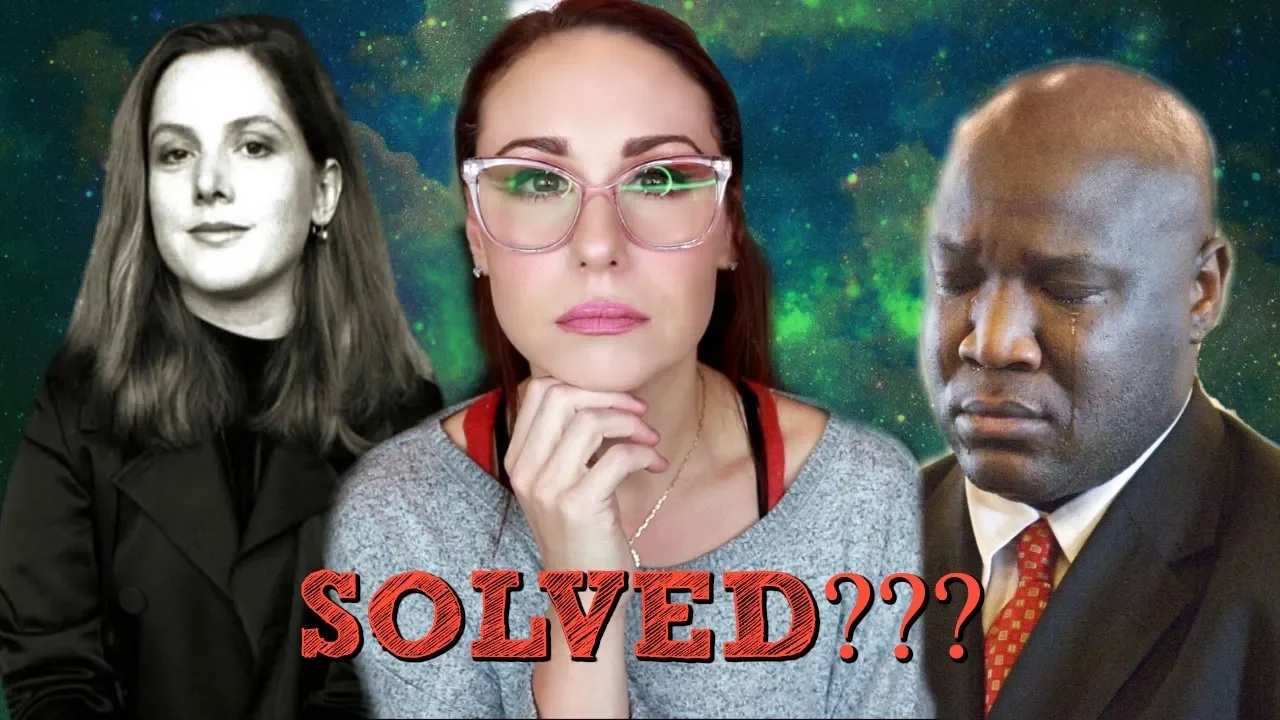

In criminal trials, self-defense claims require consistent testimony and physical evidence that aligns with the defendant's story; when a defendant's account contains significant contradictions and forensic evidence (such as injury patterns inconsistent with claimed actions) undermines their credibility, juries may determine that the actions constitute murder rather than justified self-defense.
Self-Defense Claim in College Athlete Murder Trial | Legal Analysis
Added:Understanding the legal definition and core elements of 'self-defense' as an affirmative defense, including the concepts of imminent threat and proportional force.
Basic knowledge of the criminal trial process, specifically the roles of the prosecution, defense, and jury in rendering a verdict.
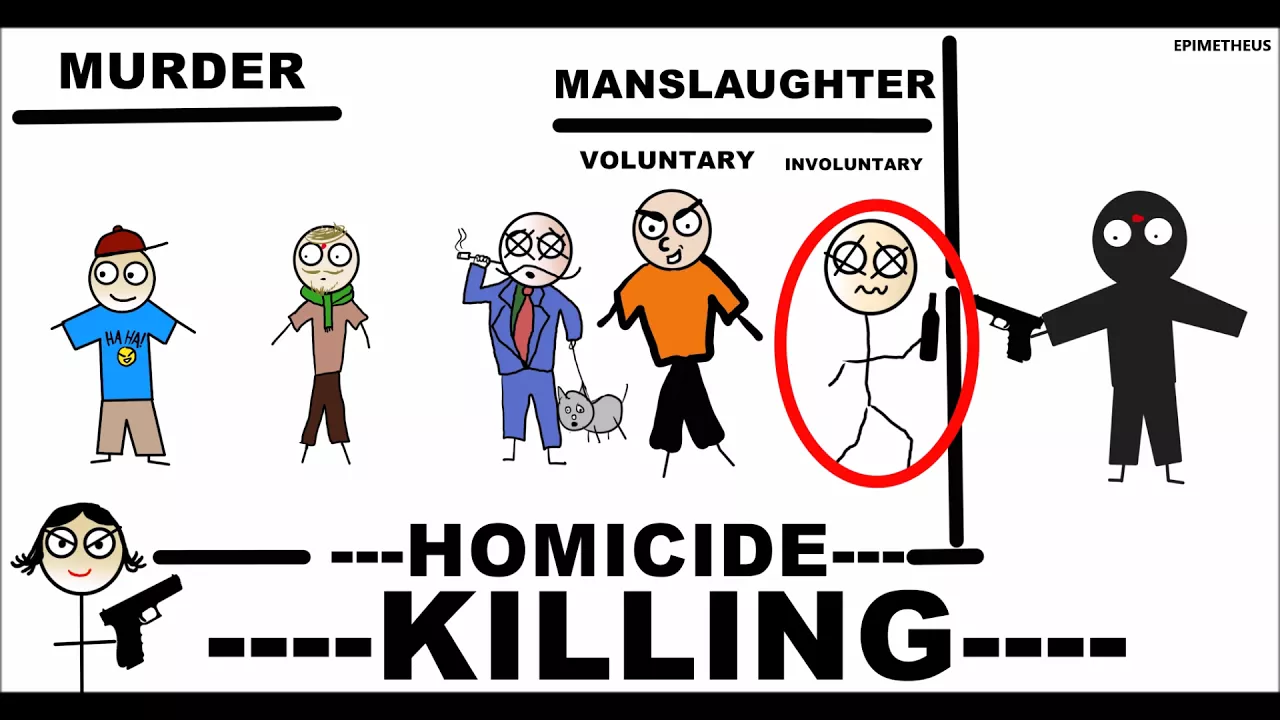
The legal distinction between different degrees of homicide, such as first-degree murder, second-degree murder, and voluntary manslaughter.
The concept of 'burden of proof' in criminal law and how it shifts when a defendant claims self-defense.
Analyzing the legal distinctions and regional variations of 'Stand Your Ground' laws versus the 'Duty to Retreat' doctrine.
Exploring the concept of 'imperfect self-defense' and how it can mitigate a murder charge to manslaughter.
Examining the admissibility of character evidence and how a defendant or victim's background (e.g., athletic training) can impact jury perception.
Studying post-trial legal options, including the grounds for criminal appeals and the process of sentencing mitigation.
259.9K views3.3Klikes7:05Original Release: 2022-03-09
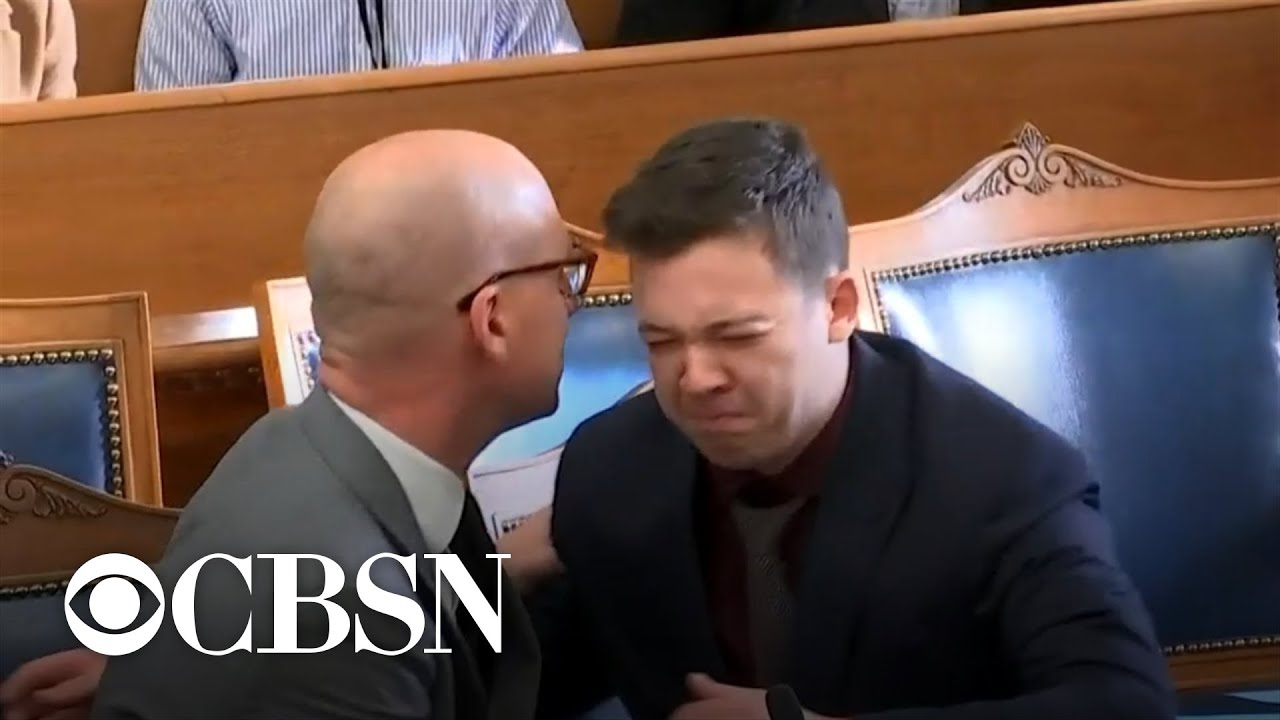
foreign [Music] ER at age 24 has been indicted on a second-degree murder charge for the killing of Marquis Todd a senior on the William Penn University basketball team Luke and his attorney argued he had no choice but to defend himself during a fight and that will be the question for a jury was it might it have been self-defense one 2018 Marquis Todd D'Angelo Allen and Michael Donaldson were all in marquis's room and they were playing video games now Michael decided it was time to go get some snacks this car was like driving less than two miles per hour so I proceeded to go around and then they cut me off the car would not allow him to pass what Michael didn't realize is that he made a slight contact with the other vehicle so there's a minor fender bender foreign because I see two guys approaching my car screaming and you know Elijah Marcus and Luke Van Hemer approach Michael's vehicle and started banging on the hood and yelling profanities at Mike Michael backs up and sits on K Avenue trying to collect his thoughts a little down the street to see if I saw anyone and there was no cars in the street so I thought almost any clue as I went down North Third out of the right side it's like somebody like came out of the dark with a rock get through the rock to my windshield and then I hit the brakes Luke Van he murt hurled a large rock into the windshield of Michael Donaldson's car what are you thinking in my head I'm like like why would he do this unknown individuals coming now or assaulting his car Michael went back to the dorm room told Marquis Todd and DeAngelo Allen what occurred they decided to go over to the home there on North Third and see if they could find out who was going to pay for the damage they saw a Stanley van Hemer in the yard near the Jeep looking at it Marquis Todd goes up to talk with Stanley van Hebert on his car first pulled up to your house did you think that there was going to be a confrontation the way they were acting yes Stan Lee kind of Retreats towards the house Marquis continues to walk towards him and then that's when Luke Van hemert appears my dad gets in the front door and the guy got probably within three feet of him and at that time he put his hands up it's Gary to fight him what did you do then I'm scared for my Dad's life and mine so I tried tackling him I see uh defend it and he comes charging and yelling at Marquis they start scuffling Luke testified that he then tried to get away tried to use his body weight to get to the ground and maybe try to crawl away he testified that that didn't work at that point uh retrieved my pocket knife from my pocket and swung it upwards a few times Marquis Todd once in the shoulder once in his torso and once in his chest peace passed out me and D'Angelo picked up Marquis and we put him in the back seat they looked in the back seat and that's when ever that Marquis was that because he was bleeding out so much once in the back seat Marquis Todd's friends drove to the Jiffy Mart where they encountered police who'd been called by Stanley van Hemer an ambulance soon arrived but Marquis died that night from his stab wounds Luke Van Heimer was interviewed by Oskaloosa police but revealed little about the fight and never admitted any role in Todd's death what happens if I find out one of the guys is shot or stabbed or how do you think that happened what the next thing to the woman had a knife or something we didn't see it see we find an object like that do you think there's any way that you would have had your hand on it prosecutors attack Luke's credibility during their cross-examination they emphasized how strikingly different his story was in court when compared to his first police interview there were big holes in Luke's story it was clear from the onset he was withholding information let's start back to Ethel Craig you were angry not angry I was just nervous and scared and didn't know what things because I understand if you were saying what the uh what the Yeah correct the reason that the fender bender and initial damaging of Michael's window was important because it showed that the defendant had an intent to cause harm did you use your right hand to stab him yes sir Luke stated that he was right-handed he put the knife in his right hand all of Mr Todd's injuries were on his left side I would have expected the damages to be on the right side of Mr Todd's Body versus the left I'm scared for my life so I do this and you standing all the way through his arm all the way through his chest and into his heart I don't know sir I wasn't looking at him the explanation that Mr van heemer gave to court just was not consistent with those types of injuries why not talently listen to all these horrible scary things that this guy did because they keep bringing it up and I get scared when I talk about it when a witness has made contradictory statements in the past are you getting pushed down yeah you're headed all or anything maybe a punch to the shoulder or something messed up the jury needs to know are they now telling the truth he's on top of me I'm facing around he's punching me in the face repeatedly or is this yet another fabrication we the jury find independent Luke Bryan then he writes guilty of the crime of Murder in the second degree signed providing humor at the end of the day a Mahaska County jury saw it was not a self-defense case it was simply a homicide I felt overwhelmingly that our Oskaloosa community supported the verdict that came down and said Justice was served for Marquis Todd [Music]
Up Next
8:35
Stand Your Ground Law: Self-Defense and the Duty to Retreat Explained
@JamesReeves
86.8K views•2025-11-28

4:27
US Secondary Sanctions Impact on EU Businesses and Blocking Legislation
@Bureauvandijk
1.6K views•2019-03-20
5:27
Forensic Phonetics: Speaker Identification in Legal Cases
@nptel-nociitm9240
539 views•2025-03-19

24:42
Police Interrogation Tactics: False Confessions & Legal Reform
@LastWeekTonight
7M views•2022-04-18
Related Study Plans & Knowledge Roadmaps
Structured learning paths in Law
law
Self-Defense Law: Imminence & Castle Doctrine
01Foundations of Self-Defense Law
02Imminent Threat & Reasonable Belief
03The Principle of Proportionality
+ 3 more learning modules
12h6 modules
Explore Roadmap
law
Defamation Law: First Amendment & Actual Malice
01Introduction to civil torts and the First Amendment
02Elements of Defamation: Libel and Slander
03Public Figures vs. Private Individuals
+ 2 more learning modules
8h5 modules
Explore Roadmap
law
Hearsay Rule: Trial Evidence & Exceptions
01Introduction to Trial Evidence & Courtroom Basics
02Demystifying Hearsay: The Core Definition
03Non-Hearsay: Exclusions Under FRE 801(d)
+ 3 more learning modules
14h6 modules
Explore Roadmap
law
Medical Malpractice: Law, Liability & Care
01Foundations of Tort Law and Civil Liability
02The Four Elements of Medical Malpractice
03Defining and Proving the Standard of Care
+ 2 more learning modules
12h5 modules
Explore Roadmap