



















The Qiagen RNeasy technique is a spin-column based method for isolating RNA from cells, involving cell lysis with RLT buffer, addition of ethanol for precipitation, sequential washing with RW1 and RP buffers to remove contaminants, and final elution with RNA-free water; the process requires careful handling to avoid RNA degradation and uses centrifugation at 10,000 RPM for various time intervals to separate RNA from impurities through membrane filtration.
Qiagen RNeasy RNA Isolation Protocol: Step-by-Step Guide
Added:Understanding the chemical differences between RNA and DNA, particularly the molecular instability of RNA and its extreme susceptibility to enzymatic degradation by RNases.
The basic principles of cell lysis, including how chemical detergents and chaotropic agents disrupt cell membranes and denature proteins.
The concept of solid-phase extraction, specifically how nucleic acids selectively bind to silica-gel membranes under specific salt and pH conditions.
Standard aseptic laboratory techniques and contamination prevention protocols required to maintain an RNase-free working environment.
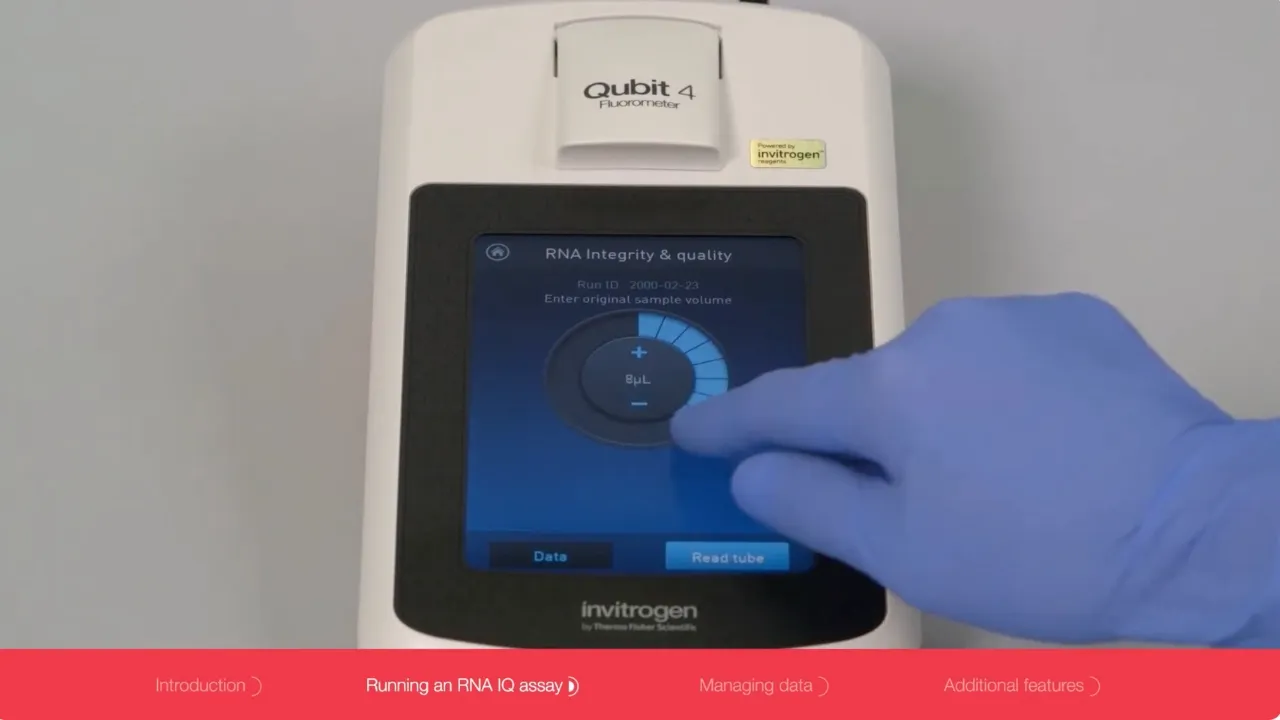
Methods for quantitative and qualitative analysis of extracted RNA, such as spectrophotometry (NanoDrop A260/A280 ratios) and fluorometry (Qubit).
Techniques for assessing RNA integrity, such as agarose gel electrophoresis and capillary electrophoresis to determine RNA Integrity Number (RIN) values.
The protocol for reverse transcription to synthesize complementary DNA (cDNA) from the isolated RNA template.
Downstream gene expression applications, including quantitative Real-Time PCR (RT-qPCR) and preparation of libraries for RNA Sequencing (RNA-Seq).
80.8K views567likes4:03Original Release: 2015-06-25
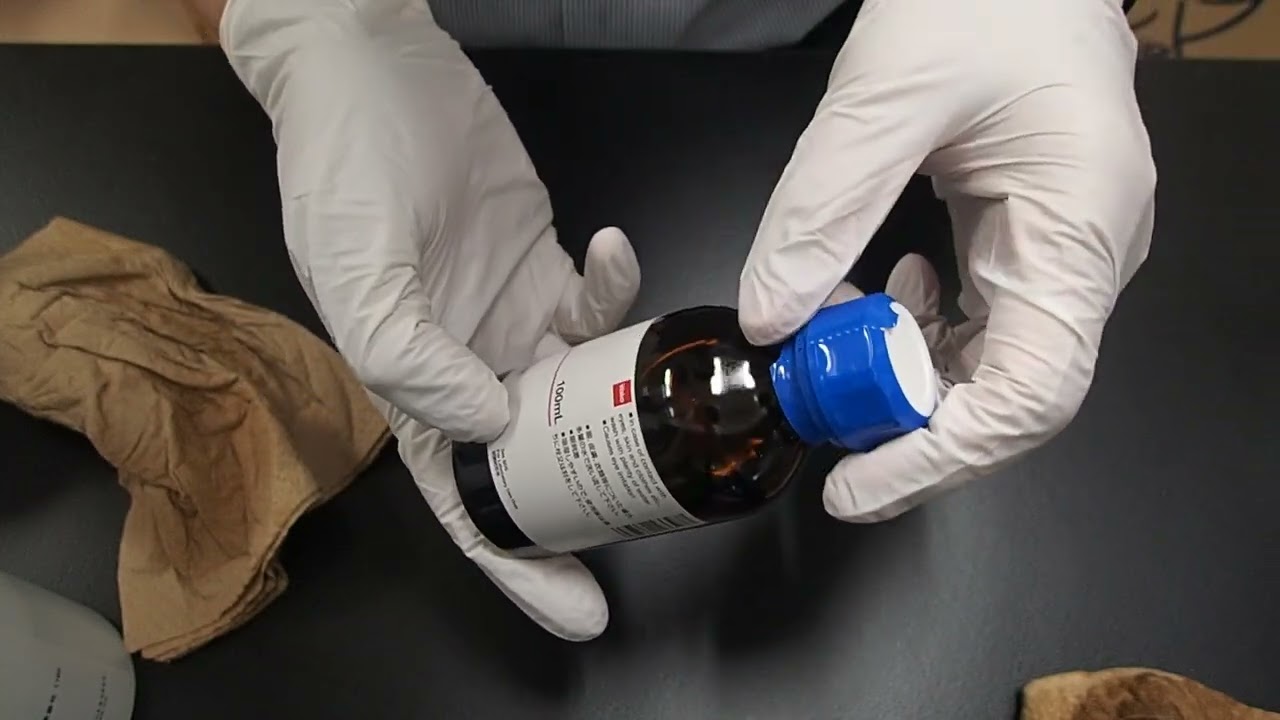
in this video you will learn how to purify and obtain RNA according to the kyogen RN easy technique before beginning make sure that long hair is secured in a braid or a bun and put on gloves and a lab coat that has clean sleeves spray all surfaces and Equipment including your hands with RNA DNA frequ cleaner first Vortex the cells on high speed for approximately 1 minute verify the volume of rlt that the cells were harvested in add an equal volume of ethanol to the cell and rlt suspension this volume will be either 350 or 600 microl to ensure complete mixing Vortex the solution at speed one or mix by pipe heading we will now start start using an RN spin column the spin column has a membrane at the bottom and sits inside a 2ml collection tube transfer up to 700 microl of the Salin ethanol suspension into the collection tube being very careful not to touch the membrane at the bottom center fug for 30 seconds at 10,000 RPM to pull the solution through the filter discard the flow through into a waist beer tap the column on a Kim wipe to remove the excess droplets from the tube and then replace the column in the collection tube transfer the remaining solution into the spin column and repeat the centrifuge for 30 seconds at 10,000 RPM discard the flowr as previously described add 700 microl of buffer rw1 to the spin column Center fuge for 30 seconds at 10,000 RPM and discard the flow through as previously shown now add 500 microl of buffer RP to the column again centrifuge for 30 seconds at 10,000 RPM and discard the flow through add an additional 500 microl of buffer RP to the column this time centrifuge for 2 minutes at 10,000 RPM instead of discarding the flow through discard the entire collection tube and place the spin column into a clean 2ml collection tube Center fuge the column for 1 minute at full speed after this take the lid off of the center fuge and allow the column to air dry for 20 minutes after the 20 minutes take the spin column and place it in a 1.5 ml collection tube with a lid now add 30 microl of RNA free molecular biology grade water make sure that the lid of the collection tube is in a position where it won't snap off then centrifuge the column for 1 minute at 10,000 RPM now discard the spin column and not the collection tube the RNA sample was eluded with the water to learn how to quantify RNA please watch the next series of videos about how to use the nanodrop spectr photometer
Up Next

24:14
mRNA Vaccine Delivery Technology: Lipid Nanoparticles Explained
@mseofseoulnationaluniversi6054
678 views•2022-06-14

26:22
Walking in the City: Urban Rituals and the Flâneur in Contemporary India
@PSBTIndia
1.9K views•2016-08-02

9:49
FastAPI vs Flask vs Django: Choosing the Right Python Web Framework
@TechWithTim
302.5K views•2024-05-26

1:42
Game of Thrones Opening Credits: A Cinematic Analysis
@gameofthrones
46.3M views•2011-04-18
Related Study Plans & Knowledge Roadmaps
Structured learning paths in General & Interdisciplinary Studies
general-studies
Artificial Light: History, Tech & Human Impact
01The Pre-Electric Era: Fire, Oil, and Gas Lighting
02The Incandescent Revolution and Grid Electrification
03Gas Discharge and Fluorescent Illumination
+ 3 more learning modules
14h6 modules
Explore Roadmap
general-studies
Elevator Engineering: History, Physics & Cities
01From Hoists to Safety Brakes: The Dawn of Vertical Lift
02Hydraulic vs. Traction: The Engineering Physics of Elevators
03Modern Speed, Safety, and Algorithms
+ 2 more learning modules
12h5 modules
Explore Roadmap
general-studies
Rubber: Material Science, History & Geopolitics
01Origins of Natural Rubber & Mesoamerican History
02The Chemistry of Natural Rubber & Vulcanization
03The Geopolitics of the Rubber Boom & Colonization
+ 2 more learning modules
12h5 modules
Explore Roadmap
general-studies
Containerization: Evolution, Logistics & Trade
01Ancient Trade & Bulk Cargo: Amphorae to Barrels
02The Industrial Revolution & Cardboard Packaging
03The Containerization Revolution: Malcom McLean
+ 2 more learning modules
12h5 modules
Explore Roadmap