




























mRNA vaccines require a specialized drug delivery system, typically lipid nanoparticles containing ionizable lipids, to protect the unstable mRNA from enzymatic degradation, facilitate cellular entry through endocytosis, and enable endosomal escape into the cytosol where the mRNA can be expressed as antigen proteins to stimulate immune responses.
mRNA Vaccine Delivery Technology: Lipid Nanoparticles Explained
Added:The Central Dogma of Molecular Biology: Understanding how mRNA acts as a template for protein translation in the ribosome.
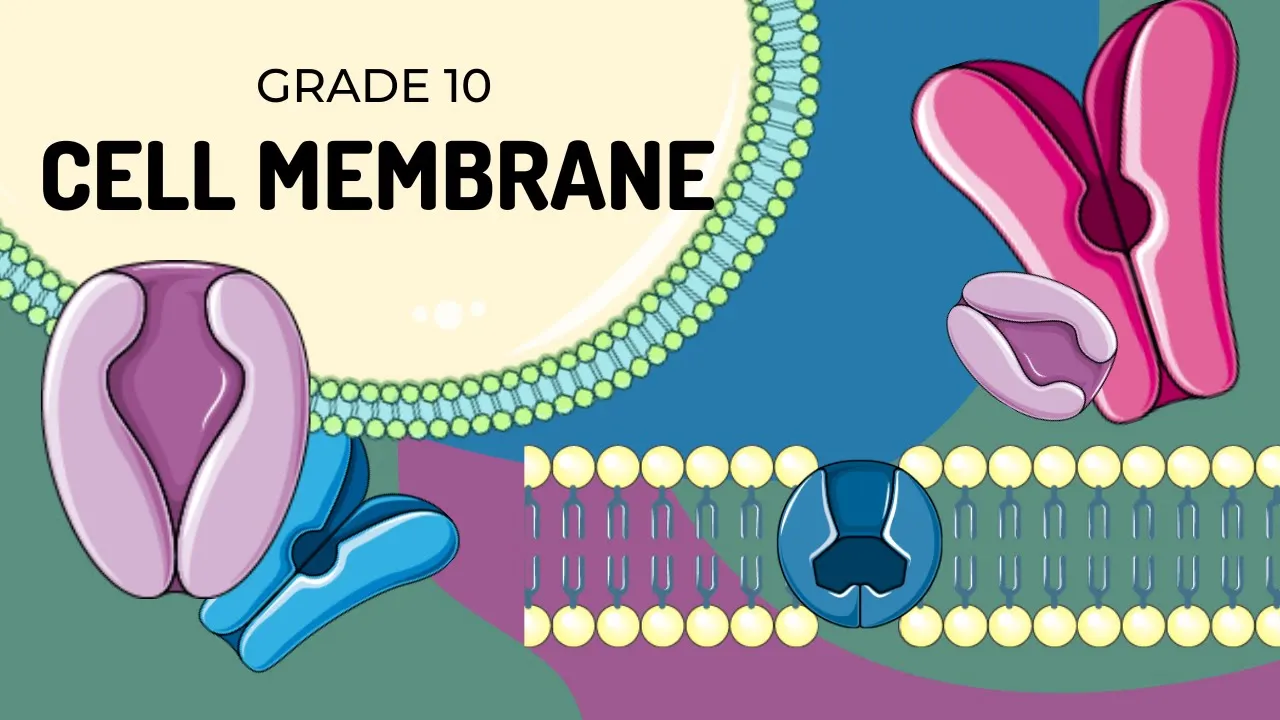
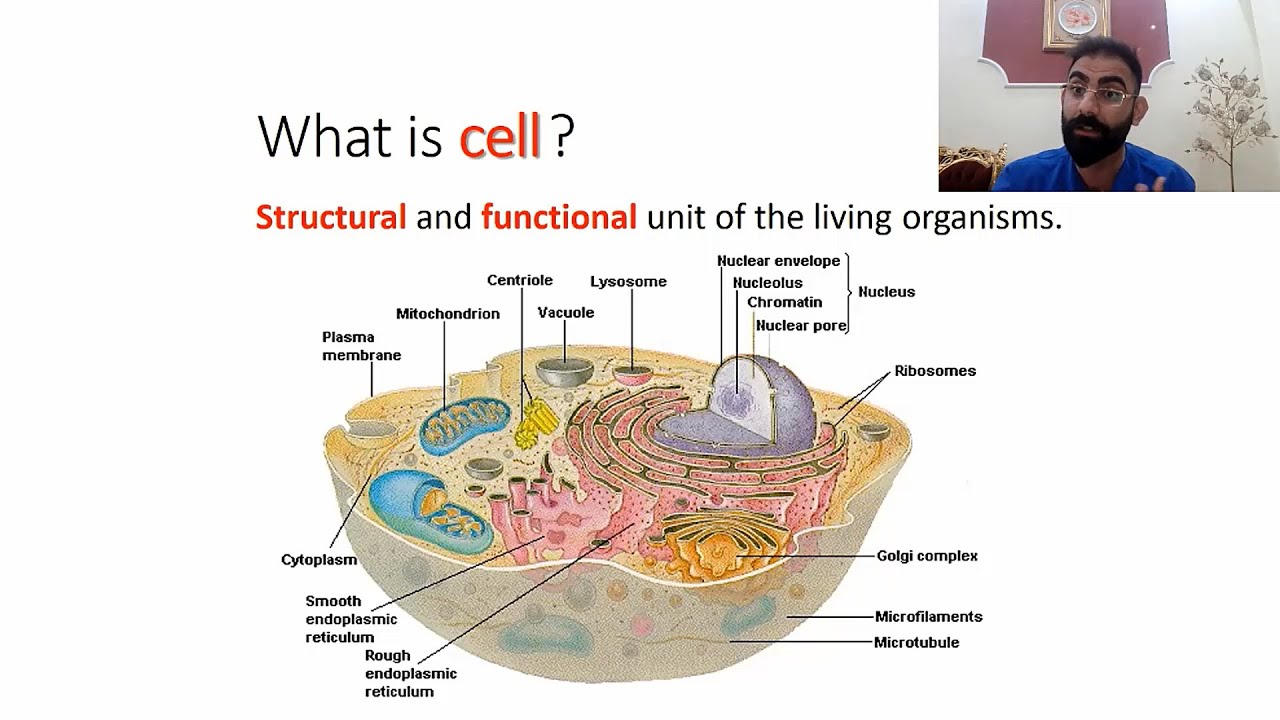
Structure and Properties of the Cell Membrane: Familiarity with the phospholipid bilayer, selective permeability, and the barriers to intracellular delivery.
Endocytosis and Vesicular Transport: Comprehending how eukaryotic cells internalize extracellular macromolecules via endosomes.
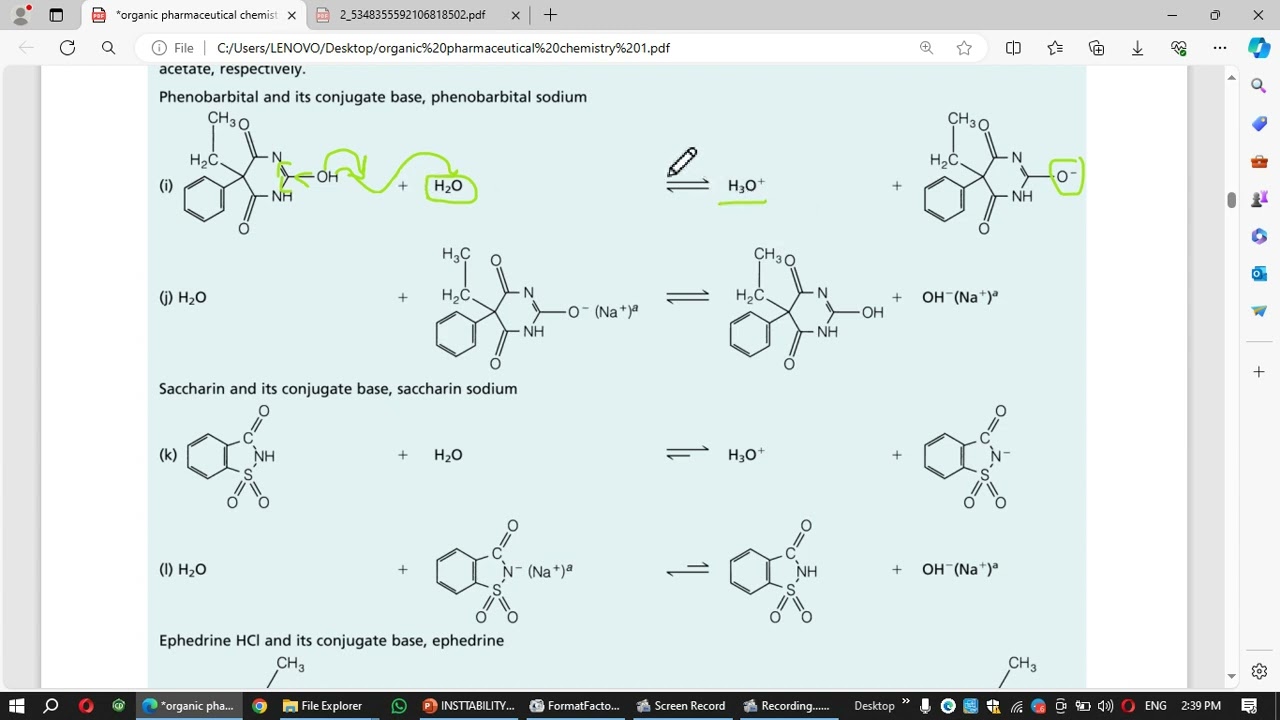
Acid-Base Chemistry and Ionization: Understanding pH-dependent protonation and how molecular charge changes in response to acidic or basic environments.
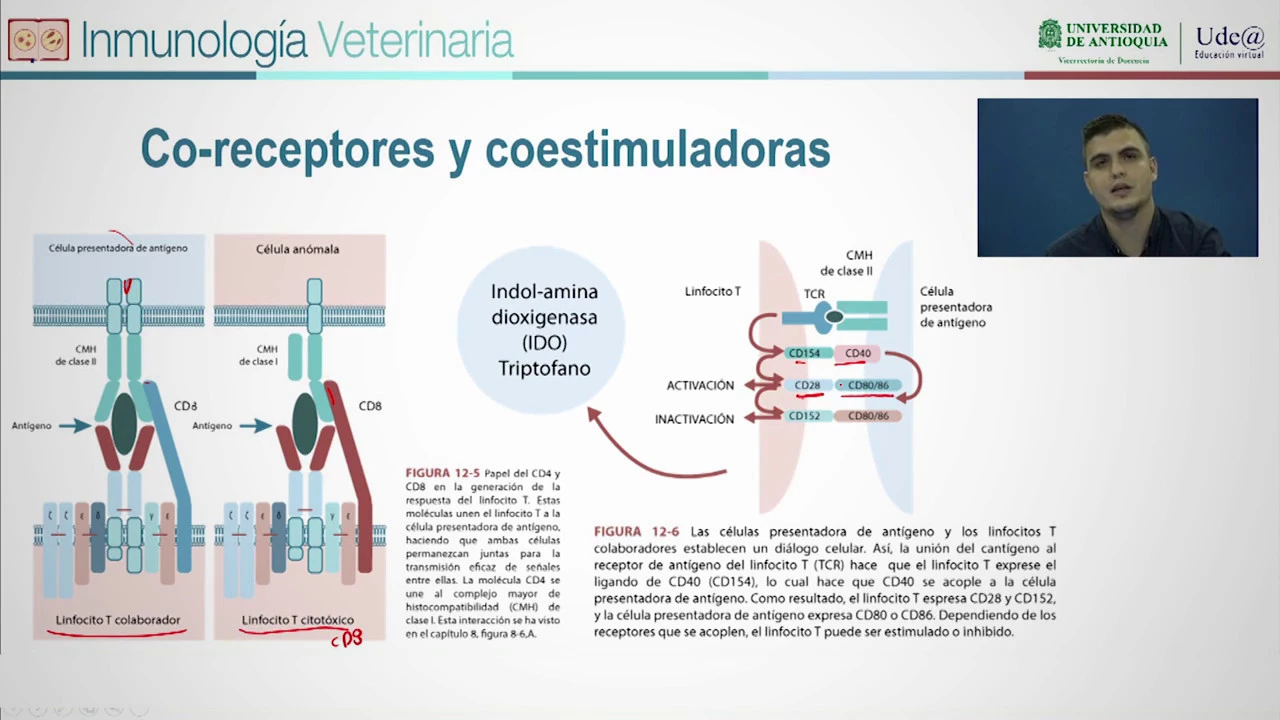
Antigen Presentation and Adaptive Immunity: Exploring how translated proteins are processed and presented on MHC molecules to trigger an immune response.
Composition and Formulation of LNPs: Studying the specific roles of helper lipids, cholesterol, and PEGylated lipids in stabilizing nanoparticle structures.
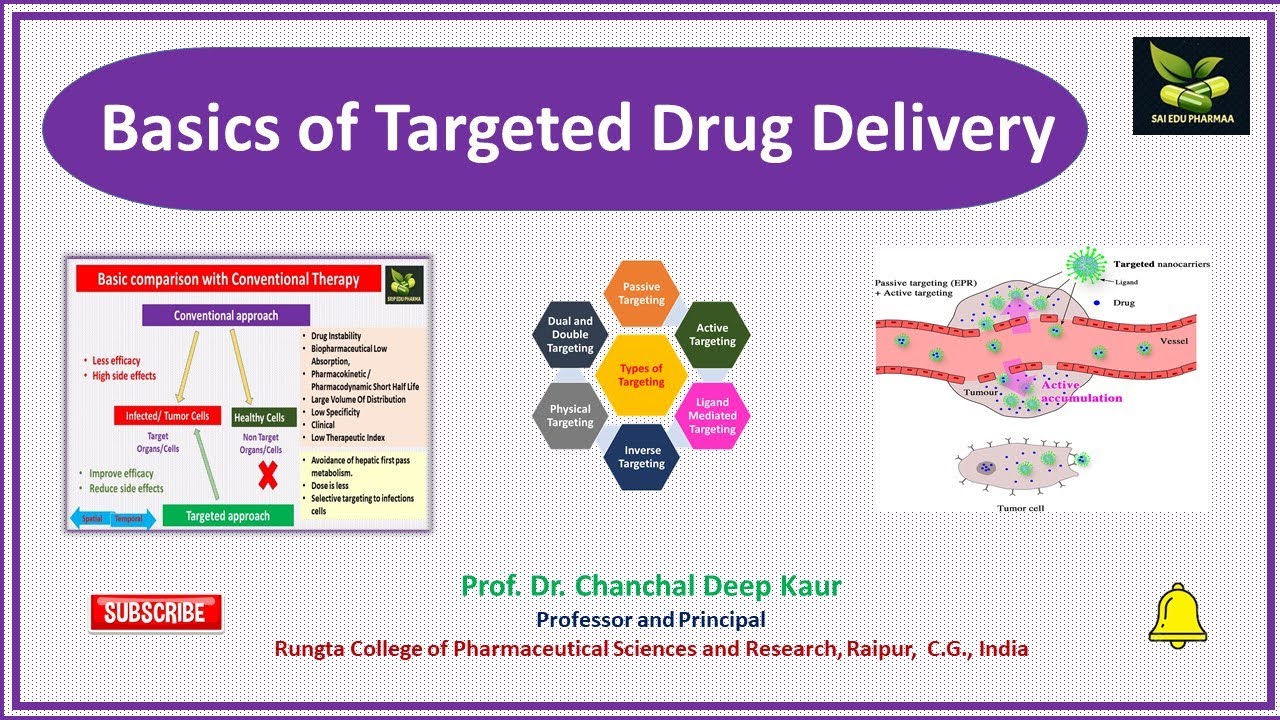
Targeted Drug Delivery Systems: Investigating how LNPs can be surface-modified with ligands to target specific tissues, organs, or cell types.
Therapeutic Applications Beyond Vaccines: Examining the use of LNP technology for in vivo gene editing (e.g., CRISPR/Cas9 delivery) and protein replacement therapies.
678 views19likes24:14Original Release: 2022-06-14
[Music] mrna vaccine delivery technology [Music] foreign [Music] [Applause] [Music] biomolecule enzyme cell membrane antigen lipid [Music] positive charge [Music] foreign substance antibody [Music] trigger make up be infected with in a time when covid19 is making life difficult for all mankind the most powerful weapon developed by humans to fight it is the vaccine based on messenger ribonucleic acid mrna is a negatively charged unstable biomolecule that is easily decomposed by an enzyme called rnase which is abundantly present in the body it is also a molecule that cannot penetrate a cell membrane with a negative potential and enter the cell therefore an important factor in developing an mrna vaccine is the mrna containing antigen information that triggers an immune response along with a drug delivery system that encloses and protects the mrna molecule in other words the mrna vaccine is a technology made possible through the combination of life sciences and materials engineering in the mrna vaccine the drug delivery system plays a significant role in preventing mrna molecules from being decomposed by enzymes in the body helping them enter the cell and allowing them to be expressed within the cell various types of nanomaterials have been developed for the delivery of nucleic acids such as mrna the most successfully used among these are lipid nanoparticles lipids are important biomolecules that make up our bodies they are amphiphilic molecules consisting of a tail group with hydrophobic hydrocarbon chains and a hydrophilic head group lipids are a major component of cell membranes and are widely used as a drug delivery system because of their excellent biocompatibility good interaction with both hydrophilic and hydrophobic drugs and excellent cell membrane penetrability lipid nanoparticles are made up of lipid molecules of various compositions among them the ionizable lipid plays the most important role in mrna delivery the head group of an ionizable lipid has properties of positive charge at acidic ph and no charge at neutral ph ionizable lipids play a critical role in loading mrna molecules into lipid nanoparticles by forming complexes with negatively charged mrna molecules through electrical attraction in acid they also play an important role in delivering mrna molecules to the cytosol after lipid nanoparticles enter the cell nanoparticles enter the cytosol through a process called endocytosis and first enter an organelle called an endosome in the cell endosome which functions like a logistics hub that transports foreign substances to various places within the cell has a weak acidity ionizable lipids are positively charged in the endosome and help mrna molecules exit the endosome and move into the cytosol through interaction with the inside of the negatively charged endosome membrane this process is called endosomal escape and mrna that fails the endosomal escape cannot be expressed and thus degrades the mrna reaching the cytosol is expressed as the encoding protein antigen and stimulates the innate immunity to enhance the immune response to the antigen as a result t cells and b cells that respond to antigens are activated t cells attack the cells infected with the virus expressing the antigen and b cells produce antibodies to suppress the infectivity of the virus mrna exists in the cytosol for only about 10 hours induces the expression of protein antigens and then degrades and disappears therefore the mrna vaccine has fewer safety issues on the other hand mrna molecules are unstable and cannot be used by themselves increasing the importance of the delivery system that carries them into the cell hence among the various technologies required for the localization of mrna vaccines biomaterial technology for loading and delivering mrna should be developed urgently as the most important technology therefore an important factor in developing an mrna vaccine is the mrna containing antigen information that triggers an immune response along with a drug delivery system that encloses and protects the mrna molecule the drug delivery system in closing foreign the release of drugs loaded in temperature responsive hydrogels is triggered by temperature changes the release of drugs loaded in temperature responsive hydrogels is triggered by temperature changes girl immune responses against vaccines trigger immune responses against specific antigens to generate immunological memories vaccines trigger immune responses against the specific antigens to generate immunological memories [Music] expression makeup is lipid nanoparticles are made up of lipid molecules of various compositions only our body is mainly made up of four elements oxygen carbon hydrogen and nitrogen they haven't devel our body is mainly made up of four elements oxygen carbon hydrogen and nitrogen today's vocabulary the head group of an ionizable lipid has properties of positive charge at acidic ph and no charge at neutral ph ionizable lipids acidic ph neutral ph positive [Music] endosome which functions like a logistics hub that transports foreign substances to various places within the cell has a weak acidity foreign [Music] t cells attack the cells infected with the virus expressing the antigen and b cells produce antibodies to suppress the infectivity of the virus the virus expressing the antigen antibody infectivity is people with aids people infected with aids and young people suffering from aids most people infected with virus experienced mild symptoms and recovered without requiring special treatment they haven't attention most people infected with the virus experienced mild symptoms and recovered people fully vaccinated against the virus are well protected from variants people fully vaccinated against the virus are well protected from variance [Music] 19 is making life difficult for all mankind the most powerful weapon developed by humans to fight it is the vaccine based on messenger ribonucleic acid mrna is a negatively charged unstable biomolecule that is easily decomposed by an enzyme called rnase which is abundantly present in the body it is also a molecule that cannot penetrate a cell membrane with a negative potential and enter the cell therefore an important factor in developing an mrna vaccine is the mrna containing antigen information that triggers an immune response along with a drug delivery system that encloses and protects the mrna molecule in other words the mrna vaccine is a technology made possible through the combination of life sciences and materials engineering in the mrna vaccine the drug delivery system plays a significant role in preventing mrna molecules from being decomposed by enzymes in the body helping them enter the cell and allowing them to be expressed within the cell various types of nano-materials have been developed for the delivery of nucleic acids such as mrna the most successfully used among these are lipid nanoparticles lipids are important biomolecules that make up our bodies they are amphiphilic molecules consisting of a tail group with hydrophobic hydrocarbon chains and a hydrophilic head group lipids are a major component of cell membranes and are widely used as a drug delivery system because of their excellent biocompatibility good interaction with both hydrophilic and hydrophobic drugs and excellent cell membrane penetrability lipid nanoparticles are made up of lipid molecules of various compositions among them the ionizable lipid plays the most important role in mrna delivery the head group of an ionizable lipid has properties of positive charge at acidic ph and no charge at neutral ph ionizable lipids play a critical role in loading mrna molecules into lipid nanoparticles by forming complexes with negatively charged mrna molecules through electrical attraction in acid they also play an important role in delivering mrna molecules to the cytosol after lipid nanoparticles enter the cell nanoparticles enter the cytosol through a process called endocytosis and first enter an organelle called an endosome in the cell endosome which functions like a logistics hub that transports foreign substances to various places within the cell has a weak acidity ionizable lipids are positively charged in the endosome and help mrna molecules exit the endosome and move into the cytosol through interaction with the inside of the negatively charged endosome membrane this process is called endosomal escape and mrna that fails the endosomal escape cannot be expressed and thus degrades the mrna reaching the cytosol is expressed as the encoding protein antigen and stimulates the innate immunity to enhance the immune response to the antigen as a result t cells and b cells that respond to antigens are activated t cells attack the cells infected with the virus expressing the antigen and b cells produce antibodies to suppress the infectivity of the virus mrna exists in the cytosol for only about 10 hours induces the expression of protein antigens and then degrades and disappears therefore the mrna vaccine has fewer safety issues on the other hand mrna molecules are unstable and cannot be used by themselves increasing the importance of the delivery system that carries them into the cell hence among the various technologies required for the localization of mrna vaccines biomaterial technology for loading and delivering mrna should be developed urgently as the most important [Music] technology everyone see you next time [Music]
Up Next

3:44
Designing a Herringbone Mixer with FLUI'DEVICE: A Microfluidics Tutorial
@edentechmicrofluidics
258 views•2025-05-20

12:54
Triumph of Orthodoxy Icon: Byzantine Art & History Explained
@BenCallan
2.1K views•2024-08-06

9:49
FastAPI vs Flask vs Django: Choosing the Right Python Web Framework
@TechWithTim
302.5K views•2024-05-26

1:42
Game of Thrones Opening Credits: A Cinematic Analysis
@gameofthrones
46.3M views•2011-04-18
Related Study Plans & Knowledge Roadmaps
Structured learning paths in General & Interdisciplinary Studies
general-studies
Elevator Engineering: History, Physics & Cities
01From Hoists to Safety Brakes: The Dawn of Vertical Lift
02Hydraulic vs. Traction: The Engineering Physics of Elevators
03Modern Speed, Safety, and Algorithms
+ 2 more learning modules
12h5 modules
Explore Roadmap
general-studies
Rubber: Material Science, History & Geopolitics
01Origins of Natural Rubber & Mesoamerican History
02The Chemistry of Natural Rubber & Vulcanization
03The Geopolitics of the Rubber Boom & Colonization
+ 2 more learning modules
12h5 modules
Explore Roadmap
general-studies
Containerization: Evolution, Logistics & Trade
01Ancient Trade & Bulk Cargo: Amphorae to Barrels
02The Industrial Revolution & Cardboard Packaging
03The Containerization Revolution: Malcom McLean
+ 2 more learning modules
12h5 modules
Explore Roadmap
general-studies
Textile Tech: Evolution, Labor & Global Impact
01Pre-Industrial Textiles: Handloom & Cottage Industry
02Mechanization: The Spinning Jenny to the Power Loom
03The Factory System & Global Labor Transformation
+ 2 more learning modules
10h5 modules
Explore Roadmap