






![FALSE CLAIMS OVER SITA'S AGNI PARIKSHA BY SHRI RAM - DEBUNKED | Let's Decode Ramayana [English]](https://i.ytimg.com/vi_webp/YOwvYaid4aA/maxresdefault.webp)




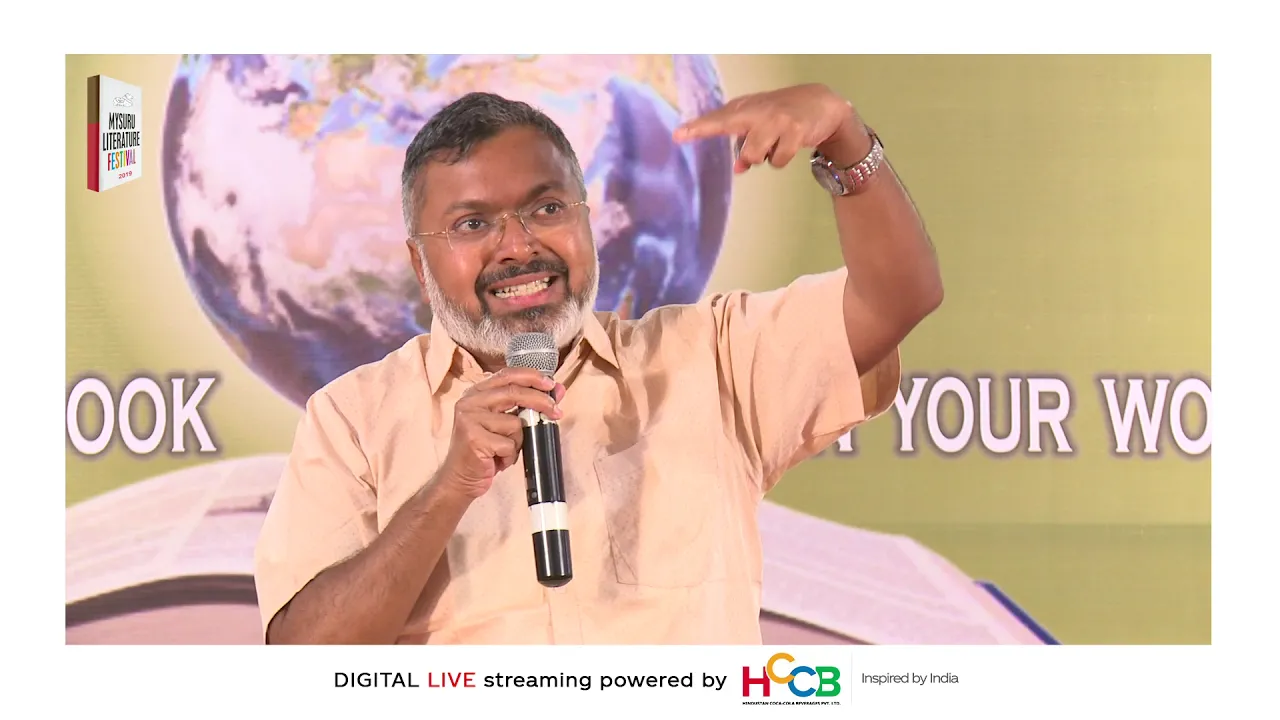
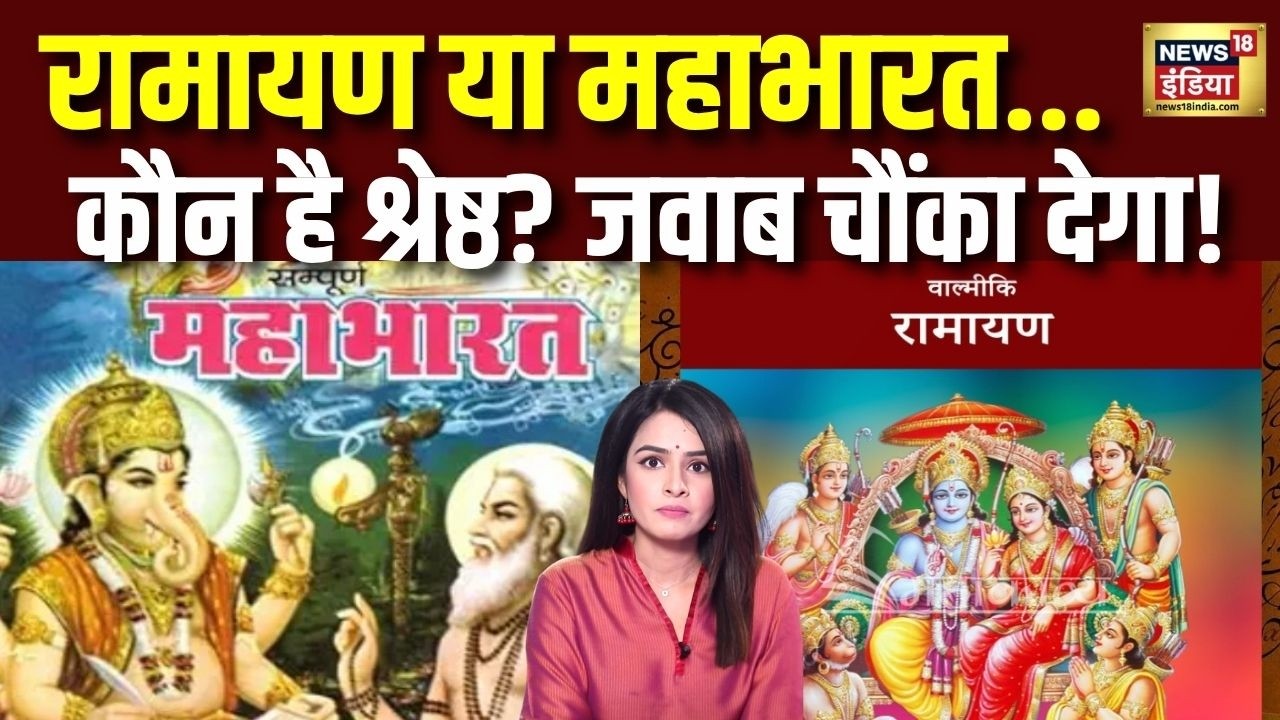
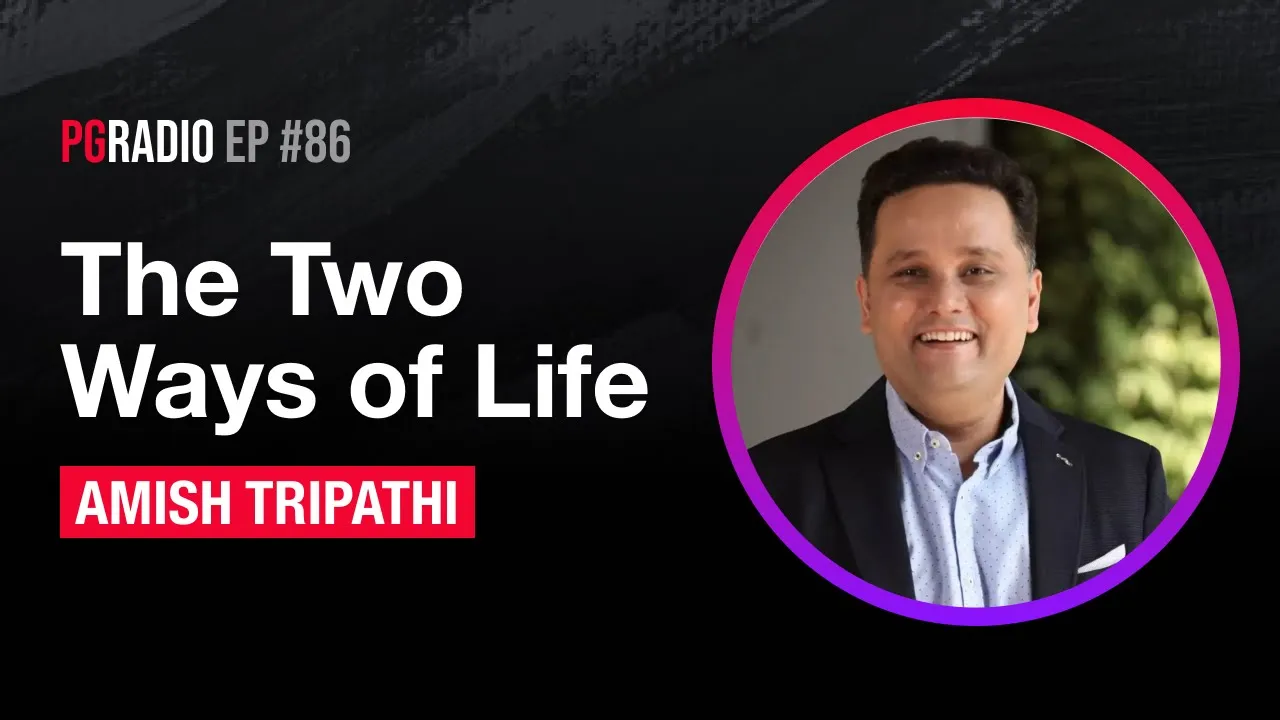








In the Ramayana, dharma is not a single fixed principle but a multiplicity of appropriate choices that individuals must navigate, where choosing one way of being and doing over another will be as often wrong as it is right. The forest serves as a liminal space where characters encounter creatures unlike themselves, forcing them to confront their own boundaries and moral choices. Characters like Dasharatha and Rama face dilemmas where honoring one dharmic obligation (as a husband) necessarily transgresses another (as a king), demonstrating that ethical living involves complex trade-offs rather than simple right/wrong decisions.
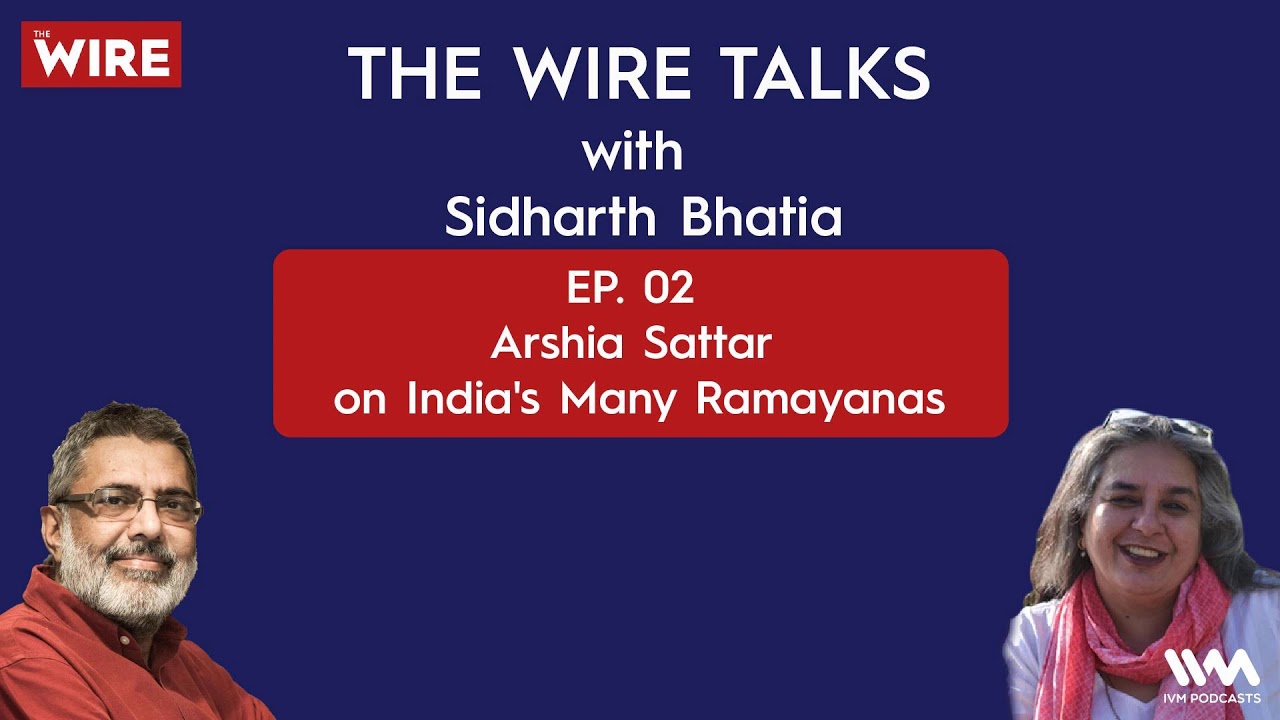
Ramayana and the Limits of Dharma | Arshia Sattar
Added:Familiarity with the core narrative, key characters, and major plot points of the Hindu epic, the Ramayana.
An understanding of the foundational concept of 'Dharma' (righteousness, duty, and cosmic order) in Indian philosophy.
Awareness of the epithet 'Maryada Purushottama' used for Rama, denoting the ideal man who operates strictly within the boundaries of social and moral codes.
Basic knowledge of literary criticism and how ancient epics are analyzed as complex narratives of human dilemmas rather than just simplified religious texts.
A comparative study of dharma in the Ramayana versus the Mahabharata, exploring how the latter presents even more ambiguous, situational, and conflicting ethical frameworks.
Exploration of feminist and subaltern perspectives on the Ramayana, specifically analyzing the agency, choices, and ethical treatment of characters like Sita, Shurpanakha, and Vali.
Investigation into 'Many Ramayanas' (e.g., Paula Richman's scholarship) to understand how regional, diverse, and non-canonical retellings negotiate these moral dilemmas differently.
Application of epic ethical frameworks (like the limits of 'Maryada') to modern socio-political dilemmas, governance, and contemporary moral philosophy.
1.5K views40likes1:17:24Original Release: 2020-11-01
good evening and welcome to today's session on bic streams ramayana and the limits of dharma how individuals set their moral compass this discussion is based on arsha's latest book mariada so joining us is asha herself and sharmak so welcome asha and somak before i hand over to our panelists a few quick instructions we will be posting the bios of today's panelists in the chat box at the bottom of the screen do post your questions in the q a box which you see at the bottom of your screen and don't forget to sign up to our mailing list if you're not on it already so with that uh over to your shawarma i'm absolutely thrilled to be speaking to asia about a new book and like all her previous writing on ramayana this book also makes us very deeply alert to the text and i'm very grateful for her to teach me read ramayana closely with new interest and curiosity each time um this one as all of you know the title is mariada and i want to actually begin with the title itself um because mariada from what we understand now etymologically you know has become a very different world it's come become tied to respect honor all those concepts but in the original sanskrit version as asha writes it is tied to the idea of boundaries and um as the title of the talk and the book says it is about the limits and boundaries of dharma so asia i would like to start with asking you to explain a little bit about this evolution you know how mariada has come to become what it has in the contemporary uh non-sanskritized usage and what does it mean in the original text well first of all shomak i'm so happy to be talking to you of all people um and thank you for always very very carefully reading my work and as i've said to you many many times um you are my ideal reader sometimes i i think of you when i'm writing um so it's um i could not have asked for a better interlocutor and this is my first talk about maryada so i'm a bit nervous um partly because it's also um it's a difficult book it's um it doesn't have the sort of you know the love storiness of lost loves and it doesn't have the uh the shock value of uttara you know there is a very simple book because uttarakhand is a very simple kanda but dharma is sukshma and um i had never intended to write a book about dharma but it just turned out that way i uh mariada is also a title that rahul my editor and i came to uh quite late and um my agent who god bless her tries to sell my books in america like this is never going to work and it's like if it ever gets to america we can find a different different title but as you pointed out the word mariada in india is a very heavy word it's a word that everybody understands it's a word that not everybody likes but it is it is a very very big word um i'm also surprised from conversations um with friends and emails how much this title is resonating at this moment but of course um who knew that this was going to happen i mean the book was supposed to be out in april and for various and obvious reasons it got postponed and i'm grateful to harper collins that they decided that they wanted to release it as as a book not as a as an e-book first right so in a way i've not had to think about the word mariada until very very recently the title of the book comes from um which is what rama is increasingly called in the later ramayana tradition maryada is actually a boundary right and because all the characters in the book i mean i look at the characters in the namana um in terms of what their dharmic choices are and what i what can be the limits of their goodness so i had chosen the title very much from there but wanting of course indian readers um to um immediately have the resonance of mariada um i think um the word mariada that the way it's now used comes very very much from a hindi context you know um the way the word is used in hindi and that i think we must attribute to tulsidasa because he really really pushes the idea of rama as the maryada purushottama and the embodiment of dharma whereas of course in valmiki um that it's not quite so um clearly enunciated by the way today is valmiki yes so it's a very auspicious day for us and it's a very very good time to remember valmiki and to um you know to to remind ourselves that the the story that ramayana that he wrote is actually very very different from the ones that we receive in our um in the languages that are closer to us our mother tongues sometimes our father tongues sometimes television tongues sometimes amishtang sometimes you know um there are many times for ramana which is which is great but valmiki um is really quite distinct um so in fact in in the valmiki text it's a narada which is really interesting narada who introduces valmiki to the idea that drama is the perfect man and that he is the mariata purushottama and his story deserves to be told by valmiki in this new meter that he's just invented um so yeah i mean i honestly i i um i'm not comfortable talking about the um how the word mariada has developed into the word that we understand it to be right now because honestly honestly i hadn't thought about it when when um when rahul and i came up with this title but in our minds both rahul and mind it pertains very very much to not simply rama's maryada in the book but the maryada that everybody else finds for their own actions whether it's or kaikai or lakshmana even ravana right because um van miki the valmiki text says more than once that you know when hanuman is in sunnarakanda when he's in he's in mankind he sees um ravana's rather extensive harem and he says the most beautiful women of all creatures but they're naga women you know everything everything and they all come there of their free will only sita had not so we forget that even ravana has a mariada he has he has the boundary he has of transgression you know um so you know in a way um the title mariada points to not um to not the acts that are contained by righteousness but the acts that are actually transgressive of it yes so that's why boundary becomes an important way for us not simply to think about dharma but to to understand the actions uh of characters in the text and and i think um our own actions as well you know because whatever you say about ramana and i've learned this now after 30 years in many books whatever we say about ramayana we're actually saying about ourselves yes absolutely especially for our nation like ours which is obsessed with ramayana and the figure of ram increasingly so in the times we live in i think this book is very very important and vital for us to go back to our understanding of who this figure was what he stood for and also to look at valmiki closely because he's kind of the poor ramayana storyteller the others have sort of followed him yeah so i was thinking your books very closely that he's psychologically the most complex yes and of course he's not real i mean he's the only author of the ramayana that we cannot say on his birthday even we cannot say that we have any historical evidence for the existence of a flesh and blood valmiki and to my mind the fact that he might actually be a literary character himself makes him all the more interesting and all the more worthy of attention um so but i also wanted to thank you for your very lovely review this morning which was in in mint lounge um which sort of cuts around um these questions too know that what has rama become in the two and a half thousand years that we have known him yes um i think the most critical change um and to me the the most unfortunate change came in the mid 1980s um with the preparation for advani's where um you know to um to sanctify that journey and to give it all the mythological gravitas that advani wanted it to have they had to create a rama who was um a warrior um and he was a warrior against injustice well i mean actually he wasn't he was a warrior against outsiders right and um certainly people um my age and your age too um will remember those pictures from the 1980s from 1985 86 onwards where rama is standing with um you know his bow and arrow stretched and he's blue and his hair is flying in the wind and it's a very very martial image and that was what hindudwa needed in the 1980s to establish itself as as a movement that would purge the country of outsiders you know interlopers illegal immigrants pretenders to um citizenship and all that but rama is not that character at all not even in ramcharitmanas you know and in hindutra's idea of ramayana and all that is is is quite singular it is tulsi but even in tulasi rama is not a warriors lakshmana who is the warrior just like yudhisthira is not a great warrior mahabharata arjuna is is the warrior and that's a whole nother discussion and it's something i'm getting increasingly fascinated with the king who doesn't want to be king the king who is attracted to non-violence rather than to the martial aesthetic and to the dharmavarsatriya so rama is you know in valmiki um and all all in in kamaramana for example he's a great romantic i mean he's it's uh it's a very very romantic version of um of the story uh in tulsi of course the um you know that the text is drenched in bhakti and in the love for this particular god but valmiki's ramayana valmiki's rama is is a very circumspect person he's um you know one of the one of the reasons why so many of us you know metropolitan modern 20th and 21st century indians find rama hard to deal with is because we find him opaque you know he's not giving us anything he's not getting angry he's not but he is i mean all these things happen but they're so small in in a much more complex story that we forget that he's the quiet guy who thinks before he acts um even in the battle with ravana um he always has people surrounding him as does yudhishthira um because you know that's not where he excels that's not where his greatness lies that's not his prowess um so it's it's uh it's not an unexpected interpretation given the politics that's around hindutva but i think it's an unfortunate interpretation takes away so much um what is interesting about about drama and you know i mean even for like younger readers for modern people i mean you know i hate to do this but one way to think about rama he is like you know your quintessential 21st century metrosexual male the guy who's got the soft side the guy who um thinks about things who does not um naturally inhabit all these words we use like toxic masculinity he's none of those things the fact that he does bad things and that he has a moment of um great injustice towards his wife is different from you know the the other aspects of this character you know it also brings us to a very interesting conundrum with this idea of the shatria and the caste markers of the shatria and there is a very powerful passage in your analysis where rama is actually upgrading lakshmana for acting like a headstrong shatria and you know resorting to violence at the drop of a hat would you think that valmiki was actually subtly kind of playing with these ideas of caste behavior as well by projecting rama i think both the epics i think um i think one of the things that the epics are trying to figure out is precisely the power dynamic between the brahman and the shatria between the caste uh the elite that hold spiritual power and the elite that maintains temporal power and you know the epics are all about that i mean look at mahabharata they're brahmanas who behave like shattered their satrias like brahmins the two leading brothers in both epics uh yudhisthira and arjuna and one and of course rama and lakshmana in in in the other they embodied different aspects of what it means to um to um be the boss of society really you know rama and yudhisthira of course are born but they are very very attracted to the um to the quietude of um the sages that they meet in the forest they love these philosophical discussions um rama changes completely in uttarakhanda because he in uttarakhand he's surrounded by a completely different group of brahmins you know in the early part of the text family priest uh court priest was vasishtha who's a gentle gentle creature you we know batista mainly through his you know ongoing or rather vishwamitra's ongoing rivalry with vashtavas like yeah whatever you know he's just minding his cows um but in uttarakhand agastya takes over he takes over the court and he's a very very different kind of ramen he's a very aggressive brahman um and he brahmanizes rama in a way uh and nothing tells us that more than the shambhuka story you know where the brahmins arrives with his with his dead son and what rama has to do um but you know i think one of the reasons this was um why the the epics are um so focused on this sort of social rivalry is remember when they were being composed they had been composed within a hundred years of the death of the historical buddha mahavira has just lived and died and these are princes who have renounced right the upanishads are being written we're moving away from the brahmin dominance of the vedas the later vedas in particular the later vedic age the brahmanas the aranekas we the later upanishads are being composed at the same time that the epics are being composed and upanishads also we have kings who are the holders of wisdom janaka is the one that comes most immediately to mind ajata so there is this social tension already in in the environment that produced the epics the the social tension between the priestly elite and the warrior elite so i think there is um there is uh an examination right the destiny of a warrior or as you say the caste behavior of a warrior and perhaps no more powerfully reflected than in the bhagavad-gita where arjuna says i can't do this and krishna says you're a warrior you were born for this you were brought up for this you now you cannot say you're not going to do this right so even arjuna the greatest warrior in all of the epics has his moment of like i can't do this man i just can't you know and i find that deeply deeply moving um these men who um who have been taught all their lives that they are to fight that they are to kill when they actually have to do it they can't you know um exactly i think that tension is very important uh in the ramayana and of course between as you write very sort of beautifully the progress from the city to the forest and once we step beyond the boundaries of the urban metropolitan ayodhya kind of you know statecraft we see a very different idea of dharma and right behavior playing out in the forests and also this concept of this caste bending behavior you know as you were saying that brahman brahmanas behave like shatriyas they're sort of the training trainers of the princess this happens quite potently inside the forests and i i would like to sort of tell us a little about the forest as a liminal space that you keep talking about you know it's a metaphorical space it's a social space it's a psychological space to an extent what is the forest in the ramayana well first of all i mean it's not my bright idea that the forest is aluminum space sadly i wish it were um but it's been sort of most extensively developed by joseph campbell um but even before that i mean you know epics we call them epics and we liken them well we don't necessarily liken them but we think of them um in the same breath as we would other stories from other parts of the world because the epic is a genre you know um it conforms uh to a certain formal structure it conforms to a certain narrative trajectory and one of the ways we have a classifying epic is precisely by the fact that the hero leaves his city and goes to the forest right so whether it's gilgamesh or whether it's odysseus or whether it's rama or yudhisthira um beowulf [Music] the journey to the forest is a very very important journey uh not simply in terms of narrative because that's where all the adventures are that's why they meet magical creatures that's why they make friends and allies and that's how they win their princesses back of course there is all of that but the forest is also the place that changes the hero yeah so one of the ways that i like to think about it is you know rama and yudhisthira also and gilgamesh for sure and they are the men who should be king right because they are the first in line or you know whatever complicated narrative um justifications there are for that um but when they come back after their exile or their journey in the forest they truly are the man who will be king he deserves now to be king yeah he has earned it and because he has had that time for self-reflection you know he has seen there are other ways to be i mean of course there are other rakshasas but most importantly in the in the indian epics there are the sages right and all the sages whether they're talking to you digital autorama they all emphasize the importance of circumspection yeah they all say think listen talk uh surround yourselves with yourself with wise people men but you know i mean i'd love to say people but i can't and surround yourself with wise men listen to what they're saying all of that so um so in that in that sense the forest is um is a very important stepping stone along that journey but in terms of its liminality lemon is a threshold you know so a liminal space is something that is between two more defined spaces and the forest is a space of um [Music] fluidity um uh of not definition you know and for me uh when i started work on ramana which was a long time ago um but i started with hanuman and hanuman to me embodies that liminality so profoundly right because he i mean the the the charisma of hanuman lies and the fact that he's just like us but he isn't you know i mean yeah you know when i think oh i want to be hanuman why do i want to be hanuman because he can fly and speak sanskrit both things that i would really really like to do you know with the facility that he is able to do them so forests are inhabited by um creatures that are not like us right whether it's or even the sages and you know the other rakshasas and gandharvas and you can eat anything really in a forest right and it's when you meet those creatures that are not like you that you look at yourself even like you know i mean so many of us have had the opportunity to travel and to live in foreign cultures and for me the greatest gift of all the years i spent in america was realizing that what we do in india is neither natural nor normal it is constructed as is an american reality or or a a reality in ethiopia or japan or anywhere right so that's also what happens to um to our human heroes or a god-endowed human heroes divinity and doubt human heroes and when they go to the forest they're like oh wow man you know everybody's not like me and the lesson of the forest is what sita tries to tell rama she says the place to be you know you could be a shatterer but right now right here put down your weapons yeah neither raman or lakshmana actually takes away they listen and then say okay thanks um and then proceed to live exactly as they had with um absolutely devastating consequences of course yeah yeah i was coming to that actually the forest also presents this moment of crisis in the ramayana as we see in the towards the beginning when sharatha is um you know has to make the promise to kaike the forest also presents that situation where sita is attracted by the golden deer and asks ram to go and fetch it and then lakshmana is sent after ram because he's not coming back so before he leaves he draws a boundary like a mariada as you were talking about like a literal boundary around her and leaves her there so i was very fascinated by this moment because various conceptions of dharma seem to come and intersect at this point rama's dharma sitas dharma lakshmana dharma what do you make of this very critical juncture in the narrative okay you're gonna have to say that again because um i sort of fell off the internet or something so i heard you up to the point where you say um golden deer yeah yes so i was saying that it's that point where lakshmana before leaving to look for rama draws a physical boundary the maryada we were talking about you know around sita so everybody is actually sort of infringing a certain boundary in this sense rama goes off to look for the dear sita once said lakshmana is sort of sent out looking for rama what happens and what do you make of this very critical juncture like what kind of dynamics of dharma and maryada are being played out that's a great question of course the problem is that in valmiki there is no lakshman lakshmana does not draw any circle around that he just tells her listen be careful and he says to them he says to the deities of the forest protect her while i'm gone but as you're absolutely right there are so many boundaries that are transgressed um in that moment why does lakshmana be right because she says the most horrible horrible thing to him he says you're not going because you want your brother to die because you want me now that is the most transgressive thing that she could have said right partly because of who she is she's a very good woman lakshmana is of course as you know my favorite most noble human being but she is speaking as a sister-in-law to a brother-in-law yeah this is that sally deva problem right it's um it's just as well as you write later absolutely it is the same thing with bali and suprema it is the unthinkable because she she's suggesting that um it's incestuous she's um your older brother's wife is not your mother not your sister she's um you know uh for you i mean she finds you the woman you're going to marry she trains that woman you know it's a very very maternal role so that is a terrible terrible transgression um previous to that when they first see the deer and see that's just fascinated you know and and she says i want it and she says to ram i want it dead or alive right if it's alive we can take it back to our yothya as a pet and everybody will envy us and if it's dead the skin will be so soft to sit upon right so sita in that moment is not herself she's utterly bewitched you know the power of that deer um turns everybody's head right and rama goes after it and he has this really peculiar argument ra lakshmana says don't don't go don't go it's a rakshasa with the doctors i'll kill it and come back no and if it's a deer i'll bring it for sita right so and again it this could not happen in the city this can only happen in the forest where the one thing you can expect is the unexpected um and uh you know and the other thing of course is uh you know this plays out in some other way with um uh valley and suprema as well the the transgressive relationship with uh with the sister-in-law except that among the vanaras among the monkeys that is allowed you are allowed to take your brother's wife as in many indian cultures um you know leverage marriage is is um not simply sanctioned it's you know it's um it's encouraged um especially in cultures where men have to leave home to work um i mean that's that's for sociologists and anthropologists and all that um so the the thing of the deer the thing of being enchanted the thing of actually losing oneself not knowing who when if you don't know who you are you don't know what your boundary is right particularly in a hindu universe because in within a hindu universe your behavior your dharma is entirely circumscribed by who you are right whether you're a brahman or a shatria or or you're a man or a woman if you're a wife or a sister or a daughter yeah but if that has been taken away from you that mariada has um become blurred or invisible then how do you know it's you cannot know the right thing but you know once you're back in the city those boundaries are very quickly redrawn and very quickly and you recognize them very very quickly you know it's in the forest it's used that you can't see the forest for the trees i mean that's really the metaphor of mariada um in in the liminal space um yeah exactly i'm going to read out one sentence which i found very fascinating where you write that dharma presents individuals with more than one an equal legitimate choice and that becomes to me the crux of the whole problem you know yes it is and and also gives dharma it's various shades like there is a rakshasa dharma which we don't acknowledge because we are coming from a very dominant culture point of view into ramayana because supernaka says as you write that i'm low on to myself i don't care about other men's laws other people's laws i am my dharma and the same thing rama is actually telling us you know like the his sort of caste brethren that i am dharma himself yeah what what does dhanma become you you mentioned the word sukshma and i wanted you to dwell on this word a little more and tell us what does this sukshma and dharma's connotation in this context become in ramayana man we've been thinking about this as a culture for two and a half thousand years i mean i would not dare i would not dare to answer this question but um again you know i i i think um and i think i say it somewhere in the book i can't remember where but um um i think with dharma uh really the questions we ask are more important than the answers we get right because if we ask questions then first of all we are actively engaged with the idea of what it is to be right and good rather than oh my mommy told me oh you know my teacher said or whatever no um and i think that that that is critical um for us as human beings to constantly ask not to um not to sort of just you know receive without without thinking and you know an unreconstructed dharma is it can be a terrible thing um so you know i okay so many of us and myself included um believe that in in in the hindu universe in particular the self is not an individual it's always a relational self right that of course i'm ashamed but that does not complete me or actually define me in any way i'm ashiya who's a mother a daughter a sister a friend a teacher a housewife or you know whatever i have there are a hundred relational um aspects to my being in this life right so therefore if we take let's take the easiest one let's take dasha for example right um he's a king of course and as a king um he has to um he has to announce his heir he has to secure the future of his um dynasty he has to secure his kingdom and so righteously absolutely he passes the kingdom on to his eldest son who is the eldest son of his eldest wife his first wife so rama is most appropriate in terms of primogenitor but he's also the best of all the guys i mean he's the most mature he's you know all of those things so rama is the right person in every way so ram uh has fulfilled his duty um as the king um of um right as as the chivaku ruler of the kingdom but then um in quite an unexpected well yeah i guess it is unexpected he's confronted by the wife that he loves best who says well no i want my son to be king and that's when dashiratha has a choice you know he because he does have duties and obligations um as a husband and he had promised um you know when they were younger um that he would give he would give her two wounds and she could claim them whenever she wanted she said no i don't need i have everything right now but i will claim them and he says oh yes yes you must claim them and so she does and so he's bound by his word um to accede to her demands right so here is the sharatha with two equally legitimate dharmic choices right he chooses to honor his obligations as a husband and that necessarily means that he will be transgressing his dharma as a king and the same thing happens to rama at the end of the story um when he has to choose between being the king of ayodhya and you know uh banishing his wife who his citizens are gossiping about or being true to um his husbandly commitments and saying no citizens i mean i trust my wife i love her she's fine i'm not gonna do anything right and of course he makes the opposite choice uh he chooses to be the king rather than the husband now why he does all of this that isn't lost that's in you know yes that's a different book yeah um but you know he too has to um he too has to make these choices so so in a way i mean these these choices i mean look at arjuna in in mahabharata right because it is his duty as a warrior to kill his teachers his elders his uncles right his grandfathers um but as a human being he can't do it you know i mean as a grandson as a nephew as a student how can he kill drona how can he kill bhishma and he makes a choice too he's persuaded by god no less to make the choice that um that is appropriate for his caste position and his position in society which in a way rama does too right and thus who we also have what an old fool and he's the one that you know modern people will respect because he chooses love over duty you know i mean that's what we think that that's what we we think our individual lives are made meaningful by the fact that we choose not out of social obligation but but of um you know existential truth we like to believe you know and um yes so we should show more sorry again no i was just thinking that you know it also kind of posits this idea that dharma sort of is tied to your sense of self and there is a higher self which must serve the higher principle the noble principles of life and there's a sort of base yourself slightly which is kind of responding to these feelings you know of love of affection of lust yes infatuation and in that sense is sort of a failure isn't he like he cannot really hold himself up to that higher karma as a king you know he's an old man he's done um i have grown old under the umbrella of kingship i have performed my duty valiantly i am tired let me go this is what he says right when he announces that um rama is going to to succeed in um okay so now here's the thing um the decision that the makes is not appropriate for that ashram in his life you know he's still in graha he is still the king if he was in bana prastha or in sanyasa or something like that he would have possibly had um not simply a different set of choices but we would have seen him differently the choice that he did but because he is still a king because he is reigning we expect that he should have made the choice um uh for his people and and his son rather than the choice uh for his wife so this behavior is not appropriate to his um um to his uh uh age in life no and also we think arya you're such an old man you can't be giving in to your beautiful young wife no have something there's all that that comes with it but he is actually i mean let's look at kaikai also you know we are seeing that i was coming to that yeah that this notion of is it a very gendered notion then like you know what are we looking at the men are held up to these standards and the women are sort of always kind of blamed and upgraded for whatever yeah oh yeah yeah and that i mean that that is also i mean that happens in the forest that you know even city dharmas um all located there in the bodies of women what is so wrong she's looking out for her son you know um i mean we expect our mothers to do that but somehow oh it's a terrible thing no but if in our again in our contemporary world we judge women um uh as good or bad mothers depending on how much they uh look out for their children and kaikei again i mean she has her duty as a queen which is to just say oh yeah i'm so happy that rama is um uh you know it's it's appropriate he's he's the eldest son he's the best son she's very fond of rama in fact she's she's sort of very very pleased with all the coronation business and the drama is going to be king and it's bantara of course another woman um and a misshapen woman at that um a hunchback um who sort of you know chubbies her and says you fool nobody will give you any respect you'll be forgotten you'll be ghostly on the you know um you'll have no power because i will rule and she's uh she's young enough or ambitious enough or susceptible enough to be completely persuaded but she is persuaded by the rightness of uh her duty towards her son her duty as a mother and of course you know one of the reasons why epics are so endlessly fascinating because if there are problems like this right if we are in a position where you know suddenly we're judging for doing the wrong thing or we're judging you for doing the right thing you know some story comes up right sometimes that happened long ago right and of course we realized um i mean it's suggested in various places not so much in valmiki but much much more in later ramanas um that when basharatha wanted to marry kaikai her father said yeah of course you can so long as her son is king and we know this happens when older kings want to marry younger women women look at shantanu and you know who becomes it's the same except in mahabharata that she says i will marry you um if you let my son be king right so that's a normal sort of um transaction uh conjugal transaction you know um so then we you know that so then somehow the pressures of the saratha right that kaikai was had to ask that right and so she's an instrument of fate and more and of course to to justify dasharata's actions um for agreeing and sending rama into the forest we have the most amazing story about shravana yes hunting in the forest and he kills this guy and the guy's father curses him and says you too will die of grief separated from your best beloved son now that is karma coming from somewhere right to sort of clear or in fact muddy the waters of dharma no so um it's impossible uh to think of one without the other dharma and karma and i think that the epics do it best you know um they really do because they take on the narrative power of these philosophical um ideas right and i mean look look at these stories look at ramana mahabharata i cannot think of stories that are more compelling um in terms of adventure in terms of philosophy in terms of morality in terms of love and death and all i mean you know really absolutely yeah i'm also quite fascinated by uh i mean i want to talk about lakshmana in detail because you have the most beautiful chapter on him the most i think heartfelt chapter in the book is about lakshmana but also bharata who actually says that i would have killed my mother if it were not against you know karma for doing what she did and this whole idea of matricide really disturbed me that you know as a king you can i mean or whatever prince you can so easily say that i would kill my own mother uphold my father father's choice and my brother's right to the throne so and also yeah well it's your fairly standard misogyny you know i mean that's one way to um to think about it but yes again um it is it is uh and you know again this is the thing no shomak that um it's so important to read these texts for ourselves because when we read them for other we'll notice these things you know and we're so used to being told the story right and typically we are told these stories by older women in our families right um who are you know i mean who have a stake in um the status quo in a sort of in a perpetuation or conservative models of behavior and you know all that um so yeah so i mean like if you hadn't read ramayana as carefully as you have you would not even have noticed that bharata says this no one curses and he says go to hell you you know you're a you're a blot on the reputation of the shibaku clan and you know what what is my great what did i do in my past life that i was born as your son um but again you know um we have a choice of seeing this as you have seen it as an entirely um personal um interaction between a mother and a son right but if we the other way to look at it is as a prince and his mother as a as if they were social entities not as biologically connected as mother and son and what is he doing yeah he is saying um i will that one of my choices is to kill right i would not be wrong if i were to do that because you have shamed me you have shamed the clan you have resulted in the death of my father and and the banishment of my brother so he has this whole set of reasons why he can't actually say that right um but also he's kind of forgetting that she he's punishing her for looking out for him yeah that whether you're we're looking at the biological and emotional collection between mothers and sons or whether we're looking at them as social entities like bharata what about this you know yes and that is also i think why um bharathan needs um to be trained to be of course um you know when he goes to meet rama in the forest and he says take back the kingdom um forget the kingdom around then he proceeds to give him like about six chapters of raja dharma you you should do this you should do that you should listen to this one and listen to pasta do like that get rid of this you know there's a lot um that goes on there so i think it's also um it's also a moment of immaturity right um and yet you know um when they when they you know both he and chatrourkna are away they are um with bharata's grandfather with kaikai's father actually um and they come back and they you know their father has died and so they perform all the rituals and you know it's it's um and then they see mantara and satra who doesn't do anything in the whole story um decides he's going to beat up manthara and he kicks and bharata stops him and says don't do this rama will be angry with you yeah so bharata hasn't yet um uh evolved or been led to the point where he is making his own choices about dharma he's living um on dharma principles that are borrowed from from those around him and again i mean i think that he is not the hero he's not going to go to the forest he's going to sit in an uncommon way to his brother to come back right so he has no narrative trajectory actually he has not gone to learn how to be king it is rama as who has gone down i would say to some extent lakshmana as well but yeah i was just coming to that uh i remember asking you that sita is one of the most harvested characters in the ramayana i love that phrase harvested yeah okay she's so rich for all sorts of analysis you know she can be the vehicle of so many kinds of thoughts and ideas and uh right and wrong and all of that but to me after reading your book i feel that lakshmana is as poor character for that because he also disobeys rama and follows him into the forest like sita does and at various points in the narrative he actually questions him constantly he's kind of the moral foil to him yes and i want to ask you about uh lakshmana and your relationship with this character that you've written so beautifully in this book i mean it's one of the most passionate chapters i thought yeah it um did you not like lakshmana before you read this book did you not ever give him a second glance so i have always judged him for abandoning urmila is this silent voiceless woman in the narrative again we don't know what happened to her but then i realized on reading this that umila's sort of provenance is also quite complicated she comes in much later in various retail things and all of that so uh but yeah i would like to hear what you think it's a purity to lakshmana in um because there is no rumila you know so we can love him unabashedly and we could admire him without having to say but um we can always say and for lakshmana in a way that actually we can't even for rama um yeah he i mean you know that i sat on that chapter for years and years and years not on that chapter necessarily but on that thought um it took me a long long time to develop the courage of my conviction about who this guy really was and how he dies and why um he does all the things that he does um yeah so i mean you know you're right know that he he is the one who as you said disobeys rama's orders as the sita and they both go with him to the forest rama's supposed to go alone and then consistently through the book consistently he's challenging him right sometimes he's asking him what is his dharma you're following right and he's um it starts with that i mean in um you know when when rama comes to tell uh kashalia his mother that he's been ordered to go into the forest um lakshmana was like what is this rubbish what are you talking about now you don't have to do this um and then said no no i'm also so what is this you're talking like a weak man you're talking like a coward the dharma that you follow is the dharma of cowardice and the dharma that you follow is the dharma of the the violent and the base right so they have started out with this um conversation about dharma and they covered it very differently and they live it very differently and you know i mean you know from reading the book that i believe that lakshmana is predicated on justice whereas rama's dharma is predicated on righteousness right and because the story is what it is because the story has to do what it has to do rama's rama's dharma is the one that is celebrated but for somebody like myself and given the world that we live in i find lakshmana's interpretation or the the what he sees as being the right thing to do i find that much more compelling you know i mean i mean it can be pretty outrageous like it is right in the beginning where he says oh we should imprison our father he's old you see man he doesn't know what he's doing right but he cannot do this um and he says to rama you do it i'll be standing right by you or in the forest where he says um you know when they see bharata coming uh comes with this enormous entourage right comes with his army and he comes the whole quarterback and the mummies and you know the everybody everybody everybody and uh rama's like oh how nice bharata's come to see them lakshmana rick don't be an idiot he's come with his army right he has come to kill you and rama is like no i trust him right but lakshmana um no i mean he's not right about bharata but he he sees things for what they are he's not um he's not um [Music] he's not as trusting perhaps as rama is rama believes that everybody is as good as he is and that's when i'm like everybody is not as good as you are you know people are difficult and you need to take that and then of course the great island is that the person who becomes the most difficult of all to deal with is his beloved brother you know the mariah i think he's very practical minded as he was saying lakshmana like he has a very strong sense of reality and he's rooted to present dangers in the forest absolutely absolutely you know i mean the other way too here's the thing um that there are always very simple easy explanations for um narrative moments right that okay why do we have lakshmana and rama together because rama needs a foil right we will only understand rama better because lakshmana exists because they are so different we don't look at rama he never loses his temper oh look at rama you know he is so compassionate yeah because lakshmana is not all of those things sure there is another sort of very standard legendary explanation that they're a composite hero right together they form the central character it's not lakshman it's not rama alone but it is you know their their um unity almost thank you exactly not their companionship but their unity fine yeah those are um those are necessary reasons yeah they might even be contingent reasons to understand these characters like this but isn't it so much more exciting to understand characters um you know to push ourselves to understand characters more differently not to see that what is actually happening here is not simply a little very moment where you have two characters or e at the altar you're going on no what we are seeing here is actually a debate about what dharma is right and it's placed narratively in ramana in uh mahabharata my god i mean we have debate about dharma individual you know that some others go on and on and on and it's really hard to read and first of all you have to do that in sanskrit then you have to understand it in english then you have to like appropriate in ramayana it is it is right there like what do you think is right is it justice or is it um righteousness righteousness yeah really and i cannot imagine a more pertinent question even for our times yeah yes i mean especially from our times you know that the postmodern consciousness from which we are reading this text we are constantly confronted with this conundrum that whether we should act justly or whether we should act righteously so that people think that we are doing the right thing or should we do the thing that we think is the right thing which lakshmana embodies to an extent and it involves issues like violence and non-violence patriarchies hierarchies hegemonies what do you do with women what do you do with marginalized people all of this this constellation of um issues of modernity and post-modernity are actually located in that fundamental debate you want to be just or do you want to be right i know i want to be mad you know yeah yeah actually so that's the thing you know like that sense of self advertisement is not there in him he doesn't want to be perceived as this great hero and in rama's case it's the epic heroic quality that kind of overshadows everything else but you know we know you and i especially from reading lost loves um that drama is trapped right in the expectations that people have of him of like how he's located he is the elder son of the eldest son you know this horrible thing has just sort of unfolded around him his father has made the wrong decision he's been in the forest his wife has been kidnapped his you know stepmother has been vilified um you know uh he's killed a monster uh he's chosen the wrong allies so grieva is a jerk you know he should have like chosen so many he's absolutely and utterly trapped and still he tries to be noble you know he tries to do the right thing um right and that you know i mean that's kind of remarkable right i mean we mean disagree with everything that he does but the fact that his his motivation um is uh goodness righteousness i mean you know that's what we're led to believe that that is the difference between rama and ravana right that drama is motivated by wanting to be good and ravana is motivated by not caring yes yes absolutely you know ashley i was thinking that we have spoken for one hour and we have just like reached the tip of the iceberg and honestly speaking as a reader as an admirer of your work i would love to read a book on rabona from you you know in some weird way i think this book was supposed to be that because you know um how can how can one not um yeah well maybe maybe actually you know it's funny i don't know if i told you this before already but i realized um halfway through writing when i realized this book was going to be about dharma i realized that i've written about karma which is lost loves and i've written about artha which is uttara because it's about the negotiation of power and wealth and social status and all that this is the book about dharma so now all i have to do is write a book about moksha right but there's no moksha in walmiki or it's very it's underdeveloped because bhakti is underdeveloped but the only person who represents the possibility of booksharing is ravana so if i do write the bookshelf book then yeah i'll dedicate it to you for sure yeah before we go to the questions i think there are some questions i want to ask you one last kind of concluding question is you know you've written so much about the ramayana you have translated it yourself does the text still open up new possibilities before you when you read it yeah it absolutely absolutely does and i'm um going through a sort of um [Music] a moment of panic actually because um i think now i've got nothing left to say about ramana you know and i'm at the ripe old age of 60 i'm not jobless right i mean i don't understand but that is the whole of the mahabharata waiting for me um but i realize now i think because in some way um you know because normally what used to happen even while i was writing one ramana book i already by the time i'd finished it i had seen the next book coming right and with um with mariada um i i can't i can't see the next book as clearly as i as i could before um so in a way um it's freed me to read ramayana again you know uh because otherwise that you as i was finishing last night they were like okay okay uttara is coming so then i would read ramana with uttara in mind right and now i it with it but now there's nothing now maybe i will see it as text quad text you know which i haven't done in 30 years so i yeah it could be a great or it could be which i think is really what's happening is that ramana is now sort of really reminding me that you can't do ramana without mahabharata you cannot understand mahabharata without knowing ravana you know so it's pushing me little little um in that direction so yeah i don't know what the next book is i really hope there will be a next book but i'm sure there will be and we will be looking forward to that eagerly and whatever it is we love it i'm sure i'm going to see a few questions um so salil says he says time to write about southeast asian ramayanas yeah you know um the thing with the southeast asian ramanas um i can't read them in the original right and i'm sort of enough of a chicago trained person to imagine that i cannot speak with as much certainty about them um as i would with uh of course i know them um i know the stories i know how different they are i know particularly what happens to hanuman in the southeast asian ramanas but i imagine um they'll always be like a footnote or a chapter you know in a book never a book itself but you know i mean of course the other grand plan is to finally write the hanuman book which would trace the narrative history of hanuman from valmiki all the way to to china to [Music] to the monkey to the to the chinese monkey um yeah that's that's another plan so they would come in there but quite honestly um you know man where you go to school and what they train you you can be as old as you like it will never leave you you know i mean i'll have to get something to uh to speak with the kind of confidence that i do about uh sanskrit ramana i don't even speak about ramsar manas or kamba you know i refer to them but i feel that i'm my i i'm absolutely certain of what i say about valmiki and the other stuff i think i know it but i'm you know other people know better and yeah so there are a bunch of questions from vivek said and this is i'm just going to read out the questions what are your views on existence of multiple realities that surround us like there is no one singular only reality there's a follow-up to that saying um especially what does this have to do with ramayana um yeah especially keeping the context of the epics in the forefront as they are a reflection of who we are and who we idolize to become okay well first of all who's we um i think that's very important when you say the epics are who we are uh it doesn't apply to everybody um i'm sure there's a lot of women and um a lot of well there will be enough challenge to that question right similarly for the second part of your question um this is what we want to be um i would be really really worried if that were the case i think in terms of like role models and paradigms and all like this um there are minors profoundly out of date yeah it's two and a half thousand years out of date we don't inhabit that world anymore um what remains relevant and important is that we can still ask the questions that rama asks or sita us or lakshmana us and we can see that those questions um just thinking about those questions will enrich us as individuals and as human beings right and i'm sorry i don't understand the the part about the multiple realities that we inhabit because if you're suggesting that and i think your questions indicate it is also not inherit the same reality so i'm not i cannot speak to that no i think he's also clarifying that uh this is about mariada having open-ended kind of connotations the idea of mariada becomes different in different contexts and we have actually discussed that very idea throughout so i'm just going to move on to another question uh there's somebody also asking about uh jeeves asking about how to read these epic so we just talked about it what should we take away from the epics to lead the contemporary our our life as it were now well again i mean i think um it's not for me to tell you that i can tell you what i have found i can tell you what gives me immense pleasure i love sharing my insights with as many people as possible but um i do not want to be the person who tells you what to think um so you know i mean just read them you you'll find something that will engage you you will find something that will give you pleasure you will find something that will surprise you you will find something that will horrify you and that's because it's a great text you know um and every great text needs to be discovered um by the reader you know so just yeah go by my translation good plan there are lots of comments just expressing their admiration for this talk and i have one question from devasya anthony from hindu college in delhi which is uh isn't it the case that the so-called indeterminate nature of dharma as portrayed in the mahabharata gives us a broad paradigm for hermeneutic multiplicity in interpretation than what you see as the clear-cut notion of dharma in ramayana yeah um okay so i think this is going to be my next book really because um what i've become more and more aware of is that you know typically we say oh you know mahabharata is so deep so subtle about dharma you know it gives us how many numerical paradigms and all like that and ramayana is simple idealistic it just tells you that this is the right thing and go and do it um i suffered from that delusion myself for many years and i think that's why it's taken me so long to come to dharma and ramayana even though it's you know up front and in your face um this is a book about dharma this is about a good guy and i thought hey what is that to talk about right so i spent many many years buried following the narrative pleasures of ramayana but eventually i've come to believe that what the ramayana understands to be dharma and what the ramayana asks of us in terms of dharma is infinitely more complicated and infinitely more challenging than mahabharata you know because basically and i'm not demeaning the mahabharata in any way um basically mahabharata says you know what dharma is really elusive and if you're lucky you'll get a chance at it and if you're even luckier you'll do it right yeah what ramayana says is completely the opposite it says you have a chance you know how to be good goodness is within the grasp of not simply of your imagination but of your deeds as well right and this you know how is it with rama that he's so careful he's so cautious he's so um determined to do the right thing he does what he believes to be right and things go horribly wrong that is the dilemma of righteousness right that is the dilemma of moral and ethical action it doesn't matter whether you're 2500 years ago or now yeah how is it that when we set out to do the right thing something horrible it goes wrong yeah how do we live with that how do we justify how and what is the answer that we cease to act yeah and that you know that is that is truly an alternative it's the alternative that was so attractive to gautama buddha you know he sees the sannyasi the fourth sight that persuades him that he needs to um to leave the palace and go and search for the truth right um but the epics are not about renunciation they are about living in the world they are about living meaningfully they're about living righteously um so for me um the ramayana presents much more complicated um questions about ethical living than mahabharata does you know about that it's terrible you know it's all bleak we'll never know forget it the only person who acts with confidence in in mahabharata is of course krishna but krishna is god he's setting the rules of the game now if we think of rama as god as well in ramana how different that i i i am i'm so moved by the idea of a god that can make mistakes a god who doubts himself rather than a god who as men do um acts with like um you know crushing um arrogance yeah so yeah so i i would i would um yeah i have found that ramana to be much more compelling ethically than than maharaja and in fact there is a sort of quite intense discussion about that not maybe in very much detail but there is you touch upon that in the book as well there is a section where you talk about brahma and anima and how they compared the two of the texts with about dharma um so subhanallah was asking how do we read these epics i think we have just answered that question in the context of what we said radhika prasad is saying you mentioned that valmiki might have been fictional wasn't he rama's contemporary um well there's certainly contemporary in the text i mean as narrative characters they are absolutely contemporaries um you know this is a really really long long question um and i think it's predicated on um the idea that there is a historical drama um uh i i'm i'm that probably is um [Music] a historical it's it's possible that there is a historical rama um a man who was um sent into the forest by the um by the by the politics of the palace in which he grew up it's possible that while he was in the forest his wife was abducted by um a not so good person perhaps a rival king it's possible that he put together an army and he fought a great war and he won his wife back and he came back to reclaim his kingdom but that is not rama of the ramayana yeah um and i understand perfectly that for people who believe that rama is both god and a historical person that's a very different way to read ramayana that's not how i i read it um and i will also sorry that's not also valmiki's intention absolutely right that valmiki did not set out to write a book about god um and there's all kinds of like you know complex historical uh scholarship things that indicate which parts of the ramayana earlier and later who valmiki might have been how valmiki enters the larger story of rama but you know i will also say this that whatever our personal beliefs are um i i i have spent 30 years with ramayana it's obviously a text that i hold very very dear and that compels me in ways that i am unable to understand um and we so that my point is that many many of us have had come to ramayana for for very different reasons and many of us stay with ramayana for very different reasons you know um i'm still there so yeah so i don't think that i'm the person to answer the question that you're asking it's a very long way of saying oh i can't answer the question but yeah well because again your intention is very different in the book you are actually teaching us how to read the text and in a more okay than we already do so i would people actually go through atlas book and see what she's saying about ramayana um i think there are some other very sort of nice comments about the talk but um i'm just going to read out one question from rahul senior i think that might be the one we could end with um do you think one can deduce from the epic that uh gods were using rama and sita's instruments to kill ravana because he was a threat if so then what does this idea state about the notion of true love projected by the epic for which sita and rama are taken as a benchmark i think part of this question is answered in your book itself but i'll just let you yeah well you know i mean um um again i think you are responding very closely and very directly from ram charitmanas from tulsi um where [Music] themselves she is the goddess lakshmi he is of course vishnu are used uh you know they're sent to earth with the understanding that they have been sent there and they're going to experience this remarkable human tragedy all in order to get rid of ravana who is a threat yeah so that is one way to enter the story but so you've entered the story in that way but we're you're now asking me to talk about human love and what gods think about human love you know i think it's a little bit of apples and oranges question because if we are playing the god game if the gods themselves rama and sita vishnu and lakshmi are coming to earth with the expressive intention of killing ravana then they know that this love tragedy that their experience is not real and nor is it final right um they are doing what they are supposed to do now as human individuals who received this story i think certainly until it's very clear that he says that we must experience their separation and their tragedy as human beings but we must also understand as the gods do that this is not the final truth right that the final truth is about their union in fact um the when you know in tunsi when rama leaves for heaven when he returns to his his essential vishnu-ness it's a it's a great celebration because he's going to be reunited with sri with lakshmi yeah um so uh yeah i i and i i think for people who are real bhaktasi himself um [Music] this is um this becomes uh this becomes a question that is resolved by belief no we can't be in two minds we can't say oh the gods are doing like this or what are they saying about love no if the gods are doing like this they know what they're doing with love yeah um yeah i think that this as much as i'll be able to um to say yeah i think your book actually is very much uh pointing us towards the multiple possibilities of these ideas you know like can we believe and also question uh you know how morally okay it is to do both you know and that that is the beauty of this book and beauty of the ramayana as well he gave us i think and i'm so happy to have this conversation with you thank you so much for this very very enlightening conversation thank you so much arsha and somak uh i have heard you speak uh many many times and amazed uh with all the insights with each reading and i'm dying to read the book thank you for your characteristic candor and for making an entire generation rediscover and fall in love with ramayana as you have so thank you for that well thank you all raghu shomak vic and everybody who took the time to um tune in friends and perhaps people who disagree with me those people too thank you for being there and thank you audiences for joining us today you
Up Next

86:04
Art, Thought & Difficulty: Feminist Art History Lecture
@HolbergPrize
58.5K views•2021-06-07

164:01
John of Damascus on Holy Images: A Theological Defense
@BannedBooks
139 views•2026-04-25

68:32
Should We Destroy the Machines? Big Tech Surveillance Critique
@TheStoriesWeTell303
167.9K views•2025-11-30
4:57
The Myth of Sisyphus: A Greek Legend of Eternal Punishment
@TEDEd
8.6M views•2018-11-13
Related Study Plans & Knowledge Roadmaps
Structured learning paths in Philosophy
philosophy
Frankfurt School: Critical Theory & Culture
01Foundations of the Frankfurt School and Critical Theory
02Horkheimer & Adorno: The Critique of Instrumental Reason
03The Culture Industry and Mass Deception
+ 2 more learning modules
12h5 modules
Explore Roadmap
philosophy
Philosophy of Language: From Frege to Austin
01The Linguistic Turn: An Introduction to Language in Philosophy
02Gottlob Frege: Sense and Reference
03Early Wittgenstein: The Picture Theory of Meaning
+ 3 more learning modules
15h6 modules
Explore Roadmap
philosophy
Feminist Epistemology: Standpoint & Injustice
01Introduction to Epistemology and Feminist Critiques
02Sandra Harding and Standpoint Theory
03Donna Haraway and Situated Knowledges
+ 2 more learning modules
12h5 modules
Explore Roadmap
philosophy
Environmental Philosophy: Ethics & Deep Ecology
01Foundations of Environmental Ethics & Anthropocentrism
02Biocentric Individualism and Animal Liberation
03Ecocentric Holism and Deep Ecology
+ 1 more learning modules
10h4 modules
Explore Roadmap