











![Livro Decolonizar o museu | O que é o pensamento decolonial? | Livro de Arte [3] #lendoarte2024](https://i.ytimg.com/vi_webp/FJoGCAtvh4Y/maxresdefault.webp)











Art history must embrace prefixes like feminist, postcolonial, international, queer, and social not merely as labels but as obligations responding to lived emergencies, requiring scholars to dissolve traditional disciplinary boundaries and create transdisciplinary encounters that address the entanglements of race, class, gender, and sexuality in cultural analysis.
Art, Thought & Difficulty: Feminist Art History Lecture
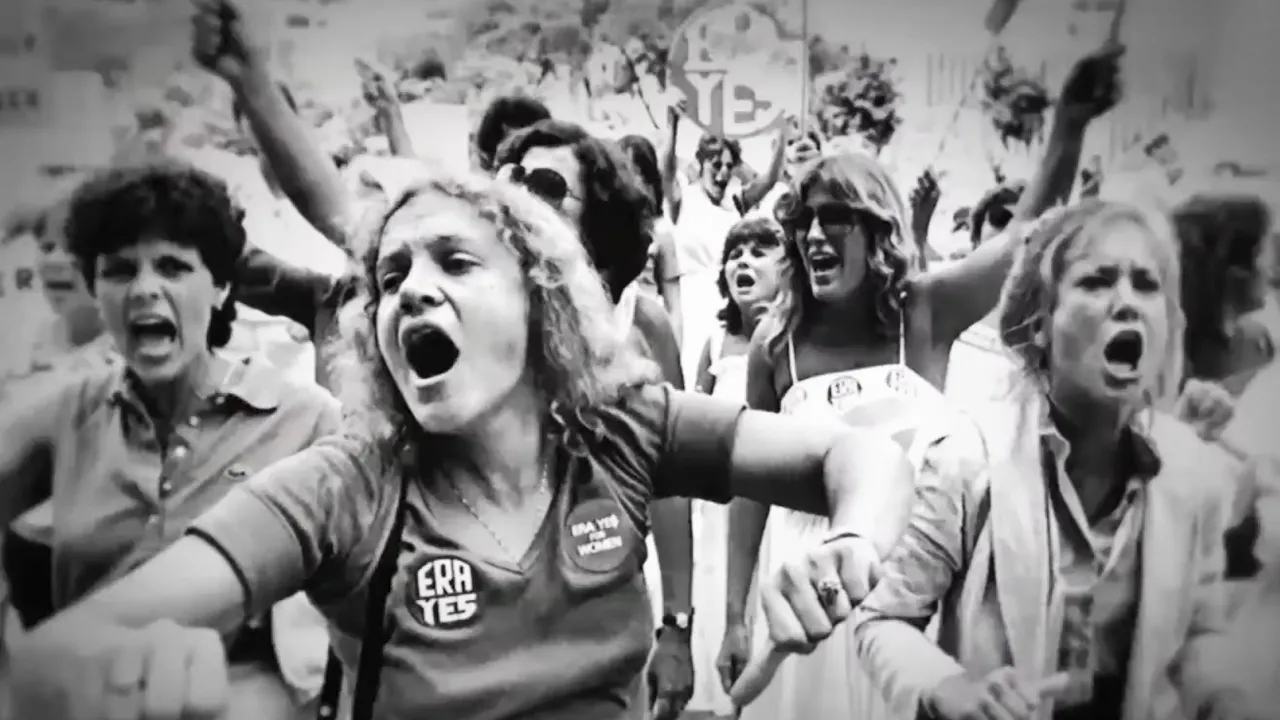
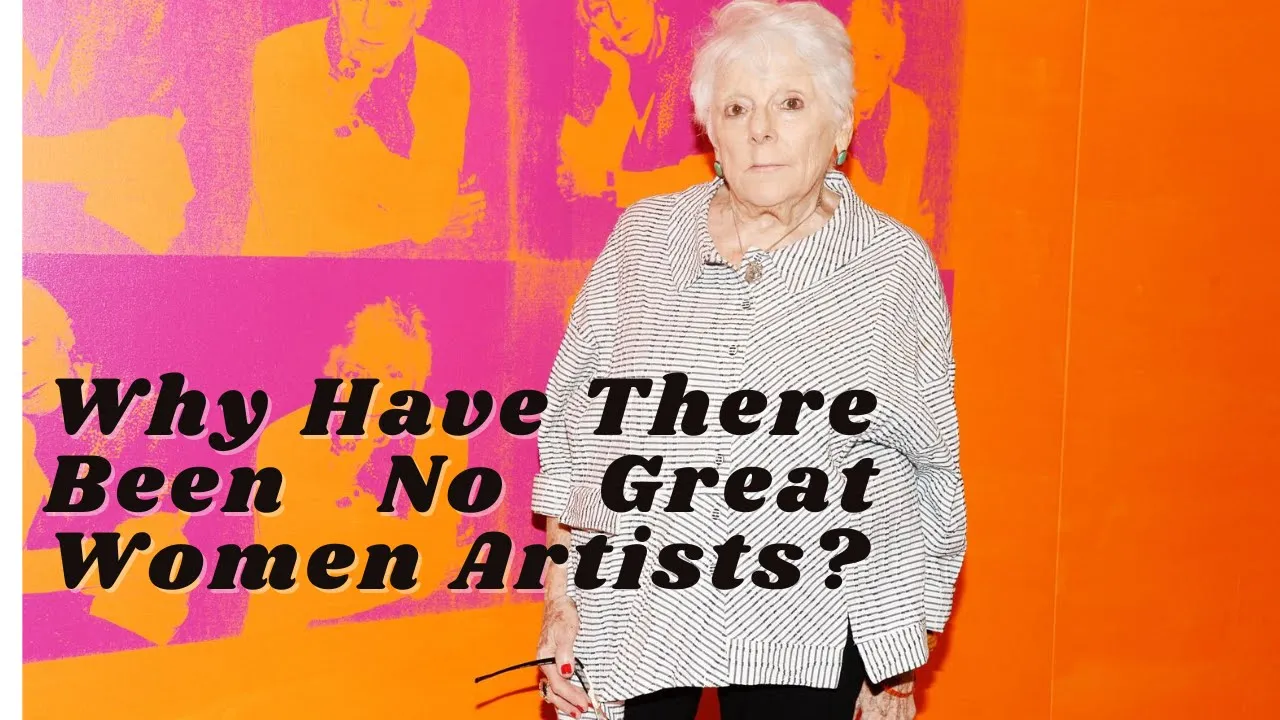
Added:Foundational principles of Feminist Art History, particularly the critique of the traditional male-dominated art canon (e.g., Linda Nochlin's work).
Basic concepts of Postcolonial Theory, including how colonialism, empire, and Eurocentrism have historically shaped visual representation and cultural power dynamics.
The role and methodology of Griselda Pollock in the field of social art history and her concepts of 'differencing the canon'.
An introductory understanding of aesthetic philosophy, specifically the distinction between passive aesthetic appreciation and intellectually challenging or 'difficult' art.
The application of feminist and postcolonial frameworks to contemporary curatorial practices and museum decolonization initiatives.
Advanced study of the relationship between art, trauma, and memory, exploring how 'difficult' history is represented and processed through visual culture.
An analysis of intersectionality in art history, examining how gender, race, class, and sexuality simultaneously impact artistic production and reception.
Critical evaluation of contemporary artists who deliberately employ 'difficulty' as a political or philosophical strategy to disrupt mainstream narratives.
58.5K views252likes1:26:04Original Release: 2021-06-07
[Music] the 2020 holberg lecture my name is ellen mortensen and i'm the academic director of the holberg prize it is a well-established tradition that we ask the whole book laureate each year to give a holberg lecture which is meant to be the laureate's academic statement at the time of receiving the holberg prize under normal circumstances the norwegian government and the hoboke prize would welcome the laureates to a week of celebrations in bergen and oslo in early june this was not possible last year nor is it possible this year due to the entry restrictions that follow from the pandemic the celebration of last year's laureates thus had to be postponed the 2020 horberg laureate professor griselda pollock will therefore be celebrated this year together with the 2021 hoba gloria professor martha c nusbaum since none of the laureates are able to be present in bergen for the celebrations we have been forced to organize the events as digital events professor pollock's holberg lecture will thus be given as a pre-recorded lecture from the university of leeds where she is located well i am present in the university outland bergen from where the lecture will be streamed before we proceed with the horrible lecture please bear with me as i introduce the 2020 hope of laureate griselda pollock is professor of social and critical histories of art and director of center for cultural analysis theory and history at the university of leeds she is a transdisciplinary scholar who works with cultural analysis of modernity and its traumas professor pollock is a dedicated feminist art historian who critically examines the discipline of art history with the assistance of a wide range of cultural theory and multiple perspectives born in south africa where she spent critical years of her childhood she also grew up in the francophone and english canada before migrating to britain where she completed her education she studied modern history at the university of oxford and did her phd in history of art at the cortold institute of art university of london she has taught us at the universities of reading manchester and leeds where she has devoted uh close to 50 years of her active and diverse teaching career teaching art history cultural studies fine art and feminist theory in 1990 she became professor of social and critical histories of art stating with that title her commitment to a radical challenge to the discipline and to its pluralization she co-founded an interdisciplinary center for cultural studies in 1985 a center for jewish studies in 1995 focusing on visualities and she is the founding director of the transdisciplinary center for cultural analysis theory and history in their citation the holberg committee writes professor zelda pollock is excuse me professor griselda pollock is the foremost feminist art historian working in the world today since the 1970s pollock has been teaching and publishing in a field in which she is not only a renowned authority but which she also helped create in addition she has exercised a profound influence on the development of feminist cinema studies and she continues to be an inspirational figure both inside and outside the academy pollock's early book old mistresses women and art and ideology from 1981 co-authored with dratzika parker was a radical critique of art historical practice the art canon and art museum curation it has become a classic work of feminist art history this pioneering spirit is also found in her monographs on such figures as van gogh in 1978 mary cassatt 1980 and charlotte solomon from 2018. she has also written on women artists such as eva hesse luis bourgeois and giorgio o'keefe combining the expertise of traditional art historical scholarship with cutting-edge theoretical sophistication pollock has made a substantial contribution to feminist film theory and she has also been influential in film and trauma studies notably with the book concentrationary cinema which she edited with maxine silverman in 2011. over a career in which he has produced more than 25 books and at least 200 articles and essays griselda pollock has always upheld the highest level of scholarship while challenging received wisdom and institutional hierarchies of thought and value for this she has been a beacon for generations of art and cultural historians end quote with this introduction let us make a virtual transition to leeds and to professor pollock's 2020 hobart lecture entitled art thoughts and difficulty good day whatever time that you are listening to this holberg lecture that was to be given in 2020 but because of the pandemic i am now giving it in 2021 and i am as honored to be offering this to you now as i was last summer the title is art thought and difficulty and in the abstract that i gave for this lecture i offered the prefixes feminist postcolonial international queer social for the histories of art and i asked myself are these merely labels i give myself that indicate all sorts of different kinds of ways of doing art history or are they in fact the obligations that i have which are responding to the lived emergencies of our riven and still struggling world are they also road maps perhaps to transdisciplinary encounters in and with arts many histories are they incitements to thought are they sites of difficulty or of resistance or of transformation now when i came now that i'm in my 70s to review what i had been doing as an art historian and cultural analyst for the last 50 years i realized that my profile as an art historian did not conform to the normal there are very few monographs yes i've written about me a mary cassatt van gogh and charlotte solomon there are no period studies you know art in the 15th century out in the 19th century there are no thematic studies landscape or portraits of the nude in fact what marks my workout is the invention of concepts with which to think what in 1988 i conceptualized as feminist interventions in arts histories that's to say pluralizing the many histories to acknowledge that there isn't singly one single story of art and that i am not simply a subset of art history feminist as opposed to renaissance but i am intervening in art history from another space and the concepts that i've used include old mistresses which was inspired by anne gab heart and elizabeth brown's 1974 exhibition that said that there were no equivalent terms to old master the reverential term for great artists of the past when we say old mistresses there's already a sense that language encodes what we then subtitled the book rosie parker and myself as women art and ideology there is vision and difference framing feminism avant-garde gambits gender and the color of art history generations and geographies um differencing the canon and the most recent one is called the virtual feminist museum and the virtual feminist museum is inspired in a way by the work of a hamburg german jewish art historian abby varburg who remained rather ignored in the 20th century until the beginning of the 21st century where he's become a great media star and indeed in 2020 in the house deck called culturendevelt they installed the entire legacy of of abi called the memnosune the memory builder atlas this atlas of images uh which of which 47 canvases remain and you can see they've created as a strange monumental um environment in the in exhibition and they re-photographed all of his work from his huge collection of photographs there's an interesting dis discussion there about art history and technology but what he did was to mount on single canvases a range of images which had no necessary periodic or stylistic relationship what they had in common is that they were examples of the pathos formelle the formula of affection or the formula of joy or ecstasy depression tragedy of affects and his argument varbog's argument was that the image is a kind of carrier it's a mnemonic it's a memory of things people once actually did in fear and anxiety in their vulnerability before a world they did not control which became encoded in gestures and rituals and art derives from that and in sentences the images become these rather like batteries they store up the powerful emotional or effective energy in gestures and in the movement of accessories and it was by this means that barbour was able to study what he called the tran the migration of images across many cultures a kind of deep consistency of this effective psychic life of the of the image and of human culture and at the same time to explain the inexplicable how was it that in the middle of the great middle ages and the end of the middle ages as we see them now of the christian world the christian culture reached back and adopted the pagan culture of the images of the classical world now vaborg was witnessing in his lifetime the rise of anti-semitism and the rise of fascism and in his um image uh atlas he brought together images that came from newspapers from prints from drawings from coins from enamels from jewelry from sculpture and painting and in this particular one i'm showing you he not only is referring to a raphael painting that i've highlighted subject to one of my recent lectures but also witnessing the signing of the pact between the vatican and mussolini which finally seceded vatican secular political leadership to the fascist state and he witnessed this and included it as part of his analysis of what is the deep unconscious of culture that is revealed another reference that i use is the idea that art works now obviously images also from the social historians point of view have ideology they have ideologies material class race gender ideologies but in the terms of one of my other great teachers tim clark tj clarke who wrote in 1973 that although all artworks have ideology as their materials the actual process the making the painting or the sculptural works that material and requires very careful and detailed reading in order to understand precisely how the issues are entangled and indeed formulated given a form but not a pure form but a formulation which enables this multiple memories to play and so the word artworking i want to introduce comes from an artist on whom i've written and whose theories i've written about a major theorist and artist bracha lichtenberg ettinger who coined the phrase artworking to understand how the aesthetic is a particular form of this transformation that vaable began to trace in images and this draws on the economic model from freud dreamwork working through the work of mourning which were all created in the cul the moment which he moved from a cathartic model of the psyche to an economic model of the psyche it worked it transformed but he did this in the midst of the first industrial world war bracha lichtenberg ettinger is the child of the second world war formed in the world is the aftermath of the industrial genocide that occurred under the umbrella but separate from the second industrial world war in 1939 to 45 and she is what we call a post-traumatic painter and i want to bring this into the way that i understand the virtual feminist museum these are assemblages where i use the notion of the museum as a kind of form of archive and a cultural memory and i like varborg assemble a range of images that talk to each other to reveal something of a different kind of unconscious in the encounters in the virtual feminist museum i was particularly tracking the issues of modernity femininity and representation across the 20th century but in the second installation in the virtual feminist museum after effects after images trauma and aesthetic transformation in the virtual feminist museum i was engaging precisely with the catastrophic nature of the 20th century issues of migration of exile of the loss of home and language issues of genocide issues of mortality premature and other kinds of encounters with death in which i drew very much upon bracha ettinger's work and wrote about it in the virtual feminist museum there are two further installations in the making one is called raphael after the holocaust and the third one is what i wrote when i should have been writing my holberg lecture last year which is a book in which there's a new concept killing men and dying women which focuses on painting in new york in the 1950s but the lecture today is really about this photograph which is of let us just describe it it's a beach scene we are at the seaside some people are dabbling in the sea on the left is a mother and child sitting on the sand to the right is another woman and two children also sitting on the sand but what is remarkable about this image is that it is seems just a holiday snap and you will probably guess it's one of mine but i want to put that in context because we now understand photography as varbor began to do it in terms of the image as itself a kind of transmitter of memory and also a site a political site a sentimental site an ideological site it was joe spence the british working class white woman artist who first drew our attention to that in 79 with her examination of her classed family album the piece called beyond the family album we also know that the next year roland barth the french glittery theorist would himself explore the issues of photography placing at the center of his book la chambre claire or camera lucida a photograph of his mother before he was born that he mused upon as he mourned the mother who had lived with him all his life and then in 1980 julia not mariana julia hirsch who was a photographic theorist wrote a book called family photographs in which she wrote lumps of experience rights of passage grains of poignancy and promise all of these turn us into artists sorting through life in search of images and events which our cameras will turn into symbols and allegories the sleeping child the fleshy mother the tired father the testy siblings can in the quick eye of the camera be transformed into images of innocence protectiveness enterprise and sharing family photography is not only an accessory to our deepest longings and regrets it is also a part of the visual rules that shape our experience and our memory so i want to draw upon this in order to look at the gesso of the family album in my most recent and most monumental monograph about the german jewish artist charlotte solomon 1917-1943 i assembled the fragments of a shattered family's family album we have a little girl sitting alone no mother present we have a little girl slightly older with the father we have a girl with an um a nanny we have a girl dressed up for probably a purim party with her father we then have a passport photograph that she had to get in order to escape germany in 1933 there she is in exile with her grandparents in the sunny south of france where she returns to her painting and dedicates herself to it to live there she has to have a permit and there is a photograph which gives her temporary residence in the area of nice now all of these images can be identified in this way but they're also therefore a political inscription of mourning a ruined childhood a lonely childhood um forced exile migration art and indeed the insinuations of institutional power and potentially the forces that would destroy her in forty three and when we look outside her house in velenstrasse in charlottenberg in berlin we find the sad tale of that life that was abbreviated because there are no photographs after the woman in her late her mid-twenties this as it were strikes into the family album what this stalperstein this memorial stone says that she fled to to to france in 1938 in fact she may have been in a concentration camp it's still disputed she was definitely deported denounced deported to transit deported in 1943 and murdered in auschwitz the day of her arrival on the 10th of october that year so when we come to this image although i see it as a sentimental image in the family album i see it also as a very political image one that deserves a political reading and also as an image a pathos formula in the sense that i have used it it actually was taken on michael's sandy beach in the province that was then called natal and now in liberated south africa it's called kwazulu natal and i think it was taken in august 1950 the beach is a very famous summer holiday it's on the southern coast southern east coast of of um africa south africa and if you read the names of some of the um beaches there ramsgate margate trafalgar as well as i thought oslo was quite nice for the fact that this is a lecture um associated with with norway these are the what gayatri spivak would have called the worlding the science of the world in the colonial worlding of this space and in this space of course this is a political space it's a political space which we must go through so first of all i noticed the ramrod straight back of a toddler with a pudding base and haircut she's wearing a jersey this is august in the southern hemisphere so it was keeping her cool and it may be i think i've said a she a little girl then we have the fact that this whole height of this child reaches only to the head of the woman beside her leaning stretched out on the beach we can't see her body but leaning on her hand to watch what the child's doing we cannot see what that is but it's caught her attention we therefore have a mother and child dyad a very sentimental image very touching but then the wide-angled lens of the photographer who probably intended to photograph his wife his child for those certain reasons managed to capture in the view some another family or is it a family no it is a black woman dressed an african woman dressed in the uniform required black and white of those who work for white people she is looking after two white children they can play on the beach her children cannot they can swim on the beach as my mother obviously has in this picture and i now reveal that this is my mother and myself as a child but she cannot people of color africans had to go to a different beach a stoney beach that was removed but this is an image therefore that contains within it that history of south africa 1950 it is two years after the official statement of the apartheid legislation that's absolutely segregated south africa on grounds of race but the interesting thing about this woman is that she is looking back at the invisible photographer probably a man probably a father that's what men did they had cameras and the know-how then but she's been arrested from her charge and looking and curious as indeed as a little boy with her now it is her look which now is endlessly inscribed as looking at me as i look at the photograph what is it to see this woman well we can't see her because the the technology of or the is it calibration of photography to register the full details of white skin never registers without other calibration the distinction of the features of a black woman and therefore she is rendered almost invisible even as her pose makes her clearly engaged in curiosity and looking but in fact these children are not hers she probably is a mother the children of her body are probably a thousand kilometers away she probably only sees them once a year and she is now in a figure of proletarian labor she is a servant a nanny caring for white children so when we put this image back together again i have two for two focuses one which is personal individual on the little scene on the left and the on the right i am arrested by this look called upon as an obligation to think who is this woman what is her life and what is she seeing is she seeing apartheid and is apartheid a crime is the obligation to speak of that photograph part of my obligation to address a crime and the major crime uh is apartheid but in 2020 the i read a report of the quarrel that had broken out because the former um the last white south african premier of the apartheid south africa fw de klerk was arguing that although he accepted apartheid was a crime and for which he apologized and he apologized for his own role in it he did not think it was to be calculated in the same categories of the crimes against humanity and particularly those that caused millions of deaths through genocide but if we listen to the truth and reconciliation commission and all the subsequent testimonies that come out he cannot deny that many people did not die many people did die in horrific circumstances by secret police they were thrown from windows from police custody they were murdered in a variety of ways both purposeful and secret and so we are in the realm of the crime against humanity and we have to ask what that is now um a beautiful name wrote a book called a human being died that night because she went and after the truth and reconciliation commission and interviewed eugene de kirk who the [ __ ] who was one of the commanders of a very brutal and secret unit that uh killed many many of the apartheid activists or anti-apartheid activists and he was tried and sentenced to 212 years in prison for committing six murders and the book a human being died that night is um study of the question of what does such atrocity that you perform do to you as a human being even as you affect the deaths of many others so let me come back now once again to my beach scene with the sense that there is also a crime inscribed in this photograph casually taken in 1950 now i first dared to as it were crossed the line between academic and personal in a a conference paper that i gave at a conference on traveller's tales on narratives of um of home and displacement and i wrote a piece called territories of desire reconsiderations of an african childhood and i dedicated it to a woman whose name was not julia julia was the woman like that one on the beach who cared for me when my mother wasn't with me julia was the companion of my first five years of my life the center of my affection who cared for me on a daily basis but i did not know her first name her given name i never knew her family name i have never been able to trace her or any of her family because to save the european tongue the servants were given european names like julia now in this essay i was exploring the question of how living in a racialized society racializes the white person and i borrowed from freud's notion of the sexuation through the edible triangle which is composed of the mother father and the child who must turn into an identify a boy who identifies with father or a girl who realizes that she is lacking and i've turned it into a racial triangle in which you have the the white and mother and father figures of of privilege the black nanny deprived of her motherhood in many cases and the child who will be whitened whether she's a girl or a boy because she will align or he will align with the freedom and privilege of the white mother and father over what they see is the objection and powerlessness even of the figure who was their intimate uh carer and gave the and even in a situation of such horror ethically inclined as adriana cabarra would say to care for the vulnerable so this became a theory of how in uh societies colonial societies and slave-owning societies you actually race the children how do you produce a white psyche through these particular relations in which you then abject just as we object the mother we object the white carer so i want to take up the pathos formula of the relation of these two women in time and history that we find together on the beach in saint michael's in the towel i took this further because i also located my foot up my photograph in relation to other travelers because my family were migrants my parents had arrived in south africa in 1947 a colonial outpost and now an independent country that enabled them to have professional jobs which would give them holidays on the beach with golf courses and the money to pay nannies to look after their children so there's a kind of class structure in this colonial system but in my lecture that i gave to honor of walter neurat in 1993 called avant-garde gambits subtitled gender and the color of art history i dared to to breach a certain kind of legacy because i joined my family's colonial travels to that of a famous artist another colonial tourist who went to tahiti which was by the mid 19th century french polynesia and that is paul gogam and this is the painting i was most interested in a painting called manau to paopao which apparently translates as the spirit of the dead watching we see a naked brown skinned woman lying on a bed and she is seen from behind she looks towards the space of the viewer in certain kind of terror we are told while behind her a strange and uncanny figure all dressed in black looks blankly across the canvas in my research i wanted to name this body on the things not just a black body her name is tahar hamana and she was 13 years old when gogan under tahitian law and custom bought or married this young woman so that she would be the one to get him food foraging in the forest for breadfruit and keep his house and be his bed companion but strangely he paints her in two other cases he gives us we've got three portraits of her you see at the bottom she is wearing christian clothes this is what the missionaries these kind of moomoos the missionaries imposed on otherwise bare-breasted tahitian polynesian women but in next to the painting at the top you will see a notebook where he draws her very blackened in that very pose in his travel journals but he also draws a version of this painting in the kaye poke alin a notebook he created for his 16 17 year old daughter aline or age 16 in 1893 what would it mean for aline as a 16 year old to receive an image thus of the other wife aline was in denmark with gauguin's estranged danish wife and now he's to be given an image in a very provocative sexual pose of apparently a terrified but naked young woman who is her father's companion gogan infected tahar hamana with the syphilis he carried she he left her when he in 1893 she went off she married somebody else but died interestingly um tragically in 1918 from the last great pandemic the spanish flu pandemic that killed 25 percent of the tahitian population she did infect gogan and her son with the disease now the book avant-garde gambits is about what makes the avant-garde in the in the west work the avant-garde involves a game a game called reference deference and difference that's to say each artist makes a kind of play and particularly in the modern moment to kind of interrupt the western translate uh tradition to make a move that simply shifts the very terms and edward mane is one of those who did that with the painting olympia 1863 which you see on the left part of the screen uh what he did was to take the erotic and indeed a marital nude that had been created in the sec six sixteenth century by venetian artists like titian and giorgione and he make it prostitutionalizes it this is clearly a prostitute offering herself and at the same time he proletarianizes it both the question of sexuality is there but also he's showing us the kind of skinny teenagers that i used to see around leads many years ago on the streets people driven to drugs or for drugs or poverty to sell themselves undernourished she is not the exotic fantasy of the luscious female body and she sits on her bed attended with a black woman so we have another pair of a black and a white woman and it is goga who is playing this game because when his painting man out to papa was shown in paris in 1893 the critics called it the brown olympia so they saw in color but in a way the uh argument that i i would want to develop here is that there is something in the way that many works both the convention that he's working with and also another convention which is the one that gogan does not work so goga is referencing manet a woman on a bed two figures a black and a and a different one he is uh referencing it he's deferring to manet's achievement but he's making his move and his move is to colonialize it whereas mane actually was a decolonializing artist i would suggest the woman in the in the olympia we know her name i also found with my research assistant nancy proctor we found the birth certificate for this woman whose name is laura laur in french and she had been found interestingly enough in the chardonnay twillery in the gardens of the tweeleries working as a nanny for a white family so she obviously uh repeats my certain kind of colonial structure of domestic servitude but at least manet portrayed her um as an individual even though it's never given her wasn't given her name and you can see her presence in this painting is as a proletarian because she's not naked she's got a head wrap of course that marks her africanness but she's wearing a secondhand clothes typical of the what working-class people did was to buy second-hand clothes in the markets it's a western dress and we find possibly this woman in another situation by a younger artist around mane frederic basile who also painted a woman similarly dressed but in two paintings on the left we have this other element of the um use of a black woman yes and this is in a late early 19th century painting by a woman mary guillaume of something simply called la negras who was a servant and a slave in her family's household or we have the african woman always as the attendant on the bright white female nude this combination we see in a range of orientalist paintings a term we learned from edward saeed about a representation of the east and of africa but i would argue that in fact what manet did and i have argued this de-orientalized this by the both the overt prostitutionalization bringing in the commerce the crescents of class but also by the proletarianization of both these images who become an economic partnership running a business that includes selling sex now when we go back to this image there is a gloss of er of exotic of eroticism but also a glass of exoticism as if this is some young superstitious child but i want to take up the fact she's 13 and take you on another direction and that is to introduce a character called pierlotti this is the non-de plume of a french naval officer who became a writer who traveled when japan opened up to japan japan opens up in 1954 with commander perry's first contact and the french go there and in the mariage de lotti and his little novel madame chris on them he talks about the fact that he too found a young teenager to marry under japanese cut customs for the duration of his stay now his novels were read by goku and he inspired that partly inspired his trip to to tahiti and also by van gogh who was so enthralled that he painted his version of an ideal 13 14 year old called amusement that he had he been in really in japan would have sought to marry and of course this is all going to inspire gikomo puccini who will take up a different version of the story in his opera madame butterfly which first was performed in 1904 now i'm going to shift tone suddenly for a moment because the question of opera comes in and it will come in it's important in several ways in my lecture the issue of opera is this which is operas tend to kill women very few women survive to the end of an opera apart from mozart thankfully it's one of those games we can play which heroine doesn't get doesn't get to die and in anthropologist catherine clement's book called opera and the undoing of women she points us to these plots these endless plots in which the whole argument of the of of the plot of the the opera is one that leads us to be witness to a death but the question of opera like all art is how does it do that what is the pathos formula in opera it's not the plot it's the embodied performance of the singer it's the voice and music and it is indeed duration we have to endure it it goes on and the aria goes on and we are listening in a kind of prolonged way to the voices of women when i discussed with loubena himid about opera and will come to the artist lebena himmet shortly i was thrilled to discover that she too had a passion for opera and she listened to it for two reasons one is operas give us conversations between women beautiful entangled voices sopranos and alto sopranos and mezzo sopranos and what are they doing in their conversations they are trying to work out what to do le him it argues that we are that women even in in the struggle of working out what to do there's a certain gloriousness a certain reparation that we get even as they negotiate worlds which close doors with death as the only solution and i would like now to uh play you some from um the end of um the royal opera house's recent performance of production of this [Music] because what i think we are going to watch in a sense is not just as spectators i'm going to let this moment go but we are called upon to be witnesses to what these stories and their encoded social and ideological frameworks deliver to us and demand of the plot a woman like this cannot be allowed to survive with her mixed-race child the white naval officer comes back to collect the child with his white wife his real wife while a woman who has believed in love is going to be abandoned and finds herself finding no other way to live in honor but to kill herself because of the dishonor that has been [Music] done foreign [Music] oh [Music] foreign [Music] [Music] [Music] so this is a way in which i'm using puccini to give a voice to the black mother on the beach deprived of her children so when we line up this on my new builder atlas manet and gogao we need to also link the two to even south pacific it enters popular culture and i'm not going to play this but there is um a a version of the famous song you've got to be carefully taught where two men who have loved tahitian women and under the rules of american culture and the forbidden of miscegenation as a kind of horror a transgression they sing rather bitterly you've got to be carefully taught to hate i recommend you watch that and now we're going to jump to another beach to the beach created by lubaina himad who is born on an island zanzibar in 1954 and lives in britain here we have again two women but now we have two black women it's called freedom and change 1984 and is now in the london tate gallery on the right you can see the scale of the image it's monumental two women run across a beach on the central panel behind them are in cut-out form the heads of white men buried in the sand and the women one woman carries in her hand the reigns of the dogs of war that she might lose soon let loose but this is a conversation of a different kind not reference deference and difference as we saw with gogans competitive relationship to many but reference deference and defiance because the image she is overwriting is picasso is pablo picasso's image of two women on the beach of 1922 where he draws upon a certain kind of monumentalism drawn from non-european artistic traditions in order to celebrate the kind of return to order the classicism of which he became such a figure in the 1920s lubanohimid clothes the women in colo in cloth in textures in collages which becomes one of her major languages but this allows me a little rabbit hole to another monumental figure that picasso painted nut back in 1907 when he did a portrait of the most important cubist of all the great jewish lesbian writer gertrude stein in over 80 sittings he struggled to find a way to give her a face to find as many scholars have argued how to portray all those identities and give them a form what is the pathos formula for such a figure the intellectual woman the jewish lesbian the lesbian intellectual the greatest cubist and ultimately he borrowed from archaic lecture from prehistoric iberian art forms that he'd studied in a summer holiday in spain which he would then also imprint on his own features in the self-portrait he committed he created at the same time just as he was painting gertrude stein he's conceiving the next move in the game of reference deference and difference in the history of the the nude and the modern nude and the pro proletarianized nude and the exoticized nude with the magnificent and horrifying demoiselle d'avignon definitely a brothel scene we understand it's painted in june july 1907 and we can trace a certain kind of continuity down the side screen from delacroix women of algiers to olympia to angst turkish bath to to gogans um uh mana to pow pow and this remarkable painting uh draws not only on this new language that he's creating out of his borrowings from pre-iberian spanish and indeed african culture but also at the same time he is registering the absolute com complexity of a man driven by great sexual desire in an era in which a certain kind of sexuality is associated with death because he lived in an era before penicillin took control of syphilis but let's follow the two women from loubena's hibit to another series of her works called in a sequence called revenge where she explores the issue of painting two women at first she painted several white women and black women in paintings with others but no one saw them so she decided that she really had to create this but now we are in the world of two women not on the beach but at their dining room table and they are um engaged in debate this is as it were an operatic conversation going on what are we to do with the world we see the carcass of a continent of africa that has been made the dark continent on one side we see the challenge to the euro american and eu at time hegemony on the right hand side in another one we see the two companions going across the black atlantic throwing away the maps and navigation charts that brought the europeans to buy enslaved africans and transport them in horrific terms to their colonies you see them going to the theater maybe having had a conversation with mary cassatt the impressionist or maybe jan duval or maybe even lord they met her and as they look at the blank space of from the theater box what are they being given in this culture of europe as women of africa to see but there is another conversation going on another kind of reference difference and difference going on here in which uh this is actually a rather autobiographical scene the paint the person on the left can be identified with maude salter a ghanaian scottish poet and artist who was the companion of levana hamid for many years and she is as it were dressed in the style of the 1920s evoking for me another figure someone comes into view which is josephine baker remarkable as the one of the most extraordinary beautiful dancers and decolonizing dancers even as she was required to perform with the banana skirt who became one of the most glamorous singers across europe in the 1920s owned a cabaret sometimes cross-dressed turned into the 1950s a very famous performer was a freedom fighter working for um the um in the in the second world war and also became the mother of the rainbow tribe in which she adopted children from every country of the world and every community that she could find and drew them raised them together in love and affection so that they would never ever misrecognize anyone as not like themselves but on the other side of the table we have le bena himid which we can recognize here from a later photograph she's using her features but also she's dressed in the coat of gertrude stein she's bringing back another set of images and the painting is an evocation of one of the great iconic images of the lesbian partnership of alice b tocles and gertrude stein in what is the first modern museum of french art as they sit here this is man raise but i am fascinated with the pathos formula in a sense how do you formulate an image for two women which does not reproduce the notion of the couple sort of mr stein and mrs topless as it were as you see in man ray's sort of creation of the couple round their fireplace how do you create equality and that's what i see in the queer photographer cecil beaton who tried um to find in the 1930s a way to represent this very long and extraordinary partnership and finally set them up face to face uh unequal formats you know without any accoutrements of the the conventional notions of the couple one more beach we're going to le bana uh grew up obviously uh in britain uh separate from the natal memory of her original home and i've created a concept called natal memory which is the memory of those first things you open your eyes to as a child what you first see what you first smell the music you first hear the things that you find around us creates an indelible um as it were home image that even if as i was was a transitory born into a country and then became a migrant to two other countries this is always as it were the landscape and the sounds and the look of places that touch me more deeply than any other and in her later life she created a series first called beach houses in 1995 where we have a series of strange structures set in darkness or under storm clouds or at dawn or as if on a kind of the red planet they look like kind of creatures almost reaching out into the sea they are strange and lonely structures points of connection but also points of solitude and isolation watching the beaches and of course in any artist of african descent the beach is always the beach of departure whether it's for migration or from that which millions and millions of africans were taken into enslavement not only across the black atlantic that paul gilroy talks about but indeed across the indian ocean as well she finally goes to zanzibar here we have the fourth journey was a painting of a series uh that she says was itself an exercise in speed calm and panic i listened to a great deal of music a combination of whatever radio 3 offered which is the classical music program and a careful selection of cds mostly of women singing i think she's listening to norma trying to remember and to soothe these are paintings of cloves of rain of closed shutters these are paintings of the sea of fishing nets of death from malaria her father died when she was a baby from that disease and of course women's tears so we're back again to a certain theme of mourning and when we have memory work it's sometimes political memory work and also the work of personal mourning and for whom are we mourning as indeed i am with this photograph in the early 90s another example of daring to transgress the divisions between the theoretical and the personal was on the occasion of a conference celebrating elizabeth bronfen's brilliant book over her dead body death femininity and the aesthetic going back of course to opera why is it in sense that death of women is so much part of our cultural heritage it's celebrated in in drama it's celebrated in opera it's the condition of detective movies and so many other films and so i made a film called deadly tales i first delivered it at a performance lecture then i made a film of it and then i exhibited it in different ways as an installation it was conceived in one sitting in seven parts like a jewish menorah celebrating the six days of creation and the sixth day of rest but my sick my seventh part in the center was in fact avoid avoid of losses so we have a painting of uh the morning painting representing the ideas of social death and private death from the 16th century we have a reference to the death of walter benjamin that abruptly ended a brilliant intellectual career we have the unmourned and unknown private death of my father-in-law the sole survivor of his family his parents elderly people were taken from teresian stat and brutally murdered in auschwitz in december 1943 and then we have more theoretical companions of this framing we have roland bart once again and my question was why is his mother a public property a cultural icon why is my mother just my private grief and then we have sigmund freud whose theory of the site the psyche uh failed to understand the significance of the mother child bond and indeed of the significance of the mother at all casting her into a kind of status of being a gestating body a caring set of arms and then in sense displaced by the power of the father and then finally i have a play by tom scott called rosencrantz and guildenstern are dead and i just want to play the last bit of this film for you but we have deaths for all occasions and ages deaths by suspension deaths by convulsion consumption incision execution asphyxiation malnutrition climactic carnage we can do poison steel double death by jewel show show it all come on let's show it guildenstern tired drained but still on the edge of impatience over the mine no no not for us it's not like that dying isn't romantic and death is not a game which will soon be over death is not anything death is not it's the absence of presence nothing more it's the endless time of never coming back a gap you can't see and when the wind blows through it it makes no sound and now i want to turn once again to the beach where i'm going to end but before i do that i need to introduce you to santo moffa king a south african uh photographer born in 1956 tragically died very young in 2020 who became a photographer through working in newspapers and then did a wonderful thing called the black family album which was to assemble photographs of the black middle class in south africa uh in the late 19th and early 20th century before the british colonial government dispossessed them of the right to own any property proletarianizing them entirely and this image of a different world of south africans was a very important project but he also created a wonderful project of landscape photography called chasing shadows which i encountered and in one of these pieces it takes us back to the question of the crime was apartheid a crime does it count in the relation to the concentration so this is one of the photographs in that book and it's actually made me immediately think that i was looking probably at the cell on robin island just off the coast of cape town in which nelson mantella was confined for 27 years but then i discovered and where he had to work as a stone breaker in the blazing heat as part of this imprisonment but in fact it's not robben island it's in fact this camp ravensbrook which was opened in may 1939 the majority of its 132 000 inmates in this concentration camp over the next six years were british soviet german women a smaller contingent of french and jewish women that formed a 20 minority and a tiny number of jehovah's witnesses who were incarcerated there a hundred and seventeen thousand prisoners died in the course of a regime of slave labor of brutality torture and experimentation and ultimately starvation now i was in fact studying brook because i was tracing the writers of inmates like charmentilion charlotte delbo and genevieve de gol anthony who all of whom gave us political analyses and personal memoirs of their experience of the concentrationary universe now this relates to my long-term research project from 2007 to 2020 on concentrational memories the politics of representation and concentrational memories is another of my concepts i did this with my dear colleague max silverman and in the course of our research we have produced four books a study of concentration in cinema ala renee's night and fog the concept of concentration in memories the concentration imaginaries the way in which the concentration has in infiltrated and shaped popular culture and cinema and finally concentrationary art what kind of art can bring us to be vigilant in our memory of totalitarianism and the point of the concentration is this is not the exterminationary extermination of the roma and european uh jewish roma and jewish europeans took place in three or four isolated camps between 42 41 42 and 43 with the exception of auschwitz-birkenau which carried on until 1944. these were hidden in poland these were never seen by the the allies when they liberated what they liberated and where we have photographs of bergen-belsen and dachau and buchenwald are the concentration camps of which there were 10 000 by 1945 with a population of about three quarters of a million people and it was in the literature created by the political deportees who were prisoners in these concentration camps that the concept that the camp was a system not just a hidden place for mass destruction but a place that people lived for up to 10 years if they could survive it but it was part of the system that created totalitarianism created a totalitarian terror which eviscerated politically eviscerated the societies in which it was the instrument and the core text is by a french political deportee david who returned as you can see a very skeletal figure on the left to become his natural plump self later and his writing along with others political anatomies of the concentrationary system were the foundations for hannah ahrens exploration of the nature of evil in the 20th century and her book the origins of totalitarianism in which the last section of that book on totalitarianism is very much drawn on the idea of what the camp does the camp is a systematic destruction of the human condition the human condition is that that you are yourself not just a nameless number that you have the capacity for spontaneous action and that the actions you do belong to and constitute the plurality of the human condition what the camps do is systematically erode that to what the person is in the camp is simply trying to keep living a process of moral death of social death and ultimately your body is going to die and so when i went back to santo moffa king's photographs i was fascinated to think of this south african post-apartheid south african photographer photo photographer in the post started time traveling in europe and visiting the sites seeing the relations here in this photograph between terror and bureaucracy which would be such a crucial part of hannah aaron's analysis seeing as it were the sort of the camp space the the closed space the place set apart seeing then and being present in uh at the railway lines and seeing the railway lines which now you look out from your posh hotels when you book to go and make a visit to auschwitz but then he will go also to see the one the the railway lines that have no two-way traffic you go and it's a one-way entry and that is life that is death and again the field of the concentrational universe is the barbed wire camp and yet he also then goes and makes these idyllic landscape photographs until you realize in the caption that this is where the ashes of those cremated were dumped when they could no longer find places to take them else and then this amazing photograph of himself in a way a self-portrait at auschwitz one what i've been showing you mostly is auschwitz too the extermination camp auschwitz one is a concentration camp does have a crematorium but here it now it is the tourist bay this is the the site of the auschwitz museum and in this extraordinary photograph in which santo moffiking photographs himself and photographs and sense a reflection uh in the window of the building he's looking out from which then creates the building that he is looking in as a backdrop projected onto the landscape he significantly becomes as it were a stain in the landscape a black stain you can see the head you can see the shoulder you can see the hand holding it he is in a sense both present and absent but makes himself literally a stain marked in this space now is it in some sense this image suggesting a correlation between the concentration universe of the third reich uh and the dictatorships that elaborate you know proliferated all across latin america in the legacy of this novelty that that third reich and stalin invented in their own different ways is he making a relation a relationship or a collect connection to south africa was south africa in some sense a concentrationary society does it need a concentrational memory were there concentration imaginaries and what is the art concentrationary art so now i come back finally to the beach to the end of this lecture in which i wish to give that silent woman gazing on the beach a voice in the person of two women joyce sirokay and ellen coswell ellen coswell was a teacher a social worker a magnificent apartheid fighter throughout her life who ended her life in the age of 80 with as being a member of parliament and they were joyce and ellen were the great strugglers and they made a film together with a white jewish woman betty vulpet and i'm now going to play this scene but if you can imagine and sense behind this image i'm showing you the freedom and change women of lebanon hamid and then multiplying the women on the beach not just a white a white woman and a black woman isolated as they were in my family photograph but in a political collaboration in the struggle against inhumanity and a struggle for the human condition so now i want to play this and i want to give the women the last [Music] word [Music] in the early 1980s we made a film called mamaram cry telling the story of apartheid in those years of oppression south africa was filled with fear and despair [Music] and yet we witness the amazing courage of the people [Music] now that a veil has been lifted off the heart of a nation i am returning to this land of my birth to revisit the people we filmed during those years and to discover how they feel in the new south africa we can bring peace led me through this journey in those fearful years they were both imprisoned for their stand against apartheid we were so excited this year when ellen at the age of 80 became a member of parliament after a lifetime of being denied the vote that's right and you say is it true is it me and it's me and you only finally see it's history i keep on saying i could have come earlier i could have made a better contribution much earlier and yet at the same time i say i don't think i'm here by mistake i'm here to fulfill the demands of history as i see the union jack being lowered over the smart colonial hotel and hear the sound of the last post i know that last post will soon echo around this land signaling the end of our domination over a once patient people on those rare occasions when we went to the sea on holiday i remember always feeling humiliated when i read the hateful signs reserved for whites only [Music] we would sometimes dare to step from our stony beach onto their nice sandy one but always with the fear of being arrested by the police who constantly patrolled to keep us in our place remember on the beaches do you remember on this beach you may enjoy sitting quietly newly multiracial just beginning to integrate and this young white man came remember him towering over i thought he was coming to be friendly and he looked down and looked the two view and said welcome welcome to the human race you can imagine welcome to the human race wow and indeed when you look at it you say who are human who are you know you don't want to be saying i'm better than so and so but the truth of the matter is that the fact that in all ethnic black communities of south africa we have been brought up on one thing wound to move to humanity to us a person is more important than anything else regardless of the color of their skin and when you hear somebody coming to say welcome to the human race when indeed she is degrading you you can only but sympathize with that type of person well those he said that because those days whites regarded us as baboons in fact they even called us baboons they said and come from the trees yes exactly and they didn't think we were human but they didn't realize betty and ellen that in the process of dehumanizing us through their gruesome acts of apartheid the detentions the banishments the torture and and forcing people into exile and removing people from their land in that process they were also dehumanizing themselves they were trapped in their hatred and in fact imprisoned in their hatred they are so righteous you couldn't have given a better description of that situation indeed imprisoned in their hatred so i wanted to give a voice to the black woman on the beach that is iconized for me is a memory that i do not own from my family album i've let them have the last word but i hope what i've demonstrated is that being one element of the creation of a feminist history of involved of art involved dissolving one aspect of that term the challenge the discourses that constitute art history as a discipline in order that the obligations that my prefacix prefixes social queer postcolonial feminist international place upon me i want to enact them through new conceptualizations of the entanglements of race class gender and sexuality as well as empire while these are also the threads from which our own cultural forms and our indeed our psyches are woven we must learn to read across them discerning the patterns and the uneven attempts that these artworks enable us and make us see sometimes we have to look with the other and not at the other is not all knowledge situated grounded historical as the great theorists paulanie mannheim and donna haraway have suggested is not all thought difficult and art is both situated and difficult i remain defiantly committed to the difficulty of thought and i refuse to betray adorno's maxim art isn't going to betray us all the time but it runs terrible risks of mere asceticization of the real violence of a human world while it is also true that art alone may only be the one thing that can give us some brief moments of an encounter with that reel despite the commodified and financialized and pacified forms in which art currently comes to us as a site of consumption and entertainment art thought and difficulty have been my project thank you so much [Music] you
Up Next

52:22
Brave New World vs 1984: Modern Surveillance and Control
@SparkDocs
140.6K views•2021-11-14

164:01
John of Damascus on Holy Images: A Theological Defense
@BannedBooks
139 views•2026-04-25

68:32
Should We Destroy the Machines? Big Tech Surveillance Critique
@TheStoriesWeTell303
167.9K views•2025-11-30
4:57
The Myth of Sisyphus: A Greek Legend of Eternal Punishment
@TEDEd
8.6M views•2018-11-13
Related Study Plans & Knowledge Roadmaps
Structured learning paths in Philosophy
philosophy
Frankfurt School: Critical Theory & Culture
01Foundations of the Frankfurt School and Critical Theory
02Horkheimer & Adorno: The Critique of Instrumental Reason
03The Culture Industry and Mass Deception
+ 2 more learning modules
12h5 modules
Explore Roadmap
philosophy
Philosophy of Language: From Frege to Austin
01The Linguistic Turn: An Introduction to Language in Philosophy
02Gottlob Frege: Sense and Reference
03Early Wittgenstein: The Picture Theory of Meaning
+ 3 more learning modules
15h6 modules
Explore Roadmap
philosophy
Feminist Epistemology: Standpoint & Injustice
01Introduction to Epistemology and Feminist Critiques
02Sandra Harding and Standpoint Theory
03Donna Haraway and Situated Knowledges
+ 2 more learning modules
12h5 modules
Explore Roadmap
philosophy
Environmental Philosophy: Ethics & Deep Ecology
01Foundations of Environmental Ethics & Anthropocentrism
02Biocentric Individualism and Animal Liberation
03Ecocentric Holism and Deep Ecology
+ 1 more learning modules
10h4 modules
Explore Roadmap