




![Practising Feminist Criticism: An Introduction (1995) by Maggie Humm [Part-1]](https://i.ytimg.com/vi/rlwYn3t004Q/sddefault.jpg)











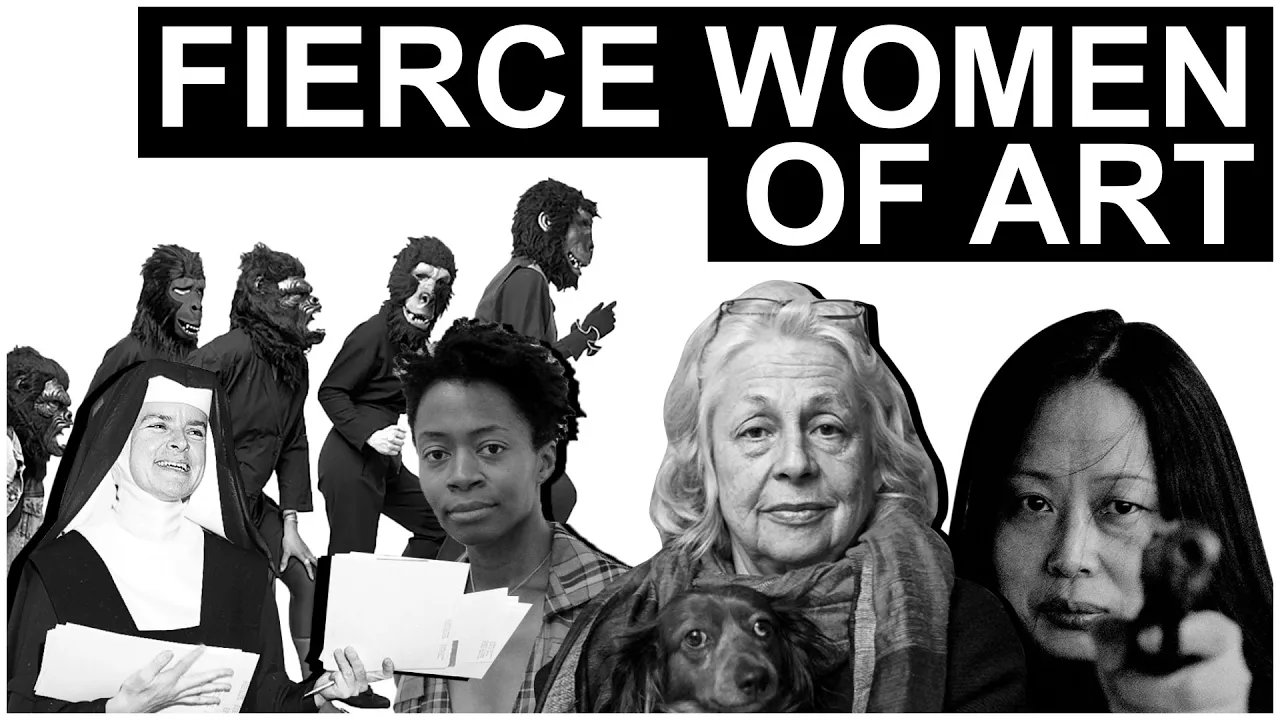




Linda Nochlin's groundbreaking 1971 essay argues that the historical absence of great women artists cannot be attributed to innate inability or male chauvinism, but rather to systemic institutional barriers including exclusion from nude life drawing classes, limited educational access, and societal expectations that pressured women to prioritize domestic roles over artistic dedication; true feminist art history requires examining these structural constraints rather than simply adding women to existing canons.
Why No Great Women Artists? Analyzing Linda Nochlin's Feminist Critique
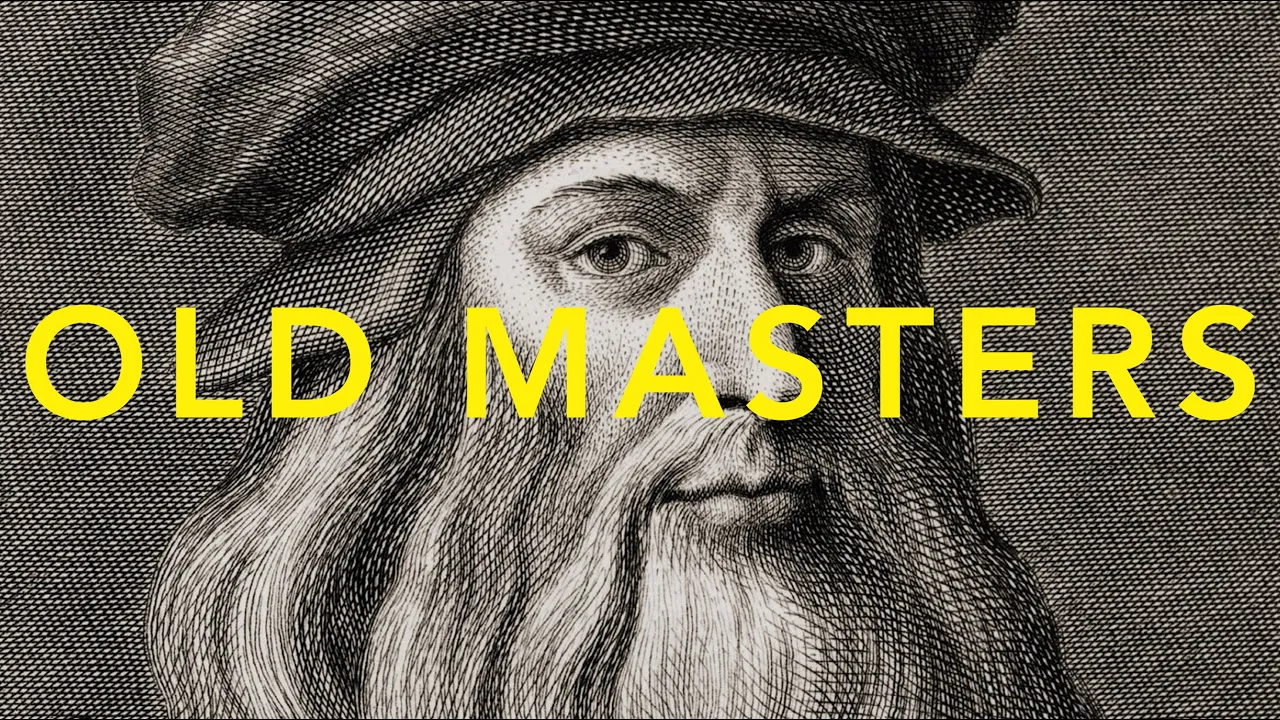
Added:Familiarity with the traditional Western art history canon, particularly the concept of the 'Old Masters' and the traditional emphasis on individual male genius.
Understanding of institutional barriers in history, specifically how art academies, guilds, and life-drawing classes historically restricted women's access to professional training.
Basic knowledge of Second-Wave Feminism and the socio-political landscape of the late 1960s and early 1970s.
The concept of 'the canon' in humanities, representing the accepted, authoritative body of works and creators that shape a discipline.
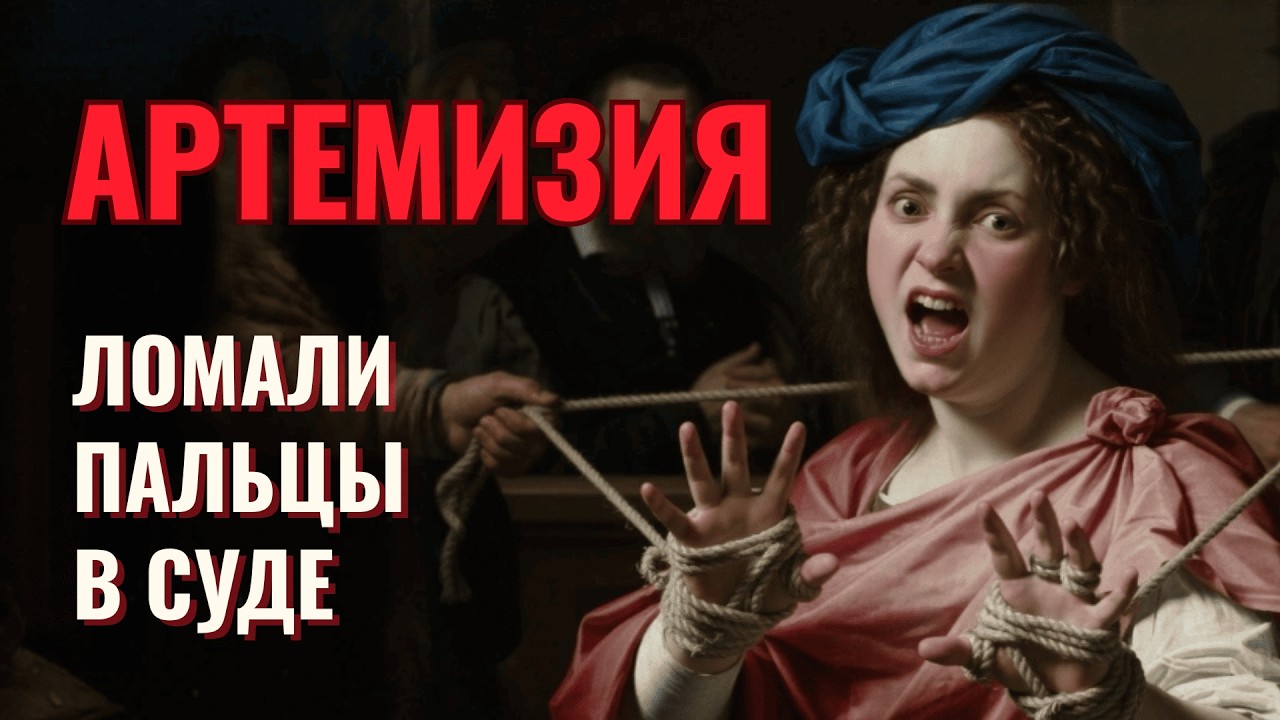
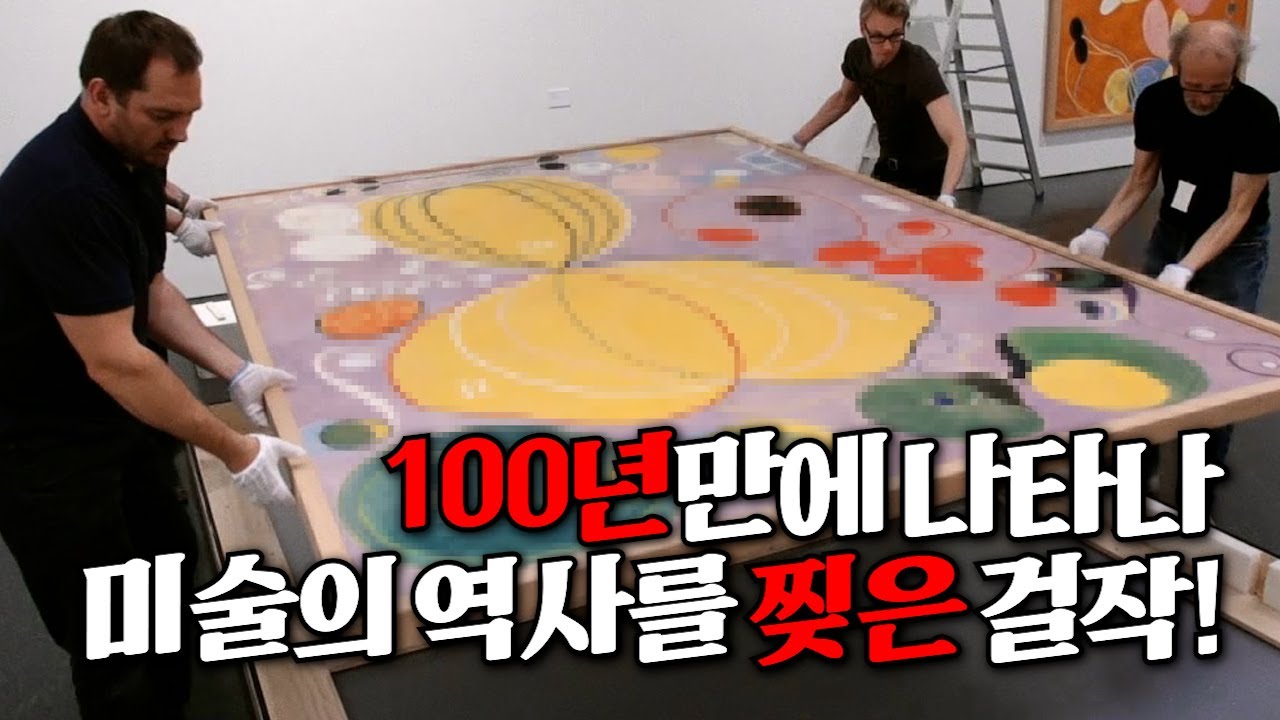
Exploring Revisionist Art History, focusing on the efforts to rediscover, document, and critically re-evaluate overlooked historical women artists such as Artemisia Gentileschi or Hilma af Klint.
Analyzing Intersectionality in Art History, investigating how race, class, and geography intersect with gender in shaping systemic exclusion (e.g., the critique of white-centric feminist art history).
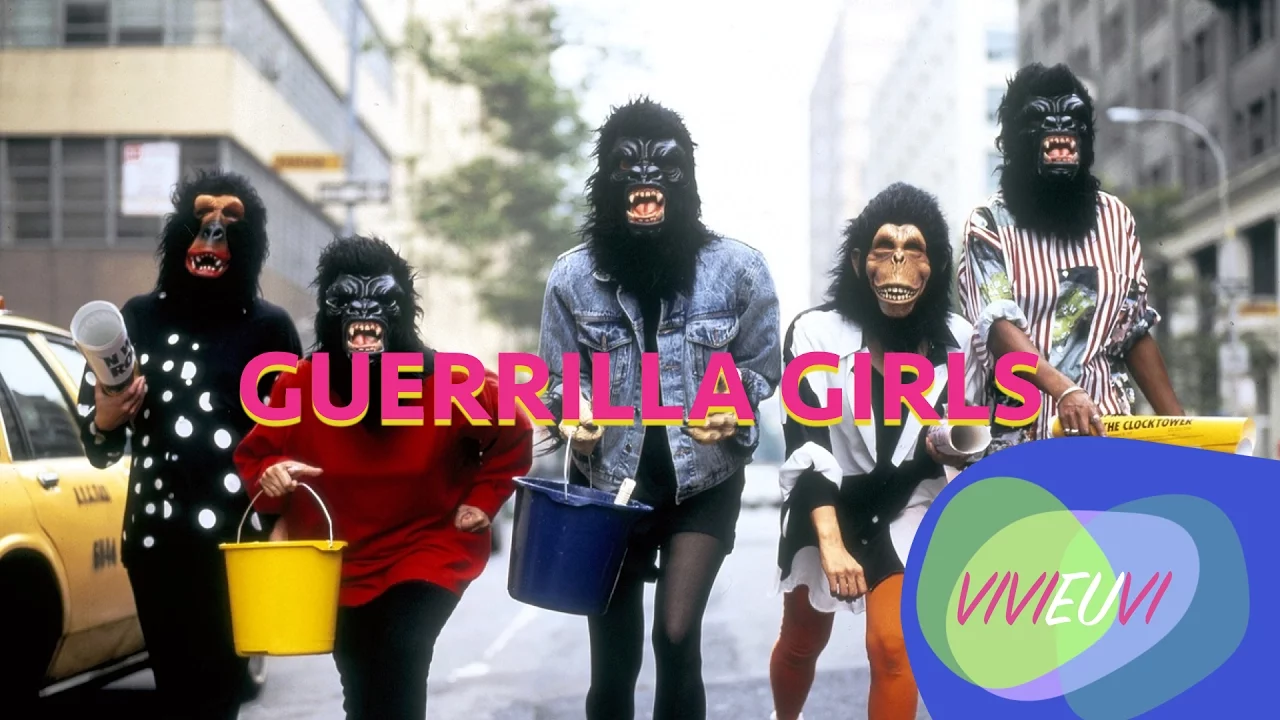
Studying Institutional Critique and modern activist groups, such as the Guerrilla Girls, who use data and public art to expose gender and racial disparities in major museums.
Deconstructing the myth of the 'Great Artist' through postmodern and queer art theories, which challenge the traditional Western definitions of artistic value and quality.
28.1K views1.8Klikes25:49Original Release: 2025-04-20
I have a weird question for you. Why have there been no great women artists? In January 1971, Linda Nolin answered this question in the magazine Art News. Keep in mind, as Nland states in her, why have there been no great women artists 30 years after, published in 2006, which is actually 35 years later, Noan explains that at the time of writing her original essay, feminist and/or gender-based discourse in its now accepted form did not exist for art historians. Things have changed a lot since. Keep in mind, it was only in 1974, 3 years after the publication of the original essay, that women were legally allowed to open a bank account without the permission of a man in America. So, Knocklin's essay was both groundbreaking and influential, and I highly encourage you to read it. Even if you're watching this video summarizing it and breaking it down, you can read it after. I'm not going to spoil anything.
Well, I will spoil things, but whatever.
Oh, yeah, and right before we start the video, two things. First, I'm running for the federal elections in Canada. I'm running as like a candidate for a party.
I I'll talk about it in the outro for all the outro people who I It's my reward for all the outro people. And if you want to become an outro people person, just watch. I I'll talk about the elections that I'm running for uh in Canada. It's been a great experience and I can't wait to talk about it. And also, thank you to my patrons. Uh great thanks to my patrons who allow me to make these videos. Uh hello, thank you. you. And if you want to become a Patreon, if you want to become a patron, go on Patreon.
If you want to if you want me to thank you in every video. Anyway, thank you so much. Let's let's go back to the video.
All right. So, if you know, as I did, that Linda Nolan was a feminist art historian and hadn't read this text as I didn't, then you might assume that Nolland's answer to the question, why have there been no great women artist?
Is to say, yes, actually, there have been great women artists. I have a book here. Hold on. Oh, it's it's pretty big right here. It's called Great Women Artists, but like the women is is is crossed because like they're just great artists, you know? This book exemplifies this take. It says, "Yes, actually there have been great women artists and it shows the forgotten women of art history as well as women artists today." Let me try to find someone or like an artist at least an artist that you know. It's a lot of like artists.
Oh, actually, yes. Okay, we found one. Um, yeah, here's an artist from well, an art war from 2004 and one from 1925. It's Hannah Hulk. I think that's how you write you spell her name or pronounce her name. Doist. I I talked about her in one of my on my video on Dism. There you go.
Hanahok and Lubana Himid. I was reading upside down.
I can read. I was just reading upside down. It was difficult. So, yes, here's an example of of of this. All right. It's not the greatest example because Hanahok was like in the 20th century and we would talk about we often talk about women during the 19th century and before who are less present. In the 20th century, they're more and more present. Uh but yeah, anyway, you get the point. However, Linda not only takes another path to answer the question, but also comments on the attempts at finding the rare tokenized women artist of the past. All right, let's jump into her essay. She starts by stating, and this is really the core of her essay, that the feminist revolution ultimately must come to grips with the intellectual and ideological basis of the various intellectual disciplines. in the same way that it questions the ideologies of present social institutions. She mentions ideology and quickly quotes John Stewart Mill who suggested that we often accept whatever is as natural. Taking the ways in which we live, in which we organize and our social dynamics as natural is the work of ideology and Noan seeks to question exactly that. not only in our present social institutions but also in intellectual disciplines and in this case art history. In the field of art history, the white western male viewpoint unconsciously accepted as the viewpoint of the art historian may and does prove to be inadequate not merely on moral and ethical grounds or because it is elitist but on purely intellectual ones.
We shouldn't be surprised, but Noan identifies the ideological biases of Western art history in its viewpoint, which is always assumed to be western, white, and male. This is unquestionably true. Statistically, at least one of you is a white guy feeling very offended by the statement that art history is a discipline that centers white western guys. I don't care how you identify politically. Art history is the history of white guys. But the question doesn't only apply to art history. Because the implication of the question actually reads, according to Noan, well, if women really are equal to men, why have there never been any great women artists or composers or mathematicians or philosophers are so few of the same? The implied answer to the question, why have there been no great women artist is there are no great women artists because women are incapable of greatness.
So this is where instinctively we grab a book oh we grab a book on women artists in art history and say actually however quite surprisingly Noan criticizes this reaction by this reaction I mean grabbing a book and say hey there's actually been women artists in art history. The fact of the matter is that there have been no supremely great women artists as far as we know. Although there have been many interesting and very good ones who remain insufficiently investigated or appreciated. Nor have there been any great Lithuanian jazz pianists nor inward tennis players, no matter how much we might wish there had been. That this should be the case is regrettable, but no amount of manipulating the historical or critical evidence will alter the situation. nor will accusations of male sharpenist distortion of history. The fact dear sisters is that there are no women equivalents for Michelangelo or Daqua or Cesan, Picasso or Matsis or even in very recent times for Dunning or Warhol anymore than there are black American equivalents for the same. No bites the bullet and says yes, it's true. There hasn't been great women artists in history. She even says that this isn't the problem of a male chauvinist distortion of history. So what is it then? Why have there been no great women artists? If it's not our history books that are biased and if it's not innate for women to not be great artists, what is it then? Here is the most famously quoted passage of the essay. The fault, dear brothers, lies not in our stars, our hormones, our menstrual cycles, or our empty internal spaces, but in our institutions, and our education. Education understood to include everything that happens to us from the moment we enter this world of meaningful symbols, signs, and signals.
The miracle is in fact that given the overwhelming odds against women or blacks that so many of us have managed to achieve so much sheer excellence in those Bailey Wicks of white masculine prerogative like science, politics or the arts. All right, so starting from now I'll try to quote the essay a little less. I know it can be a bit heavy. So let me show you art. I'll show you an artist, a woman artist from the 70s that I absolutely love and on whom I already made a video about, though it was demonetized and can't be found on YouTube because it's well a woman making nudes, but the nudes are men and YouTube doesn't like that. See, it it fits in with the video. You'll see her nudes of Paul Rosano, especially this one, imperial nude, call back to the traditional nude, which always places women as objects, while very often it was men who painted them and men who looked at them. I don't know if Sylvia Slay is a great artist, though she's definitely one of my favorites. The whole conversation about what makes an artist great is one of a past era as Nland notes. But there is a mythology surrounding great artists which is harmful for women. So let's talk about the myth of great artists. With the myth of the great artist often comes the myth of genius or talent as Nland calls it.
The myth of genius is that genius is innate in some people and that no matter what it will manifest itself because it's so strong in some artist. She brings up several artists who within their myths as artists have the genius myth which legitimizes the artist's greatness. This genius can often be found when the artist is young as it was made evident with KBoto Montenya Goya Pusai Monet Michlangelo and of course Picasso.
It is no doubt true for example that the young Picasso passed all the examinations for entrance for the Barcelona and later to the Madrid Academy of Art at the age of 15 in but a single day. But one would like to find out more about similar precocious qualifiers for artmies who then went on to achieve nothing but mediocrity or failure or to study in greater detail the role played by Picasso's art professor father and the pictorial precostity of his son. Would Senor Ruiz have paid as much attention or stimulated as much ambition for achievement in a little pablita? No makes the important critique that when we look at artists outside the social and institutional structures within which they lived, it's easy to attribute their success to genius.
However, as she makes it very clear, we can't decontextualize artists from the structures that enabled them to succeed. To go back to Sylvia Slay's art, it's great, but it's not innate.
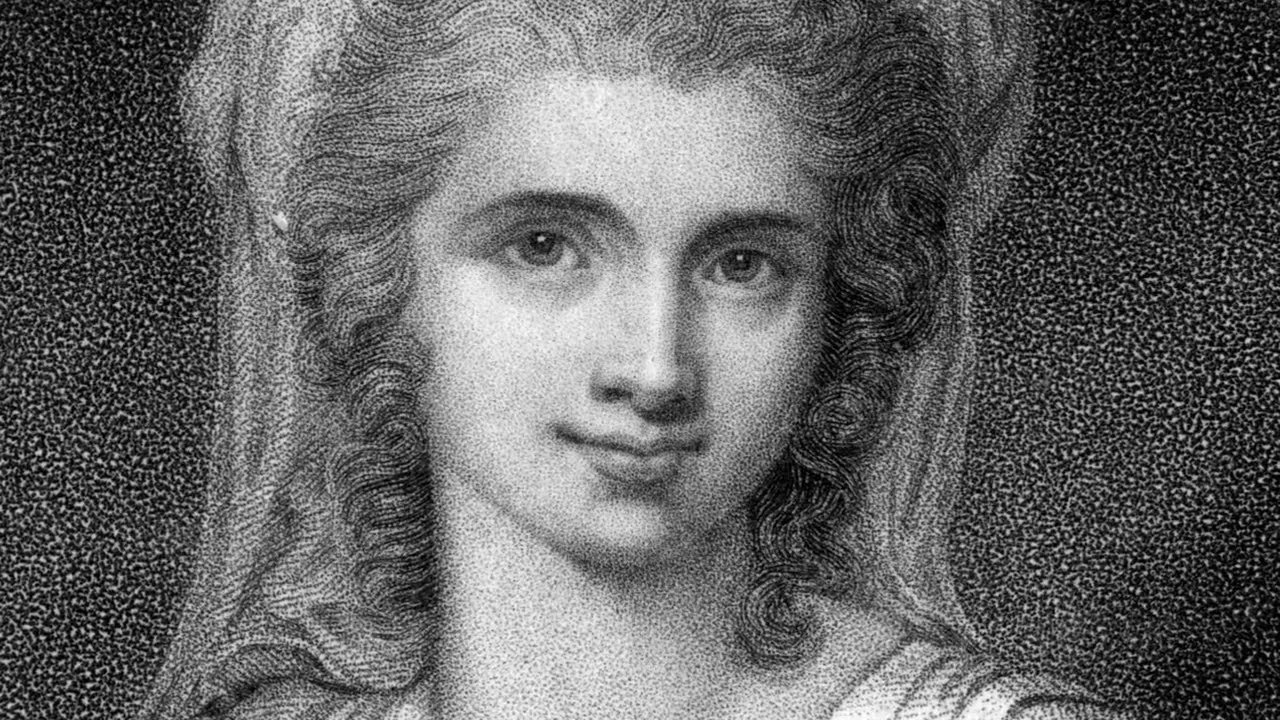
She studied at the Brighton School of Art at a time when even though it wasn't particularly easy, it was still possible to be an artist and a woman. It's important to understand that what makes an artist great is not some hidden innate characteristic, but a set of social conditions, including very importantly, the ability to go to art school. No dedicates a whole section of her essay to one of those social conditions and titles it the question of the nude. Between the Renaissance and the 19th century, Nolin explains live nude painting was essential to become a great artist to make more specifically history paintings which were the highest tier of paintings you could make at the time. Since the 16th century, life drawings from nude models was a huge part of the curriculum in themies. Women were excluded from painting from nude models. They could be nude models themselves, occasionally, of course, but they could never paint a nude model. An amusing example of this taboo on confronting a dressed lady with a naked man, Nachlin writes, is embodied in a group portrait of the members of the Royal Academy in London in 1772, represented by Zofani as gathered in the life room before two nude male models. All the distinguished members are present with but one noteworthy exception. The single female member, the renowned Angelica Kaufman, who for propriety's sake is merely present in effigy in the form of a portrait hanging on the wall.
No briefly addresses other obstacles that women could face, including the apprenticeship system, the educational system, and the system of awards in France, which very often excluded women.
She also briefly explains that women had a better time becoming writers because becoming a visual artist relies a lot more on very maledominated systems and institutions. You can commit to reading and writing in the privacy of one's room, as Nland says. No dedicates another section of her essay to another specific obstacle which heavily made it harder for women to become great artists. This obstacle is the well-rounded personality. She quotes Mrs. Ellis's The Family Monitor and Domestic Guide, apparently very popular when it was published during the 19th century. To be able to do a great many things tolerably well is of infinitely more value to a woman than to be able to excel in any one. By the former, she may render herself generally useful. By the latter, she may dazzle for an hour. By being apt and tolerably well-skilled in everything, she may fall into a situation in life with dignity and ease.
By devoting her time to excellence in one, she may remain incapable of every other. The pressure to not dedicate oneself to a passion, to be well-rounded, to be a good housewife, to be capable of taking care of the family might sound old-fashioned and outdated.
So, why am I even mentioning it? First, because Noan mentioned it, and I'm explaining Nolland's essay. Second, it's to explain why there haven't been great women artists in history. And women having to choose family over career was a huge factor in that. It still is to some today. And third, the well-rounded personality expectation of the past made it so that when women have passions, it's often not taken seriously. They're hobbies. When a man dedicates their time to something they're passionate about, it's work. When a woman does it, she's being cute and keeping herself distracted. Then, as now, despite men's greater tolerance, the choice for women seems always to be marriage or career, i.e. solitude as the price of success or sex and companionship at the price of professional renunciation. Especially in the art world, giving up distractions and obligations of family life is pretty important to dedicate yourself entirely to the production and development of your career. Men were able to do that with the support of their wives for centuries without having to compromise.
But women have to sacrifice a lot, including the pleasures of sex or companionship, their womanhood, or their sexual role. All right, we get it, Sean. You don't need to simp for women. You don't need to white knight them. You don't need to be so performative. Women could make art in the past for institutional reasons. We all know that. It's not really revolutionary, is it? So, what are we supposed to do now? Great question. In the 30 years later essay, Noan quotes herself from the 1988 introduction of her book, Women, Art, and Power. It's a good quote. Critique has always been at the heart of my project and remains there today. I do not conceive of a feminist art history as a positive approach to the field, a way of simply adding a token list of women painters and sculptors to the cannon. Although such recuperation of lost production and lost modes of productivity has its own historical validity. Even when discussing individual artists like Floren Steheim or Bert Mariso or Rosa Bernar, it is not merely to validate their work but rather in reading them and often reading them against the grain to question the whole art historical apparatus which contrived to put them in their place. In other words, to reveal the structures and operations that tend to marginalize certain kinds of artistic production while centralizing others. So, when bringing up Sylvia Slave, for example, it's not enough to just validate her art and show it off as works of a great artist who's also a woman. We also need to reveal the different ways in which her work was marginalized both when it released and in later historical records. For example, we could use the controversy that her painting stirred in New York as reported in the New York Times in February 1975. Disclaiming any attempt at censorship, Owen McGyvern, presiding justice of the Appallet Division of the State Supreme Court First Department, has asked the Bronx County Museum of the Arts to dismantle a show of work by women artists that contain explicit male nudity and at least one four-letter word. I took it up with my learned brethren, said Justice McGyvern, referring to the other justices of the Appallet Division. And we think that while a show of this nature may be appropriate for a museum where people have a choice of visiting, it is not for the corridor of a courthouse. We're all in sympathy with the arts, he added, but explicit male nudity in the corridor of a public courthouse is something else. And there's a certain vulgarity about four-letter words. If that's art, I'm not with it. Asked about the reaction to her painting, Miss Slay said yesterday, "I wonder if the judge would object to a female nude. I don't see why male genitals are more sacred than female." Now, Sylvia Slay's example is an easy one. She criticizes ideology and reveals the structures and operations that tend to marginalize through her work. She does, in a way, the art historian's job. I don't know how to end this video without sounding preachy or moralizing. So to repeat what Noklin said, understanding why women were pushed out of the art world for centuries and how this has an impact still today, is not only a matter of doing what's right and a matter of social justice and of wokeness, things that a lot of people don't like these days.
Understanding why women were pushed out of the art world is just a matter of historical accuracy. And addressing it only helps us have a better understanding of the ways in which our world works and how to make it [Music] better. All right, outro time. I can imagine a lot of you uh either were really excited to see this outro or like skipped the whole video just for the outro part cuz it's becoming like a a vlog or like canvas lore or life update or whatever. All right, life update. Um I'm running for elections. Uh there's Canadian elections right now. If you don't know, if you're not from Canada, there are elections right now in Canada for to elect the next prime minister.
And without going too much into the parliamentary system, basically there are like writings or sections or territories in which everyone presents themselves. And I'm presenting myself in my territory um for a party that's called the rhinoceros party, which is like a a satirical party. And what inspired me to go for the rhinoceros party was because someone in I don't remember who it is. If you if you can identify yourself, that would be amazing. I hope you're proud. Uh someone on my video on uh the rhinoceros, the Yanuzco play I I did uh the anti the anti-fascist play called Rhinoceros asked if the rhinoceros party of Kata was called was named after that play.
And I did some research. I it's not.
It's not which is good cuz rhinoceroses in that play are fascists and I don't want to align myself with a fascist party. Obviously not. But still, I did some research and I was like, "Hey, I could probably run with the Rhino House party for the next elections." And the next elections are actually right now and I am running for the party. I'm rambling. Okay, basically um I'm still an anarchist. The rhinoceros party is like a party that makes fun of the electoral system and I've been going, I guess, pretty hard on like an anti- capitalist uh rhetoric. And I've been doing it in the media, in public debates, with other candidates. It's been a lot of fun. And it the rhinos party is a sectoral party, so we're making a lot of jokes. One of like the main promises of our party is to abolish the law of gravity. Uh because it keeps holding us down. That's one of the like jokes and promises that we make, but like we also have I don't know. We have the the ability to make any promises that we want. And I've been having a lot of fun. And okay, all of this to say, next video will be me talking about this experience, talking about the rhinoceros party, talking about my experience running with it, my experience talking to people about it, my experience with confronting people with the electoral system, with confronting people with anti- capitalist rhetoric. Um, anyway, it's going to be like a fun video. It's going to be very different from what I usually do, but I'm pretty excited for it. I'm going to u a road trip because my my my territory that I'm running for is really big. So, I'll I'll explain during that road trip and I'll I'll show you a bit my territory. It's it's beautiful. It's called Yesbie.
Anyway, that was a lot, right? Well, stay tuned for next. My elections are on the 28th. If you're in the the writing of Gaspi, which is my writing, please vote for me. Please vote for the rhinoceros party. Shan rhinoceros party. If you're not, you can look up Shanieras. All my promises are in French because I live in Quebec. But if you want to follow my Facebook page and share that share that stuff, I don't know how many people there are left right now in the outro because I've been rambling. But if you want to share that, it would be really, really funny. Though I don't know why you would share it because it's in French and people won't understand. But anyway, you can at least like and follow and like my posts so that way the algorithm on Facebook can push my posts and get get them to reach a bit more people so that I get more votes. Anyway, okay. Uh I'll link that the Facebook page on on in the comments, I guess. And as always, I'd like to thank all the patrons who are probably done scrolling by me right now. Um, but I want to thank them cuz uh they're really important in my heart and uh for the perpetuation of this channel. So, thank you all the patrons and especially Ron Brindle, XTowns, Jeff who are the top tier patrons. Thank you to the three of you and to all the other patrons. I don't know how many of you there are, but it's extremely appreciated. So, if you want to, yeah, you you can like as well, subscribe and and and comment. All these really help, but but yeah, Patreon is like top tier help, obviously. All right, enough. I'm getting tired. It's It's 11:00 a.m. 11:00 p.m., sorry. See See how tired I am? Okay, I hope you enjoyed the video. Read uh Linda Knocklin's essay. Fascinating stuff. All right. And the fascist video. No, the video on fascism. It's not a fascist video. Video on fascism is coming eventually. I've just been really busy with running a electoral campaign. But yeah. Yeah, it's coming. All right.
Goodbye. Thank you for watching through this whole outro and the whole video.
Don't forget to comment. Goodbye.
[Music]
Up Next
7:33
Judy Chicago's The Dinner Party: Art History Explained
@smarthistory-art-history
15.5K views•2025-06-09

114:18
Christian Iconography: History, Theology, and Meaning | Fr. Panayiotis Papageorgiou
@Trisagionfilms
58.8K views•2020-02-21
11:42
Abstract Expressionism: The Irascible 18 Explained
@Shawn.Grenier
134.2K views•2020-01-31

16:34
Earliest Depictions of Jesus in Art: 10 Ancient Images Explained
@UsefulCharts
5.9M views•2022-06-03
Related Study Plans & Knowledge Roadmaps
Structured learning paths in Art History
art-history
Gothic Cathedrals: Engineering, Light & Society
01The Birth of the Gothic: Romanesque to Suger's Vision
02The Structural Triad: Pointed Arches, Ribbed Vaults, and Flying Buttresses
03Theology of Light: Lux Nova and Sacred Geometry
+ 2 more learning modules
14h5 modules
Explore Roadmap
art-history
Pre-Raphaelites: Realism, Symbolism & Critique
01The Victorian Art Establishment and Academic Formula
02The Founding of the PRB and Radical Realism
03Medieval Revivalism and Literary Symbolism
+ 1 more learning modules
8h4 modules
Explore Roadmap
art-history
Street Art: From Subways to Art Market
01Subcultural Origins in Philadelphia and New York (1970s)
02The Subway Era and Style Wars (Late 1970s - 1980s)
03The East Village Scene and Early Gallery Crossover
+ 2 more learning modules
10h5 modules
Explore Roadmap
art-history
Classic Maya Art: Iconography, Glyphs & Ritual
01Foundations of Classic Maya Visual Culture
02Deciphering Maya Hieroglyphs & Text-Image Integration
03Sacred Geography and Cosmological Architecture
+ 2 more learning modules
14h5 modules
Explore Roadmap