


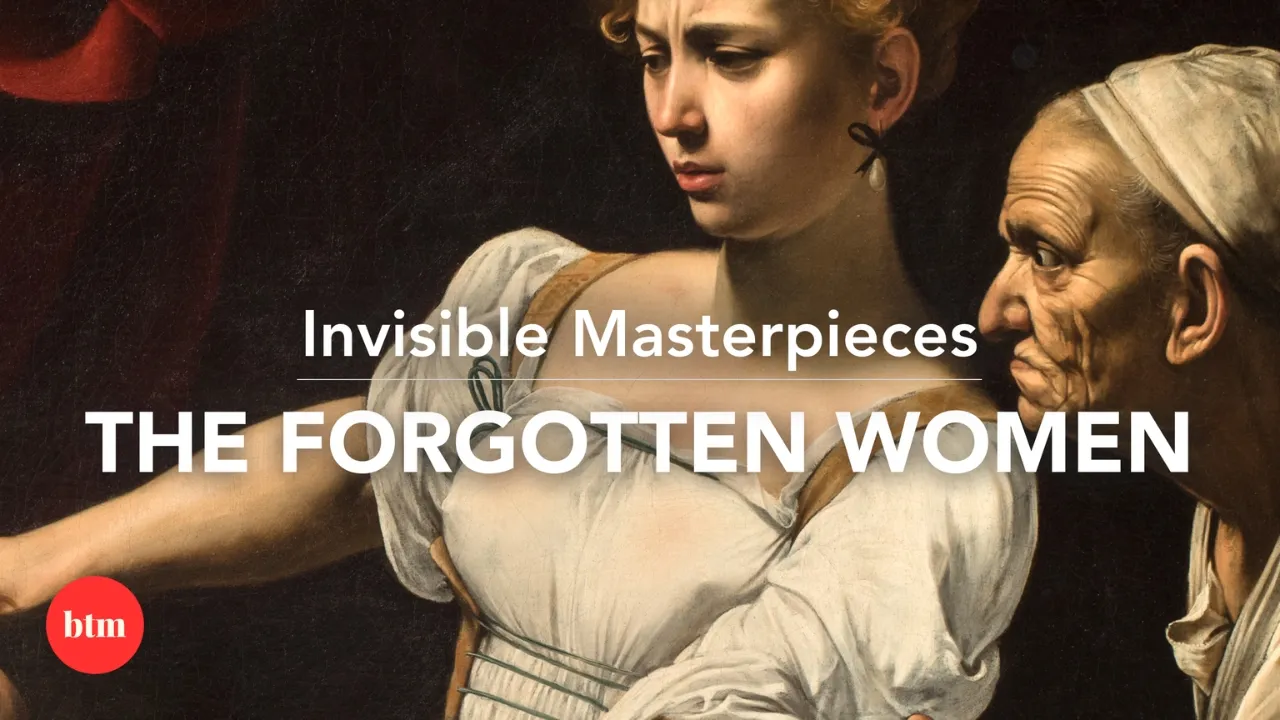











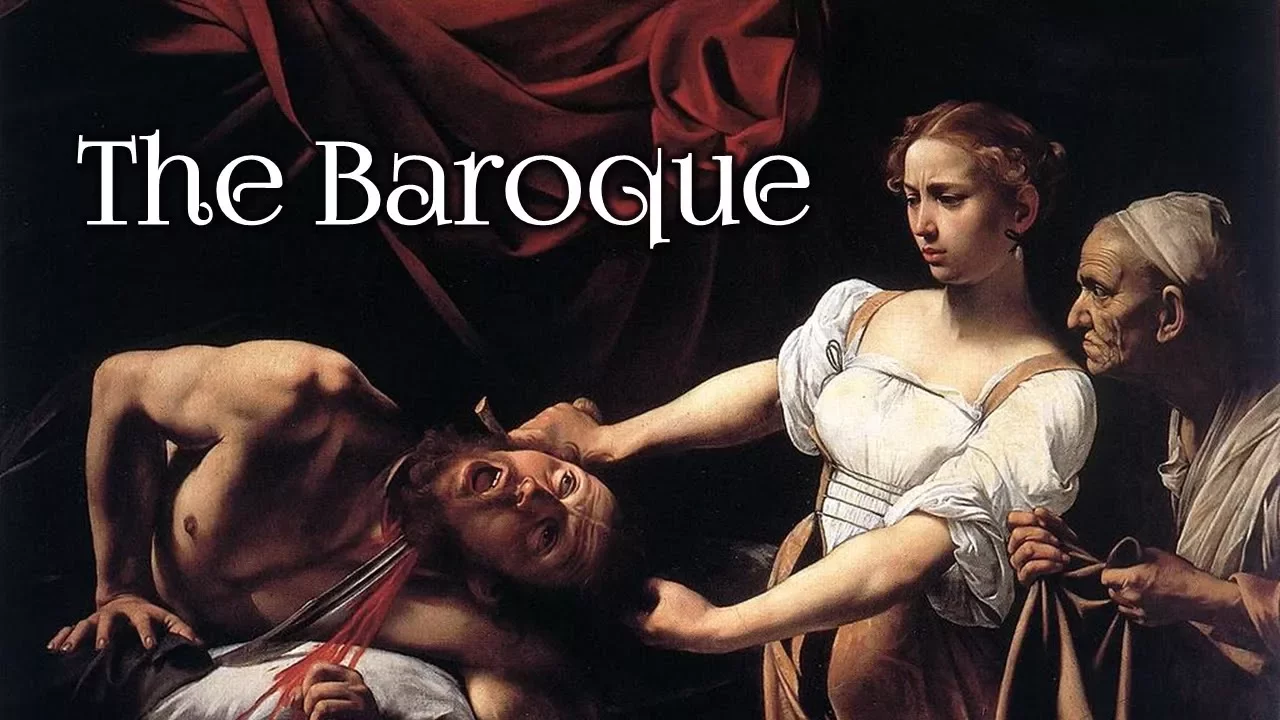










Artemisia Gentileschi (1593-1653) was the most acclaimed woman artist of the Italian Baroque period, known for her powerful depictions of biblical heroines like Judith Slaying Holofernes, which challenged male-dominated artistic conventions. Despite facing significant obstacles as a woman in a male-dominated field—including being raped by her teacher Agostino Tassi at age 17 and enduring a controversial trial—she developed a distinctive style characterized by dramatic lighting, dynamic compositions, and a profound understanding of the female form. Her ability to reimagine traditional subjects from a female perspective, combined with her technical mastery, has made her an enduring inspiration for contemporary female artists. Only rediscovered in the 1970s after centuries of neglect, Artemisia's work now stands as a landmark achievement in art history, demonstrating how personal adversity can fuel artistic innovation and how women artists have historically contributed to cultural narratives despite systemic barriers.
Artemisia Gentileschi: Baroque Master, National Gallery Webinar
Added:hello everyone and welcome to this very special event my name is katie hessel i'm an art historian and i run the great woman artists instagram and podcast and tonight i am delighted to say that we are focusing on artemisia gentileschi the most acclaimed woman artist of the italian baroque period she is currently the subject of a major extraordinary exhibition at the national gallery here in london which celebrates her extraordinary life and work while artemisia's paintings were much admired during her lifetime like many of her contemporaries she was overlooked in later centuries and it is only since the 1970s that she has been rediscovered and become the focus of scholarly research as well as of biographies gender focus university courses and television documentaries films and plays among others i'm really looking forward to discussing this extraordinary artist and setting her within the context of her own times and exploring resonances with women artists of the 20th and 21st centuries joining me tonight are leticia trevors the sassoon curator of later italian painting at the national gallery here in london she is also the curator of the galleries exhibition artemisia the first ever to be held on her in the uk which runs until the 24th of january 2021 and of course eduardo roberti the senior director at sotheby's in london and a specialist in the old masters painting department so this event is going to run for about 45 minutes for the next 30 minutes or so i'm going to be in conversation with letizia and eduardo then we'll be answering some of your questions which you can start submitting now underneath the video screen you will see a web form where you can enter your name and also your question to submit your question please enter your details in the respective box and click submit we look forward to engaging with your questions and comments a little later so i'd love to start off this discussion by asking why does artemisia gentileschi stand out among the 17th century old masters letitia let's start with you i think she's simply the most celebrated female painter of the 17th century and i hope that the show demonstrates she's also one of the most significant artists of the italian baroque absolutely eduardo why does she stand out for you uh i i don't have too much to add to what to what letty said she's an extremely beautiful painter let's not forget and quite apart from the um the impact she she has had and continues to have on the role of female painters she's an extremely innovative painter in her own right irrespective of gender absolutely so this is the first exhibition of artemisia's work in the uk letitia tell us a bit about how the artemisia exhibition at the national gallery came together sure well the idea really came from our acquisition in summer 2018 of our first painting by artemisia it's a self-portrait of st catherine of alexandria and the picture was just discovered in 2017 we bought it the following year and it underwent a conservation treatment and here you can see the picture both before and after its treatment and it's actually a treatment that we recorded through a series of short films that we put out through social media so basically the public could follow in almost real time the conservation of the picture and we got a real sense of the kind of mounting excitement internationally about this picture and we decided quite soon after its acquisition that we really wanted to put on a show of her work and it's really the first one in the uk and for me i have to say it's been absolutely thrilling to see this picture which as i say is quite a new discovery for the first time hanging alongside other paintings by artemisia in the exhibition and she's on this incredible wall lineup of self-portraits um and for me that's been a real thrill and of course there have been an increasing number of exhibitions in in recent times in the last sort of 20 years or so but i think in my show i really the aim was not to sort of include every painting by artemisia i i set out with a very clear purpose to really have sort of 30 of her best firmly documented and attributed works that really form the core of the exhibition and the exhibition is broadly chronological and really through these works really explain in as clear a way as possible her sort of artistic trajectory and the other key thing that i wanted to bring in was was artemis's personality and so you really get a sense of her as a woman as an artist and really you get to hear her voice both through her letters and also the transcript of the trial which i'll talk about in a moment so i think it's that more sort of rounded picture of artemisa that really comes out absolutely and of course the launch of the exhibition was also delayed due to the pandemic i know i mean it was so disappointing everything was ready the spaces were ready we just were waiting for the pictures to arrive it was really odd it was sort of like pressing pause on this huge project that i'd been living with for two years but um i mean you know we worked tirelessly during lockdown really to sort of renegotiate every loan it's like putting on a second exhibition six months later but amazingly all our lenders and our sponsors sotheby's included were incredibly supportive and committed to this project so in fact what you see today is what you see in the catalogue it's exactly the vision i had for the show which is really remarkable given you know the fact that our current situation is not exactly stable absolutely well you've done such a brilliant job i'm so excited for everyone to see it so here in the slideshow we see the opening room of the exhibition latitude can you tell us about artemisia's life and work and your vision for the exhibition in particular sure so as i said it's it's essentially broadly chronological as an exhibition so you really begin in rome where she's born at the end of the 16th century and she's trained by her father or aratzu gentileschi who's also a painter and she's trained alongside her brothers and um the very first picture we know by artemisia is the picture that you encounter as you walk into the first room it's the susanna and the elders which you can see um currently um on the slide and it's so impactful and it's signed and dated so we know she painted this when she was 16 or 17. i mean it is absolutely astonishing that someone so young can paint something so accomplished and so in this room i wanted to sort of set the scene but i also wanted to sort of hit people as soon as they walked through the doors of just how precocious her talent was um and there's a picture also by orazio in this room because orator was her father her teacher and also give a sense that artemisia unlike other male artists um in her time she wasn't able to to sort of study the artworks on display around rome she was shut away at home being an unmarried woman and she really you know was exposed merely to her father's art principally to her father's art um also in this room alongside the susanna is um a remarkable object it is the transcript of a trial um and one of the episodes that people know about artemisia is the fact that she was raped by the painter agostinotasi when she was 17.
and i borrowed the trial uh transcript for the very first time it's often referred to but it's shown here for the very first time in public and going back to what i said at the beginning i felt it was really important to sort of obviously touch on this major episode in her life but to do so sensitively in a historical context and you really get a sense of her personality and you read the words and you hear her voice and that's why i wanted this to be in in that room but this happened when she you know very early on in her life so you know she has a long career after this for 40 plus years where she works in rome in florence in venice and naples and also comes to london so so the show really there's another six rooms after this first you know room and and you really i think follow in her footsteps absolutely so eduardo while artemisia was very famous in her day she later came to be seen as a letter lesser painting than her father orazio gentileschi an accomplished painter of his day am i right in saying that she has now been reassessed yes i think you're absolutely right to say she's been reassessed the very fact that the the great national gallery in london is dedicating a an exhibition to her shows you how far we've come in in this reassessment um artemisia was a great painter and she was recognized in her time slightly forgotten but i think for today's taste um she's fabulous because she has such movement in her art she absorbed her father's lesson and her father was a great great master and a wonderful technician it should be stressed but perhaps for today's taste and i say perhaps because i love orazio as much as i love artemisa his compositions his paintings are a little still they lack the dynamism which um artemisa was able to to bring to her work it's unfair to compare them in a way because they're from different generations and of course that benefited from learning from urazio um but she really made uratsu's lesson her own and developed it and added so much to to the style and and to her period i feel absolutely so letitia in the second drum of the exhibition we are confronted with these two brilliant and extraordinarily dynamic dramatic and dynamic large-scale paintings of judah and hollow fernies and can you tell us about these two images that are side by side sure so the second room of the exhibition is called becoming artemisia in florence because after the rape trial she moves to florence and it's here that she sort of turns a huge misfortune in her life into a real opportunity and she gets out of her absolute studio and really starts to forge her own career path um and it's it's a term that was coined by keith christensen at the met and and i think it sort of encapsulates the fact that artemisia finds her own way and i mean this is one of the great highlights of the exhibition having these two pictures side by side it's the very first time in the uk that we get to see this and um these are her most famous her most iconic compositions and i'm absolutely thrilled we were able to to borrow both because you know they're sort of there's there's as many differences as there are similarities between them so she paints the one on the left when she's in rome still and that's today in naples and she probably brings it or more likely a tracing of it with her to florence and produces the second larger version um in florence almost certainly for the grand duke in florence for the medici grand duke and i mean what strikes anyone looking at this picture is the sheer violence the brutality of it i mean this is a familiar subject it's an old testament subject where you know judith goes in and beheads the assyrian general hall of fame is to effectively save her city uh which is under siege and what artemisia does is is she's just a brilliant storyteller and i think in this picture you see her really stepping into the shoes of her protagonist so she's she's imagining what it's like for judith what it's like for a woman who has to do this terrible deed how and and it's actually a picture about kind of physical struggle you know how would you go about doing this so she changes the story because the maidservant who in the story is actually outside the tent keeping watch standing by with a bag ready to sort of put their booty and and leggett um what artemisia does is she brings her inside the tent and she's pinning hall of fernie's down whilst judith is sort of you know really struggling in cutting off his head so it's that that it's what she does so brilliantly is reimagine the story as a woman and i think it's this real truthfulness that sets artemisia apart i mean then you're sort of absolutely drawn to the gore you're sort of horrified by it but also weirdly drawn to it and you start noticing the sort of spurts of blood splattering judith's bodice and even her chest on her skin um you know and the way the hill to the sword is pressing into the flesh of his his arm i mean it is such a sort of a violent but very truthful imagining of the story totally i mean when you witness these works in the flesh they are just so overpowering and triumphant in a way eduardo what are your thoughts on these works well i think they're they're extremely powerful visually and and and is saying how the story is uh is changed and and how perhaps the the layout of of the characters is is displayed in the picture there's no hiding that a head is being cut off and it's right in the forefront and it's done actually through such simple lines uh what the the slide we're seeing now we see a very strong vertical line then these two verticals that come into it and join right where holofunnies headers it's quite simple uh mathematical layout but i think all the more powerful for it you can feel the struggle the force and the weight of all the different parts coming together and centering on uh the head that is being severed it's it's powerful stuff it definitely is so having just witnessed artemisia's range of self-portraits and these different defiant and trumpet guises as well of her as one of her powerful powerful juditha holofernes and the next from the female hero we meet further examples of biblical heroines letitia tell us about this room so this is one of my favorites because the female hero is the title that mary garrett or the subtitle if you like that mary garrard gave to her book in 1989 and mary gerard's book is really the first um you know intentionally sort of feminist interpretation or female interpretation of artemisia's work and it's full of incredible insights and of course we associate a lot of these pictures in which there are our female protagonists with artemisia you know she made her name really painting susannas bathsheba's cleopatras lucretias so i wanted in a way to dedicate a room to it and the pictures in this room are all from the 1620s the time when artemisia goes back to rome and it's considered by some really the kind of height of her career and i think we have to remember that the subjects are not unusual in 17th century painting um you know and the patrons and collectors would have stipulated the subjects they would have gone to artemis and commissioned them but they knew that what they got from artemis is something that no male artist could provide you know this was a female perspective a feminine sensibility in painting these heroines and this was you know a unique selling point that artemisia was fully aware of and i think we have to remember particularly with the images you're seeing here um which is sort of erotic and violent and that that there was an additional appeal for collectors in commissioning and owning works um which show partial nudity or violence of women painted by a woman and you know we know that in the 17th century these pictures were often commissioned but also displayed together you know you would put the magdalene next to a venus you know and in a sort of boudoir space almost um you know the eroticism was not lost on contemporaries absolutely eduardo one of the most exciting examples is this recently discovered matchdylan the first time it's ever being seen alongside other works by artemisia it's a lovely picture and i love it for several reasons the first uh uh is a is a technical reason i suppose i think carrying on from what letty said it's quite a disruptive picture in its composition in how it's formulated and what i mean by that is that the subject of say susanna and the elders or um the magdalene uh often up to this point and and subsequently was used um really as a vehicle for artists usually men to to just have an excuse to portray the female nude um that's slightly simplifying but often it was used in this way and what i love about this picture is that um artemisa goes beyond that she transcends that in so comfortably um the magdalen here is shown clothed yes uh you can see that her blouse is is is starting to fall down and it will reveal something later but the the the erotic potential of this picture lies not in what could be crass nudity or unnecessary nudity but in the fact that the magdalen is is certainly not at all penitent in this picture but is in the throes of full-blown ecstasy and and that's something that although one today has seen images similar to this at the time that's a very very powerful um turnaround of a well-known scene and i also love this picture if i can introduce a personal note is because when we sold it in paris um some five years ago maybe six years ago i was on the telephone with um the person who was turned out bought it and i didn't know him terribly well at the time i knew him a little bit and i think he had a preset maximum he wanted to bid on the picture and i took the liberty of uh suggesting quite strongly that he might want to go a little bit further and lucky for me but actually really lucky for him he did and he he bought the picture and i think it can be safely uh said that he's extremely proud and pleased with his purchase he loves it as as do we all i think totally what an amazing story it's such a beautiful work i mean eduardo how do you see artemisia within the context of the 17th century italian old masters as a whole well she had some stiff competition um there were the first half particularly of the 17th century in rome but in italy uh more generally um was full of extremely talented artists who had um no qualms in in getting themselves about and finding patrons and competing with each other to produce great things at the beginning of the century the inescapable name of course is caravaggio and artemisia is often grouped with the cabbage-esque painters that's a slightly lazy i think characterization of her or grouping off her because while of course she takes caravaggia's lesson the theatrical potential of his violence and lighting i think she's one step removed she's one half generation later and she's able to focus on some different things it's not a direct reaction but it's already part of her culture this cabbage-esque idiom so on the one hand you have caravaggio and his tenebrism and this shift in focus from courtly subjects to more profane touching on the vulgar at time subjects to to then other um artists such as guidoreni who is uh the wonderful guido the divino guido he was he was known even in his own lifetime and pictures such as the uh the david which is in paris david holding the head of goliath uh which is you can see there um on your screen that is an exceptional picture don't get me wrong it really is the beauty the the finesse of it is second to none but in terms of the passion it can inspire or the the emotion it can inspire it's quite far removed from from what artemisia was interested in i'm not saying artemis is better they had different interests but guido is quite statuesque if you look at this picture relative to the power and movement that artemisia strives for so there are lots of competing currents within um within italy uh this part of the century the first half of the 17th century but another name that springs to mind um is rubens now rumors is not an italian artist but some very uh former important formative years of his um right at the beginning of the 17th century was spent in italy and while this picture i don't know for sure whether it was painted in italy certainly would have painted uh shortly after his return to antwerp from italy if it wasn't painted in italy this is now a it's a lovely santa domitila which is in bergamo and the reason why i bring it up is because like artemisia rubens is not necessarily interested in precision it's more about the potential in volume the bounce and movement that one can achieve with paint i find reuben's in much the same way as artemisia is very voluptuous in his use of paint a voluptuous is is often used to describe uh rubens as women but perhaps should be used to describe his paint and his interest in how paint can work i think artemisia does something very similar certainly in an earlier stage in her career absolutely why is artemisia so important and popular today gosh i think i mean i think really she's incredibly relatable i think people can relate to her and to her story i think she's very empowering you know i think she's you know she's championed now as a sort of figure of resilience and of creativity who faced you know extraordinarily challenging odds but most of all i think i think you could just you don't have to be an art historian to appreciate her sort of the full force of her work and so you can you know i hope people will read my labels when they come to the exhibition perhaps read the catalogue but actually what i wanted to do with the show is just actually visually tell the story and so you really don't have to read every label and you don't have to know who susanna and judith are to to appreciate her art and i think it's the power of her her sort of pictorial language which really moves people um and i think you know when we took our self-portraits and catherine round a very unusual tour of the uk we took the picture to glasgow women's library to a gp surgery to a women's prison and to a school the picture was seen by people who'd never stepped inside a museum and what became very clear is that whether you're you know a 15 year old girl or or or an inmate in a prison you know you you have a very personal response to artemisia to her story but also to her art and i think that's why people you know it's artemisia mania right now i think she's definitely a woman for for our times absolutely so eduardo i'd love to bring in some contemporary artists i mean which contemporary woman artists do you feel is closest to artemisia well i might just preface my answer by saying that my knowledge and understanding of contemporary art and artists is limited at best but over this last july we had a a very successful mixed sale here in london it was called rembrandt richter and one of the pictures in that sale was this very very big portrayal portrait of a head by jenny savile and it struck me that jenny sabal and artemisia have many things in common and one of them is the fact that they're both great painters and both great female painters which is obvious and yet something that is not always um touched upon jenny savile's work that she really can paint she's mastered the use of paint in the same way i think that artemisa did and both of them are i think or or to me very disruptive uh disruptive in well letty and i earlier talked about how artemisa challenges perceptions in the way she lays things out um traditional subjects are turned on their heads seen from a different perspective now that has led many to read probably quite rightly as a proto-feminist approach to her work and that she was shifting the male gaze well similarly i think jenny savile in in this work which is called stare um the eyes are moved it seemed to me it was a portrayal of a an androgynous probably uh uh probably a girl aged to be um confirmed i can't really tell but the way the eyes have moved the way the shape of the face is moved it it felt to me it was a capturing a person at different stages in time and that shifted my perception of what a portrait or a portrayal of a person or whatever one might want to call it is or might mean in in other works by um by jenny savile for example there was a work we sold here two years ago which is called propped um we see a very direct um and challenging view of of of a woman of a woman's body how should we as viewers approach this quite uncompromising certainly not idealized view of the female form and again i thought that was very powerful that it did something that that artemisia also did um take a standard view of a um of a subject turn it's on it turn it on its head tell the story from a different angle and here with with this um self-portrait um sitting on a chair jenny savol is challenging the the centuries-old male gays i think there is a there is a certainly not violence but an uncomfortableness in the way the fingers dig into the thighs to say well what is it we're looking at how how are we looking at it i think that's very powerful thing that's what i mean by by disruptive i don't think either of them necessarily um question themselves to their work but they invite us to challenge what we're looking at absolutely i mean latitude do you have any thoughts on artemisia's cleopatra that's on the screen right now yes absolutely because i think um what this picture shows is artemis's understanding of the female form and you know thinking about sort of male lead narrative you know i this picture is thought by some to be biorazio of artemisia and actually during the trial um some witnesses reported that artemisia used to pose nude for her father you know as it you know as if this was a very sort of shameful thing to do um and that was assumed for a long time and i i'm absolutely adamant or at least in my view that this picture is by artemisia and it's really her her her deep knowledge and intimacy if you like and uh of the human body i mean she of the female body and she really knows how to paint the female nude everything from sort of the weight of the breast to the sort of swelling stomach and she loves these little creases under the armpits there's you can see them also in in the magdalen and ecstasy and you know you compare her nudes to her father's and she knows what a woman's body looks like now whether she's painting herself or someone else in the studio we don't know but you know this is a woman who not only understands what a woman's body looks like but she knows how women think you know and i think this is very true for artemis's paintings absolutely i mean it's interesting that the allegory of painting and savile self-portrait invite us to ask questions as well about what what what makes it the self yeah i mean the in terms of the the the allegory of painting um which is also called a self-portrait as the allegory of painting by artemisia which is today in the royal collection um i think this is such a brilliant uh conflation of these two ideas of a kind of allegory but also of a self-portrait and you know so much ink has been spilled about how to what degree artemis is showing herself in this picture both literally and figuratively and i think actually in some ways it's besides the point she knew that she could conflate these two traditions because the sort of allergy and personification of painting was by its very nature a woman and because artemisia is a female painter by painting this subject she's associating herself with the with the allegory uh in a way that no male artist could do and and the way she puts her her initials really emphatically in the foreground beneath the painters palette i mean there is no doubt you're meant to think of artemisia when you see this picture and for me it embodies exactly her vision also what painting is which is this incredibly physical energetic act here is a woman with her sleeves rolled up she's ready to kind of launch herself into her next um you know painting and it always calls to mind you know the words she writes to her patron don antonio ruffa towards the end of her life where she says let me show your lordship what a woman can do you know and in another letter she says you know with me you will not lose you know she's the sort of winning ticket um you know i have the spirit of caesar in the soul of a woman and she was a really tough you know resilient woman katie i'd love to know um you've worked a lot you've dedicated a lot of your time with your blog the great women artists um focusing on contemporary female artists um has the artemis show made you think about uh in some other contemporary female artists in particular or if so who who have you been thinking about absolutely i mean it's so interesting you know i think like you were saying earlier the fact that you don't even need to be an art historian to witness artemisia's work so you can just feel them in the flesh anyone can witness them and that's why i'd love to a fantastic opportunity for me to bring in toy ogi odatola who is a nigerian-born new york-based artist who has recently opened an extraordinary exhibition at london's barbican center which i think fits so interestingly alongside artemisia toyan's work is all about storytelling which when i was speaking to her the other day for my podcast really reminded me of artemisia's incredible ability to to tell stories just like artemisia engages with classical and biblical tales but actually goes so far to create her own versions just like we've seen in judith and holofernes toyin also engages in these mythic like stories however instead of referencing historical stories she actually makes them up entirely she says the mind always comes before the pen which i love and i'm sure you know the renaissance artists thought about that before they even started painting uh but she uses this idea of myth to create these extravagant and brilliant timeless mythic-like stories that could really have the potential to be told centuries ago or even now for example this beautiful work that was we've got on the screen here came for auction last year at sotheby's it's called selective histories comes from this incredible body of work that she made for her series a matter of fact which was exhibited at the museum of african diaspora in san francisco and this work is just one piece in 18 works this is the thing i love what she does she sort of creates these storyboards and all these different pieces make up those words and this was an intricate narrative around the extremely opulent but entirely fictitious a mecca family in the nigerian umutsu amara clan in order to probe and construct questions of wealth and race and contemporary culture she also exhibited another chapter in the glorious exhibition to what to wander determined at the whitney which made up the union of two wealthy and aristocratic nigerian clans who had come together to celebrate the marriage of two men and who were drenched in such opulent clothing and color which makes us question you know the past and imagine if history had been told differently which i think is what artemisia is doing completely she's telling historical stories from that feminist perspective um katie more and more artists i don't know i'm sure you're aware more and more contemporary artists are uh framing their exhibitions their context in in a what might be thought of as a more old mastery setting i'm thinking cecily brown of blenheim how do you do you think this works in what ways can that be successful do you feel it totally does i mean recently i went to go and see cecily brown at burnham which is a fantastic show and also speak for her podcast she adopts entirely from old master paintings the national gallery is her and all the met are her favorite museums in the world however although she loves the dramatism and the painterly approach her works do not make up a narrative you know we've got the stunning work that's coming up for auction it's not so much about the narrative but it's about adopting colors from reuben's titian movement from de gea and also see some of their work sort of purely through abstract colour because i think that's what you know when you get up close to the artemisia works the pure colours i mean you mentioned reuben's earlier and when you get up close to them they are almost like abstract paintings in themselves i mean her exhibition at blenheim is centered around the house but also hunting and battle scenes which were which obviously as you know immensely popular subjects in old master painting i mean she really brings them to the present day by questioning their role in today's society which i think is a very clever way of looking at history one of her as i mentioned this fantastically sort of sumptuous um part figurative abstract word is coming up for auction which i think is going to do extremely well and then of course an obvious another obvious comparison with artemisia has to be the renowned british artist tracey emin who like artemisia puts herself and her life at the forefront of her work i mean when i entered the becoming artemisia room that you so beautifully curated lettie at the national gallery i was immediately brought back to tracy's incredible exhibition a fortnight of tears at white cube last year and her amazing series of self-portraits in a way taken on her phone that was dealing with insomnia and i've grown up with tracy's work and understanding her life through her work and it reminded me that she has this incredible ability to control her image and to control what part of her life she gives us and i think just like artemisia she gives us so much and which brings me back to the room becoming artemisia with her array of self-portraits as it struck me how much artemisia was in control of her image too you know whether she'd be disguised as saint catherine of alexandria but also the loot player you know she was constantly giving us so much of herself but doing it in a very sort of controlled way um so now we're going to take some questions which i'm very excited about we've had lots in so what are the main this is probably for you letizia what are the main differences between the first two versions of susanna and the elders in this show and how do these differences adjust our understanding of artemisia so in fact there are three susannas in this show because the show opens with susannah her very first known picture is a susanna her very last known picture which she paints when she's almost 60 as a susanna and then there's a susanna from the 1620s that period uh the female hero room so those sort of three susannas punctuate the show and i was very keen for that to happen because i think once again just by looking at those three pictures in a way in my mind side by side you just see just how adaptable an artist she is so her first susanna is essentially a picture in which she's assimilated her father's style so it's very like a razzie in technique the one that she paints in the 1620s you can see she's come back to rome and she's looking again at caravaggio's painting but actually there's a lot of bolognese accents in it this very lush squirchiness landscape and this picture was painted we know in 1622 and the the pope had just been elected he was a bolognese pope so she's absolutely trying to cater to kind of the the tastes of the moment and then her final susanna is is just pure neapolitan high baroque i mean if these three pictures were not signed and dated you would really struggle to say they were by the same artist and i think that essentially is what's so tricky about artemis but also so interesting and it's often said she's a she's a chameleon and it's been seen as a very sort of negative thing i don't see it as a negative thing at all and i think it's really important to think about her sort of chameleonic style as a positive because i think it shows her business acumen she's an artist who constantly changed who constantly adapted who constantly absorbed and really changed her style according to the kind of tastes of the patrons in the cities in which she worked absolutely and this one this one's for eduardo speaking of masterpieces does sotheby's have any great old masters coming up for auction this year yes we do we have plenty thank you for asking uh our next sale um will be at the very beginning of december uh here in london but before then we have a lovely sale uh in new york um uh which will be on the 14th of october there are a couple of venetian masterpieces one by canalite and one by bilotto which i would invite you to to look on our website where you'll find both catalogs online i can't tell you much about the december sales yet because the big reveal has not yet occurred but watch this space absolutely and this might be for both of you any new insights into artemisia gentilescy time in naples massimo stanzione is still very collectible in terms of prices what was their relationship haven't they painted many works together they have absolutely i mean stanzione i hope i do him justice in this show is a really key figure for miso she meets him in rome but he's a neapolitan painter and it's through him that she gets some of the most important collaborative commissions and by collaborative i mean her contributing works to series or cycles one is for the king of spain for philip iv and artemis's pictures in the prada as are the other pictures by stanzione and the other is the um saint januarius one of three old pieces artemisia paints for the basilica in pozwali also in the exhibition and stancion is a really key figure far too music we have to remember you know um artemisia was clearly welcomed into the artistic community in naples and that's not something that could be said for other foreigners who reached the city i mean guidorini was effectively driven out dominicino was poisoned and i think it's so interesting to think that artemisia was was in a way accepted and i think that's largely due to stancione i think she was generally not really a threat because she was a woman you know she wouldn't compete for the big commissions um you know that perhaps iranian dominican was seen to fight for particularly fresco commissions which she wasn't trained in absolutely and this one's for you erla titzia i mean can you tell us about artemisia's contemporaries i mean were there any other women artists working you know in this sort of 17th century italian baroque at the same time as her absolutely yes and it's important to not think of artemisia as unique she is pretty exceptional in that she treats these sort of grand biblical mythical and historical subjects but there are other you know very very uh successful painters la vina fontana sophomores they tended to paint in different genres one really key figure who's not that well known is giovanna garzoni she paints these exquisite still lives in sort of vellum and the uffizi have quite a number and giovanna is actually someone who also becomes you know a member of the artist academy in rome she travels with artemisia almost certainly to to venice to naples and to london so i i think there are some sort of lesser-known artists who were you know equally successful in their own day um and perhaps they've sort of fallen by the wayside you know like after music because you know they've effectively not really been talked about um by sort of contemporary biographers to the degree that male artists were absolutely and i've just had one for myself saying um who is the contemporary female artist that you are most excited about well i'd love to uh take the opportunity to bring in also florianovich who is a fantastic young artist who actually really adopts from the old masters and reinterprets these fantastic works by fragonard by boucher similarly to artemisia you know puts these into sort of the feminist lens and plays on those um stories so everyone do check out her we've got another one it's uh how appropriate or correct is it to interpret artemisia's work as expressions of catharsis at her assault should we view her works with her experience in mind or should the two be separated i i think that's a very um it's an often asked question but it's a very complex question um i think particularly the judith beheading hall of fernie's is often seen you know even some of the reviews of the exhibition have explicitly stated that it's really her revenge and paint against her her rapist i mean i feel um it's not doing her justice actually i think in seeing these pictures purely through the lens of her you know of that episode you actually end up diminishing her artistic achievements but there is no question that she would have relished this role reversal of the powerful woman you know overcoming a man and i think you know like caravaggio like any artist i think her life is utterly intertwined with her art you can't separate the two but i think one has to be careful not to to to read everything through the lens of this episode because she definitely put it behind her you know it's really not mentioned by contemporaries and once she leaves rome it's not talked about again so um you know she she had a very long career after that and i think it may of course may have shaped her um and and her approach to painting but it but it did not define her absolutely and i should add to this exhibition oh sorry i was going to say in i agree with absolutely everything letty said i think in much the same way as um van gogh's uh tormented and tumultuous life would have radically informed his art and his painting one can still appreciate the painting at face value the fact that we know he cut off his ear and he painted himself bandaged up after he cut off his ear that adds to the the very full context we have of his life and the the the noise around his life um only brings us back to the art even more and i think all the better for it and i think in a similar way to artemisia the fact there is so much about her um that that she suffered that she had to um work through and get over um is great to to draw the public public's attention to her work but her work can also be looked at just for its great beauty absolutely and um how do you view this is another one how do you view artemisia's time in britain is an important part of her artistic career well it's important to us in britain but it's a real puzzle we don't know very much about it we don't know when she arrived we don't know when she left we know she painted several pictures because they're mentioned in inventories um there's a sort of rather romantic notion that she comes to her father's side because he's dying but we don't actually know that that's true and we know that charles the first was was desperately trying to get her to come to london for some time and she was finding any possible excuse not to come she was literally dispatching pictures across europe to avoid coming to london um but having said that you know it was her only sort of royal court patron you know because she comes here and she's here for almost two years and after her father dies we know that she paints for henrietta maria um and you know it's very interesting that despite sort of being hugely honored and receiving many favors in london and being very well regarded um she's desperate to leave and she goes back to naples and and sort of lives out the last of 15 years of her life there i think there's still a lot to discover for her london period there's a lot of pictures that are mentioned that have been lost um i think the relationship with henrietta maria is still very much to be sort of unpicked as well absolutely this one might be for you eduardo are there any are there many falsely attributed paintings in the market generally or falsely attributed to artemisia i guess without with the maybe artemisia i'm going to avoid the maybe trying to avoid the use of the word false because it it can lead to to misunderstandings um there are lots of pictures which uh historically and even today are attributed to to artemisia one has to bear in mind that in the field of old masters very few pictures are documented and and many grey masterpieces are not signed so there are very few facts one works with when trying to establish an attribution more recently as artemisia has become so popular or has come on to the come to the public consciousness more shall we say lots of hopeful attributions have been put forward some more valid than others should we say um but yes as as painters become better known more works by them tend to more works given to them correctly or not tend to appear i don't know answers the question while also avoiding it i know i just wanted to add something that um in a way it's great i mean the national gallery painting was only discovered you know three years ago and we bought it in 2018 and it's so interesting uh that with the acquisition of a picture like that the fact that we've carefully restored it we've studied it we now know that that picture was created alongside in the studio alongside the self-portrait as a loop player in hartford and the saint catherine in newfitzi which you know amazingly they did x-rays of and found our picture underneath so what's fascinating she's using tracings to transfer bits of her design not not in a mechanical way but that's something she learnt from her father and i suppose what i want to say is with these new additions to her of that come on the market that are discovered we are just at the beginning in terms of understanding her technique and so with the acquisition of our picture we now understand that she took these tracing you know the way she operated her working process was very like her father's and now we know that these three pictures were produced probably in the studio at the same time so i feel very excited because it really is kind of just the beginning i think absolutely and this is one for both of you and what can artemisia teach the modern female painter one for you katie may i respectfully not answer that uh because i i have no idea what it is to be a modern female painter so i'm not sure i would know other than great skill in painting um yes learn how to do that and then for me for me i think the very inspiring thing in in sort of getting to know arthur miza because i've obviously read her letters really thoroughly over the last couple of years and looked at her pictures very very closely i think um she was determined to be considered on a par with her male contemporaries and you know we talk about how sort of the challenges she faced in her life her rape i would say the greatest challenge of all was to be taken seriously on her own as a successful female painter and you know her letters where she's defending her prices she there's letters in which she talks about her drawings being taken away and used by another artist and she says you know if i was a man that would never have happened um you know she is absolutely adamant to be sort of judged on her own terms and i think that is a really inspiring thing and probably something that you know really is relatable to artists today absolutely no i think that was such a brilliant way to end and that's all the time we have questions all the questions we have time for thank you so much to our brilliant speakers leticia trevors and eduardo roberti and of course uh thank you so much to sotheby's for hosting this fantastic conversation i would love to remind you that the sotheby's galleries in london are open to the public so please feel free to come in and have a look at the works by phenomenal women artists in the upcoming sales we've mentioned earlier the sotheby's contemporary evening sale is on the 21st of october while the contemporary day sale is open for bidding online from the 15th to the 22nd of october and finally don't forget that you can book tickets to see the staggeringly brilliant artemisia exhibition at the national gallery in london which runs until the 24th of january 2021 and thank you all so much for joining us today [Music] [Applause] [Applause] [Music] [Applause] [Music] [Applause] [Music] you
Up Next

Exploring the Spanish Baroque: Velazquez to Vermeer
@AbsoluteHistory
87.5K views•2022-11-08

Christian Iconography: History, Theology, and Meaning | Fr. Panayiotis Papageorgiou
@Trisagionfilms
58.8K views•2020-02-21

Sotheby's Modern & Contemporary Evening Auction Highlights
@sothebys
85.6K views•2025-03-05

Earliest Depictions of Jesus in Art: 10 Ancient Images Explained
@UsefulCharts
5.9M views•2022-06-03
Related Study Plans & Knowledge Roadmaps
Structured learning paths in Art History