











![[Visite privée] Exposition "Splendeurs du baroque" au musée Jacquemart-André](https://i.ytimg.com/vi/BJxknkFbEYA/maxresdefault.jpg)


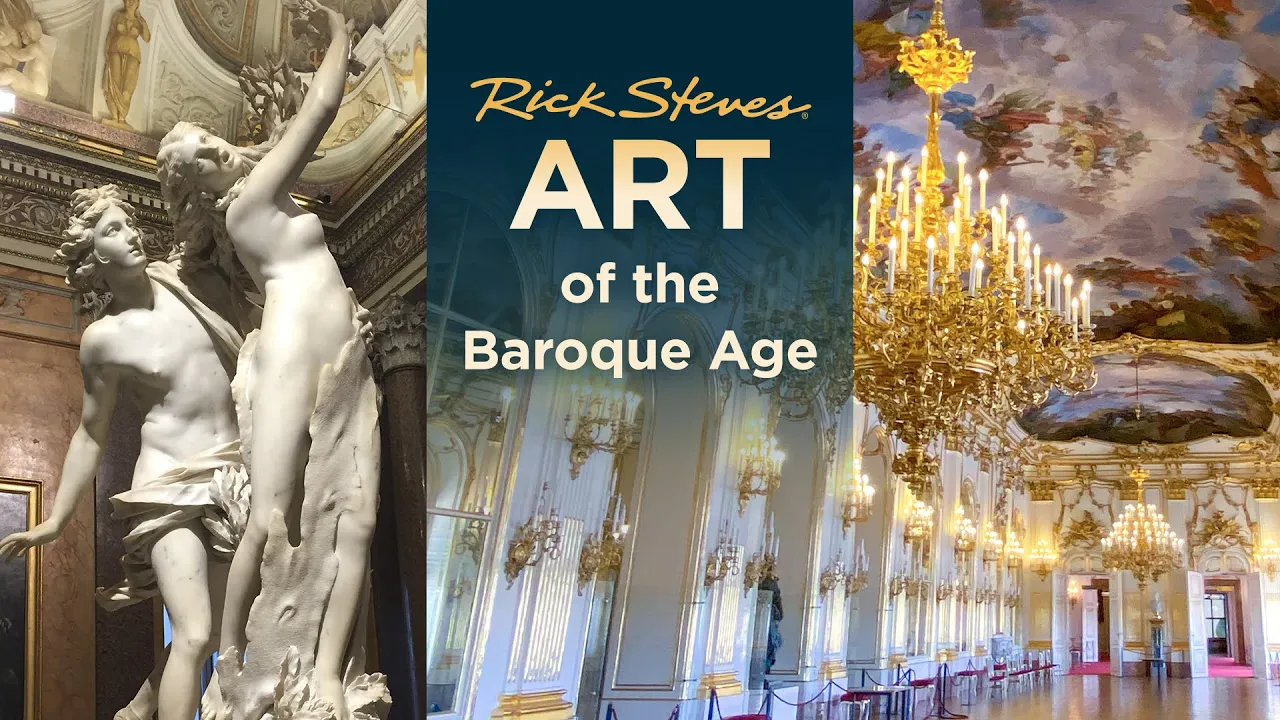

The Baroque art movement emerged in 17th-century Rome as a Catholic counter-reformation response to Protestant iconoclasm, characterized by its aggressive pursuit of viewers through dramatic darkness, theatricality, and the integration of multiple art forms (architecture, sculpture, painting, music) to create immersive emotional experiences that transformed religious art from distant idealization to immediate, tangible reality.
Baroque Art Origins: Rome to Naples | Art History Documentary
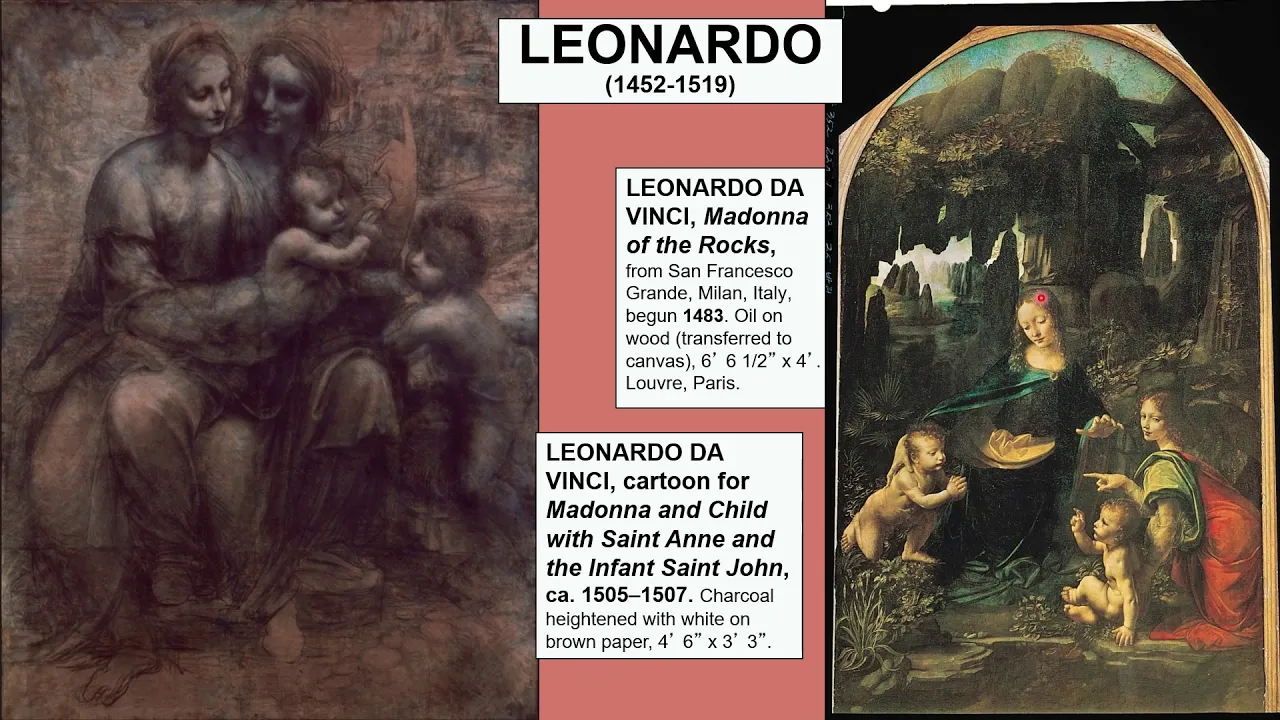
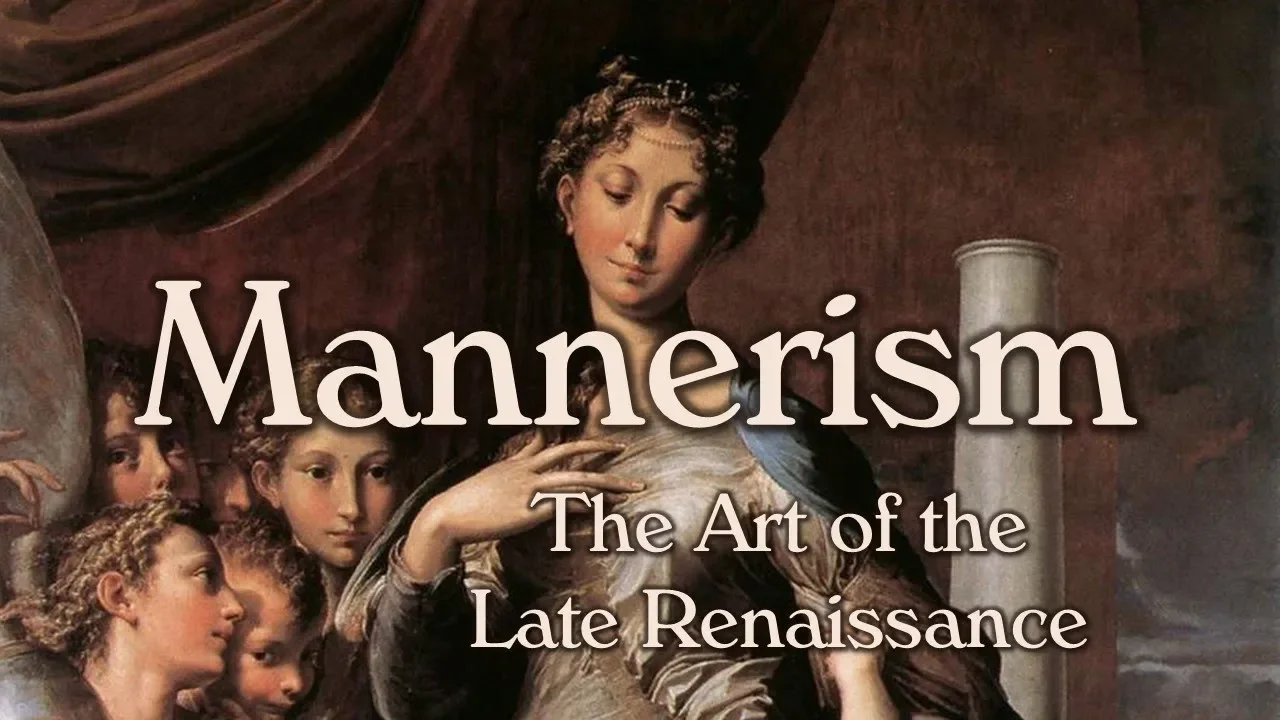
Added:The High Renaissance and Mannerism: Understanding the classical ideals of balance, symmetry, and the subsequent stylistic transitions that Baroque art reacted against.
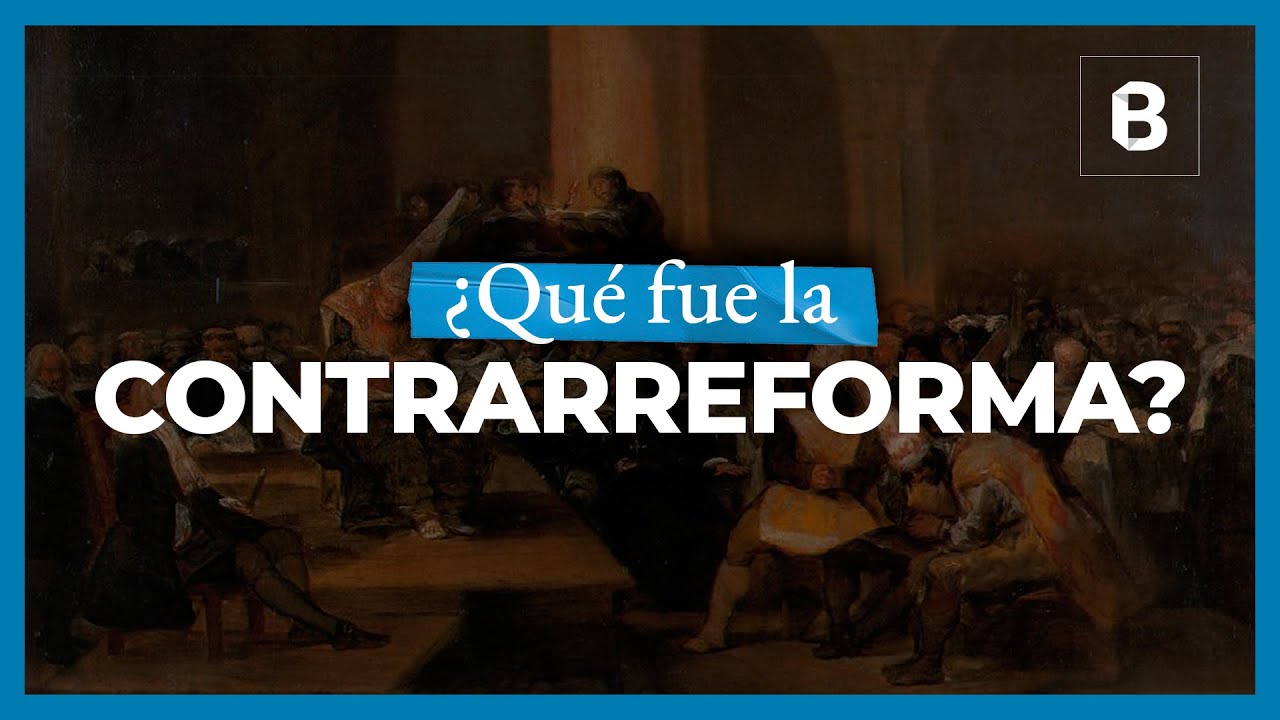
The Protestant Reformation and the Catholic Counter-Reformation: The political and religious backdrop, specifically how the Catholic Church used dramatic art to re-engage the faithful.
Basic Art History Terminology: Familiarity with foundational concepts such as chiaroscuro (the contrast of light and dark), perspective, and composition.
The Role of the Papacy in Rome: How the Catholic Church and wealthy families functioned as primary economic and political patrons of monumental public art.
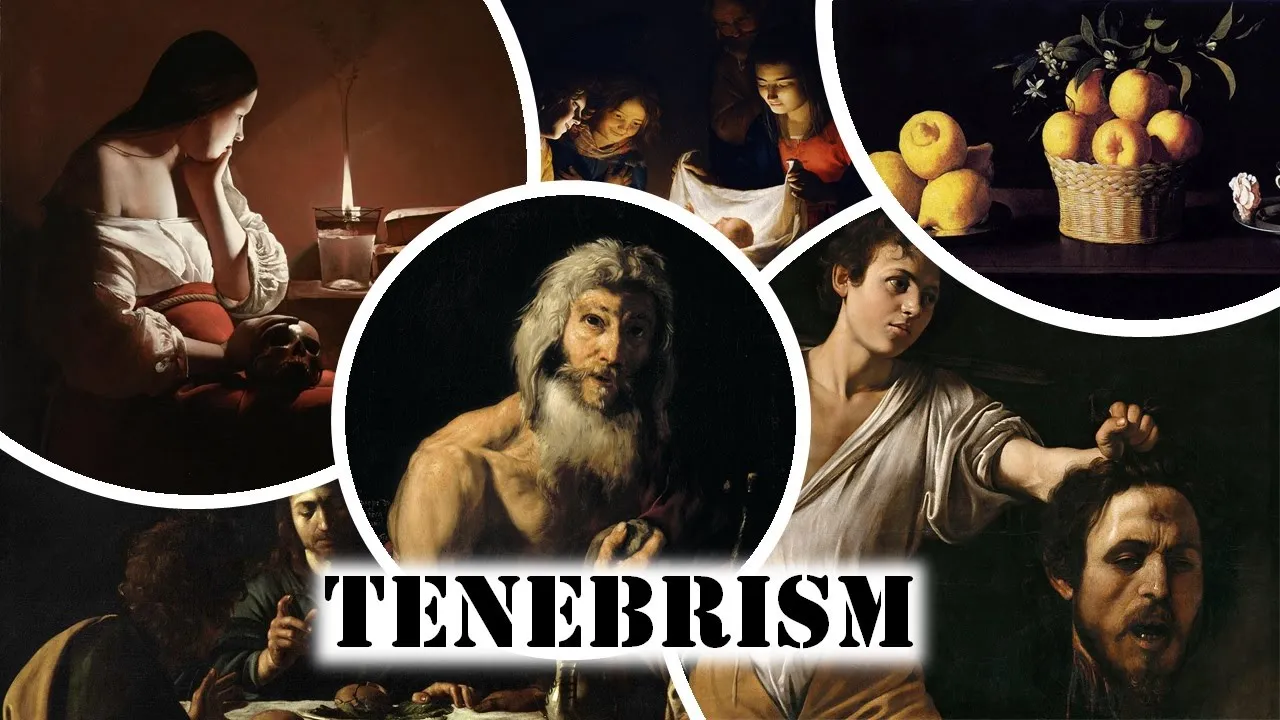
The 'Caravaggisti' and Tenebrism: Studying the global followers of Caravaggio, with a particular focus on female masters like Artemisia Gentileschi and her dramatic depictions of biblical heroines.
The Expansion of Northern Baroque: Exploring how the dramatic Italian Baroque style adapted to Protestant regions and merchant-class patrons through artists like Rembrandt, Vermeer, and Peter Paul Rubens.
Spanish Baroque Art and its Connection to Naples: Investigating how Spanish rule in Naples facilitated the exchange of gritty realism and emotional intensity, highlighting artists like Jusepe de Ribera and Diego Velázquez.
The Transition to Rococo: Analyzing how the heavy drama and grandiosity of the late Baroque evolved into the playful, ornate, and asymmetrical Rococo style of 18th-century France.
1M views13.6Klikes58:39Original Release: 2020-04-30
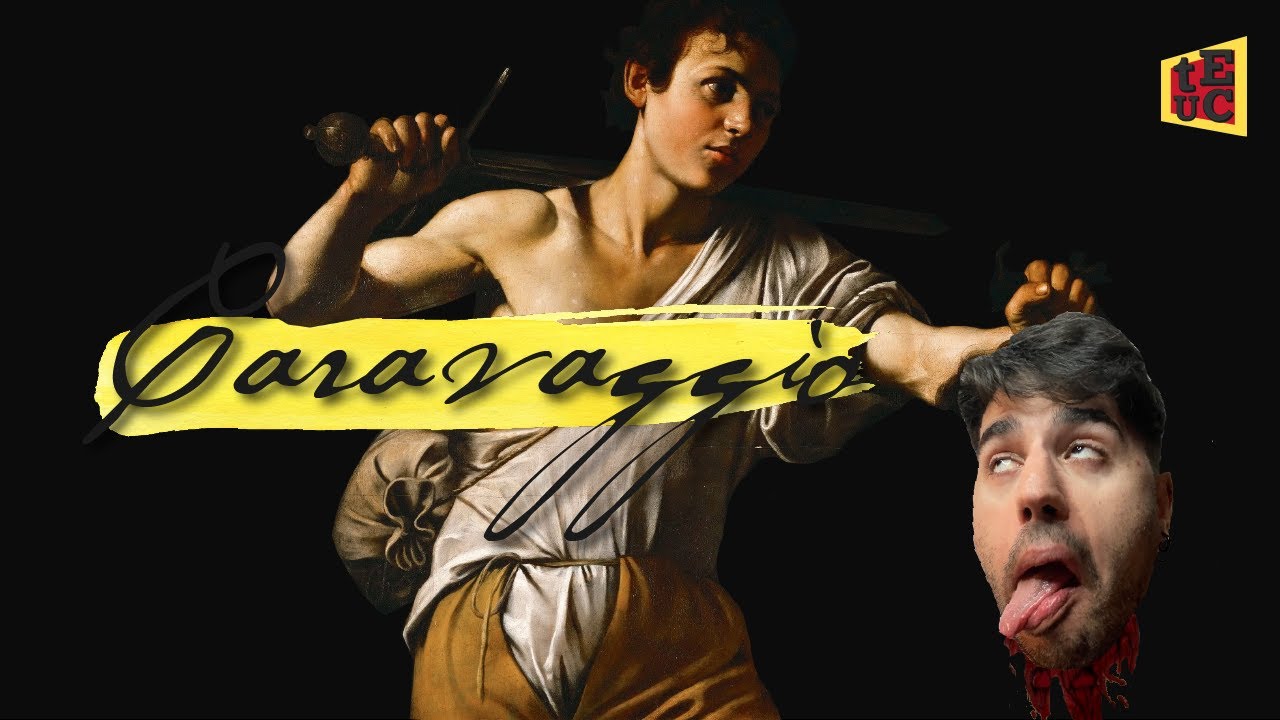
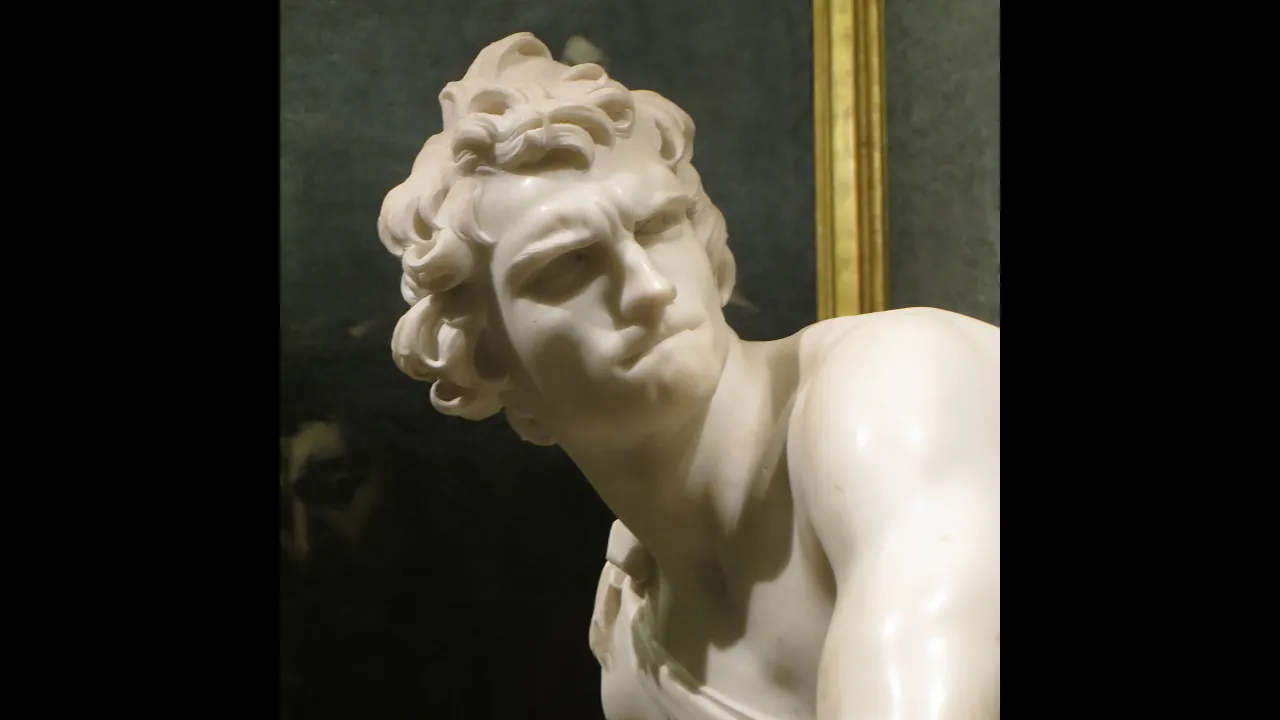
[Music] I'm up here this way over here I'm up on the colonnade of st. Peter's Cathedral in Rome high above the crowd looking down on all these Catholics not many people are allowed up here you know what the Vatican is like has been ruling the Catholics for 2,000 years there's no need to be nice to me but I told them what I wanted to do up here and they agreed immediately because they could see as well that this is the best place to do what I wanted to do which is to understand properly at last that great sprawling ungainly but glorious art movement the Barack [Music] the barak age doesn't have a nice clear outline it sprawled across the 17th century and beyond it wasn't a tidy movement but it spawned some of our greatest art [Music] the architects of it's astounding square Jamna Renzo Bernini was one of the key players of the Baroque understand Bernini and you understand the whole thing and what he invented here in his Piazza was this huge colonnade that encircles you gathers you up it's like a giant pair of arms now 300,000 people could fit in here that's three times more than Wembley Stadium and every single one of them gets this big hug from Bernini's Piazza so that's the first thing the baroque does it goes after you then ingratiates itself with you other art movements sit there on their pedestals and arrogantly assume you'll be interested in them but the Baroque knows you better it gets off the pedestal and hunts you down [Music] another of its ambitions is to impress you with its bigness its grandeur its drama would you look at the size of that and when it fell into the hands of intense geniuses it became dark and edgy got all psychological on us and blurred the divide between art and reality and when painting wasn't enough the Baroque roped in all the other arts to work on you as well architecture sculpture music everything at once it was after you so it threw the kitchen sink at you [Music] what we're going to do in this series is follow the barack from st. peter's to st. paul's from rome where it all began to london where it fetched up eventually because another of the things that makes the baroque special is its rage it went everywhere and basically spent the entire 17th century travelling about and the really cunning thing about it is that wherever it went it adopted the local customs and changed in the first place we're going to visit is up here northern italy treinta [Music] Trento in the Italian Dolomites is a pretty town which I recommend for walking holidays and mountain views [Music] but don't let its modern tranquility fool you because the Great War started up here a war of art [Music] the barack is best understood as a fight back a marvelous display of counterpunching by a waspish church that had come out fighting [Music] when Martin Luther nailed his 95 thesis on to the church door in Wittenberg in 1517 and launched the Protestant revolt against what he called the sink of Roman sodomy the Pope's the Cardinals he wasn't just taking on the Catholic Church Luther was taking on the whole of Italy the entire southern Mediterranean worldview and all that goes with it the colors the fruitiness the passions [Music] in those days Trento was in Austria not in Italy and it was here that the mighty Council of Trent met in 1545 to plot the fight back [Music] a wild boar has invaded the vineyard complained Pope Leo the tenth memorably the Barack's task was to hunt that boar down and dispatch it for nearly 20 years the Council of Trent met here in a Cathedral Trento to plan the catholic writ post and art was involved in a start the Lutheran's had been against art they saw it as a regrettable vanity that led to the worship of false idols terrible waves of iconoclasm a torn across northern Europe destroying paintings burning statues but the Catholic Church had always believed in art it relied on it it knew that people would like to see what they're worshipping they liked images and that gave art tremendous power [Music] great profit is derived from all sacred images declared the council and when we kiss the sacred image and prostrate ourselves before it we adore Christ if anyone shall teach contrary to these decrees concluded the council scarily let him be anathema anathema anathema check the mad barack of course it was produced in amsterdam in 1617 by villain plow the finest and busiest of the baroque mapmakers Wow would like to be employed by the East India Company to chart the new world that was being discovered at this time but first he drew Europe see the big capitals of Europe at the top London Paris Amsterdam and down the sides what people were wearing in these fashionable new capitals look there are the English in their silks and over here those baroque heroes the poles for the feathers in their hats so the Baroque fightback began up here in Trento but it's epicenter the place where the fireworks really went off was down south in Rome the Eternal City had a fight on its hands as the clock ticked over from the 16th century to the 17th it's an architecture group prouder louder Sharia and bold up through the Roman skyline but as I said the Baroque went after you with all the Arts at once and while architecture and sculpture were frolicking in the Roman sunshine the art form that needed the most drastic attention painting chose another path the Council of Trent instructed its artists to get out there and grab people's attention but how do you do that one very effective trick is to make dramatic use of the dark and turn painting into theater [Music] that was the strategy of the Barack's greatest revolutionary a pictorial genius who made damn sure that the religious message of the counter-reformation came after you like a spotlit rot viola this master of dramatic darkness was of course Michelangelo Merisi da caravaggio who deserves our sympathy as well as our admiration for Caravaggio for 300 years he was completely forgotten his reputation in tatters and then the 20th century rediscovered him and began misunderstanding him in such terrible ways [Music] what rubbish has been spouted about Caravaggio even sensible commentators on sensible TV channels have insisted on seeing him as a knife mad predatory homosexual who went berserk in baroque Rome the Ripper of Roma this demonic image of Caravaggio annoys me like nothing else in the Baroque world as if a sex mad out-of-control Roman crazy could really have painted this [Music] thank heavens recent research into Caravaggio has begun correcting all this nonsense and we can start seeing him again for what he really was the most important religious painter of the counter-reformation Caravaggio did everything the council of trent demanded of its artists he created a vivid new religious art that spoke to the people in a language they could effortlessly understand a language that moved them and changed them before Caravaggio came along religious art was set somewhere out there somewhere distant and fluffy but he made sure it took place right under your nose here now close enough to touch the cast list changed to real people rounded up in taverns and markets and chosen for their characterful faces replaced the impossible gods of old there's that old bloke from the market and that beautiful waitress from the tavern these are people you recognize from the streets people you can touch and whose plight touches you [Music] it's as if Caravaggio has set himself the task of completely reinventing religious art and he uses every baroque trick in the book to get your attention the way this basket of fruit is about to fall over so you want to reach in and push it back or the Apostles hands shoved out into your face it's all so real so tangible so believable [Music] the churches of baroque Rome are filled with magnificent free helpings of Caravaggio just go in pretend you're praying and feel his power here in the Church of Santa Maria del Popolo where he began working in 1600 he pushes a horse's backside into your face so uncouthly and ensures you will not miss the dramatic calling of Saint Paul taking place at the horse's feet on the other wall st. Peter is being crucified upside down did you ever see such sweaty effort such tugging such pulling such pain [Music] look how different it all was from the usual way of spreading the religious message Caravaggio's art was so tangible so vivid so cinematic that the Roman clergy which was used to an altogether rosier religious palette found him a challenge some of his greatest paintings were rejected by the churches that had commissioned them this one here was originally going to hang in Saint Peter's Jesus and Mary stamping on the snake of sin was he a little too human for them was she a little too sexy even his great death of the Virgin was rejected by the monks Mary they spat looked like a bloated [ __ ] had been pulled out of a river but I don't think she does she just looks like a real woman [Music] and in my book Caravaggio was the best painter of convincing Mary's the world of art has seen are they too beautiful for their own good maybe do I mind that not at all [Music] while the clergy complained the public responded and understood Caravaggio's lessen his darkness his drama seeped out of Rome and infiltrated the International Barak was an astonishing speed and wherever it fetched up in Spain in Flanders in Holland it transformed the local art [Music] it's a strange name for an art movement don't you think Batroc what does it mean where does it come from if you think of the Renaissance that's a very clear idea Renaissance is French for rebirth the rebirth of civilization but Barack it actually comes from a Portuguese word Baraka which means a Miss shapen pearl like this one all these Portuguese explorers were setting off around the world and they were coming back with gorgeous pearls in all shapes and sizes [Music] now this pearl is not baroque this is like the Renaissance perfectly formed exquisite delicate so civilized precious this one however the baroque pearl is blobby exuberant misshapen difficult to handle and exciting in a deformed kind of way so this is there any sauce this is their baroque [Music] nowhere was this bad Rock outline more obvious than in the bendy direction now taken by architecture [Music] rain is basically a berapa creation I know it's got the great ancient ruins and the fine Renaissance palaces but the default architecture here the stuff that gives the city its main mood is Barack [Music] [Applause] this beautiful little baroque secret is a courtyard designed in the 1630s by a genius of the Roman Baroque called borrow Meany Francesco Borromini or emini in my opinion was the single most exciting architect there's ever been a genius a man of twisted brilliance the Picasso of architecture this tiny courtyard he designed for the Church of San Carlo in Rome is almost gothic in its brooding intensity I don't know if you can feel it in the film but in the flesh you can certainly sense the solemnity the sparse profundity of this tiny little space and remember architecture speaks to the body not just the eyes or a mean II was so inventive can you see the balustrade up there look at the actual balusters the way some of them bulge at the top and others bulge at the bottom what for the Renaissance would never have done something as wayward and playful as that but Bora Meany was a rule-breaker by instinct and that makes him totally Barak so this is the cloister around which the monks would walk and read their Bibles now look at the church it's like walking into a stony piece of sculpture I've been in here scores of times I never miss it if I'm in Rome and I've stared and stared at this remarkable interior but if you asked me to draw what's happening to the walls in here I couldn't do it it's too complicated too fidgety too inventive but what I can do is to try and draw a plan of the building because it's completely crazy what more emini is trying to do here is to blend two completely different shapes out here there's a kind of blunt Greek cross the Greek cross with the ends taken off [Music] but in the middle oh and that becomes a perfect oval so this is the age of the church all this seemingly chaotic going in and out but underlying it as you can see is this perfect bit of geometry holdup of rectangles made up of triangles and these circles here and that's what bar emini always does he builds this exact mathematical basis and then he just ruffles it up like someone messing up your hair [Music] I've seen geometry as madly busy as that on the great domes of Islam but never in a Christian Church [Music] or emini supplied Baroque architecture with something dark and emotional it's feminine principle it's Yin but every year of course needs a yang and in Baroque Rome the undisputed king of Yang was Jan lorenzo bernini the great Bernini was everything that bora mean he wasn't handsome rich haughty a smooth operator who charmed the kings and the Pope's architect a sculptor as painter the man could do everything and the raw spirit of the Baroque cost through his veins as fiercely as the water spouting from one of his fountains we're Borah meanie was almost certainly homosexual and he died this terrible death he committed suicide threw himself on sword and took a long time to die Bernini was a ladies man know and through and Bernini would never have dreamt of killing himself because that would have deprived the world of his flamboyant genius son Andrea al quieren RA by Bernini it's just a couple of hundred feet up the road from borromini's san carlo but it seems to come from a different architectural planet for emini invented the curved church facade that bends the front of the church out into the street but Bernini he got really good at it too and then out here another curve of going the other way and that's the Baroque for you it twists this way and that always on the move like a restless dragonfly [Music] walking into Bernini's an Andrea is like walking into a piece of theater [Music] Benini fills his church with rich color about lantern that gand of lantern and put yellow glass up there so when the Sun shines it's as if the whole interior has been flooded with this gorgeous golden divine light [Music] Bernini's Church has this very specific storyline for you to notice and follow so st. Andrew the patron of the church has been martyred here he's heading up towards heaven there and right at the very top in the lantern he's being welcomed into heaven the little cherubs are even standing aside to make room for him so you can go up there it's a very theatrical effect very different for anything Boromir never tried to do the Baroque had a taste for theatricality that's why it liked Bernini so much and if you want to witness some truly stupendous barak theater and follow me into Saint Peters [Music] an extraordinary creation in front of us is Bernie knees bow turkey now put up under the transept between 16 24 16 33 now you have a good look at it you tell me is that sculpture or is it architecture or is it a combination of the two so it doesn't really matter I go for the last option that's what you're getting with a Barak all the dividing lines get blurred [Music] Santa Maria della Vittoria which many people consider to be Bernini's masterpiece including Bernini it shows the Spanish saint Saint Teresa of ávila at a moment when she's having a vision manger has come down to her from heaven and he's piercing her heart with a flaming arrow so real was the pain to me that I moaned out loud several times and yet it was so indescribably sweet that I could not wish to be released from it when the angel withdrew his spear I was left with a great love of God [Music] he's done here is create Theatre in the church neither side in sitting in these boxes is the family that commissioned the Cornero Chapel the cuñado family up there on the right with a little beard looks a little bit like Shakespeare Federico Cornaro he's the one who actually paid for it all so the canaro family has gathered to witness his miraculous event at the center the other thing that people always pick up on about this one is this look saint traders face this open mouthed moaning look know what billion is trying to do here is to find some sculptural form for this religious ecstasy that she's feeling but the 20th century in particular has misinterpreted that look on her face all sorts of smutty remarks have been made about her ecstasy what kind of ecstasy is it wink wink I really disagree with all of that imagine trying to find a sculptural form for something that's difficult as a young woman being overpowered by the love of God how do you convey that what do you show well I'll tell you the answer that's what you do this is art dazzling new with miracles in Boerne knees hands stone comes alive and stops behaving like stone he could turn rock into flesh women into trees his work is filled with movement and Restless transformation the corner a chapel is a fusion of sculpture painting marbling gilding even the real light of God has been roped into achieving this great baroque effect [Music] if you're investigating the baroque this is a position I recommend because from here you can see the baroque properly the Barack loved painted ceilings filling the air above you and around you with remarkable sights was a very baroque ambition of course painted ceilings had existed in Italian art for centuries the Sistine Chapel was just the best-known example but they're difficult to do the Baroque however was never afraid of effort whatever it took whatever it cost the Baroque was up for it and it developed such a fierce appetite for the painted ceiling when the art is all around you and above you it creates this other world into which you've stepped a new reality think of it perhaps as a kind of 17th century virtual reality because these painted ceilings blur the divide between the art and you this is the first great painted room of the Baroque age these days it's the French Embassy in Rome and it kindly let us in because the French are such fine people but back in the Baroque age this fine palace belonged to Cardinal Eduardo Farne Z one of the most powerful clerics in Rome and in 1597 at the very dawn of the baroque era Farne z commissioned a young painter from bologna annie ballet karachi to come to Rome with his brothers were also artists and to paint this [Music] Cardinal Eduardo Farne Z should have been a man of God and perhaps in his public life he was but in his private life back here in his palace he seems to have unleashed his sinful side and what he commissioned an ebola karate to paint in the piano nobile a of the far nazy palace is a room filled with stories about the mad love affairs of the gods wherever you turn in here pagan gods are loving other gods in a divine orgy of love and conflict and role-playing and naughtiness Karachi has somehow managed to celebrate 20 different divine love affairs simultaneously on this one ceiling and to do that he's employed a cunning optical trick each of the love-affairs is taking place inside its own picture and all these pictures have been crammed onto the roof where they're held long curly in place by a busy assortment of Cupid's nudes and statues and then it gets even more complicated because all these cherubs refuse to stay outside the action so they get involved sometimes they're inside the picture other times they're outside the picture time and space are being played with by a master said Agra fir they're being pulled out of the true in this glorious jumble of realities this room was to be hugely influential and what of the Karachi invented here was to become one of the main ingredients of the Baroque we dart about in this series going here and there with me telling you this and that trying to grasp the Baroque but to be honest there's a much easier way all you have to do to understand the Baroque fully and perfectly is to come in here and look up and that that is the Barack [Music] we're in the Jesuit Church of San Ignacio it was built to celebrate the canonization of Ignatius Loyola the founder of the Jesuits that's him up there on the cloud in 1626 Pope Gregory the fifteenth officially made Ignatius a saint and all this could begin jism it's like to keep things in house kept down the costs and ensured that the opinions being expressed by the artists were Jesuit opinions so for this church they got in a Jesuit lay brother from Trent Oh Padre pots Oh [Music] Tatsu was a master of illusion he was the best there's ever been the making small spaces look huge [Music] his influential book on achieving these amazing optical illusions was read by everybody through the ages even say that Cecil B DeMille consulted it when planning his biggest cinema moments because Padre pot so was a wonderful moviemaker born 300 years early Pops's first work in here was this dark illusionistic dome which unlike a real dome was cheap and easy to repair you just got someone in and repainted it [Music] the little dome was so convincing the Jesuits decided to unleash pot so on the rest of the church all that is basically a flat roof the entire sky has been painted every cloud every architrave every column what potsos done here is to use his baroque magic to open up the roof and create this stupendous shortcut to heaven and right in the middle floating up on a cloud with st. Ignatius himself he's going up to heaven where Jesus is waiting to greet him and see that glorious light emanating from the wound in Jesus's side that's the light of divine revelation pouring out of Jesus and into Saint Ignatius then it's being scattered further to the four corners of the earth to Asia with that rather wonky camel to Africa with what I suppose must be a crocodile Europe rather tame in comparison and America where a bare chested red Indian Amazon looks down at a roaring cougar all these were places that the Jesuits had their missions it's what my daughter might call rather cheesy bit the Jesuit propaganda but what fantastic theater what ambition what scale what excitement [Music] [Applause] [Music] something I want to show you it's a little Barak Jim secret it's more work by Padraig pot sir so it's a kind of illusionistic colonnades well painted by pot so showing the story of the life of st. Ignatius because we're in the Jesuit college deep inside some we're not sure exactly which bit of it know what's amazing about this is that you can get really close to the pot so painting and see how it's done for example can you see the two figures over there holding up an urn on the Left I'm gonna point it out that's how wide they have to be so all of these figures or the architecture has been corrected so that only looks right in one place like all of potsos work you have to stand on a particular spot for it to look good so when I was pot so about that once they said what's the point of doing one of these things when you go to see it in one place that means only one person at a time can see it properly and he said that that's their problem my job is to paint it their job is to understand it [Music] so here in Rome a revolution had been launched painting had been reinvented sculpture transformed architecture revolutionized and it was time for the Baroque to spread its wings soon enough it would arrive on the doorstep of most of the known world and become the first truly global art movement but first there was the rest of Italy to conquer down here in Naples for instance all sorts of baroque darknesses were stirring I don't go down there I'm scared the story of the Baroque leaves me no option [Music] there's a book that's very popular now I'm sure you've heard of it a thousand places to see before you die by Patricia Schultz maples isn't in it but it should be because that title about seeing places before you die is taken from a line by Goethe see Naples and die wrote Goethe ambiguously in the 18th century after he'd spent some time here but what exactly did he mean is he saying that Naples is so beautiful that once you've seen it you'll die happy was he saying that Naples is so dangerous that if you come here the chances are you'll end up dead in Caravaggio's day this was the second biggest city in Europe after Paris half a billion people were squashed into Naples most of them out of work living in slums one in ten of the inhabitants was some sort of cleric a priest a nun so religion and wickedness but carved up Naples between them and the two of them were operating here in tandem Caravaggio turned up in Naples in 1606 he'd gotten into an argument in Rome over a tennis match and murdered his opponent now he was on the run at that time Naples was a Spanish colony separate from the rest of Italy so all sorts of ruffians thieves murderers and good-for-nothings turned up here fleeing from the Italian authorities Caravaggio's reputation got to Naples before he did and he was soon at work here at his usual breakneck speed painting some of his greatest pictures the moment he reached Naples his art seemed to grow darker Rome may be where the Baroque was born but Naples was where it learned to scream and howl [Music] this is the Pyrmont a Demi's era Cordia it's the home Church of another of these strange little confraternities that were so busy in the Baroque the Misericordia NIST's dispensed charity to the poor so as you can imagine they were very busy in Naples Caravaggio painted this soon after he arrived he was only in Naples for less than a year but see what he achieved [Music] there's a school of thought which believes that this picture the seven acts of Mercy is the greatest religious painting of the 17th century and I'm not about to disagree we're on a street corner in Naples as a prison on the right and over here out of sight there's a tavern the original idea was to paint each of the seven acts of Mercy in a separate altarpiece in the chapel Caravaggio has combined all of them in one picture now you'll be thinking what the hell are the seven acts of Mercy good question basically they're seven human kindnesses that you can and should perform for your fellows and I'm sure that you do first you have to bury the dead and that's going on here see there's the little feet of a fresh corpse being carried away another act of mercy is to clothe the naked and saint-martin here has cut his cloak in half and presents it to a naked beggar you also have to help the sick and the infirm and that's going on down here too because the naked beggar is also a lowly [ __ ] pulling himself along on the ground you also have to visit those in prison as she's doing over here and you're meant to feed the hungry as well and this kindly daughter is giving suck to her own imprisoned father it's a startling sight the charitable are supposed to offer shelter to pilgrims he's a pilgrim you can tell from the shell in his hat so the innkeeper here is offering him a room for the night finally the thirsty must be given something to drink so Samson in the Klum is gulping down the contents of an ass's jaw so they had it seven acts of mercy all recorded in one Barack tornado of a composition [Music] Caravaggio wasn't the only law breaker to seek refuge in Naples there were many others including a Spanish painter and Caravaggio worshipper who Joseph a Rivera or as the locals called him last man your letter the little Spaniard this little Spaniard Ribera was a quarrelsome devil he came to Naples to flee his creditors in Rome and because Naples was under Spanish control then Ribera had his pick of rich Spanish clients for most of his career he painted in the Caravaggio manner dark brooding religious art sweaty and guilty but his Spanish roots began to show soon enough and his taste for them a carb was legendary this is Rivera's infamous bearded woman whom he painted more than once Ribera likes bearded women [Music] and this deceptively cheerful smiling boy is actually a [ __ ] with a clubfoot when you notice his deformity the smile on his face takes on a different meaning [Music] Roberta was the main mover in a nasty little organization a kind of mini mafia called the cabal of Naples he got together with two other local miscreants a vicious Greek called core Enzio and a fine Neapolitan painter Caracciola who deserves a much better reputation than he's got because Caracciola painted so magnificently dark Neapolitan pictures so these three Ribera core Enzo and Caracciola began beating up and murdering all their rivals [Music] if you were foreign painter taking business away from the cabal of Naples you'd better beware the Cabal was particularly cruel to the followers of Annie Ballet Karachi dominicano came here to paint a fresco and every morning the Cabal would remove what he'd done the day before and then they put sand in its paint Damona keno died in Naples poisoned they say by the Cabal [Music] poor old Guido Raimi had an even worse time the Cabal hired an assassin to murder him and this assassin made a mistake he killed one of Rainey's assistants instead and Renny fled to the city never to return so one of his pupils was sent down here to finish the Commission and this pupil was lured onto a boat in the Bay of Naples and never heard from again the cabal of Naples was wound up in 1641 but its work was done the cheerful side of the Baroque had been kept out of Naples by the time of the Cabal was done with it the Baroque had forgotten many of its good intentions darkness violence murder horror those were Naples his black gifts to the Baroque and particularly to Spain where our journey continues in the next film and where the Baroque was taken to such passionate extremes [Music]
Up Next

4:01
Gentileschi, Judith and Holofernes: Baroque Art Analysis
@smarthistory-art-history
188.8K views•2014-05-06

114:18
Christian Iconography: History, Theology, and Meaning | Fr. Panayiotis Papageorgiou
@Trisagionfilms
58.8K views•2020-02-21
48:03
Rococo to Neoclassicism: Western Art Landmarks
@PerspectiveArts
29.2K views•2023-07-08

16:34
Earliest Depictions of Jesus in Art: 10 Ancient Images Explained
@UsefulCharts
5.9M views•2022-06-03
Related Study Plans & Knowledge Roadmaps
Structured learning paths in Art History
art-history
Gothic Cathedrals: Engineering, Light & Society
01The Birth of the Gothic: Romanesque to Suger's Vision
02The Structural Triad: Pointed Arches, Ribbed Vaults, and Flying Buttresses
03Theology of Light: Lux Nova and Sacred Geometry
+ 2 more learning modules
14h5 modules
Explore Roadmap
art-history
Pre-Raphaelites: Realism, Symbolism & Critique
01The Victorian Art Establishment and Academic Formula
02The Founding of the PRB and Radical Realism
03Medieval Revivalism and Literary Symbolism
+ 1 more learning modules
8h4 modules
Explore Roadmap
art-history
Street Art: From Subways to Art Market
01Subcultural Origins in Philadelphia and New York (1970s)
02The Subway Era and Style Wars (Late 1970s - 1980s)
03The East Village Scene and Early Gallery Crossover
+ 2 more learning modules
10h5 modules
Explore Roadmap
art-history
Classic Maya Art: Iconography, Glyphs & Ritual
01Foundations of Classic Maya Visual Culture
02Deciphering Maya Hieroglyphs & Text-Image Integration
03Sacred Geography and Cosmological Architecture
+ 2 more learning modules
14h5 modules
Explore Roadmap