






















Educational inequality in the UK is deeply embedded in the education system, with significant disparities between independent and state schools, regional differences, and socioeconomic backgrounds. Key factors driving this inequality include the marketization of education leading to school segregation, inadequate funding for disadvantaged schools, and an exam system that fails approximately one-third of students at age 16, disproportionately affecting those from poorer backgrounds. Research shows that educational gaps emerge as early as Reception year and persist throughout schooling, with the disadvantage gap widening to 19.2 months by secondary school completion. Addressing this requires systemic reforms including contextualized admissions approaches, increased investment in disadvantaged schools, reducing teacher workload to retain passionate educators, and recognizing that schools alone cannot overcome structural inequalities without broader societal interventions targeting child poverty and family support.
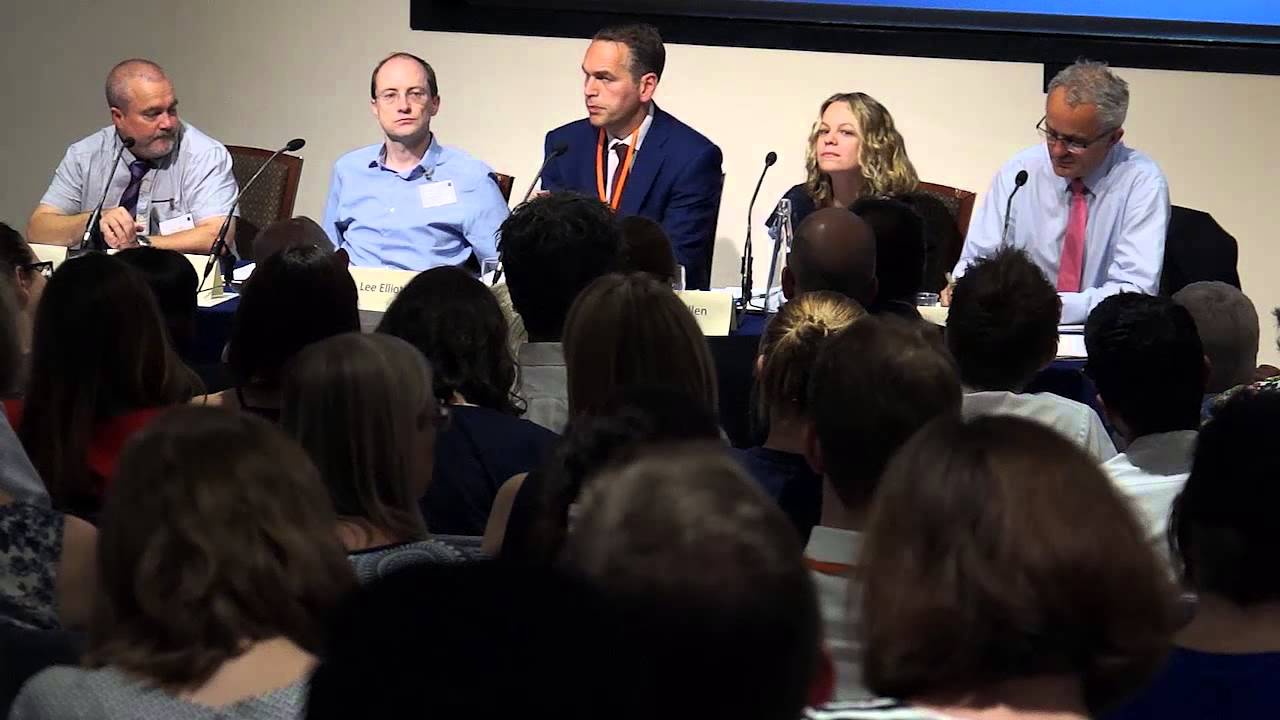
Educational Inequality in the UK | Cambridge Union Panel
Added:e e e oh I think I think we're no sorry good evening welcome to tonight's panel discussion on educational inequality across the UK in recent years as you'll all know educational disparities across the UK have come into sharper Focus highlighting significant divides along socioeconomic Regional and school type lines from primary schools to universities students educational Journeys are shaped profoundly by factors beyond their control often to the detriment of those from the most disadvantaged backgrounds tonight we are joined by three experts in the field of Education Professor Alice Bradbury Fiona Miller and Tony Little please join me in giving them all a very warm welcome to the building so I thought I would just start by asking each of you if possible to give us a little bit more information about yourselves uh your backgrounds and your interests okay should I start I'm my name is Fiona Miller and I am a journalist but I spent six years of my life out of Journalism in politics worked at number 10 for the Tony and Shere Blair not in the policy area but just doing kind of media and other stuff more related to my journalistic career but at the same time as I was raising my own children I became a school governor and that gave me a great interest in education policy and when I left number 10 I started writing about education for the guardian and I've written several books about education and um take a particular interest in the issue of inequality how government policy Works in relation to resolving that or making it worse yeah I everyone I'm Alice um I'm a professor of Sociology of education at uh University College London um I have spent about 15 years researching uh educational inequality mainly in uh primary and early years uh before that I was a primary teacher um and I'm also a Cambridge alumna I came here from a um comprehensive School in London and then an Fe College where I did my a level so I have lots of thoughts about educational inequality oh and I'm also just for the record a governor and a parent of three children in school as well so I've got lots of hats to wear I'm Tony Tony Little my only claim to fame is that I came to Cambridge to read law which I notionally read for just under 36 hours before being allowed which was good of them to switch to English which I loved and I became an English teacher back in the 1970s and it's one of those little footnotes it's almost inconceivable now but when I was looking for a job as a teacher in a state school there were none to be found there was a vast over supply of applicant for teaching it's just incredible how times have changed anyway I was an English teacher head of Department I was a had teacher for 26 years all together since I retired from that way of life for the last nine years I've been involved as a chair of a multi-academy trust in the Manchester area I am chair of the governors of a school I helped set up in statford in the East End a dozen years ago which is where I was this morning brilliant thank you so much so in order to get the ball rolling I thought I'd start with a few statistics uh from the most recent uh few exam Cycles which hopefully can contextualize some of our discussion so according to the sou Trust 48.4% of GCC grades in Independent Schools were at grade A or higher and in contrast at atmy the rate was 21.2% and at comprehensive 19.4% uh furthermore in 2023 by the end of secondary school the disadvantage Gap widened to the equivalent of 19.2 months of schooling which affects one quarter of all pupils across the UK so obviously looking just at exam results is a very reductive means of measuring the educational inequality we had to talk about but it does allow us to see how sort of deeply embedded it is in the system what do you think are some of the key factors um driving this and other not mentioned disparities we just well I think I would start by saying we have always had a very exclusive hierarchical school system it started out with an education system for boys the big public schools and then they introduced less of public schools for boy sons of slightly less well off people and eventually you got to State you got a state education system which was set up in a high hierarchy of grammar schools technical schools and secondary modern schools and then you got the comprehensive system which was grafted on top of that but probably didn't really have a chance and within that you've got a marke in education so league tables accountability offed reports parent choice there's an incentive for schools to select the children who are most likely to do well and very often this this leaves the children who are least likely to do well in the schools that are most struggling and as Tony said it's very unusual now to have um teachers who can't get a job because there are huge teacher shortages and particularly in those communities where the poorest children live um added to which you know you have a lot of poverty in this country very high levels of child poverty and you have to ask yourself the question does our education system simply entrench disadvantage or do it overcome it and I'm afraid say at the moment it probably entrenches it more than overcomes it um and there are lots of reasons for that which I'm sure we'll get into in that discussion but that would be my very sort of quick summary of where things things are at uh I mean yeah I would agree I mean we see the education the disadvantage Gap that we see in early years actually is is already there when children arrive but it actually gets worse throughout the schooling system which is seems to indicate definitely that the this the system is entrenching um inequality further um I I would agree I think that the particularly the last uh sort of 25 years of uh markets and competition has tended to create a far more um segregated education system within the state sector where um it's you know it's schools that become hard to get into house prices then go up and there becomes a kind of the kind of pitting schools against each other can lead to some schools being always you know on an upward trajectory and popular and and having excellent exam results and other schools RS declining which is what it's supposed to do the market is supposed to work like that but of course if your child or you you are in the school which is declining and is struggling and doesn't have enough uh pupils doesn't have enough funding you know that can be that's your one chance so you know the argument is always really should we have a market like that in education when this is such an important thing in in people's lives well I mean you you mentioned there um starting at the beginning Primary School um your research highlights how educational inequalities uh manifest from so early on um could you just outline some of the earliest indicators of inequality that you've observed and how these can come to impact a student's educational Journey later down the path um yeah there's there are uh statistics from um the assessment at the end of reception so reception is the first year of primary school children are uh four and five they are assessed um there's a statutory assessment in England which has to be done by all all reception classes is and if you look at how many children the that assessment at the end of reception um reach a good level of development it's called or reaching all their Early Learning goals um the difference between pups who are on free School meals and pups who are not on prechool meals is about 20 percentage points in the proportion that that kind of pass as it were the assessment so that's already quite a significant Gap and as I said it does get tend to get worse um at keystage 2 at 11 and then at GCSE um and it's pretty persistent over time um but we have seen these fluctuations uh because of covid um and also there are there is this constant problem that we we often change the measures because GCSE systems change we change the assessments so it's very difficult to track it you know accurately over time but there is a kind of very long-standing persistent uh disadvantage Gap and um f a question to you as somebody with experience on both the policy and practical sides of Education um how effective do you think government policies have been in addressing these early uh indicators of inequality and what barriers uh are there that remain in translating policy intent into sort of impactful change on the ground well I think there's been too much thinking that if you just Tinker with the school system you'll solve all these problems and what that's led to more recently is the schools have become the receptical of all these h and they're supposed to solve children's mental health problems they're supposed to educate they're supposed to solve problems at home and other services around children have just sort of w been whittel away with austerity and so on so I think probably there's been too much EV emphasis on schools and not enough on a package of policy measures around the child starting from the fact that you've got four million children living in relative poverty it's an absolute disgrace you cannot find a teacher I mean if a country can't produce enough teachers to teach his own children it must be a failing state in my view you so I think those are pretty fundamental things that we ought to be looking at if we want to create a more equal school system and ultimately a more equal Society um so I don't think schools can't do it on their own so I would like to see much more emphasis on child poverty on dysfunctional families and all the things that go around children's flourishing in life rather than just passing eight or nine gcses or whatever and can I just add that it's very important to remember that the exam system is geared so that a third of children effectively fail at 6 and we all know who those children are going to be that's that's how Michael go you thought the system would have integrity but if you fail at 16 your chances of then making something of your life is going to be much much harder you won't get into six form you won't get into University and it's usually the children from the poorest backgrounds who are the ones who end up on the wrong side of the line that's also fundamentally wrong I mean you mentioned there creating a more equal system of course um especially here in Cambridge which you know has such a Melting Pot of of backgrounds that come from um you're often getting you know the state sector and the private sector pitted against one another um and it's it's a very very prevalent very pertinent ongoing um discussion um Tony given your leadership across both private and State education sectors what do you see is the sort of key differences in resources and opportunities offered and how do you think that private and state systems might be able to learn from each other even work together um to kind of close this Gap a bit in the end it's down to aspiration and money but a lot of parents who have either been in the system or have tasted the fruits of success through their education who are going to pass that on to their children it's natural enough it's inevitable it's a good thing but if you're from a family where the obverse is true it's a very tough road to follow very tough indeed in some cases I was hardened when Alice who's who is the go-to person for all this this evening happily listen all even talking about National policy hardened to hear you say just how confusing it is and how difficult it is to fathomed because I've actually been a head teacher for donkey's years been involved in schools and education and actually I'm none the wiser about policy because there are so many intractable areas as Fiona said it's not just the school it's the broader Society for you know a little example I the multi-academy trust I'm involved with in the Manchester area spend a disproportionate amount of Fairly senior staff time going around to Children's houses knocking on doors when those children don't appear in school because that is the fundamental step it is time that has to be spent to give those children a chance but that isn't to do with perceptions of the education system it's a kind of flat inertia I actually live in Norfolk which has the twin Delights of both Rural and Coastal deprivation and I is the the most extraordinary experience I think have had in a long while fairly recently was going into a school to talk to their older students and what I'm about to say of course may be simply a reflection of me and my ability but it was like staring treal there was absolutely nothing at all nothing coming back no interest no connection and these were the brightest and best and if that's the norm if that's the world you live in it becomes a very difficult thing so coming back to your point what can people do the school I helped set up a dozen years ago in the East End of London is willfully aspirational and it's aimed for young people who come from the kind of backgrounds that we just been or have just been alluding to to give them the chance to be with likeminded people other young people who enjoy books for example and it was set up because back in the day and that date and the whole of the lur of which this is apart there were the Benchmark we used at that time there were two offers of places to Oxford and Cambridge this single School the share has 34 and this isn't flick of for switch stuff it's work using every angle we could take over a period of time and that included using people from Independent Schools as mentors and advisers so the head of English at one Independent School de facto would be the head of English at this new school in order to introduce the methods and the approaches which are likely to be of benefit so there are and I could go on at some considerable length about this school because I think it is doing a remarkable job one thing I would say however if you look at the 10 top performing State schools at six form at a level the other n this school Lon Academy of Excellence is one of them Lae has an average of 43% of its students on free School meals take the other nine together and you don't get to that figure and that I think is very revealing you have top performing State maintained schools where and I know it's a crude measure but it's the only when we got free School meals 1% 2% very little indeed because they're being driven by kind of League table Mania to achieve the very best and that does mean leaving the slower performers behind but it is possible and I'm I'm genuinely upbeat about what this school is trying to do and I'd love to see that replicated elsewhere that's a ramble I'm sorry too no no um I suppose yeah so when we think about um kind of leveling out opportunities and and um the ability to progress to higher education further education if if if students so wish to um here in Cambridge um as as many people will be aware State School targets were scrapped this year um and also in the last sort of admission cycle we saw States SC missions drop for the first time in a decade um do you think that quotas um or similar measures are a fair or indeed necessary tool in leveling the playing field are there Alternatives that you would advocate for over that I mean I've always thought the quickest way to get rid of the private independent sector would be to ensure that um entry to octal Cambridge was in proportion to the number of children in the state and private schools so only 97% of children from private schools would come to Oxford and Cambridge and 93% would have to come from State schools because I think then parents would start you know it is a market they put they vote with their feet and go to the schools that are most likely to get their children into the elite institutions a lot of these incentives need to be turned on their heads schools shouldn't get outstanding off it's not that that exists anymore but they still get outstanding grades unless they're taking in a totally inclusive intake from their local community they shouldn't be allowed to be outstanding they should be failing schools they should all be representative of the local community because all the international evidence shows you that the best way to get excellence and equity in your education system is not to segregate children and to invest heavily in teachers we haven't really talked about that I me that's something that we we haven't really done enough of in our country and also to have good strong local systems of accountability that aren't punitive which is what our systems are at the moment I think so so you feel that the proportion who come from State schools people and there are some colleges in Oxford Cambridge and indeed Elite universities that do that that outperformed those measures and they haven't suffered in terms of their own performance either if I if I so just to give I guess another what what some people some may say Obviously we we're seeing um or some people say will say that students um might hop hop to different SI forms because they feel that as a fee paying um as a fee paying family they may be discriminated against uh because of that or um yeah I think almost try to sort of gain the system um you have to see what they did their GCS I think yeah and I think in fact that you do have to show that now on the on the entry form but I don't think it's very difficult to get around that yeah yeah I mean I think it's it's a really difficult issue and it's been around for a very long time um I mean I I don't know about quotas um because that's very um sort of prescriptive and there's a danger of it backfiring um and I'll tell you an anecdote here which is that I came you know um on well when I arrived at my Cambridge interview I sat next to someone in the room beforehand and she said um how often do you have your Oxbridge preparation classes and I said what's an Oxbridge preparation class um and that really met didn't put me in a good mood before I went in um so you know people are coming with very different experiences I would say um and uh that's one thing but and I had a fantastic time at Cambridge and had lots of like-minded people and had an absolutely brilliant time and on my graduation day the the um um senior member of the college stood up and said um Cambridge is a wonderful place and we must not let access initiatives dilute the quality of our of our student body which rather made me feel a bit awful um since I was an access student um on my graduation day so I think there is a risk if you start having quot that you people feel like they're not people start saying these people don't deserve to be here so I would much rather have a system where you have targets which is much more uh sort of aspirational and then you say uh you know it would be fantastic if we could get this many people here and you make all the effort to get people to apply you try and dispel all the myths about going to Oxbridge and how you won't fit in and all of that sort of thing and then you um you try very hard to get people here rather than say we're going to have a admission system for private school but I actually agree with Fiona that you know if you really if you really want to um uh you know the real aspiration should be to have it more more balanced to society how how the rest of the country is educated would you have anything to I would agree quot is bad Target's good contextualized approaches I think are perfectly fair and the way to go you take a raft of information into account when you make individual judgments which is the way it should be just one thing I would add and I tremble to say it in this August room in this place of learning is that the whole business of getting into Oxford and Cambridge matters less than it did and I say that in the context of the London Academy of Excellence if you're a Bangladeshi girl living in the East End of London and you got to toss up and you're very bright and you got to toss up a degree apprenticeship coming to Cambridge no contest take take the apprenticeship take the money what I was at this morning in the East End of London was a session with nine top American universities pitching their words wanting the best students and uh it's a revelation to discover from that it is possible for it to be cheaper for a student from the East End of London to go to an American University than it is to go to one in the ukuk some extraordinary kind of mixed messages that are coming up so I Oxford Cambridge rather like free School meals is a useful handy kind of Benchmark but it's a pretty heavy-handed one I would also add I think that of course that you know there's a huge diversity within the state sector and I would not um have the same targets for students from comprehensive schools as I would from selective schools because the amount of tutoring that some people have to do there you know a lot of selector schools are very um Elite in a in a different way um so it's it's not the same to say oh we've got so many students from state school and they they're all from very exclusive grammars as is asking them to come from schools like the one you mentioned on that on that thought um things like the 11 plus uh I know so obviously take grammar they admit people uh well most of them admit purely on results of the 11 Plus sise testing which that that has that whole its own issues of people um buying as much tuition as they can for their children uh in the hopes that that will increase their chances of of Performing well um do you think there's actually something to be taken from the way that private schools um often at least some of them conduct interviews get to know the child as an individual take a more sort of holistic approach uh to the admissions process which actually grammar schools which some people have said are a great you know tool in in in kind of social Mobility terms um do you think yeah do you think there's there's actually something to to be learned from there to be taken from there I don't think that certainly grammar schools are not engine for social Mobility now since they take so far fewer far fewer Jordan eligible for free School meals than most comprehensive schools I'm not even sure that they were most the evidence from the 50s shows they tend to be you know the children of semis skin skill skill workers they weren't really the very poorish children but I mean I just think the 11 plus is an absolute aberration it should just be abolished it's absurd to have a system where you're asking Jordan to do test on one day to decide their entire academic future I mean how it was ever allowed to continue I don't know and it should that should certainly go um but then you do need to look at the inequality in the independent sector because it's just funded at such a higher level than the state sector and the idea that the school where I'm a governor has to compete in terms of outcomes with the local girls independent school is ridiculous if you look at the budget and and money does matter I mean I'm glad Tony said that money does matter you can do an awful lot with money you can provide an enriched experience you have smaller class sizes support for special educational needs and all these things are sadly lacking in the state sector now so that urgently needs to be addressed yeah can I give you an example of a perceived need which has been addressed and I think this is relevant to what we're talking about the Manchester multi-academy trust has worked very hard to raise standards and to improve the quality of University into which its students are going but they faced a considerable difficulty in anything that required uh an interview because it was very clear to me that students just have no sense of it at all no awareness of themselves don't have the confidence don't have the context at home which is going to support it so the entire trust this is well over 9,000 children now is a mandatory part of their curriculum have a sustained focus on aacy and it's visited in various ways in fact there's a link with the RSC surprisingly to help deliver this but and I'm you know there's a huge danger here we're falling into the track of agreeing with each other but as Fiona pointed yeah no know it's but it it is to do with money how can this trust do it because we have a sugar daddy we got someone who's giving us money um it makes a difference huge difference well as you say yeah money of course absolutely matters um it you know it forms the basis of of everything we're talking about here um Professor Bradbury you've written or you've written in a book that is to be released um about the impact of the cost of living crisis uh Food Bank usage and things like that or on pupils um how has this in your you know with within your research within your experience uh how have you seen this crisis uh deepen the existing inequalities and what can be done to support only pupils and schools but yeah the teachers who are now having to sort of be social workers and and psychologists and and teachers all rolled into one well I think it I mean it's a it's a growing problem um and I I first started looking at this during um in research I did during the covid pandemic when we were funded to suddenly sort of do research on what's Happening Here and Now during lockdown um and we found all these schools that were not worried about learning loss and not worried about Home Learning but but we're worried about are are our children safe and are they hungry because the minute the school shut a lot of children were very hungry because they weren't getting free lunch anymore and for many children that's their main meal of the day so um that kind of Reliance on schools as a social safety net kind of um continued after covid um even when people were back at at school and so I got interested in how many schools are running food banks um and nurseries as well um and um when you go and talk to teachers the head teachers and the people running these food banks in school um the level of need is absolutely incredible um and parents' Reliance on the school is also incredibly High I was really shocked to see how dependent some parents were for basic things it's not just food it's clothing and and toiletries and so on um and what I find really interesting about that is that when you ask this the teachers and the head teachers you know why do you do this they say well we we're faced with hungry children all these other services have gone child poverty is increased we have hungry children in front of us we need to solve that problem and not only do we need to feed these children but we need to feed their families because of the level of stress that being in food insecurity creates in these families it causes huge problems but you know there are lots of um families living in temporary accommodation families with problems of benefits and so on and these schools are really filling in that Gap and they say we have to do it because no one else is doing it and I think that is a really well it's incredibly worrying obviously but we also I think if we look at the system as a whole there will be schools that do all of this it takes a huge amount of time it takes money it takes a huge amount of effort there'll be schools that are doing all of this and there'll be schools that don't have to do all of this and of course all the time you spend running your school food bank is time you're not spending thinking about the curriculum and yet you know the teachers the head teacher said to us you know but when ofstead come they don't care about my food bank but my food bank is the most important thing I'm doing for these for my community um so I do think there's a real problem that with schools taking on more and more of a welfare role we risk entrenching inequalities within the system because some schools will be having to take on that burden just like they did during covid and other schools will be free to think more broadly about what their what their children need I mean kind of on that note as well um you mentioned earlier you know that we haven't actually talked about to the teachers so much um and I was just going to ask I don't I mean I think it's obviously uh disproportionately affects uh those lowest performing schools but um we see we've seen a massive Exodus of of teachers especially you know um what you know very passionate teachers people who get went to the profession for one reason and then found it to not be as they'd hoped and linking to what you said about teachers now sometimes being expected or certainly being compelled on a sort of human level to to to pay out of their own pocket for food for supplies for their pupils um what can we do to to bring teachers back you know into the profession and you know not just out need of a job but for the actual sort of Love of the profession can I just make one observation to someone who has been a teacher for a long long time I love what I did it was great I enjoyed the camaraderie of colleagues I enjoyed the Pres of young people and all their quirkiness all human life was there it was great but you know there's nothing about the job I did that I want to do now not about the job because the job over the years and years that I was ahead incrementally and sometimes imperceptibly has changed and it has become much more focused on the bare facts of delivery and dealing with compliance and various forms what would I do to bring back the joy of it you know the fun no I would agree I mean when I was a teacher there were bits that I absolutely loved you know bits of but I was never judged on the bits that I loved I never judged on how much anyone was enjoying my lessons or or or anything it was always on what what's my percentage going to be in more sat results so and that I mean this was obviously a while ago but it was um that I think it's the draining of the love of of the excitement the joy of it which I think is the problem and I would say we have a very overstuffed curriculum especially in primary we have a very intense assessment system a lot of pressure a lot of um prescription which means that teachers have a lot less autonomy and all of those things you know I think are driving people out and we lose the majority of teachers I can't remember think it's about a third of teachers leave within five years which is a sign that it isn't a sustainable job and if you look at the statistics you ask teachers why do they leave it's workload and pressure largely well I think U just one more maybe two questions for me and sorry just Just one thought positive thought of course AI is terrifying for all of us but AI at a stroke could sort out teachers marking workload if you could s marking that would be a it would be a huge difference that that that one of the biggest time time scks as a teacher yeah definitely yeah well um just as I say one last sort of question um from me sort of turning to the Future um I wanted to think about what labor has pledged to do uh this government's pledged to do to sort of ameliorate what the kind of problems we're seeing uh within the education sector so they've pledged 1.4 billion uh to rebuild over 500 schools in the greatest need uh which is just part of 6.7 billion total capital investment uh by the Department of Education um next year which is supposedly a 19% uh uplift on this year's funding according to the chancellor I just wondered what your thoughts are on this whether you are optimistic that this can this can work or whether you think that some of the promises they've made aren't necessarily the most effective I think there's a bit of a problem with the Labor's I don't I think there's a lack of a narrative about what labor wants to do and I think that generally and I think that an education policy but just to go back to the elephant in the room I think about our previous discussion is about ofstead I think because the most important thing I think they have done is start to make some incremental changes to ofstead and say they want to reform off and possibly bringing this idea of a report card because one of the things that's taken the joy out of education is having to dance to um the tune of an external inspector and I I just have to say when I became a school Governor My Children's Primary School is one of the first schools ever to be off offed and it was an absolute disaster only 37% of the children reached the required level in English and math it was shocking and parents didn't know and I've always supported offer and I've always supported the performance tables because in our case that did help drive up standards in our school but we've now got to a situation where the performance stes an off stead of the cart that's running the horse you know it's driving the entire system and the reason teachers are leaving is because they can't stand the fact that if if a school is under pressure is might be requires Improvement or taken over by an academy the P's Under Pressure that pressure gets pushed down towards the teachers the governors are under pressure and and it it'll end up pressurizing the children and that isn't any way to be educated and I was pleased to see last week that Bridget Phillipson made a speech although not very well publicized about wellness and happiness in schools being as important as education attainment I really believe that because if you think of the teachers that you remember and the teachers who taught your children it will be the ones who connected with the young people weren't it who had a relationship with them could make them feel good about themselves and they may not have been the best teachers but very often they'll have been the ones that that that made them want to go on and want to achieve in school um you know you've got to get to a basic minimum standard but I think we have taken the joy out of it so I think from Labor's point of view massive reform of offset would be a huge step forward yeah I agree I was part of the um Beyond ofstead inquiry last year and we recommended an immediate pause because of the damage being done and and I was really pleased that labor did immediately at least take out the headline judgments the the outstanding and that requires Improvement and so on and I think actually it was quite bold to take that away without having something yet in place because now we're in this sort of limbo but actually maybe that's better than the alternative um I mean the money is welcome there needs to be a lot more money you know when I was teaching in the the whole system was had a lot of money under new labor and it made an incredible difference we had extra teachers we had London challenge you know it undeniably extra funding makes a difference um extra staff you know extra support the whole thing um so you know I think if labor can fund adequately I think they've made some good moves in terms of kind of trying to respect the profession again um after many years of feeling kind of under the Kosh um I think there are some steps in the right direction my fear is that the um curriculum and assessment review which is going on now that Becky Francis is leading um my fear is certainly that they have been too ambitious in trying to deal with primary and secondary at the same time it's too too vast um and um you know I would probably want more fundamental change than I think we're going to end up with but it seems to me that they are they're making some sensible steps in the right direction um but whether they will go far enough I suppose is is the question but they've got five years so it's the going far enough I think is the the issue I two tenets to which I've adhered in my teaching career that is to recognize and act upon the fact that young people learn more outside a classroom than in it and they learn more from each other than they do from teachers so what a great school does State whatever is create the conditions in which that happens and the more you allow the C curriculum to be shrunk particular particularly co-curriculum elements those are the things actually that often people remember even though you in this room will have memories I'm sure of extraordinary moments fun moments involving other people in your school Community which were out with the the classroom as as well as in it so that would be my pitch to have a a a genuinely broader and more holistic approach to education and that I think is a major constituent part in bringing the wellness to school communities aspects like that um you know funding for the Arts extracurriculars co-curricular Sports Etc were things I would love to have touched on but I think now I'd love to open it up to the audience to ask any questions I'm sure we might get something about that anyways um yes so turn to you guys um please you know please keep all questions as concise as possible um and very on topic but yeah um turn to the floor uh yeah there should be a microphone I think yeah going around um so just raise your hand if you've got a question can we go right here at the front thanks canite the panel imp do you see Future Between education I'm speaking as a masculist I don't think it's really come to the UK yet but mascul FIP up meaning become fips finan strongly putting enormous moral pressure on women to FIP up so that they this decade is men's decade manosphere is huge now in US two-thirds of young men refuse Research Center results from two years ago so three three sets of comments y certainly at least you can comment on the first two I've forgot what the first two were already we sort of touched on AI but it's not an area that I know technology and we had uh countries tell you what this is this is kind of technology related I guess but here's a vision for the future however many years time when technology delivers the Library of Alexandria into your lap when professor of mass of Harvard can deliver your year seven Mass all that will there be a need for schools at all we could save ourselves an awful lot of money I think there will be because we need communities where young people learn to get on learn how to be part of the tribe that learn about relationships but it could well be that the school of the future will need some kind of precision I guess so maybe you might have one history teacher one physics teacher marshalling all this information which is being individualized to students but the people who the adults involved in school lives are likely to be far better trained in adolescent psychology or the way the Mind develops and I think that's really rather an exciting prospect I just put the flip side of that Rel your third point I mean the trouble with technology is it has the potential to create a lot of misinformation um and without means to teach young people to think critically and understand what is misinformation what isn't you might end up with a lot of myths about men women which I just having bit for after a week been able to face even looking at the coverage of the American election um I've noticed that there a lot of misinformation was out there about certain things and that I do find that very very scary Because unless you have some controls or restraints on that I don't know I don't know I'm 66 so I remember my childhood was like I don't know what young people in the future how they'll be facing the storm of information they're given and what impact it will have on the way they perceive the world and perceive their different opposite Sexes and genders yeah on on the international question I mean it's it's very always very interesting to look at other systems and how they do things and we certainly have a bigger disadvantage Gap than some other nations and Other Nation some Nations have a you know um an even larger Gap um you know the the thing that really makes a difference if you to put it very simply is is about how much the system is paid for by the state and how much we respect te teachers how long we train teachers for you know there are some very kind of fundamental differences um inspection is another good example is that we're very unusual in quite how punitive our inspection system is quite how much we assess young children we have a we are quite an outlier actually if you look at early years and primary and how much assessment we do compared to other countries so there is definitely a lot to learn and I think I mean the thing from International evidence is there's always different contexts there's always different histories different populations but there are some some very fundamental um lessons I think to be learned from other countries about how things can be different and school and you know entire education systems function perfectly well without inspection for example um and that's quite important to remember that it doesn't have to be like we have it now the Holy Grail is often held up to be Finland at least in Europe and the fins do some remarkable thing pzy starberg Etc but it's a very different kind of challenge that they face there 5 million people I think in country it's a much smaller entity and it's more homogeneous as a society so there's a great danger you know we can beat ourselves up too much sometimes by making those comparisons I think do we have any more questions uh go right the back there yeah there we go um thank you very much um so Donald Trump is president-elect in America um and in Europe a lot of people are kind of putting the blame on education in America um and then brexit whether you agreed with it or not again a lot of the conversation was about how educated people are in you know what they know um so my question is uh what are your views about the argument for a compulsory section of the curriculum for politics in education whether that's uh checking the facts or fighting against populism or looking at sides um do you think that's something that we actually quite need in Britain at the moment or is that something that's a bit unnecessary and just two intervention thank you well I'd leap in as an English teacher and say it's not the politics per se that would worry me it's the ability to discriminate and identify fake and real news that that I think really should be Central in the way we teach I mean and and it is taught I mean I was doing my 11y old homework with her about spotting AI the other day um and doing quiz and I mean we do teach digital literacy and and how to kind of understand um how you know where where information comes from and people different perspectives and the unreliable reliability of what you find if you just Google something um I think there is citizenship and politics on the on the curriculum um I think the the question is do we do enough of it is there enough of a focus is it consistent enough I suppose in this time of great political challenge um you know those are the things I would like to look questions I would ask really to say do we have enough and is it adapting fast fast enough to the changing World in which these young people are living I mean I think the short answer is yes absolutely absolutely I mean how all these people Googling the European Union the day after the brexit referendum and some of them voted on it didn't even know what it was I mean I think it's absolutely essential but to put more of that into the CC you've got to take something out and that involves a more fundamental look at and we're basically we're still operating a Victorian education system I just wrote a short history of the school that I went to which is founded by a girl school is founded in the 1860s you know nothing's really changed people go to school they study eight subjects they s sit in rows do an exam when they're 16 and go to university I mean it's just it's it's totally anti deluvian so we got to work out what young people are going to need to know in the next Century what they really need to learn at school anding them with facts seems to me I it's very nice for people run exam boards and so on but I'm not sure that's really essential they should be understanding concepts about society and understanding how to think critically about things and therefore I think Civics whatever you want to call it political education is absolutely absolutely critical I mean I think our future depends on it now and these two decisions that you've referred to have very convinced me of that any more questions from the audience uh I'll just go there thank you I mean it's probably in a little bit more of a narrow perspective here but in terms of you guys touched on earlier about inequalities um in terms of like the communities and selecting specific groups from that do you feel that then applies within schools to sets I felt like when I was growing up at something that was getting phased out slowly do you feel that that having them reinforces those inequalities uh or maybe from a flip side on a student perspective students get frustrated when they're not in set and they've got disparities between those students like is the benefit more for the students or for the school performance in that case Alice yeah I mean all the evidence suggests that the if you have setting sort of you know ability grouping of some kind um the people at the top benefits but overall your your results the average of your results will be lower um there's been I mean it varies with different um age groups and so on but there's been a lot of uh work about um trying to encourage more um ability group uh less ability grouping in secondary and certainly in primary um because of all of the kind of uh issues about self-esteem there's the self-fulfilling prophecy that if you expect less from someone they will they will do less um it is it remains a significant challenge though I think as a teacher to adequately differentiate between different children and what they need to learn within a class um and so it it is obviously in schools think it needs to be done for um uh exams and for tests even you know I've seen people basically being set in at age four or five in reception um because of the pressure of the phonic screening check which is done in year one so you know I I it's very much I would say now as a practice tied up with exam pressure um and so the conversations that we need to have about all kinds of setting I think are and streaming and all the kind of variations are are really about um either how we try and persuade people that you don't need to do it in order to do well with exams in your exams or if we don't have so much pressure from exams for example um how might it how might it be done differently in that kind of new scenario from my experience I can see a case to be made in maths for example as long as the setting is fluid people don't get locked in Forever in a day but I see no case in English yeah that that's also the evidence of of research as well people often do it more in math because um they because it's sort of sequential they they think oh we need to do it more um which is interesting but but certainly there is a even then there is a real problem um if you don't have any kind of fluidity between groups that people feel stuck um I think that's the key that then they then they really are discouraged so any any the best kind of system if you're going to have ability grouping is one way people are able to move do we have any more questions can I go D hi I was interested to know what role you think cultural capital plays in terms of educational inequality you do mention external factors like settings and school and ofstead but what about internal factors that happen at home such as like language deficiency do you think that schools can have a role in helping people get like cultural capital whether it be like trips to museums or like immersion like like getting them involved with the wider culture M of the time do you think that we could do more work with that well short answer is yes and this relates directly to my experience in Stratford of the London bar of new and the East End is the ex to me in my naivity I discovered to my amazement just how limited the sphere of travel was for a typical 15-year-old particularly a 15-year-old girl from certain backgrounds ethnic backgrounds had no experience or knowledge of London at all conversations were the the girl or the boy for that matter didn't know there was a river in the middle of London certainly had no idea of what the theater was or could be and this is an extraordinary Lacuna it's a gap that really does need to be filled for everyone's benefit so so yes I mean yes there are there are ways to kind of um use bour as idea about cultural capital in schools and to to to say right we're going to build on it I I think there is this slight danger that we reinforce uh a very kind of middle class idea about what cultural capital is um and yes exactly you know that that that that that cultural capital is is these things that are very sort of white and middle class whereas actually perhaps these communities have cultural capital of their own it's just you know as Boro would say it's not in the right currency it's um it's just different cultural capital and maybe that maybe we also need to shift our thinking about what cultural capital because actually there may be incredibly deep incredibly um powerful uh cultural capital that we might not necessarily recognize so I would also be a bit kind of reflective about what we value in terms of cultural capital but yes I mean and certainly the and suggest that as Tony said you know the learning outside the classroom experiential learning is extremely powerful um and particularly from children from disadvantaged background so I I would kind of go more down that route necessarily than thinking about a kind of very narrow view of of cultural capital yeah no I think it's really I totally agree with both the answers yeah I think we've got time for just a couple more uh can I go there um educational inequality is like inherently spatial uh I guess my question is how do we address these spatial inequalities in education particularly in the state comprehensive system and their link to legacies of austerity the decimation of so social infrastructure and its effect on education and social Mobility thank you sorry what did you mean SP you mean what could you just say what you mean by SP for example uh the proportion of people getting top grades in different areas of the country the southeast compared to the northeast or Northwest for example well I think it it's very I mean there's a whole thing to be done about geography and inequality in education because you know certain communities a community that has a university in it for example communities where there are interesting job a line of sight of interesting jobs so no surprise to me at all that London schools do well because in spite of all the things that Tony said and I've seen that myself about people staying very localized you know if you go to school in y you can still see Canary wolf you can still see you've probably got somebody coming into your school to talk to you about how you could be a banker or a lawyer or whatever um if you've got communities where those things don't exist and you're also importing a lot of social problems and we talked about Blackpool is a very interesting example because Blackpool is a place where a lot of people across the Northwest may have gone when they were a child and thought I had a nice time there on holiday so when their life goes a bit arai they moved to Blackpool Black Fool has ended up with a lot of problems and disadvantages you know you've just got too much concentration of these problems and not enough of the aspiration and the other things young people can see and need so you've got to load all the investment and the teachers and everything into those communities I think that's the only way to I out I mean the London success story in education is fascinating a lot of it is to do with multiculturalism I know that a lot of people don't want to hear that but it is true I mean the the the group that is performing least well in this country is white British workingclass probably boys you know and communities that have a huge a disproportionate number of those certain ethnic groups like that are really doomed under the current system I'm afraid to say can I just say one thing that I would if I had my way I would get rid of gcss completely and I would do other European most in the world do which just have a final qualification at 18 in which you can include lots of other things other than just passing exams so you can value things that certain communities would want to do well you can value vocational qualifications you can value sport you can value music you can value Civic engagement you know a baloria qualification would open up so much of the secondary education system and I think it would take us away from a lot of these patterns that are that entrenching the sort of thing you're describing there I just pitch in and so I wax lyrical on exactly those lines 20 years ago very little has changed since then but I did suggest as a halfway house that to steady the ship steady the nerves that we could retain some kind of assessment of 16 in English maths and I know science or something but then free up the rest of time to do things in very different ways what is leared by young people playing a music Ensemble or in a choir for example is at least as valid as anything they're doing in in a GCS seems to me I mean they were invented for a time when young people left school at 16 which doesn't happen now that's totally point I think that we've got time for perhaps one more question um uh I'll go there that's okay hello thank you for everything you've said so far I'd like to address VAT on school fees which labor say they're going to introduce from January firstly will it work or will it backfire and secondly is it morally right or would it be better and this is a silly suggestion but helps raise an interesting point to introduce an additional tax on Rich parents that put their children in the state system when they could easily afford private school fees thank you well I'm see how you make that work I'm supporter of the I'm well I'm a supporter of wealth tax for start so I think all people wealthy people should pay more taxes um particularly on sort of you know property values and things like that they made a lot of money out property why shouldn't they be taxed on it it's unearned wealth but I think that um I do support the vat on private schools I don't know how effective it'll be because you've got to do something to address the terrible imbalance between State and private school funding the majority of children in the school are in the state sector not in the private sector and they urgently need the resources so even if it raises 1 billion pound2 billion pound 5 billion PS I don't really care should go back into the state St sector um and I don't think that state school children if families of state school children should be effectively subsidizing Children of the more advantage and I know somebody's going to tell me there are lots of poor children in private schools there may be some but in general they're much better off than the parents of children in the state sector and I don't see why the you know the state sector we should be subsidizing what is after all a luxury education for a lot of young people well here we go I can disagree with something at last uh I think I think it's the wrong thing to do it concerns me that we should be taxing education at all if we need to raise money which clearly we do and we do agree on that then it should be through personal taxation it should be across the board will it work I don't think it will work in the way that it is hoped smaller schools offering specific programs for young people who need them whether it's the autistic child or a ballet school for that matter those are the ones that going to get hammered absolutely hammered the political intent May well be to stymy places like Eaton it won't it won't have that effect uh schools like that for a variety of reasons will sail through it so it'll it'll polarize the the system it'll certainly chip away and there will be some schools that close but I would Hazard they're going to be the kind of schools we would regret closing well I'm I'm going to disagree as well because um I I mean I actually have absolutely no problem at all with charging 20% on um people who choose to send their child to a private school um and you know I think that's a choice that people make and people will factor in the uh the additional cost um and I I think the the the whole kind of discussion about um private special schools and and that kind of so on I feel like is a probably a distraction um and you know that from the real fact which is that the state system which as P says um educates the majority doesn't have enough money um and those kind of cases are very small and and schools that may have been financially struggling anyway um and actually overall I would say um the the balance of where do you put the money is is right that you would go with the majority of children and also that you would prioritize more vulnerable children who will never even get to think about going going to private school should we not be bold and radical the glory of income tax why not just put it up raise the money that way that answers that problem taxing the richer or we could do [Laughter] both well on that note I think we're going to wrap up uh there thank you all so much for coming for sharing your thoughts for giving us your time and thank you everyone for coming um if you have any burning questions I'm sure may be able to stick around a few moments after uh and ask those but yeah thank you so much and please we give our panelists a warm Round of Applause [Applause] than e
Up Next
Market Structures: Monopoly vs Perfect Competition vs Monopolistic Competition vs Oligopoly
@CourseCompanion
18.1K views•2015-07-31

Impact of Yuan in Indo-Russian Trade Amid Sanctions
@WION
261.9K views•2022-07-01
Behavioral Economics Explained: Rationality, Nudges, and Risk
@crashcourse
1.1M views•2016-03-12

The Age of Easy Money: Fed & Inflation | Full Documentary
@frontline
21.2M views•2023-03-15
Related Study Plans & Knowledge Roadmaps
Structured learning paths in Economics