


![[유기화학 생존 노트] 11장_1강_콘쥬게이션 계의 구조와 특징](https://i.ytimg.com/vi/Tf27v9qd9OE/maxresdefault.jpg)


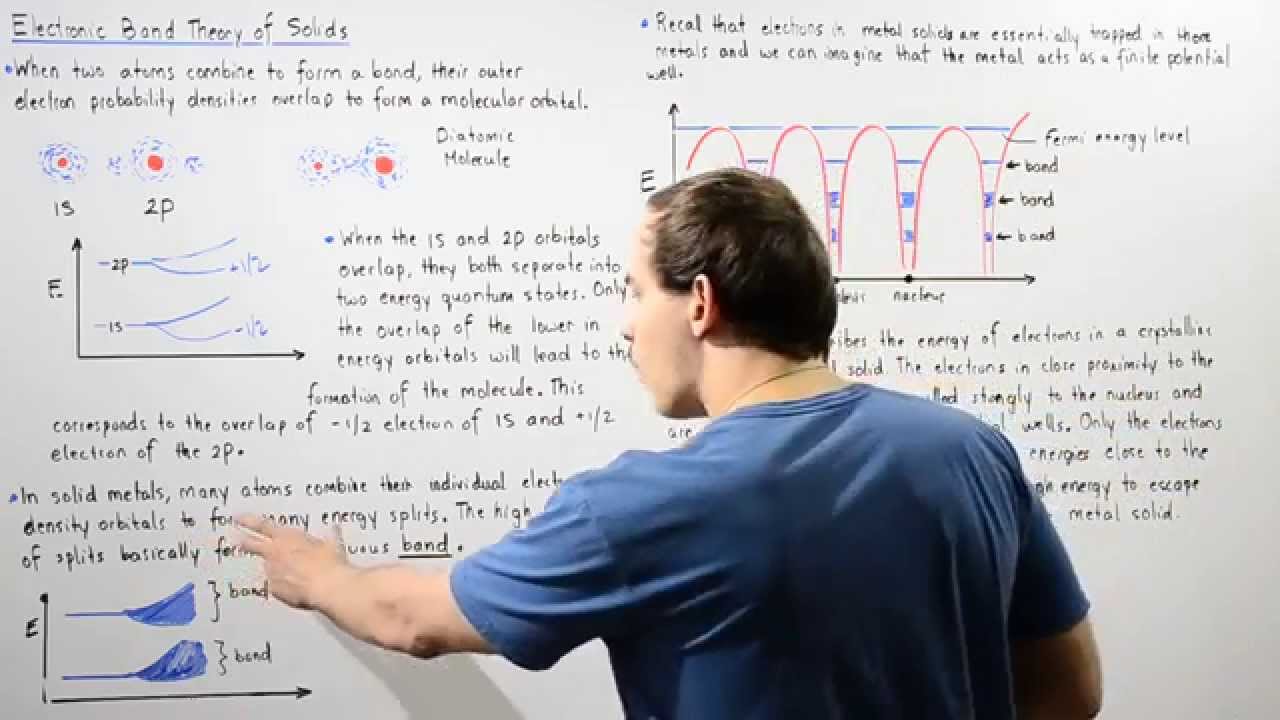
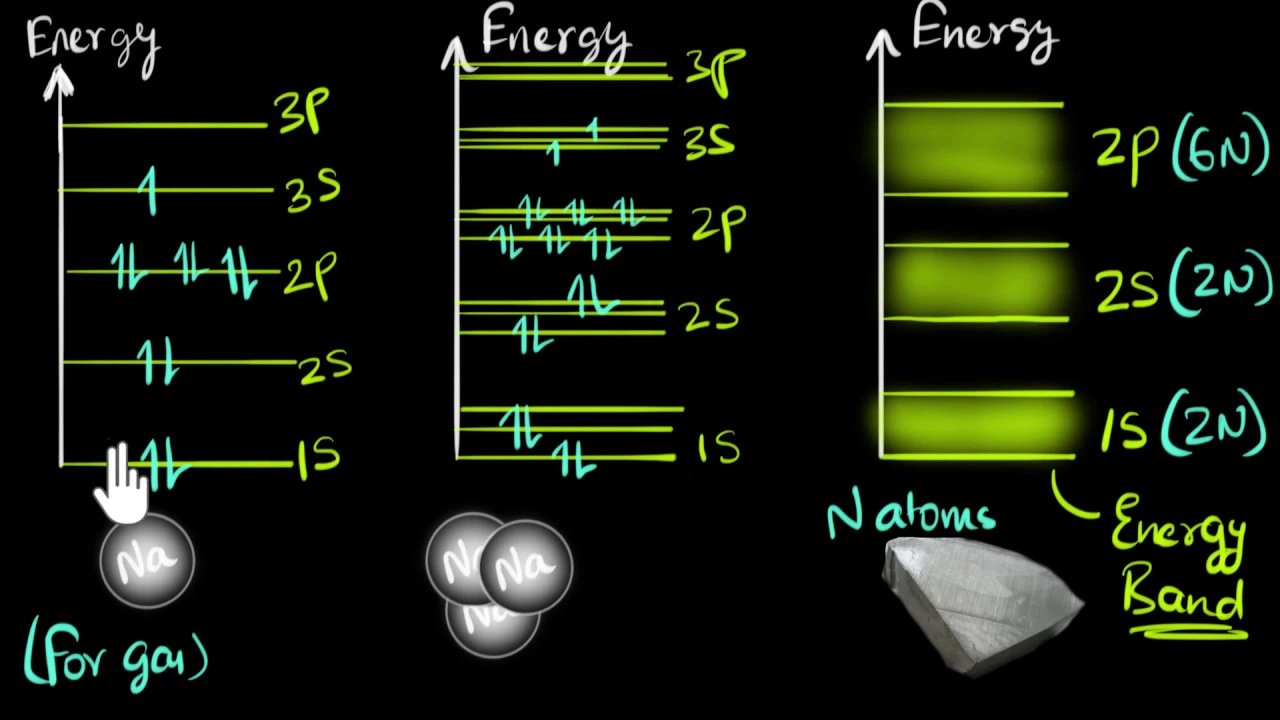


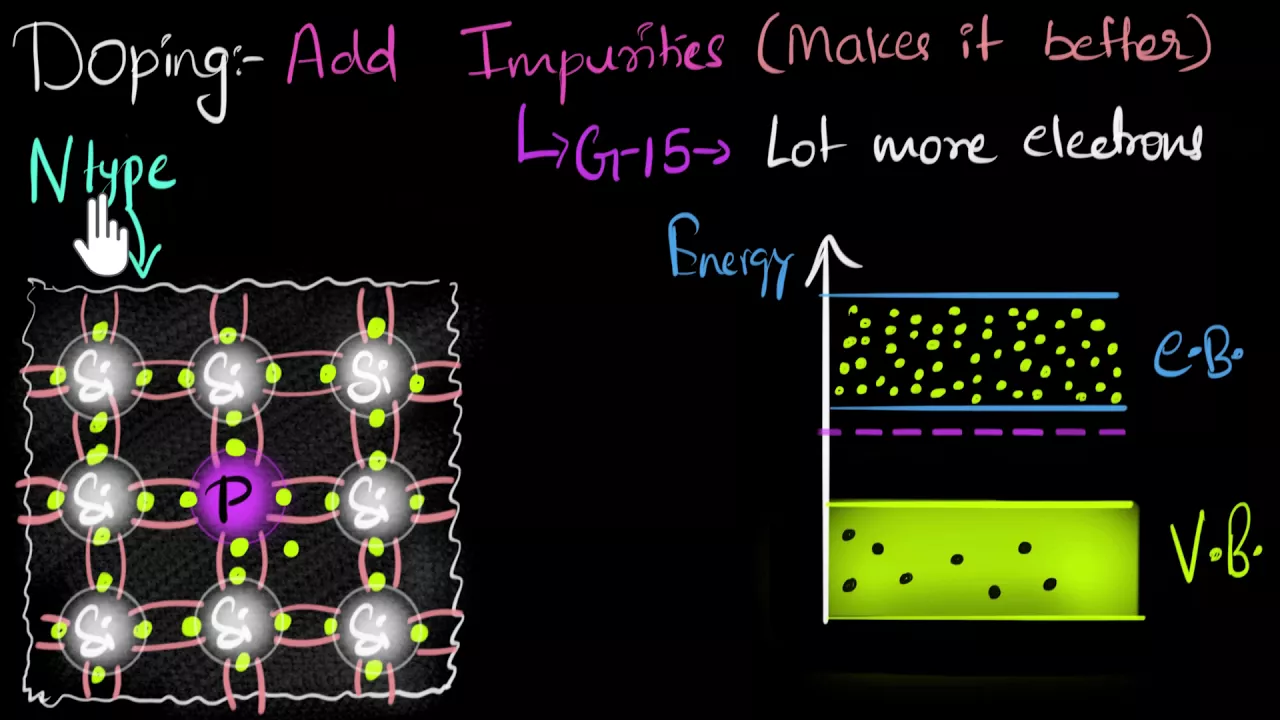



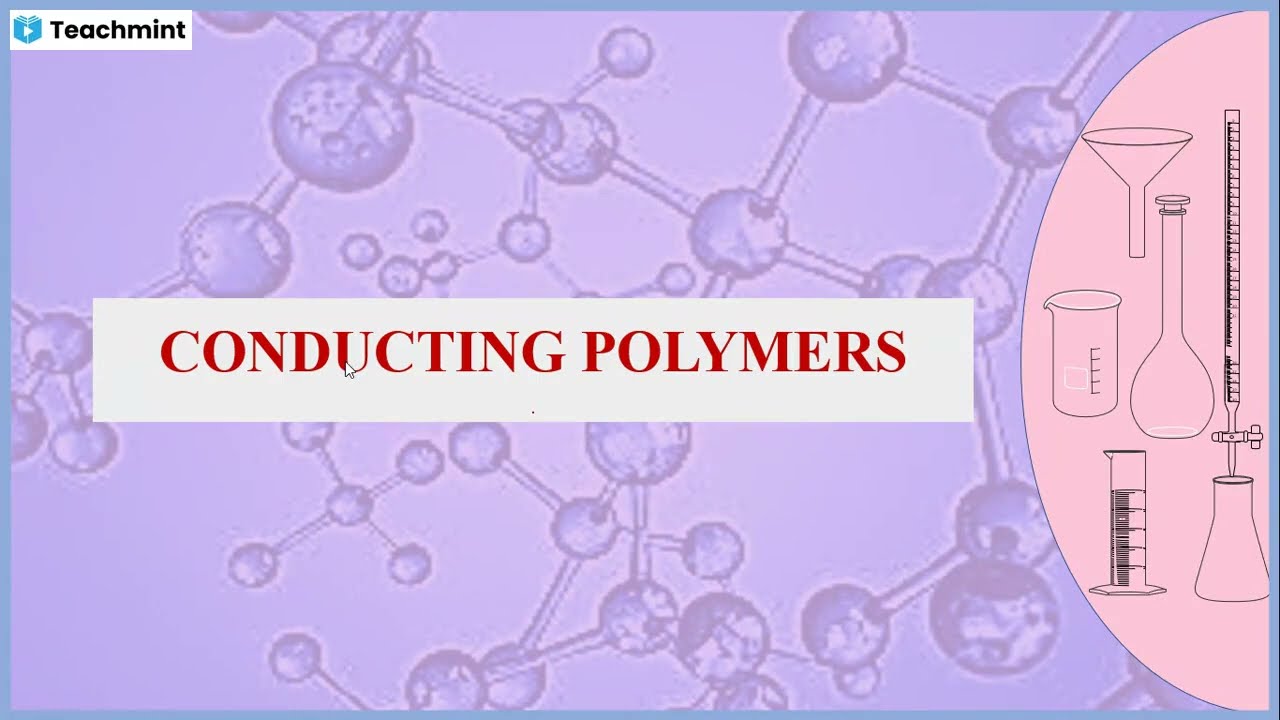












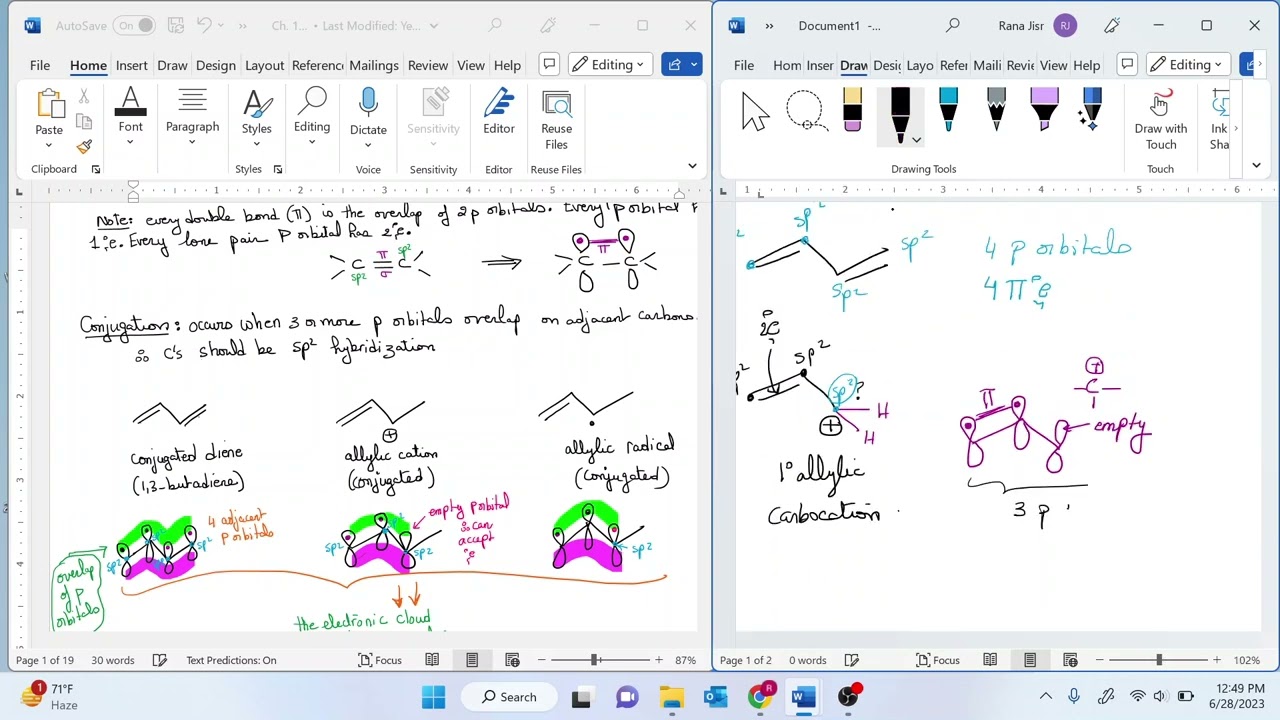
Conducting polymers differ from conventional insulating polymers (like polyethylene, PVC, and Teflon) because they possess sp2 hybridized carbon backbones with unhybridized p-orbitals that enable electron delocalization; this delocalization creates conjugated pi-electron systems that allow electrical conduction. The conductivity is significantly enhanced through doping—either p-doping (using Lewis acids like iodine or FeCl3 to remove electrons and create positive charge carriers called polarons and bipolarons) or n-doping (using electron-rich species like sodium naphthalide to add electrons and create negative charge carriers)—which reduces the forbidden energy gap between valence and conduction bands, enabling efficient charge carrier movement and electrical conduction.
Conduction in Conducting Polymers: Animation & Applications
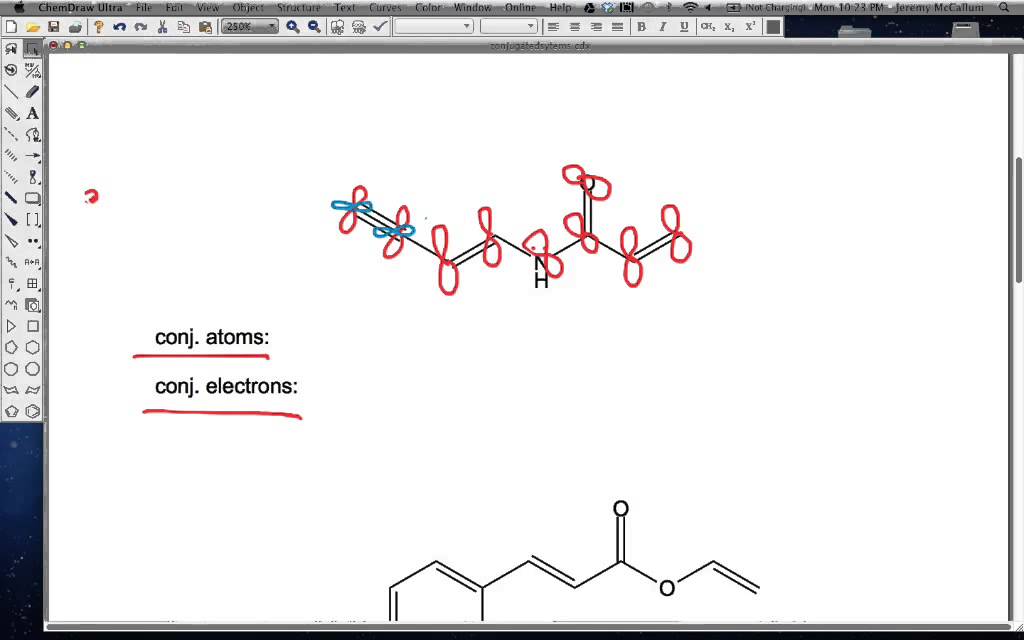
Added:welcome to vuecam the chemistry animations channel mechanism of conduction in conducting polymers in general many organic polymers are used as electric insulators for example polyethylene pvc and teflon the main reason for the non-conducting nature of organic polymers is due to the absence of conjugation in saturated chemical structures all the valence electrons are strongly localized these electrons do not contribute to the electrical conductivity of the material but due to the extensive research work scientists are able to synthesize conducting polymers conducting polymers are broadly classified into two types these are intrinsically conducting polymers and extrinsically conducting polymers in the intrinsically conducting polymers the conduction of electricity is due to the extensive conjugation in the backbone of the polymer extrinsically conducting polymers are basically blended polymers the blends are responsible for conduction intrinsically conducting polymers are further classified into two more types these are conjugated conducting polymers and doped conducting polymers extrinsically conducting polymers also classified into two types these are polymers with conducting elements and polymers with conducting blends conjugated conducting polymers contain alternate double bonds doped conducting polymers are formed due to the interaction with charge transfer agents that is dopants polymers with conducting elements contain conducting fibers in the polymers with conducting blends conventional non-conducting polymers are blended with conducting polymers polyacetylene is the first example of synthetic conducting polymer acetylene on passing over zeigler not a catalyst at room temperature forms polyacetylene zeigler not a catalyst vapors of acetylene at room temperature polyacetylene film containing a mixture of both cis and trans structures is formed cis form is in copper color while trans structure silvery at lower temperature that is around minus 80 degrees centigrade cis form exists cysts form on heating above 150 degrees centigrade converts to trans structure in a conducting polymer sp2 hybridized carbon chain constitute the backbone for conduction on each sp2 hybridized carbon there will be a single electron in the unhybridized pz orbital the unhybridized pz orbital lies orthogonal 2 sp2 hybridized orbitals the delocalization of electrons present in the pz orbitals results in the conduction sp2 hybridized carbon containing three sp2 hybrid orbitals these three sp2 hybrid orbitals lie in the same plane unhybridized p orbital lying orthogonal to sp2 hybrid orbitals contains an electron according to band theory in the case of insulator between the valence band and the conduction band the forbidden gap is more while in the case of semiconductor the forbidden gap is moderate in the case of conductors the forbidden gap is negligible in conjugated polymers the forbidden gap can be decreased by introducing charge carriers through doping this process facilitates conduction in conjugated polymers the requirements for a conducting polymer for electrical conduction are the molecule should have a linear backbone the molecule should have extended conjugation charge carriers that is either positive holes or electrons should be introduced by appropriate opens the conducting properties of a conjugated polymer can be enhanced by doping with suitable dopants p doping the polymer which has conjugation in the backbone when treated with electron-deficient species that is lewis acids like fecl3 or iodine vapor or iodine vapor in ccl4 there takes place oxidation and a positive charge is created in the molecule removal of one electron from the pibac bone off a conjugated polymer forms a radical cation that is polarin which on losing another electron forms bipolarin the delocalization of positive charges causes electrical conduction polyacetylene is a neutral molecule with extended conjugation its conductivity is very low on doping with suitable dopants conductivity increases polyacetylene on treatment with iodine in carbon tetrachloride forms a radical cation that is a polarine polarin can be a radical cation or radical anion in this case polarin is a radical cation polarin on treatment with iodine in carbon tetrachloride converts to bipolar bypolaron of polyacetylene in this mechanism contains two positive charges that is dication in soliton charge delocalization takes place further delocalization of charges can be observed and doping when lewis bases that is electron-rich species are treated with polymer having conjugation due to reduction of the polymer negative charge develops for example when polyacetylene is treated with sodium naphthalide negative charge is developed in the polymer in this mechanism also the first step is the formation of polarin and in the second step bipolar is formed this can be accomplished by dipping the polyacetylene film in the solution of an alkali metal naphthalide dissolved in dead or hydrofuran or by an electrochemical method actually by the addition of one electron bolarin and by the addition of second electron bipolarin are formed in bipolarin due to the delocalization of the charge conduction takes place polyacetylene is a neutral molecule with extended conjugation its conductivity is very low on doping with suitable dopants conductivity increases polyacetylene on treatment with sodium naphthalide forms a radical anion polarin can be a radical cation or radical anion in this case polaris a radical anion on treatment with sodium naphthalide polarin converts to bipolarin bypolaron of polyacetylene in this mechanism contains two negative charges that is a dianion charge delocalization the mechanism of conduction in doped polyacetylene can be visualized as mechanism of conduction in polyacetylene in the conventional organic polymers all the carbon atoms are sp3 hybridized and do not conduct electricity going to the tightly bound sigma electrons but another class of polymers called as conducting polymers have all sp2 hybridized carbon atoms in the polymeric chain each sp2 hybridized carbon atom contains one unhybridized p orbital at orthogonal position to the other sp2 hybridized orbitals each unhybridized p orbital on the sp2 carbon atom contains one electron which can be delocalized and responsible for electrical conduction these unhybridized p orbitals combine to form pi bonds in an alternate manner thus so formed pi bonds are conjugated movement of electrons in these conjugated orbitals results in electrical conductivity the conductivity of doped polyacetylene is more than the undoped molecule because doping of polyacetylene creates charge carriers in the molecule the charge carriers can be either holes or electrons polyacetylene can be either oxidized or reduced to introduce charge carriers the movement of charge carriers towards opposite electrodes is responsible for electrical conduction p-doping is an oxidative process in which holes are created in the polyacetylene by removing the electrons from the valance band on treating with lewis acids like iodine or bromine mechanism in the first step polyacetylene is treated with vapors of iodine at room temperature as a result an electron is removed in a radical cation that is a positive polarity formed due to the movement of charge carriers electrical conduction takes place electrical conduction takes place in a positive bipolar and also positive bipolar is a dick an ion when poly acetylene is treated with sodium naphthalide that is when polyacetylene is n-doped reduction takes place in the process electrons are added to the conduction band of polyacetylene as a result negative polarity and adian are formed mechanism other conducting polymers benzene poly polyparapheneline aniline polyaniline pyrrole polypyrrole thiophene polytheophine few important applications of conducting polymers conducting polymers are used in the preparation of biosensors artificial nerves artificial intelligent materials flat panel displays flexible panel displays ion exchange membranes rechargeable batteries printed circuit boards corrosion inhibitors anti-statics further conducting polymers are used to detect the gases and to absorb harmful radiation from electronic devices thanks for watching please like subscribe and share
Up Next

Hydrogels: From Self-Healing Materials to Sustainable Tech | MIT Research
@mit
150.8K views•2025-08-26
Biocatalysis and Catalysis in Islatravir Synthesis | Merck Webinar
@SCIwheresciencemeetsbusiness
675 views•2020-10-08
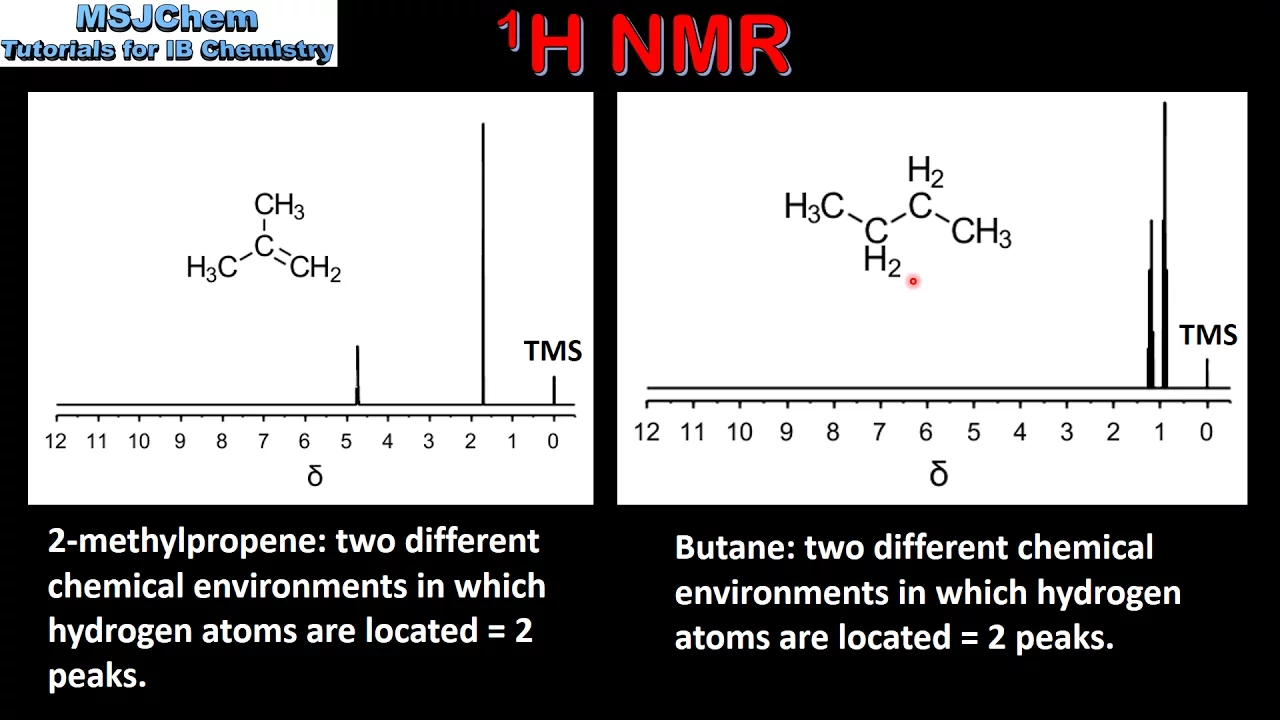
1H NMR: Determining Number of Peaks from Structure
@MSJChem
59.2K views•2017-04-06

Edible Water Bottles: A DIY Guide to Sodium Alginate Spherification
@ryan
10.5M views•2019-06-21
Related Study Plans & Knowledge Roadmaps
Structured learning paths in Chemistry