




![[Tutorial] TF2204 Mekanika Kontinum | Persiapan Ujian](https://i.ytimg.com/vi/MOhNSHjNGNE/maxresdefault.jpg)










![[다큐S프라임] 미래를 생산하다, 3D 프린팅 기술의 진화 / YTN 사이언스](https://i.ytimg.com/vi_webp/o-m0deQxWAc/maxresdefault.webp)






Hydrogels are soft, flexible, water-rich materials composed of polymer networks that can absorb up to 99% water by weight, existing in a state between solid and liquid; they have diverse applications including biomedical uses like tissue engineering and scar tissue prevention, agricultural sensors for real-time crop monitoring, and atmospheric water harvesting systems that capture moisture from air using salt-tailored hydrogels, offering promising solutions for healthcare, food security, and clean water access challenges.
Hydrogels: From Self-Healing Materials to Sustainable Tech | MIT Research
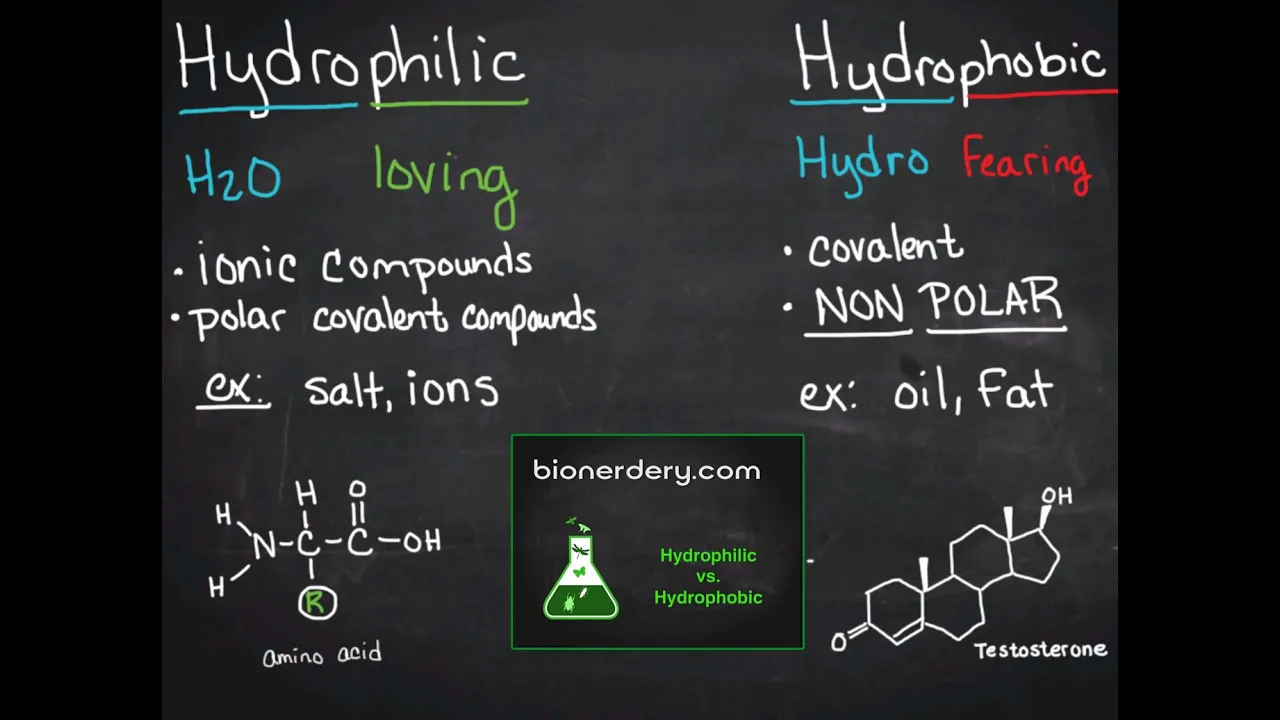
Added:Fundamentals of polymer chemistry, including polymer networks, hydrophilic vs. hydrophobic behavior, and the role of chemical and physical cross-linking.
Basic material science concepts, particularly viscoelasticity, mechanical stress-strain behavior, and the criteria for biocompatibility in medical devices.
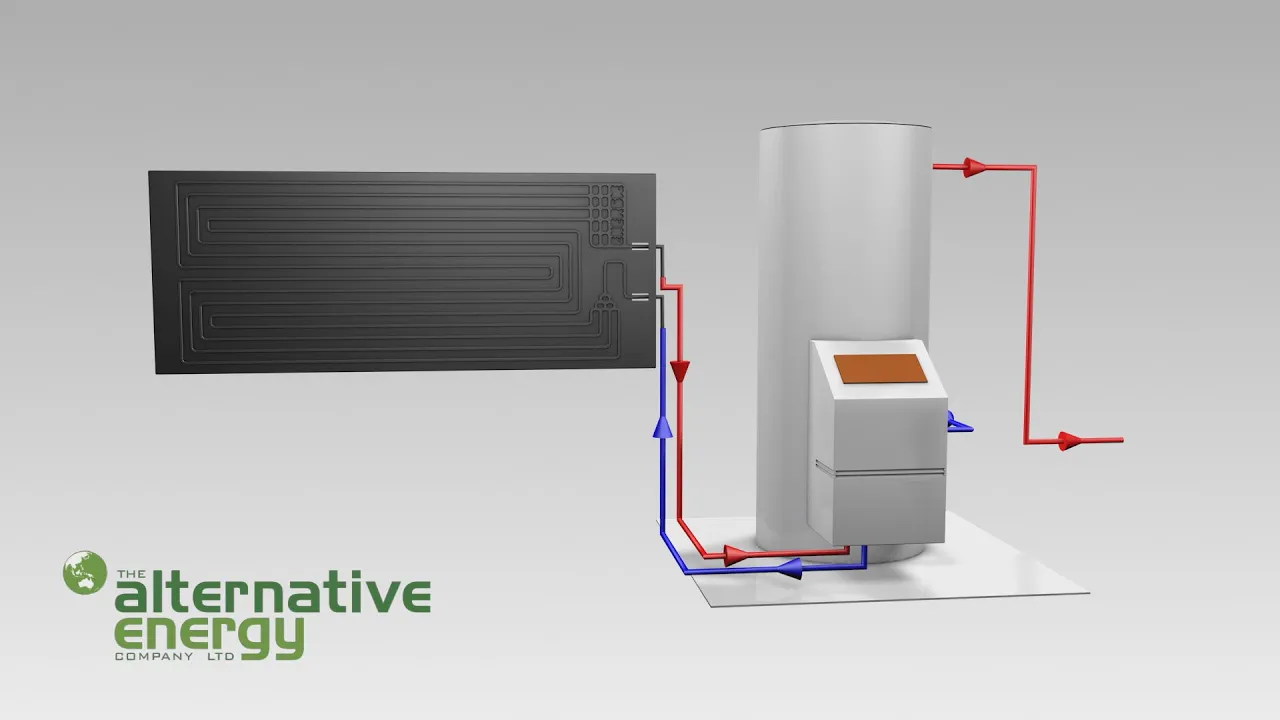
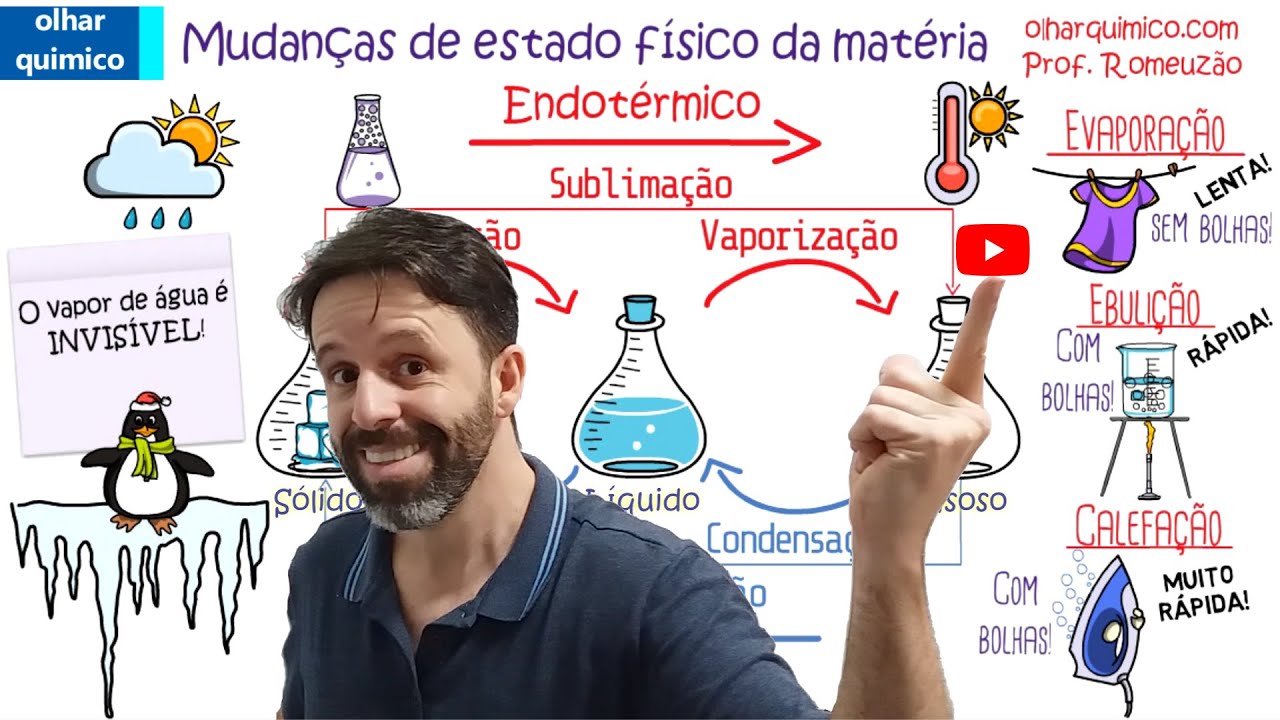
The thermodynamic principles of water transport, evaporation, and solar-thermal energy conversion processes.
The design and synthesis of stimuli-responsive (smart) hydrogels that change properties in response to pH, temperature, or electrical signals for targeted drug delivery.
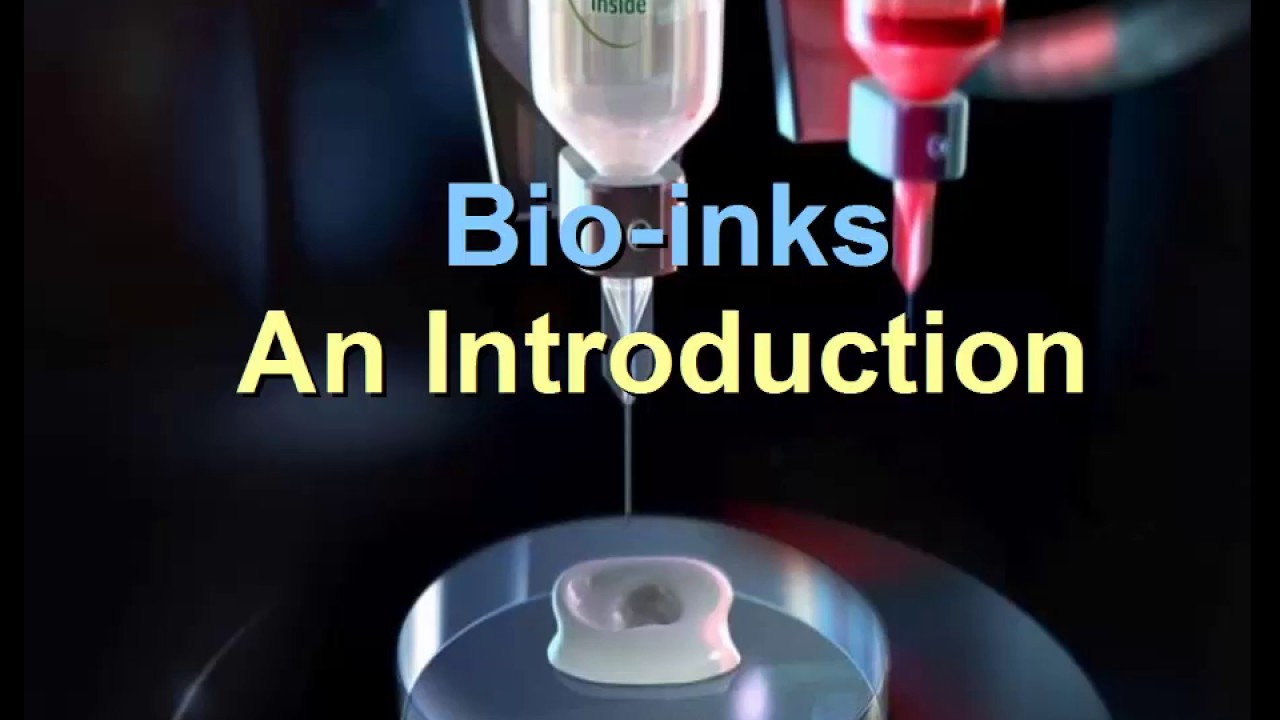
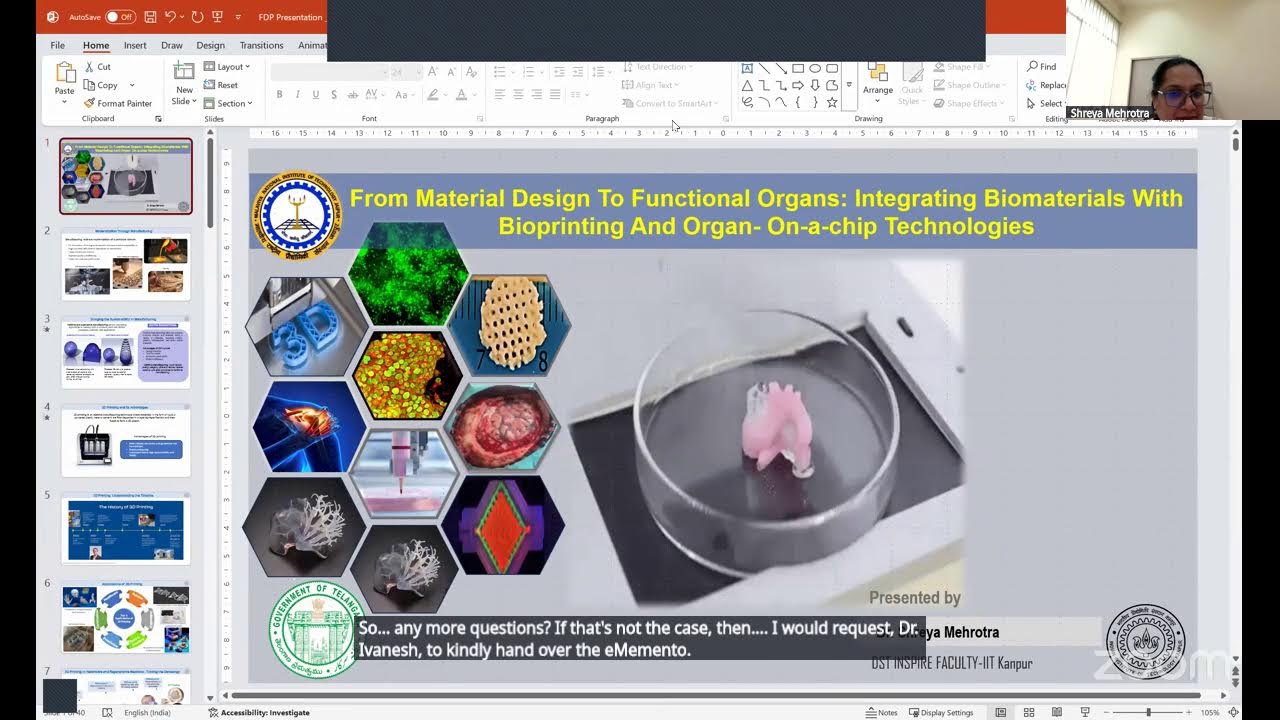
Techniques in 3D bioprinting using hydrogel-based bio-inks to fabricate scaffold structures for tissue engineering and organ regeneration.
Advanced engineering of hydrogel-driven atmospheric water harvesting (AWH) systems and solar desalination technologies for clean water production.
The integration of conductive hydrogels with organic electronics for wearable sensors, soft robotics, and neural interfaces.
150.8K views6.2Klikes4:59Original Release: 2025-08-26
What if a material could mimic the properties of living tissue, hold vast amounts of water, and help solve some of the planet's biggest challenges? Meet hydrogels, soft, flexible, water-rich materials that are quietly shaping the future of medicine, technology, and environmental sustainability. A hydrogel is, you can think of it as a molecular net that likes to capture water.
And it's an interesting material because it's not quite a solid and not quite a liquid, but molecules interface with it as if it's a liquid. Hydrogels are networks of polymer chains that can absorb and retain extraordinary amounts of water, sometimes up to 99% of their weight. This gives them a unique blend of softness and strength, making them behave more like living tissue than traditional materials. In healthcare, hydrogels are making the leap from the lab bench to the human body. Conventional hydrogels have been widely used in biomedical applications such as scaffolds for tissue engineering, organ regeneration, and carriers for drug release. Used in wound dressings, these materials can speed up healing by maintaining a moist, protective environment. Others are being designed to mimic soft tissues, stretching and flexing with the body in ways rigid implants never could. So we call this a new field that we pioneered hydrogel bio electronics. Traditional implantable materials such as metals, ceramics always form this kind of scar tissues on the interface. Hydrogels, especially adhesive hydrogels, can eliminate the scar tissues. When scar tissue forms, it can stiffen and thicken the surrounding area, reducing flexibility and disrupting the delicate structures of organs.
It can also interfere with the performance of implanted devices. Because these soft biocompatible devices mimic the mechanical and physiological properties of biological tissues, they can remain in place for months or even years. Beyond medicine, hydrogels are helping to address some of the planet's most pressing resource challenges. In agriculture, they're being used to improve water retention in dry soils, reducing the need for irrigation, and helping crops survive in increasingly unpredictable climates. Farmers for more than a thousand years, they could tell just from the coloration of the leaves that there were problems during growth. Maybe that there was insufficient watering or maybe the fertilizer wasn't applied or there's a bacteria or a fungus.
The problem is even today that information gets the farmers far too too late. What we're doing is we're making a whole new generation of sensors that can be interfaced to the plant and get that information within minutes, sometimes even seconds. These sensors made of hydrogels gently penetrate plant tissues without triggering immune responses or stress, giving farmers a new window into crop health. And when it comes to clean water, hydrogels are also playing an important role. So an example application that we've been really excited about is harvesting water from air.
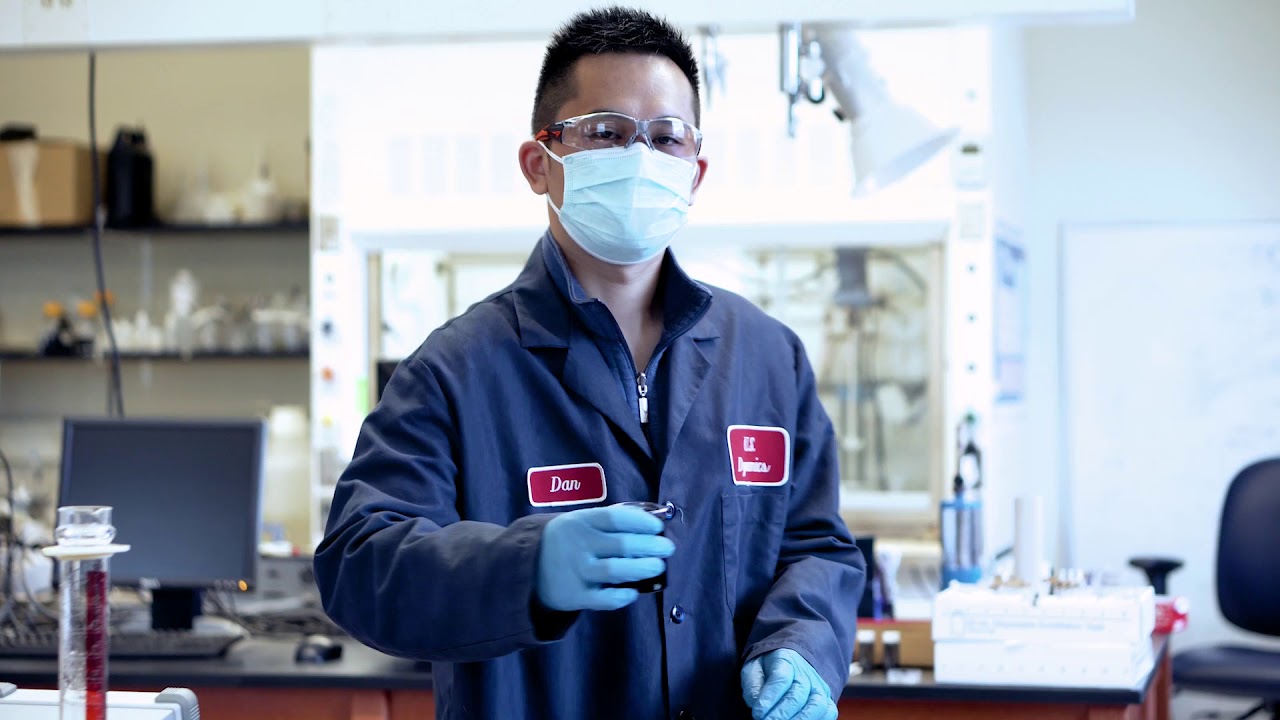
Hydrogels have been particularly interesting because when you tailor these hydrogels with salts in particular, it can actually get a lot of the water vapor even in these very aid climates to be attracted to this hydrogel. These materials can absorb water at night, then release it during the day, requiring no electricity, just sunlight. In this case, you can apply heat and you can use a relatively low amount of energy to then release the water from this hydrogel matrix and actually get your clean drinking water. The exciting thing about hydrogels is the ability to scale these materials. Right now, we're working on these prototypes in the lab. So a really important next step is being able to take these hydrogels, being able to develop them in a way to now make tons of this type of material and integrate them effectively into now more manufacturable systems.
Researchers at MIT have played a leading role in advancing hydrogel research. Across the institute, many groups are now exploring applications ranging from self-repairing materials that capture atmospheric carbon and methane systems that filter micro pollutants from water to hydrogels that could inspire the next generation of sustainable heating and cooling systems for the home.
Up Next
8:54
The Chemistry of Bioplastics: PLA, Polymers, and Renewable Plastics
@scienceislifeofficial
6.6K views•2016-01-08
83:56
Biocatalysis and Catalysis in Islatravir Synthesis | Merck Webinar
@SCIwheresciencemeetsbusiness
675 views•2020-10-08
6:57
Ocean Acidification Chemistry | MIT Solid-State Chem
@mitocw
5.5K views•2020-12-07

17:31
Edible Water Bottles: A DIY Guide to Sodium Alginate Spherification
@ryan
10.5M views•2019-06-21
Related Study Plans & Knowledge Roadmaps
Structured learning paths in Chemistry
chemistry
Nuclear Chemistry: Decay, Meds & Fuel Cycle
01Introduction to Nuclear Structure and Radioactivity
02Decay Dynamics and Kinetics
03Radiation Interaction and Detection
+ 2 more learning modules
24h5 modules
Explore Roadmap
chemistry
Supramolecular Chemistry: Forces & Machines
01Foundations of Chemical Bonding and Intermolecular Forces
02Introduction to Host-Guest Chemistry
03Thermodynamics and Dynamics of Self-Assembly
+ 2 more learning modules
16h5 modules
Explore Roadmap
chemistry
Photochemistry: Excited States & Reactions
01Foundations of Light-Matter Interactions
02Molecular Orbitals and Electronic States
03Photophysical Processes and Jablonski Diagrams
+ 2 more learning modules
18h5 modules
Explore Roadmap
chemistry
Coordination Chemistry: Bonding & Properties
01Introduction to Transition Metals and Ligands
02Crystal Field Theory (CFT) and Geometry
03Magnetic Behavior and Spin States
+ 2 more learning modules
14h5 modules
Explore Roadmap